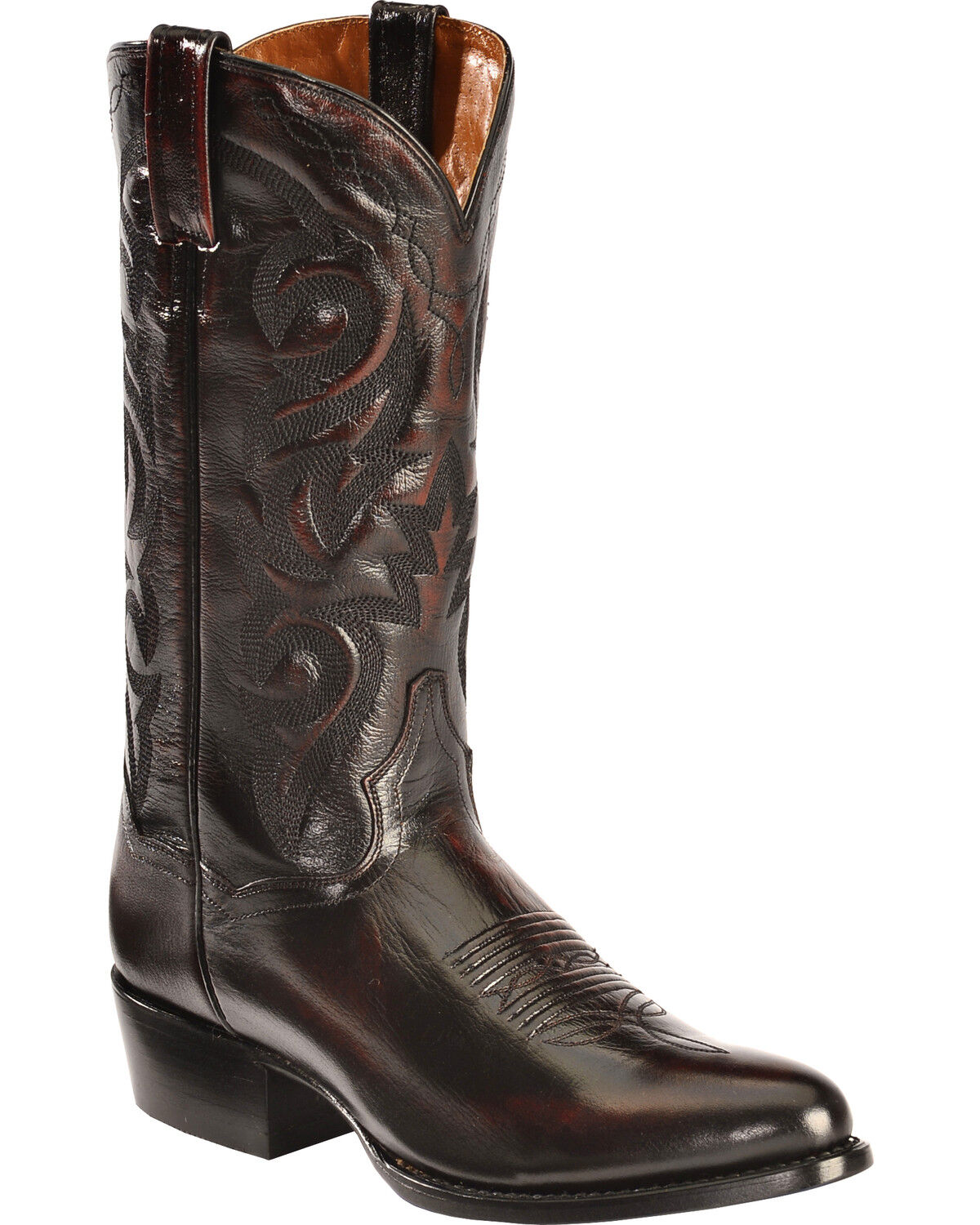
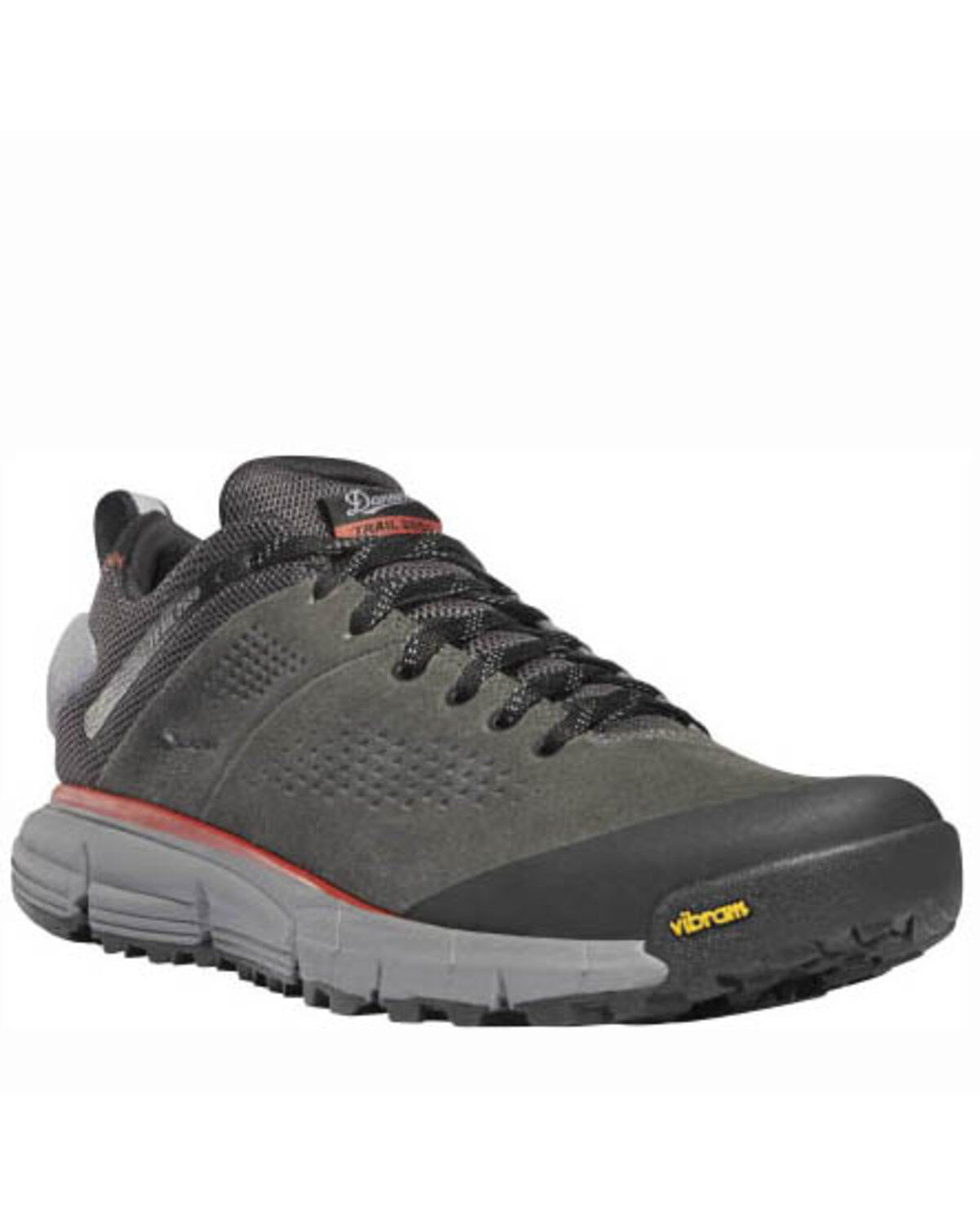
Men's Soft Toe Work Boots

Shop men's soft toe work boots for jobs that do not require a protective toe cap. Compare available styles, sizing, and features to find a pair that suits your workday, and check your workplace safety requirements before choosing.

Read More

Shop Your Store: Shop Your Store: Find a Store

(Turn off Shop Your Store to see all items)

(Turn off Shop Your Store to see all items)

close
  • Recommended
  • Lowest Price
  • Highest Price
Skip pass products

End of products

Men's Soft Toe Work Boots

Men's soft toe work boots are for jobs that do not require a protective safety toe. The term describes the absence of a safety toe cap, not a lack of structure throughout the boot. A well-built pair can still have a firm heel counter, substantial outsole, and supportive footbed. These boots suit a range of tasks, from maintaining property and moving supplies to spending hours at a workbench or walking a shop floor. The right choice depends on the work involved and the footwear rules of the workplace. Soft toe boots do not provide the rated impact and compression protection of safety toe footwear, so they are not a substitute where that protection is required. For jobs that allow them, they offer a practical balance of coverage, flexibility, and familiar work boot construction. Leather uppers handle repeated wear while shaping to the foot over time, and reinforced areas can help limit abrasion where boots rub against equipment or rough surfaces. Outsole design matters just as much as the upper. Broad, relatively shallow tread can make sense on hard floors, while deeper lugs are better suited to loose ground where additional grip is needed. A defined heel may be useful for certain tasks, though ladder use and other specialized work call for footwear that meets the requirements of the job. Slip resistance is another consideration around smooth floors, but no outsole prevents every slip. Surface conditions, spills, tread wear, and cleaning habits all affect traction. Oil resistance describes how a sole material withstands exposure to oil; it does not automatically mean the boot grips an oily floor. Any electrical hazard protection must also be identified separately rather than assumed from a soft toe design. Matching those details to the work makes the category more useful than choosing on appearance alone.

Comfort in men's soft toe work boots starts with fit, then depends on how the boot supports movement through a full day. The toe box should leave room for toes to rest naturally without pressing against the front or sides. A soft toe does not guarantee extra width, and a wider size is not always the answer when the shape of the boot does not match the foot. The heel should feel secure, the instep should hold the foot without pinching, and the boot should bend near the ball of the foot rather than fighting each step. Trying boots with the socks worn on the job gives a more accurate sense of fit. Any regularly used orthotic also needs enough space without lifting the heel too high or crowding the toes. Lace-up work boots allow adjustment through the instep and ankle, which can be helpful when a close, controlled fit matters. Pull-on construction offers straightforward wear without laces, but the fit through the instep becomes especially important. Slight heel movement can be normal in a new pull-on boot; substantial sliding or a foot that lifts out easily points to a poor match. Break-in should soften firm leather and improve flexibility, not serve as a solution for cramped toes or painful pressure. Underfoot, cushioning can soften the feel of repeated steps, while a stable midsole and supportive construction help the boot keep its shape. The softest footbed is not necessarily the most comfortable choice for hours on concrete. Some workers prefer a firmer platform that feels steady under a load or while standing at a bench. Boot weight also deserves attention, especially for work involving frequent walking, though soft toe construction alone does not determine how heavy a pair feels. Upper materials, outsole thickness, shaft height, and construction all contribute. Durable stitching, secure sole attachment, and a well-supported heel are details worth considering alongside initial comfort.

Materials and construction influence how men's soft toe work boots wear, how they feel, and what care they need. Full-grain leather retains its natural grain and can develop a distinct appearance with use, while suede and textile panels have different cleaning and maintenance needs. Leather thickness, lining, and reinforcement also affect flexibility and the feel against the foot. Unlined leather can offer a straightforward interior with fewer layers, while a lining can create a smoother surface around the foot. Waterproof construction may be useful for work involving splashes or damp areas, but a leather upper by itself does not establish that a boot is waterproof. Protective treatments and membranes require care suited to their materials. Construction methods matter over the life of the boot as well. Some welted boots can be resoled, depending on their design and condition, while other methods prioritize flexibility or a lower-profile connection between the upper and sole. Repairability should be confirmed rather than assumed. For a wider look at everyday work footwear, explore Mens Practical Work Boots with the same attention to fit, construction, and job requirements. Regular care helps preserve the qualities that make a work boot dependable. Brushing away grit keeps abrasive dirt from collecting around seams, and removing residue before conditioning helps avoid working it into the leather. Smooth leather generally benefits from an appropriate cleaner and conditioner, while suede needs products intended for its finish. Excess conditioner can leave leather overly soft or affect its appearance. Damp boots should dry with airflow, away from direct heat that can damage leather and sole bonds. Checking worn tread, loose stitching, and compressed insoles helps identify when maintenance or replacement is needed. As a gift for someone who works on their feet, soft toe boots call for more than knowing a shoe size. Familiarity with the recipient's work requirements, preferred fit, and usual boot style makes the choice more useful. Dependable work footwear earns its place through the right fit, sound construction, and suitability for the tasks ahead.
Read More

FAQs