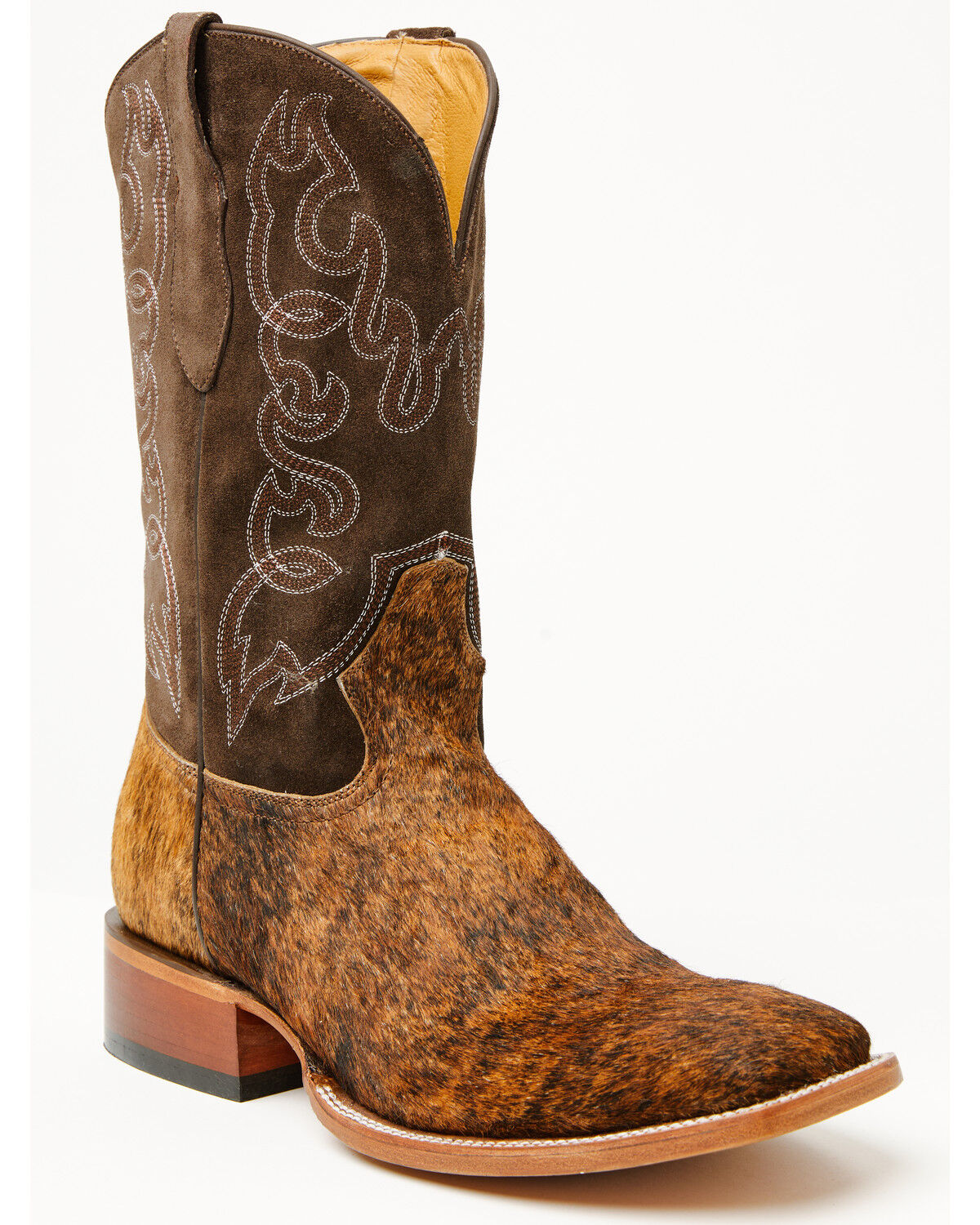
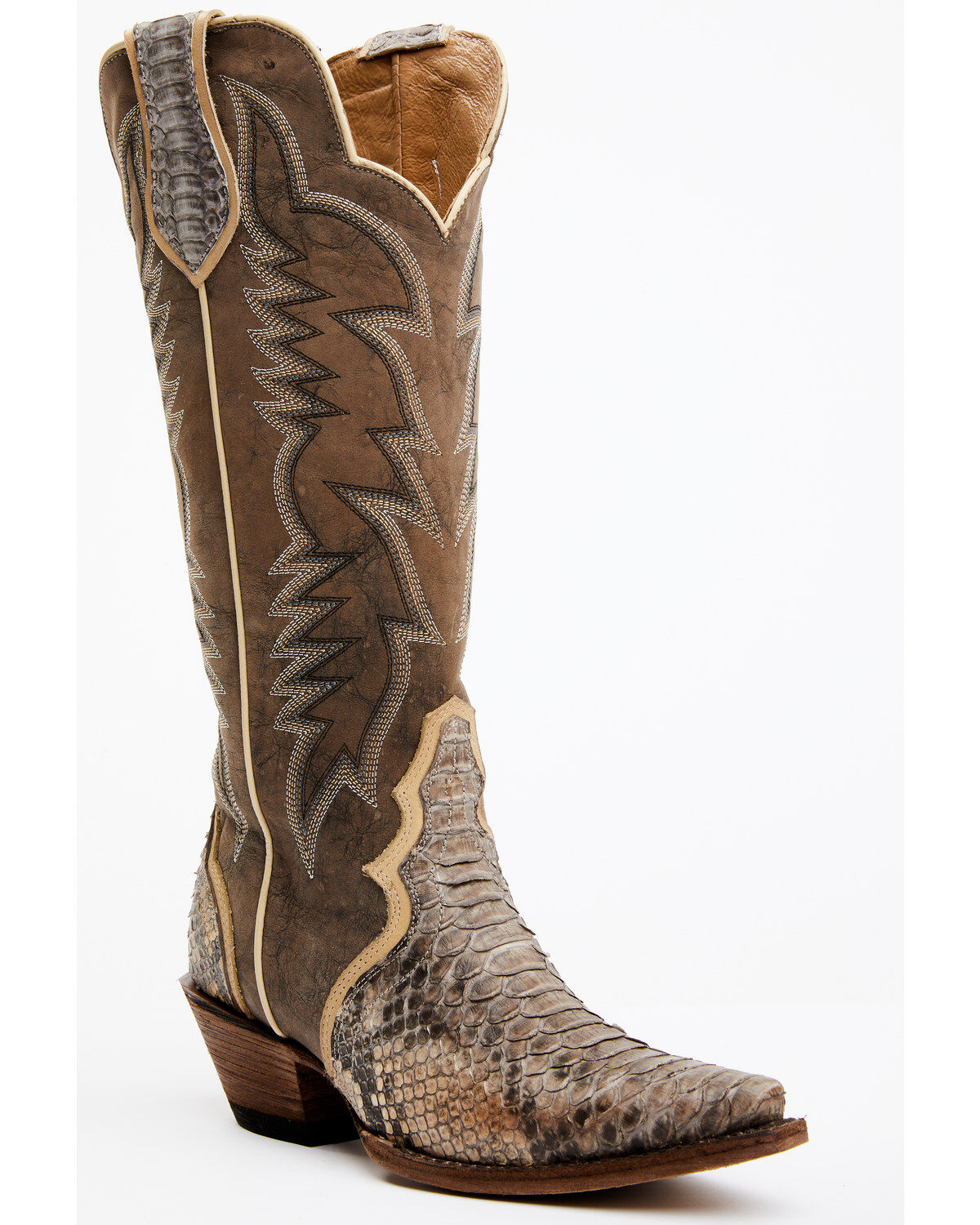
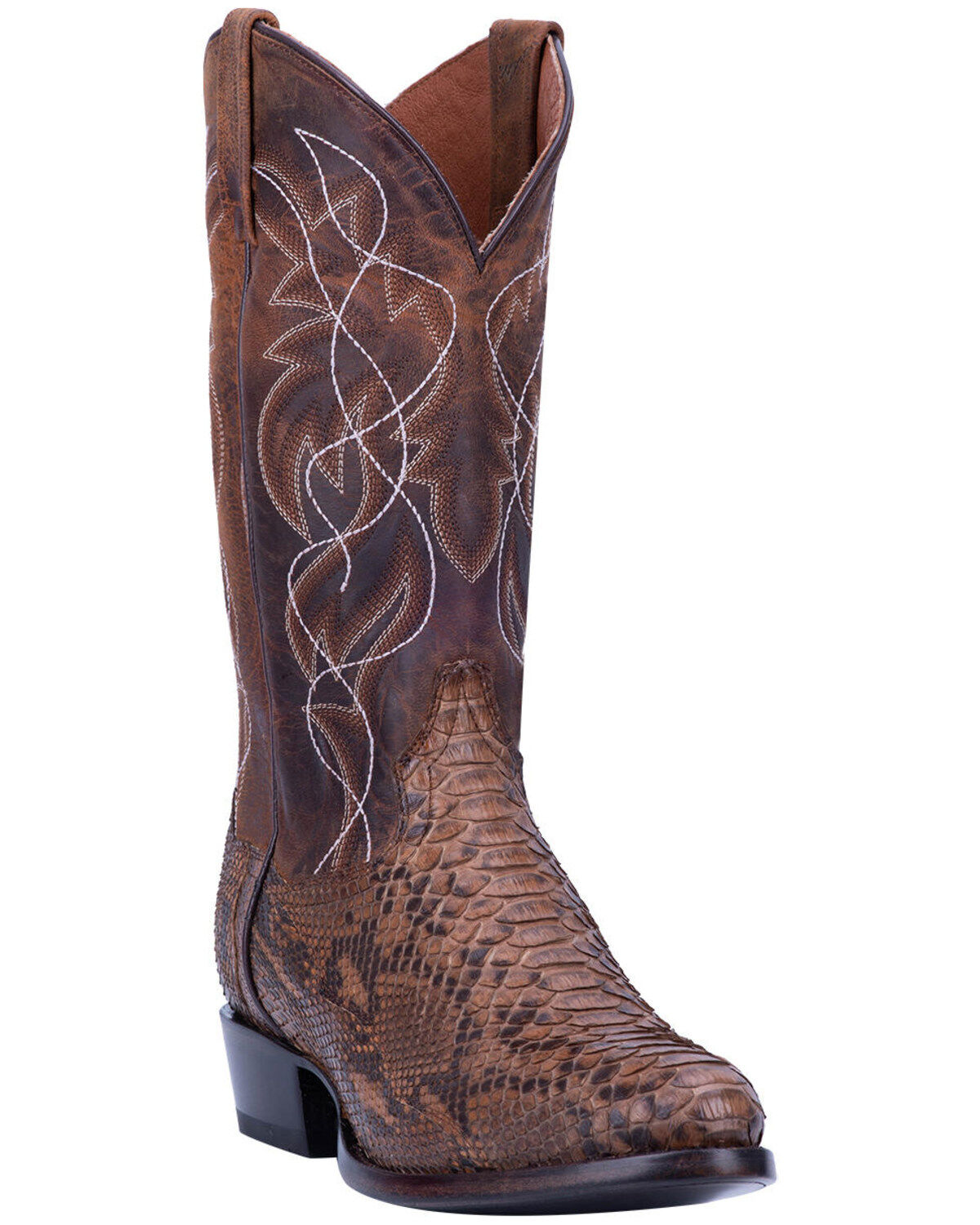
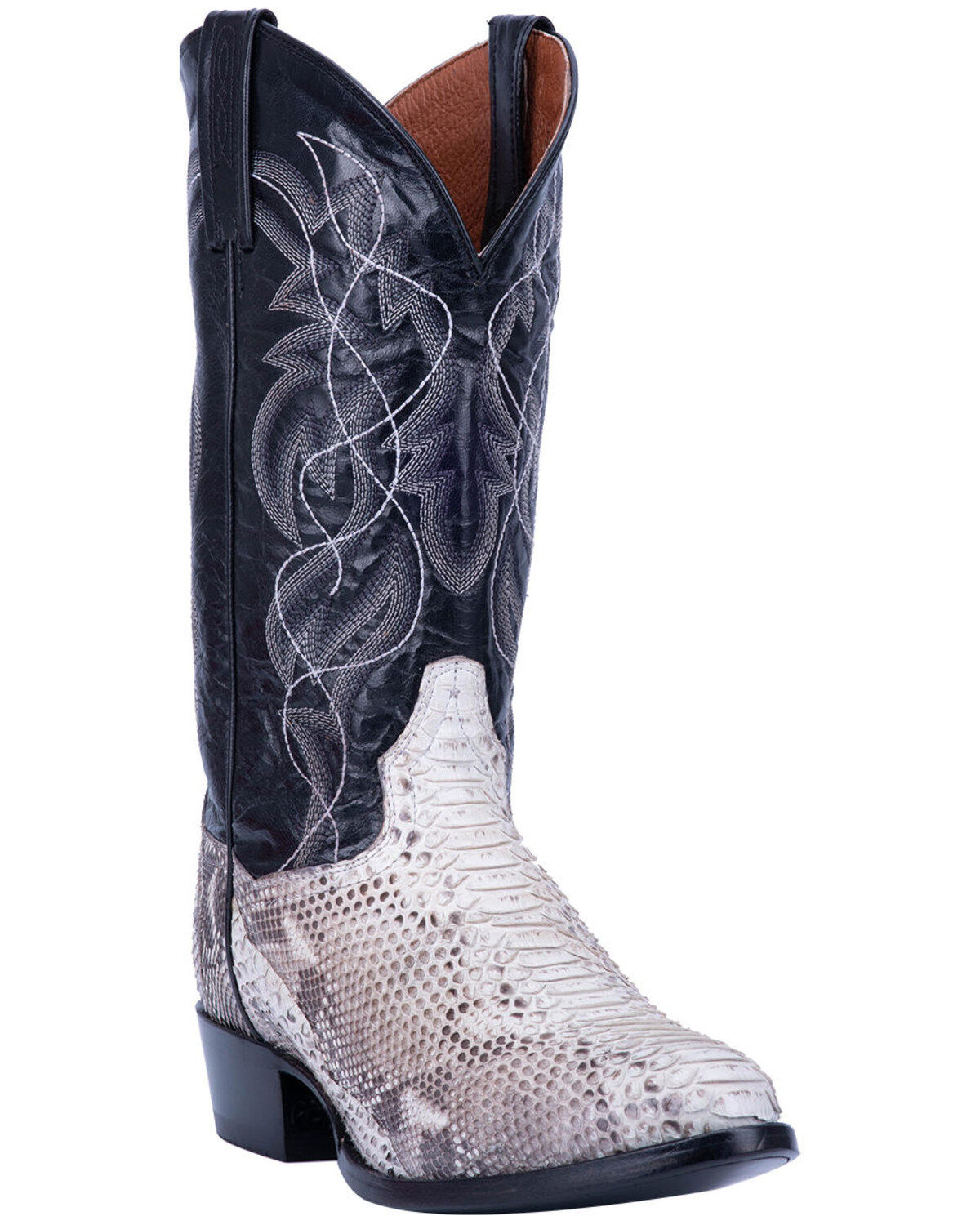
Step into a world of unparalleled style and durability with stingray skin western boots. These unique boots showcase the exquisite texture and resilience... of genuine stingray leather, making them a standout choice for those who appreciate both fashion and function. Perfect for adding a touch of sophistication to any western wardrobe, stingray skin western boots are designed to offer comfort and longevity while turning heads wherever you go. Whether you're hitting the dance floor or navigating rugged terrain, these boots provide an exceptional blend of elegance and toughness that's hard to beat.
Read more
Stingray Skin Western Boots
Step into a world of unparalleled style and durability with stingray skin western boots. These unique boots showcase the exquisite texture and resilience... of genuine stingray leather, making them a standout choice for those who appreciate both fashion and function. Perfect for adding a touch of sophistication to any western wardrobe, stingray skin western boots are designed to offer comfort and longevity while turning heads wherever you go. Whether you're hitting the dance floor or navigating rugged terrain, these boots provide an exceptional blend of elegance and toughness that's hard to beat.
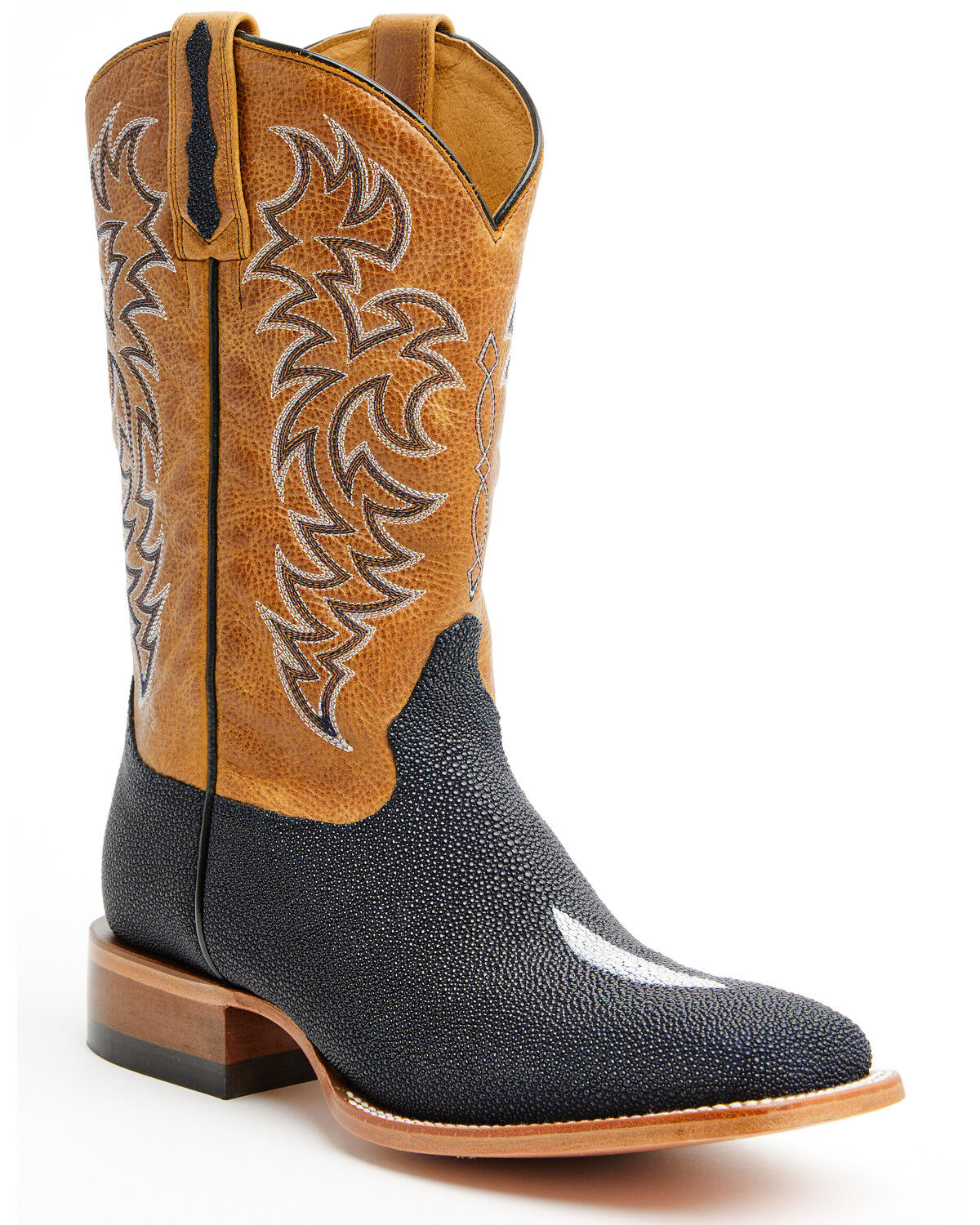
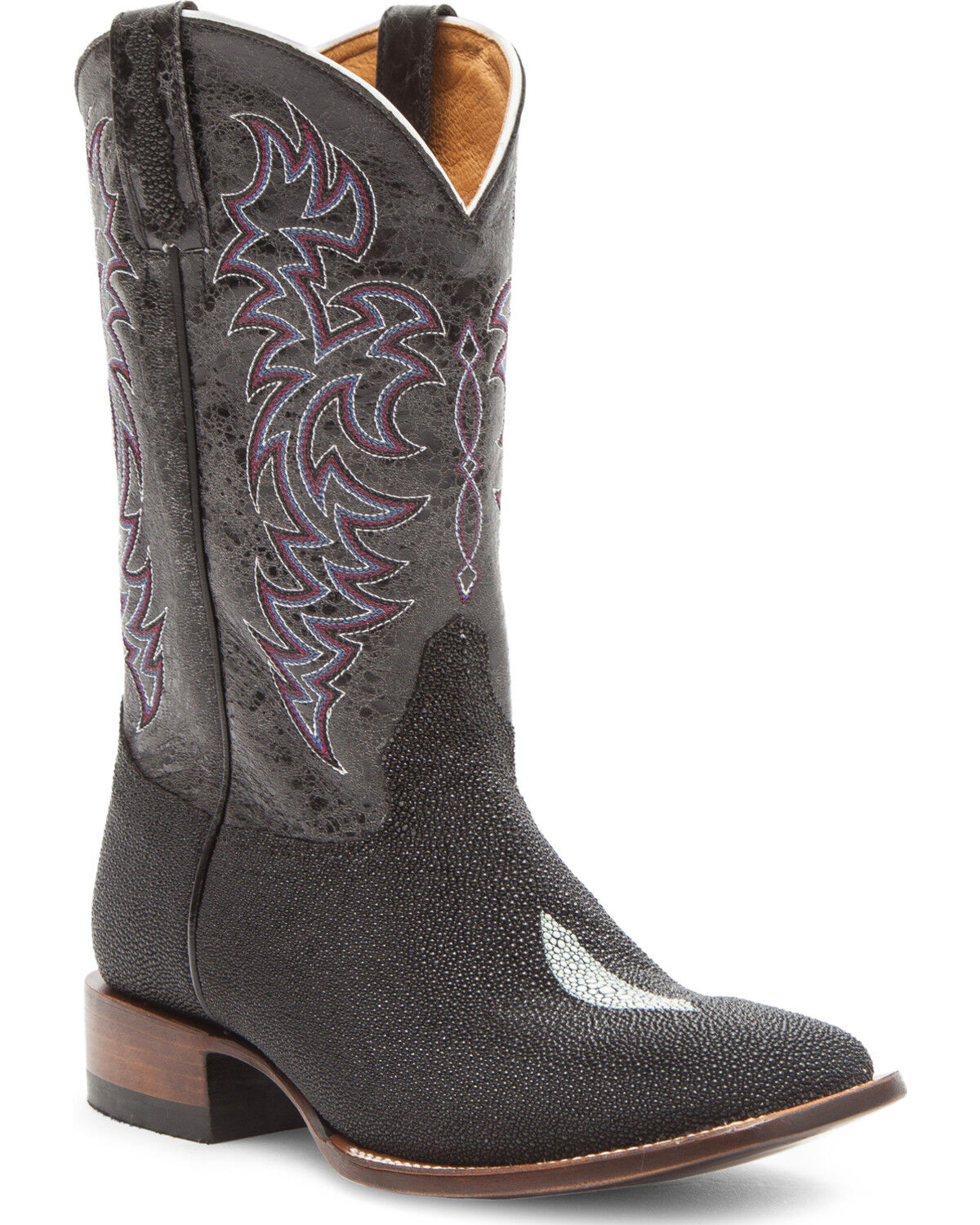
Stingray skin western boots stand apart for their dense, pebbled texture and bright, pearl-like surface. Unlike smooth leather, stingray hide is covered in closely packed granules that give each pair a distinctive feel under the hand and a clean, reflective appearance in the light. Many pairs feature a central “single stone,” sometimes called an eye, created by the natural calcium pattern along the hide’s spine. This detail gives the vamp a strong focal point without requiring extra decoration. Other designs sand the surface more evenly for a uniform texture across the foot. Both options have a clear western character, but they suit different tastes: the single-stone pattern feels traditional and pronounced, while a smooth finish has a more understated look. Stingray skin is known for its durability and resistance to everyday scuffs, making it a practical choice for someone who wants an exotic boot that can handle regular wear. It is still a natural leather, not a substitute for careful use, and its finish may vary from pair to pair. Small differences in grain, color, and pattern are part of what makes exotic footwear individual. These boots are commonly made with snip toe, round toe, or broad square toe profiles, along with stacked leather heels suited to walking, dressing, or riding. A snip toe gives the boot a sharper outline beneath denim or dress trousers. A round toe leaves more visual space across the front and has a straightforward, traditional profile. A broad square toe offers a roomier shape for those who prefer more space across the toes. Heel height and shape also matter. A lower walking heel is a sensible choice for long days on hard floors, while a riding-style heel offers a more elevated western silhouette. Before choosing, consider how the boots will be worn, the shape of the wearer’s foot, and whether the preferred fit leaves enough room for the toes to move without letting the heel slip excessively.
Stingray skin western boots work well for anyone building a distinctive western wardrobe without relying on loud details. They can anchor a simple outfit of jeans and a western shirt, add texture to a clean button-down and denim combination, or bring a polished finish to clothing worn for gatherings, dinners, and other occasions where a standard leather boot feels too familiar. The granular surface catches light as the wearer moves, especially in darker rooms or outdoors during the cooler months, but it remains easy to pair with everyday colors such as blue denim, black, brown, gray, and natural earth tones. These boots can also be a thoughtful gift for someone who appreciates quality footwear, western style, or unusual leatherwork. They are especially fitting for a milestone, a new job, a birthday, or a personal collection built one memorable pair at a time. Gift buyers should pay close attention to size, toe shape, shaft height, and preferred color before making a selection, since exotic boots are personal and fit is more important than appearance alone. A well-fitting pair should hold the foot securely while leaving comfortable room at the toes. Stingray leather may feel firmer than cowhide when new because the surface granules are dense and do not flex in the same way as smooth leather. Break-in time varies by construction, lining, and fit, so the boot should be worn for shorter periods at first. A firm, supportive feel is normal, but sharp pressure points or numbness are signs that the size or shape is not right. Those who already wear western boots may compare stingray with a more familiar option such as Cowhide Western Boots. Cowhide generally has a smoother hand and more visible flex, while stingray offers a harder, more textured finish with a look that stands out from ordinary leather. Neither choice is better for every wearer. The right pair depends on the desired appearance, daily use, fit preference, and willingness to care for an exotic hide.
Care for stingray skin western boots is simple when done consistently. After wearing them, use a soft, dry cloth to remove dust from the vamp, shaft, and sole edge. If dirt settles between the small granules, a lightly damp cloth can help lift it without aggressive scrubbing. Let the boots dry naturally at room temperature if they become damp. Keep them away from direct heat, radiators, heating vents, and other high-temperature surfaces, since sudden heat can dry or distort leather. Stingray skin does not absorb conditioner in the same way as softer cowhide, so apply an exotic leather conditioner sparingly and follow the care directions provided for the boot. Heavy oils, waxes, silicone products, and general-purpose cleaners can darken the surface, fill the texture, or leave an unwanted shine. Test any product on a hidden area before treating the full boot. A soft brush can help clear dust from the welt and sole, but the upper should be handled with a light touch. When the boots are not in use, store them upright in a cool, dry place and use boot trees or clean, acid-free paper to help maintain their shape. Avoid folding the shafts or leaving the boots in a damp vehicle, garage, or crowded closet. Regular care keeps the pearl-like texture clear and helps preserve the natural pattern that makes stingray distinctive. With a proper fit, sensible rotation, and basic maintenance, these boots can move from everyday denim to more polished western clothing while retaining the durable character and unusual surface that drew the wearer to stingray leather in the first place.

 $259.99
 $259.99
 $138.97
 $229.99
 $169.95