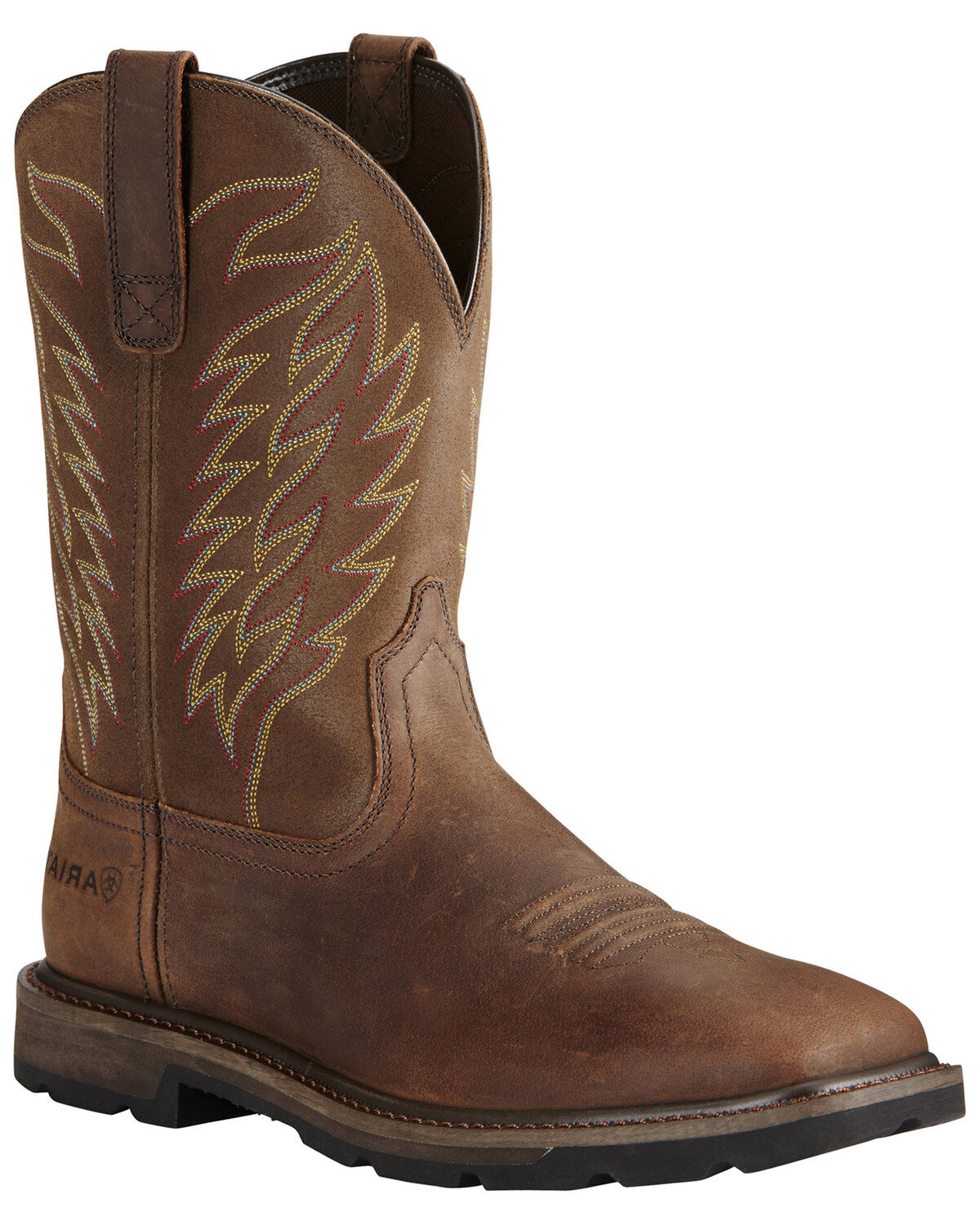
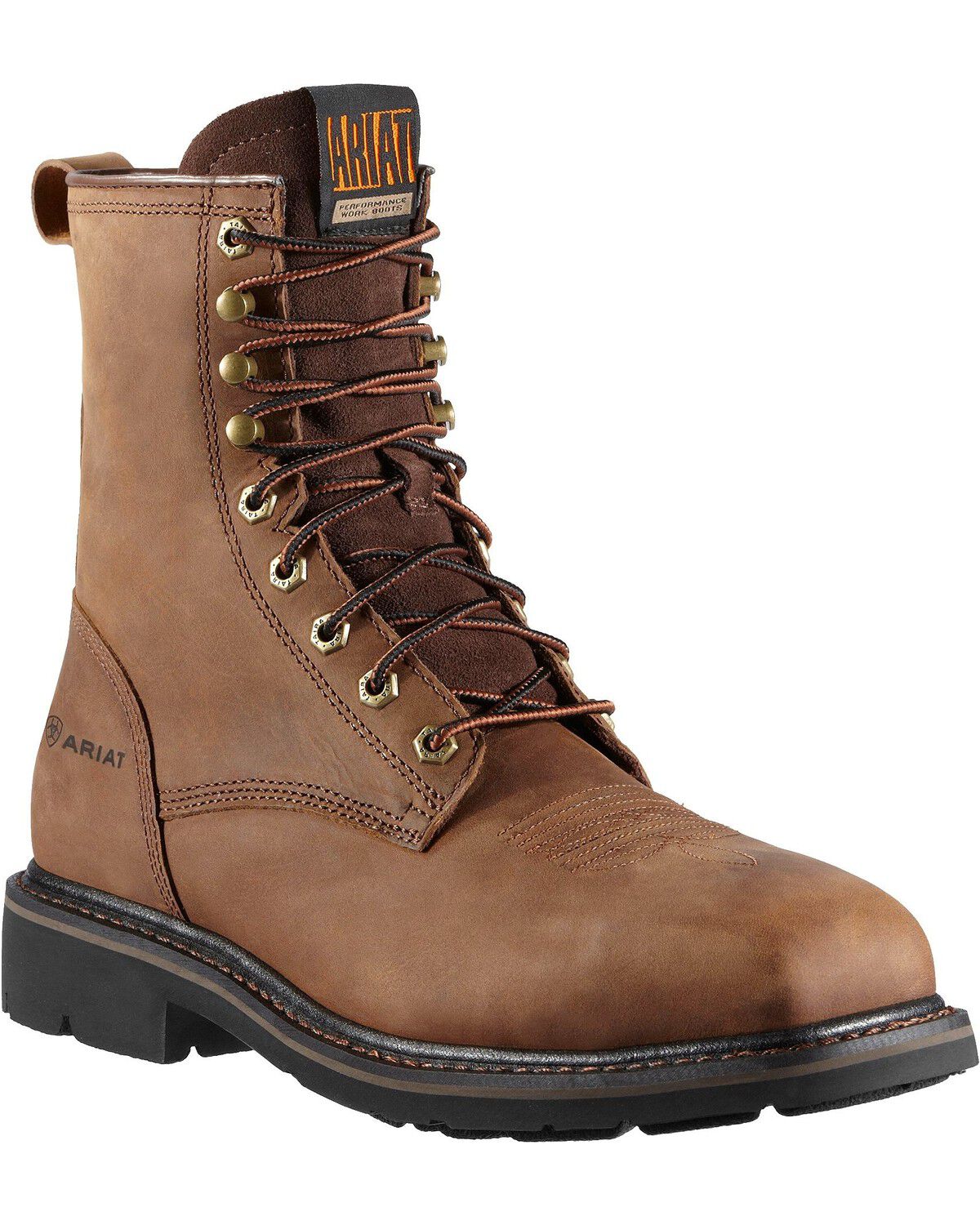
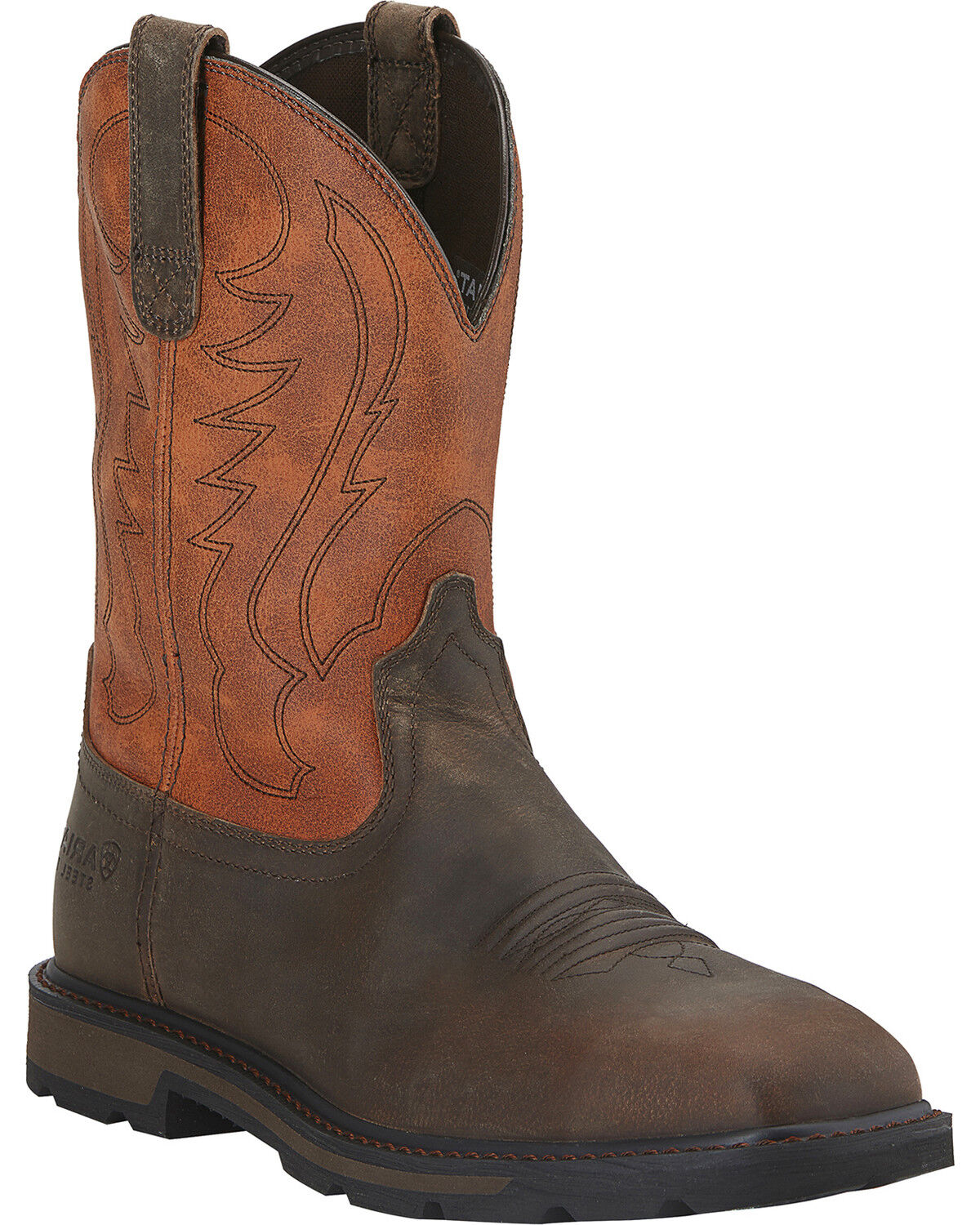
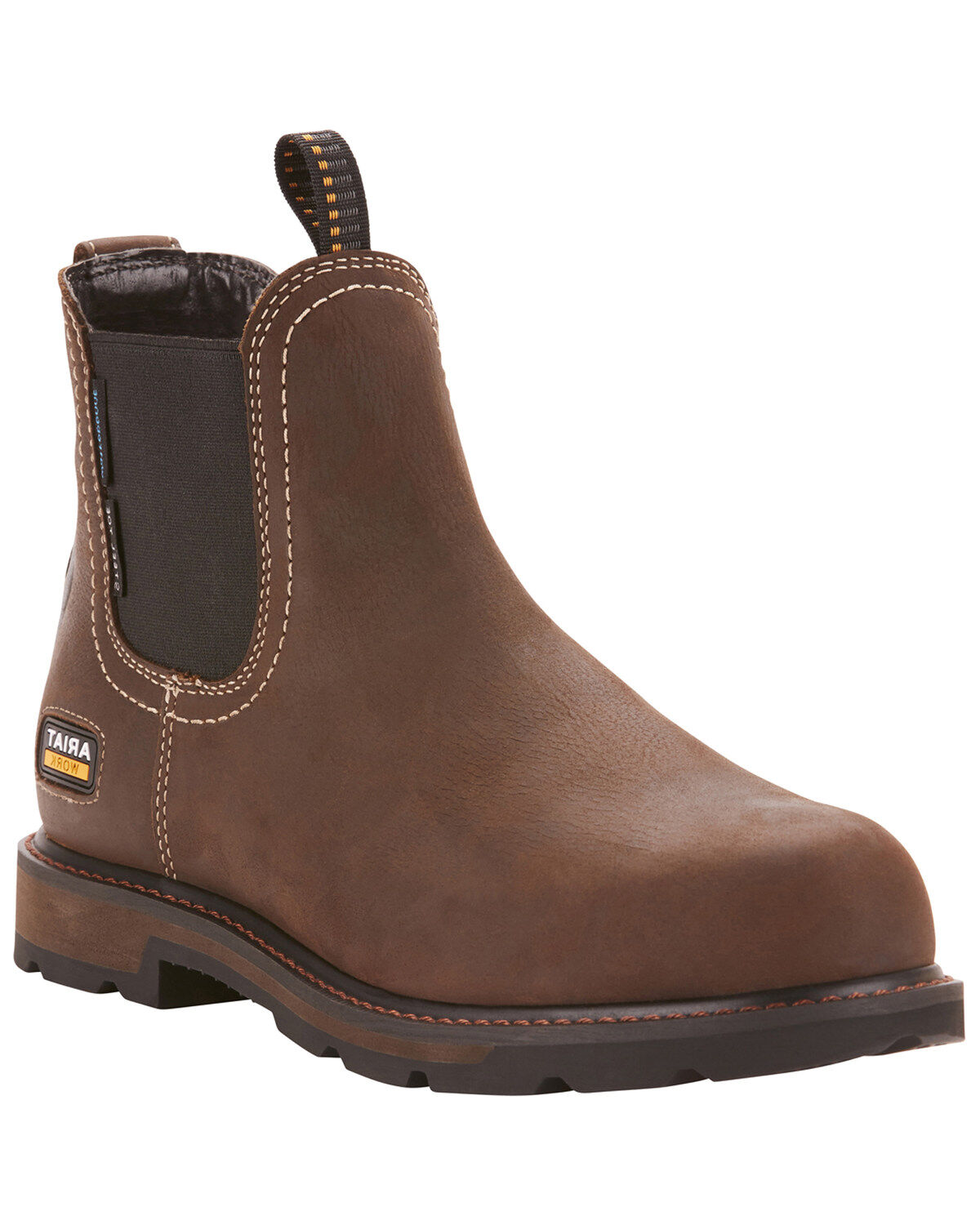
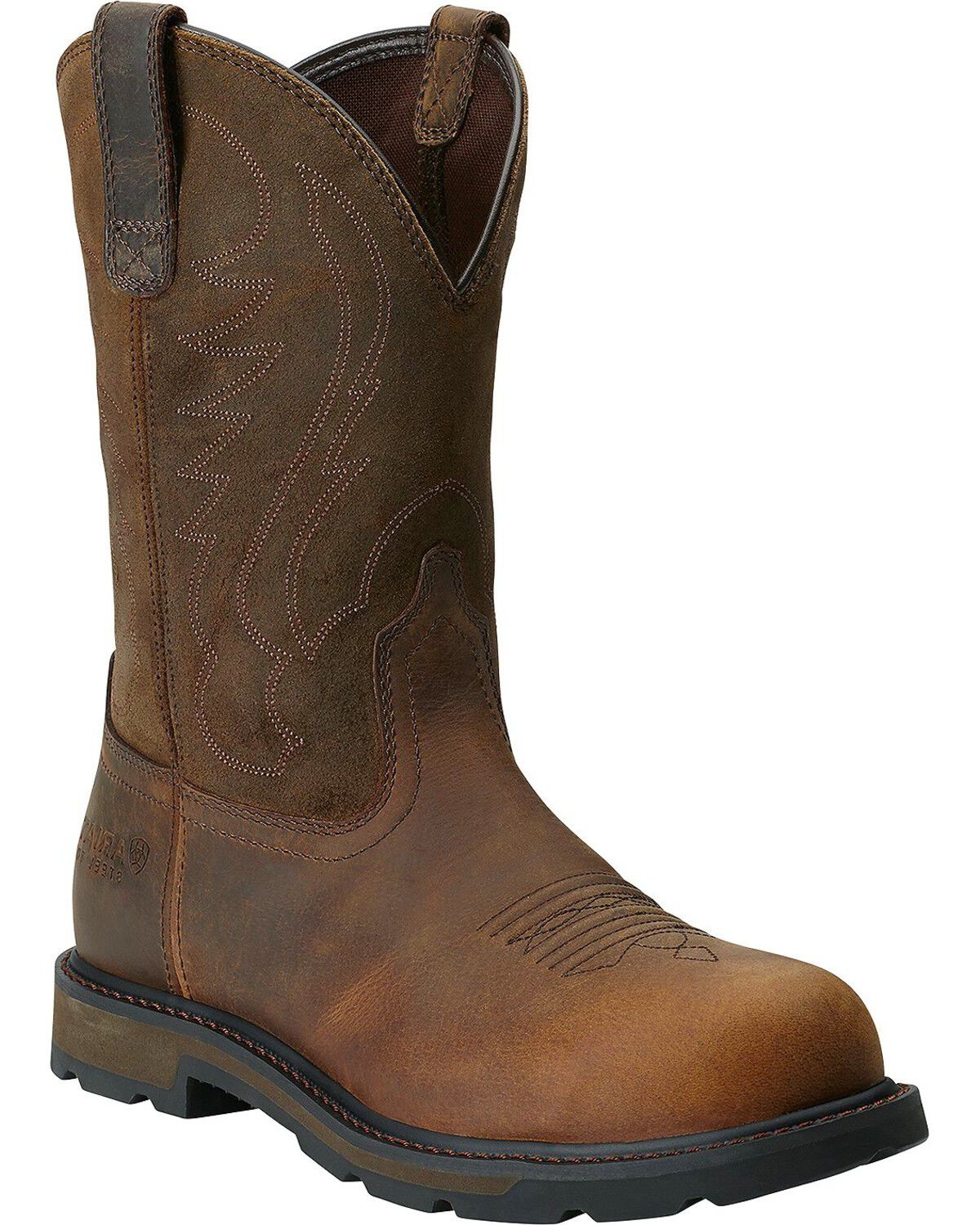
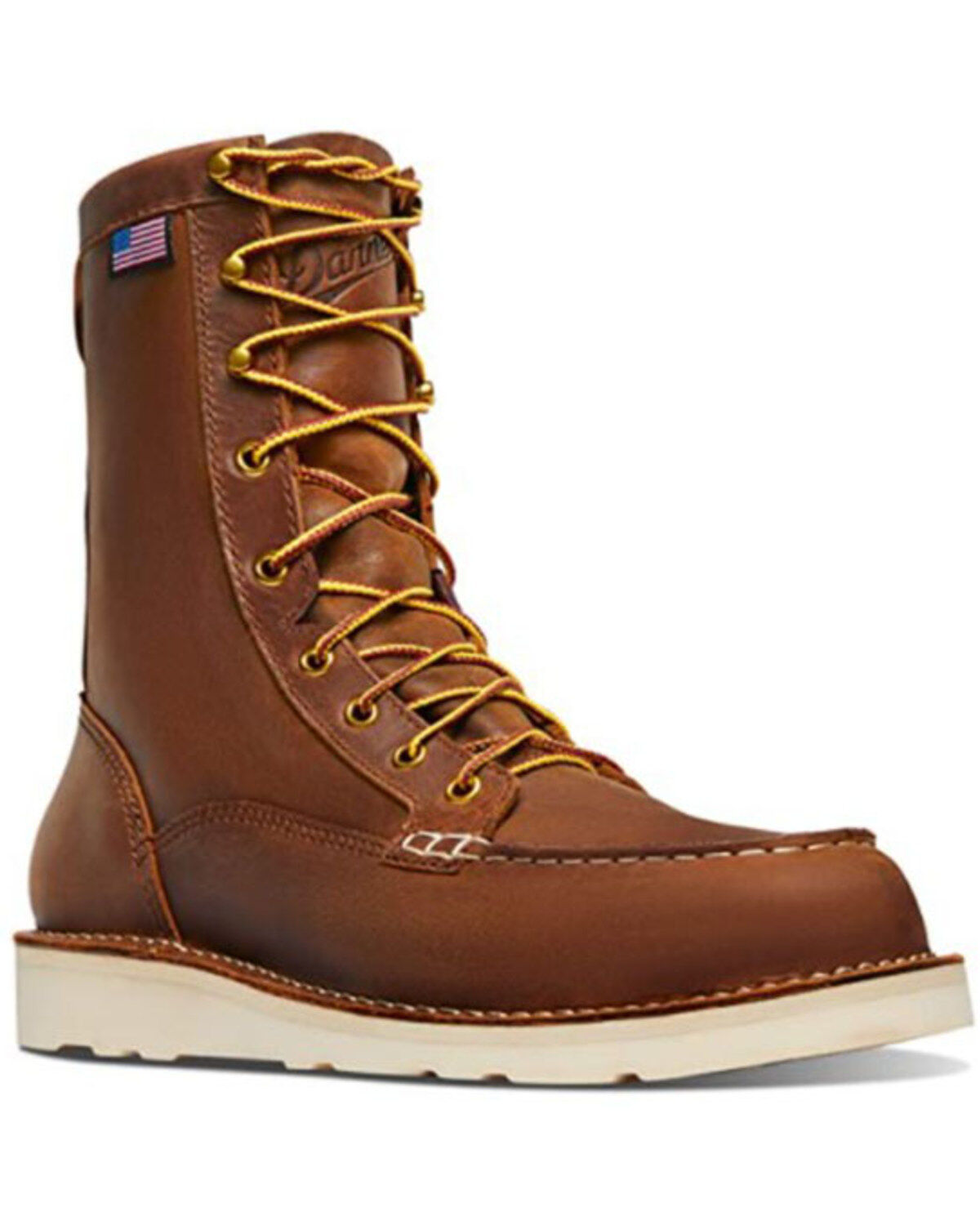
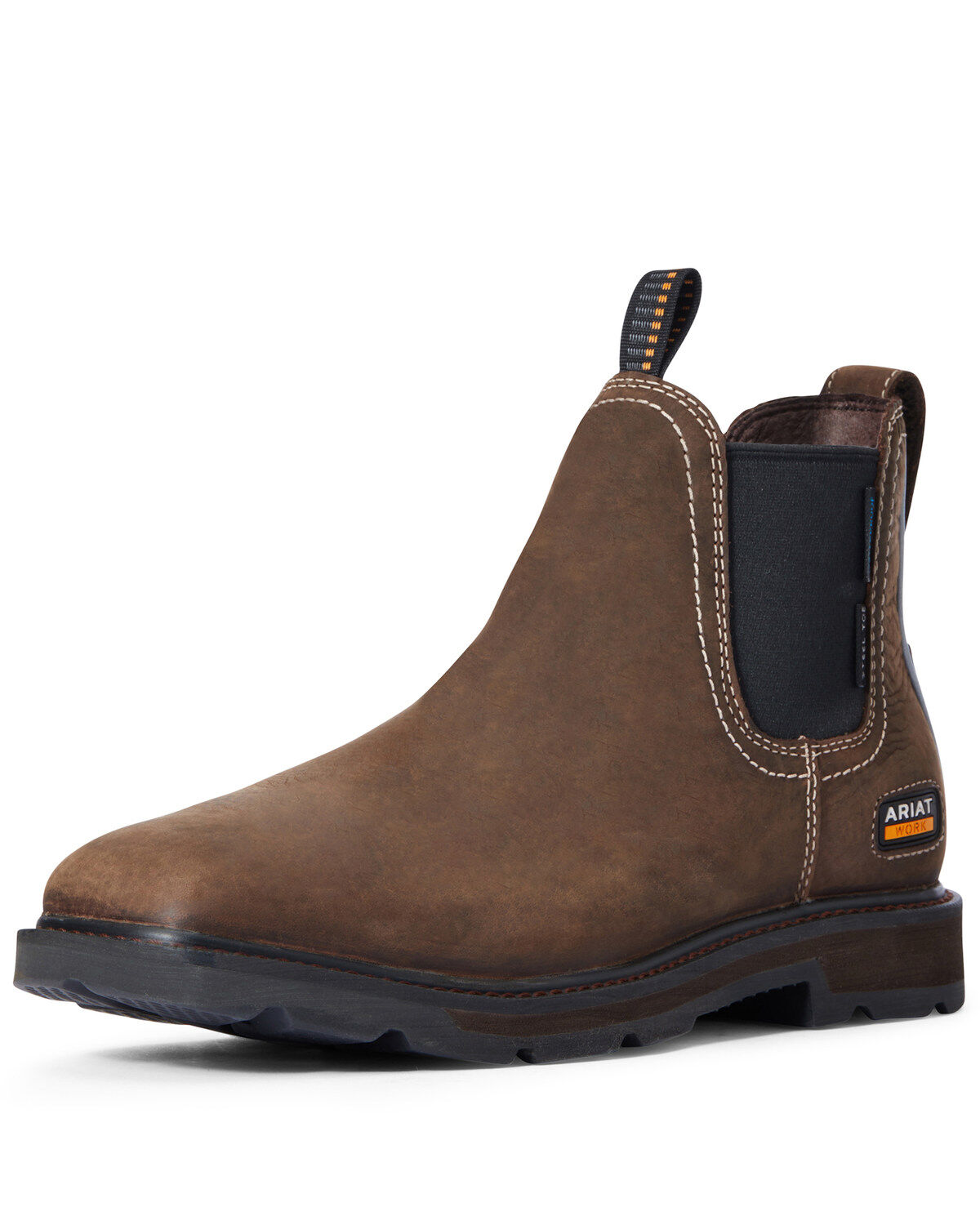
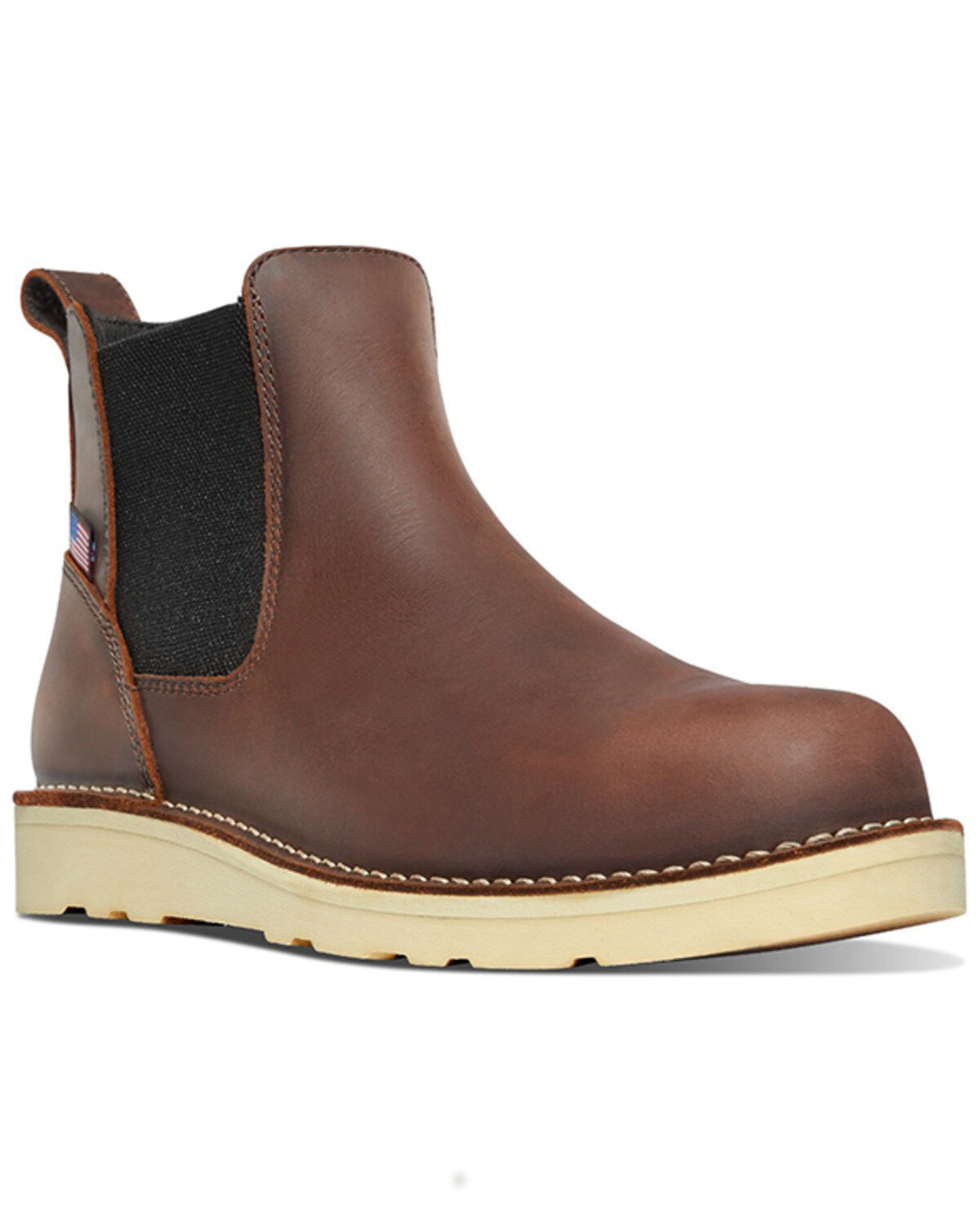
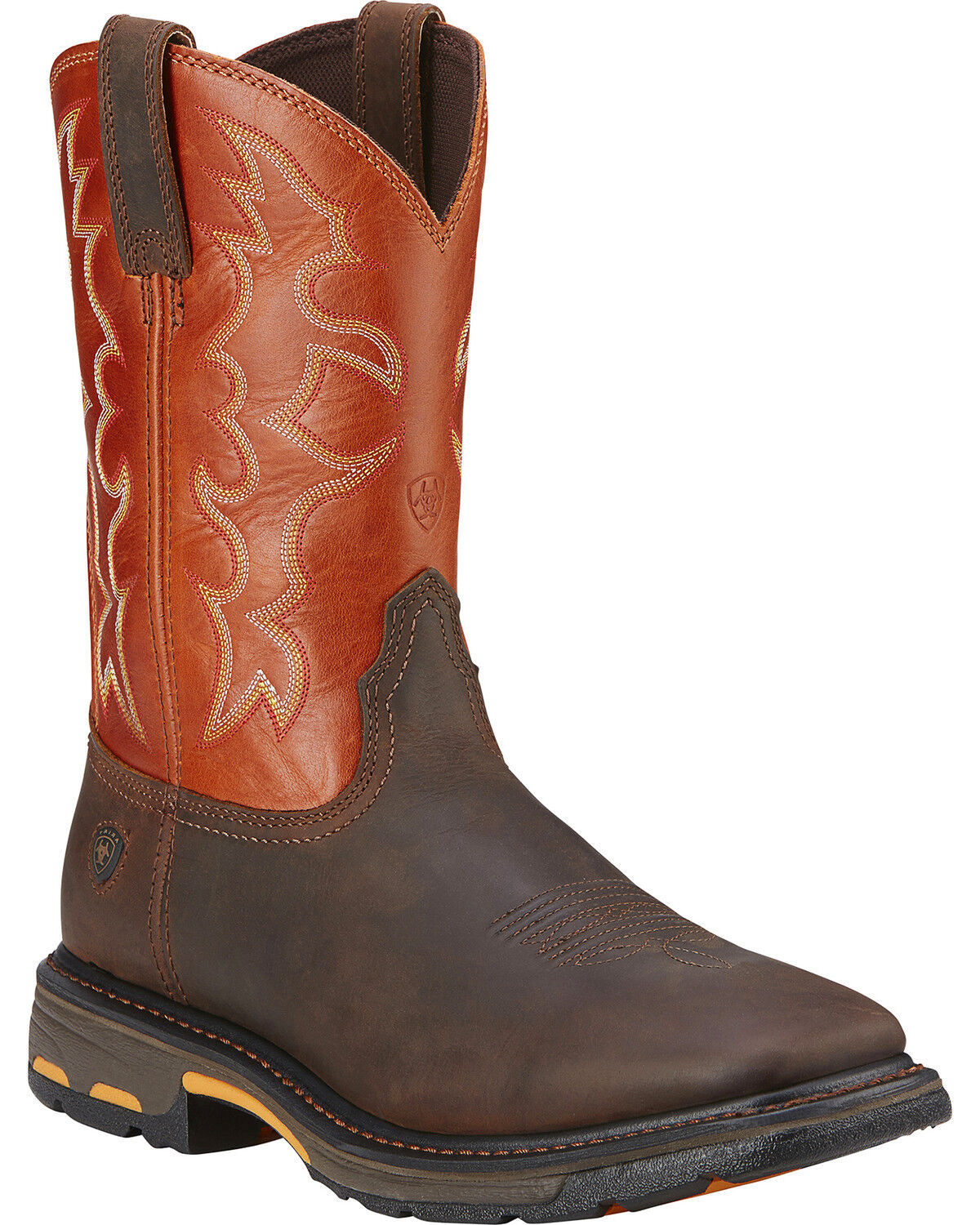
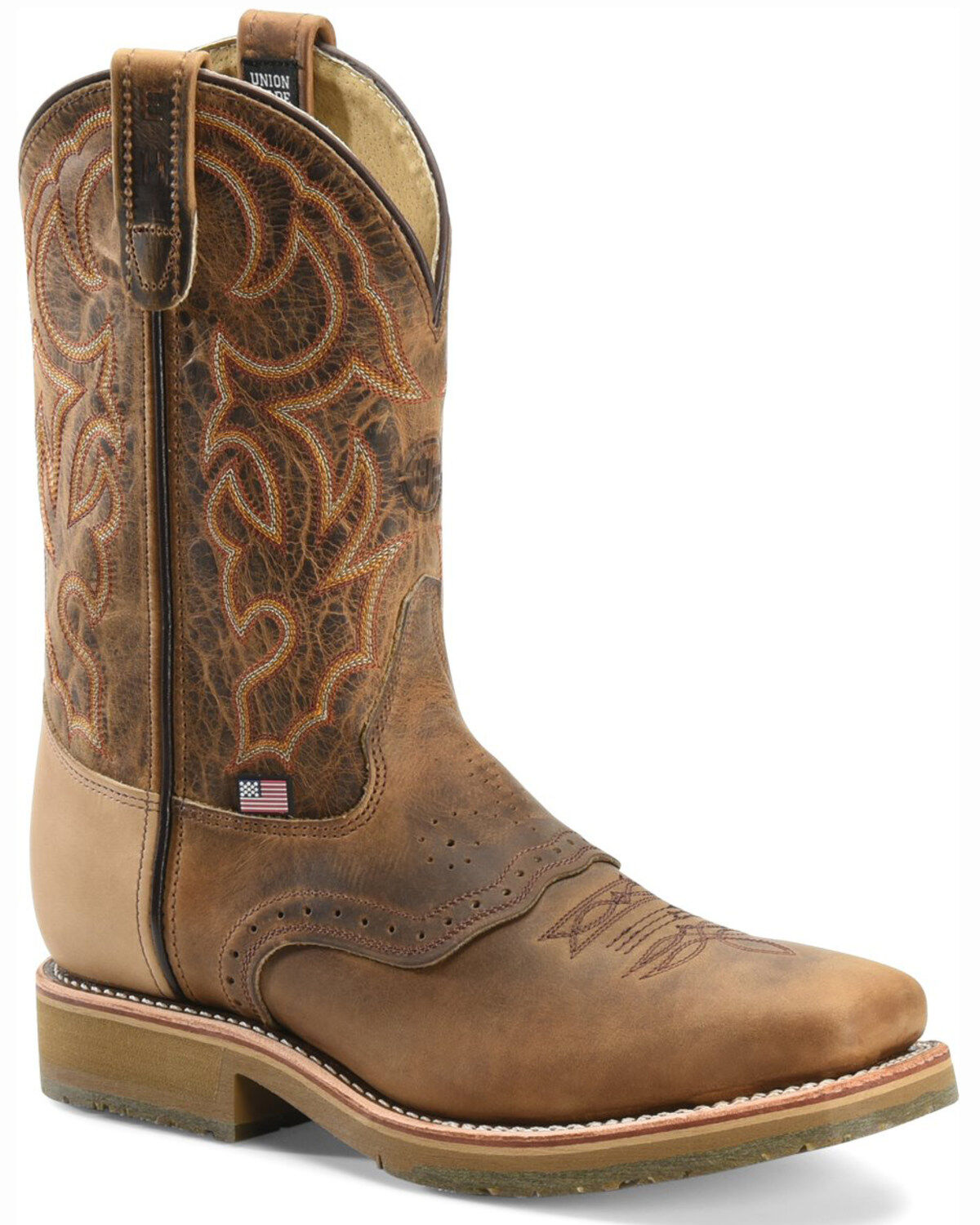
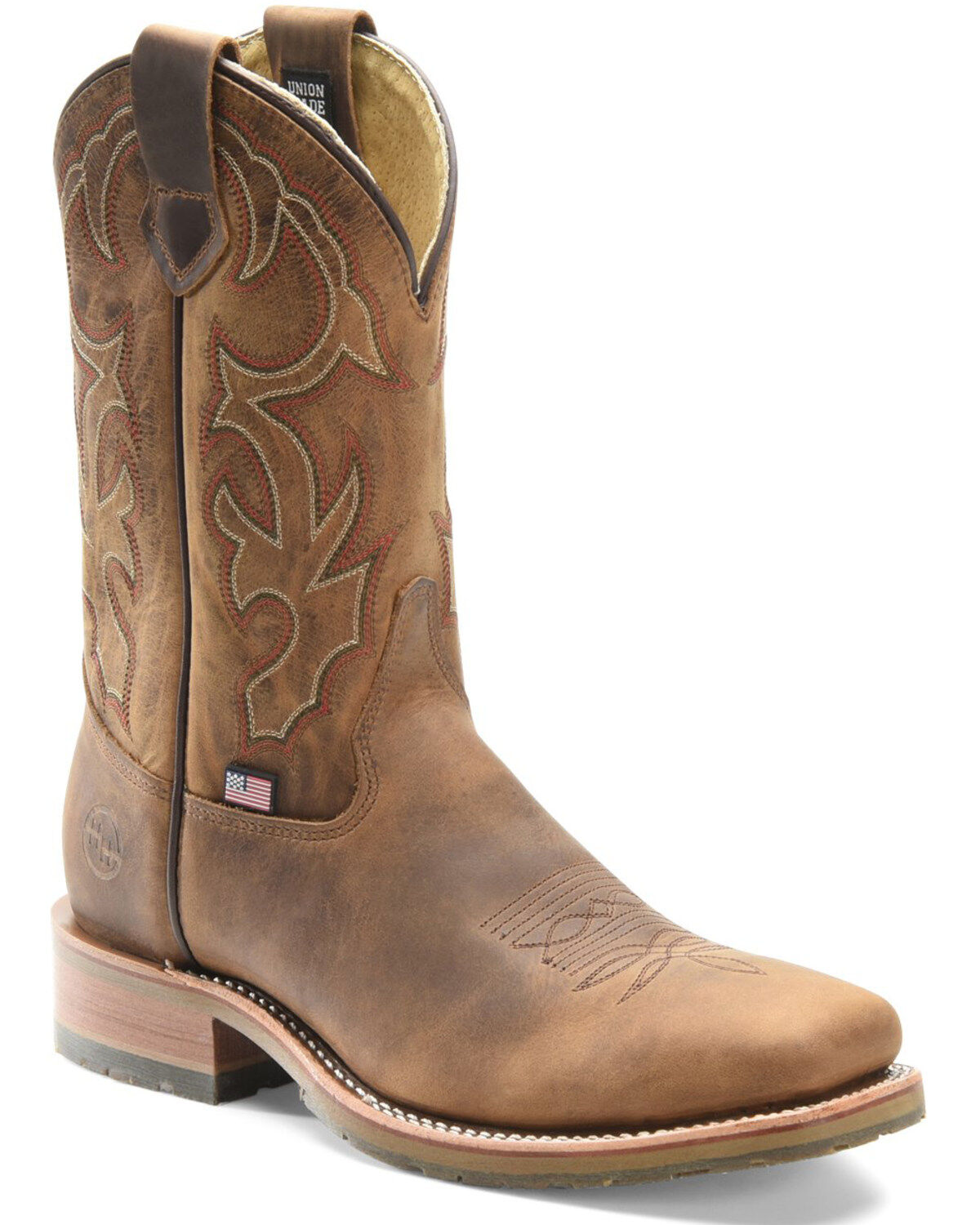
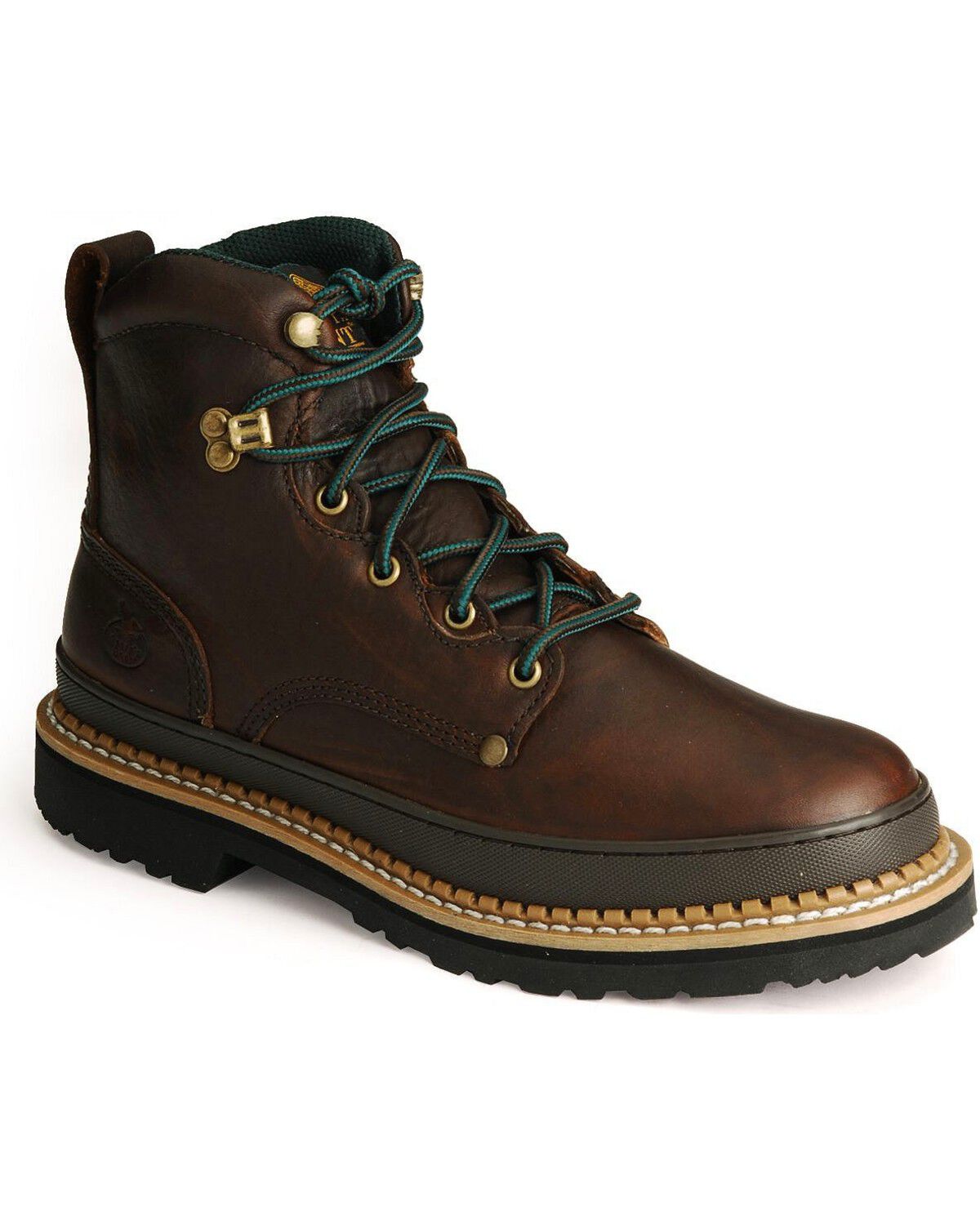
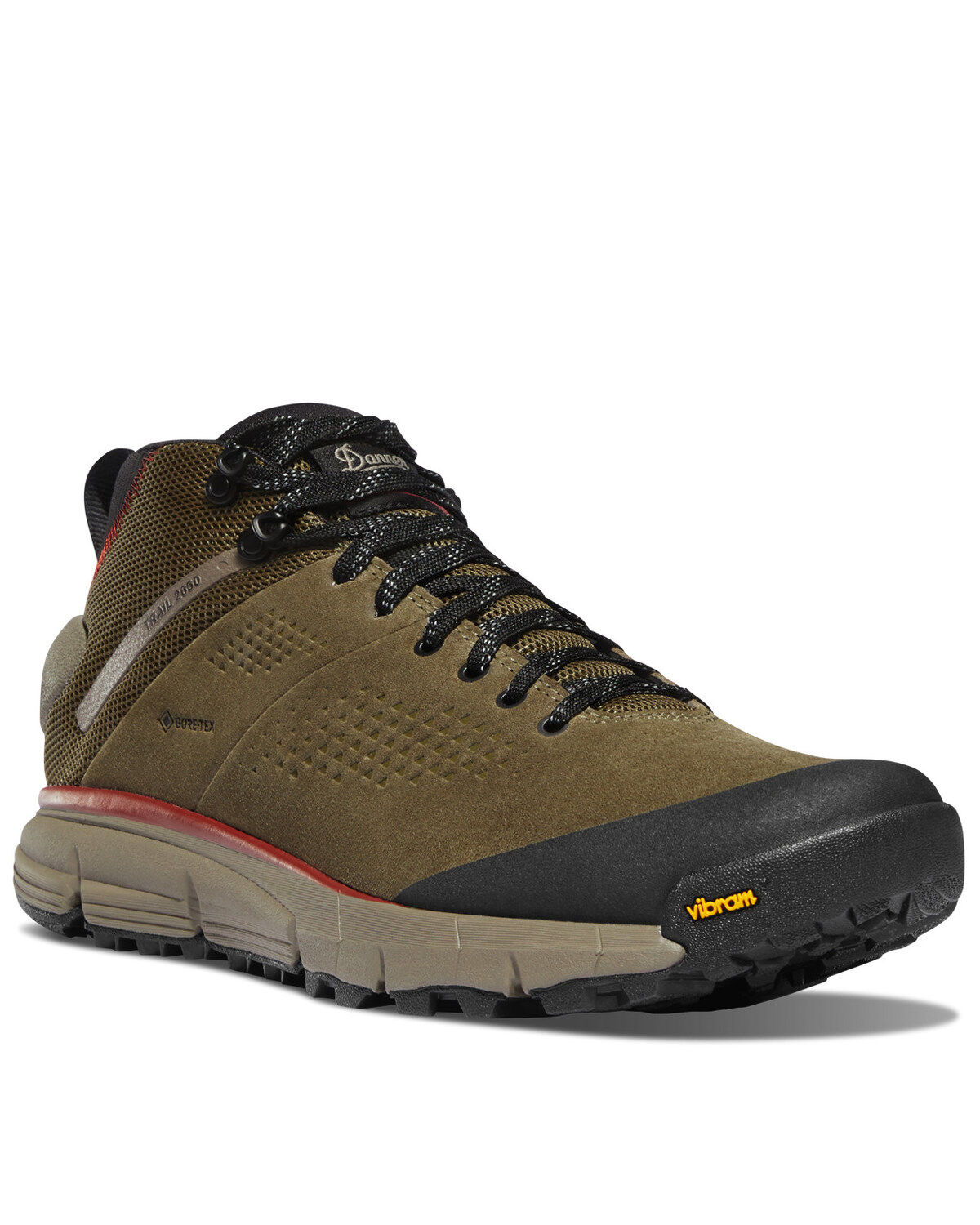
Men's Steel Toe Work Boots

Find men’s steel toe work boots with the toe protection you need for the job. Browse the selection and compare fit, coverage, and listed safety features to choose a pair that meets your workplace requirements.

Shop Your Store: Shop Your Store: Find a Store

(Turn off Shop Your Store to see all items)

(Turn off Shop Your Store to see all items)

close
  • Recommended
  • Lowest Price
  • Highest Price
Skip pass products

End of products

Men's Steel Toe Work Boots

Men's steel toe work boots put protection where heavy materials, equipment, and tools can cause trouble: at the front of the foot. A steel safety toe is built into the boot to help protect against impact and compression, while the rest of the construction supports the demands of a full workday. For construction crews, warehouse workers, mechanics, and tradesmen, those demands can look very different. Carrying lumber across an unfinished floor calls for secure footing and a stable platform. Standing at a machine for hours puts more emphasis on cushioning and support. Working around loading docks can mean repeated steps between concrete floors, truck beds, and uneven ground. The right construction depends on the job, not just the presence of a steel toe. Safety markings matter because toe protection, electrical hazard protection, puncture resistance, and other features are separate considerations. Footwear marked to the applicable ASTM safety standard identifies tested protection, but the required ratings still need to match the employer's rules and workplace hazards. Electrical hazard footwear provides secondary protection under specified dry conditions; it does not replace safe work practices or other required protective equipment. Outsole design deserves the same attention. Deep tread can provide grip on loose surfaces, while a flatter tread pattern may make sense on smooth shop floors. Slip resistance is tested under particular conditions and does not make any surface risk-free. Oil-resistant materials can help an outsole withstand certain workplace substances, but that designation does not automatically mean the boot is slip-resistant. Leather uppers bring abrasion resistance and structure, with reinforced stitching and protected toe areas helping manage repeated contact with equipment or rough materials. Welted construction can support durability and, in some designs, future sole replacement. Other construction methods may offer more flexibility or less weight. These details help distinguish boots made for steady indoor work from those intended for demanding movement across a jobsite.

Fit makes a noticeable difference when a workday involves lifting, climbing, crouching, or walking long distances. A steel toe should leave enough room for the toes to move without letting the foot slide forward against the safety cap. Unlike leather, the steel cap will not stretch to create more space. The ball of the foot should sit at the boot's flex point, and the heel should feel secure without being squeezed. Width matters as much as length, especially when the boot will be worn with substantial work socks or a required orthotic. Trying boots with the socks and inserts intended for work gives a more useful sense of fit than relying on size alone. Lace-up designs allow the fit to be adjusted through the instep and ankle, which can help keep the foot settled during repeated movement. Pull-on work boots offer a different feel, with easy entry and no laces to manage, but the instep fit needs to hold the foot securely. A small amount of heel movement can be normal in some pull-on designs; persistent slipping or toes striking the front is not a comfortable foundation for a long shift. Shaft height also changes how a boot feels around the ankle and lower leg. Taller shafts provide more coverage, while shorter designs may allow easier movement for frequent kneeling or crouching. Underfoot, cushioning helps soften repeated steps, and a supportive footbed helps distribute pressure. A shank can add stability through the arch, particularly when standing on ladder rungs, though ladder safety still depends on proper equipment and technique. Removable footbeds make replacement easier when cushioning wears down. Breathable linings and moisture-managing materials can help handle perspiration during physical work. Ventilation is also a useful consideration when comparing summer steel toe work boots, with workplace safety requirements remaining the starting point. Waterproof construction serves jobs with regular water exposure, but waterproofing, breathability, and overall boot weight each affect comfort differently.

Durability comes from both construction and care. Work boots spend their days against concrete, grit, sharp edges, and repeated bending, so wear often shows first at the toe, outsole, and flex points. Thick leather and reinforced panels can stand up to abrasion, but no material is immune to damage. Dirt left in seams can work against stitching, while dried mud can stiffen the upper and make small problems harder to see. Regular cleaning with a brush or damp cloth helps keep those areas clear. Leather conditioners suited to the material can help maintain flexibility, and treatments should follow the footwear manufacturer's directions, especially when a boot has a waterproof membrane or a specialized finish. Suede and nubuck need different care than smooth leather. Boots that become wet should dry naturally with good airflow, away from direct heat that can damage leather, adhesives, or other components. Removing the footbeds can help the interior dry more thoroughly. For workers who wear boots daily, alternating pairs gives each pair more time to dry between shifts. Routine inspection matters as much as cleaning. Flattened tread, separated soles, worn linings, loose stitching, and exposed safety components can all affect performance or comfort. A boot that has taken a significant impact may need replacement even when the damage is not obvious, since the condition of the safety toe cannot always be judged from the outside. Replacement laces and fresh footbeds can address ordinary wear, but they cannot restore damaged protective construction. Steel toe work boots can also be a practical gift for someone starting an apprenticeship, moving into a trade, or replacing a well-used pair. Correct sizing and the recipient's required safety ratings are essential to making that gift useful. Whether the work happens beside a loading bay, on a production floor, or around building materials, dependable footwear starts with the right protection, a secure fit, and construction suited to the actual tasks. Those qualities matter long after the boots have lost their new appearance.

FAQs