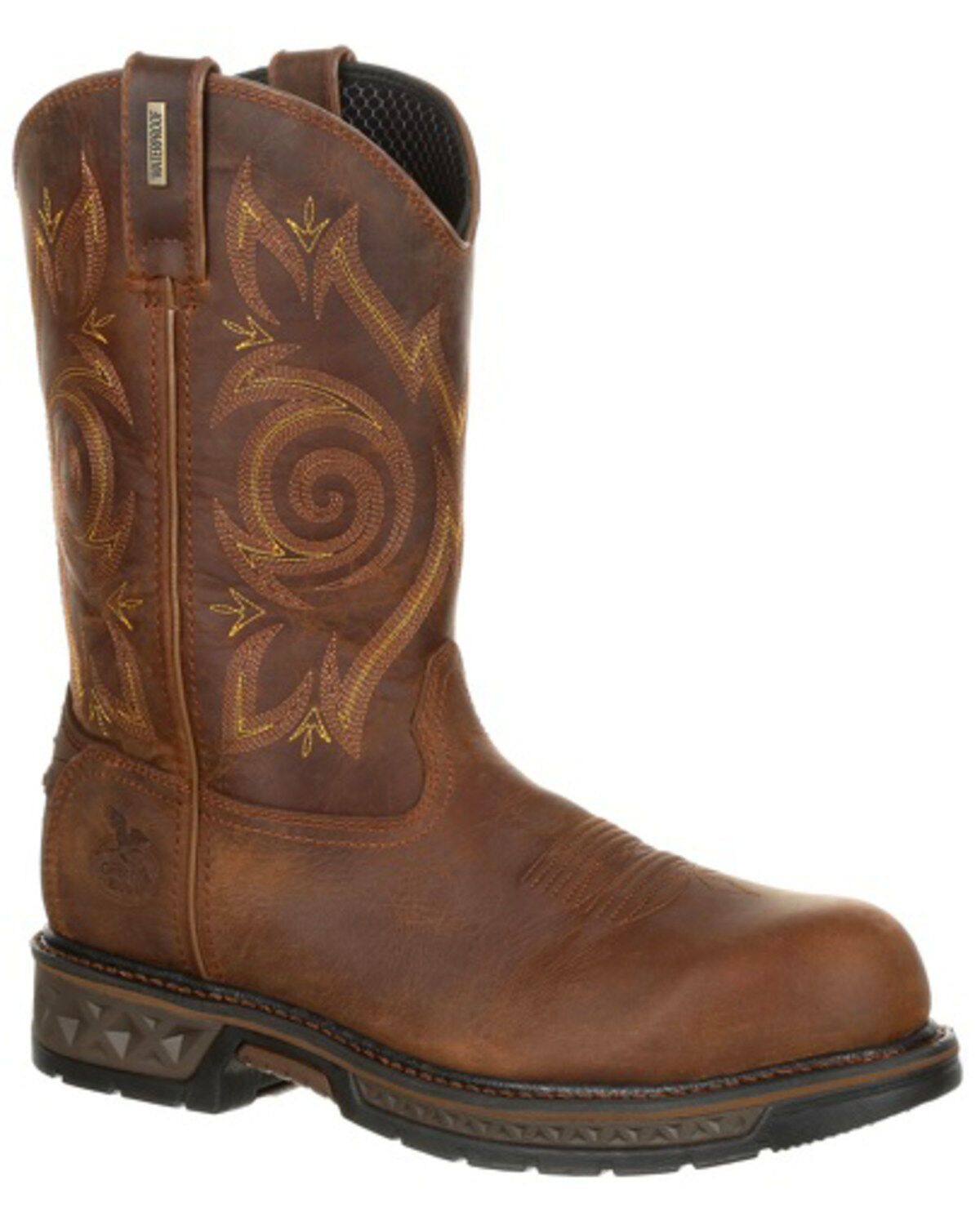
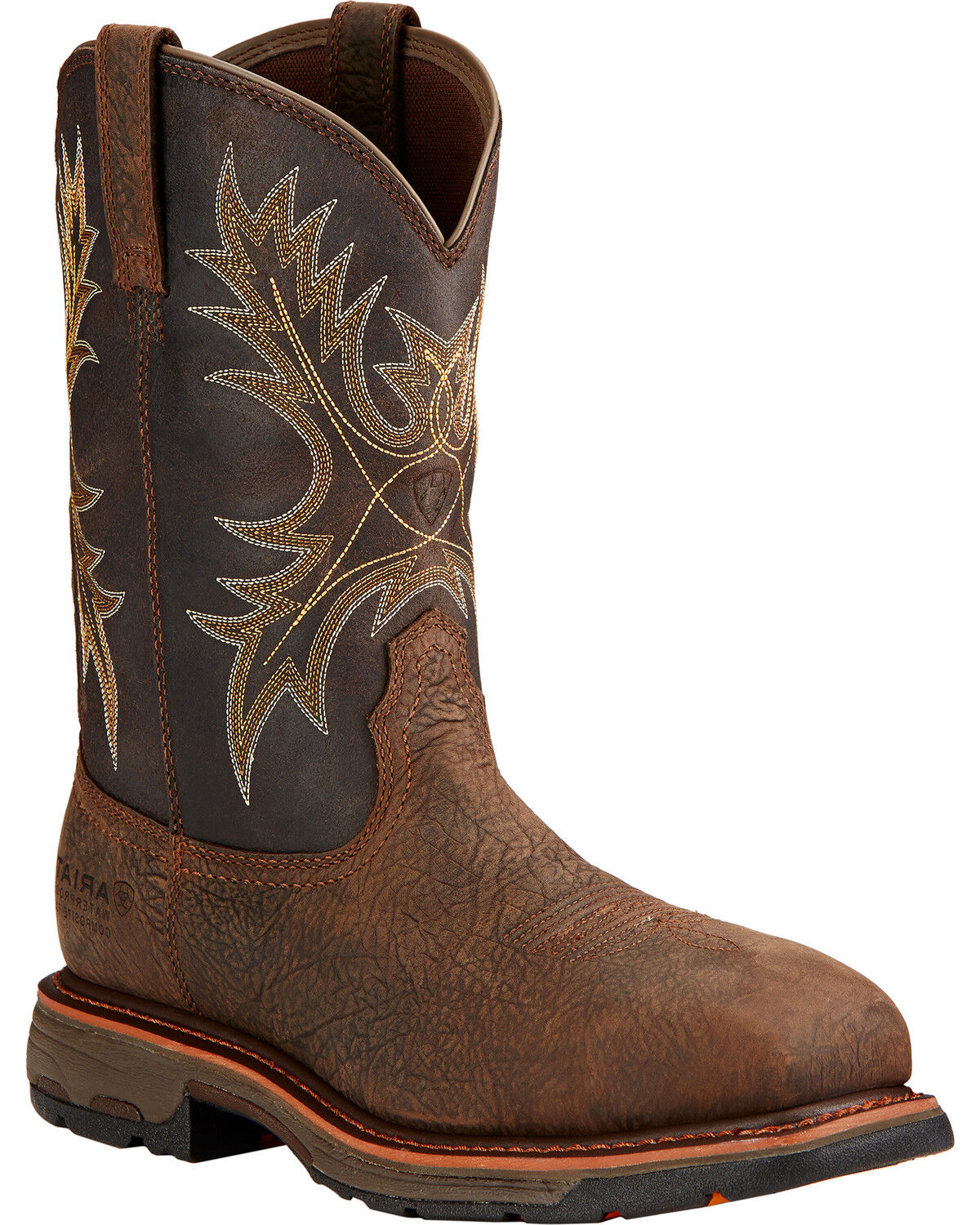
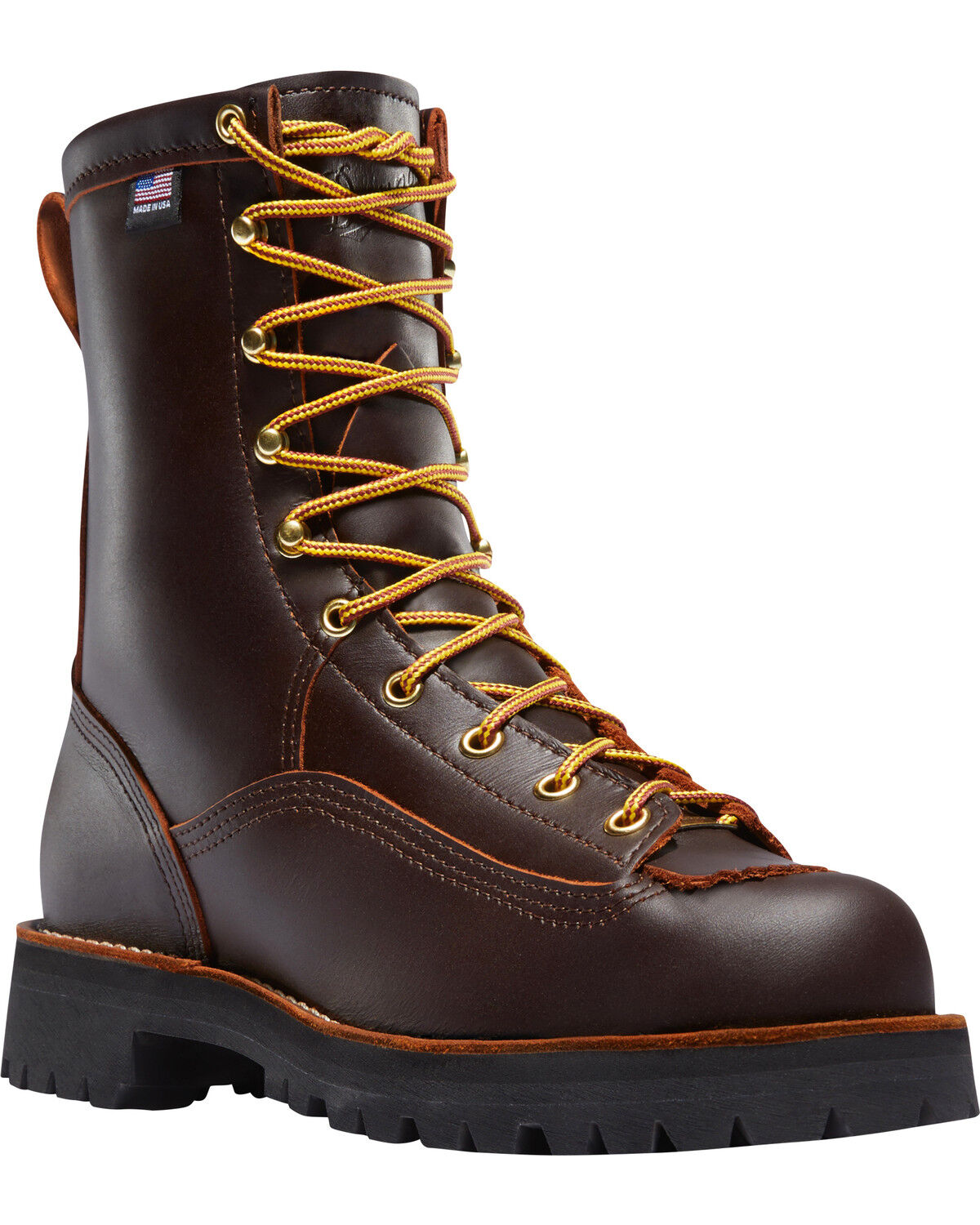
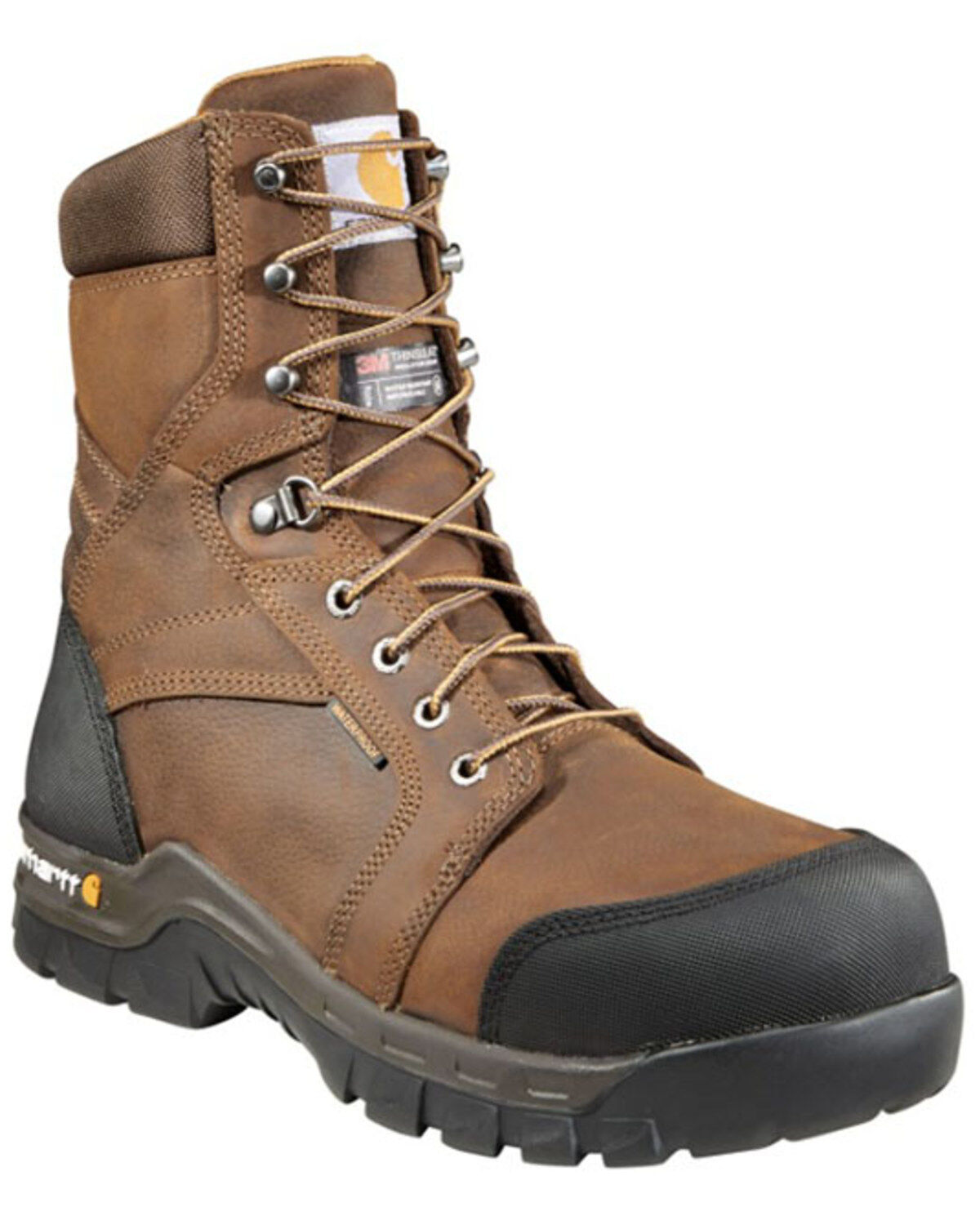
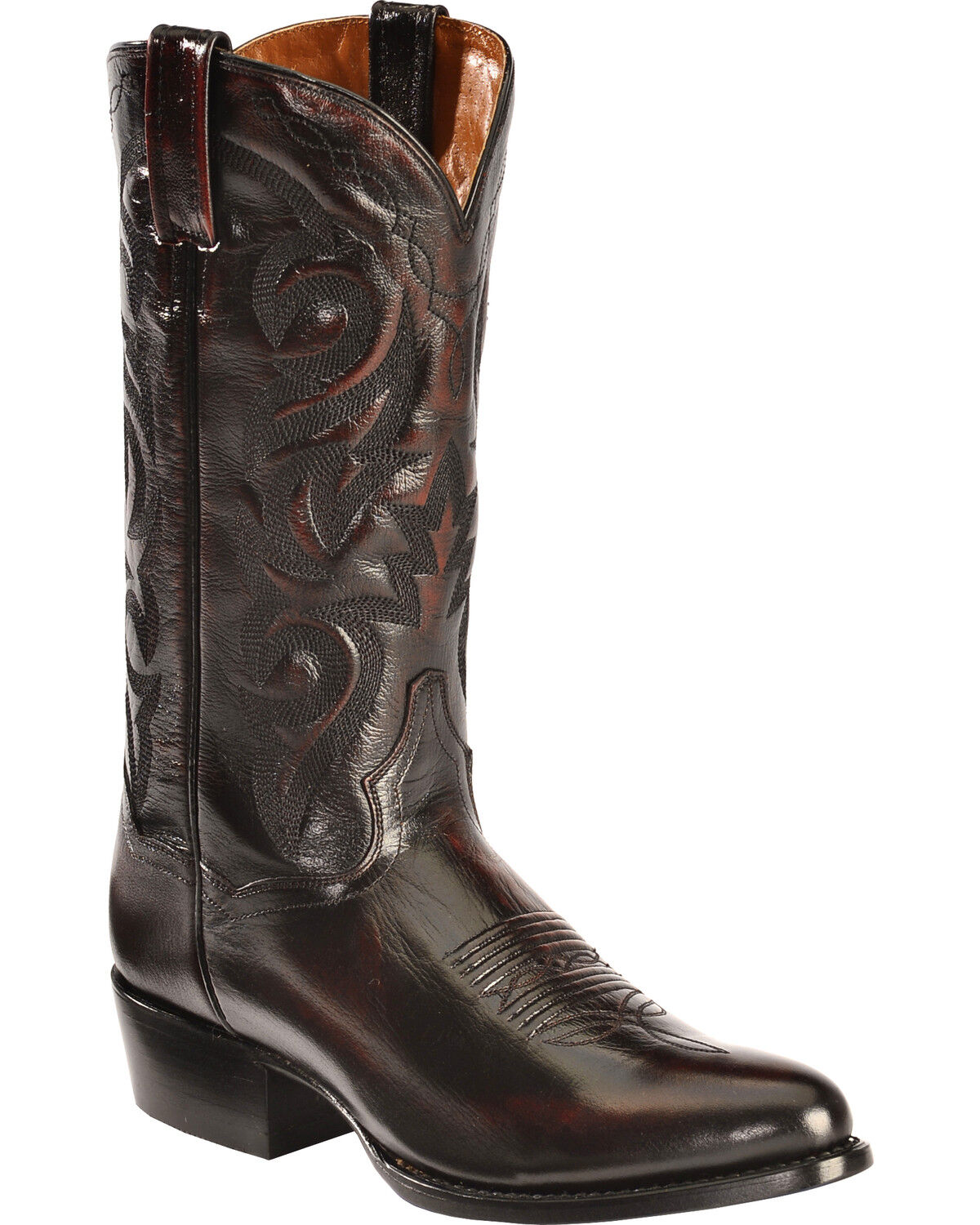
Waterproof vs. Water-Resistant Work Boots

Waterproof vs. Water-Resistant Work Boots comes down to the level of moisture protection you need on the job. Compare both options by considering your work environment, daily conditions, comfort preferences, and required durability before choosing the right pair.

Read More

Shop Your Store: Shop Your Store: Find a Store

(Turn off Shop Your Store to see all items)

(Turn off Shop Your Store to see all items)

close
  • Recommended
  • Lowest Price
  • Highest Price
Skip pass products

End of products

Waterproof vs. Water-Resistant Work Boots

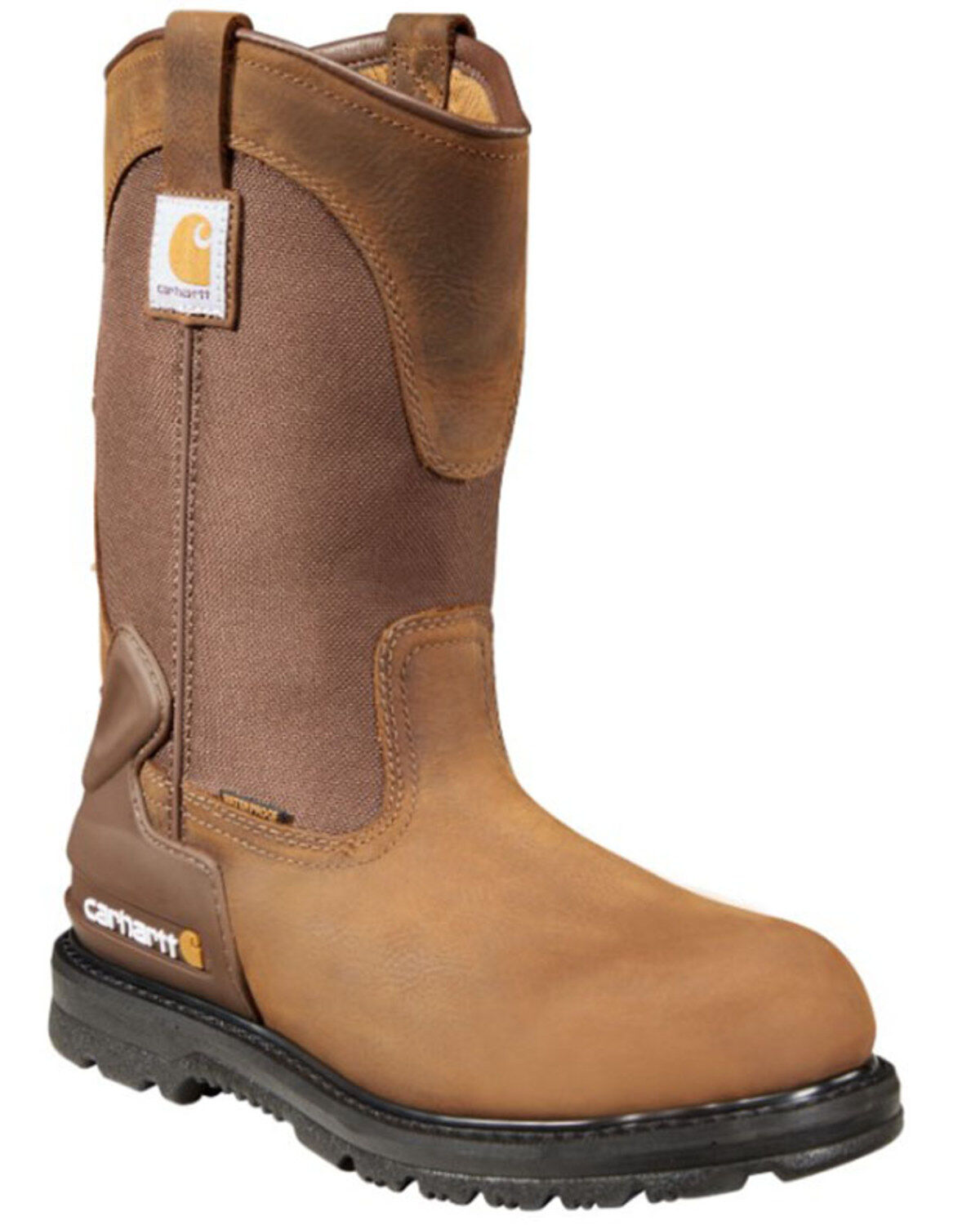
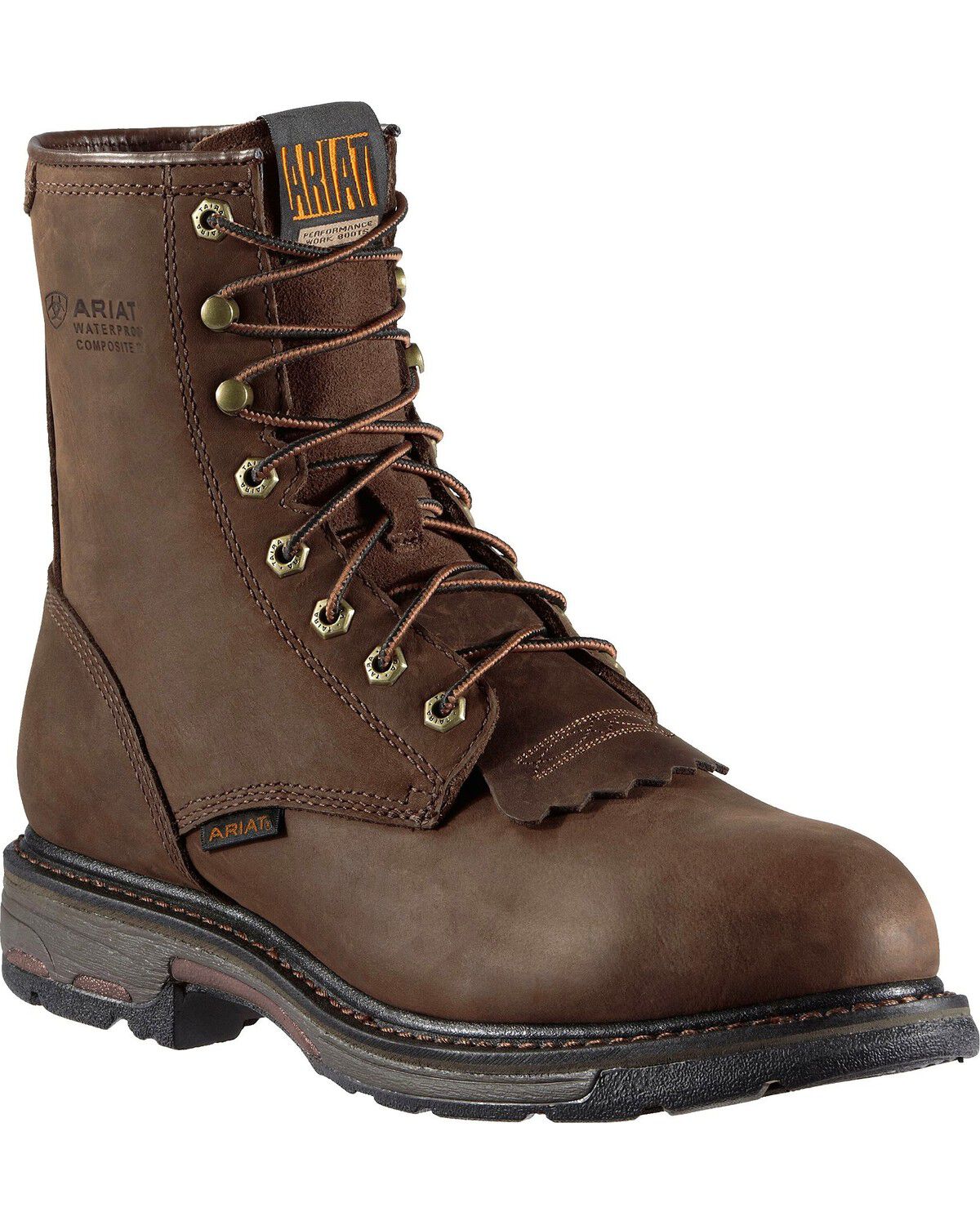
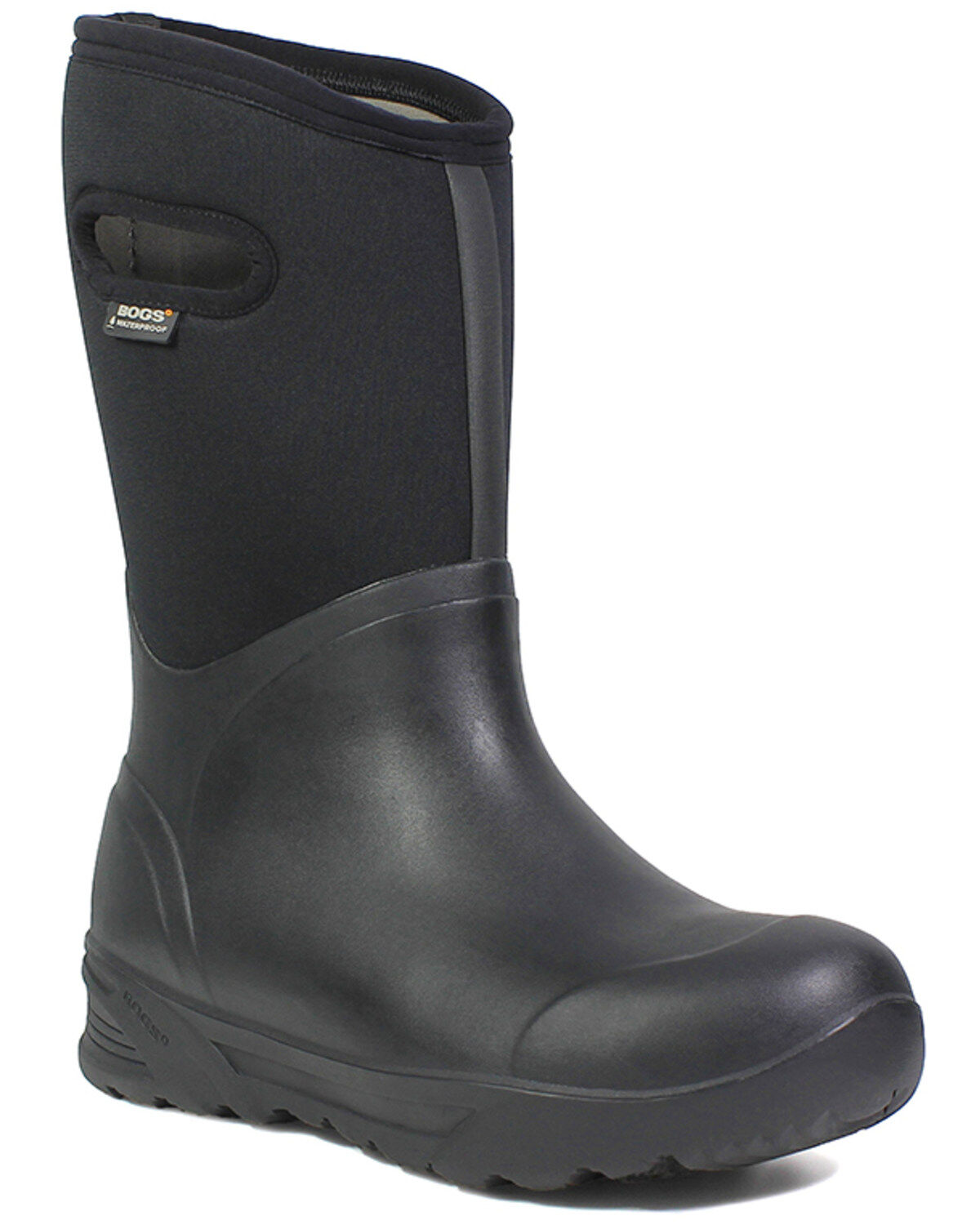
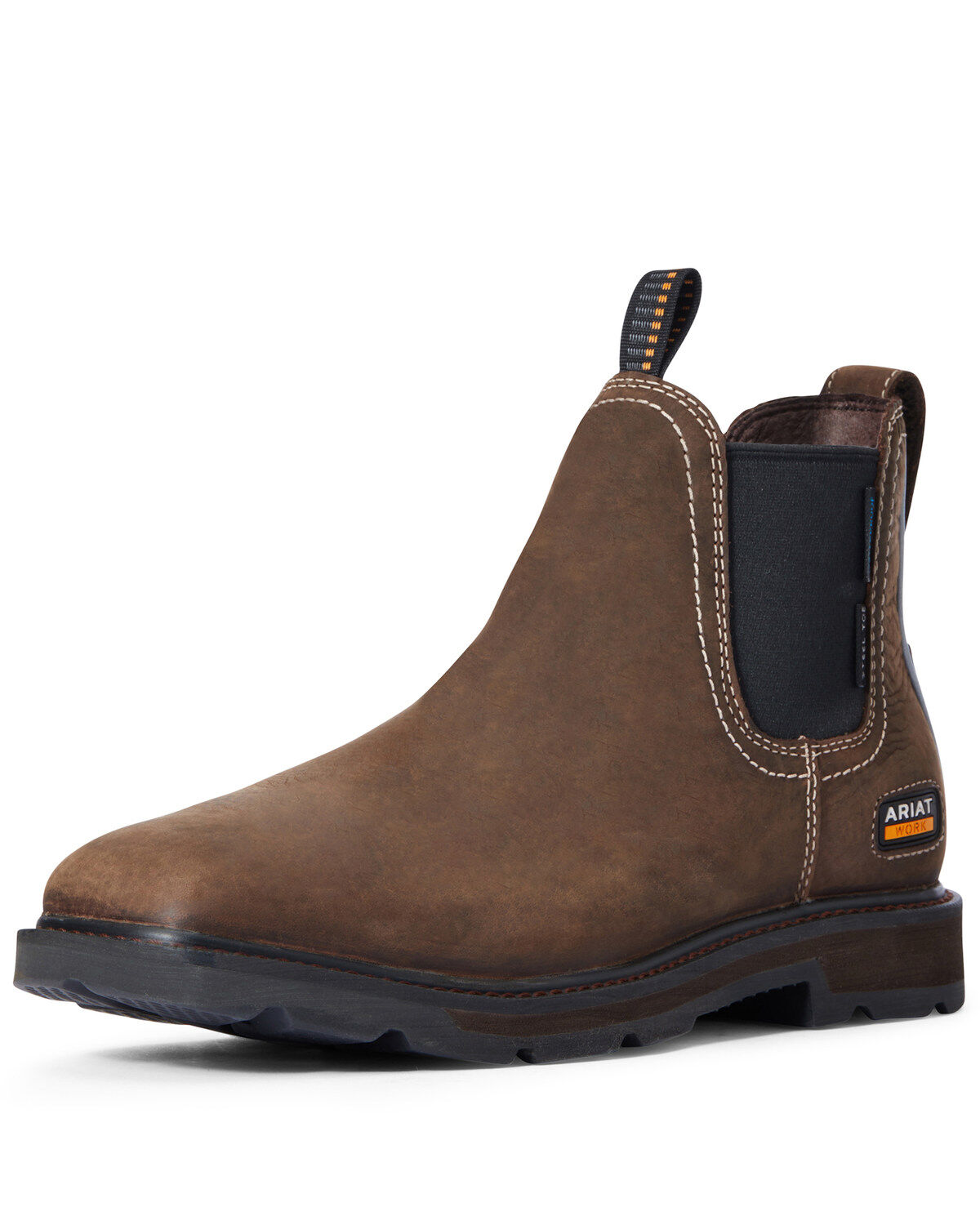
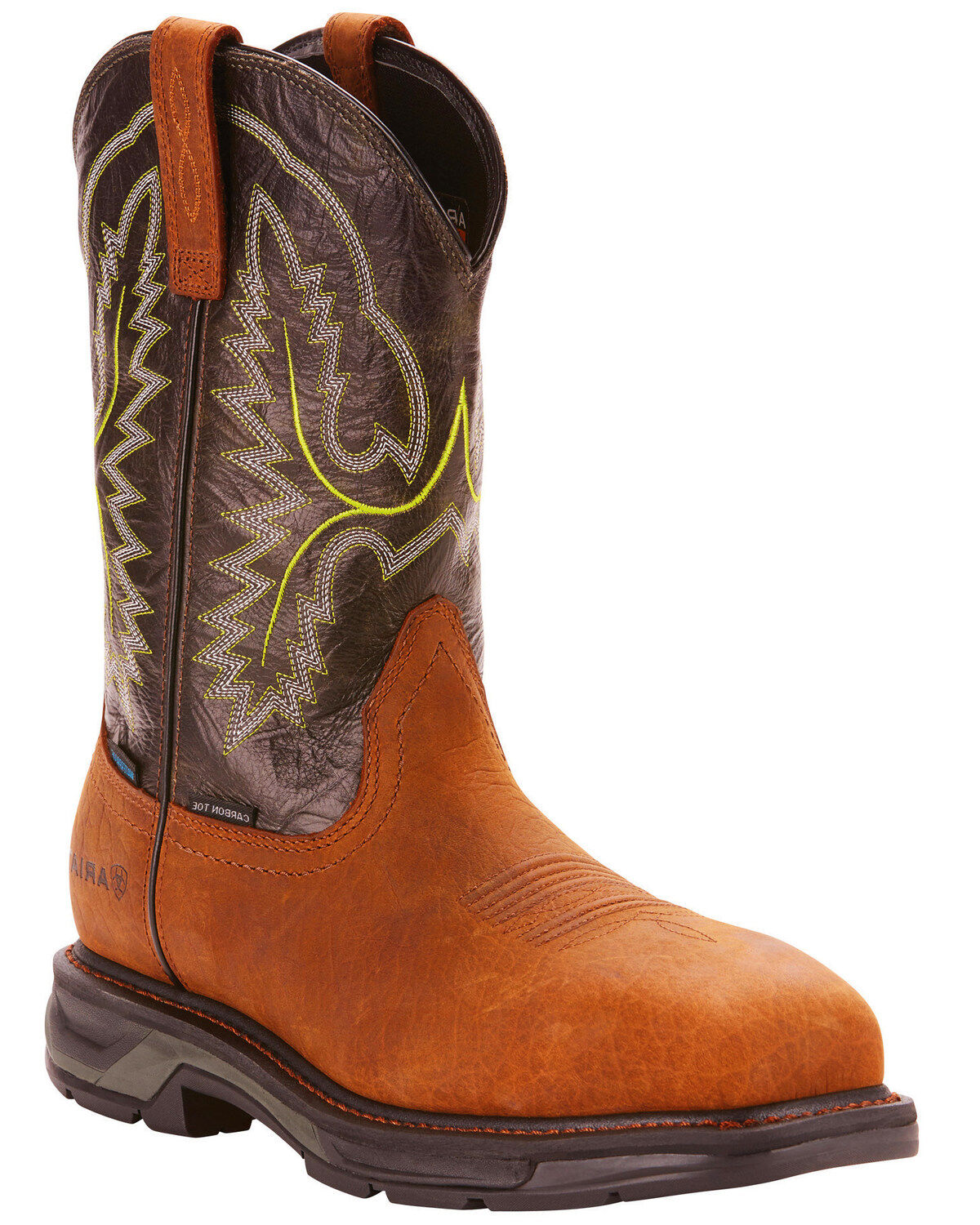
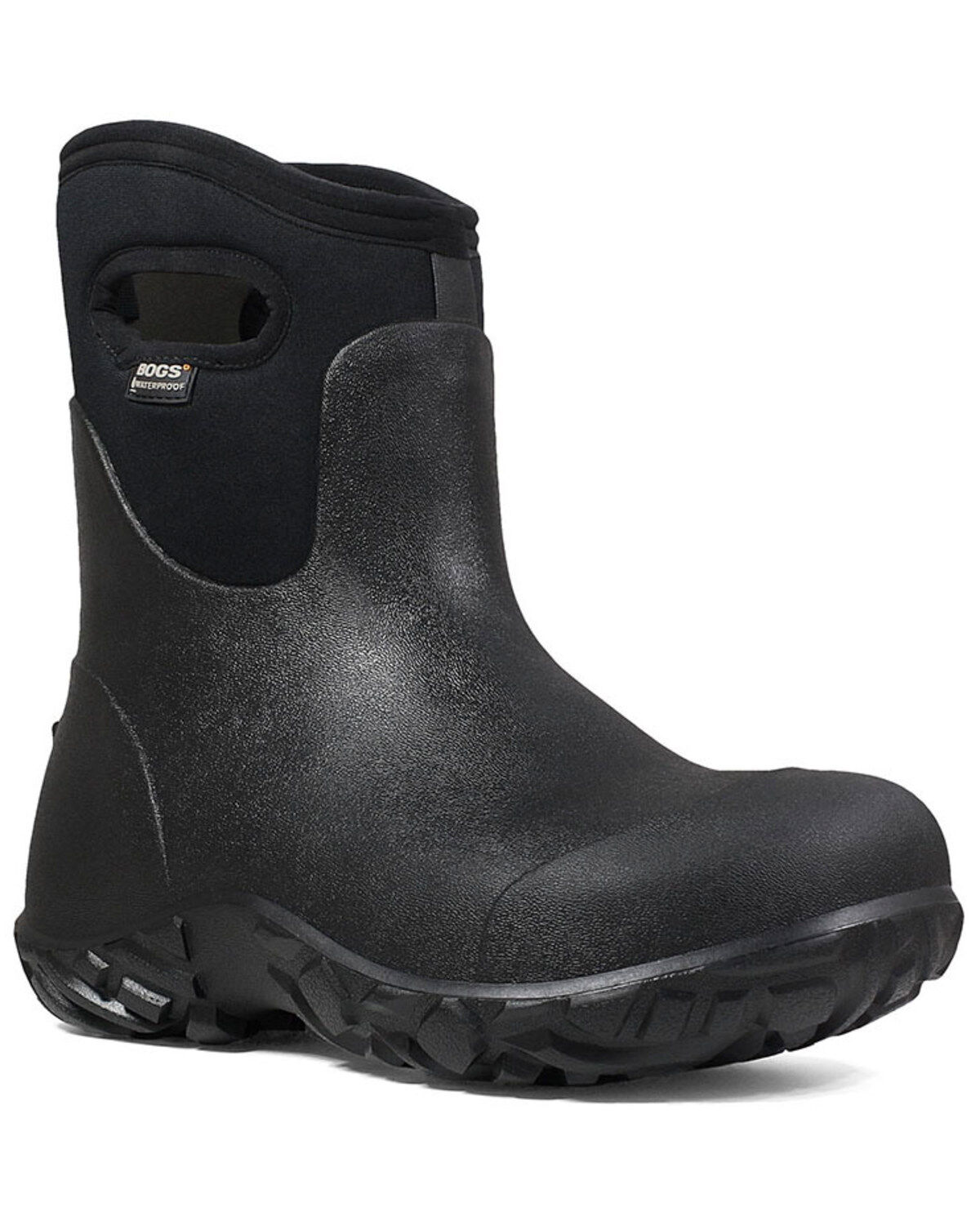
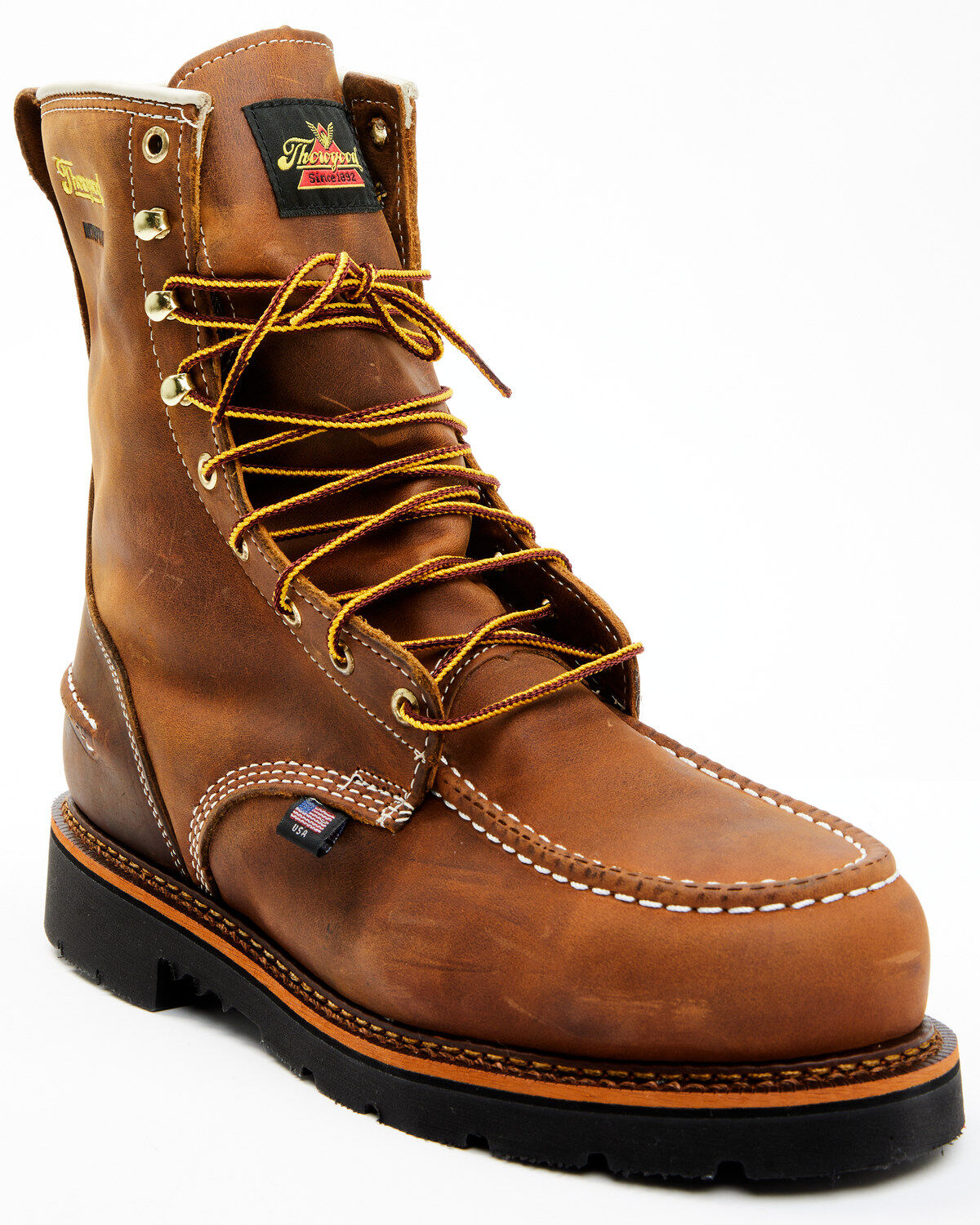
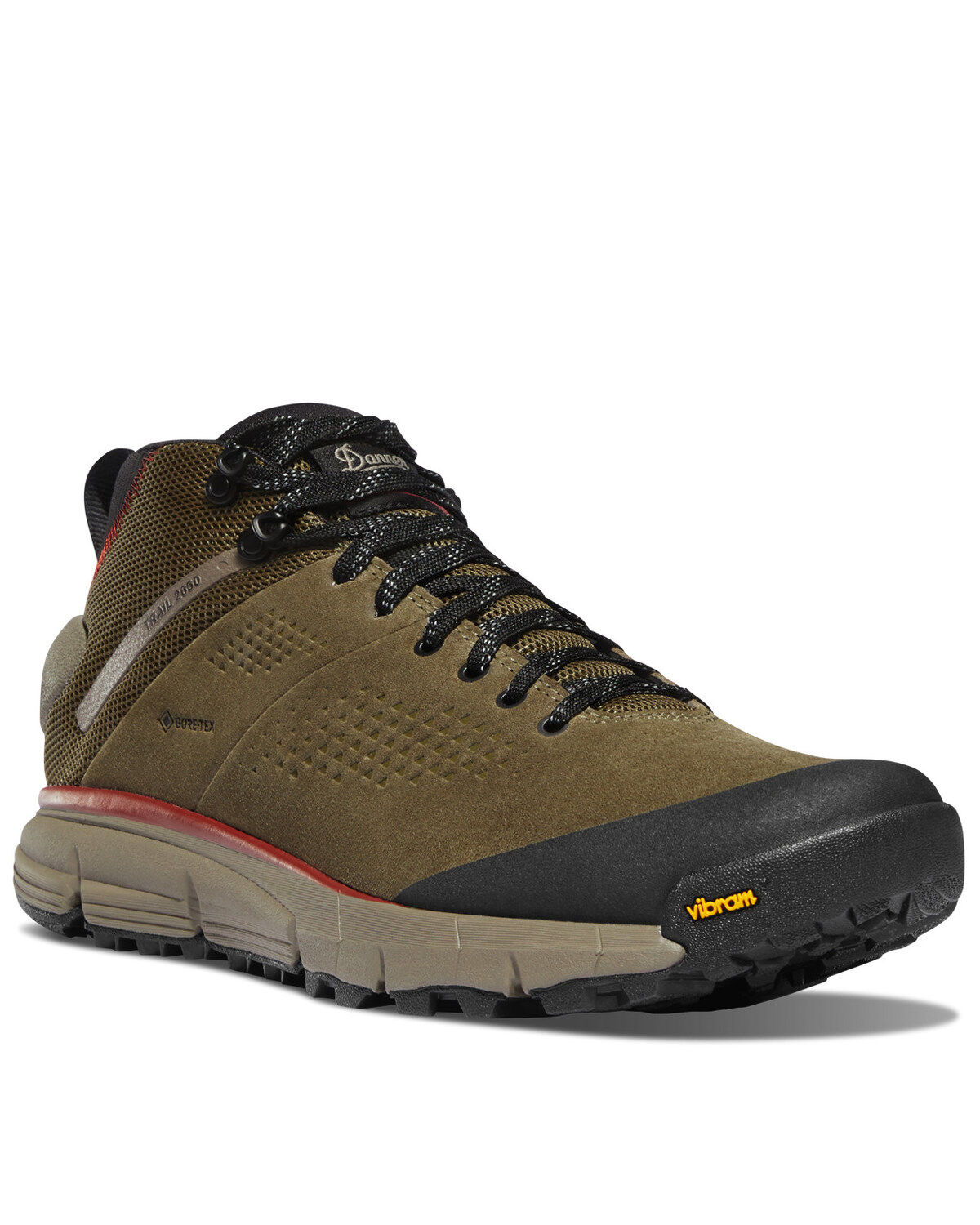
Choosing between waterproof and water-resistant work boots starts with the conditions underfoot. Waterproof work boots are built for repeated exposure to moisture, with sealed seams, treated materials, and an internal waterproof membrane or bootie designed to keep water from reaching your socks. They are the better choice for jobs that involve standing water, deep mud, wet grass, heavy rain, snow, or damp trenches. A utility worker moving through soaked ground, a contractor working around an unfinished building, or anyone spending long hours outdoors during the cooler months may appreciate the added protection. Waterproof construction helps keep feet dry when water comes over the sole or collects around the upper, though no boot should be treated as a substitute for proper care, suitable socks, or boots tall enough for the conditions. Water-resistant work boots are made to handle lighter exposure. Leather or synthetic uppers may be treated with a surface coating that helps moisture bead up and roll away, making them useful for morning dew, brief rain, minor spills, and everyday work that moves between indoor and outdoor spaces. They generally do not provide the same level of protection against standing water or prolonged downpours. For more options in this category, browse Weather Resistant Work Boots. The difference is not simply a matter of choosing the stronger option. Waterproof boots can add protection and peace of mind, but they may also feel warmer, heavier, or less flexible than water-resistant styles. Water-resistant boots often allow more air movement and can feel easier to wear through a full shift, particularly in a dry shop, warehouse, garage, or covered work area. The right choice depends on how often moisture is part of the job, how long the boots remain wet, and whether the workday includes steady movement or long periods on one surface.

Think about the ground as much as the forecast. A short walk across damp pavement is a different demand than kneeling in wet soil, climbing in and out of a service truck, or crossing a muddy lot several times a day. Waterproof work boots make sense when wet conditions are routine rather than occasional. They can help protect feet during outdoor construction, landscaping, farming, ranch work, site inspection, utility maintenance, and other jobs where the ground does not stay dry for long. They are also useful for people who spend time outside before sunrise, when dew gathers on grass and brush, or during colder stretches when slush and melting snow create persistent moisture. Water-resistant boots suit workers whose exposure is more limited: warehouse and delivery workers, mechanics, installers, shop crews, maintenance teams, and professionals who spend part of the day outside but most of it under cover. They can also be a practical choice for anyone who wants everyday work boots that handle light weather without the added insulation or enclosed feel of a fully waterproof design. Comfort matters just as much as moisture protection. Look for a secure heel, enough room for the toes to spread naturally, and support that matches the amount of walking, standing, climbing, or lifting involved. A boot that is too tight can create pressure points, while one that is too loose may rub and reduce stability on uneven ground. Outsoles deserve close attention as well. Deep, durable tread can improve footing in mud and loose soil, while a more moderate tread may feel better on concrete and smooth indoor floors. If the work involves electrical hazards, puncture risks, slick surfaces, or temperature extremes, check for the specific safety features required for that environment rather than assuming water protection covers every need.

The way work boots are maintained can affect both comfort and water performance. Clean off mud and road salt before it dries, allow wet boots to dry at room temperature, and avoid placing them directly against a heater or other intense heat source, which can stiffen leather, damage adhesives, and shorten the life of the boot. Remove the insoles when possible so moisture can escape, and rotate between pairs if the work allows it. Waterproof boots still need care because their outer materials can dry out, crack, or lose their protective treatment over time. Water-resistant boots may also benefit from a conditioner or approved treatment, but products should be matched to the boot material and used according to the manufacturer’s directions. Socks make a noticeable difference. Moisture-wicking wool or synthetic blends can help move sweat away from the skin, while cotton may stay damp after it absorbs perspiration. During warmer days, a breathable water-resistant boot may feel more comfortable; during wet and cold conditions, waterproof construction with appropriate insulation can help keep feet warmer. Work boots can also make a thoughtful gift for someone starting a trade, replacing worn-out gear, or spending more time outdoors, but fit and job requirements matter more than appearance. If buying for someone else, confirm the size, preferred toe shape, safety rating, shaft height, and typical work conditions before choosing. A practical pair should fit the person, the job, and the ground they cover. Waterproof and water-resistant work boots each have a place, and the better option is the one that provides enough protection without adding features that make the workday harder.
Read More

FAQs