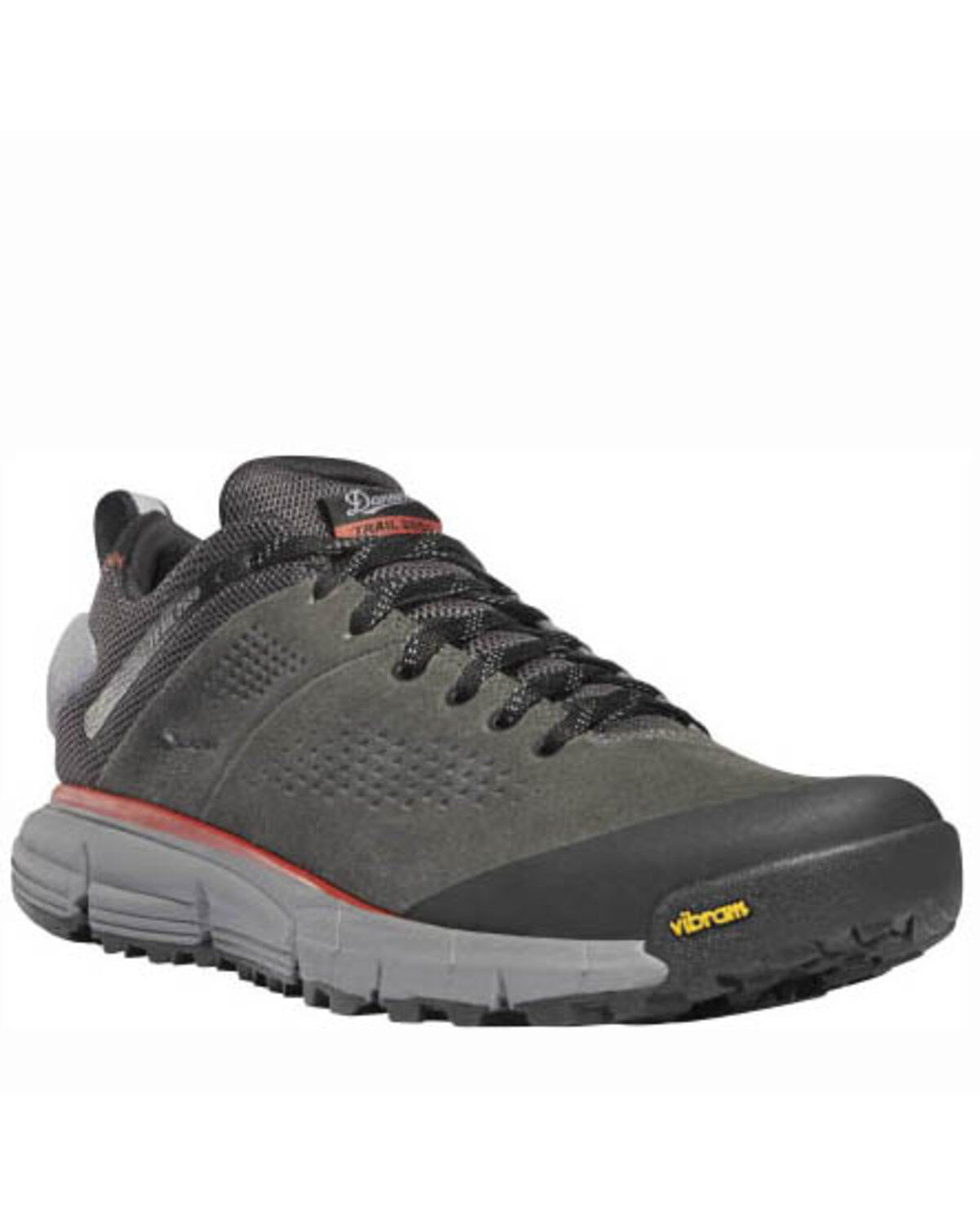
Waterproof Insulated Work Boots

Find waterproof insulated work boots that help keep feet warm and dry in cold, wet conditions. Browse the selection with your workday in mind, and check individual product details for insulation, fit, and any safety features your job requires.

Read More

Shop Your Store: Shop Your Store: Find a Store

(Turn off Shop Your Store to see all items)

(Turn off Shop Your Store to see all items)

close
  • Recommended
  • Lowest Price
  • Highest Price
Skip pass products

End of products

Waterproof Insulated Work Boots

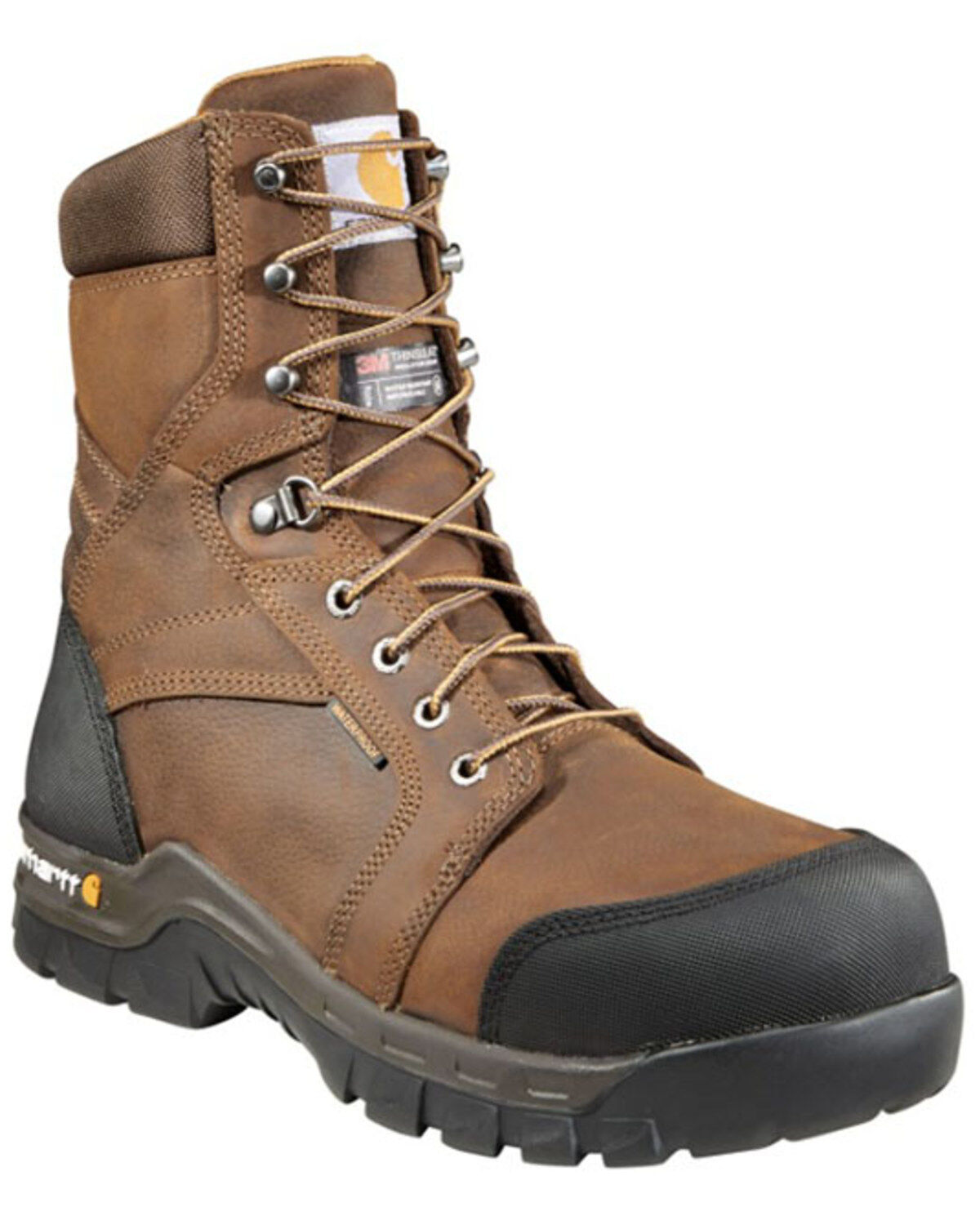
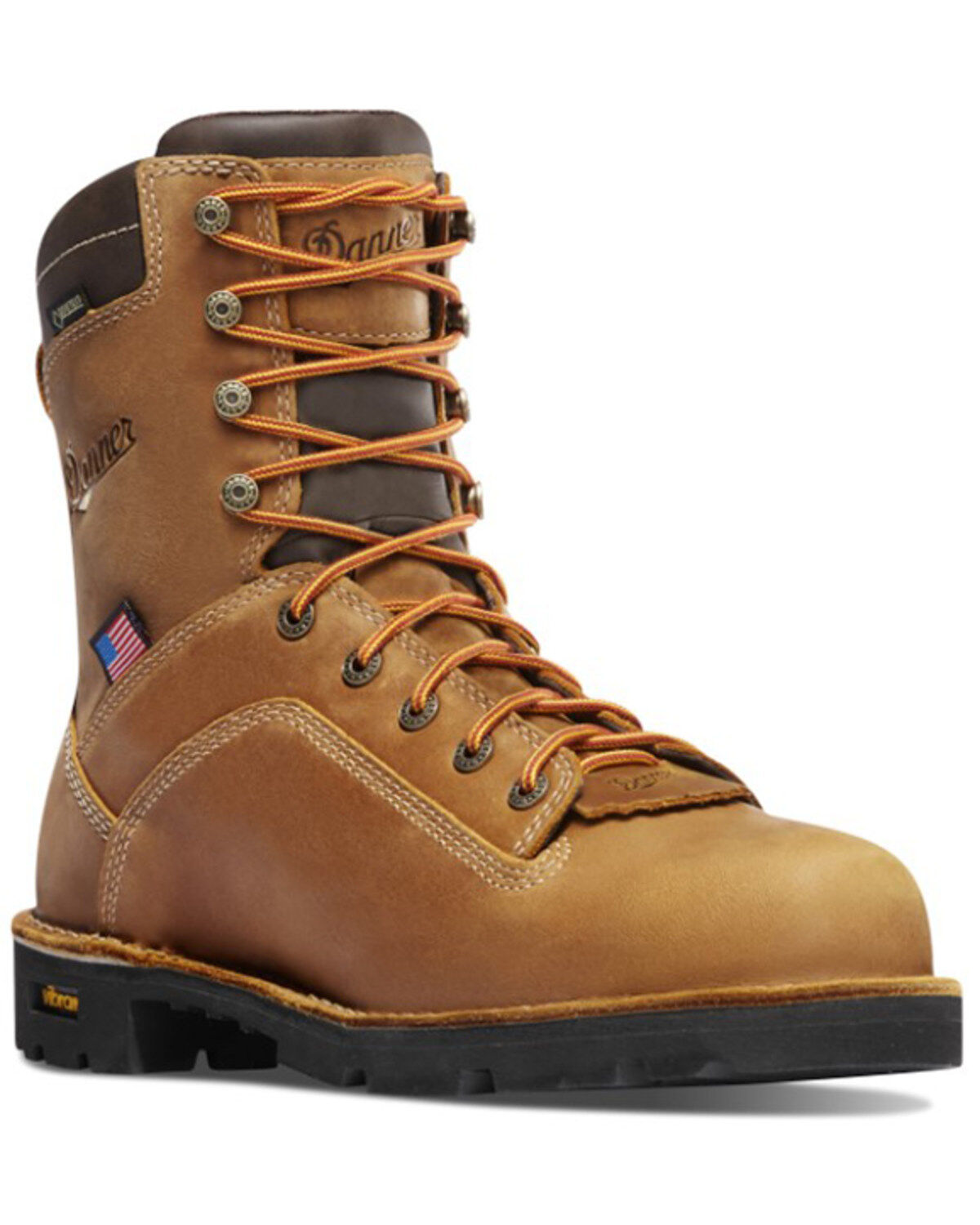
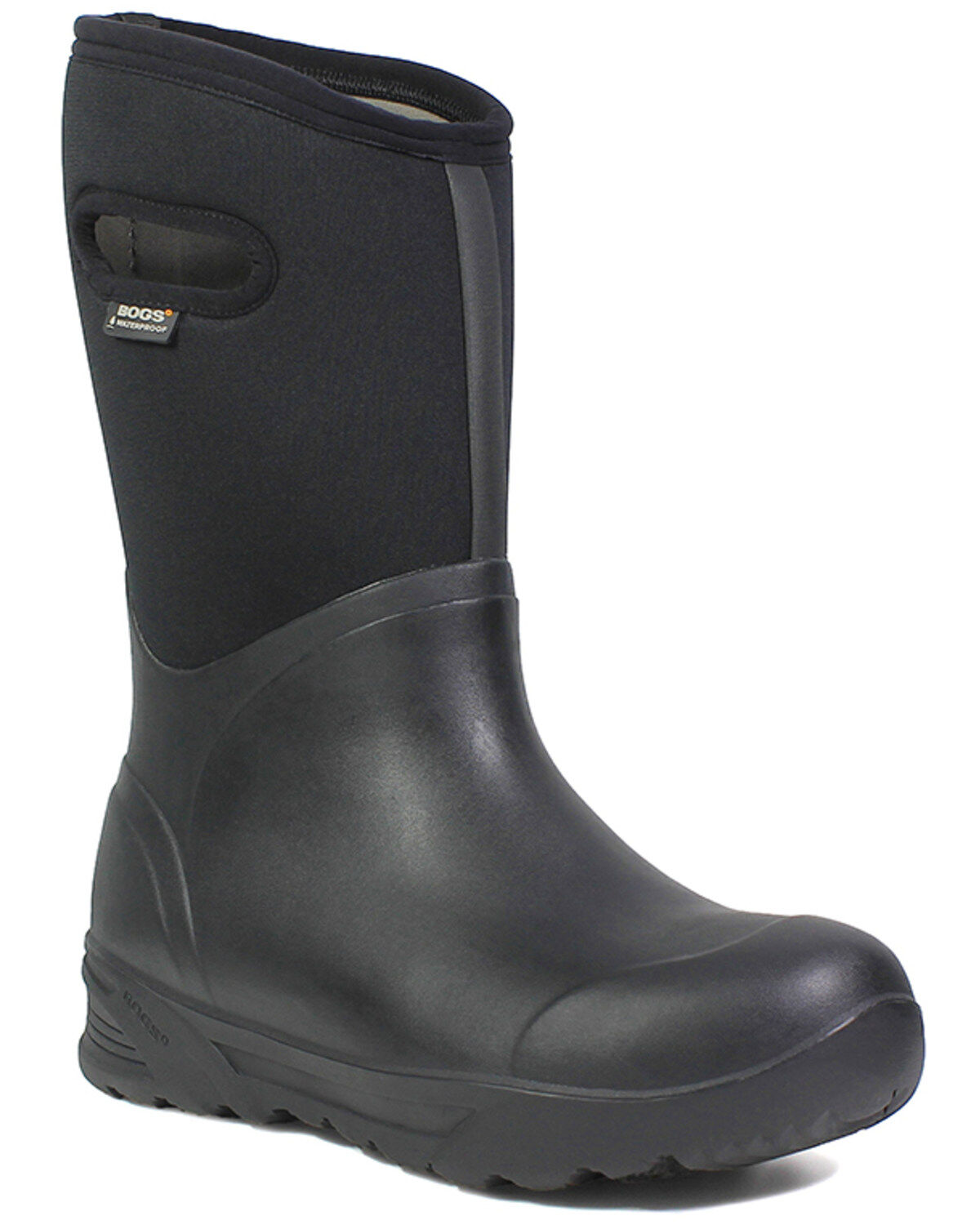
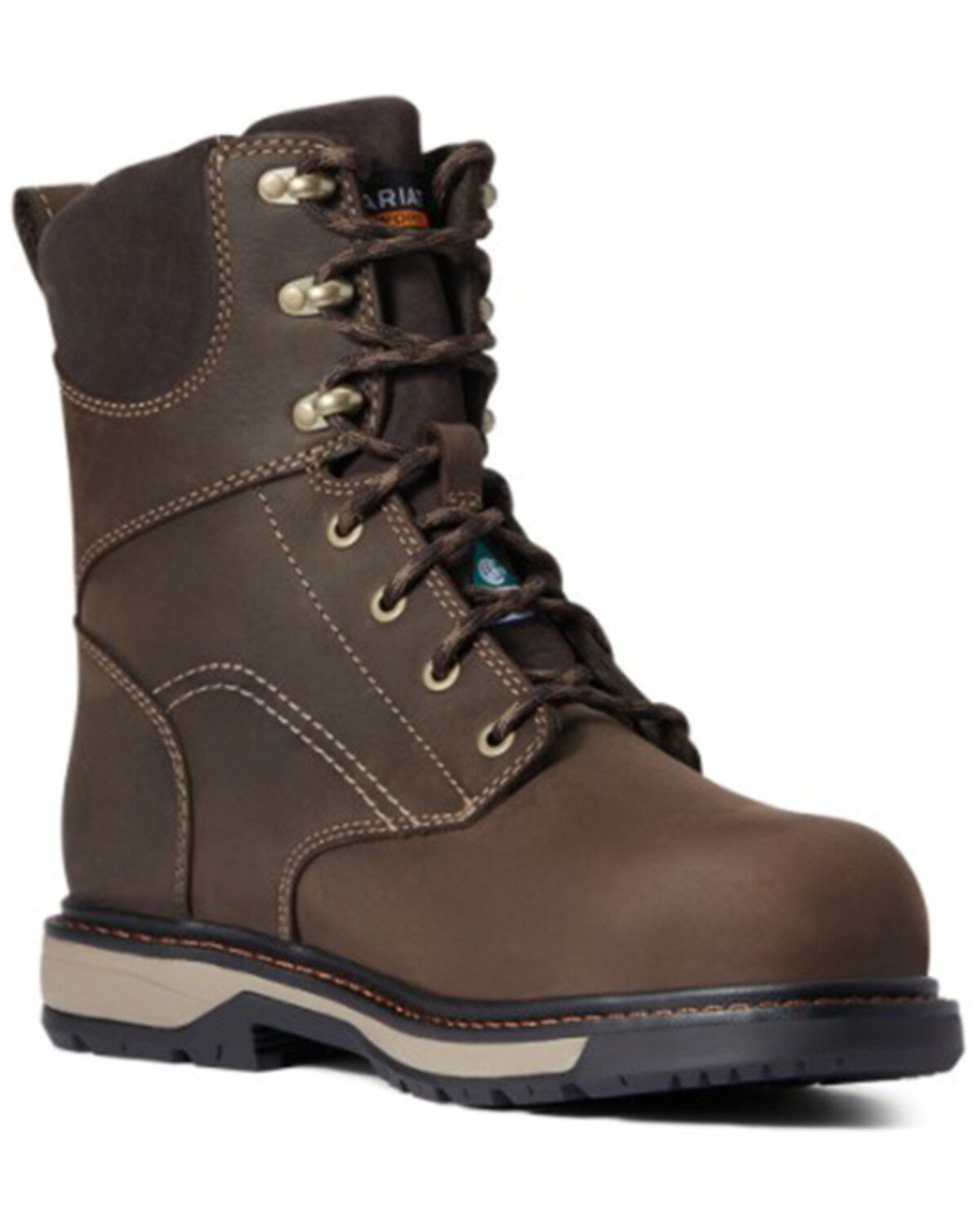
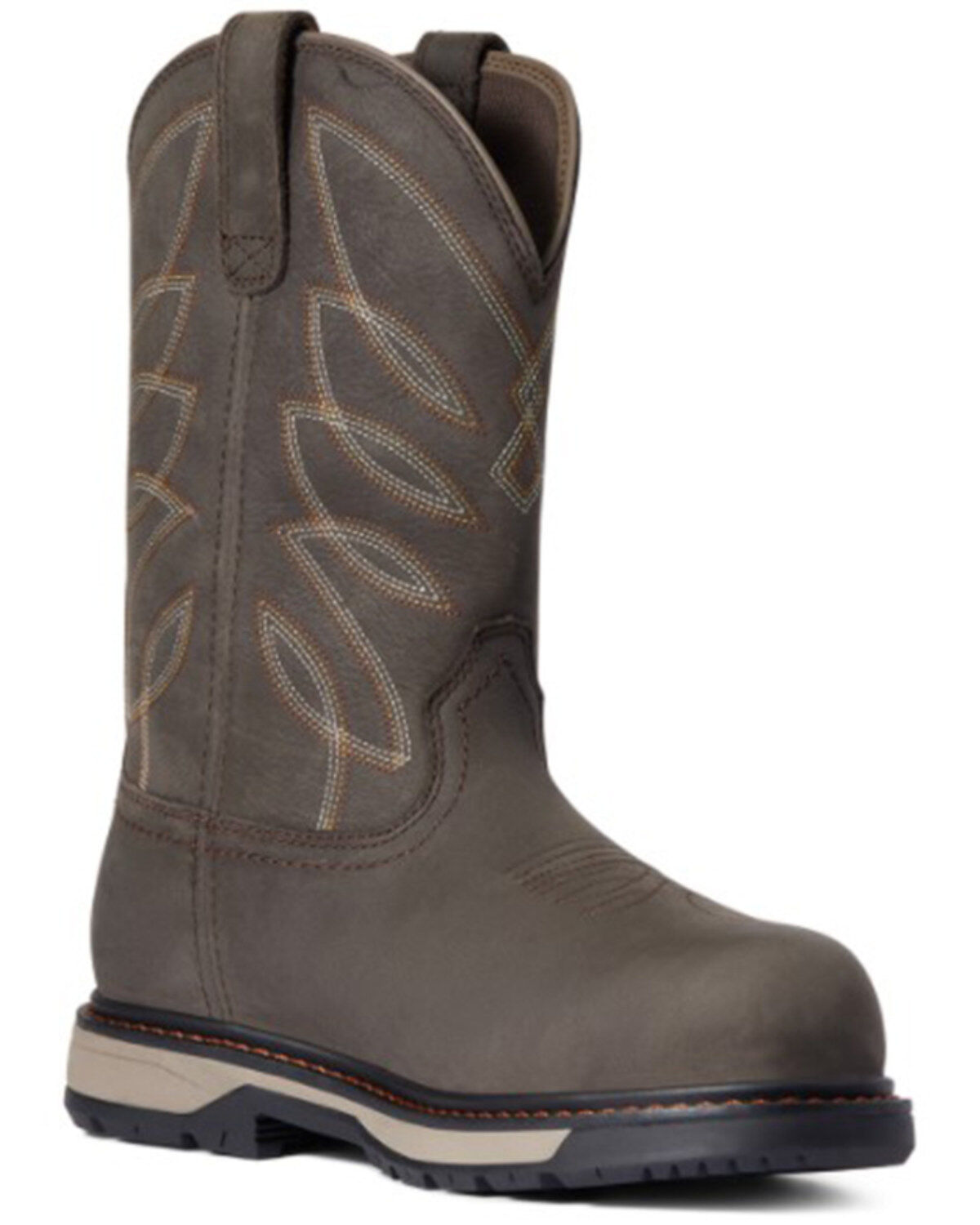
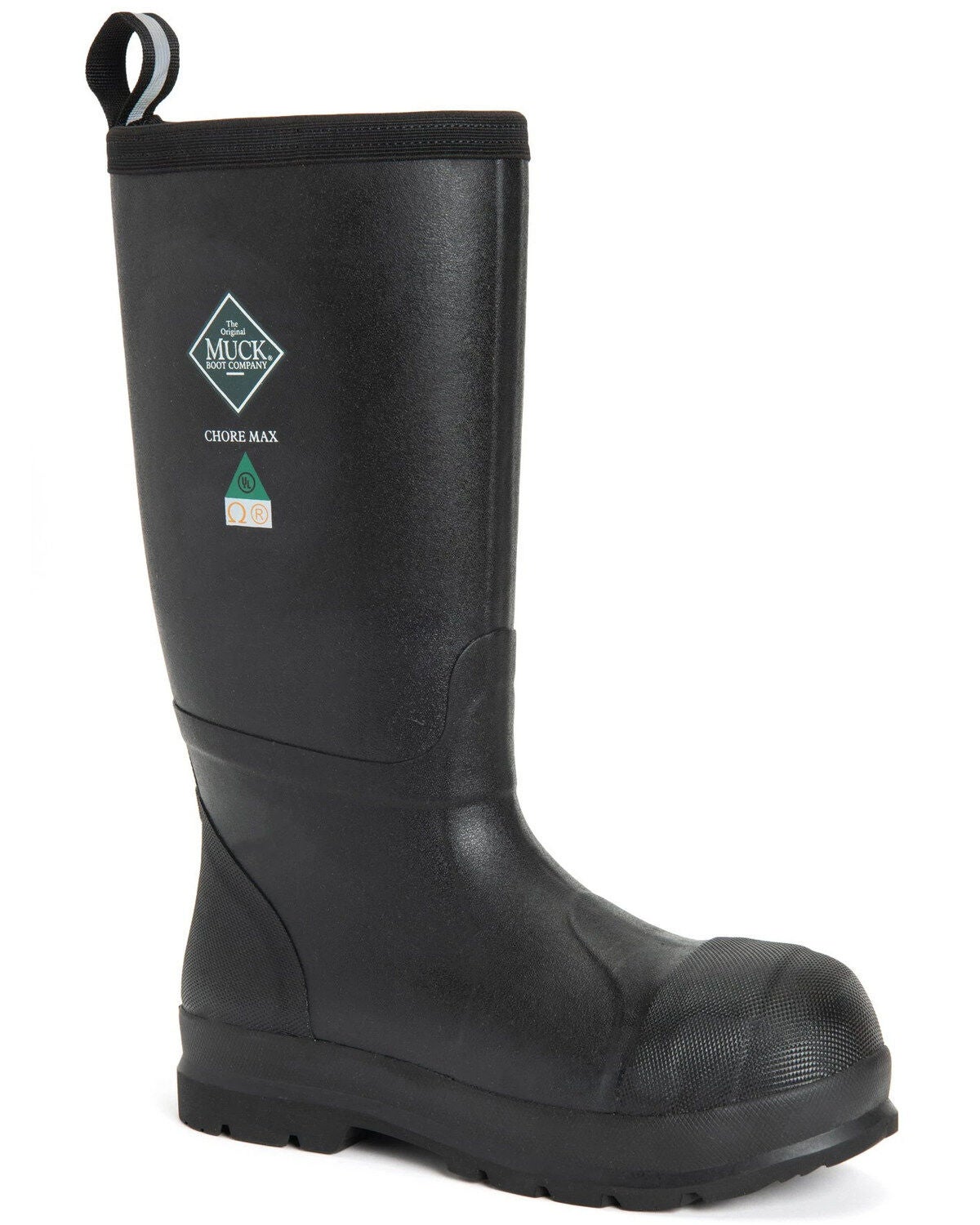
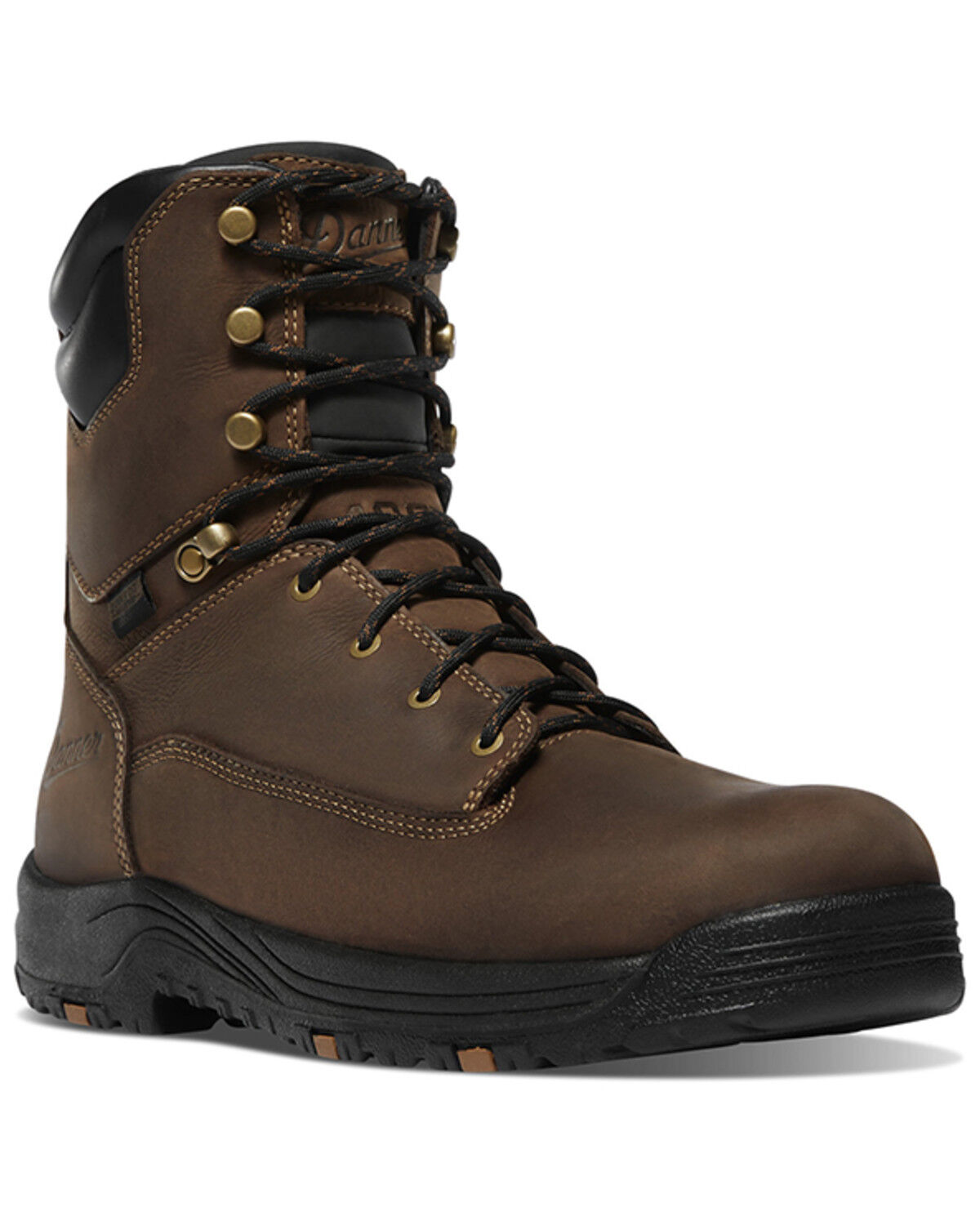
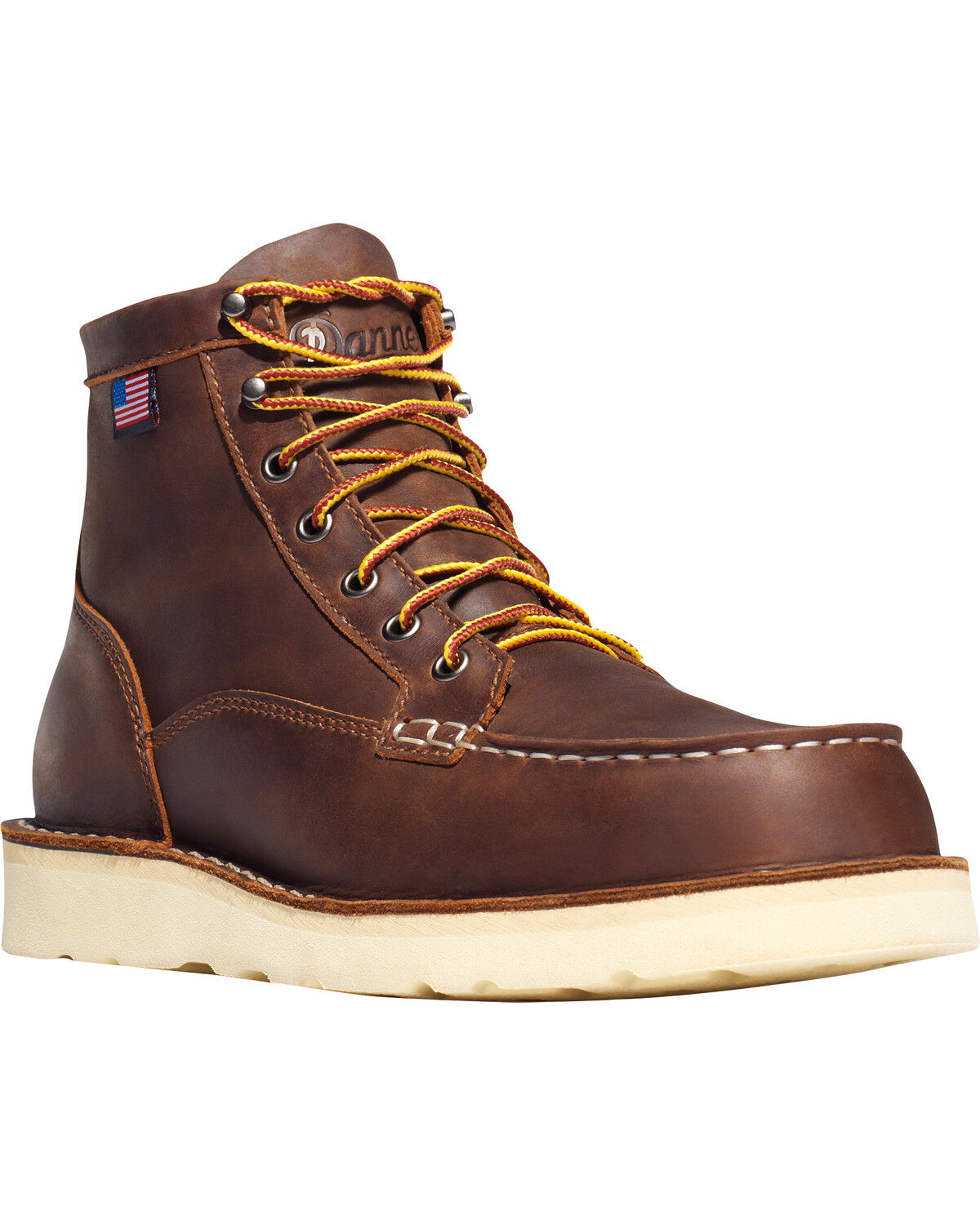
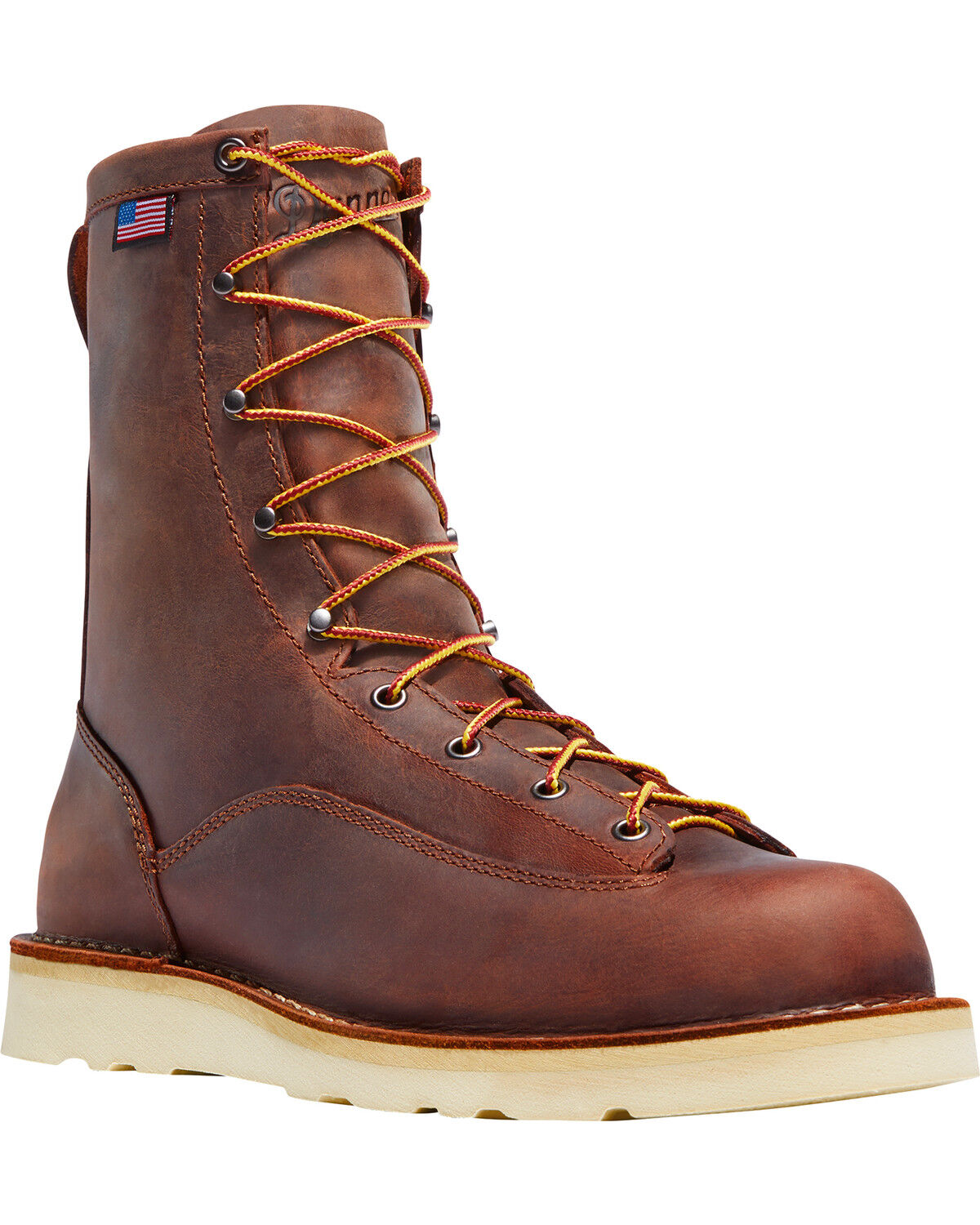
Waterproof insulated work boots combine a barrier against outside moisture with insulation that helps retain body heat in cold working conditions. They are built for jobs where wet ground and low temperatures are part of the workday, from handling materials in a muddy yard to checking fence lines after snow or clearing a loading area before deliveries arrive. Waterproof construction may include a membrane beneath the upper, sealed seams, or an integrated waterproof bootie. A gusseted tongue helps limit entry around the laces, while the height of the shaft affects how much coverage the boot provides above the ankle. These details matter when shallow puddles, slush, and wet grass are routine, though water can still enter over the top of any boot. Full-grain leather is a common upper material because it stands up to demanding use and can soften with wear. Leather and textile combinations can offer a different balance of flexibility, weight, and drying time. Reinforced toes and heels add coverage in areas that scrape against equipment, steps, and rough surfaces. Inside, insulation creates a layer that slows heat loss without necessarily requiring a bulky fit. Insulation weight, often listed in grams, helps distinguish lighter from heavier insulation, but it is not a universal temperature rating. Personal circulation, socks, wind, moisture, and activity level all affect comfort. Someone walking steadily across a jobsite generates more heat than someone standing at a gate or operating equipment with little foot movement. More insulation is not automatically the better choice, especially when a shift includes time in heated buildings or frequent physical work. Breathable linings and moisture-managing socks help address perspiration, although waterproof construction does not eliminate sweat. Waterproofing and insulation serve different purposes: one limits water entry, while the other helps hold warmth. Together, they support long hours in cold, wet surroundings when matched to the work and maintained properly. Neither feature replaces the need for suitable traction, correct fit, or the safety protection required for a particular job.

The outsole and the structure beneath the foot are just as important as the upper. Deep lugs can help on loose soil and muddy ground, while tread spacing affects how readily packed dirt clears from the sole. Broad contact areas and a defined heel may suit different workplace surfaces and tasks, depending on the boot design. Slip resistance is specific to the outsole and the conditions underfoot; a tread that handles mud well should not be assumed to grip smooth ice. Packed snow, oily concrete, wet metal steps, and frozen gravel each present different demands. Where ice is a regular concern, compatible traction equipment and workplace procedures deserve attention alongside the boots themselves. Underfoot cushioning can reduce the harsh feel of standing on concrete, while a supportive footbed and shank help provide structure across uneven ground. The balance between flexibility and stiffness matters when the work involves crouching, climbing, or carrying heavy loads. Safety features also need to match the job rather than the appearance of the boot. Steel, alloy, and composite toe caps are available across work footwear, but the relevant safety rating establishes the level of tested protection. Toe protection does not automatically mean a boot also provides puncture resistance, electrical hazard protection, or metatarsal coverage. Each feature has its own purpose and should be checked against employer requirements. Waterproof construction alone does not establish protection against chemicals, electrical hazards, or every type of liquid exposure. For work involving occasional splashes rather than sustained wet conditions, Water Resistant Work Boots provide a related category to consider. Water resistance and waterproofing are not interchangeable, and the distinction matters when boots spend hours against wet ground. Farmers, utility workers, construction crews, and others who move between exposed work areas and sheltered spaces benefit from weighing those conditions carefully. The right combination depends on what happens during the full shift, not just the walk from the truck to the door.

Fit determines how well waterproof insulated work boots perform over a full day. Insulation takes up space inside the boot, so the fit should be assessed with the type of work socks that will actually be worn. Toes need room to move without pressing against the front or the safety cap, and the midfoot should feel secure without being squeezed. Excessively tight boots can restrict circulation and leave feet feeling colder despite the insulation. Too much room can allow sliding that causes rubbing, especially on slopes or while carrying a load. A secure heel fit matters on stairs and ladders, and laces allow adjustment across the instep as feet change through the day. Pull-on construction offers a different feel and convenience, but it still needs a stable fit through the heel and instep. Leather may soften with wear; a safety toe will not stretch to create missing toe room. Overall weight also matters when every shift involves repeated steps into a cab, walks across a large property, or long stretches on foot. Care supports the materials that do that work. Mud and grit should be removed before they build up around seams, flex points, and the welt. Road salt and other residues deserve prompt cleaning according to the care directions for the upper. Boots dry best with gentle airflow, away from direct heat that can damage leather, adhesives, or internal components. Removable footbeds can be taken out when permitted by the manufacturer, helping moisture escape between wears. Appropriate leather conditioner and compatible waterproofing treatments can maintain the upper without replacing or repairing a damaged internal membrane. Worn tread, separated seams, cracked uppers, and damaged linings are signs that protection or comfort may be compromised. For someone buying work boots as a gift, knowing the recipient’s size is only a starting point; job requirements, preferred fit, and usual working conditions are equally important. A dependable pair earns its place through steady support, suitable protection, and comfort that lasts beyond the first hour.
Read More

FAQs