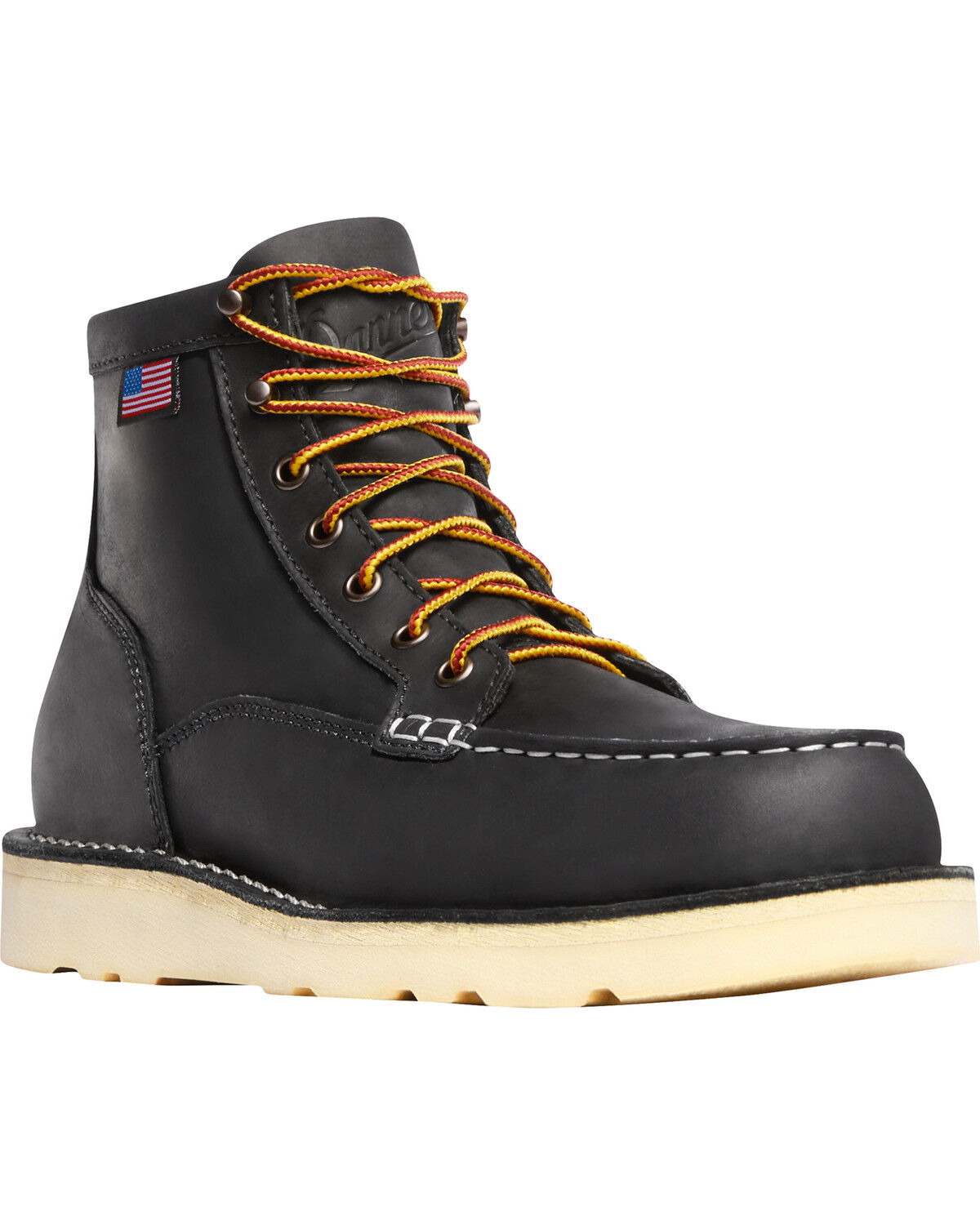
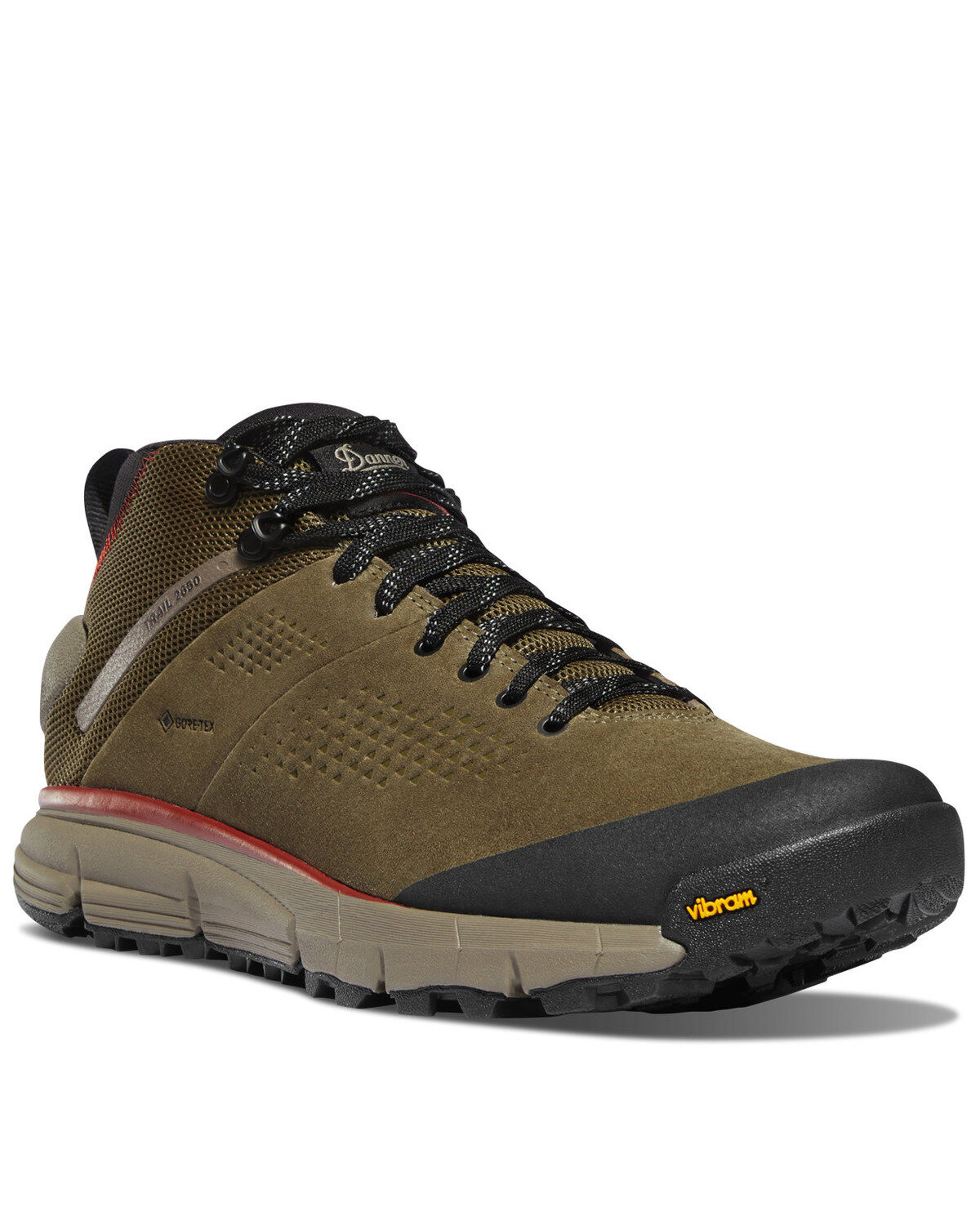
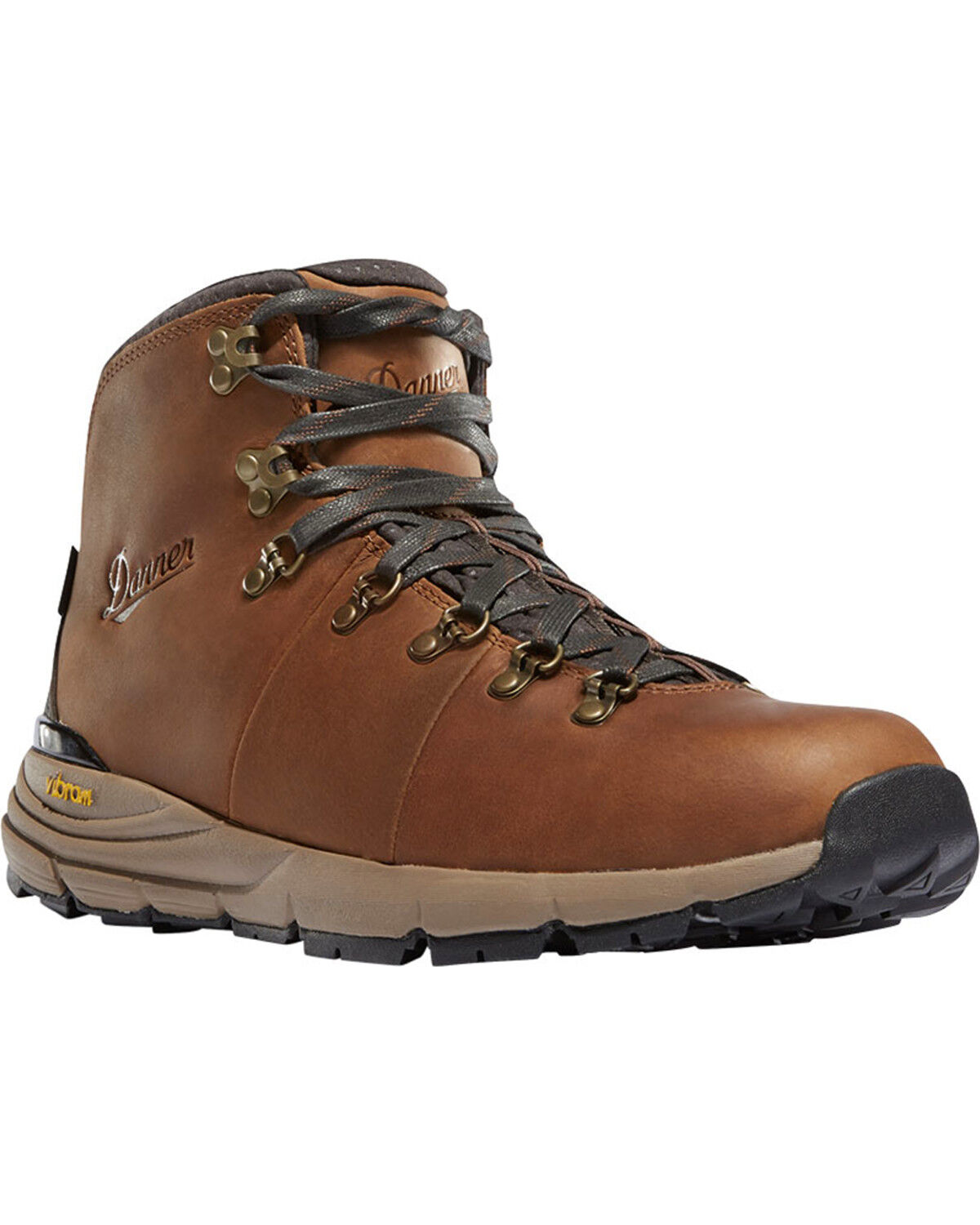
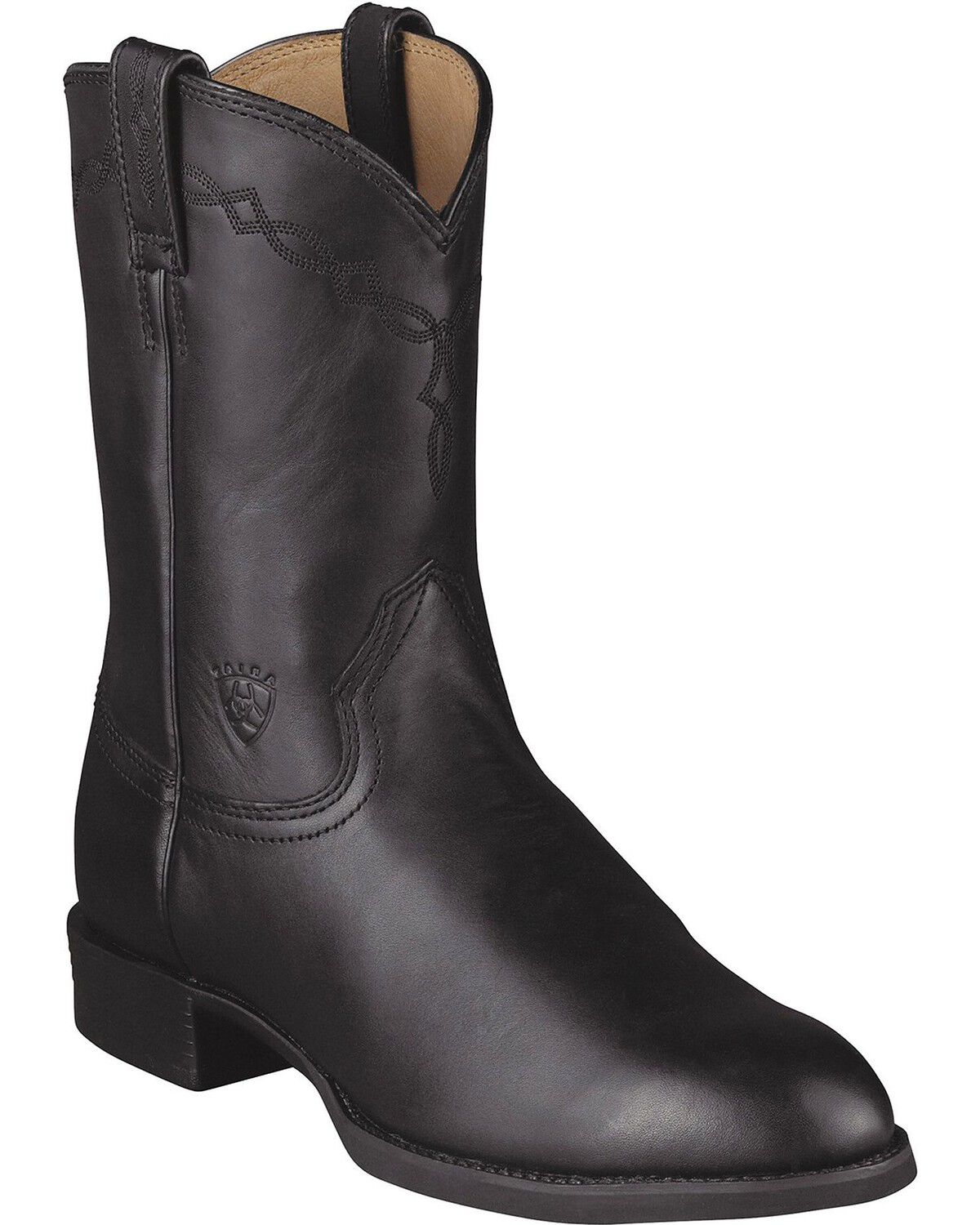
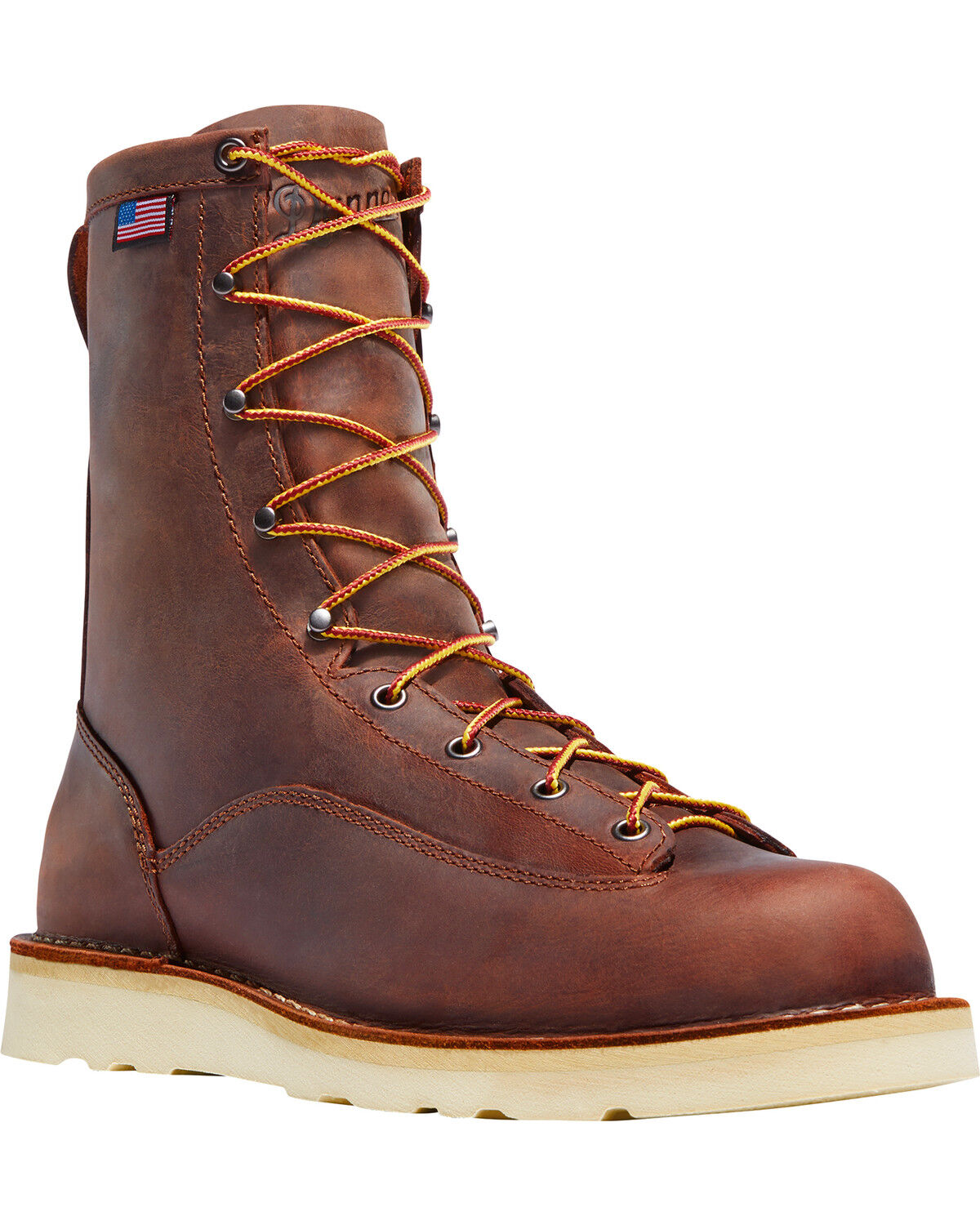
Steel Toe vs. Composite Toe Waterproof Work Boots

Choosing between steel toe and composite toe waterproof work boots starts with understanding what fits your job, work environment, and daily routine. Steel Toe vs. Composite Toe Waterproof Work Boots brings both options together so you can compare styles and find the right pair for the work ahead.

Read More

Shop Your Store: Shop Your Store: Find a Store

(Turn off Shop Your Store to see all items)

(Turn off Shop Your Store to see all items)

close
  • Recommended
  • Lowest Price
  • Highest Price
Skip pass products

End of products

Steel Toe vs. Composite Toe Waterproof Work Boots

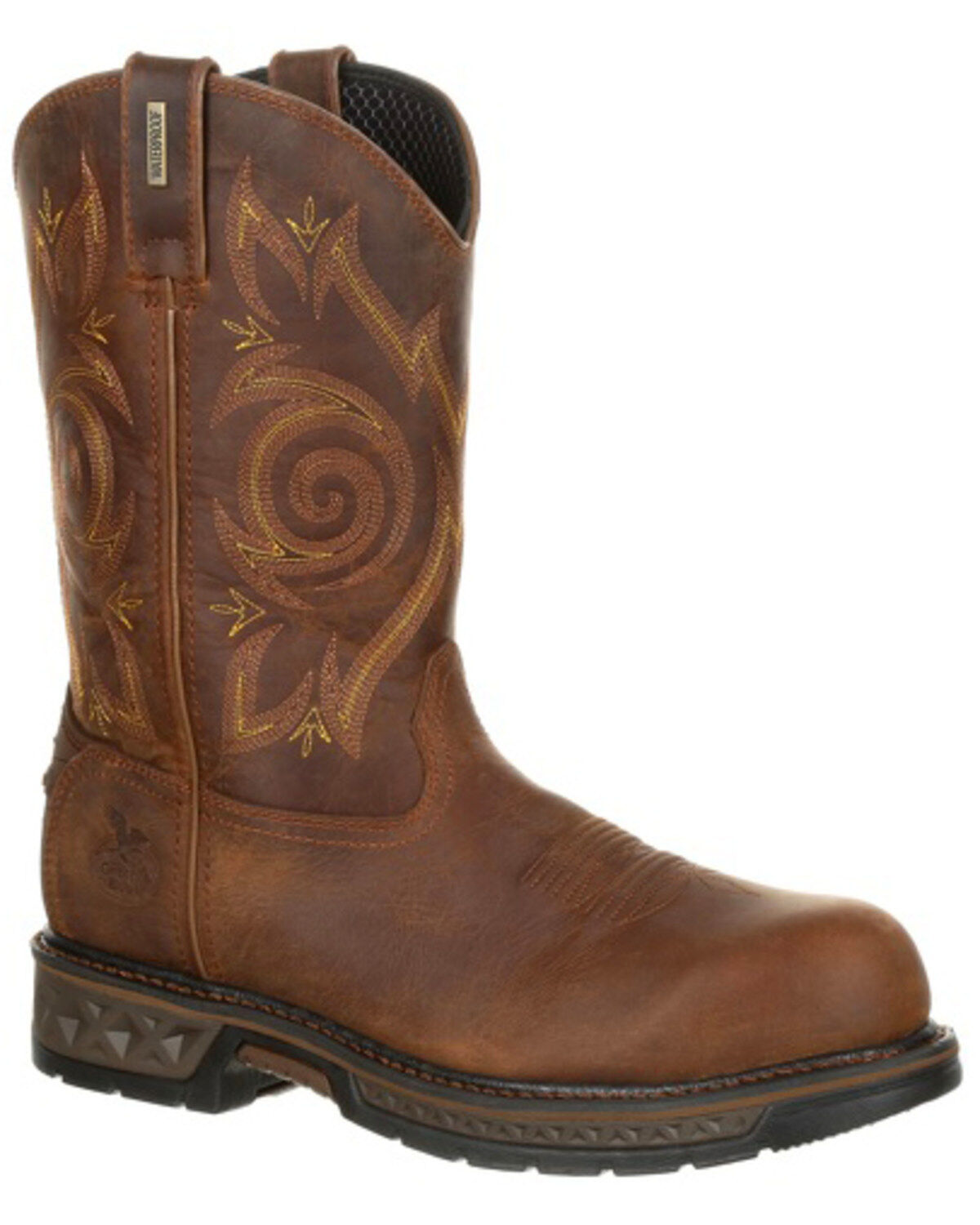
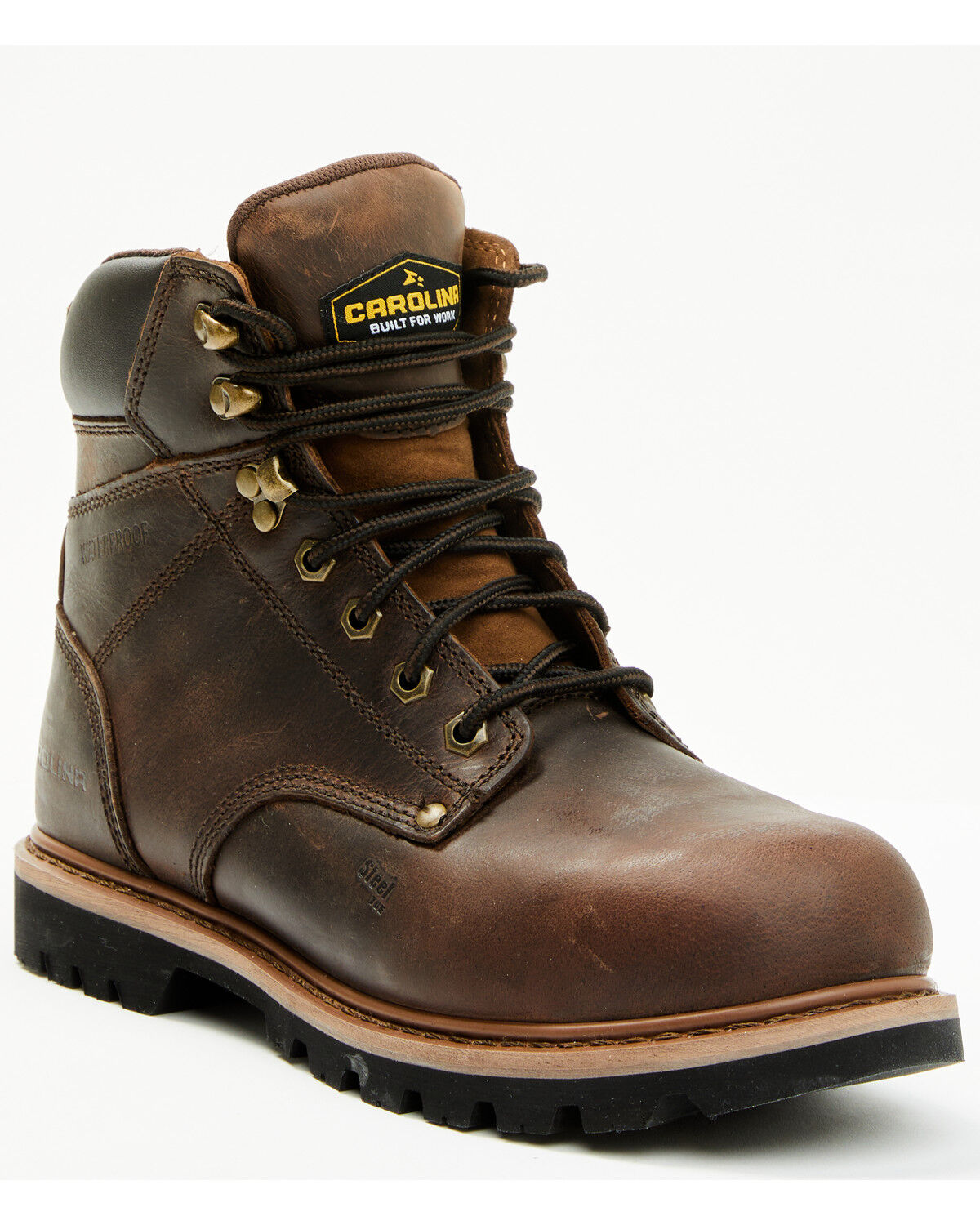
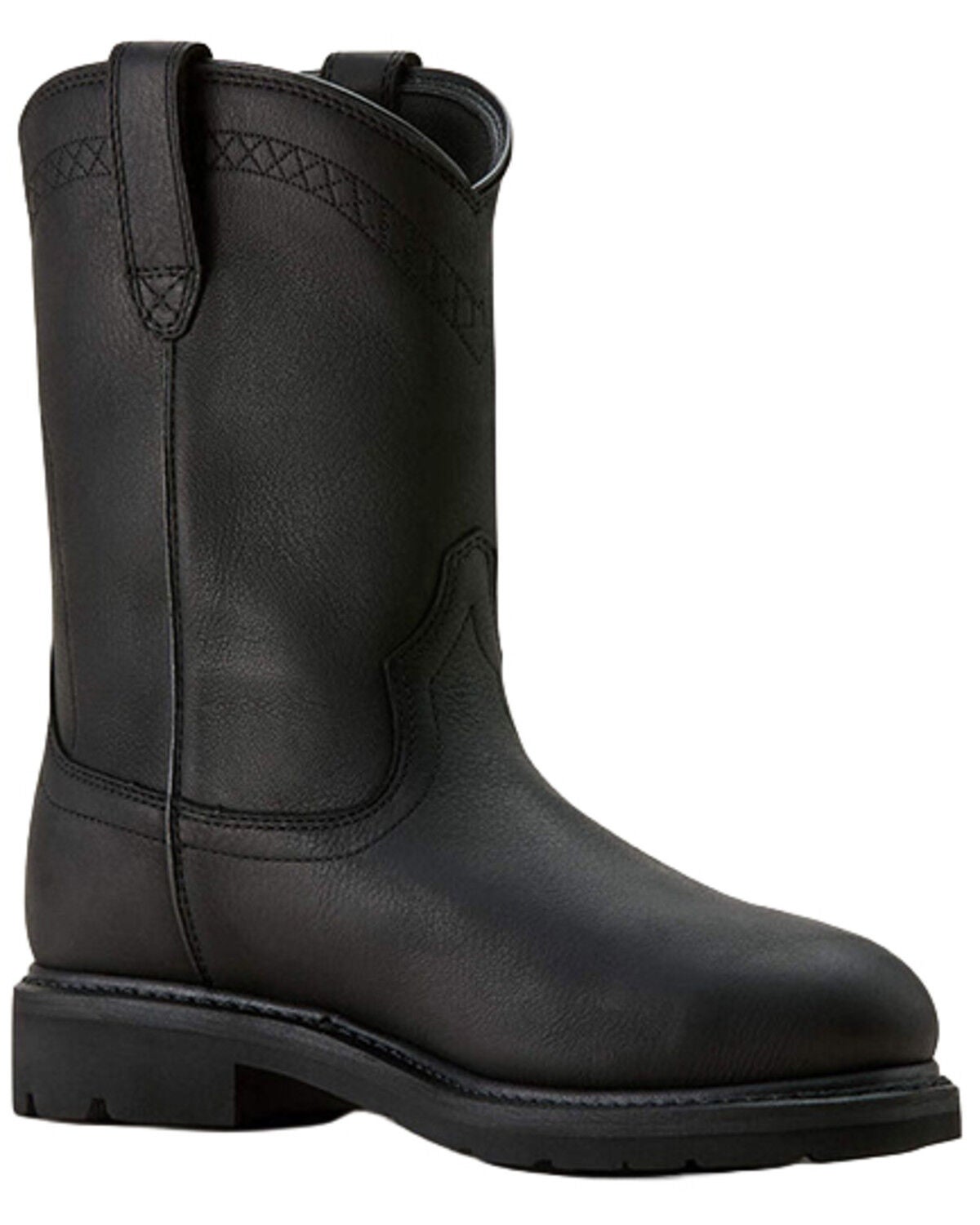
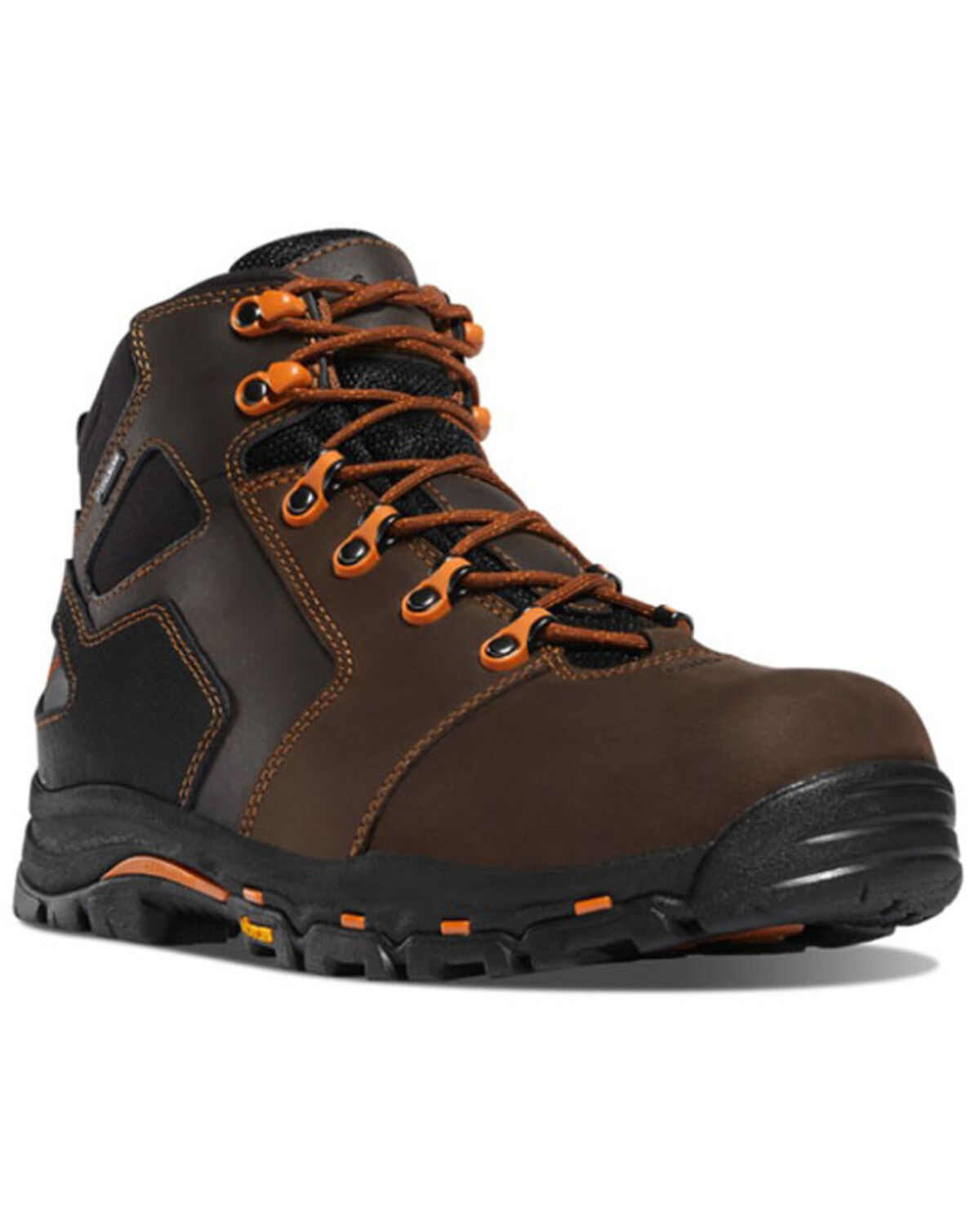
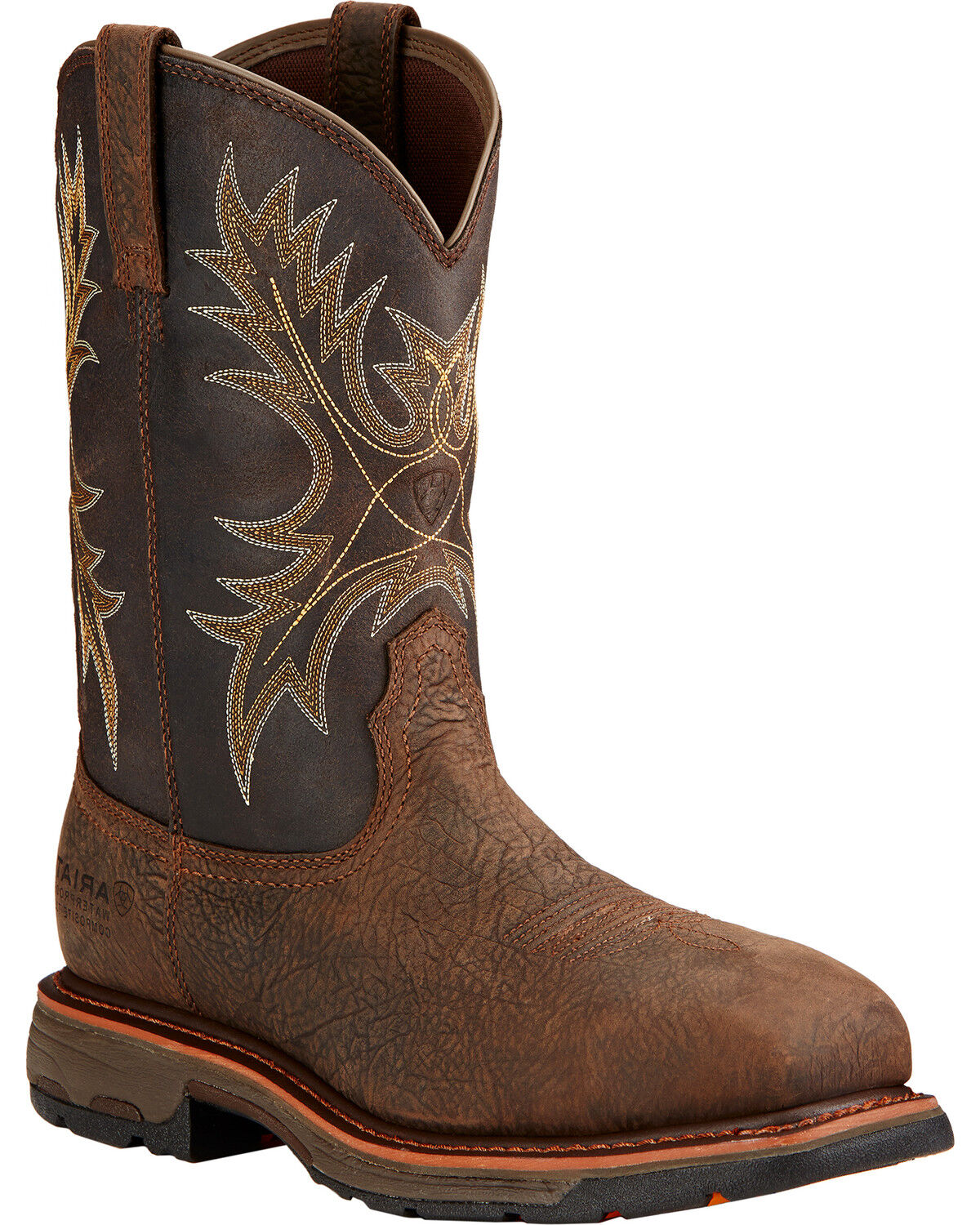
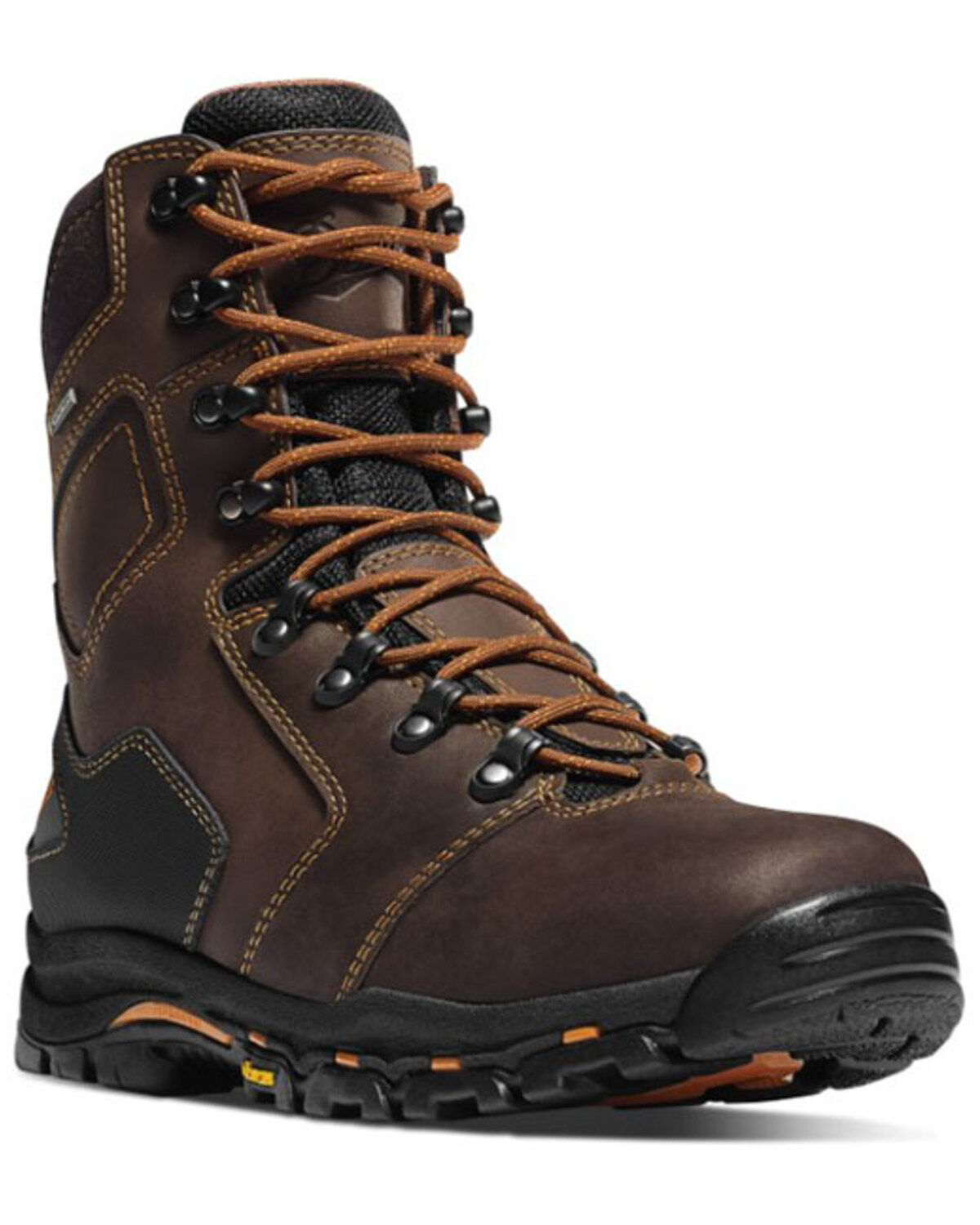
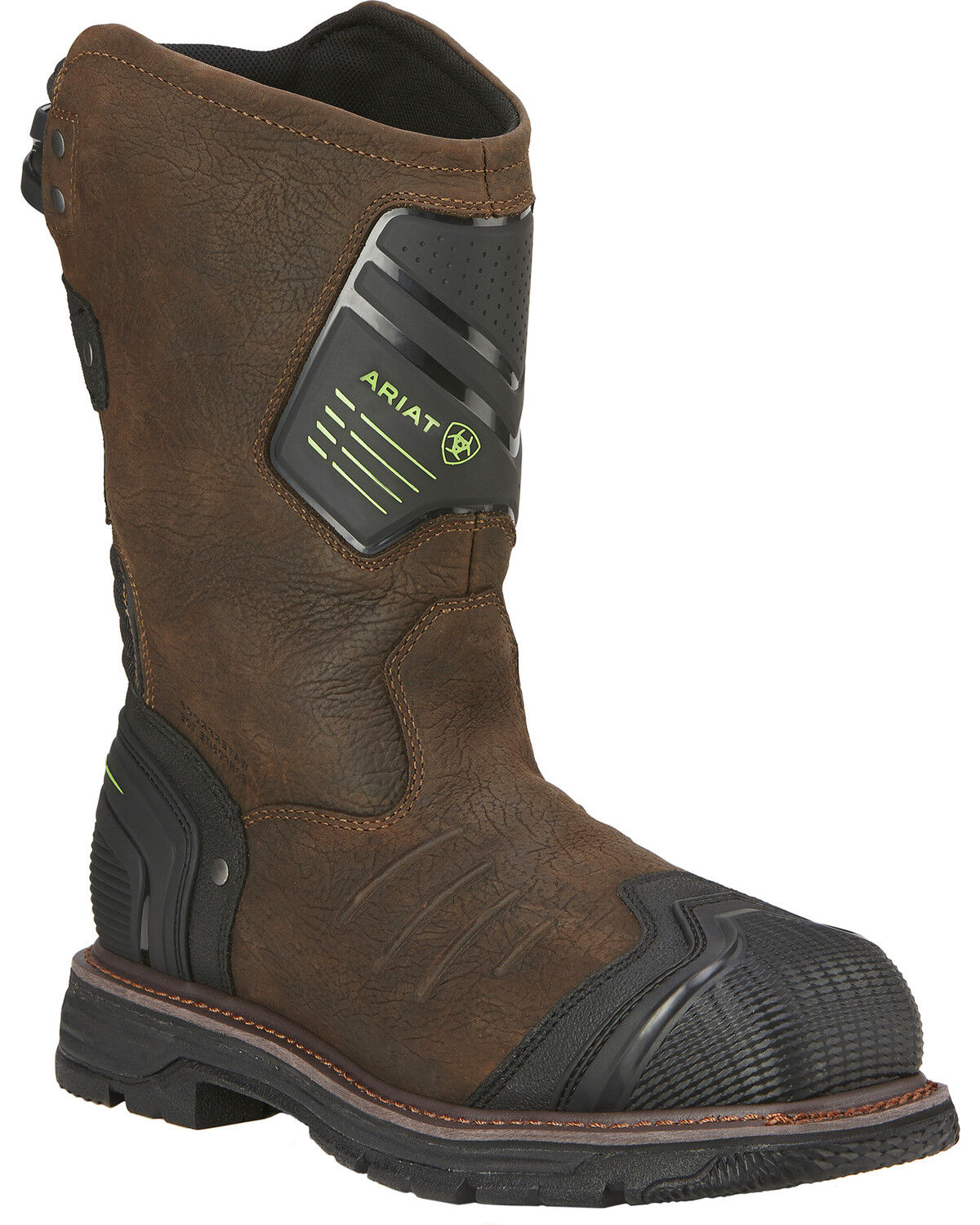
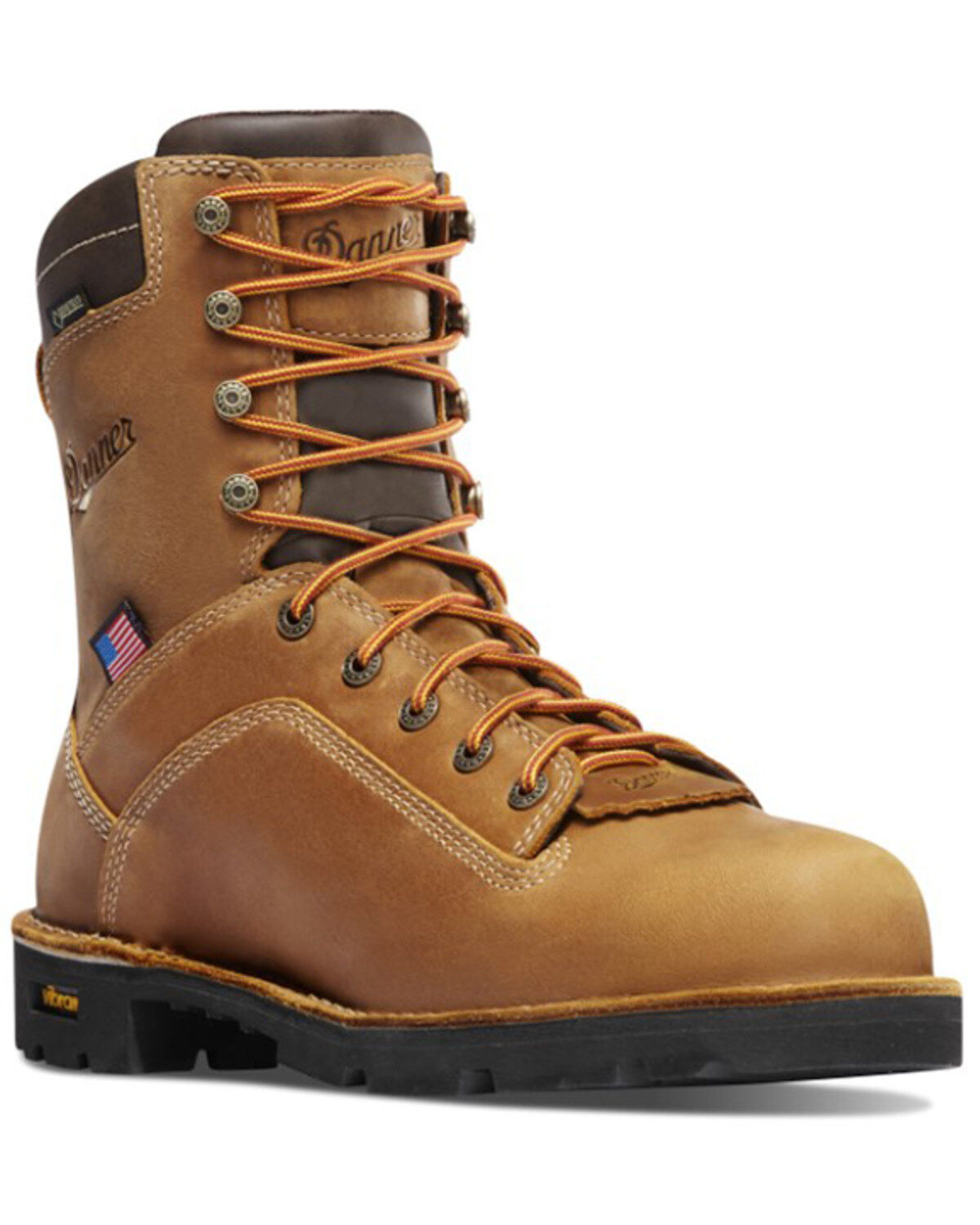
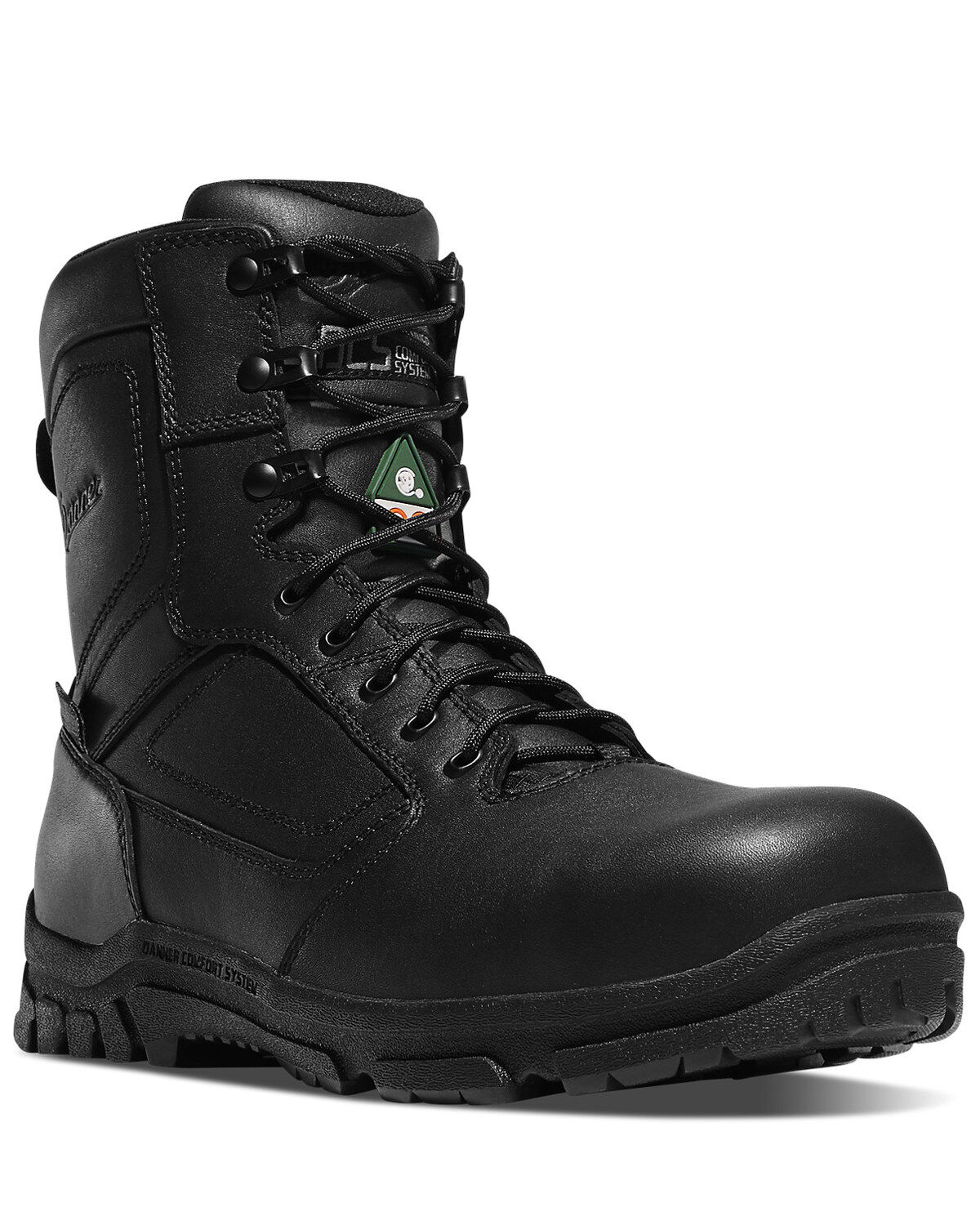
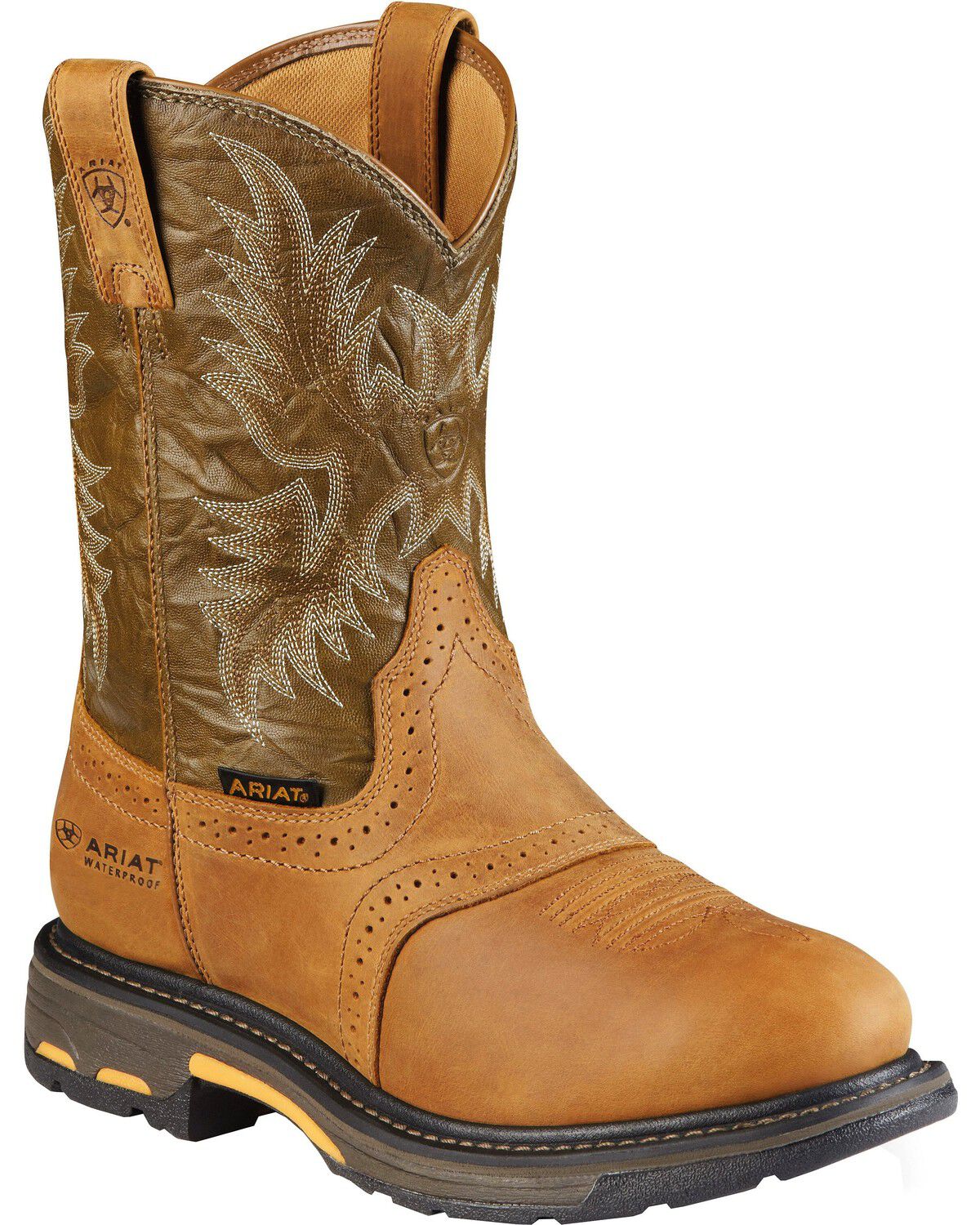
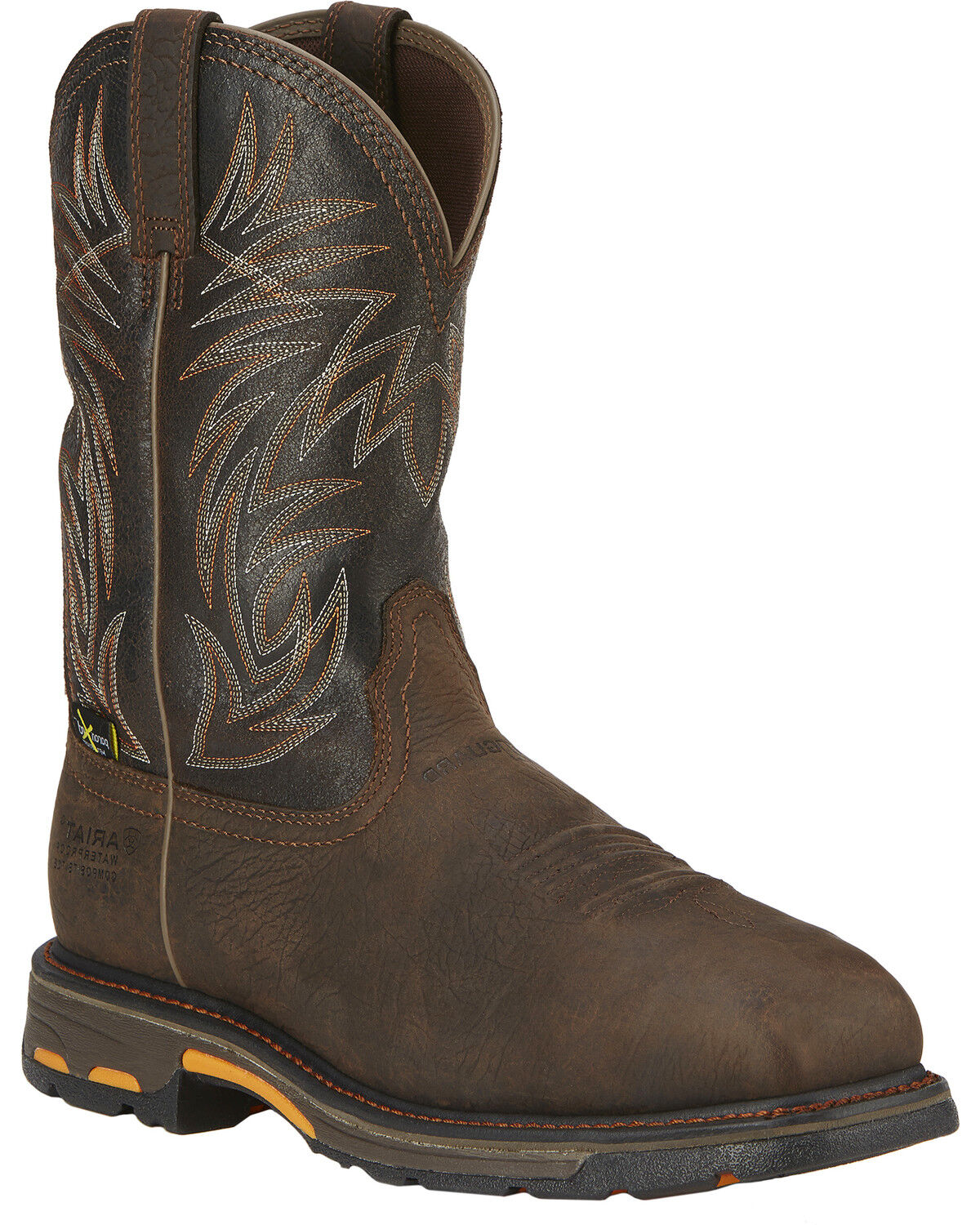
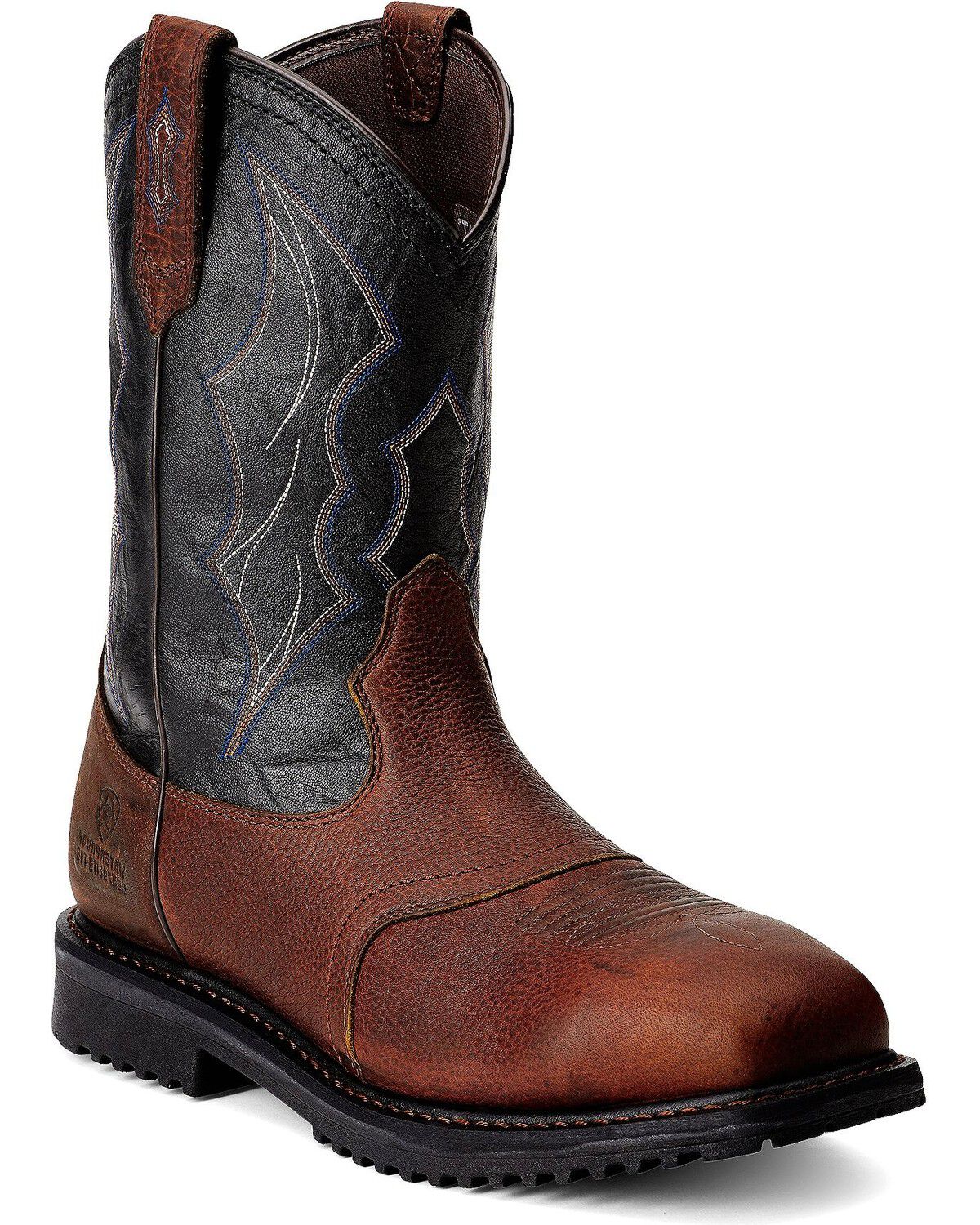
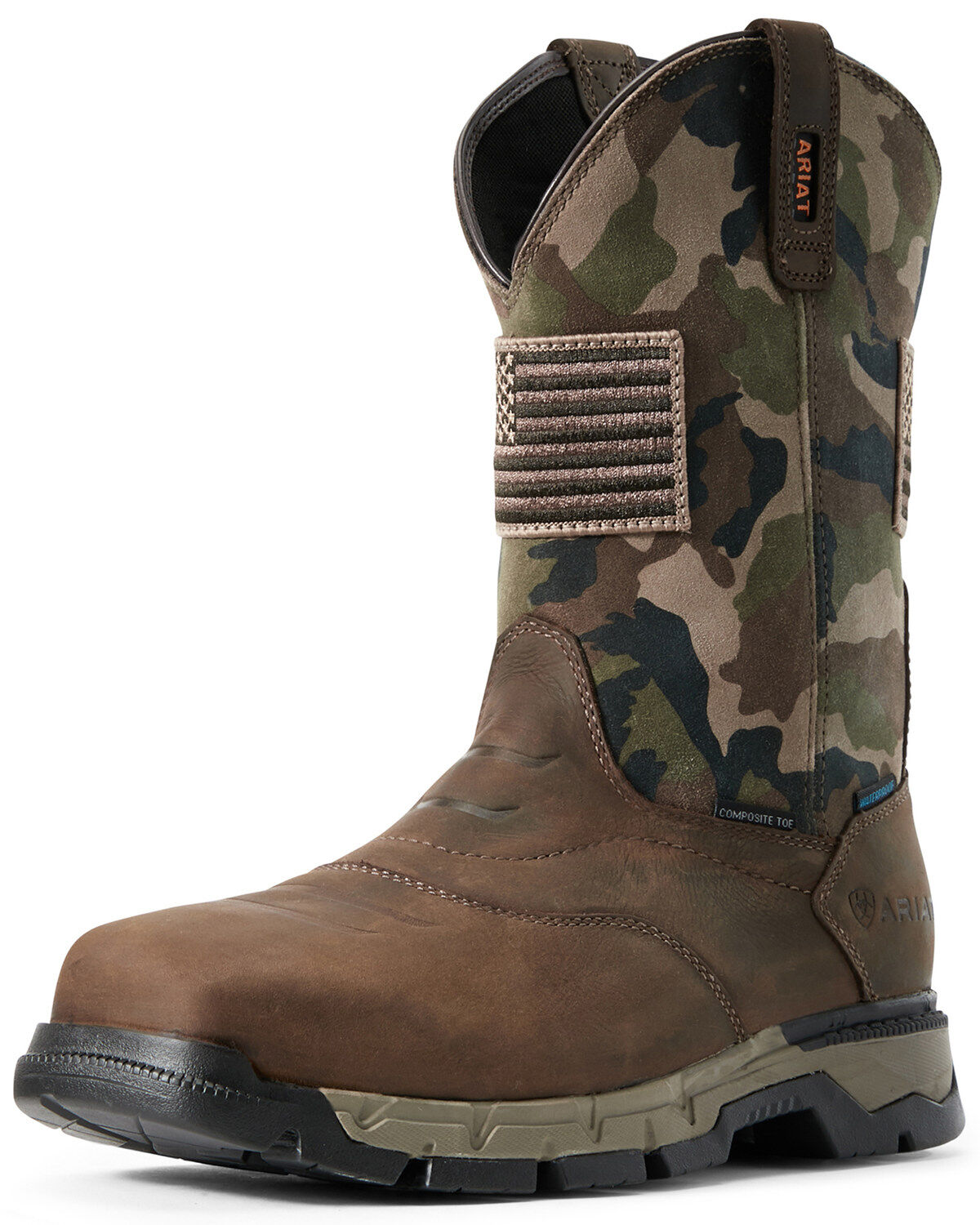
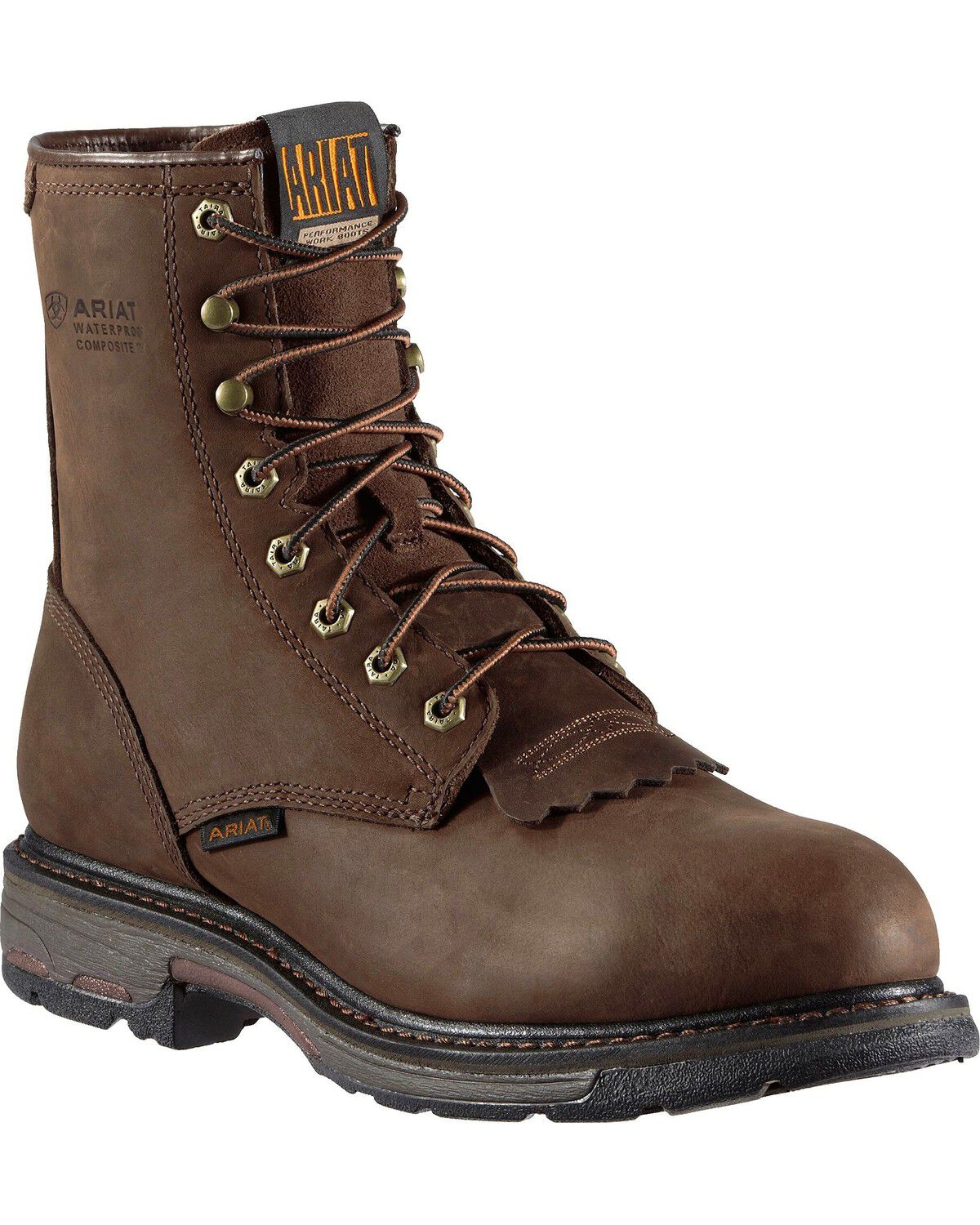
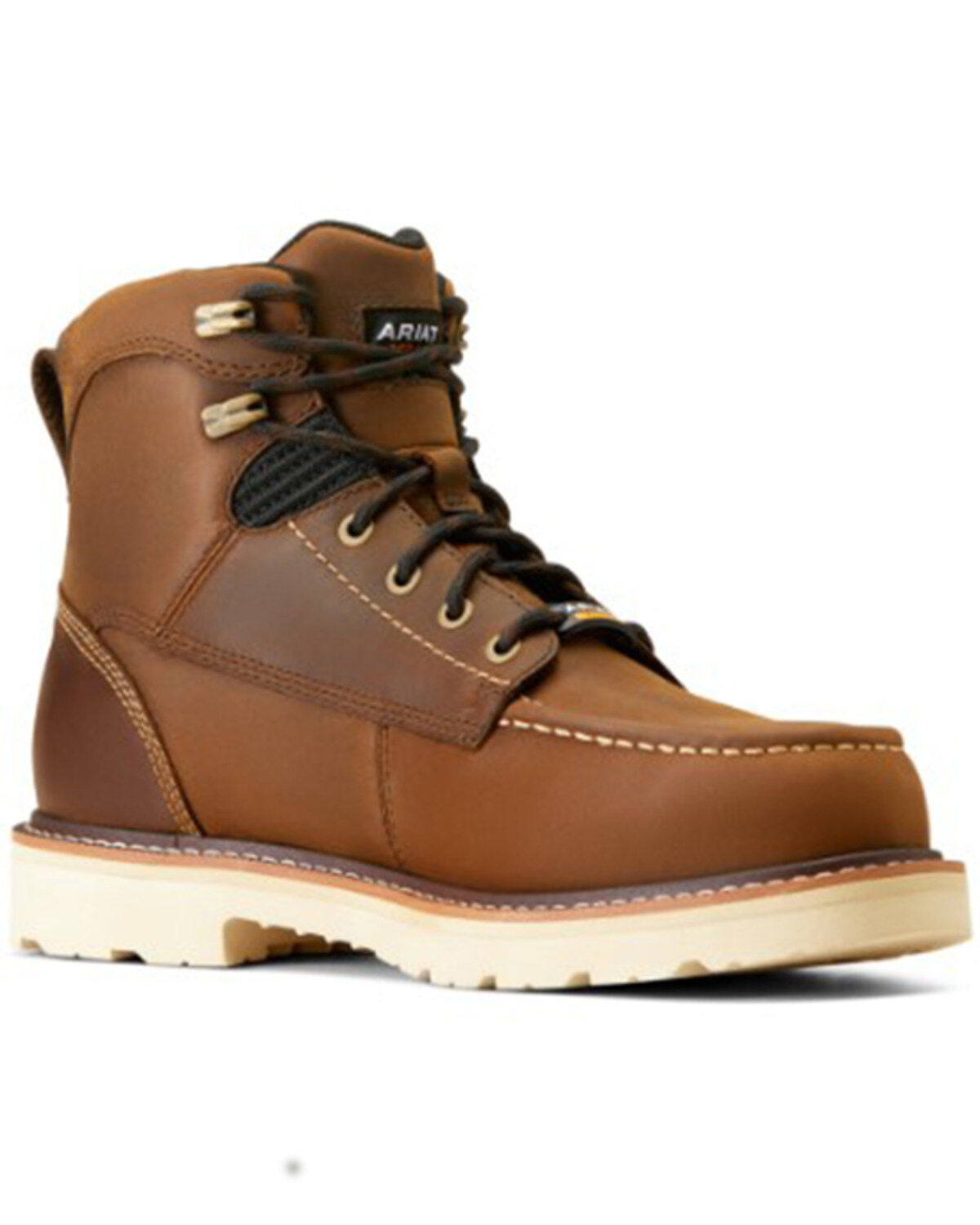
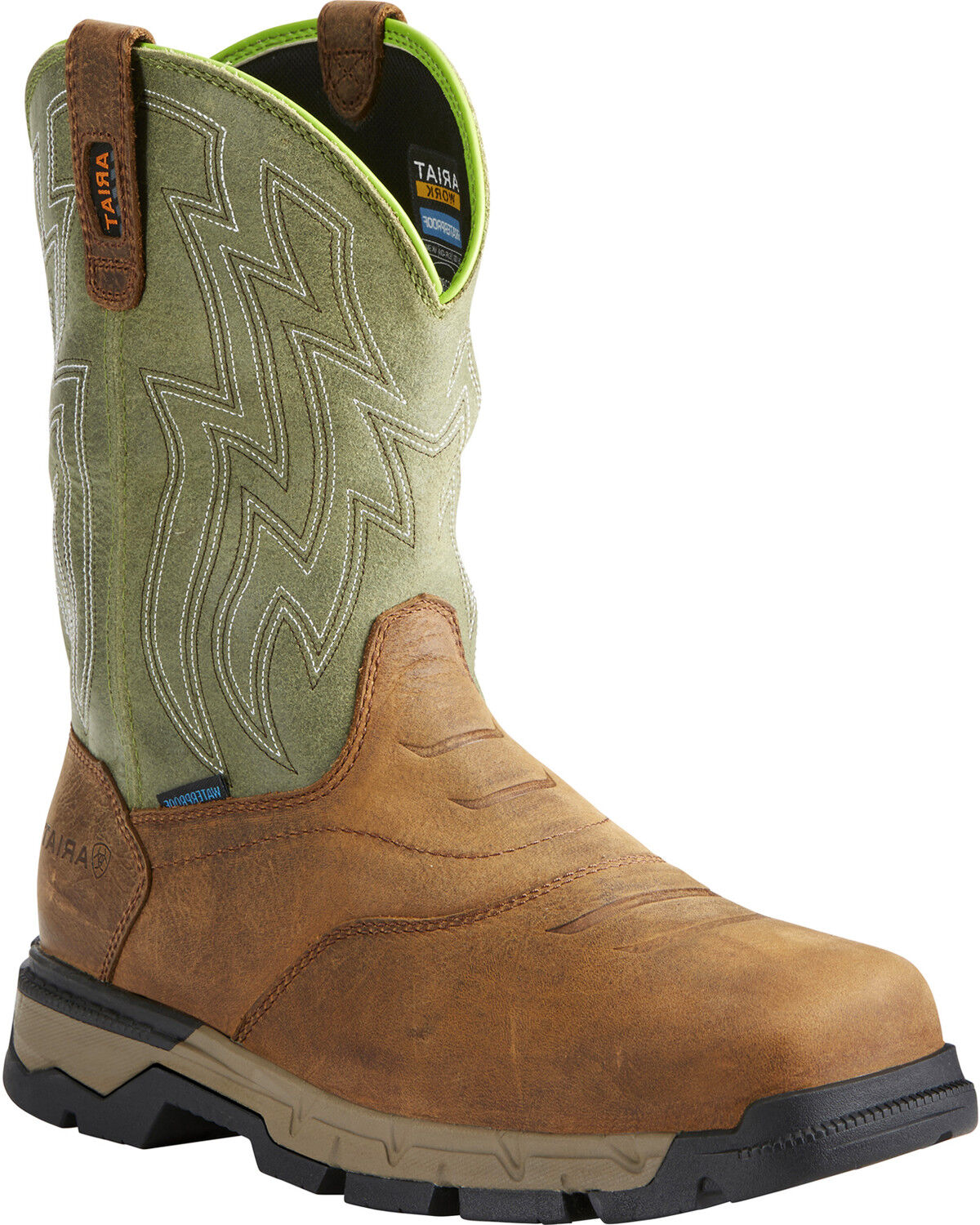
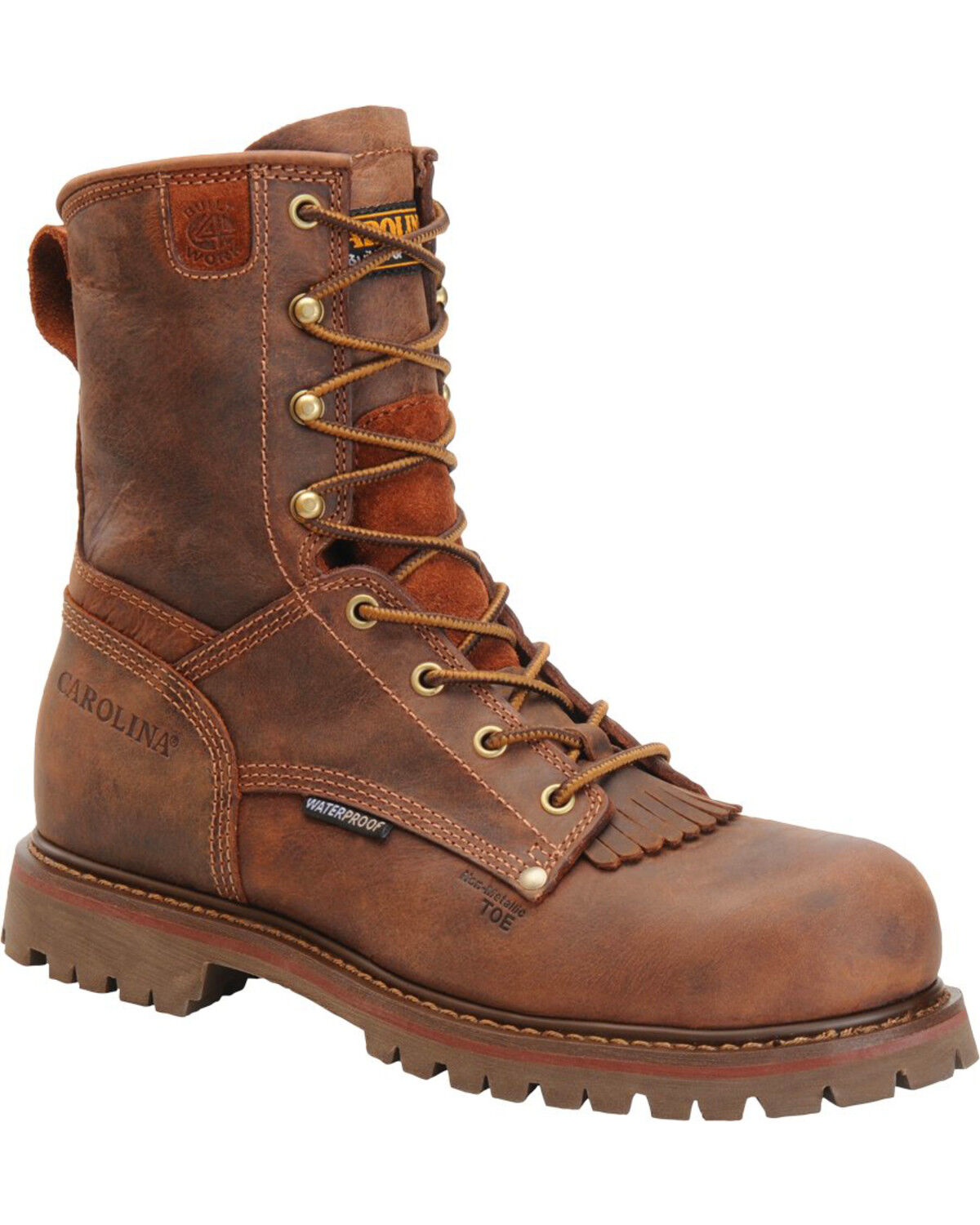
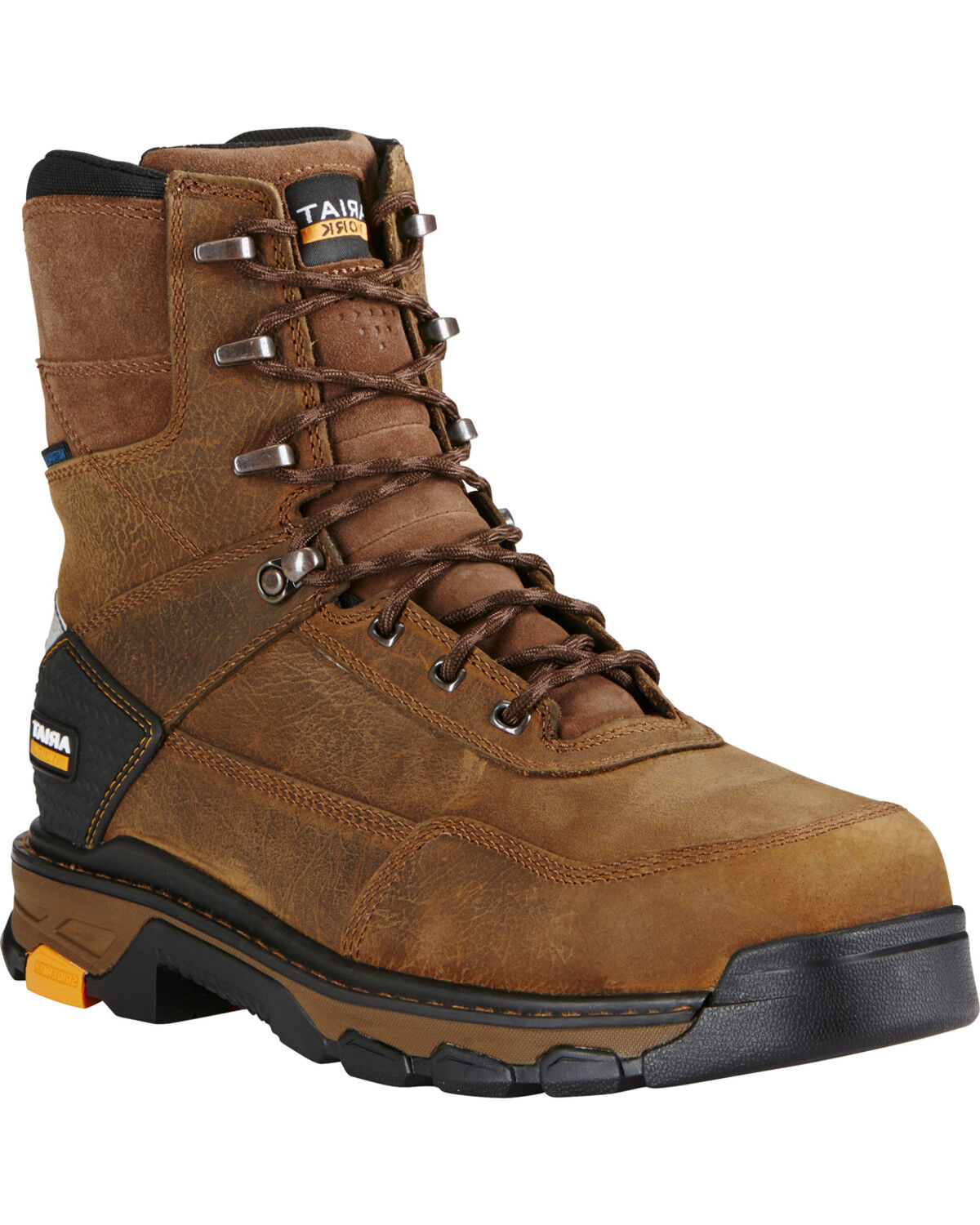
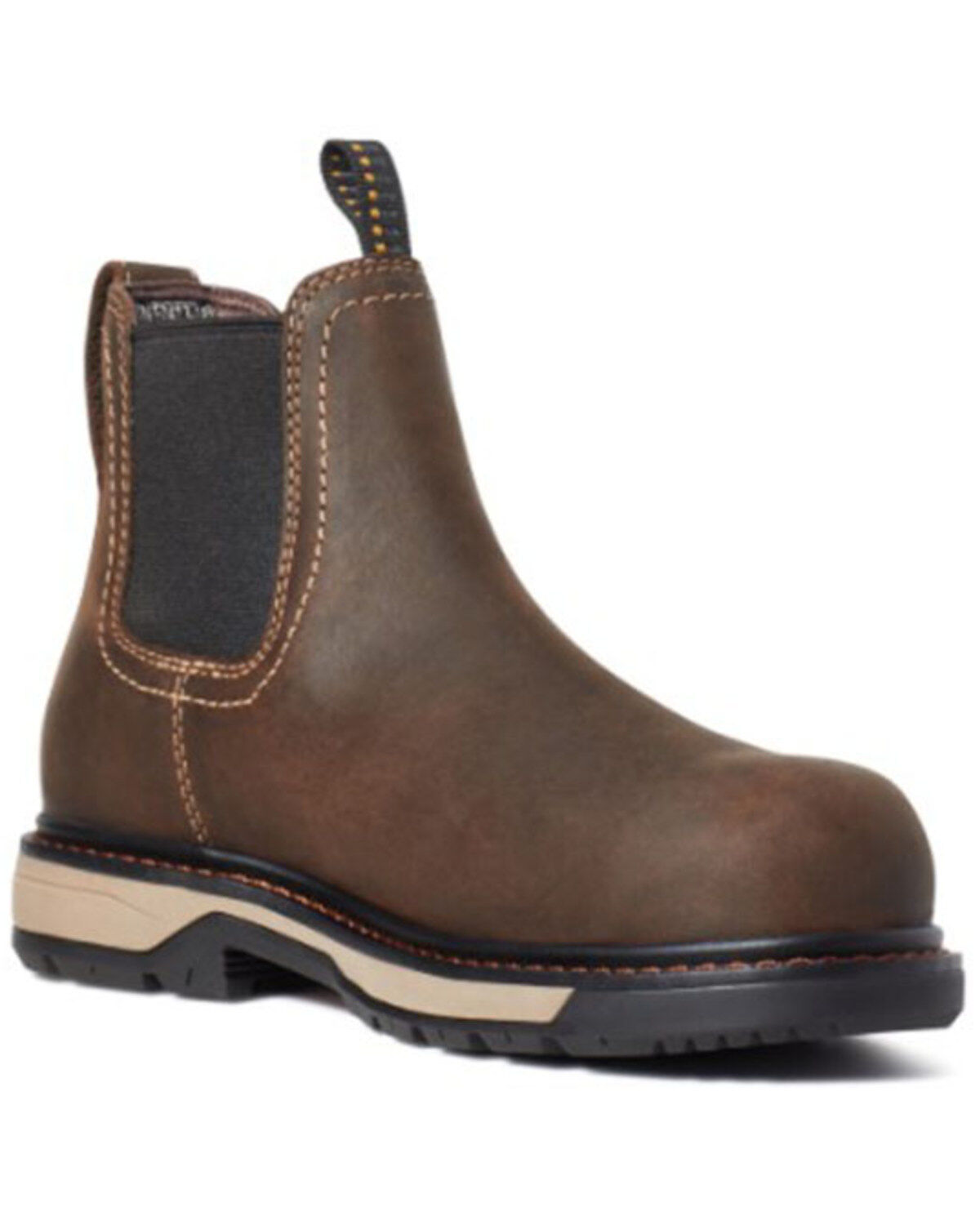
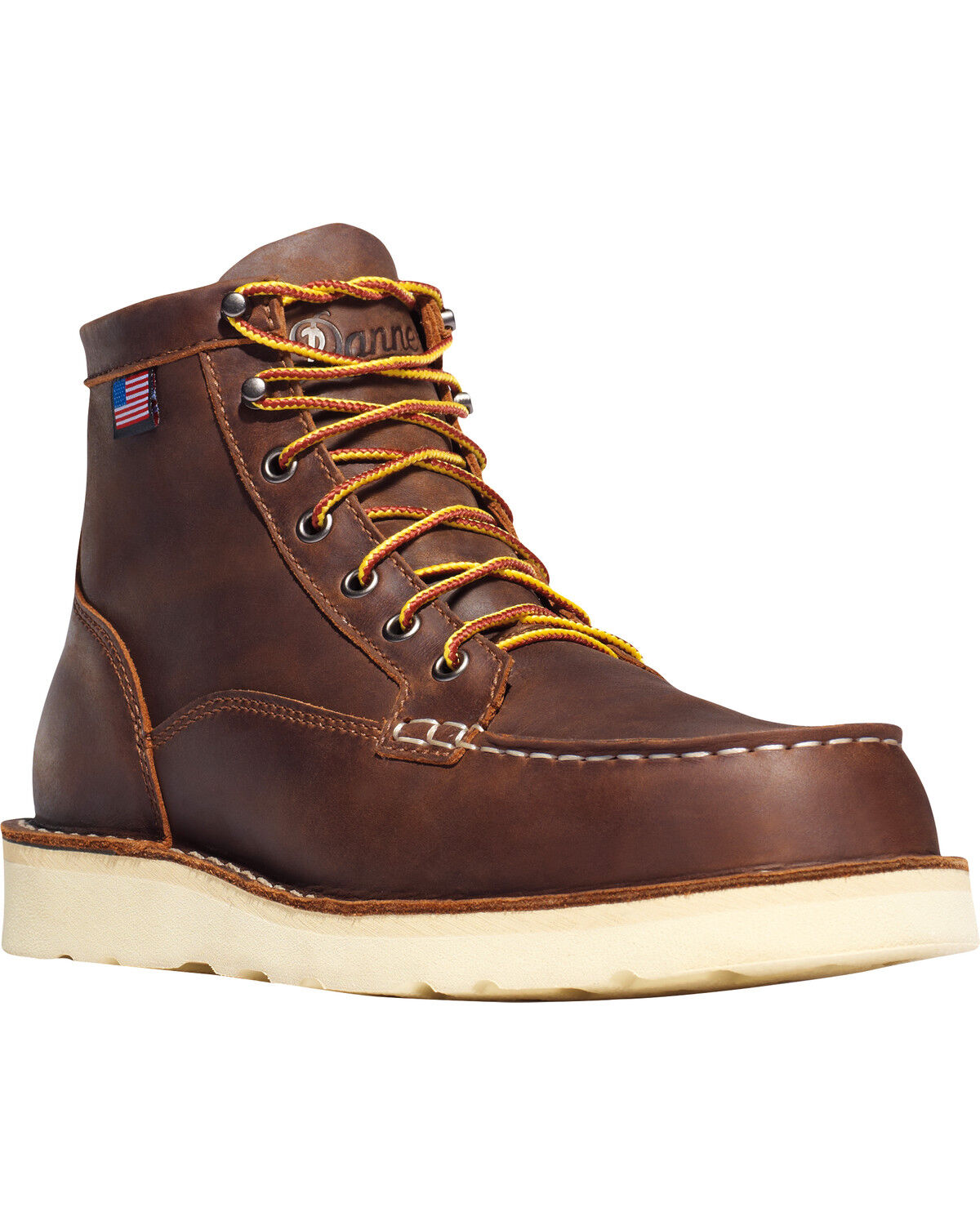
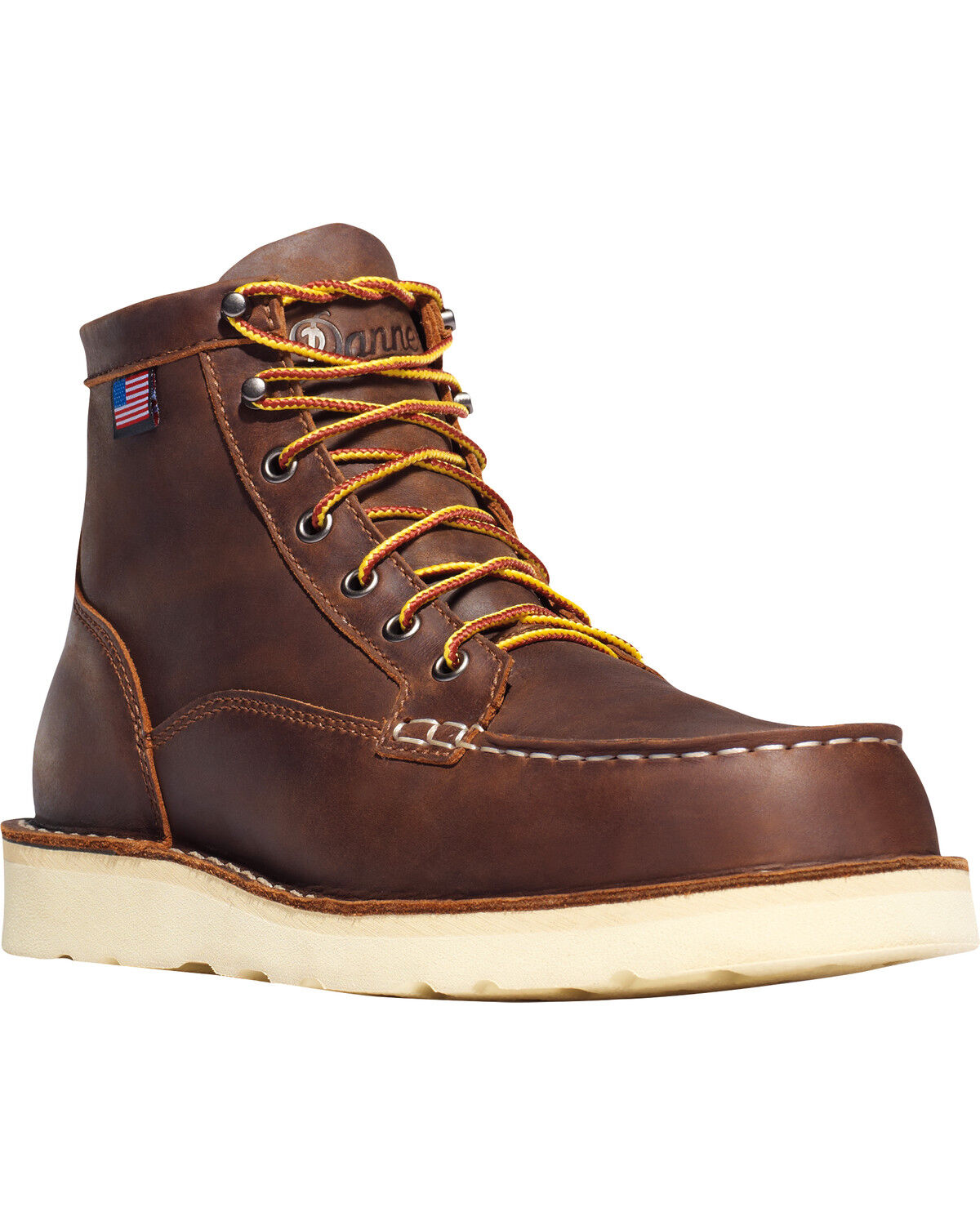
Choosing between steel toe and composite toe waterproof work boots starts with the job, the conditions underfoot, and how long the boots will stay on. Steel toe boots use a protective cap made from steel, giving workers a proven layer of impact and compression protection at a generally accessible price. They are a practical choice for construction sites, warehouses, farms, manufacturing floors, delivery routes, and other demanding workplaces where boots may encounter dropped tools, heavy materials, or equipment. Composite toe boots use nonmetal materials such as fiberglass, carbon fiber, or Kevlar. They can provide comparable protection when they are properly rated to the required safety standard, while often weighing less than steel toe styles. That difference matters during a long shift. A few extra ounces may seem minor when trying on boots, but the load becomes more noticeable after hours of climbing ladders, crossing concrete floors, or walking across wet ground. Composite materials also do not conduct temperature as readily as steel, which can make them more comfortable in cold outdoor conditions or warm work areas. Steel transfers outside temperatures more quickly, so feet may feel colder during the cooler months or warmer in direct sun. Waterproof construction adds another layer of protection for workers who spend time in rain, mud, snow, damp grass, wash-down areas, or cold storage environments. Look for a boot with sealed seams, a waterproof membrane or treated construction, and a gusseted tongue that helps keep water from entering over the top. Waterproof does not mean indestructible. Water can still get in through the opening, worn seams, damaged leather, or extended submersion, so regular cleaning and proper drying remain part of taking care of the boots.

Safety certification deserves close attention. ASTM F2413 is the primary performance standard commonly associated with protective toe footwear in the United States, covering requirements such as impact and compression resistance. Steel and composite toe boots can both meet the same standard, but not every safety boot offers every type of protection. Check the markings, product details, and workplace requirements before choosing a pair. Some jobs also call for electrical hazard protection, slip resistance, puncture resistance, metatarsal protection, or outsoles designed for oil and other common job-site hazards. Electrical hazard footwear is not a substitute for safe work practices, and it may not be suitable for every electrical environment. Employers may have specific requirements that go beyond a general protective toe rating. Steel toe boots may be preferable when maximum durability, a familiar fit, and a lower purchase price are priorities. Composite toe boots may be the better match for workers who walk continuously, work around metal detectors, or spend time in environments where temperature transfer is a concern. Because composite toe caps are nonmetallic, they may pass through some metal detectors without setting them off, although security procedures vary and workers should follow the policy at each location. Composite materials also resist rust and corrosion, while steel toe caps can be affected if moisture reaches the metal and remains trapped inside the boot. That does not make one option universally better. A steel toe boot with a solid fit and suitable waterproofing can serve reliably for years, while a lightweight composite toe boot may reduce fatigue for someone who covers several miles on foot each day. Price is another practical consideration. Steel toe construction is often less expensive, while composite toe designs may cost more because of their lighter materials and construction. The right choice balances protection, comfort, job requirements, expected use, and budget rather than focusing on the toe material alone.

Fit can determine whether a protective boot becomes a trusted part of the workday or a source of sore feet. Try boots on with the socks that will be worn on the job, preferably later in the day when feet have naturally expanded. Toes should not press against the protective cap, and the heel should stay reasonably secure without pinching. A little movement is normal while walking, but excessive heel lift can cause blisters and make wet terrain harder to navigate. Leave enough room for the toes to spread, especially when wearing thicker socks during colder conditions, without sizing up so far that the foot slides forward. Waterproof work boots are often useful for people who work outdoors, maintain property, handle livestock, load trucks, repair utilities, manage facilities, or spend long hours moving between indoor and outdoor surfaces. They can also be a thoughtful gift for a new apprentice, a tradesperson starting a different job, or someone replacing worn footwear before the weather turns wet. Choose based on the recipient’s work environment and fit rather than appearance alone. A person working around security screening may appreciate a composite toe, while someone handling heavy materials may prioritize the familiar protection and durable feel of steel. For shoppers who already prefer a lightweight, nonmetallic design, this selection of Best Composite Toe Work Boots offers another place to compare options. Whichever toe type fits the job, give the boots time to break in, dry them at room temperature away from direct heat, remove loose dirt after muddy work, and use appropriate conditioner or care products for the material. A pair that fits well, keeps moisture out, and matches the hazards of the workplace is built for steady use from wet mornings through the colder months.
Read More

FAQs