Pull-On vs. Lace-Up Waterproof Work Boots

Choosing between Pull-On vs. Lace-Up Waterproof Work Boots starts with your workday, fit preferences, and daily routine. Compare both styles to find the right match for how you work and what you expect from your boots.

Read More

Shop Your Store: Shop Your Store: Find a Store

(Turn off Shop Your Store to see all items)

(Turn off Shop Your Store to see all items)

close
  • Recommended
  • Lowest Price
  • Highest Price
Skip pass products

End of products

Pull-On vs. Lace-Up Waterproof Work Boots

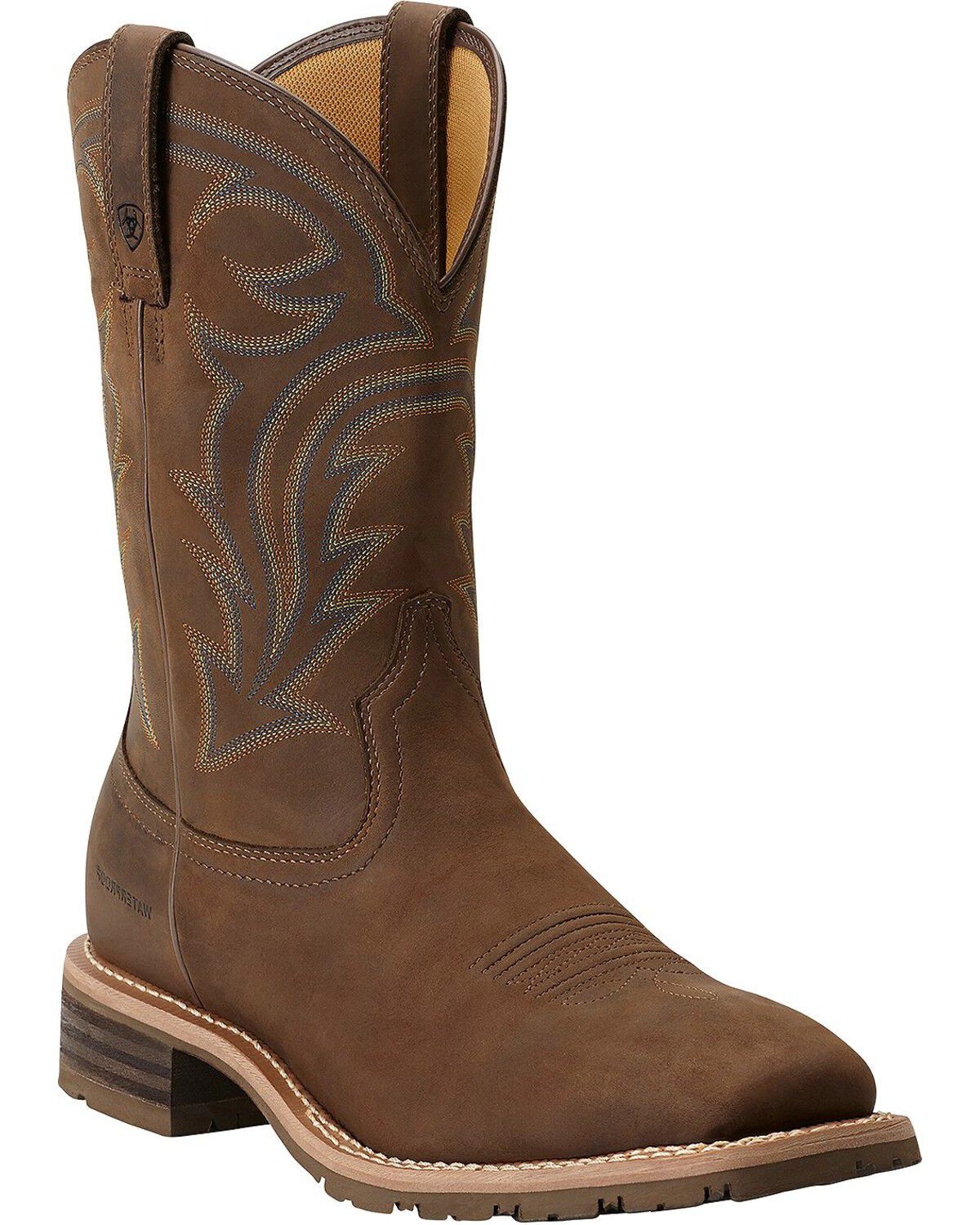
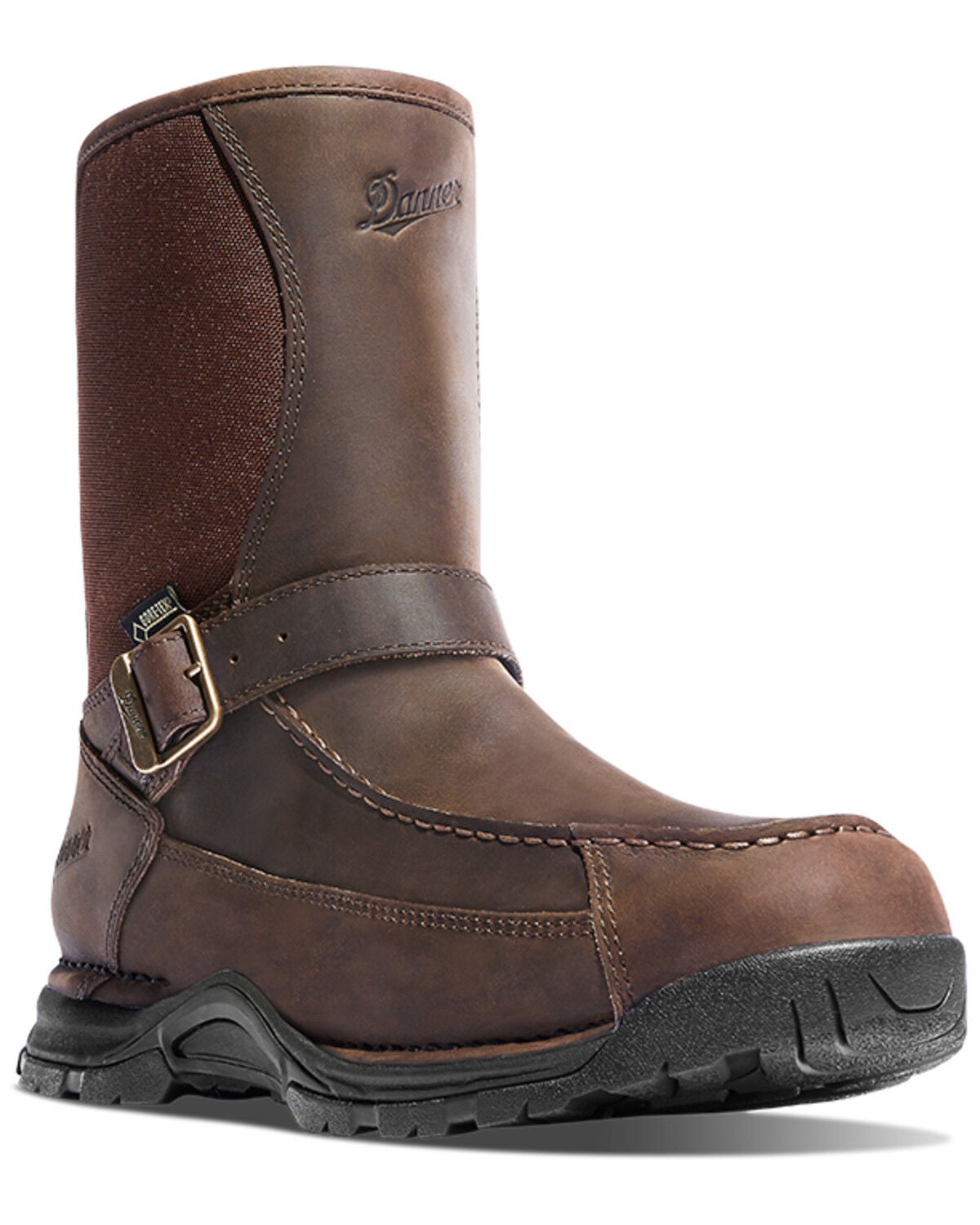
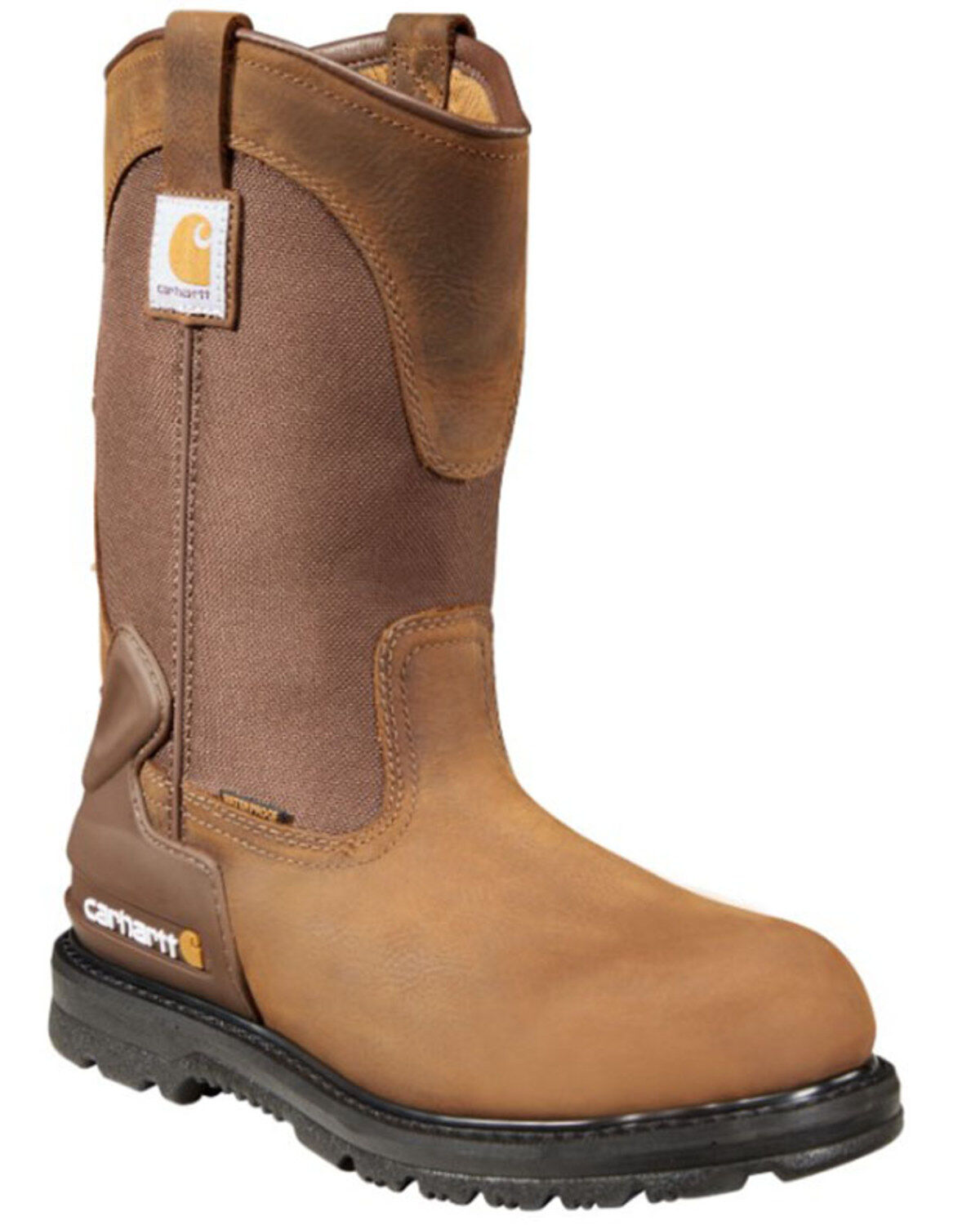
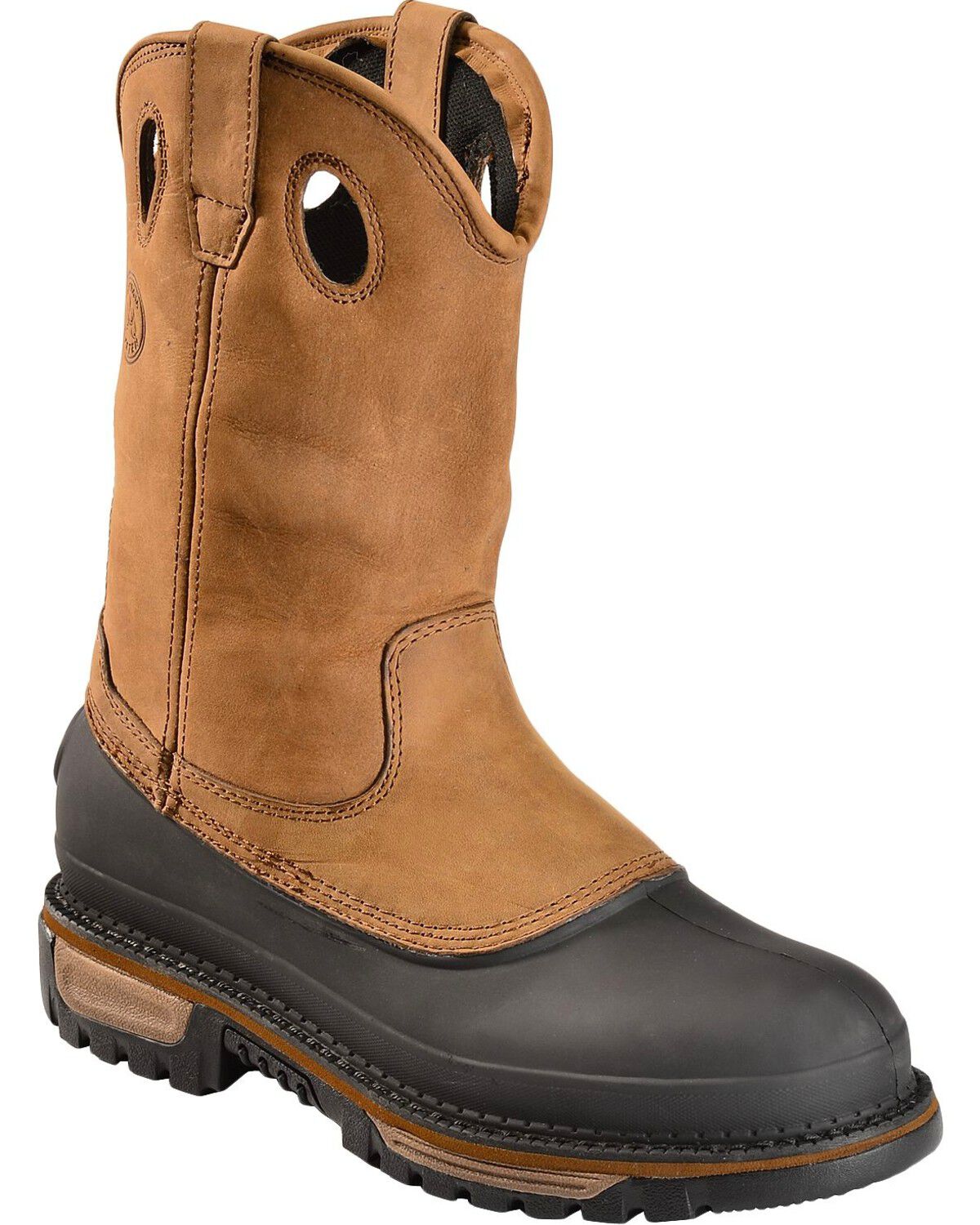
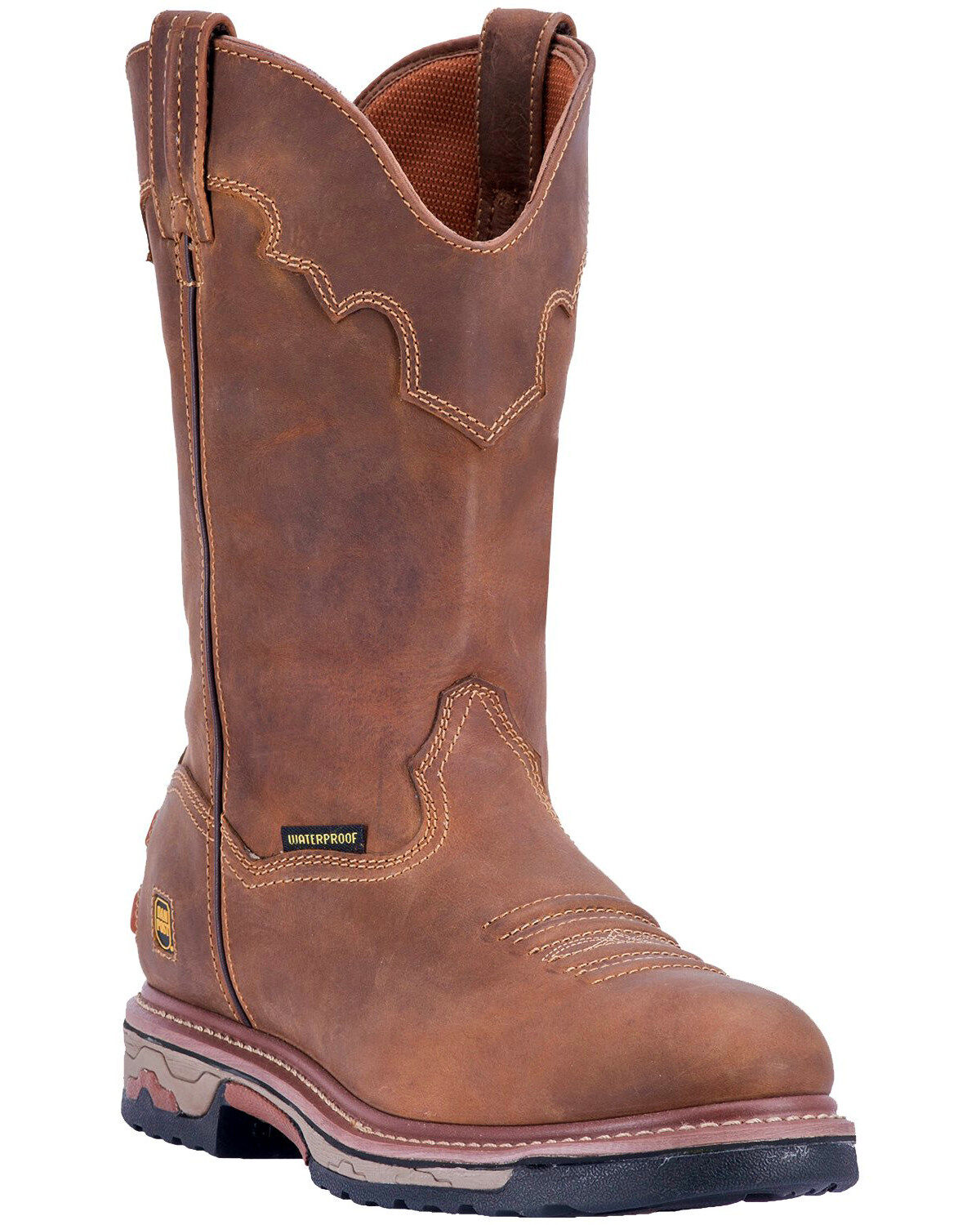
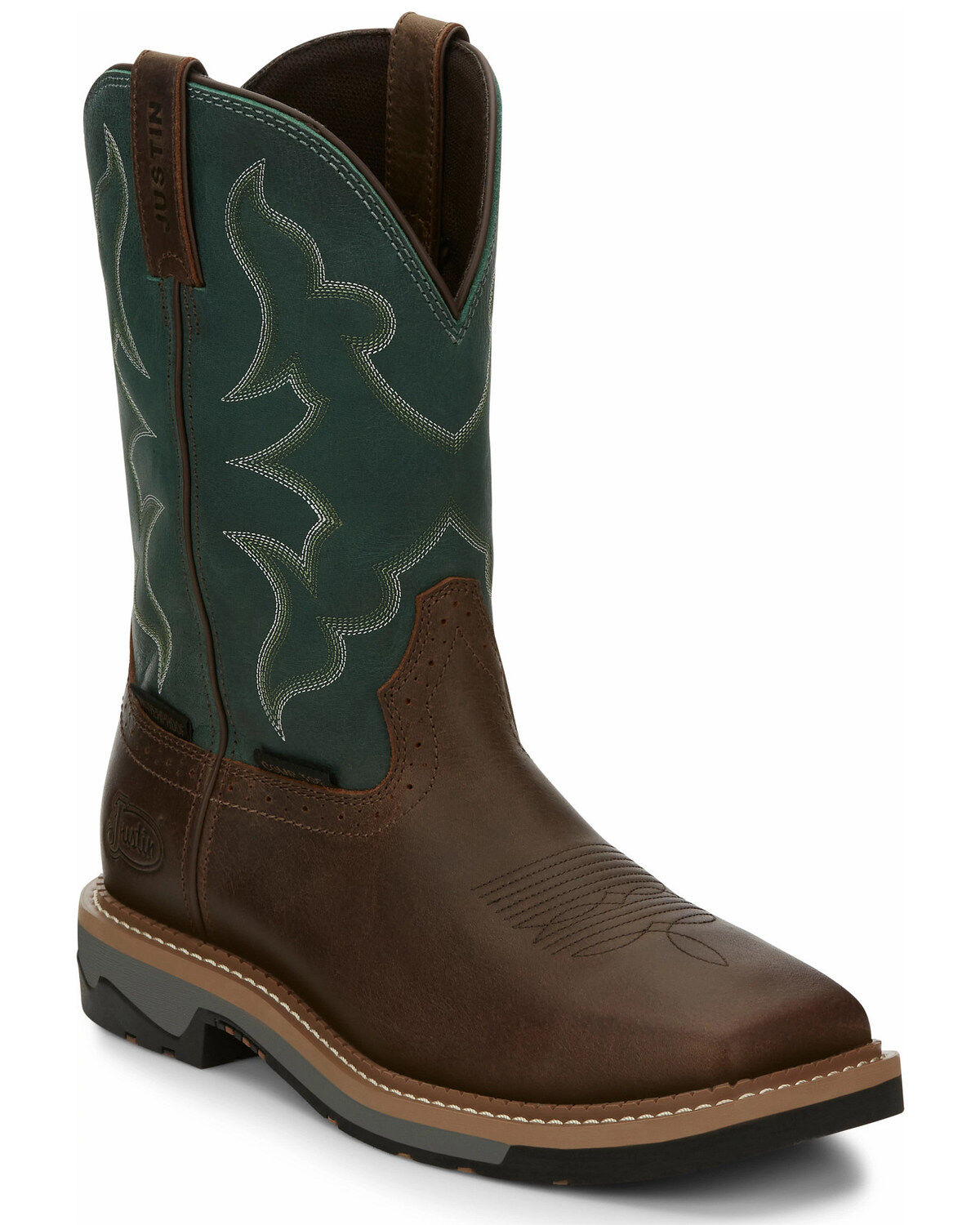
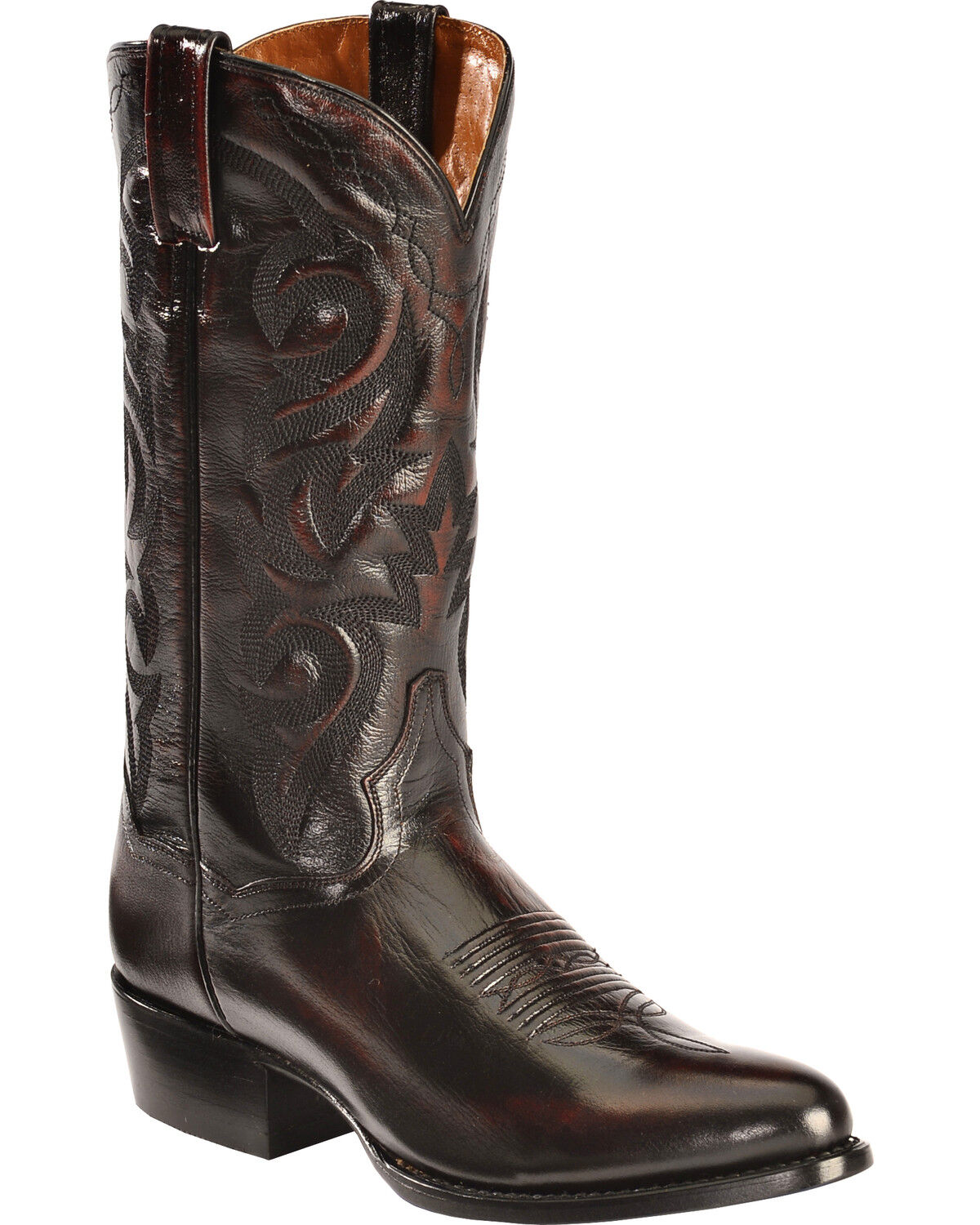
Choosing between pull-on and lace-up waterproof work boots comes down to how you work, how your feet move through the day, and how much control you want over the fit. Pull-on boots are built for straightforward entry and quick removal, which makes them useful for workers who move between wet ground and clean indoor spaces, spend time around mud, or need to change footwear without sitting down and dealing with laces. Their continuous shaft has fewer openings where water, cold air, sawdust, or grit can enter, and the smooth exterior is easy to wipe clean after a long day near puddles, slush, soil, or concrete wash water. That convenience matters when boots are part of a daily routine. A pair left by the back door can be pulled on before the morning commute and removed without dragging work debris across the house. Pull-on styles are also worth considering for people who deal with back strain, limited mobility, or swollen feet late in the day, since there is less bending and no lace tension to manage. The tradeoff is that the initial fit needs to be right. Pull-on boots cannot be tightened as the leather or other upper materials soften with wear, so the heel should stay planted without pinching, the instep should feel secure, and the foot should not slide forward when walking downhill or climbing a ladder. A little room for work socks is useful, but too much movement can lead to rubbing, blisters, and less confident footing. Pull tabs or side openings can make entry easier, while a firm heel counter and supportive insole help keep the boot stable once it is on. For anyone working through cooler months, look for enough interior room to accommodate thicker socks without compressing the toes. Warmth helps only when circulation is not restricted.

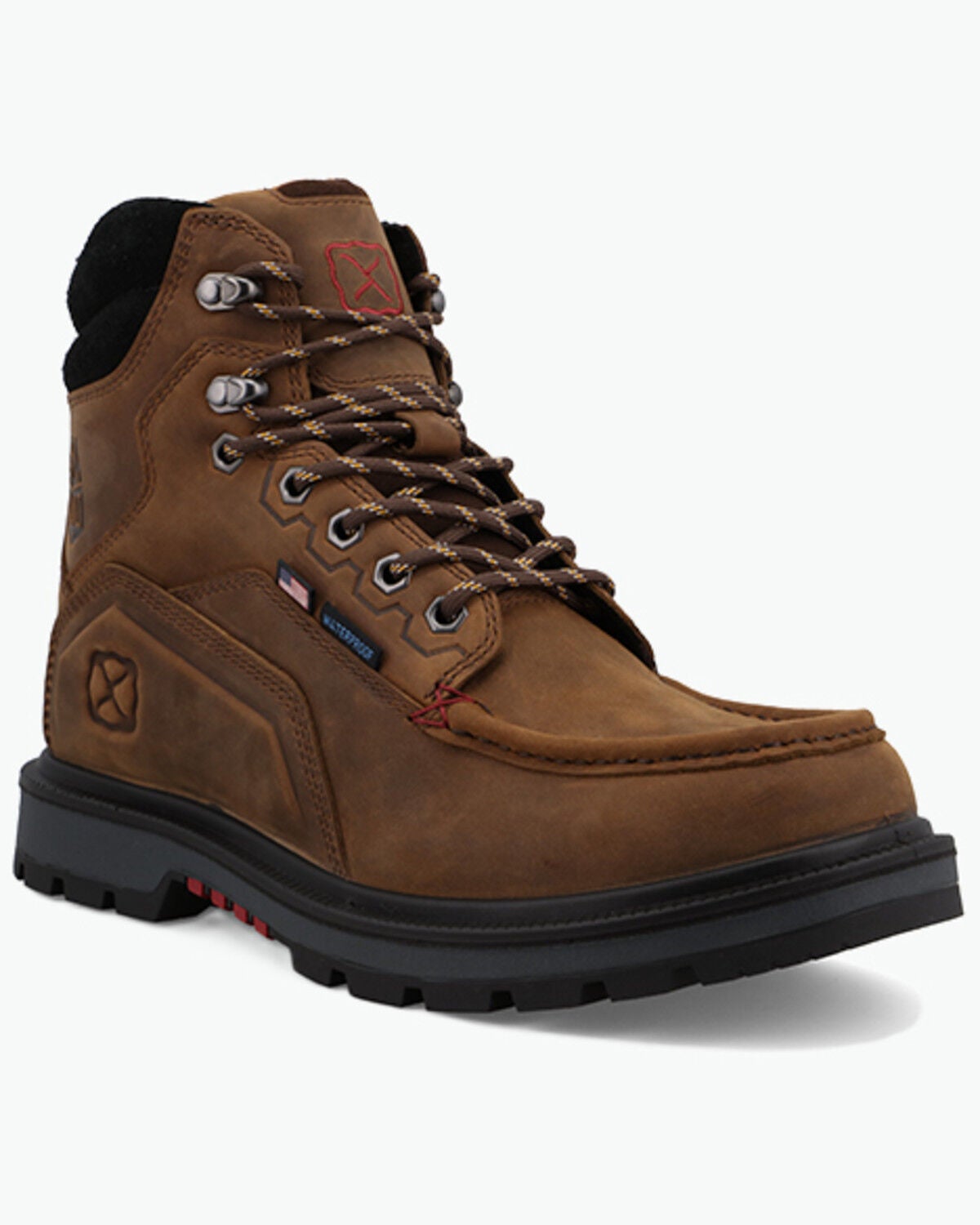
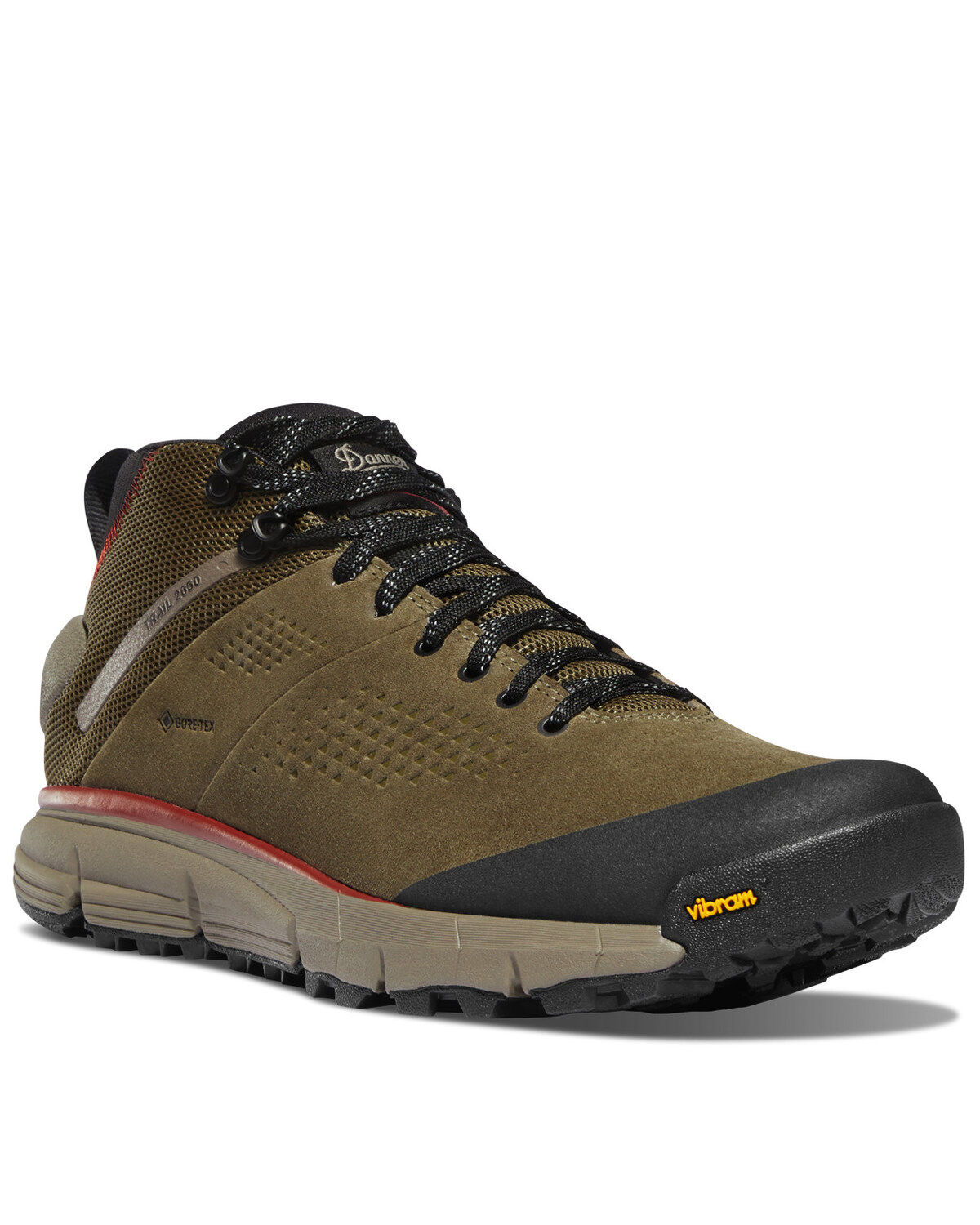
Lace-up waterproof work boots offer a more adjustable fit and often make the stronger case for jobs that involve uneven ground, repeated climbing, long walks, or frequent changes in direction. Laces let the wearer set different levels of tension across the foot, securing the heel and ankle while leaving more room over the toes. That adjustability can be especially helpful when feet change size during a long shift or when a worker alternates between lighter and heavier socks. On a sloped construction site, a farm lane slick with rain, or a warehouse floor where every step needs to be deliberate, a snugly laced boot can reduce internal foot movement and provide a more locked-in feel. Workers who spend time on ladders or rough terrain may also appreciate the added ankle coverage and the ability to fine-tune support throughout the day. The main compromise is that laces, eyelets, and the tongue create additional areas that need care. Wet mud can collect around the lower laces, grit can work into the tongue, and worn laces can loosen or break at an inconvenient time. A gusseted tongue and well-sealed construction help limit water entry, but the lace area still deserves attention when conditions are persistently wet. After use, loosen the laces, brush away debris, and let the boots dry naturally away from direct heat. A boot dryer or circulating air can help, while placing wet leather against a heater can cause it to dry too quickly and become stiff or cracked. When comparing Lace Up Waterproof Boots For Men, pay attention to the closure, waterproof membrane or treated construction, shaft height, outsole traction, and the amount of ankle support the job requires. Waterproof does not mean every boot is designed for deep standing water, chemical exposure, or extended immersion, so product details and care instructions should guide the final choice.

The best waterproof work boot is the one that matches the ground, the weather, and the hazards of the job. A worker on a ranch or property may value a pull-on boot that handles wet grass, manure, and muddy gates while cleaning up quickly at the end of the day. A construction worker, utility technician, delivery driver, or warehouse employee may prefer lace-ups for their adjustable fit and secure feel during long hours on concrete, stairs, gravel, or uneven surfaces. Farmers, landscapers, mechanics, tradespeople, and outdoor crews all have different demands, even when rain is part of the same forecast. Check whether the boot includes a safety toe and choose steel or composite according to workplace requirements, temperature concerns, and personal preference. Confirm that the outsole is rated or designed for the surfaces where the boot will be used, especially if oil, water, loose gravel, or smooth concrete are common. Electrical hazard protection, puncture resistance, heat resistance, and insulation are separate features and should not be assumed from waterproofing alone. Fit remains just as important as protection. Measure both feet near the end of the day, when they are closest to their working size, and wear the socks intended for the job. Toes should move freely, the arch should line up with the boot’s support, and the heel should not lift excessively with each step. Waterproof work boots can also make a practical gift for someone starting a trade, replacing worn footwear, or preparing for outdoor work during colder and wetter conditions. A useful gift is one that fits the person’s real routine: pull-ons for fast changes and simple cleanup, lace-ups for adjustable support and a closer fit. Either way, give the boots time to break in before a full shift, inspect them regularly, and replace them when the tread, waterproof barrier, structure, or safety features show meaningful wear.
Read More

FAQs