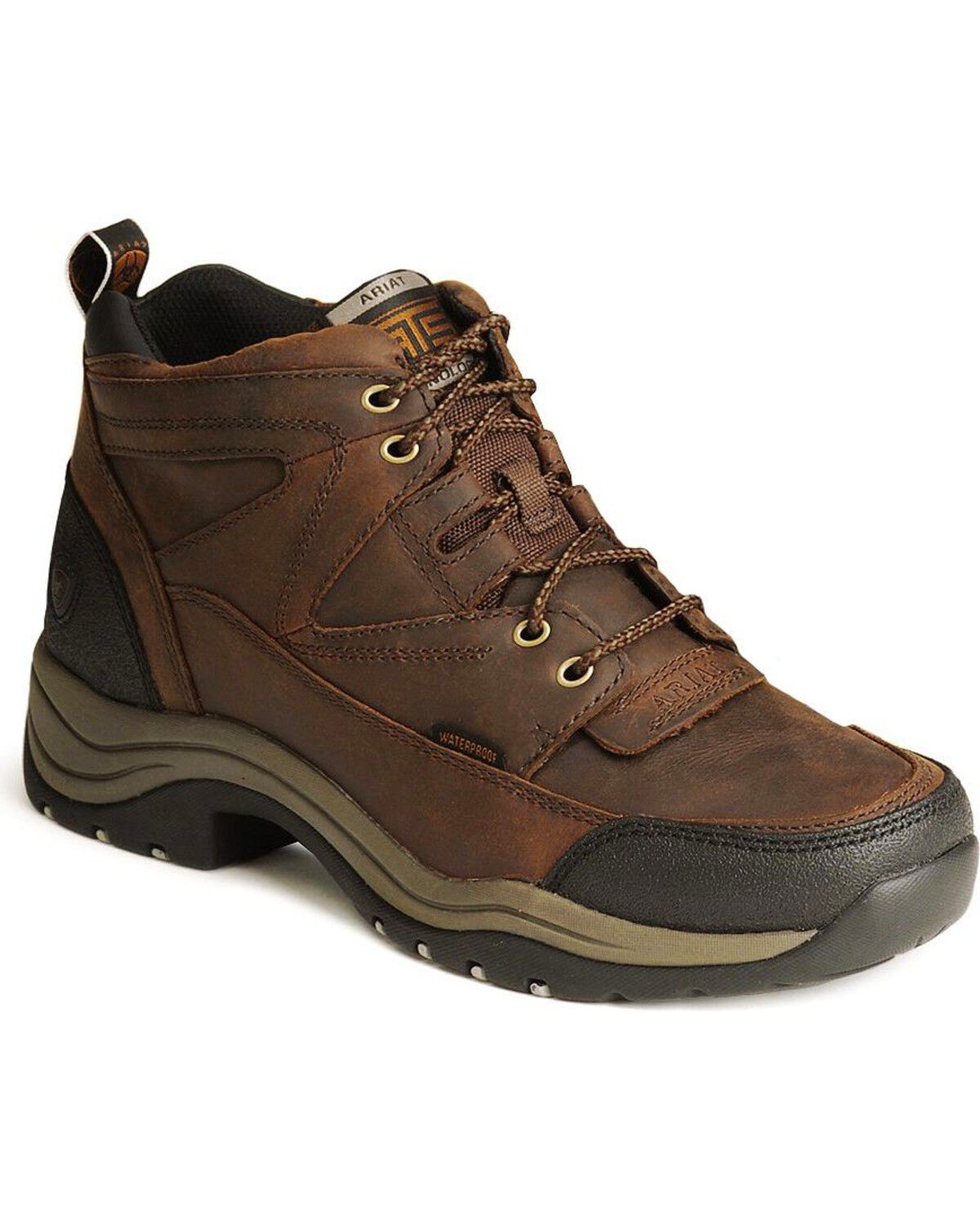
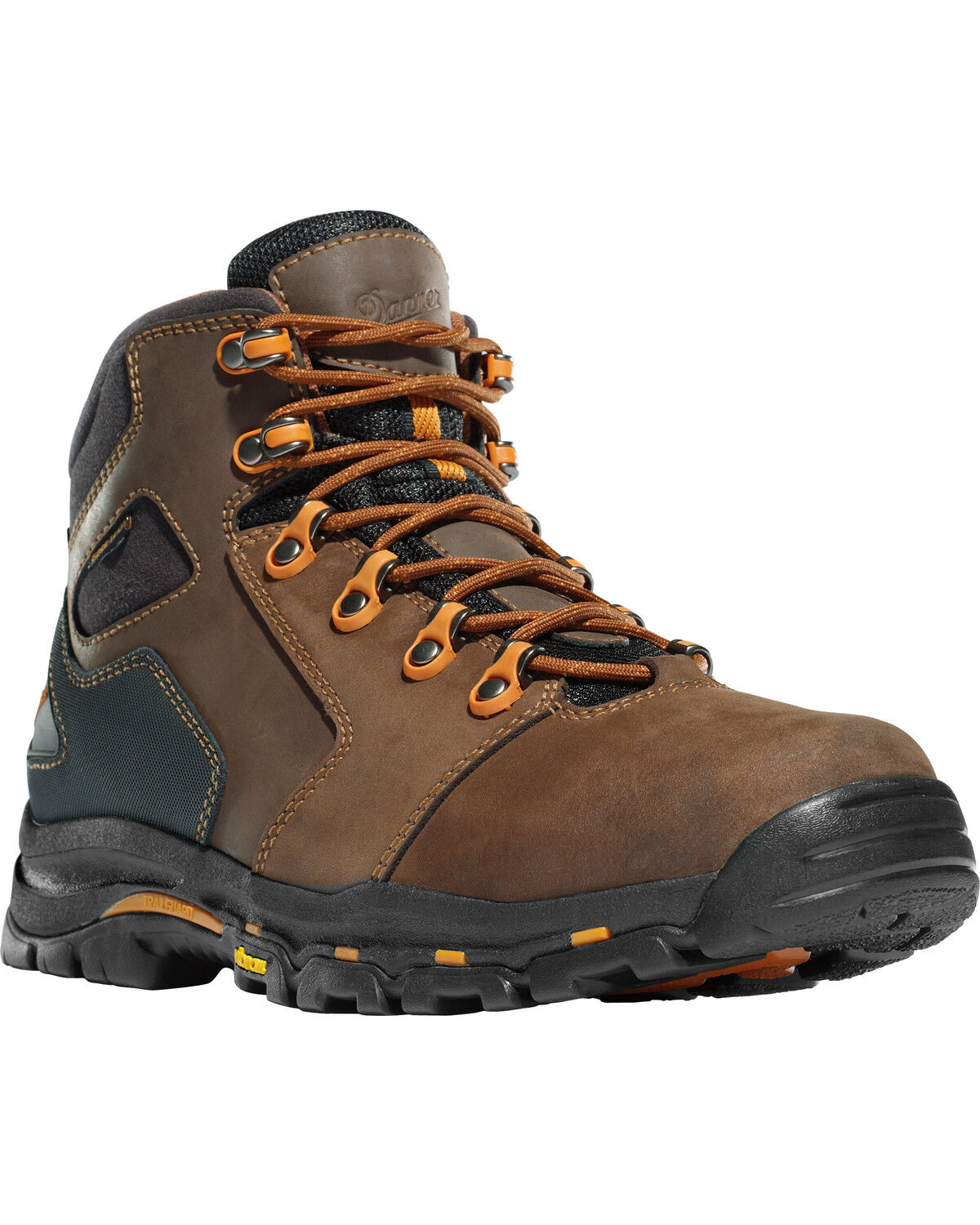
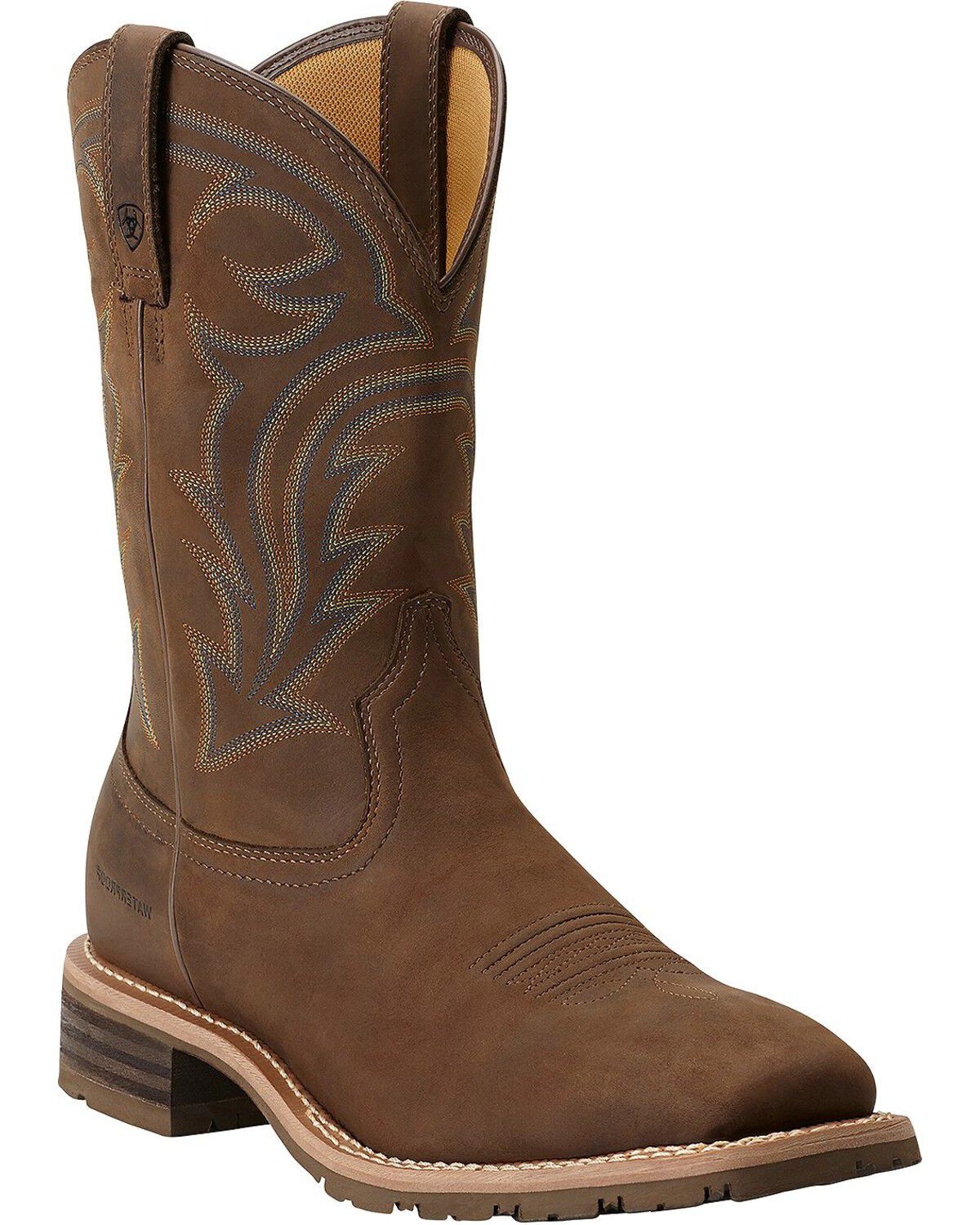
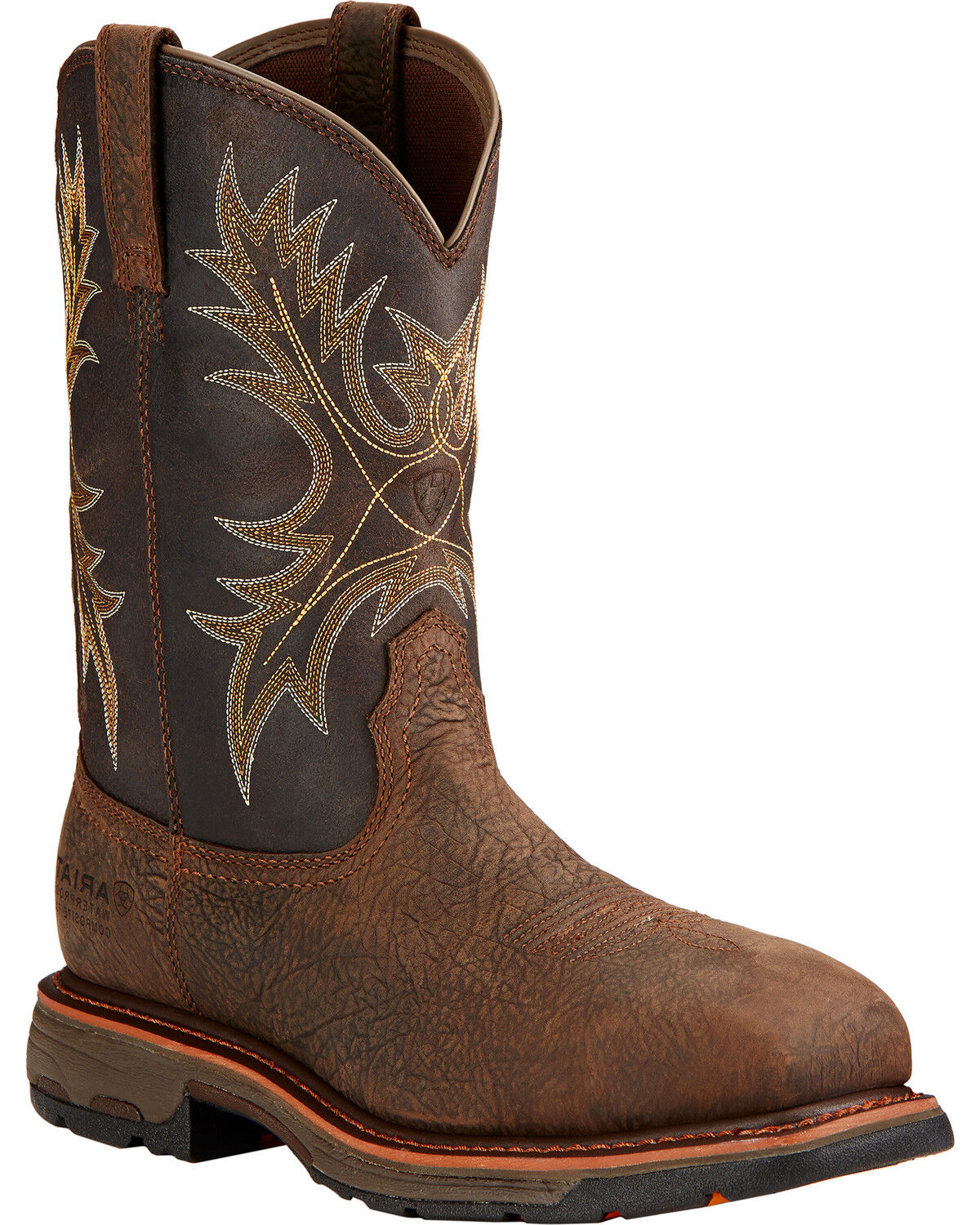
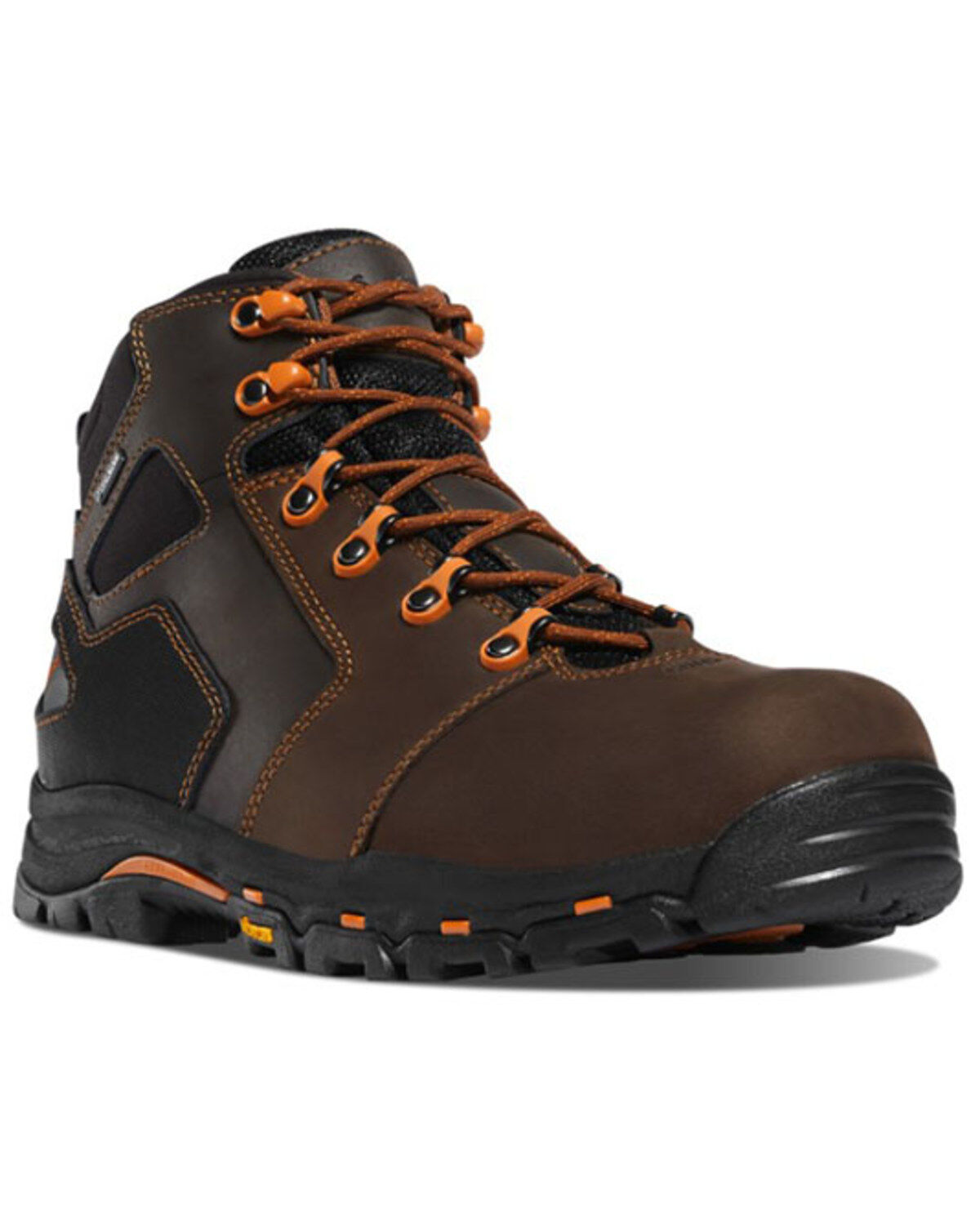
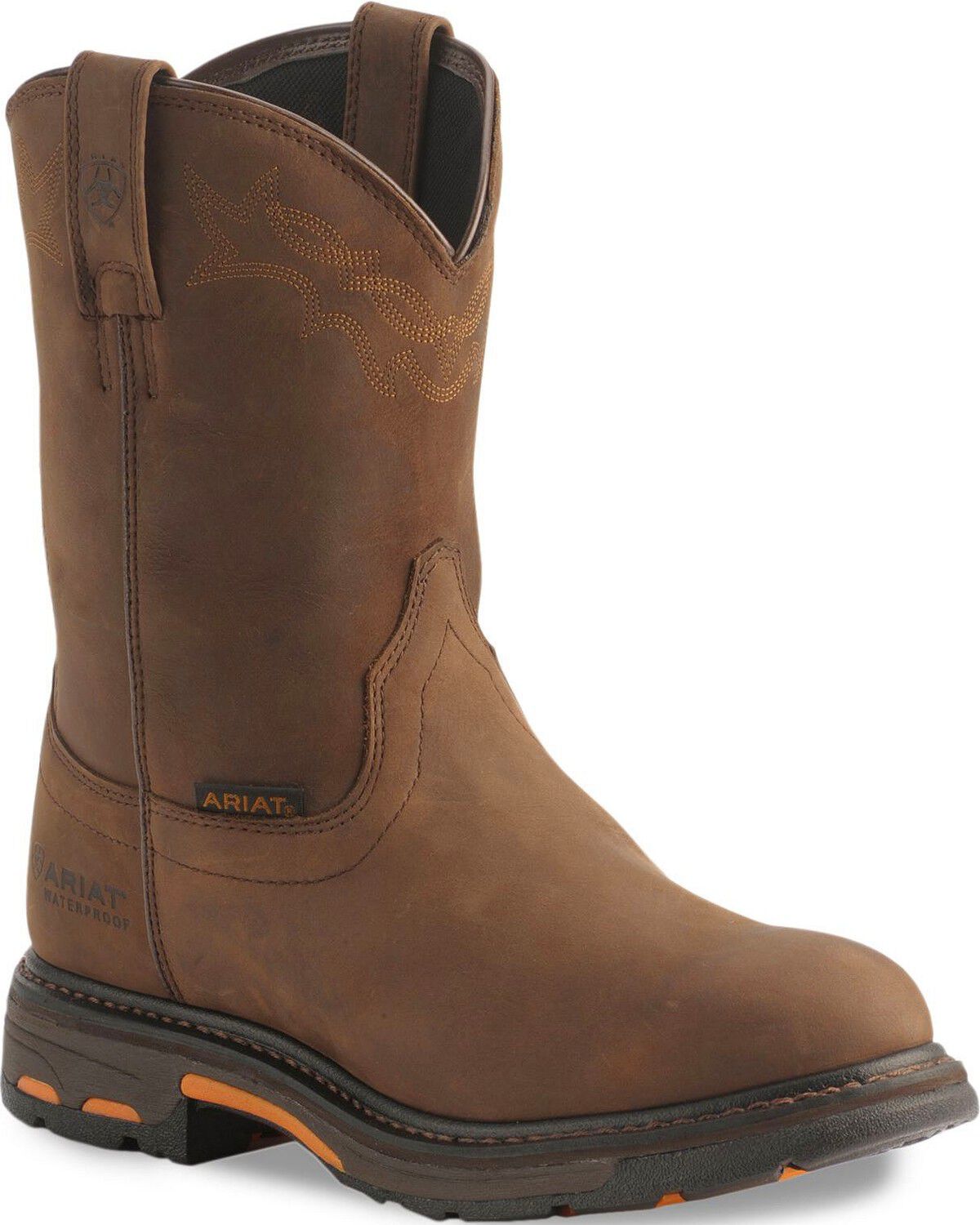
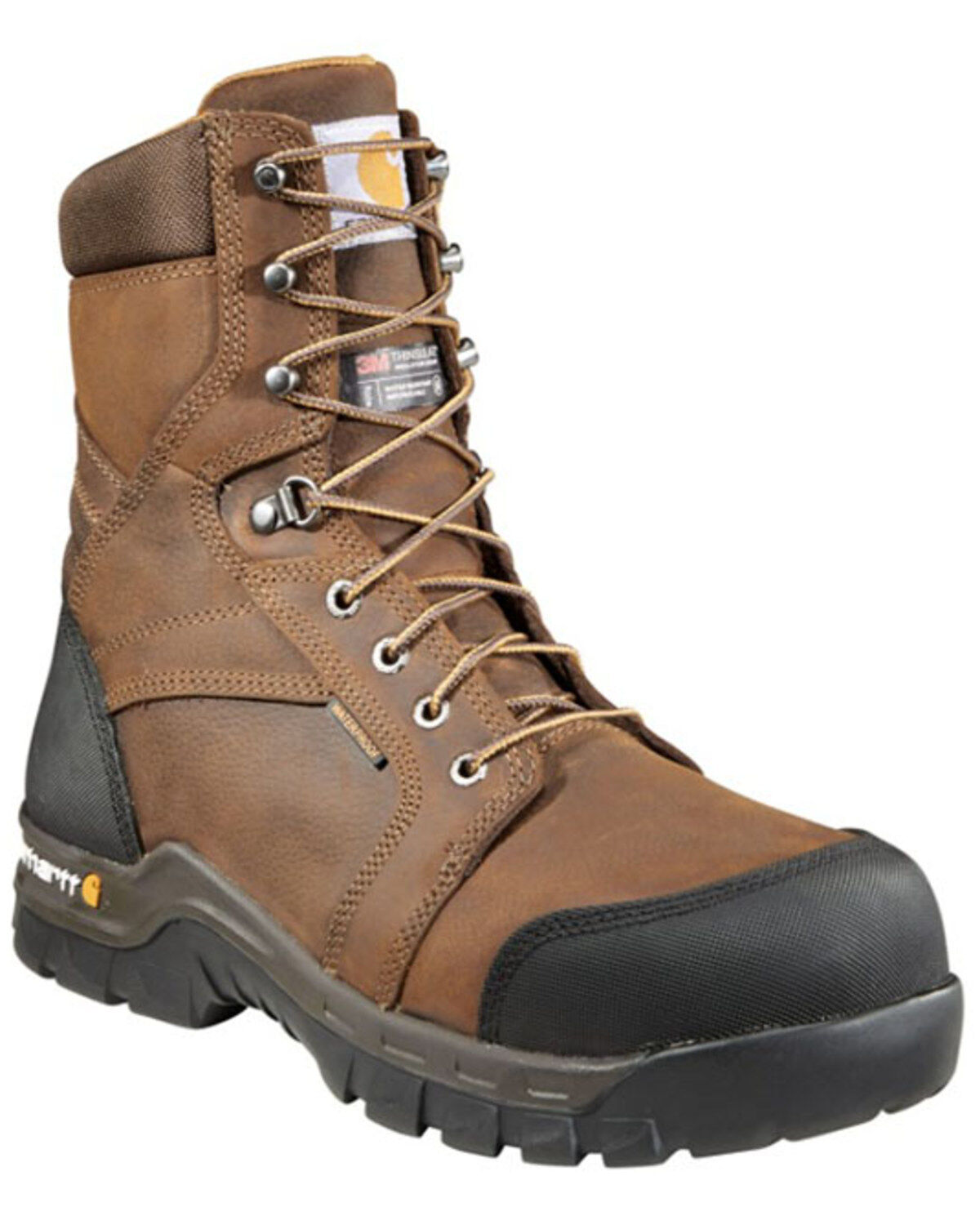
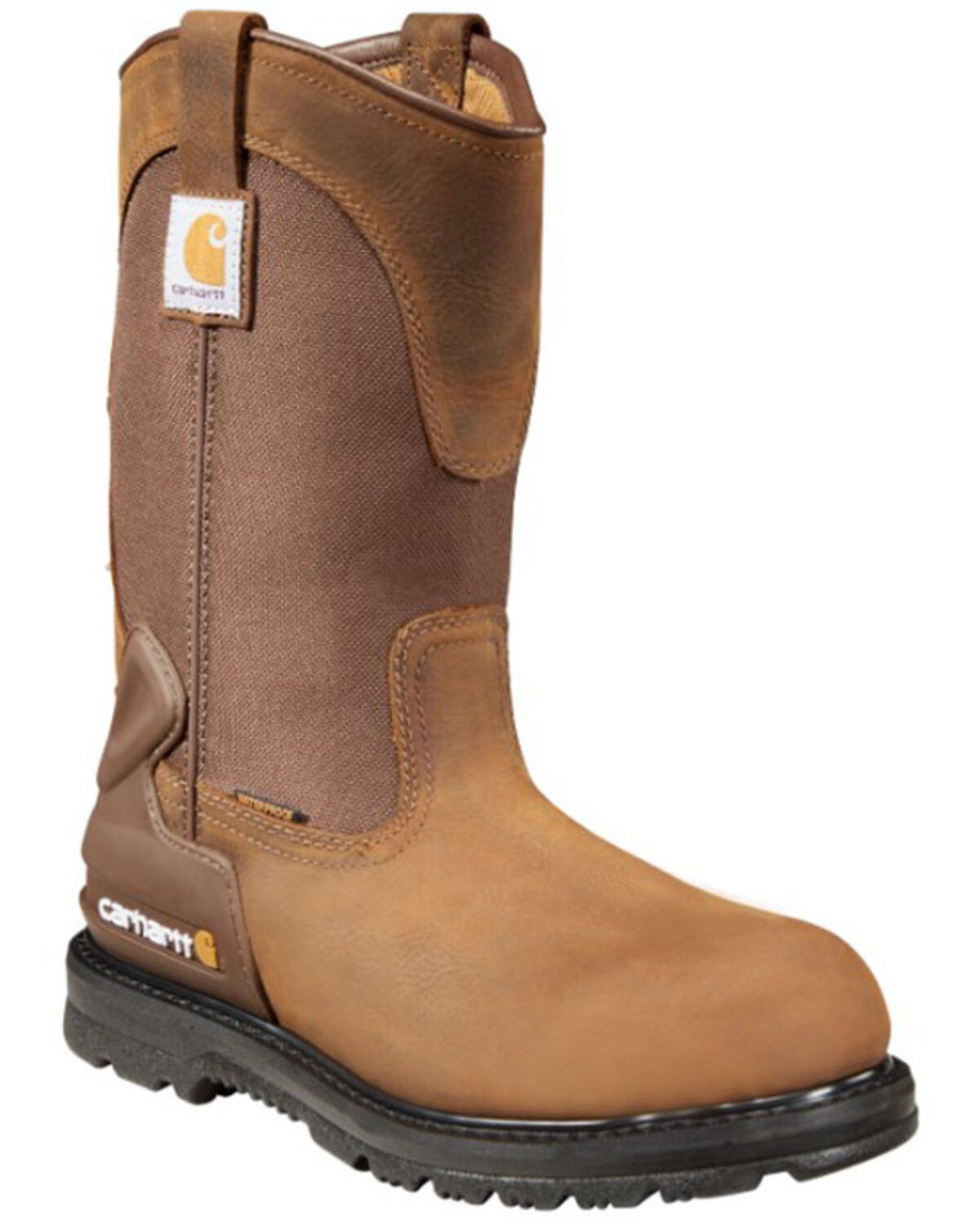
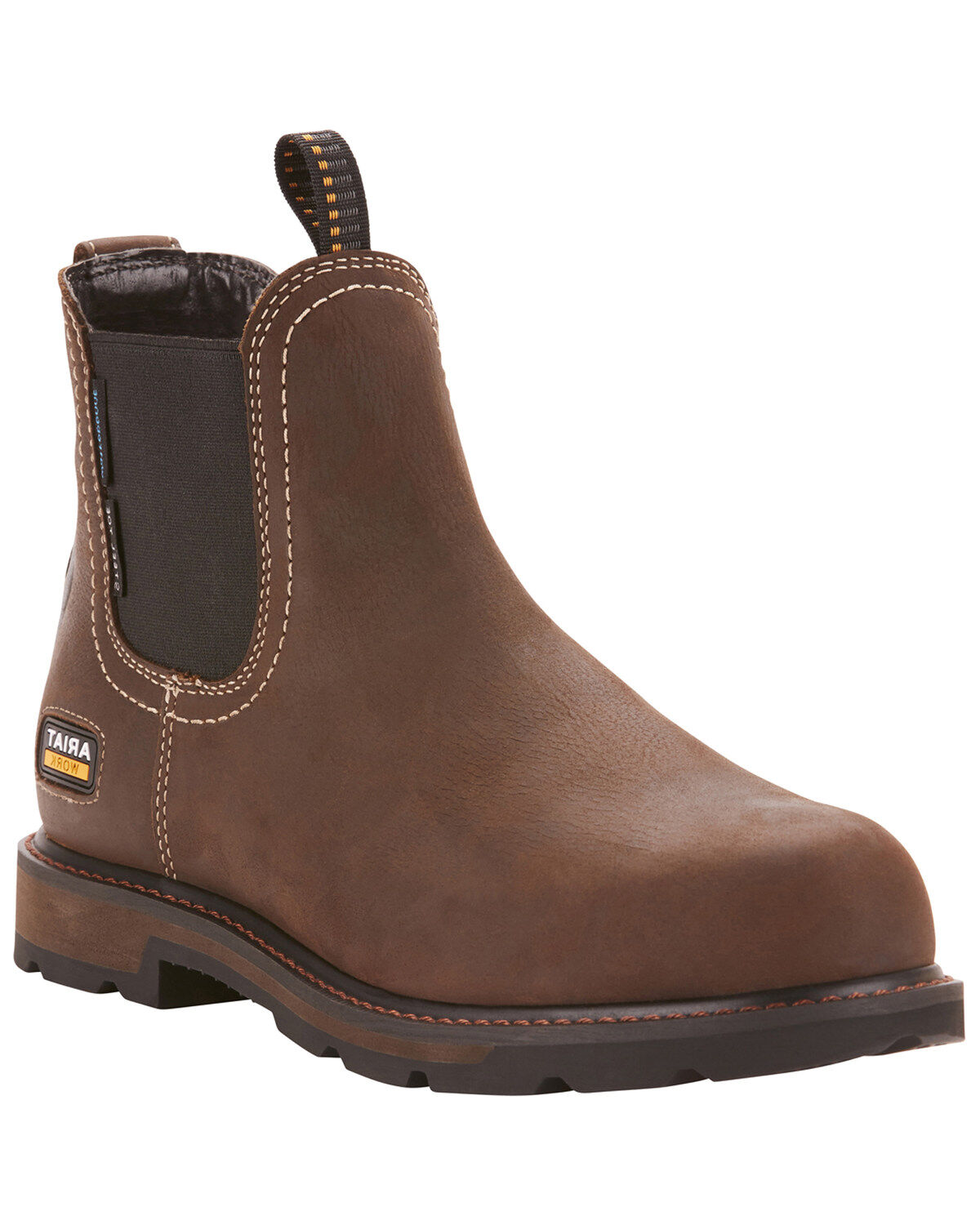
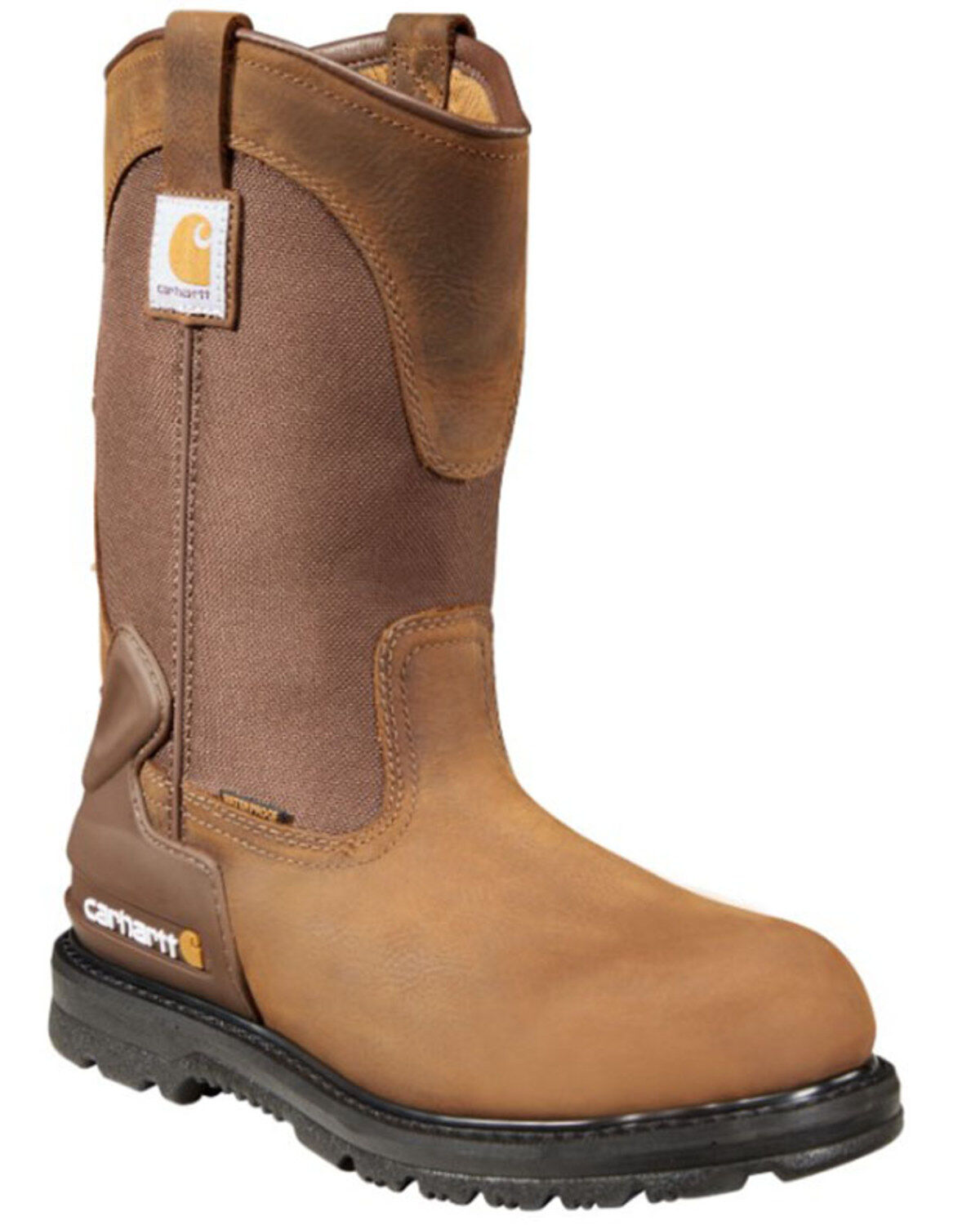
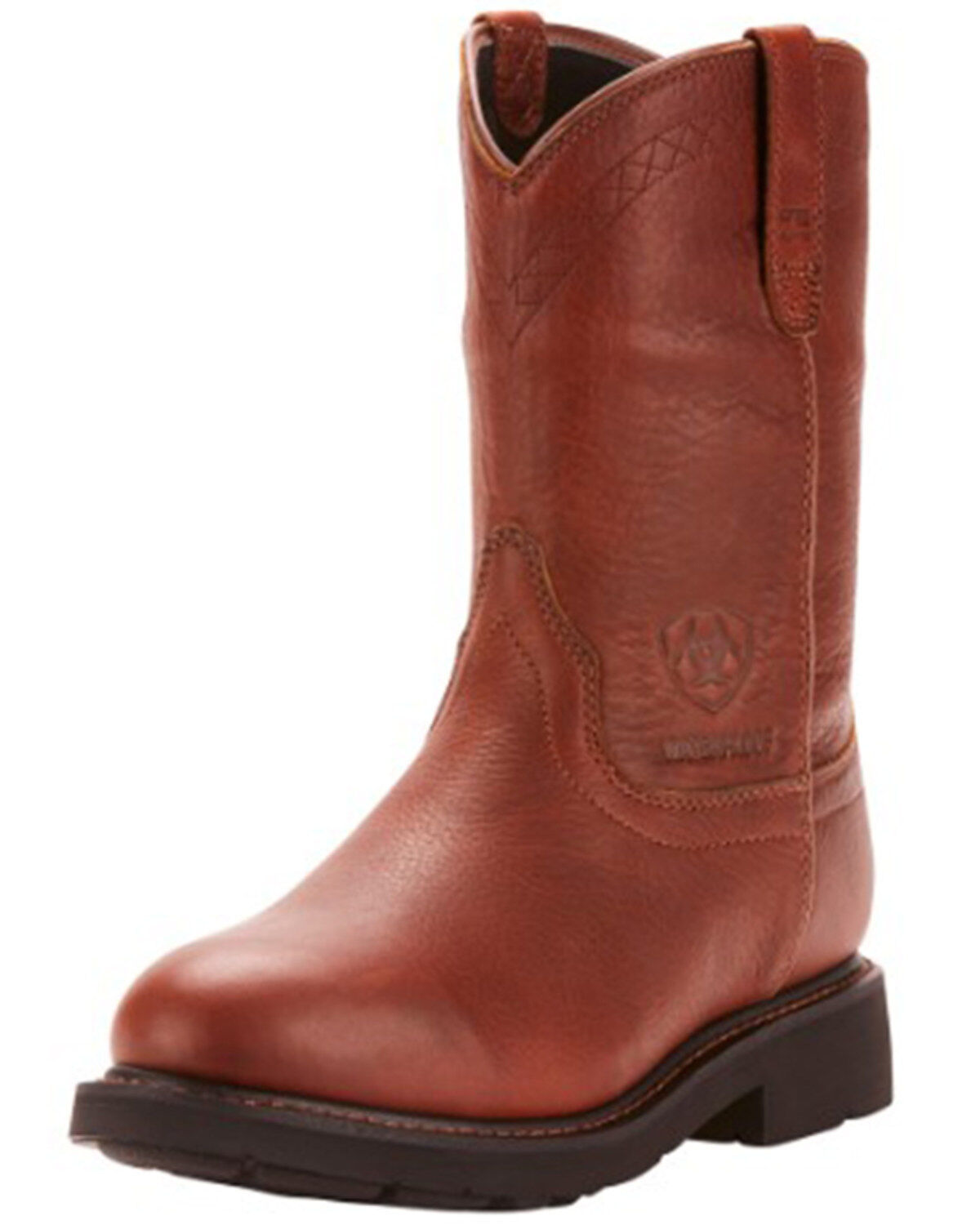
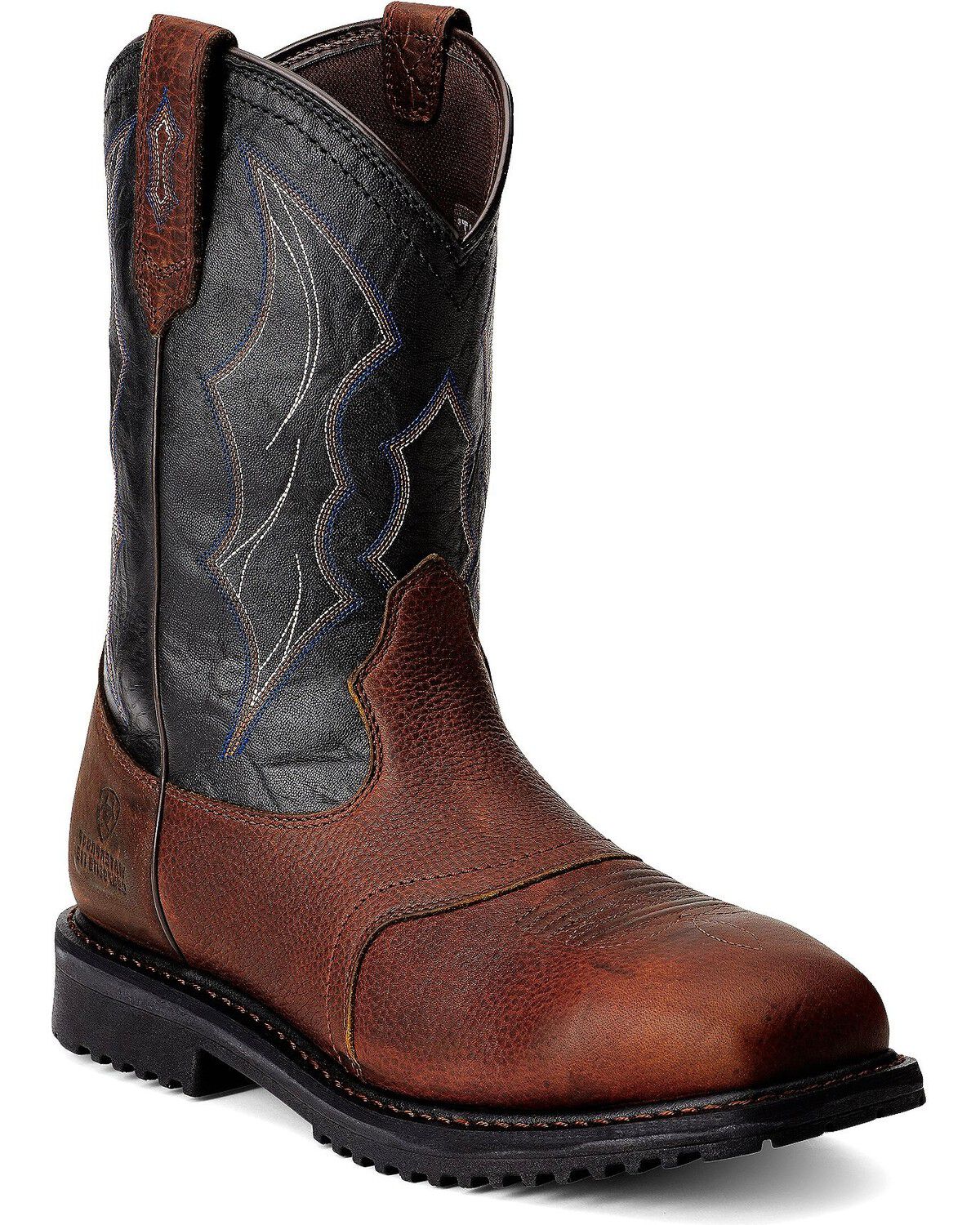
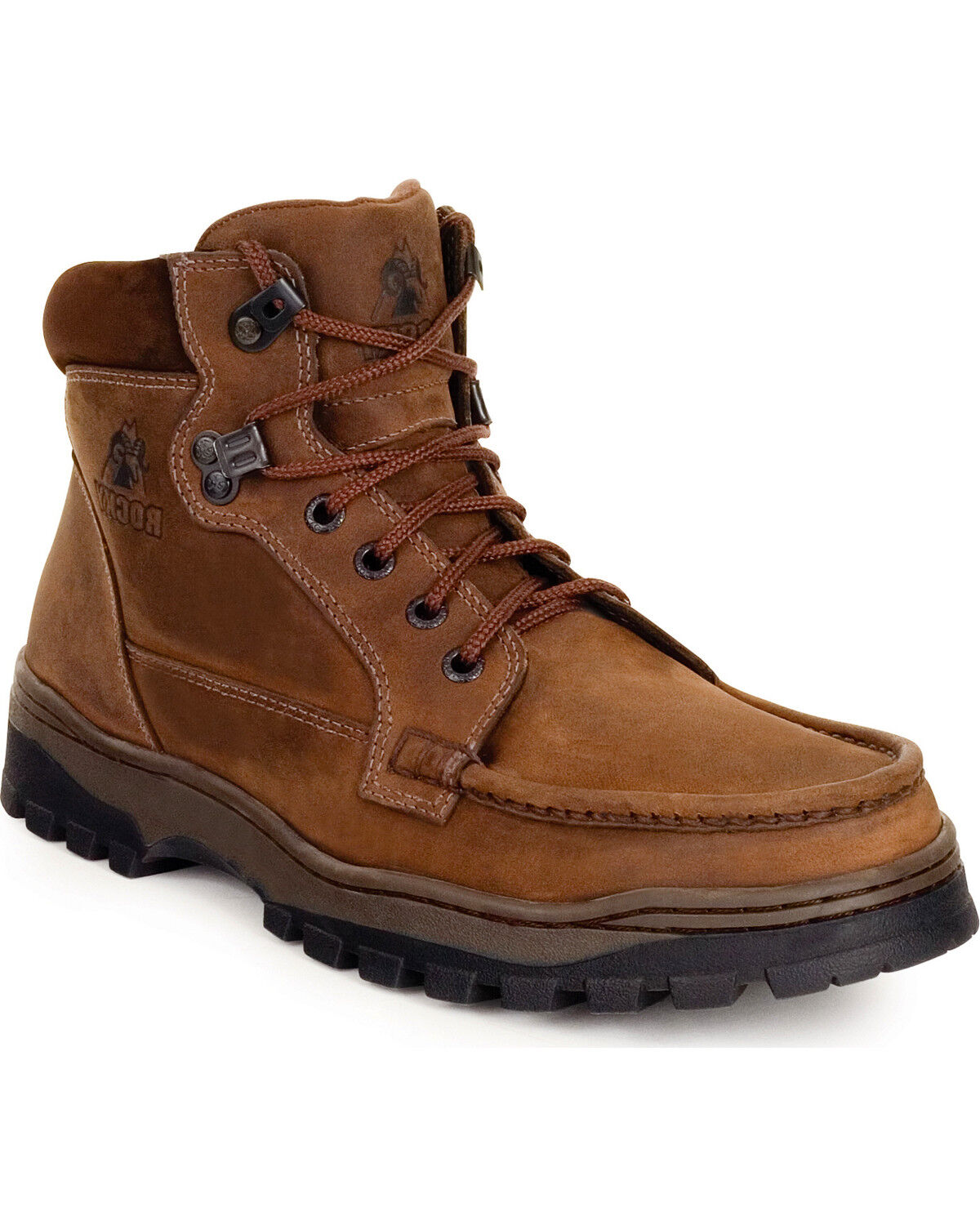
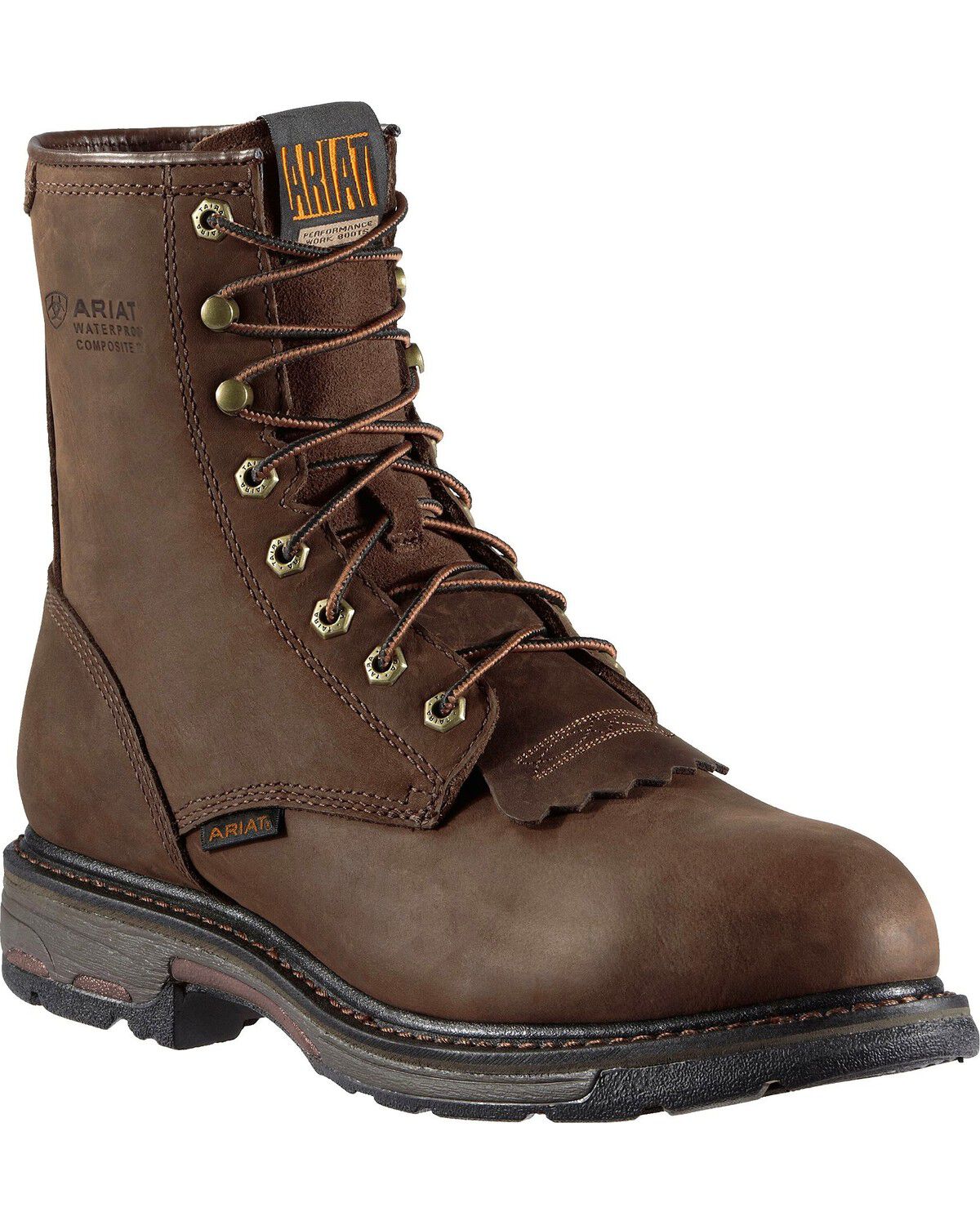
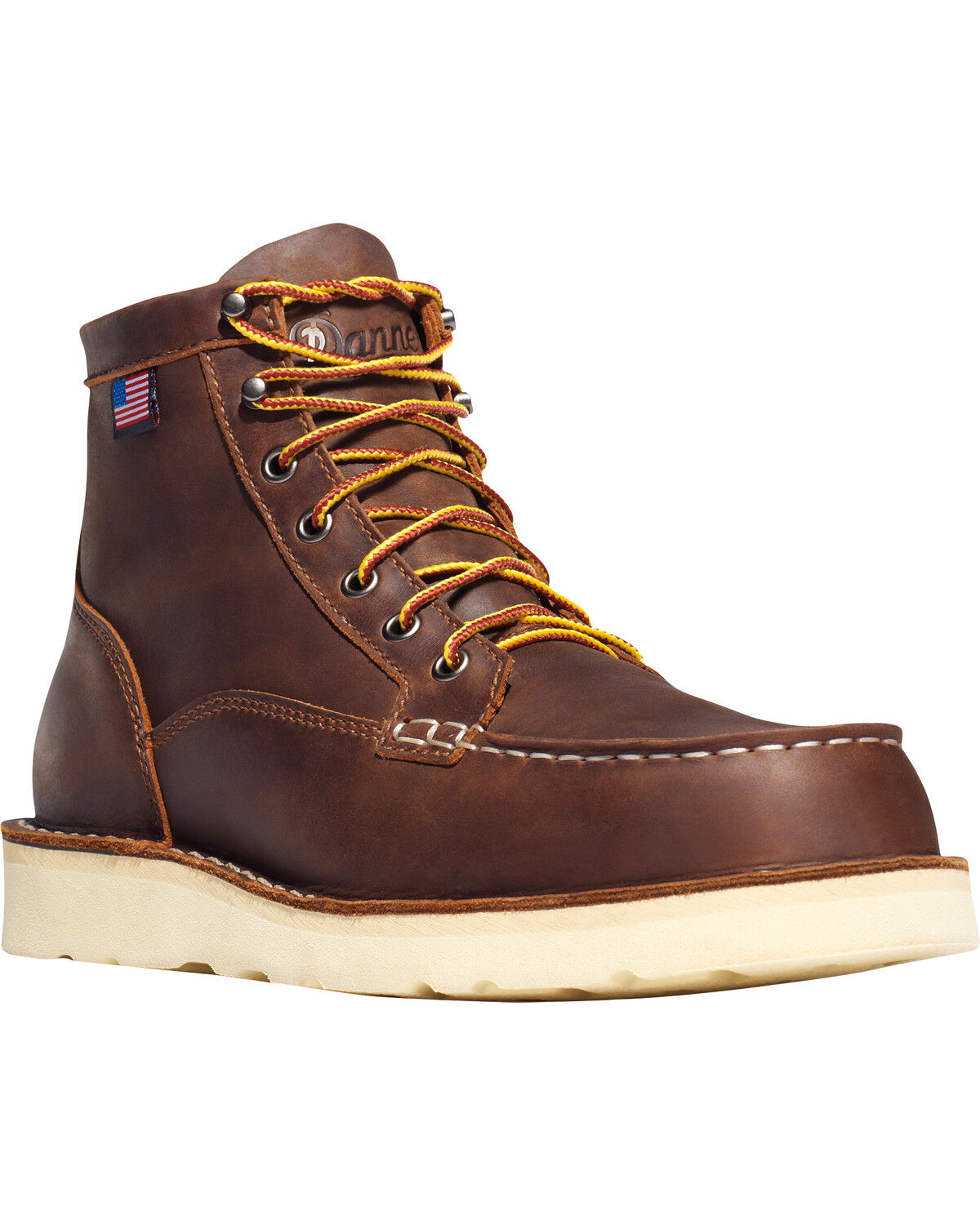
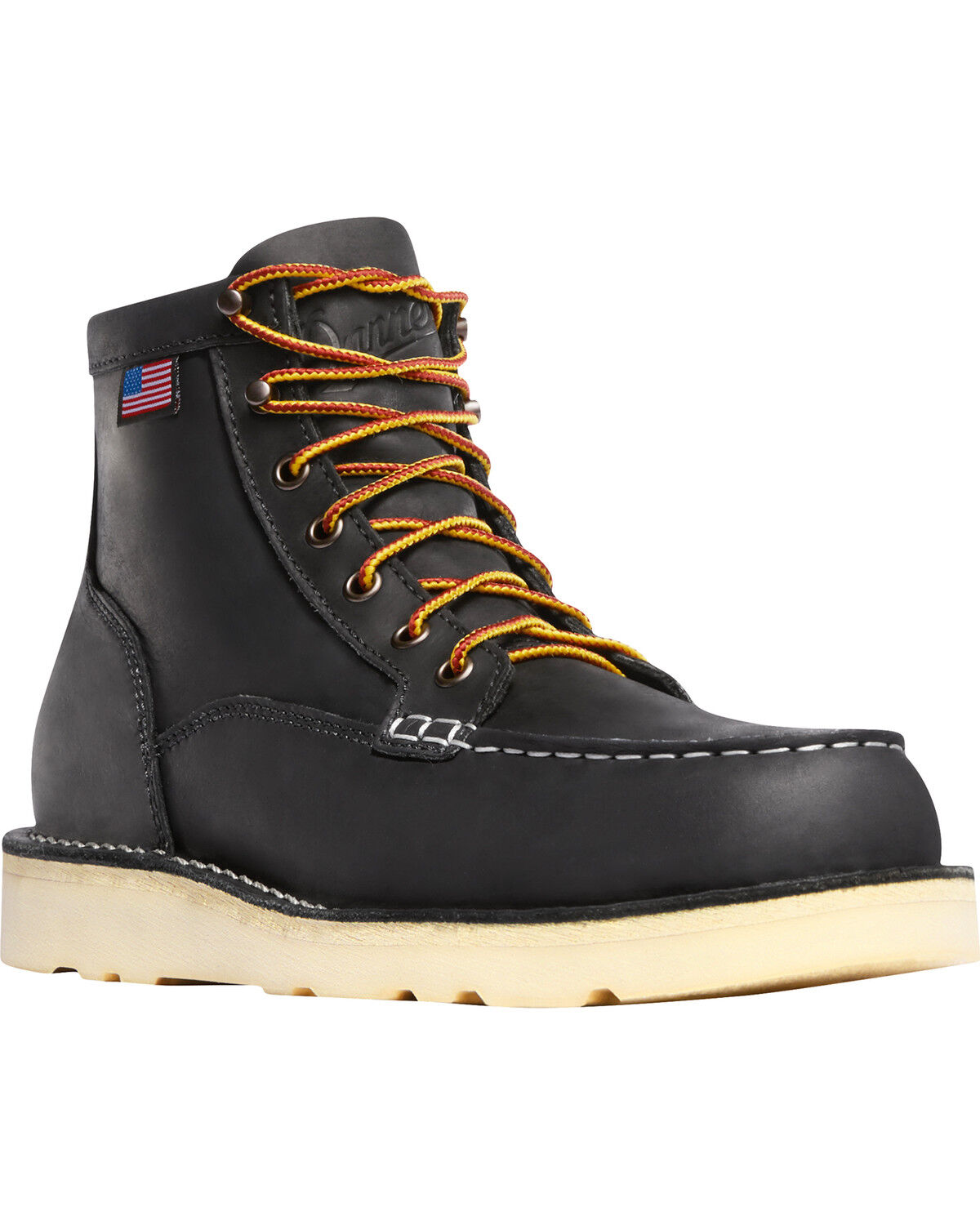
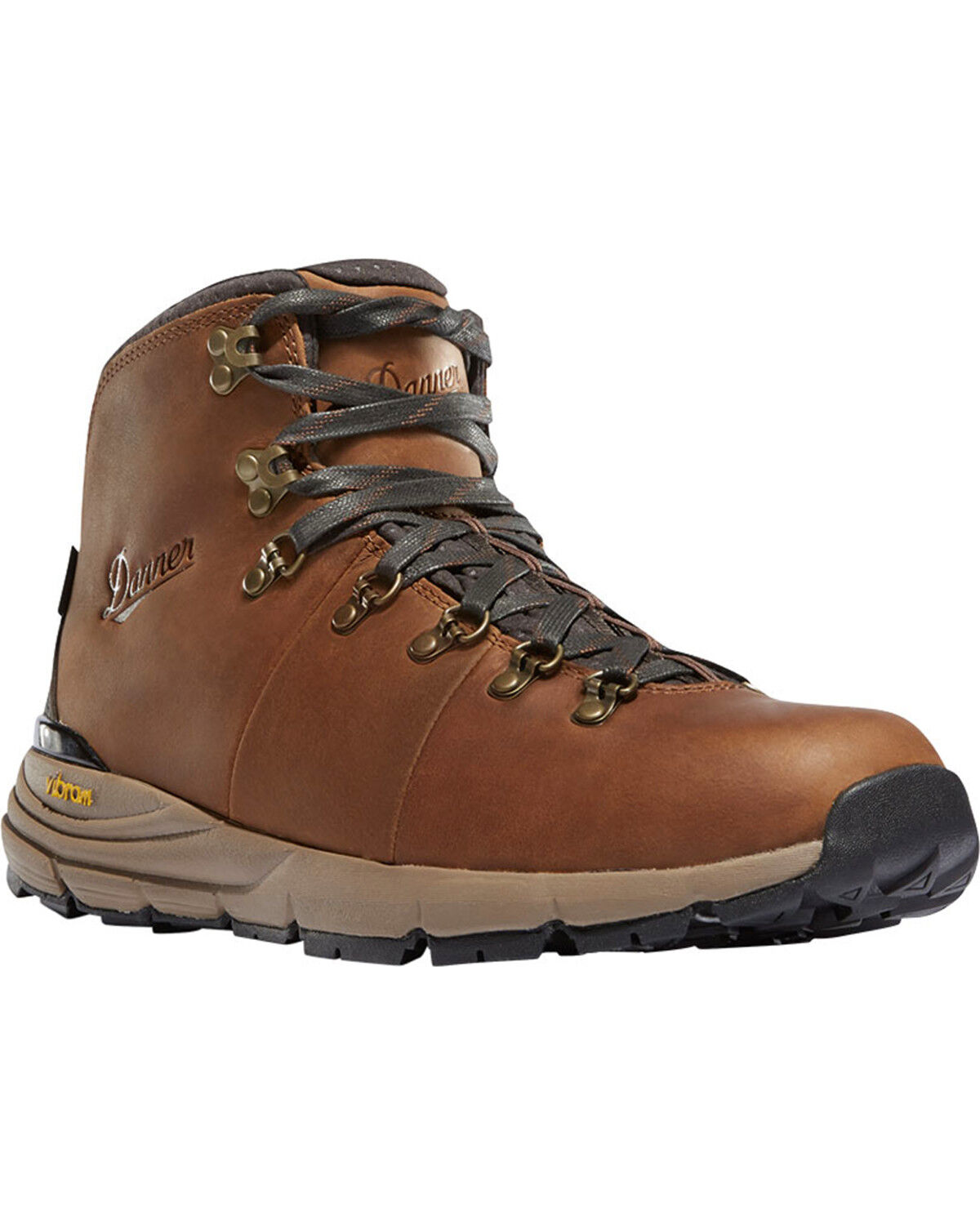
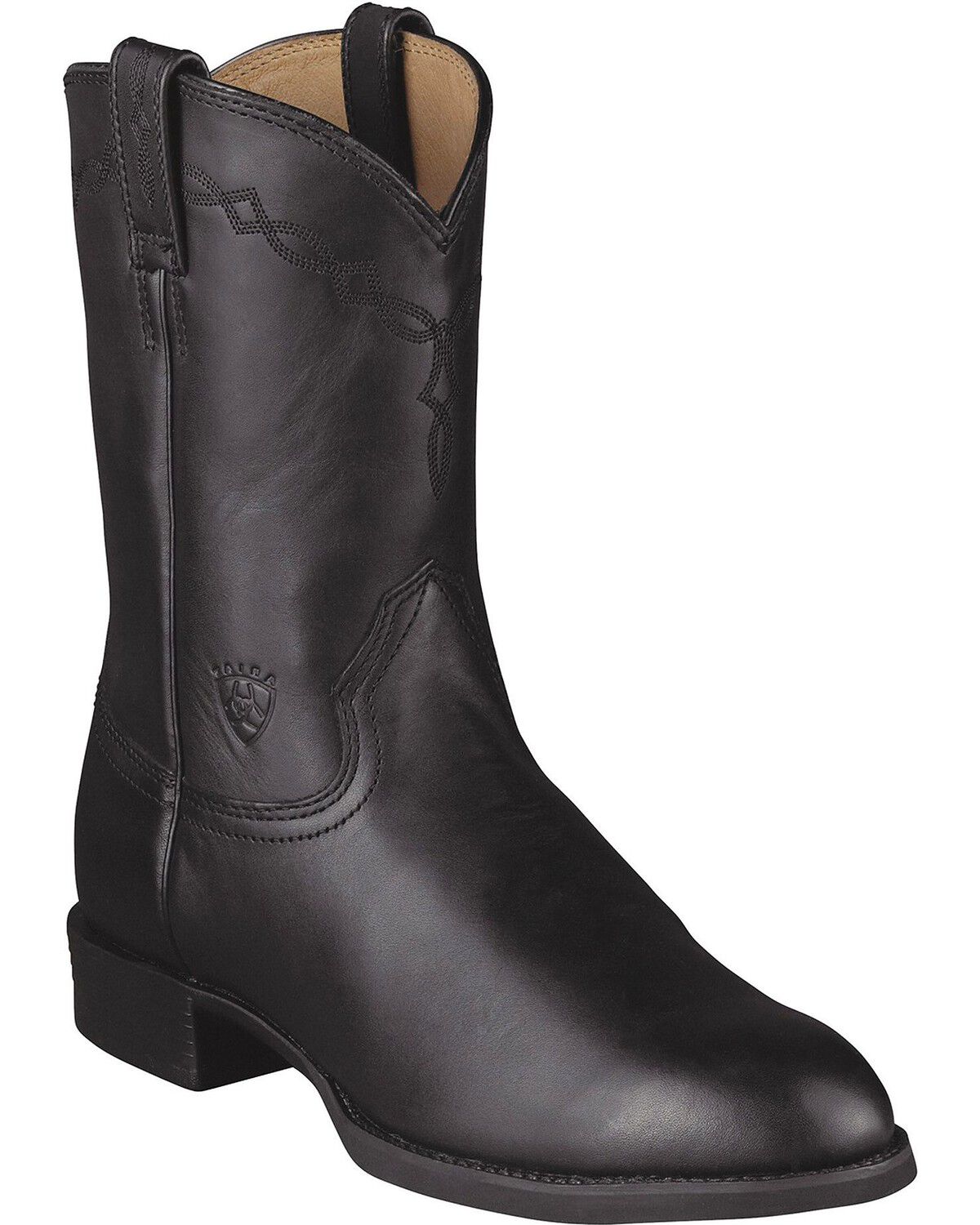
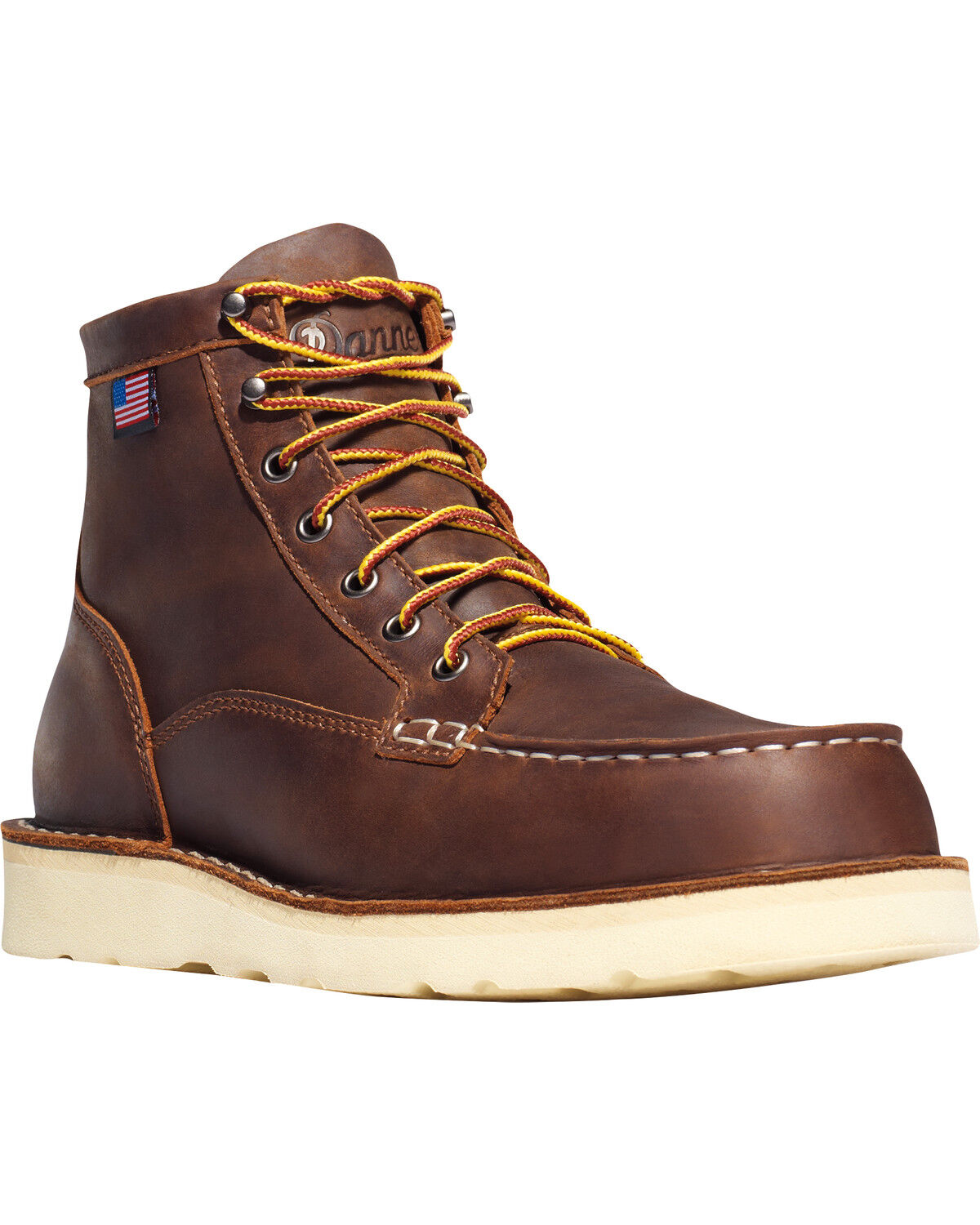
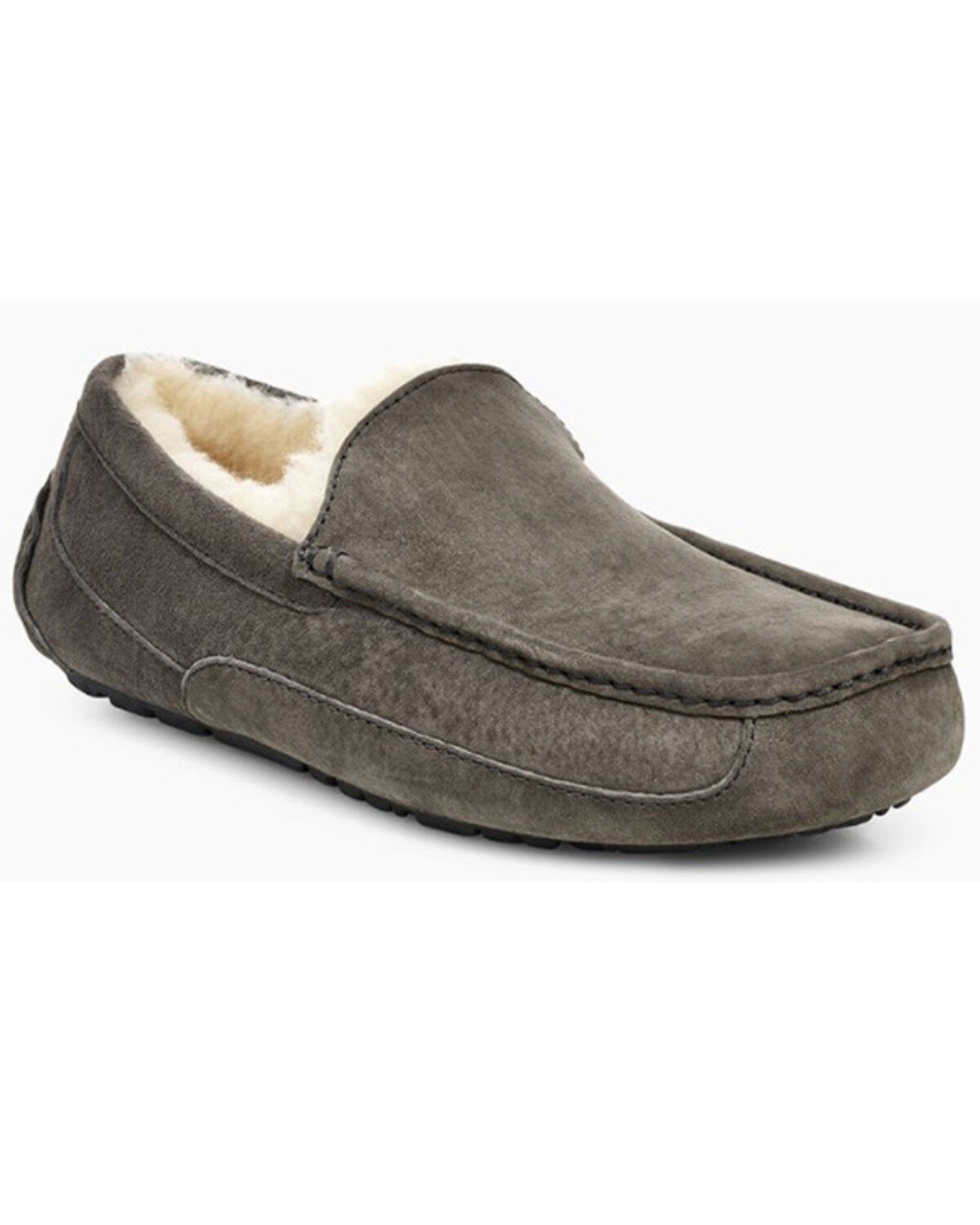
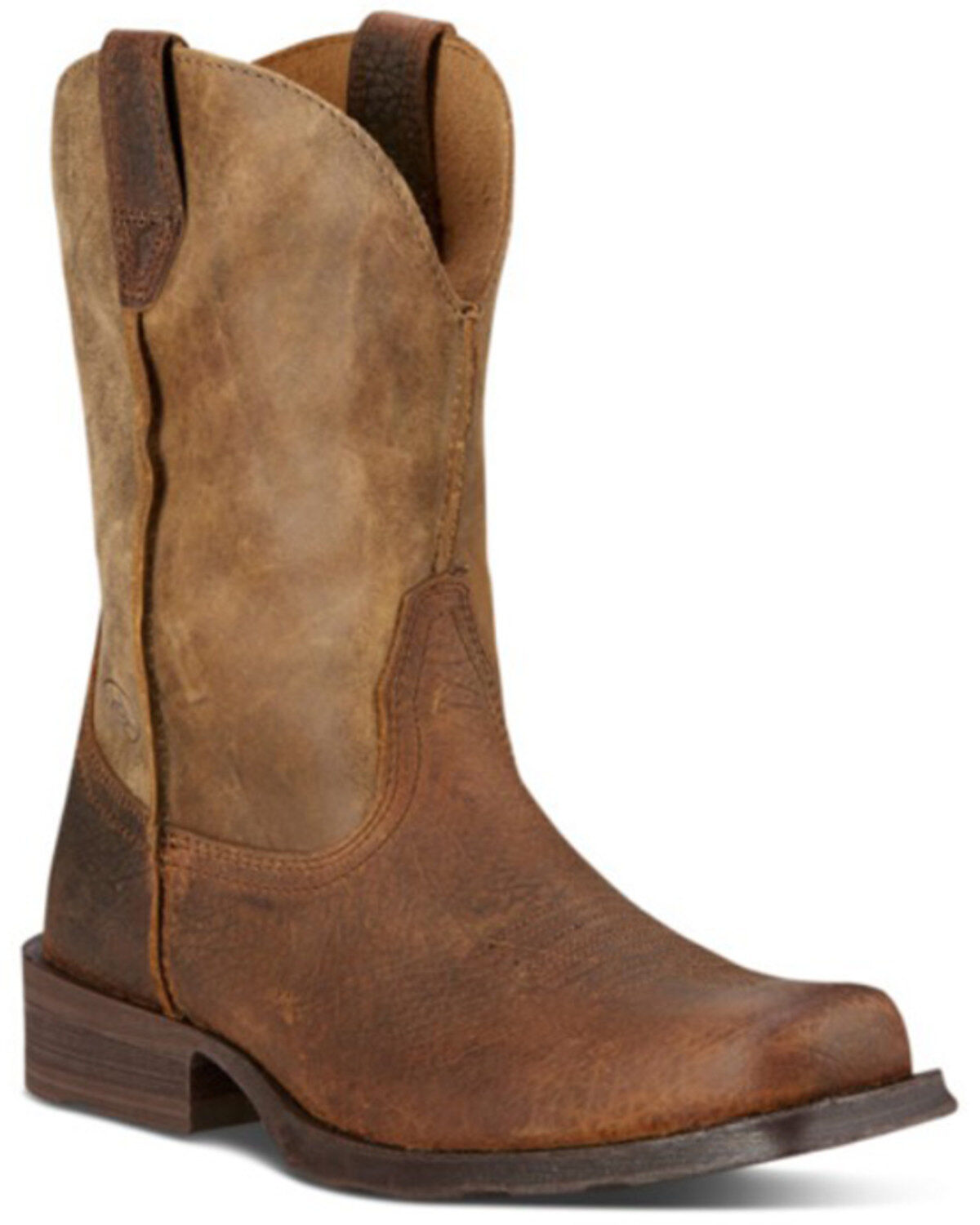
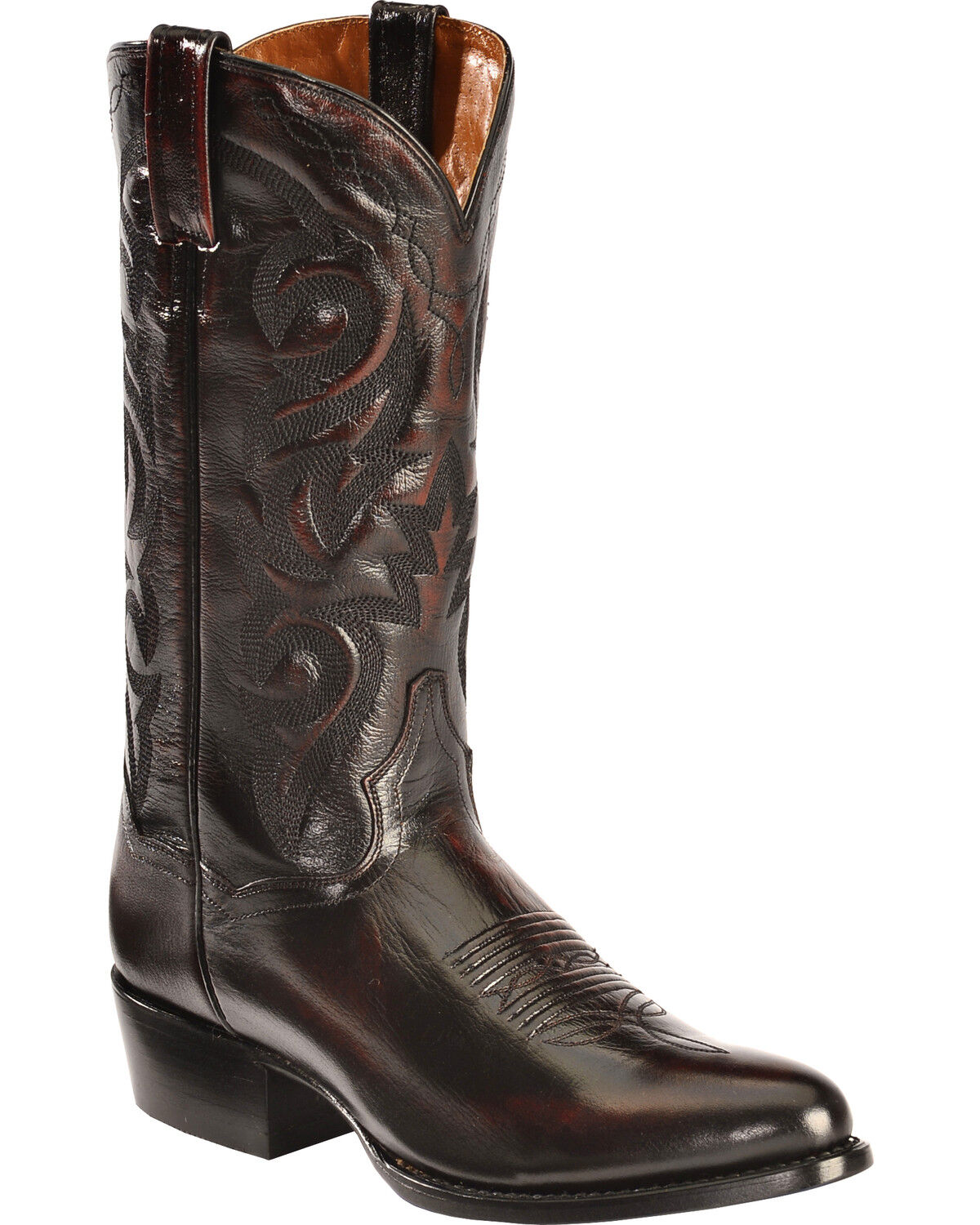
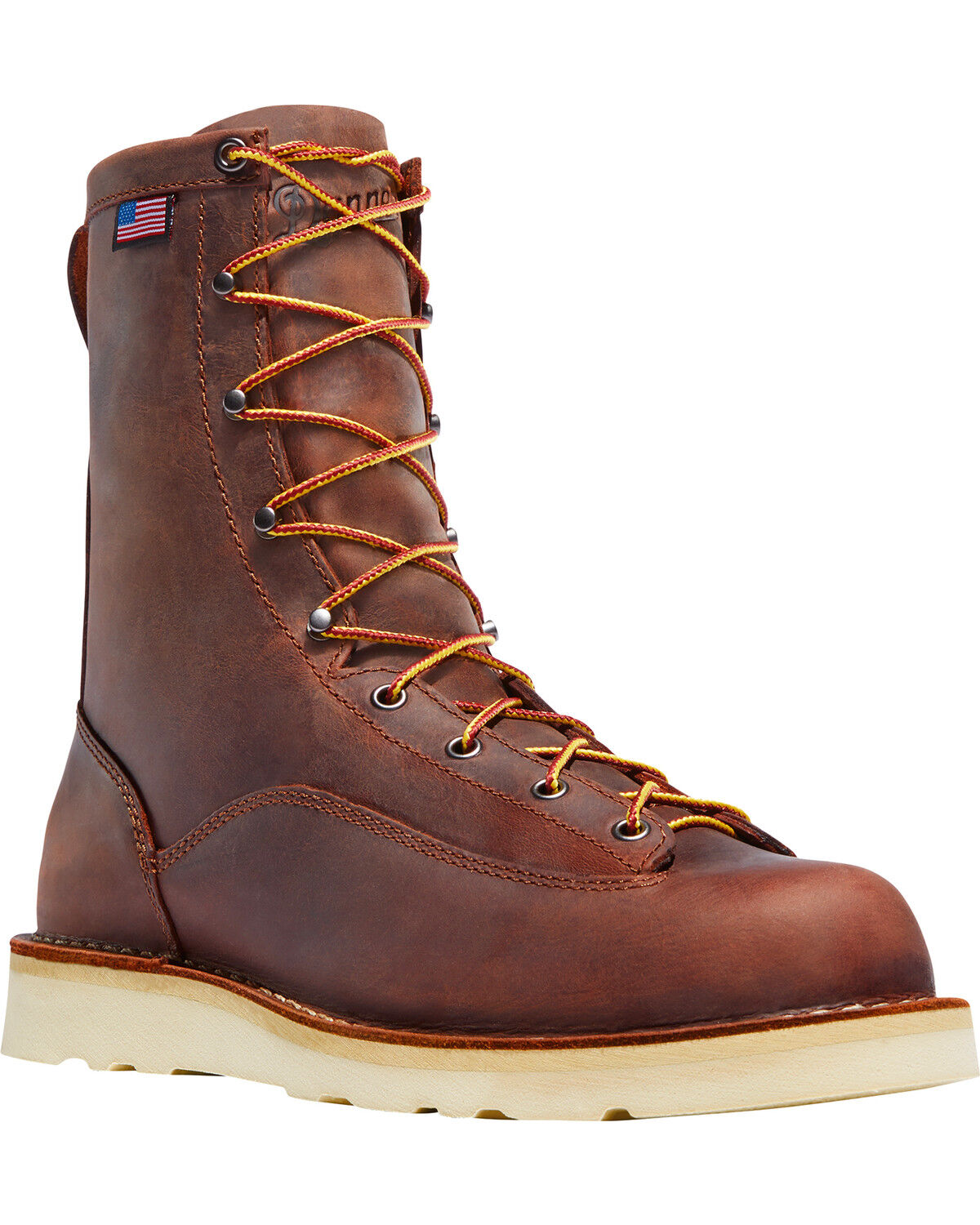
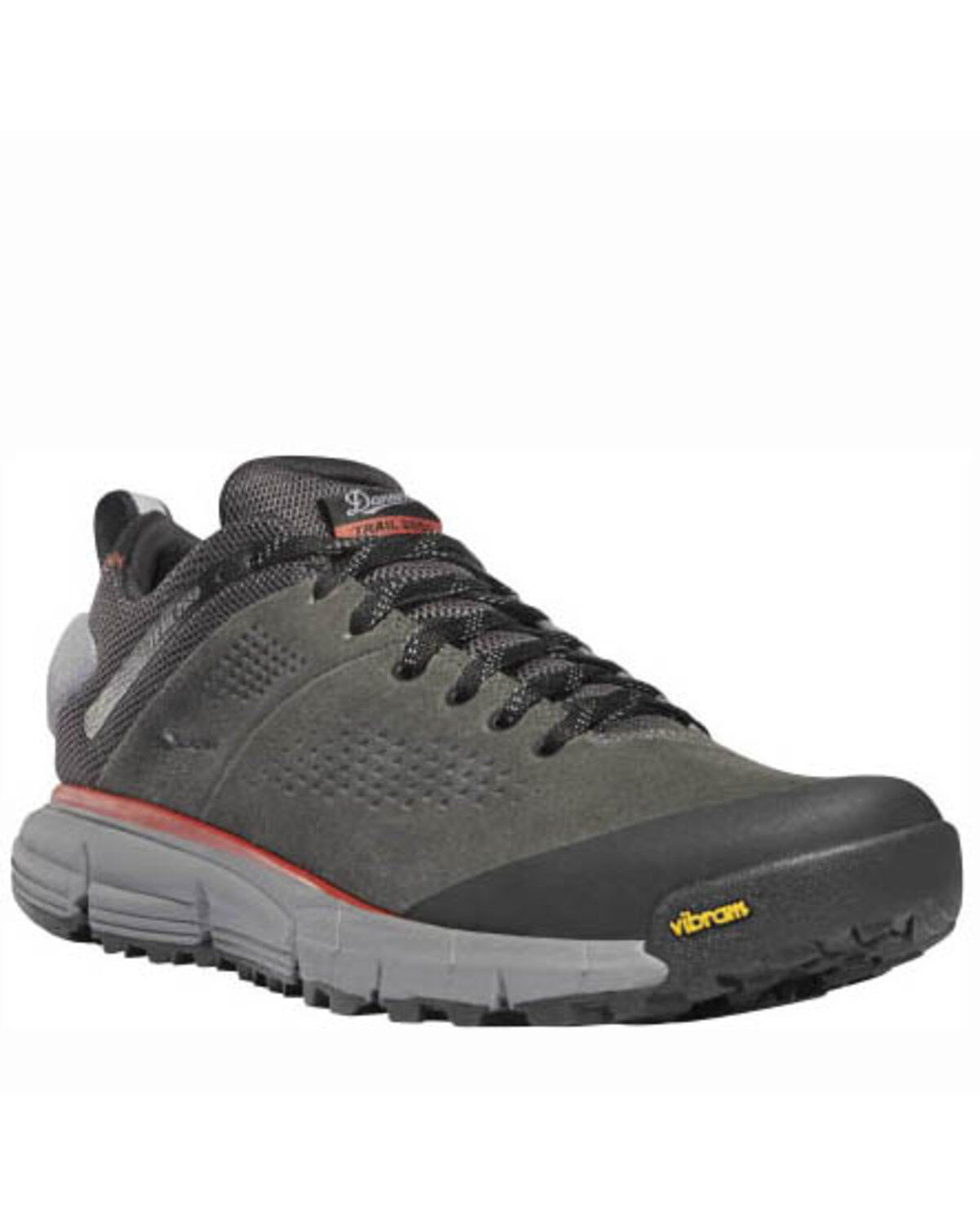
Waterproof Leather Work Boots

Waterproof leather work boots help keep your feet dry when the job takes you through rain, mud, or wet ground. Compare available styles, review fit information, and check each pair’s listed features against your jobsite requirements.

Read More

Shop Your Store: Shop Your Store: Find a Store

(Turn off Shop Your Store to see all items)

(Turn off Shop Your Store to see all items)

close
  • Recommended
  • Lowest Price
  • Highest Price
Skip pass products

End of products

Waterproof Leather Work Boots

Waterproof leather work boots combine a durable leather upper with construction designed to keep outside moisture from reaching the foot. That protection may come from an internal waterproof membrane, sealed seams, or a combination of features. A surface treatment helps leather shed water, but it is not the same as a complete waterproof construction. The distinction matters when a workday includes rain-soaked lumber, muddy fence lines, wet loading areas, or repeated trips through shallow puddles. Leather alone does not make a boot waterproof, and even waterproof footwear has limits: water can enter over the opening, while cuts, worn seams, and damaged linings can compromise protection. Full-grain leather is valued for its strength and ability to hold up to demanding use with proper care. Other leather finishes offer different textures and maintenance needs, so the right choice depends on the work as much as the appearance. Smooth leather is generally easier to wipe clean than a textured surface, an advantage around dirt and mud. Reinforced toes and heels can help limit wear where boots rub against equipment or rough ground, though exterior reinforcement does not necessarily mean a boot has a safety toe. A gusseted tongue helps close the gaps beside the laces, while the height of that attachment helps determine how far up the boot water protection extends. Lace-up construction allows adjustment across the foot and ankle. Pull-on construction offers a different fit and fewer fastening points to manage. Neither style is automatically more waterproof; the full construction matters. Waterproof leather work boots serve people in construction, agriculture, landscaping, maintenance, and other jobs that involve wet ground or outdoor tasks. They also make sense for property owners handling chores beyond a paved driveway. For broader work and everyday uses, waterproof leather boots offer options worth considering alongside the requirements of the job. The useful comparison is how well the leather, waterproof construction, outsole, and fit match the conditions underfoot.

Waterproofing is only one part of a dependable work boot. Safety requirements, traction, support, and fit deserve equal attention, especially when a shift moves between concrete floors, uneven ground, and equipment. Steel, composite, and other protective toe constructions can provide impact and compression protection when they meet the applicable safety standard. Toe material alone does not establish a protection rating, and a soft toe is not a substitute where safety footwear is required. Workplace rules should determine the necessary ratings, including any requirements for puncture resistance, metatarsal protection, or electrical hazard protection. A waterproof boot is not automatically electrical hazard rated, and electrical hazard footwear is not a substitute for proper electrical safety practices. Its protection also depends on the conditions specified by the applicable standard, including dry conditions. Outsole details matter just as much. Deep, spaced lugs can help grip loose ground and release mud, while a flatter contact pattern may suit work on firm surfaces. Slip-resistant does not mean slip-proof, particularly on surfaces coated with oil, fine dust, or other debris. Oil resistance describes how a sole material withstands oil exposure; it does not, by itself, establish traction on an oily floor. For long hours standing, cushioning can reduce the harsh feel of hard surfaces, but the boot also needs enough structure to support the task. Ladder work, frequent kneeling, and walking across gravel place different demands on flexibility and sole firmness. Fit should account for the socks and any orthotic inserts worn during the workday. Toes need room to move without striking the front, and the widest part of the foot should sit comfortably in the widest part of the boot. A secure heel helps limit rubbing, although some movement can be normal in a new pull-on boot. Leather may soften with wear, but break-in will not correct a boot that is too short or a safety toe that presses against the foot. Breathable linings can help manage moisture vapor, though waterproof footwear cannot prevent perspiration.

Lasting performance depends on both construction and maintenance. Abrasive grit, dried mud, repeated soaking, and direct heat can shorten the life of leather and stress the parts that keep water out. After a muddy day, removing loose dirt with a soft brush and wiping the upper with a damp cloth helps keep buildup from settling into creases and seams. Cleaning methods should match the leather finish, particularly with nubuck or other textured leather that can darken or change appearance when treated. Wet boots need time to dry at room temperature with adequate airflow, away from heaters, radiators, and other concentrated heat sources. Removable insoles can be taken out to dry separately when the care instructions allow it. Stuffing the boots loosely with clean, absorbent paper can help draw out moisture without forcing the leather to dry too quickly. Conditioning helps maintain suitable leathers, while a compatible waterproofing treatment can renew surface water repellency as it wears away. These are different jobs, and neither treatment repairs a torn waterproof membrane, an open seam, or a separating sole. Heavy oils, waxes, and pastes are not right for every leather or waterproof system; the manufacturer’s care directions should determine what goes on the upper and how often. Water that stops beading on the surface may signal that the outer treatment needs attention, but it does not necessarily mean the internal waterproof barrier has failed. Likewise, damp socks may result from perspiration or water entering over the collar rather than a leak through the leather. Regular checks of stitching, flex points, tread, and sole attachment help reveal damage before it becomes a larger problem. There is no single replacement schedule for waterproof leather work boots because workload, ground conditions, care, and construction vary. Worn tread, persistent leaks, and damaged protective components deserve attention even when the upper still looks serviceable. The strongest choice is a boot built for the actual work, fitted properly, and maintained without expecting leather or waterproofing to last indefinitely.
Read More

FAQs