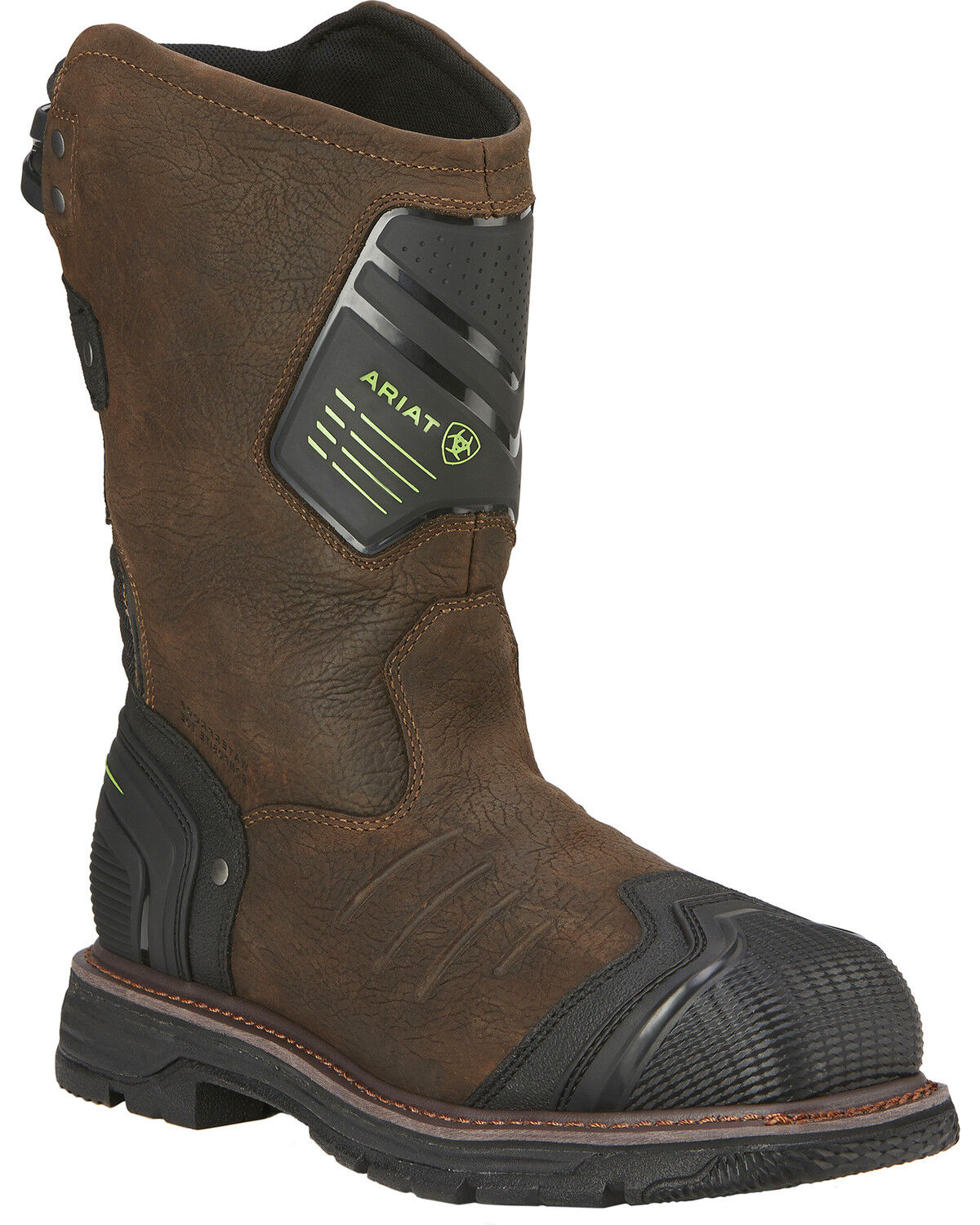
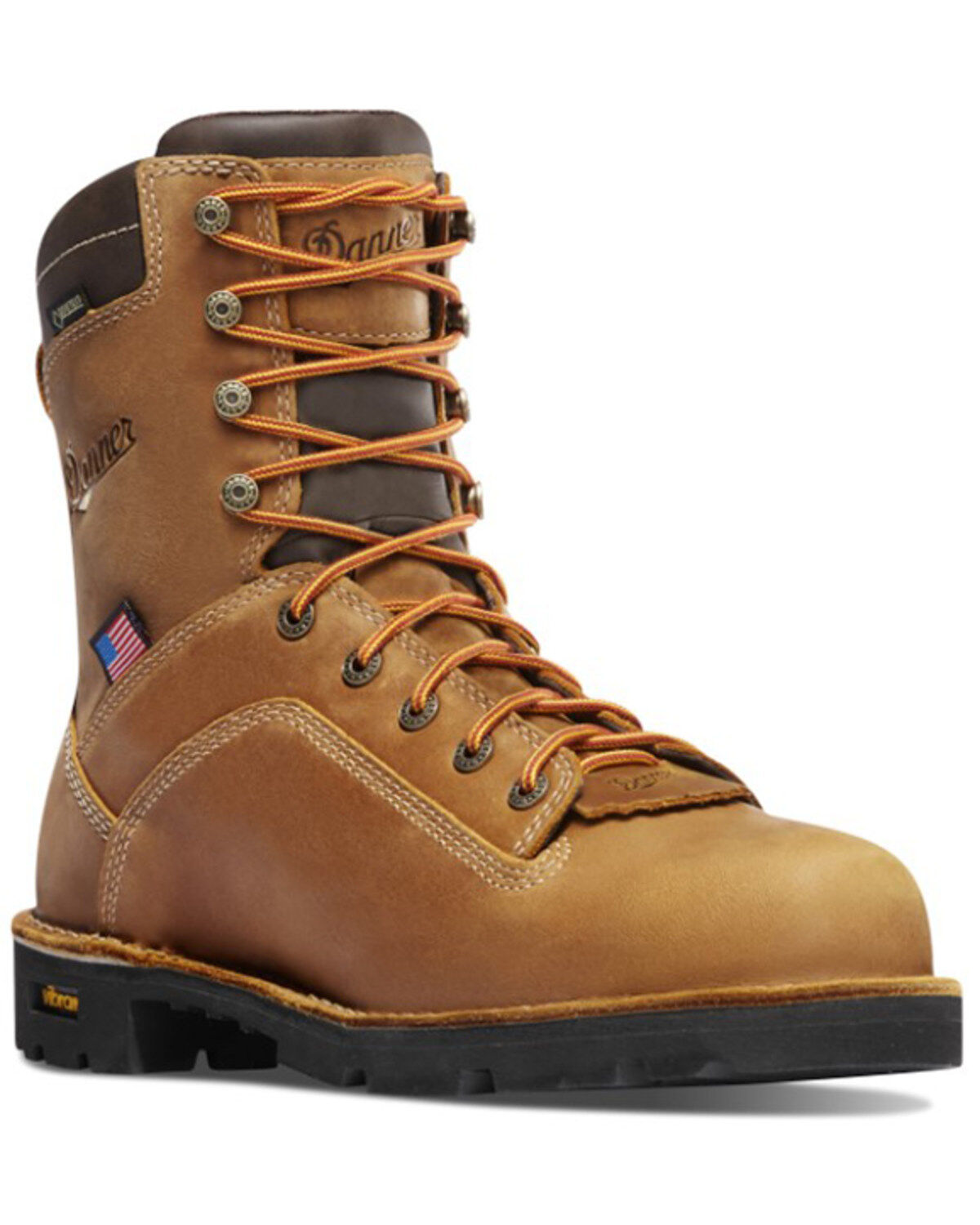
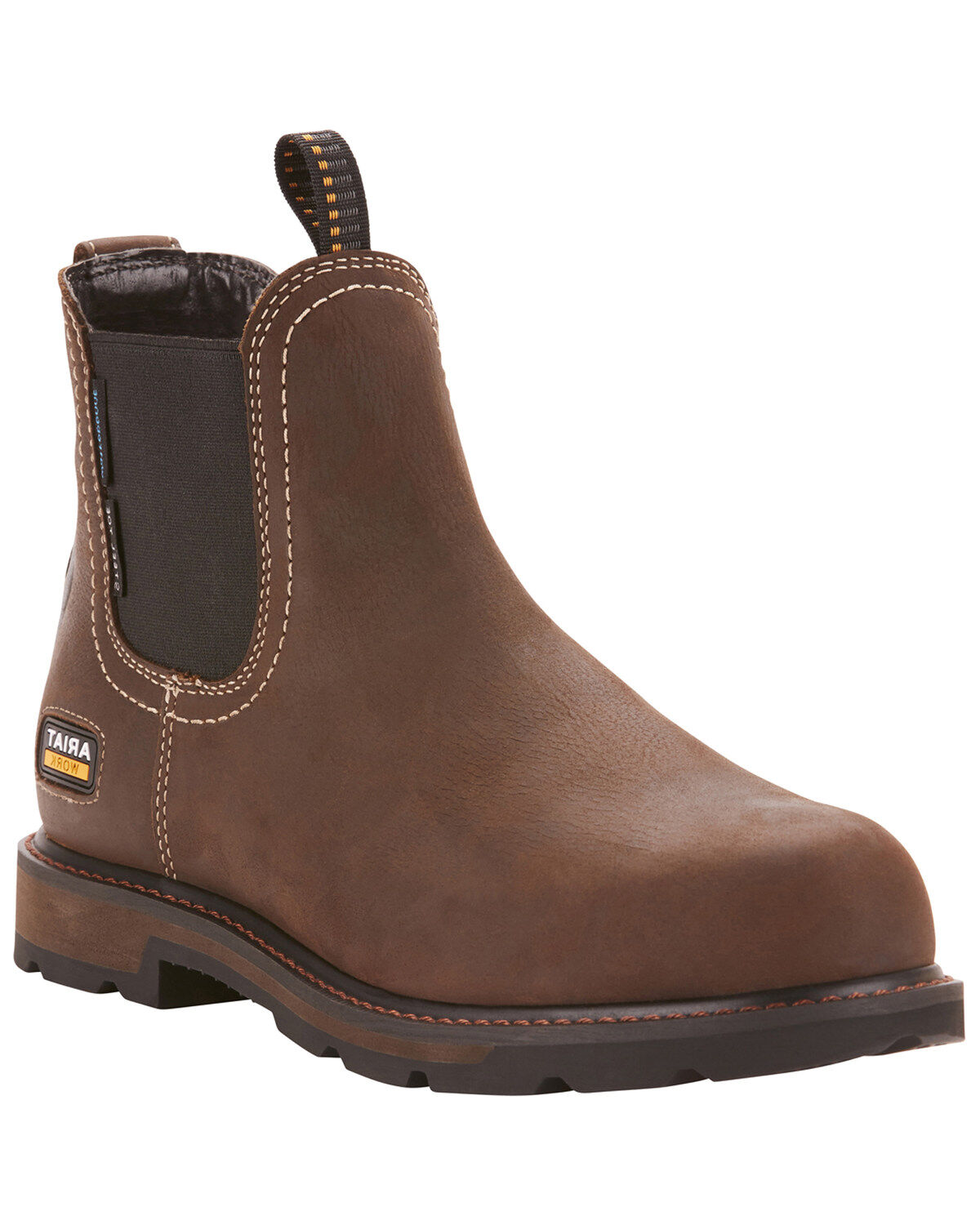
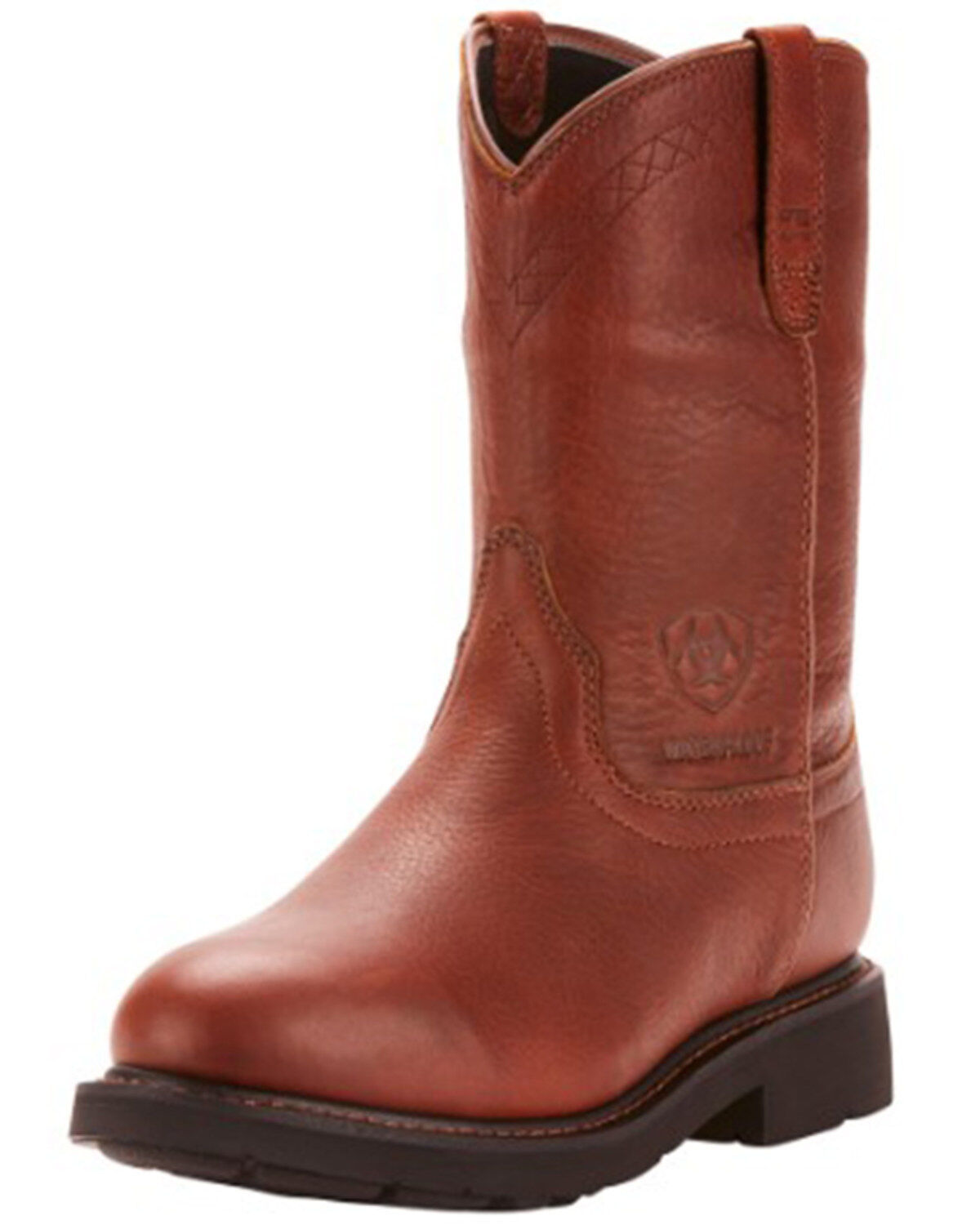
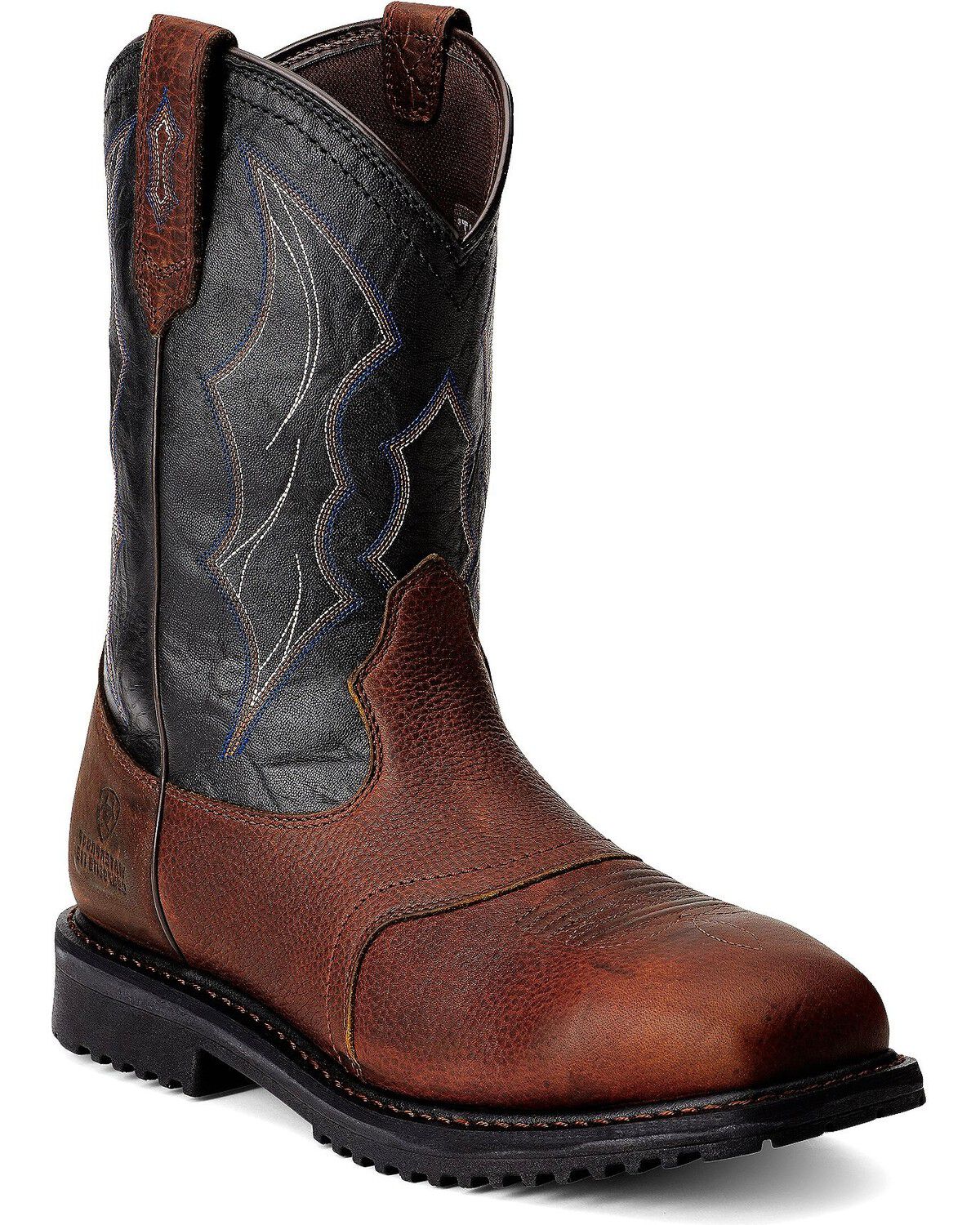
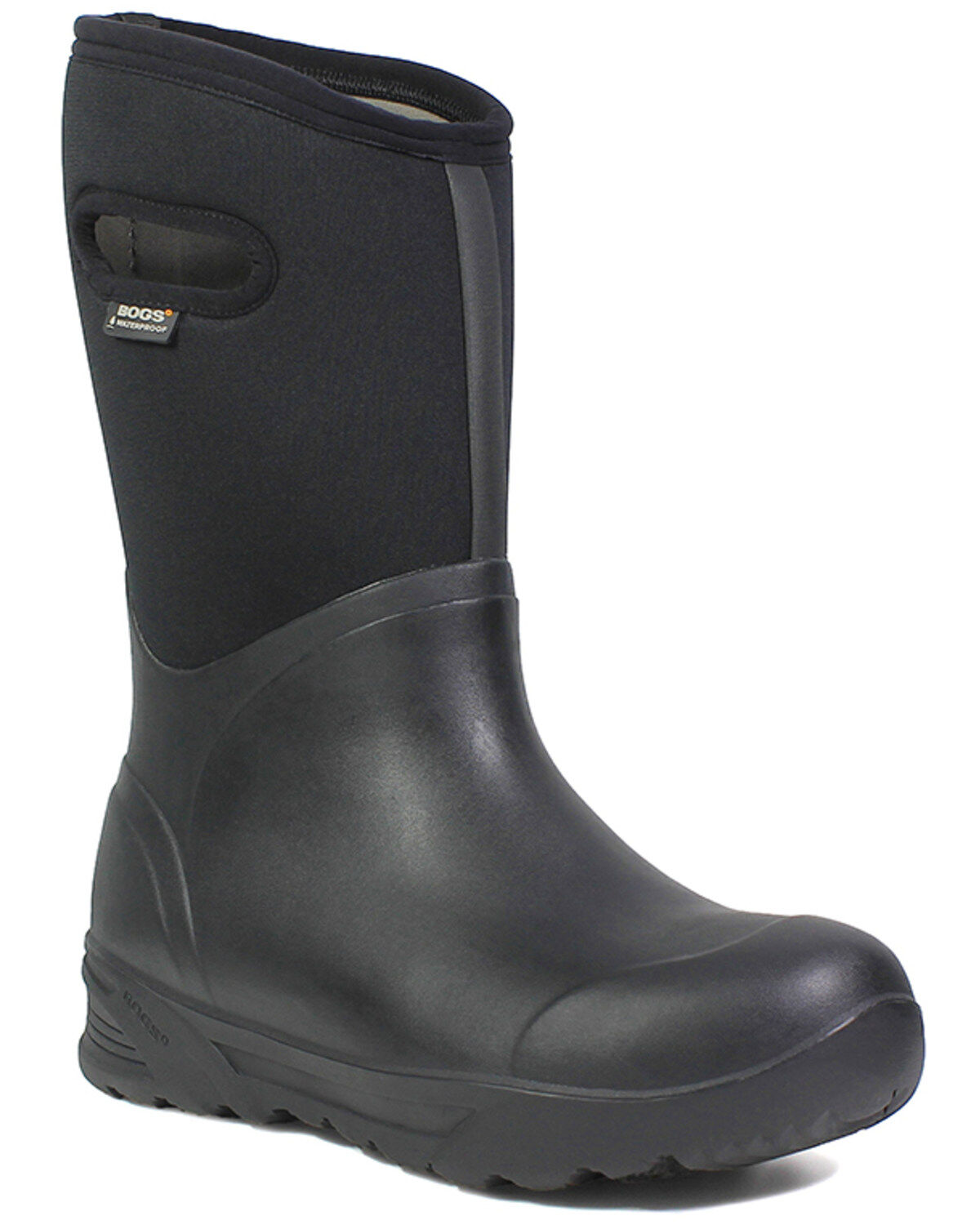
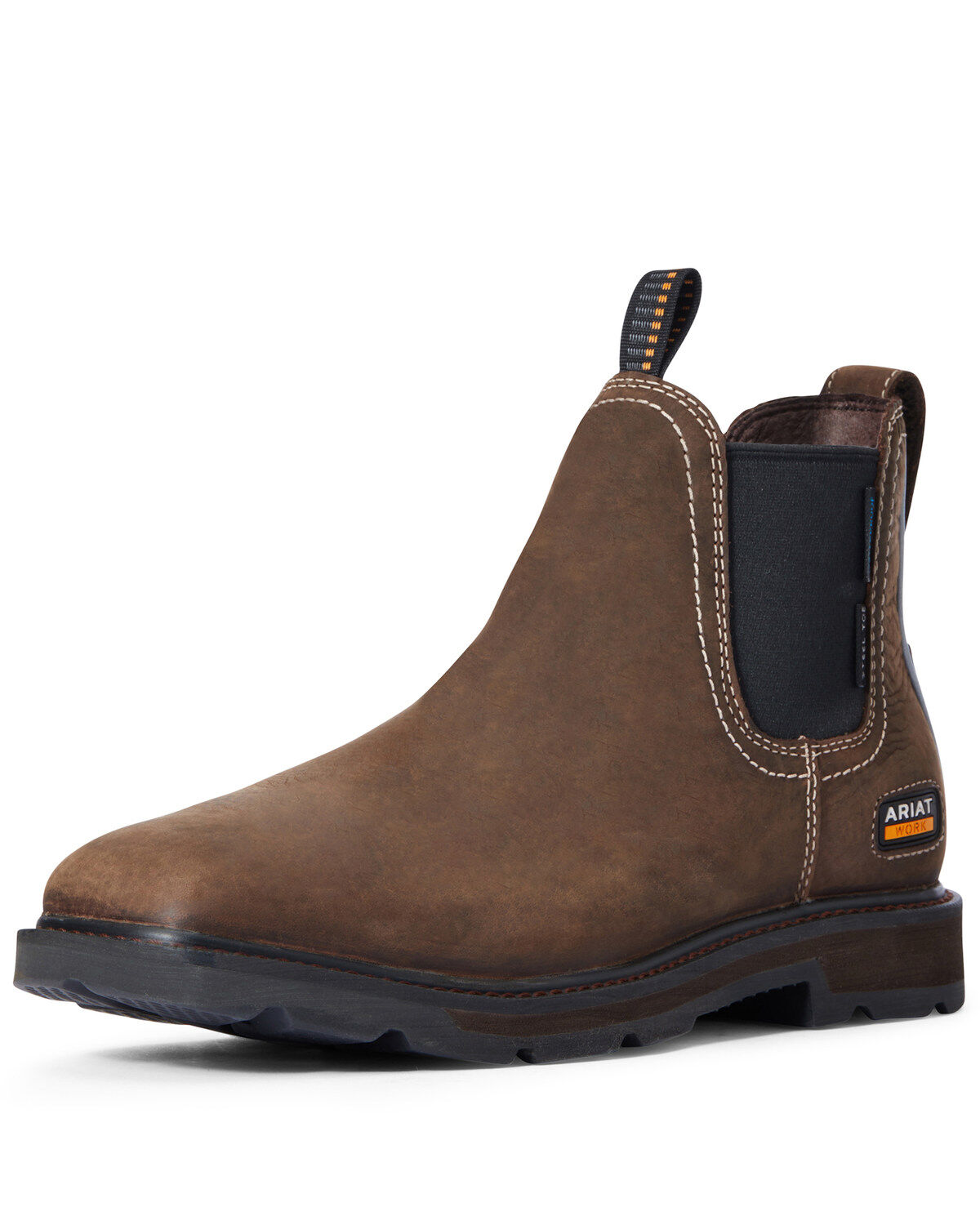
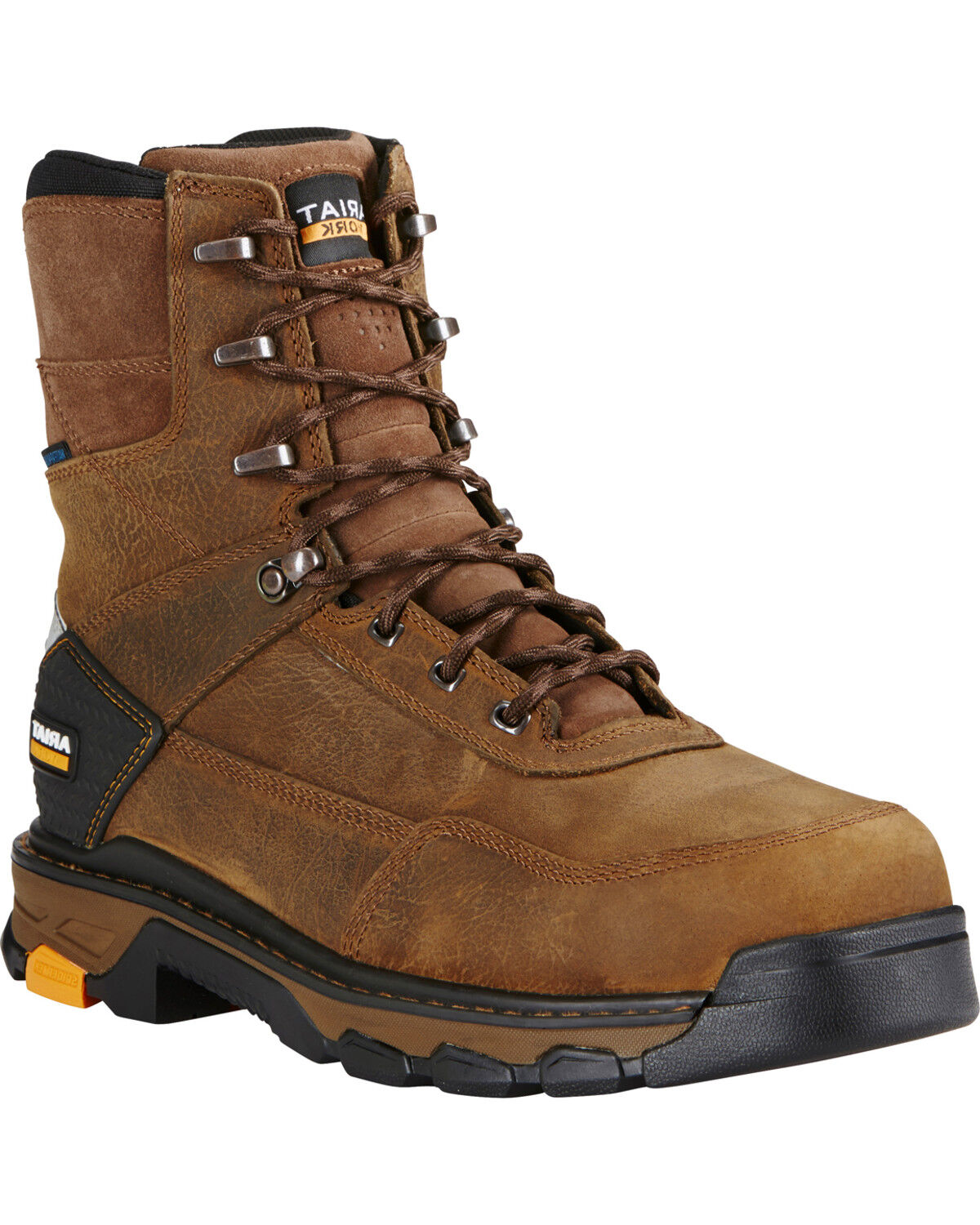
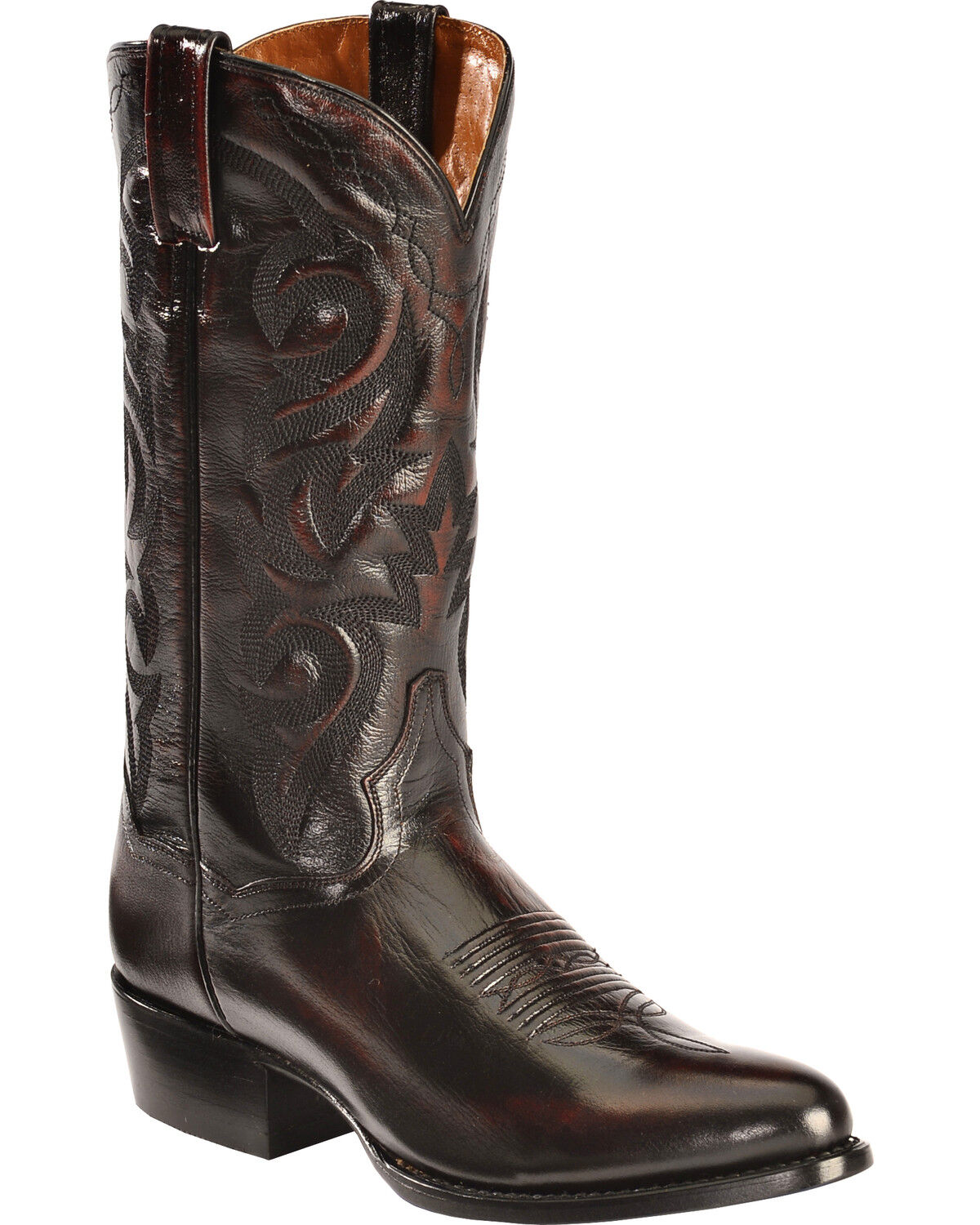
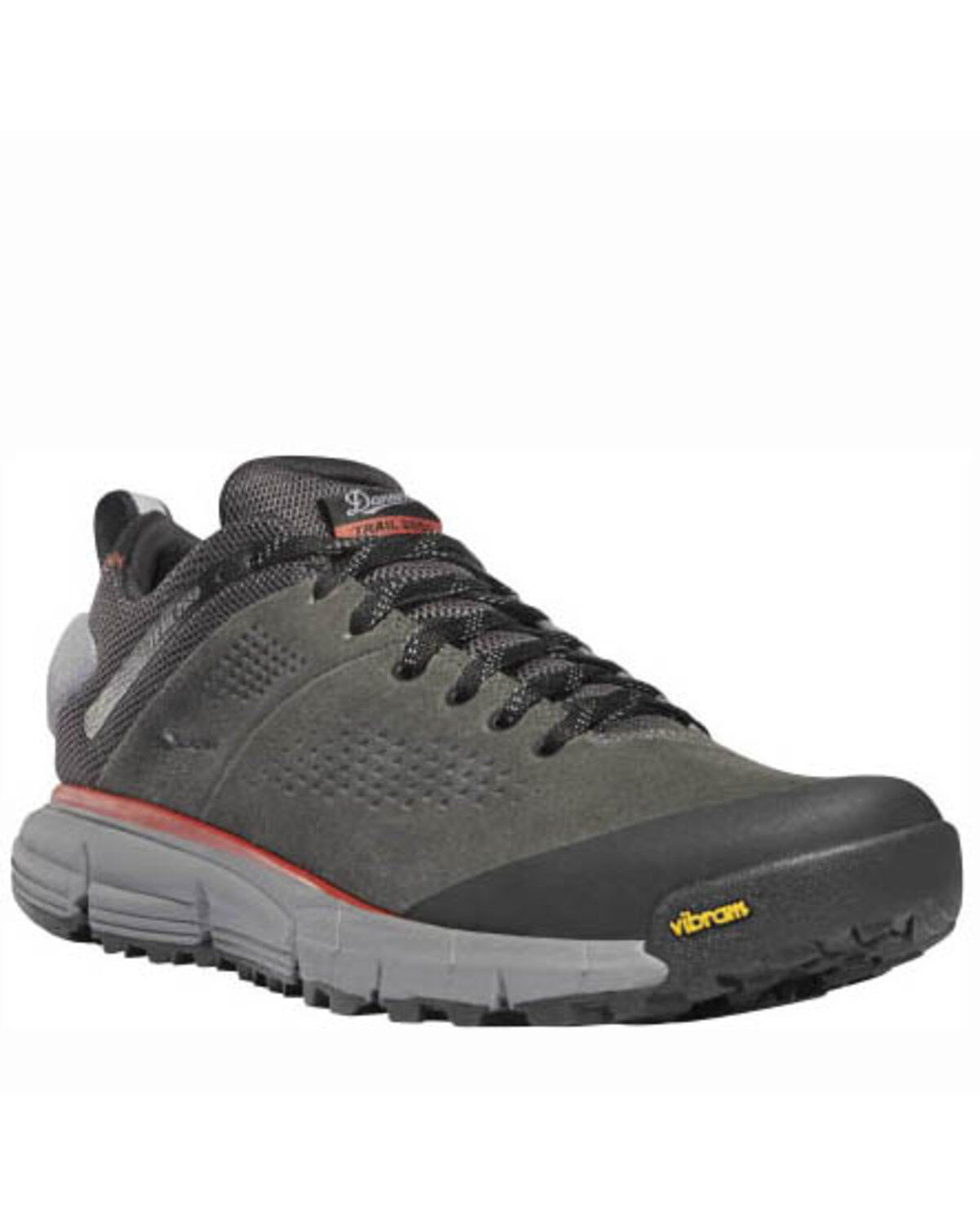
Waterproof Slip Resistant Work Boots

Find waterproof slip-resistant work boots for wet conditions and jobs that call for reliable traction. Browse the selection with your workplace in mind, and compare fit, waterproofing details, and listed safety features to choose a pair that meets your job requirements.

Read More

Shop Your Store: Shop Your Store: Find a Store

(Turn off Shop Your Store to see all items)

(Turn off Shop Your Store to see all items)

close
  • Recommended
  • Lowest Price
  • Highest Price
Skip pass products

End of products

Waterproof Slip Resistant Work Boots

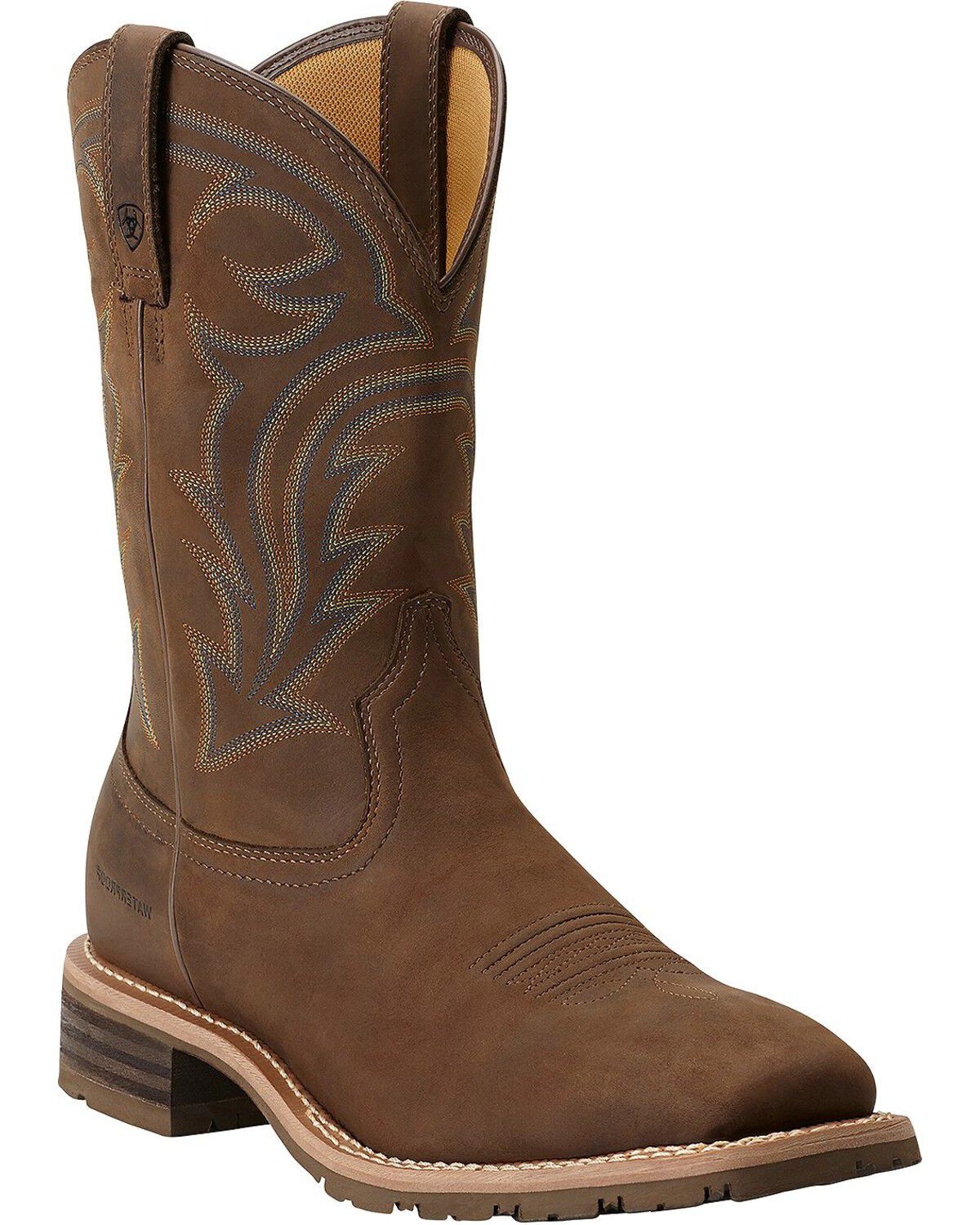
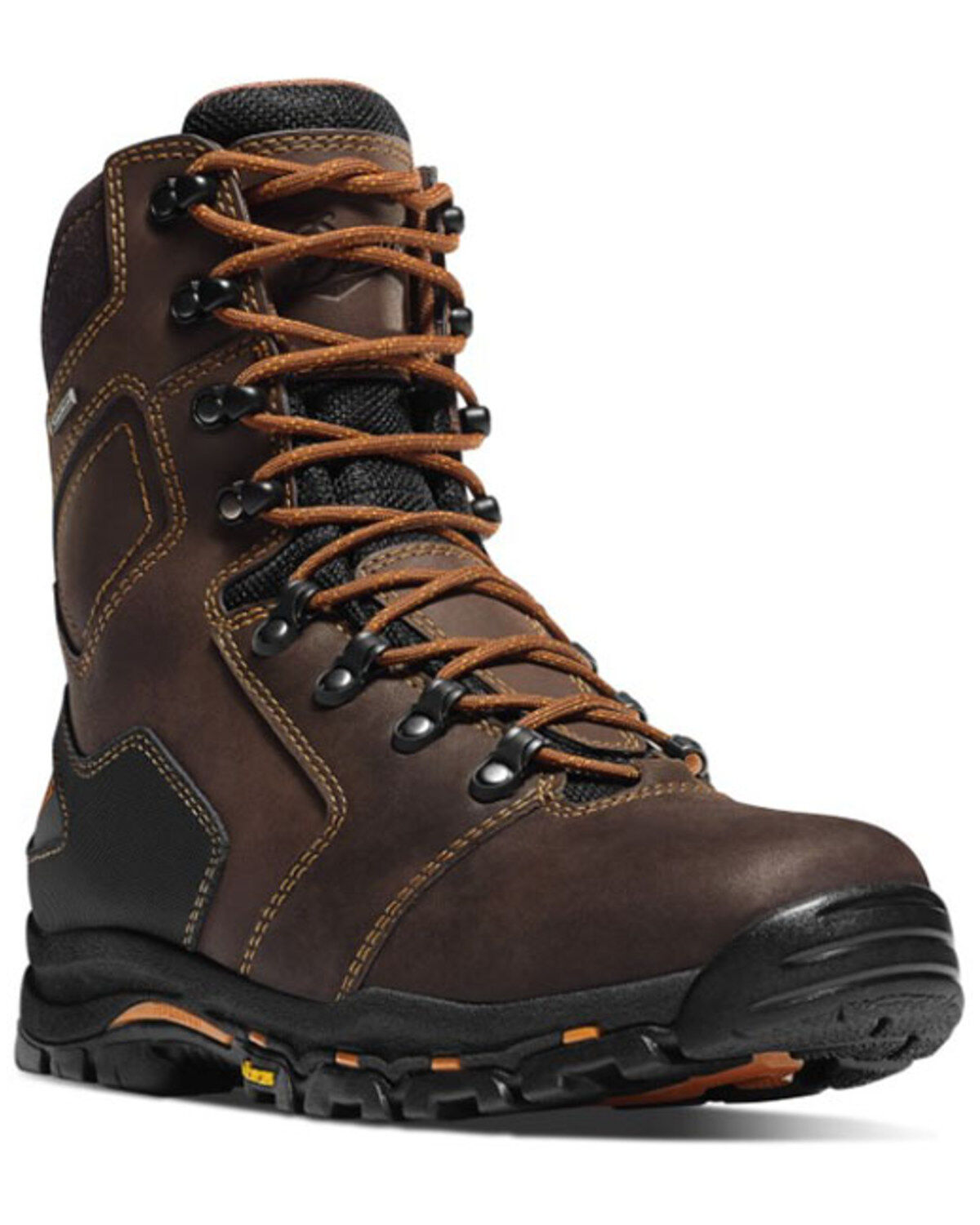
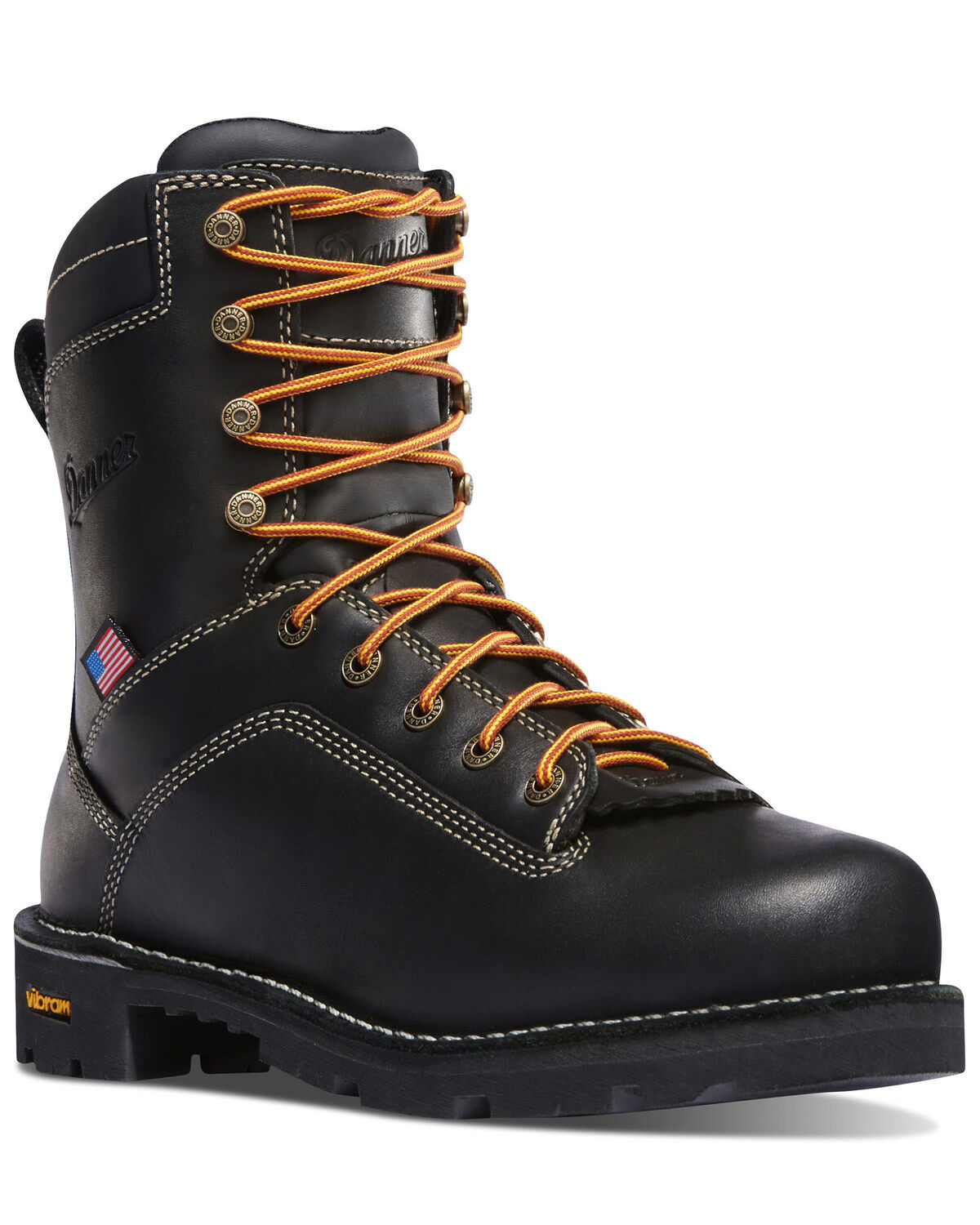
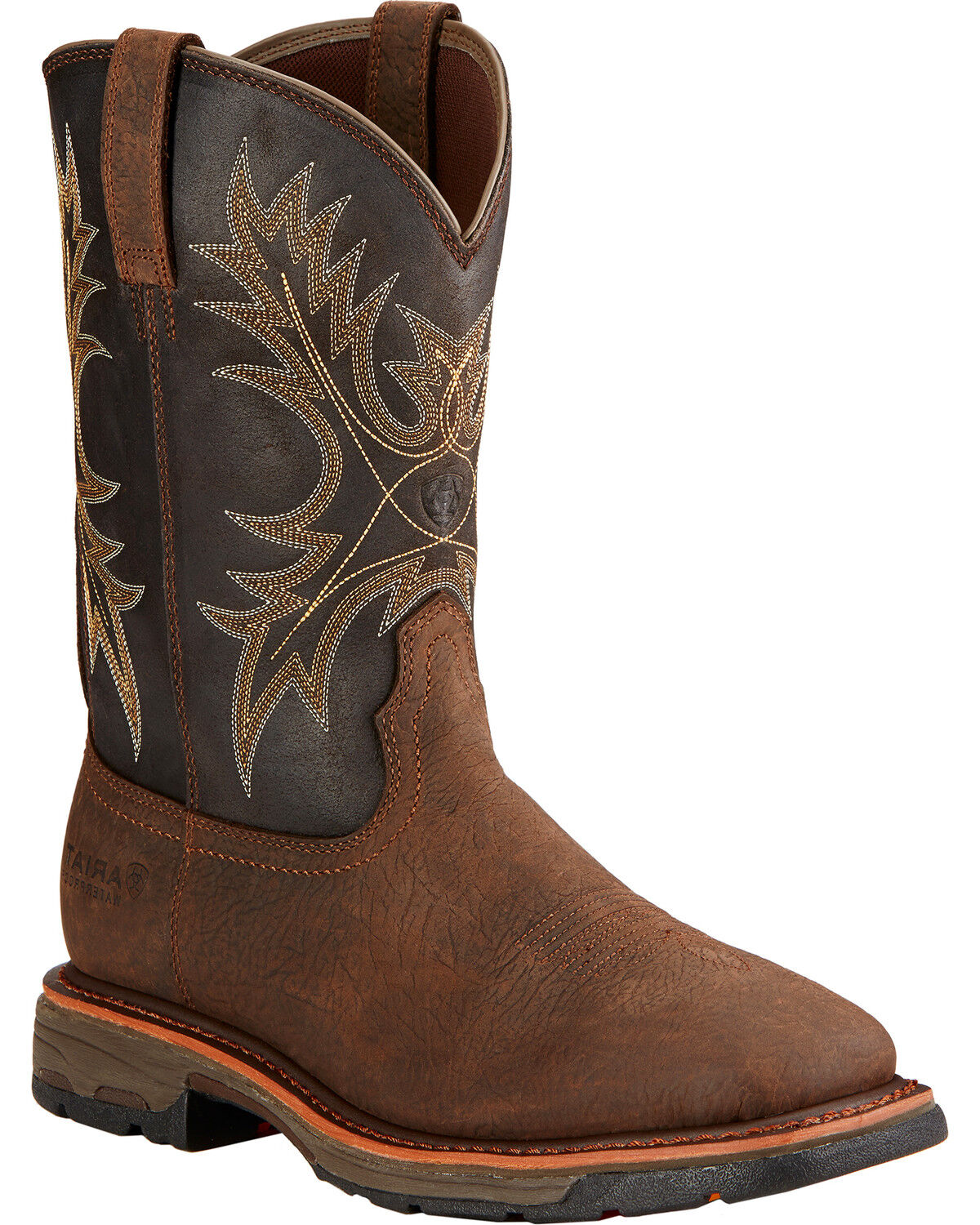
Waterproof slip-resistant work boots combine a water-blocking construction with traction-focused outsoles to help keep feet dry and reduce slipping on wet work surfaces. Those features serve different purposes: waterproofing limits water entry, while slip resistance helps the outsole maintain grip under specified conditions. Both matter when the job involves damp concrete, washdown areas, muddy ground, or standing water around equipment. Full-grain leather is a common upper material because it offers strength, abrasion resistance, and a close fit that develops with wear. Other designs combine leather with fabric or synthetic panels to balance flexibility and weight. Depending on the construction, a waterproof membrane, sealed seams, or a waterproof lining provides the barrier behind the outer material. A gusseted tongue can help limit water and debris entering beside the laces, though water can still enter over the top of the shaft. Waterproof does not mean suitable for unlimited immersion, and ordinary waterproof construction does not establish protection against chemicals. Underfoot, slip-resistant rubber compounds and tread patterns work together to manage contact with the ground. Open channels can help move water away from the contact area, while tread edges provide grip across different surfaces. Deep lugs may suit uneven ground, but tread depth alone does not establish performance on a smooth, wet floor. Slip resistance depends on the outsole material, surface, contaminants, and wear, so no boot is slip-proof. Oil resistance is a separate property that describes how well a material withstands exposure to oil; it does not automatically mean better traction on an oily floor. For work involving petroleum residue or oily shop surfaces, Oil Resistant Slip Resistant Work Boots bring that additional distinction into focus. Product descriptions and test information help clarify which features apply to a particular construction. The strongest match is a boot whose waterproofing, tread, and protective features suit the actual work surface rather than one chosen for appearance alone.

The demands of the job shape the rest of the boot. Construction crews, maintenance workers, agricultural workers, and warehouse staff may all encounter water, but their footing and protection needs can differ considerably. A worker moving between a gravel yard and a concrete loading area needs support through changes in terrain. Someone handling washdown duties may place more importance on a water-blocking upper and an outsole suited to wet, smooth floors. Long hours on hard surfaces put cushioning and stability under steady demand, while uneven ground calls for secure footing and a fit that limits movement inside the boot. Safety-toe construction is another separate consideration. Steel and composite safety toes can provide impact and compression protection when the footwear meets the applicable requirements. A soft toe does not provide that protection, even when the boot is waterproof and slip resistant. Composite materials generally transfer less heat and cold than steel, but the overall boot construction matters more than toe material alone when judging weight and comfort. Puncture-resistant components, metatarsal protection, and electrical hazard ratings address other risks and should match workplace requirements. Waterproofing does not establish any of those protections. Lace-up work boots allow adjustment across the instep and around the ankle, which can help maintain a secure fit through repeated bending and walking. Pull-on styles offer a straightforward design without laces, with fit depending more heavily on the relationship between the foot, instep, heel, and shaft. Shaft height affects coverage, but a taller boot is not automatically more supportive or more waterproof. Underfoot, midsoles, footbeds, and shanks contribute to cushioning, structure, and flexibility in different ways. A heavily cushioned feel may be comfortable on flat concrete, while a firmer platform may feel more stable on uneven ground. The useful balance is enough comfort for hours of wear without excess movement or a loose, unstable feel.

Proper fit gives waterproof slip-resistant work boots a better chance to perform as intended. The toes need room to spread naturally without pressing against the end or sides of the toe box, including beneath a protective cap that will not stretch with wear. The heel should feel secure without painful rubbing, and the instep should hold the foot without pinching. Some pull-on constructions allow slight heel movement at first, but persistent lifting or sliding can lead to friction and reduced control. Work socks and any required orthotics affect the space inside the boot, so fit is best assessed with those in place. Feet often swell during a shift, making an end-of-day fitting useful for judging working comfort. Waterproof barriers can also limit how quickly moisture escapes, which makes moisture-managing socks and dry interiors important even when outside water stays out. Breathable construction can help, but no lining eliminates perspiration. Regular care supports both comfort and durability. Mud packed into tread channels reduces their ability to contact the floor as designed, while embedded gravel can interfere with footing. Removing loose dirt and cleaning the outsole keeps the tread pattern clear. Leather uppers benefit from cleaning and conditioning with products suited to their finish and waterproof construction; fabric and synthetic panels may require different care. Surface treatments can support water shedding, but they do not repair a damaged waterproof membrane. Boots should dry away from direct heat, which can damage leather, adhesives, and other components. Removable footbeds can be taken out for drying when the construction permits. Worn-smooth tread, separating soles, cracked uppers, persistent leaks, and damaged protective components are reasons to assess whether the boots still meet the job’s demands. A waterproof work boot can also make a practical gift for someone whose work involves wet conditions, provided the fit and required safety features are known. For daily use, the lasting value lies in dry feet, dependable footing, and construction matched to the work.
Read More

FAQs