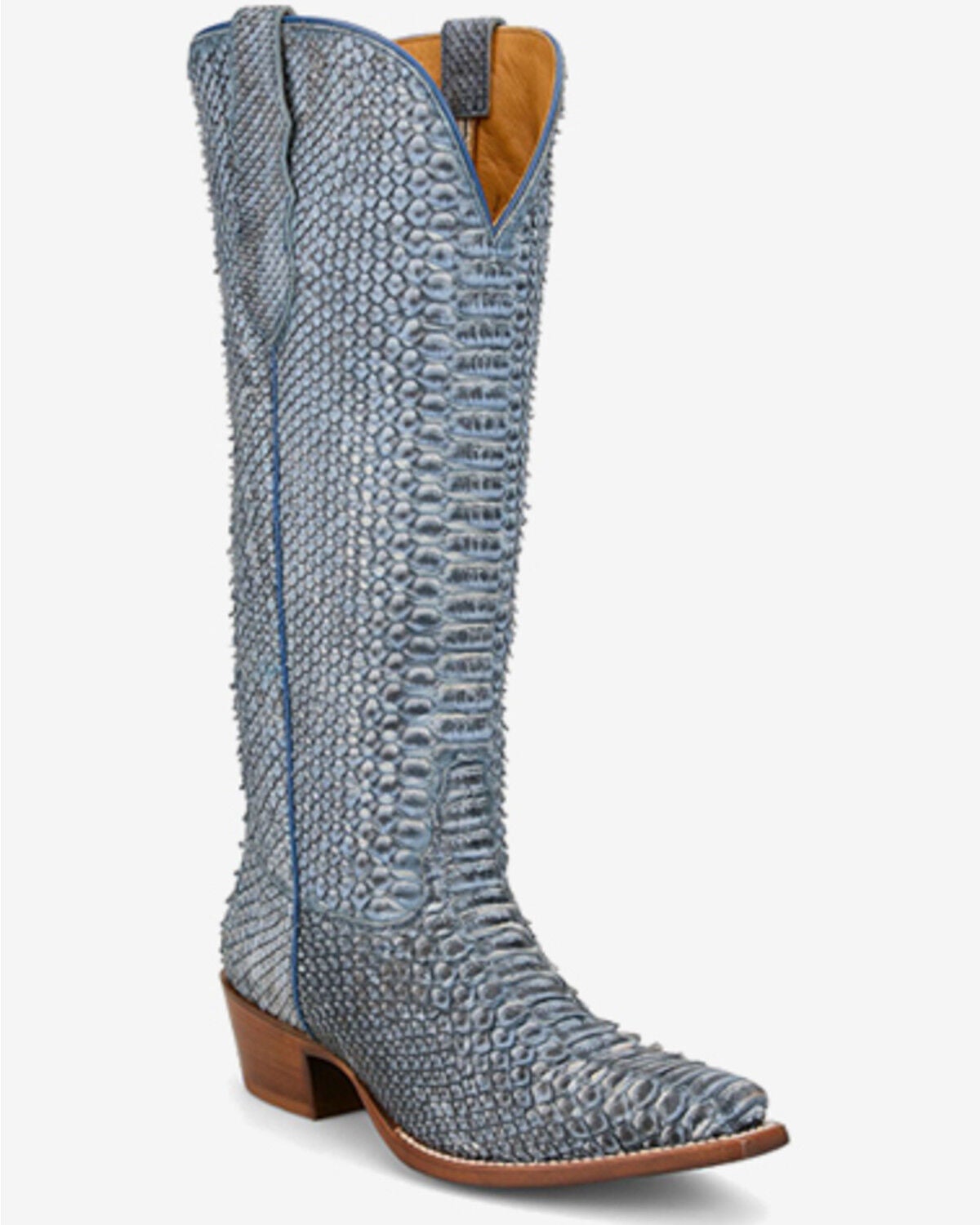
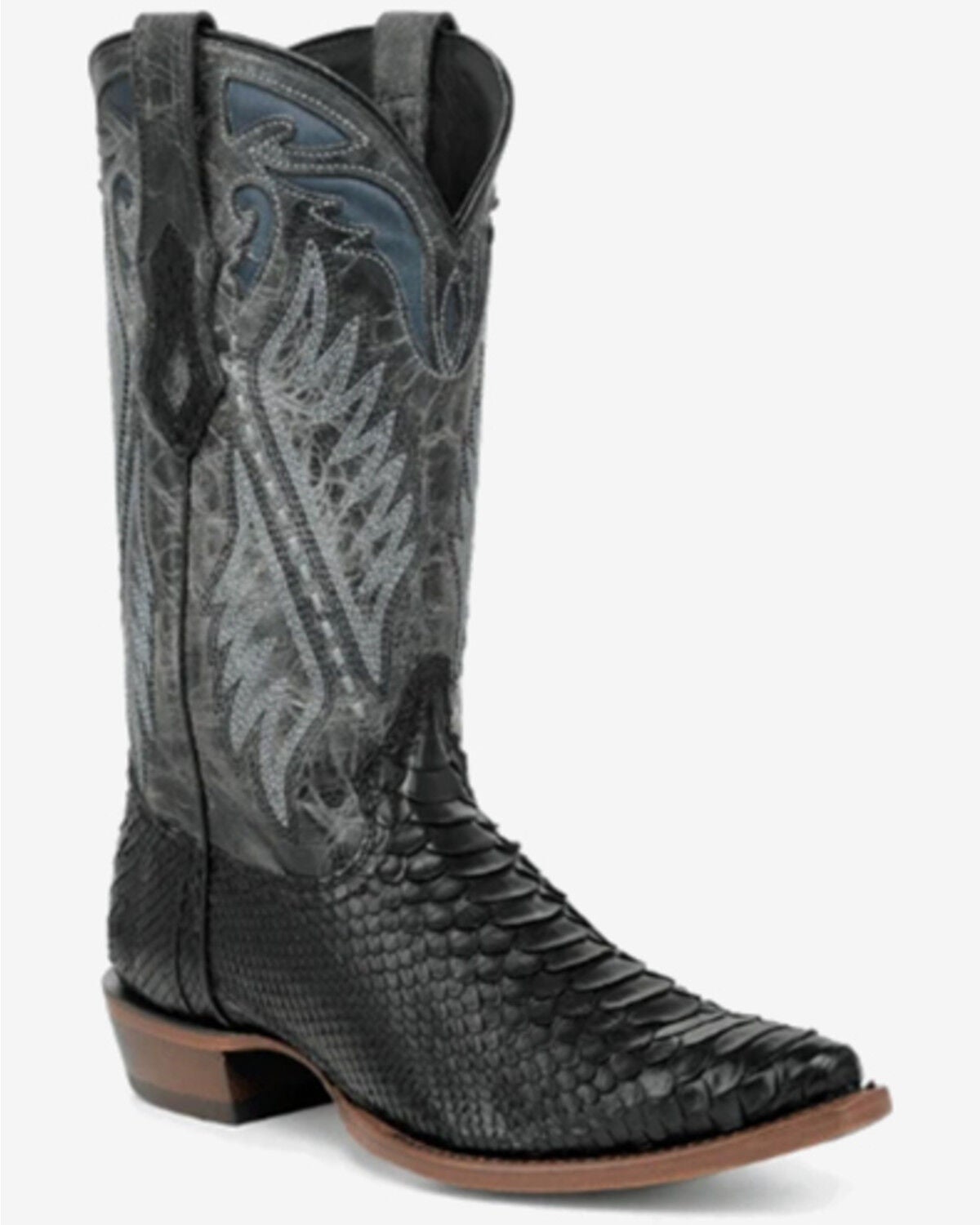
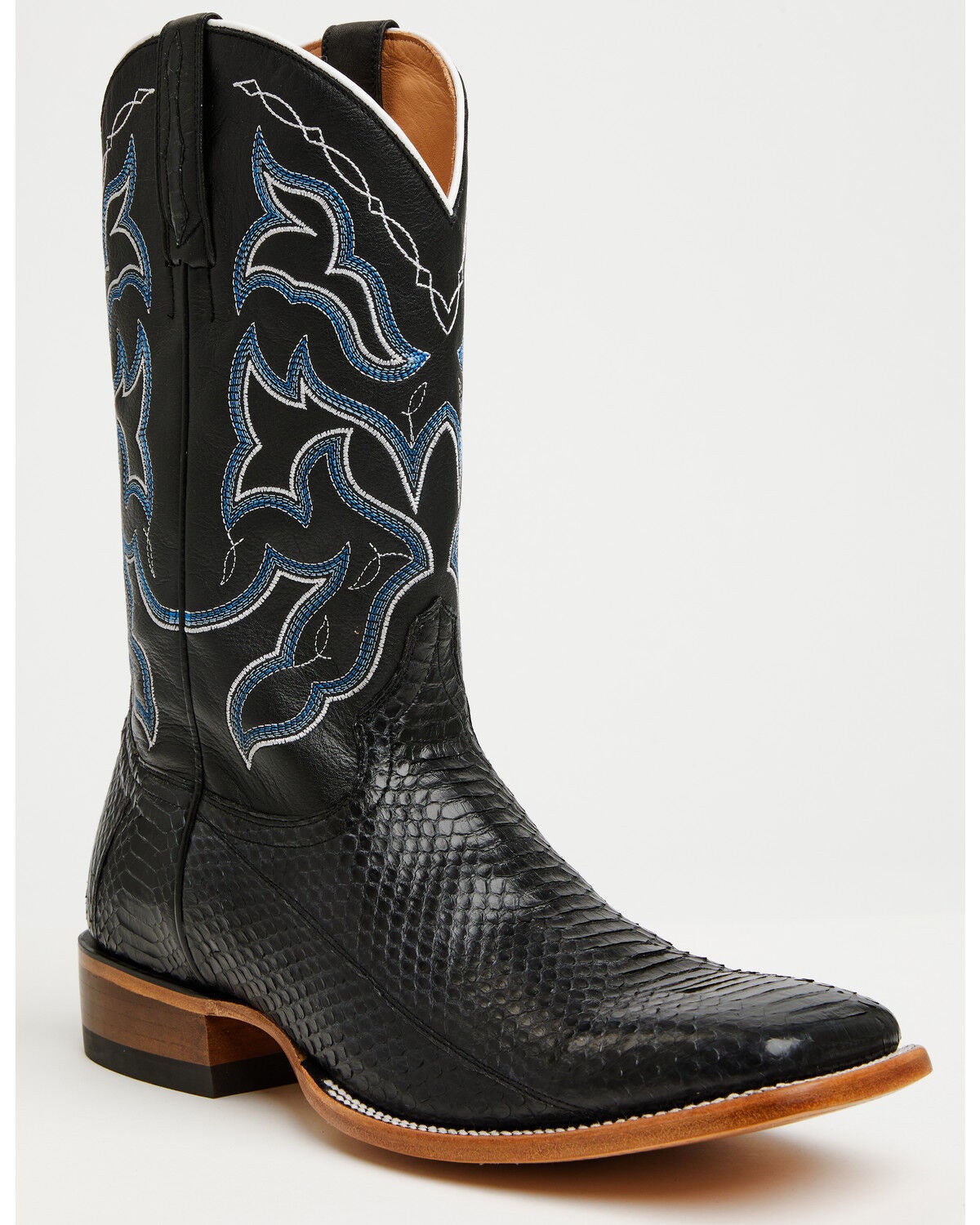
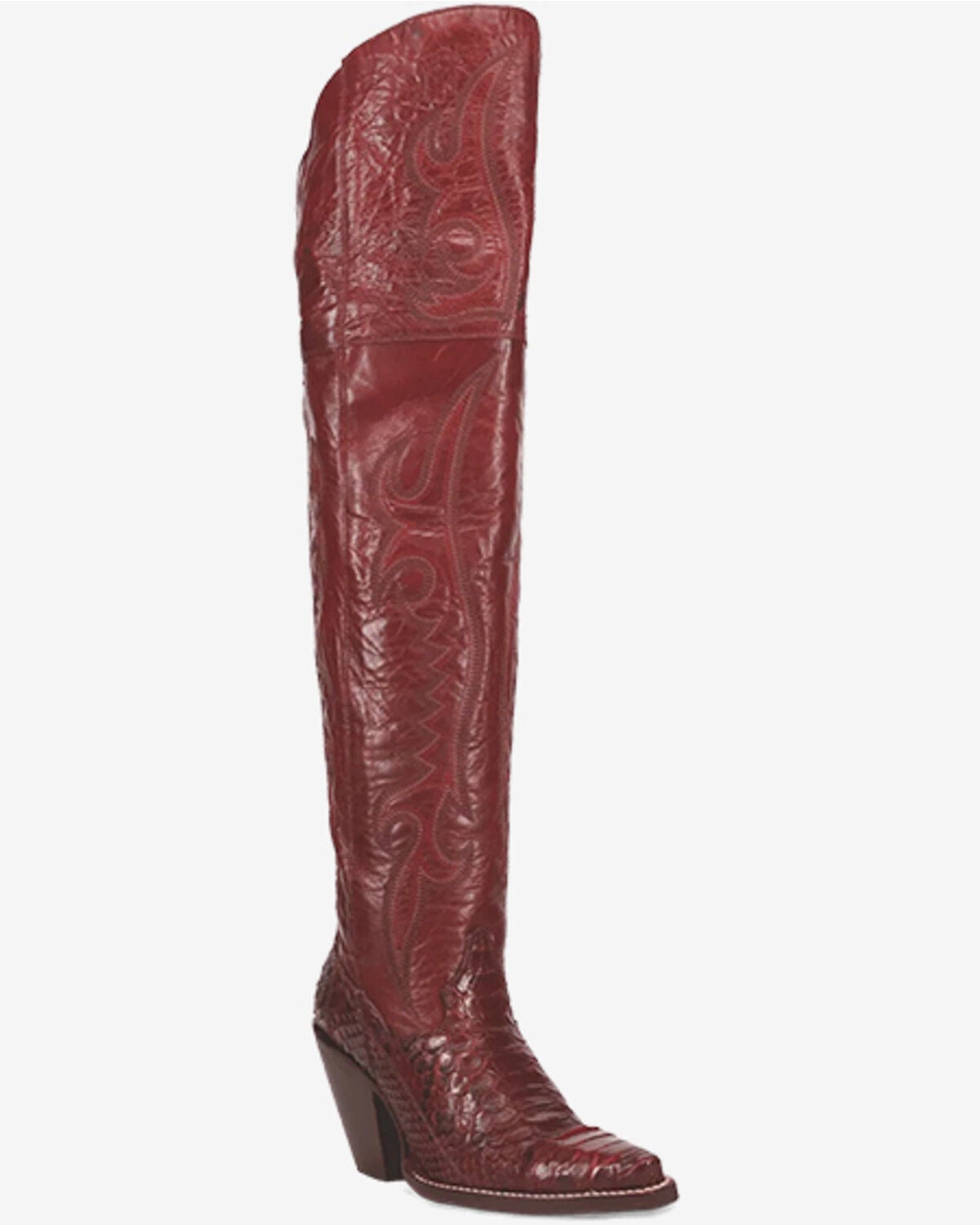
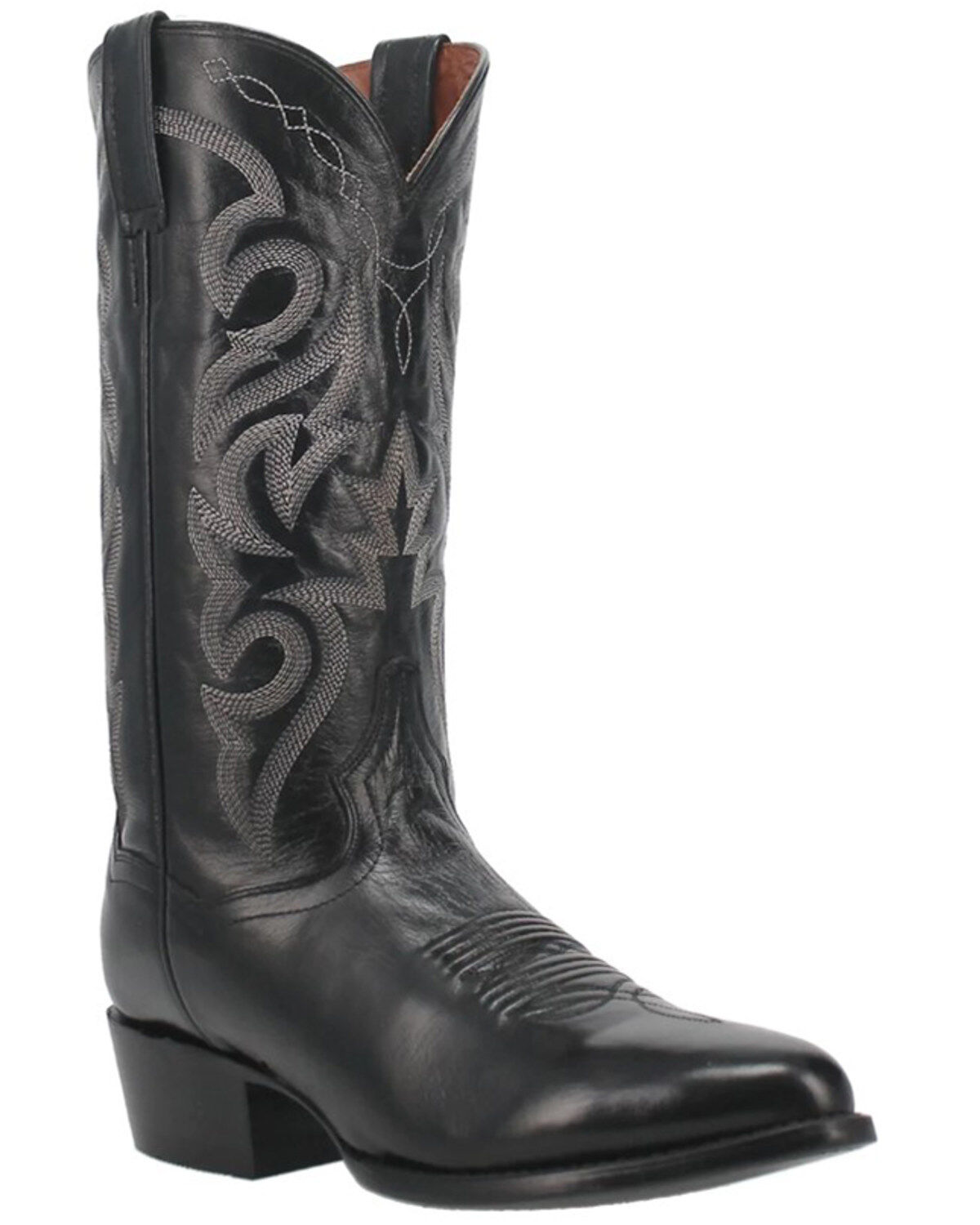
Snake Skin Boots

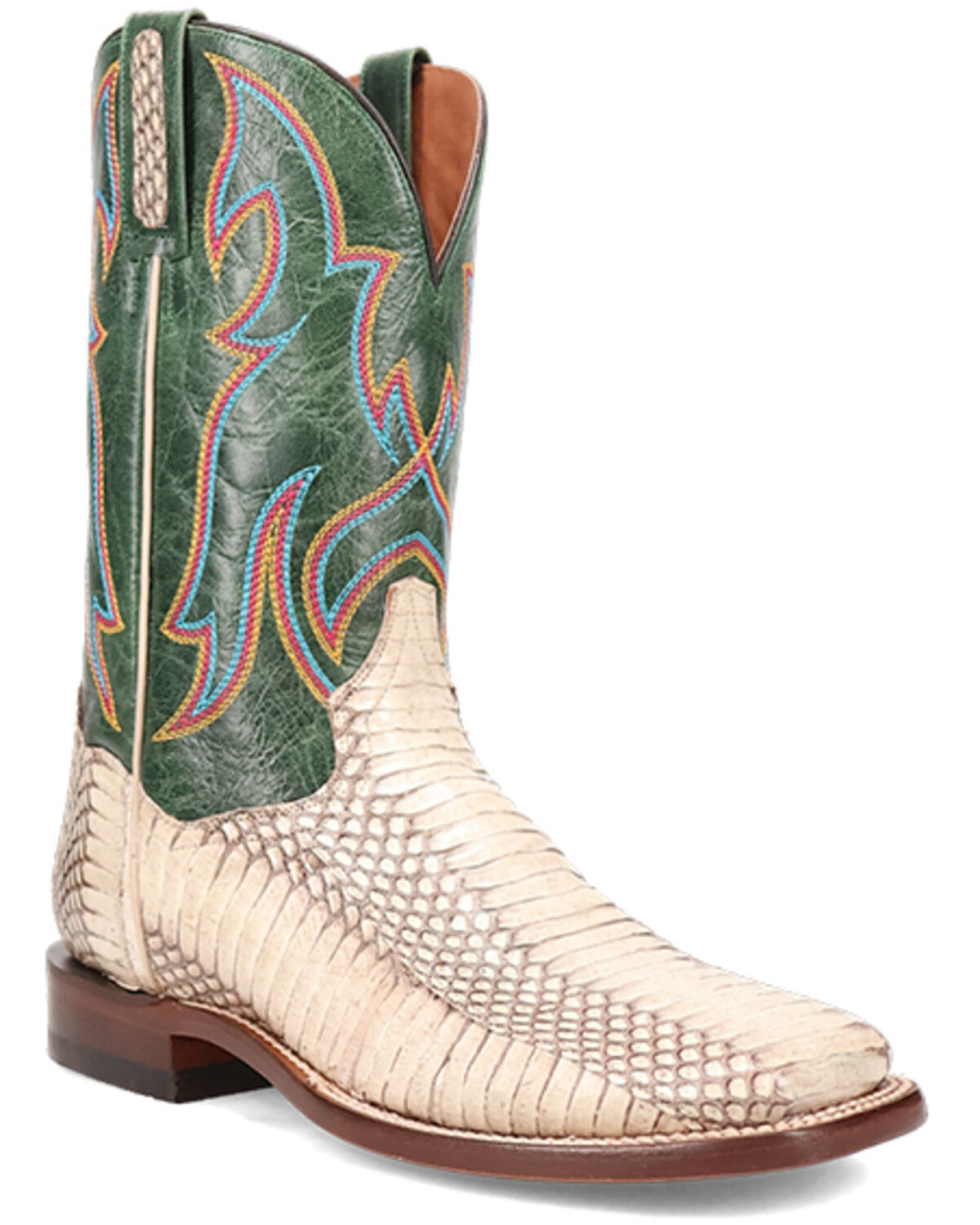
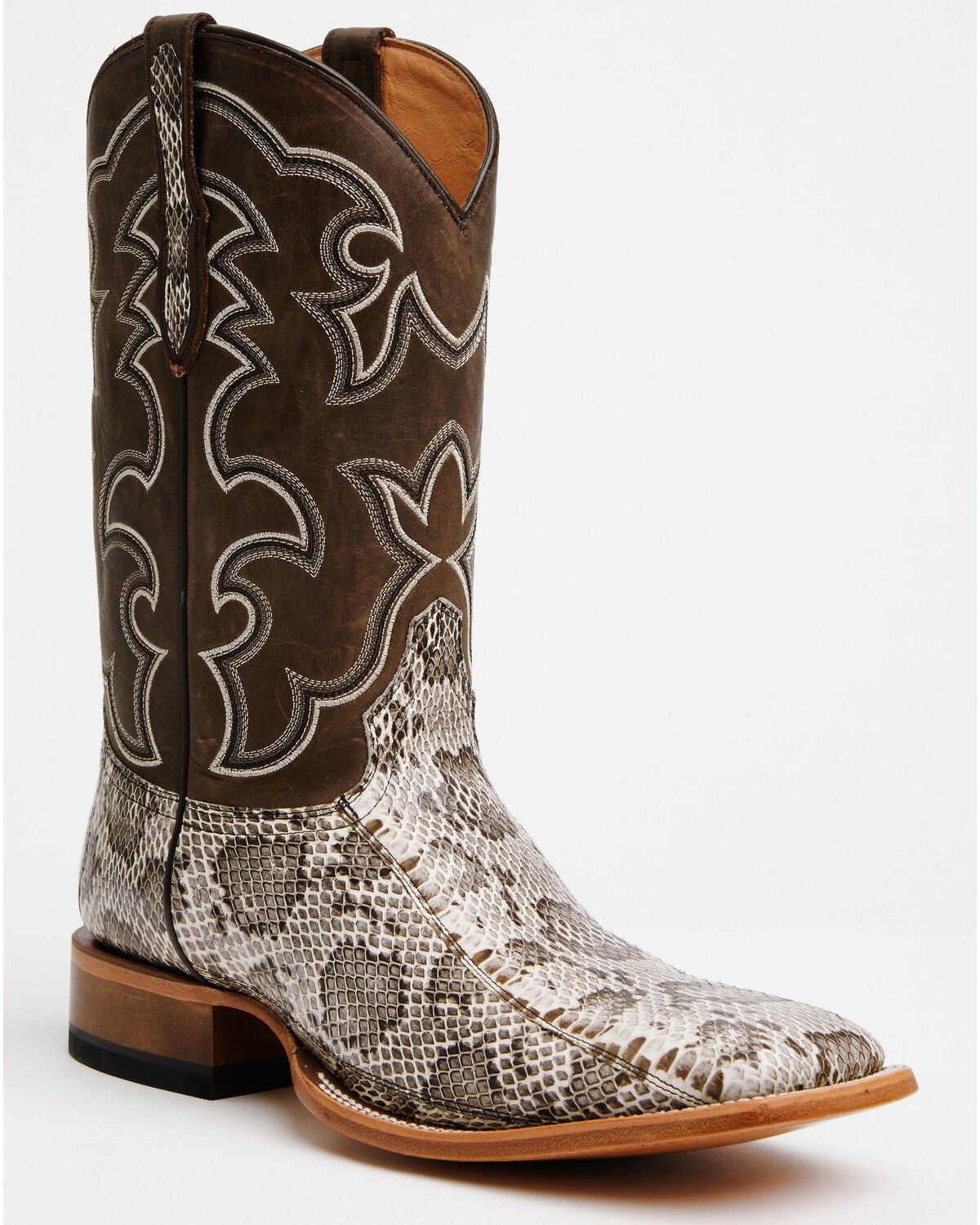
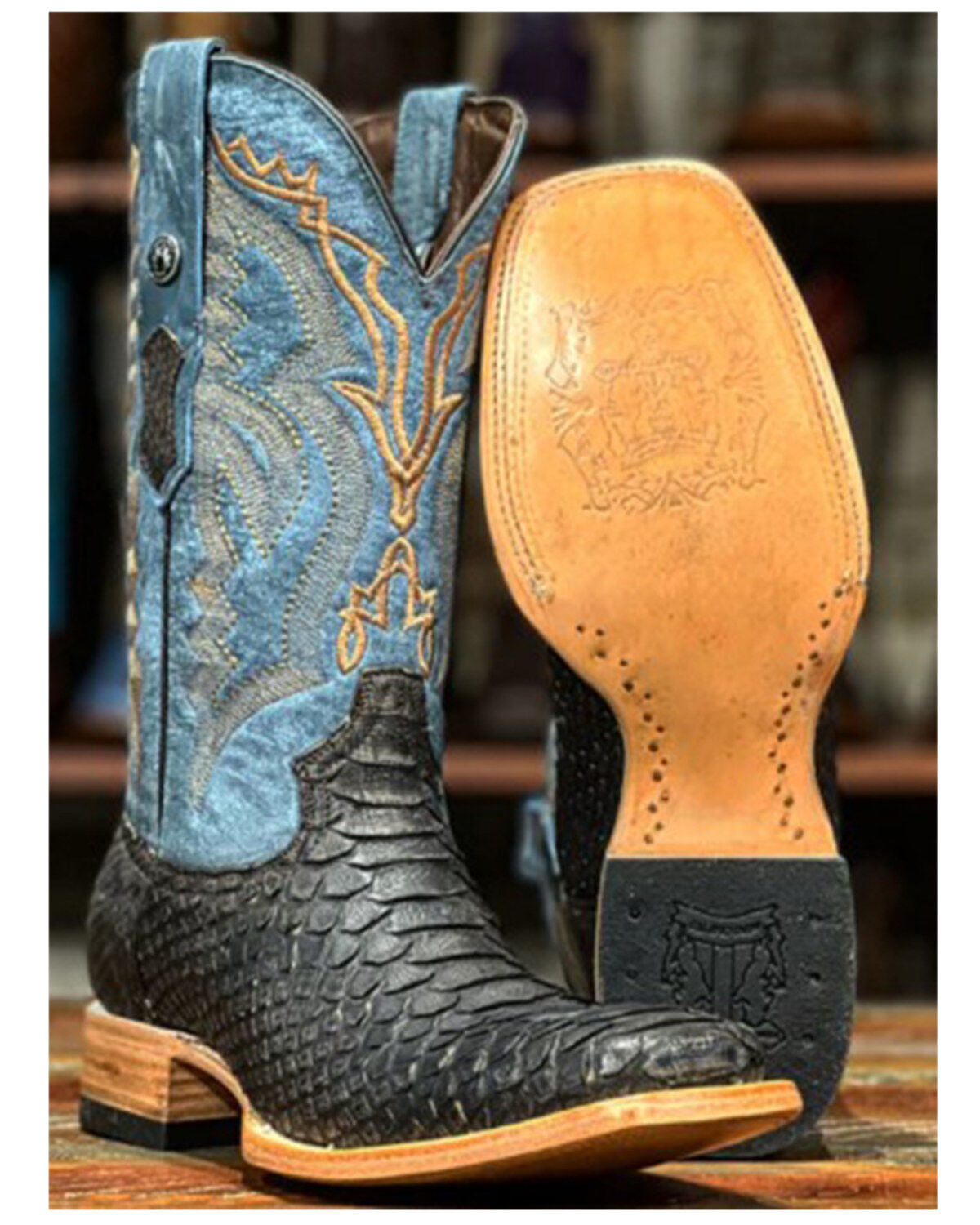
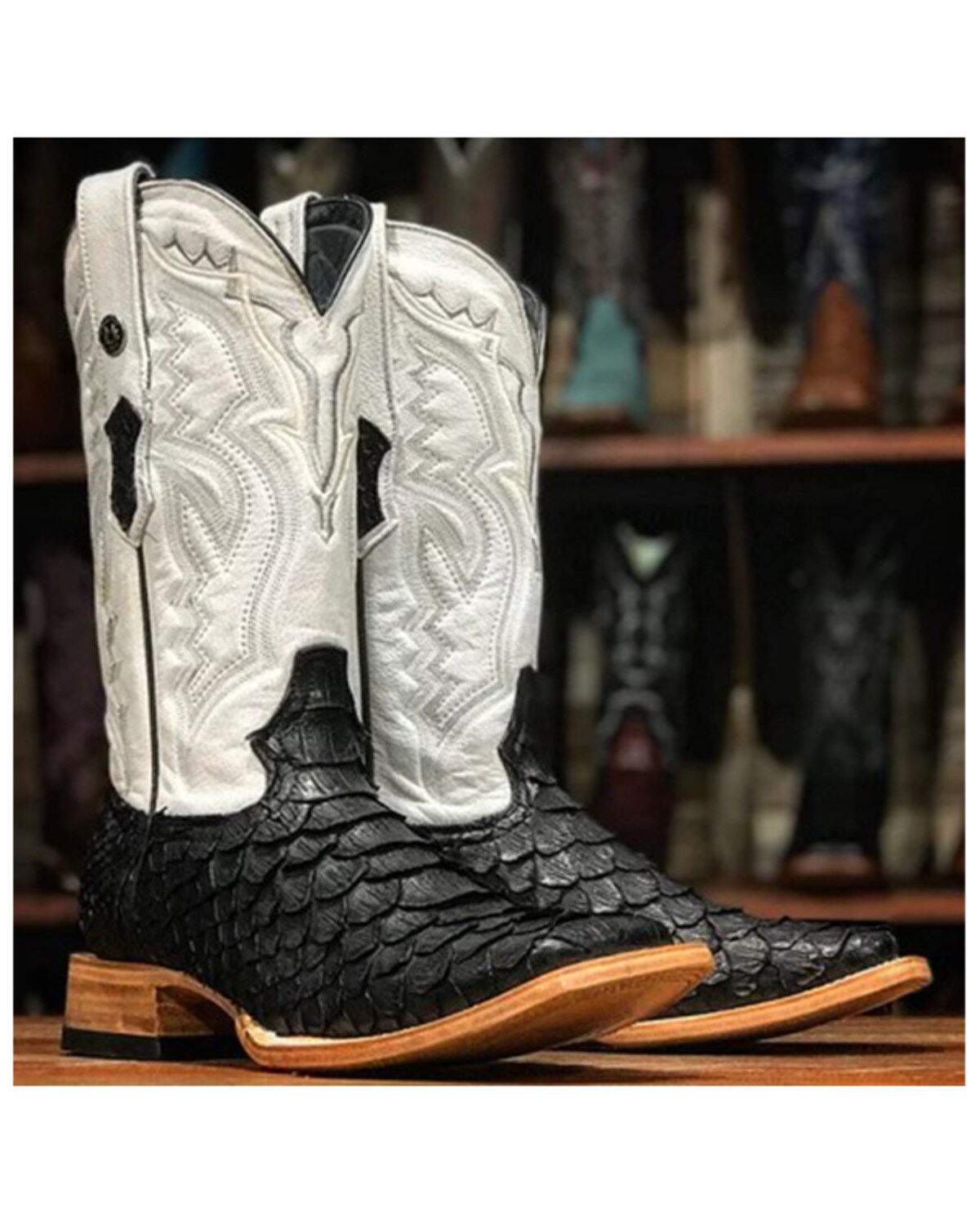
Shop snake skin boots for a distinctive take on western footwear. Compare the styles shown, and check each pair’s listed materials, toe shape, and heel height to narrow your choices. Review sizing and fit details before choosing your pair.

Shop Your Store: Shop Your Store: Find a Store

(Turn off Shop Your Store to see all items)

(Turn off Shop Your Store to see all items)

close
  • Recommended
  • Lowest Price
  • Highest Price
Skip pass products

End of products

Snake Skin Boots

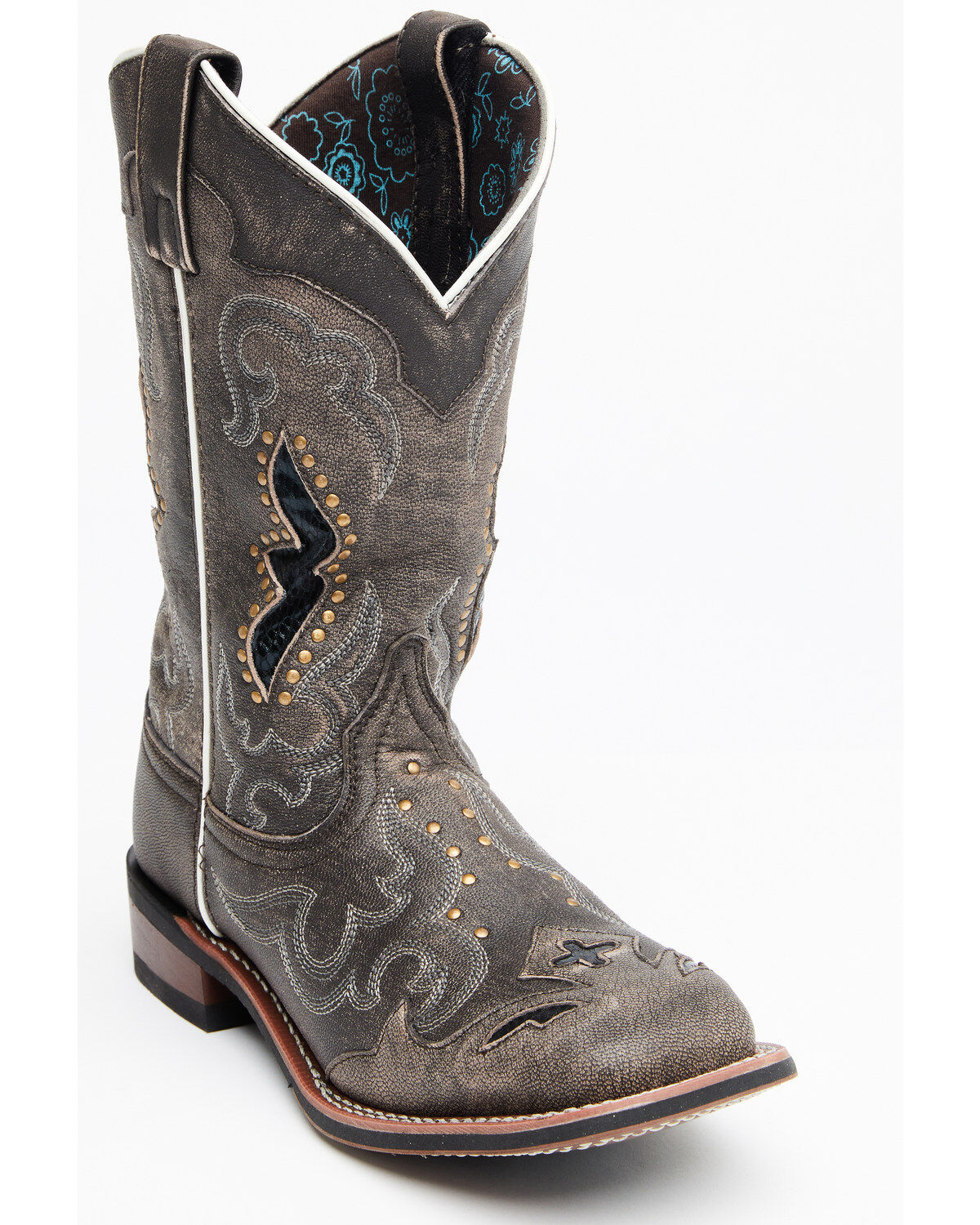
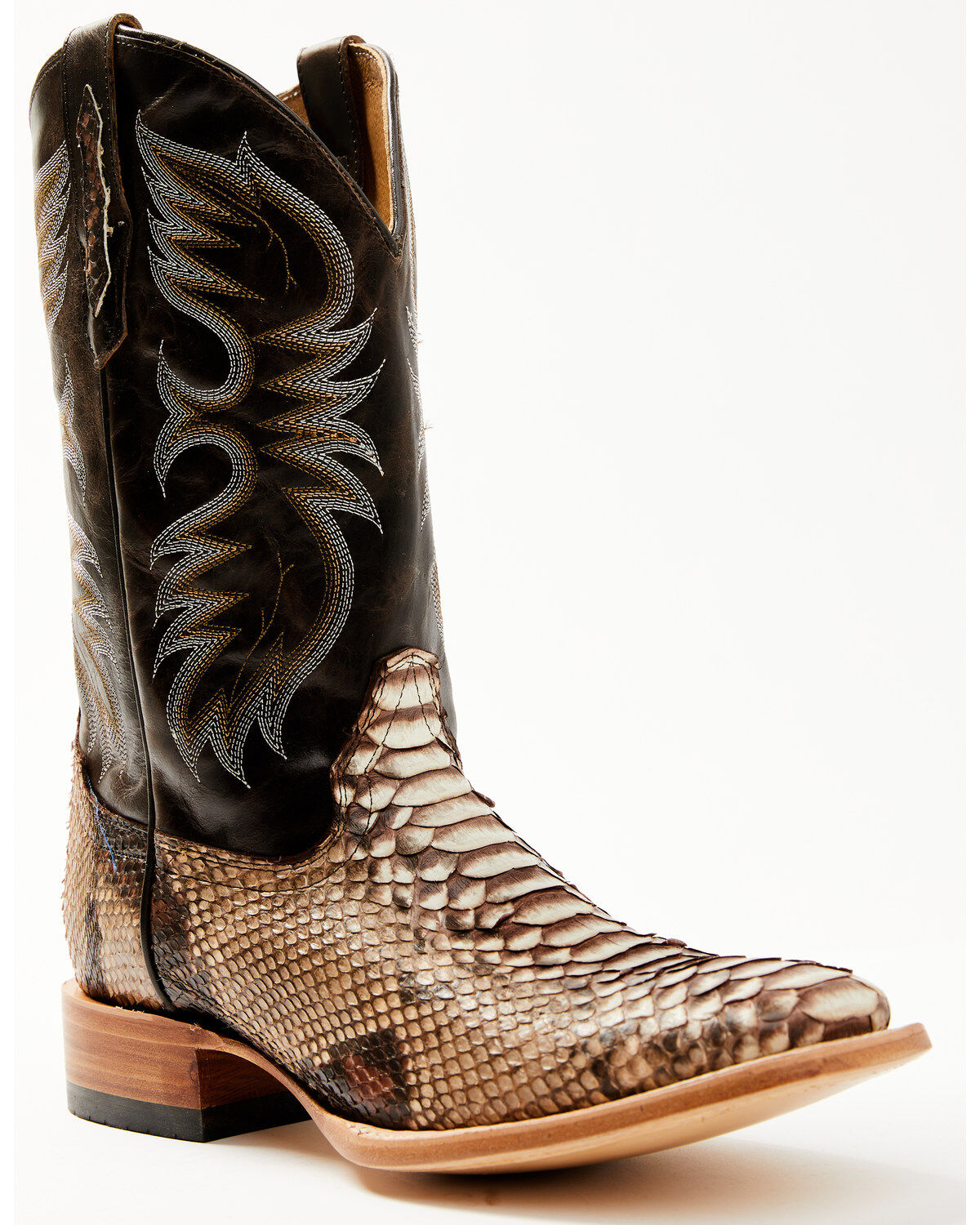
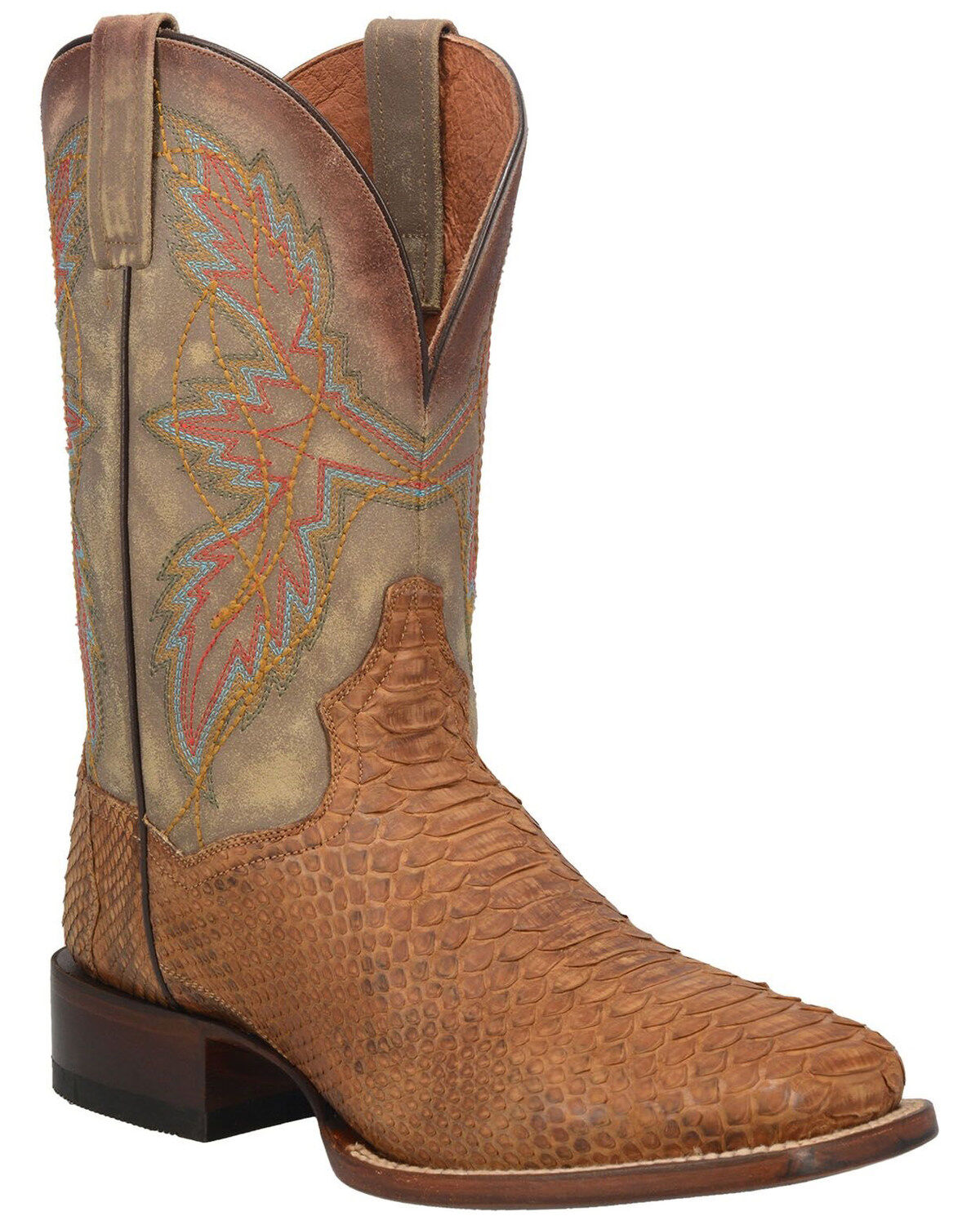
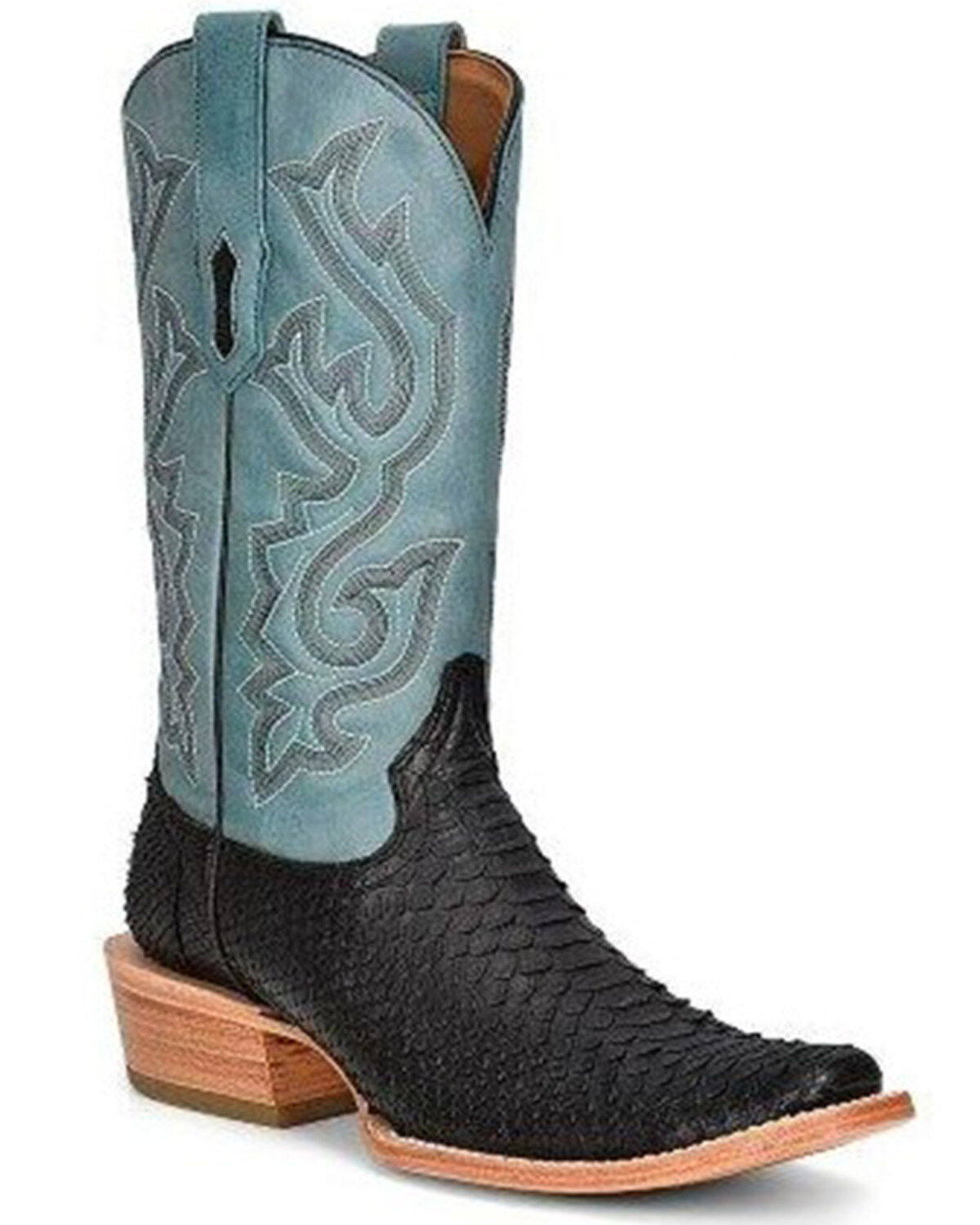
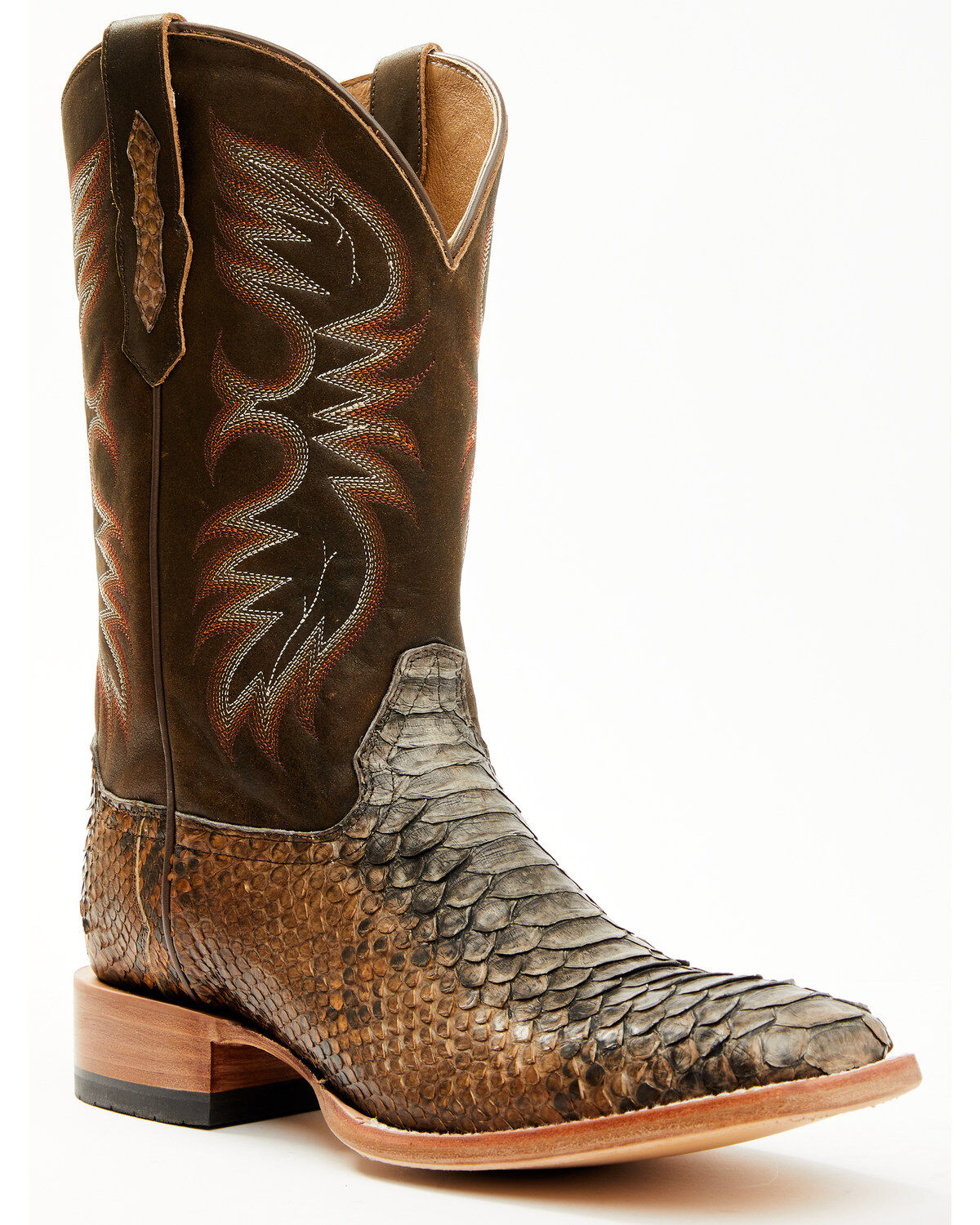
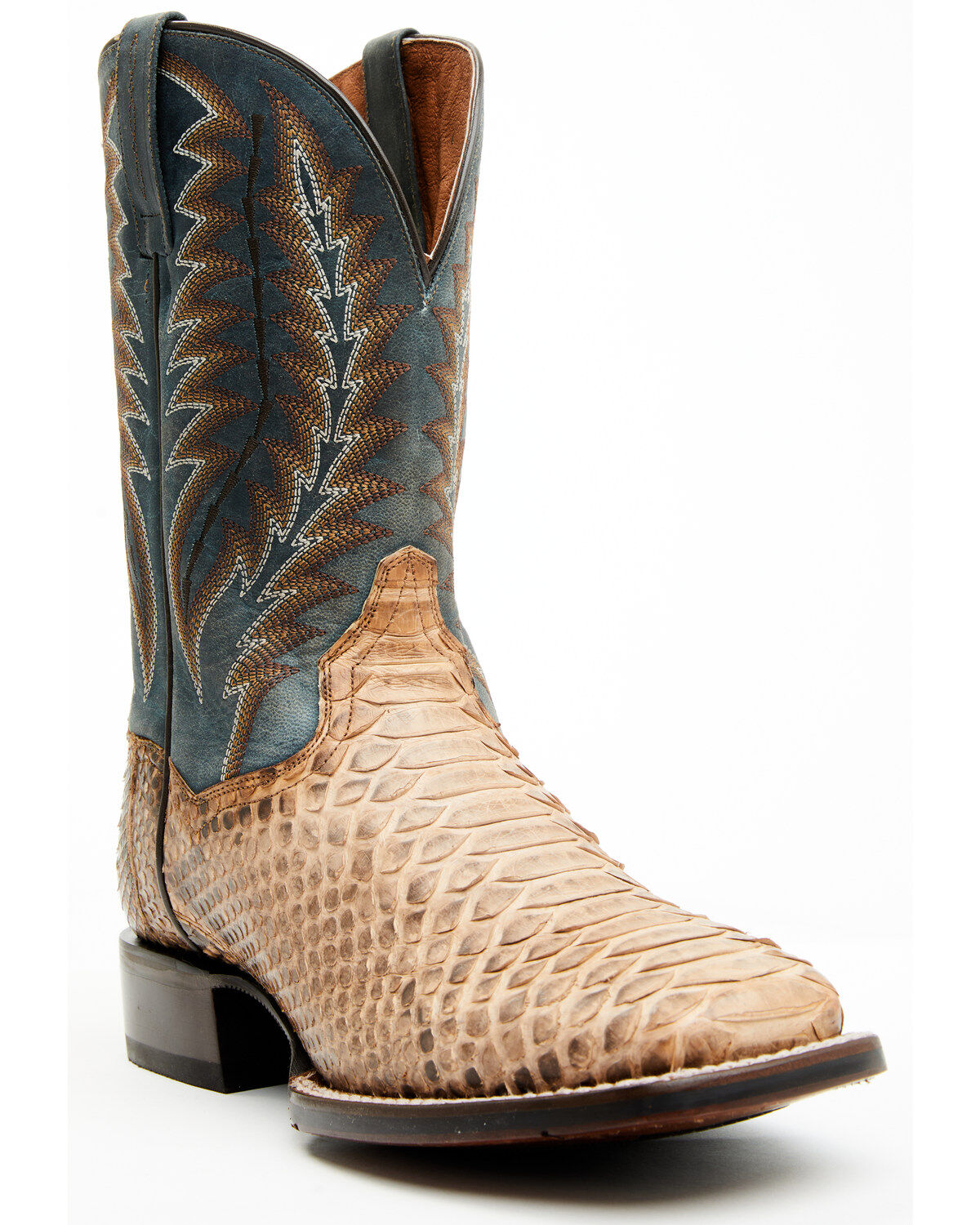
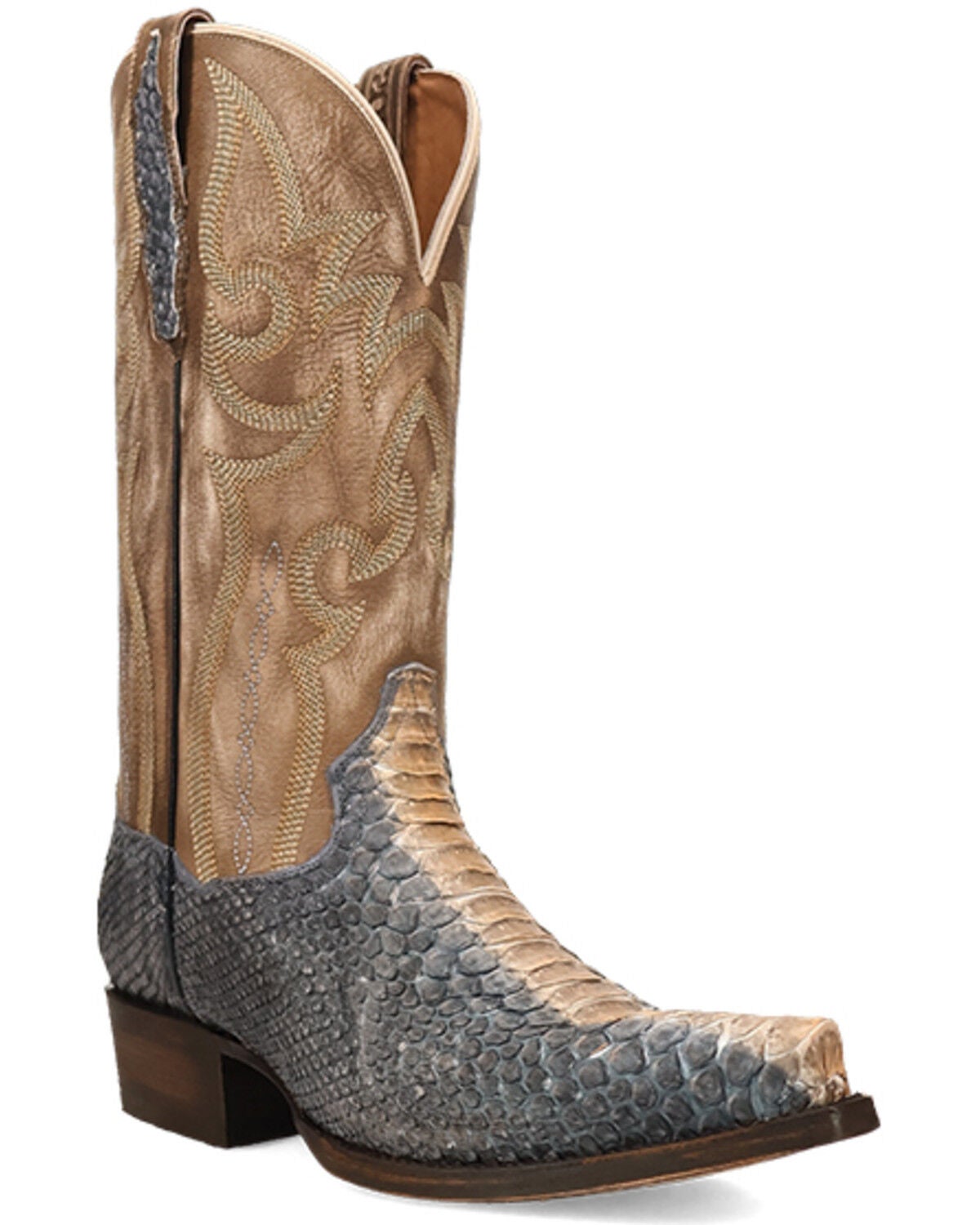
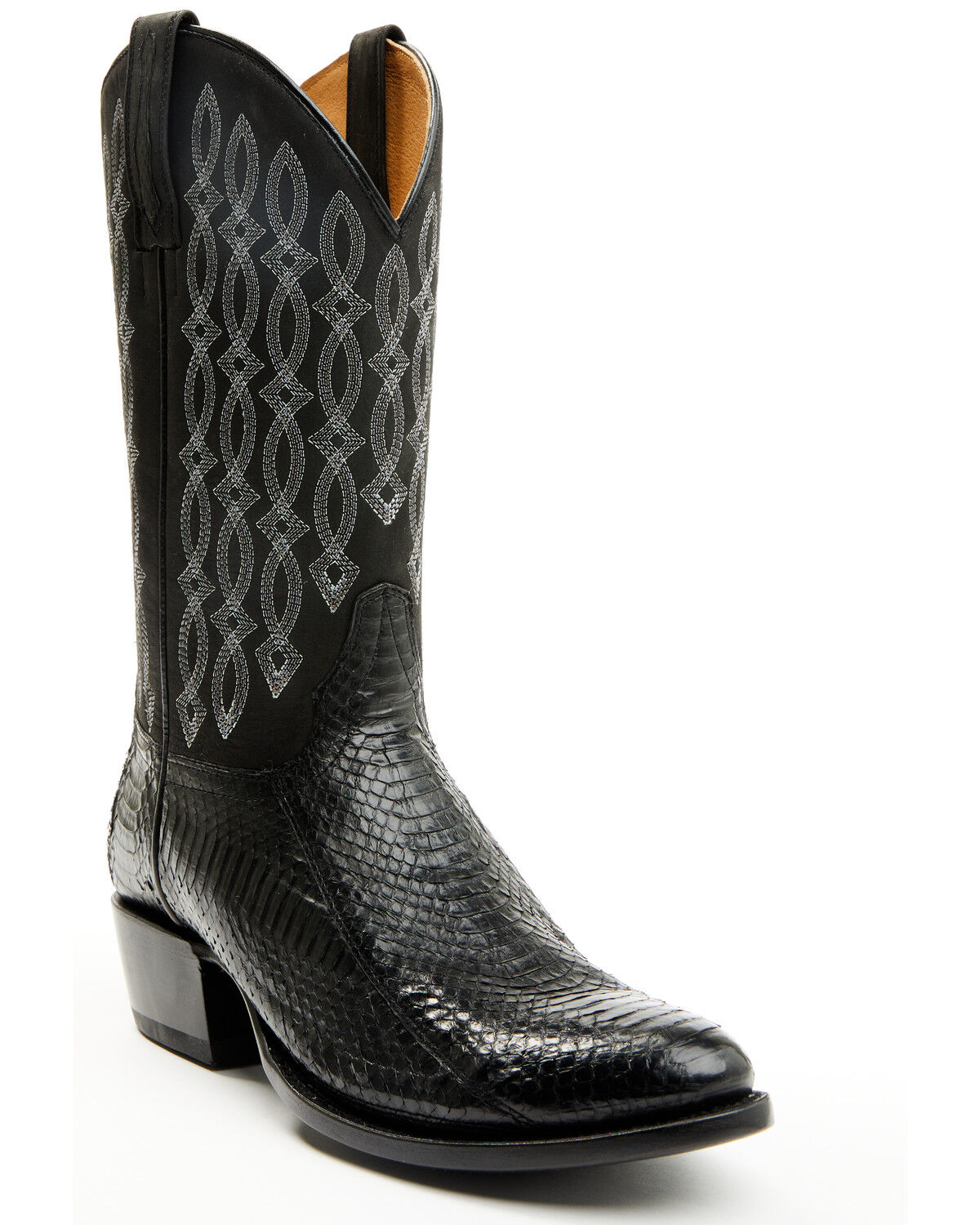
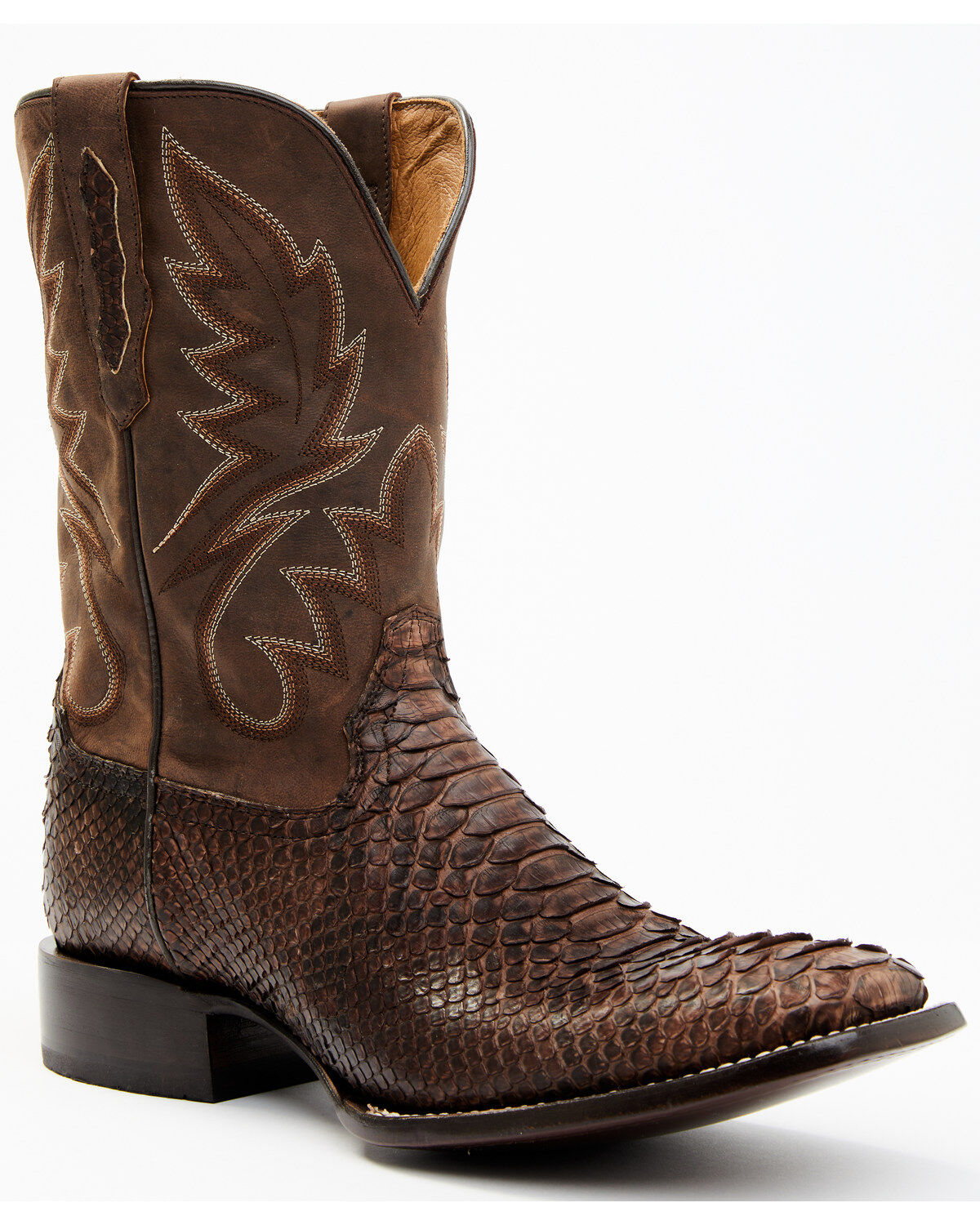
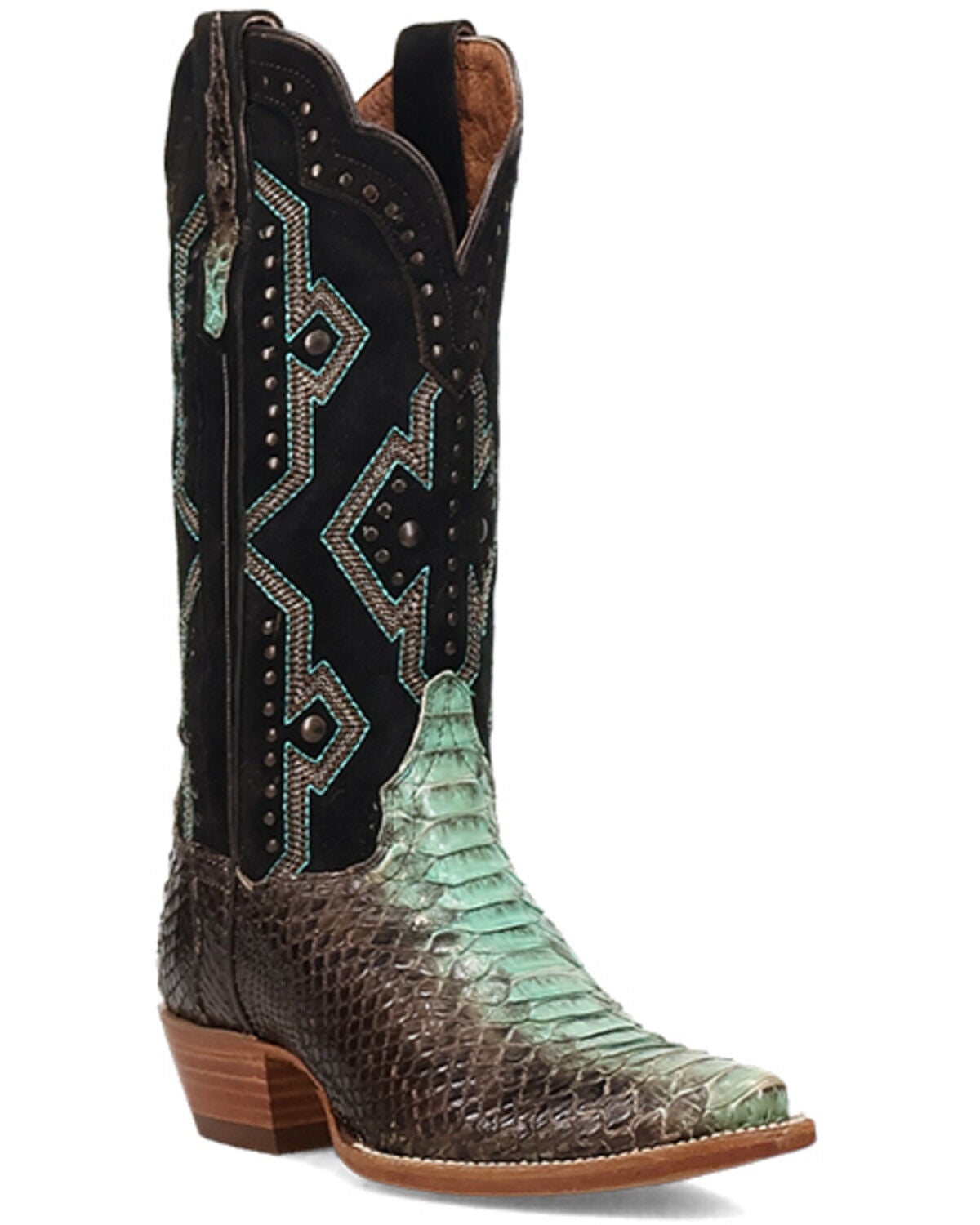
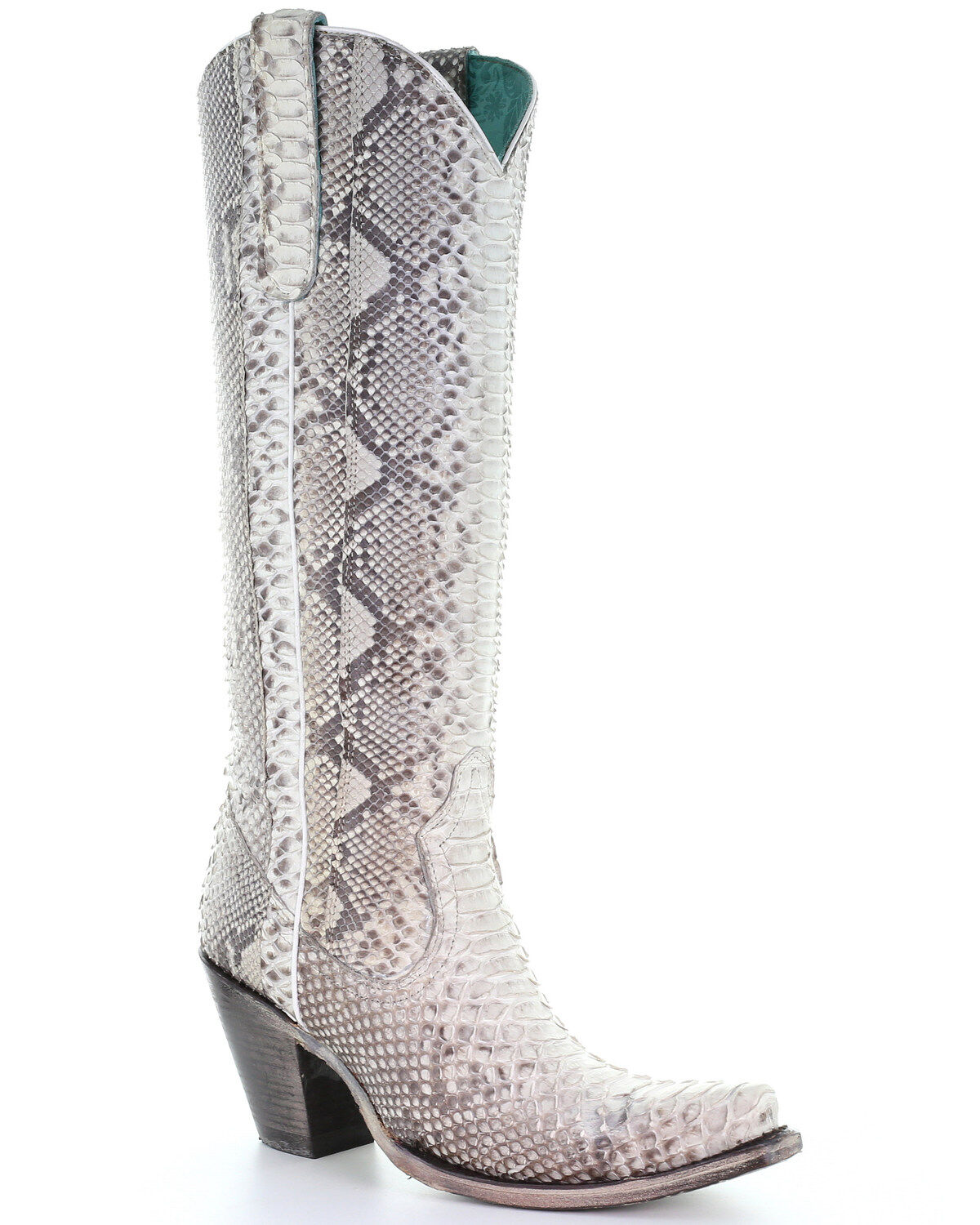
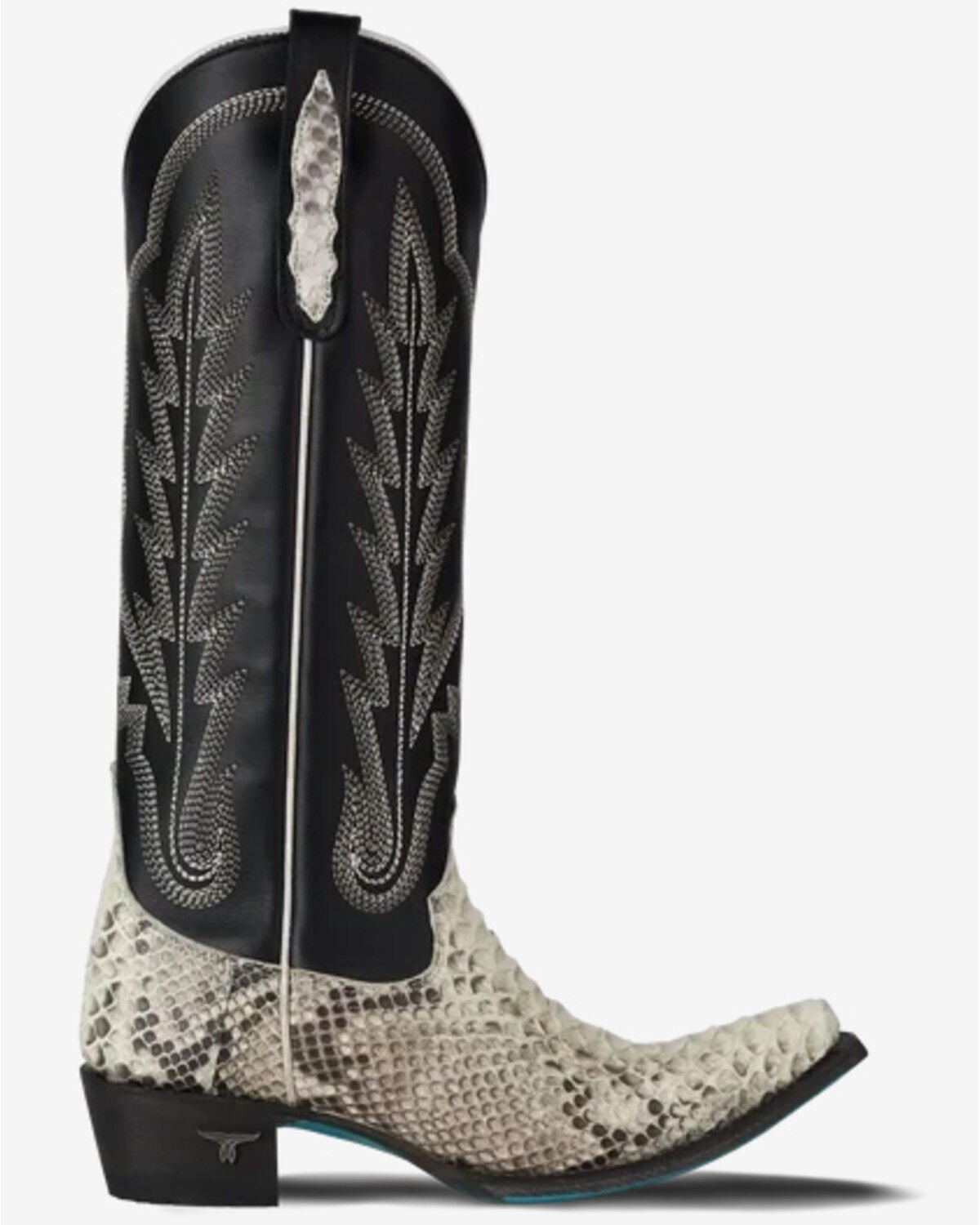
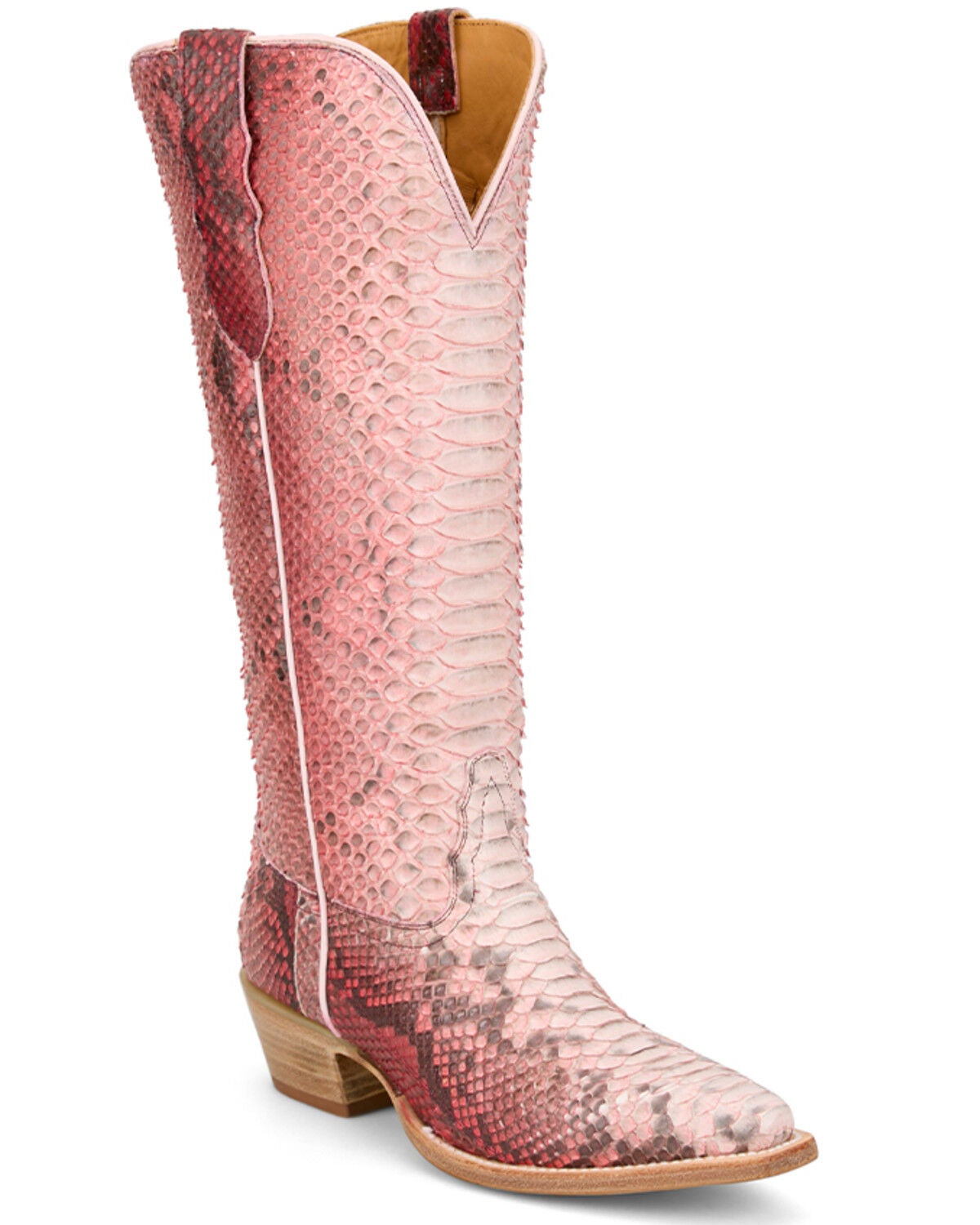
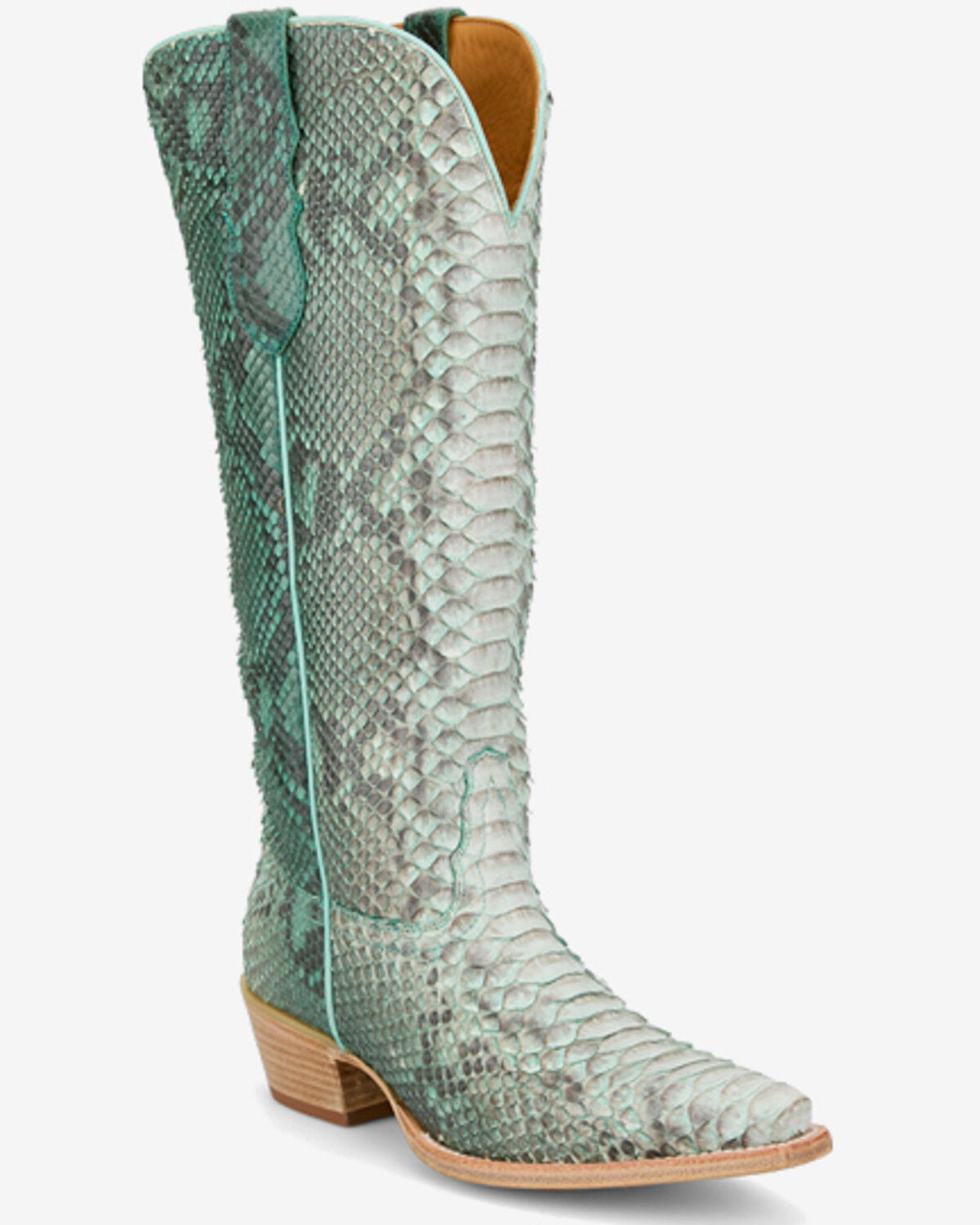
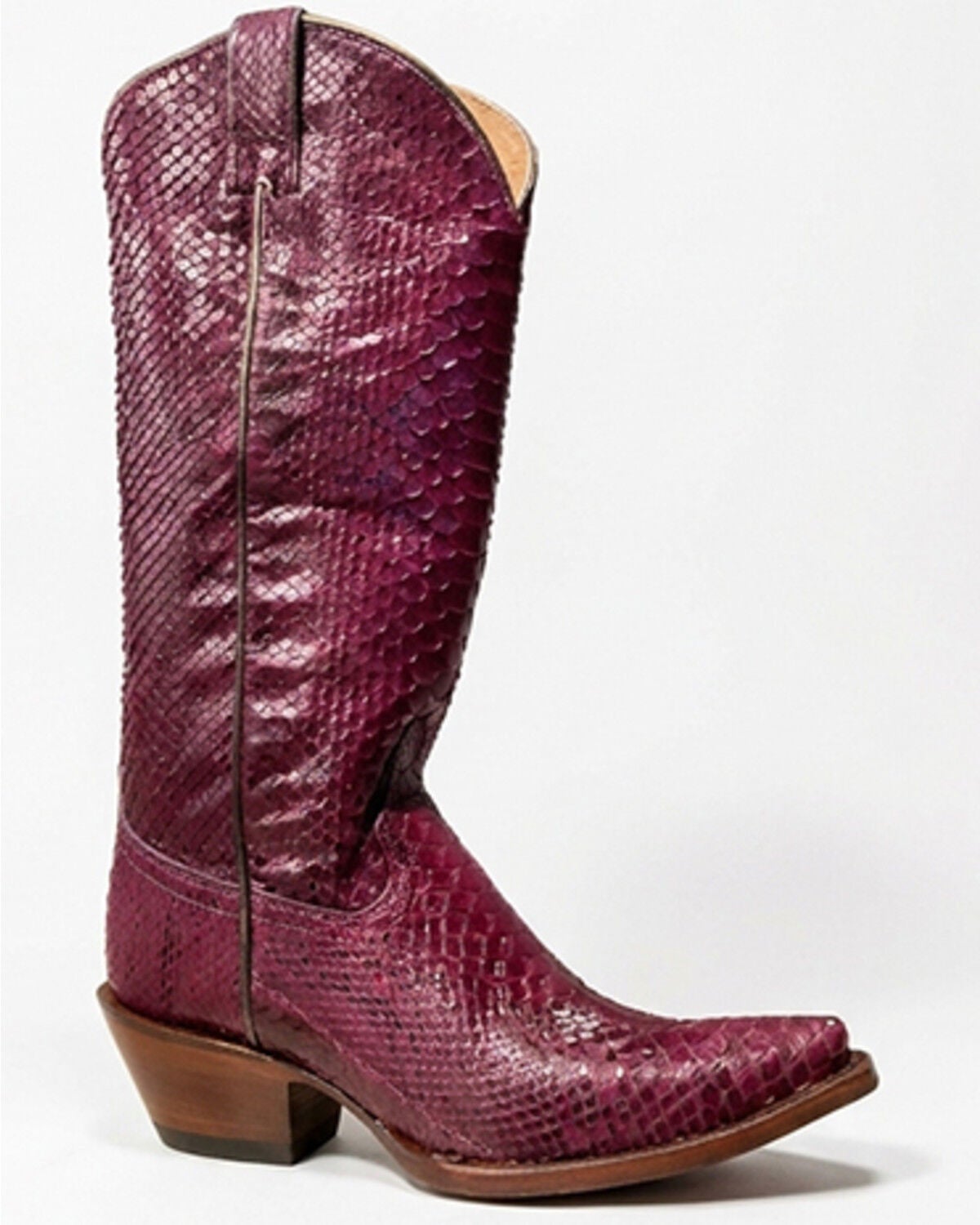
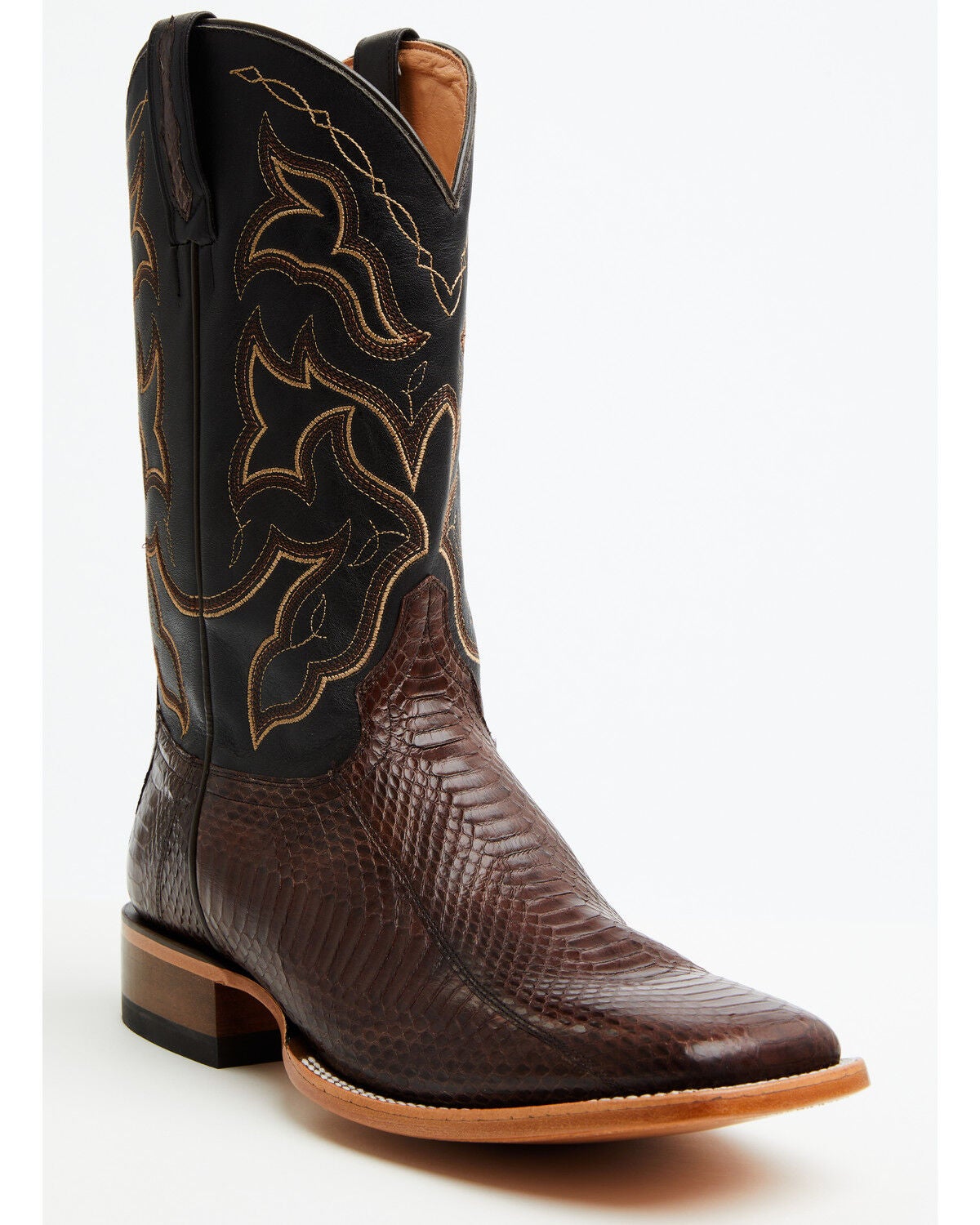
Snake skin boots combine the shape of western footwear with a distinctive scaled surface. The category includes boots made with genuine snakeskin as well as leather and synthetic materials finished with a snake-inspired print or texture. That distinction matters: genuine snake leather has natural scales, while embossed leather gets its raised pattern from a manufacturing process. Printed materials can reproduce the markings without the same dimensional surface. Genuine python and other snake leathers vary in scale size, pattern, and color, so differences between the two boots in a pair can be part of the material’s character. Broad markings create a bold appearance across the foot, while smaller patterns can look more restrained. Natural-looking shades emphasize the hide’s markings; dyed finishes can make the texture more pronounced or give it a more uniform appearance. Some construction places snakeskin across the foot with a different leather on the shaft, while other designs carry the pattern farther up the boot. These choices affect how much texture shows beneath a pair of jeans or alongside a dress. Toe shape changes the overall look, too. A broad square toe has a substantial profile, a round toe keeps the lines simple, and a snip toe creates a sharper finish. None of those shapes determines fit by itself, but each changes the boot’s proportions. Shaft height, stitching, heel shape, and the contrast between the foot and upper all contribute to the finished appearance. For a shorter profile, snake leather booties bring the same material interest closer to the ankle. Across these variations, the defining feature is the surface itself: visible markings and texture that give an otherwise familiar boot shape a different character. A clear material description helps distinguish genuine snake leather from an embossed or printed finish, especially when the pattern looks convincing in a photograph.

Fit deserves as much attention as appearance, particularly with genuine snakeskin boots. The foot should feel secure through the instep without painful pressure, and the toes need room to lie naturally rather than curl or press against the front. A small amount of heel movement can be normal in a new pull-on western boot because the sole has not yet flexed with each step. Excessive lifting, sliding forward, or gripping with the toes suggests a fit that needs another look. Snakeskin should not be expected to stretch enough to correct a boot that is too narrow or too short. Toe shape and width are separate considerations; a square toe does not automatically mean a wide fit, and a pointed profile should still leave usable room around the toes. Trying boots with the socks intended for regular wear gives a more useful sense of space through the foot and shaft. Walking on a clean indoor surface can reveal pressure at the ball of the foot, rubbing at the heel, or a shaft that catches uncomfortably against the leg. For taller styles, the shaft opening also needs to work with the calf and the way pants will fall. These details matter whether the boots are headed to dinner, a concert, a western wedding, or an ordinary day in jeans. Leather outsoles offer a traditional finish, while rubber outsoles can provide a different combination of flexibility, grip, and resistance to wear, depending on their construction. Cushioning, lining material, arch support, and heel height also influence comfort during longer stretches of standing. A substantial heel may suit dress occasions, but balance and walking comfort still come first. Snake skin boots are generally chosen for western dress and everyday wear, not as a substitute for purpose-built work or safety footwear. The snakeskin material itself does not make a boot protective against snake bites, impact, or jobsite hazards.

Durability depends on the material, construction, care, and demands placed on the boots. Genuine snakeskin can give years of wear with appropriate treatment, but its scaled surface needs a gentler approach than many smooth leathers. Rough ground, repeated scraping, and contact with sharp edges can damage scales or wear through the finish. A boot worn to dinner faces different demands than one dragged across gravel or pressed against equipment all day. Removing surface dirt with a soft, dry cloth helps keep grit from working into the texture. Wiping in the direction the scales lie reduces the chance of catching their edges. Genuine reptile leather also needs care products specifically suited to that material and approved by the boot manufacturer. A conditioner intended for smooth cowhide is not automatically right for snakeskin, and heavy oils or waxes can change its color or appearance. Any approved treatment should be tested in a discreet area before broader application. Printed leather and synthetic snake finishes have their own cleaning requirements, so care should follow the actual material rather than the pattern alone. After exposure to moisture, boots should dry naturally away from direct heat. Support inside the shaft helps preserve its shape, and storage away from direct sunlight helps protect the finish. Letting boots rest between wears gives the interior time to dry, while checking heels and soles for uneven wear can catch repair needs before they affect the upper. These practical considerations also make snake skin boots a thoughtful gift for someone who already wears western footwear and appreciates distinctive leather. Knowing the recipient’s usual size, preferred width, heel height, and toe shape is more useful than choosing by appearance alone. Someone who favors understated clothing may prefer a quieter pattern, while a wearer who already enjoys textured leather may appreciate stronger contrast. With a sound fit and care matched to the material, snake skin boots can become a regular part of a wardrobe rather than footwear reserved for a single occasion. Their appeal comes from the balance of familiar western construction and a surface with unmistakable detail.

FAQs