Python Skin Boots

Shop python skin boots for the distinctive texture of exotic western footwear. Browse available styles and sizes, and review each pair’s product details for materials, fit, and care before making your choice.

Shop Your Store: Shop Your Store: Find a Store

(Turn off Shop Your Store to see all items)

(Turn off Shop Your Store to see all items)

close
  • Recommended
  • Lowest Price
  • Highest Price
Skip pass products
  • Women's Idyllwind Badass Exotic Python Western Booties - Round Toe
    Original Price $269.99 $149.97
    44% Total Savings

End of products

Python Skin Boots

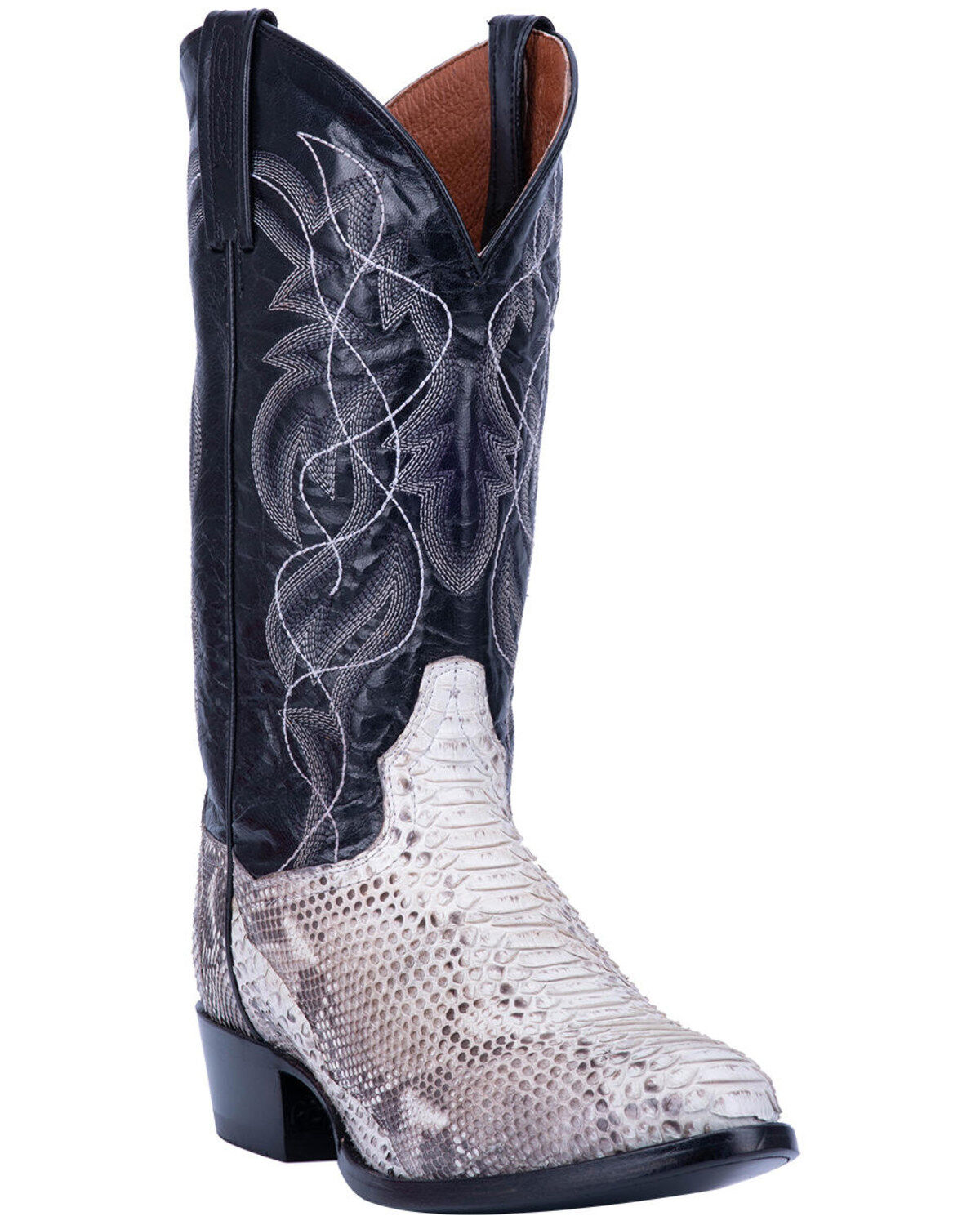
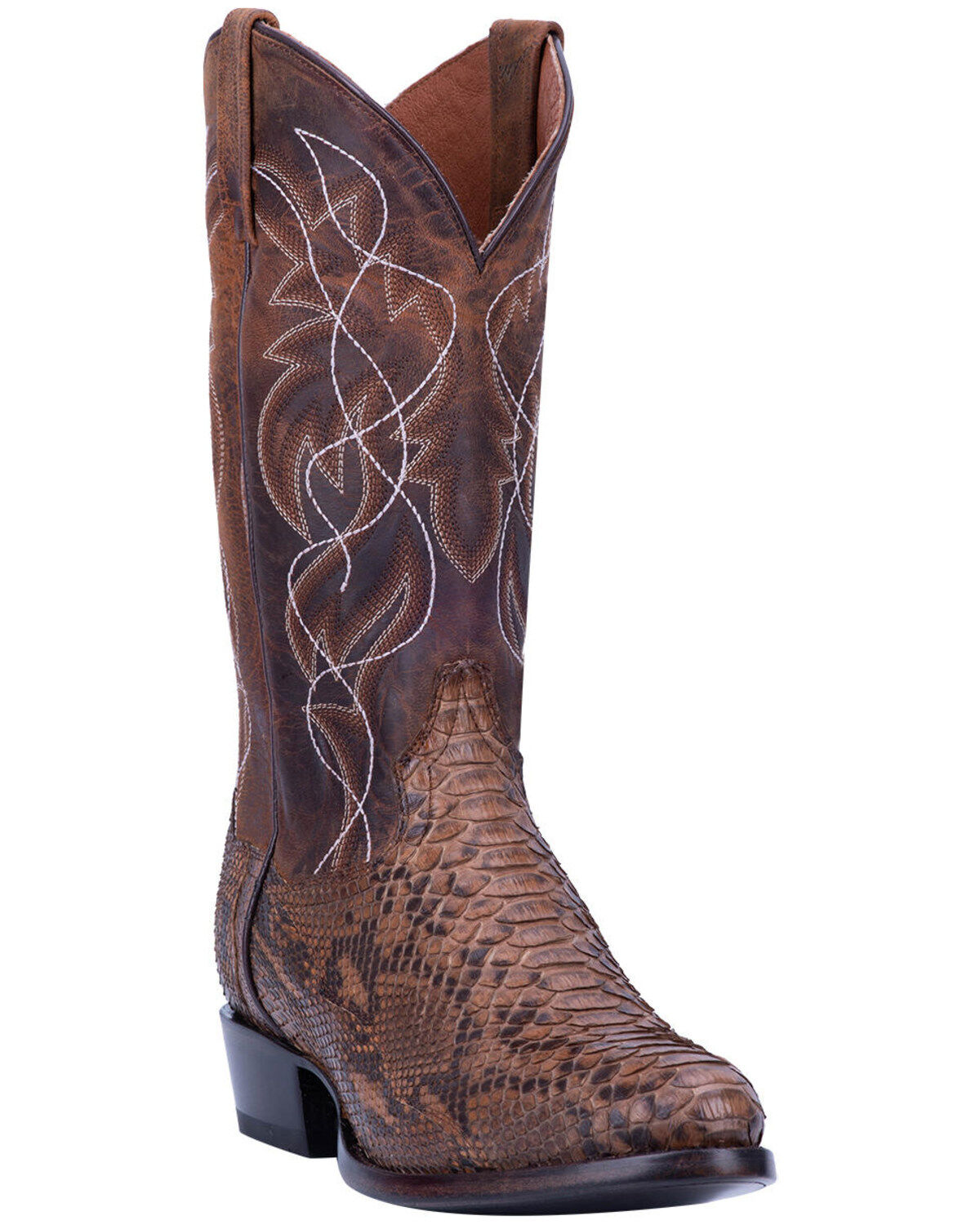
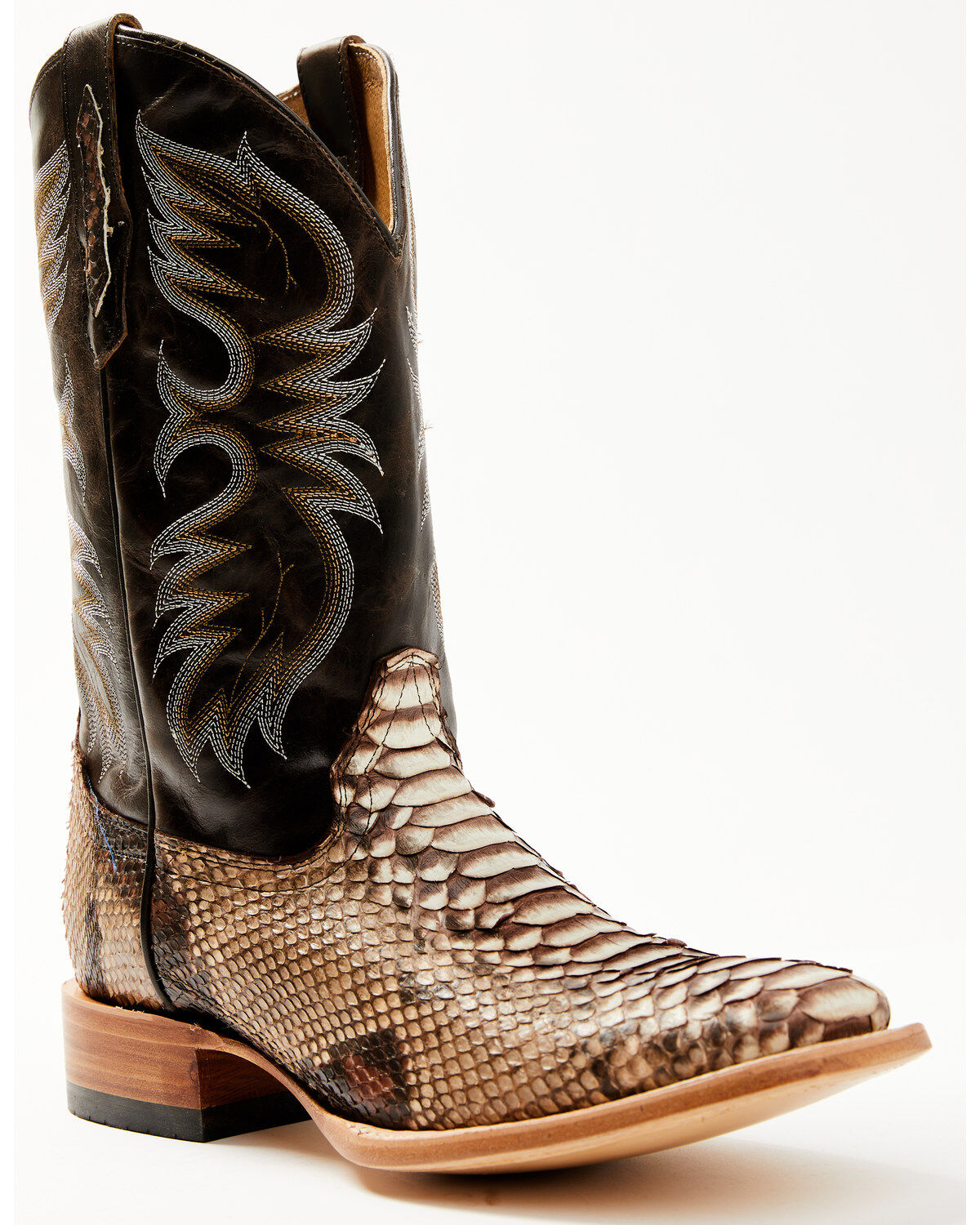
Genuine python skin boots use python leather for their distinctive scaled texture, often across the vamp, the section that covers the top and sides of the foot. That surface gives python cowboy boots a different character from smooth leather boots, with larger scales bordered by smaller ones and markings that vary from one hide to another. Natural color patterns can show strong contrasts, while dyed finishes can create a more uniform appearance without hiding the scale structure. Even two boots in the same pair may have slight differences in pattern. Those variations are part of genuine skin, not a printed design repeated across the surface. Embossed leather can imitate a snakeskin pattern, so the material description matters when distinguishing genuine python from a textured finish on another leather. Python may cover only the vamp, with cowhide or another leather used for the shaft, lining, and other sections. A description of the individual components gives a clearer picture of the boot than the appearance alone. Toe shape, shaft height, stitching, and heel profile also influence how the finished boot looks and wears. A broad square toe gives the front a wider outline, while round, pointed, and snip toes create different profiles beneath a trouser hem. The pattern can stand out against dark denim or add texture to dress trousers without requiring much else in the outfit. For a wedding, an evening out, or a day spent moving between an office and dinner, python boots bring a distinct material to a familiar western silhouette. They also suit wearers who already prefer cowboy boots and want a change from smooth leather. The related Leather Python Boots page offers another way to explore this leather and boot style. Beyond the surface pattern, construction determines much of the wearing experience. Linings, insoles, outsoles, and heel materials all deserve attention, especially for someone who expects to wear the boots for more than a few hours at a time.

Fit matters as much as the hide. Python leather can flex with wear, but a boot that feels painfully tight should not be expected to become the right size simply through breaking it in. The vamp should hold the foot securely without pinching, and the instep should feel snug rather than compressed. Toes need room to rest naturally instead of curling or pressing against the front. A pointed toe may extend beyond the toes by design, so the outside length of the boot does not tell the whole story about fit. Likewise, a broad square toe does not automatically mean the boot has a wide fit through the ball of the foot or instep. Width, last shape, and interior volume work together. Most traditional pull-on cowboy boots allow a little heel movement when new, while excessive lifting or sliding can signal a poor fit. The foot should remain stable when walking, turning, and stepping up onto a curb. Trying boots with the socks intended for regular wear gives a more useful impression than trying them with unusually thick or thin socks. Shaft height and opening also matter, particularly when wearing jeans over the boots. A hem that falls cleanly over the shaft keeps the line of the outfit simple, while a narrow trouser leg may catch on the upper. Underfoot construction makes a practical difference throughout the day. Leather outsoles have a traditional appearance and feel, though traction can be limited on slick surfaces. Rubber outsoles may provide more grip, depending on their design. Cushioned footbeds, supportive insoles, and smooth interior seams can make extended wear more comfortable, but no single feature replaces a sound fit. Python skin boots are generally better suited to everyday wear and dress occasions than to tasks involving heavy abrasion, deep mud, or repeated soaking. For jobsite use, protective ratings and task-specific construction matter more than the type of leather on the vamp.

Python leather needs care that respects its scales and finish. The surface is not smooth like cowhide, and rough scrubbing can catch scale edges instead of cleaning them. Loose dust is best removed gently with a soft cloth, working with the direction the scales lie rather than against it. Dirt left around the scales can be harder to remove later, making light cleaning after wear a practical habit. Conditioning products should be labeled for exotic leather and approved for the particular boot finish. A heavy coating of ordinary boot grease or an unsuitable cleaner can alter the color, leave residue, or affect the surface. Testing a compatible product on a small, less noticeable area helps reveal any change before treating the full vamp. The boot maker’s care directions should determine the product and application method, since finishes differ. There is no single conditioning schedule that suits every pair; frequency of wear, storage conditions, and the leather’s condition all matter. Excessive dryness can leave the skin less flexible, while saturation can damage both the leather and the boot’s construction. Direct heat, radiators, and prolonged exposure inside a hot vehicle are poor storage conditions for exotic leather. If boots become damp, allowing them to dry naturally away from heat is gentler than trying to speed the process. Properly fitted boot trees can support the foot shape between wears without forcing the vamp outward. Clean, dry storage with room around each pair also helps prevent crushing and scuffing. Natural scale edges may remain slightly raised, but lifting that worsens, cracking, or damaged stitching deserves attention from a repair professional familiar with exotic leather. Python boots can make a thoughtful gift for someone who regularly wears western footwear, particularly for a birthday, graduation, anniversary, or other personal milestone. Knowing the recipient’s usual boot size, width, and preferred toe shape makes that choice more personal. For either a gift or an addition to an established wardrobe, the strongest match combines a pattern the wearer likes, dependable construction, and a fit that remains comfortable beyond the first few steps.

FAQs