Snake Cowboy Boots

Shop snake cowboy boots for a distinctive patterned look in classic western footwear. Browse the available styles, paying attention to the pattern and finish, and check each pair’s product description for material and sizing details before making your choice.

Shop Your Store: Shop Your Store: Find a Store

(Turn off Shop Your Store to see all items)

(Turn off Shop Your Store to see all items)

close
  • Recommended
  • Lowest Price
  • Highest Price
Skip pass products
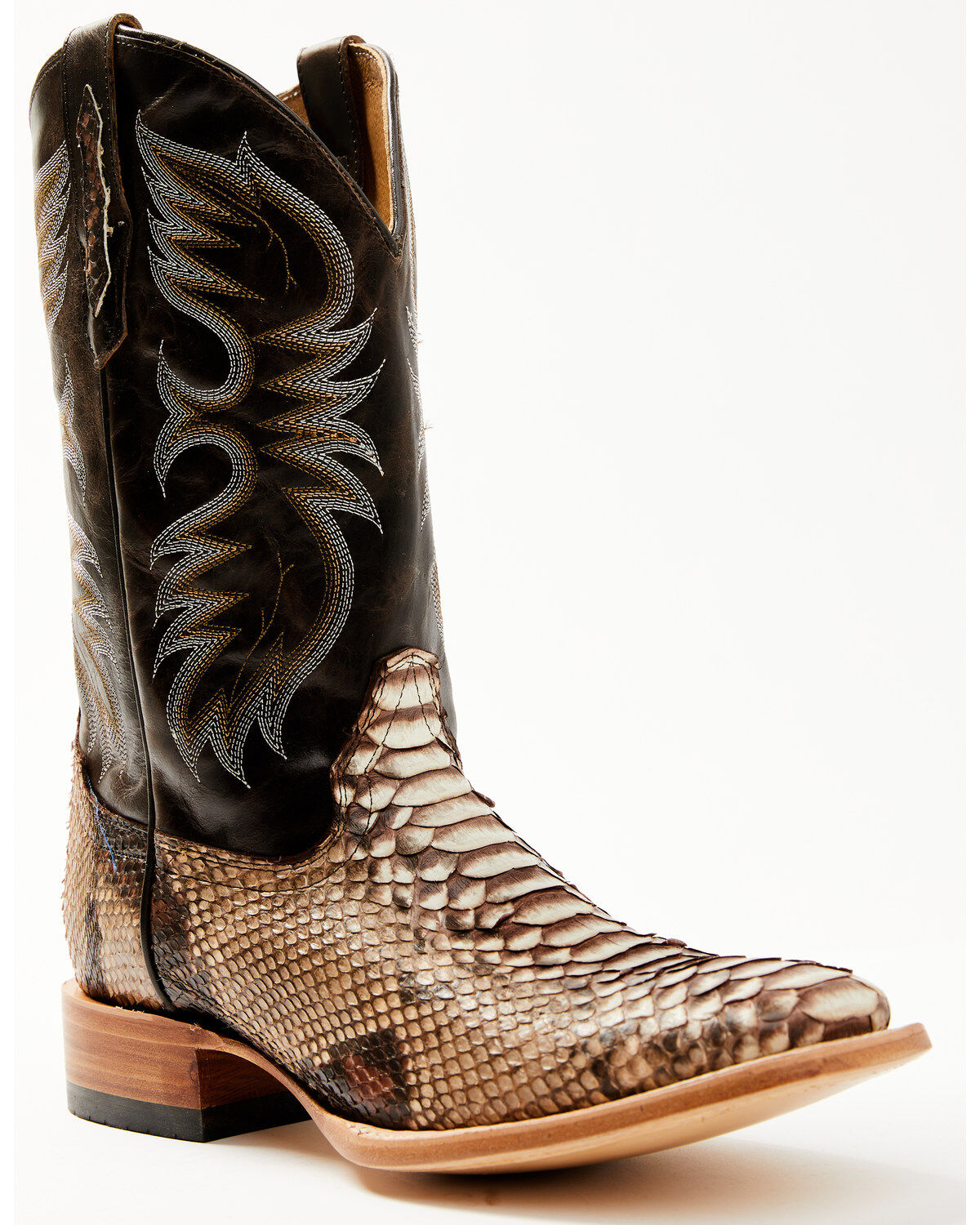
  • Men's Dan Post Exotic Snake Western Boots - Snip Toe
    Original Price $399.99 $249.97
    38% Total Savings
  • Men's Dan Post Exotic Snake Western Boots - Round Toe
    Original Price $399.99 $199.97
    50% Total Savings
  • Men's Ariat Sting Western Boots - Broad Square Toe
    Original Price $279.99 $195.97
    30% Total Savings
  • Men's Dan Post Exotic Snake Western Boots - Round Toe
    Original Price $399.99 $199.97
    50% Total Savings
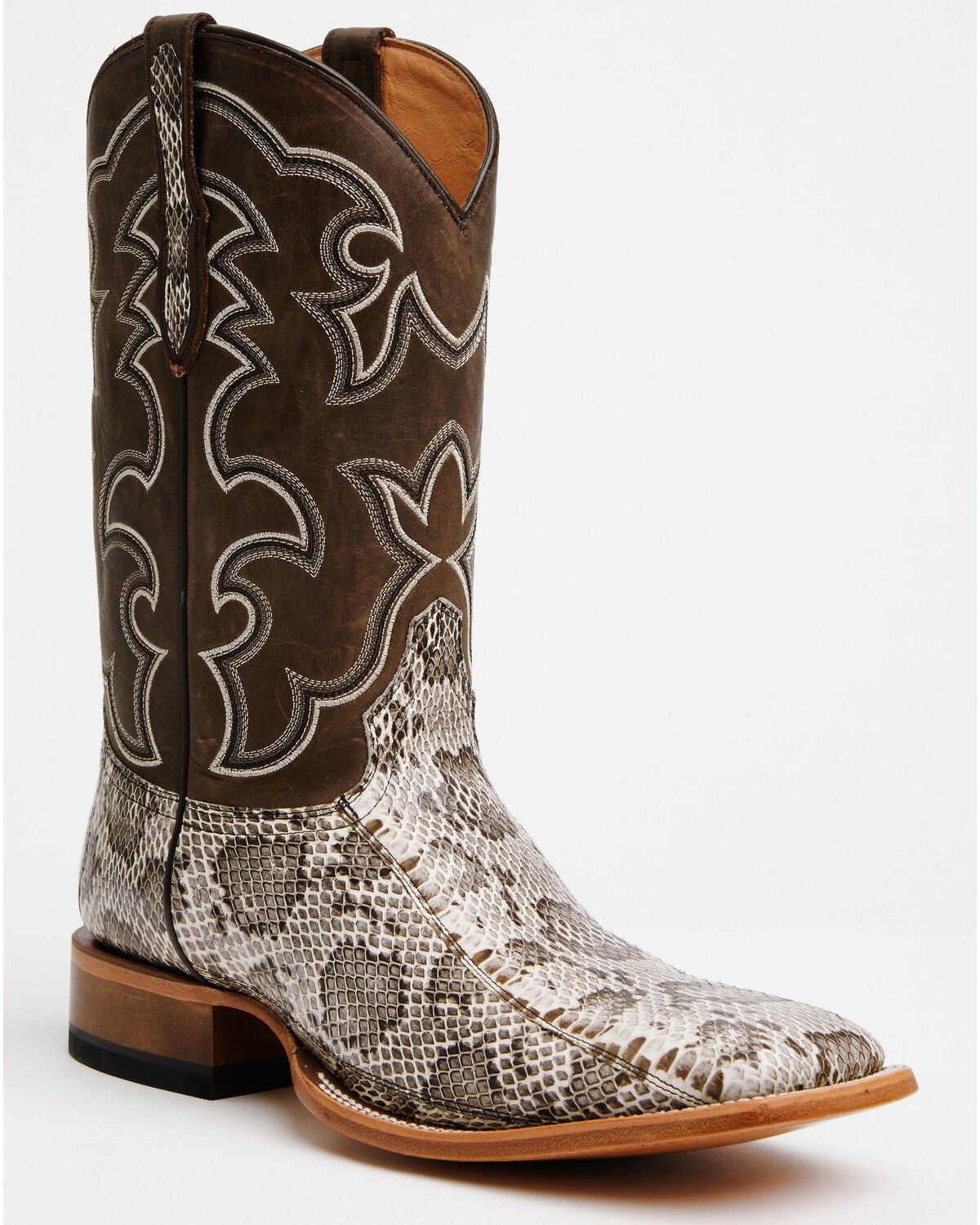
  • Men's Cody James Exotic Water Snake Western Boots - Round Toe
    Original Price $299.99 $219.97
    27% Total Savings
  • Men's Moonshine Spirit Oden Western Boots - Square Toe
    Original Price $229.99 $160.97
    30% Total Savings

End of products

Snake Cowboy Boots

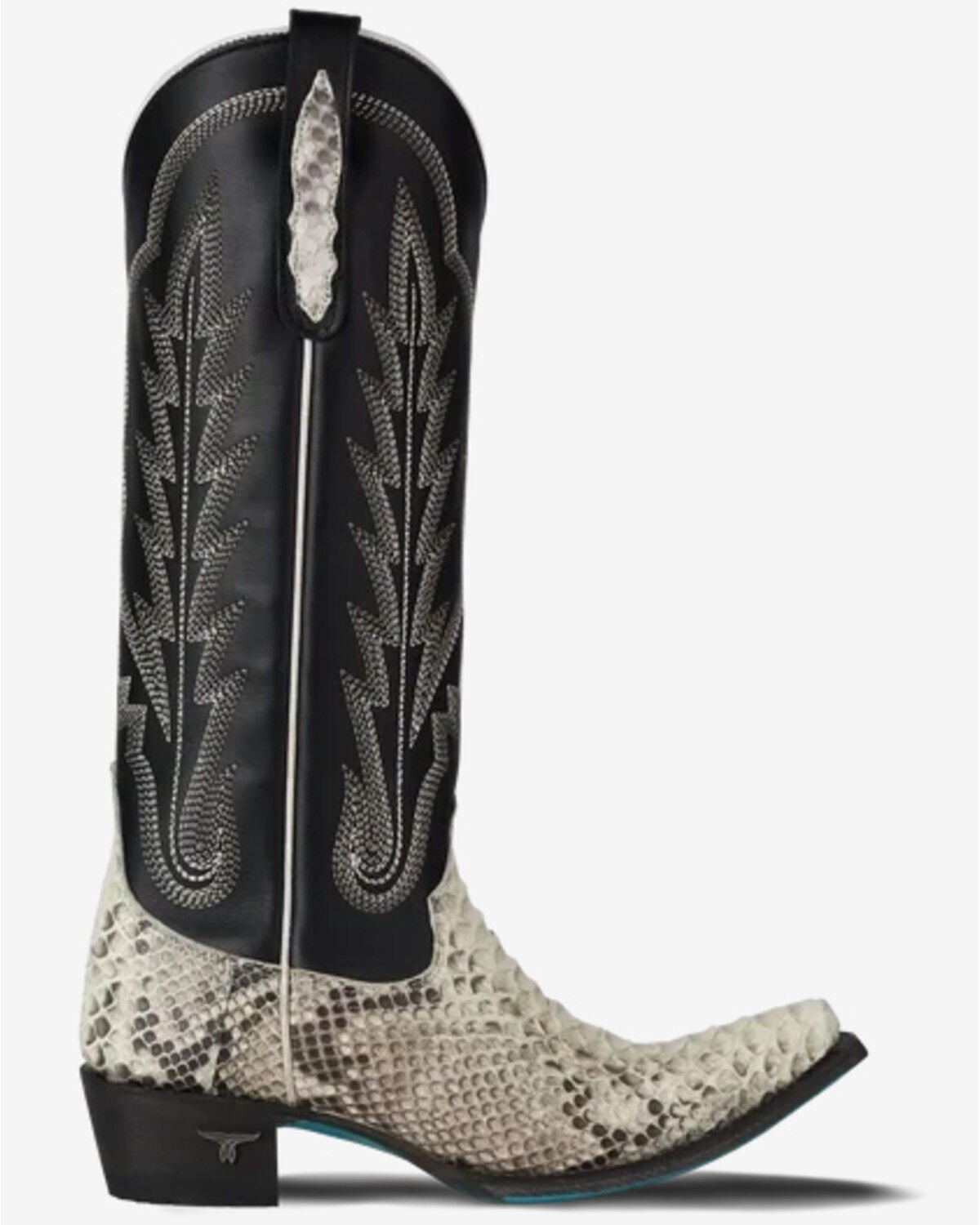
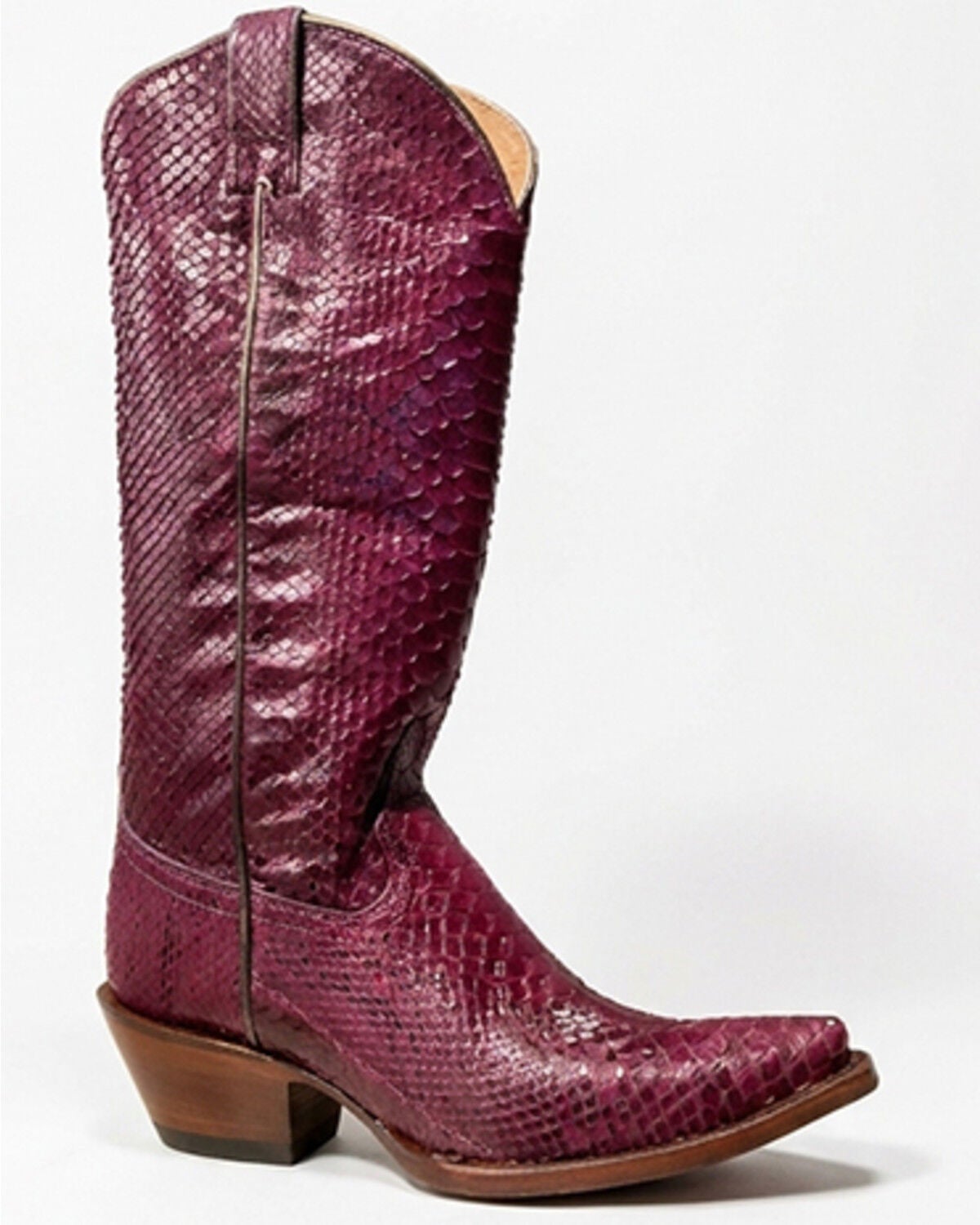
Snake cowboy boots bring the natural texture of snakeskin to a traditional western boot shape. Genuine snakeskin styles typically pair a reptile-leather vamp—the section covering the foot—with a leather shaft, western stitching, and a defined heel. Python is a common material, while other snakeskins can have different scale sizes and patterns. The material description matters: genuine snakeskin, snake-print leather, and snake-pattern synthetic materials are not the same construction. Genuine hide has individual scales and natural variation, so the markings on two boots may not match exactly. Printed or embossed materials create a snake-inspired appearance on a different surface, with care requirements determined by that underlying material. Snake embroidery adds the motif through stitching rather than through the hide itself. For that distinct approach, snake embroidery cowboy boots put the design on the boot without relying on a natural scale pattern. Color also changes the character of snake cowboy boots. Pale backgrounds with dark markings make the pattern easy to see, while darker finishes can give the texture a more understated appearance. Dyed hides may highlight the scales differently from natural-looking finishes. Toe shape, shaft height, and stitching help determine whether a pair feels traditional, dress-oriented, or suited to everyday western wear. A square toe gives the front of the boot a broad profile; a round toe has a softer outline; and a snip toe creates a narrower, pointed silhouette. None of those shapes guarantees a particular fit, but each changes how the boot looks beneath a jean hem or beside a skirt. Detailed shaft stitching can add contrast, while a simpler shaft keeps attention on the snakeskin vamp. Straight-leg and bootcut jeans give the foot pattern room to show without bunching tightly around the shaft. With tailored trousers, a clean hem lets the texture stand out beneath the cuff. The same material can look restrained or distinctive depending on the finish and the rest of the outfit.

Fit and construction determine how snake cowboy boots feel beyond their appearance. A pull-on western boot should hold the foot securely through the instep without painful pressure, while leaving enough room for the toes to rest naturally. The widest part of the foot should sit comfortably in the widest part of the boot. A little heel movement can be normal in a new pair, but the foot should not slide forward or lift excessively with each step. As the sole becomes more flexible, some initial heel movement may lessen. Break-in can soften leather and improve flexibility, but it should not be expected to correct a boot that is too short or too narrow. A pointed exterior may extend beyond the toes by design; fit depends on the space inside, not the length of the visible point. Width, instep height, and shaft opening all deserve attention, particularly for someone with a high instep or fuller calves. Trying boots with the socks intended for regular wear gives a more useful sense of fit than trying them with unusually thin or thick socks. Cushioning, lining, heel height, and outsole construction also affect comfort. Leather outsoles have a traditional appearance and feel, though traction can be limited on smooth surfaces. Rubber outsoles may provide more grip, depending on the tread and compound. A lower heel may feel more familiar for extended walking, while a taller western heel changes the stance. Snake cowboy boots can suit dinners, weddings, live music, and everyday wear for someone who regularly wears western footwear. They are not automatically work boots, riding boots, or protective footwear simply because they share a western shape. In particular, snakeskin cowboy boots should not be confused with snake-bite-resistant boots. Any protective or riding use requires construction intended for that purpose. As a gift, they make sense for someone who appreciates distinctive leather and already knows their western boot size and preferred fit. An existing pair can help establish preferences for width, toe shape, and heel height.

Care is especially important with genuine snakeskin because the scale surface needs different treatment from ordinary smooth leather. Dust and grit can settle along the scales, and rough cleaning can catch their edges. A soft, dry cloth or a very soft brush used gently in the direction the scales lie helps remove loose surface dirt without lifting them. Scrubbing against the scales, soaking the hide, or using a stiff brush can damage the finish. Conditioning should follow the boot maker’s recommendations and use a product approved for that particular exotic leather. Ordinary saddle soap, heavy oils, and thick waxes may change the color, leave residue, or affect the scale surface. Testing an approved care product in a small, less visible area helps check for unwanted darkening before treating the entire vamp. Different materials on the same boot may need different care: a smooth leather shaft, snakeskin foot, and leather outsole do not necessarily take the same treatment. Printed and synthetic snake-pattern boots should be cleaned according to their actual materials rather than treated as genuine reptile hide. Conditioning needs vary with wear and storage, so a fixed schedule is less useful than the maker’s guidance and regular attention to the leather’s condition. Snakeskin is best kept away from prolonged soaking, harsh chemicals, and repeated abrasion. Contact with rough concrete, sharp edges, or equipment can scrape the scales even when the sole remains sound. After wear, removing surface dirt and allowing the boots to air out helps keep both the exterior and lining in good condition. If they become damp, let them dry naturally away from direct heat. Store them away from direct sunlight, with enough support to keep the shafts from collapsing and without forcing a tight shape into the foot. Rotating pairs allows the interiors time to dry between wears. Some western boots can have heels or soles repaired, depending on their construction, but damaged snakeskin may be harder to restore. Careful handling helps preserve the texture and finish that distinguish these boots.

FAQs