Snake Leather Boots

Shop snake leather boots for the distinctive texture and natural pattern of snakeskin. Compare toe shapes, shaft heights, and heel profiles to find a western boot that suits your style.

Read More

Shop Your Store: Shop Your Store: Find a Store

(Turn off Shop Your Store to see all items)

(Turn off Shop Your Store to see all items)

close
  • Recommended
  • Lowest Price
  • Highest Price
Skip pass products
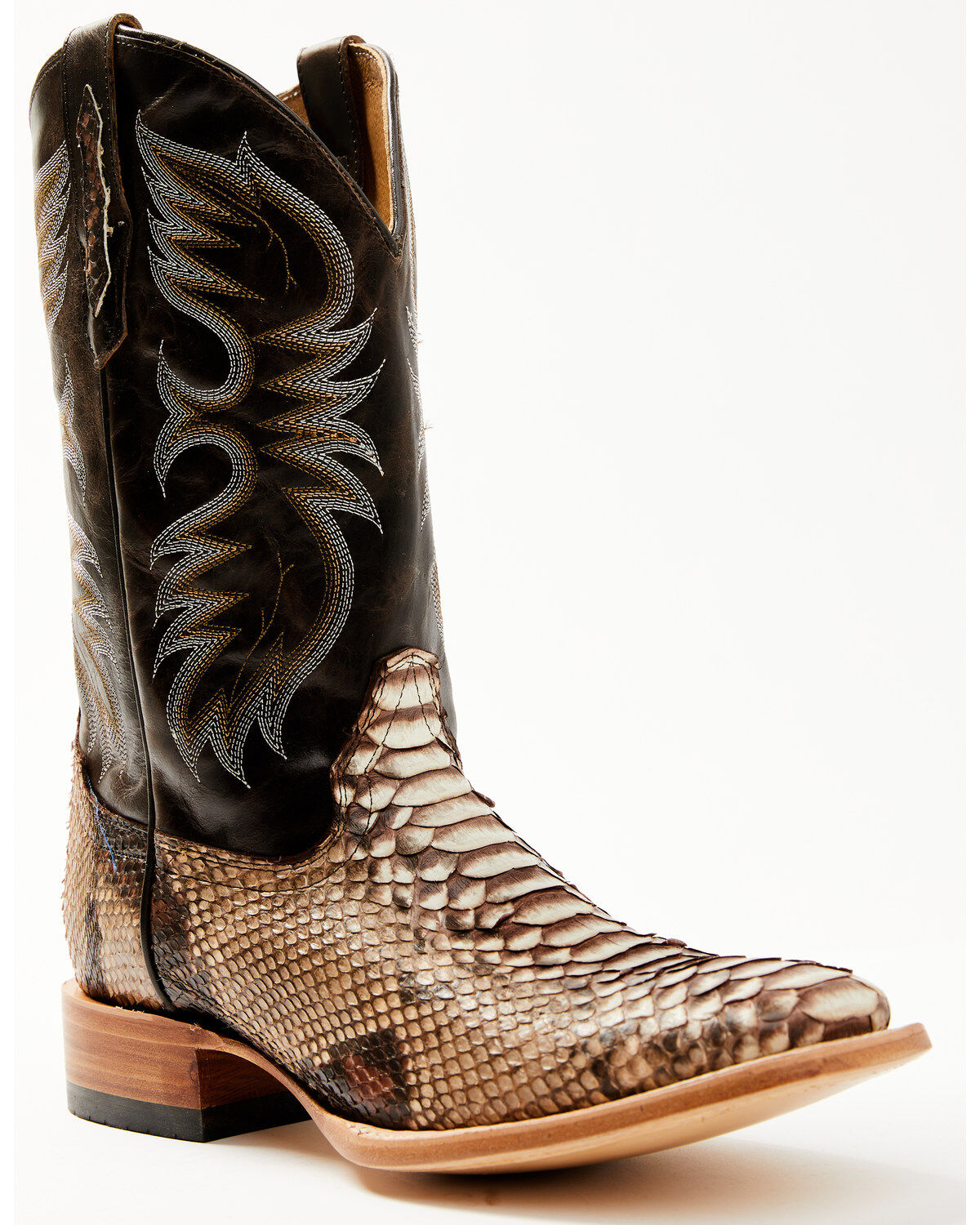
  • Men's Dan Post Exotic Snake Western Boots - Snip Toe
    Original Price $399.99 $249.97
    38% Total Savings
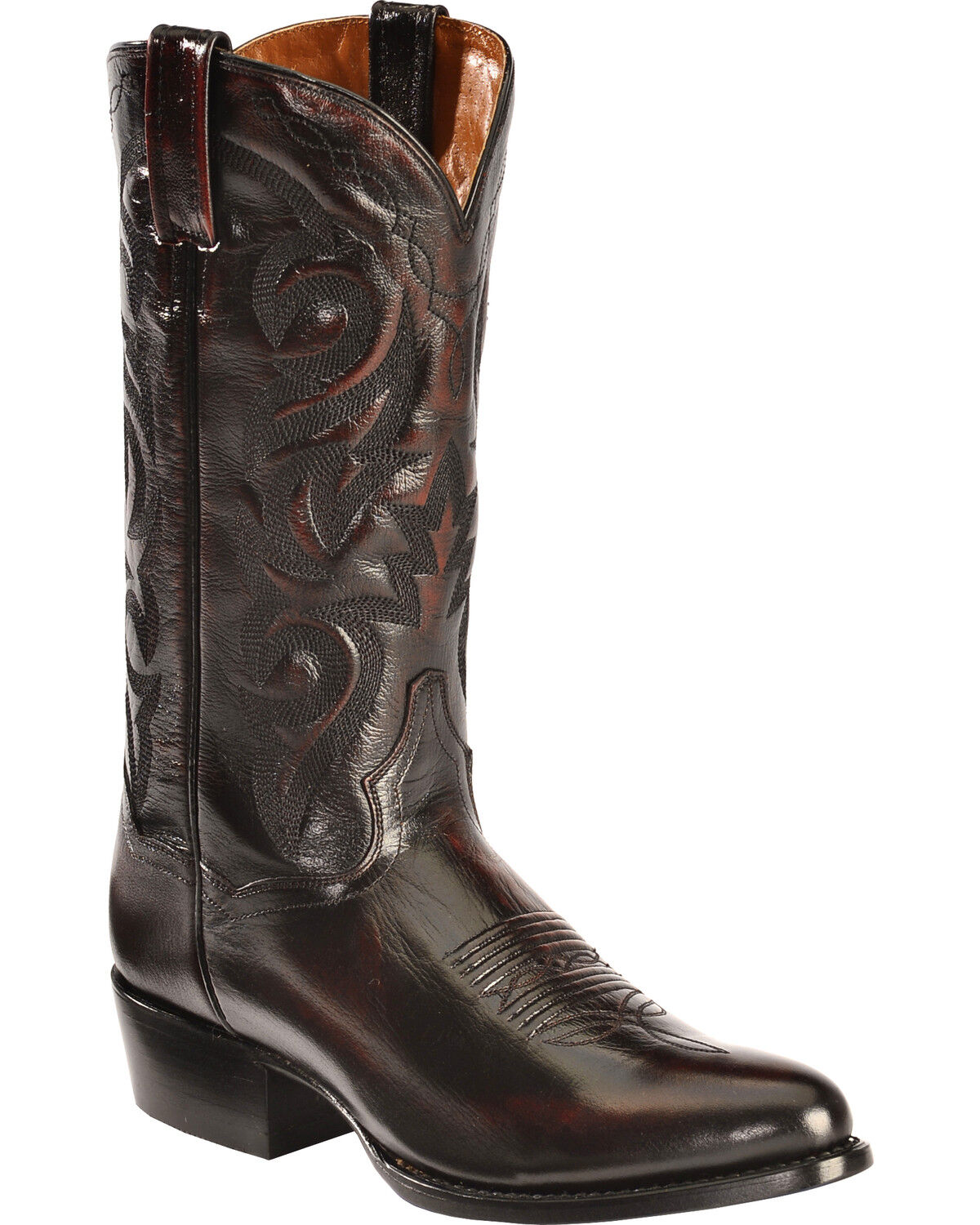
  • Men's Dan Post Exotic Snake Western Boots - Round Toe
    Original Price $399.99 $119.98
    70% Total Savings
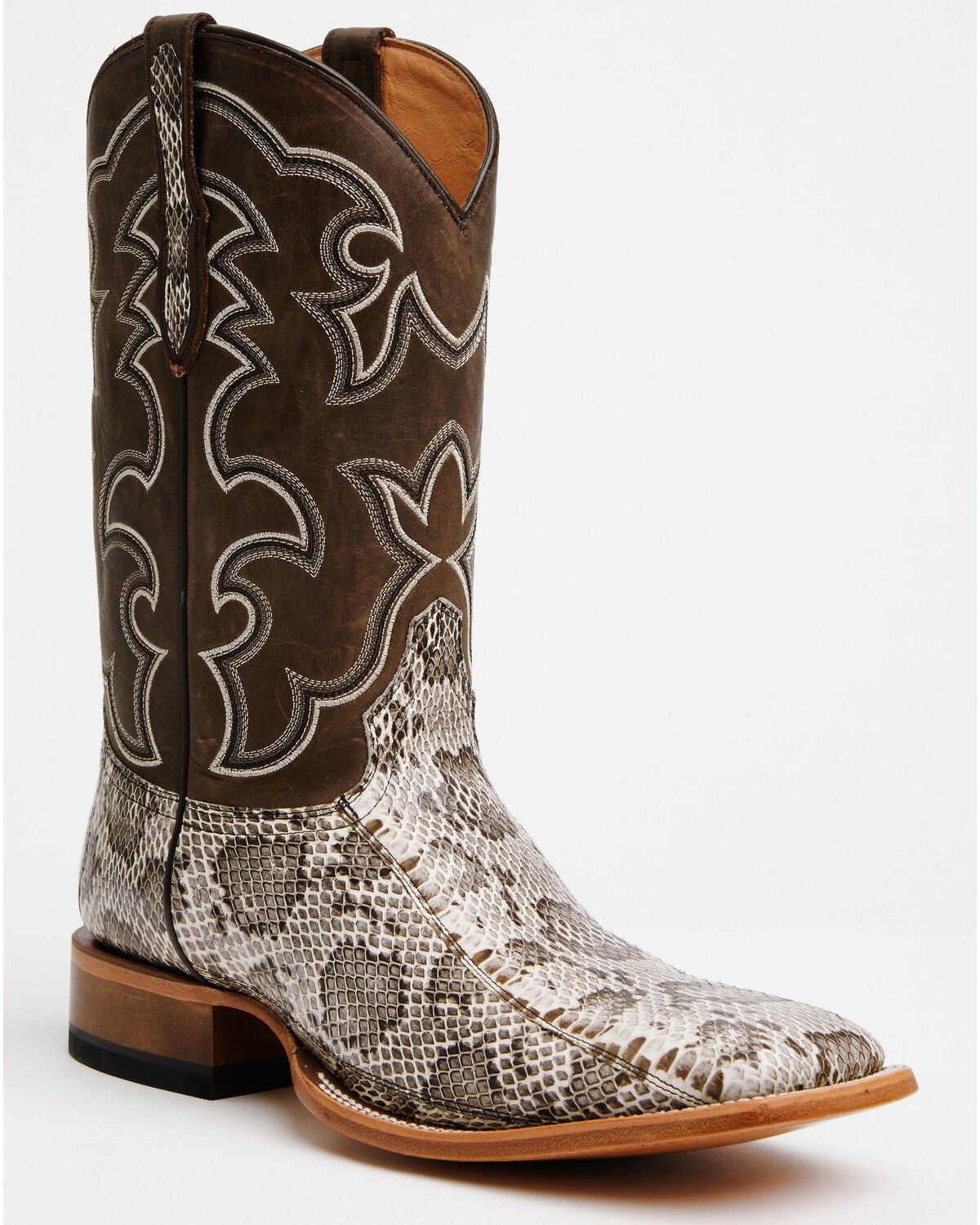
  • Men's Ariat Sting Western Boots - Broad Square Toe
    Original Price $279.99 $195.97
    30% Total Savings

End of products

Snake Leather Boots

Snake leather boots are boots made with genuine snakeskin on all or part of the upper, often combined with cowhide shafts, leather linings, and leather or rubber outsoles. Their defining feature is the natural scale pattern, which gives the leather depth and texture that a printed surface cannot fully reproduce. Python and other snake hides differ in scale size, markings, and feel, so the type of leather matters as much as the color. Some patterns show strong contrasts between light and dark areas; others have a more uniform finish that keeps the texture visible without making it the first thing noticed. Natural variations mean the left and right boot may complement each other without matching scale for scale. That difference is part of genuine hide, not necessarily a flaw. Snake-print boots are different: they reproduce the look through printing or embossing on another material. The material description is the clearest way to distinguish the two, since appearance alone does not always tell the whole story. In western footwear, snakeskin is often used across the foot while a taller cowhide shaft carries stitching or other traditional details. That combination gives snake cowboy boots their familiar shape while keeping the hide pattern visible below a jeans hem. Natural tones work well with dark denim, a plain shirt, and a leather belt. Black or darker finishes can make the pattern more understated, especially with trousers and a jacket. A bold hide does not need much added decoration around it. These boots suit people who already wear western footwear as well as those choosing a distinctive pair for dinners, concerts, weddings, or other occasions where ordinary dress shoes do not feel right. The strongest choice is usually a pattern and silhouette that fit the wearer’s regular clothes, rather than a pair reserved for one outfit.

Fit determines whether snake leather boots become a regular part of a wardrobe or stay in the closet. A proper fit holds the instep securely, places the ball of the foot near the widest part of the boot, and leaves the toes free from pressure. Pull-on western boots may have some heel movement when new, but that movement should not feel like the whole foot is sliding around. A tight toe box is not something to overlook in hopes that the leather will eventually make room. Snakeskin should not be expected to stretch enough to correct the wrong size or width. Toe shape also deserves attention. Square, round, pointed, and snip toes change the outline of the boot, but the visible space at the tip is not a reliable measure of fit. The foot needs to sit correctly behind that space. Trying boots with the socks normally worn with them gives a more useful sense of how they will feel through dinner, a long reception, or several hours on foot. Shaft height and calf room matter, too, particularly when the boot opening sits close to the leg. Construction beneath the hide affects comfort and intended use. Leather linings, cushioned footbeds, heel shape, and sole flexibility all contribute to the feel, while outsole material changes weight, traction, and how the boot moves against the ground. Leather soles offer a traditional profile; rubber soles may provide additional grip, depending on their tread and compound. Neither material alone guarantees slip resistance. Welted construction may allow resoling, though repair options depend on the complete design and the condition of the upper. Snakeskin brings visual character, not automatic suitability for demanding work. Abrasive surfaces, repeated scraping, and rough use can damage exposed scales. For a jobsite, any required safety toe, electrical hazard protection, or other workplace feature must be stated separately. Likewise, boots made from snake leather are not the same as boots designed to resist snake bites. The hide itself is not evidence of protective performance.

Care has a direct effect on how snake leather boots look and wear over time. The scales need attention without aggressive scrubbing, heavy saturation, or products intended for a different finish. Dust and grit can collect around scale edges, where repeated rubbing may wear the surface. A soft, dry cloth or a very soft brush can lift loose dirt with gentle movement in the direction the scales lie. Any cleaner or conditioner should be suitable for the specific exotic leather and finish, with the boot maker’s care directions taking priority. A small test on an inconspicuous area helps reveal changes in color or sheen before treating the visible upper. Heavy oils, household cleaners, and ordinary shoe polish can darken the hide or leave residue, so they are not substitutes for an appropriate care product. If the boots become damp, allowing them to dry naturally away from heaters and direct sunlight helps limit damage from concentrated heat. They should not be soaked or treated as waterproof unless that performance is expressly stated. Storage matters between wears: a dry, ventilated space, support that helps the shafts retain their shape, and enough room to keep other footwear from rubbing against the scales all help preserve the leather. Rotating pairs gives the lining time to dry and reduces constant wear on one set of soles and heels. Loose stitching, worn heel caps, or lifting scales deserve early attention from a repair professional familiar with exotic leather. With sensible use and proper care, snake leather boots can serve as lasting wardrobe pieces, though wear depends on construction, finish, and treatment rather than hide type alone. They can also make a thoughtful birthday, graduation, or anniversary gift for someone who values western footwear. Size is only part of that decision. The recipient’s usual width, preferred toe shape, heel height, and comfort with a pronounced pattern are just as important. Someone who wears simple, dark boots every day may appreciate a restrained snakeskin finish more than a sharply contrasting hide. Matching those preferences gives the gift a better chance of being worn often and cared for well.
Read More

FAQs