Men's Snake Skin Boots

Shop men's snake skin boots for a distinctive look in western footwear. Compare toe shapes and heel heights to find a style that works with your wardrobe, and check each pair’s material details, sizing, and availability before choosing.

Shop Your Store: Shop Your Store: Find a Store

(Turn off Shop Your Store to see all items)

(Turn off Shop Your Store to see all items)

close
  • Recommended
  • Lowest Price
  • Highest Price
Skip pass products
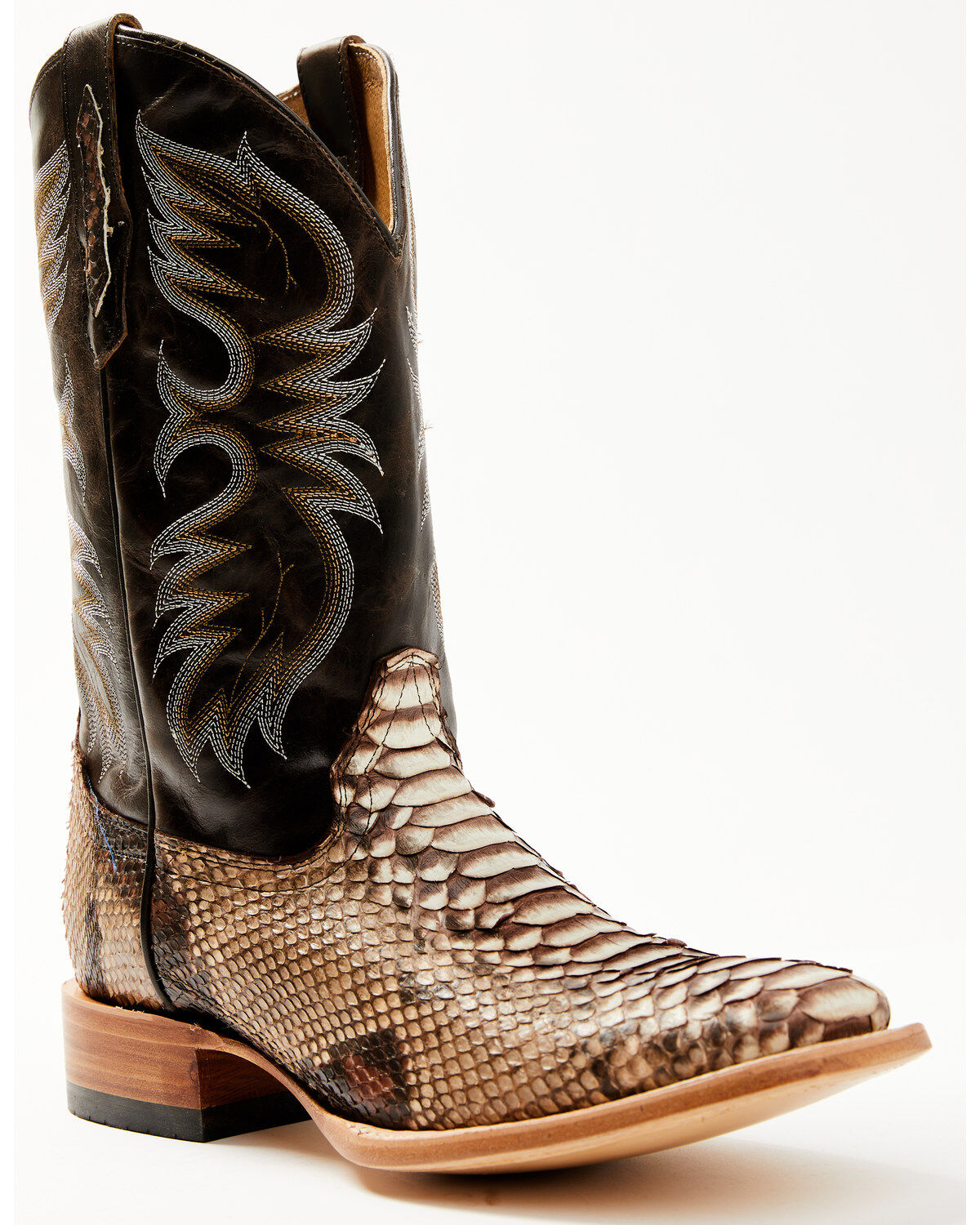
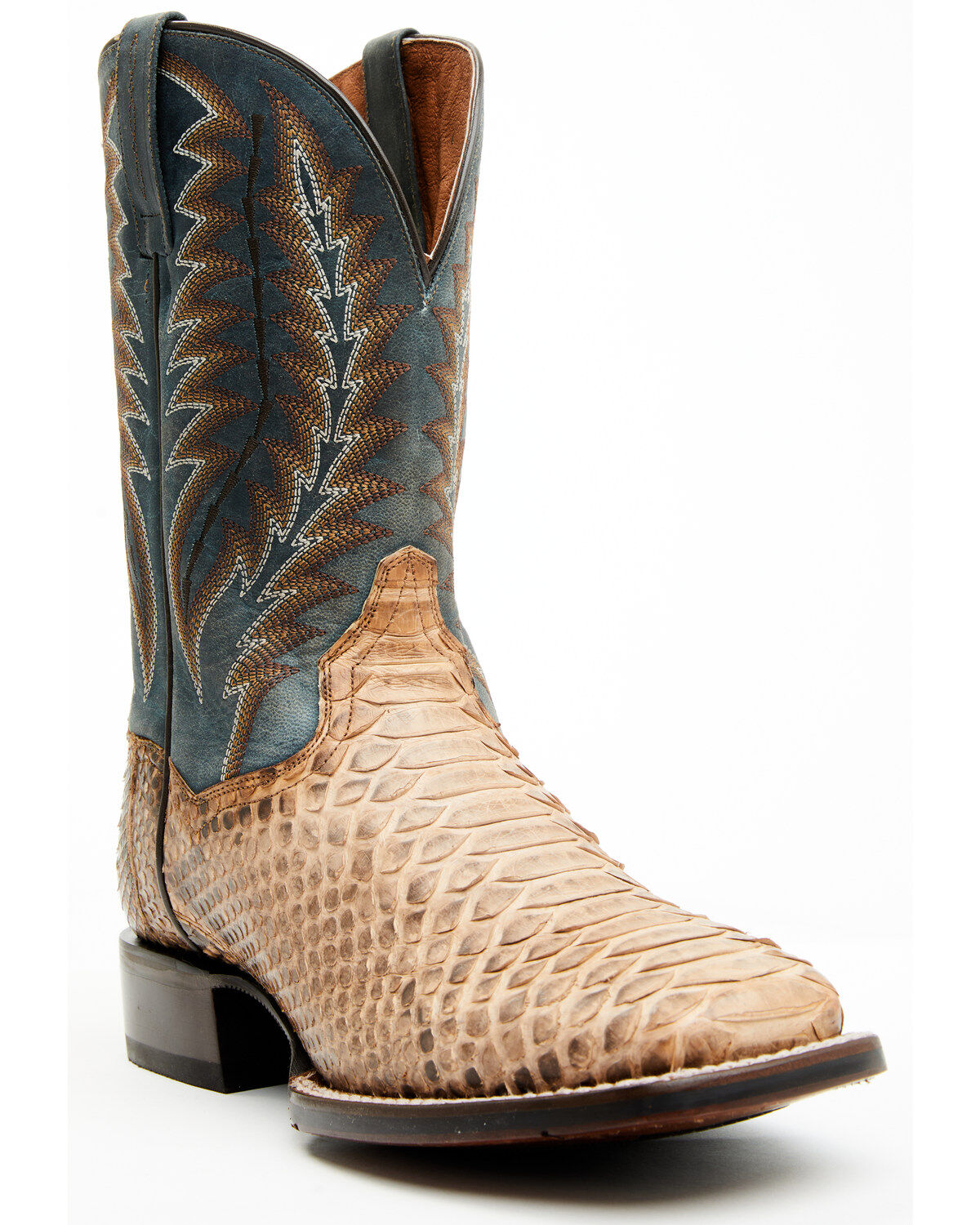
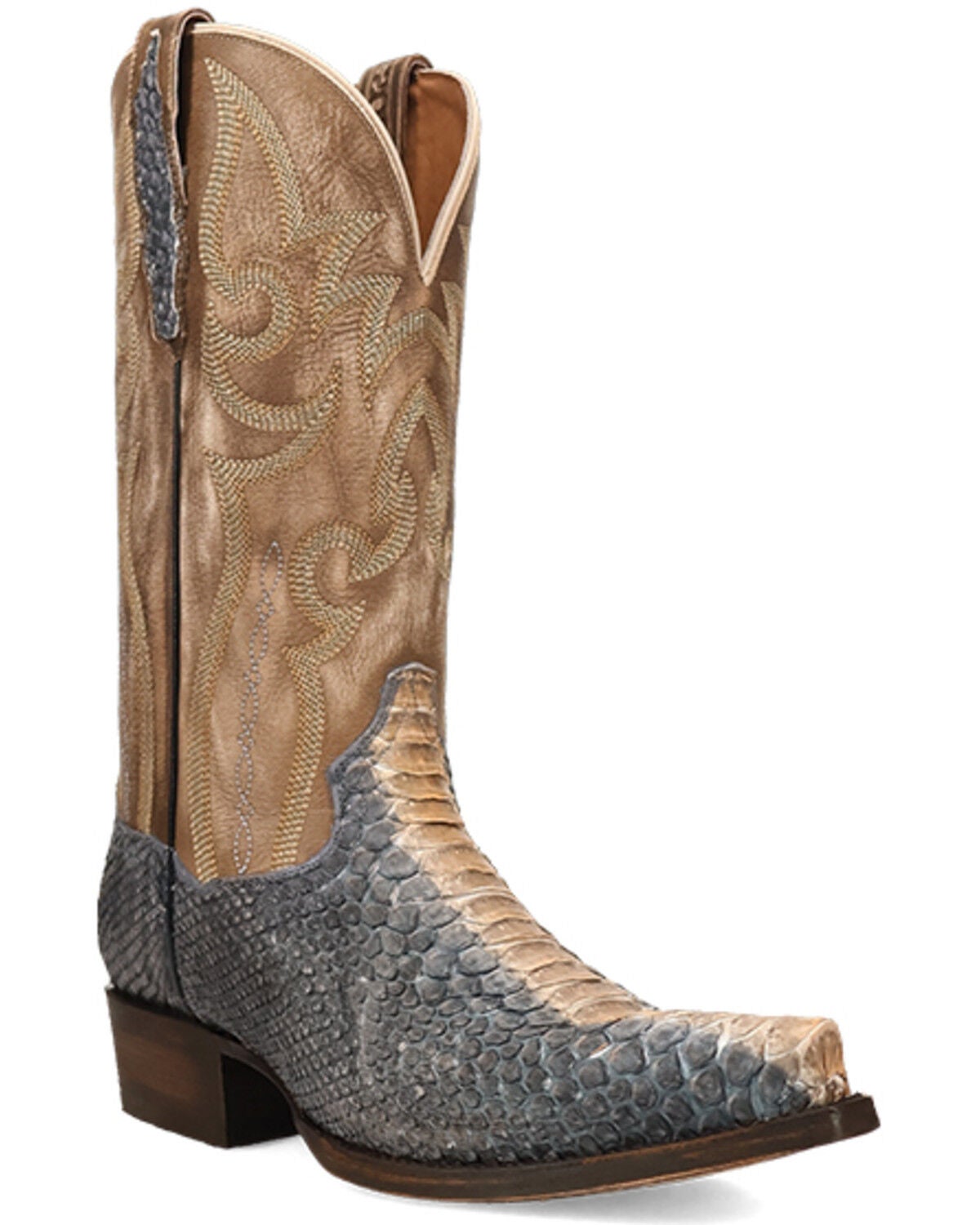
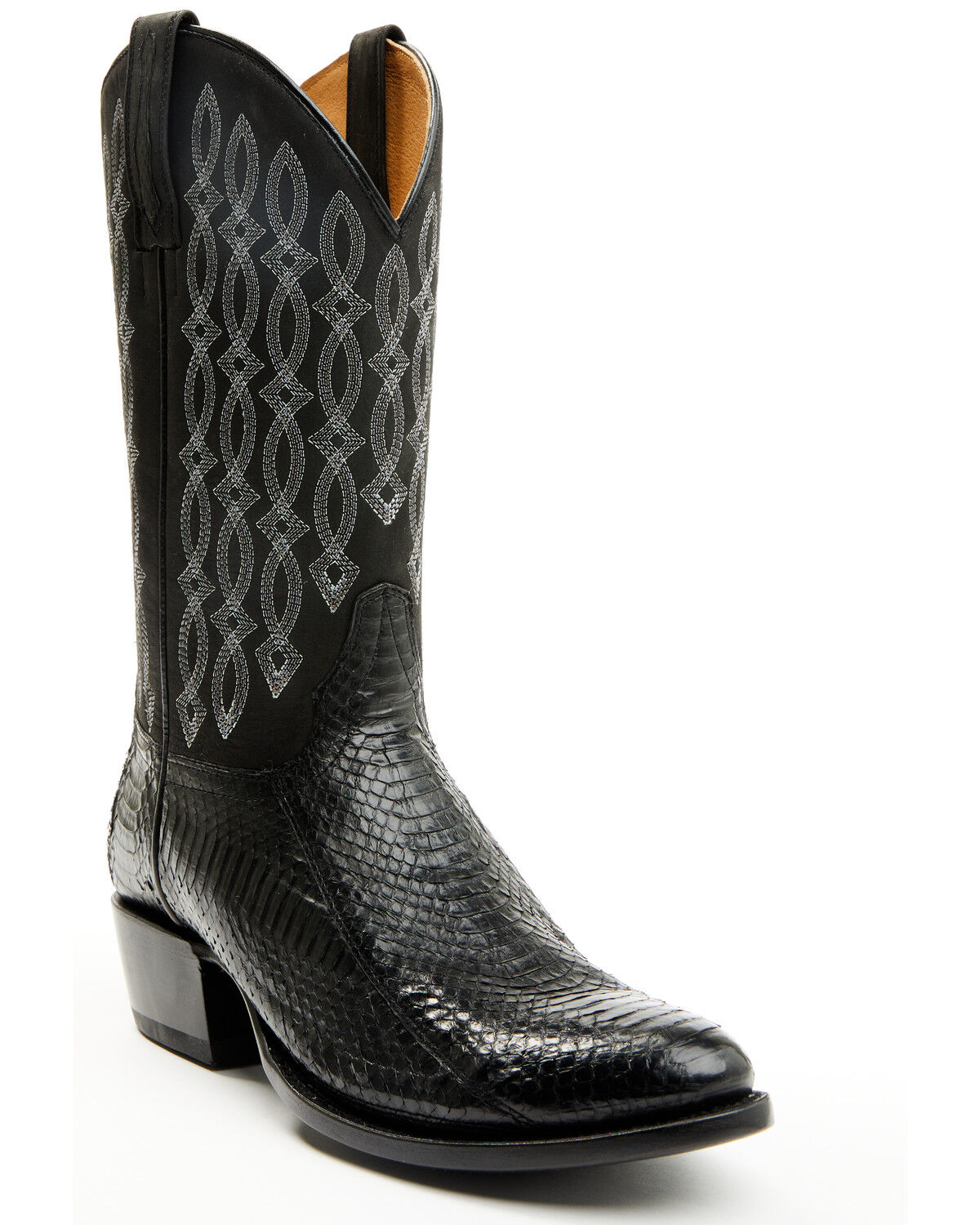
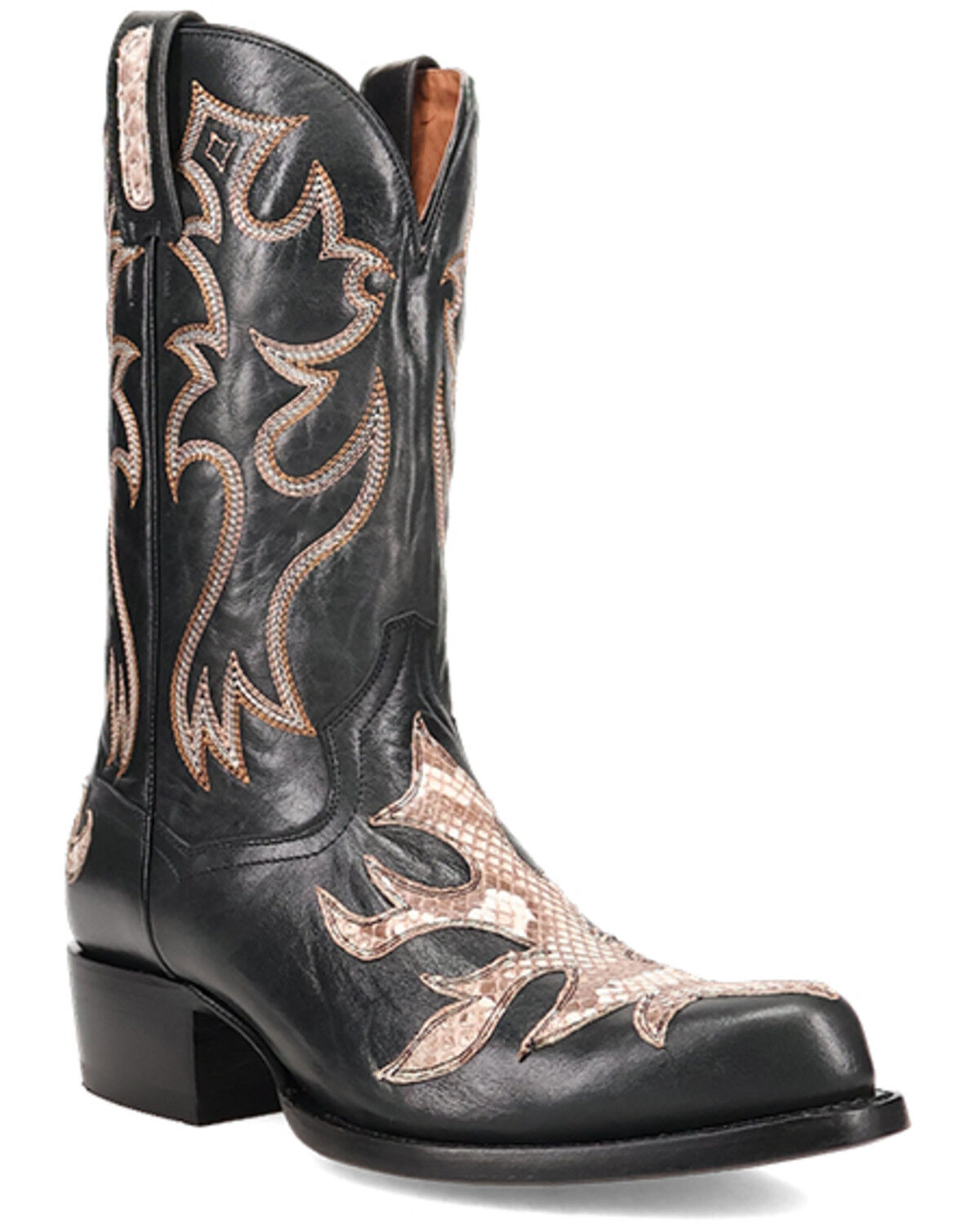
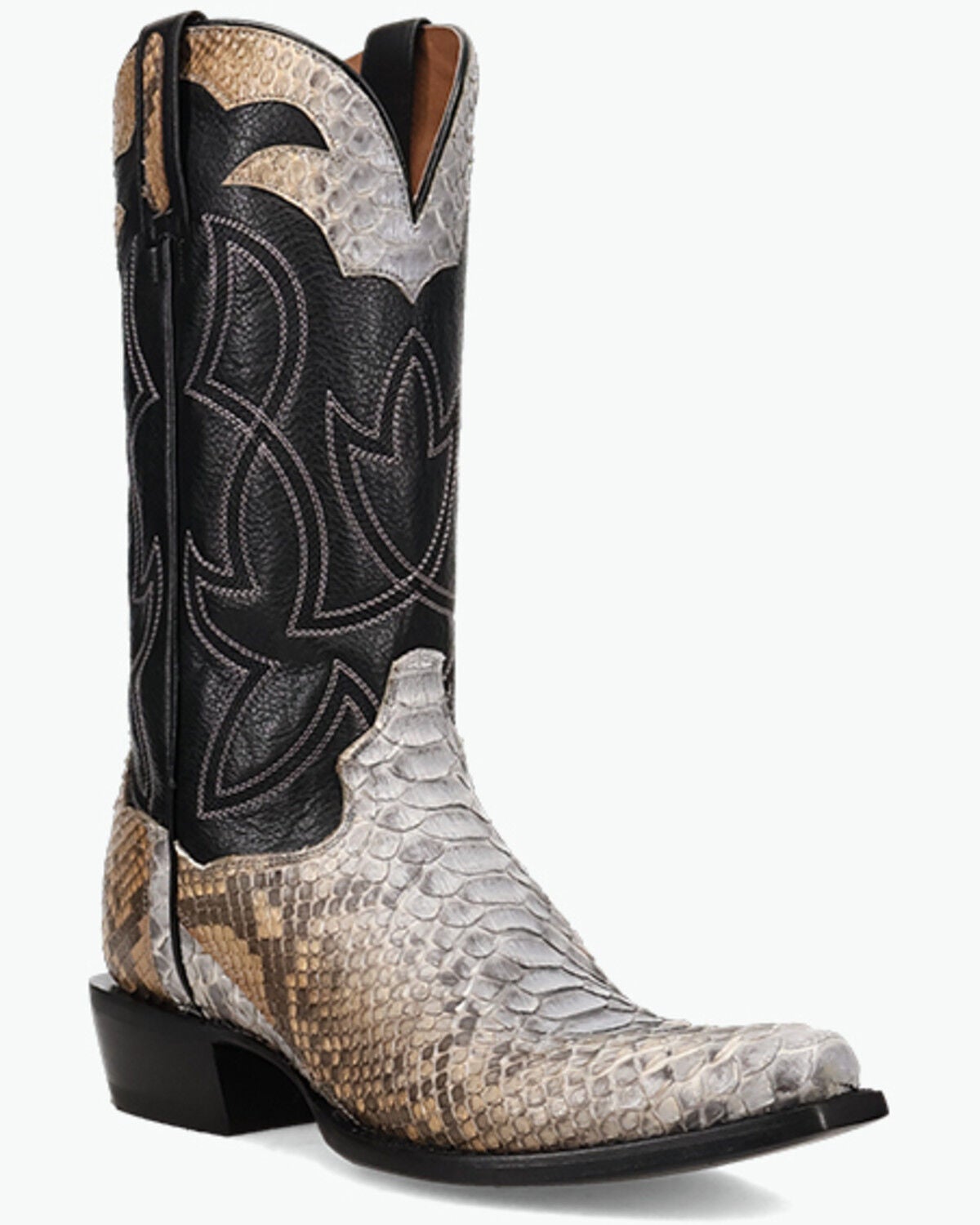
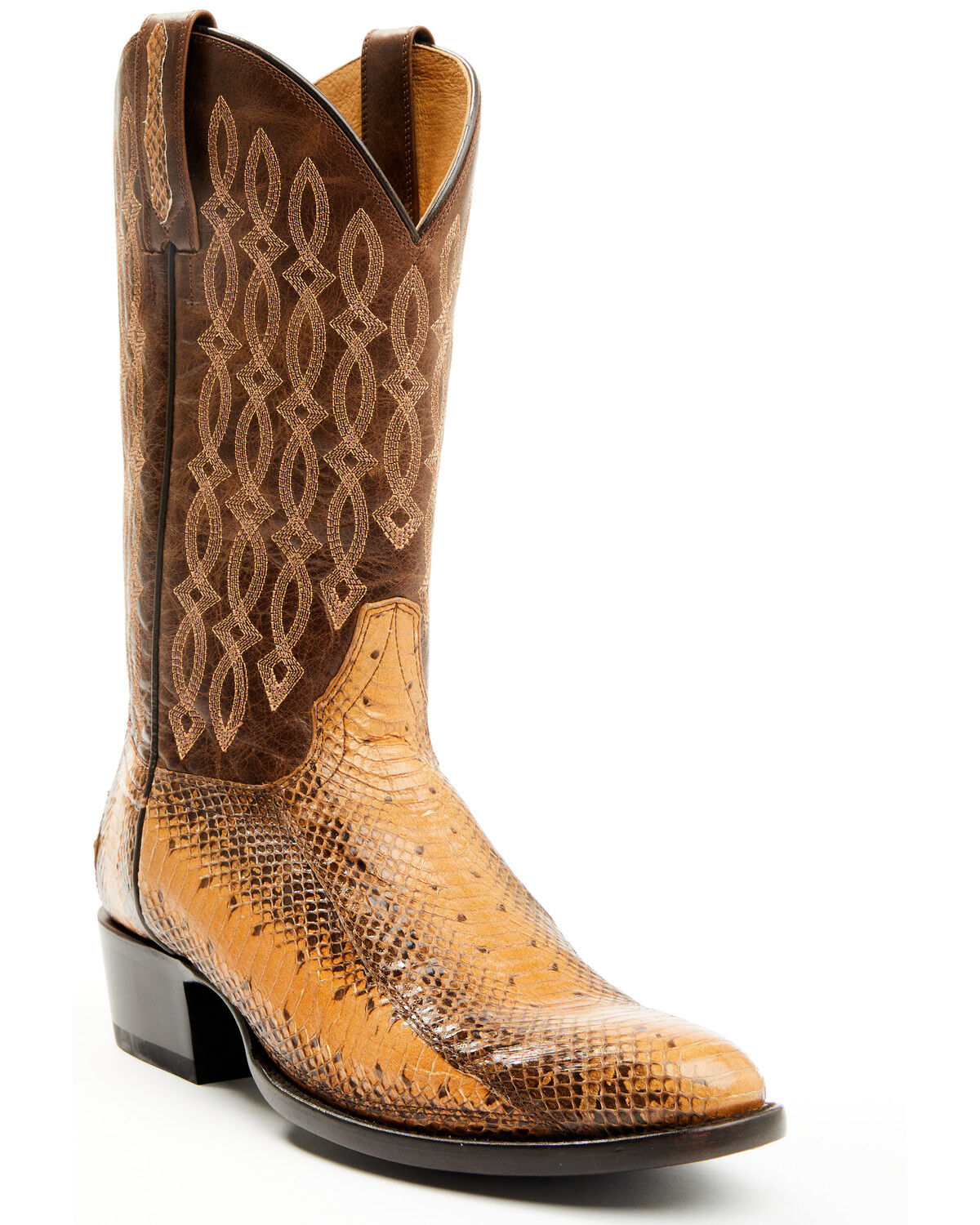
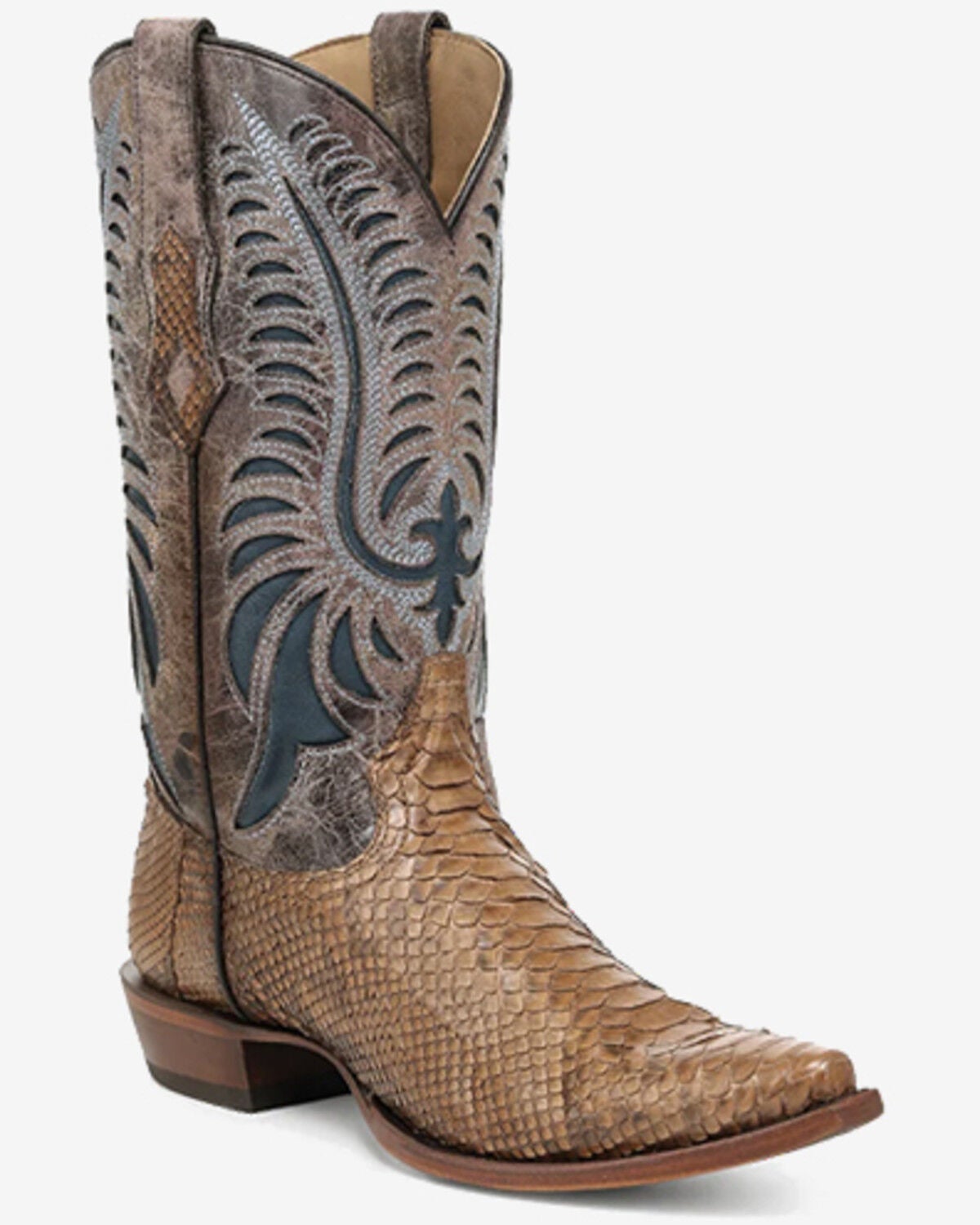
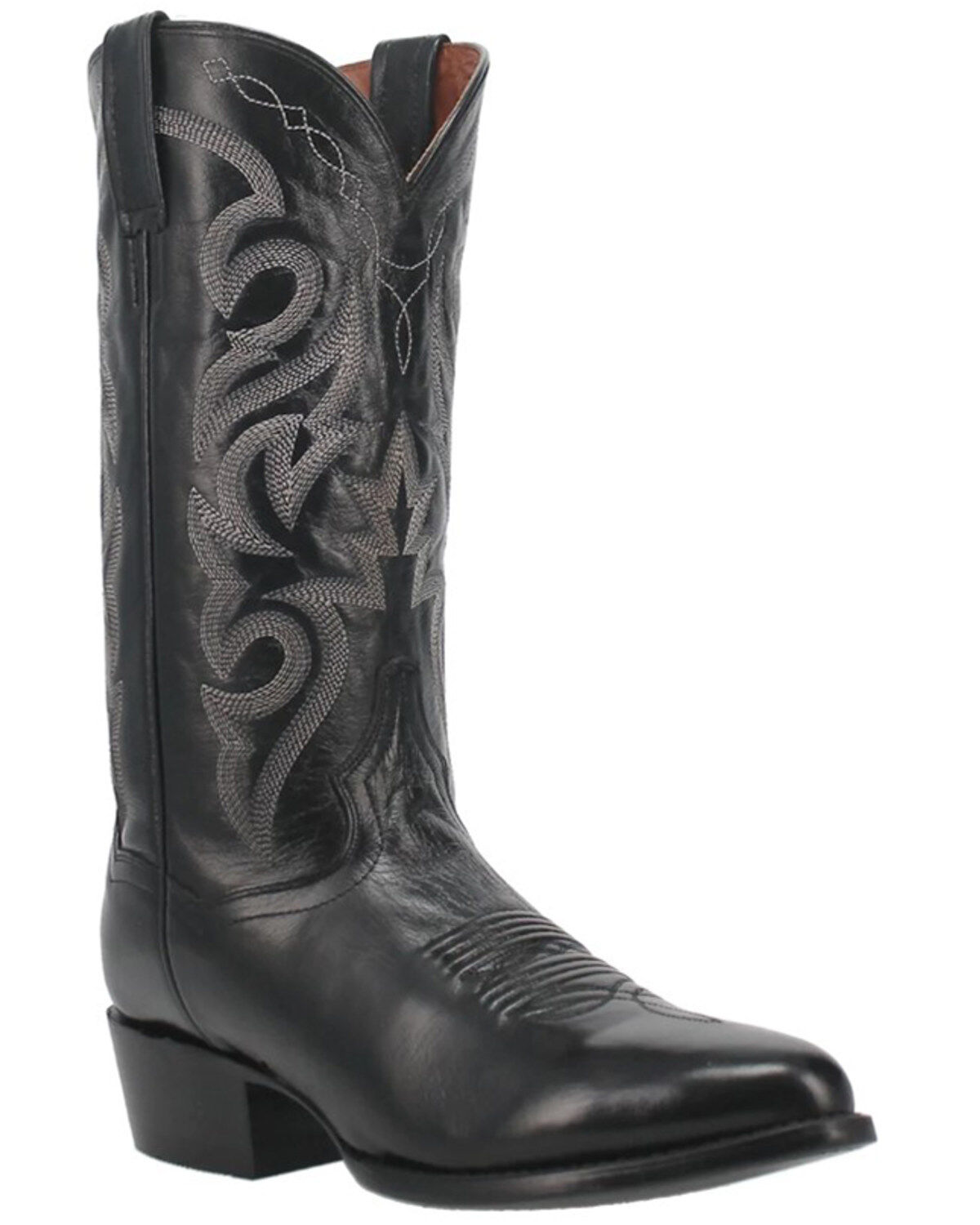
  • Men's Dan Post Exotic Snake Western Boots - Snip Toe
    Original Price $399.99 $249.97
    38% Total Savings
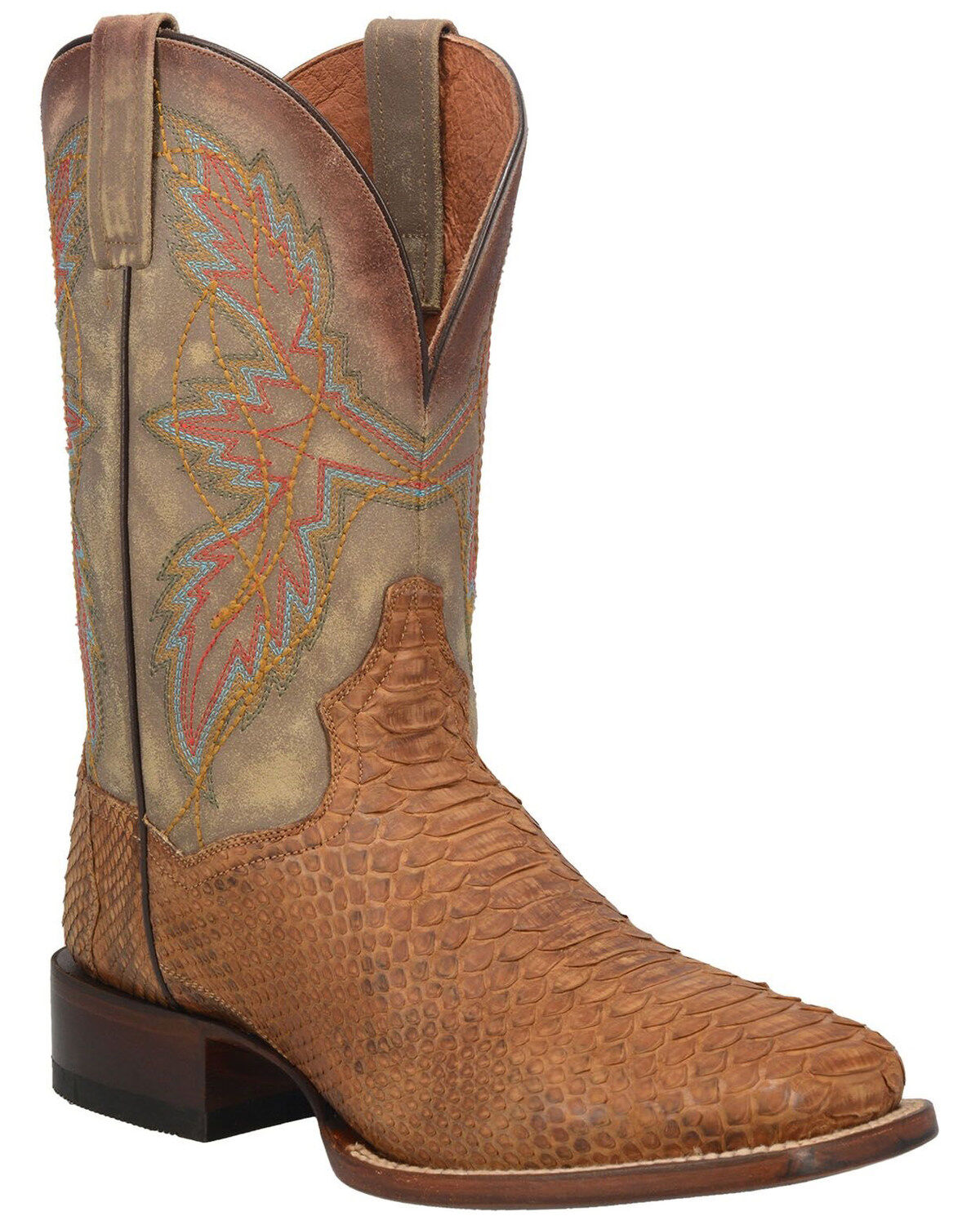
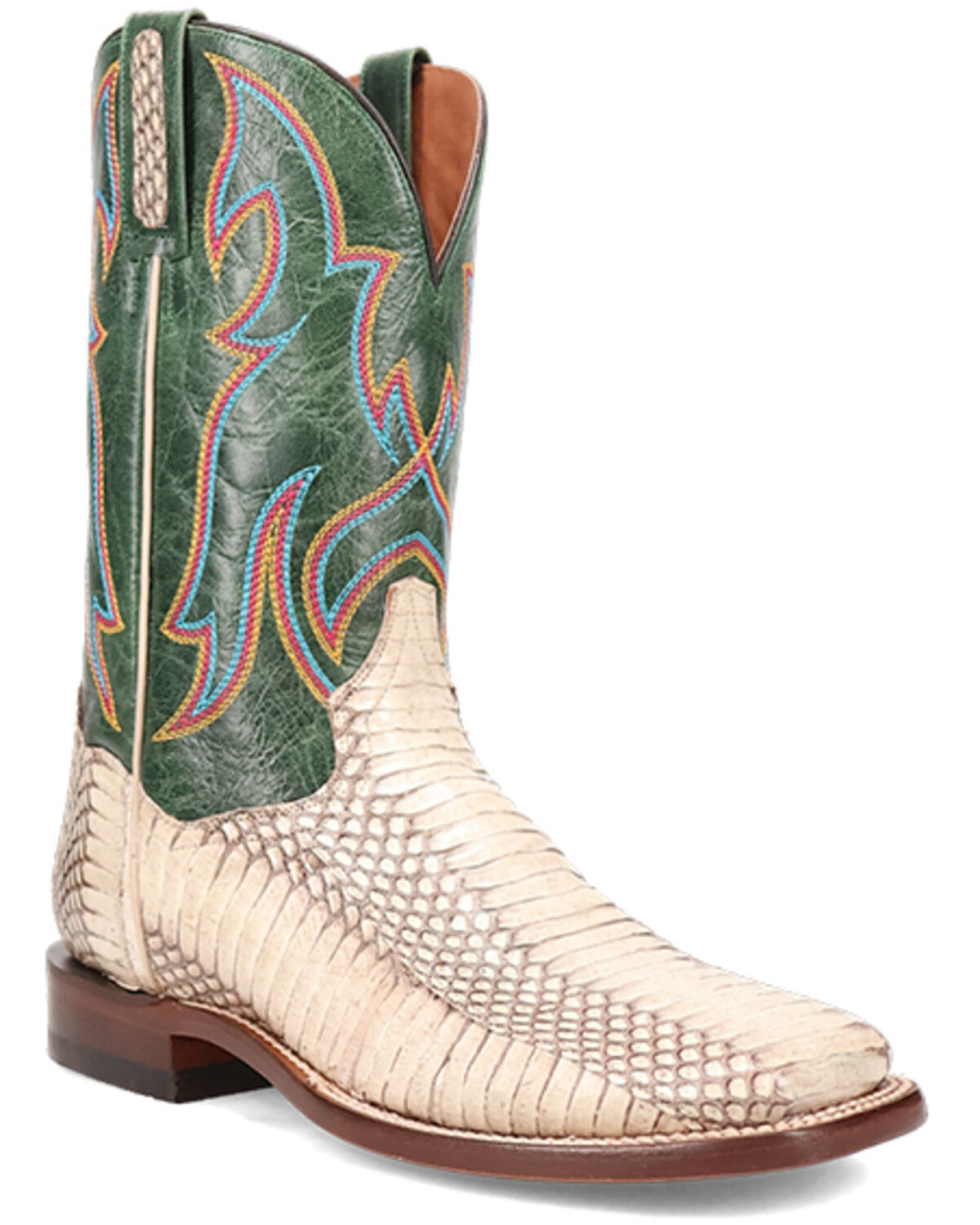
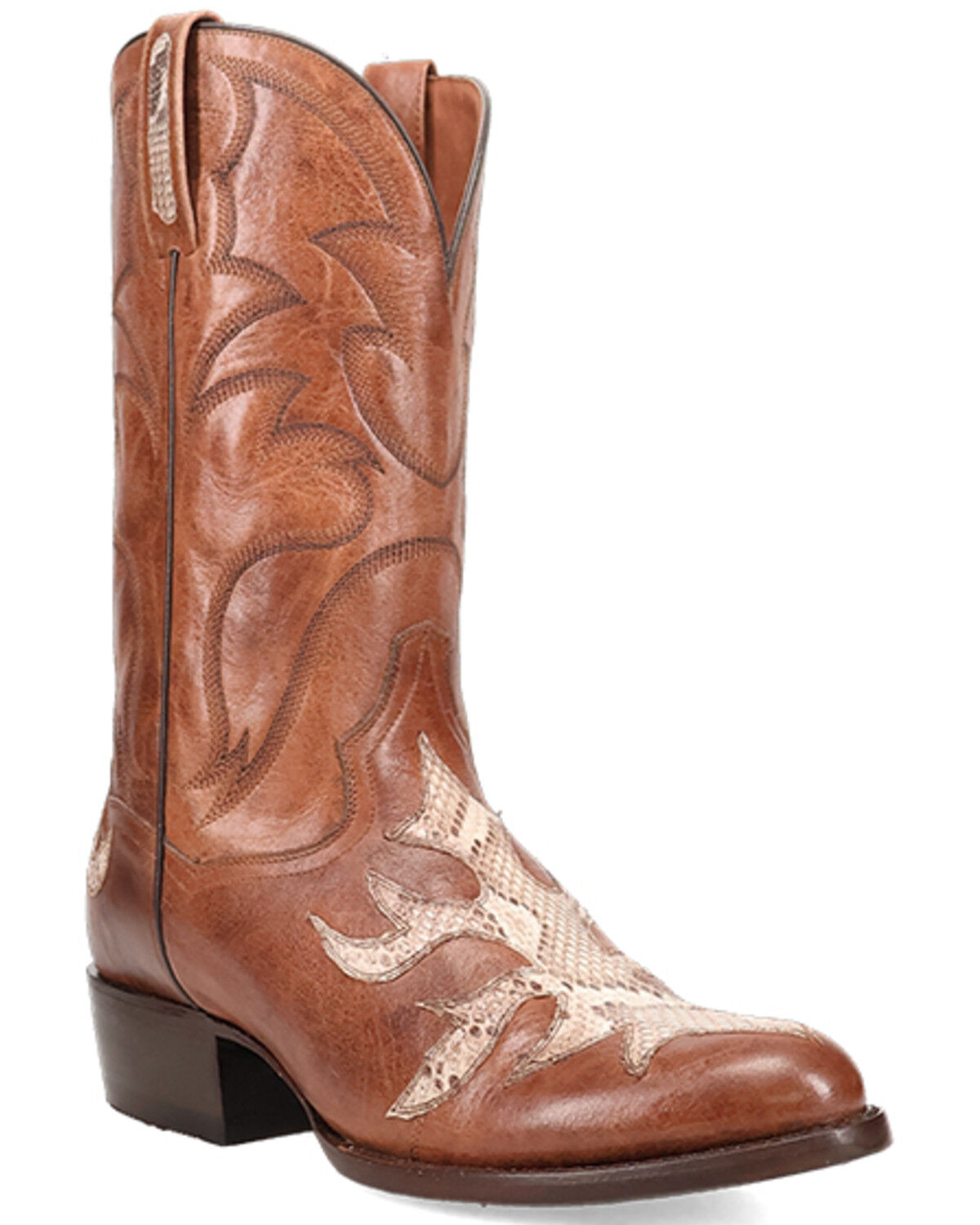
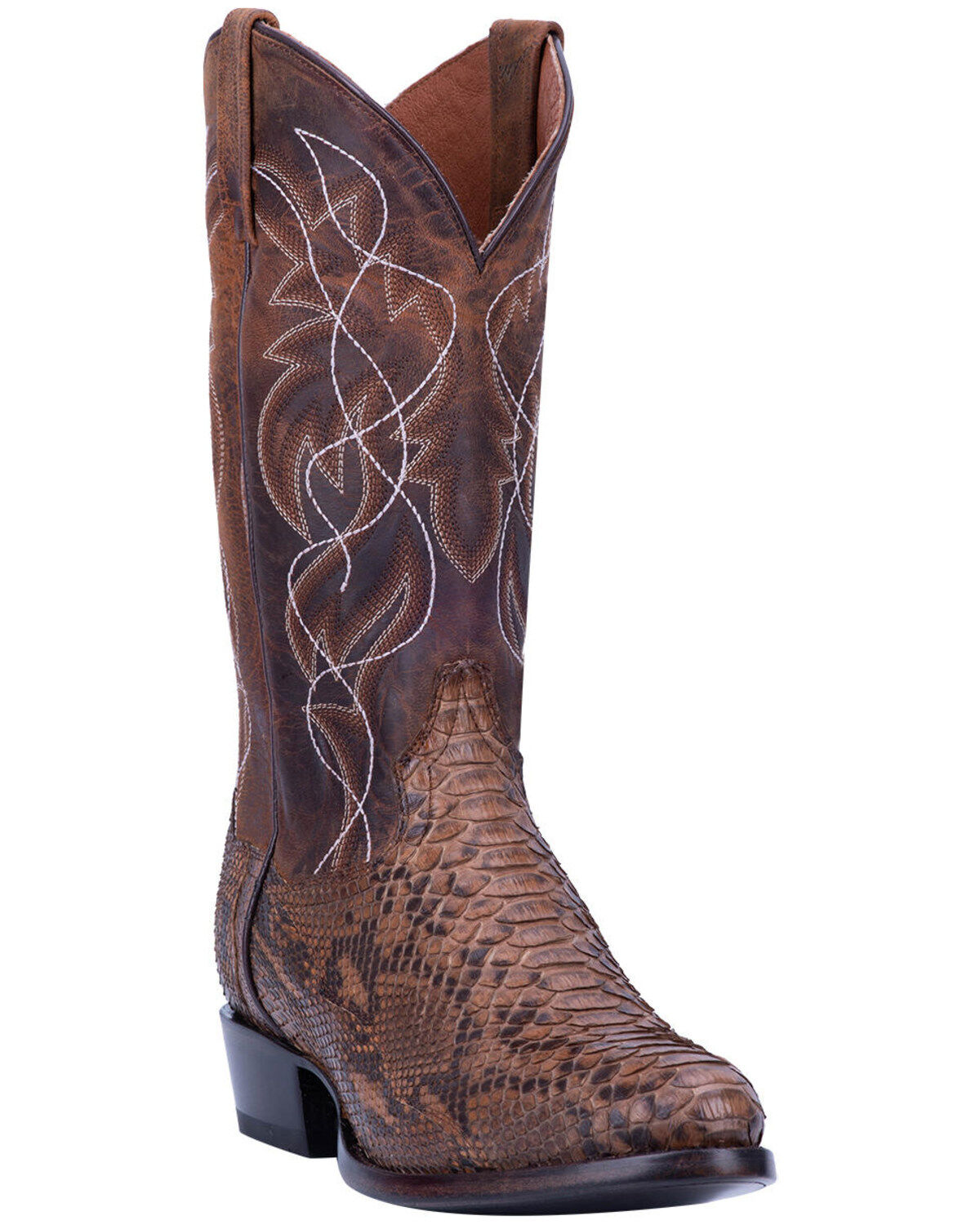
  • Men's Dan Post Exotic Snake Western Boots - Round Toe
    Original Price $399.99 $199.97
    50% Total Savings
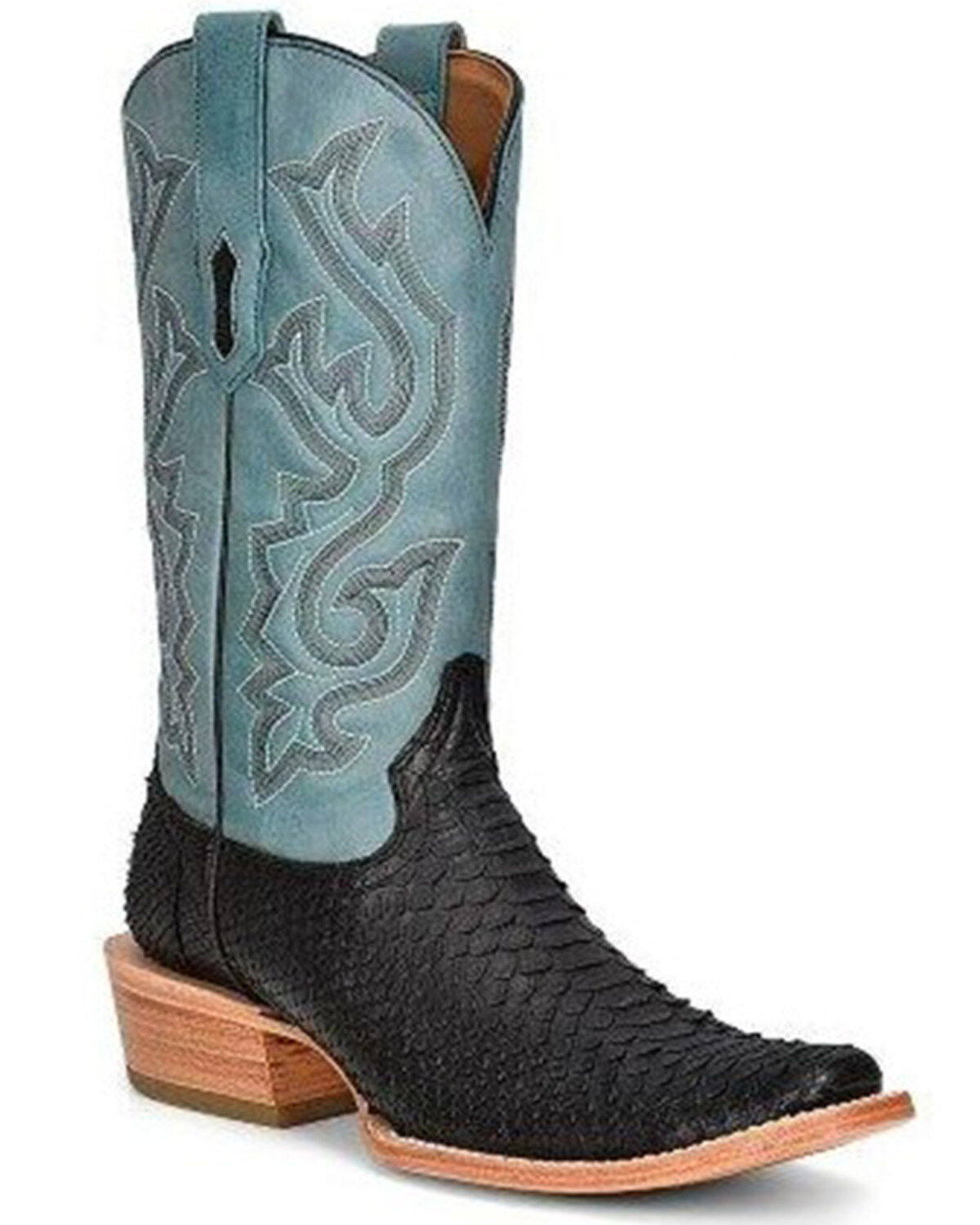
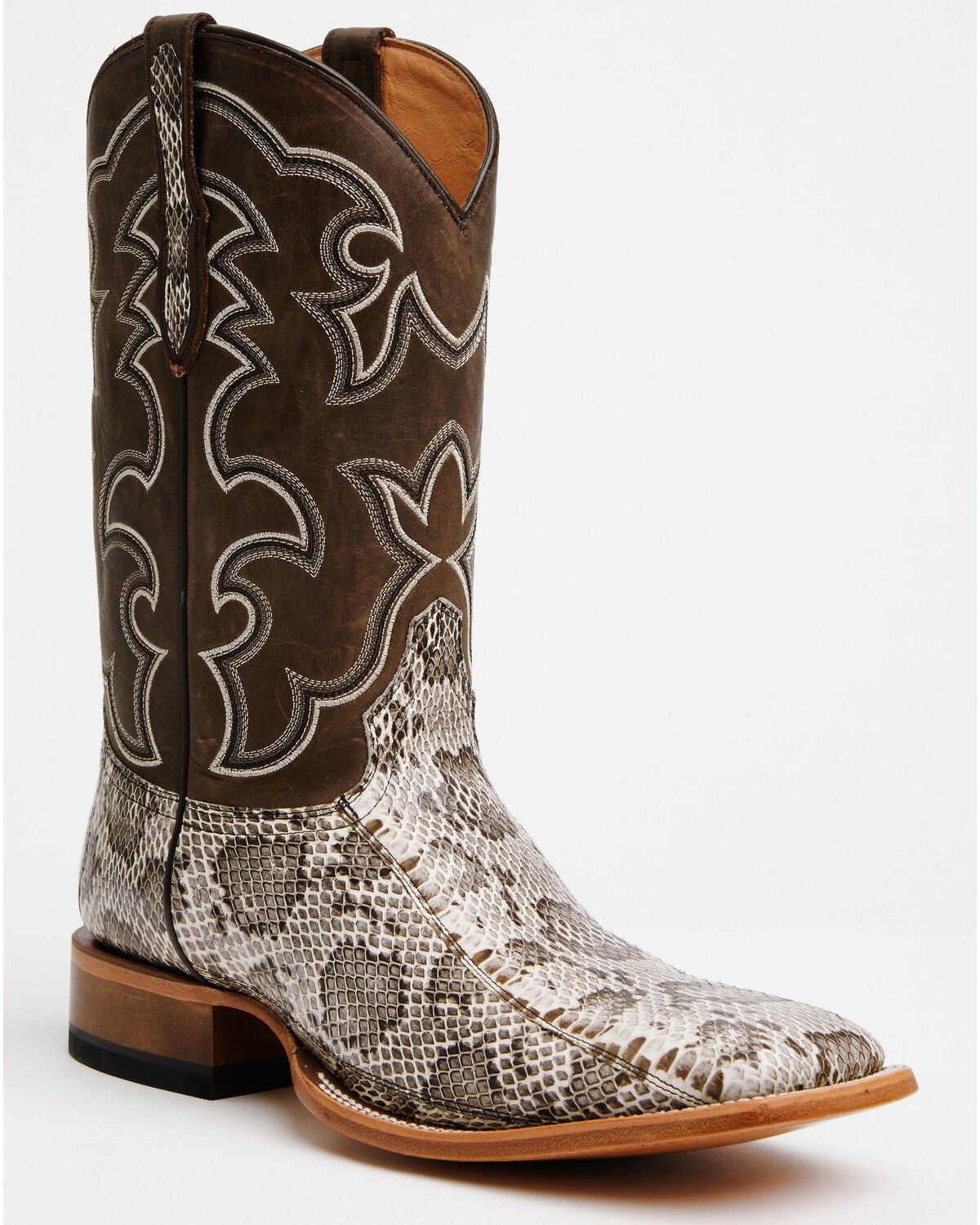
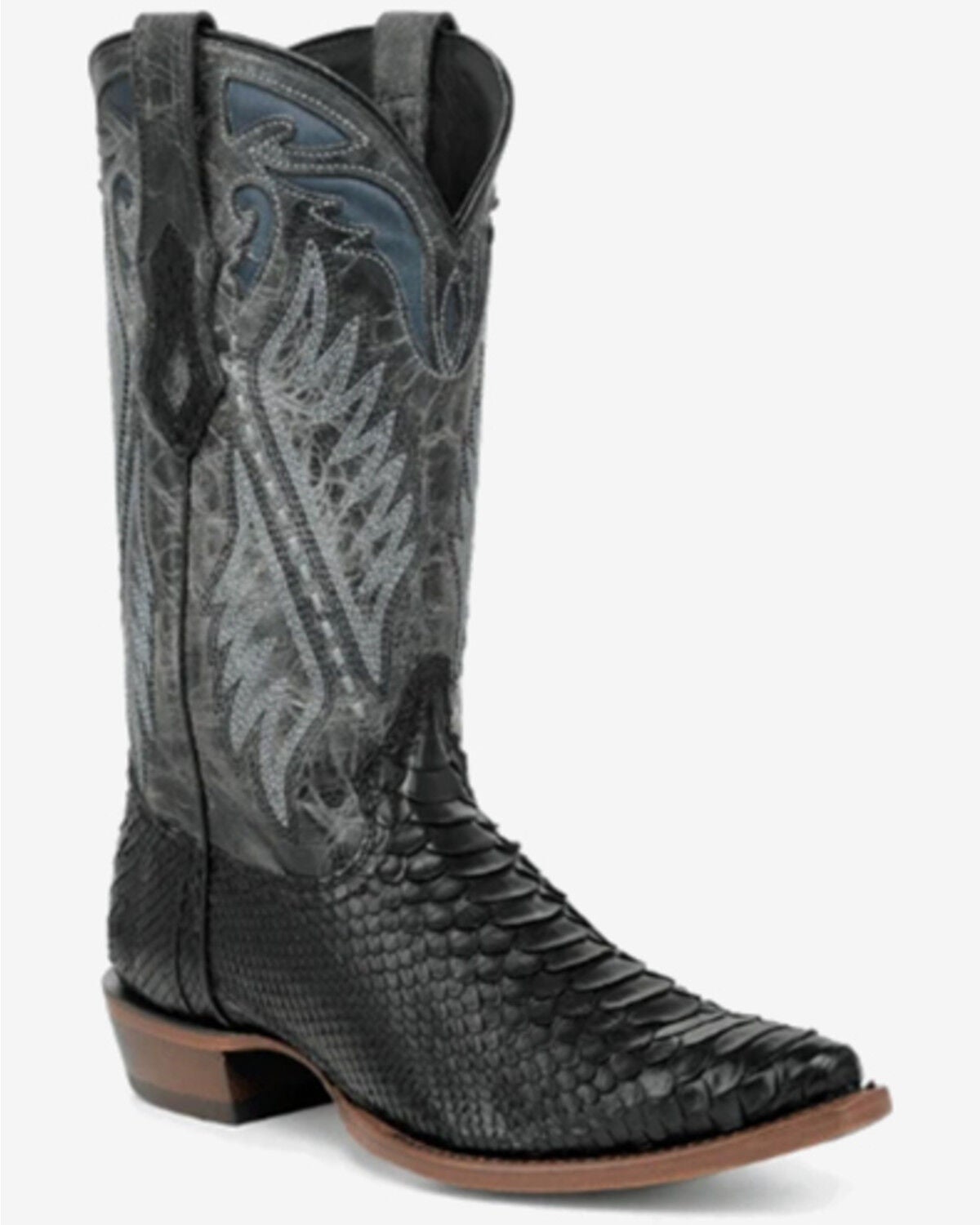
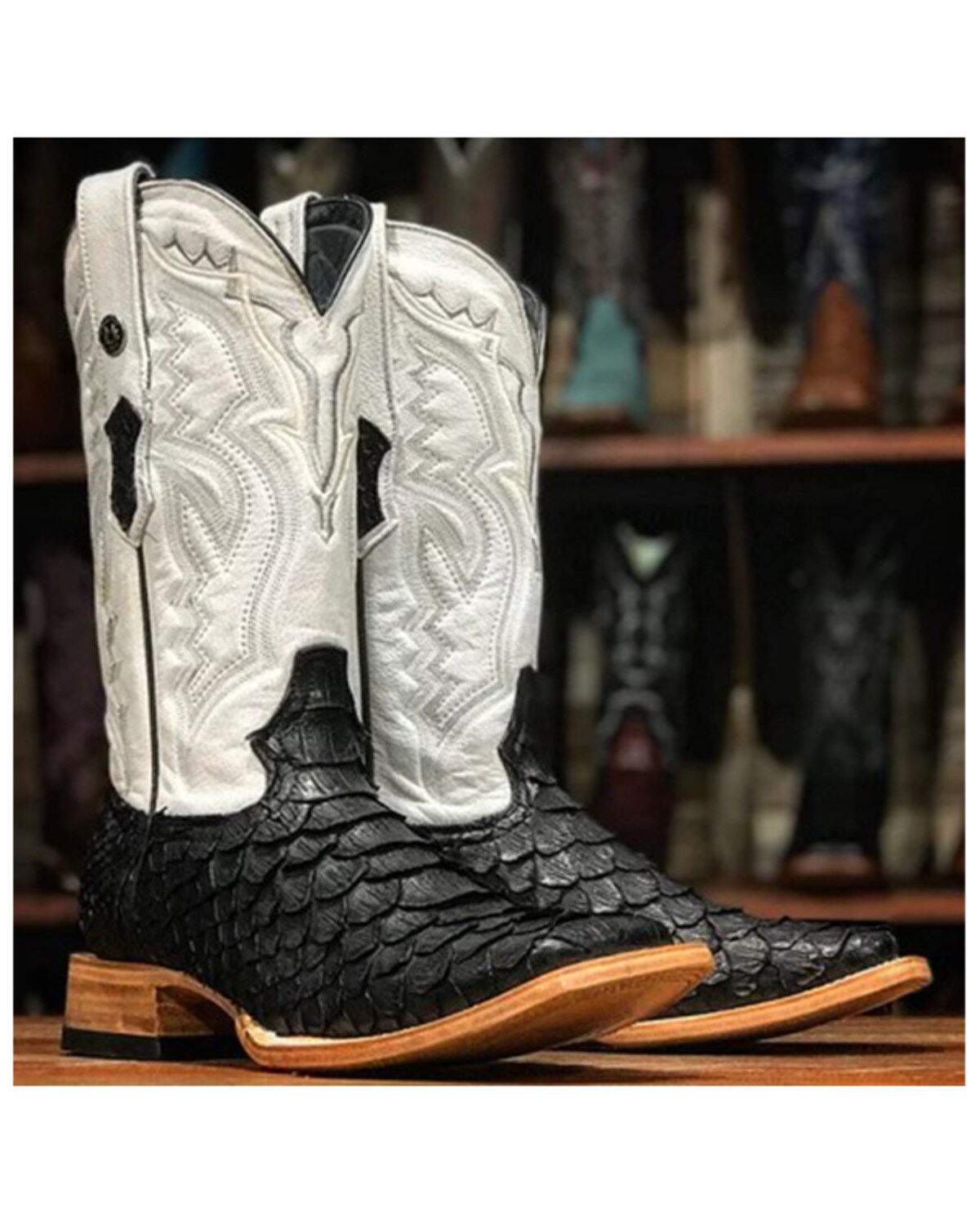
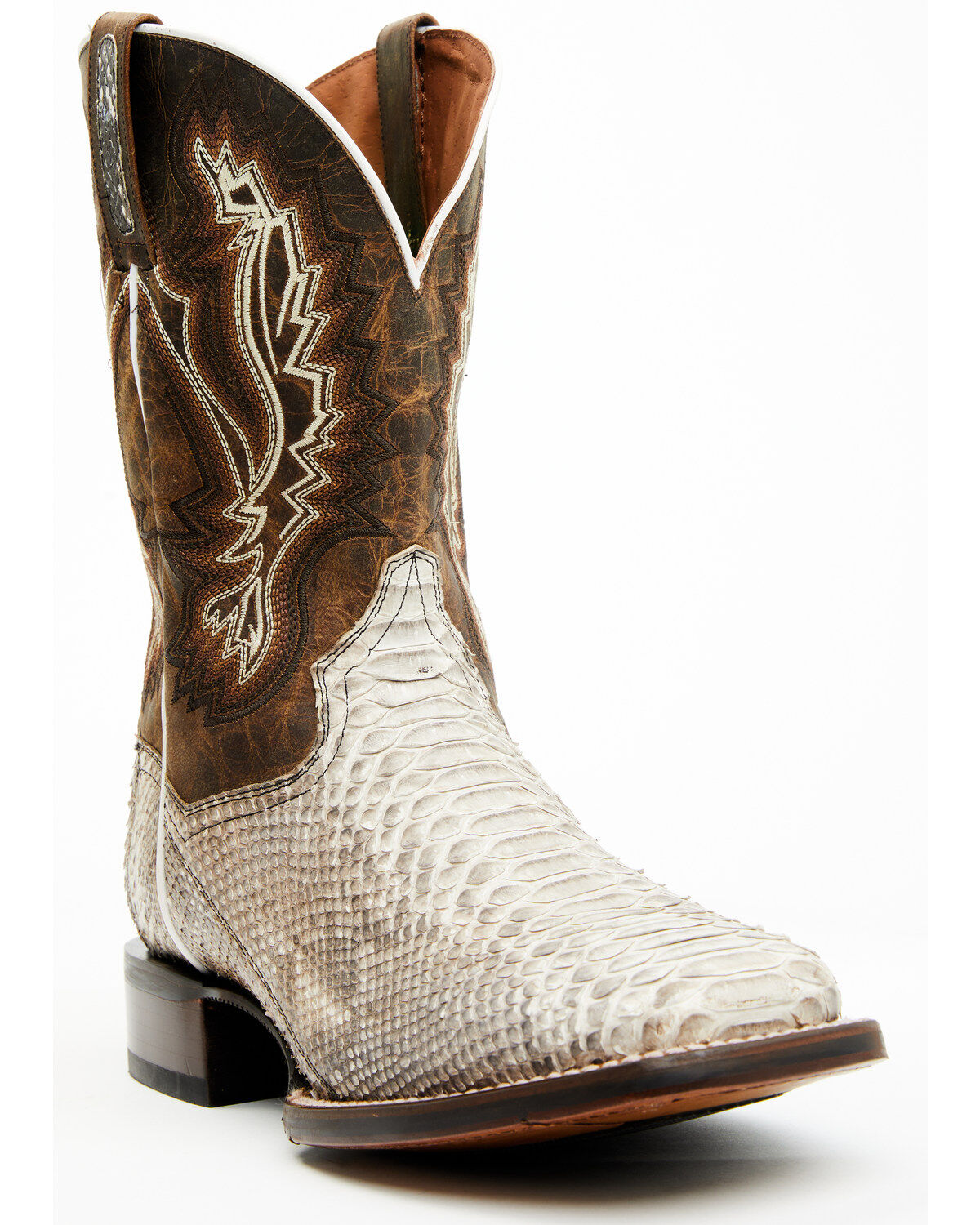
  • Men's Dan Post Exotic Python Western Boots - Snip Toe
    Original Price $399.99 $349.99
    13% Total Savings
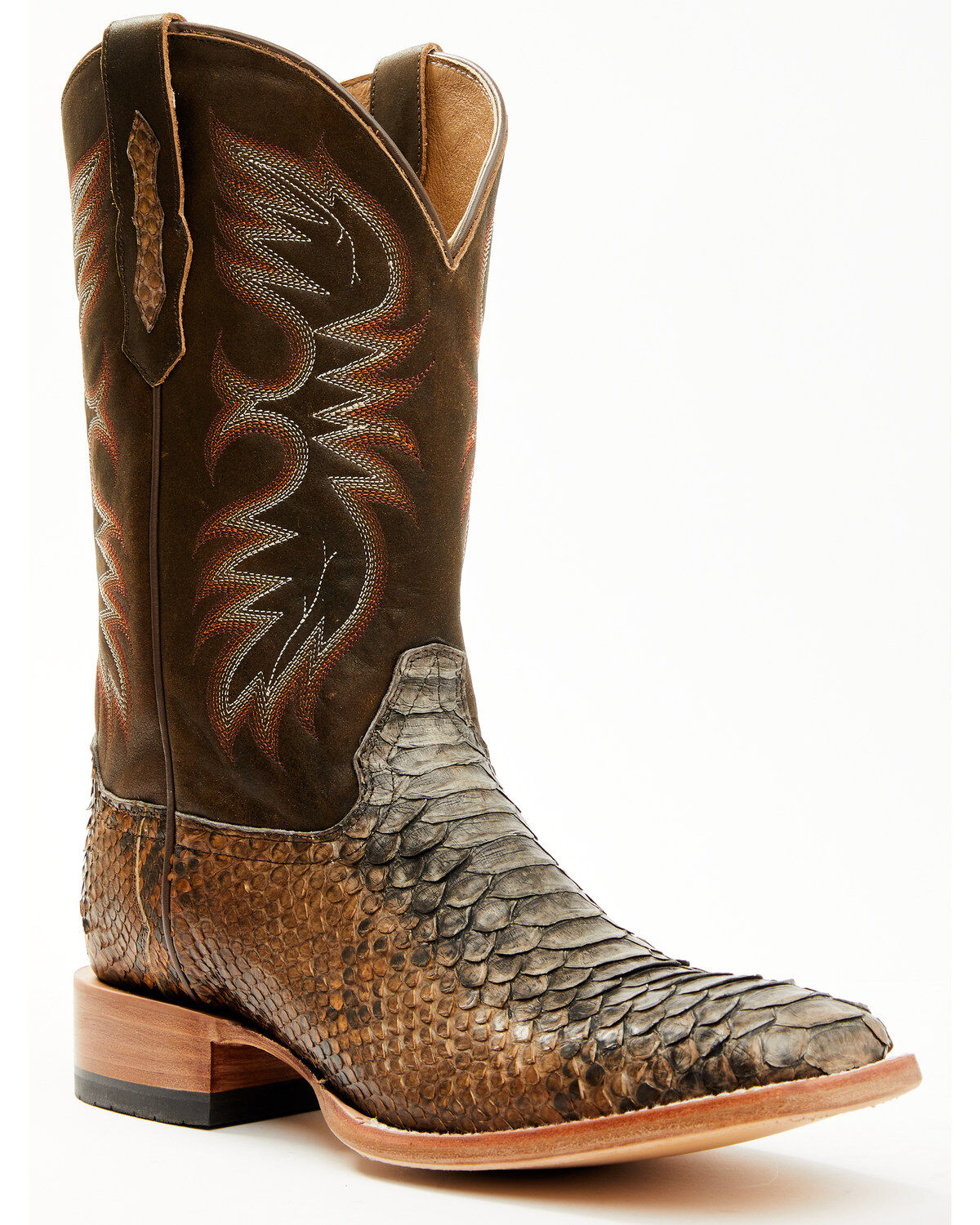
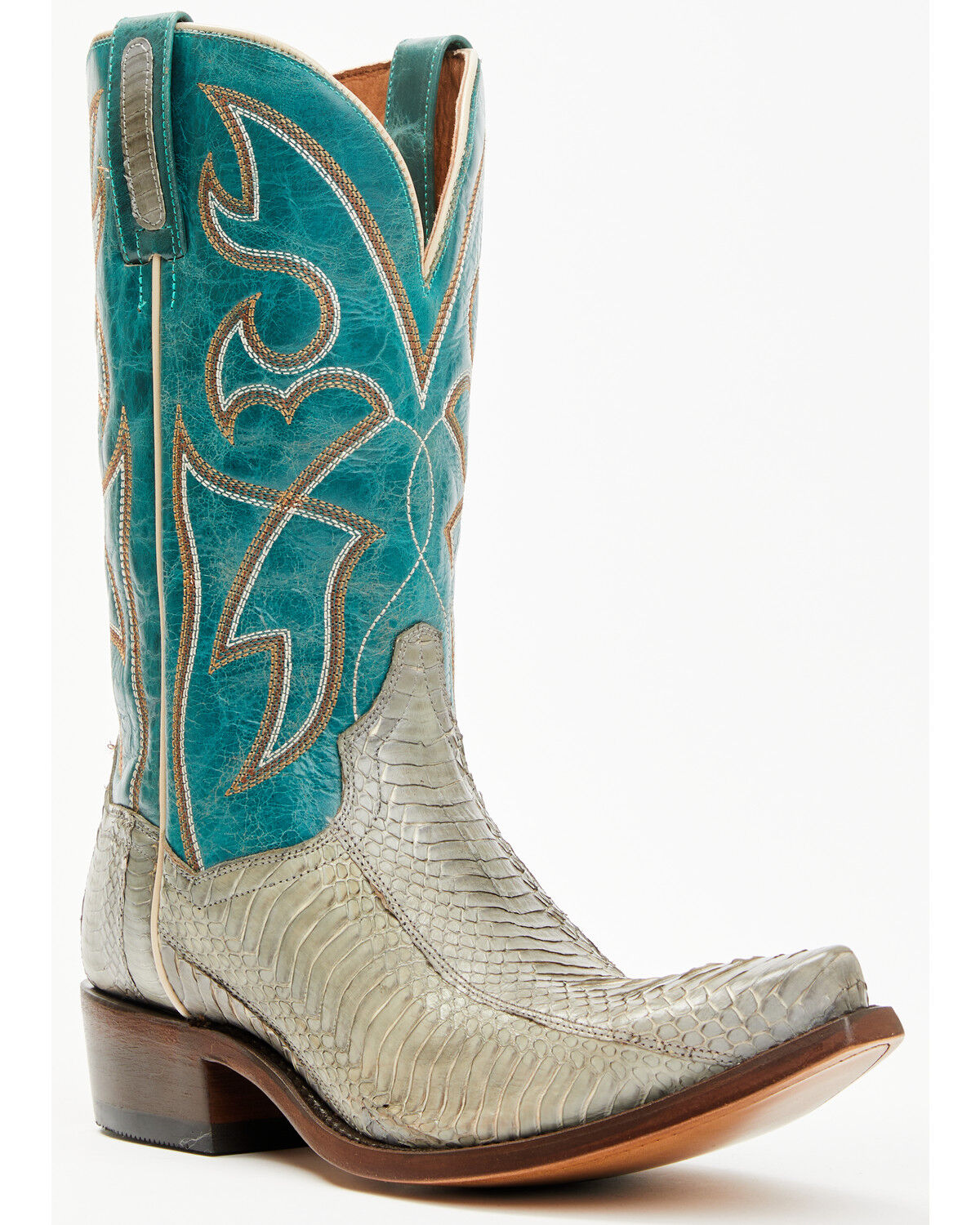
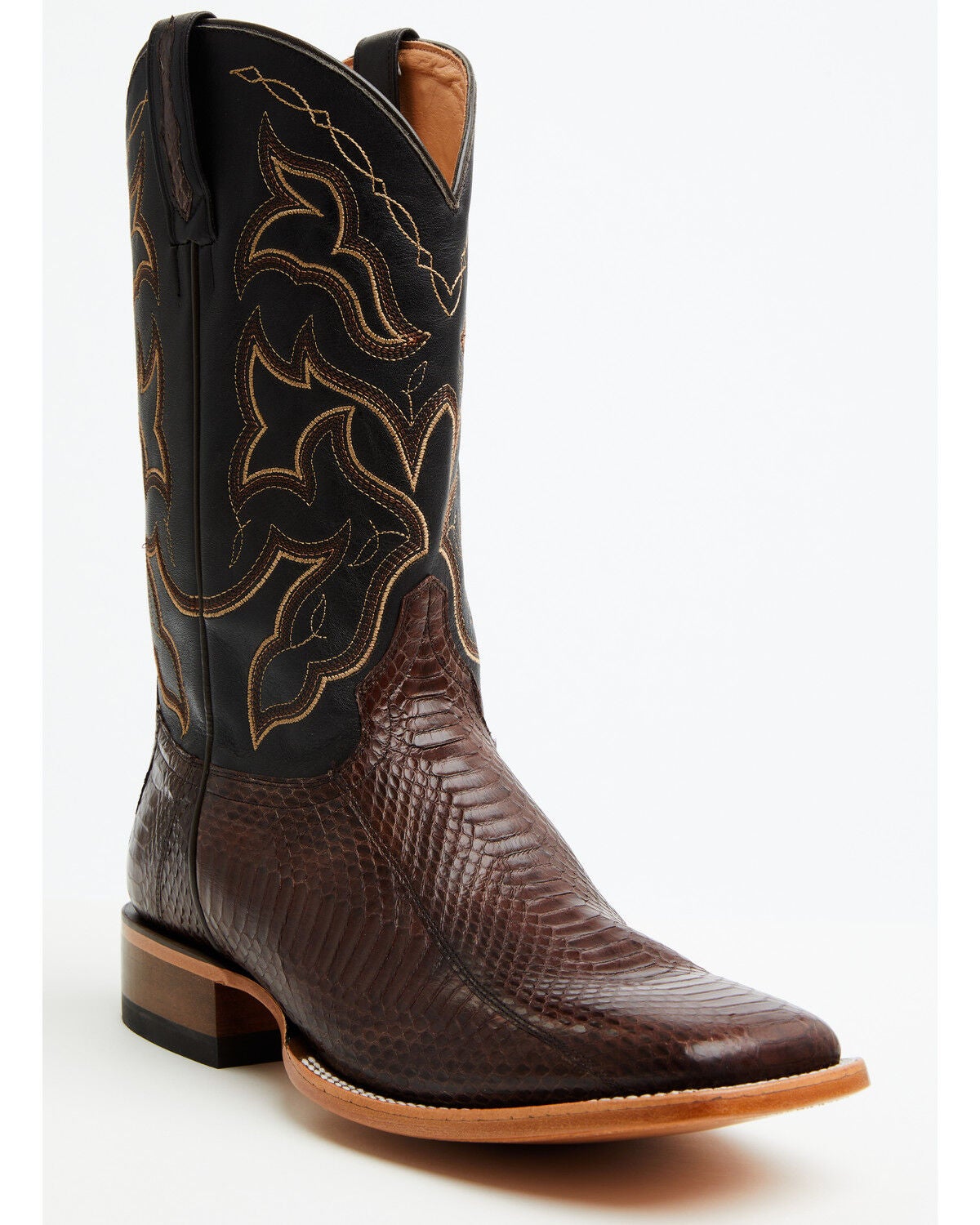
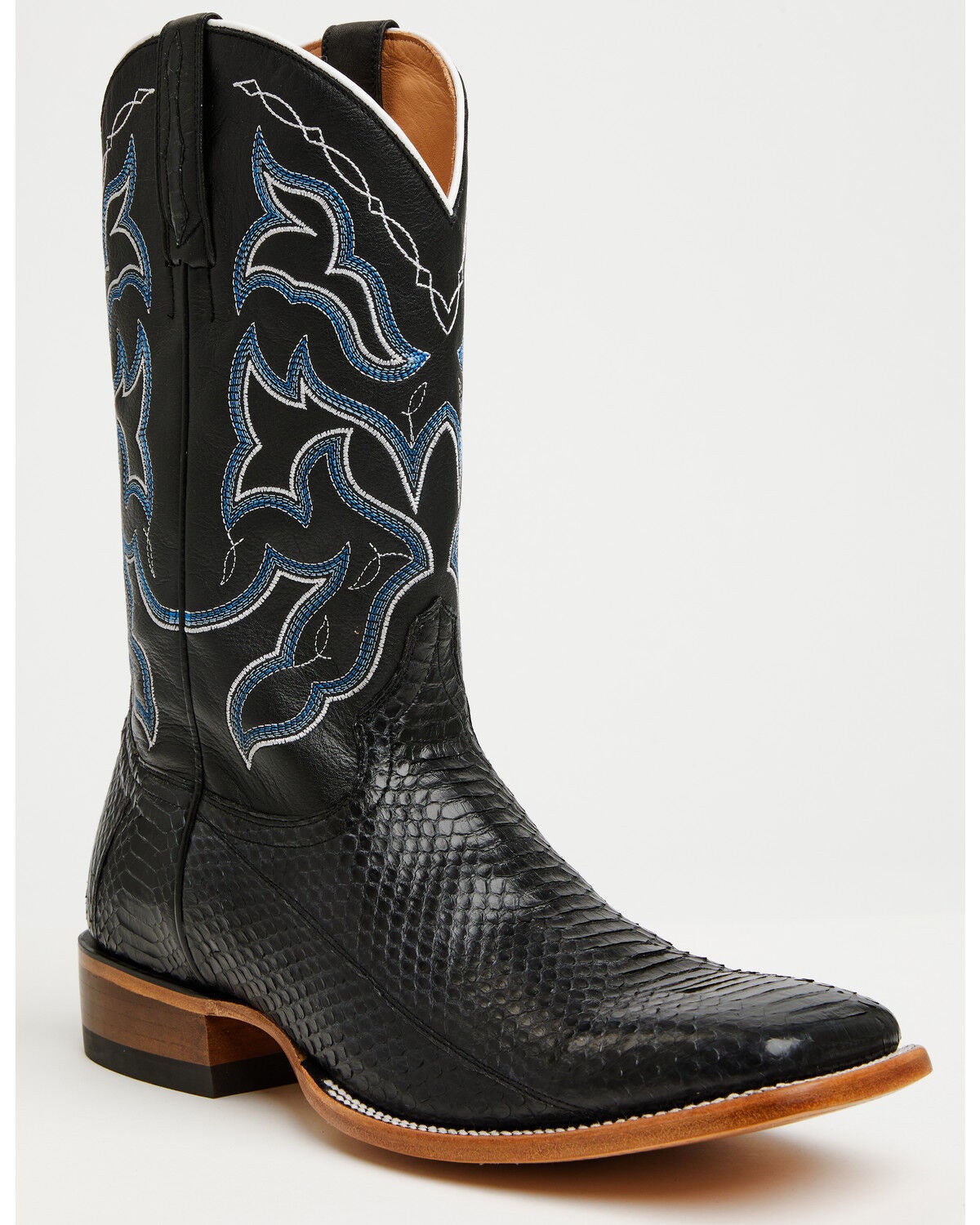
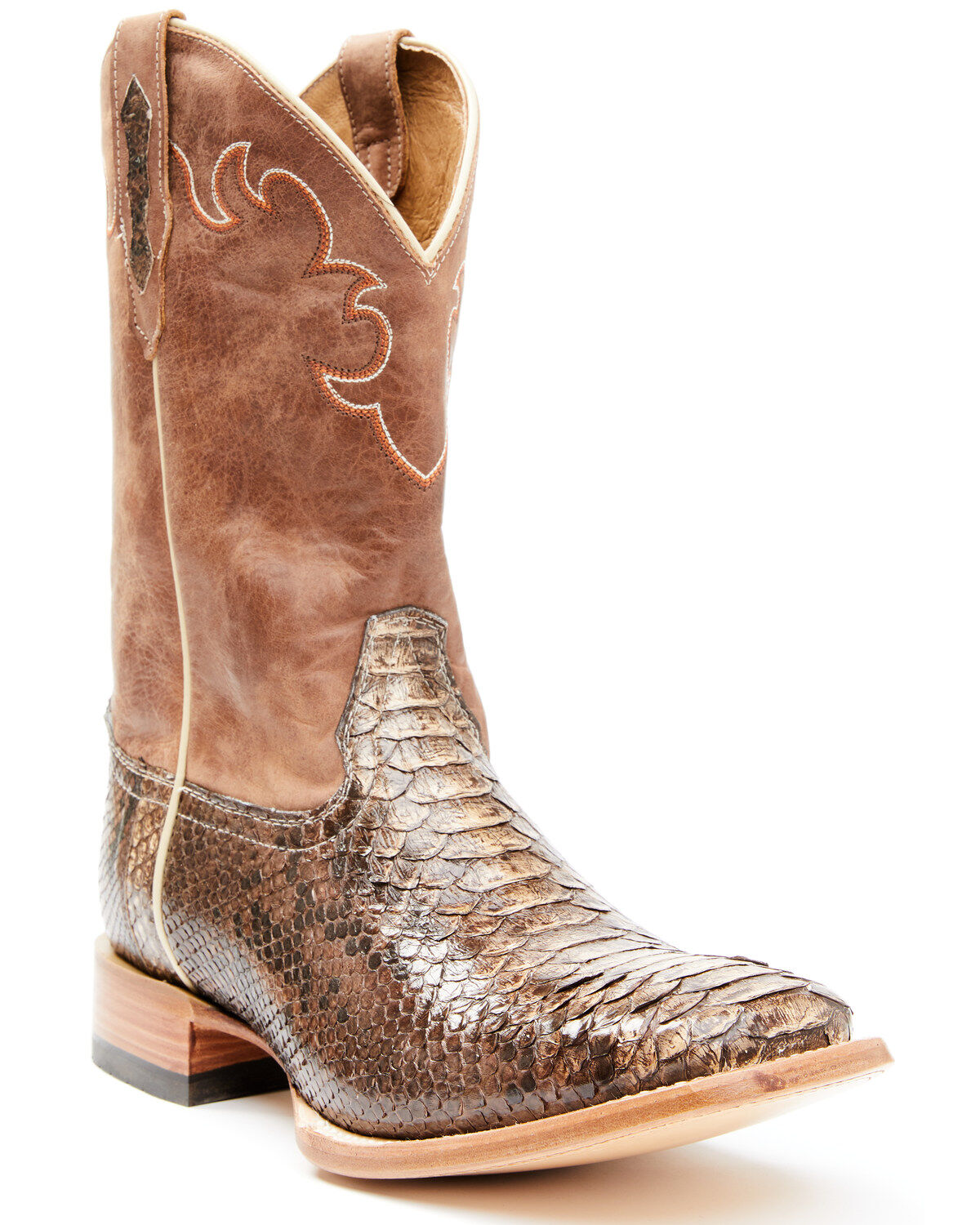
  • Men's Cody James Exotic Water Snake Western Boots - Round Toe
    Original Price $299.99 $219.97
    27% Total Savings
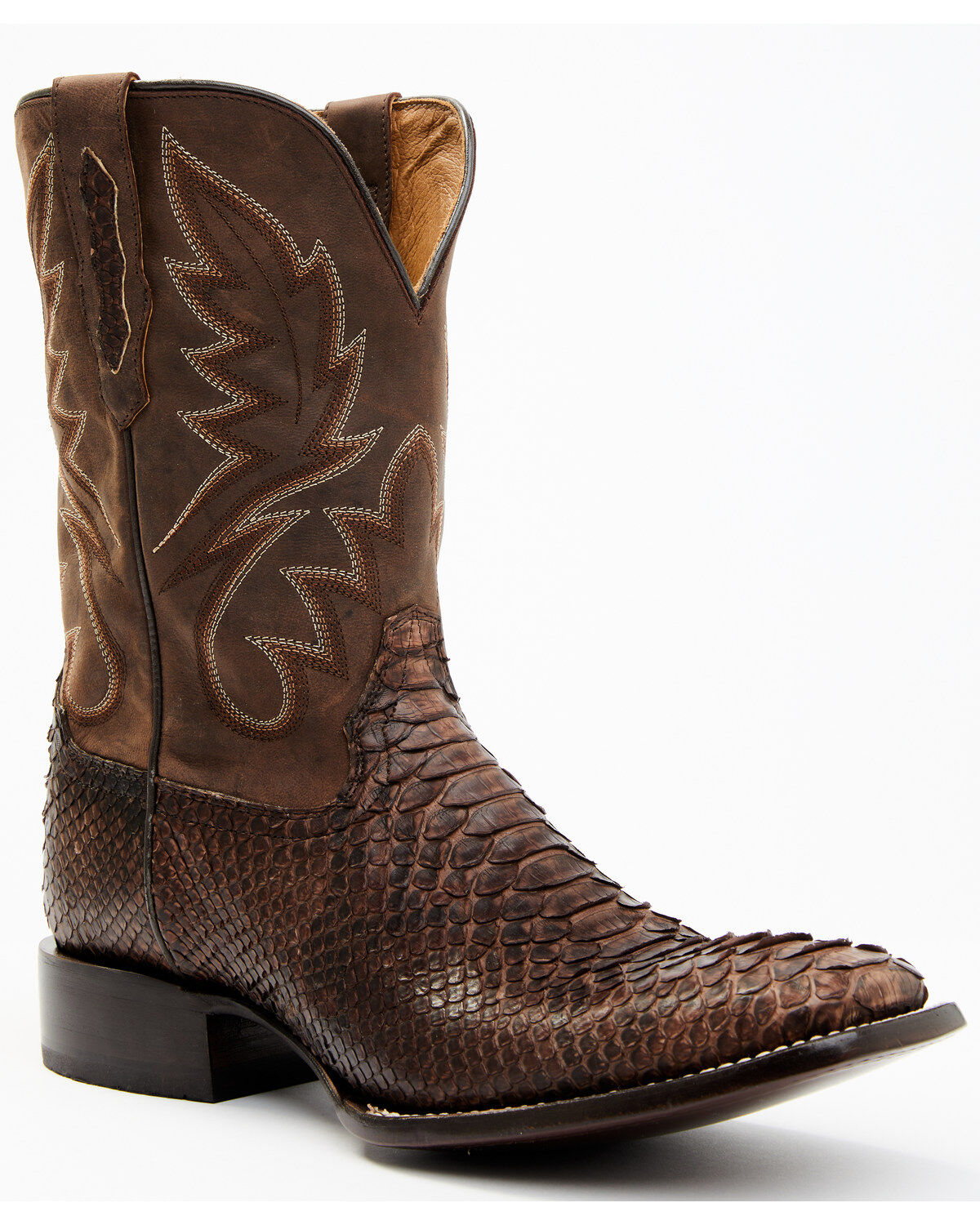
  • Men's Dan Post Exotic Snake Western Boots - Round Toe
    Original Price $399.99 $199.97
    50% Total Savings

End of products

Men's Snake Skin Boots

Men’s snakeskin boots bring a distinctive texture to a familiar western boot shape. Their appeal comes from the scale pattern, the character of the leather, and the way those details stand out without needing much else in an outfit. Genuine snakeskin and snake-print materials are different, even when their colors look similar. Genuine snakeskin is an animal hide with natural scales; printed or embossed alternatives reproduce that appearance on another material, which may be leather or synthetic. A printed pattern alone does not mean a boot contains genuine exotic leather. Python leather can show broad belly scales alongside smaller scales, while other snake species have different markings and textures. Natural variation means the pattern on one boot may not match the other exactly. That variation is part of the material, not necessarily a flaw. Color treatments also change the look. Natural-looking neutrals keep the scale pattern prominent, while darker finishes can make the texture more understated. The appeal of Snake Skin Boots is not limited to one style of dress: they can work with straight-leg jeans, a plain shirt, and a belt, or with tailored trousers for an occasion that calls for western footwear. Genuine skin may cover the vamp—the section over the foot—while the shaft and other parts use cowhide or another material. A description that identifies each section gives a clearer picture than the words “exotic boot” alone. Material identification matters for care and legal restrictions, too. California law restricts the sale of python skin products. For everyday wear, dinners, weddings, or live music, the right balance is a distinctive surface with a shape that feels comfortable and familiar. An understated shaft can let the skin pattern carry the look, while stitching and a contrasting upper add detail. Neither approach requires a full western outfit. The boot can be the main point of interest, with the rest of the clothing kept simple.

Fit matters as much as the skin. A well-fitting pull-on western boot should hold the foot securely through the instep without squeezing it, with room for the toes to rest naturally. A small amount of heel movement can be normal in a new boot as the sole begins to flex, but the foot should not slide around or lift excessively. Break-in can soften leather and ease some stiffness; it does not reliably correct a boot that is too short or the wrong width. Trying boots with the socks intended for regular wear gives a more useful sense of fit than trying them with unusually thin socks. Men who use an orthotic also need enough interior space for it without crowding the top of the foot. Toe shape affects both appearance and feel. A round toe has a straightforward profile, a square toe presents a broader front, and a snip toe creates a narrower-looking finish. The outside shape does not tell the whole story about interior room, so width and the shape of the boot’s last still matter. Shaft height and circumference influence how the boot feels against the calf and how jeans or trousers fall over it. Pants should clear the shaft without catching on it or bunching heavily above the foot. Heel height, outsole material, and construction also affect intended use. Leather outsoles have a traditional look and walking feel, while rubber outsoles can offer different traction and wear characteristics depending on their design. No outsole material alone guarantees slip resistance. Cushioning, lining, and arch support can make a difference during a long dinner, a wedding reception, or hours spent standing. Durable stitching and secure attachment between the upper and sole matter alongside the exotic surface. Snakeskin describes the leather or pattern, not protection against snake bites. It also does not make a boot suitable for a job requiring safety toes, electrical hazard protection, or other tested features. Those requirements depend on the boot’s stated specifications, not its western appearance.

The lasting condition of men’s snakeskin boots depends on both construction and care. Genuine scales need a lighter touch than heavily finished work leather. Surface dust can be removed with a soft, dry cloth, moving with the direction of the scales rather than lifting their edges. Cleaners and conditioners should be approved for the specific exotic leather and finish. A treatment made for smooth cowhide is not automatically right for python or another snakeskin, and testing an appropriate product on an inconspicuous area helps check for color changes. Heavy applications can leave residue or alter the appearance, so the manufacturer’s directions matter. Printed leather and synthetic snake-pattern materials may have different care requirements; treating them as genuine skin can cause unnecessary problems. Soaking, harsh scrubbing, and direct heat can damage the surface or affect the leather beneath it. If a boot becomes damp, natural drying away from a heater is a safer approach than trying to speed the process. Boot trees or suitable supports help maintain shape during storage, and upright shafts prevent unnecessary creasing. Regular wear on the outsole and heel deserves attention before it starts affecting the upper. Whether a boot can be resoled depends on its construction. These boots generally make more sense for casual and dress wear than for tasks that repeatedly scrape the foot against rough surfaces. Natural scale edges can catch, and repeated abrasion can leave visible damage. For a man who already wears western boots, snakeskin offers a different texture without changing his usual approach to dressing. For someone receiving a pair as a gift, established size, width, preferred toe shape, and typical use are more useful than guessing from appearance alone. A familiar silhouette in a distinctive material can be easier to wear than an unfamiliar shape. The strongest choice combines a clear understanding of the leather with a secure fit, suitable construction, and care that respects the surface.

FAQs