Python Snake Boots

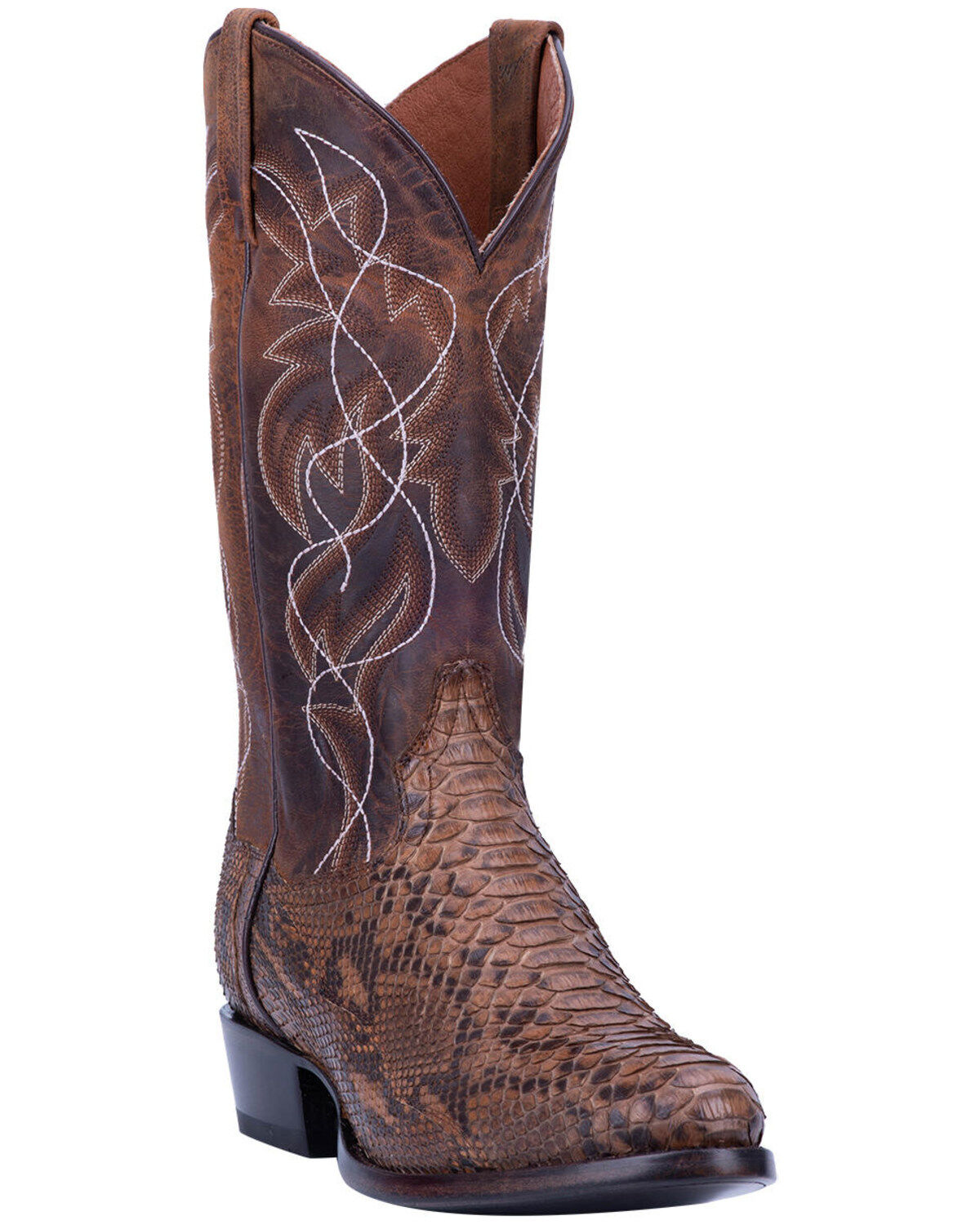
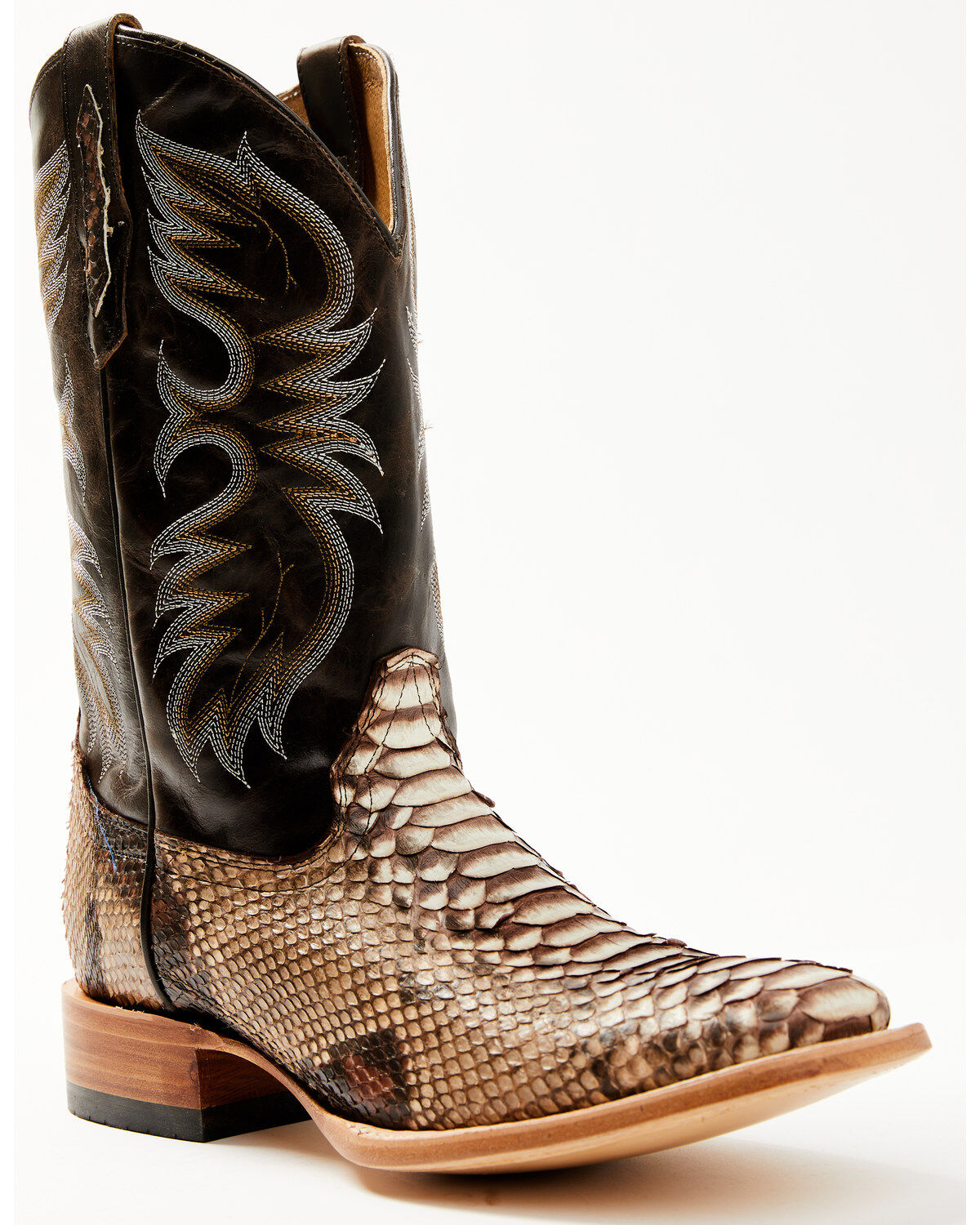
Shop python snake boots for western style with a distinctive scale pattern. Compare the available options by their listed materials, toe shape, heel height, and sizing details to find a pair that suits your style and fit preferences.

Shop Your Store: Shop Your Store: Find a Store

(Turn off Shop Your Store to see all items)

(Turn off Shop Your Store to see all items)

close
  • Recommended
  • Lowest Price
  • Highest Price
Skip pass products

End of products

Python Snake Boots

Python snake boots bring natural texture to a familiar Western shape. The appeal starts with the hide: distinct scales, irregular markings, and subtle changes in color that give each pair its own character. Unlike an embossed pattern pressed into leather, genuine python has individual scales with edges that can be felt across the surface. Depending on the cut and finish, the foot may show broad scales, smaller scales, or a combination of both. Natural-looking tones emphasize the markings, while darker finishes can make the texture more understated. Dyed finishes create a different look without removing the character of the skin. Within the broader category of Snake Cowboy Boots, python offers a distinctive balance of detailed pattern and recognizable cowboy boot construction. A smooth leather shaft can keep the focus on the foot, while traditional stitching adds detail above it. Toe shape changes the overall appearance just as much as color. A narrow toe gives the boot a more tapered profile, a round toe keeps the shape traditional, and a square toe creates a broader front. The right choice depends on personal preference and actual fit, not appearance alone. Worn with straight-leg jeans and a plain shirt, python can be the main detail in an otherwise simple outfit. Paired with pressed denim or suitable dress trousers, the same texture works for dinners, celebrations, and occasions that call for something beyond everyday footwear. These are boots for people who appreciate leather with visible character and do not need every surface to look perfectly uniform. Small differences between the left and right boot are part of working with a natural hide. Python describes the material, however, not protection from snake bites. Ordinary python cowboy boots should not be treated as protective equipment for brush, jobsite hazards, or encounters with snakes.

Fit matters as much as the hide, especially in pull-on boots that rely on their shape rather than laces to hold the foot. A well-fitting pair should feel comfortably secure across the instep, with enough room for the toes to rest naturally. A little heel movement can be normal in a new cowboy boot while the sole is still firm, but the foot should not slide around or feel pinched. Toe shape alone does not determine space inside; the boot’s underlying shape, width, and construction all affect how it feels. Python should not be expected to stretch enough to correct a poor fit. Trying boots with the socks intended for regular wear gives a more useful impression than trying them with unusually thin or thick socks. Shaft height and opening also matter, particularly for broader calves or jeans with a narrow leg opening. The shaft should sit comfortably without rubbing, and the pant leg should fall over it without bunching tightly. For someone who spends several hours standing at a dinner, reception, or music venue, cushioning, arch support, and heel stability deserve attention alongside the pattern. Leather outsoles have a traditional appearance and feel, while rubber outsoles can provide a different balance of flexibility, grip, and resistance to wear. Traction depends on the outsole design and the surface underfoot, not simply the material name. A pronounced heel may suit a traditional Western profile, while a lower heel can feel more familiar to someone moving over from other footwear. Intended use should guide those choices. An exotic leather boot suited to an evening out is not automatically the right boot for construction work or demanding chores. As a gift, python boots make the most sense for someone whose size, preferred width, and taste in Western footwear are already known. A familiar toe shape and comfortable heel are usually more useful than choosing a dramatic pattern alone.

Python leather rewards consistent, restrained care. The scales create its character, but their edges also need protection from abrasion and rough handling. Surface dust can usually be lifted with a clean, soft cloth, working gently in the direction the scales lie rather than rubbing against them. Grit left around the scale edges can contribute to wear, especially where the foot bends. A slightly damp cloth may help with light surface dirt when permitted by the maker’s care instructions, but soaking the hide is not appropriate. Cleaning and conditioning products should be specifically suitable for python or other applicable exotic leathers. A treatment intended for ordinary smooth leather may darken the finish, leave residue, or affect the scales differently. Testing any approved treatment on a small, less visible area helps reveal changes before it reaches the entire foot. Heavy oils, thick waxes, and aggressive brushing are poor substitutes for care matched to the hide. After wear, boots benefit from time to air out away from direct heat and strong sunlight. Boot trees or suitable supports can help maintain the foot’s shape, while upright storage keeps the shafts from developing unnecessary folds. A breathable storage space is preferable to leaving leather sealed away while damp. Durability also depends on the parts beneath the skin. Stitching, lining, heel construction, and outsole condition all influence how well a boot holds up over time. Some constructions allow worn soles or heels to be replaced by a qualified repair professional, though that depends on the individual boot. Addressing a loose heel or thinning sole early can prevent a small repair from becoming a larger problem. Repeated scraping against rough surfaces can damage exposed scales, so python is better matched to settings where its texture can be worn without constant abrasion. Natural creasing and modest changes in appearance come with use. With a sound fit, appropriate wear, and careful upkeep, python boots can retain the distinct texture that made them worth choosing.

FAQs