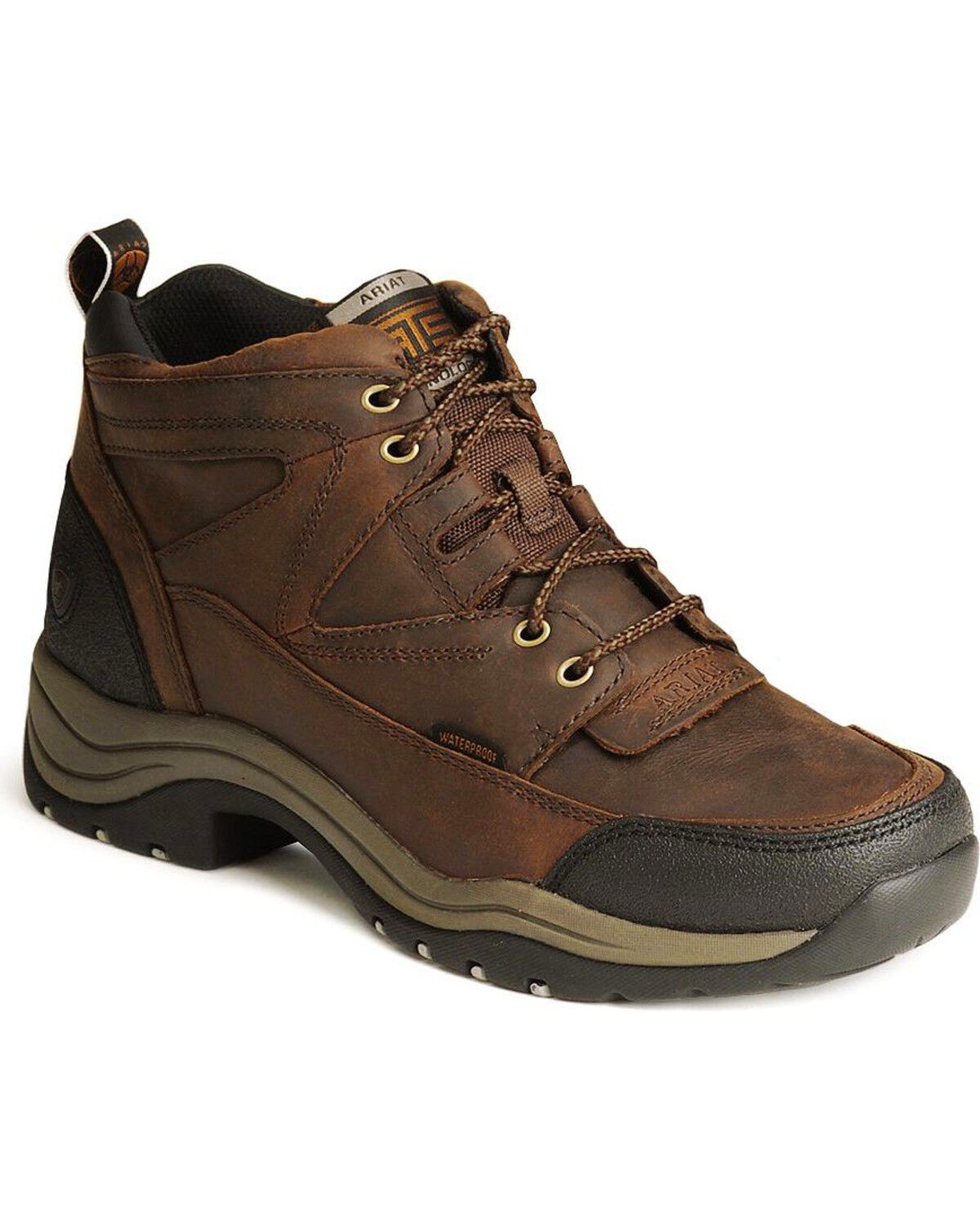
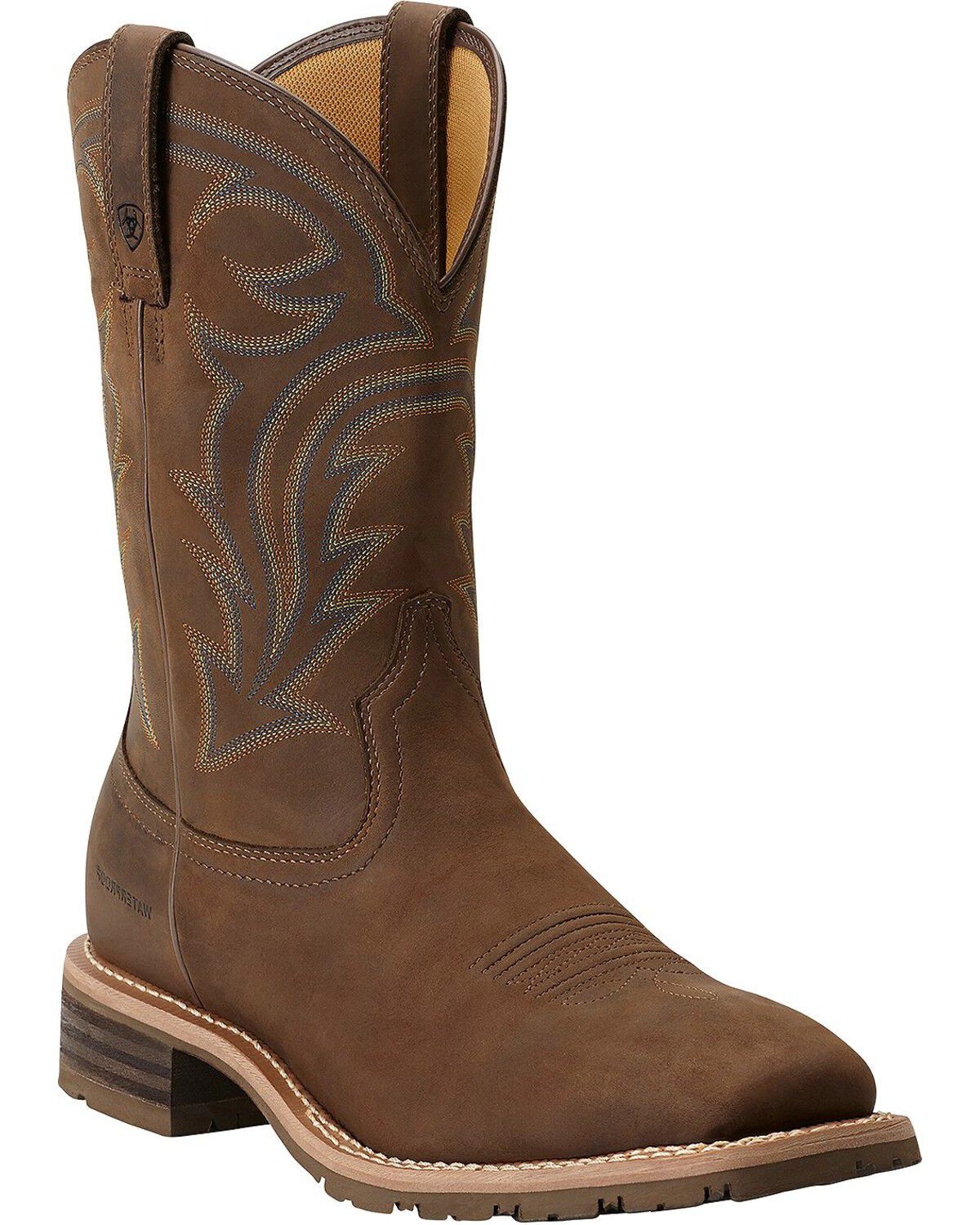
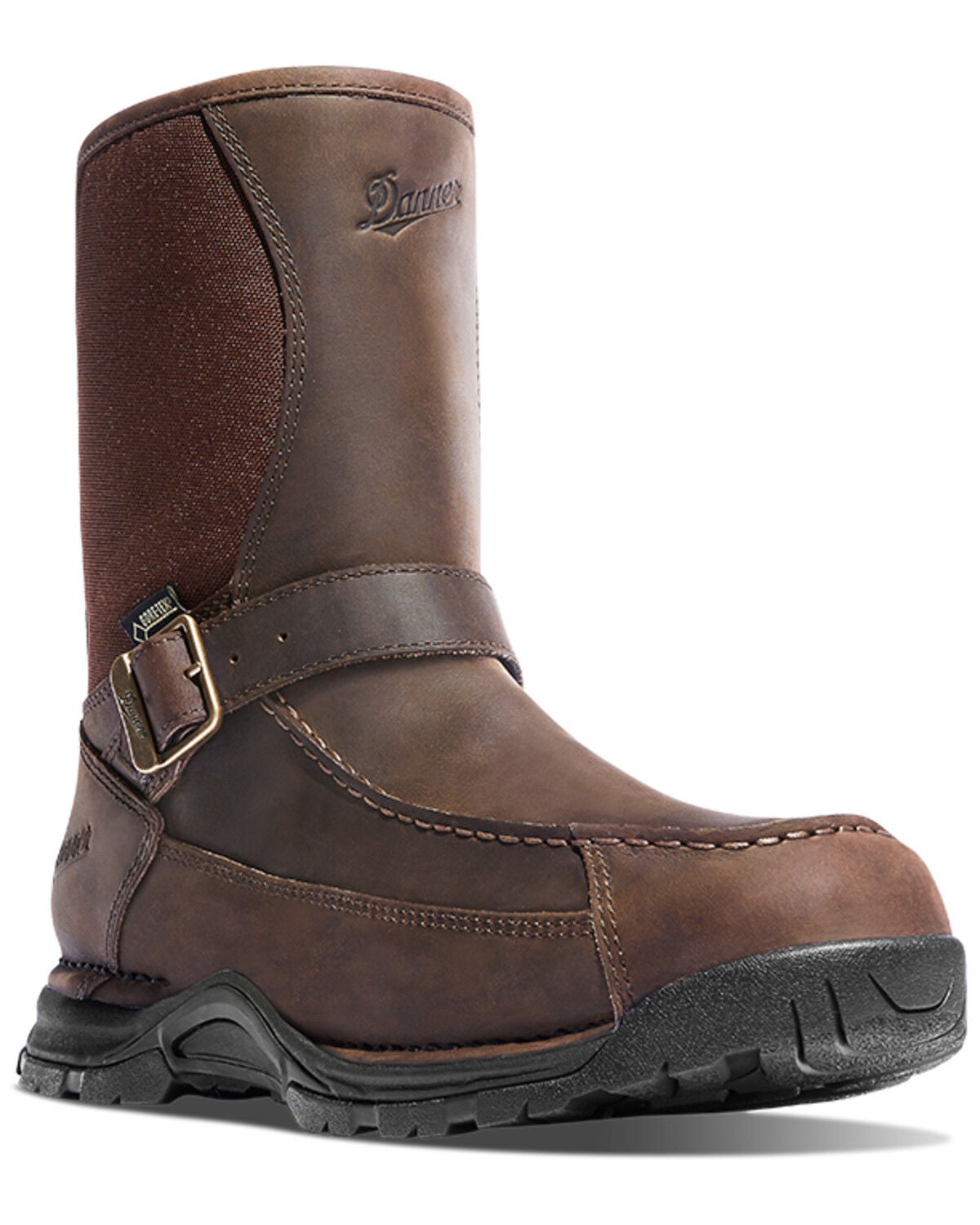
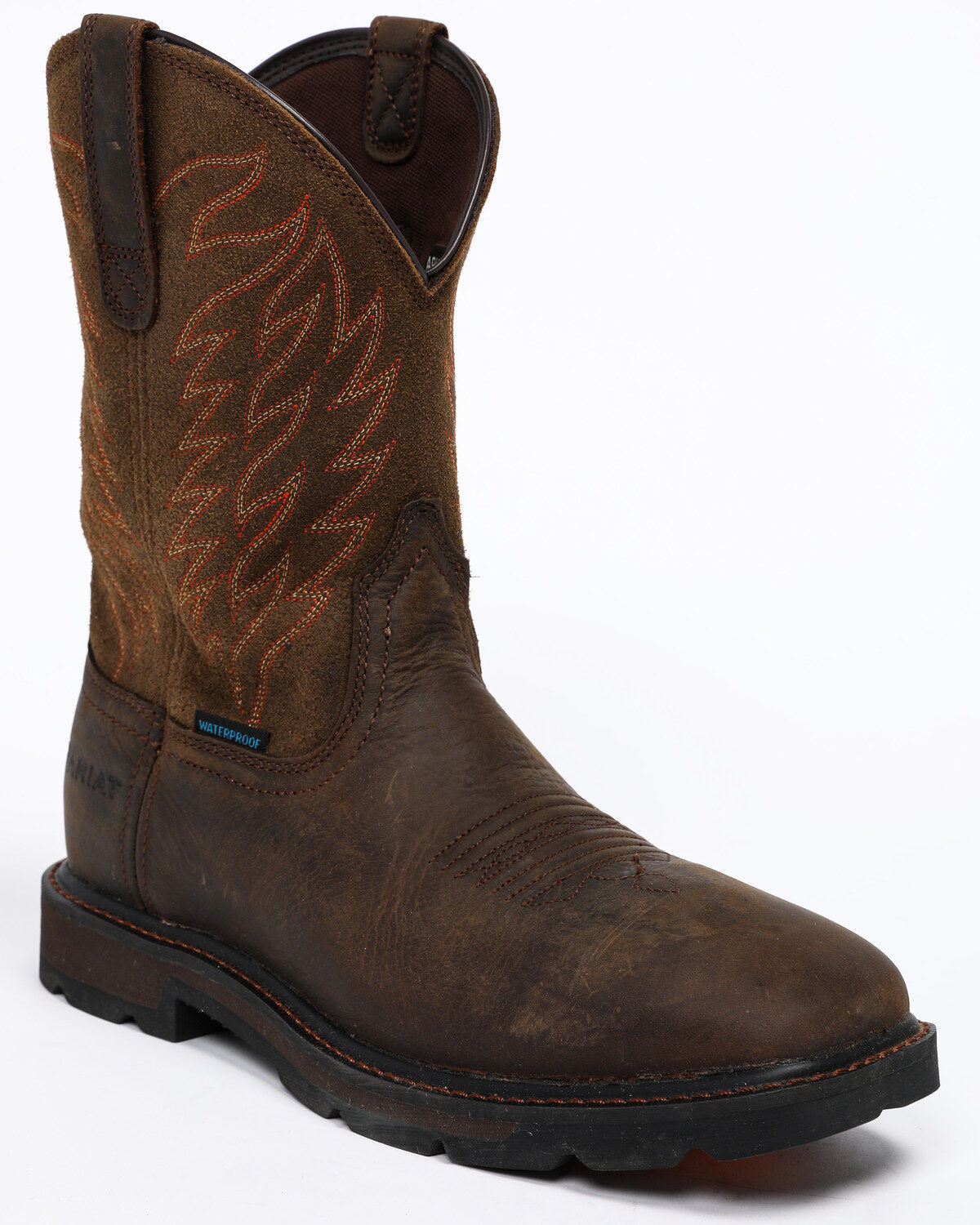
Snake Waterproof Boots

Find waterproof snake boots for wet ground and outdoor areas where snakes are a concern. Compare available styles by fit and coverage, and review each pair’s stated waterproofing and snake-protection features to choose boots suited to your terrain.

Read More

Shop Your Store: Shop Your Store: Find a Store

(Turn off Shop Your Store to see all items)

(Turn off Shop Your Store to see all items)

close
  • Recommended
  • Lowest Price
  • Highest Price
Skip pass products

End of products

Snake Waterproof Boots

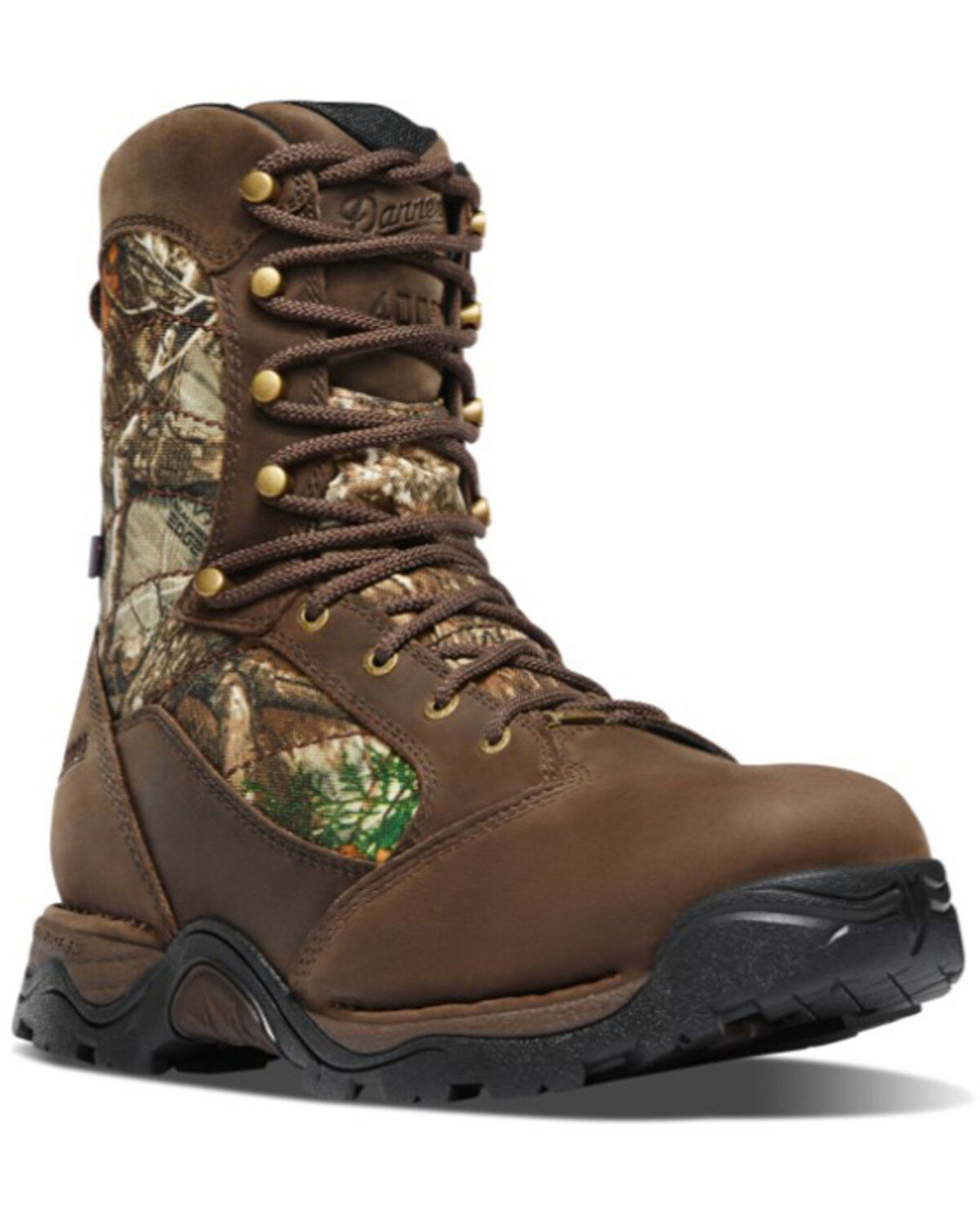
Waterproof snake boots are designed to help protect the feet and lower legs from snake bites while keeping water from reaching the foot through the boot’s waterproof construction. Those are two separate functions, and both matter when choosing footwear for brush, damp grass, muddy trails, or outdoor work. Snake-bite resistance depends on the protective materials, their placement, and the manufacturer’s testing; waterproofing depends on the boot’s construction and the condition of its water barrier. A leather upper alone does not establish either feature. Depending on the design, these boots may combine leather, abrasion-resistant textiles, protective layers, and a waterproof membrane or other waterproof construction. Tall shafts provide coverage above the ankle, while reinforced areas can help the boot stand up to contact with brush and rough ground. Hunters moving along a field edge, landowners clearing fence lines, and workers crossing overgrown properties have different routines, but each may need protection that ordinary outdoor footwear does not provide. Wet vegetation can soak an unprotected boot long before a wearer reaches standing water. A waterproof barrier helps address that exposure, although water can still enter over the shaft opening or through damaged components. Shaft height, protective coverage, closure design, and stated water limits deserve attention alongside the materials. A boot labeled waterproof is not automatically snake resistant, and a snake-resistant boot is not automatically waterproof. Neither feature should be assumed from a heavy build or a rugged appearance. Manufacturer specifications establish what a particular design is intended to do and where its protective coverage begins and ends. No boot eliminates the risk of a snake bite. Watching foot placement, keeping clear of visible snakes, and avoiding blind steps into thick cover remain important. The purpose of this footwear is added protection for work and recreation in snake habitat, not permission to approach wildlife or reach into places that cannot be seen.

Fit determines how well waterproof snake boots work through a full day on uneven ground. The foot needs enough room for toes to move without sliding forward on a slope, and the heel should remain secure enough to limit rubbing. Fit should be checked with the socks intended for the job and any regularly worn insoles, provided those insoles are compatible with the boot. Thick socks should not be used to compensate for an oversized fit, and extra layers should not crowd the foot. Tall protective shafts also need the right fit through the ankle and calf. A shaft that binds can make kneeling, climbing, or walking uncomfortable; one that moves excessively can rub during a long stretch on foot. Calf measurements are especially useful when comparing tall designs, since shoe size alone does not describe leg fit. Pull-on construction keeps the closure simple, while laces or zippers, where offered, change how the boot opens and adjusts. Closures should remain fully secured as directed so the boot maintains its intended coverage. The feel underfoot matters just as much as the upper. Cushioning can reduce the hard feel of packed trails, while a supportive midsole and stable heel can make uneven footing more manageable. Protective construction may add weight or stiffness compared with everyday footwear, so comfort involves balancing support, flexibility, and the demands of the route. Outsoles also serve different purposes. Open tread patterns can release mud more readily, while other patterns may suit firmer ground. Traction depends on the surface, the tread’s condition, and the compound; no sole guarantees secure footing on every wet rock, slick log, or muddy bank. For someone walking several miles, weight and ankle movement may carry more importance than they do for someone making short trips around a property. For regular outdoor work, snake-bite resistance should be considered separately from any required safety toe, puncture resistance, or other workplace protection. Each feature needs its own stated specification rather than an assumption based on the boot’s appearance.

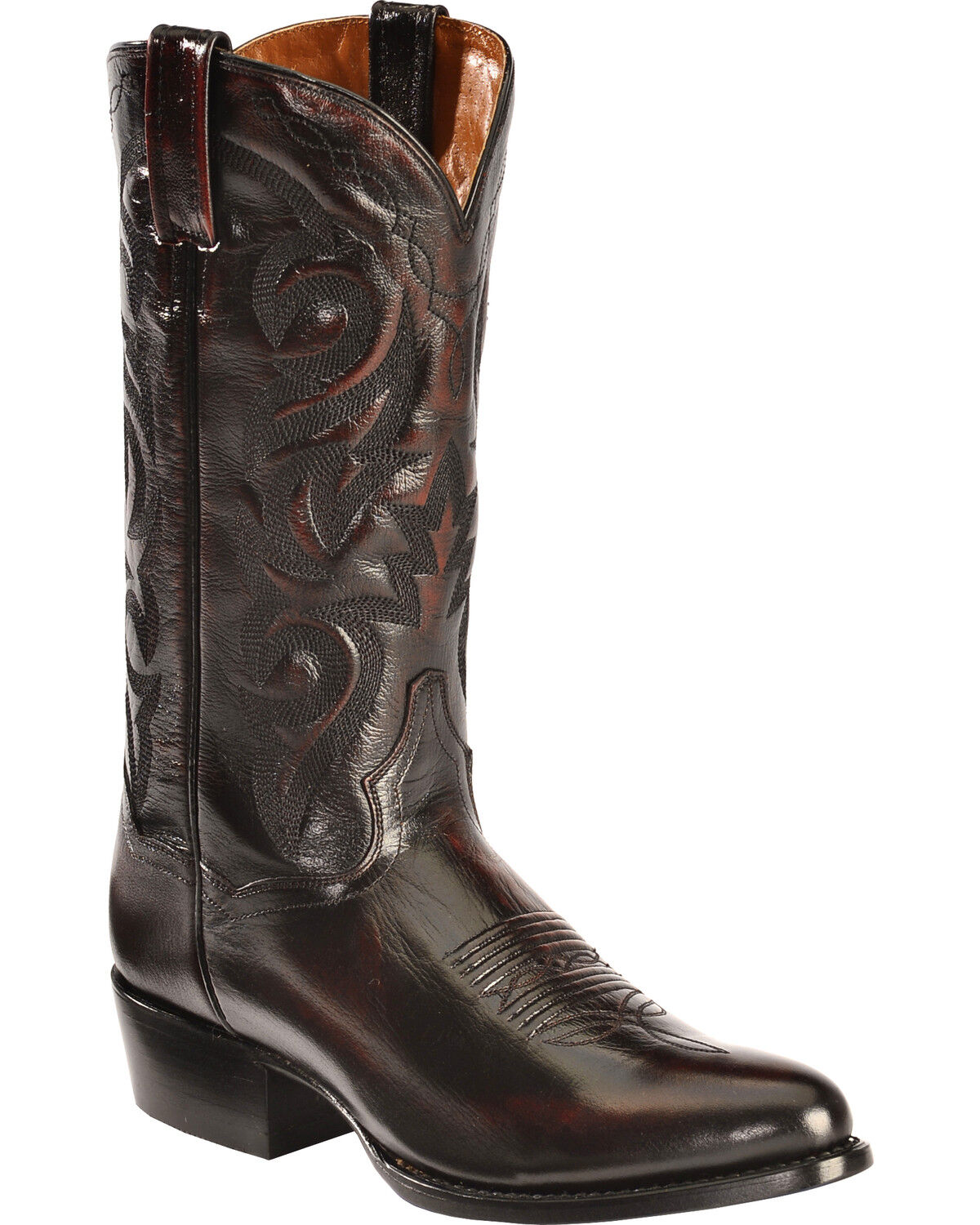
Durability comes from suitable construction, proper use, and consistent care. Leather can offer a firm, supportive feel, while textile panels may reduce weight and change how the shaft flexes. Neither material tells the whole story without the protective layers and waterproof components beneath it. Seams, closures, linings, and the connection between the upper and sole all face repeated stress as the boot bends and moves. Mud left around stitching and hardware can make inspection harder, so removing loose dirt after use helps keep those areas visible. Cleaning and conditioning should follow the manufacturer’s directions, with products approved for the materials and waterproof construction. Heavy oils, unapproved treatments, or excessive heat can damage some components. Wet boots need time to dry away from direct heat, and removable insoles can be taken out when the care instructions allow it. Drying the interior between outings also helps keep the next wear more comfortable. Cuts, deep abrasions, separating soles, damaged closures, or torn linings deserve attention before the boots return to use. A surface repair or fresh waterproofing treatment should not be assumed to restore damaged snake-resistant construction. Even a boot that still looks serviceable may need evaluation if its protective layers have been compromised. For frequent use, alternating pairs can allow more drying time and make routine inspection easier. As a gift, waterproof snake boots are a practical choice for someone whose hunting, land management, or outdoor work calls for this type of protection, but accurate foot and calf measurements are important. Intended use matters more than choosing the most substantial-looking pair. The distinction also matters when comparing protective footwear with Snake Embroidery Boots: snake-themed stitching is decoration, not evidence of bite resistance or waterproofing. Protective footwear should be chosen by its stated construction, fit, coverage, and intended conditions. Those details make the difference between a boot that merely looks suited to rough ground and one designed for the demands of the job.
Read More

FAQs