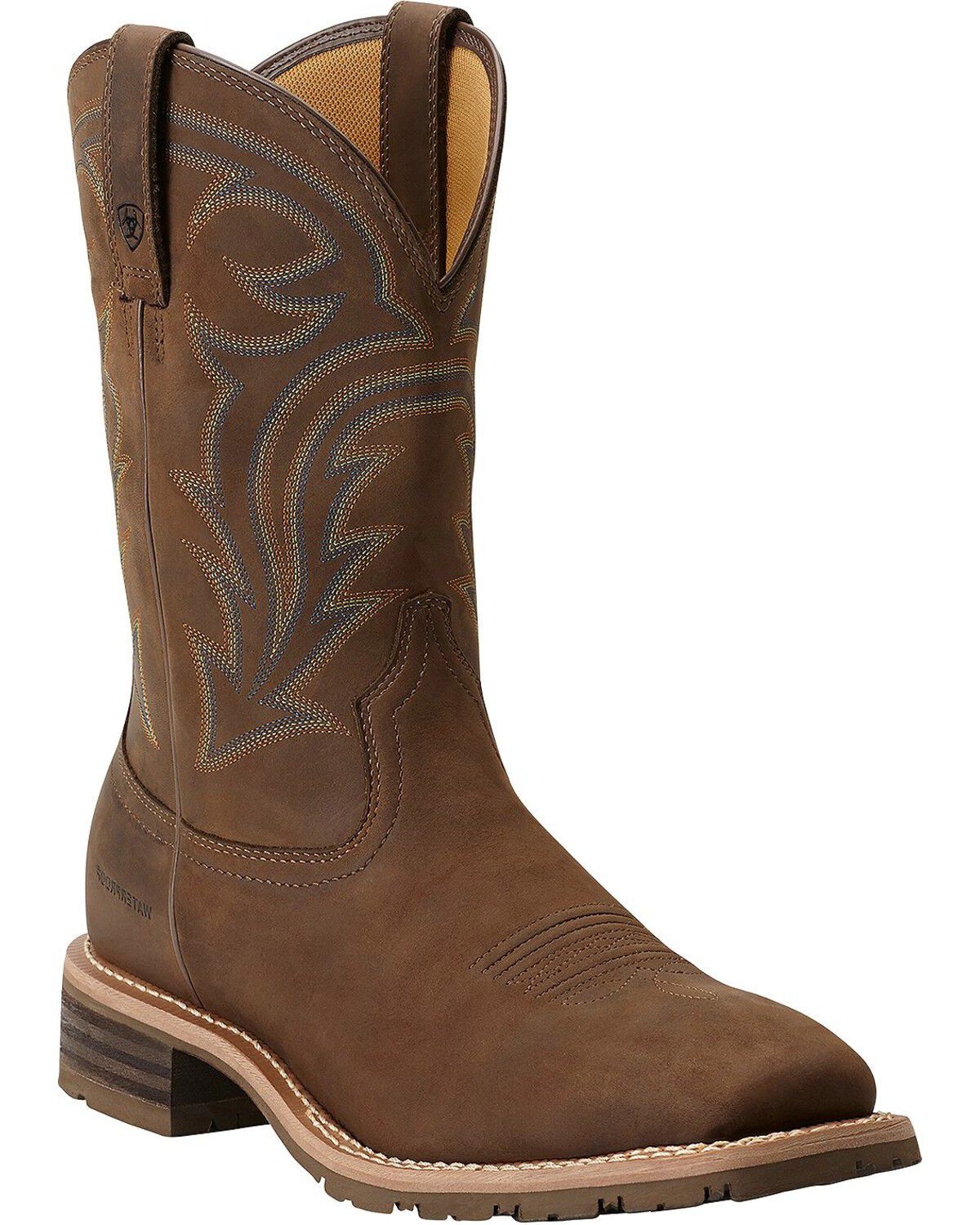
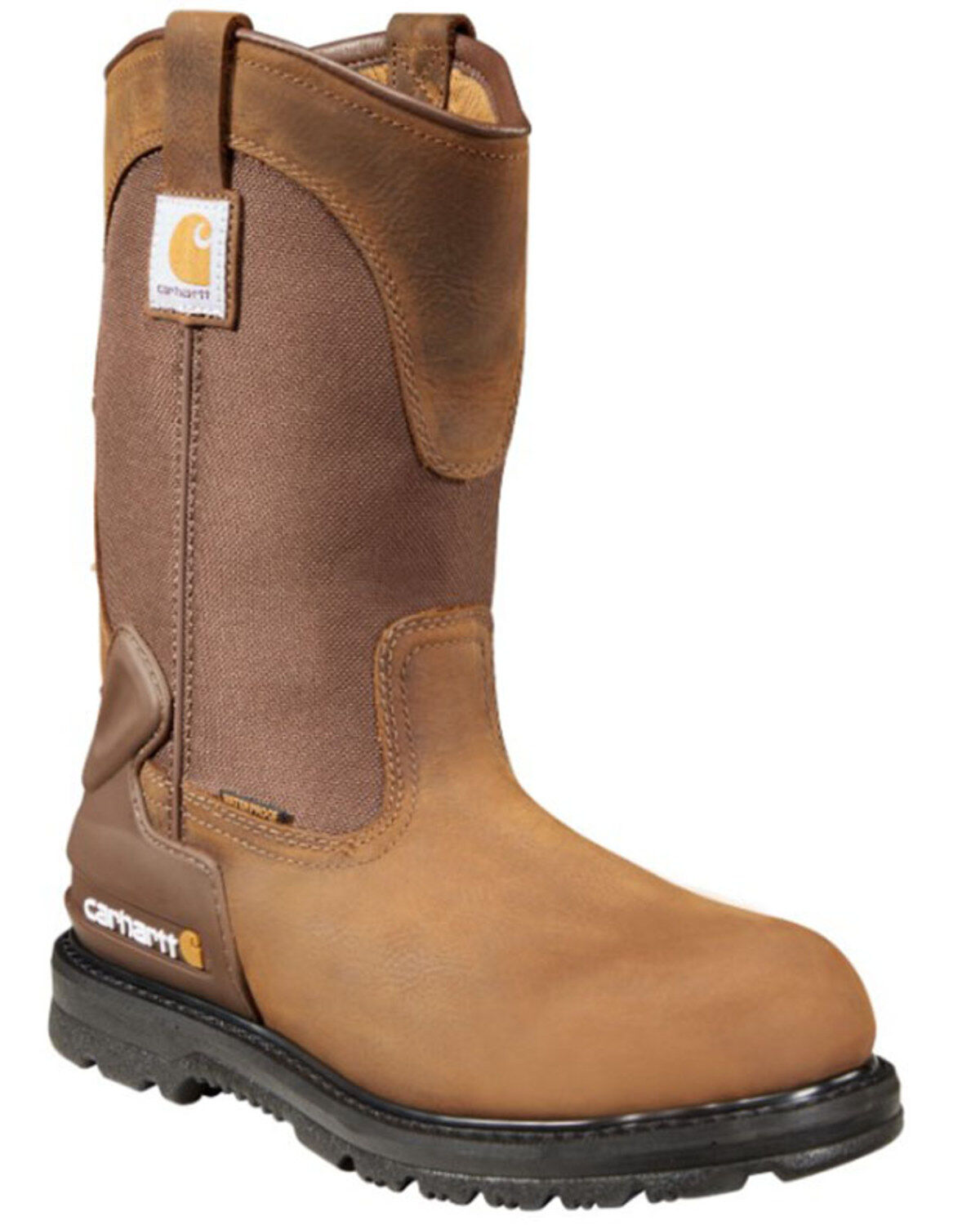
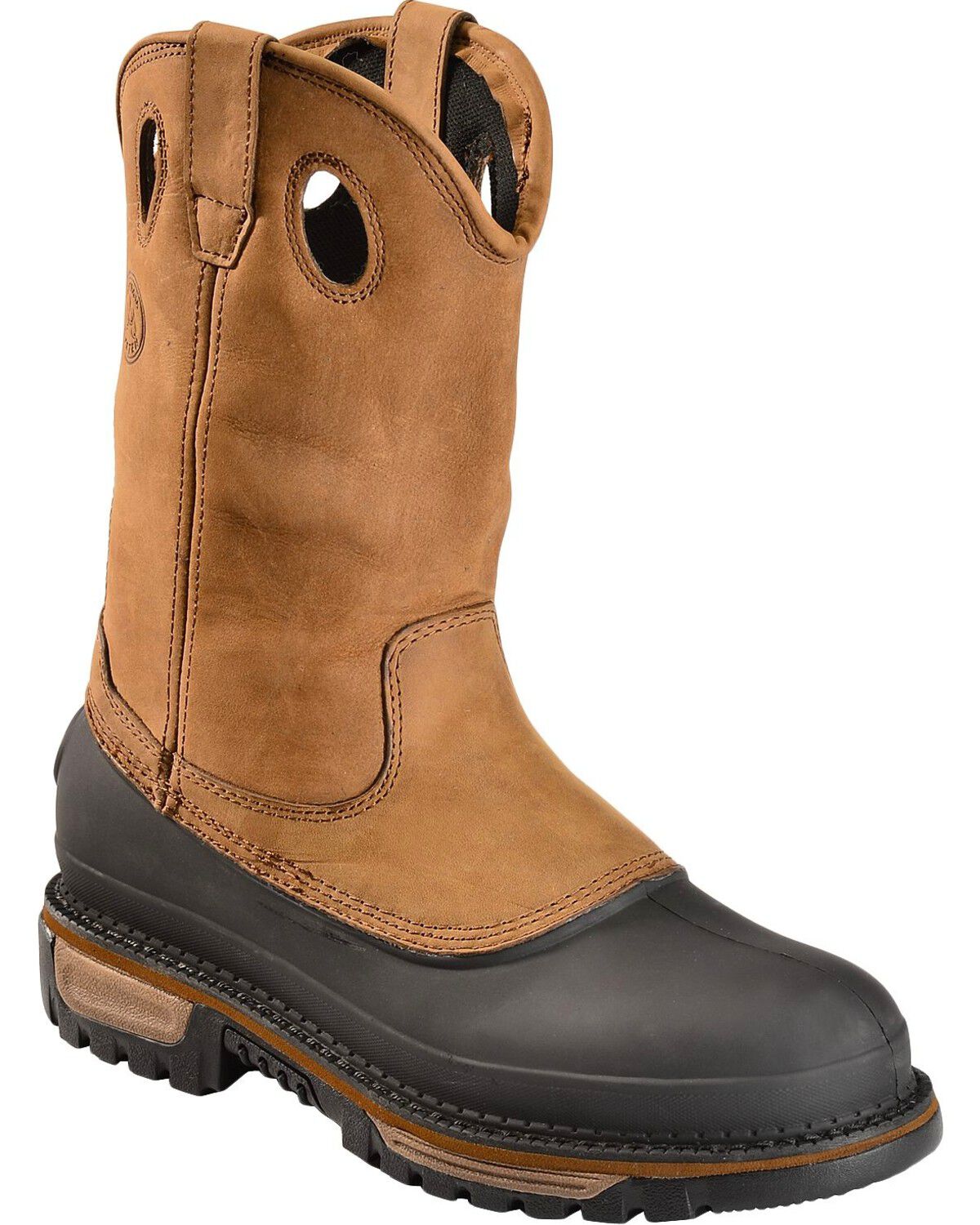
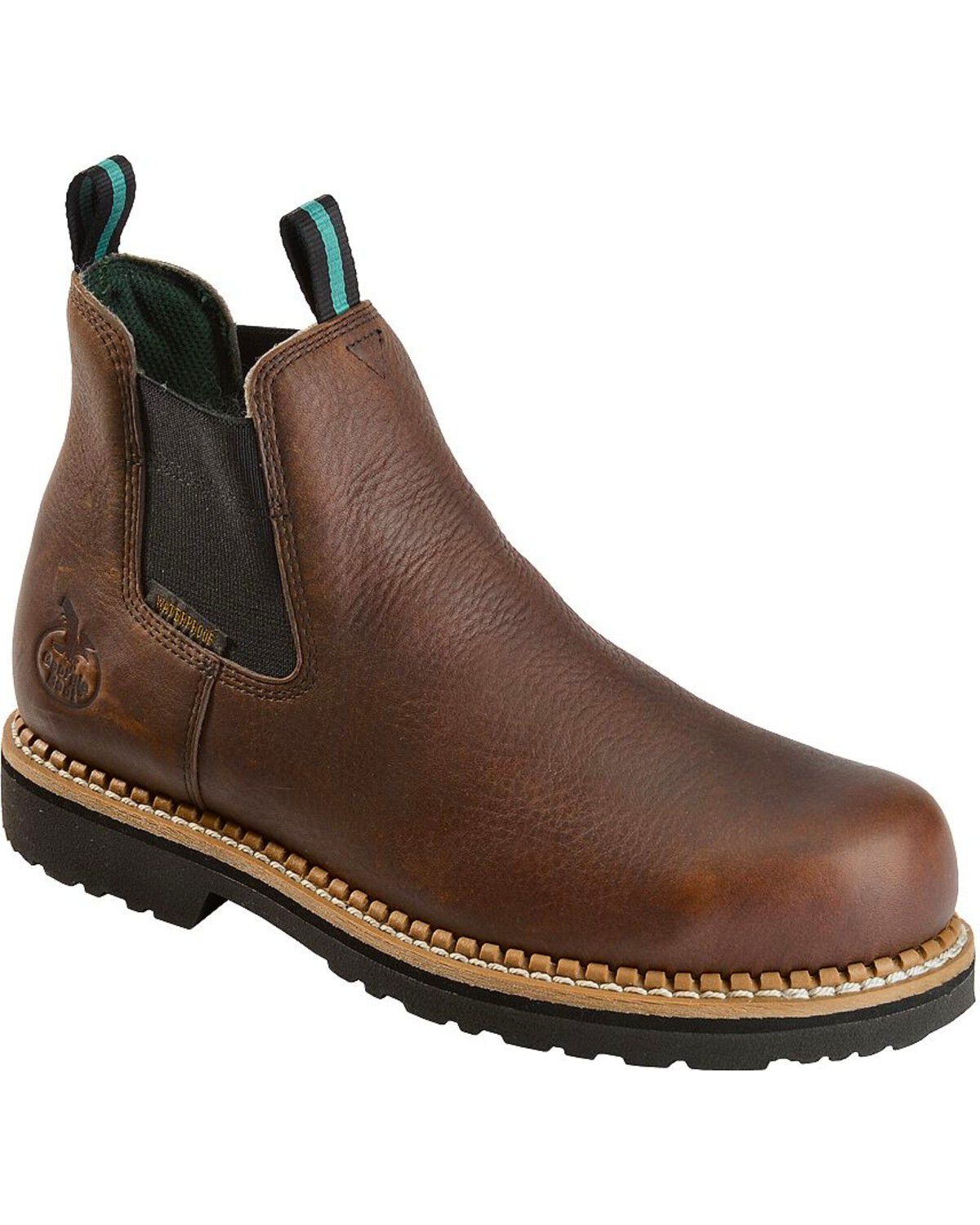
Men's Waterproof Pull-On Boots

Men's waterproof pull-on boots help keep feet dry in wet conditions, with a lace-free design for easy on and off. Browse the selection and compare sizing, shaft height, and listed features to find a pair suited to your daily routine.

Read More

Shop Your Store: Shop Your Store: Find a Store

(Turn off Shop Your Store to see all items)

(Turn off Shop Your Store to see all items)

close
  • Recommended
  • Lowest Price
  • Highest Price
Skip pass products

End of products

Men's Waterproof Pull-On Boots

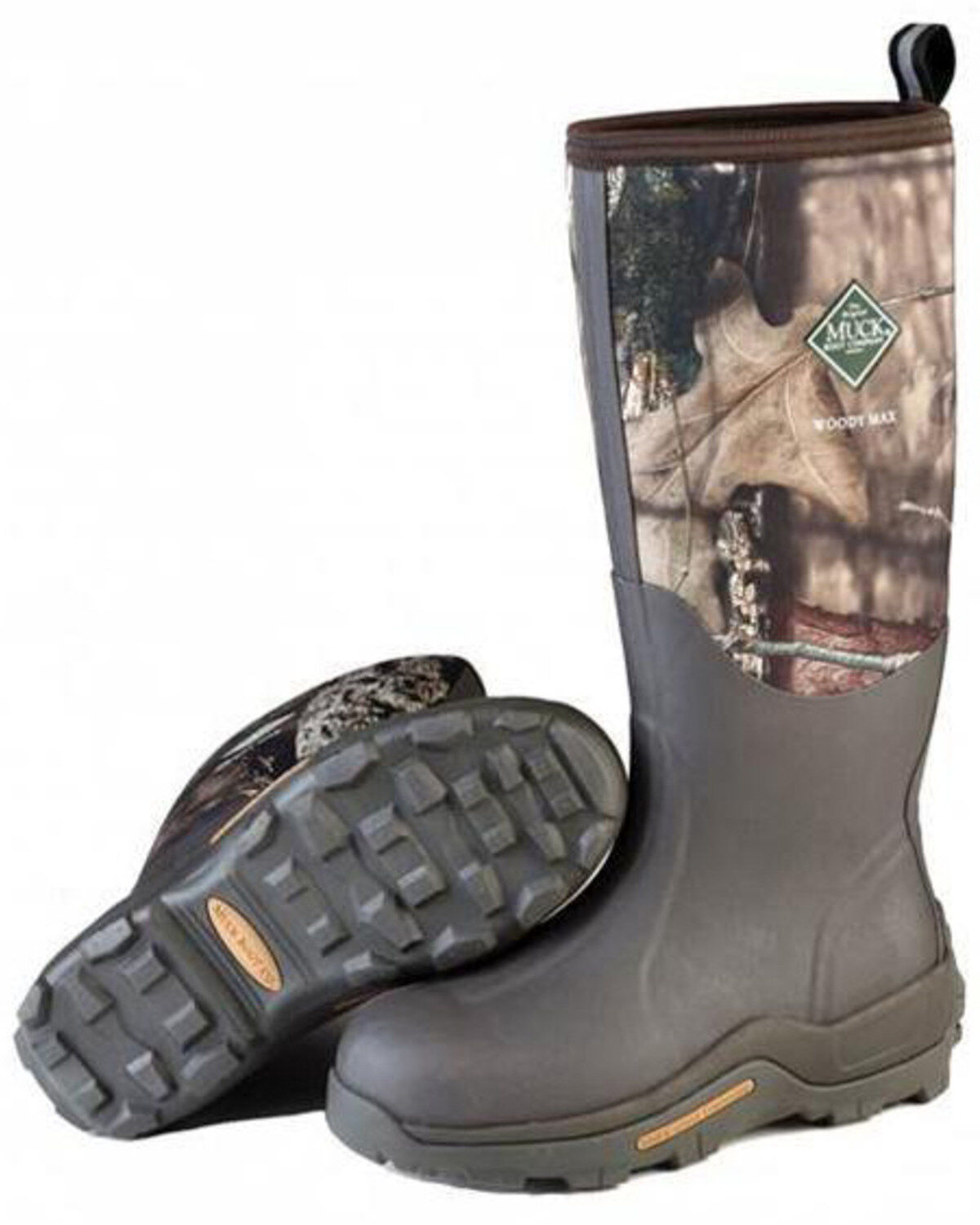
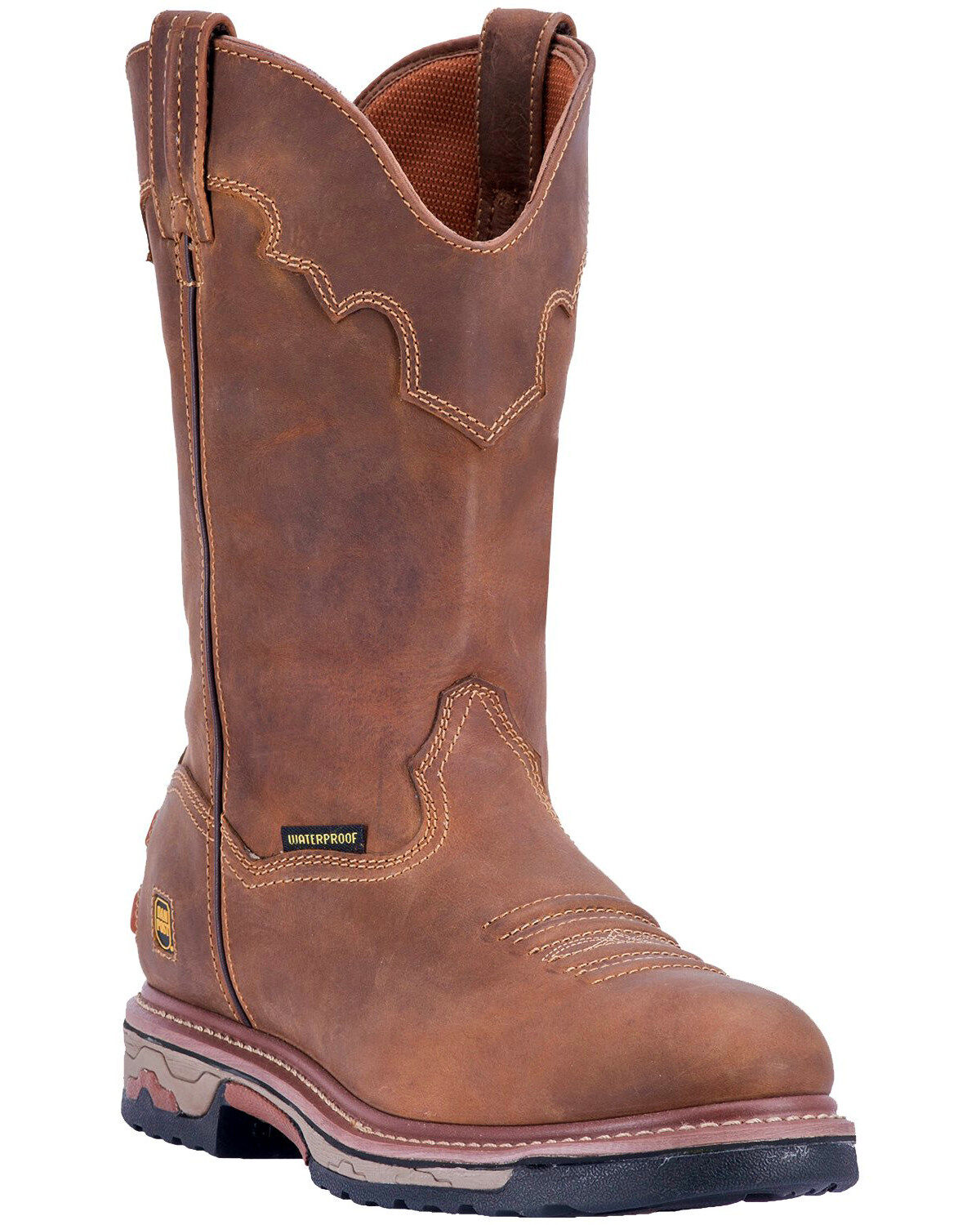
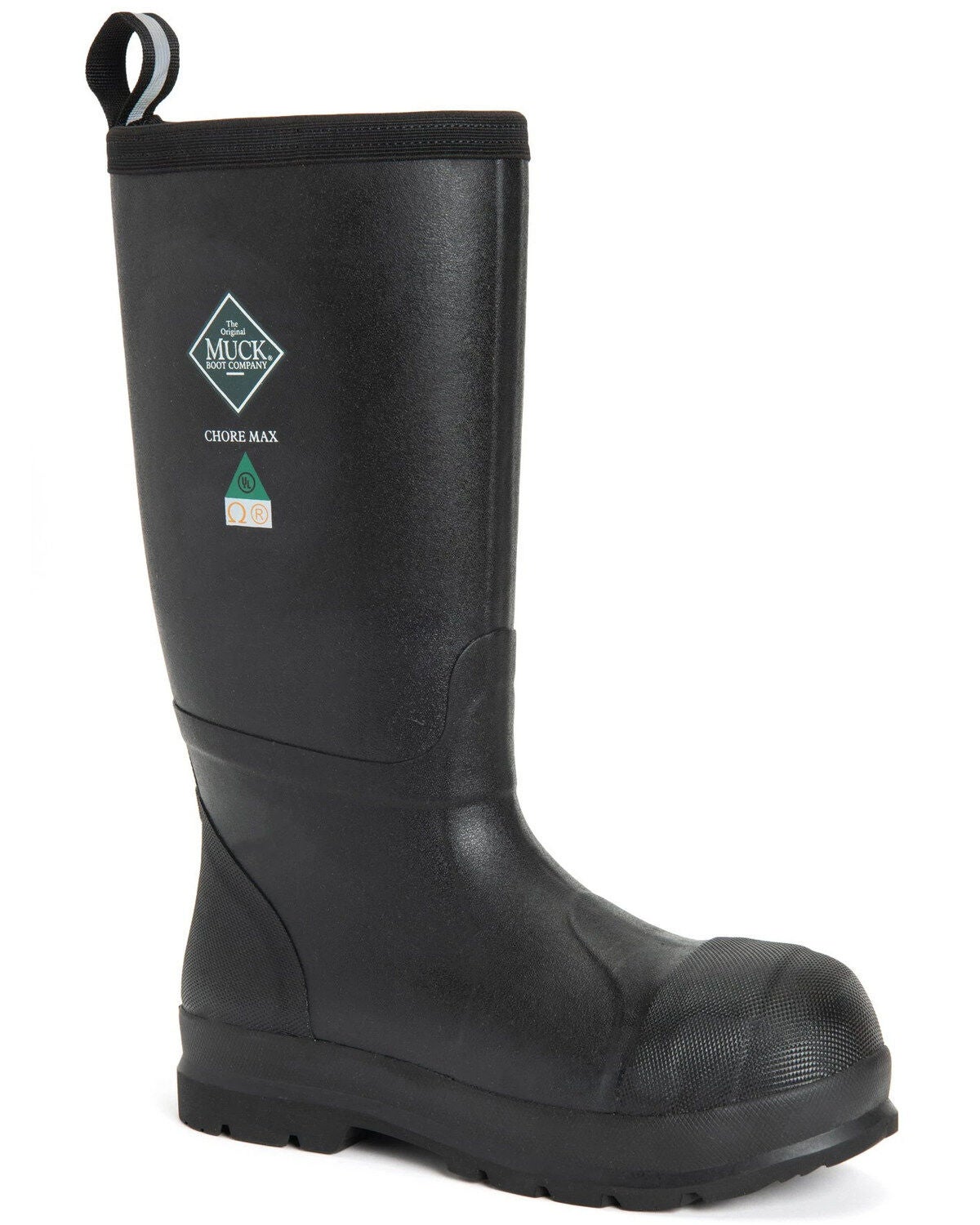
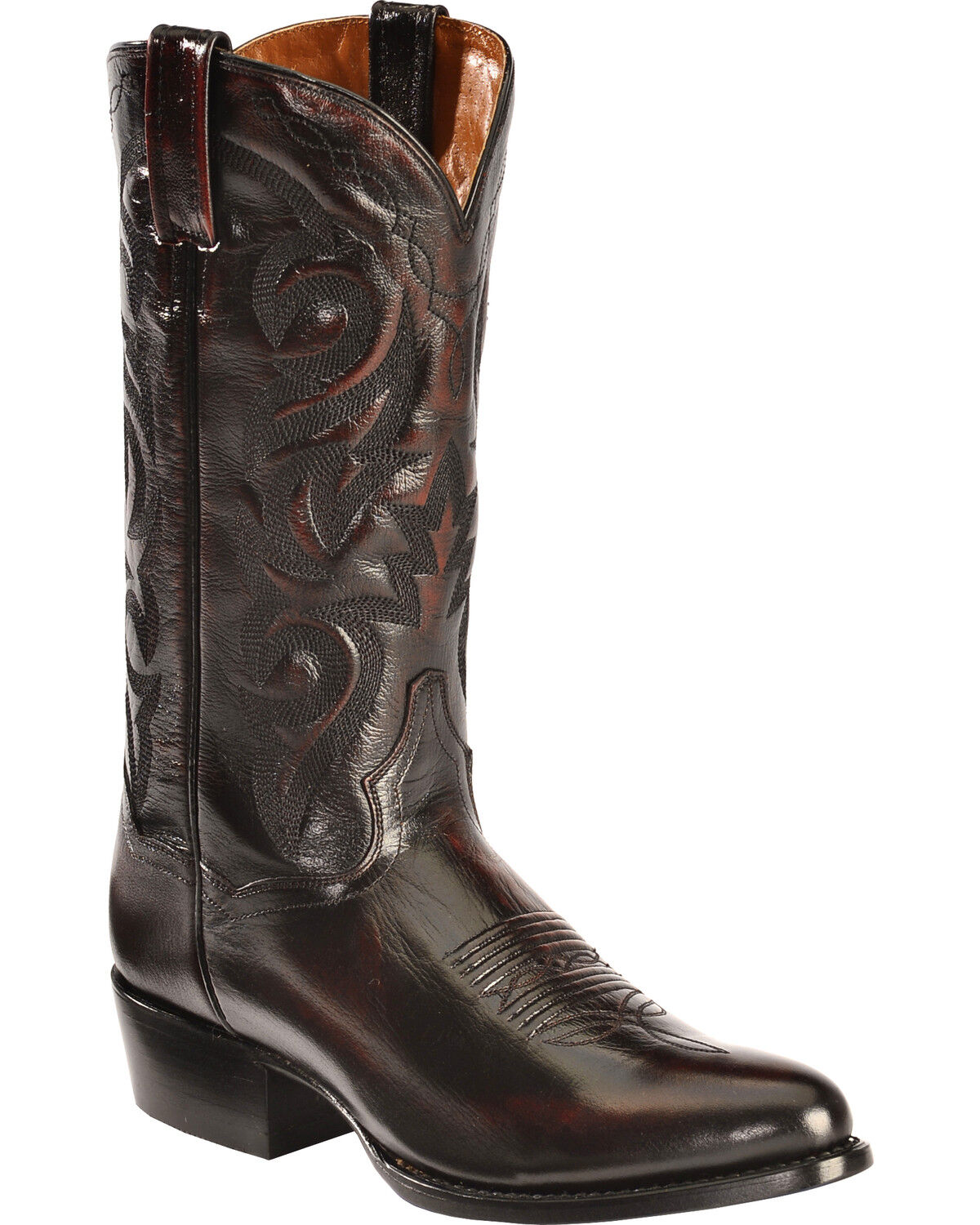
Men’s waterproof pull-on boots combine protection against wet conditions with a straightforward design that slips on without laces. They are built for days that can include muddy fence lines, rain-soaked loading areas, wet grass, and repeated trips between the truck and the jobsite. The defining feature is waterproof construction, which may use a waterproof lining, sealed seams, a molded rubber shell, or a combination of materials to help keep outside moisture from reaching the foot. Water-resistant leather alone is not the same as a waterproof boot. The entire construction matters, including the connection between the upper and sole. Leather uppers offer a familiar work-boot feel and can develop character with wear, while rubber uppers provide a surface that is generally easier to rinse clean after muddy chores. Flexible panels or other materials may improve movement, depending on the design. A taller shaft provides more coverage around the lower leg, though water can still enter over the opening. These boots are not a substitute for waders when the water rises above the shaft. Pull tabs and generous openings make the design practical for men who change footwear at the door or need to get moving without adjusting laces. Some styles have a western profile that works with jeans, while others have a broader work-boot shape or a rubber-boot build suited to wet ground. Uninsulated construction can suit active work where added warmth is unnecessary. Insulated construction adds warmth for cold conditions, but insulation and waterproofing serve different purposes; one does not establish the other. Breathable waterproof linings can help moisture vapor escape, although activity level, socks, and surrounding conditions still affect comfort. The best match depends on where the boots will be worn, how long the day runs, and whether the work calls for flexibility, support, or added protection. A pair used for feeding livestock faces different demands than one worn on concrete floors with occasional trips through standing water.

Fit matters as much as waterproof construction in a boot without laces. Men’s pull-on boots need enough room through the opening for the foot to enter, along with a secure fit across the instep once the heel settles into place. A small amount of heel movement can be normal in some leather pull-on designs when new, but excessive lifting can cause rubbing and make the boot feel unstable. Toes need space to move without striking the front, and the widest part of the foot should align with the widest part of the boot. Leather may soften with wear, but break-in should not be expected to fix cramped toes or a safety cap that presses against the foot. The socks worn for work affect that fit, especially when they are thicker than everyday socks. Moisture-managing socks can also help reduce the damp feeling caused by perspiration inside a waterproof boot. Underfoot construction makes a difference over a full shift. Cushioned footbeds soften contact with hard surfaces, while midsoles and supportive components help determine how firm or flexible the boot feels. Removable insoles allow easier drying and may leave room for a compatible replacement, provided the replacement does not crowd the foot. Outsole design deserves equal attention. Deeper, more open tread patterns can suit loose dirt and mud, while other sole designs are intended for flatter work surfaces. No outsole grips every surface equally, and a slip-resistant designation does not eliminate the risk of falling on wet floors, oil, or ice. For jobs with impact or compression hazards, safety-toe construction must meet the protection requirements of the workplace. Steel and nonmetallic safety toes differ in construction and feel; neither should be assumed suitable without checking the stated rating. Soft-toe boots serve different needs and do not provide safety-toe protection. Electrical hazard protection, puncture resistance, and other protective features are separate considerations rather than automatic benefits of waterproof footwear. Matching those features to the actual work keeps the choice grounded in the conditions the wearer faces.

Durability in waterproof men’s pull-on boots depends on both construction and daily wear. Reinforced areas around the toe and heel can help protect places that scrape against steps, equipment, and rough ground. Sole attachment, stitching, upper thickness, and the flexibility of the materials all contribute to how a boot holds up, but no single detail tells the whole story. Constant abrasion, repeated soaking, and exposure to chemicals can shorten its working life. Waterproof does not mean chemical-resistant, and a boot intended for rain and mud should not be assumed suitable for fuel, solvents, or other workplace substances. Care should follow the materials and the maker’s directions. Removing mud before it hardens helps keep buildup from packing into seams and tread. Leather generally benefits from appropriate cleaning and conditioning, while rubber needs products suited to rubber rather than leather treatments. Waterproofing treatments may help maintain the outer surface when approved for that material, but they cannot reliably repair a damaged lining or a split seam. Drying also matters. Moderate airflow and room-temperature conditions are gentler than placing boots against a heater or near an open flame. Excessive heat can damage leather, adhesives, and other components. Removable insoles can be taken out to dry separately, and boots worn hard every day benefit from enough time to dry between uses. Regular checks around flex points, seams, and the sole edge can reveal damage before a wet day exposes it. Worn tread, loose soles, and persistent leaks are practical signs that performance has changed. For men who spend their days around barns, fields, shops, or outdoor worksites, a dependable pair earns its place through comfort and repeated use. As a gift, fit and intended use matter more than appearance alone; knowing the wearer’s size, width, and job requirements makes the choice more useful. Waterproof protection, a secure fit, and construction suited to the work are the details that count.
Read More

FAQs