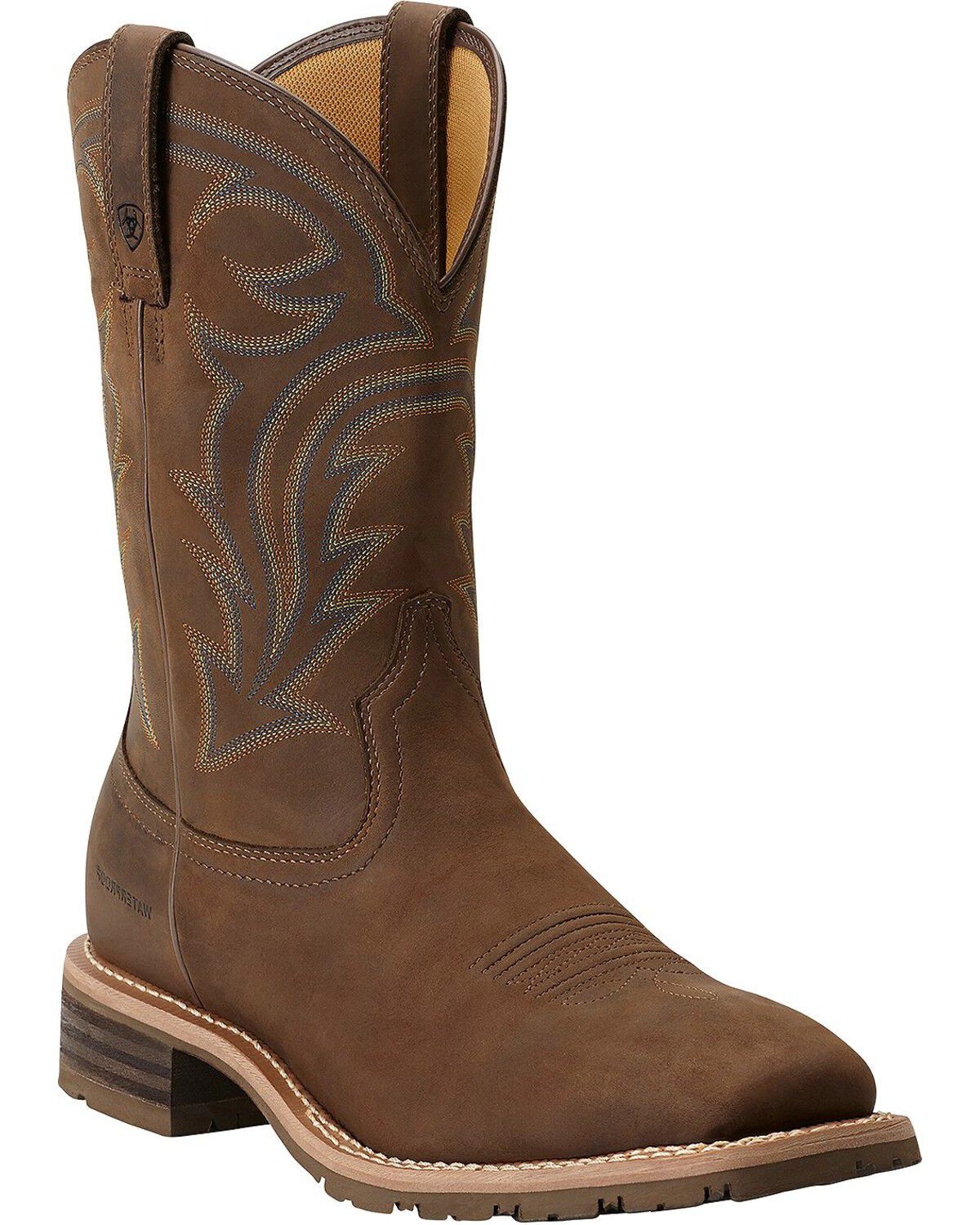
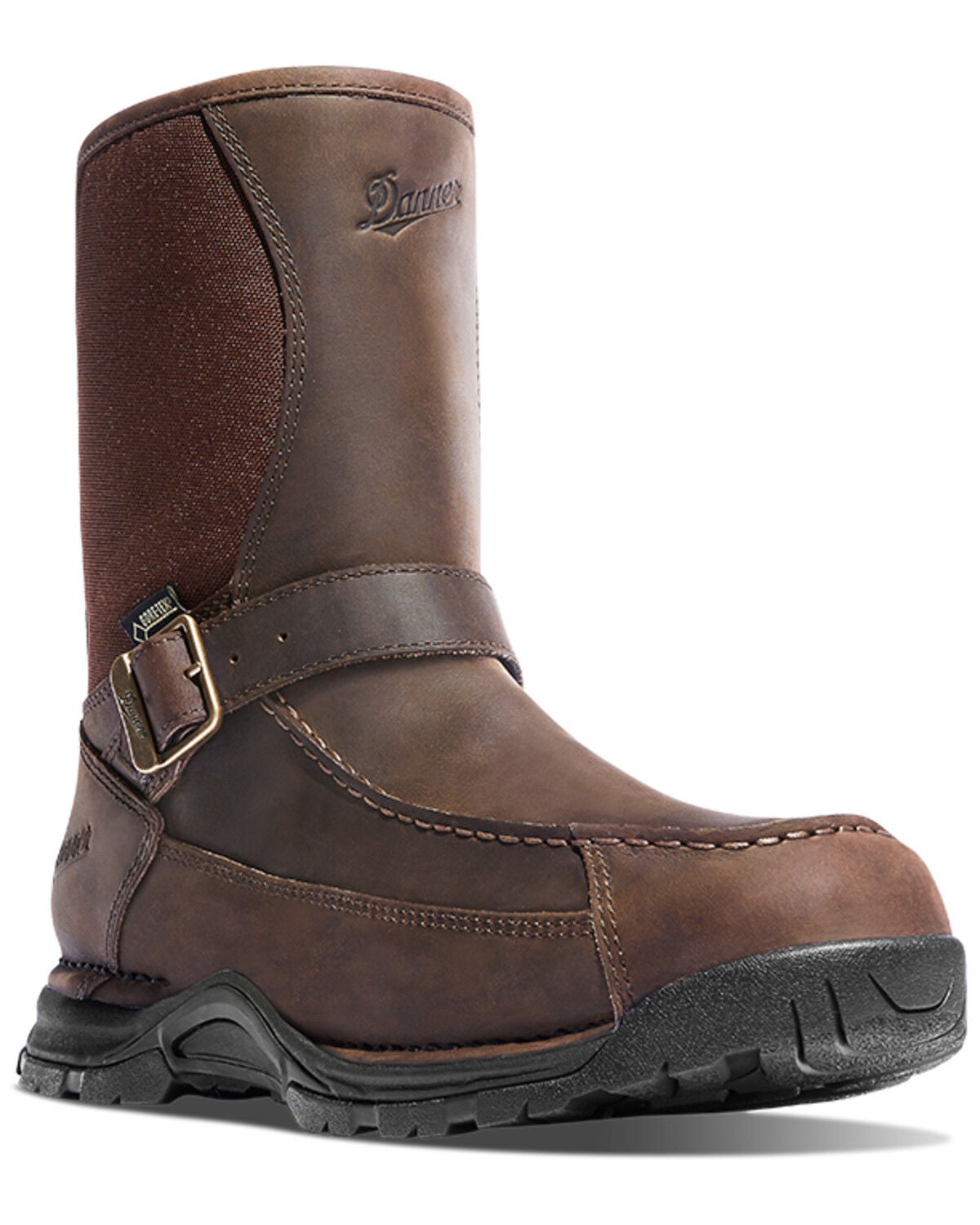
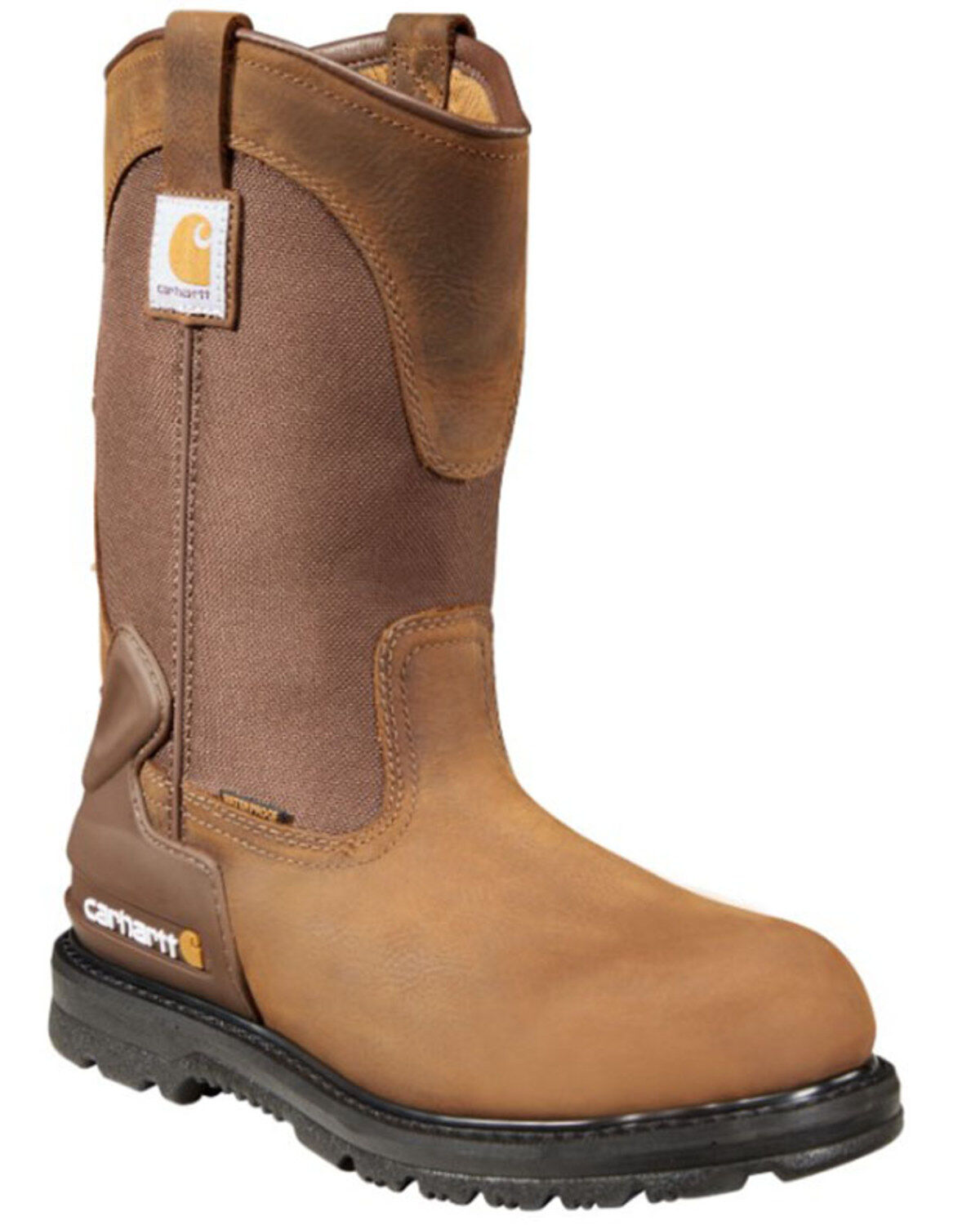
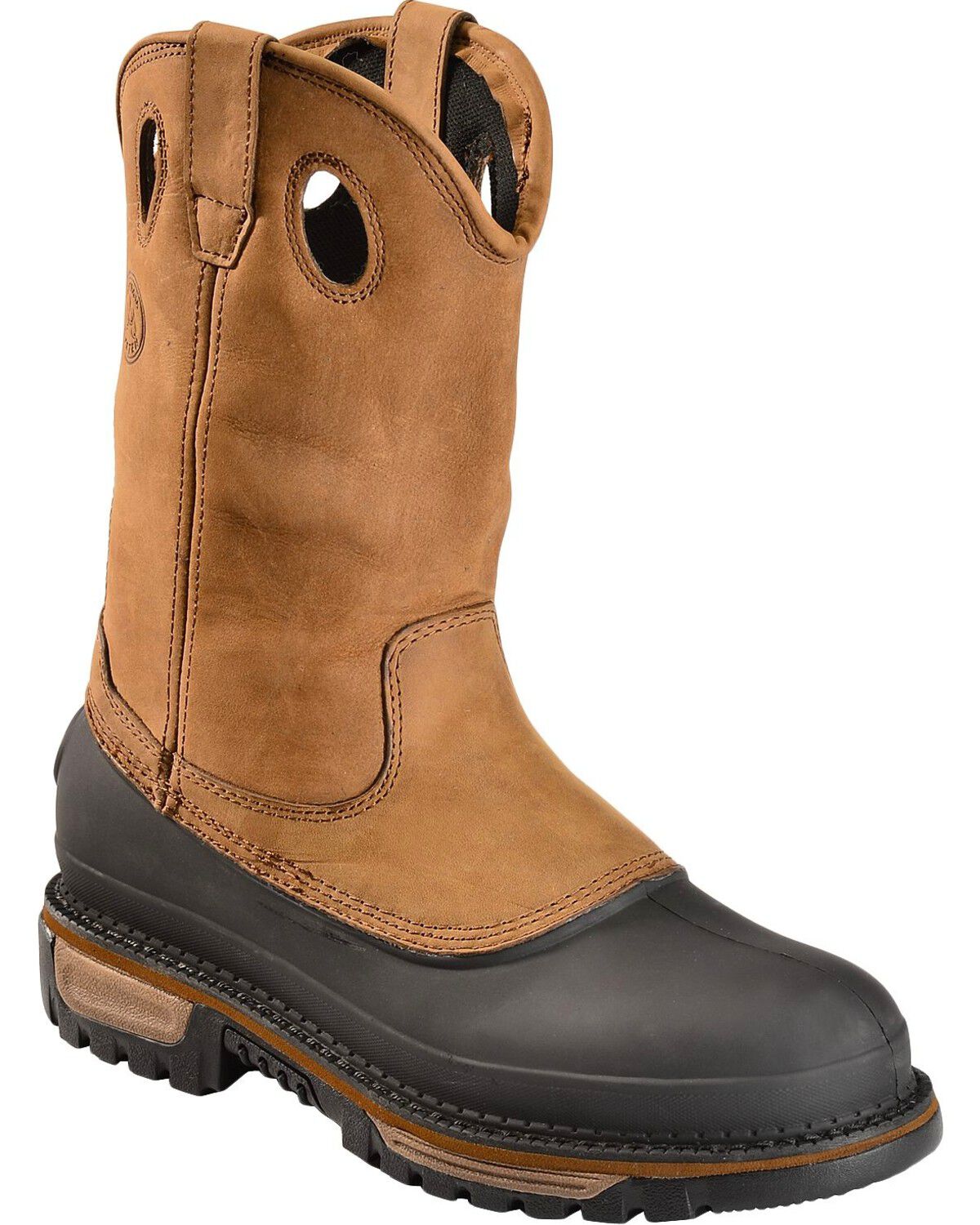
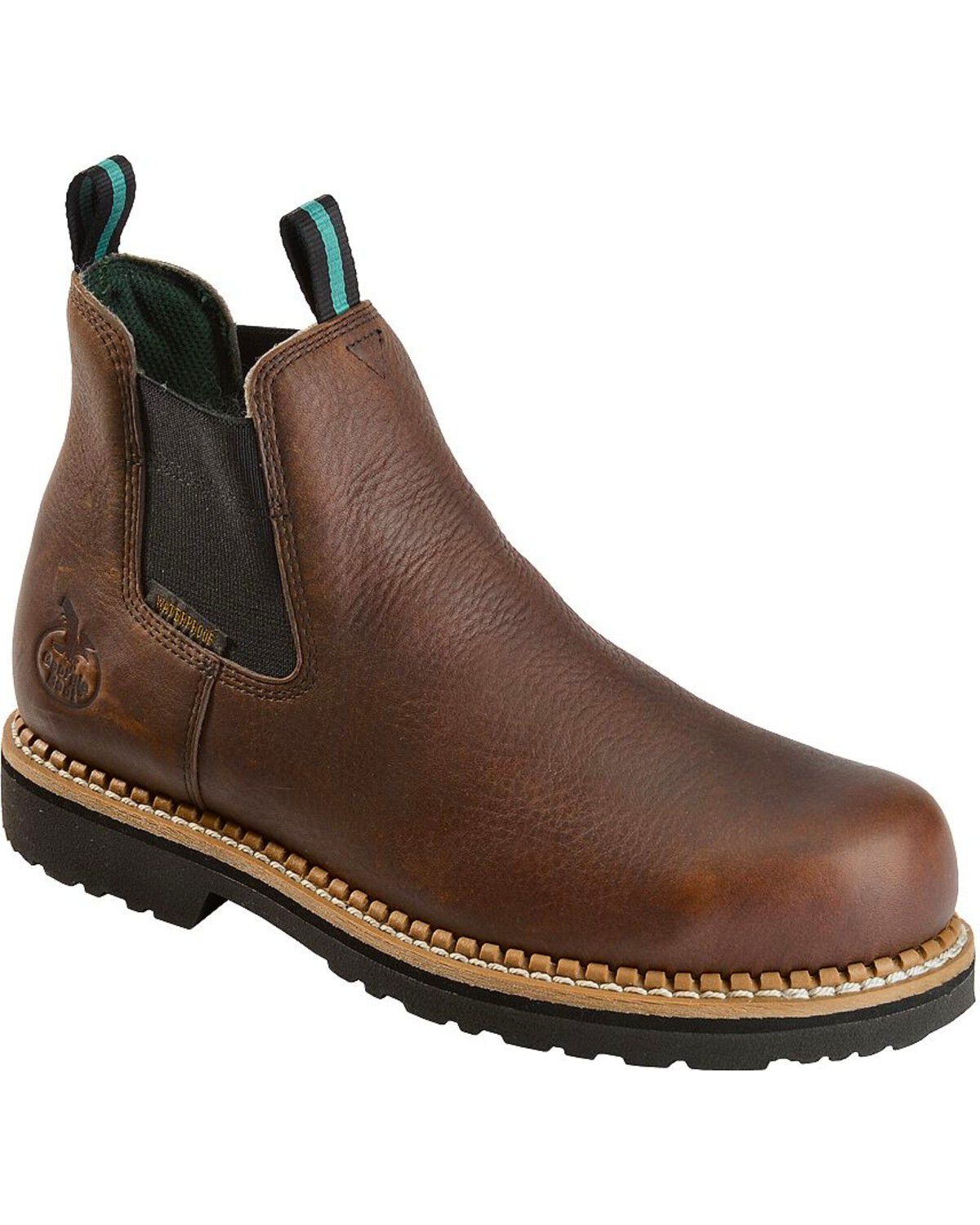
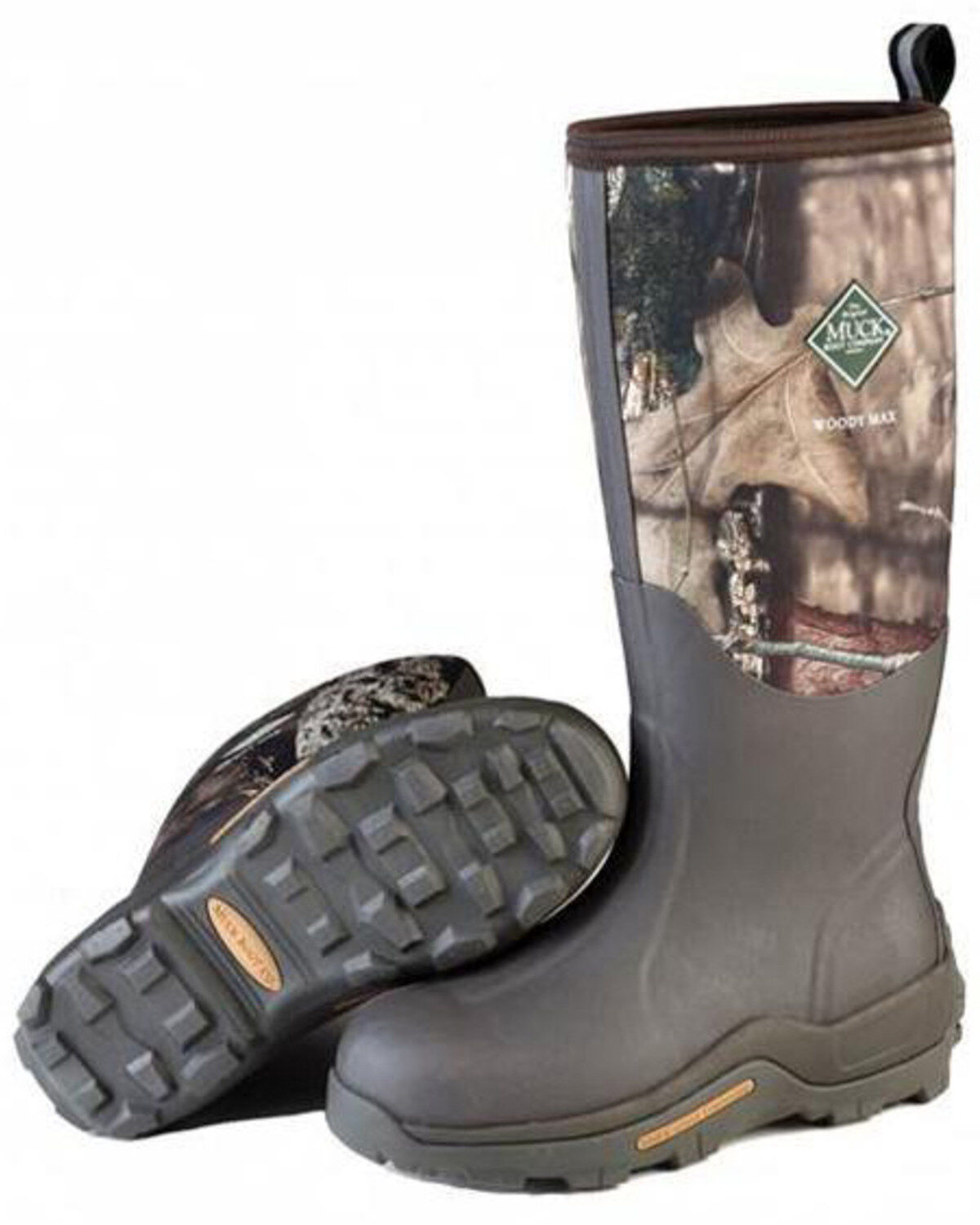
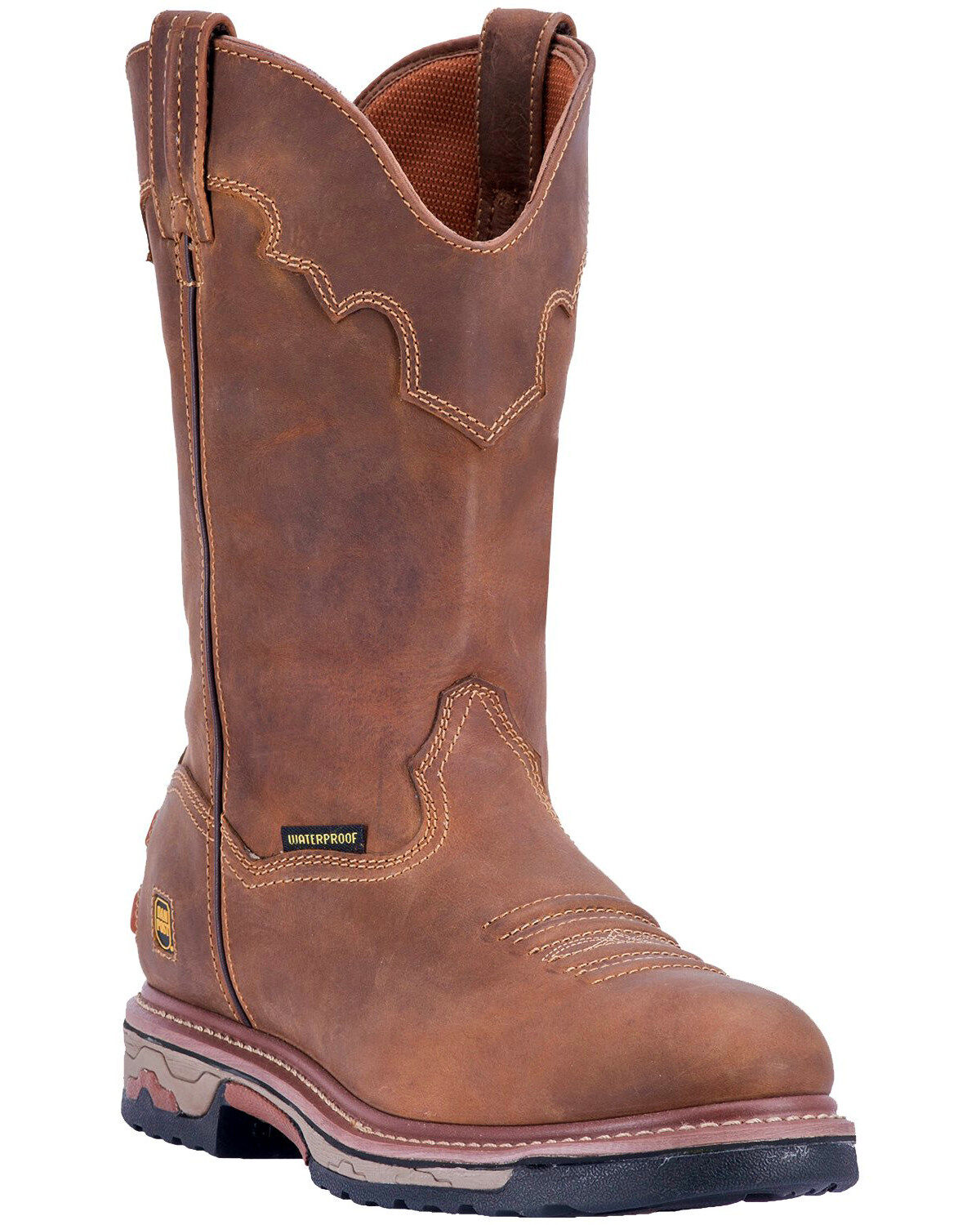
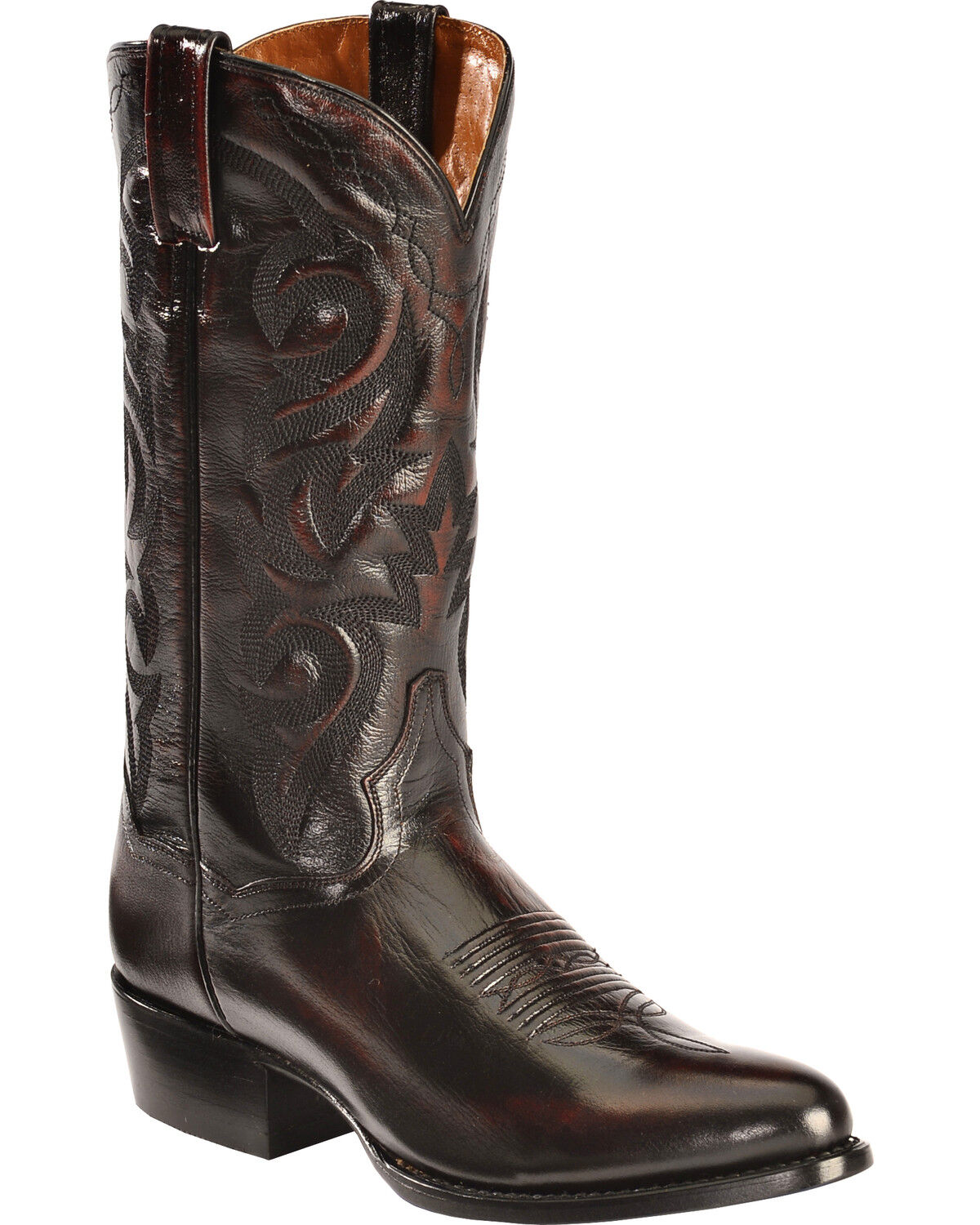
Waterproof Men's Pull-On Boots

Waterproof men’s pull-on boots help keep your feet dry in wet conditions, with no laces to tie. Browse the selection and check individual product details for sizing, boot height, and intended use to find a pair that suits your needs.

Read More

Shop Your Store: Shop Your Store: Find a Store

(Turn off Shop Your Store to see all items)

(Turn off Shop Your Store to see all items)

close
  • Recommended
  • Lowest Price
  • Highest Price
Skip pass products

End of products

Waterproof Men's Pull-On Boots

A pair of waterproof men's pull-on boots combines protection from wet conditions with a lace-free design that is easy to pull on before work or chores. This footwear category covers several shapes, from tall Wellington work boots to western profiles and shorter ankle-height designs. Each serves a different routine, whether that means walking across a muddy equipment yard, checking fence lines, or handling outdoor maintenance after rain. The important distinction is waterproof construction, not just a leather upper that sheds a few drops. Depending on the design, protection may come from a waterproof membrane, sealed seams, molded rubber, or a combination of materials. Full-grain leather offers a sturdy feel and develops character with wear, while rubber uppers suit jobs that involve frequent mud and cleanup. Textile panels can reduce bulk, but their ability to keep water out depends on the complete construction. A waterproof lining can help keep outside moisture from reaching the foot while allowing some internal moisture vapor to escape, although breathability varies. No boot can keep water out once it enters through the opening, so shaft height matters when moving through puddles, wet grass, or shallow standing water. A taller shaft provides more coverage, while a shorter boot leaves less material around the lower leg and is often easier to wear under narrower pant legs. Pull tabs, pull holes, and flexible entry panels make a difference when getting boots on with work socks. The absence of laces also means fewer parts to snag on brush or collect mud. For farm hands, tradesmen, equipment operators, and homeowners with regular outdoor chores, that straightforward construction has practical value. Waterproof protection handles one part of the job; the right fit, outsole, and level of support determine how well the boots suit the rest. Rain alone does not define the choice. Time on concrete, uneven ground, and repeated climbing all place different demands on a boot.

Fit is especially important in pull-on footwear because there are no laces to tighten across the instep. A secure instep and stable midfoot help hold the foot in place without squeezing it. Some heel movement can be normal in a new leather pull-on boot, but pronounced slipping, rubbing, or a foot that slides forward suggests a poor match. Toes need room to move without striking the front, including when walking downhill or stepping off a truck. Width matters as much as length, particularly with a safety toe that will not stretch to make room. The socks worn on the job affect that fit, too. Thick socks can crowd an otherwise comfortable boot, while thin socks may leave extra movement inside. Underfoot construction shapes how the boots feel after hours of standing and walking. Cushioning helps soften repeated steps on hard floors, and a supportive footbed can make a difference during a long shift. A shank adds structure through the arch, which can be useful on uneven ground or ladder rungs, depending on the boot's design. Outsole choice deserves the same attention as waterproofing. Deep, widely spaced lugs can help grip loose soil and release mud, while some lower-profile tread patterns suit firmer surfaces. Slip-resistant construction can improve footing under specified conditions, but it does not make every wet floor or patch of ice safe. Oil resistance, abrasion resistance, and heat resistance are separate features rather than automatic benefits of a work outsole. Likewise, waterproof does not mean insulated, and a safety toe does not establish every workplace protection a job may require. Steel, composite, and other safety-toe materials differ in feel and construction. Where protective footwear is required, the boot's stated ratings need to match the employer's rules and the hazards involved. Soft-toe boots serve different needs and should not be treated as substitutes for required impact and compression protection. A familiar western shape can still have work-focused construction, but appearance alone says little about its protective features.

Durability comes from the whole boot, including the upper, seams, sole attachment, lining, and the way it is used. Leather that repeatedly dries under a layer of mud can stiffen and crack, while grit inside the boot can wear against linings and socks. Regular cleaning helps preserve those materials and makes damaged stitching or separating edges easier to notice. Loose dirt is usually easiest to remove with a soft brush, followed by a damp cloth or a cleaner suited to the upper. Heavy mud should be cleared from the outsole so the tread can do its job. Leather care and rubber care are not interchangeable: a conditioner intended for leather may be unsuitable for rubber, textile panels, or certain finishes. Treatments also need to be compatible with waterproof membranes and any factory-applied finish. Waterproofing spray can support an appropriate care routine, but it will not repair a torn lining, split upper, or failed seam. After a wet day, boots need time to dry naturally in a ventilated space, away from direct heat. A heater, hot vehicle interior, or open flame can damage leather, adhesives, and other components. Removable footbeds can be taken out for drying when the construction allows, helping moisture escape from inside. Rotating between pairs gives each more drying time when boots see daily use. Long-term service also depends on matching the build to the task. A boot worn mainly for feeding livestock and walking pasture faces different wear than one used on abrasive concrete or around sharp debris. Some constructions allow outsole replacement, while others do not, so repair options depend on how the boot is made. For gift giving, waterproof pull-on boots make sense for someone whose regular work or chores involve wet ground, provided the fit and any required safety features are known. An existing boot size is a useful starting point, not a guarantee across different shapes. The most useful pair is one that stays secure through the heel and instep, leaves adequate toe room, and provides the coverage and traction the wearer actually needs. Strong materials and careful construction matter most when they match the work ahead.
Read More

FAQs