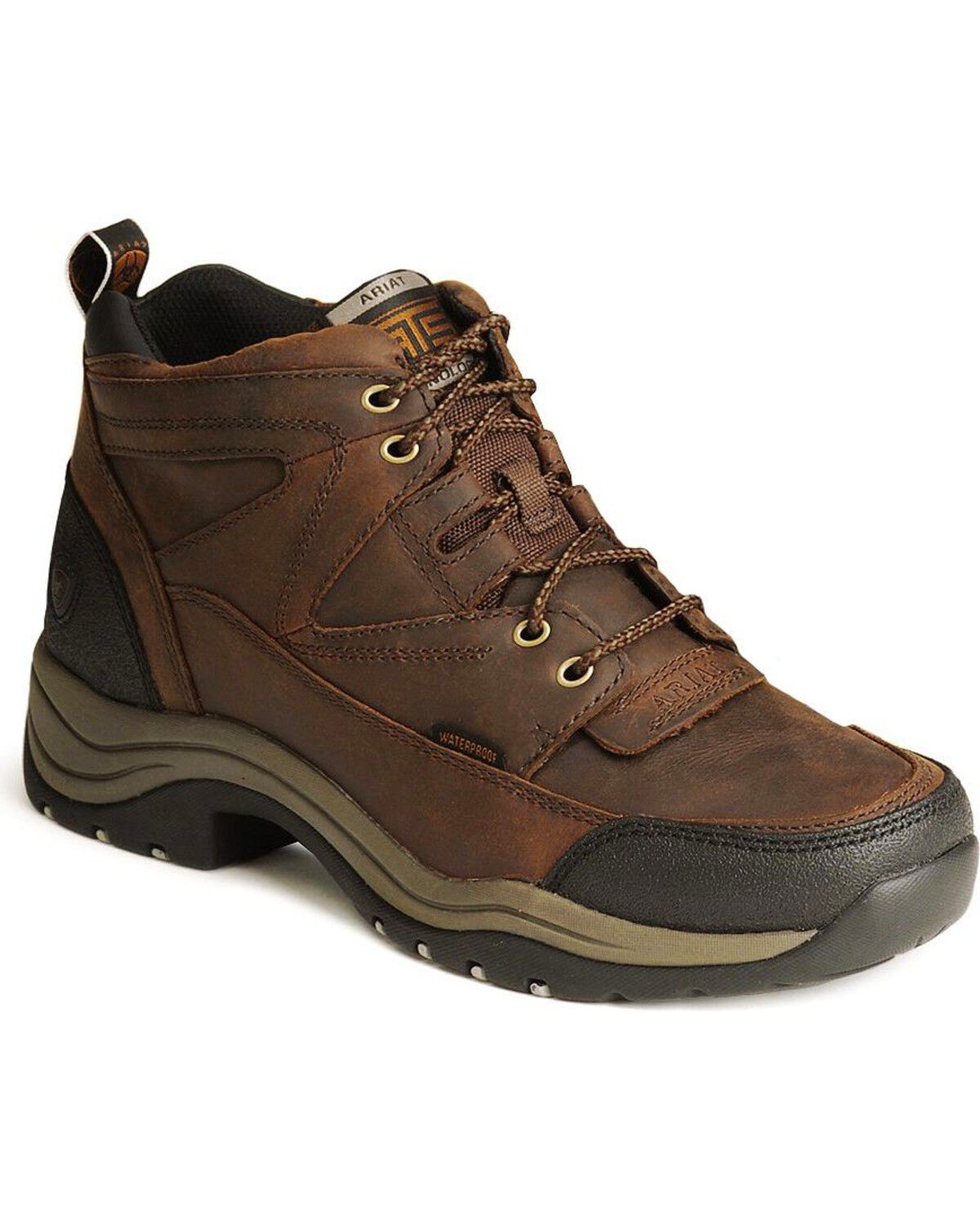
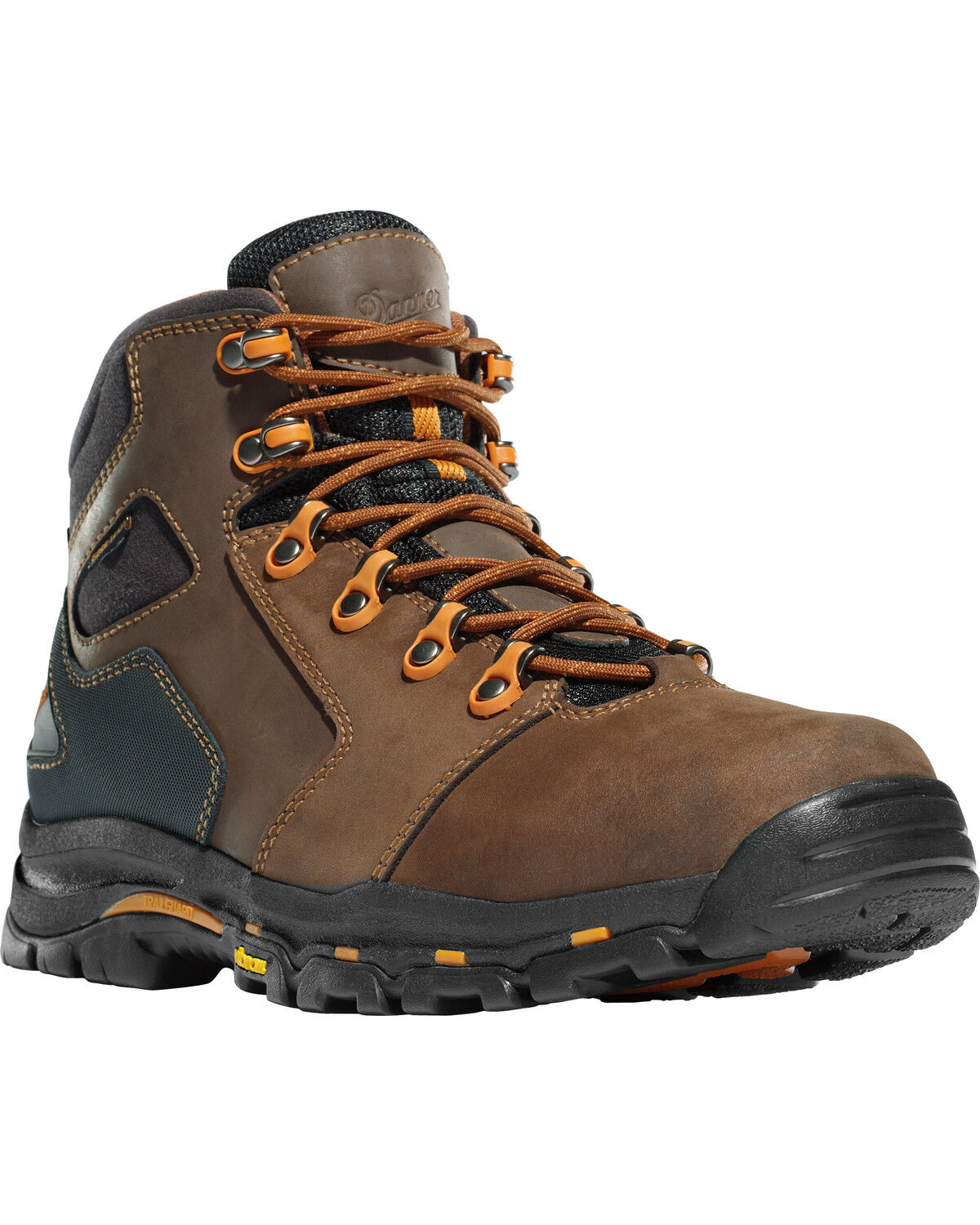
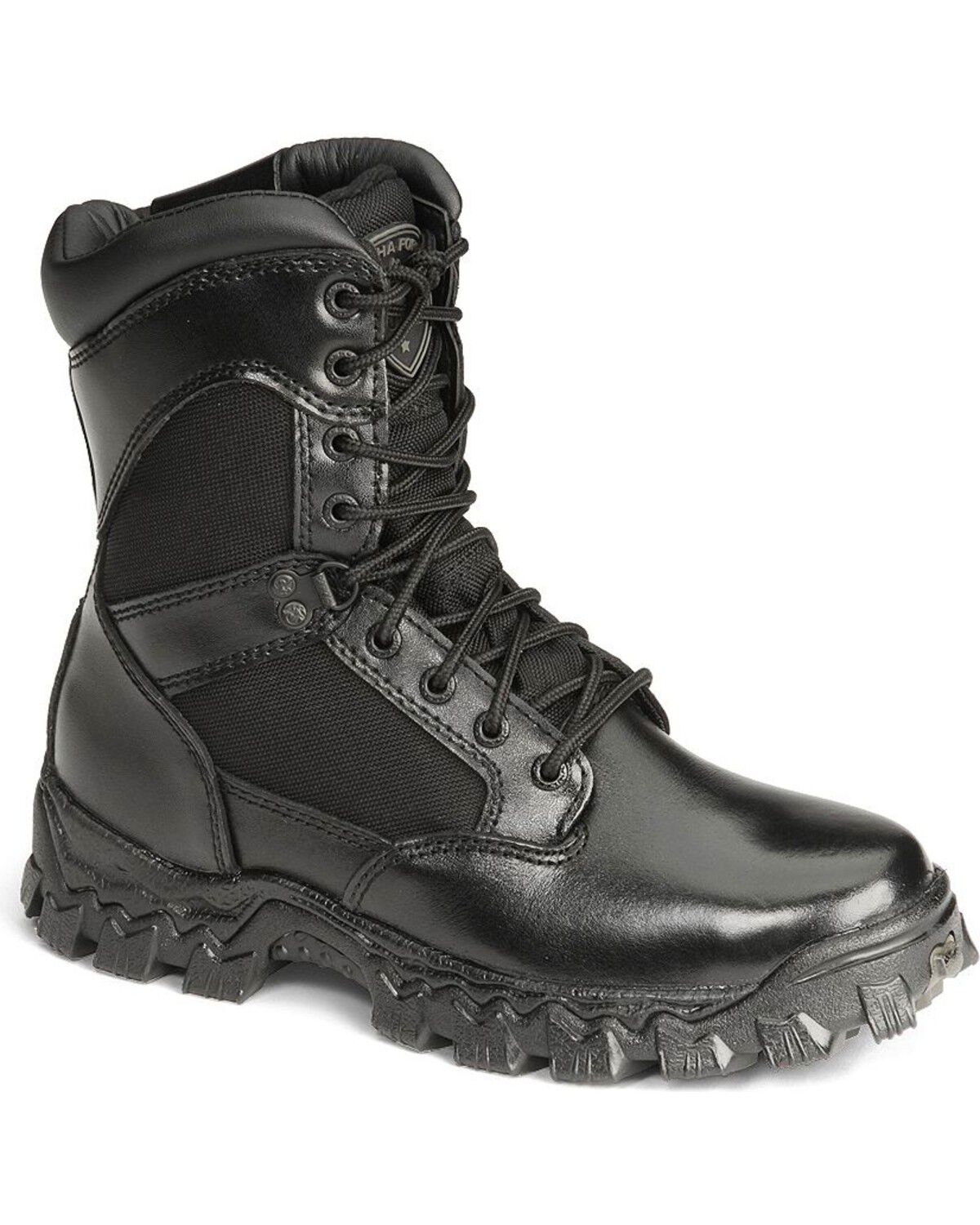
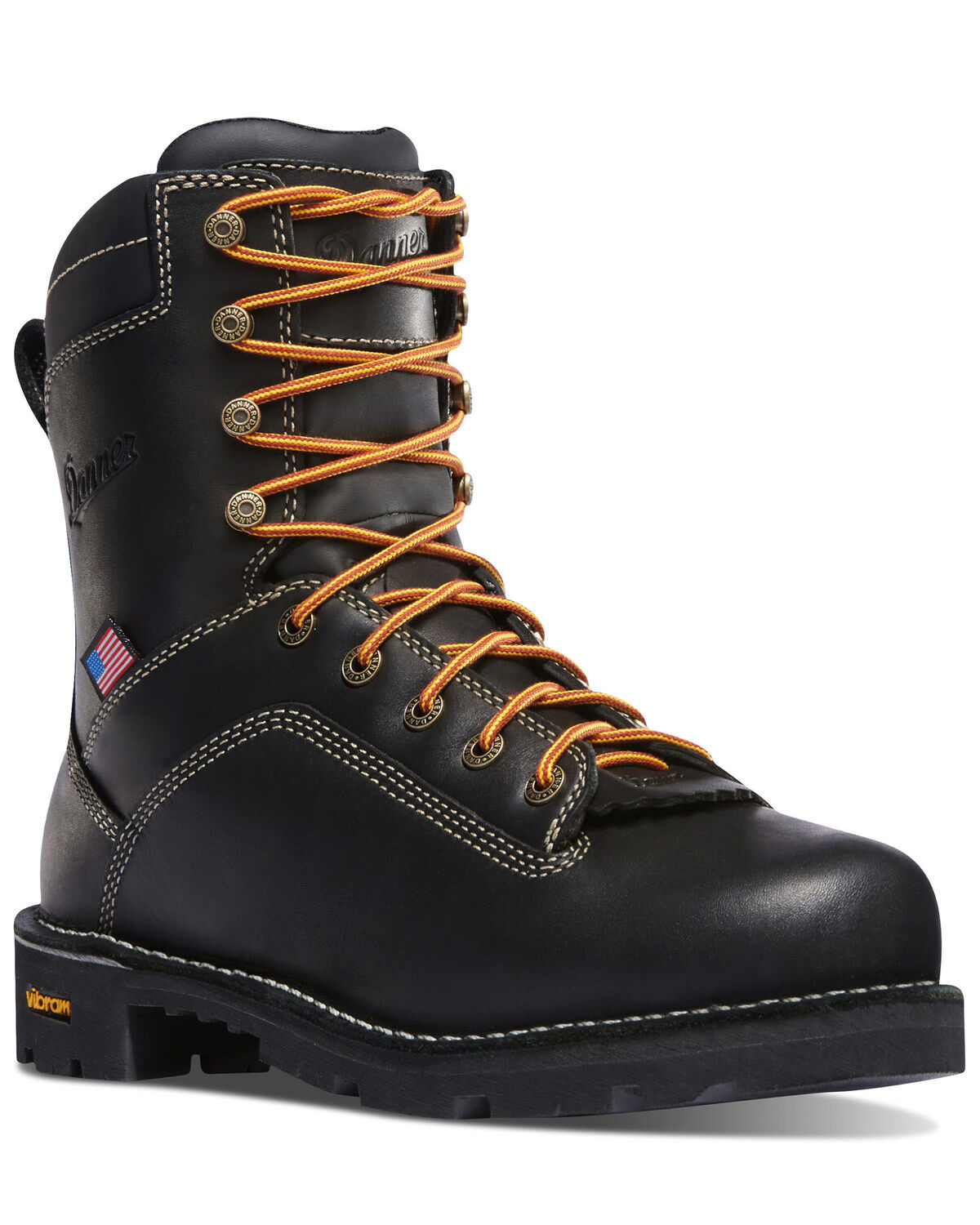
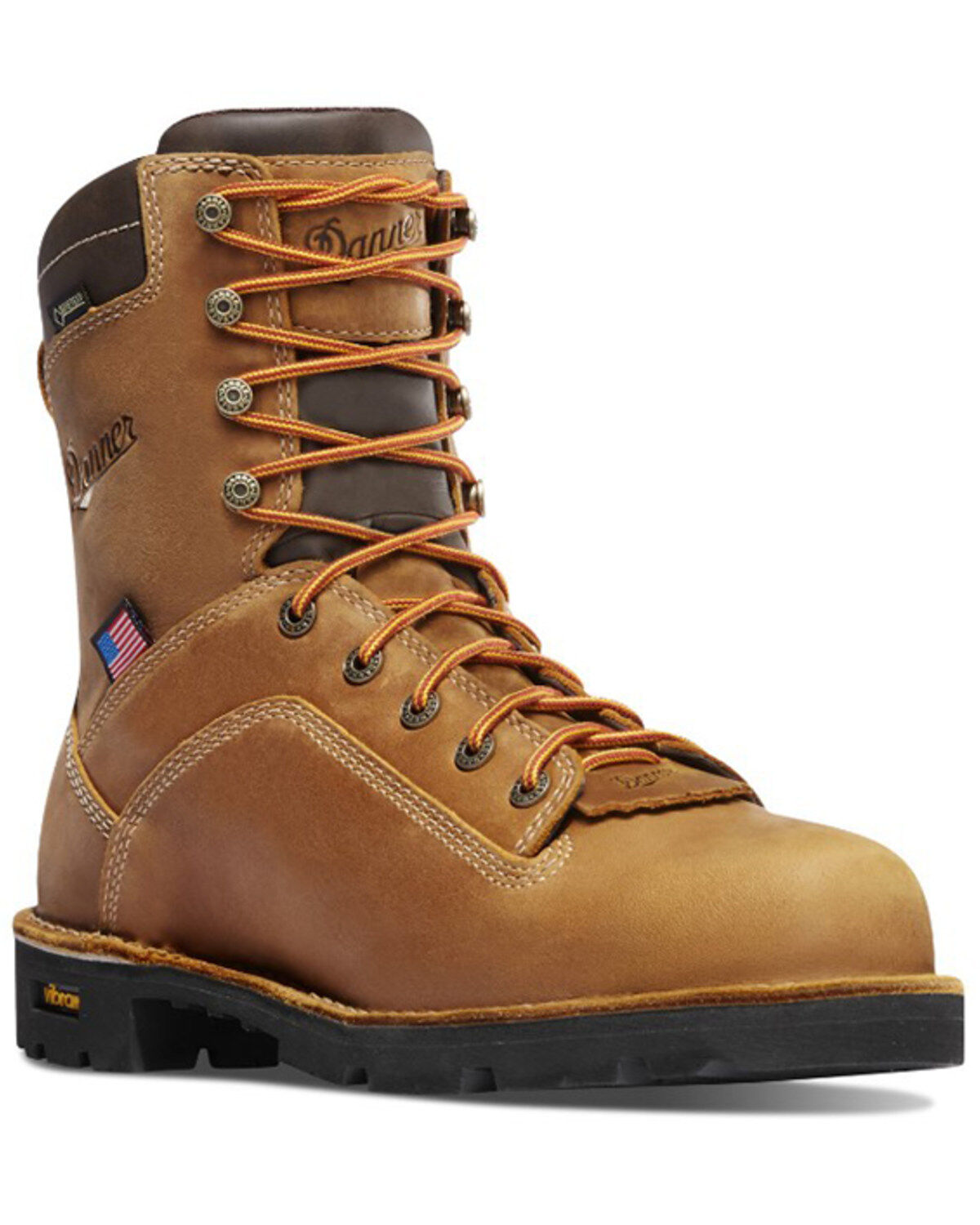
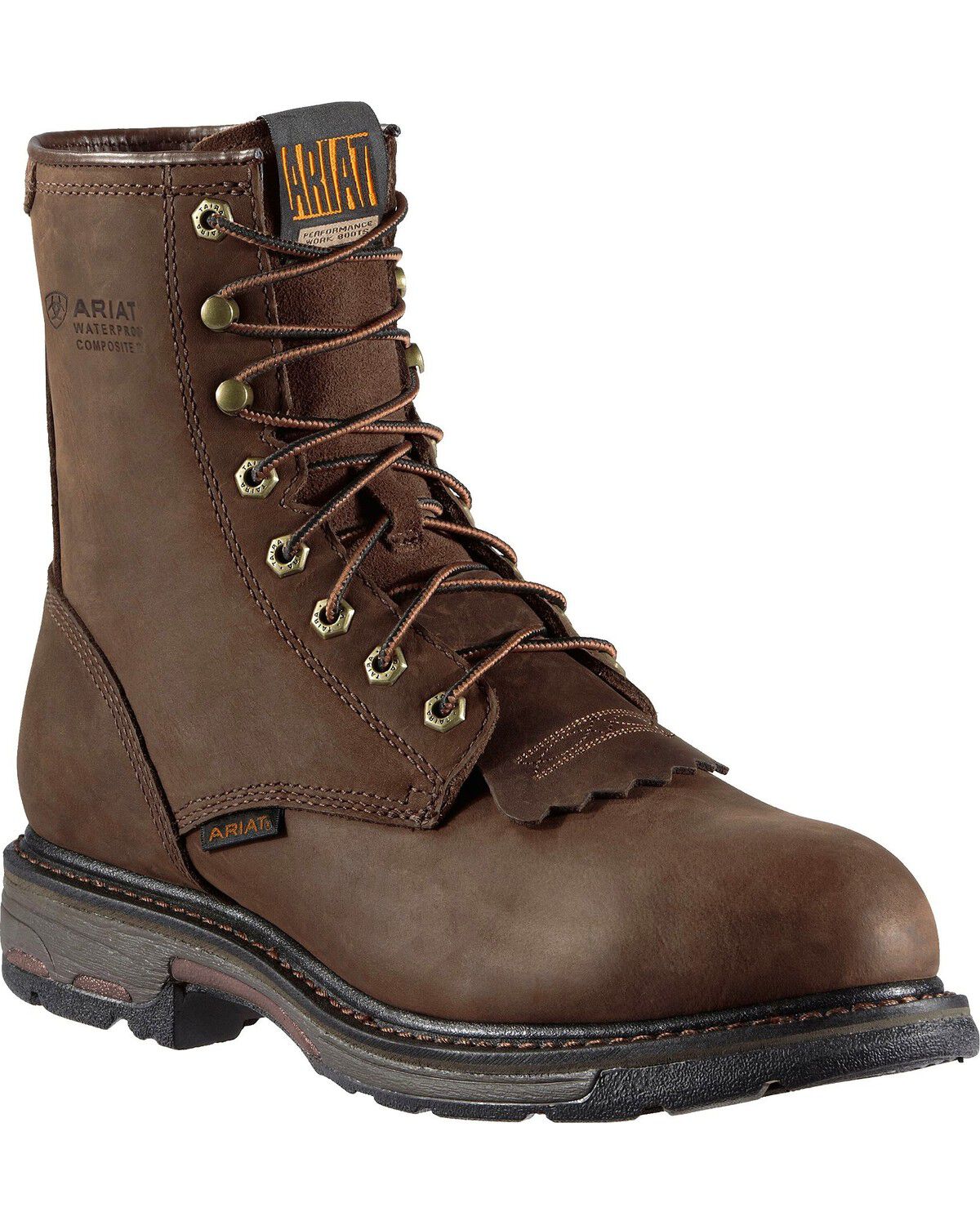
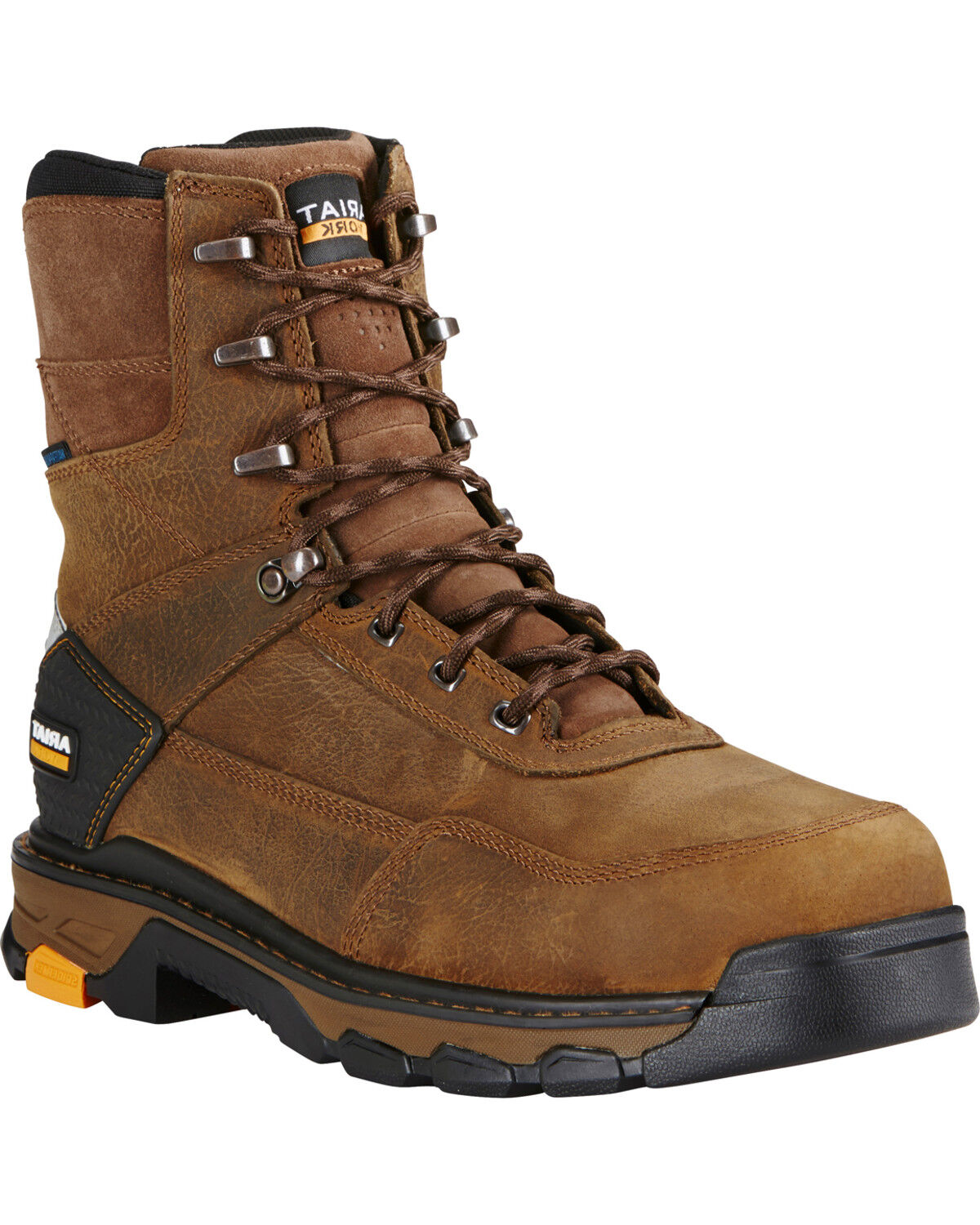
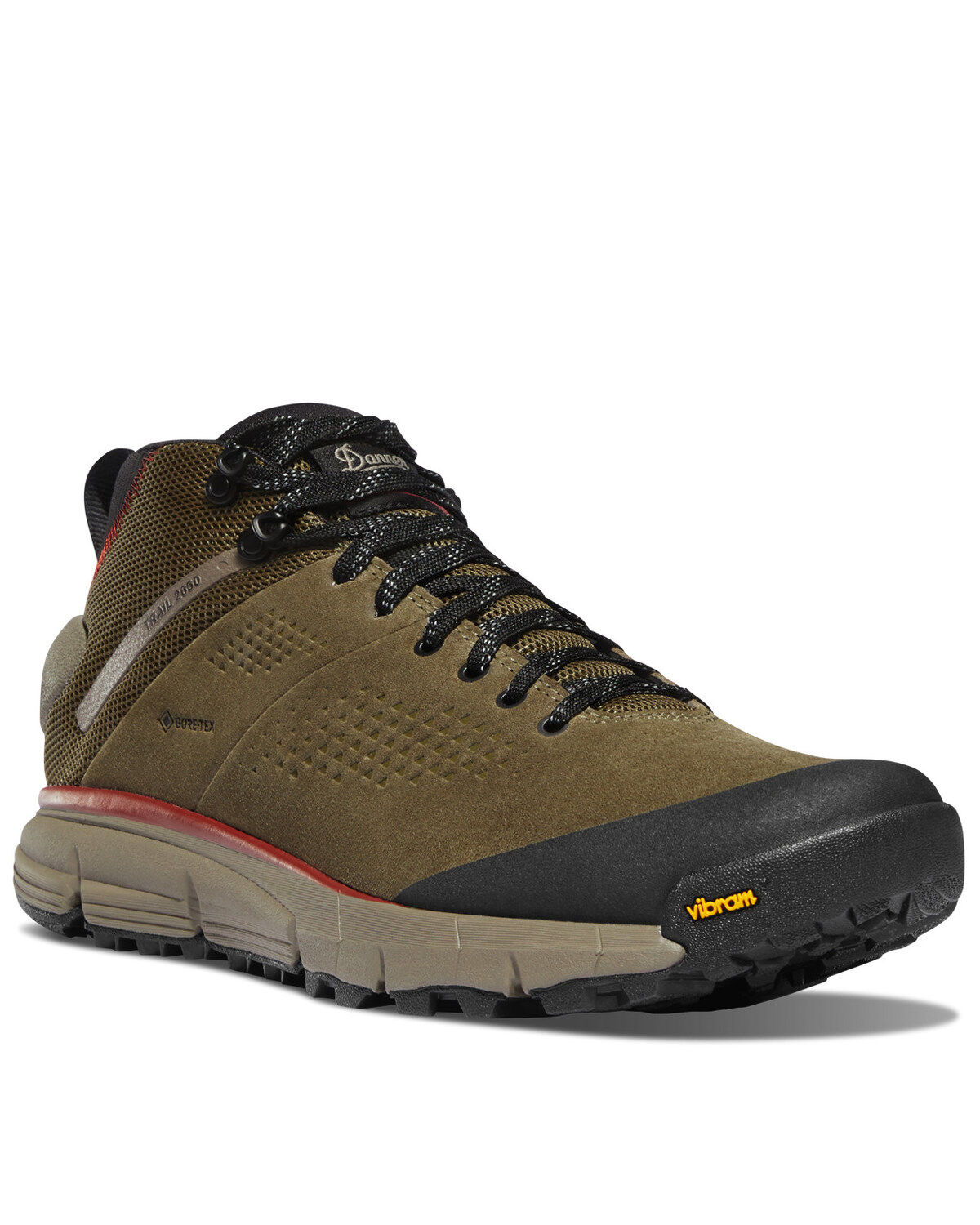
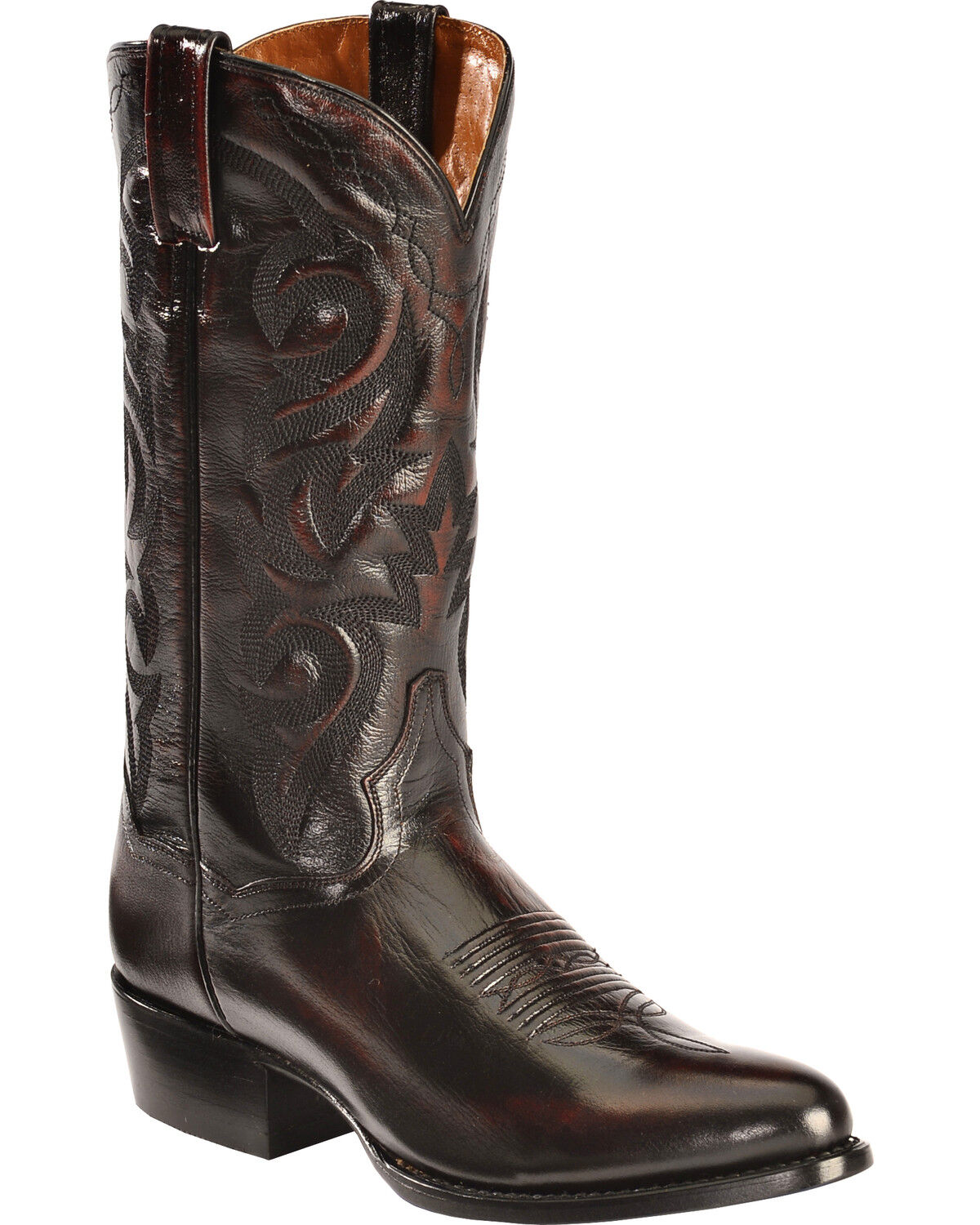
Lace Up Waterproof Boots

Lace-up waterproof boots help keep feet dry in wet conditions, with closures you can adjust for a secure fit. Browse the selection and compare fit, boot height, and outsole design to find a pair suited to where you will wear them.

Read More

Shop Your Store: Shop Your Store: Find a Store

(Turn off Shop Your Store to see all items)

(Turn off Shop Your Store to see all items)

close
  • Recommended
  • Lowest Price
  • Highest Price
Skip pass products

End of products

Lace Up Waterproof Boots

Lace-up waterproof boots combine protection from outside moisture with an adjustable fit for work, hiking, and everyday outdoor wear. The best match depends on the ground underfoot, the demands of the day, and the amount of support needed. Work-focused construction puts an emphasis on durable uppers, underfoot support, and job-appropriate protection. Hiking construction often favors flexible movement, manageable weight, and tread designed for uneven trails. Casual outdoor styles balance weather protection with comfort for walking the dog, crossing a wet parking lot, or handling chores around the property. Leather uppers offer a substantial feel and can hold up well to repeated use with proper care. Full-grain leather is valued for its durability, while combinations of leather and abrasion-resistant fabric can reduce bulk and allow easier movement. Waterproof performance depends on the complete construction, not just the appearance of the upper. Depending on the design, a waterproof membrane, sealed seams, and a gusseted tongue help block water from entering through materials and openings. Water-resistant leather alone does not provide the same protection as a boot built with a waterproof system. A gusseted tongue connects to the sides of the boot to help limit entry around the laces, but its height matters: water can still enter above that connection or over the collar. Shaft height deserves attention when crossing shallow puddles, walking through wet grass, or working around splashing water. A taller shaft offers more coverage, while a shorter profile can feel less restrictive during frequent bending and walking. Neither makes a boot suitable for water deeper than its protected height. Waterproofing also does not mean insulation. An uninsulated waterproof boot can suit active use without adding unnecessary warmth, while insulated construction serves a different need. These distinctions help separate footwear built for a damp jobsite from footwear intended for a muddy trail or a wet walk across town.

Fit and outsole construction make a substantial difference in how lace-up waterproof boots perform through a full day. Laces allow adjustment across the forefoot and instep, helping secure the heel without squeezing the toes. A comfortable fit leaves room for the toes to move and enough space to avoid contact with the front of the boot on a downhill step. The heel should feel held in place rather than sliding enough to create friction. Width matters as much as length; pressure along the outside of the foot is not a problem that thicker cushioning will solve. Leather may soften with wear, but break-in will not correct a boot that is too short or narrow. The socks worn for work or outdoor activity affect that fit, especially when thicker cushioning or insulation is involved. A removable footbed can provide room for an appropriate replacement insole, though added thickness changes the space inside the boot. Underfoot, cushioning helps soften repeated contact with hard surfaces, while a supportive midsole and shank can provide structure on uneven ground. Flexibility also matters for anyone who spends time crouching, climbing steps, or walking long distances. Outsole patterns serve different purposes. More open lugs can release mud more readily, while other tread designs emphasize contact with firm surfaces. A slip-resistant designation is worth checking against the intended setting rather than treating it as a promise of traction everywhere. Wet concrete, loose gravel, oily floors, and ice present different challenges. For occupational use, safety features should match the employer’s requirements and the hazards involved. Protective toes, puncture resistance, and electrical hazard protection are separate features, not automatic benefits of waterproof construction. Steel and nonmetallic safety toes can both provide rated protection when the footwear meets the relevant standard. A soft-toe boot may be suitable where protective footwear is not required, but waterproofing alone does not make it appropriate for every jobsite. Clearly stated specifications carry more weight than a rugged appearance.

Daily comfort also depends on managing moisture inside the boot. A waterproof barrier helps keep outside water out, but perspiration can still leave socks and linings damp. Breathable construction can help moisture vapor escape, although comfort varies with activity level, sock choice, and surrounding conditions. Moisture-wicking socks generally handle extended wear better than cotton socks that stay wet against the skin. Insulation adds warmth for less active work or prolonged exposure to cold, but more insulation is not always better for someone walking steadily or moving between indoor and outdoor spaces. For use in snow, Lace Up Snow Boots are another option, with insulation, shaft coverage, and outsole details worth comparing. Waterproof construction does not guarantee traction on ice, and ordinary tread has limits on frozen surfaces. Long-term durability comes from both construction and routine care. Reinforced toe and heel areas can help withstand repeated scuffs, while sturdy eyelets and secure lace hooks support frequent tightening. Mud left packed into seams and tread makes inspection and cleaning harder. Removing loose dirt with a soft brush and using a cleaner suited to the upper helps preserve the material without unnecessary wear. Leather conditioner should match the leather type and the manufacturer’s care directions; not every finish benefits from the same treatment. Waterproofing treatments also need to be compatible with the boot’s materials and membrane. After wet use, removing the footbeds and loosening the laces allows air to circulate through the interior. Drying at room temperature, away from direct heat, helps protect leather, adhesives, and other components. Worn laces, damaged linings, and separating soles deserve attention before the next long day outside. For a gift, the most useful details are the recipient’s usual size and width, intended use, preferred sock thickness, and any workplace safety requirements. A dependable pair starts with a proper fit and construction suited to the work, walking, and wet conditions ahead.
Read More

FAQs