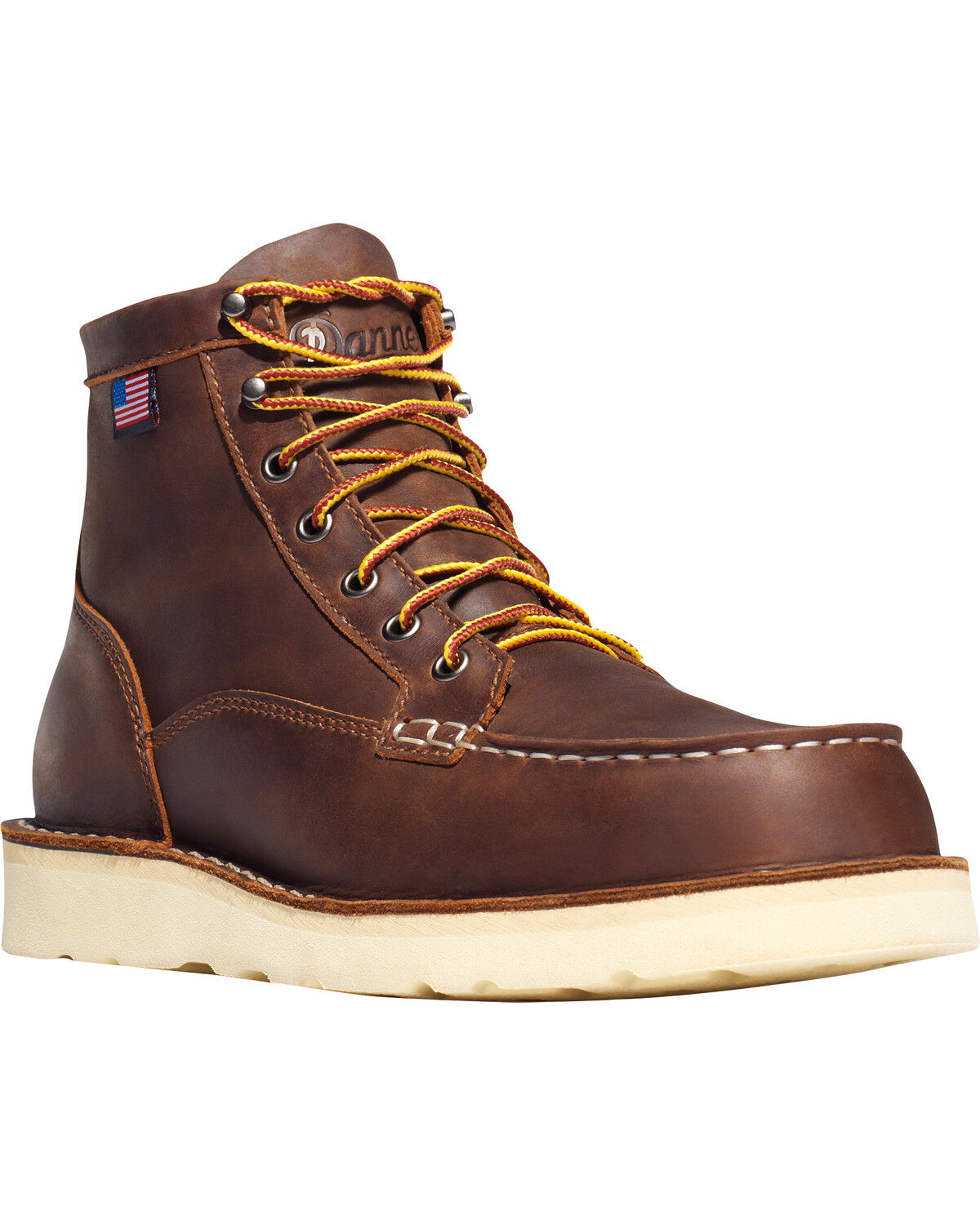
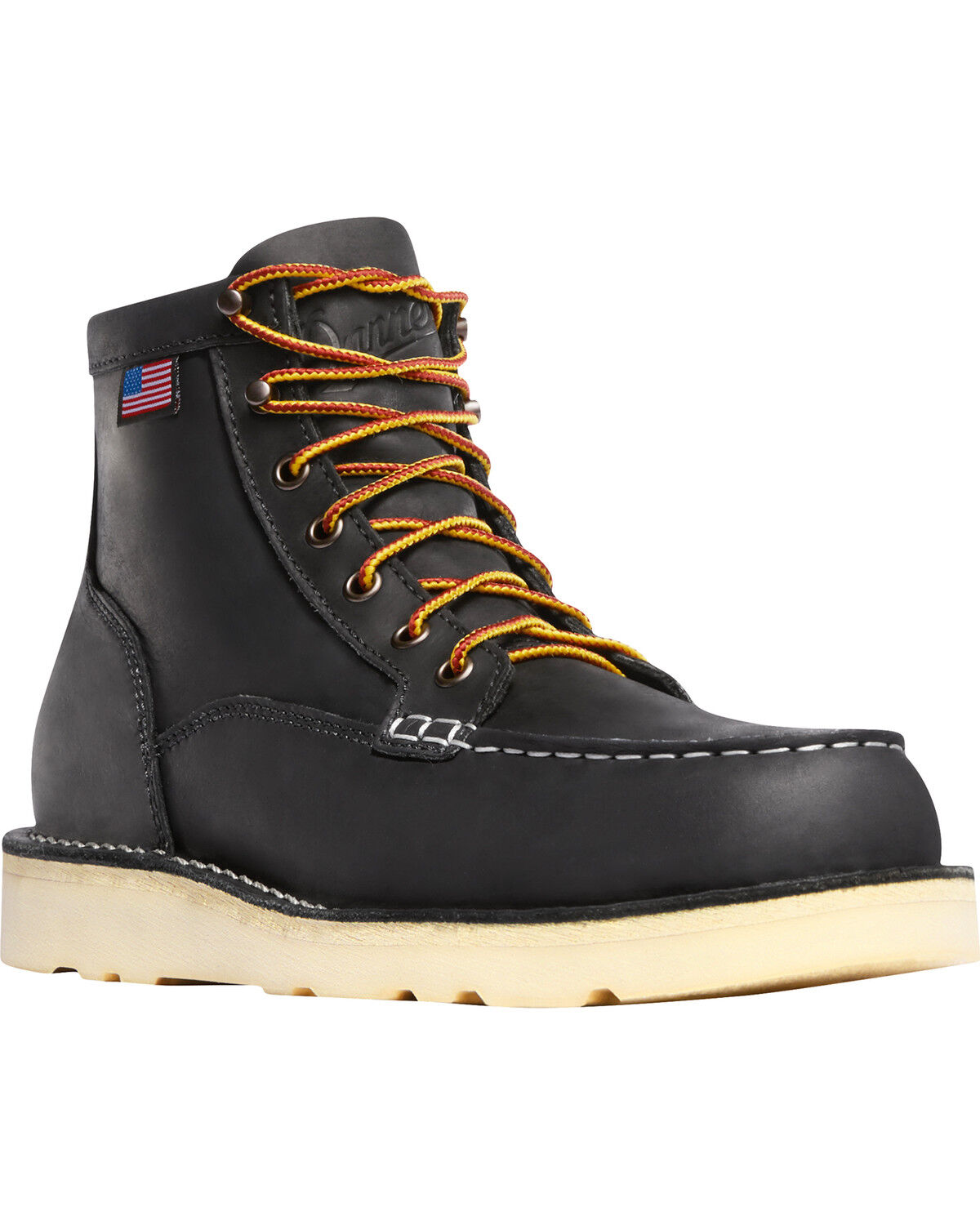
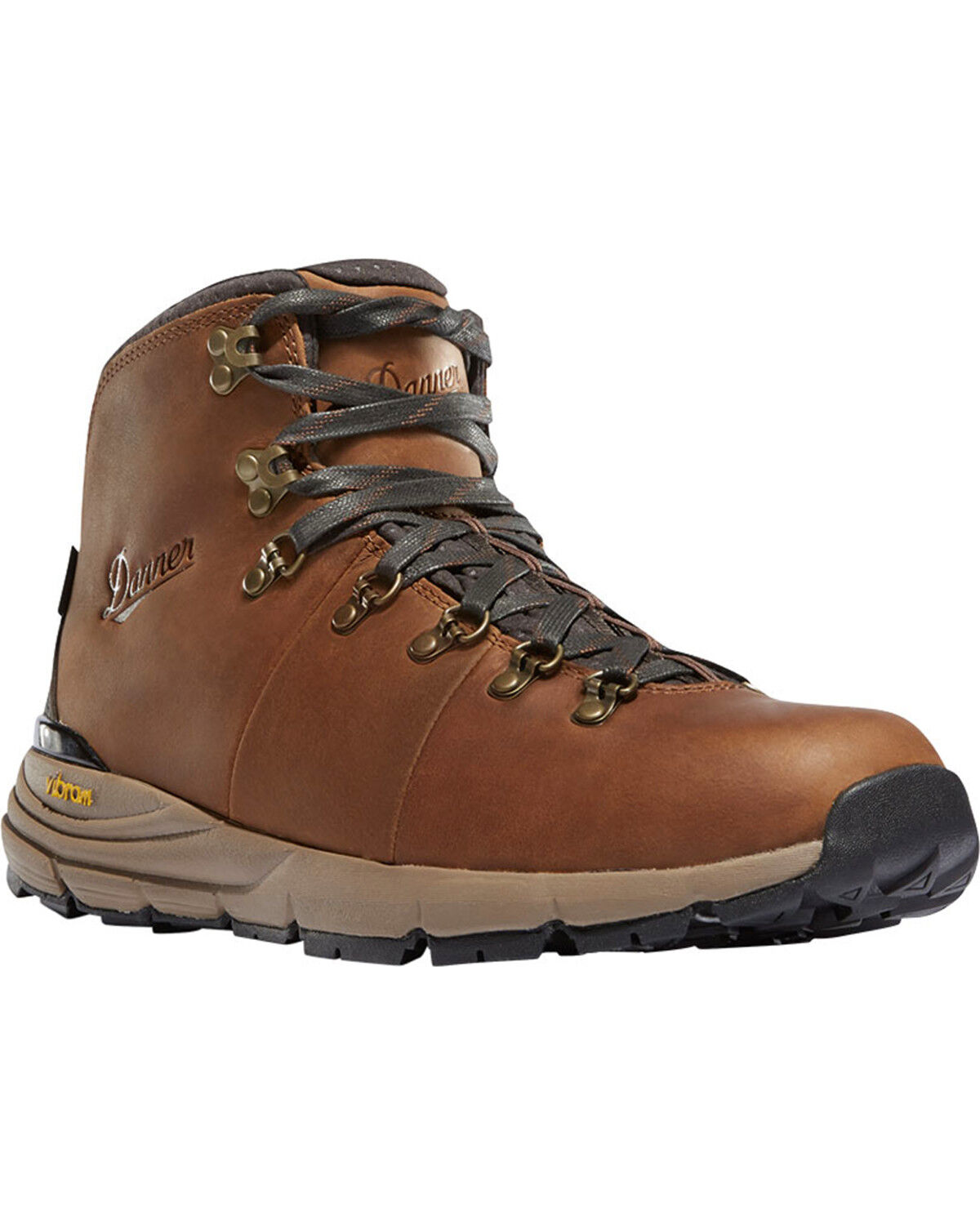
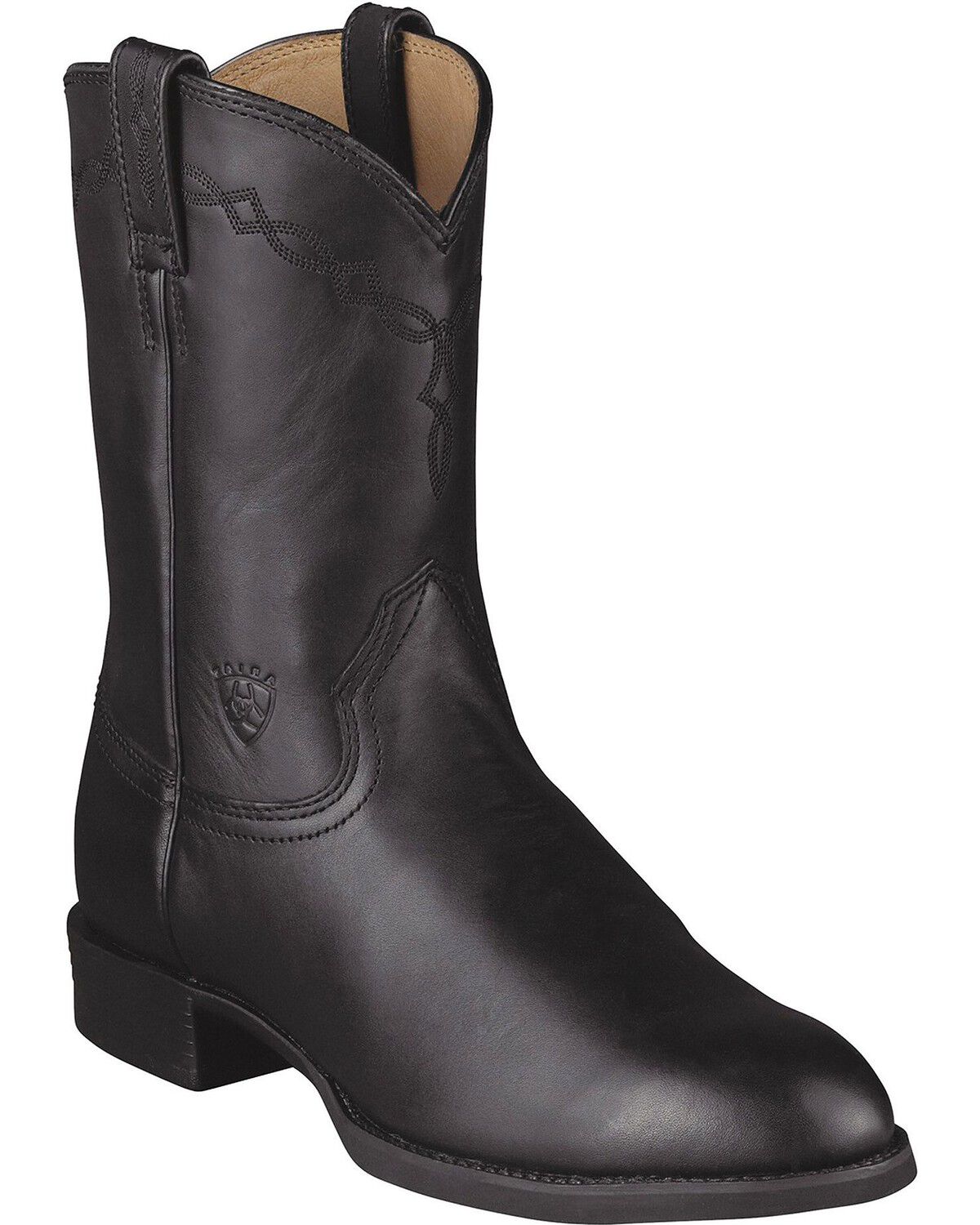
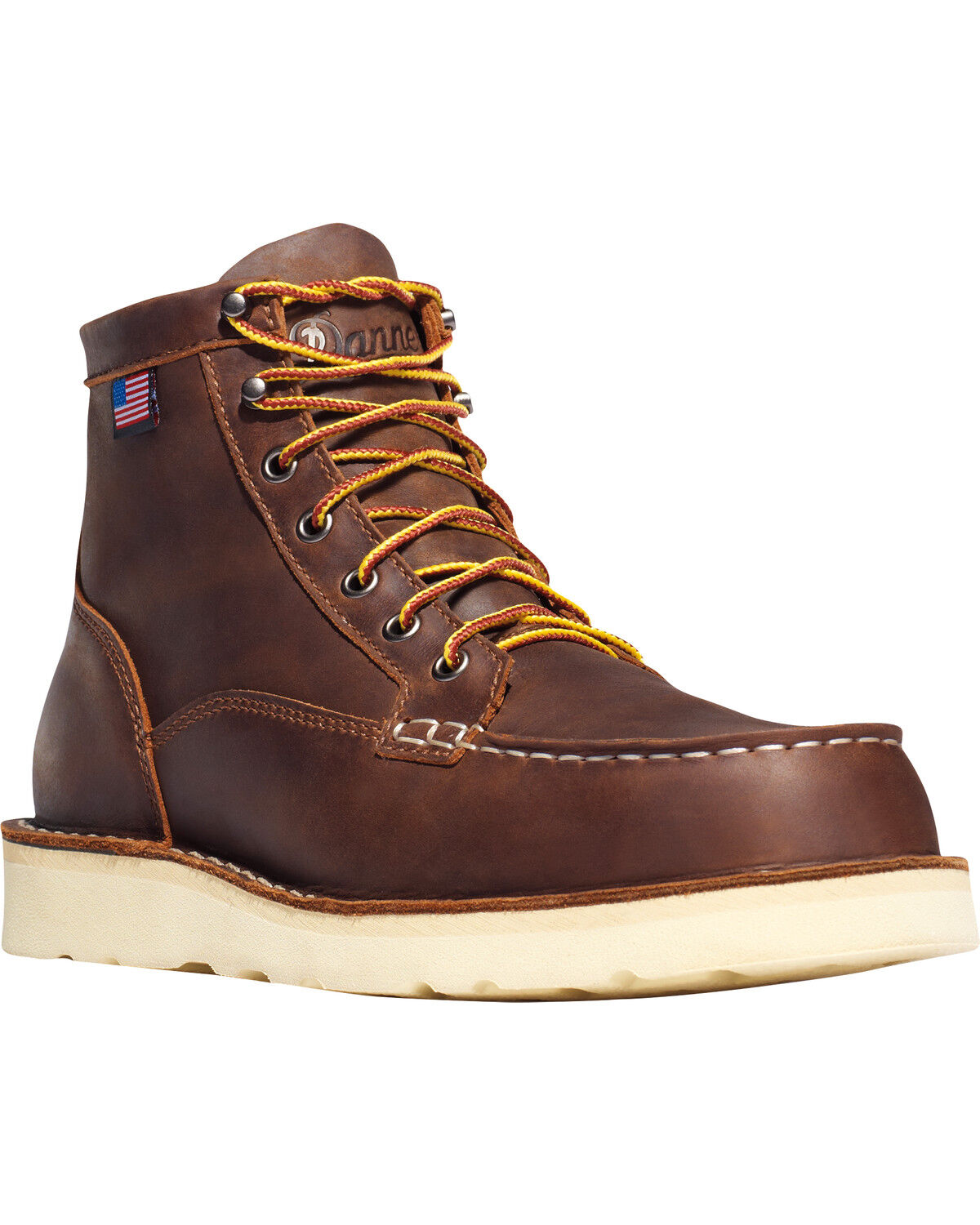
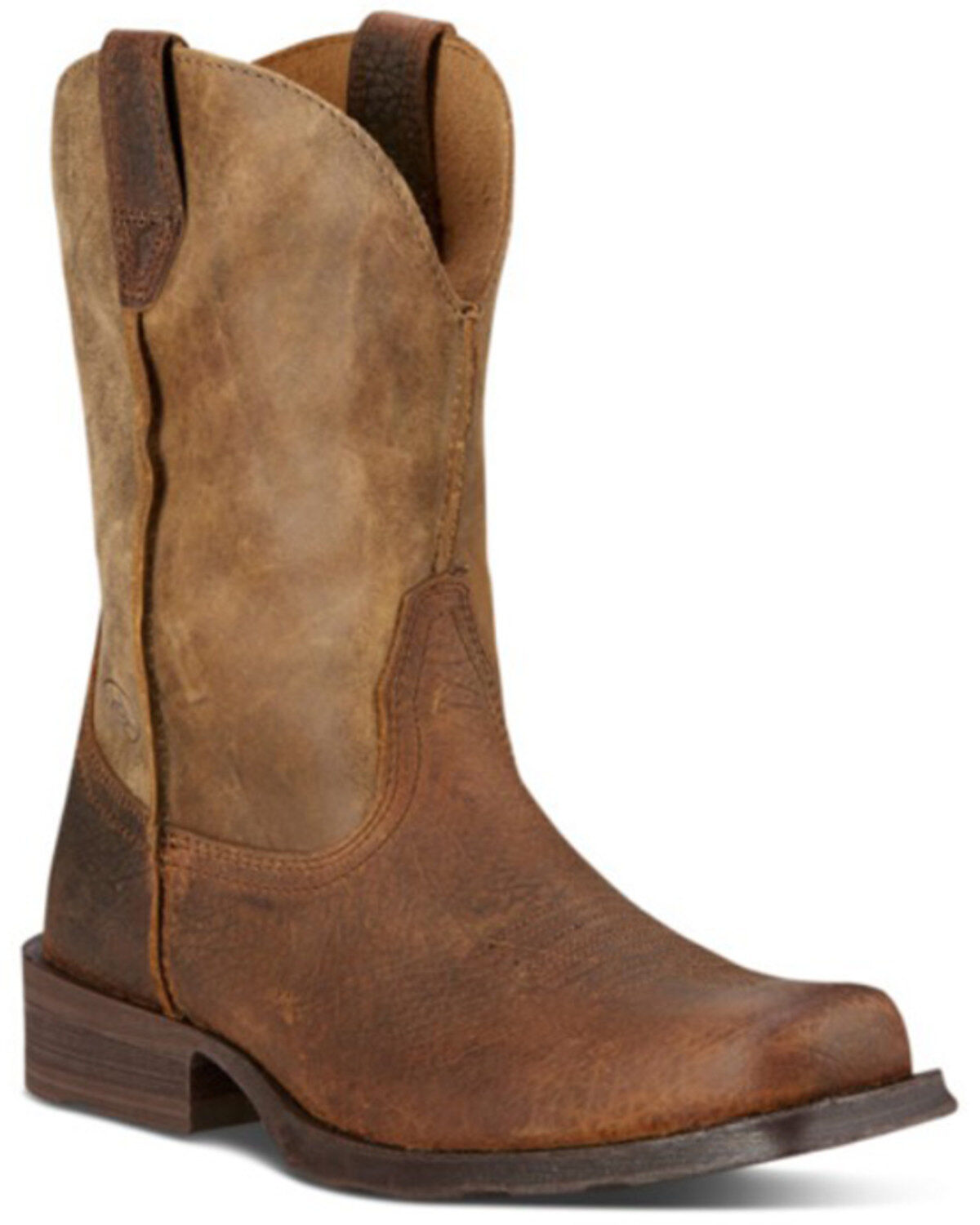
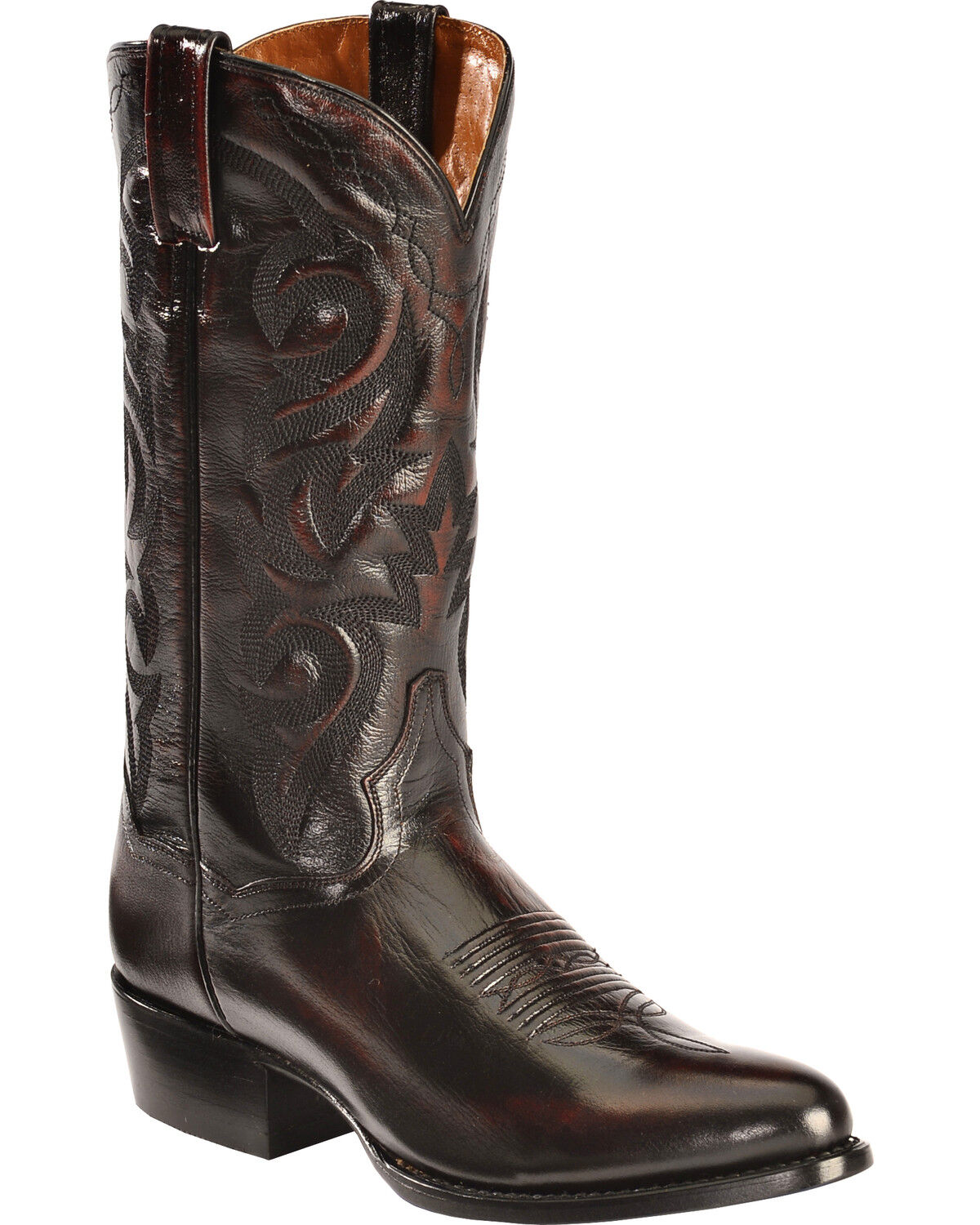
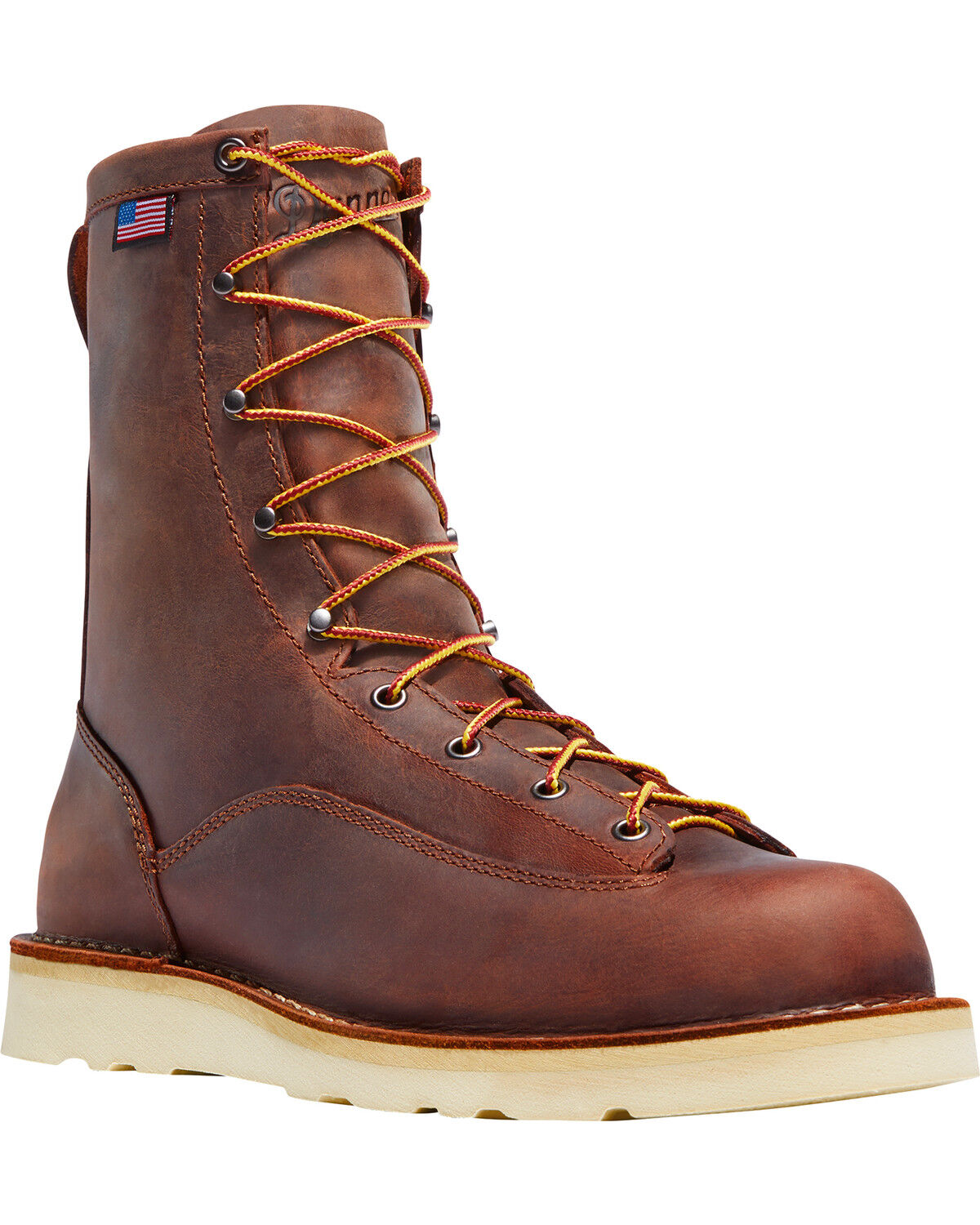
Men's Pull-On Boots Waterproof

Shop men's waterproof pull-on boots for wet conditions and the convenience of a lace-free design. Browse the selection and compare each style’s fit and features to find the right pair for your needs.

Read More

Shop Your Store: Shop Your Store: Find a Store

(Turn off Shop Your Store to see all items)

(Turn off Shop Your Store to see all items)

close
  • Recommended
  • Lowest Price
  • Highest Price
Skip pass products

End of products

Men's Pull-On Boots Waterproof

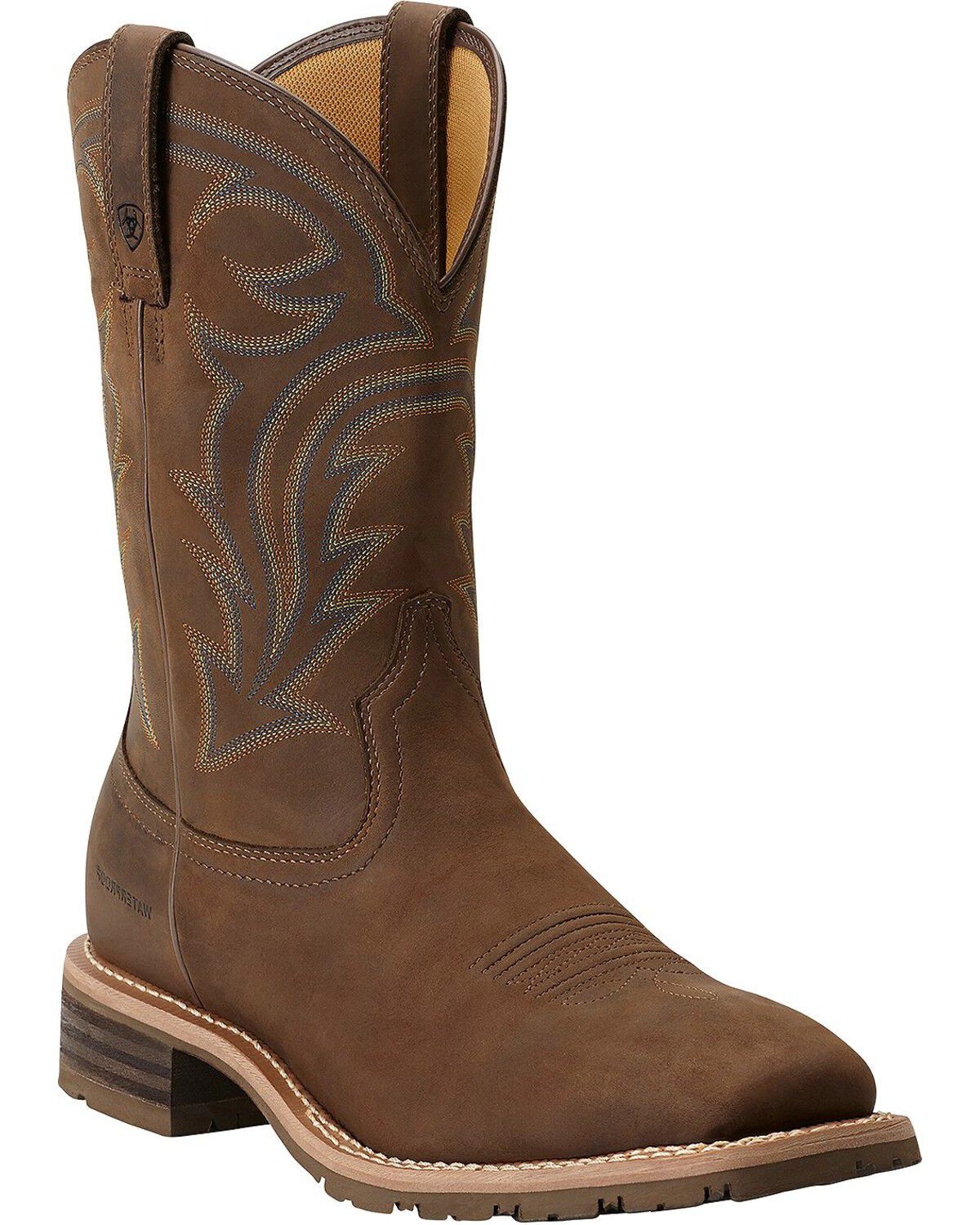
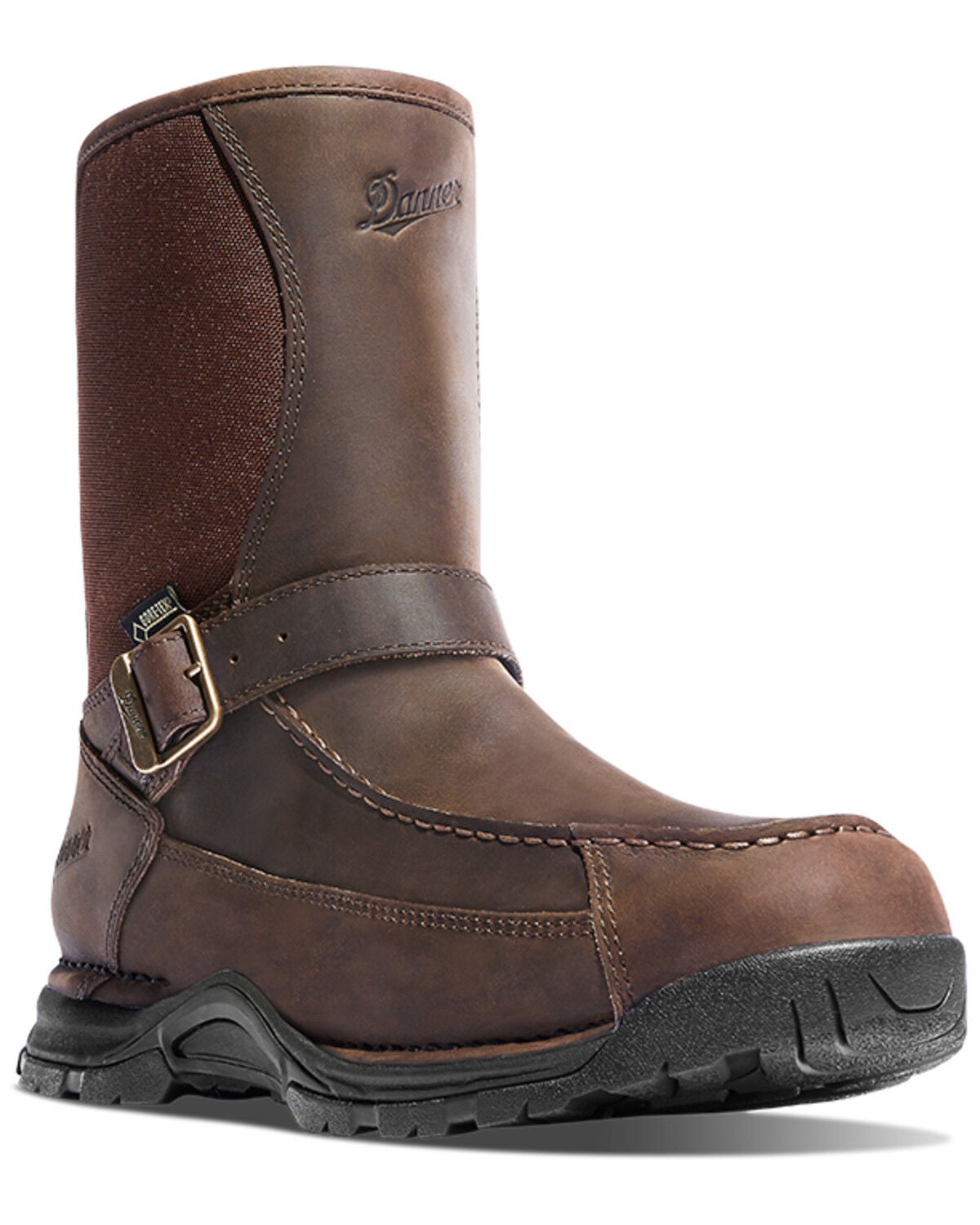
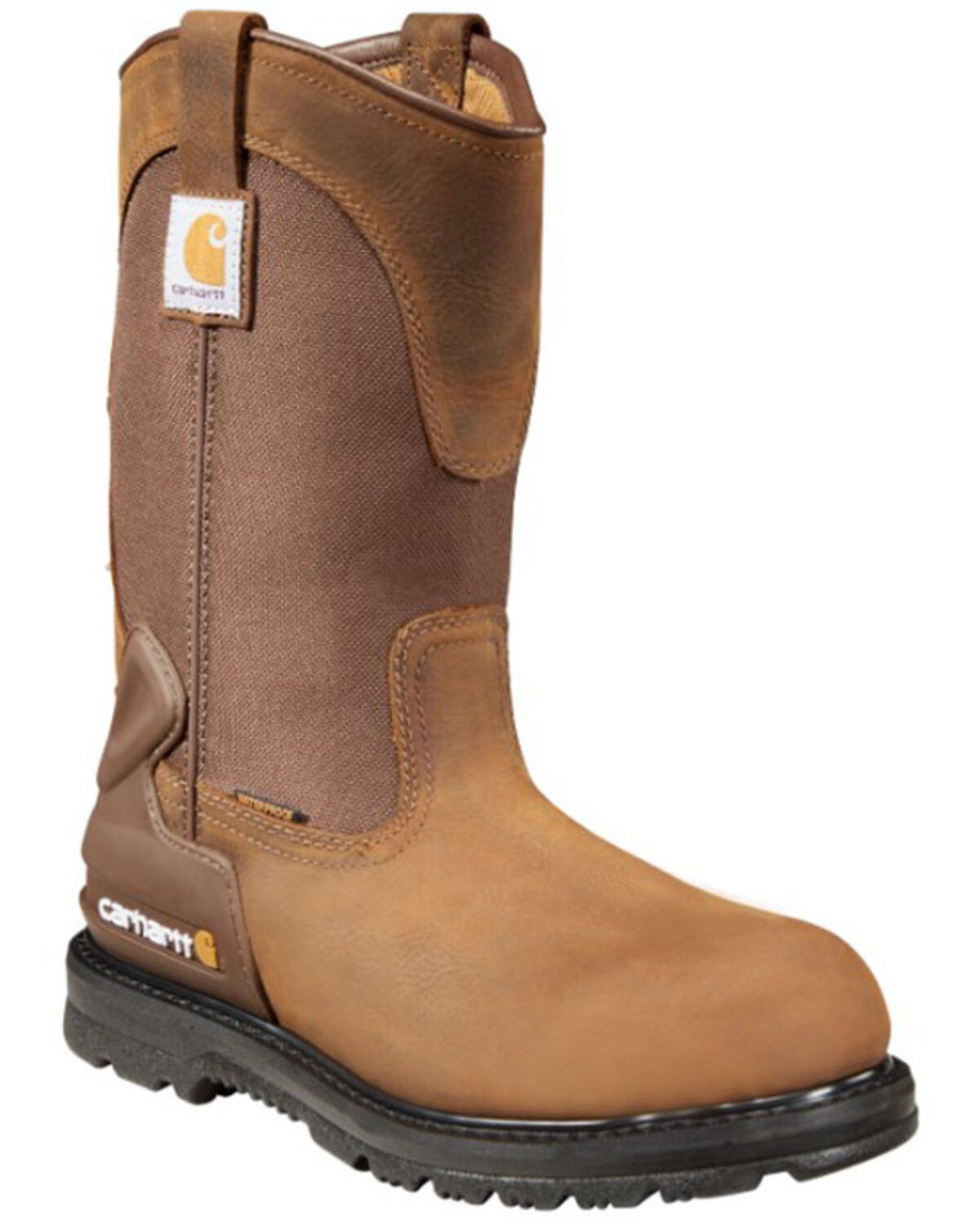
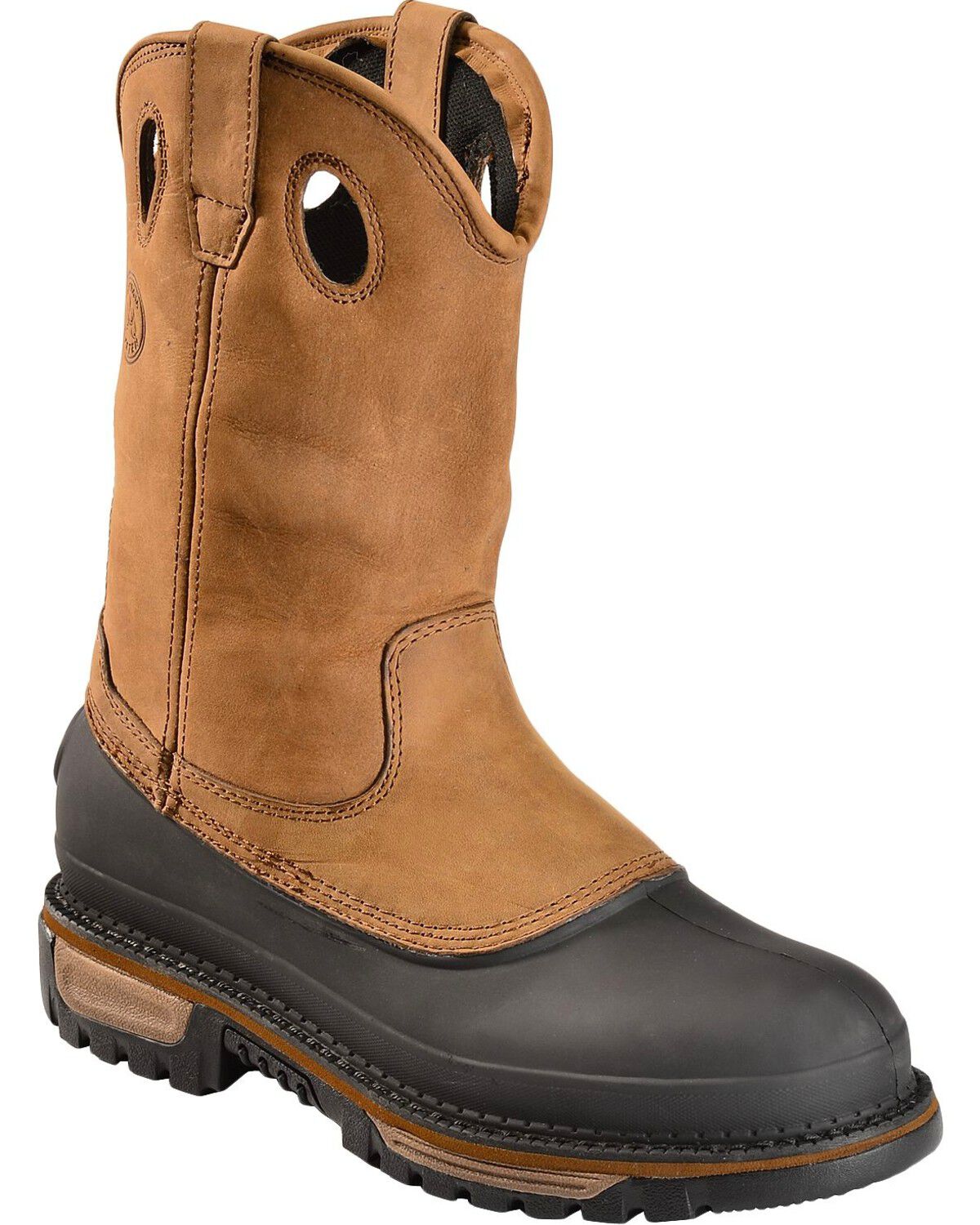
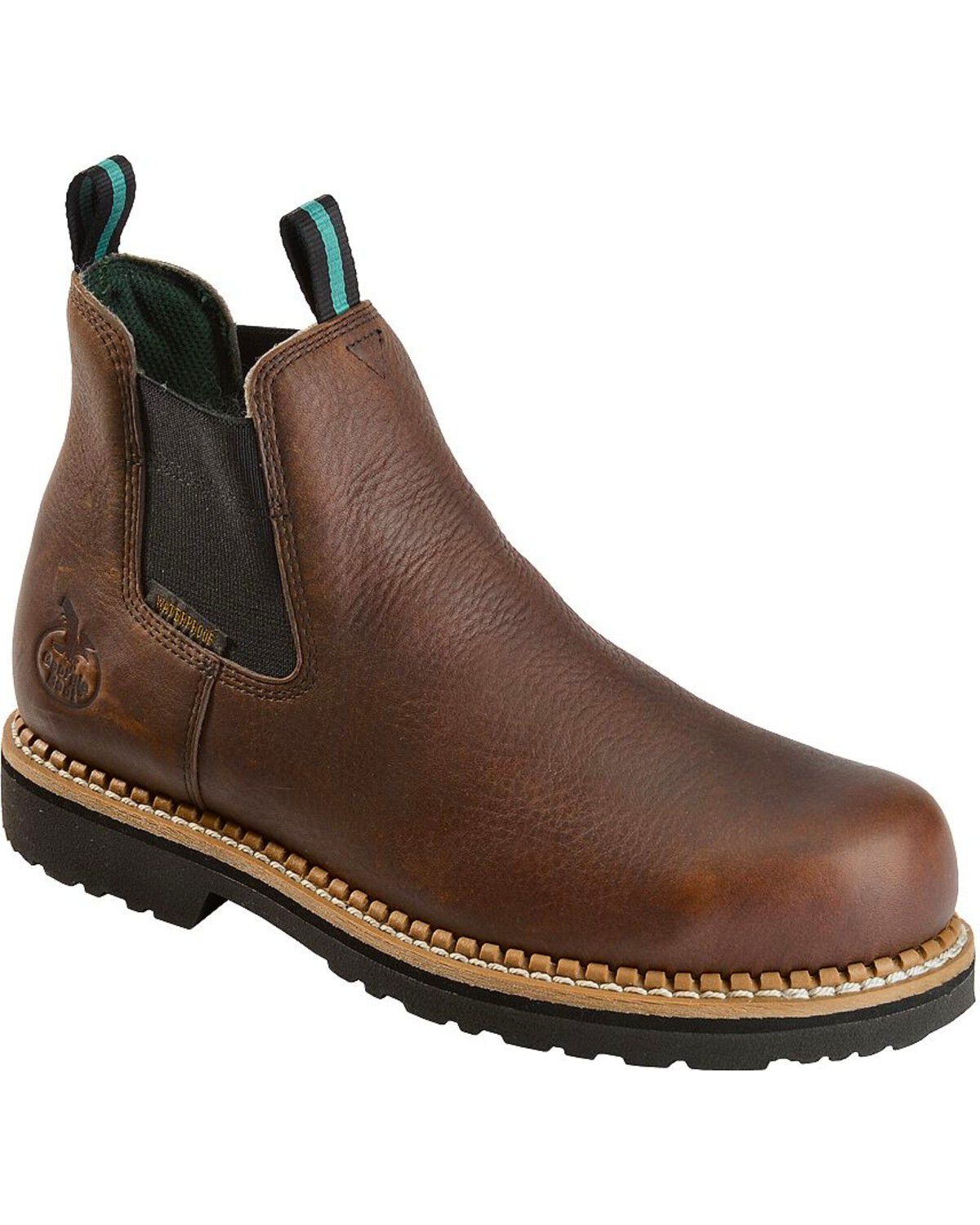
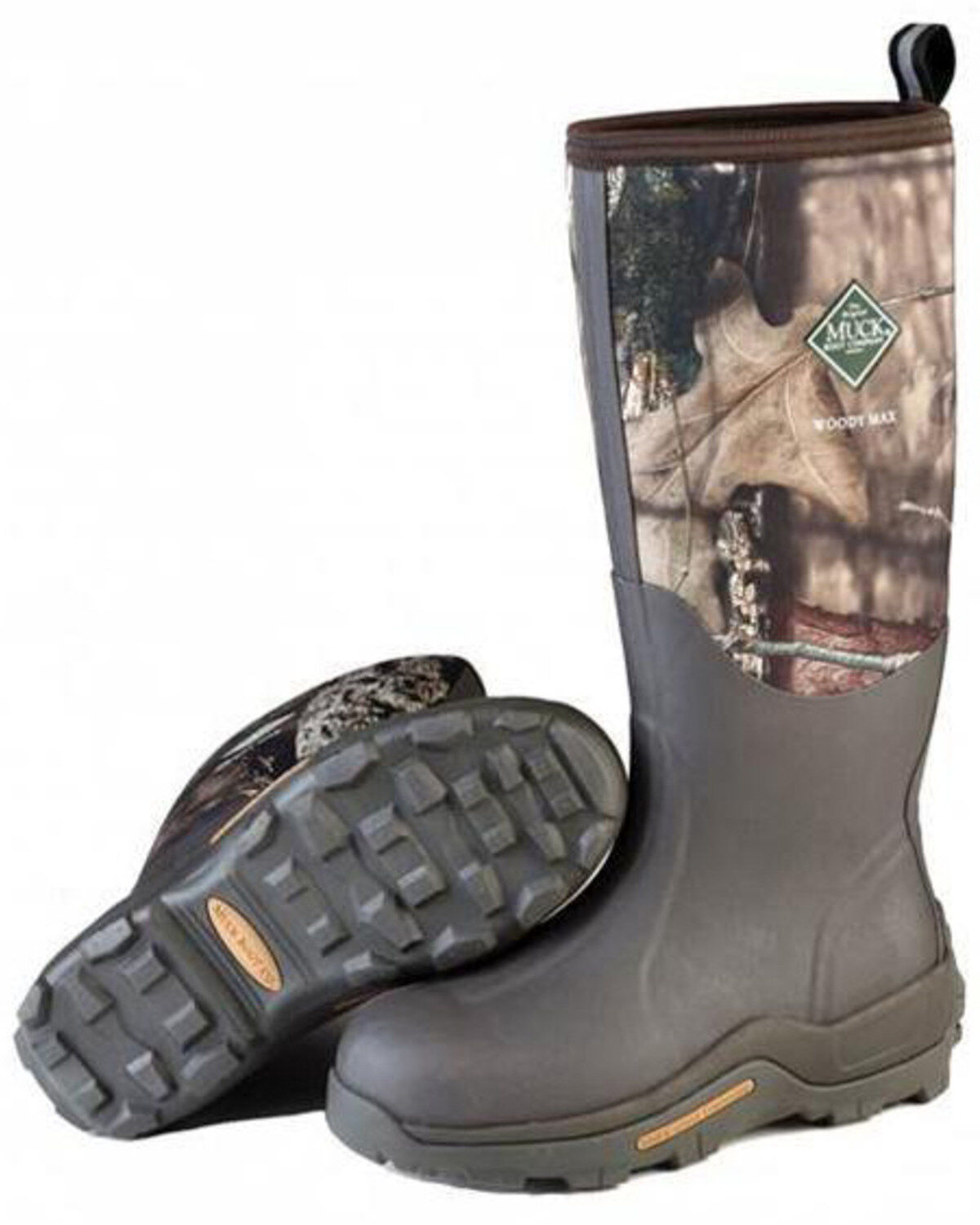
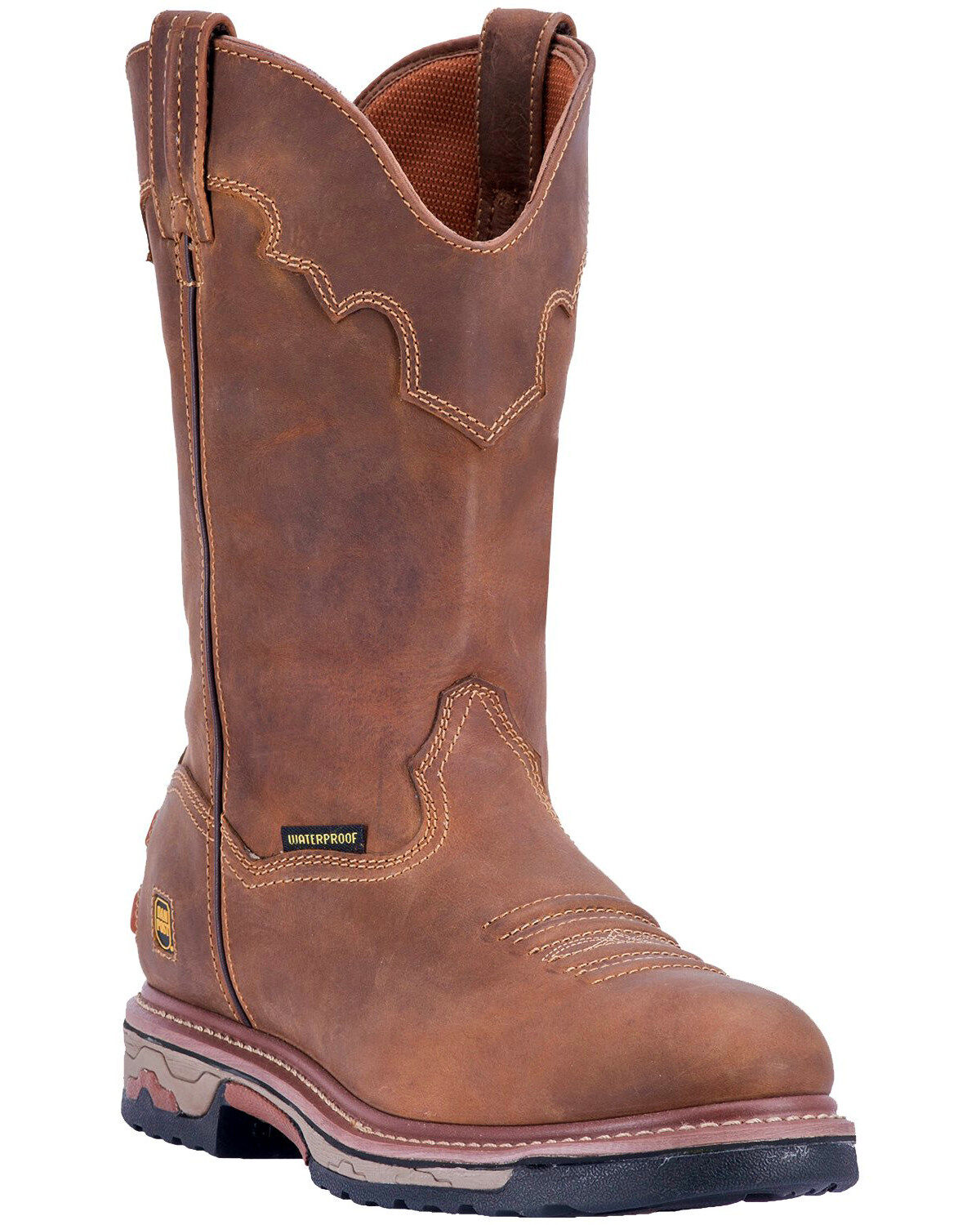
Men's waterproof pull-on boots combine easy entry with protection from wet conditions, making them a practical choice for work, property maintenance, and everyday wear around muddy ground. Their defining features are a shaft that slips on without laces and construction designed to keep outside water from reaching the foot. That protection may come from a waterproof membrane, sealed seams, molded rubber, or a combination of materials. A water-resistant surface treatment alone is not the same as waterproof construction. Full-grain leather is valued for its strength, support, and ability to develop character with wear, while rubber and other molded materials can suit tasks involving frequent mud and splashes. Some designs pair leather uppers with reinforced lower sections for added protection in high-wear areas. The right material depends on what the boots will encounter, whether that means damp grass around a fence line, puddles beside a loading area, or repeated trips between a workshop and an outdoor yard. Shaft height also matters. A taller shaft provides more coverage against splashes, but water can still enter through the opening. Waterproof boots are not automatically intended for standing in deep water or prolonged submersion; their stated use and construction determine those limits. Pull tabs or pull holes help with entry, and the absence of laces means fewer parts to catch on brush or collect mud. Inside, a lining can help manage moisture produced by the foot, although waterproof does not mean sweat-free. Breathability varies with materials, activity level, and conditions. Waterproofing also does not establish warmth: insulation is a separate feature that should match the intended use. For a man moving between a truck cab, wet ground, and a concrete floor, the value is straightforward: footwear that goes on easily, stays secure, and provides the level of water protection the task requires.

Fit determines whether that convenience holds up through a full day. A well-fitting pull-on boot should hold the instep securely without squeezing it, leave room for the toes to move, and support the foot without pressure along the sides. Because there are no laces to adjust, the relationship between foot width, instep height, heel shape, and shaft opening deserves attention. A small amount of heel movement can be normal in some leather pull-on designs, especially before the sole has flexed with wear, but excessive slipping can cause rubbing and make footing less secure. The foot should not slide forward into the toe when walking downhill or stepping off a platform. A broad square toe does not necessarily indicate a wide fit, and a pointed profile should still provide adequate toe room in the correct size. Leather may soften, but boots should not depend on a painful break-in period to fit. Trying them with the socks and any removable inserts intended for daily wear gives a more useful picture of fit than trying them with a different sock weight. Underfoot construction matters just as much. Cushioning can help soften repeated steps, while a supportive footbed and stable platform serve men who spend long stretches standing or walking. For work-specific designs, explore Mens Waterproof Pull On Work Boots and compare the stated features with the requirements of the job. A defined heel may be useful for certain tasks, while outsole tread should suit the actual surface. Deep lugs can help on loose ground but may carry mud indoors; flatter patterns behave differently on hard floors. Waterproof construction does not establish slip resistance, toe-impact protection, puncture resistance, or electrical hazard protection. Those are separate features, and workplace requirements should be matched to the boot's stated ratings. A safety toe is appropriate where required, while a soft toe may suit duties without that requirement. Traction still depends on surface conditions, tread wear, and contamination, so no outsole removes the need for careful footing.

Durability comes from the whole boot, not just the thickness of the leather. Stitching, seams, outsole attachment, heel construction, and reinforcement at wear points all affect how footwear handles repeated use. Kneeling on rough surfaces can wear down the toe area, while dragging a heel across concrete can shorten outsole life. Some construction methods allow resoling, but that capability should be confirmed rather than assumed, particularly when a waterproof system is involved. Routine care helps preserve both the upper and the components underneath it. Mud left to harden can stress leather as the boot flexes, so removing surface dirt with a soft brush or damp cloth is a useful habit. Cleaning methods should match the material: leather, rubber, and fabric panels do not always tolerate the same products. Leather conditioner can help maintain flexibility when used as directed, but it does not repair a damaged waterproof membrane or seal a split seam. Surface treatments should be compatible with the boot's construction, including any breathable waterproof layer. After a wet day, boots need time to dry naturally away from direct heat. Removing removable footbeds can help air circulate inside, and allowing the interior to dry between wears helps manage moisture and odor. A radiator, open flame, or other concentrated heat source can damage leather, adhesives, and waterproof components. Periodic checks around flex points, seams, and worn tread can reveal damage before it becomes a larger problem. These practical details matter whether the boots belong to a contractor, a farmer, a property owner, or someone whose daily routine regularly crosses wet ground. As a gift, waterproof pull-on boots make the most sense when the recipient's size, width, usual socks, and work requirements are known. The strongest choice is a pair matched to the wearer's actual day: secure through the heel and instep, comfortable underfoot, suited to the ground, and built with water protection appropriate to the work.
Read More

FAQs