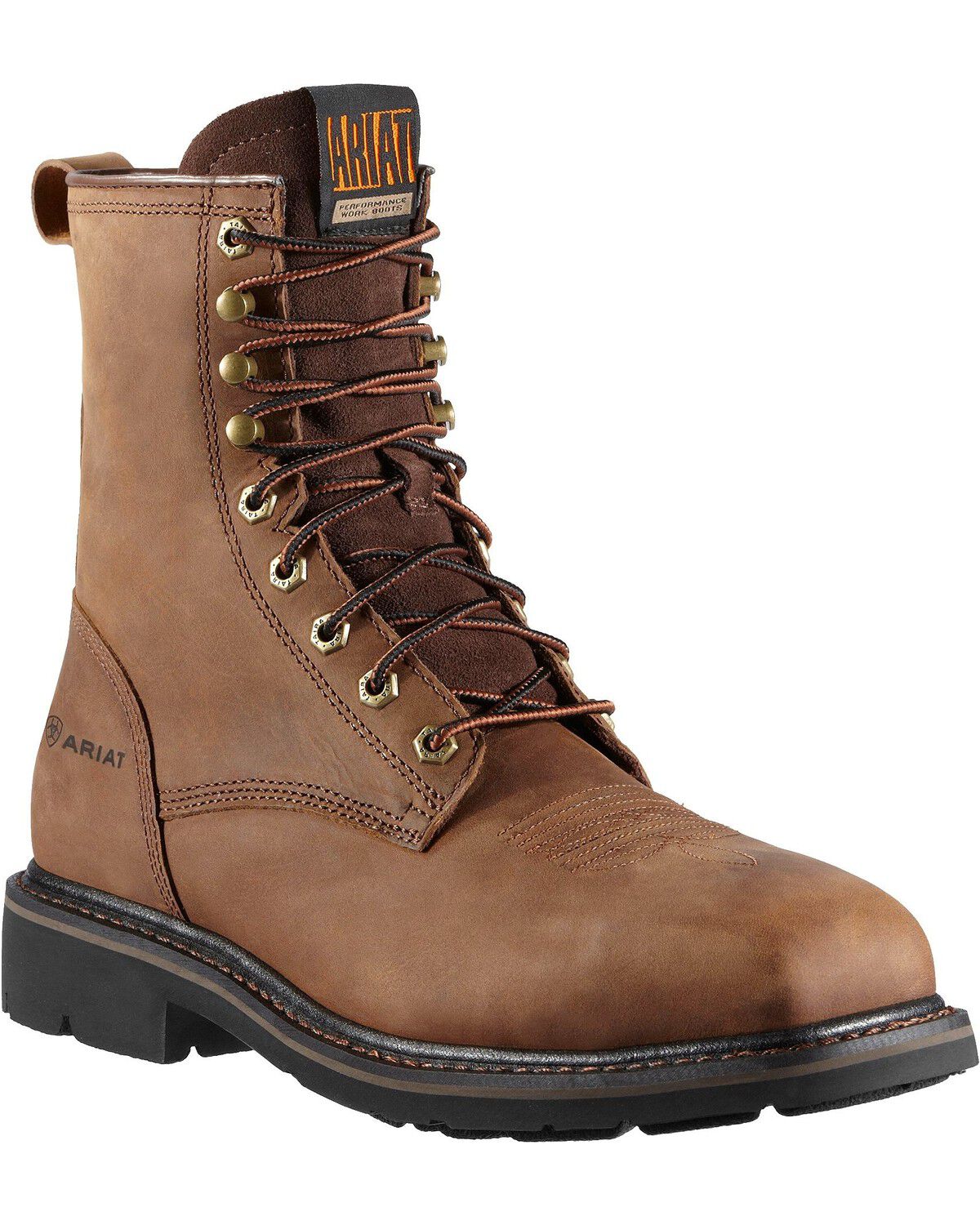
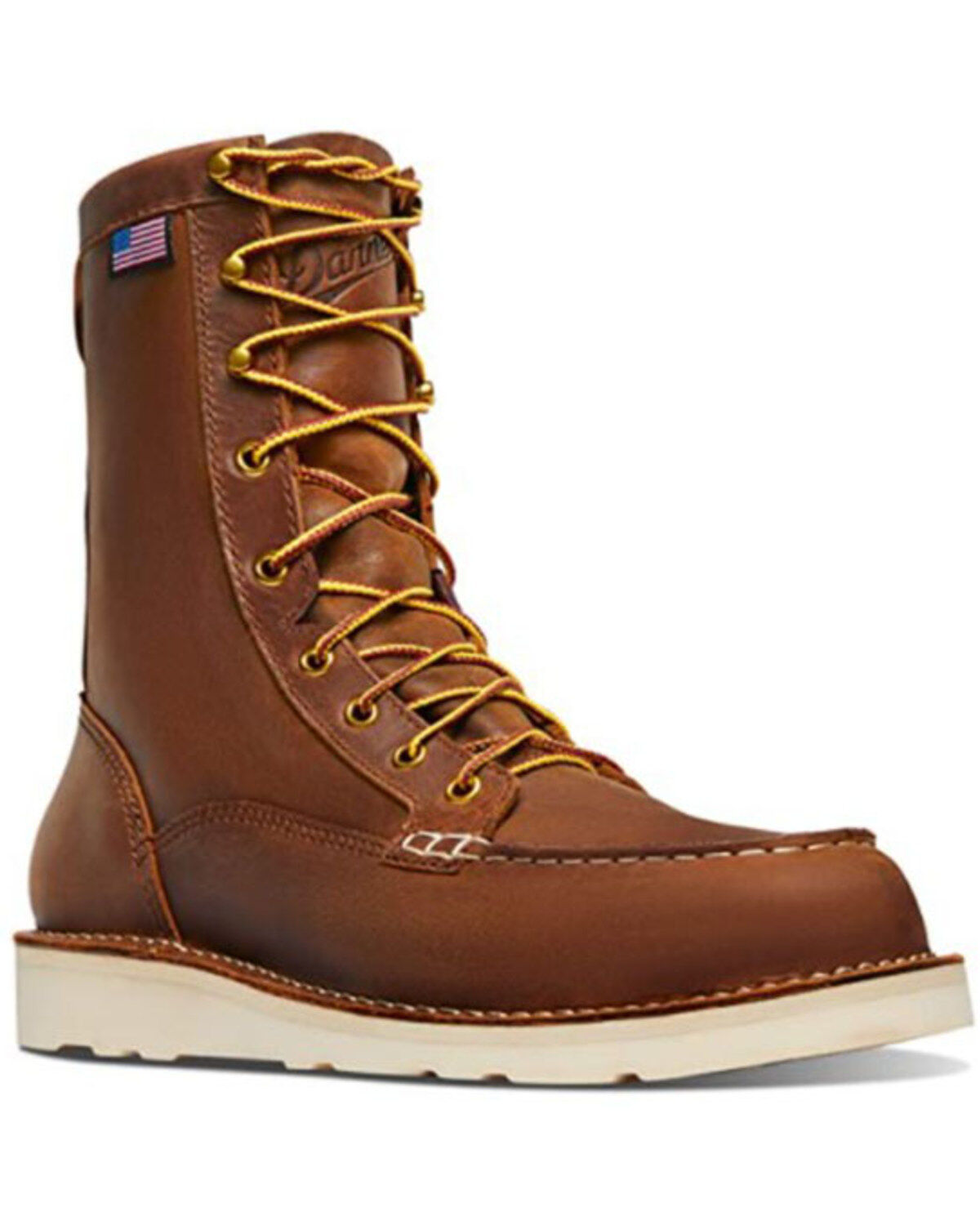
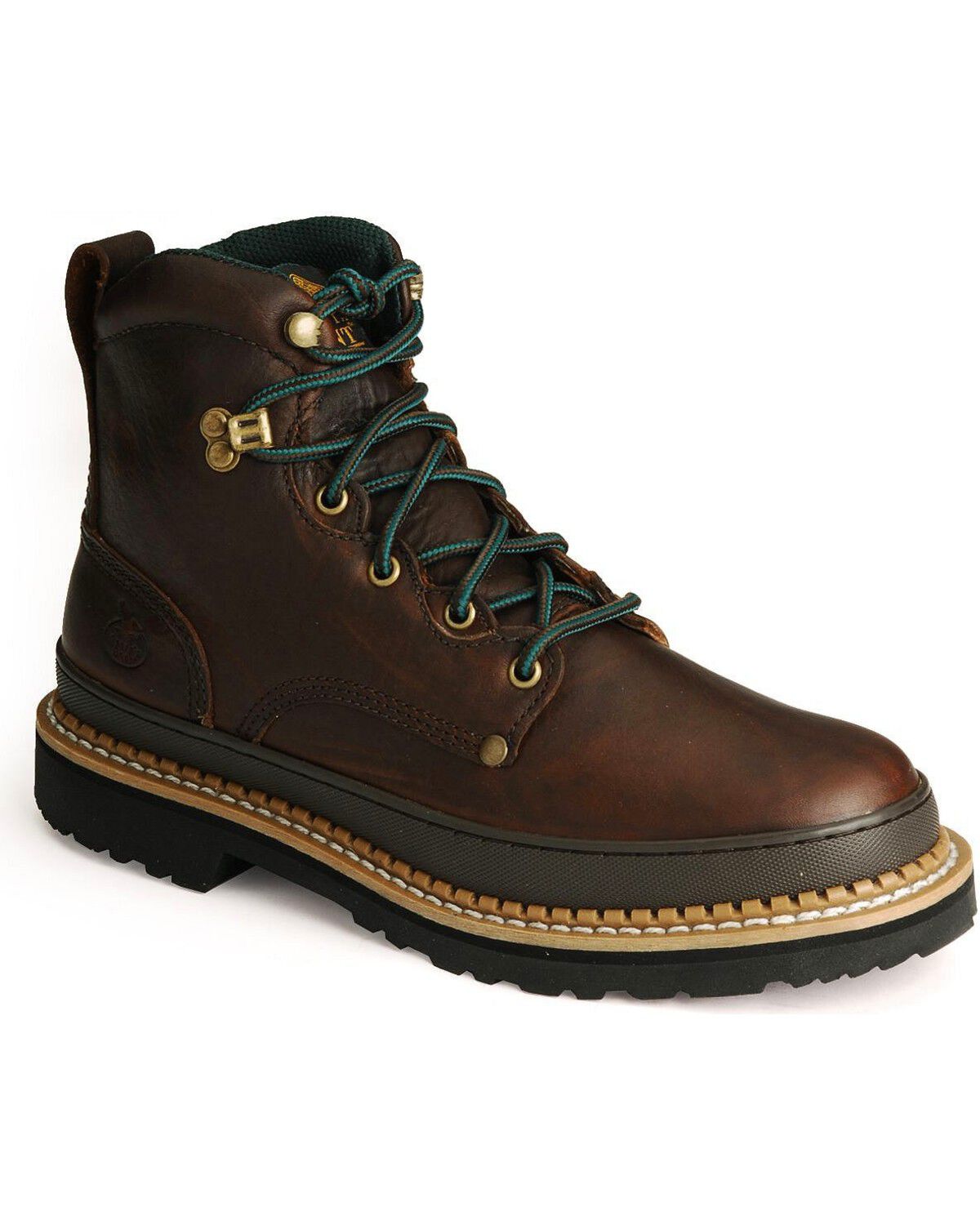
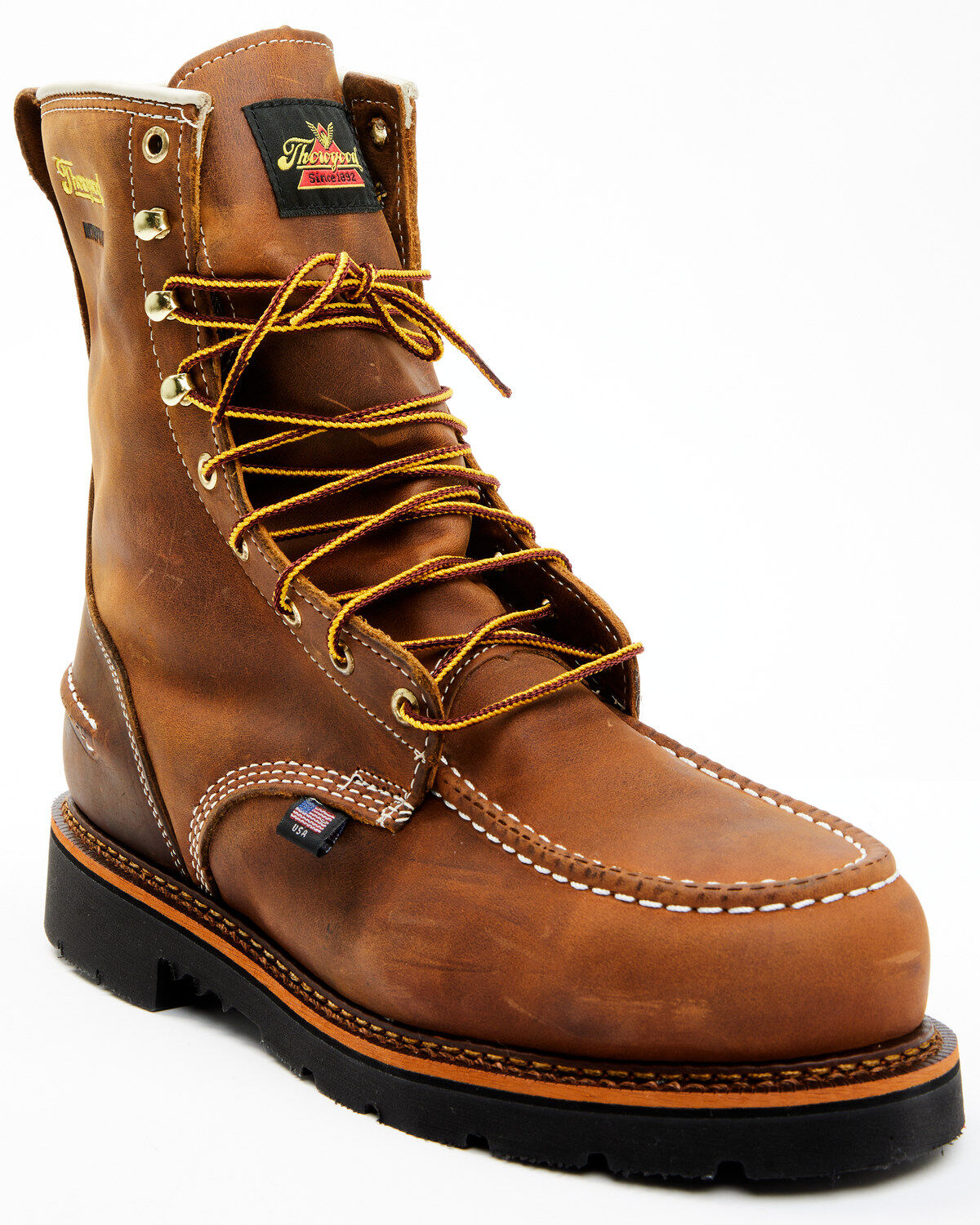
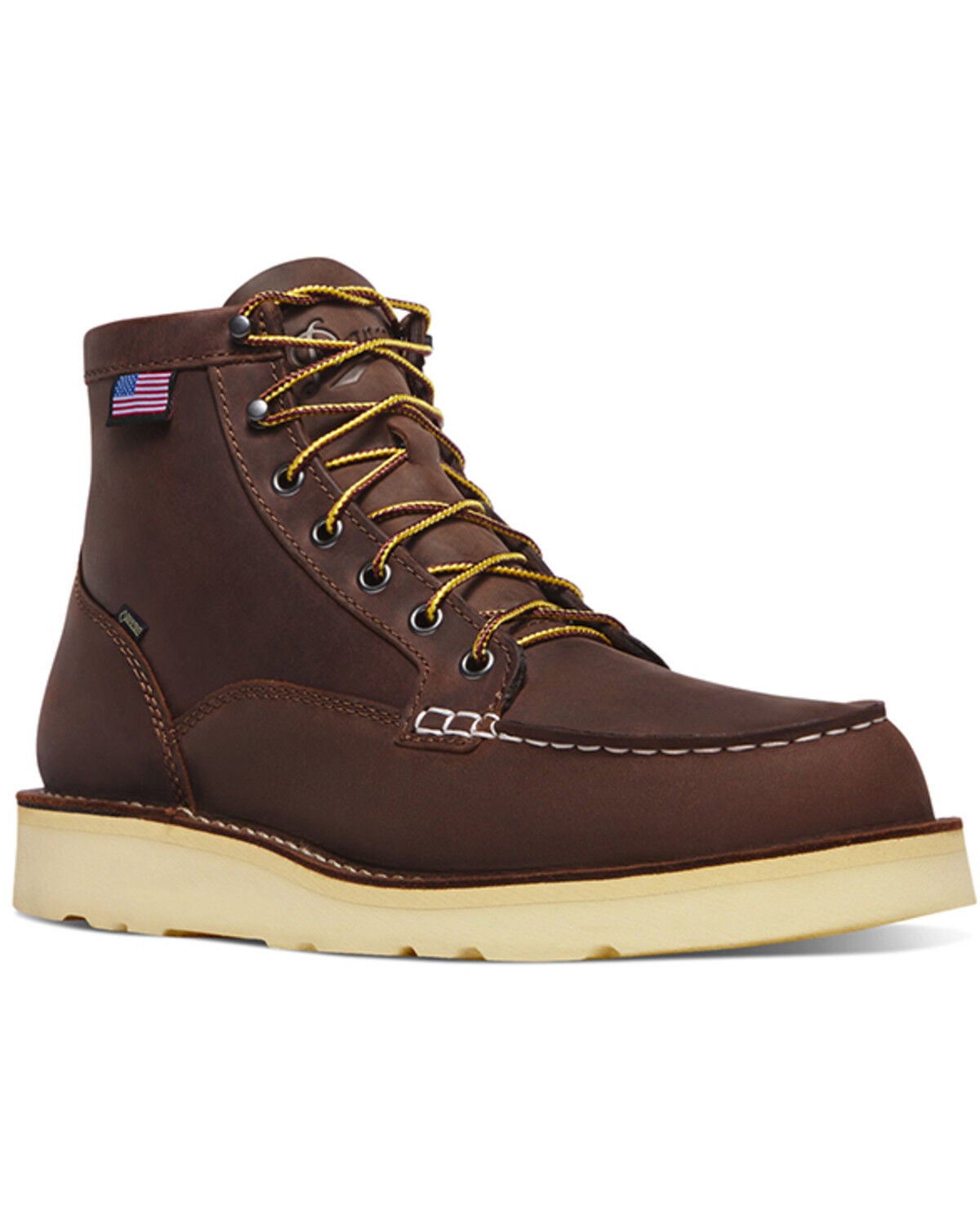
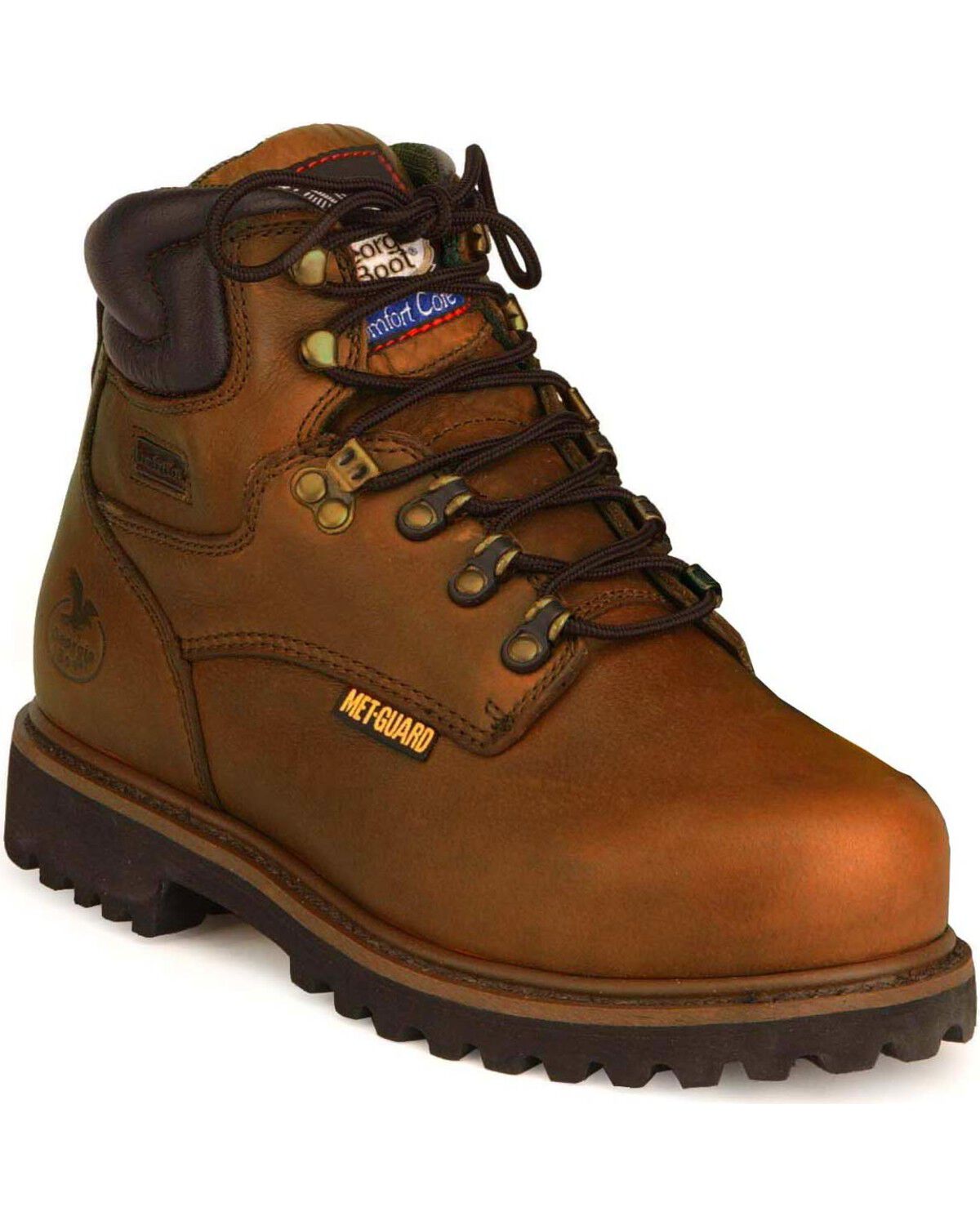
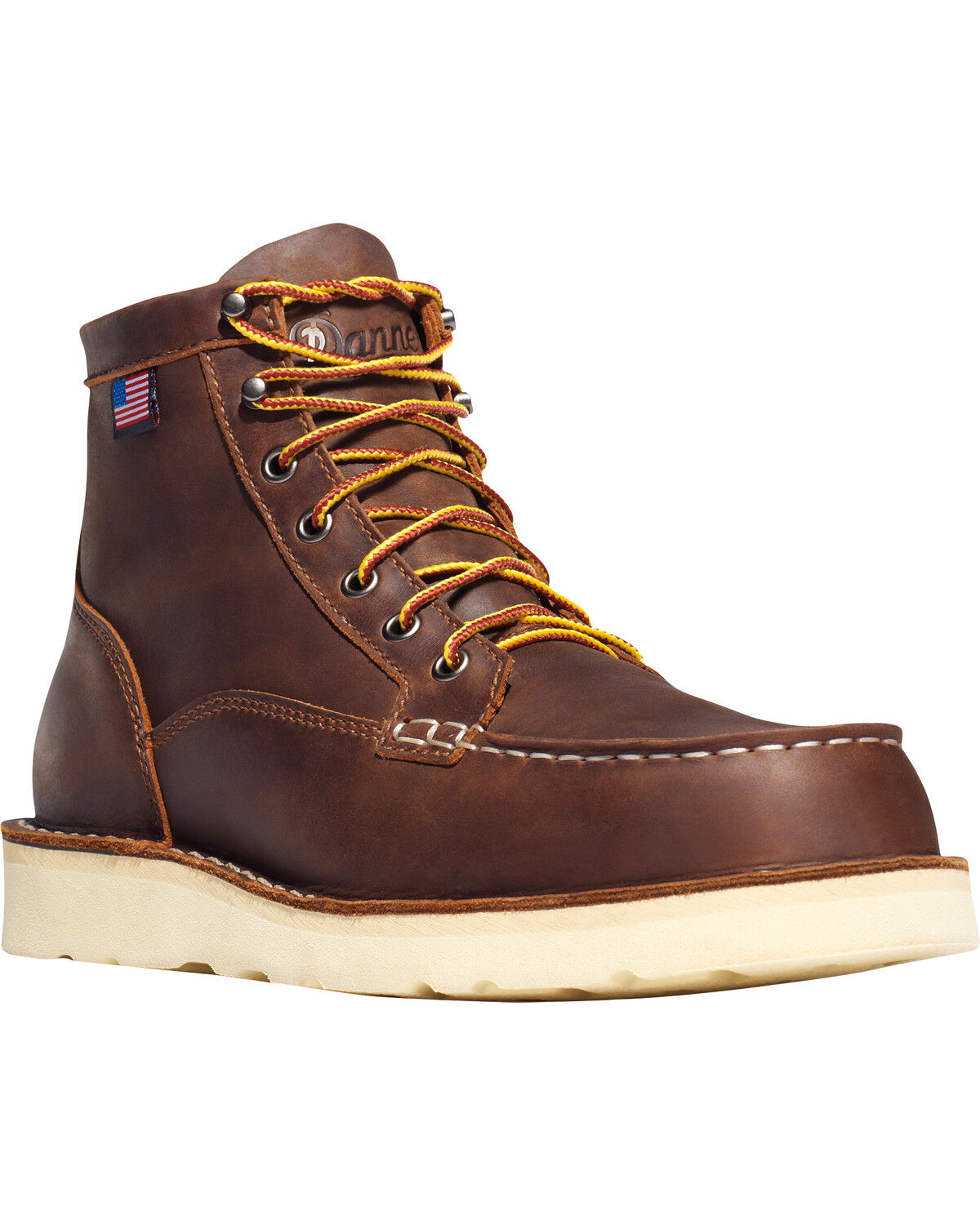
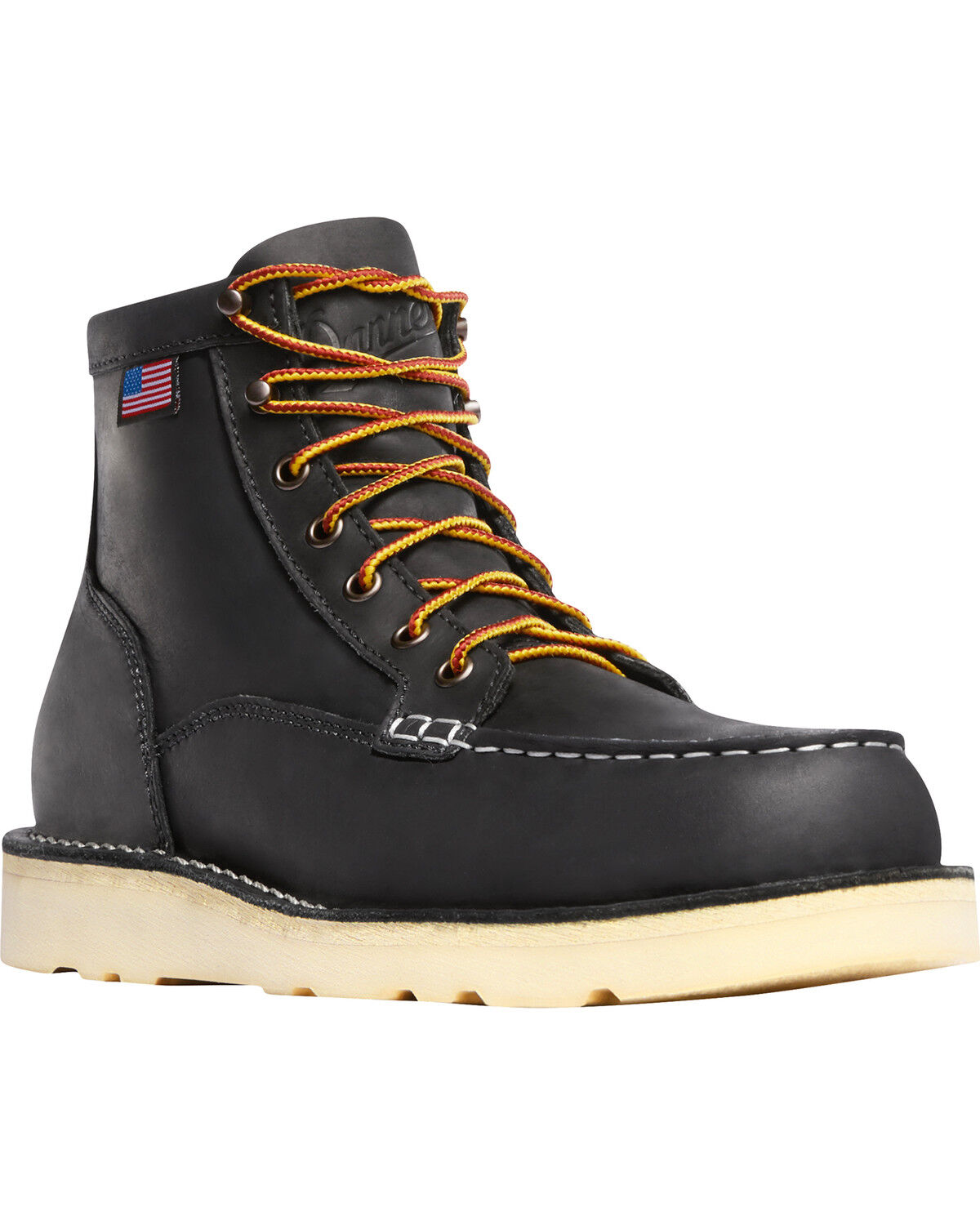
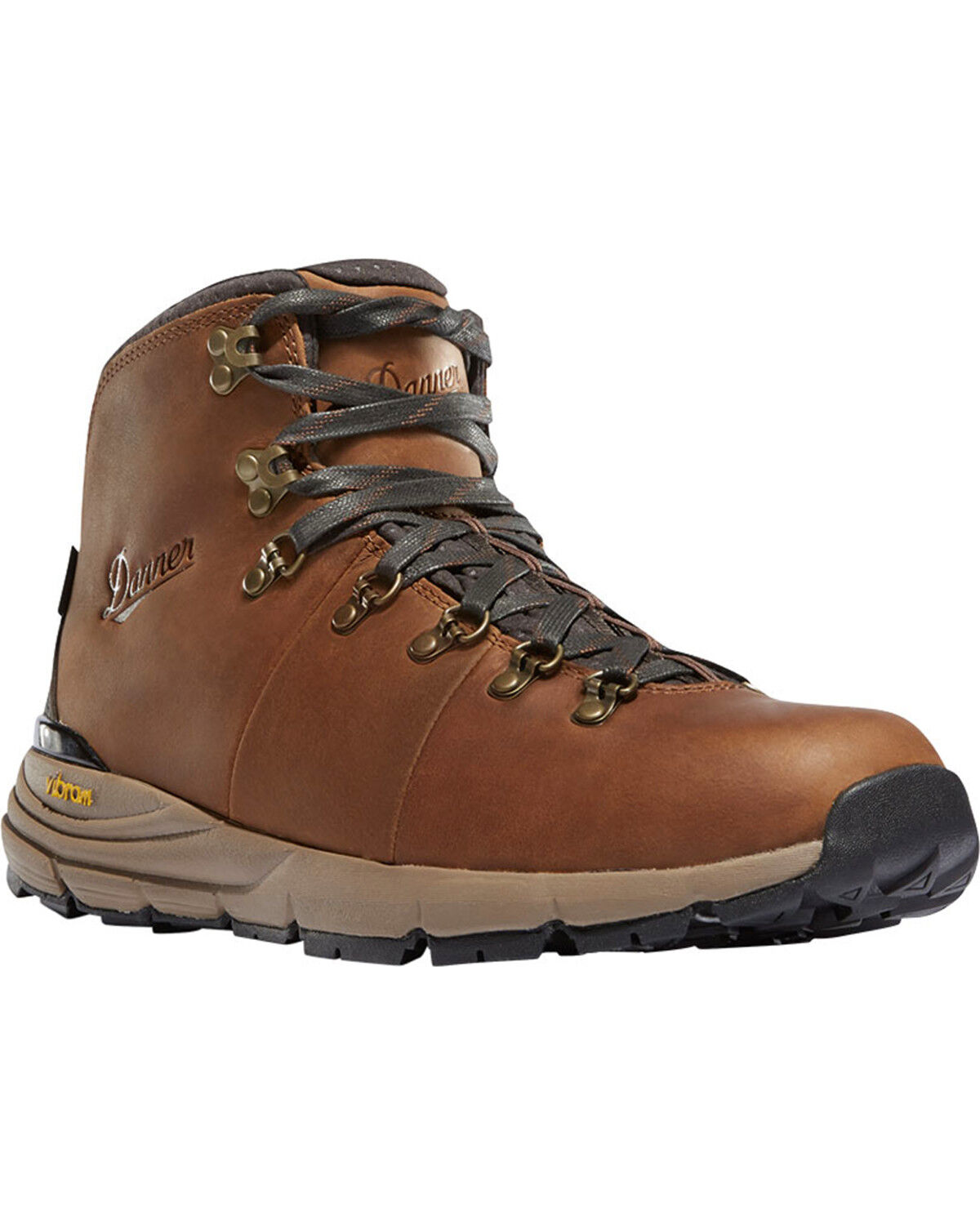
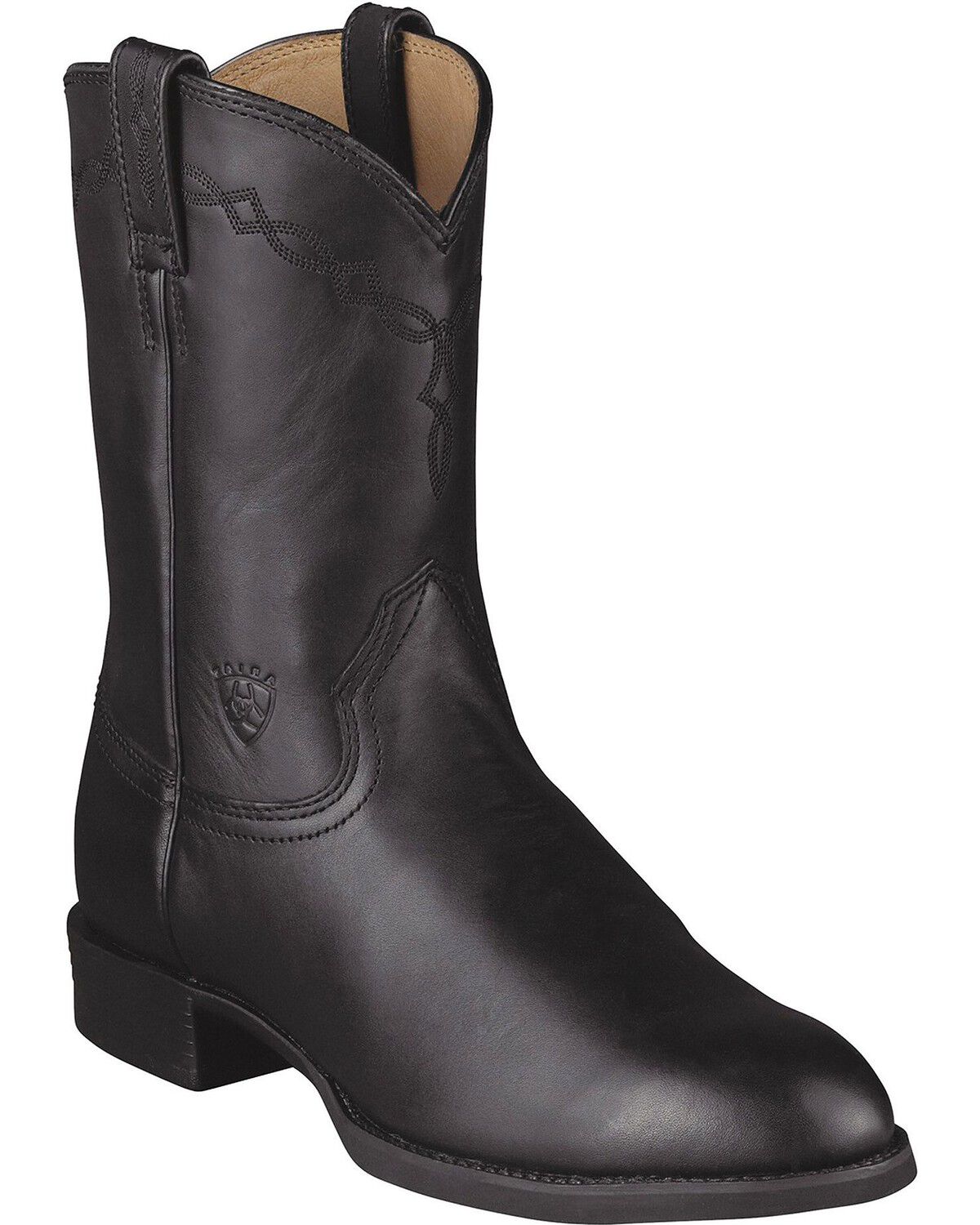
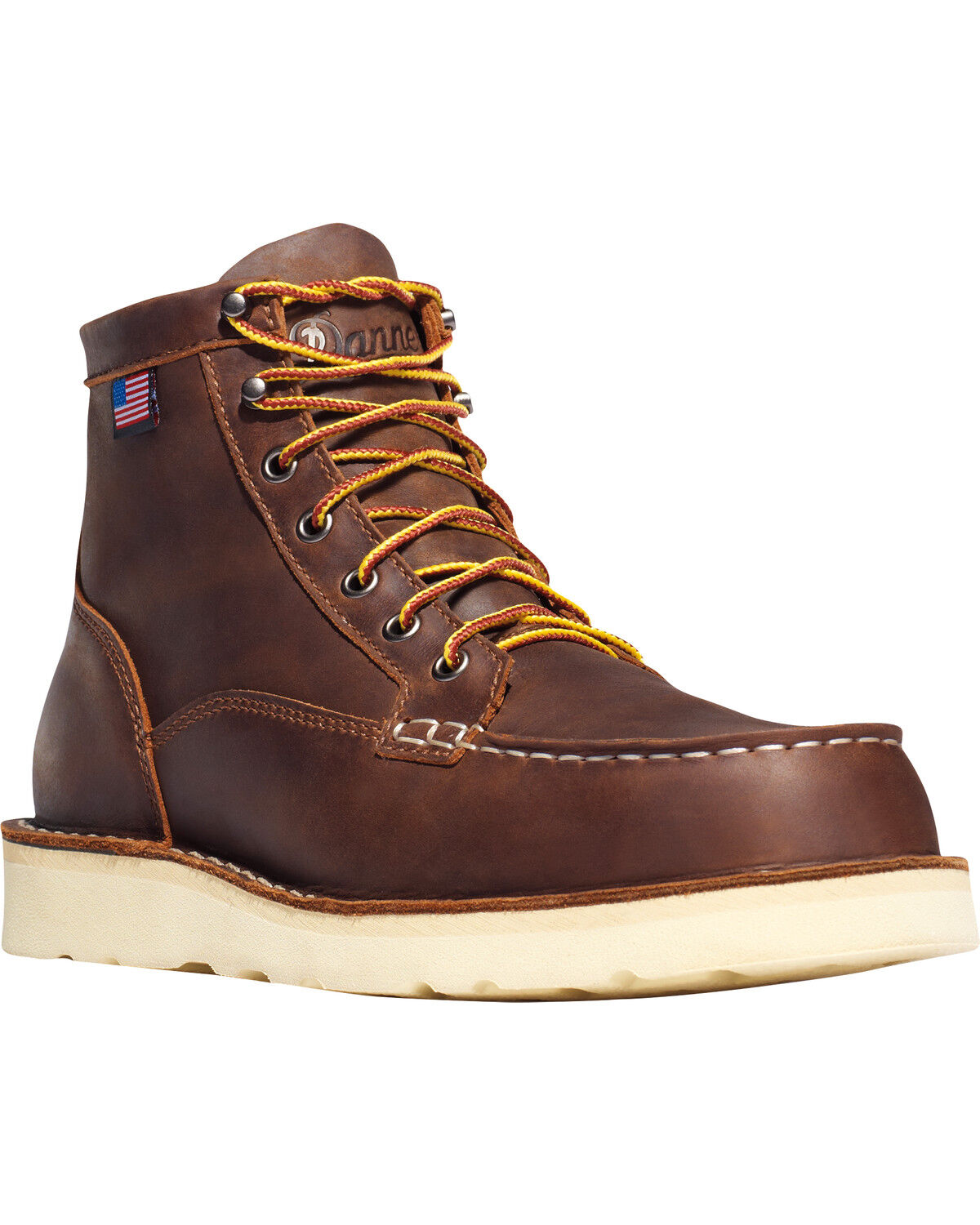
Lace Up Steel Toe Work Boots

Find lace-up steel toe work boots with an adjustable fit and protection at the toe. Compare each pair’s sizing, listed features, and safety ratings against your job requirements to choose the right work footwear for your day.

Read More

Shop Your Store: Shop Your Store: Find a Store

(Turn off Shop Your Store to see all items)

(Turn off Shop Your Store to see all items)

close
  • Recommended
  • Lowest Price
  • Highest Price
Skip pass products

End of products

Lace Up Steel Toe Work Boots

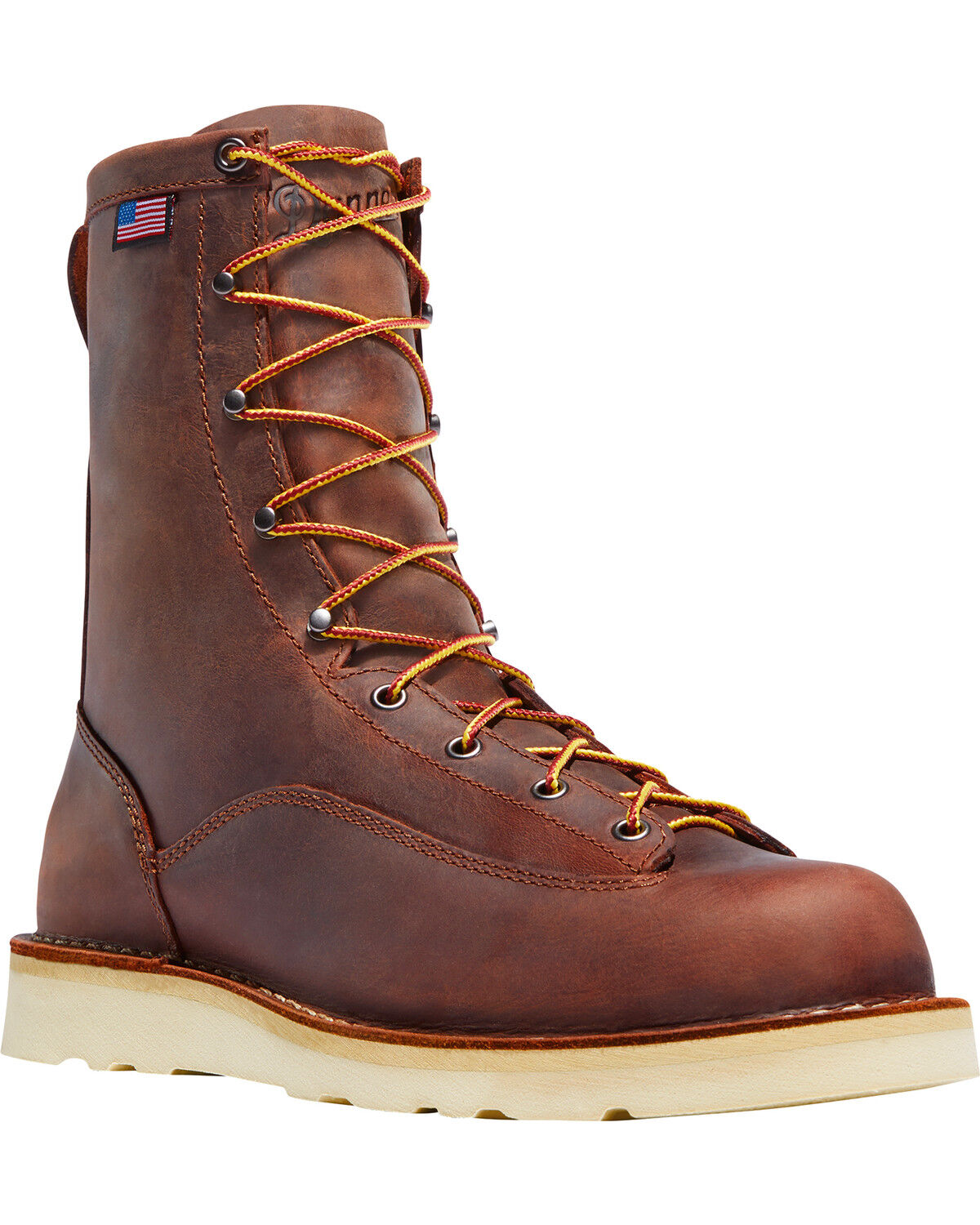
Lace-up steel toe work boots combine an adjustable fit with a protective toe cap built to help guard against impact and compression hazards. They are a practical choice for construction crews, warehouse workers, mechanics, maintenance teams, and others who spend their shifts around tools, equipment, and heavy materials. The laced upper lets the wearer adjust tension across the instep and around the ankle, helping hold the foot securely as the job moves from walking to climbing, crouching, or carrying. Steel toe protection is only one part of the boot, though. Footwear marked as meeting ASTM F2413 has been tested for specified protective requirements, and the markings identify which requirements apply. Electrical hazard protection, puncture resistance, and metatarsal protection are separate features, not automatic benefits of every steel toe boot. A steel toe cap covers the toes; a metatarsal guard adds protection over the top of the foot. The right combination depends on the hazards and footwear requirements of the workplace. Materials and construction matter just as much over a full shift. Full-grain leather provides a durable upper that can soften with wear while retaining its structure. Nubuck has a brushed surface that calls for care suited to its finish, while textile panels can add flexibility and reduce bulk in some designs. Reinforced stitching, sturdy eyelets, and abrasion-resistant toe overlays help address wear in areas that repeatedly rub against equipment or rough surfaces. Welt construction joins the upper and sole through a stitched strip and may allow resoling, depending on the design. Cement construction bonds the sole to the upper and can provide a flexible feel with less bulk. Neither construction method alone determines how long a boot will last. Leather quality, outsole material, workmanship, and the demands of the job all contribute to durability. A boot worn across smooth concrete faces different wear than one used around abrasive debris, sharp edges, or repeated kneeling.

Fit makes the difference between protection that stays comfortable and a boot that becomes a distraction before the shift is over. Lace-up steel toe work boots should leave enough room for the toes to move without allowing the foot to slide forward into the safety cap. The cap does not stretch during break-in, so pressure against the toes is not something to expect leather conditioning or repeated wear to fix. Width matters as much as length, especially across the ball of the foot and through the toe box. Work socks and any prescribed orthotics affect the space inside the boot, making them important parts of assessing fit. The heel should feel secure without the laces being pulled so tightly that they create pressure across the instep. Even lacing helps distribute tension, while different upper heights change how much coverage sits above the ankle. A taller shaft offers more coverage, but height alone does not guarantee better comfort or prevent an ankle injury. Underfoot, cushioned footbeds and midsoles help manage the feel of repeated steps on hard surfaces. Removable footbeds can make room for compatible replacements, provided the change does not crowd the foot or compromise the intended fit. A supportive shank can add structure through the arch, but it is not the same as a puncture-resistant plate. Outsole shape also changes how a boot feels on the job. A broad wedge sole can provide substantial contact with a smooth floor, while a defined heel may suit work involving ladder rungs when it meets workplace requirements. Deeper lugs can provide traction on loose ground, although they may collect debris that needs regular removal. Slip resistance and oil resistance describe different performance characteristics. An oil-resistant outsole is not automatically slip-resistant, and no outsole provides secure footing on every surface. For someone crossing a shop floor, stepping onto a loading dock, or working around machinery, the useful features are the ones that match those actual conditions.

Regular care helps lace-up steel toe work boots hold their shape and keeps small problems from becoming reasons to replace them early. Dust and grit can work into creases, stitching, and the spaces around eyelets, where repeated movement increases abrasion. Removing loose dirt with a soft brush and wiping away residue with a damp cloth keeps buildup under control. Cleaning products should match the upper material and finish; smooth leather, nubuck, and textile panels do not all respond well to the same treatment. Appropriate leather conditioner can help maintain suppleness, but too much can change the feel or appearance of the leather. Water-resistant treatments also need to be compatible with any waterproof membrane or factory finish. Waterproof construction can help limit water entering through the upper, but it does not mean water cannot enter through the boot opening. After cleaning or exposure to water at work, boots should dry naturally away from direct heat. Removing compatible footbeds and loosening the laces allows better access for cleaning and drying inside. Laces, hooks, and eyelets deserve attention because a secure closure depends on all three. Frayed laces, loose hardware, separating soles, and worn tread can affect function even when the leather still looks serviceable. A boot that has taken a serious impact may need replacement despite limited visible damage, since the condition of the protective components cannot always be judged from the outside. Manufacturer guidance and workplace safety rules should determine when protective footwear is retired. For a broader view of leather uppers and adjustable closures, Lace-Up Leather Work Boots provides a related category to consider alongside the specific need for steel toe protection. These boots can also make a useful gift for someone entering a trade or replacing a worn work pair, but the wearer’s size, preferred fit, and required safety markings matter more than appearance alone. The strongest choice is a boot matched to the work, with protection suited to the hazards and a fit that remains secure through the day.
Read More

FAQs