Lace-Up Leather Work Boots

Shop lace-up leather work boots with an adjustable fit for the workday. Compare available styles and check each pair’s listed safety features, construction, and sizing to find the right match for your job requirements.

Shop Your Store: Shop Your Store: Find a Store

(Turn off Shop Your Store to see all items)

(Turn off Shop Your Store to see all items)

close
  • Recommended
  • Lowest Price
  • Highest Price
Skip pass products
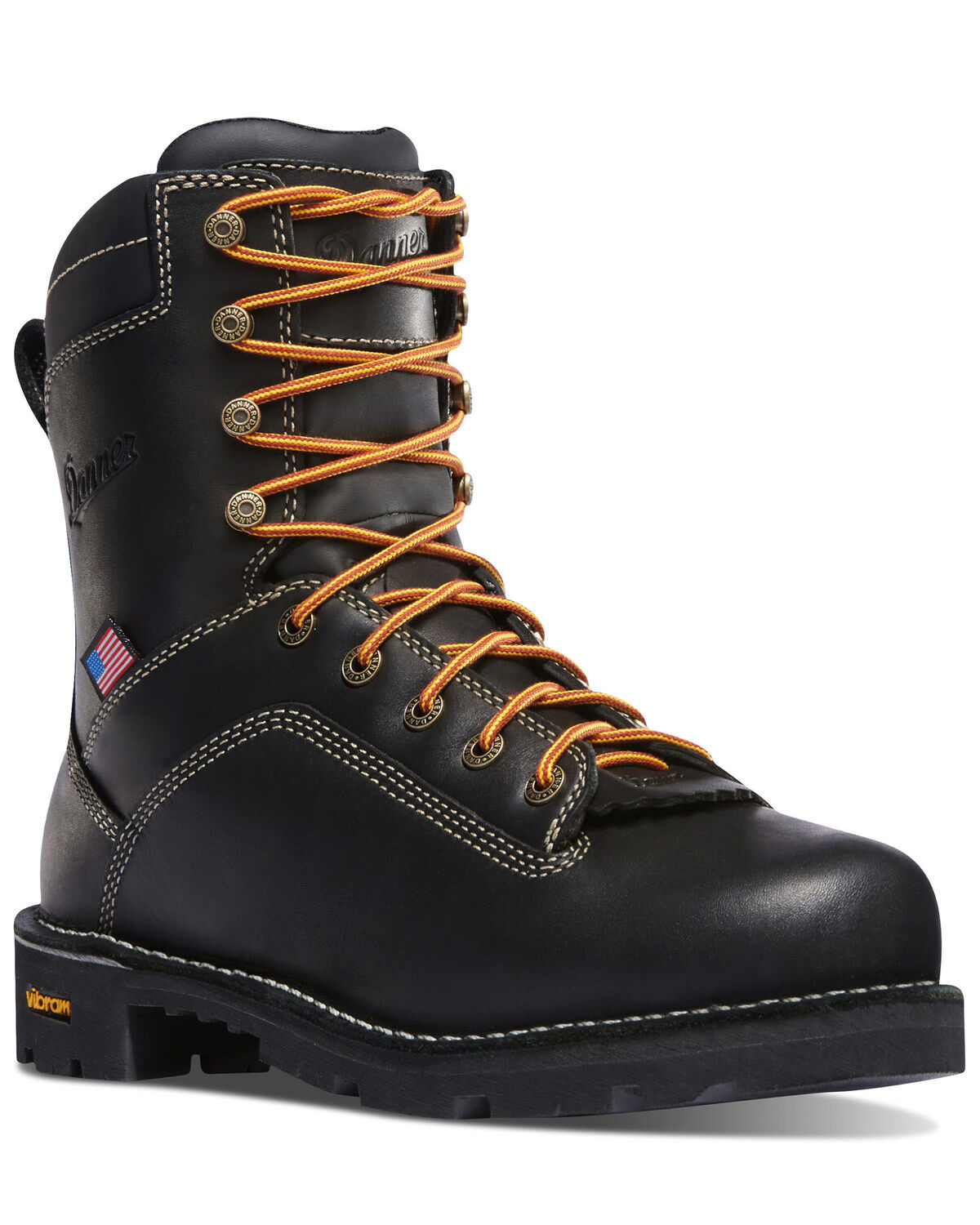
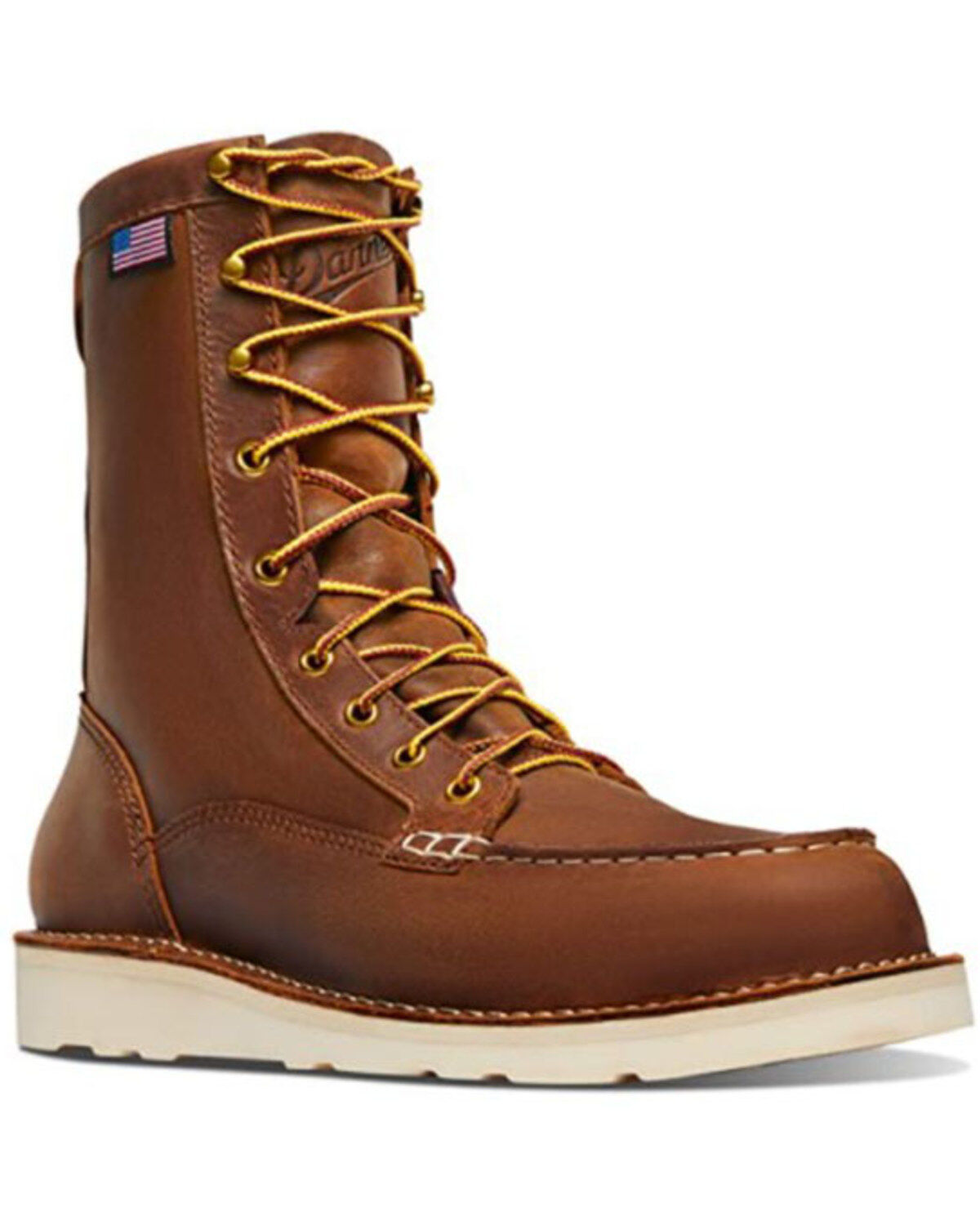
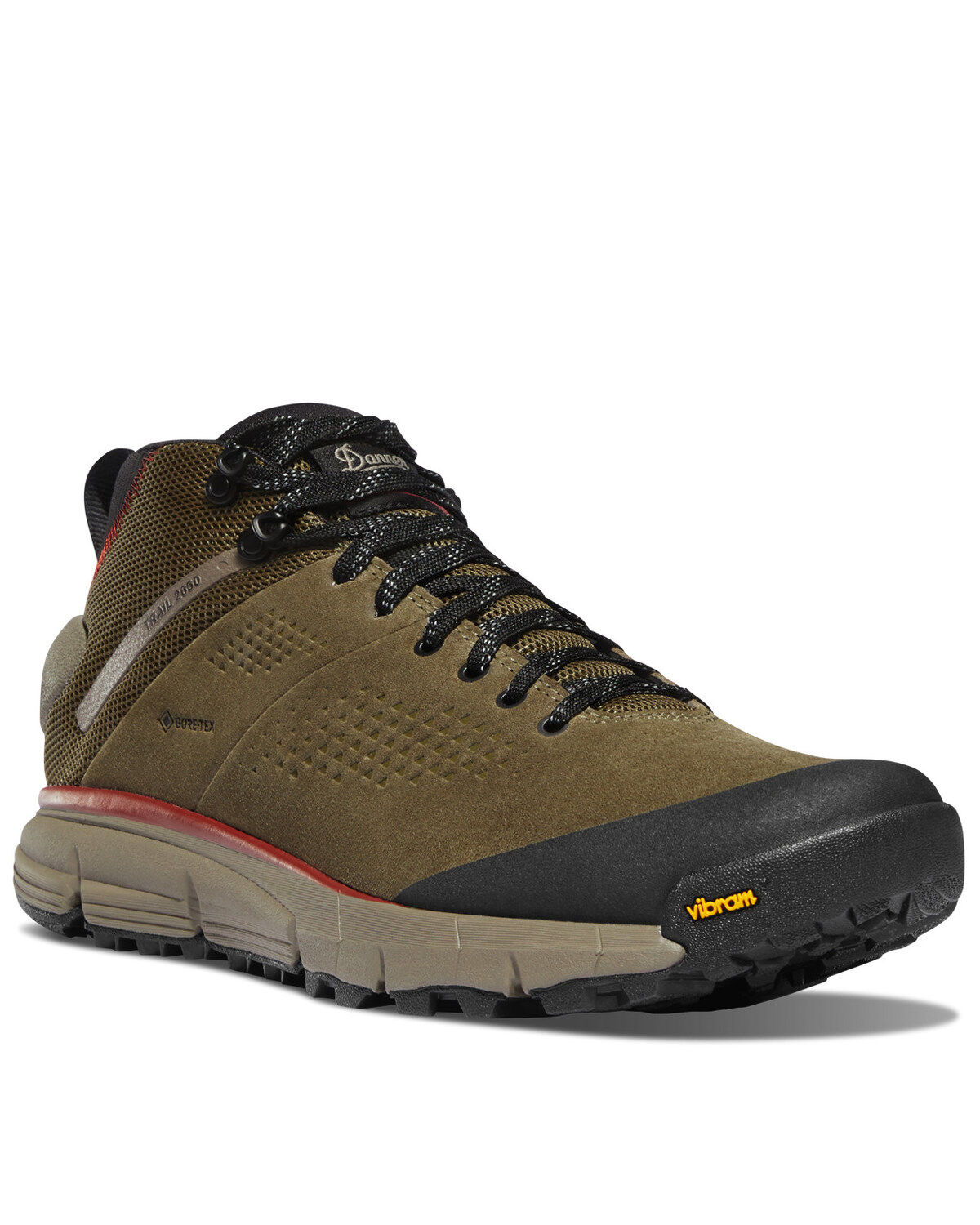
  • Men's Danner Steel Yard Lacer Work Boots - Soft Toe
    Original Price $149.99 $104.97
    30% Total Savings

End of products

Lace-Up Leather Work Boots

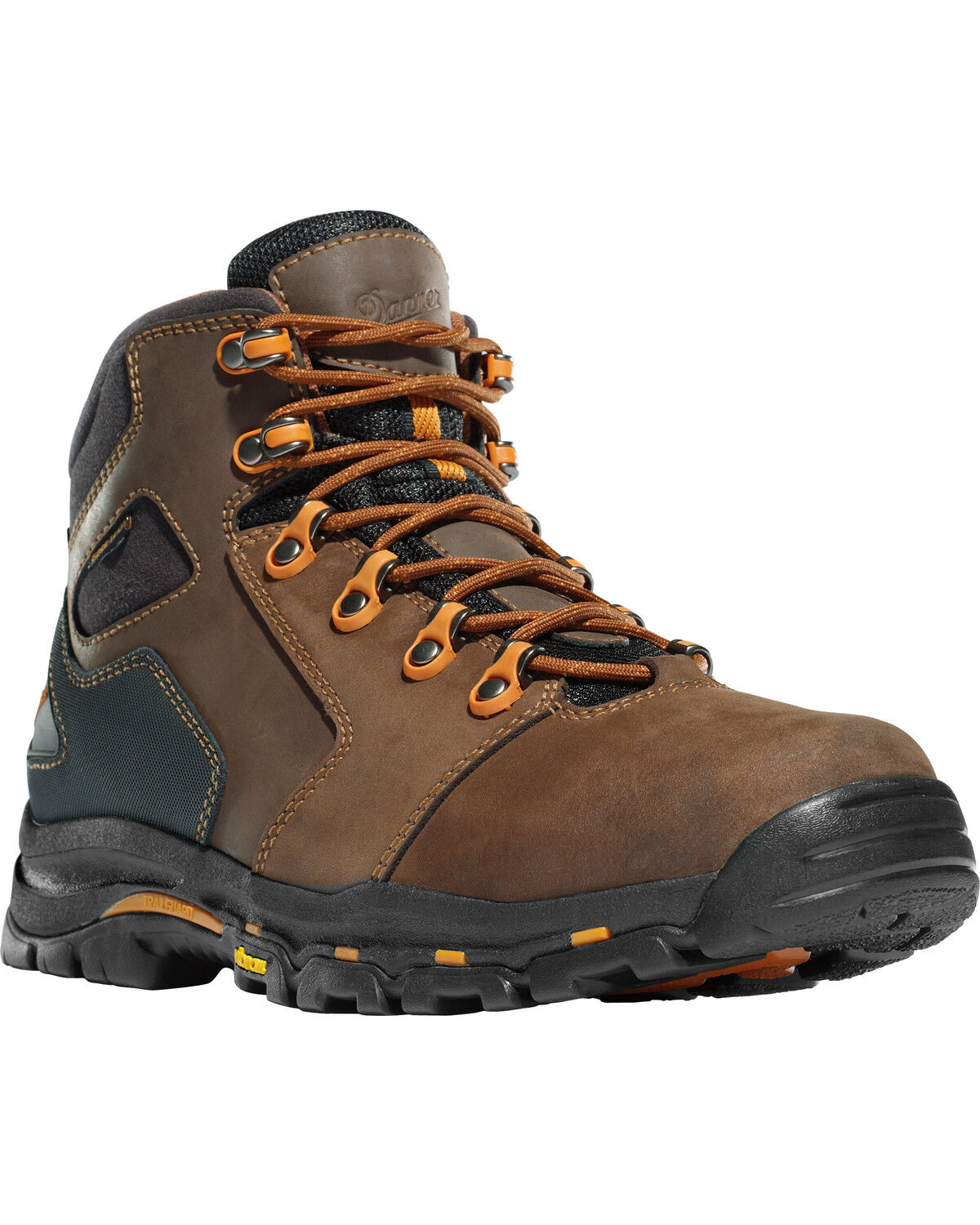
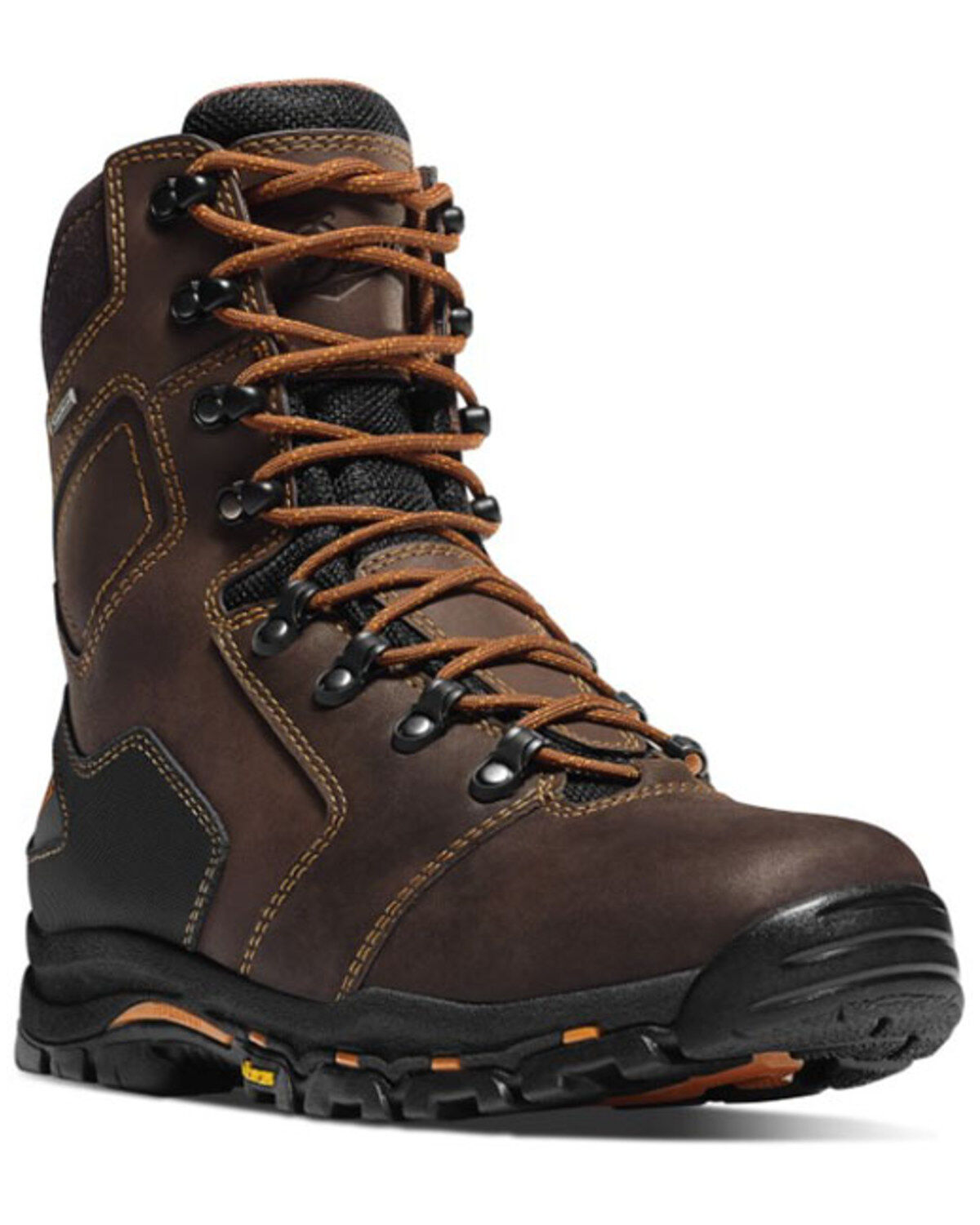
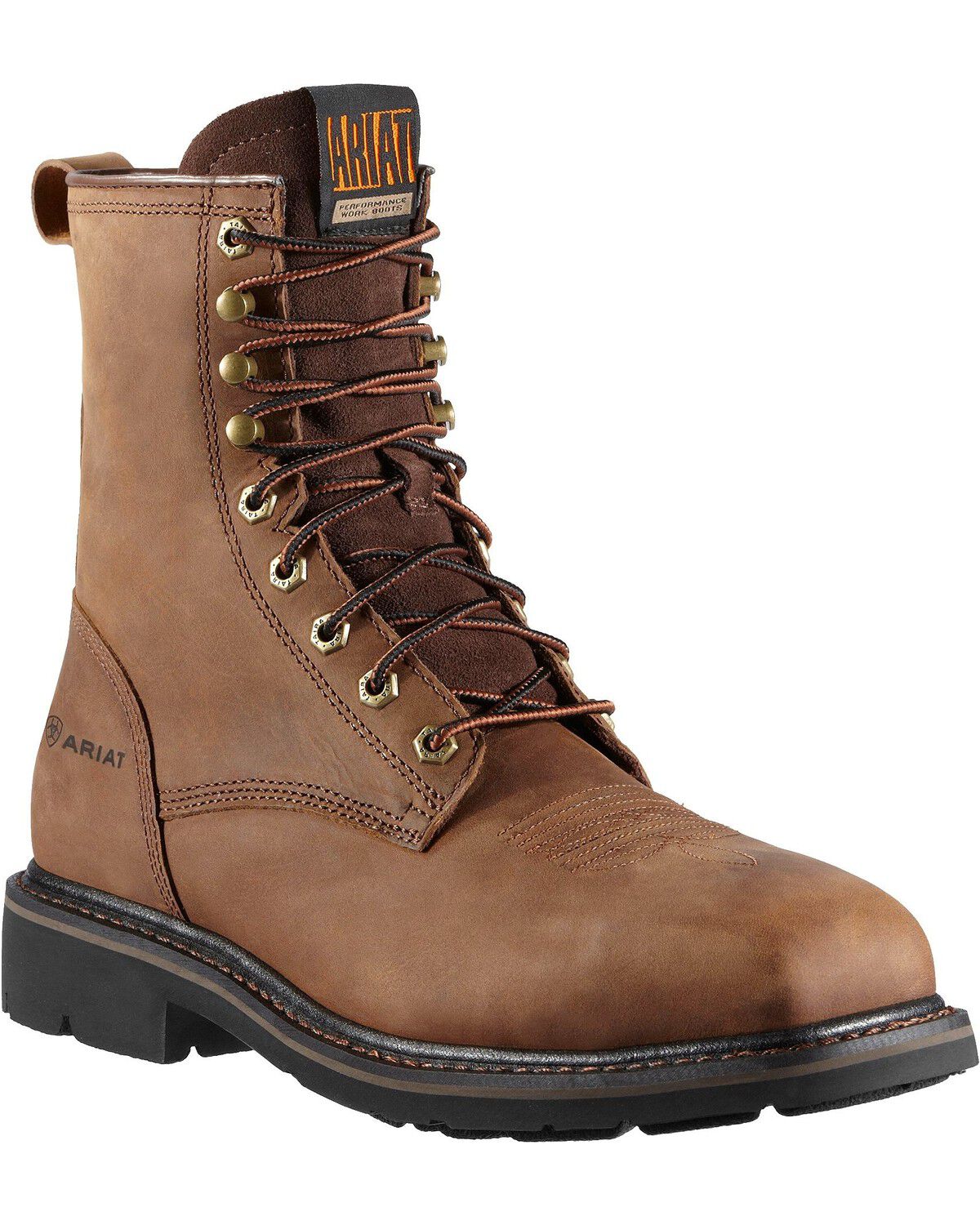
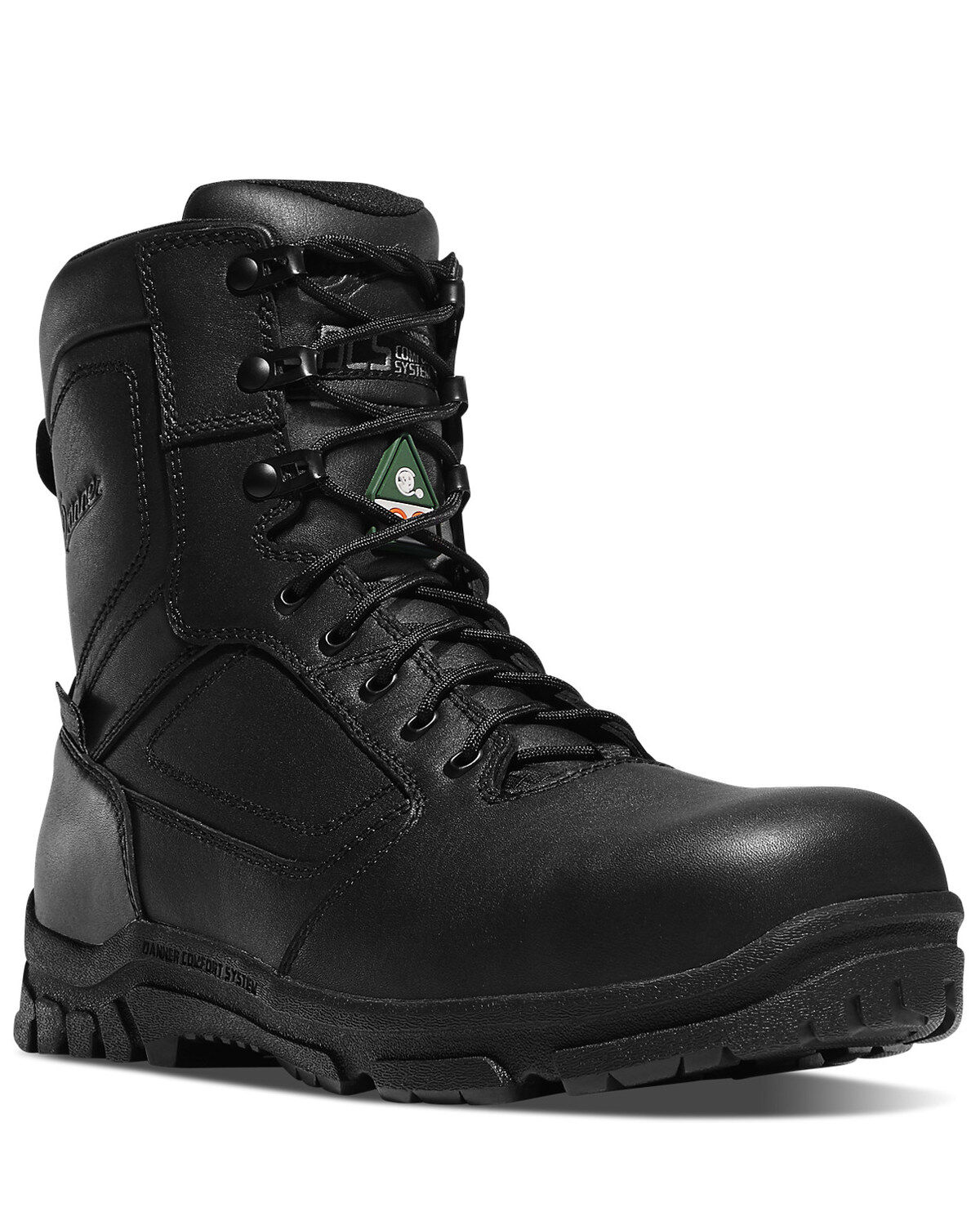
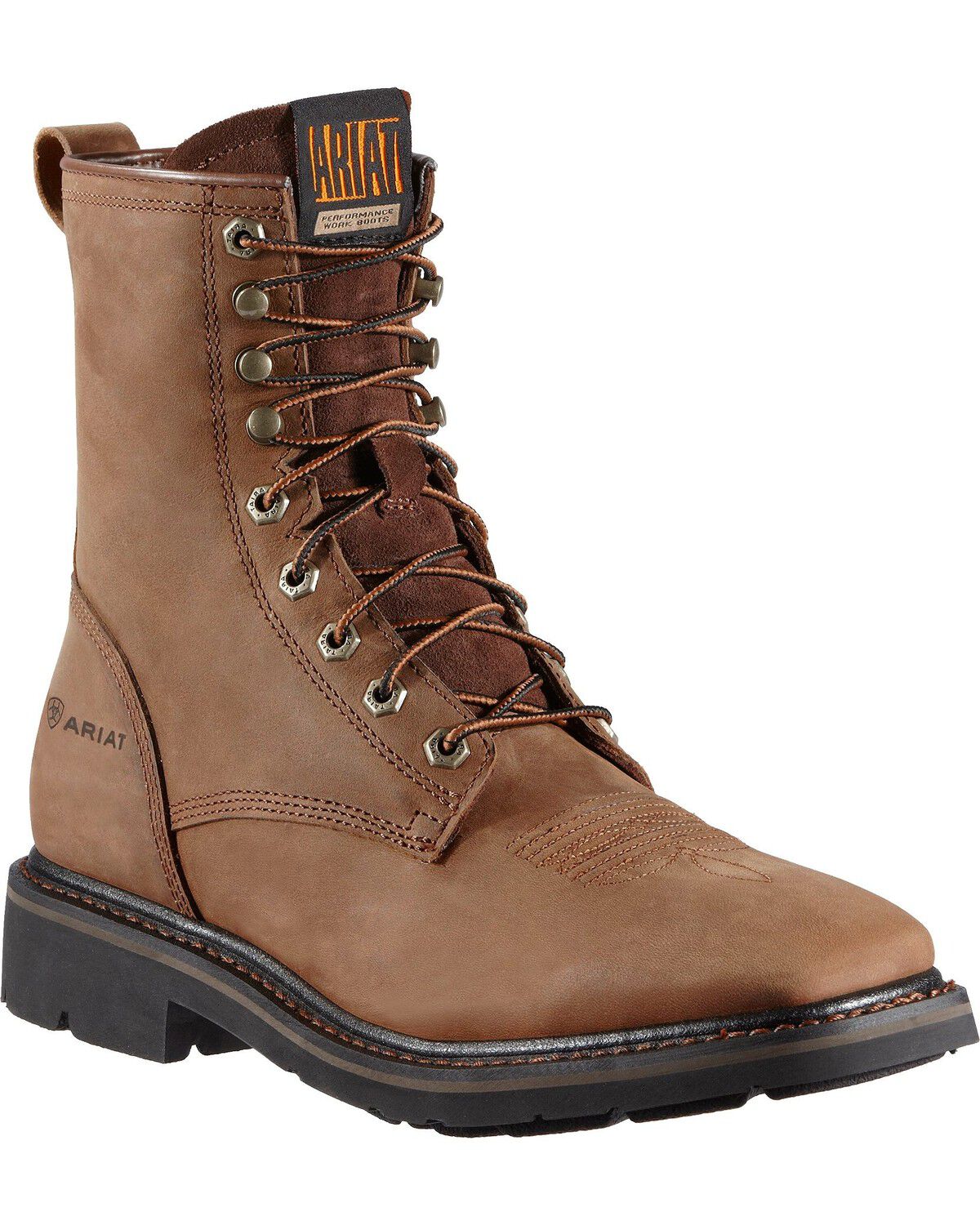
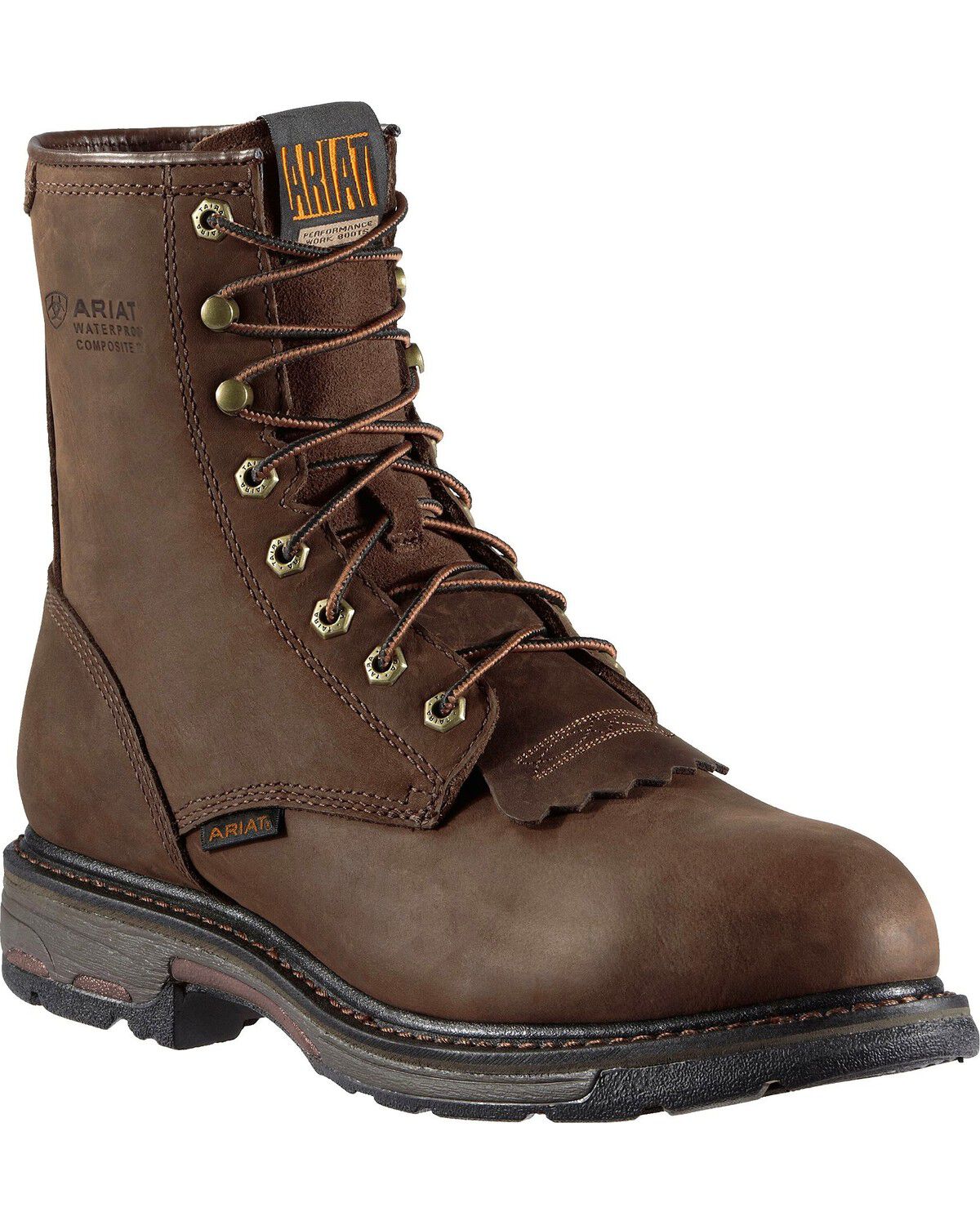
Lace-up leather work boots bring a secure fit and dependable coverage to jobs that keep people on their feet. They suit a broad range of work, from moving freight across a warehouse floor to handling materials on a construction site or maintaining equipment in a shop. Their defining feature is an adjustable closure that lets the wearer control the fit across the foot and around the ankle. That adjustment matters when a workday involves repeated bending, climbing, kneeling, and walking. Leather adds structure to the upper while gradually taking on the shape of the foot. Full-grain leather retains the hide’s natural surface and is valued for its strength, while other leather finishes offer different textures and care requirements. Smooth leather is generally easier to wipe clean than a brushed surface, an important distinction around dust, dirt, and shop debris. The upper is only one part of the build. Reinforced stitching, sturdy eyelets, a well-supported heel, and the connection between the upper and sole all contribute to how a boot handles repeated use. Welted construction may allow resoling, depending on the design and the condition of the boot. Cemented construction can offer flexibility and a lighter feel, though repair options vary. Neither construction method replaces the need to match the boot to the work. A person carrying tools over uneven ground may value a firm platform and deeper tread, while someone walking long stretches of concrete may place more weight on cushioning and a flexible stride. Taller shafts provide more coverage around the ankle, while lower profiles can allow greater freedom of movement. The right balance depends on the tasks, the walking surface, and any workplace requirements. For anyone whose day moves between a loading dock, a workshop, and a truck cab, these details matter more than appearance alone. A useful work boot needs to feel stable when standing still and move naturally when the job gets going.

Fit plays a major role in how lace-up leather work boots perform over a full shift. The heel should feel held in place without being pinched, and the forefoot should have enough room to spread under body weight. Toes need space at the front, especially when walking down a ramp or stepping off equipment. A safety toe does not stretch to make more room, so pressure against that area deserves attention from the start. Leather may soften with wear, but breaking in a boot should not be expected to correct the wrong size or an overly narrow toe box. Work socks and any required orthotics affect the fit, making them part of the sizing decision rather than an afterthought. Feet can also swell over the course of a shift, and a fit that feels snug at the beginning should still leave practical room later in the day. Laces allow small adjustments through the instep and ankle, while padded collars and tongues can help reduce pressure where the boot meets the leg. Underfoot, cushioning helps soften contact with hard floors, but support also depends on the footbed, midsole, and overall structure. A soft feel alone does not tell the whole story. Safety features deserve the same attention. Steel, alloy, and composite toe options differ in weight and construction, and any required protection should be verified through the boot’s stated safety rating. A soft toe may suit work that does not require protective footwear, but it is not a substitute where impact or compression protection is required. Electrical hazard protection, puncture resistance, and other protective features are separate considerations, not qualities that can be assumed from a leather upper. Outsole performance also varies. Slip-resistant tread can help on certain surfaces, but traction depends on the floor, the contaminants present, and the condition of the sole. Ladder work, oily shop floors, and loose ground place different demands on a boot. Matching those demands to the stated features helps narrow the choice without relying on looks or weight alone.

The lasting appeal of leather work boots comes from a combination of useful construction, proper fit, and regular care. Leather uppers can handle demanding use, but dirt left in seams and folds can contribute to wear. Routine cleaning helps keep the surface and stitching free of buildup, while a leather conditioner suited to the finish can help limit drying and cracking. Care products are not interchangeable across every type of leather, and the maker’s directions remain the best reference for cleaning, conditioning, and treating a particular finish. Leather by itself does not make a boot waterproof. That performance depends on the complete construction, including any membrane, sealed seams, or treatment specified for the footwear. Damp boots need time to dry away from direct heat, which can damage leather and adhesives. Removable footbeds can make drying and cleaning easier when the design allows them to be taken out. Rotating between pairs also gives the interior more time to dry between shifts. Laces, eyelets, and outsoles deserve attention along with the uppers. A frayed lace or damaged hook can compromise the closure, while worn tread can reduce grip even when the leather still looks sound. Separation at the sole, exposed protective components, or a damaged interior can signal that a boot needs repair or replacement. Appearance remains a practical consideration, especially for work that involves meeting customers or moving between field tasks and an office. Brown leather shows its grain and develops visible character with use, while black lace-up work boots offer a straightforward look that pairs easily with work pants and uniforms. Color does not determine protection, comfort, or durability; those qualities come from the build and fit. These boots can also make a useful gift for someone starting a trade or replacing a well-worn pair, provided their size, preferred fit, and job requirements are known. The strongest choice is the one suited to the wearer’s actual day: secure through the heel, comfortable across the foot, and built with the features the work requires.

FAQs