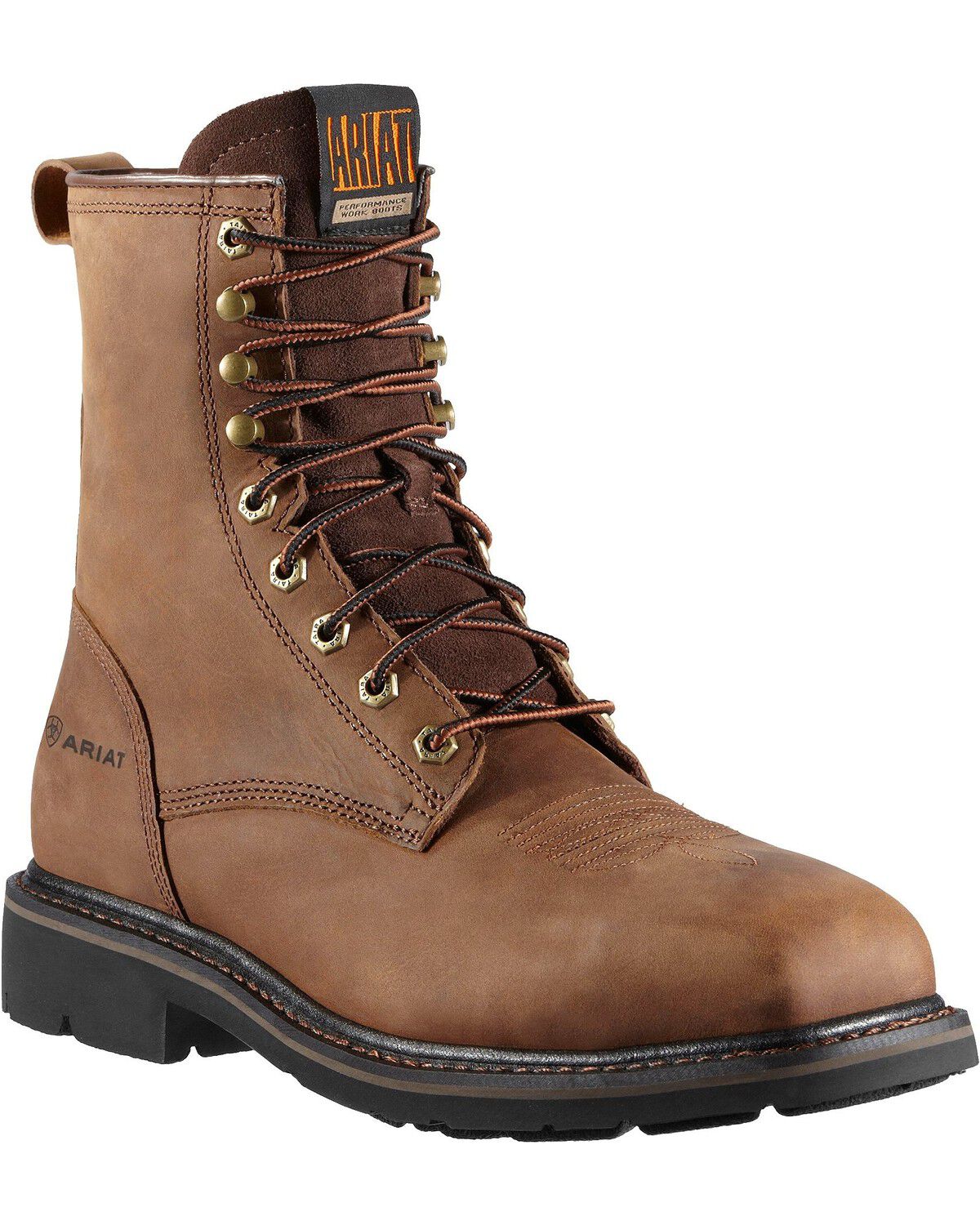
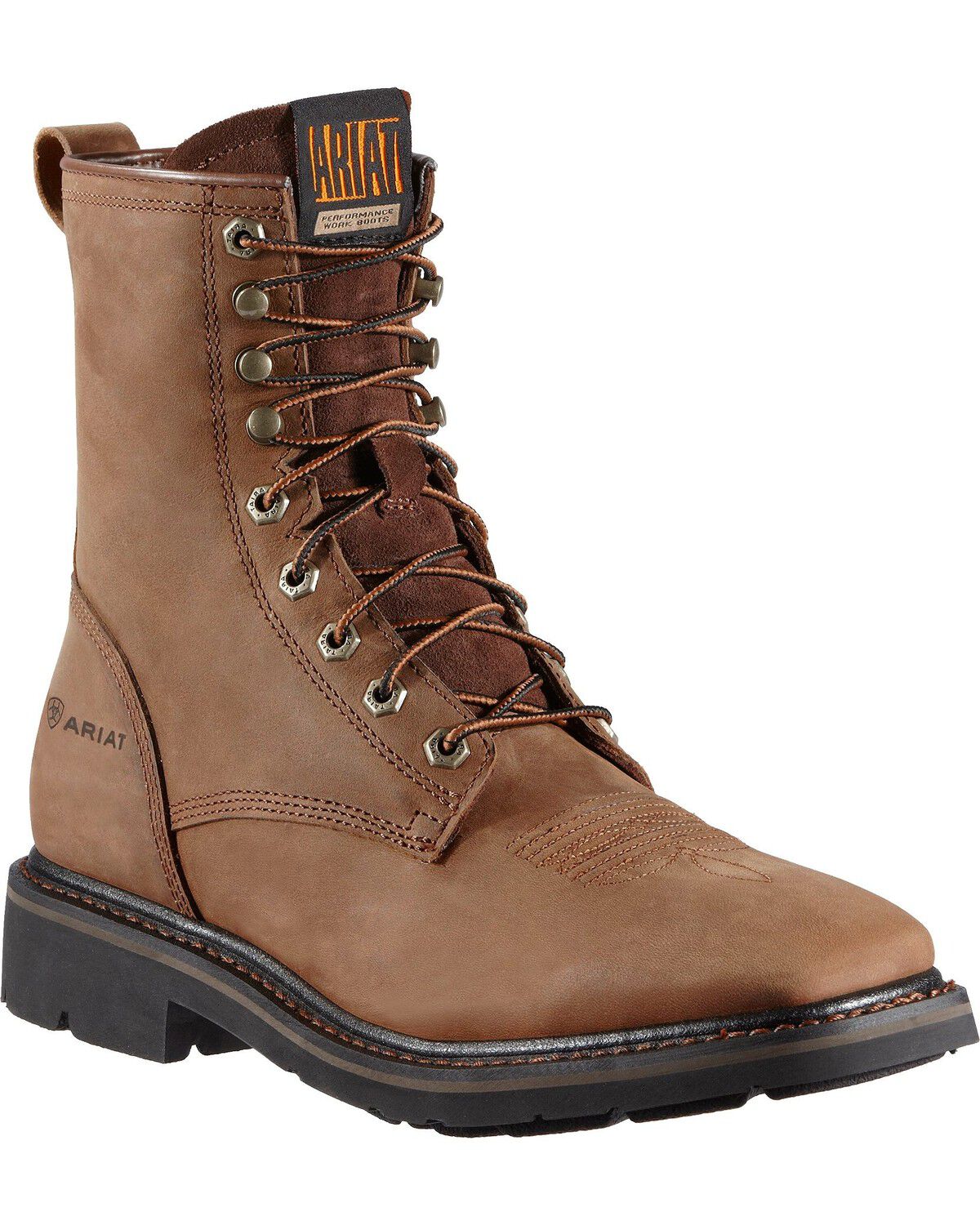
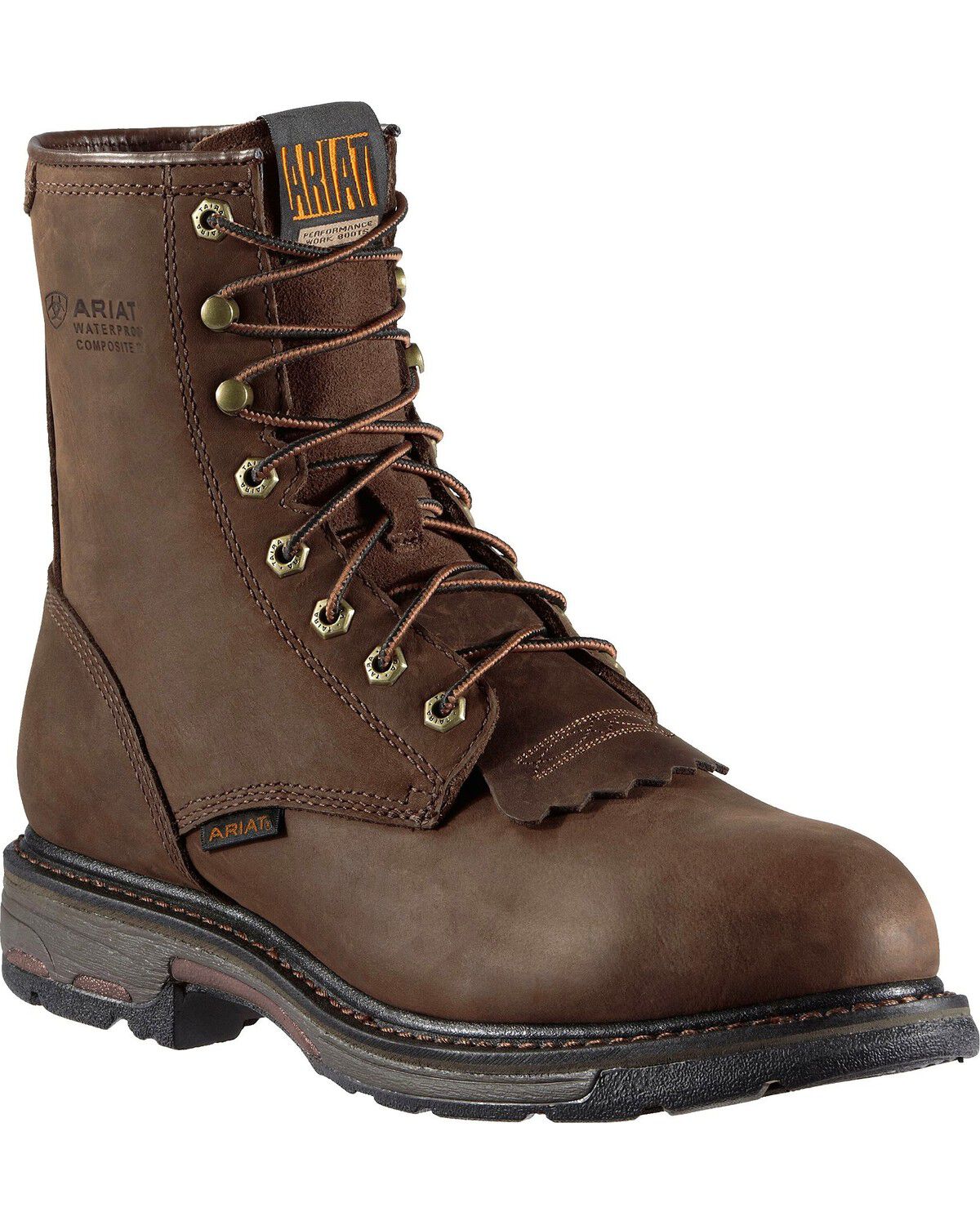
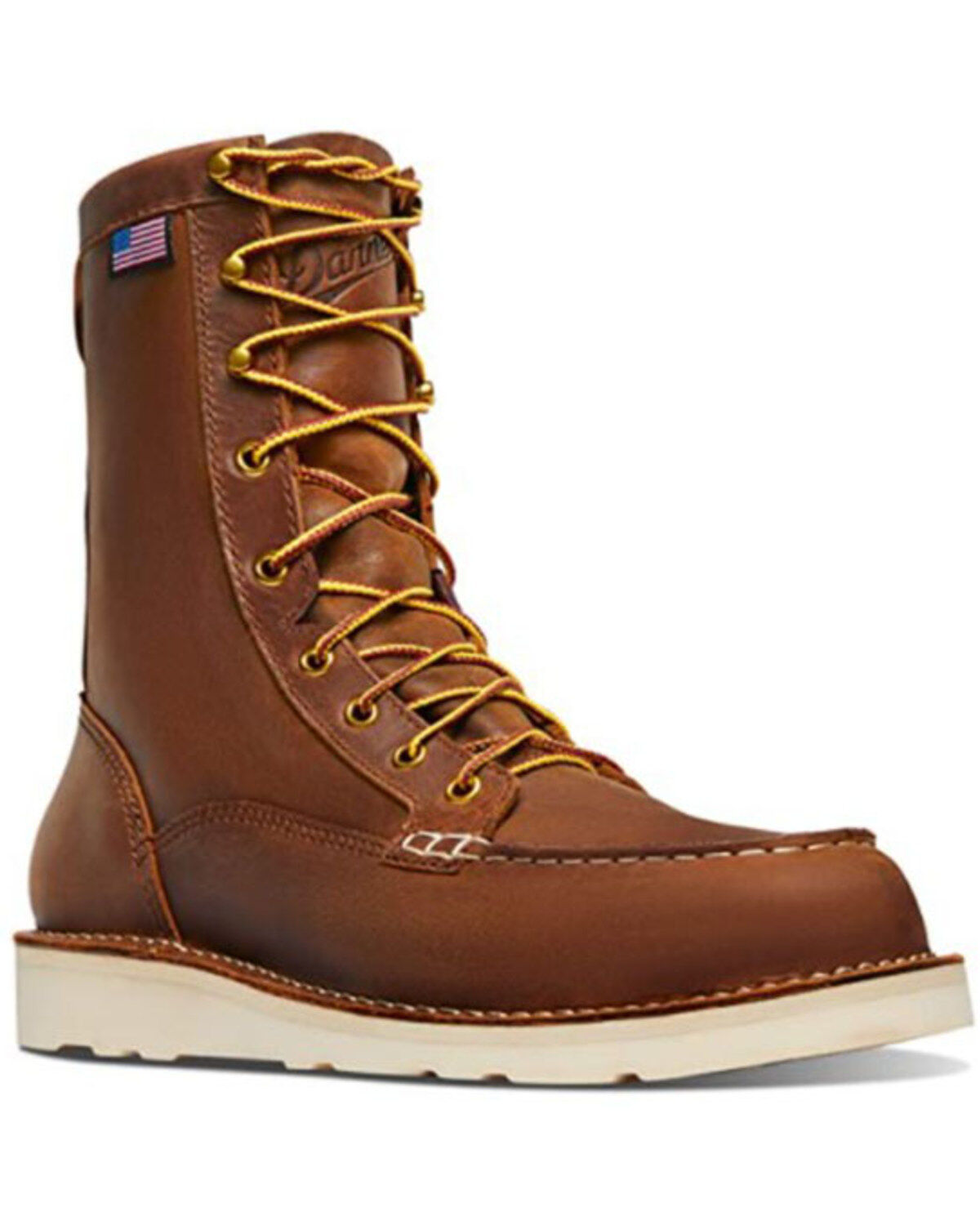
Men's Lace Up Work Boots

Find men’s lace-up work boots with an adjustable fit for the workday. Browse the selection and compare each pair’s listed safety features, sizing, and care requirements to find boots that match your jobsite needs.

Shop Your Store: Shop Your Store: Find a Store

(Turn off Shop Your Store to see all items)

(Turn off Shop Your Store to see all items)

close
  • Recommended
  • Lowest Price
  • Highest Price
Skip pass products
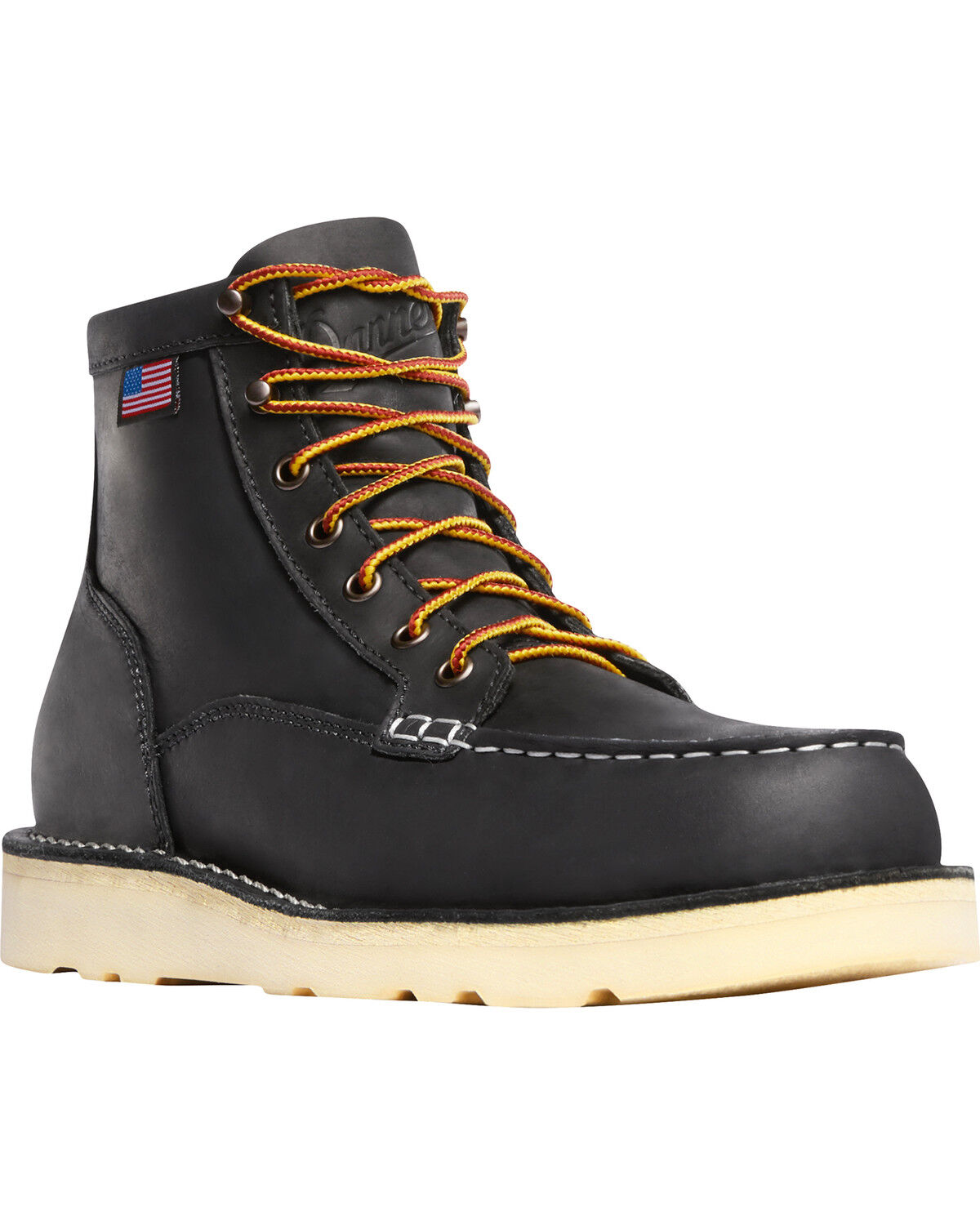
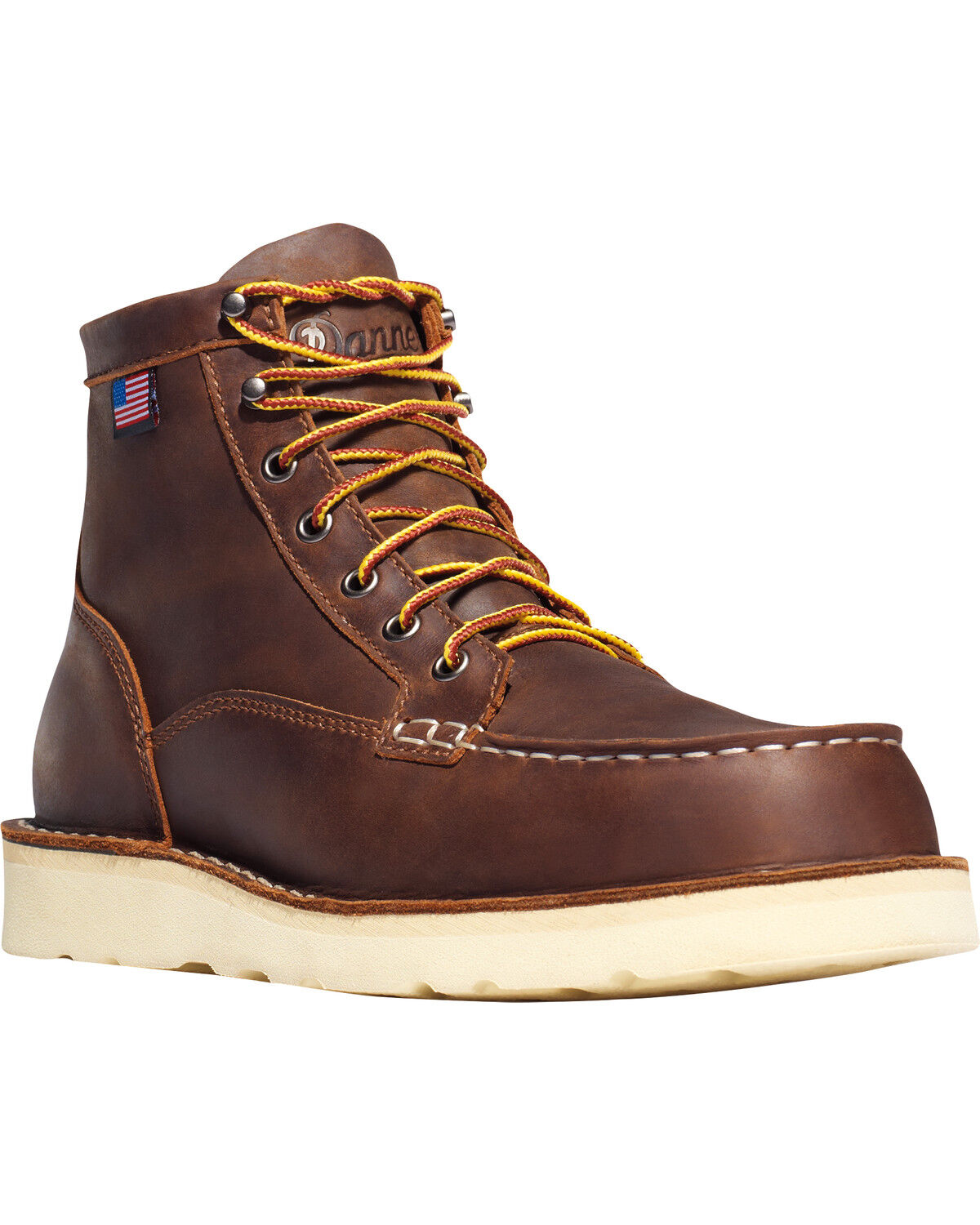
  • Men's Danner Steel Yard Lacer Work Boots - Soft Toe
    Original Price $149.99 $104.97
    30% Total Savings

End of products

Men's Lace Up Work Boots

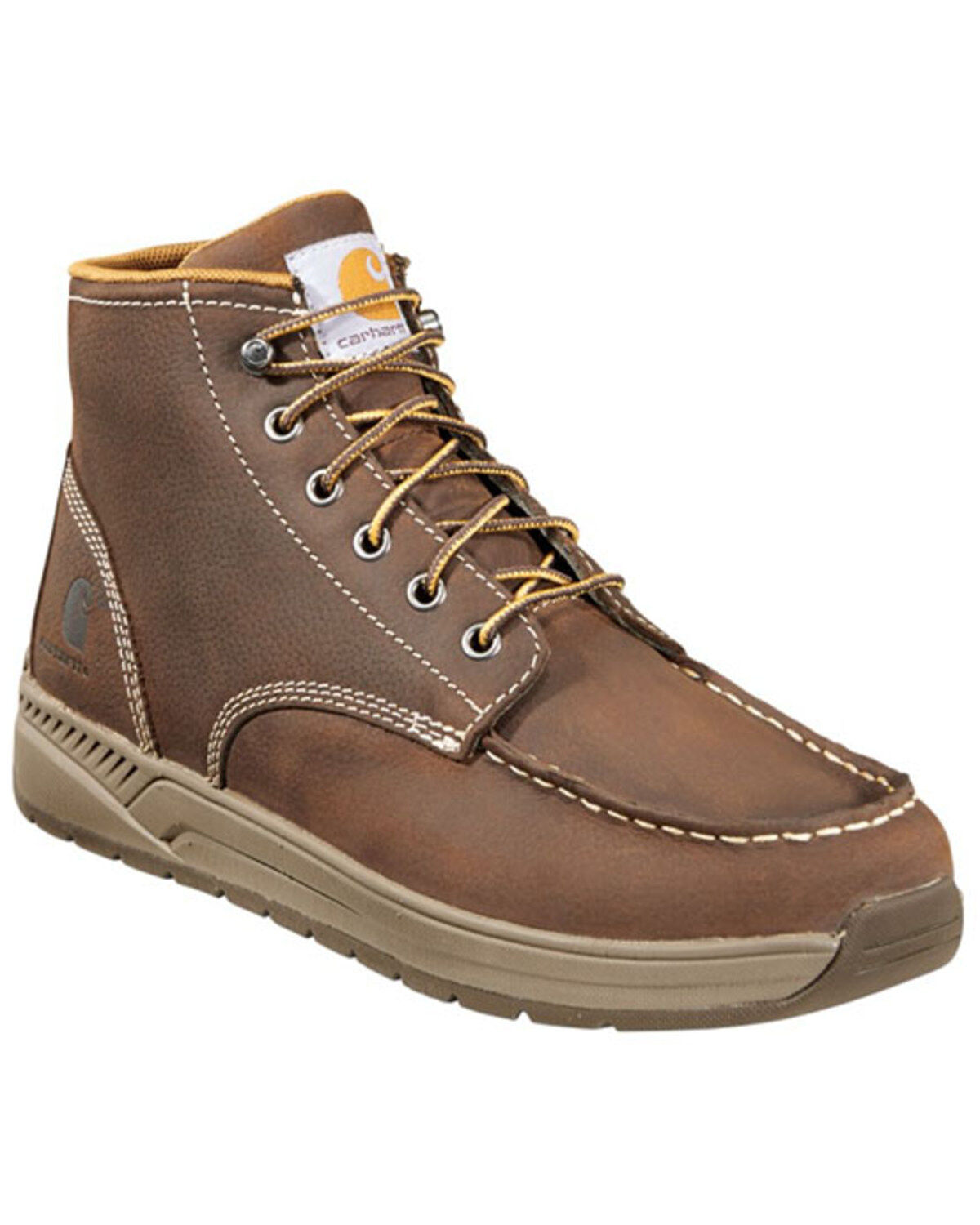
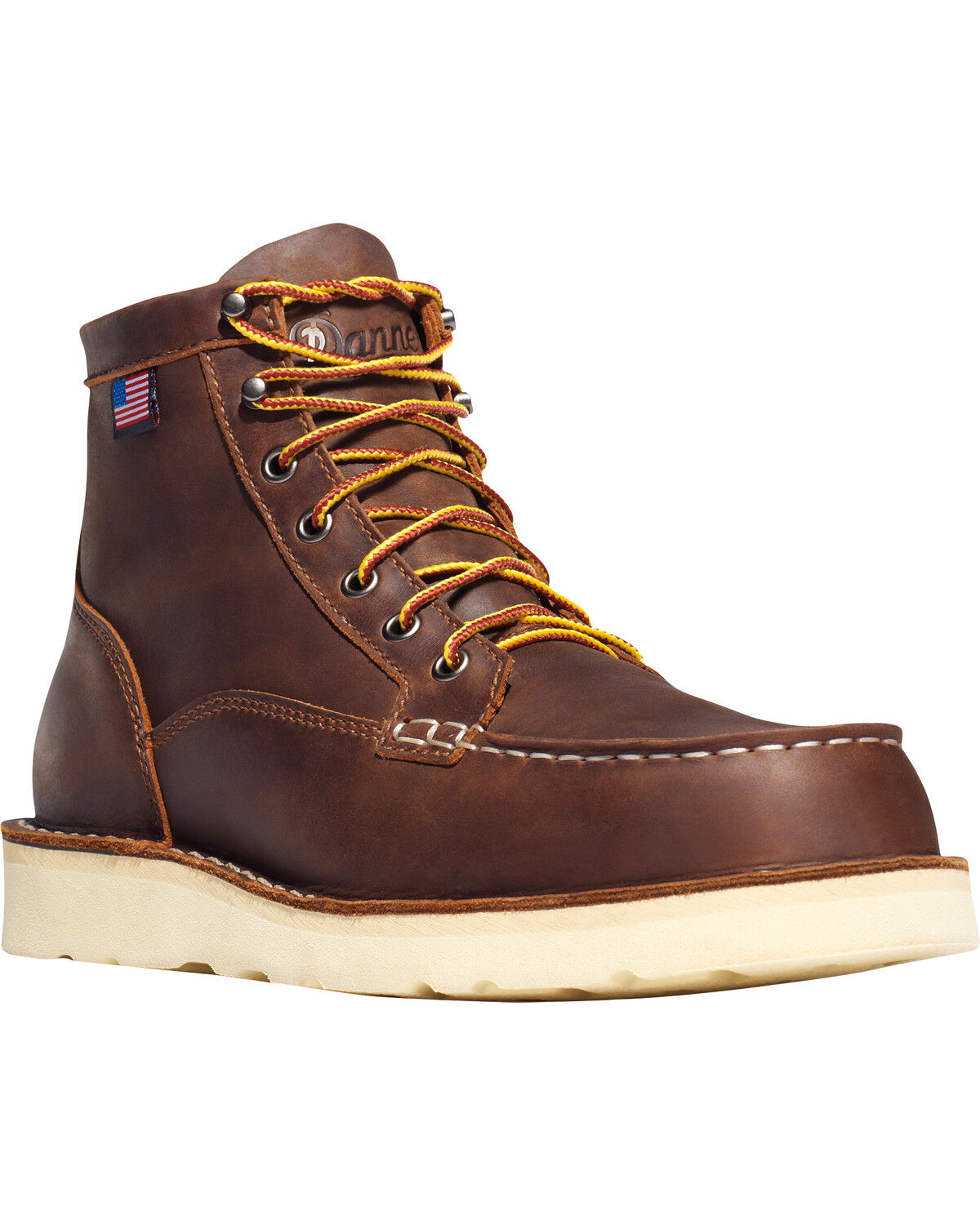
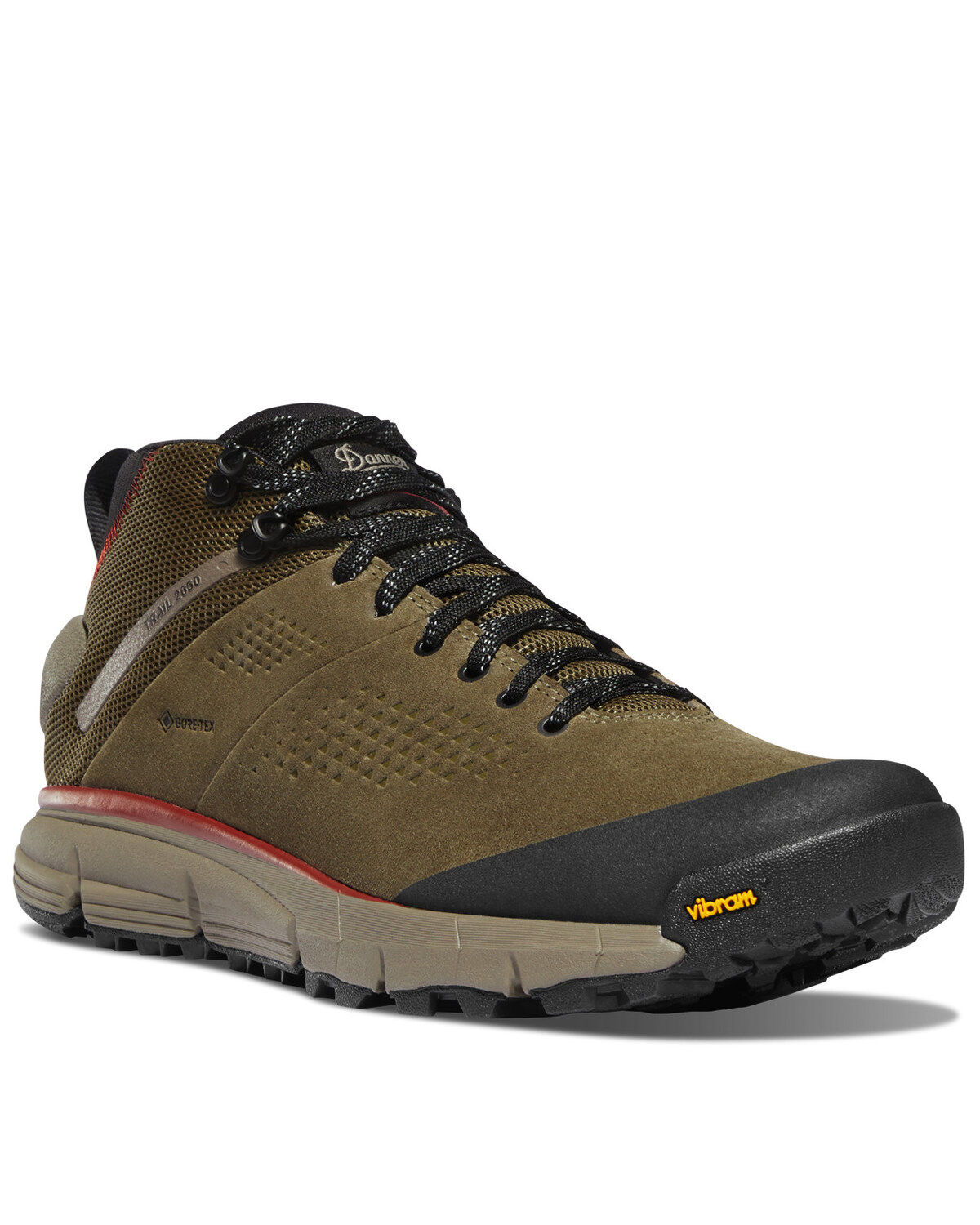
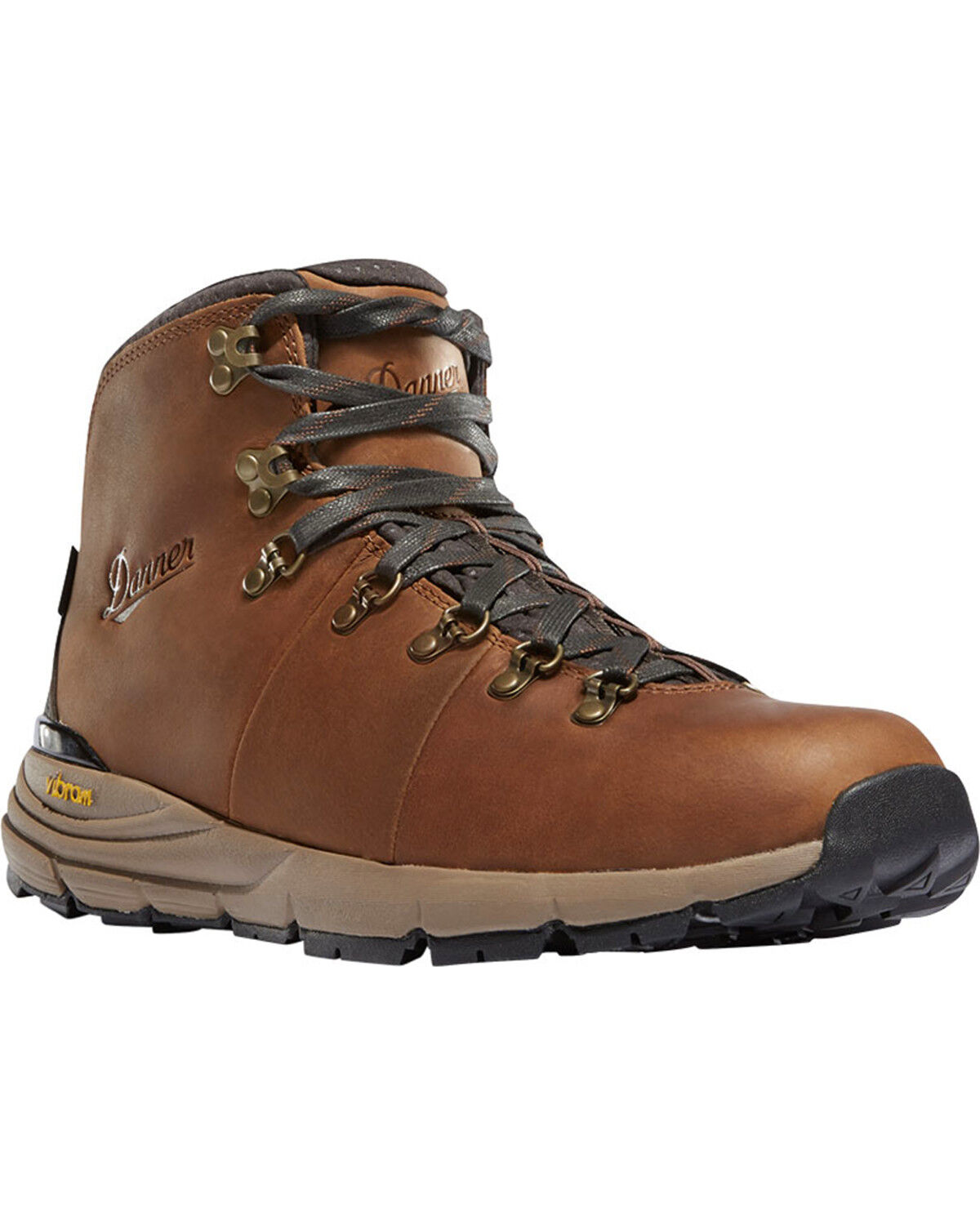
Men's lace-up work boots provide an adjustable fit, underfoot support, and coverage for jobs that keep a man on his feet. From framing a house to moving pallets or maintaining equipment, the right pair should match both the work and the surface underfoot. Laces let the fit tighten across the instep and around the ankle without requiring the same tension from toe to collar. That adjustment matters when a foot is broad at the front but narrower through the heel. A taller shaft offers more coverage around the ankle, while a padded collar can reduce rubbing where the upper meets the leg. Height alone does not establish how protective a boot is. Materials and construction determine much of its feel and long-term performance. Full-grain leather is valued for durability and its ability to conform with wear, though even sturdy leather needs regular cleaning and appropriate conditioning. Nubuck and suede have different finishes and require care products made for those materials. Uppers that combine leather with textile panels may offer a different balance of flexibility, breathability, and weight. Reinforced exterior toe caps can help limit surface abrasion from kneeling or brushing against equipment, but they are not a substitute for a rated safety toe. Welted construction may allow resoling when the design and condition permit; cemented construction bonds the sole to the upper and can offer a lighter, more flexible feel. Neither construction method determines every aspect of durability. On the bottom, deep lugs can help grip loose ground, while a less aggressive tread may be better suited to smooth work floors and easier to clear of debris. A defined heel may matter for certain ladder tasks, but the job's footwear rules should guide that choice. Slip resistance and oil resistance describe different qualities, so both deserve attention where floors collect tracked-in dirt, spills, or residue. No tread makes every surface safe, and keeping the outsole clean helps it perform as intended.

Men's lace-up work boots come with soft toes or safety toes, and that distinction matters on the job. Soft-toe boots do not provide the rated impact and compression protection of safety-toe footwear. Steel and nonmetal composite materials, including carbon fiber, are used in protective toe designs. Steel is a traditional choice, while some composite designs can reduce weight; the complete boot construction determines how heavy a pair feels. Toe material alone does not establish compliance with workplace requirements. ASTM F2413 sets performance requirements for protective footwear, and the markings on a pair identify the protection it has been tested to provide. Employer requirements should determine which ratings are necessary around falling objects, moving equipment, or other workplace hazards. Impact and compression ratings do not automatically establish puncture resistance, electrical hazard protection, or metatarsal protection over the top of the foot. Those features need to be verified separately. Electrical hazard-rated footwear provides secondary protection under specified dry conditions, not a replacement for required electrical safety equipment or safe work practices. Water management is another consideration for tasks involving muddy ground, washdown areas, or repeated contact with wet surfaces. Waterproof membranes and sealed seams can help keep outside water from reaching the foot, but water can still enter over the collar. Waterproof construction also does not establish resistance to workplace chemicals. Inside the boot, breathable linings and moisture-managing materials can help handle perspiration during a long shift. Cushioning matters when the day involves hours on concrete, while a stable midsole helps the boot feel steady underfoot. A shank can limit excessive flex through the middle of the sole, which may be useful where a ladder rung presses beneath the foot. Removable footbeds can make cleaning and replacement easier, provided replacements do not crowd the foot or interfere with the intended fit. For a warehouse worker, mechanic, construction worker, or maintenance professional, these details should serve the actual tasks rather than add features with no practical purpose.

Fit makes those materials and features useful. Men's lace-up work boots should hold the heel securely, support the midfoot without squeezing it, and leave enough room for the toes to move without pressing against the front or sides. Trying boots with the socks normally worn on the job gives a more accurate sense of the space inside. Any regularly used orthotics also affect fit and should be considered with the footbed arrangement. Walking, bending, and kneeling reveal pressure points that standing still may miss. A protective toe should not pinch, and its rigid shape will not stretch to correct a poor fit. Leather may soften with wear, but break-in should not mean accepting persistent pain or numbness. Even lacing helps keep the foot seated, while changing the tension through individual sections can ease pressure across the instep. Secure lace ends matter around moving machinery and equipment. For work that does not call for a taller shaft, Men's Lace Up Work Shoes offer a lower-cut alternative, with safety features that must still match workplace requirements. Regular care helps preserve whichever style suits the job. Brushing away grit keeps abrasive dirt from working into leather creases, stitching, and the spaces around eyelets. Cleaning should follow the material-specific care directions, with leather conditioner used only where appropriate. Saturating leather or applying heavy treatments indiscriminately can change its finish or affect performance. Boots should dry in a ventilated space away from direct heat, and removable footbeds can be taken out when the care instructions allow. Worn laces, loose eyelets, separating soles, and flattened tread deserve attention before they interfere with fit or footing. Damage after a significant impact also warrants checking the manufacturer's replacement guidance, even when the outside looks intact. As a gift for a man who works on his feet, lace-up work boots are most useful when his size, preferred fit, and job requirements are known. Reliable daily footwear starts with those details and stays dependable through proper care and timely replacement.

FAQs