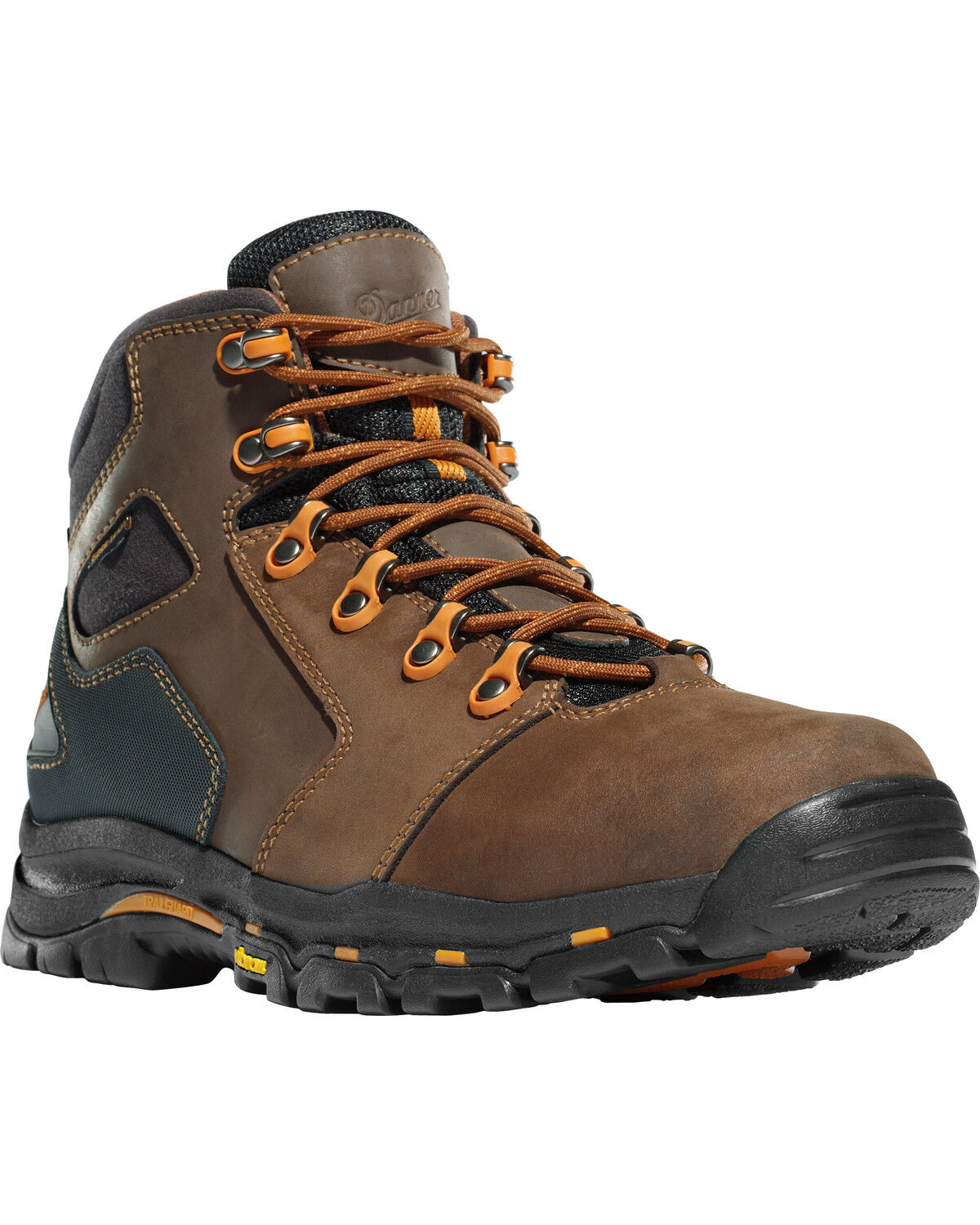
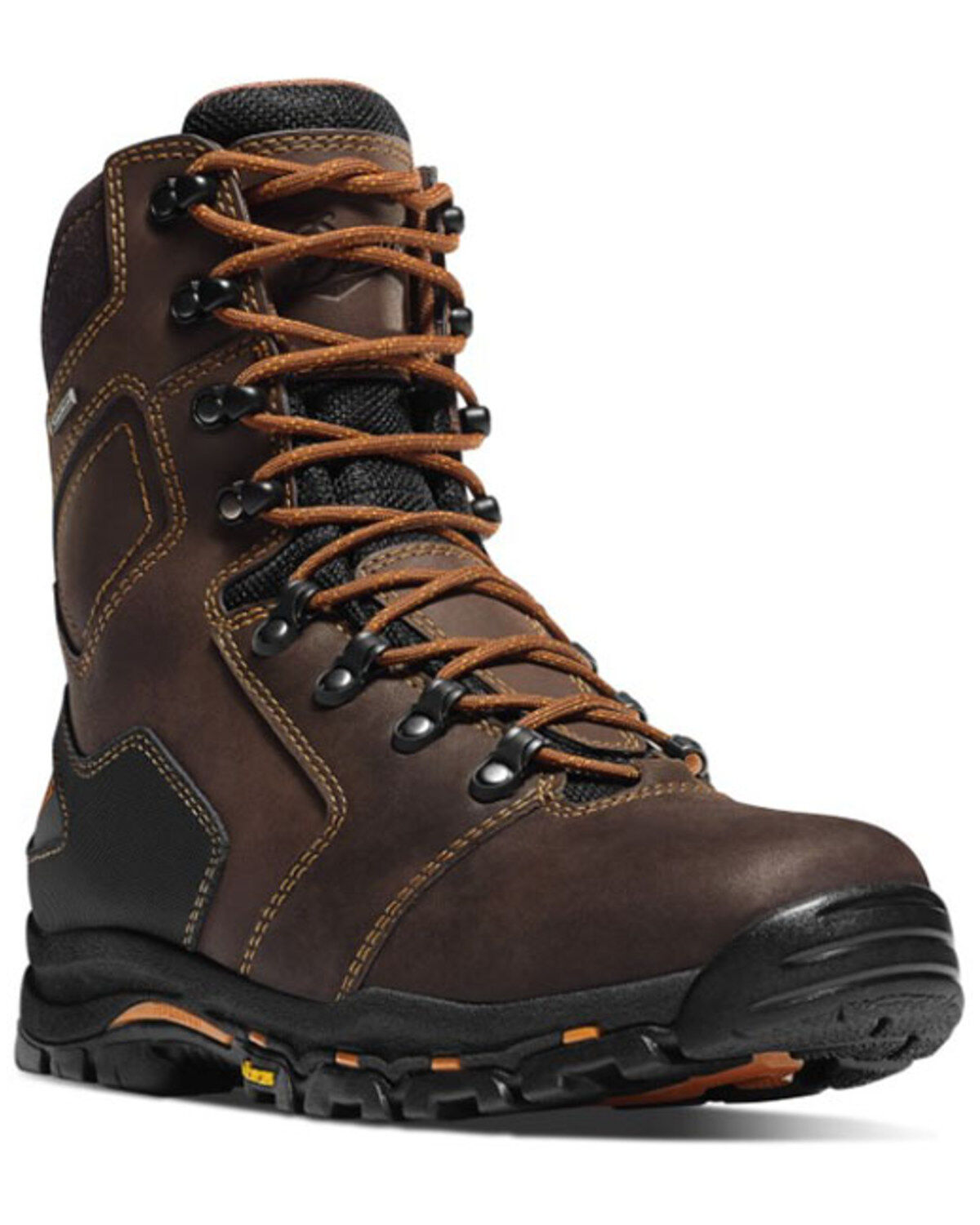
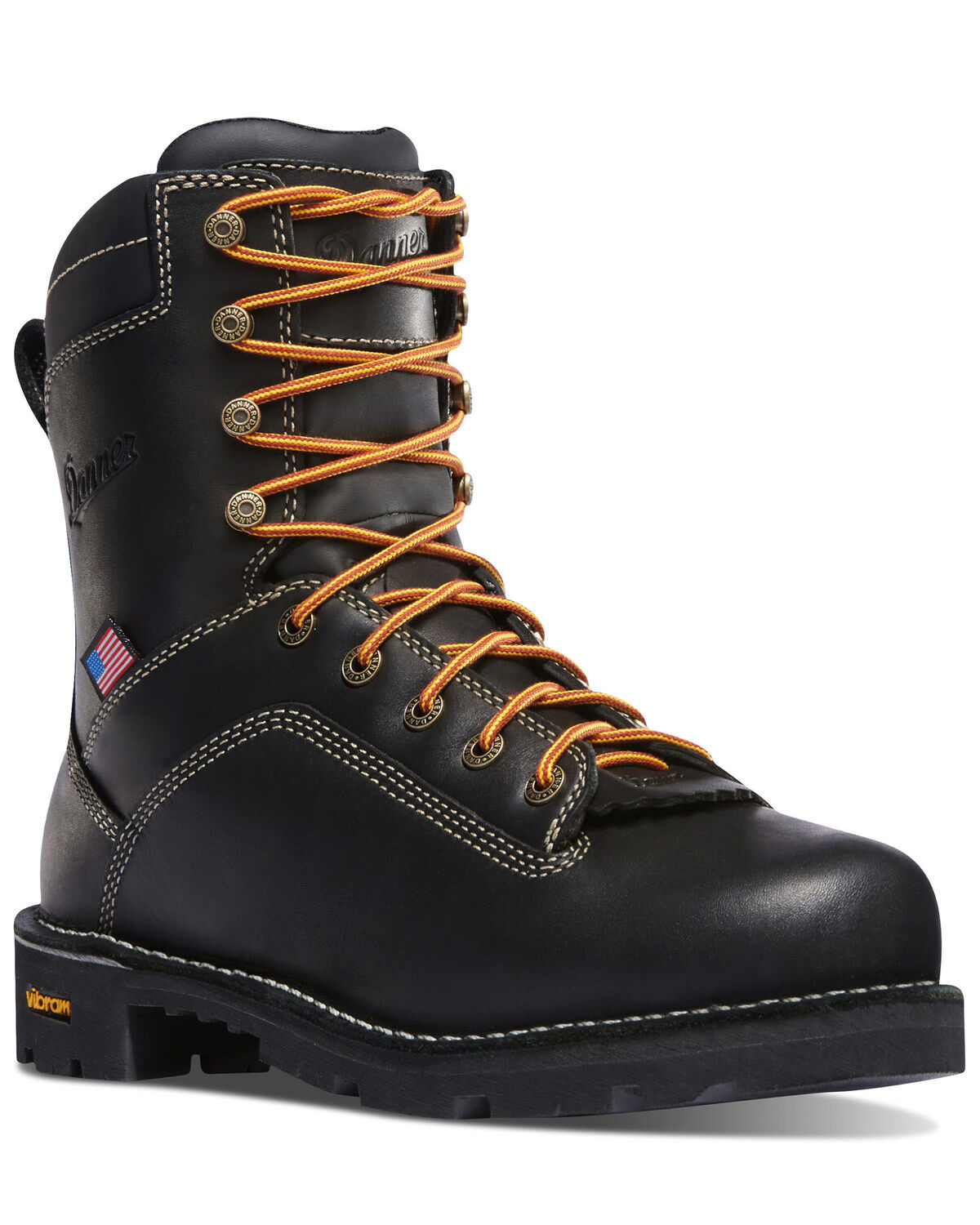
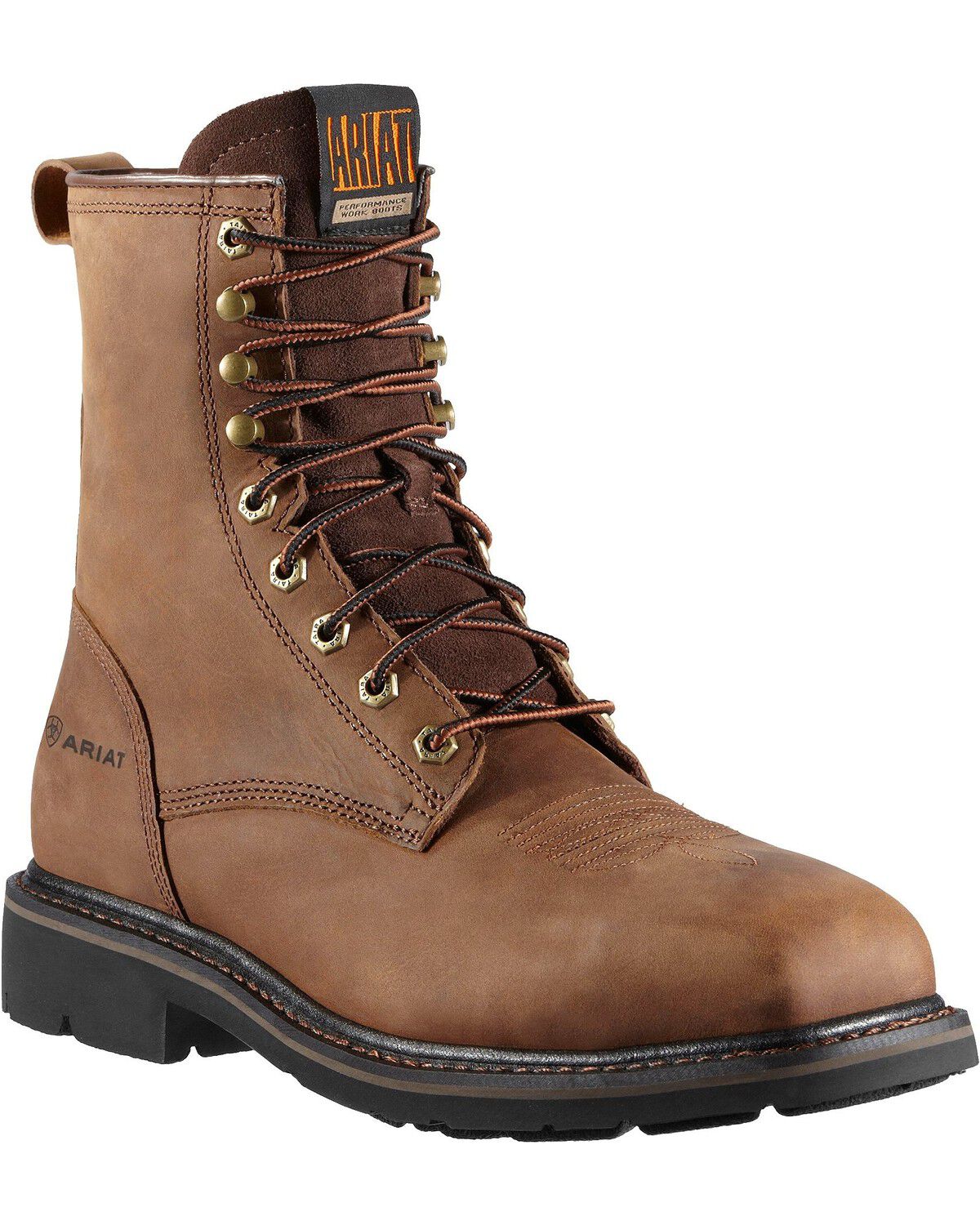
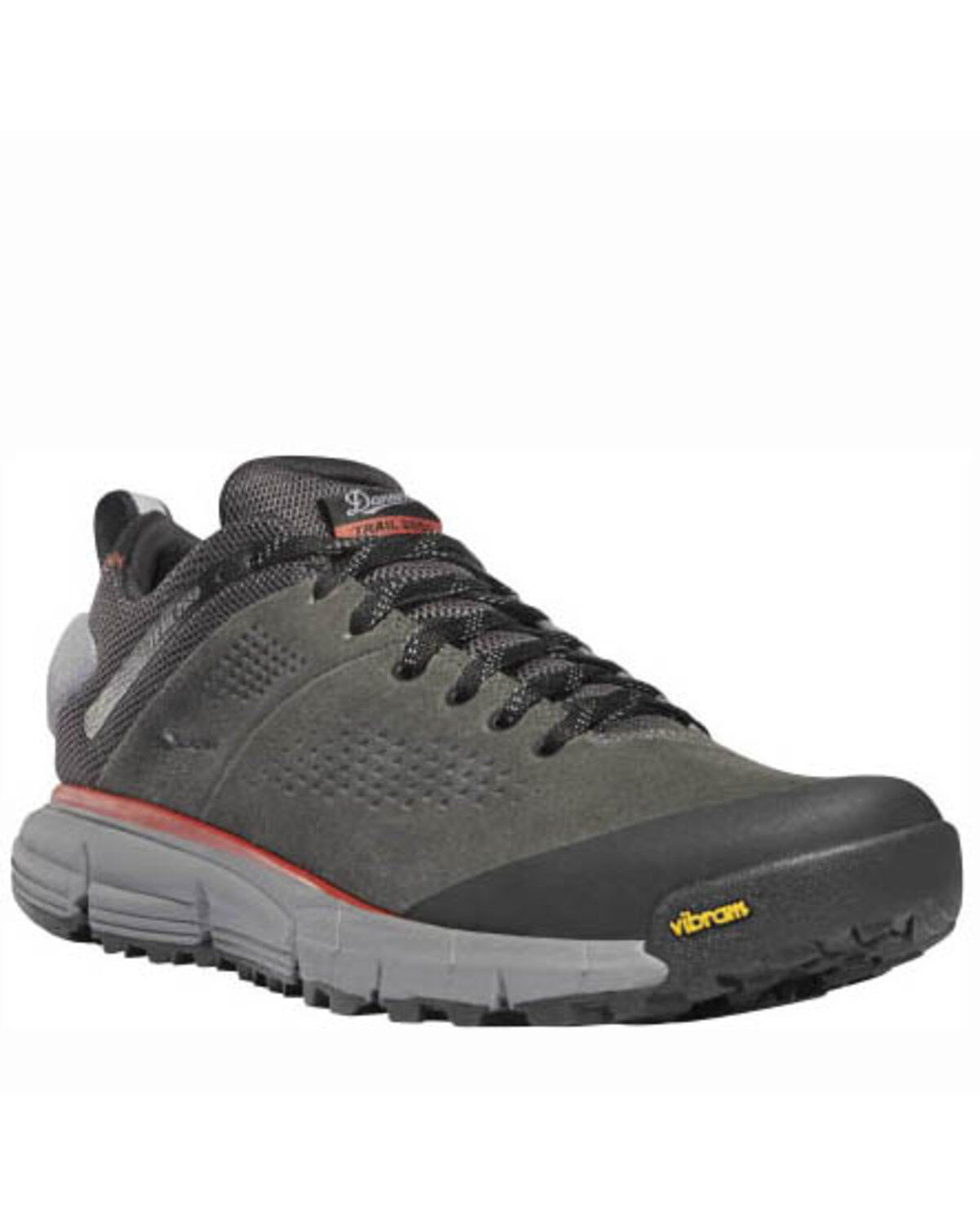
Lace To Toe Work Boots

Lace-to-toe work boots have laces that extend toward the toe, allowing you to adjust the fit farther down your foot. Compare available styles and check each pair’s listed features to find the right match for your job requirements.

Read More

Shop Your Store: Shop Your Store: Find a Store

(Turn off Shop Your Store to see all items)

(Turn off Shop Your Store to see all items)

close
  • Recommended
  • Lowest Price
  • Highest Price
Skip pass products

End of products

Lace To Toe Work Boots

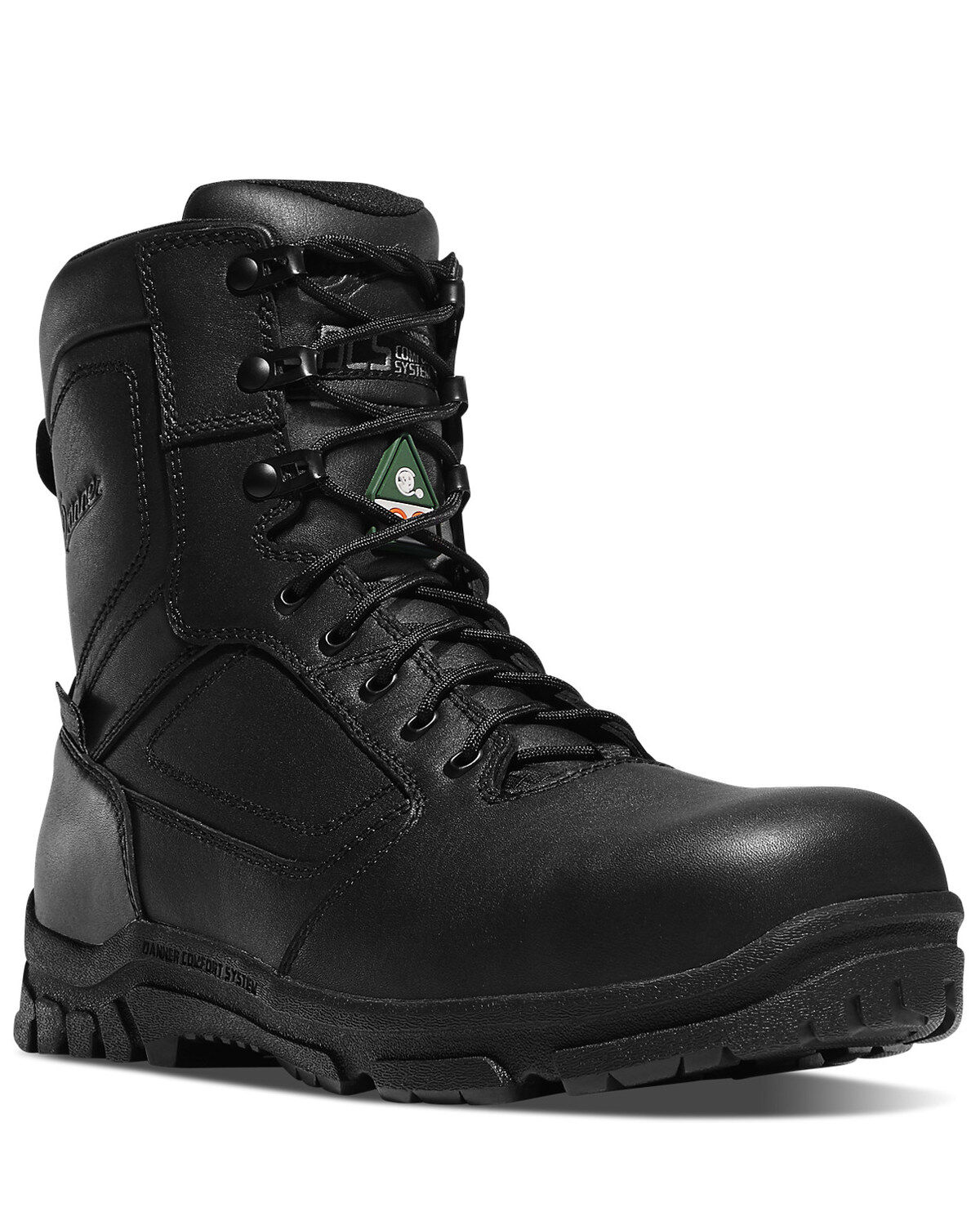
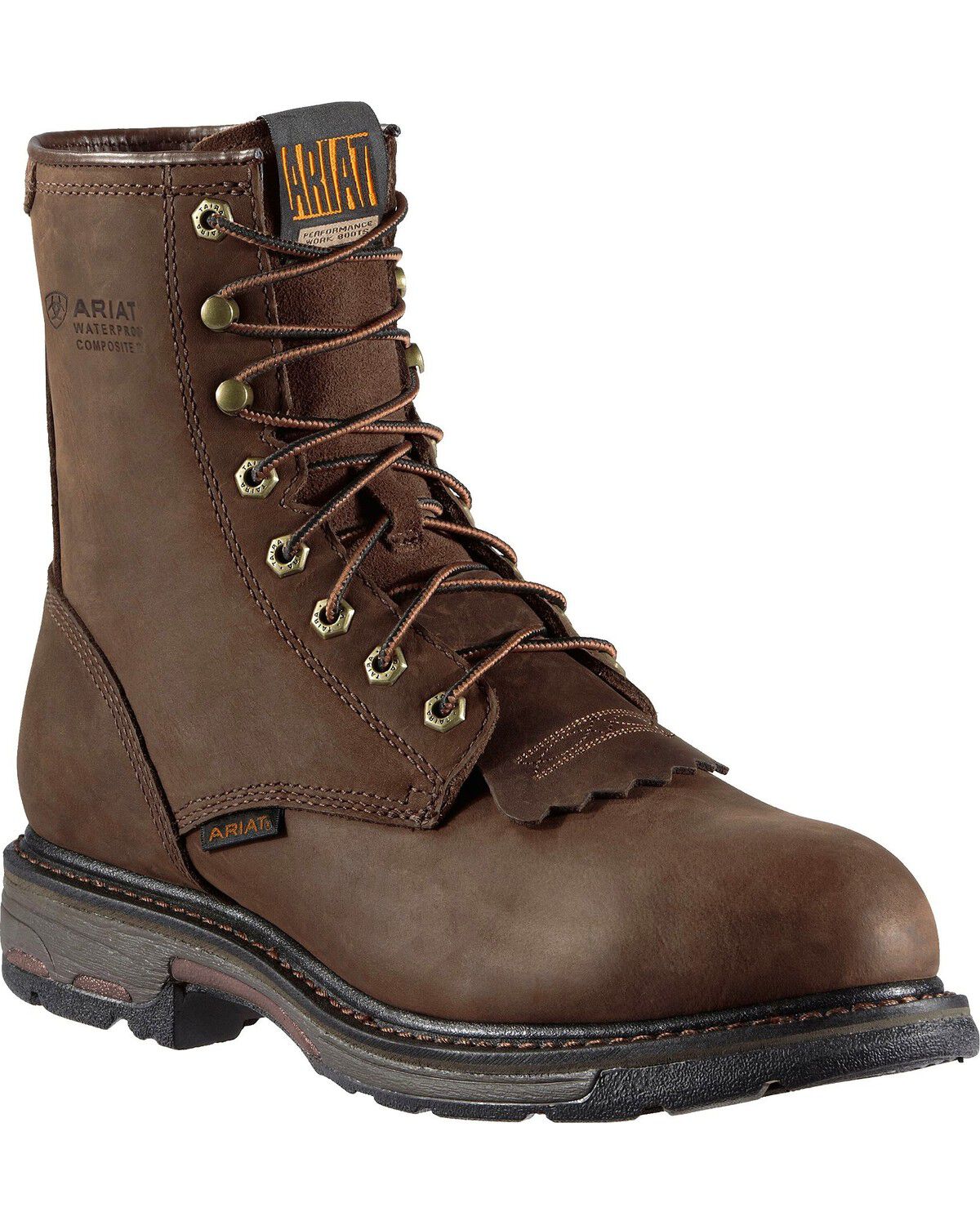
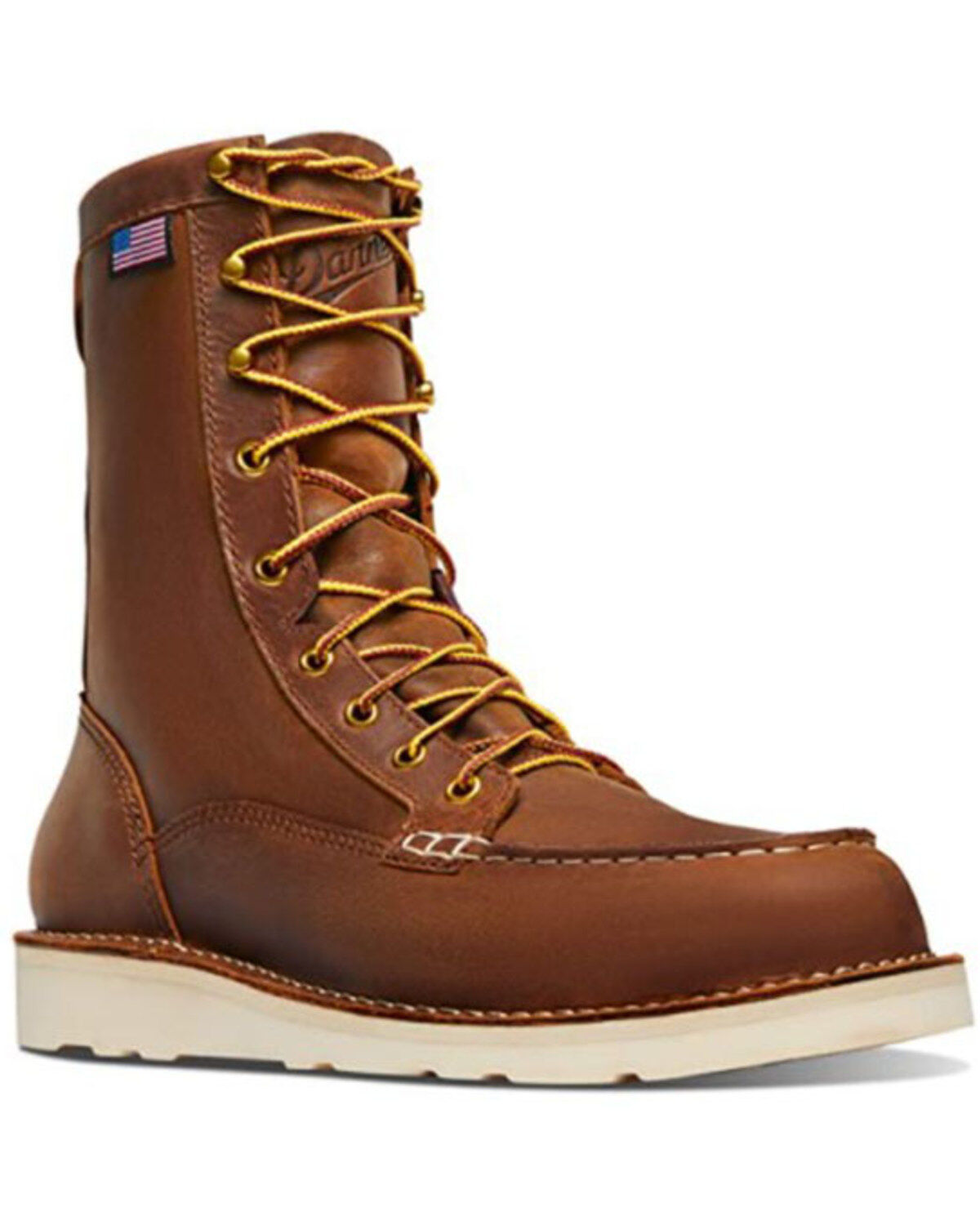
Lace-to-toe work boots have a lacing system that extends farther down the foot, close to the toe box, allowing more adjustment across the forefoot than many traditional lace-up designs. That extra reach can help secure the foot through the instep and forefoot while leaving room for the toes to move naturally. The defining feature is the lacing layout, not a particular toe shape, outsole, or safety rating. It is a practical design for workers who want an adjustable fit for long hours on their feet, especially when the job involves moving between concrete floors, gravel paths, and uneven ground. Construction crews, equipment operators, maintenance workers, and workers handling materials may value the ability to adjust tension in different areas rather than pull every section equally tight. A snug heel and steady midfoot can help reduce unwanted movement inside the boot when carrying supplies or changing direction. The forefoot still needs enough space to spread under load. More eyelets do not make a boot fit every foot, and pulling the laces harder will not fix a toe box that is too short or narrow. A proper fit holds the heel without excessive slipping, secures the instep without pressure, and keeps the toes from striking the front during a downhill step. Work socks and any prescribed orthotics also affect that fit. A boot that feels comfortable on a level floor should still allow enough room when crouching, kneeling, or climbing steps. Because the lower laces reach farther forward, their tension matters when the boot bends at the ball of the foot. Small adjustments in that area can help relieve pressure without loosening the entire boot. Lace-to-toe construction is useful when the forefoot and instep need different amounts of tension, though the boot’s underlying shape remains just as important as the laces. Firm support should not depend on squeezing the foot, and the break-in period should not be expected to resolve pinched toes or persistent rubbing.

Materials and construction determine how lace-to-toe work boots handle daily wear. Full-grain leather is common in work footwear because it offers abrasion resistance and can soften with use while retaining its structure. Roughout leather places the textured side outward, giving the upper a different surface that can make scuffs less noticeable. Neither leather type is automatically waterproof, and water resistance depends on the complete construction, including seams, treatments, and any internal membrane. Reinforcement around the toe and heel can help protect high-wear areas when the workday includes kneeling beside equipment or brushing against rough surfaces. Strong stitching and securely attached eyelets matter, too. The lower portion of a lace-to-toe boot flexes repeatedly, putting regular strain on the leather, laces, and hardware. Underfoot, the outsole should suit the surfaces and tasks involved. A lugged sole can provide useful grip on loose ground, while a flatter tread may carry less debris onto a finished floor. Wedge soles provide broad contact with the ground and are often considered for extended time on hard, level surfaces. Defined heels serve different purposes, and ladder work may call for a heel profile specified by the employer. No tread pattern provides reliable traction on every surface. Oil, fine dust, smooth flooring, and loose gravel each present different challenges, so slip-resistance claims need to be considered alongside actual working conditions. Cushioning, shank construction, and overall weight also influence how a boot feels through repeated lifting, walking, and standing. A heavier build may offer substantial structure, while a lighter build may feel less cumbersome during frequent movement. Welted construction can allow resoling in some boots, but repair options depend on the original build and its condition. Durable work footwear balances these features around the job rather than relying on thick leather or an aggressive sole alone. Even a well-built boot can wear quickly when its materials are poorly matched to repeated abrasion, chemicals, or the demands of a particular task.

Toe protection is a separate consideration from lace placement. Lace-to-toe work boots may have soft toes or protective safety toes, and the extended lacing does not establish impact or compression protection. Steel and nonmetallic safety toes have different material properties, but protection depends on the finished boot’s stated rating. Required workplace protection should match the employer’s rules and the hazards identified for the job. Electrical hazard protection, puncture resistance, and other safety features also require their own specifications; they cannot be assumed from appearance. Toe shape is another separate detail. Workers comparing a broader-looking profile can also consider Square Toe Lace Up Work Boots, while keeping in mind that width, internal depth, and the shape of a safety cap determine usable space more accurately than appearance alone. A square outline does not guarantee a wider fit. Once the fit and construction suit the job, regular care helps preserve the leather and keeps small problems visible. Brushing away grit prevents buildup around seams and eyelets, where abrasive particles can work against the upper. Cleaning methods and conditioners should match the leather finish, since smooth leather and roughout surfaces do not always need the same treatment. Excess conditioner can change the leather’s feel or appearance, and surface treatments do not replace a damaged waterproof lining. Boots that become damp inside need time to dry away from direct heat, with removable footbeds taken out when the manufacturer permits. Radiators and other concentrated heat sources can damage leather and adhesives. Laces deserve regular attention because frayed sections may break under tension, especially where they pass through lower eyelets. Securely tied ends also help keep loose loops away from moving equipment. Worn tread, separating soles, loose hardware, and exposed protective components are signs that footwear needs assessment. For a worker receiving boots as a gift, the correct size and required safety features matter more than appearance. The value of a lace-to-toe design comes from a dependable fit backed by construction suited to the work.
Read More

FAQs