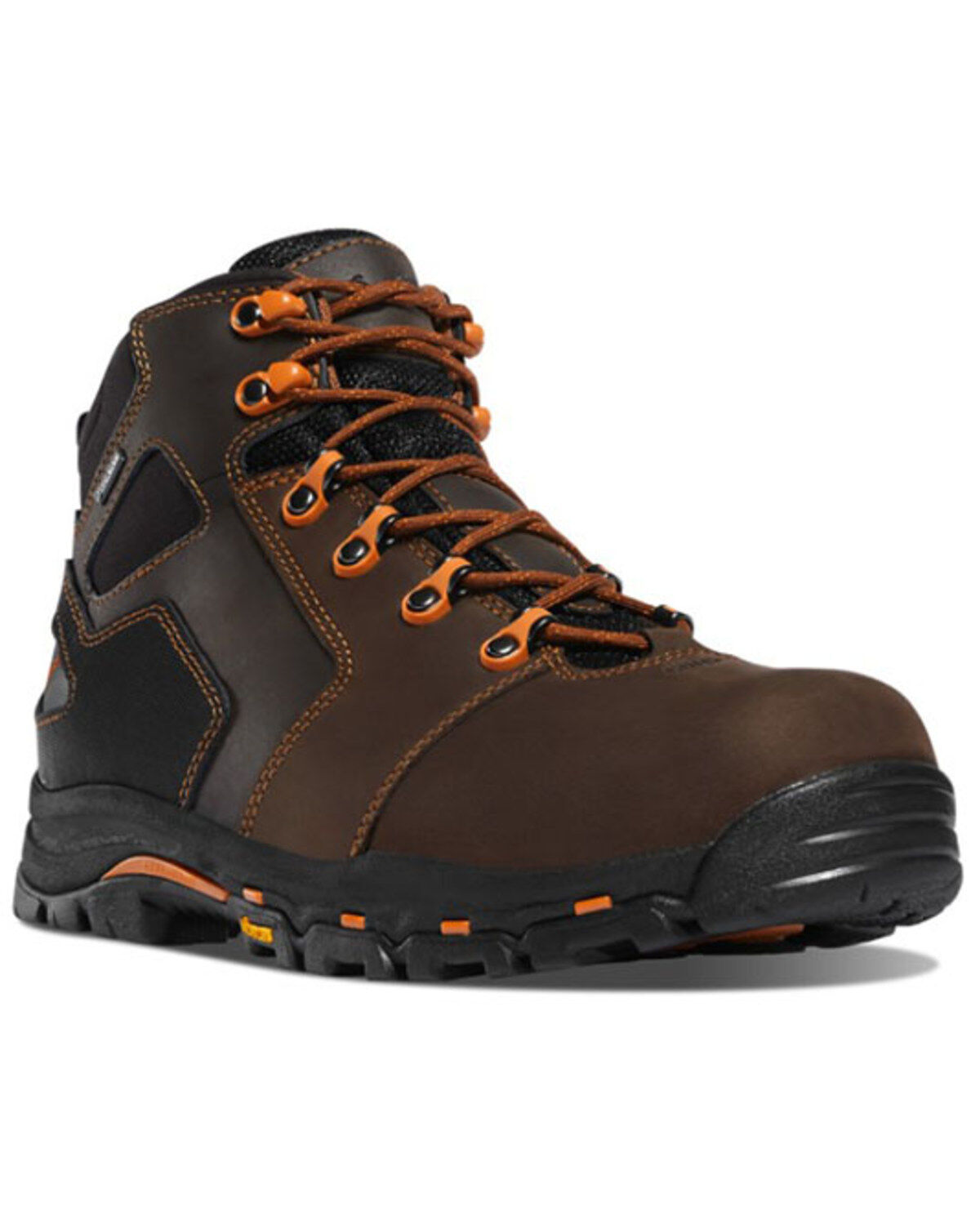
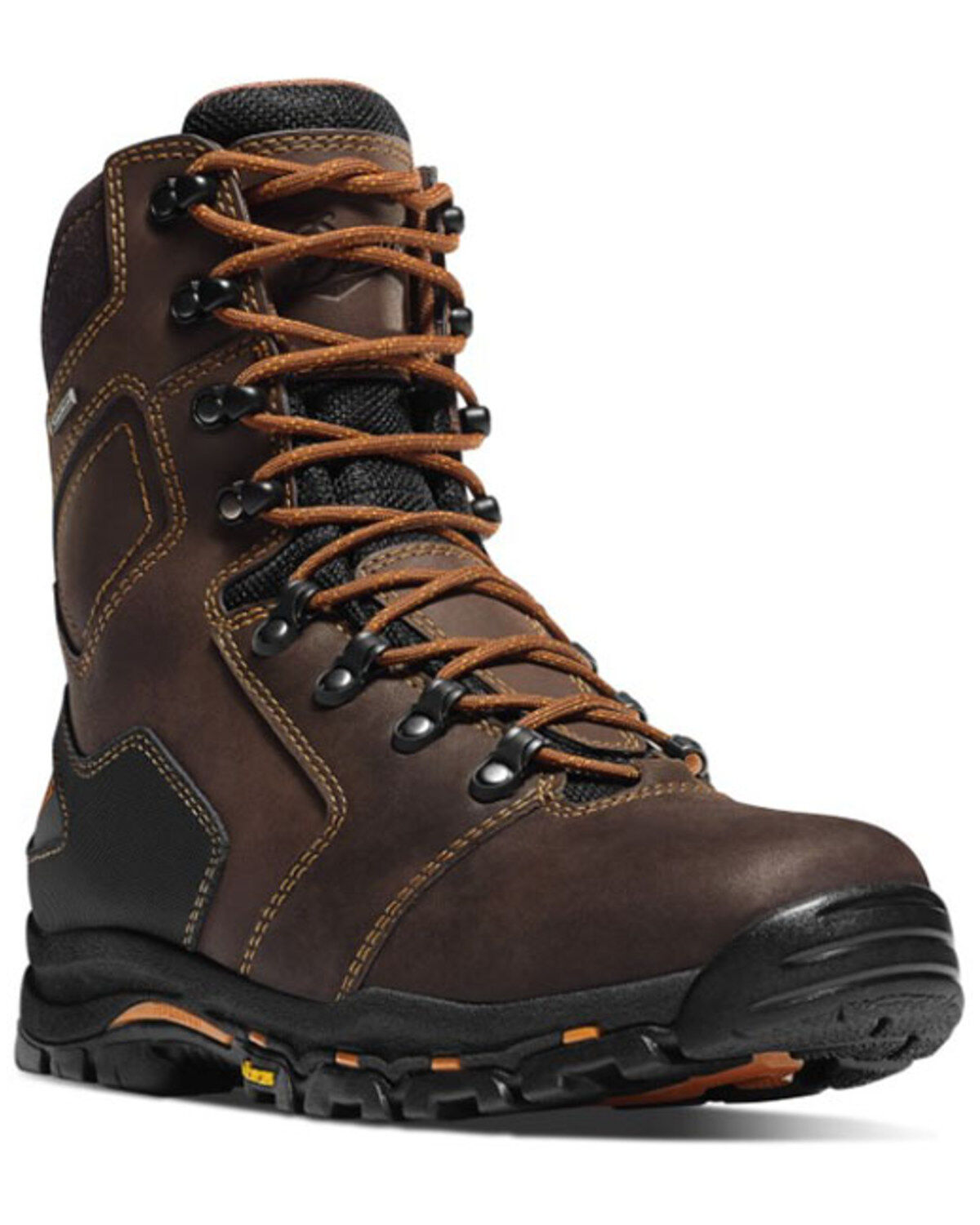
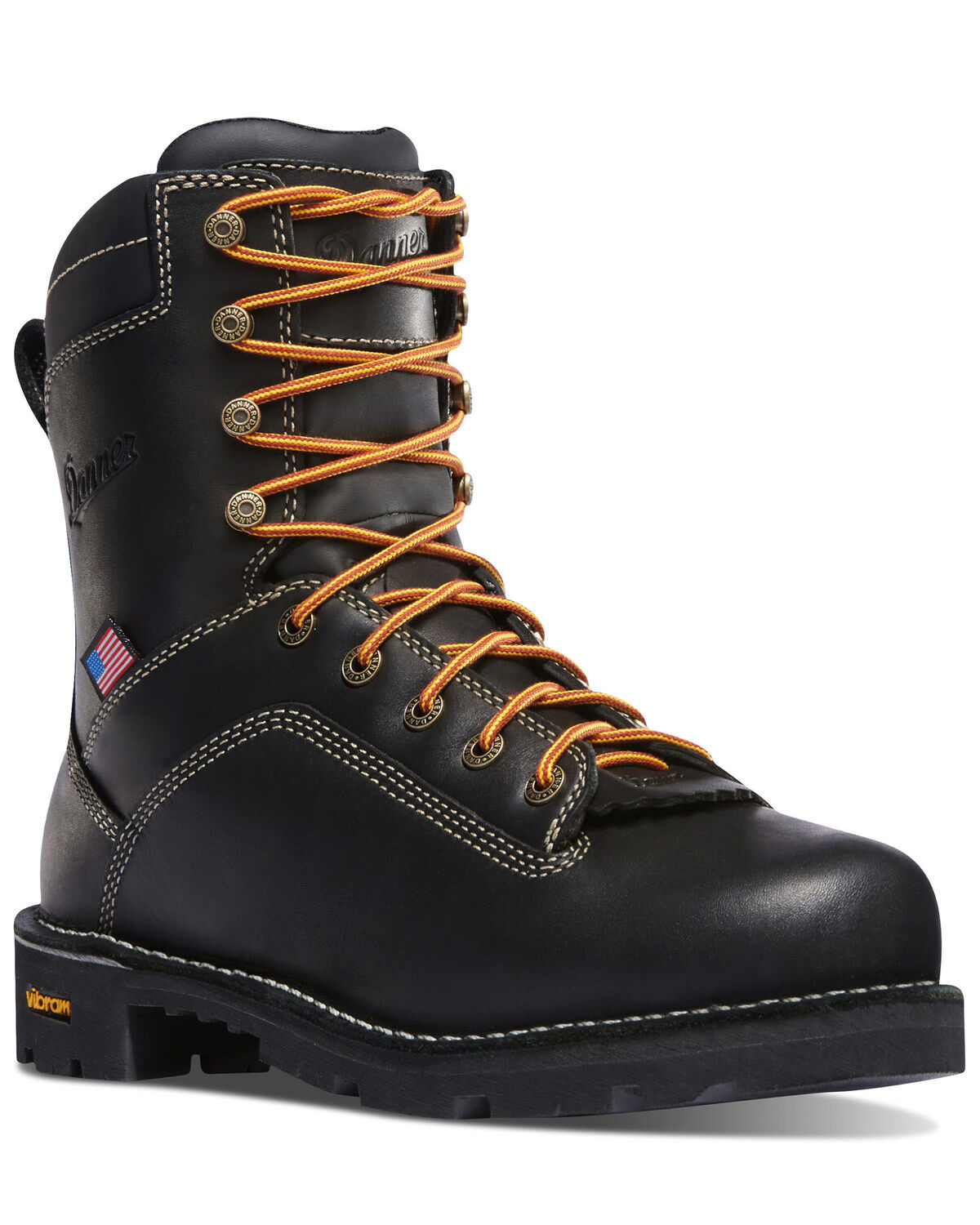
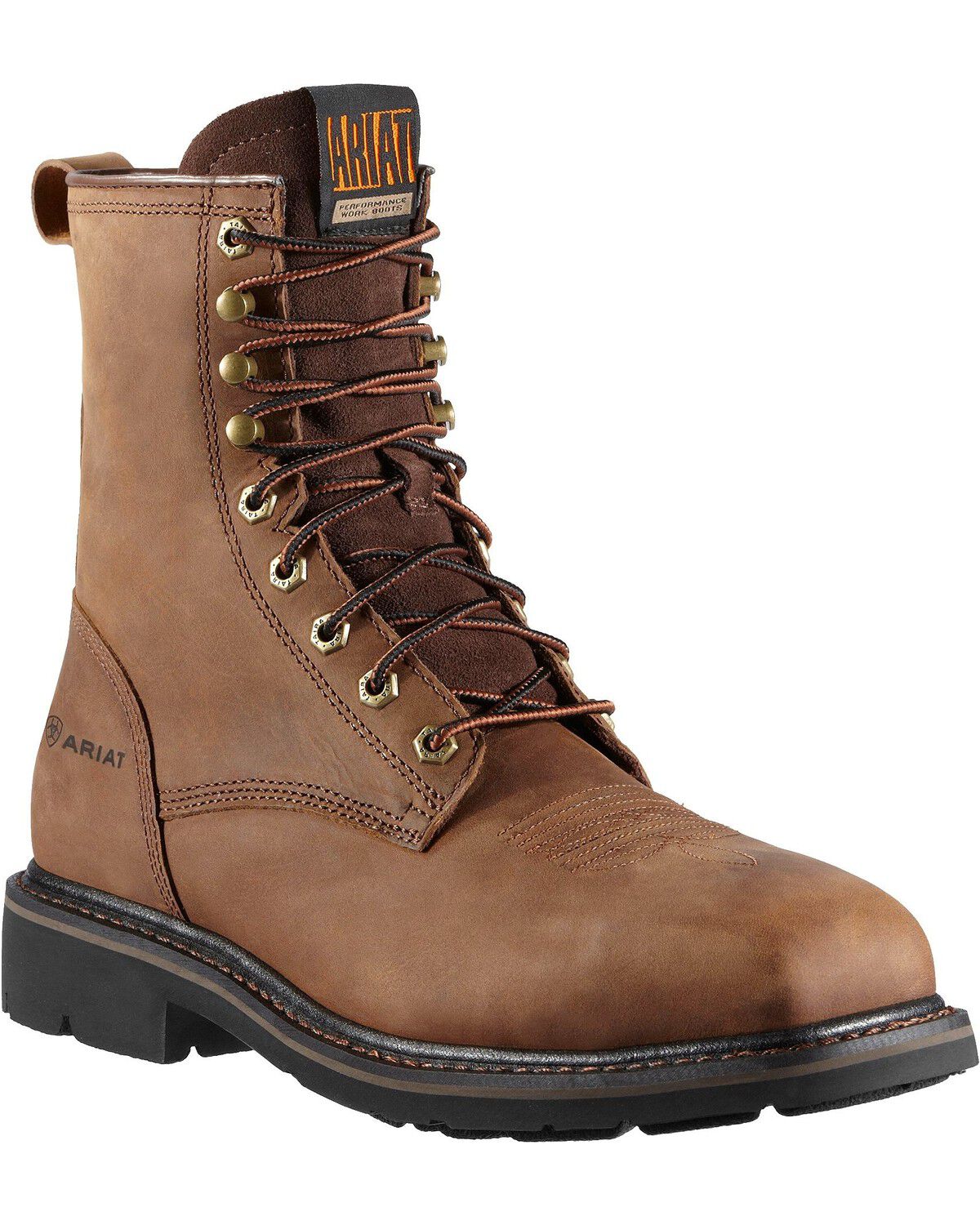
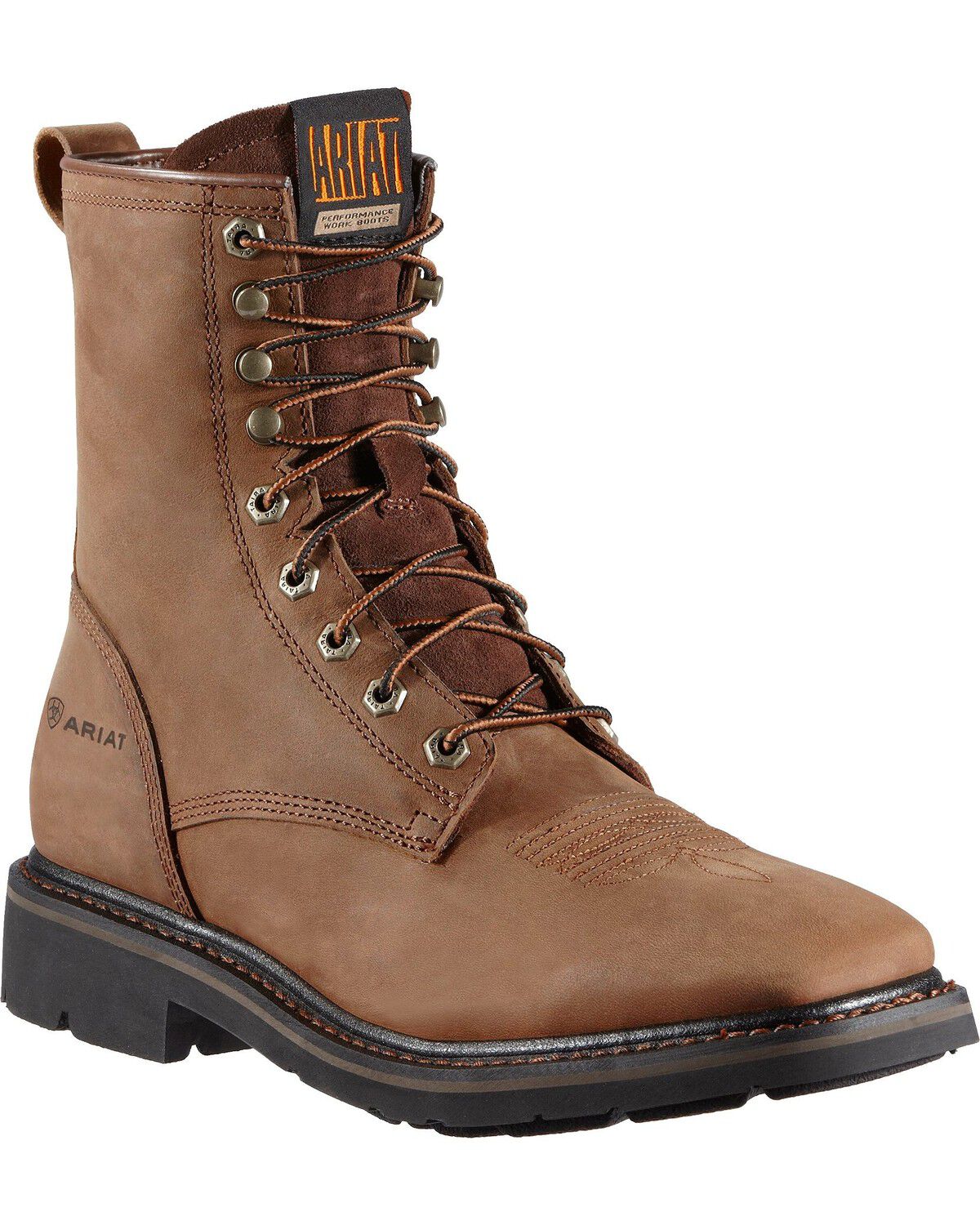
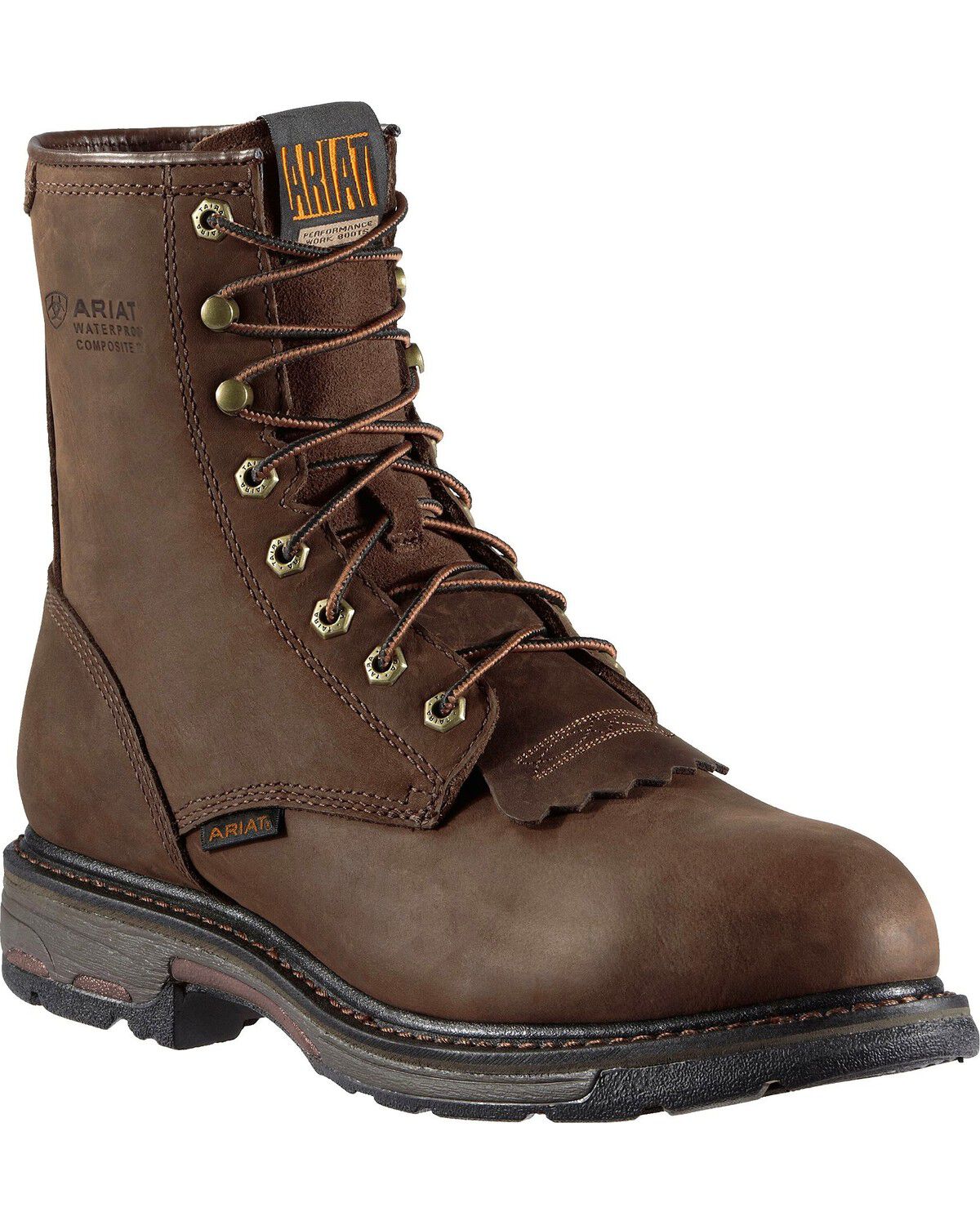
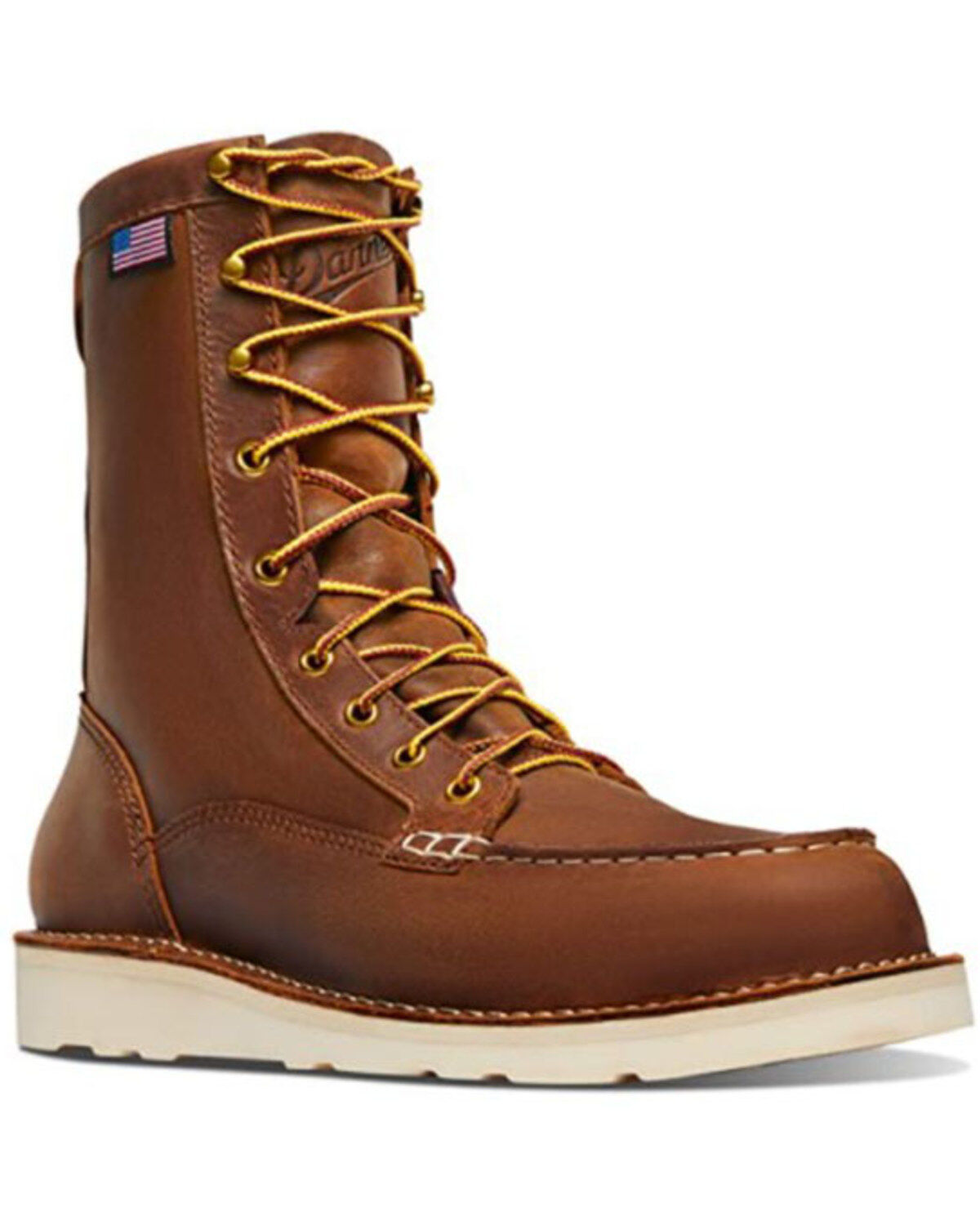
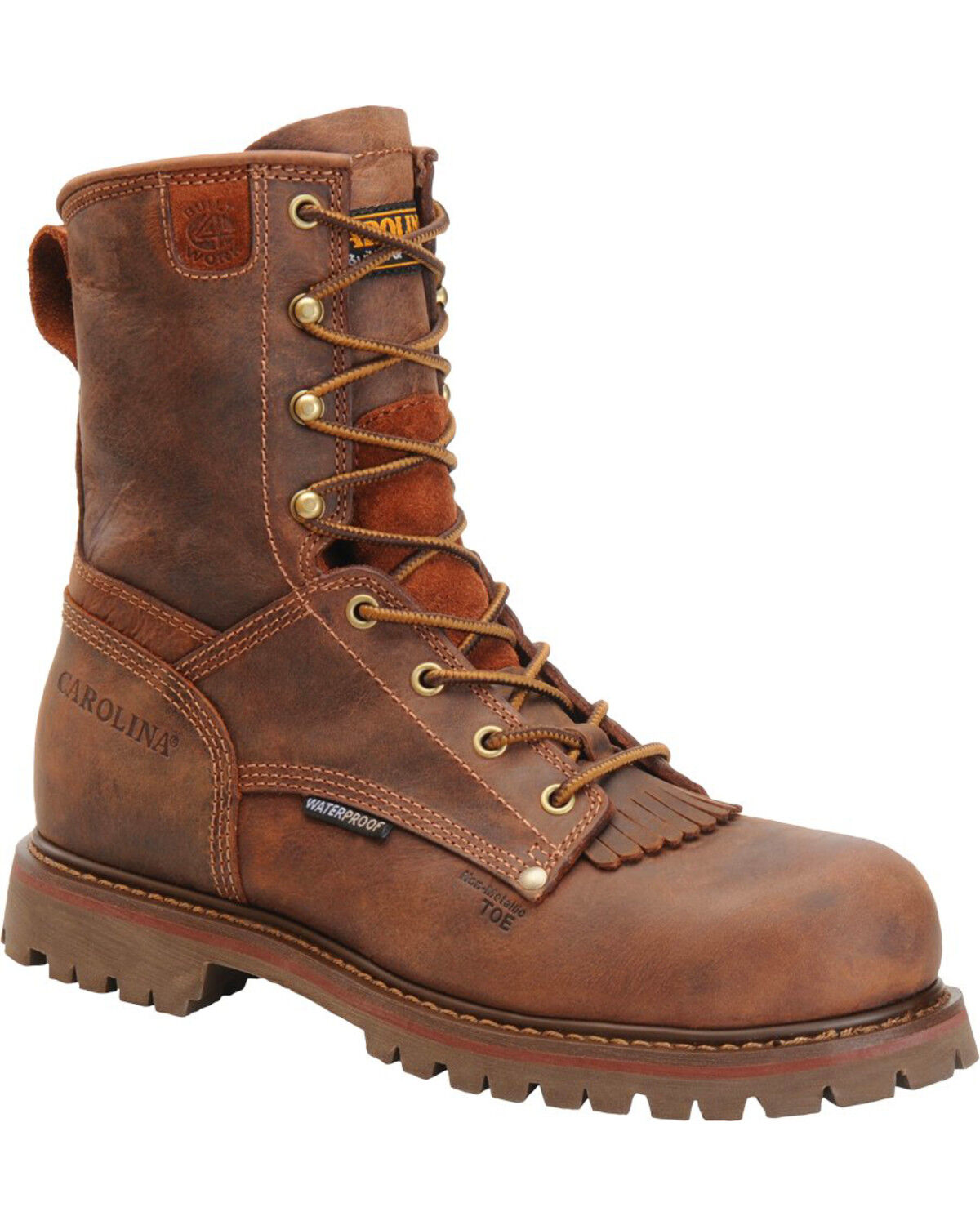
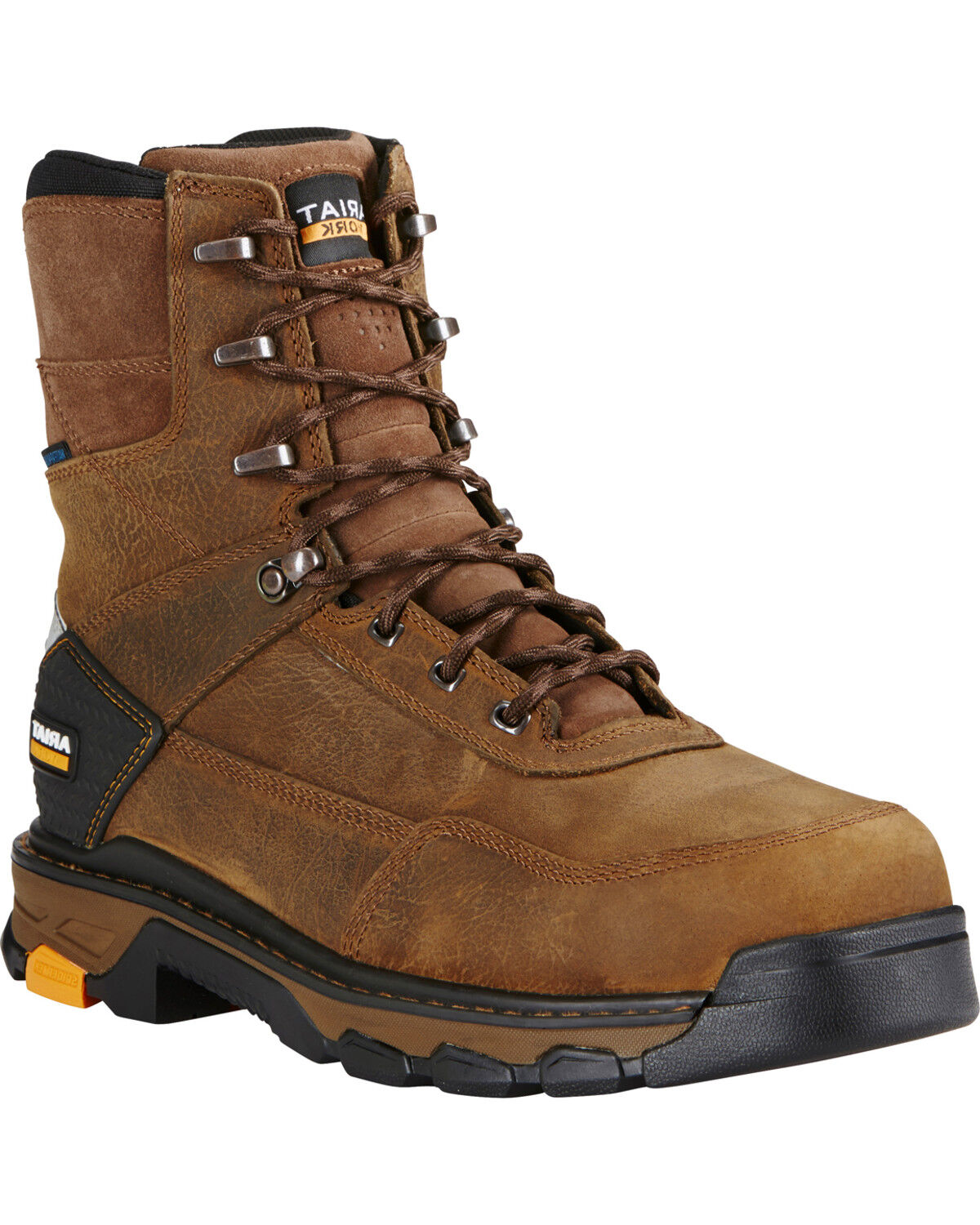
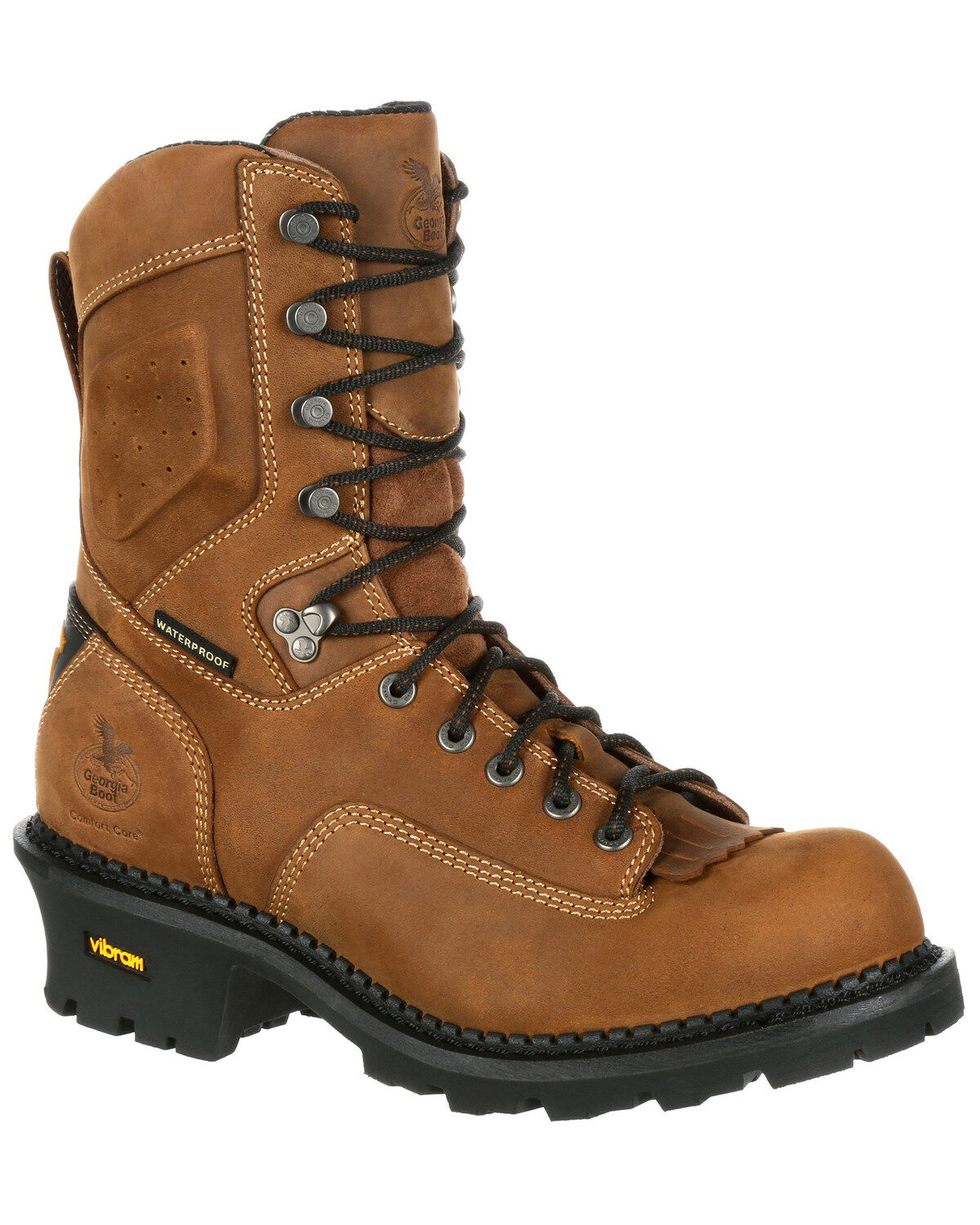
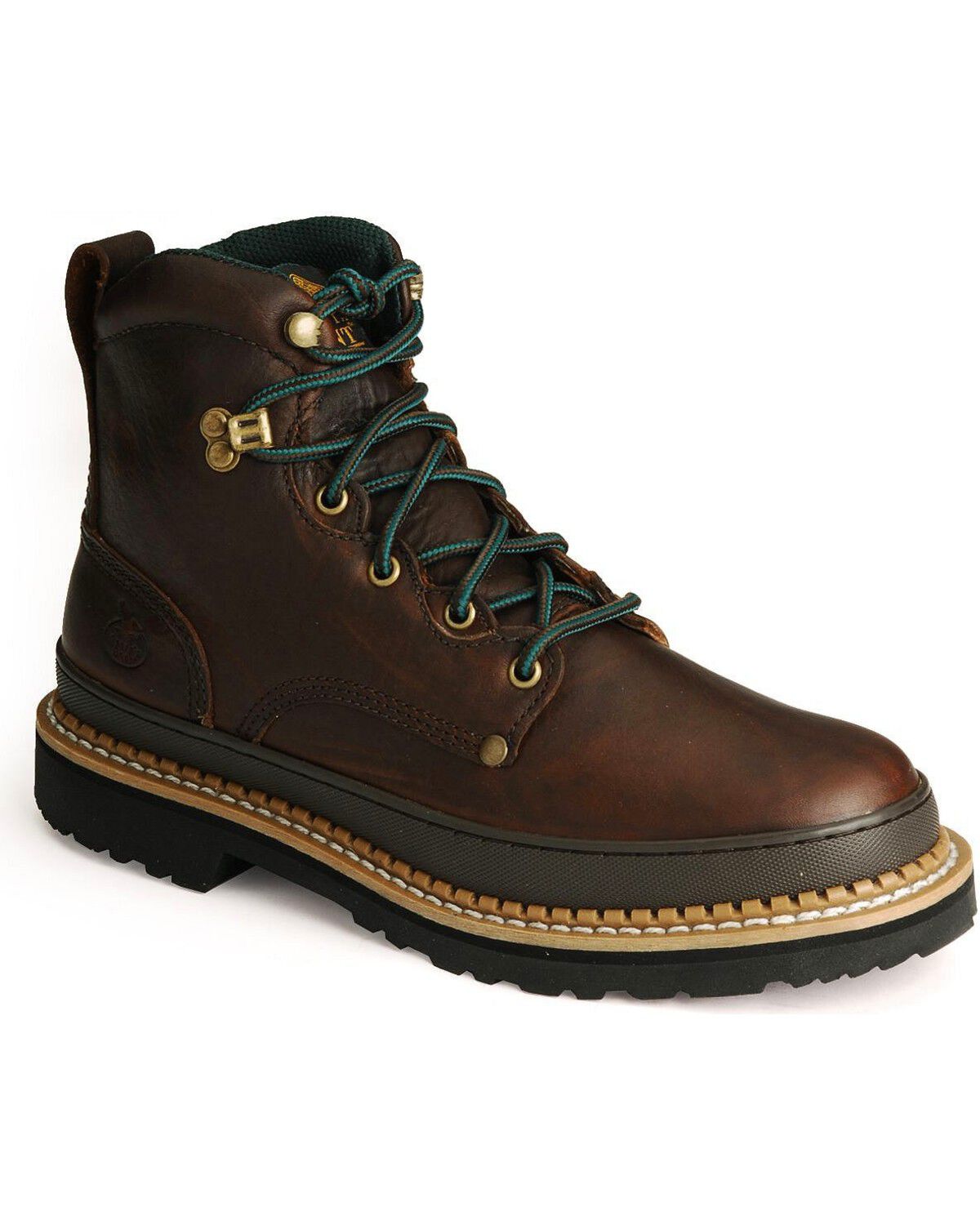
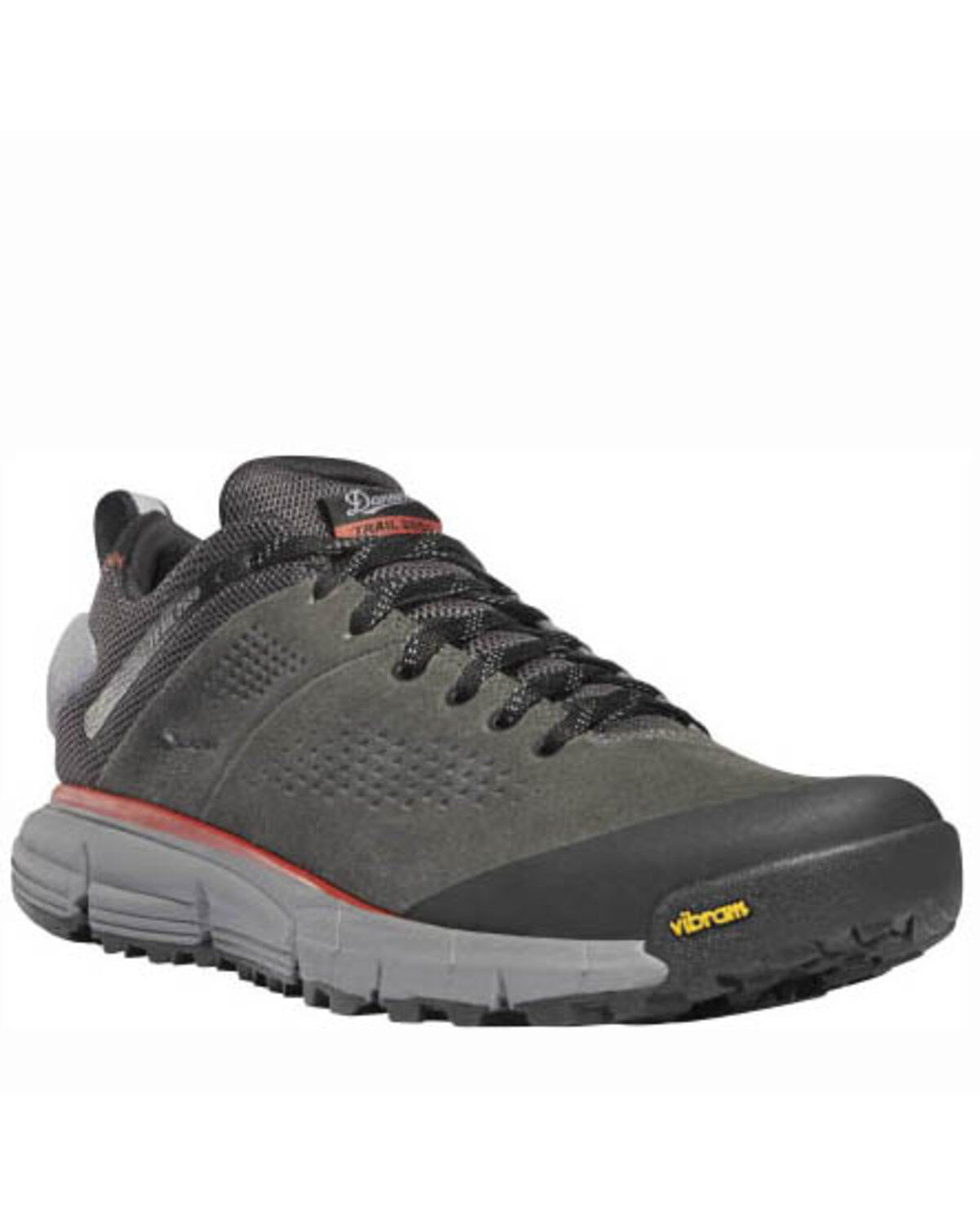
Lace Up Safety Boots

Find lace up safety boots for your workday, with a fit you can adjust through the laces. Browse work boots and compare each pair’s listed safety features and sizing to find an option that meets your job’s requirements.

Read More

Shop Your Store: Shop Your Store: Find a Store

(Turn off Shop Your Store to see all items)

(Turn off Shop Your Store to see all items)

close
  • Recommended
  • Lowest Price
  • Highest Price
Skip pass products

End of products

Lace Up Safety Boots

Lace-up safety boots bring an adjustable fit and job-focused protection to work that keeps people on their feet. Construction crews, warehouse workers, mechanics, maintenance technicians, and agricultural workers all face different demands, but secure footing and dependable support matter across the board. Laces let the fit tighten through the instep and ankle without relying on a single fixed opening. That adjustment can help keep the heel seated when climbing steps, crossing uneven ground, or moving between a shop floor and a loading area. Within the broader Safety Boots category, lace-up styles offer different combinations of toe protection, sole construction, cushioning, and coverage. Safety toes are designed to meet specified impact and compression requirements, with steel, alloy, and composite materials offering different weight and shape characteristics. The material alone does not establish the level of protection; the boot’s marked safety rating and the employer’s requirements are what matter. A composite toe is not automatically more protective than a steel toe, and a lighter boot is not automatically better suited to demanding work. Toe shape also affects comfort, especially for people who need more room across the front of the foot. Other protective features address separate hazards. Puncture-resistant construction can help reduce the risk posed by sharp objects underfoot when the footwear carries the appropriate rating. Electrical-hazard footwear provides secondary protection under specified conditions and is not a substitute for required electrical safety practices. Static-dissipative footwear serves a different purpose and should not be treated as interchangeable with electrical-hazard footwear. These distinctions matter on a production floor, around equipment, or anywhere an employer specifies a particular footwear standard. A well-matched pair starts with the actual work: the surfaces underfoot, the hazards present, the time spent standing, and the movement required throughout a shift. Protection, fit, and mobility need to work together rather than compete.

Materials and construction shape how lace-up safety boots handle daily wear. Leather uppers provide structure and can stand up to repeated flexing, scuffs, and contact with rough surfaces when properly maintained. Full-grain leather retains the hide’s outer surface, while other leather constructions may offer a different feel, finish, or break-in experience. Textile and synthetic panels can reduce weight or add flexibility, depending on the design. Reinforced toe areas, sturdy eyelets, and well-placed stitching are worth attention in jobs where boots brush against equipment, pallets, or concrete. The sole attachment also affects how a boot feels and wears. Welt construction joins the upper and sole through a stitched strip and may allow resoling, depending on the boot and the repair service. Direct-attached construction bonds the sole to the upper and can provide a flexible feel without that stitched connection. Neither approach removes the need to assess the rest of the boot. Underfoot, outsole material and tread pattern should match the work surface. Deep lugs can provide useful grip on loose ground, while other tread designs may suit smooth indoor floors. Slip-resistant ratings describe performance under particular test conditions, not a promise against every fall. Oil, dust, worn tread, and debris can still affect traction. Ladder work may call for a defined heel and a sole shape that suits the task, while long hours on hard flooring put more emphasis on cushioning and support. A supportive midsole and footbed can make standing more comfortable, but softness alone does not provide stability. Shanks can add structure through the arch, and protective plates may affect flexibility. Waterproof construction can be useful where water exposure is part of the job, though it does not establish chemical resistance. Linings, tongue design, and upper height also influence comfort and coverage. A gusseted tongue helps limit debris entering beside the laces, and a taller shaft offers more coverage around the ankle. Each feature has value when it answers a real workplace need.

Fit deserves as much attention as protective features because a safety boot has to remain comfortable through repeated walking, bending, and standing. A properly sized pair gives the toes room without allowing the foot to slide forward against the safety cap. The heel should feel secure, and the laces should close evenly without forcing pressure across the top of the foot. Safety toe caps do not stretch like leather, so persistent contact at the toes is not something to expect a break-in period to fix. The right width matters just as much as length, particularly when a worker spends most of the day on concrete or regularly carries loads. Trying boots with the socks worn on the job gives a more accurate sense of the fit. Work socks with cushioning and moisture management can help reduce friction, while a suitable footbed may improve support. Any replacement insole needs to leave enough interior room and comply with the footwear manufacturer’s guidance, especially when electrical properties are part of the safety rating. Lacing should support the foot without restricting movement or creating pressure points. Loose laces can catch on equipment, and damaged laces or eyelets can undermine an otherwise sound boot. Regular care helps preserve the materials and makes wear easier to spot. Removing dirt from the upper and clearing packed debris from the tread keeps the boot easier to inspect. Leather care products should suit the finish, and cleaning or conditioning should follow the manufacturer’s directions. Boots need time to dry after cleaning or moisture exposure, away from direct heat that can damage leather, adhesives, or other components. Worn tread, separating soles, cracked uppers, and exposed protective components are signs that the condition of the footwear needs attention. After a significant impact, a safety toe may be damaged even when the outside looks intact. For a gift to someone starting a trade or replacing worn work footwear, confirmed sizing and workplace requirements matter more than appearance alone. Lace-up safety boots earn their place through a secure fit, appropriate protection, and construction that suits the work.
Read More

FAQs