Extra Wide Western Boots

Find extra wide western boots for a roomier fit across the foot. Compare size and width information for each pair, since cowboy boot fit can vary by brand and style.

Read More

Shop Your Store: Shop Your Store: Find a Store

(Turn off Shop Your Store to see all items)

(Turn off Shop Your Store to see all items)

close
  • Recommended
  • Lowest Price
  • Highest Price
Skip pass products
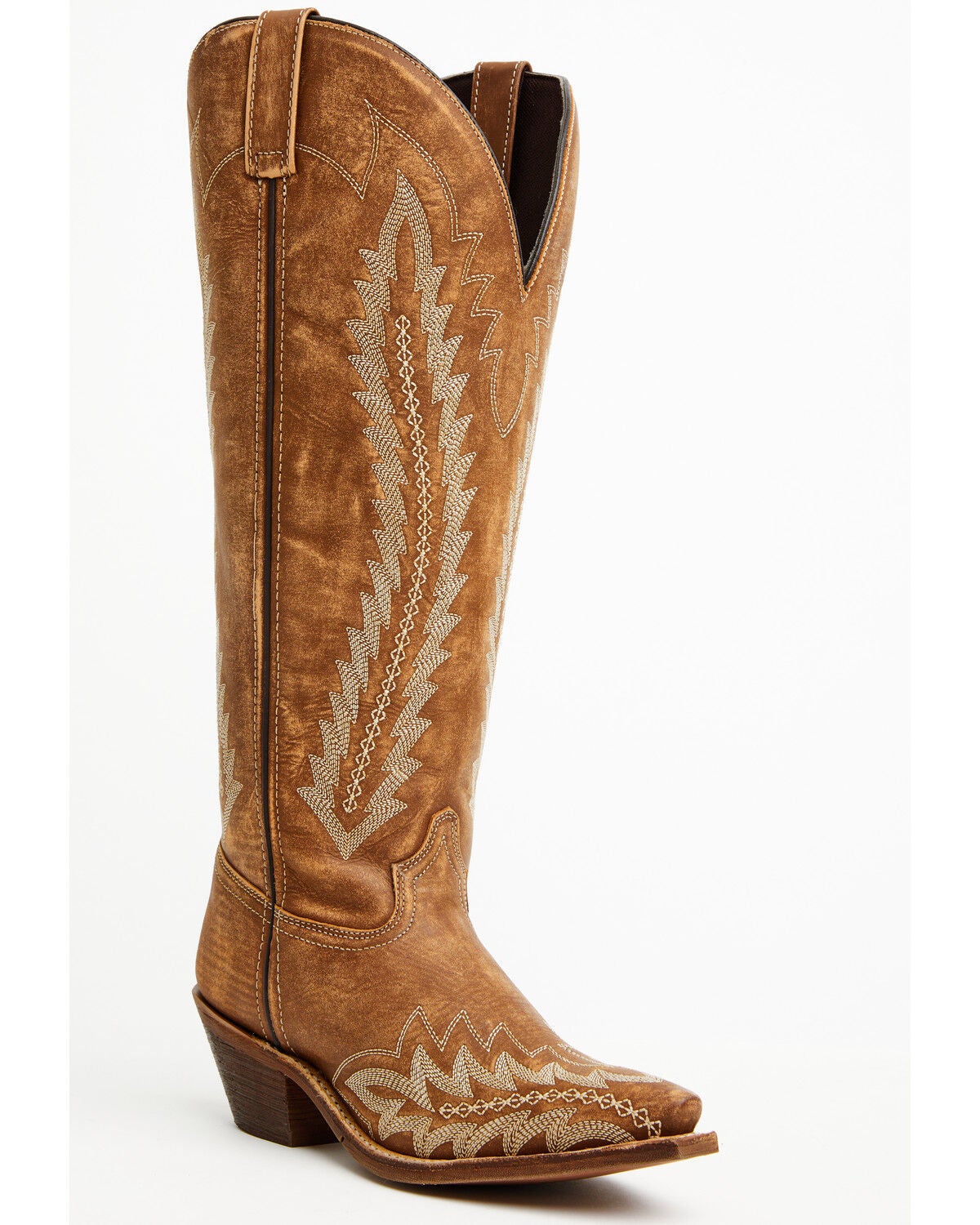
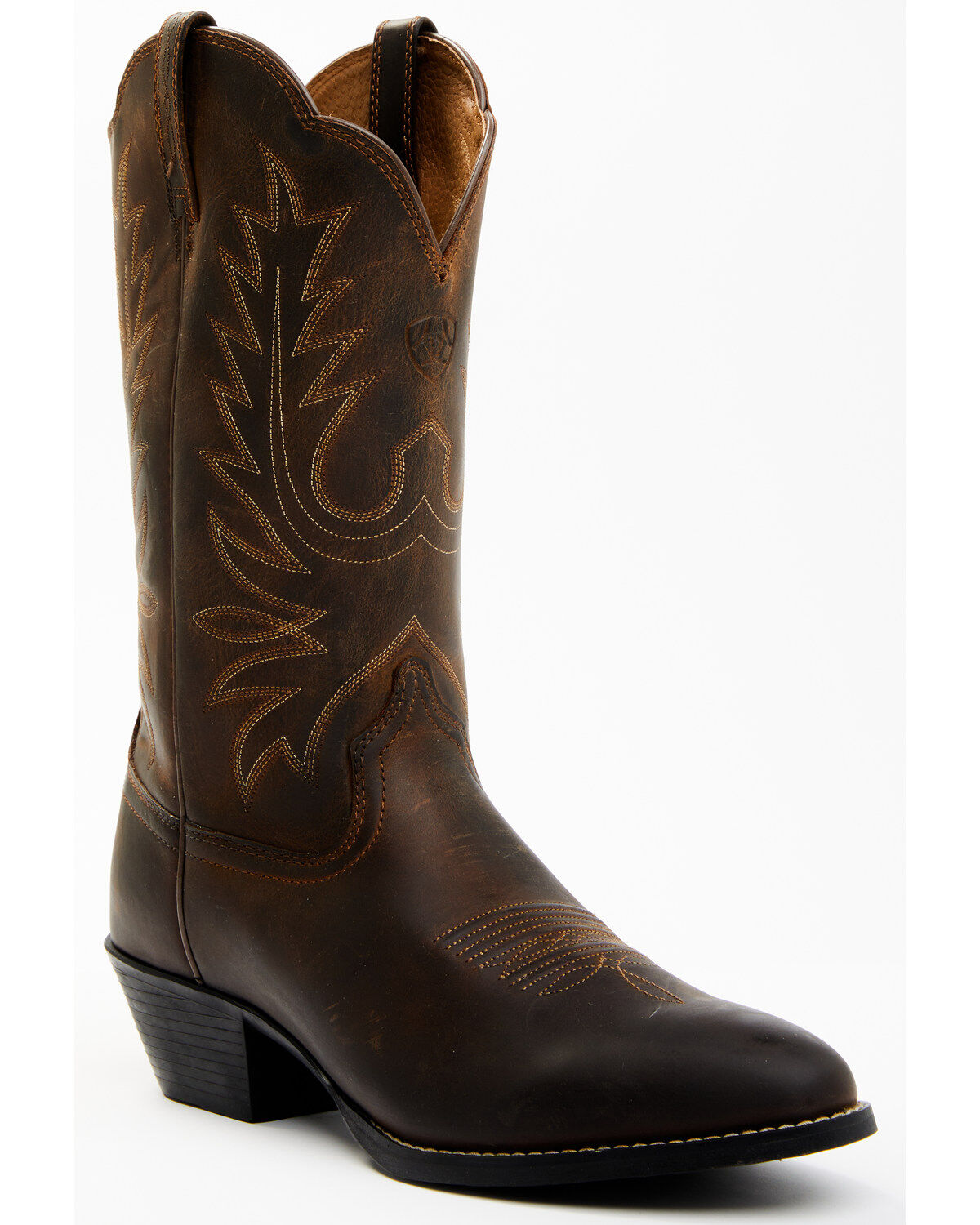
  • Women's Laredo Adrian Wide Calf Western Boots - Snip Toe
    Original Price $169.99 $119.97
    29% Total Savings
  • Women's Laredo Adrian Wide Calf Western Boots - Snip Toe
    Original Price $159.99 $109.97
    31% Total Savings

End of products

Extra Wide Western Boots

Extra wide western boots pair a recognizable western profile with additional room for broader feet. That extra space matters most where the foot needs it: across the ball, around the toes, and, depending on the boot’s construction, through the instep. Width markings can include EE, 2E, and 4E, but those labels do not mean the same thing across every manufacturer or sizing system. EE and 2E generally describe the same width designation, while 4E typically indicates a broader fit. Some makers classify EE as wide rather than extra wide, so the width chart for the particular boot matters more than the label alone. Toe shape is another part of the picture. A square toe may offer a broader outline, but a square-toe boot is not automatically built on an extra-wide last, the form that determines the boot’s shape and interior dimensions. A round or pointed toe can also have a roomy fit through the ball when the underlying construction allows for it. Foot width and calf width are separate measurements, too; an extra-wide footbed does not necessarily come with a wider shaft. These distinctions matter for anyone whose boots squeeze across the forefoot despite having enough length. Adding length to solve a width problem can leave excess room at the heel and put the foot out of alignment with the boot’s flex point. A well-matched fit leaves the toes free from crowding, holds the instep securely without painful pressure, and places the ball of the foot near the widest part of the boot. A little heel movement can be normal in a new pull-on boot, but substantial lifting or sliding deserves a closer look. For long hours on foot, a broad forefoot, or feet that need room for an insert, the right width supports comfort without giving up a clean western shape.

Materials and construction influence how extra wide cowboy boots feel beyond the first try-on. Full-grain leather is valued for its strength and ability to develop character with wear, while the weight, finish, and thickness of the leather affect flexibility. A heavier leather upper may feel firmer at first than a softer one, but break-in should never mean enduring pinched toes or persistent pressure. Leather can soften and conform; it cannot be counted on to correct the wrong size or create meaningful extra length. Suede and nubuck have a different surface and need care suited to their texture. Synthetic components may reduce weight or simplify upkeep, depending on their construction. Inside the boot, lining materials, seam placement, and footbed thickness all affect usable space. A thick cushioned insole can feel comfortable underfoot while taking up room over the instep, and replacing a removable footbed with an orthotic can change both heel position and overall fit. The socks worn with the boots matter for the same reason. A fit checked with thin dress socks may feel quite different with heavier work socks. Underfoot, leather outsoles offer a traditional finish and feel, while rubber outsoles can provide traction and cushioning according to their compound and tread. Neither material alone tells the whole story about grip or durability. Standing at a counter, walking a concrete shop floor, and spending time in a saddle place different demands on a boot. Cushioned footbeds and supportive construction can make standing more comfortable, while riding requires a heel and outsole profile suited to the stirrup. Extra-wide boots also need sufficient stirrup clearance. Western styling by itself does not establish workplace protection, either. Safety toes, electrical hazard protection, and slip-resistant performance should be confirmed through the boot’s stated specifications when a job calls for them. The best match balances foot shape, daily demands, and the construction features that serve those demands.

Extra wide western boots cover more than one look, from understated leather with simple stitching to taller shafts, contrasting panels, and detailed embroidery. Shaft height affects how a boot sits against the leg and beneath a pair of jeans, while heel height changes posture and the feel of each step. A lower walking heel often suits everyday wear; a taller western heel creates a different stance and should feel steady underfoot. The boot’s proportions matter as much as its decoration. A broader foot should not have to crowd into a narrow shape just to keep a traditional appearance. For shoppers comparing fit in women’s sizing, Women's Wide Width Western Boots offers a focused place to consider that balance of width, shape, and western detail. Long-term wear also depends on how the boots are made and maintained. Some welted constructions allow worn soles to be replaced, though repair options depend on the materials, construction, and condition of the boot. Regular care helps protect that investment in fit. Loose dirt is best removed before it works into seams or scratches the finish, and smooth leather benefits from a conditioner appropriate for its treatment. Suede, nubuck, and specialty finishes need their own care products rather than a general leather treatment. Boots that become damp should dry naturally away from direct heat, which can harden leather and weaken components. Storing them upright in a ventilated space helps preserve their shape, and alternating pairs gives the interior time to dry between wears. For someone receiving western boots as a gift, confirmed length and width are more useful than guessing from appearance or borrowing a sneaker size. Even a familiar boot size can fit differently in another toe shape or construction. The lasting value is in a pair that feels secure, leaves enough room where it counts, and suits the way the wearer spends the day.
Read More

FAQs