Wide Western Boots

Find wide western boots with extra room across the foot for a less restrictive fit. Browse wide-width cowboy boots and check each pair’s sizing details to find the right fit for everyday wear.

Shop Your Store: Shop Your Store: Find a Store

(Turn off Shop Your Store to see all items)

(Turn off Shop Your Store to see all items)

close
  • Recommended
  • Lowest Price
  • Highest Price
Skip pass products
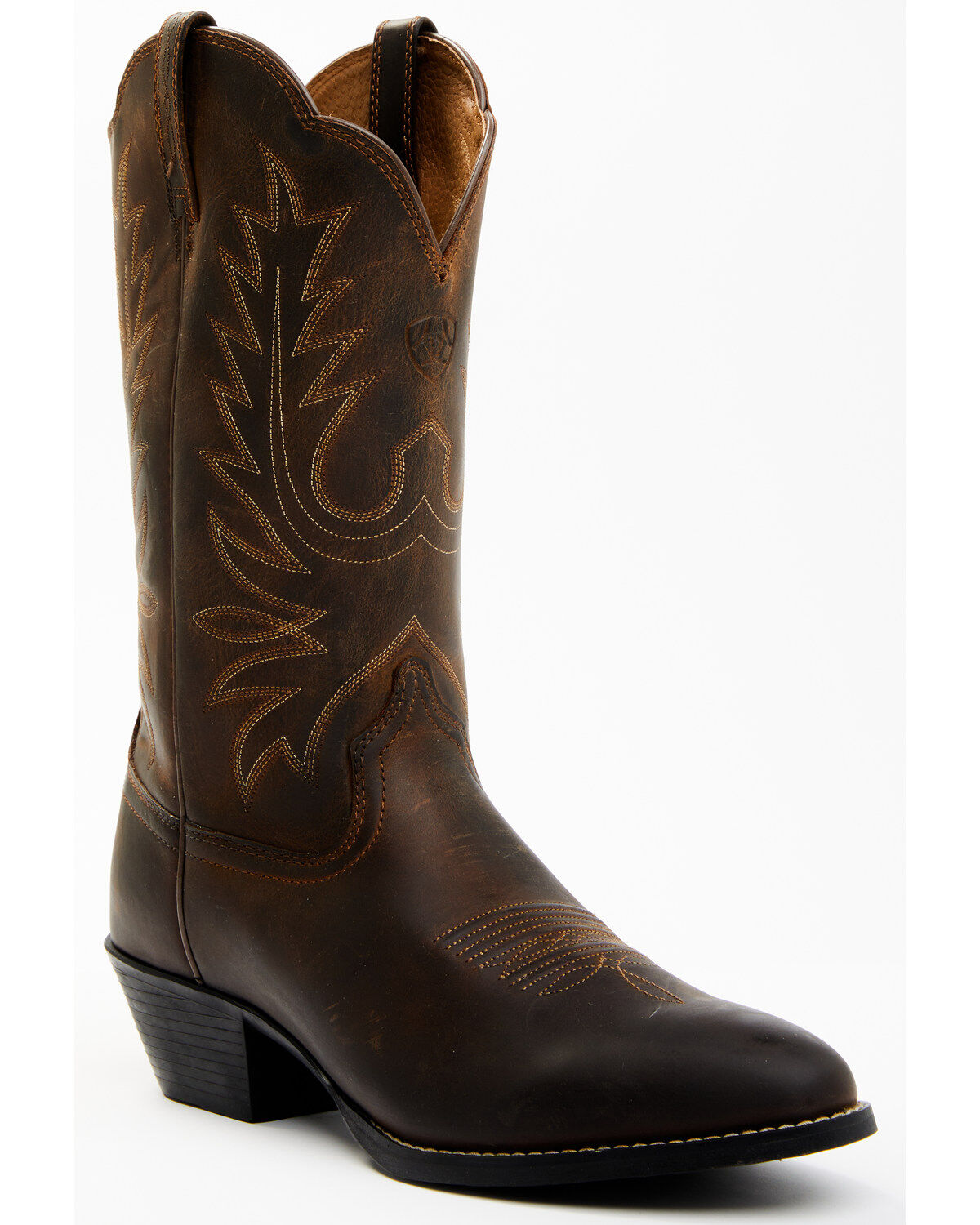
  • Women's Shyanne Gemma Western Boots - Snip Toe
    Original Price $209.99 $159.99
    24% Total Savings

End of products

Wide Western Boots

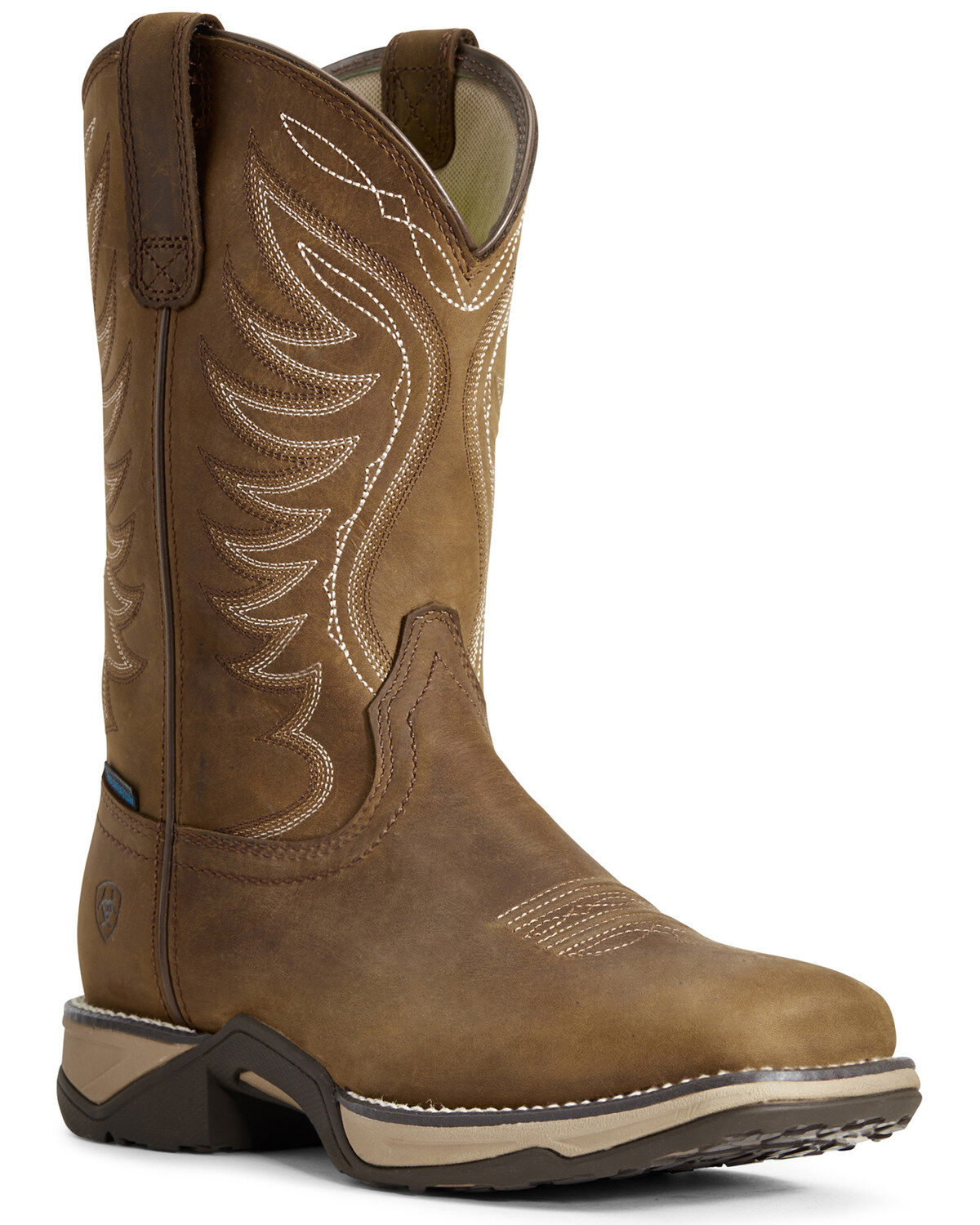
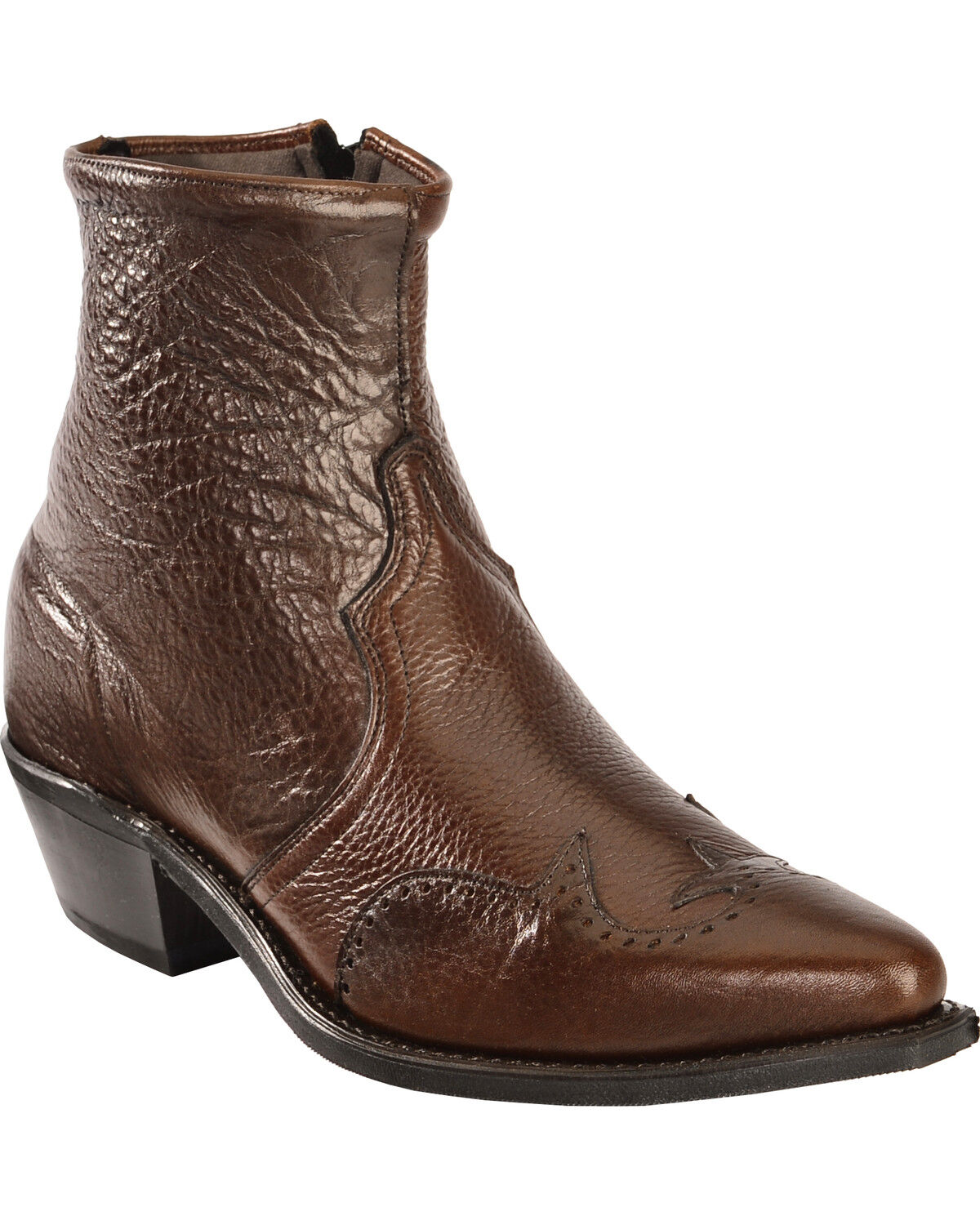
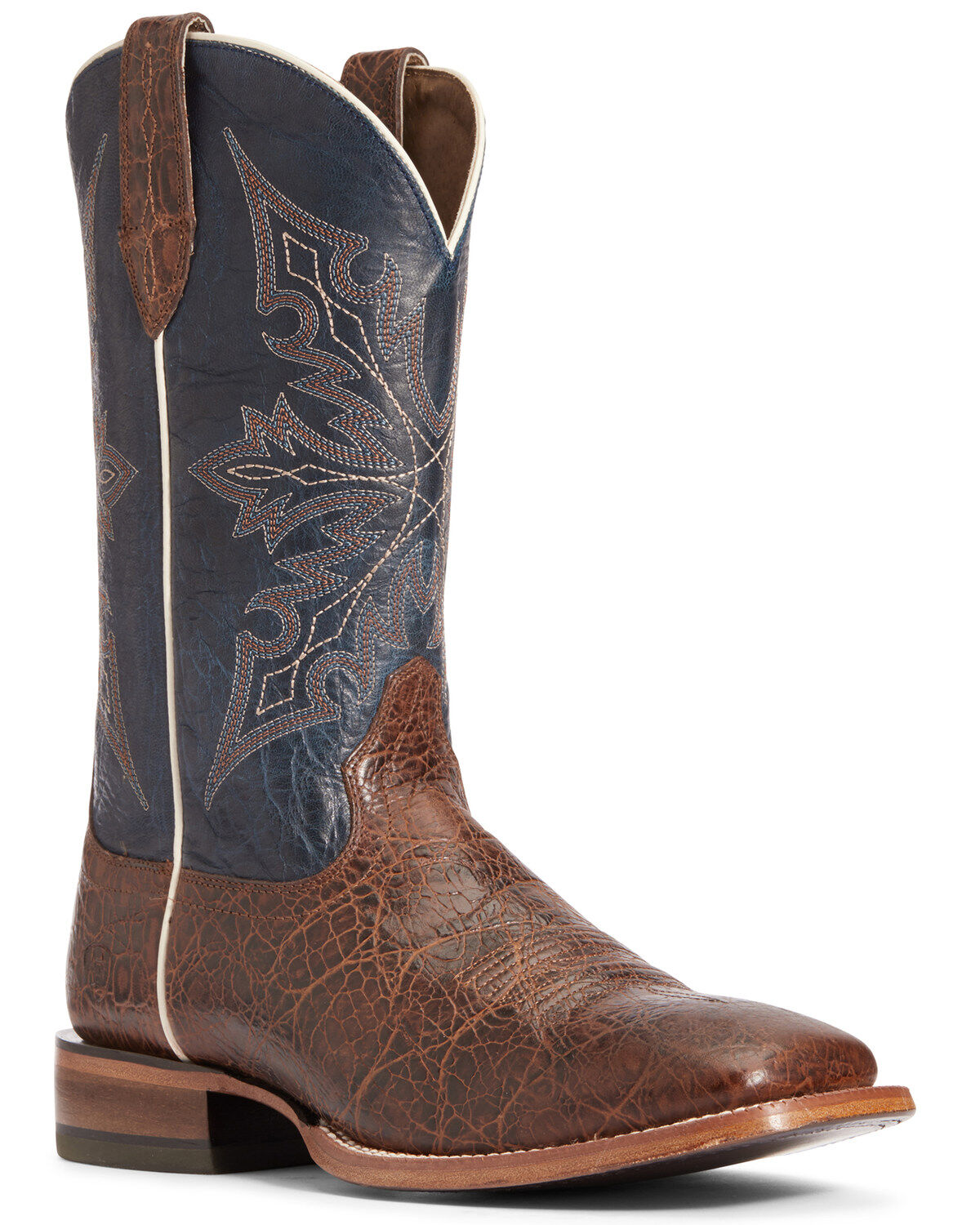
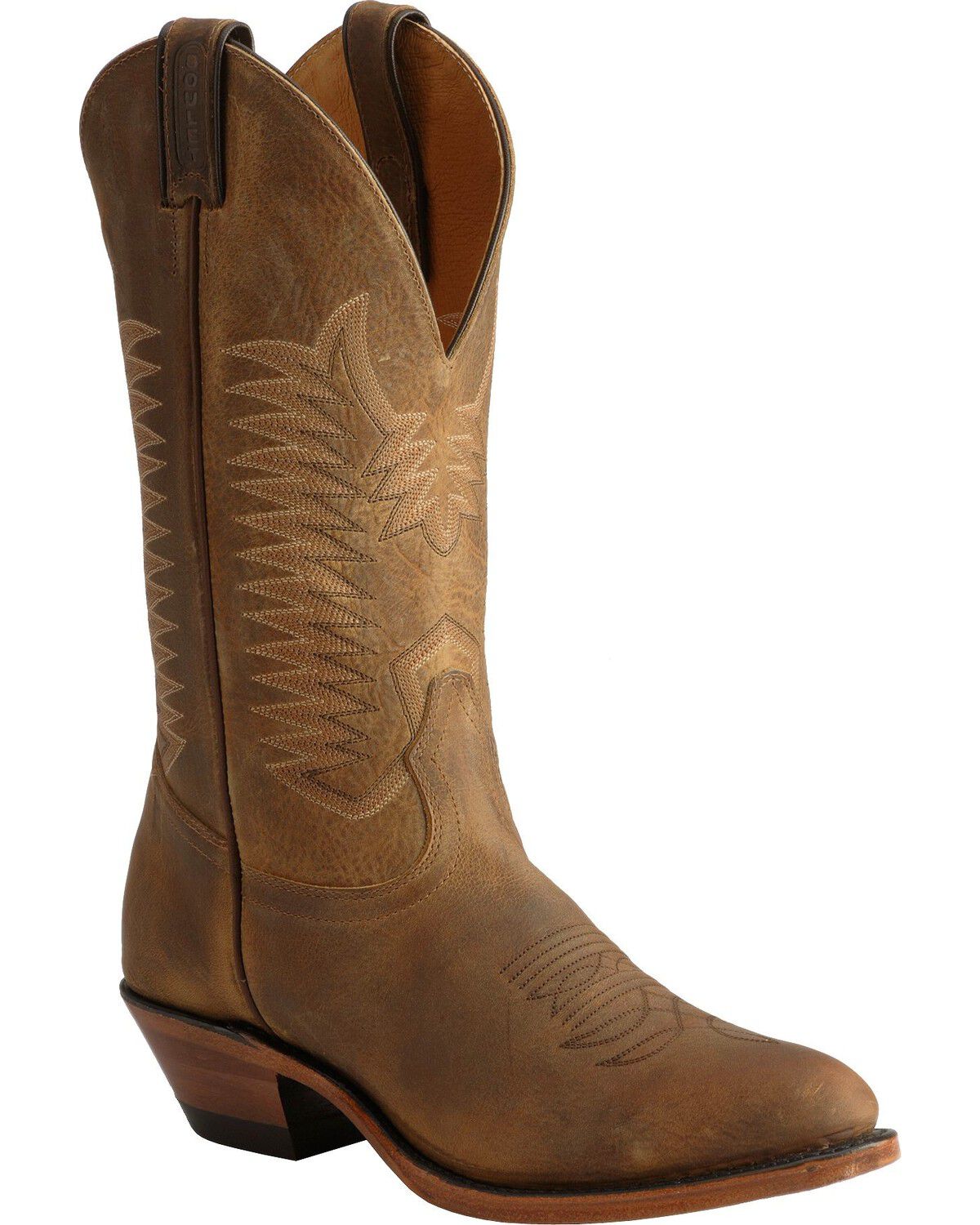
Wide western boots pair the familiar shape of a cowboy boot with additional room across the foot. That difference matters for someone whose toes feel crowded in a standard-width boot or whose forefoot presses against the sides of the leather. A properly matched width gives the foot room without relying on extra length, which can leave too much space at the toe and allow unwanted movement. Wide sizing describes the fit of the foot portion; it does not automatically mean a wider calf opening or a taller shaft. Width markings and proportions can vary by maker, and the shape used to build a boot affects how it feels even when the listed size is the same. The ball of the foot should sit at the boot’s broadest point, with enough toe room to stand and walk without pressure. The instep should feel secure rather than squeezed. A small amount of heel movement can be normal in a new pull-on western boot, but excessive slipping can signal a poor match. Leather can soften with wear, though break-in should not be expected to correct a boot that pinches from the start. Sock thickness also changes the fit. A heavier sock takes up more room than a lightweight pair, so the socks normally worn with boots belong in any fit comparison. Toe shape deserves the same attention. Square, round, and pointed profiles create different outlines, but the outside appearance alone does not reveal how much usable space sits inside. A broad square toe can still feel tight across the instep, while a tapered profile may provide enough room when its size and width match the foot. Shaft fit matters separately, especially for larger calves or anyone wearing jeans tucked into boots. Wide western boots can suit people who spend hours standing, walk between a shop and an office, or simply prefer the look of western footwear without a cramped fit. The right pair should feel balanced through the heel, instep, and forefoot, not loose everywhere just because it carries a wide designation.

Materials and construction shape how wide cowboy boots wear over time. Leather uppers can develop creases and character through regular use, with the finish influencing both appearance and care. Smooth leather offers a clean surface that is generally straightforward to wipe down, while suede and roughout have a textured look that calls for different cleaning tools. Full-grain leather retains its natural grain surface and can hold up well when properly maintained, but leather type is only one part of durability. Stitching, sole attachment, lining, and the quality of the heel construction all matter. Pull tabs make a boot easier to draw on, while the shaft provides the recognizable western profile and coverage above the ankle. Decorative stitching may be subtle or prominent, allowing the same basic boot shape to fit different wardrobes. Underfoot, leather and rubber soles serve different preferences. Leather soles have a traditional appearance and a feel that changes as they wear. Rubber soles can provide a more flexible step or added grip, depending on the compound and tread pattern. No outsole offers the same traction on every surface, so intended use should carry more weight than appearance alone. A boot worn mainly across office floors has different demands from one used around a barn or on uneven ground. Heel height and shape also affect the stride. Lower, broader heels often suit everyday walking, while riding use calls for footwear appropriate to the activity and the stirrups. Western styling by itself does not establish workplace protection. Jobs that require protective toes, electrical-hazard ratings, or other safety features call for boots with those stated specifications. Cushioning and arch support can make a difference during long stretches on the feet, but added insoles also occupy space and may change an otherwise comfortable fit. A removable footbed can offer more flexibility where the construction allows it. For regular wear, a secure fit, dependable stitching, and a sole suited to the ground underfoot are more useful than unnecessary bulk. Some construction methods also allow professional resoling or heel repair, giving a well-maintained upper a longer working life.

Wide western boots fit naturally with durable jeans, a western shirt, and a belt, but they also work with simpler everyday clothing. Straight-leg and bootcut jeans generally leave room for the shaft without pulling tightly around it. The hem should fall cleanly over the boot rather than bunch heavily at the ankle or drag beneath the heel. For someone who spends more time walking through town than riding or working around livestock, western casual boots offer another way to consider the western look for everyday wear. Color and finish help set the tone: a smooth, darker leather can look understated with neatly pressed jeans, while textured leather brings a more worn-in appearance to casual clothing. Good care preserves those differences instead of treating every finish the same. Loose dirt is easier to remove before it settles into seams, and a soft brush or cloth can keep routine buildup under control. Smooth leather generally benefits from a leather-appropriate cleaner and conditioner used according to the material’s needs. Suede and roughout usually need a suitable brush and products intended for their textured surfaces, rather than the same conditioner used on smooth leather. Excess moisture should be allowed to dry naturally, without placing boots against a heater. Overconditioning can change the feel or color of leather, so more product is not always better. Giving boots time to air out between wears helps the lining dry, while storing them upright with support helps preserve the shafts. Worn heel edges, loose stitching, and thinning soles deserve attention before they affect the way the boot sits or walks. Wide western boots can also make a thoughtful gift for someone who wears western footwear regularly, provided the recipient’s length, width, and fit preferences are known. A favorite toe shape, preferred shaft height, and usual use say more about a suitable choice than appearance alone. Whether worn for a full day on the feet or an evening out, the most useful wide boot combines enough room with a steady, secure fit.

FAQs