Women's Wide Width Western Boots

Find women’s wide width western boots with more room across the foot. Browse wide width cowboy boots to find a pair that suits your style, and check each product’s sizing details to help choose the right fit.

Read More

Shop Your Store: Shop Your Store: Find a Store

(Turn off Shop Your Store to see all items)

(Turn off Shop Your Store to see all items)

close
  • Recommended
  • Lowest Price
  • Highest Price
Skip pass products
  • Women's Idyllwind Wheels Western Booties - Round Toe

    Original Price $179.99 $107.97
    40% Total Savings
  • Women's Shyanne Jeannie Western Boots - Broad Square Toe

    Original Price $199.99 $119.97
    40% Total Savings

End of products

Women's Wide Width Western Boots

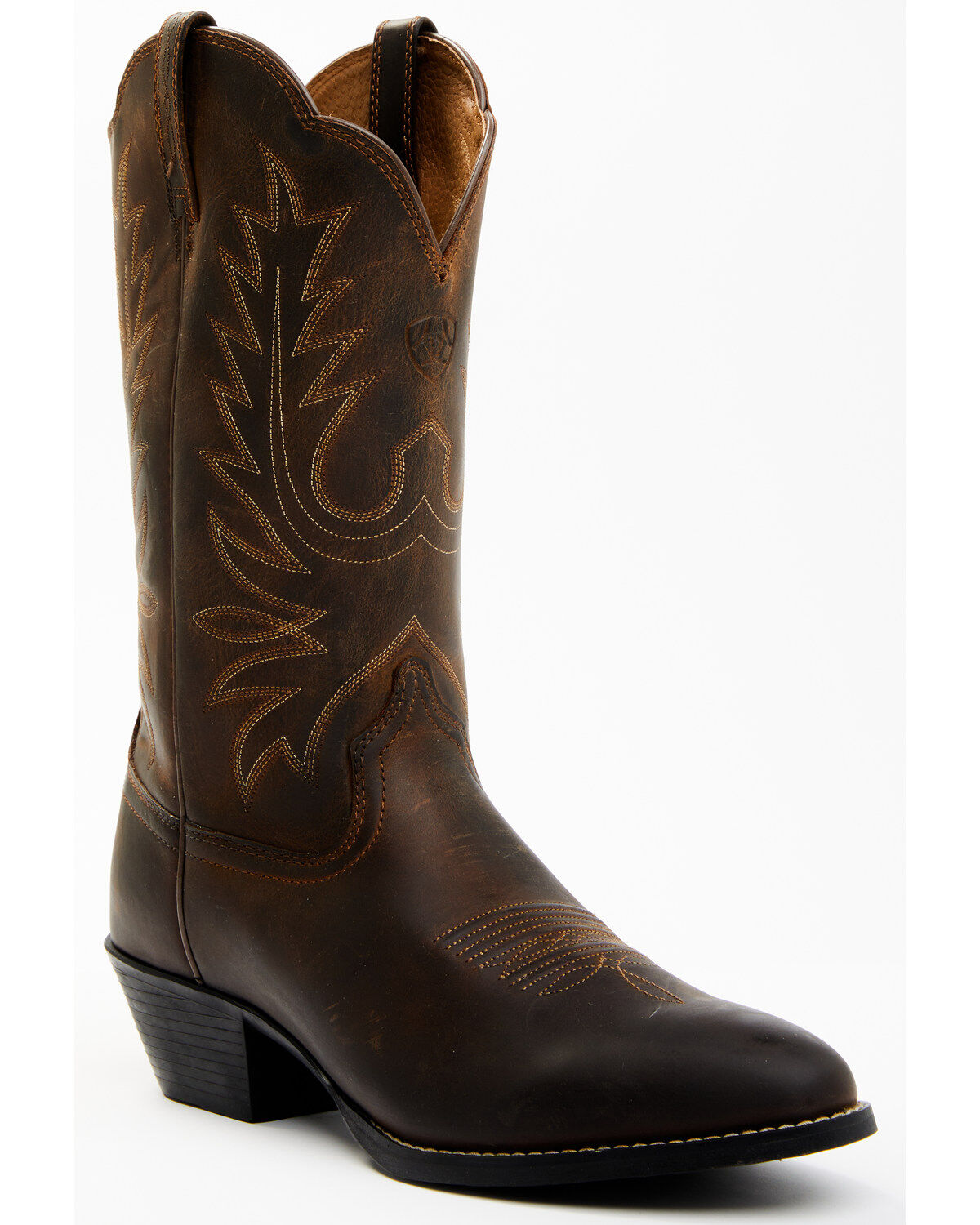
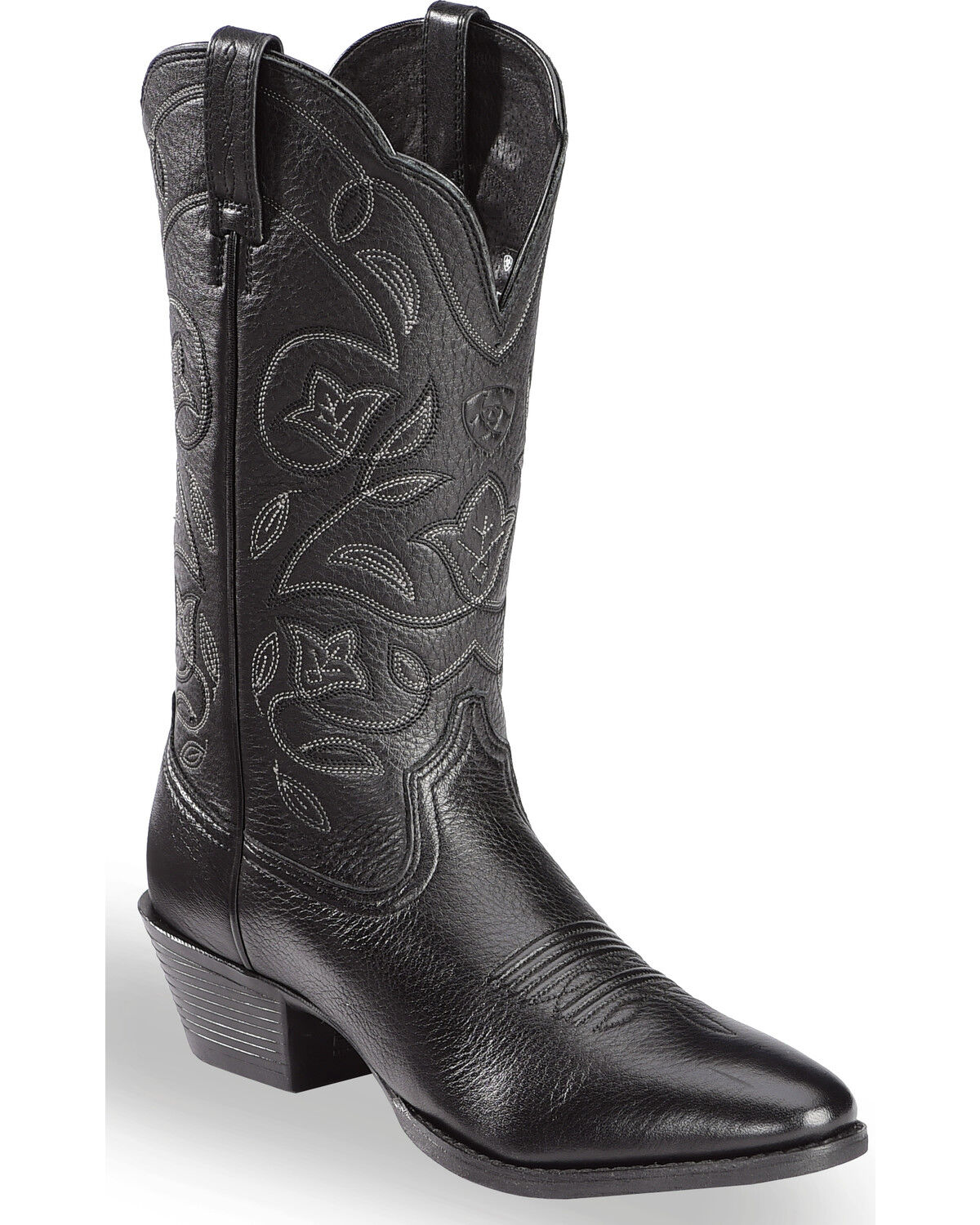
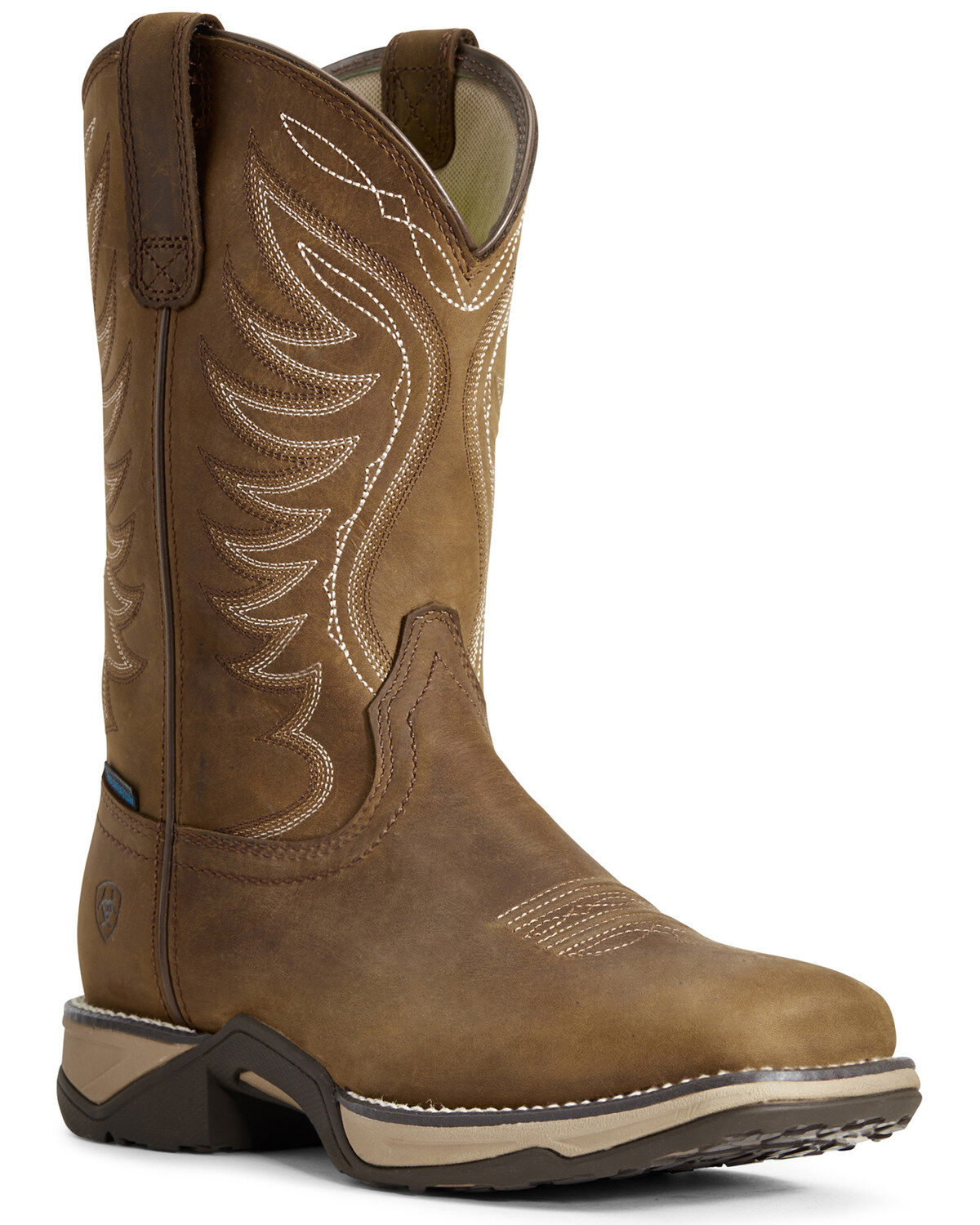
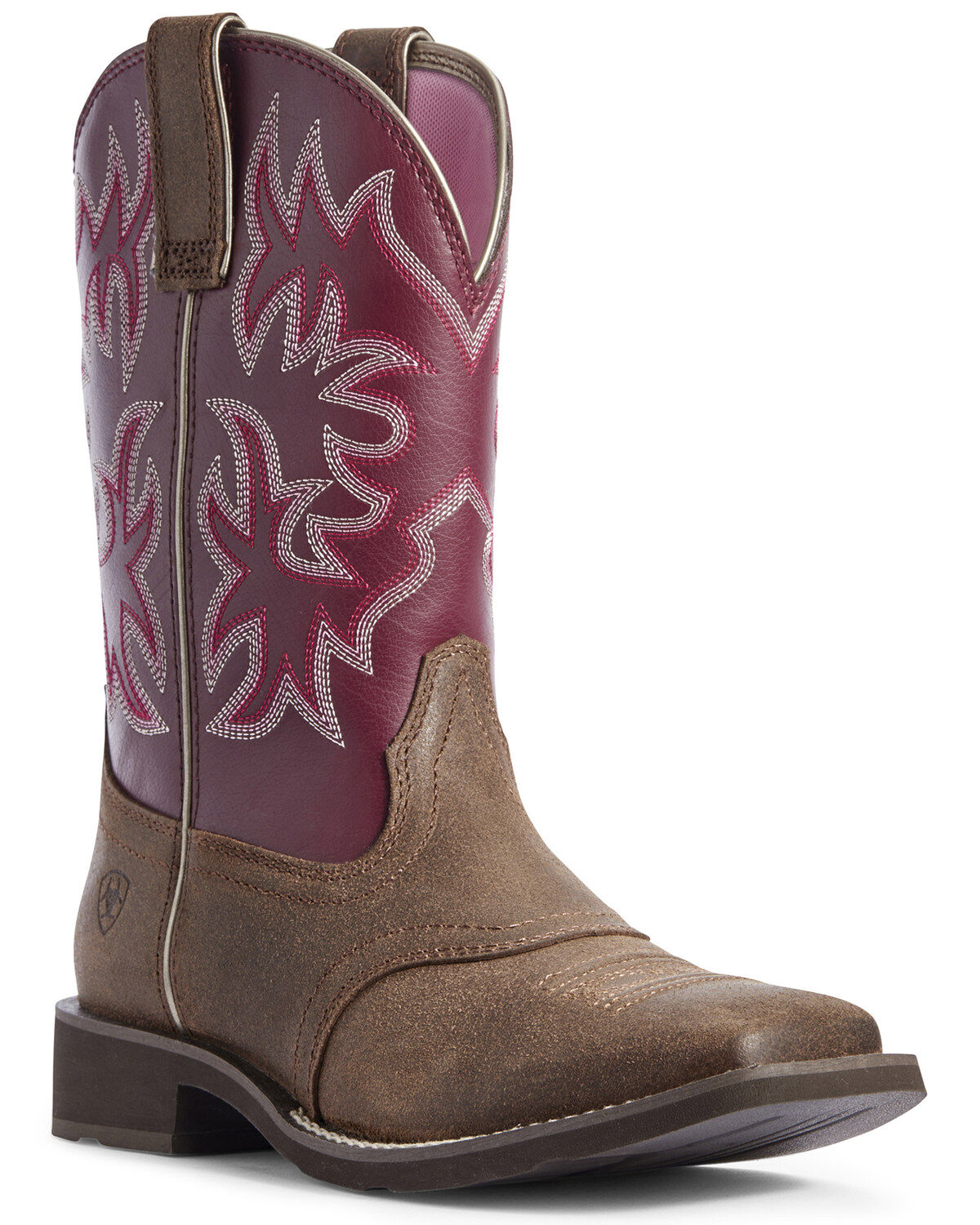
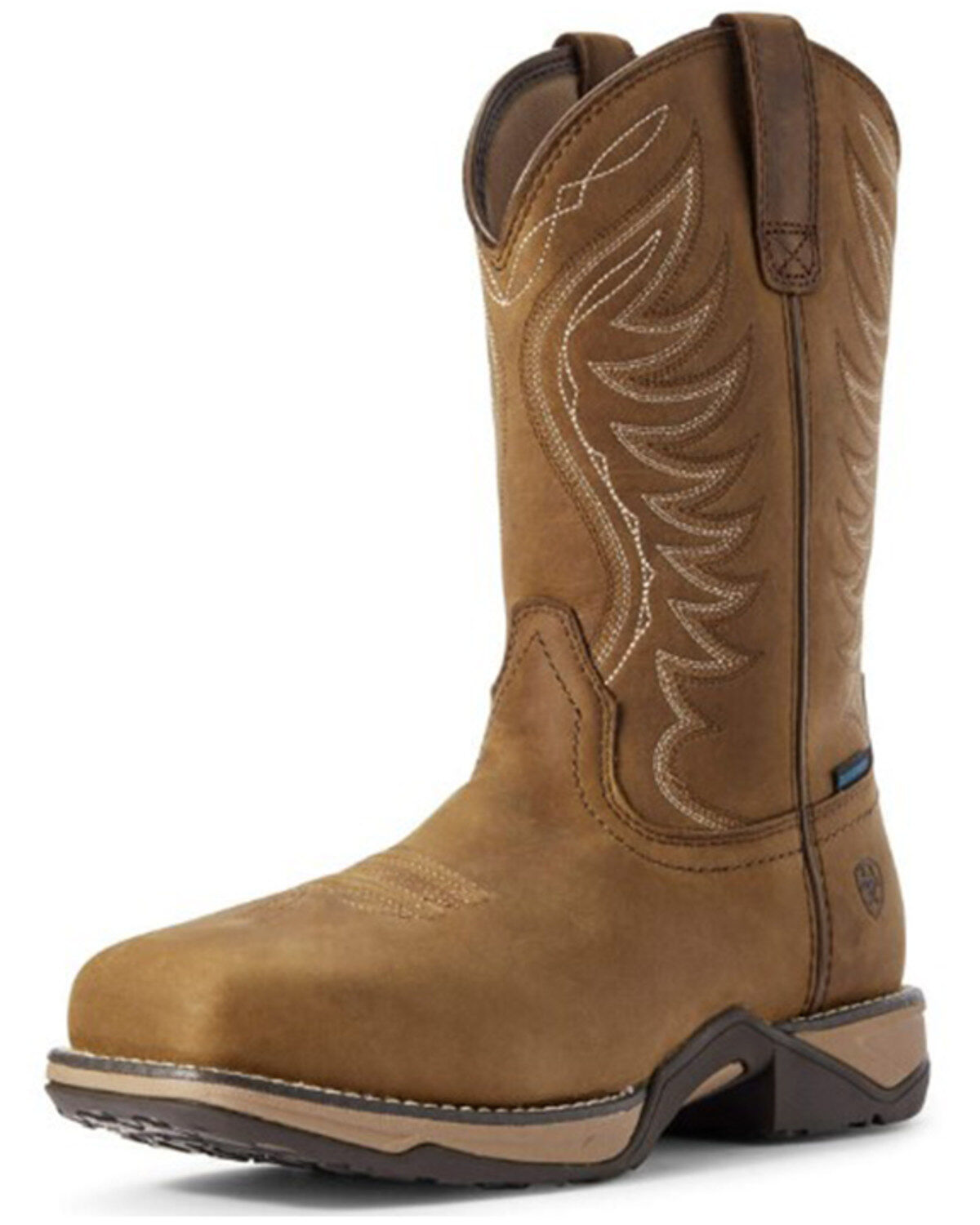
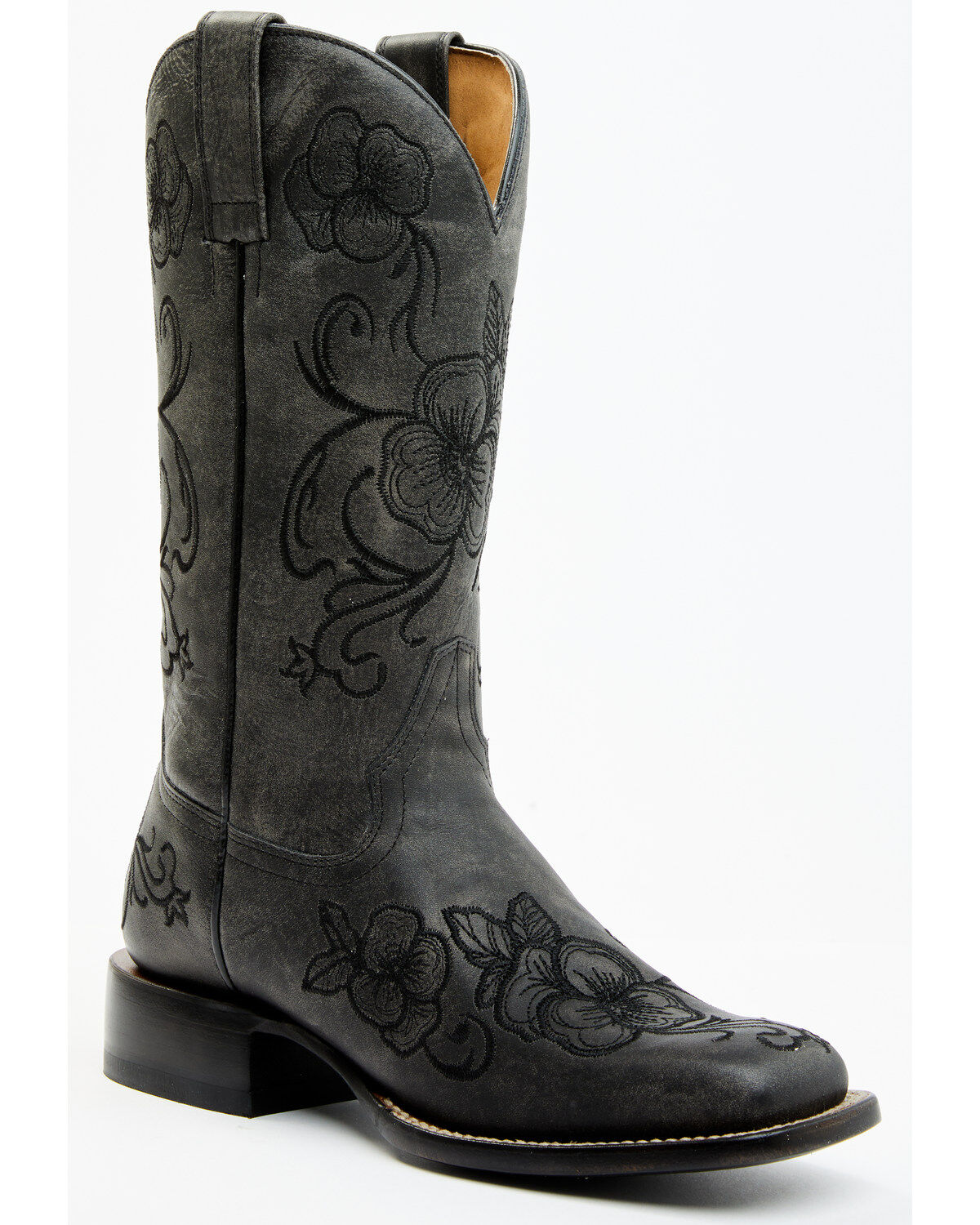
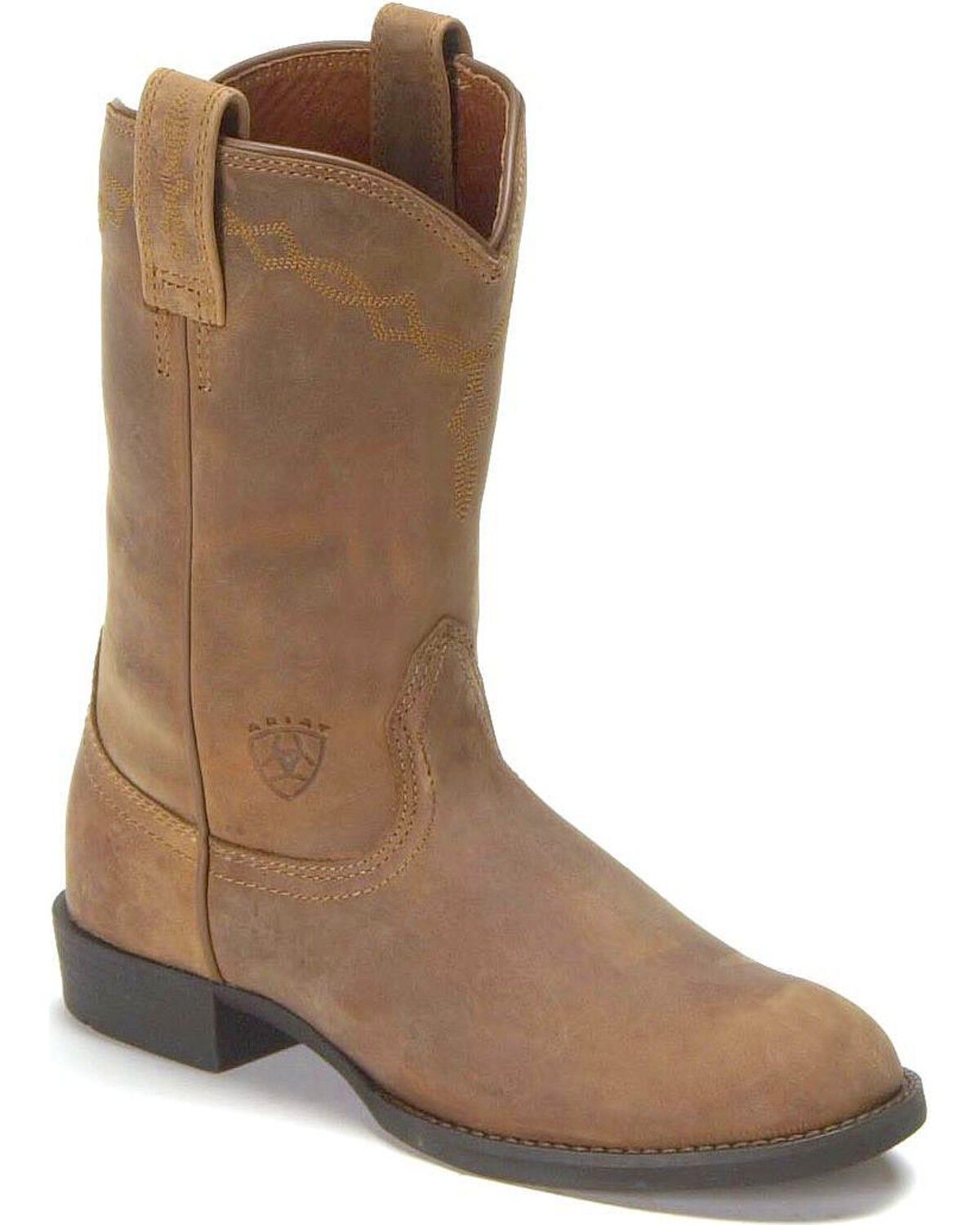
Women's wide width western boots provide extra room across the foot while keeping the shape and character of a traditional cowboy boot. That additional width matters for women whose feet feel crowded in standard-width footwear, especially across the ball of the foot. A standard women's width is often marked B, while wider fits may be labeled C, D, or W, depending on the maker. Those markings are not interchangeable across every boot, so measurements and fit information matter more than the letter alone. A wider boot should accommodate the foot without leaving it loose inside the heel or allowing it to slide forward with every step. Foot width and calf width are separate measurements. Wide-width cowboy boots address the fit around the foot; a wide shaft provides more room around the lower leg. Women who need additional calf room can also consider Womens Wide Shaft Cowboy Boots, while checking foot width independently. Shaft height affects where the boot meets the calf, so circumference should be measured at the height where the top of the boot will sit. A boot that fits comfortably at the foot can still feel restrictive through the shaft, particularly when worn over jeans. Toe shape adds another consideration. Broad square toes often provide a spacious outline, while round toes offer a more curved profile. Snip and pointed toes have a tapered appearance, but the outside shape does not tell the whole story about interior room. The foot should sit behind the tapered tip rather than being pushed into it. A square toe does not automatically make a boot wide, and a wide-width designation does not guarantee the same fit in every toe shape. Heel height also changes how weight is distributed. Lower walking heels generally suit everyday movement, while taller or angled heels create a different stance. The right combination leaves room for the toes, holds the instep securely, and supports the way the wearer plans to move.

Materials and construction help determine how wide-width western boots feel, wear, and hold their shape. Leather is valued for its strength and its ability to conform gradually to the foot. Full-grain leather retains the natural grain surface and can develop a worn-in appearance with proper care. Smooth leather, suede, and roughout have different finishes and maintenance needs; a conditioner intended for smooth leather may darken or alter a textured surface. Synthetic materials also vary in flexibility, lining, and care requirements, so material names alone do not establish comfort or durability. The lining touches the foot throughout the day and should feel smooth, with no raised seam rubbing across the toes or heel. Cushioning can soften each step, but generous padding also takes up interior space. Removable insoles may help accommodate an orthotic, provided the boot still has enough depth and the foot remains secure after the change. Outsole construction deserves the same attention as the upper. Leather soles offer a traditional profile and a different underfoot feel from rubber. Rubber outsoles can provide flexibility and tread suited to regular walking, though traction depends on the sole design and the surface underfoot. Neither material should be assumed to provide certified slip resistance or workplace protection without a stated rating. Welted construction can make resoling possible, but repair options depend on how the boot is built. For women who spend hours on their feet, heel stability, cushioning, and a comfortable flex point can matter as much as the boot's appearance. For errands, casual gatherings, or time around the barn, the intended activity should guide the choice. Boots used for riding need a heel and sole appropriate for the stirrups and the activity, rather than appearance alone. Western stitching, understated overlays, and taller shafts give cowgirl boots their familiar character without changing the need for a sound fit. A durable pair balances materials, construction, and use; decorative detail cannot compensate for pressure across the forefoot or an unstable heel.

A careful fit check helps distinguish a boot that needs normal break-in from one that is simply too narrow. Measure both feet while standing, including length and width, and account for the larger foot when choosing a size. Try boots with the socks intended for regular wear, since a thick sock can noticeably reduce room across the instep and toes. Feet can expand during a day of standing or walking, making a later-day try-on useful. Pull-on western boots should feel secure over the instep without pinching, numbness, or sharp pressure. Slight heel movement can be normal in a new pair while the sole is still stiff, but excessive lifting or forward sliding suggests the fit needs another look. Walk far enough to notice whether the ball of the foot lines up with the boot's flex point. The toes should have room to rest naturally, and the widest part of the foot should not be squeezed against the sides. Going up in length solely to gain width can leave the heel loose and move the flex point out of alignment. Leather may soften and adapt with wear, but it will not meaningfully lengthen or fix a severely crowded toe box. Once the fit is right, regular care helps preserve the investment in comfort. Brush away loose dirt before it settles into seams, and use cleaners and conditioners suited to the material. Apply treatments sparingly and test them in an inconspicuous area first. If boots become wet, allow them to dry naturally away from direct heat, then address the leather according to its care instructions. Boot trees or shaft supports can help maintain shape during storage, while rotating footwear gives the lining time to dry between wears. Inspect heels and soles before wear becomes uneven or reaches the upper. Women's wide-width western boots can also make a useful gift for someone who already wears cowboy boots, but foot measurements, preferred toe shape, shaft fit, and intended use are worth knowing beforehand. Familiarity with the recipient's size helps; understanding how that size fits is better.
Read More

FAQs