Wide Square Toe Cowboy Boots

Shop wide square toe cowboy boots for a broad, squared-off toe profile and classic western style. A wide square toe describes the toe shape, not necessarily a wide-width fit, so check each pair’s sizing and width details before choosing your boots.

Read More

Shop Your Store: Shop Your Store: Find a Store

(Turn off Shop Your Store to see all items)

(Turn off Shop Your Store to see all items)

close
  • Recommended
  • Lowest Price
  • Highest Price
Skip pass products
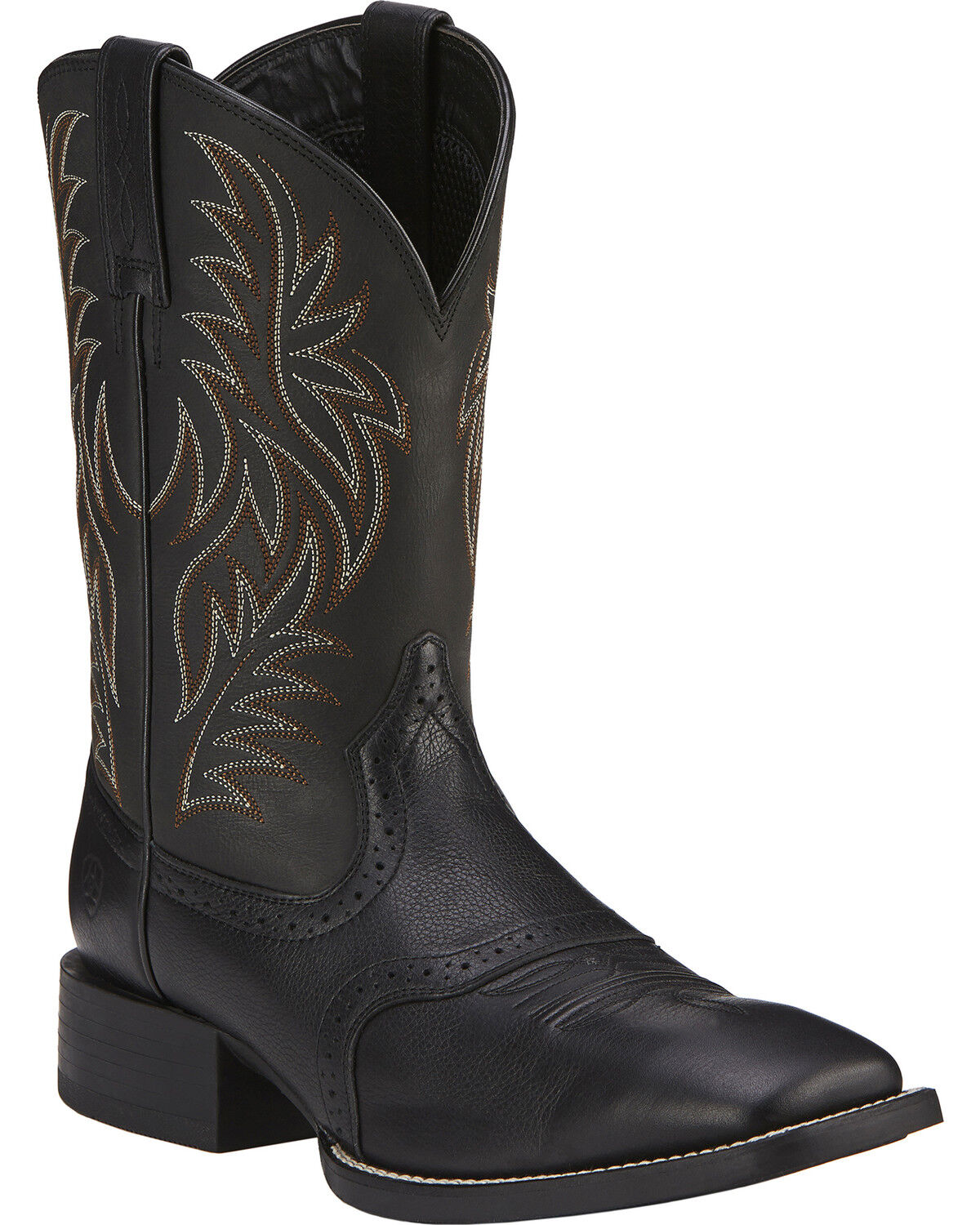
  • Men's Ariat Legend Western Performance Boots - Square Toe
    Original Price $249.99 $199.97
    20% Total Savings
  • Men's Cody James Ruben Roughout Casual Boots - Broad Square Toe
    Original Price $199.99 $149.99
    25% Total Savings

End of products

Wide Square Toe Cowboy Boots

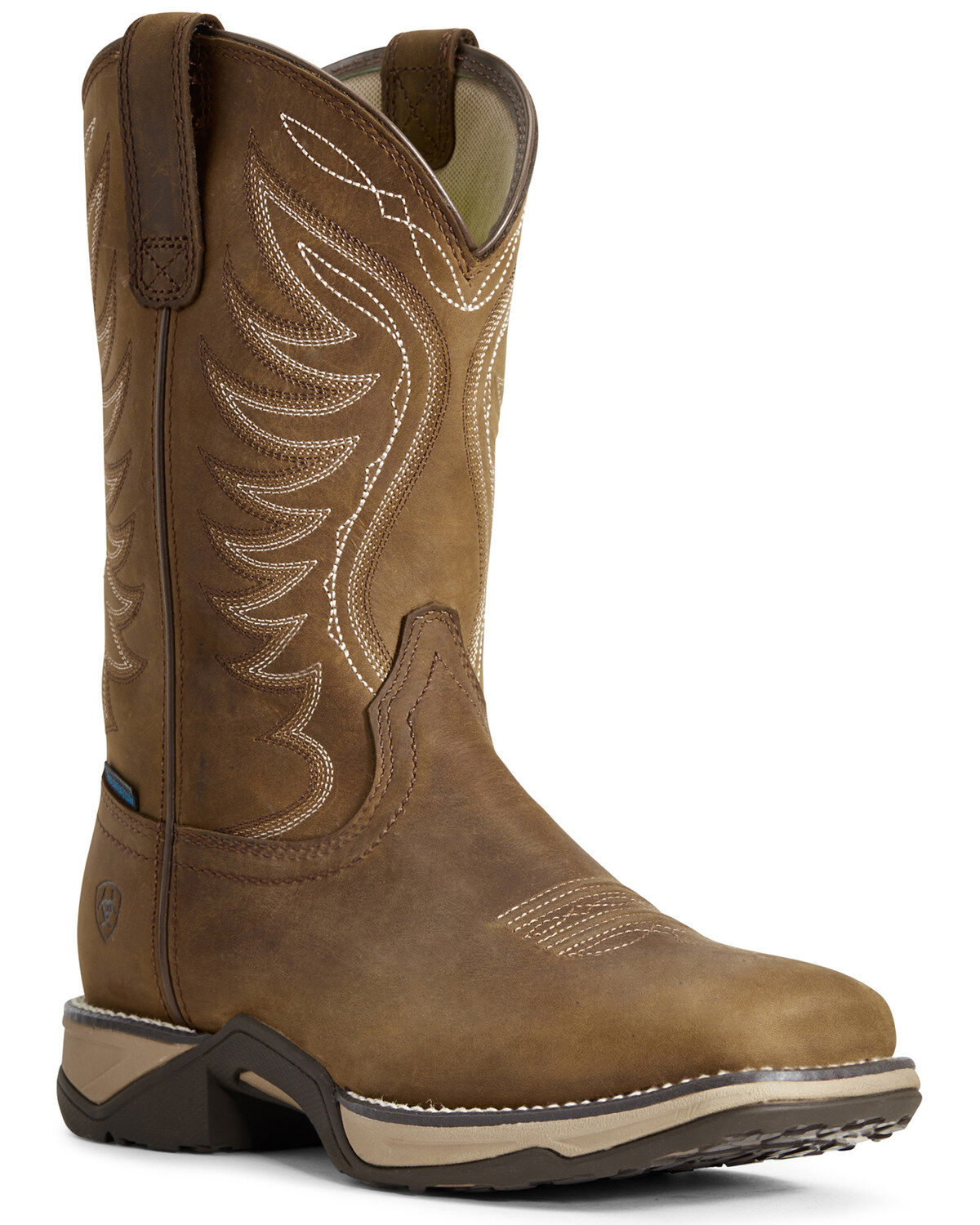
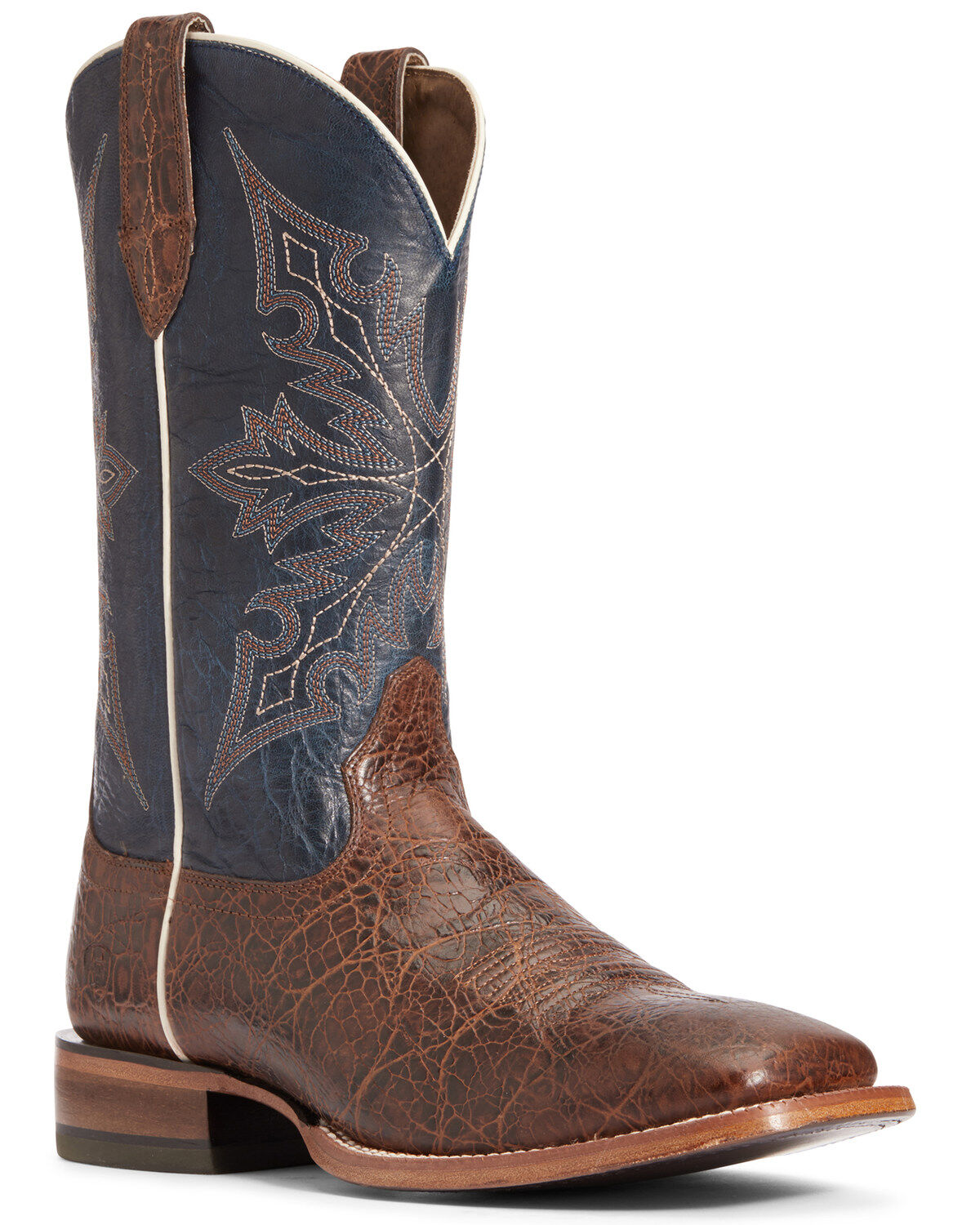
Wide square toe cowboy boots are defined by a broad, flat front that gives the toe box a squared-off shape. Compared with a pointed profile, this shape generally leaves more room near the ends of the toes, though the actual space depends on the boot’s size, width, and construction. The look is substantial without losing the familiar lines of a cowboy boot: a shaped heel, a pull-on shaft, and stitching that can range from understated to detailed. That combination makes the style a practical choice for ranch chores, everyday wear, and occasions that call for boots with a clean finish. A wide square toe describes the front shape, not necessarily a wide-width fit. Someone with a wider foot may still need a designated wide width, while someone with a narrower foot may wear this toe shape comfortably in a standard width. Wide square toe and broad square toe often describe similar profiles, making Broad Square Toe Boots a closely related choice when comparing shapes. Materials give each pair much of its character. Smooth leather can take a polish and develop creases that reflect regular wear. Distressed finishes have a more broken-in appearance from the start, while suede has a textured surface that needs a different approach to cleaning. Full-grain leather retains the hide’s natural surface and can hold up well with proper care, but leather thickness, stitching, and construction also affect durability. Shaft embroidery, contrasting leather panels, and welt stitching change the appearance without changing what the toe shape means. Beneath a straight-leg pair of jeans, a simple leather foot keeps the look restrained. With more of the shaft showing, stitching and color carry more weight. For someone who prefers the familiar structure of western footwear but wants less taper at the front, the wide square profile offers a distinct balance of room and shape.

Fit matters more than the outline alone. A well-fitting pair should hold the instep securely without squeezing it, leave the toes free from pressure, and support the foot without forcing it into an unnatural position. Extra space in front does not help if the ball of the foot sits in the wrong place or the boot presses across the widest part of the foot. Conversely, a roomy toe box should not require the foot to slide forward with every step. A small amount of heel movement can occur in new pull-on leather boots, but pronounced slipping or rubbing can point to a poor fit. Leather may soften and flex with wear; it should not be expected to turn a painfully tight boot into the correct size. The socks worn with the boots affect that fit, especially when switching between thin everyday socks and thicker boot socks. Underfoot construction deserves the same attention as toe room. Insoles, cushioning, arch shape, and the firmness of the sole all influence comfort during hours spent standing or walking. A broad toe does not guarantee support, and a soft footbed does not correct the wrong size. Outsole choice also changes how a boot feels in use. Leather soles have a traditional appearance and a different feel underfoot than rubber soles. Rubber can provide useful traction and flexibility, but grip depends on tread, material, and the surface underfoot. Welted construction may allow resoling, depending on the boot’s design and condition, while other constructions may have fewer repair options. For riding, the heel, outsole, and boot’s clearance within the stirrup matter alongside fit. For work, the demands of the job come first. A wide square toe is not a protective safety toe, and any required workplace protection must be confirmed in the boot’s stated features. The right pair for walking around town may not be the right pair for a jobsite or a full day in the saddle.

Regular care helps wide square toe cowboy boots retain their shape, finish, and useful life. Dust and grit collect around the welt, seams, and creases, where a soft brush or cloth can remove buildup before it becomes harder to clean. Smooth leather benefits from a cleaner and conditioner suited to its finish, applied sparingly rather than layered on heavily. Too much conditioner can darken leather or leave residue, so an inconspicuous test area matters. Suede needs tools and treatments intended for its nap, rather than the polish used on smooth leather. Decorative stitching and contrasting materials also deserve attention when choosing care supplies. After wear, boots need a chance to air out away from direct heat. Stuffing them tightly against a heater or using strong heat to speed drying can damage leather and adhesives. Boot trees can help support the foot’s shape during storage, while upright shaft support helps limit deep folds. Checking heel wear, loose stitching, and thinning soles makes it easier to address small problems before they affect the boot’s structure. Those details matter whether the boots spend their days around a property, on a dance floor, or beneath jeans at a family gathering. For everyday outfits, the broad toe works naturally with straight-leg and bootcut jeans that fall over the shaft without bunching heavily at the ankle. A darker, smoother finish tends to look more polished, while textured leather and visible wear create a more casual appearance. As a gift, this style makes sense for someone who already prefers a square toe or has mentioned wanting more space at the front of a boot. Knowing the recipient’s usual boot size, width, and intended use is more useful than choosing by appearance alone. The strongest choice brings the right fit, suitable construction, and a finish that belongs in the wearer’s everyday routine.
Read More

FAQs