Wide Toe Western Boots

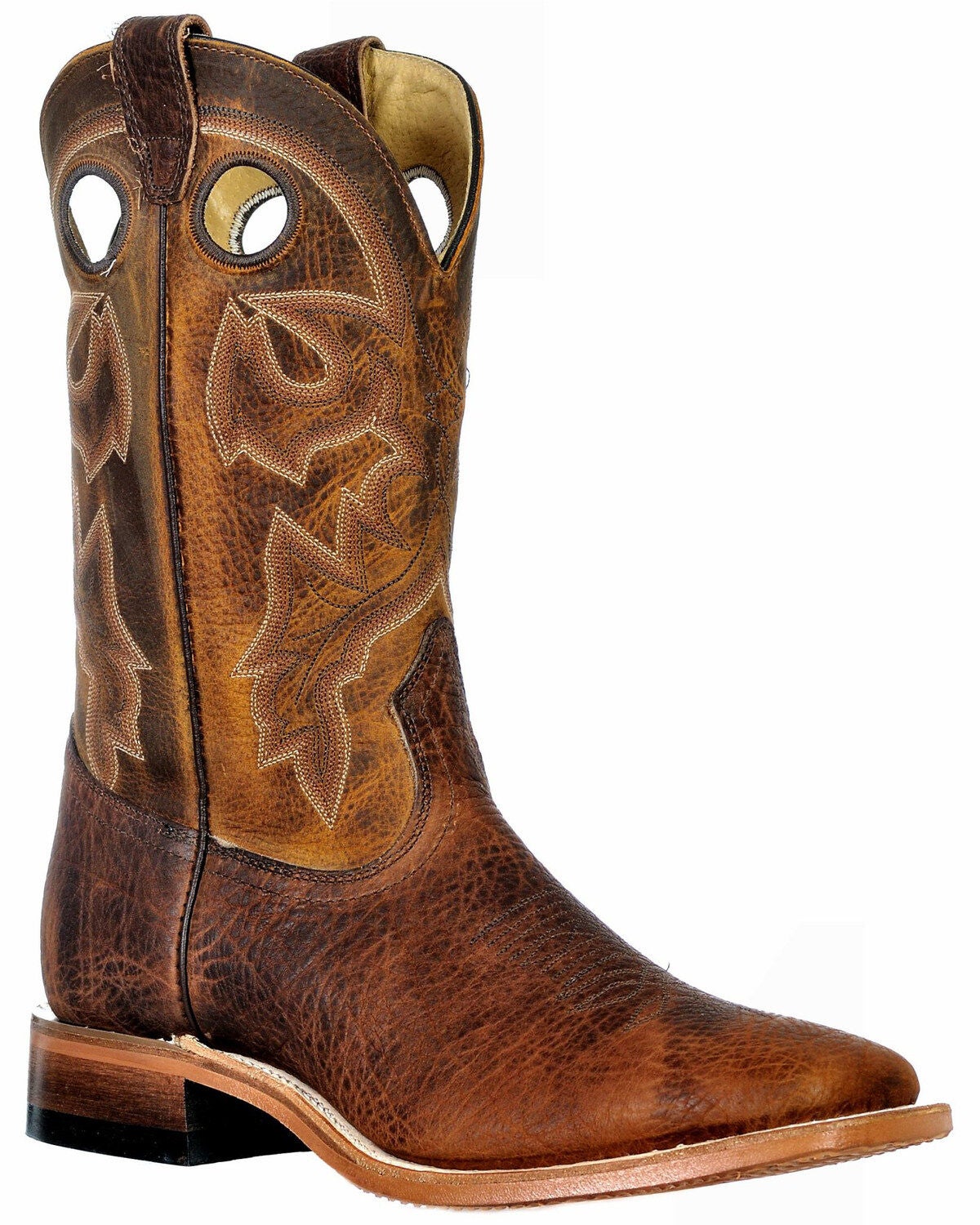
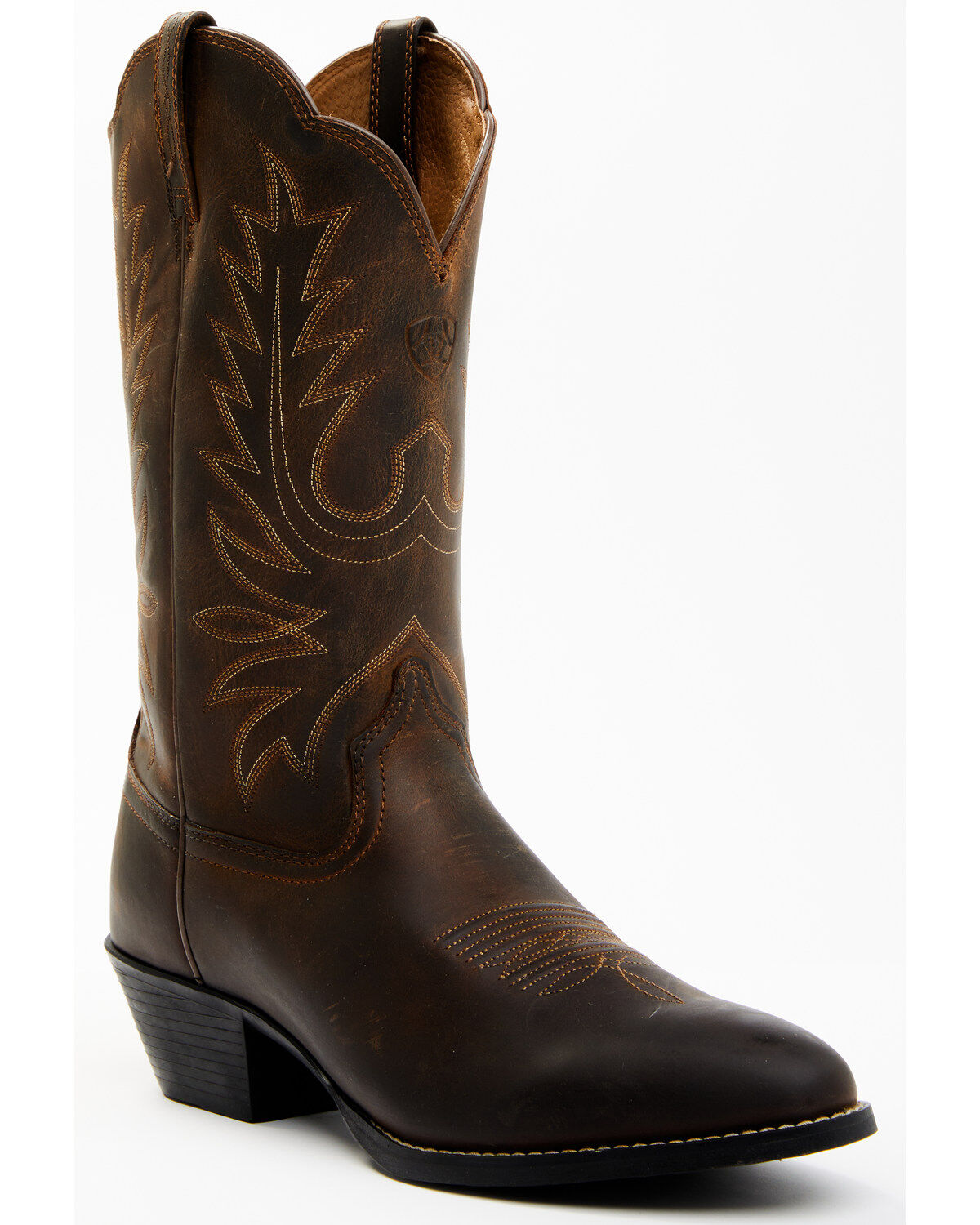
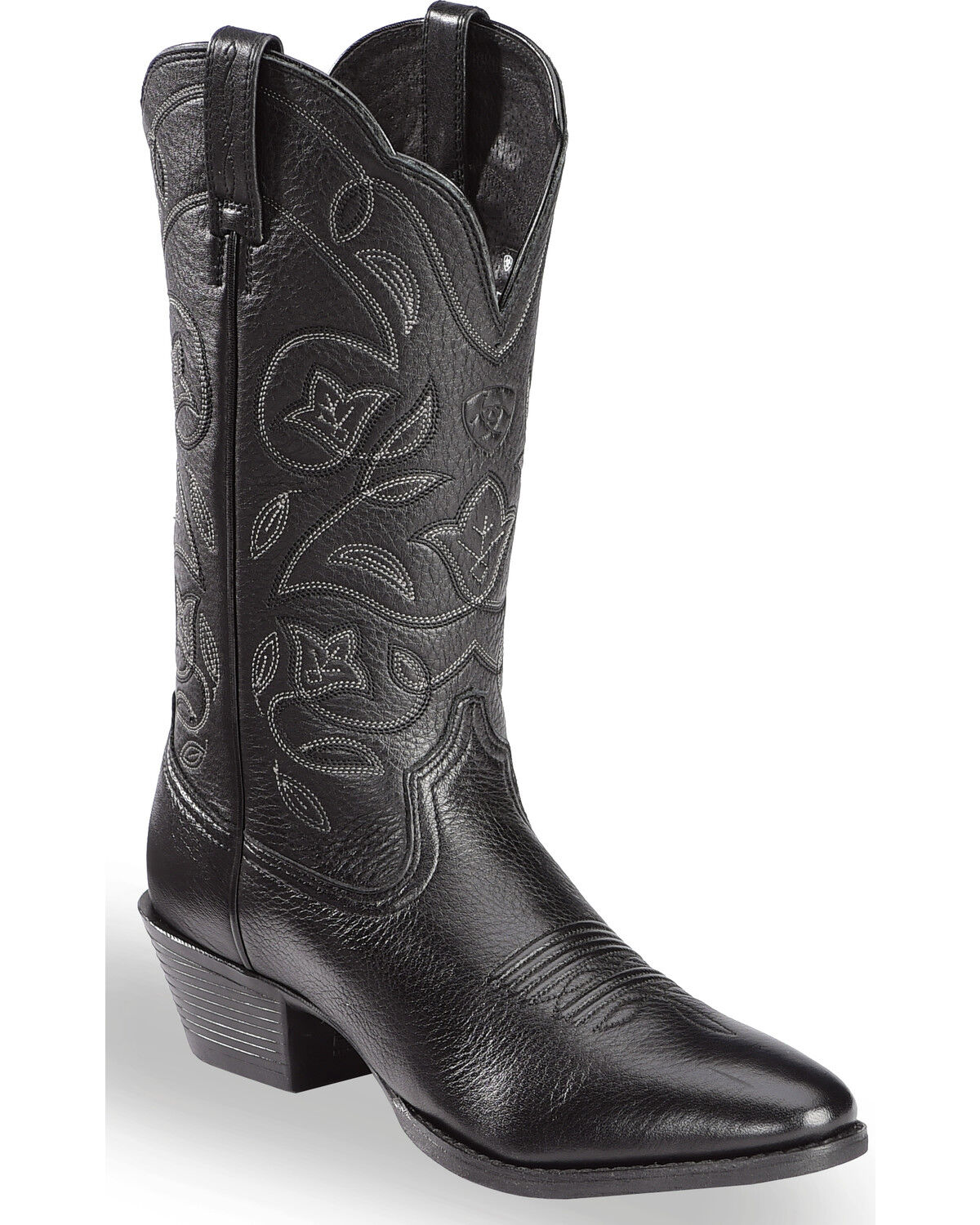
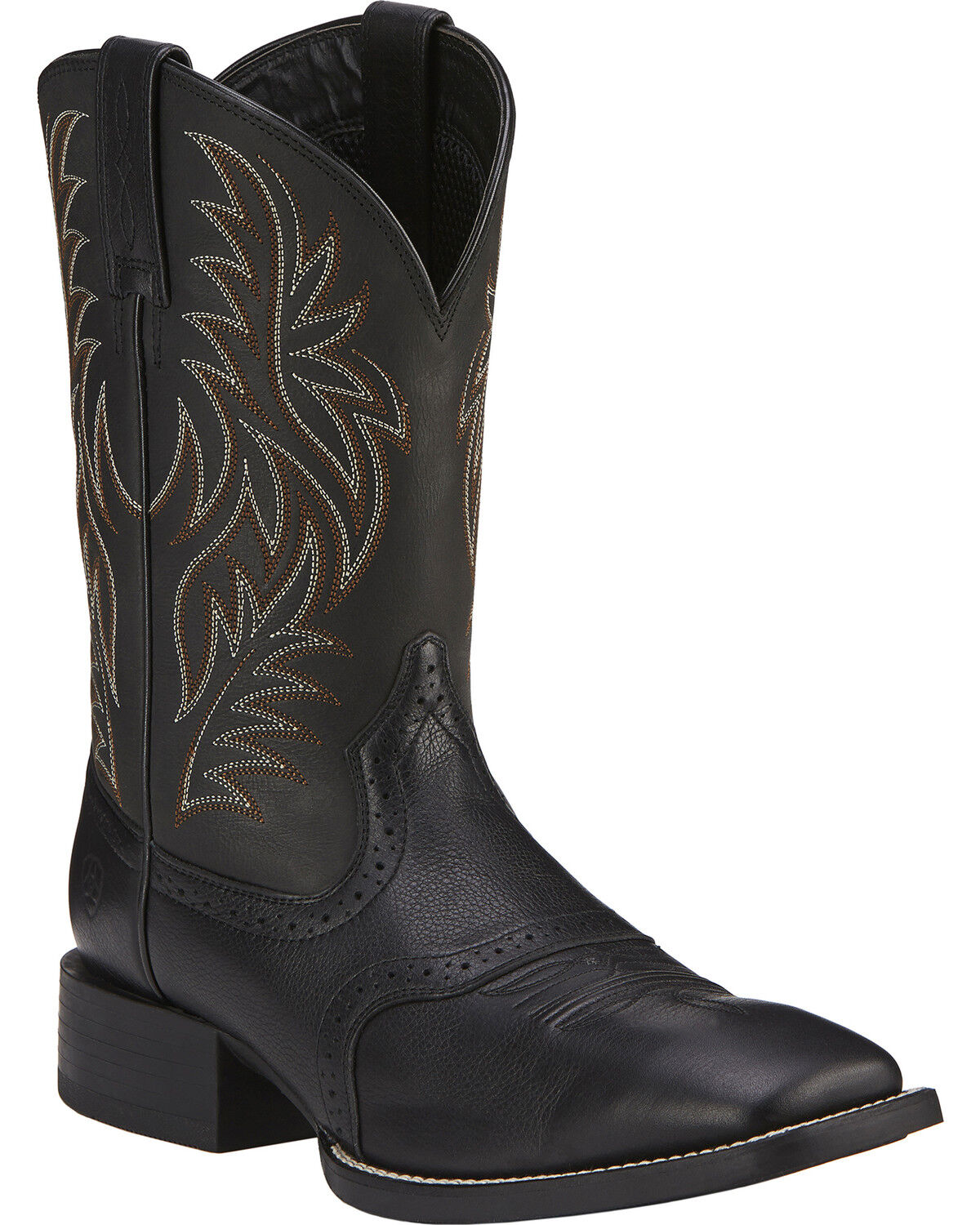
Find wide toe western boots with a broader profile at the front of the foot. As you compare cowboy boots, check each pair’s toe shape, size, and width—a wide toe shape does not necessarily mean a wide-width fit.

Read More

Shop Your Store: Shop Your Store: Find a Store

(Turn off Shop Your Store to see all items)

(Turn off Shop Your Store to see all items)

close
  • Recommended
  • Lowest Price
  • Highest Price
Skip pass products

End of products

Wide Toe Western Boots

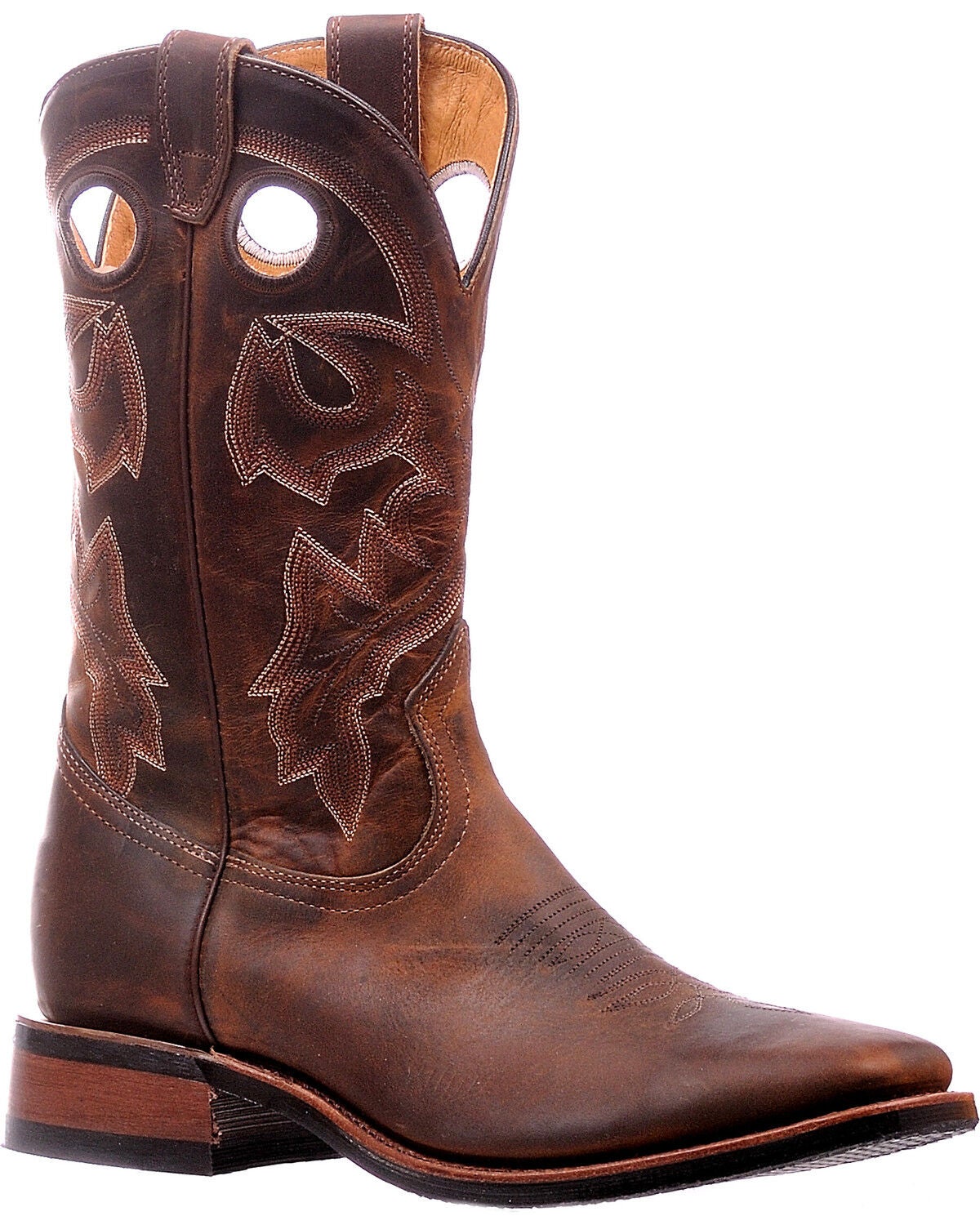
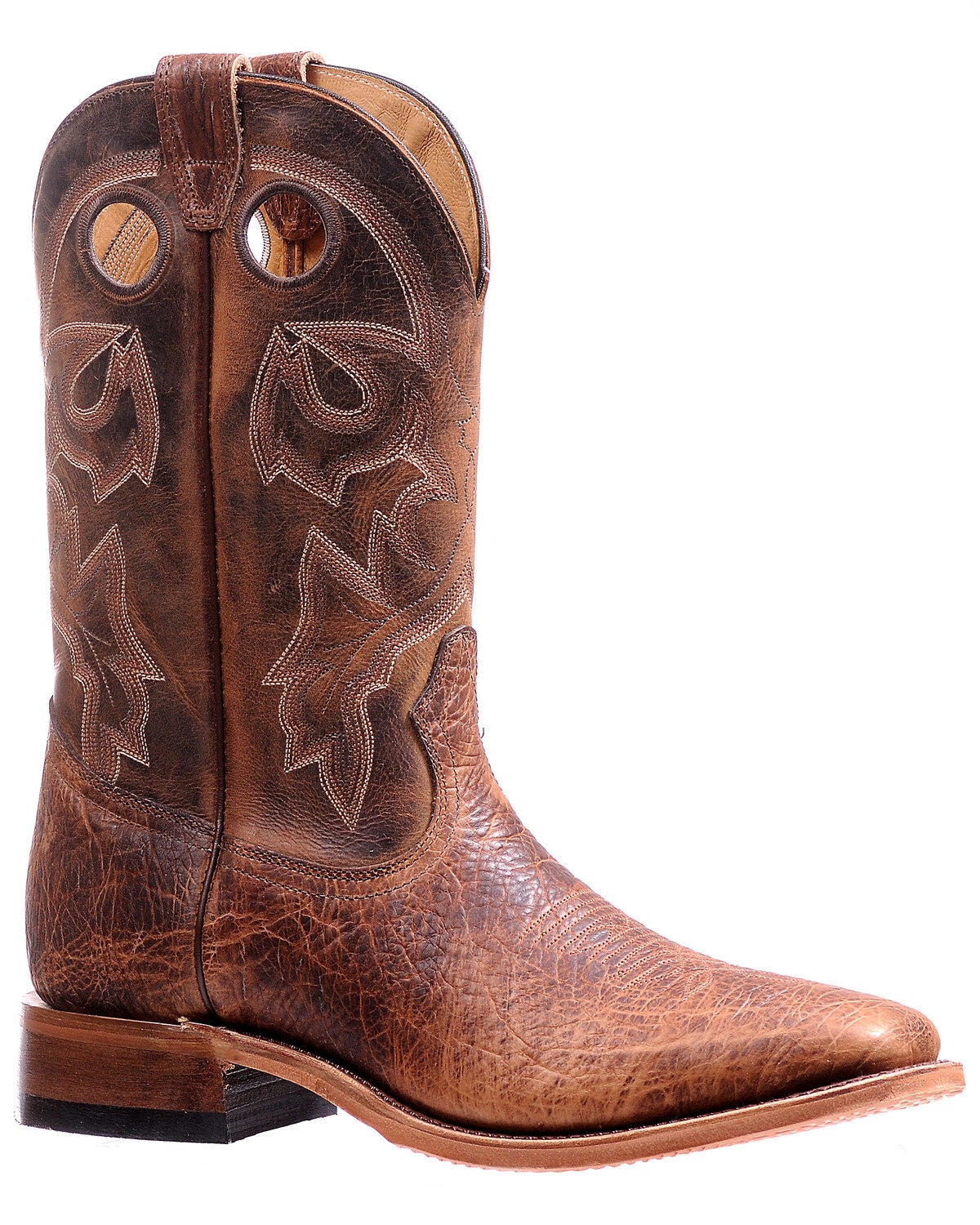
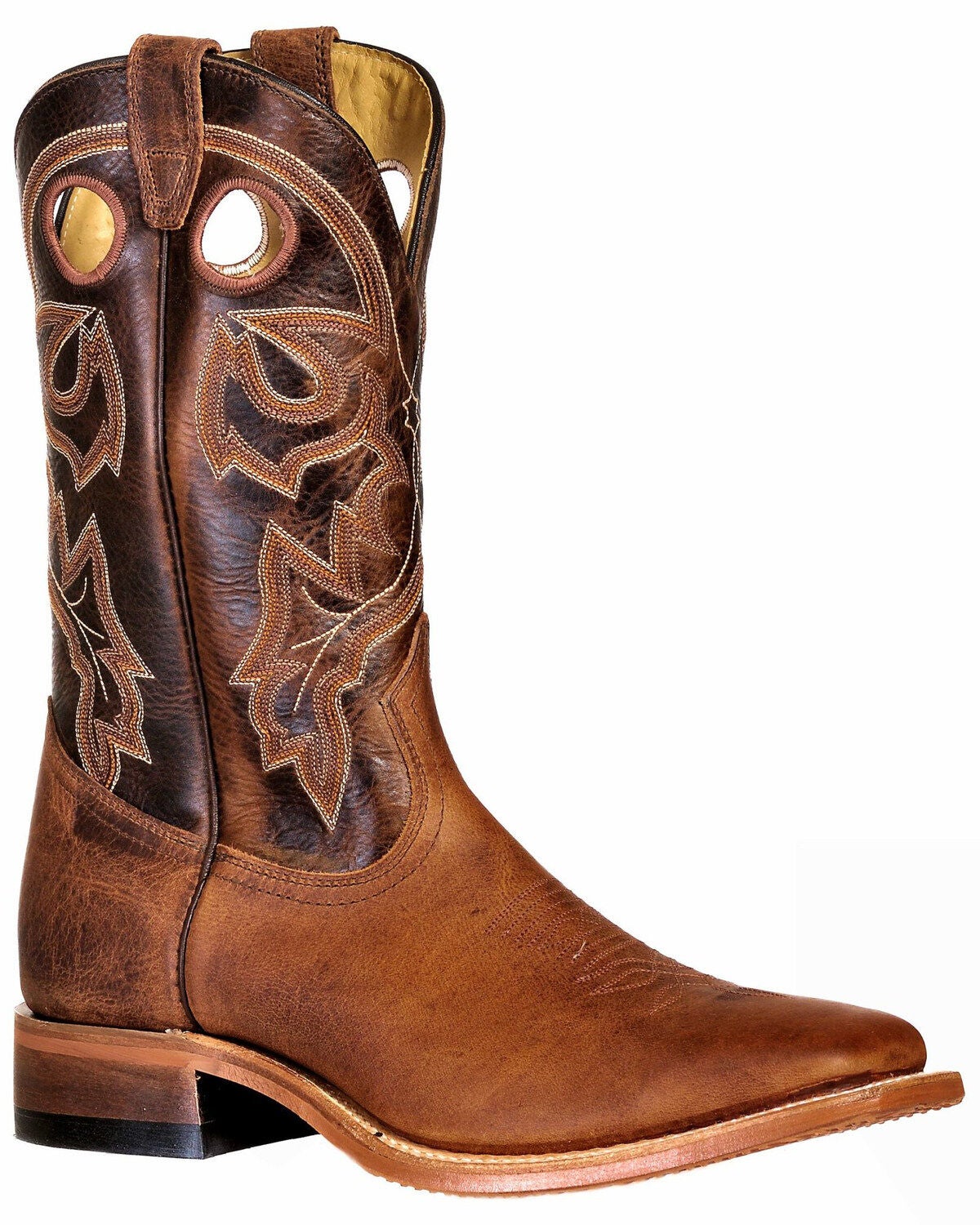
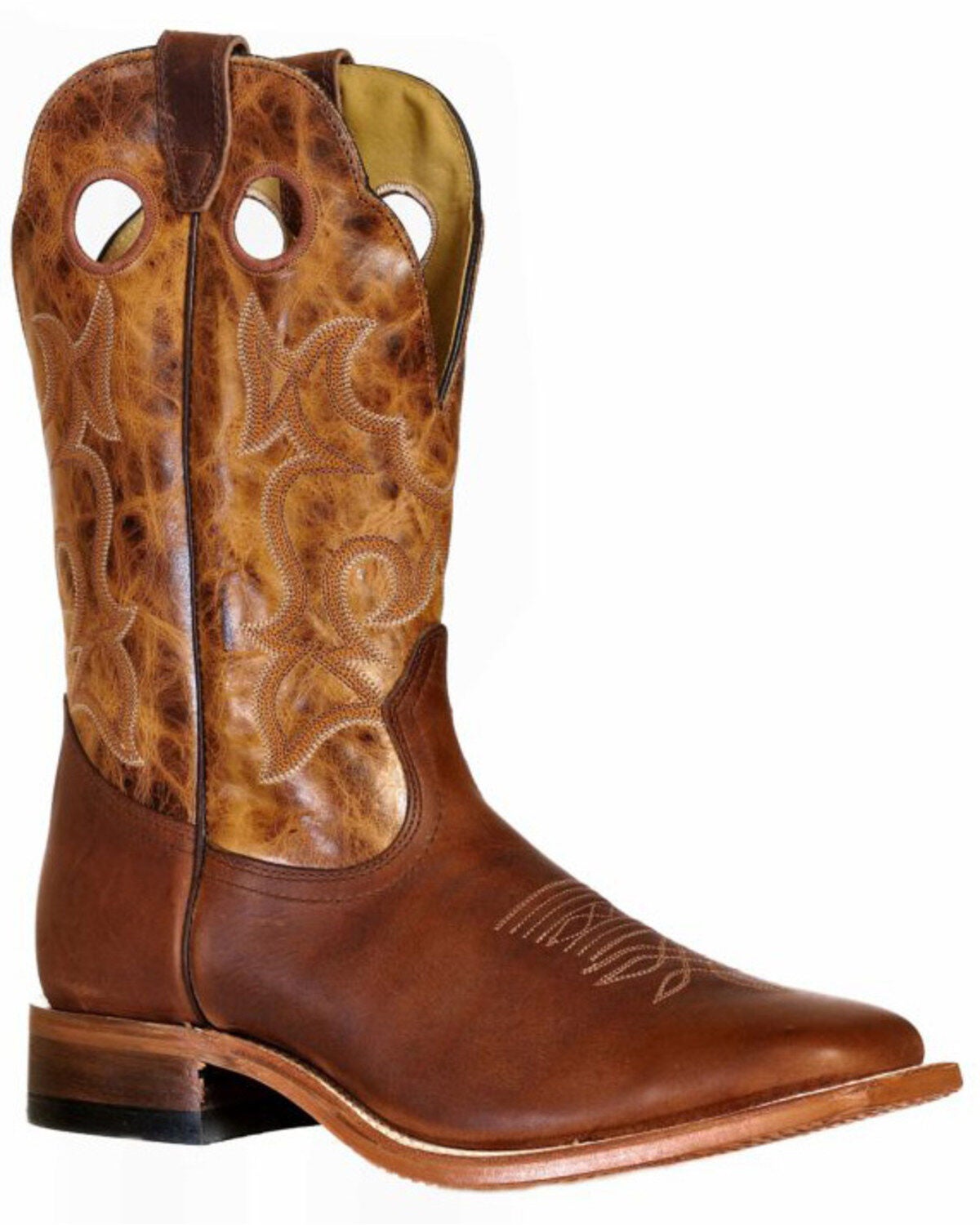
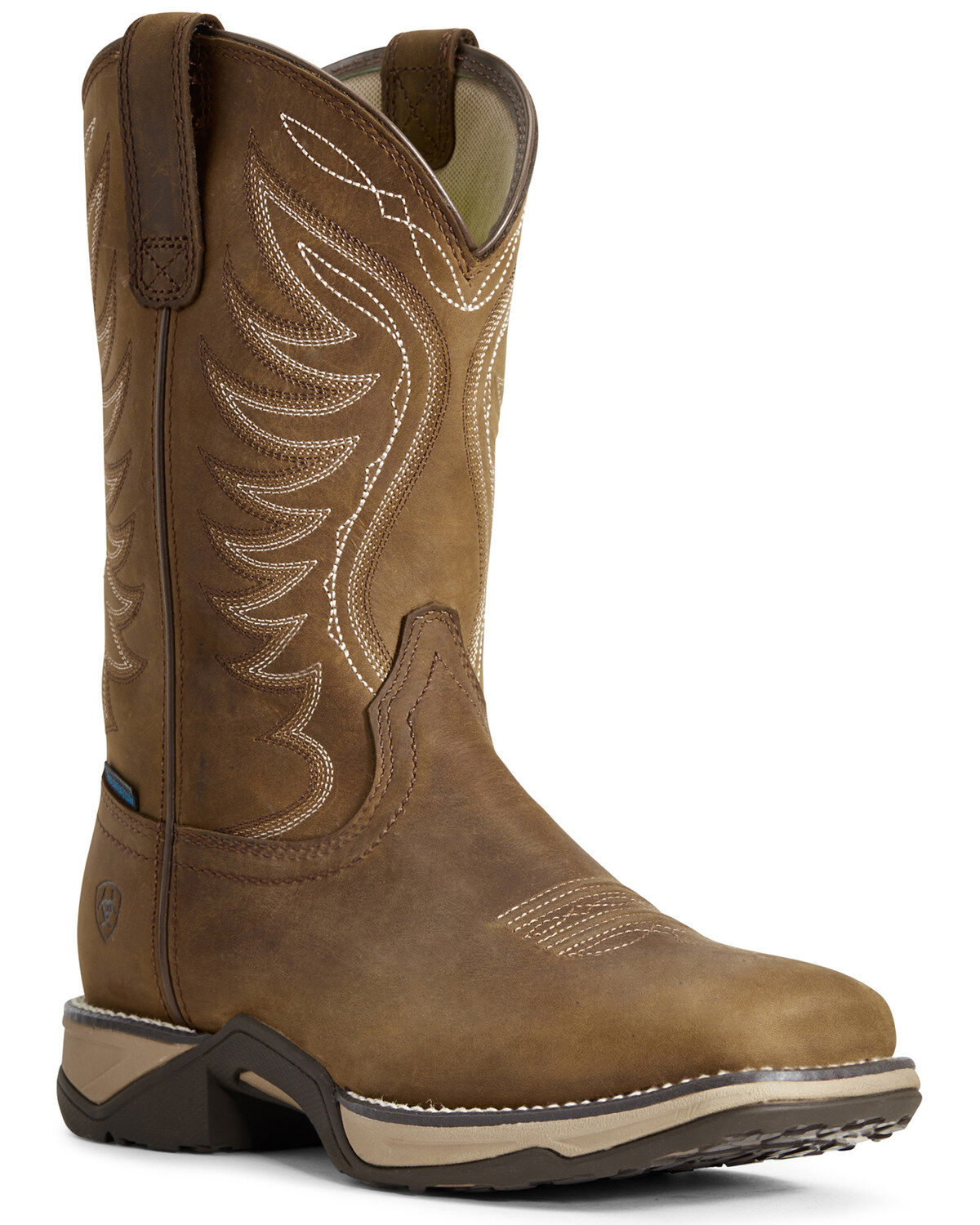
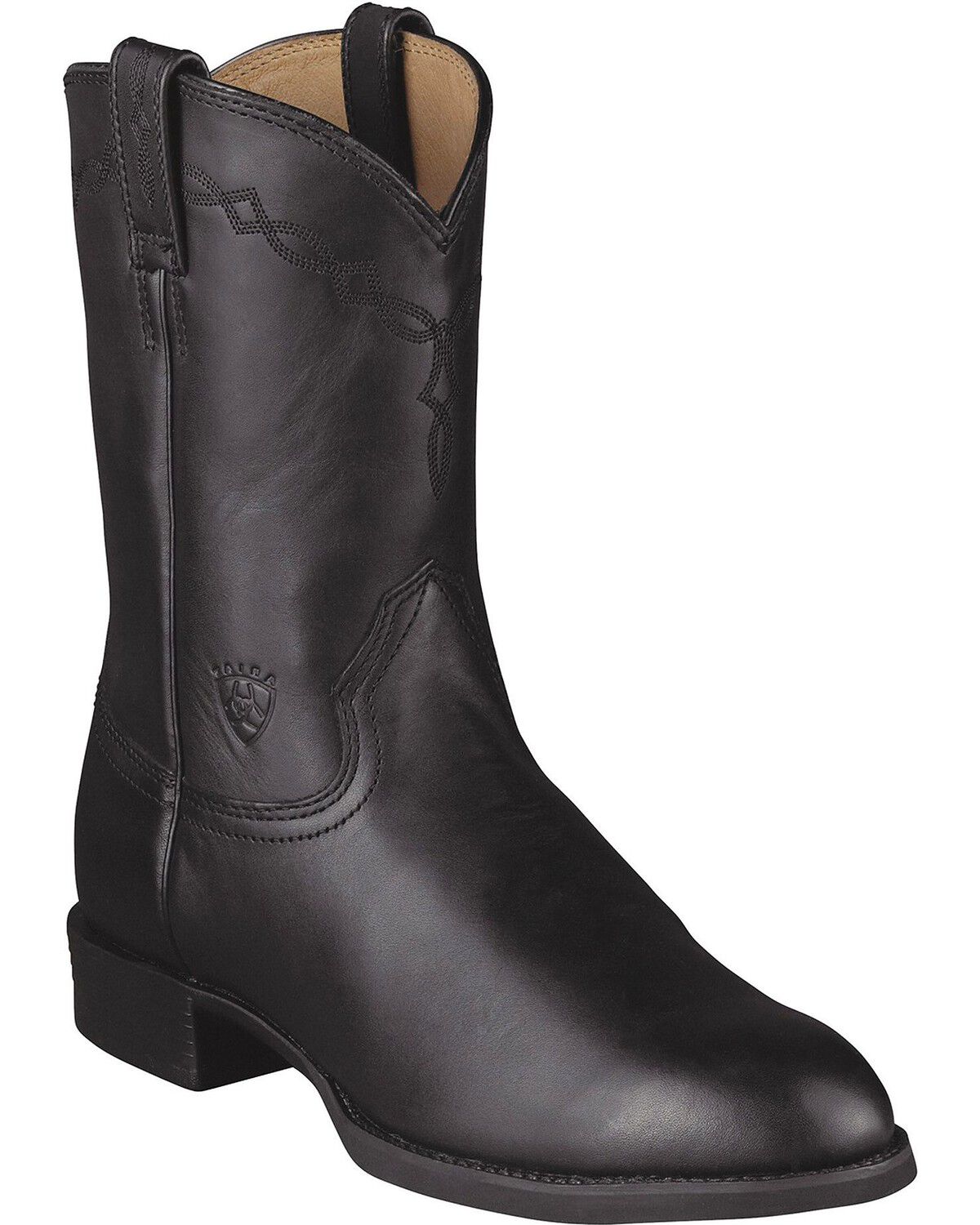
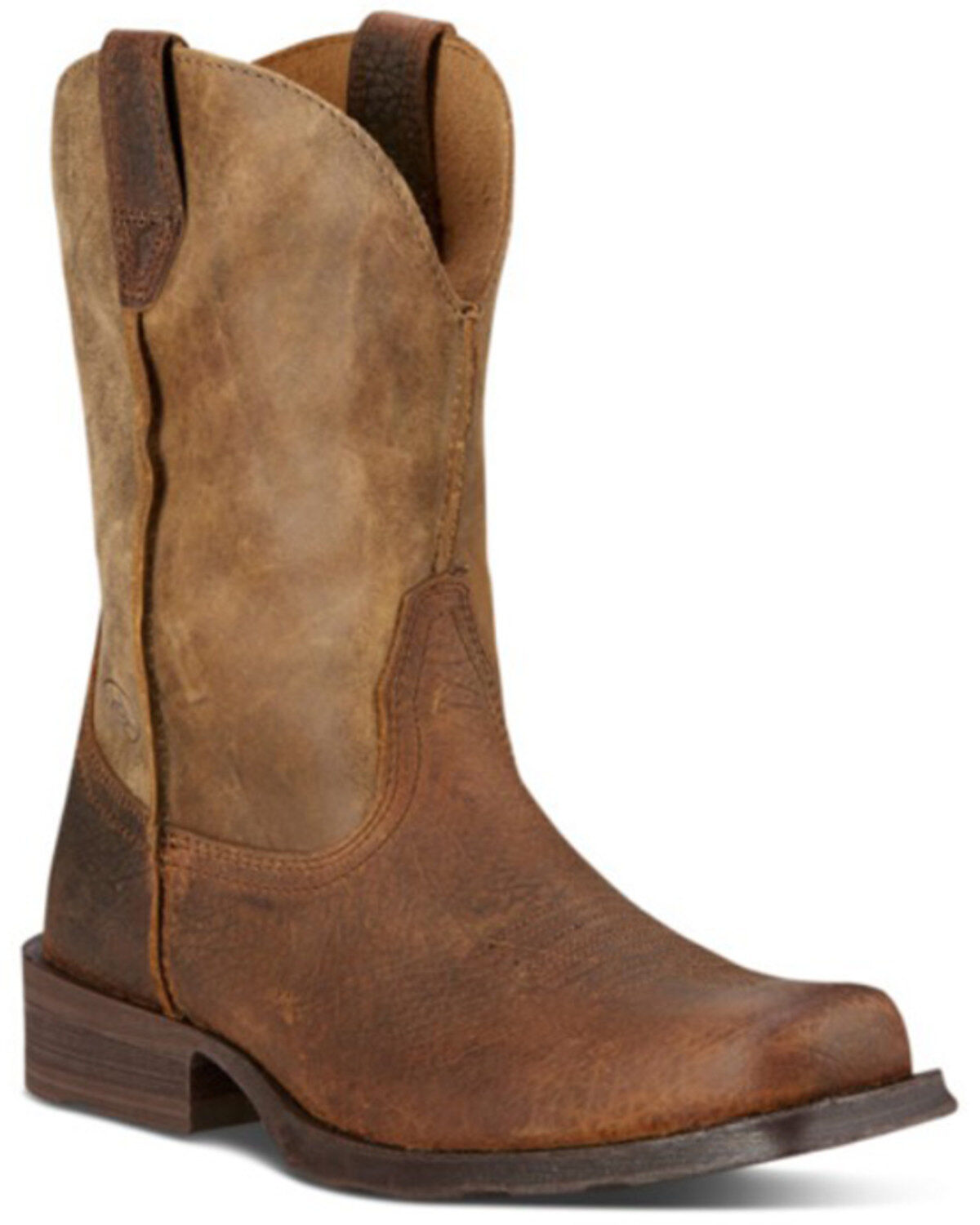
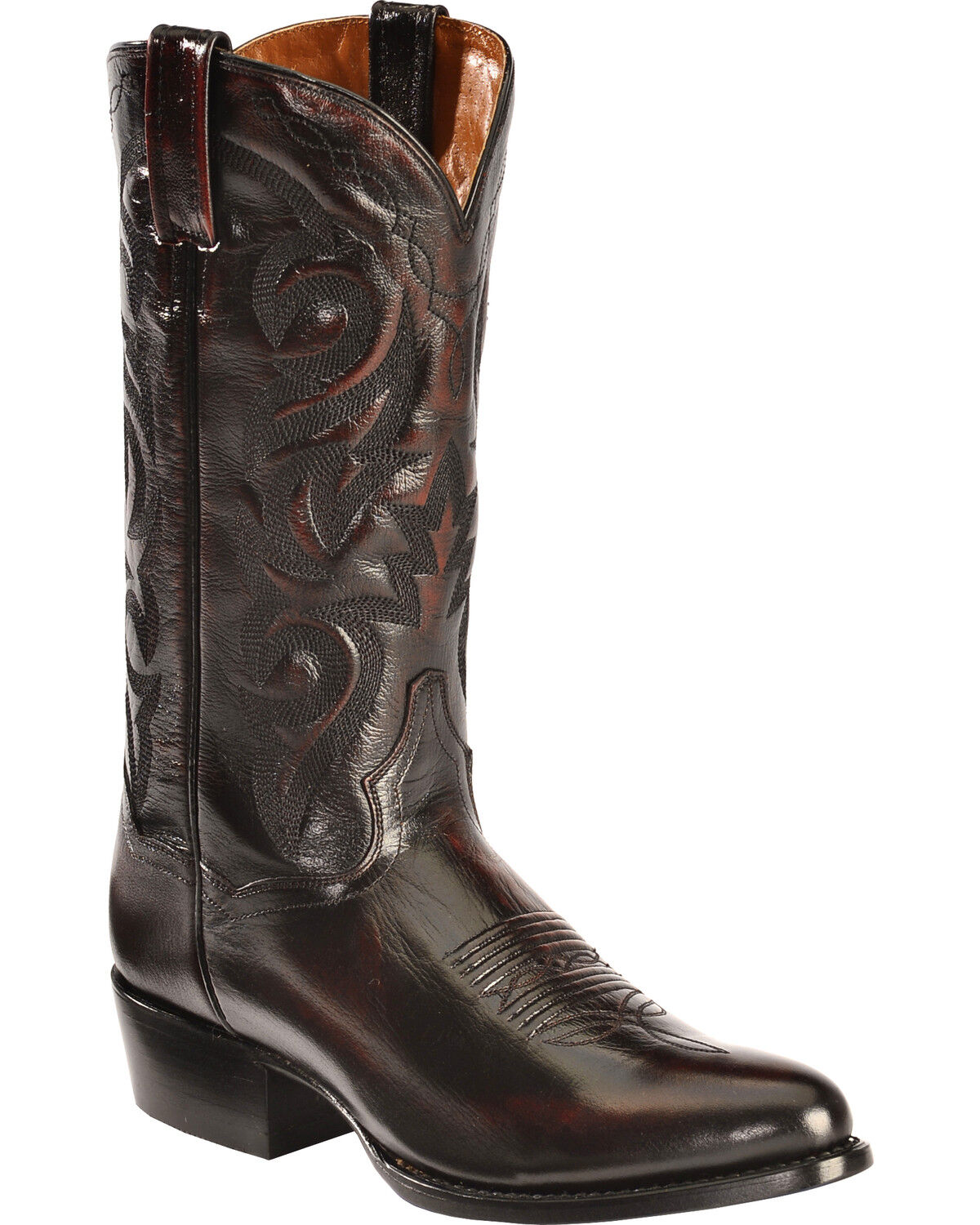
Wide toe western boots combine a broader toe profile with the pull-on construction, shaped heel, and distinctive stitching associated with cowboy boots. A wide toe box generally offers more horizontal space around the toes than a sharply tapered design, though the usable room depends on the boot’s shape, size, and construction. That broader front can appeal to people who prefer space across the forefoot without giving up a traditional western look. Toe shape and boot width are separate features: a broad-looking toe does not automatically mean the entire boot is made for a wide foot. Within this category, wide square toe cowboy boots have a pronounced, straight front edge that creates a substantial profile under jeans. Other broad toe shapes have softer corners or a more rounded outline. The difference affects appearance as well as how the front of the boot feels, making the internal fit more important than the silhouette alone. These boots suit a range of everyday settings, from checking fence lines and walking across a gravel lot to spending an evening at a dance hall. Smooth leather, a straightforward stitch pattern, and a restrained finish keep the look versatile. More detailed stitching, contrasting shafts, or textured leather give the same general shape a stronger visual presence. Full-grain leather can offer a firm feel at first and develop creases and character with wear. Suede and roughout bring a more textured surface, while lining materials influence how the interior feels against socks. Leather thickness, shaft structure, and the amount of stitching also affect flexibility. A tall, structured shaft feels different from a shorter, more flexible one, even when both boots share a similar toe. Worn with straight-leg or bootcut jeans, a broad toe creates a balanced line without requiring the jeans to fit tightly over the shaft. The result is a familiar western profile with a less tapered front.

The right fit gives the toes room while holding the rest of the foot securely. Extra space at the front is useful only when the heel, instep, and ball of the foot sit where the boot was designed to support them. The ball of the foot should align with the broadest part of the boot, allowing the sole to bend near the foot’s natural flex point. Toes should not press against the front or feel squeezed together along the sides. At the same time, an oversized boot can let the foot slide forward, leaving the toes crowded despite the added length. Choosing a longer size simply to gain width can also move the flex point out of position. A wide-width size may be the better match when pressure extends across the forefoot rather than just around the toes, but width designations and fit vary among boot makers. The instep should feel secure without painful pressure across the top of the foot. Some heel movement can occur in a new pull-on leather boot, especially before the sole becomes flexible, but pronounced slipping or rubbing deserves attention. Leather may soften and conform with wear; it should not be expected to correct a toe box that is too short or a fit that causes numbness. The socks worn with the boots matter, too. A thick cushioned pair takes up more space than a thinner boot sock, which can change the feel across the instep and toes. For someone who uses an orthotic, interior depth and a removable footbed can be important, provided the boot is designed to accommodate that change. Shaft openings deserve equal attention. A comfortable foot fit does not guarantee enough room around the calf, and a tight shaft can make pulling boots on unnecessarily difficult. These details matter whether the boots are worn through a long shift, around a property, or for several hours on a dance floor.

Materials and construction help determine where wide toe western boots perform best and how they hold up. Leather outsoles offer a traditional feel and can suit dress wear or dancing, but they behave differently from rubber on slick floors and uneven ground. Rubber outsoles range from relatively smooth designs to deeper tread patterns intended for more demanding surfaces. Traction depends on the sole compound, tread, surface, and condition of the boot, not simply whether the outsole is rubber. Cushioning, sole flexibility, and heel height also change the experience of standing or walking for hours. A boot for riding should have an appropriate heel and sole profile for the rider’s stirrups; a broad toe alone does not establish that suitability. For job sites, required safety features must be confirmed in the boot’s specifications. A wide toe shape is not a substitute for a rated protective toe, electrical hazard protection, or other workplace requirements. Construction affects long-term maintenance as well. Some stitched constructions permit sole replacement, while others have different repair limits, so repairability depends on the individual design. Regular care starts with removing dirt before it settles into seams or dries against the leather. Smooth leather generally benefits from cleaning and conditioning with products intended for its finish, applied according to the care directions. Suede and roughout need methods suited to their textured surfaces rather than routine treatment with smooth-leather creams. Wet boots should dry naturally away from direct heat, which can damage leather and adhesives. Removable footbeds can be taken out when appropriate to help the interior dry, and storing boots upright helps preserve the shaft shape. No toe profile makes a boot waterproof; that protection depends on its materials and construction. As a gift, wide toe western boots make the most sense when the recipient’s size, width, preferred toe shape, and usual use are known. Someone replacing a familiar pair may care more about matching the fit and heel than adding decorative stitching. Those practical details help turn a good-looking pair into boots that earn regular wear.
Read More

FAQs