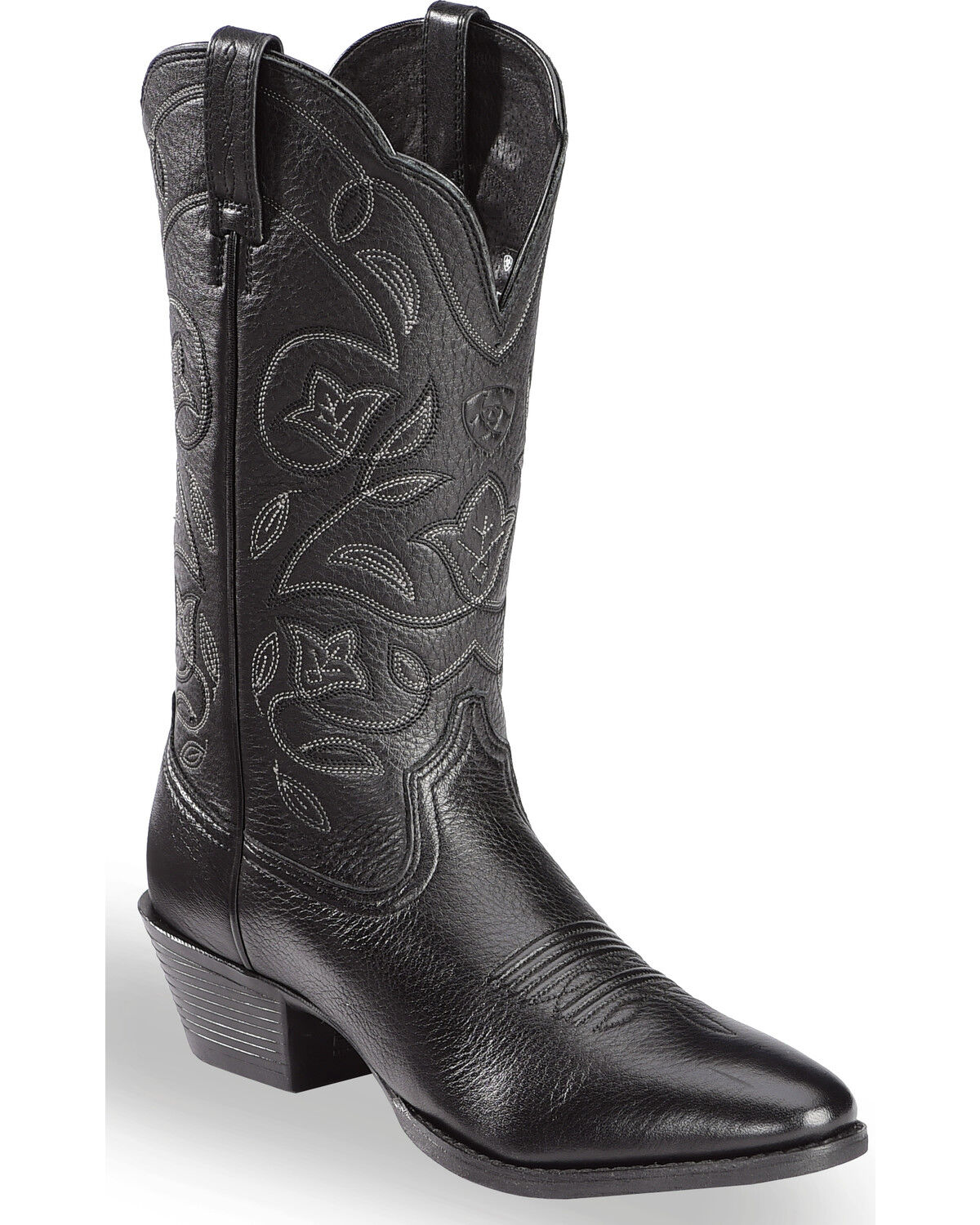
Women's Western Boots Size 8

Find women's western boots in size 8 and compare cowboy boot styles for everyday wear or dressed-up occasions. Fit can vary by brand and style, so review each pair's sizing guidance before choosing.

Shop Your Store: Shop Your Store: Find a Store

(Turn off Shop Your Store to see all items)

(Turn off Shop Your Store to see all items)

close
  • Recommended
  • Lowest Price
  • Highest Price
Skip pass products
  • Women's Idyllwind Wheels Western Booties - Round Toe
    Original Price $179.50 $154.50
    14% Total Savings
  • Women's Idyllwind Midnight Rider Suede Western Boots - Snip Toe
    Original Price $199.99 $119.97
    40% Total Savings

End of products

Women's Western Boots Size 8

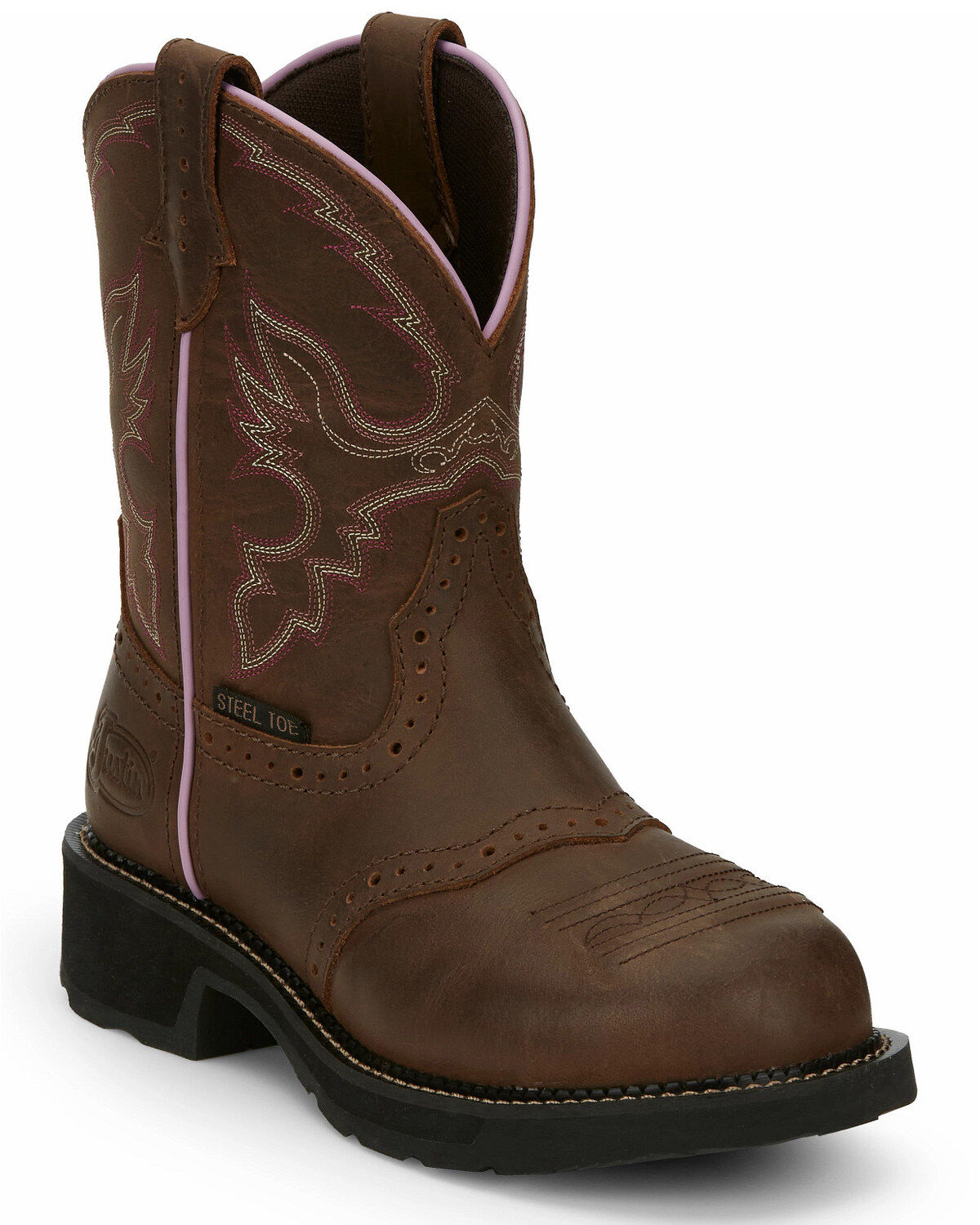
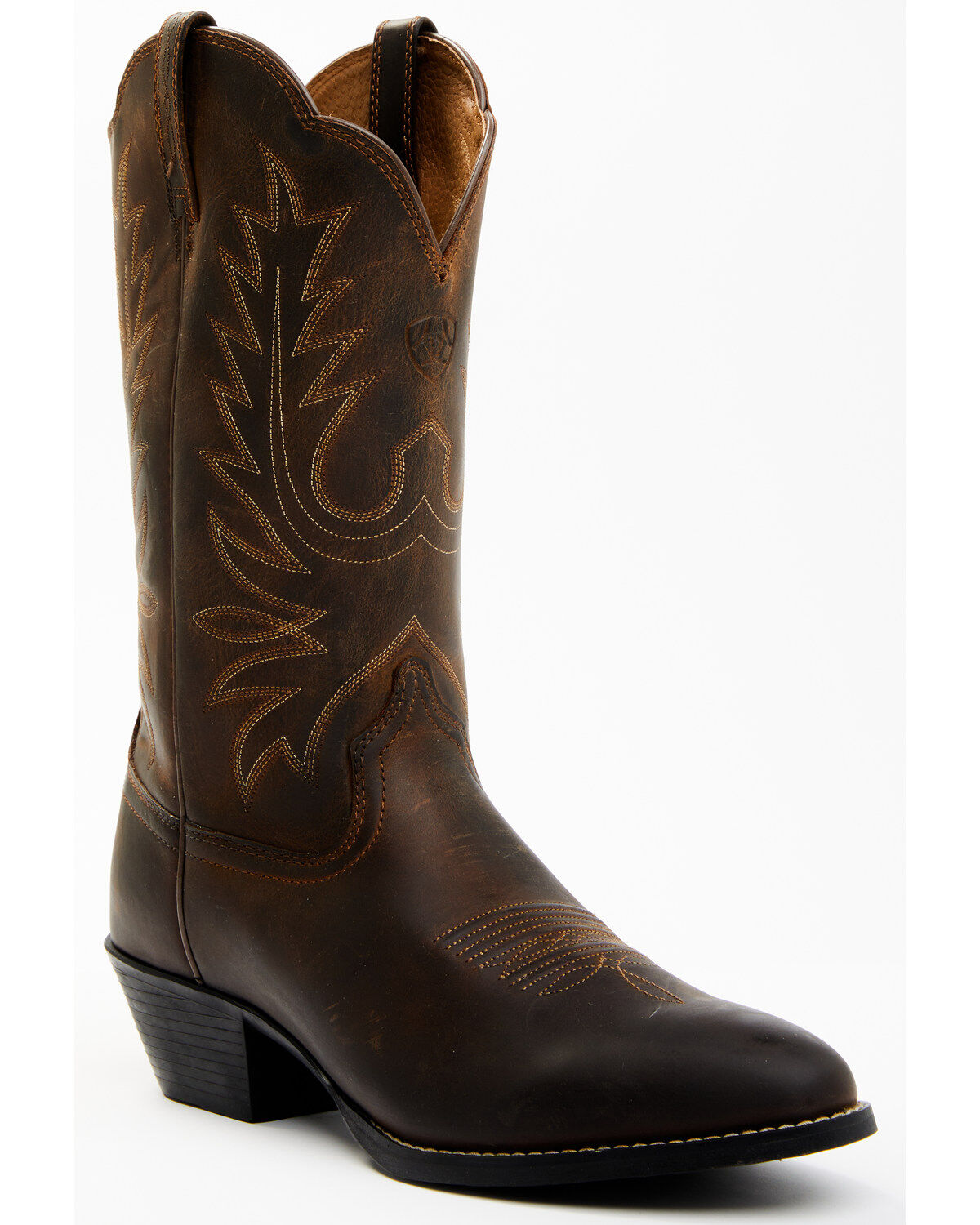
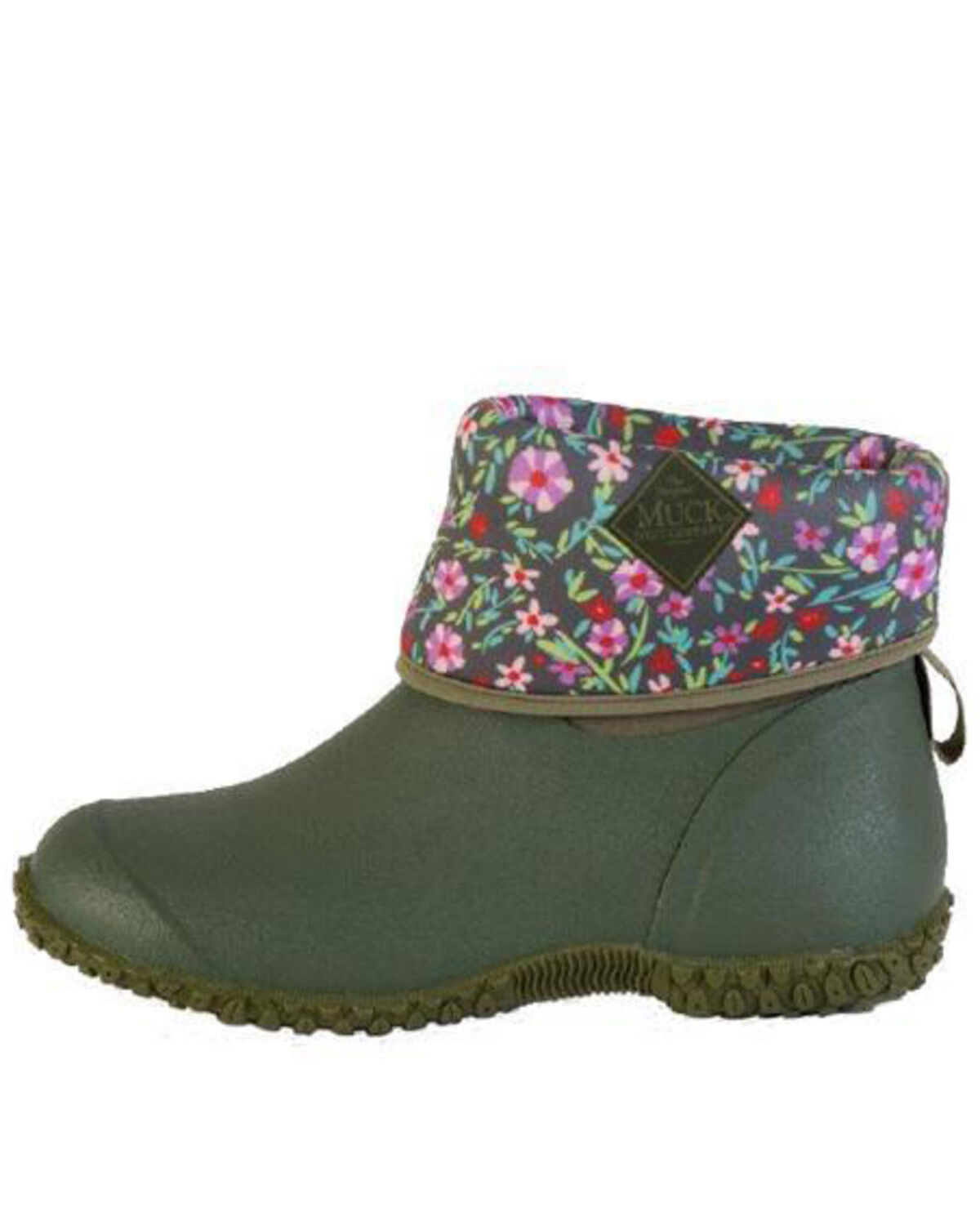
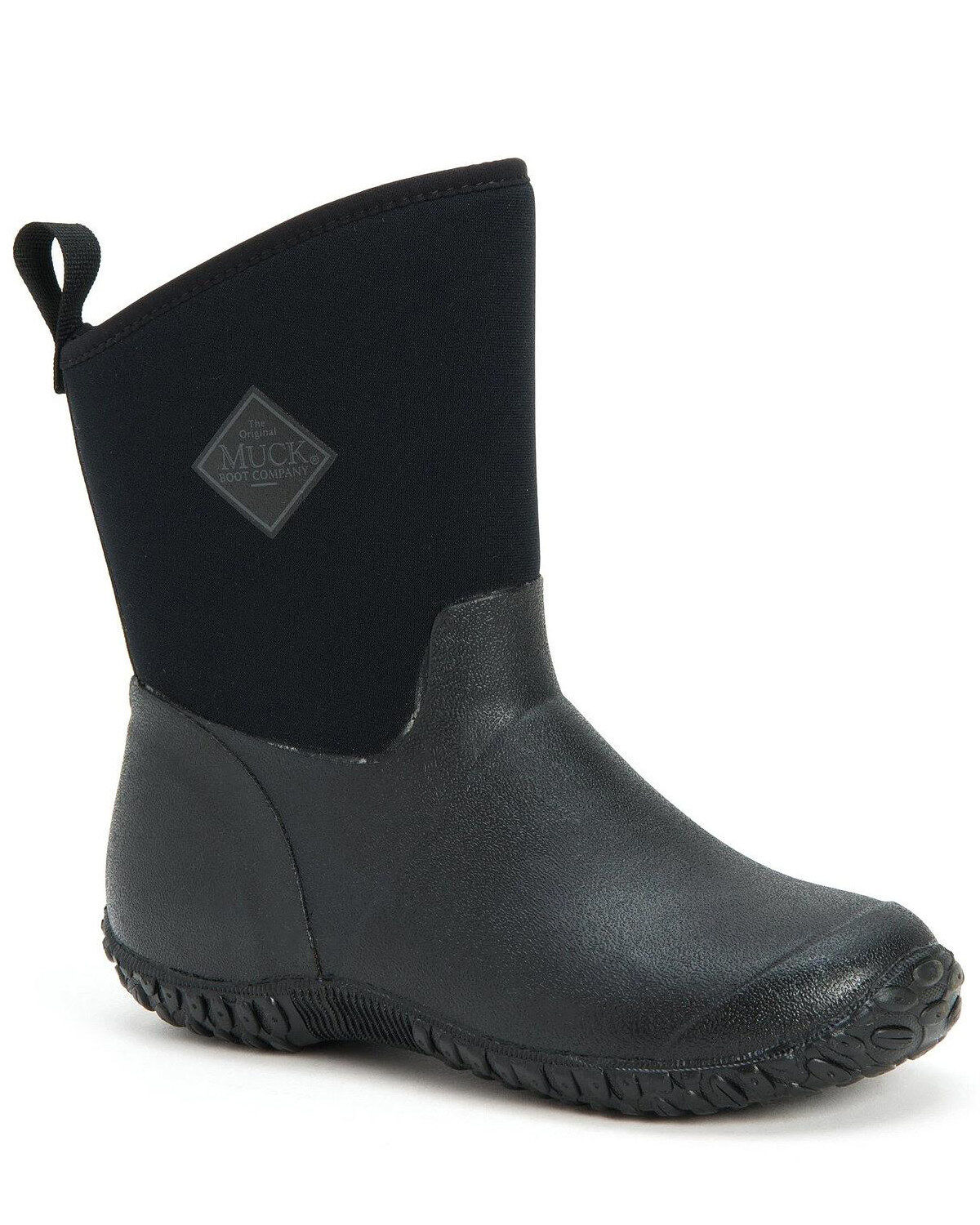
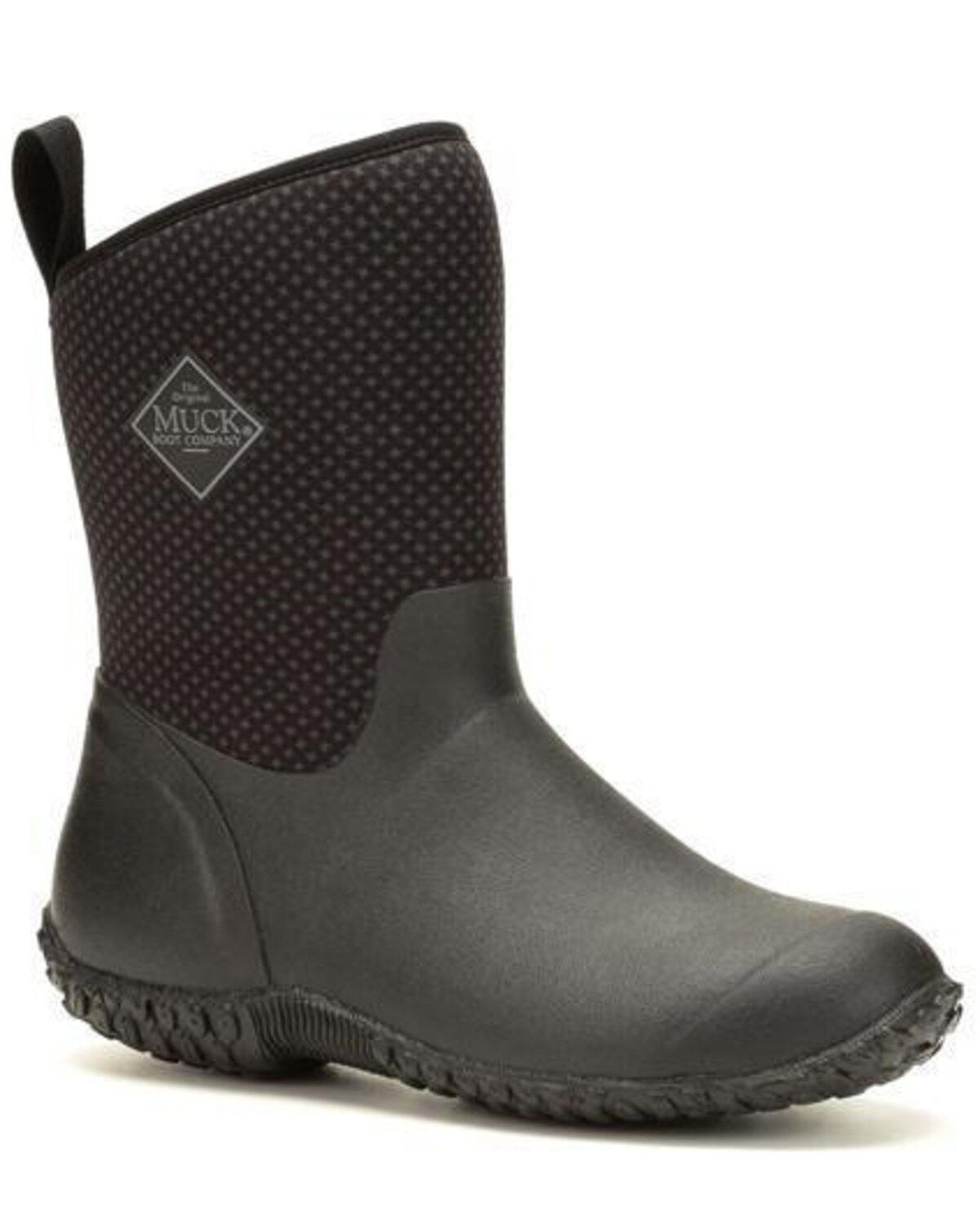
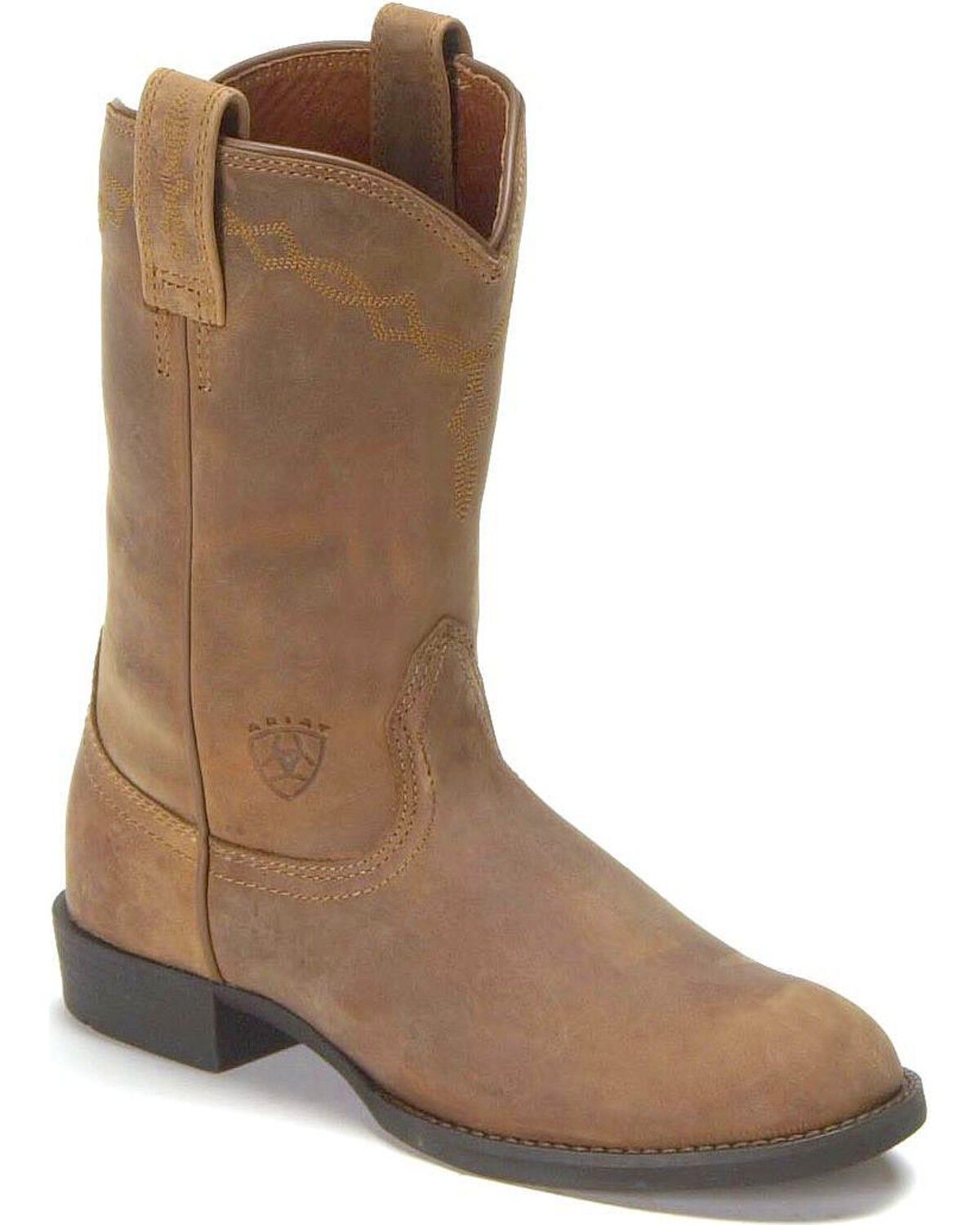
Women's western boots in size 8 bring traditional boot construction into everyday wear, with differences in toe shape, shaft height, heel profile, and material that affect both appearance and feel. The category covers more than one look or purpose. A taller shaft with decorative stitching creates a distinct western profile beneath a skirt or dress, while a shorter shaft leaves more room around the lower leg and works well with many jean lengths. Round toes have a familiar shape, pointed toes create a narrower outline, and square toes give the front of the boot a broader appearance. Actual toe room depends on the interior shape, not just the outside silhouette. Heel height also changes the experience: a lower heel generally feels different underfoot than a taller, angled western heel, especially across several hours of walking or standing. Full-grain leather is valued for its strength, visible grain, and ability to develop character with wear. Suede has a softer, textured surface that calls for different cleaning tools, while synthetic materials have their own care requirements and may soften differently from leather. Smooth finishes, distressed surfaces, tonal stitching, and more detailed embroidery each give western boots a different presence without changing their basic purpose. For everyday outfits, the relationship between the boot shaft and the clothing matters as much as the color. Straight-leg or bootcut jeans need enough room to fall over the shaft without catching, while dresses leave the shaft shape and stitching visible. Black and brown are familiar choices, but finish and contrast can make two boots in the same color look quite different. Women's size 8 cowboy boots can suit daily wear, dancing, concerts, weddings, and time around horses, provided their construction matches the activity. A western appearance alone does not establish suitability for riding or demanding work. Those uses call for attention to heel design, sole construction, and any stated performance features.

Size 8 is a starting point for fit, not a guarantee that every pair will feel the same. The shape used to build a boot, the lining, the toe profile, and the width can all change how much room surrounds the foot. In women's footwear, B commonly indicates a medium width, while wider fittings may use other markings; the size chart for the boot remains the clearest reference. Measuring both feet while standing and using the larger foot as the starting point helps account for natural differences. The socks intended for regular wear matter, too. A thicker sock takes up more space across the toes and instep than a thin one, and an added insert can reduce interior room. A well-fitting pull-on western boot should hold the instep securely without sharp pressure, allow the toes to rest without crowding, and keep the ball of the foot aligned with the widest part of the boot. Some heel movement can occur in a new western boot because the sole has not yet developed its flex, but excessive slipping or a foot that slides forward suggests a fit problem. Leather may relax across areas under gentle pressure; it should not be expected to gain meaningful length. A pointed toe can extend beyond the toes without requiring a longer size, since that extra space is part of the design. Comparing Women's Western Boots Size 9 may be useful when measurements indicate more length is needed, but moving up a full size does not necessarily solve a width or instep issue. Shaft fit deserves equal attention. The opening should accommodate the calf comfortably, and the top edge should not dig into the leg when sitting. For a day spent walking between a parking area, a venue, and a dinner table, cushioning, flexibility, and a stable heel can matter more than elaborate stitching. Removable footbeds may make room for compatible inserts, but that feature should be confirmed rather than assumed. Comfort comes from the entire fit, not one padded component.

Durability in women's western boots depends on materials, construction, use, and regular care rather than appearance alone. An outsole suited to repeated walking on hard surfaces may feel different from a traditional leather sole, and tread patterns vary in grip and flexibility. Rubber outsoles often provide a practical balance of cushioning and traction, while leather outsoles offer a traditional underfoot feel. Neither material guarantees traction on every surface, and slip resistance should only be assumed when it is specifically stated. Welted construction can allow certain repairs, including sole replacement in some cases, though repair options depend on the individual boot. Stitching, heel attachment, and wear at the sole edges are worth checking over time, especially when the same pair sees frequent use. Basic care starts with removing surface dirt before it works into seams and creases. Smooth leather generally benefits from a suitable cleaner and occasional conditioning according to the care directions; too much conditioner can darken the finish or leave residue. Suede needs a brush and cleaning products intended for its textured surface rather than the routine used for smooth leather. Testing a care product on an inconspicuous area helps avoid an unwanted change in color. After wear, allowing boots to air out away from direct heat gives the lining time to dry and helps preserve the material. Boot trees or shaft supports can help maintain shape during storage, and using a boot jack reduces the strain caused by pulling one heel off with the other foot. For riding, the heel and sole must be appropriate for the stirrup and activity. For jobsite use, required safety features take priority over styling. As a gift, size 8 western boots are most practical when the recipient's size, width, preferred shaft height, and usual use are already known. A familiar shoe size helps narrow the choice, but a secure, comfortable fit is what makes a pair worth wearing repeatedly.

FAQs