Women's Western Boots Size 9

Find women’s western boots in size 9 for everyday wear or to complete a western outfit. Browse the selection of women’s cowboy boots, compare styles, and check each pair’s sizing information before choosing a pair.

Shop Your Store: Shop Your Store: Find a Store

(Turn off Shop Your Store to see all items)

(Turn off Shop Your Store to see all items)

close
  • Recommended
  • Lowest Price
  • Highest Price
Skip pass products
  • Women's Idyllwind Wheels Western Booties - Round Toe
    Original Price $179.50 $154.50
    14% Total Savings
  • Women's Dingo Tumbleweed Western Boots - Round Toe
    Original Price $139.99 $99.97
    29% Total Savings
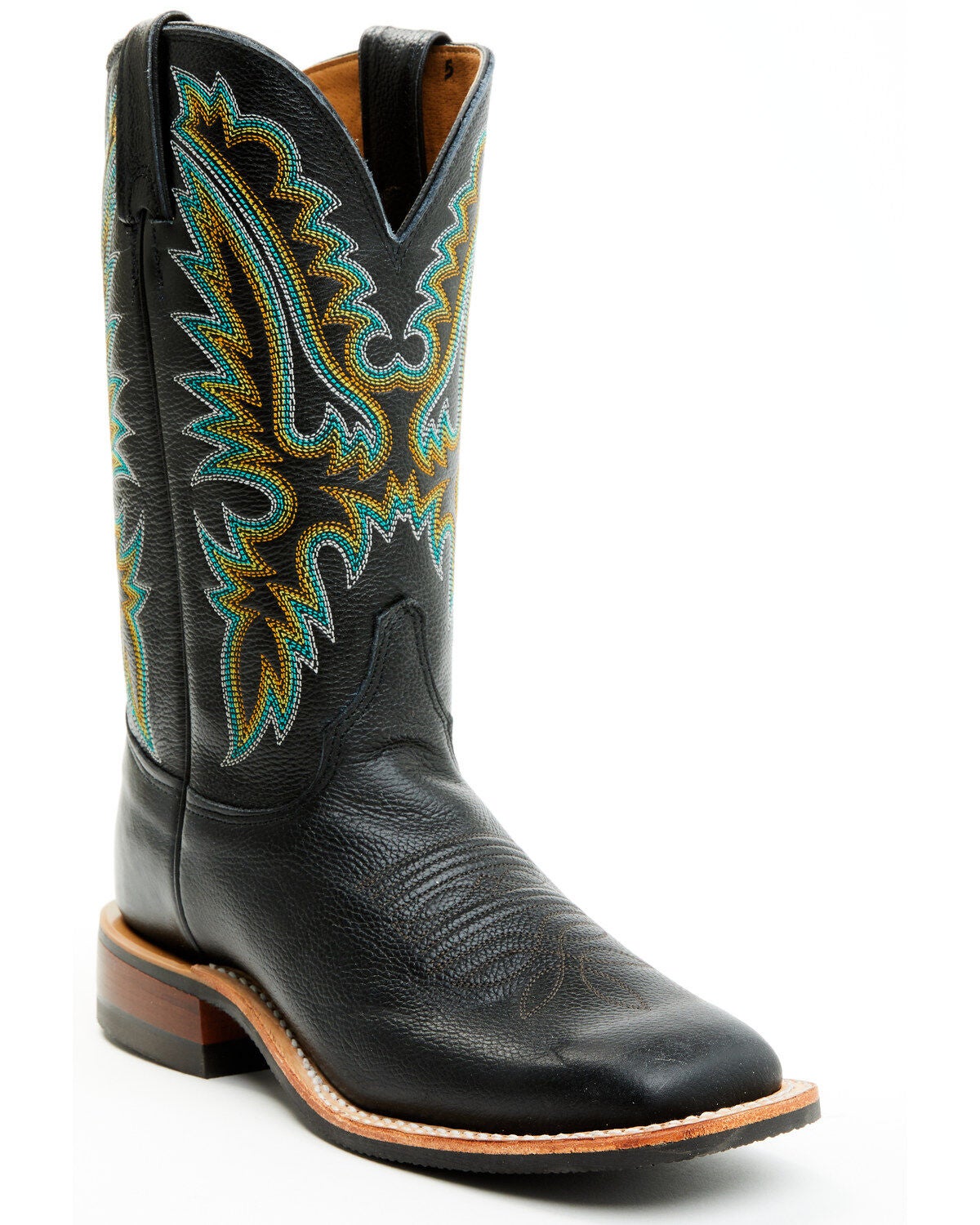
  • Women's Idyllwind Thistle Western Boots - Square Toe
    Original Price $209.50 $159.50
    24% Total Savings
  • Women's Dingo Buck Wild Suede Tall Western Boots - Round Toe
    Original Price $199.99 $119.97
    40% Total Savings

End of products

Women's Western Boots Size 9

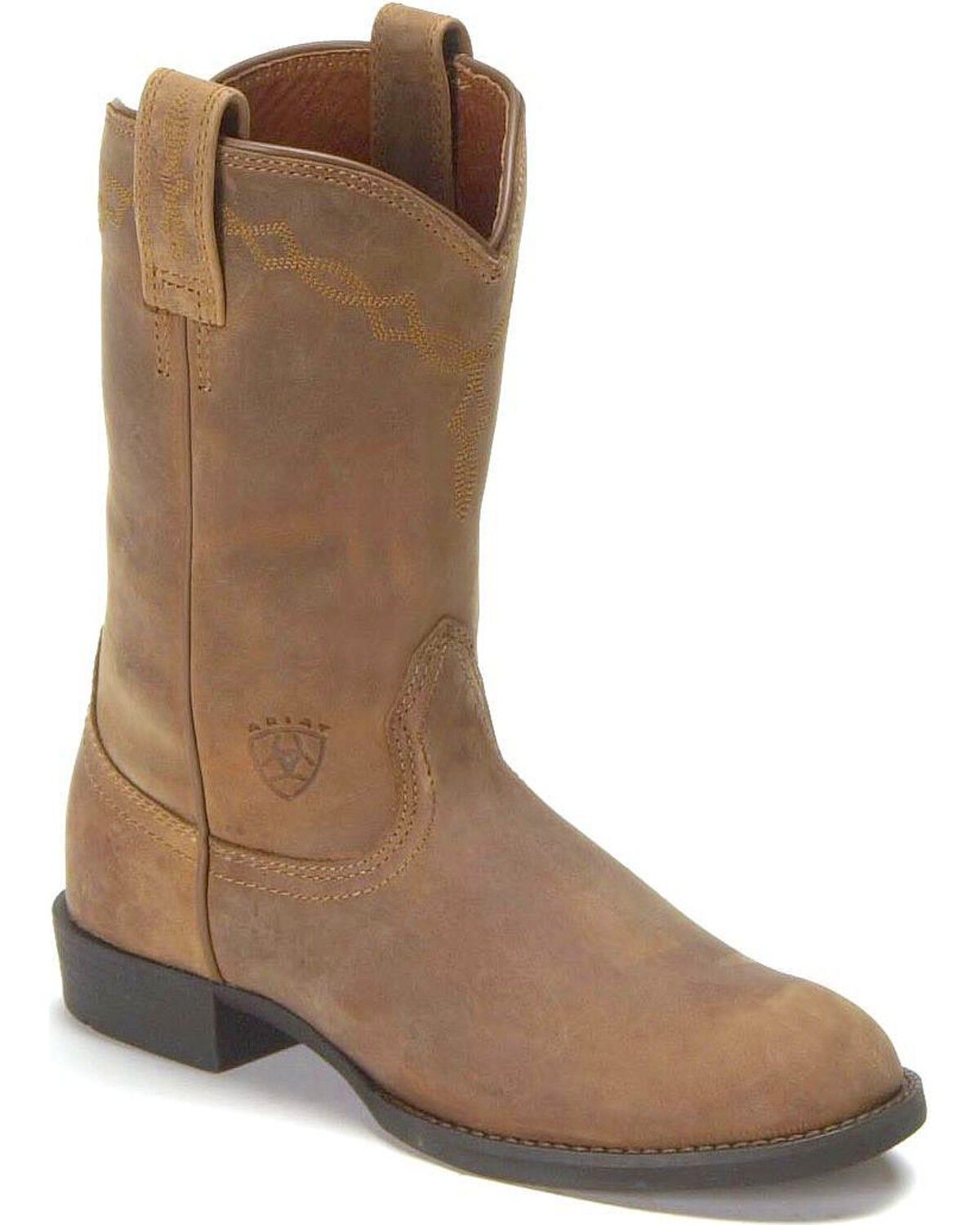
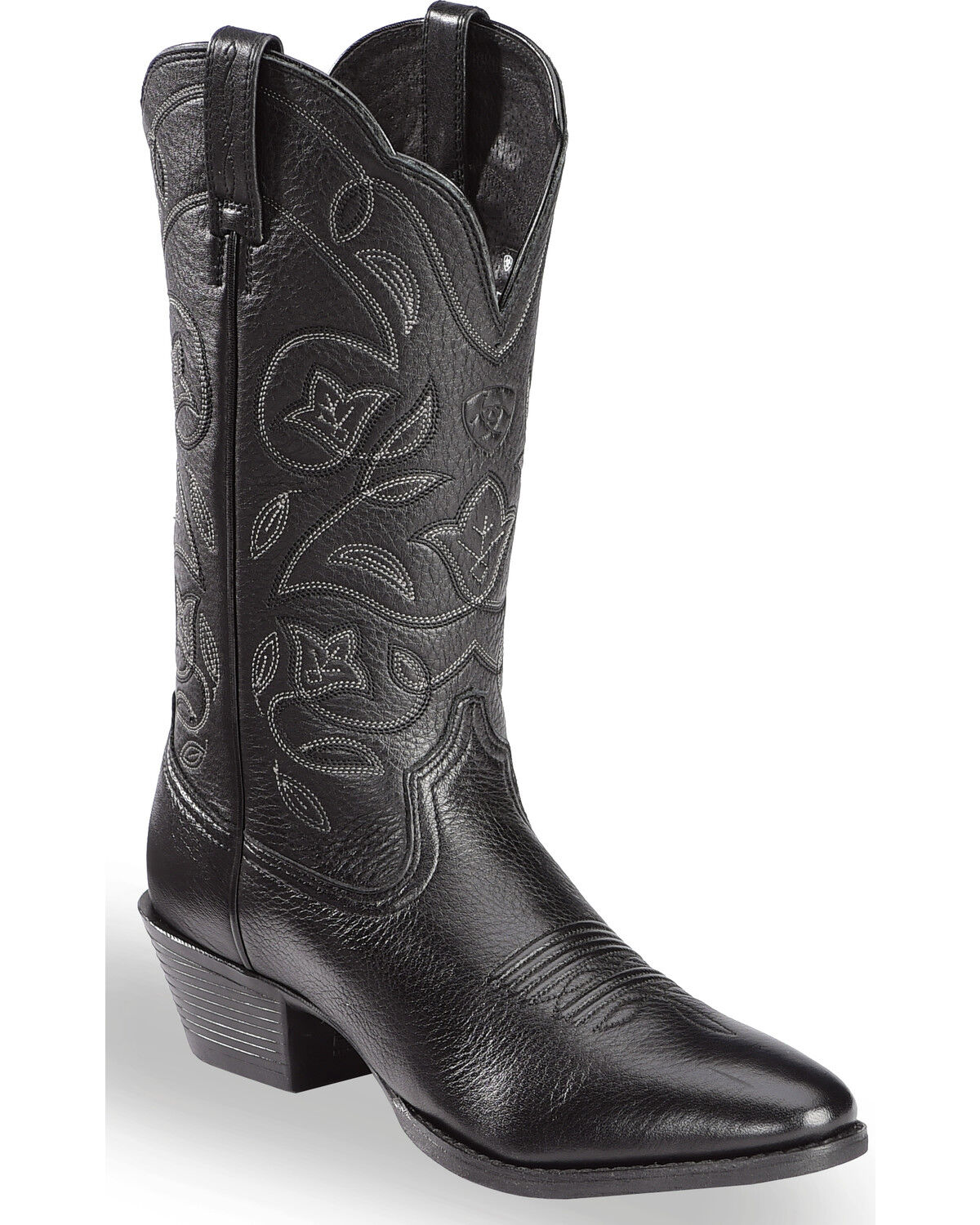
Women's western boots in size 9 pair a familiar western profile with details that make a difference in daily wear. Toe shape, heel height, shaft height, and leather finish all influence how a pair feels and how it works with the rest of an outfit. A broad square toe creates a different look from a narrow snip toe, while a rounded toe offers a less angular shape. None of those shapes guarantees a particular amount of room inside; the boot's construction and width matter just as much. A lower heel can suit someone who spends much of the day walking, while a taller, angled heel gives the boot a more pronounced profile. Shaft height changes where the boot meets the leg and how it sits beneath denim. Under straight-leg or bootcut jeans, a smooth shaft can help the fabric fall cleanly. With a skirt or dress, stitching, overlays, and the shape of the upper become more visible. Understated leather works well for everyday outfits, while contrasting stitching or a textured finish adds detail without requiring much else. These differences give western boots a place beyond special occasions. They can be part of a familiar jeans-and-shirt routine, an outfit for dinner, or a night of dancing. Someone who wears boots to an office may favor a restrained finish and a comfortable walking heel. Someone spending time around horses needs to consider riding suitability, including how the heel and sole work with the stirrup, rather than choosing on appearance alone. A boot intended for casual wear is not automatically designed for riding or demanding work. The right choice starts with how the boots will be worn, whether that means several hours on foot, time seated at a desk, or an evening spent moving across a dance floor. Personal taste matters, but the shape and construction should support the day's actual demands.

Size 9 is a useful starting point, not a promise that every pair will fit the same way. Foot length, width, instep height, and the shape of the heel all affect the fit of a pull-on western boot. The foot should feel securely held across the instep without painful pressure, and the toes should have room to rest naturally rather than curl or press against the front. A pointed toe can extend beyond the toes as part of its design; the foot does not need to fill that narrow tip. Some heel movement can be normal in a new western boot, particularly before the sole has flexed with wear. That movement should not feel like the foot is lifting out of the boot or sliding around with every step. Leather may soften and conform with use, but break-in will not reliably turn a boot that is too short into one that fits. Width deserves separate attention. Choosing a longer size to solve tightness across the forefoot can leave extra length without addressing the actual shape of the foot. Trying boots with the socks intended for regular wear gives a more useful sense of fit, especially when comparing a thin everyday sock with a cushioned boot sock. Any regularly worn insert also changes the space inside and should be considered from the start. Walking on a clean indoor surface can reveal pressure at the toes, rubbing at the heel, or a shaft that catches uncomfortably against the leg. For someone whose usual fit is smaller, women's western boots in size 8 provide another starting point, with the same need to check width and construction. When boots are a gift, knowing the recipient's usual boot size, preferred toe shape, and everyday use is more helpful than relying on shoe size alone. A familiar silhouette and a comfortable fit will matter long after the gift is opened.

Materials and construction help determine how western boots feel, age, and stand up to repeated wear. Smooth leather can develop creases and changes in tone that reflect regular use, while suede has a softer surface that calls for different cleaning tools. A textured hide or detailed shaft may be chosen for its appearance, but care should still match the material rather than follow a single routine for every pair. Stitching, seams, lining, and reinforcement at stress points all contribute to the boot's construction. A welted design may allow certain repairs or sole replacement, depending on how the boot is made and the condition of the upper. Other construction methods serve different purposes, so visible stitching alone does not establish whether a boot can be resoled. Outsole material also changes the experience underfoot. Leather soles often appeal to wearers who prefer a traditional feel, including some dancers, while rubber soles can offer cushioning or traction suited to particular surfaces. Grip varies by tread and design, and neither material guarantees secure footing everywhere. Work that requires protective toes, electrical hazard protection, or other safety features calls for footwear specifically identified for those requirements. Ordinary western styling is not a substitute for job-appropriate protection. Consistent care helps preserve both appearance and flexibility. Loose dirt can be removed with a soft brush or cloth before it works into seams and creases. Smooth leather may benefit from a compatible conditioner used according to the maker's directions, while suede generally needs a suitable brush and material-specific care. Testing a treatment in a less visible area helps reveal unwanted darkening or changes in texture. Boots that become damp should dry naturally away from direct heat, which can stiffen or damage leather. Supporting the shafts during storage helps them retain their shape, and giving frequently worn pairs time to air out helps the lining dry between uses. Attention to worn heel edges, loose stitching, and thinning soles can make repairs easier to address before damage spreads. With a fit that suits the foot and care that suits the material, western boots can remain a dependable part of everyday wear.

FAQs