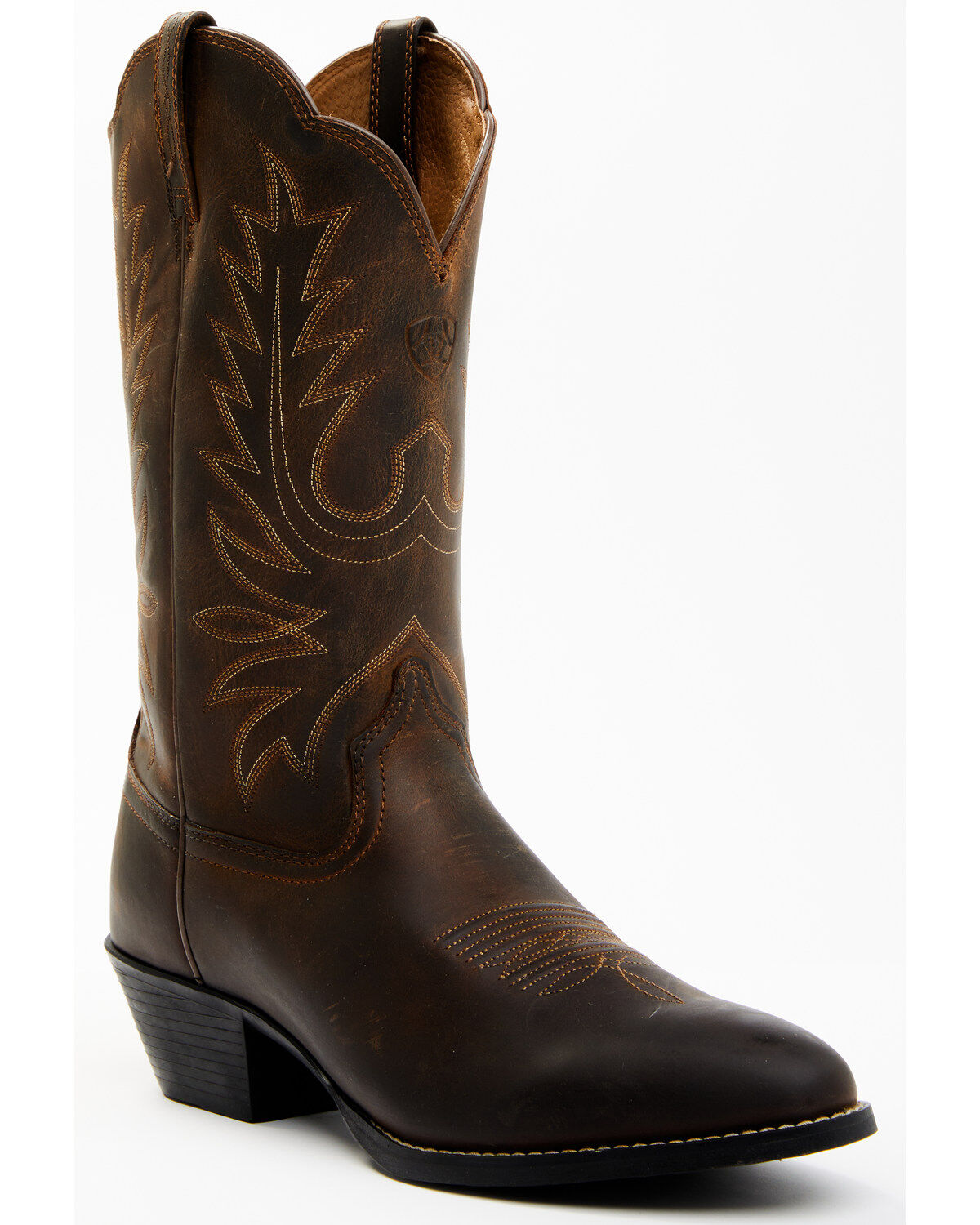
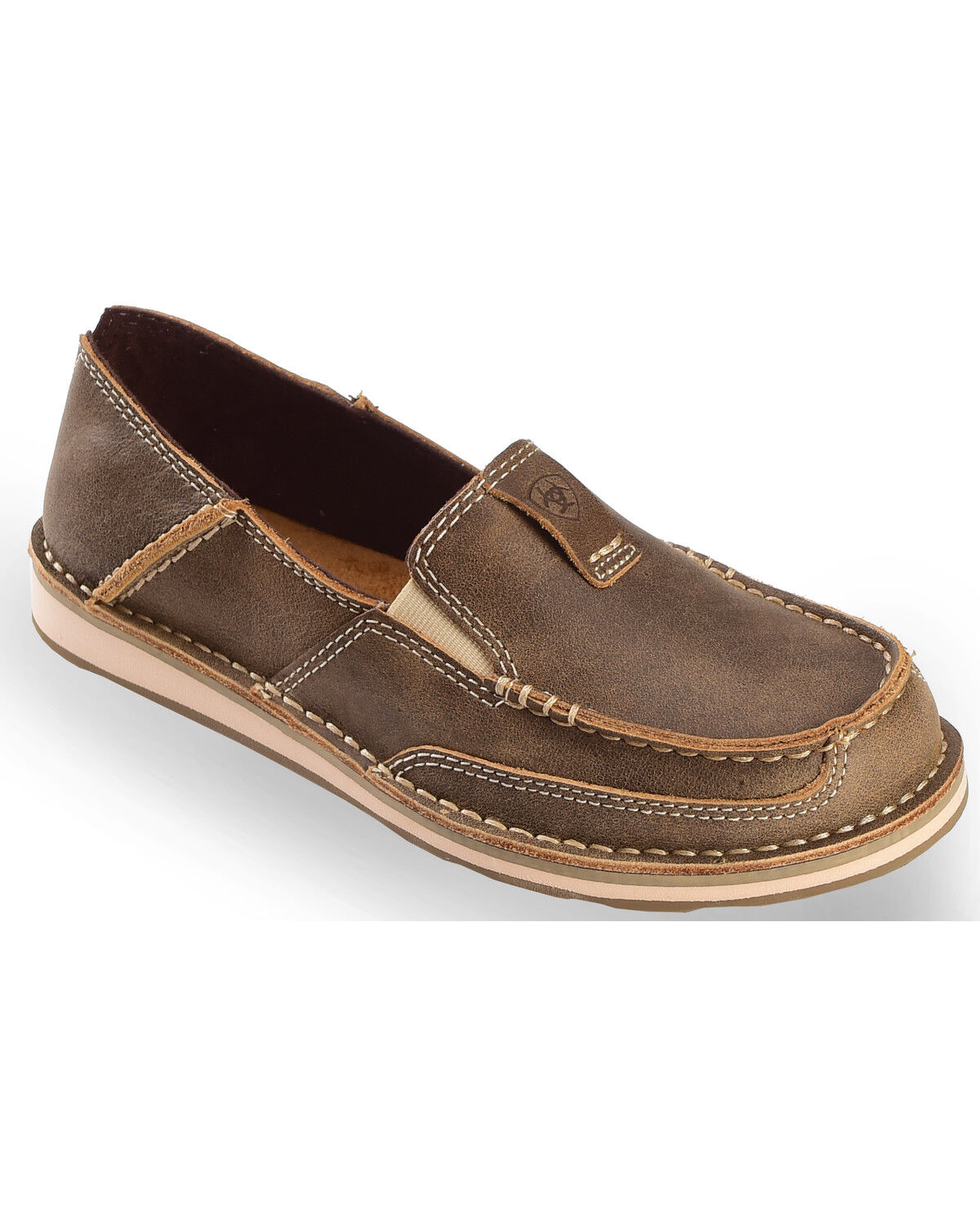
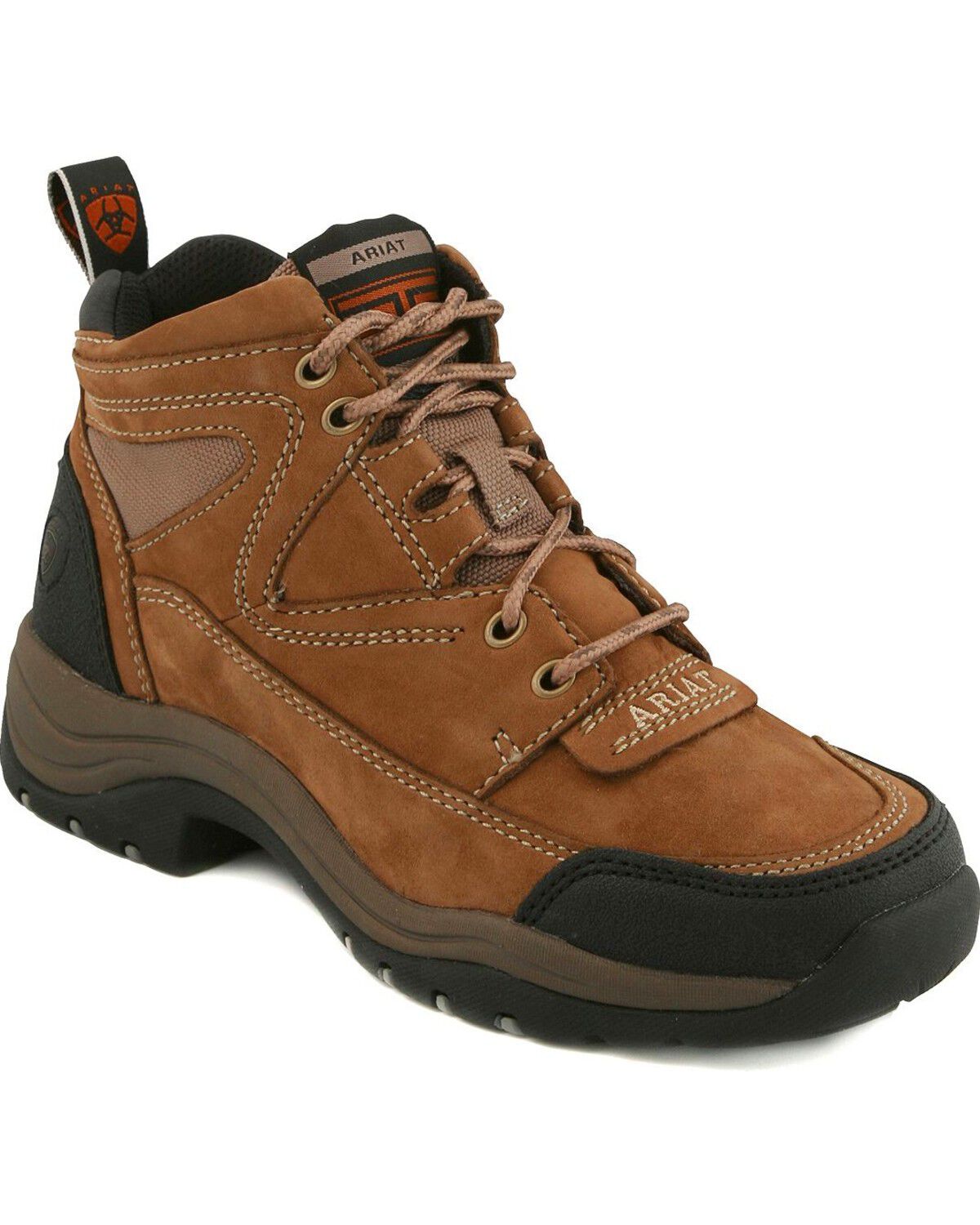
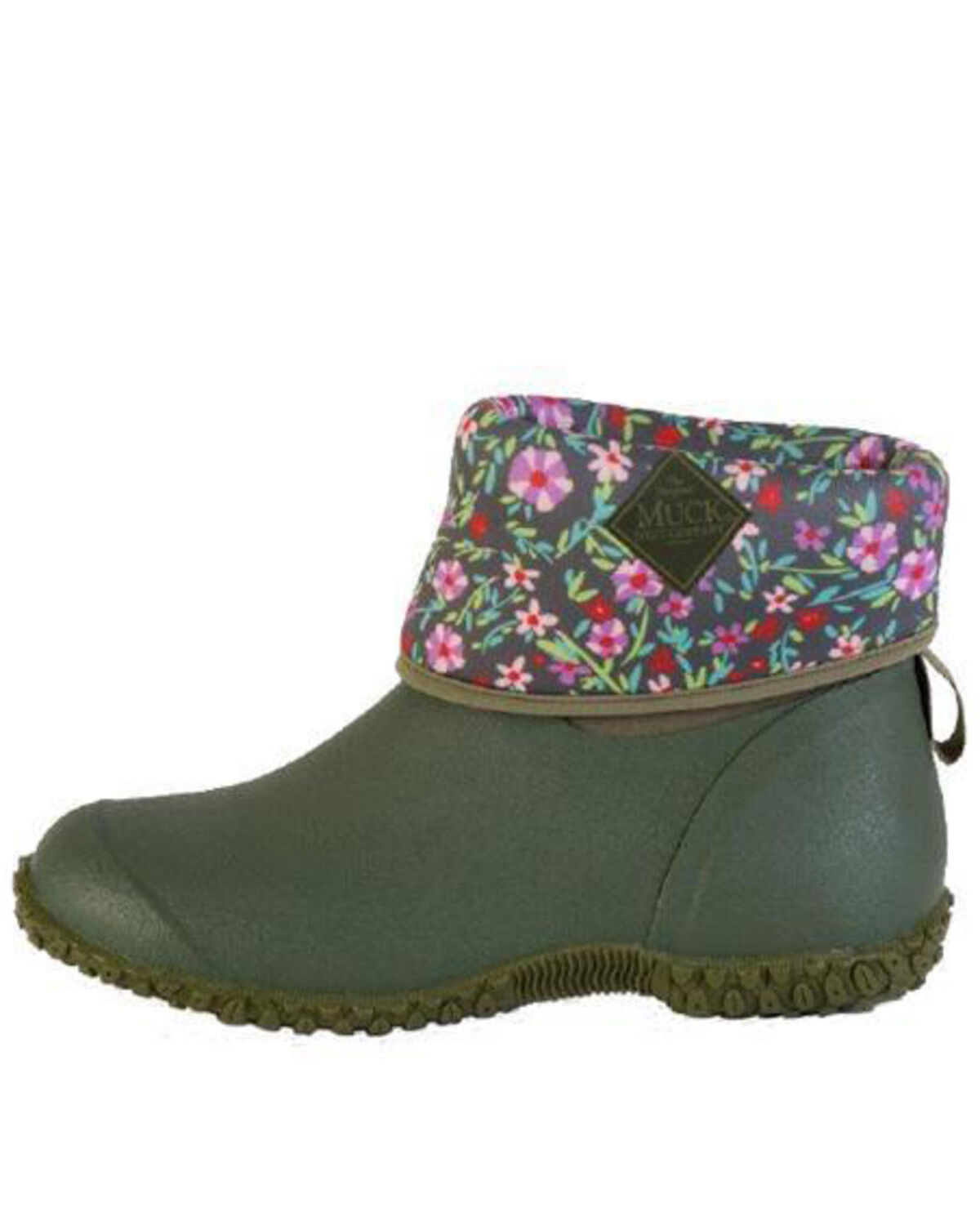
Women's Western Boots Size 6

Browse women’s western boots in size 6 to find the right style and fit. Compare cowboy boot designs by toe shape, heel height, and shaft height, and check each pair’s sizing details to help narrow your choices.

Shop Your Store: Shop Your Store: Find a Store

(Turn off Shop Your Store to see all items)

(Turn off Shop Your Store to see all items)

close
  • Recommended
  • Lowest Price
  • Highest Price
Skip pass products

End of products

Women's Western Boots Size 6

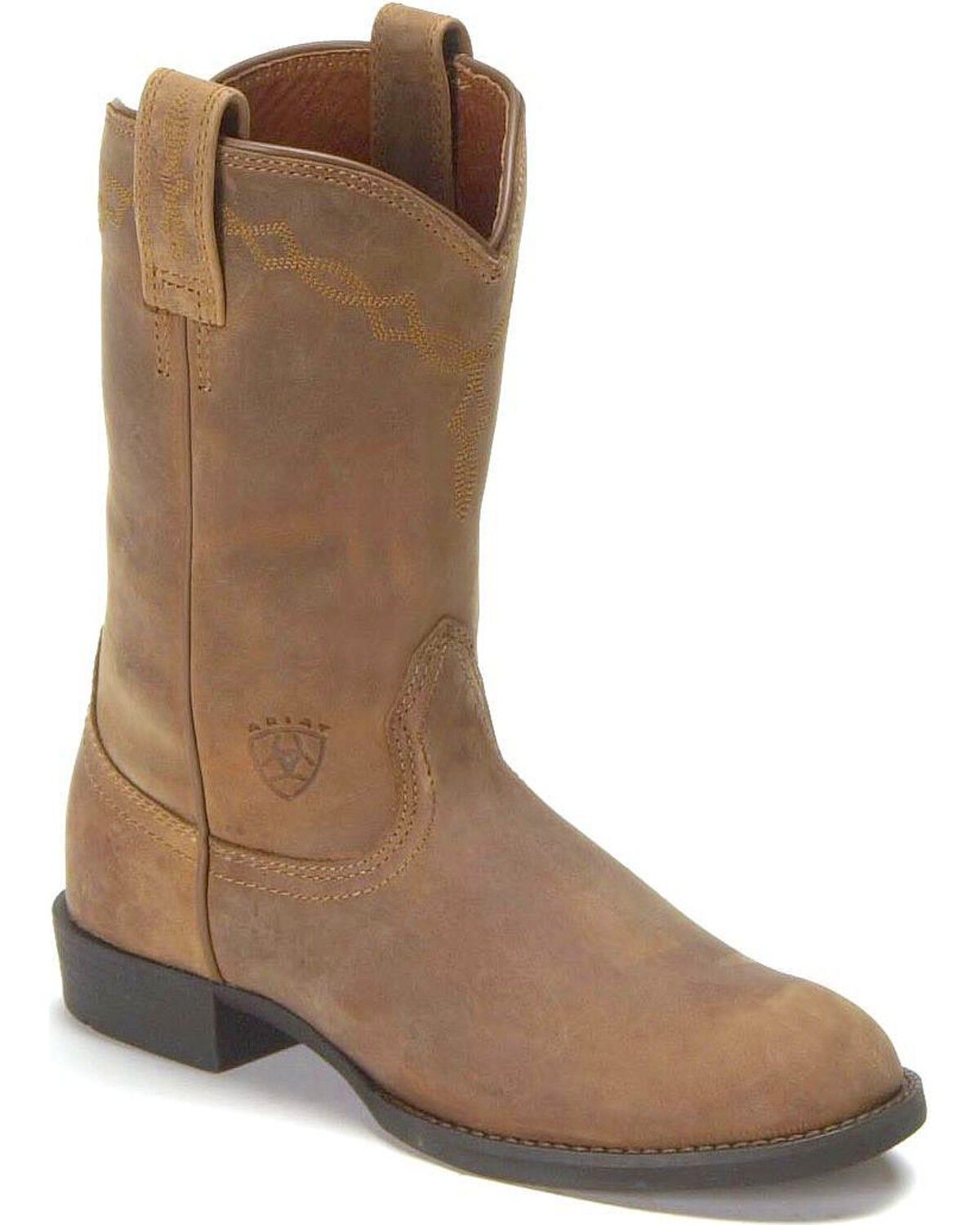
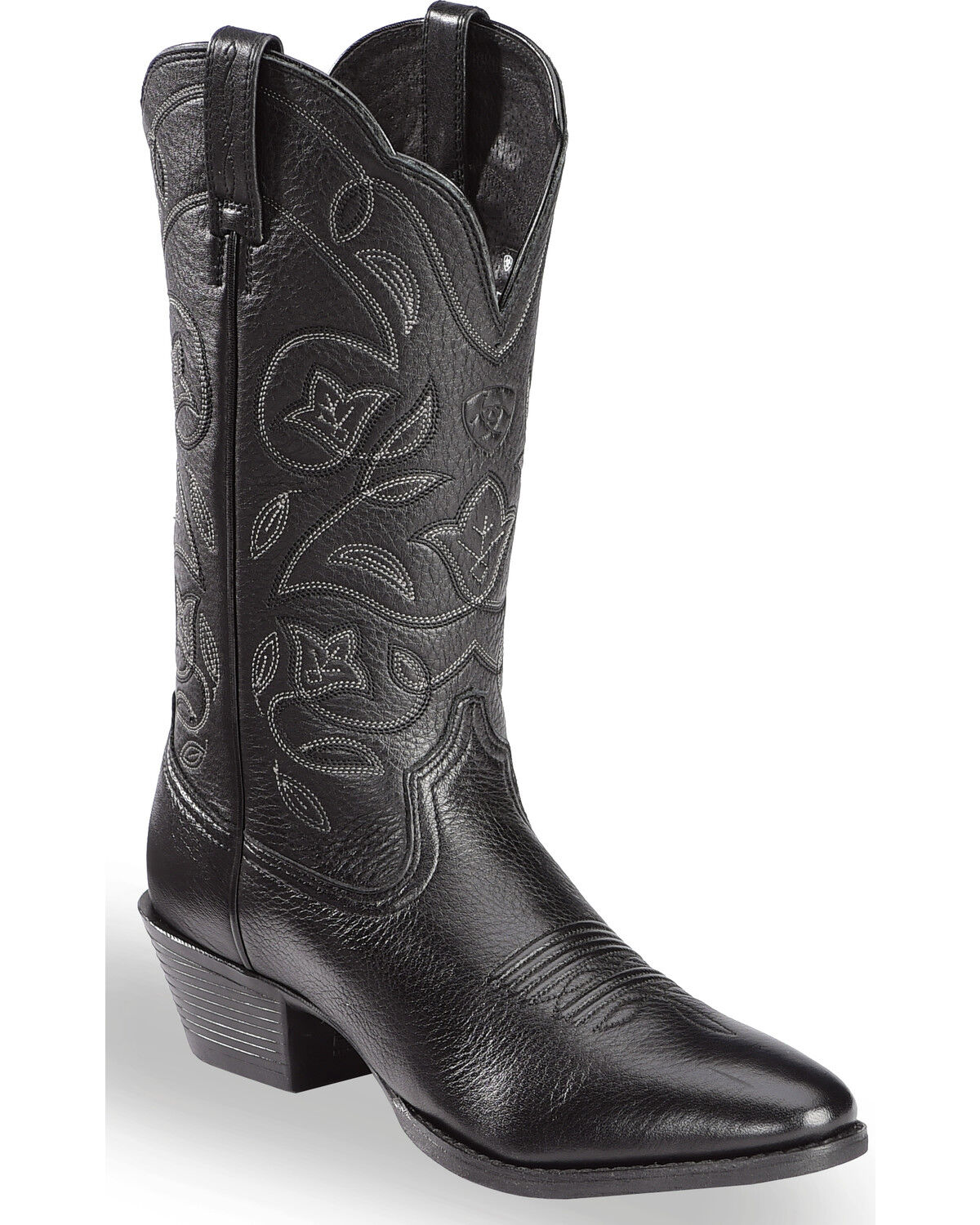
Women’s western boots in size 6 cover a wide range of shapes and finishes, from understated leather with simple stitching to taller shafts with detailed embroidery. The defining details do more than set the look. Toe shape affects the silhouette and the space around the toes, heel height changes how the boot feels underfoot, and shaft height influences how it sits against the leg. A round toe has a familiar profile that works with everyday denim. A square toe creates a broader outline, while a snip toe gives the front of the boot a more tapered finish. Interior room still depends on the design, so appearance alone does not tell the whole story. Smooth leather offers a clean surface that can develop character with wear. Full-grain leather retains its natural grain, and small variations in texture can be part of its appearance. Suede has a brushed surface that adds depth but calls for different cleaning methods than smooth leather. Embossed finishes, contrasting overlays, and stitched patterns provide detail without changing the basic purpose of the boot. A plain pair can look right with straight-leg jeans and a tucked shirt, while a taller, more decorated shaft can stand out beneath a skirt or dress. Shorter shafts offer another proportion, especially when the boot is meant to sit beneath a pant leg rather than become the focus of an outfit. The opening matters here: a close-fitting jean may catch on the shaft, while a bootcut leg usually leaves more room for the fabric to fall cleanly. For women who wear western boots regularly, these differences help separate an everyday pair from one chosen for dancing, a wedding, or an evening out. For someone wearing cowboy boots for the first time, familiar colors and restrained details can make them easy to work into an existing wardrobe. The right design should suit both the wearer’s taste and the way the boots will be worn.

A U.S. women’s size 6 is a starting point for fit, not a guarantee that every boot will feel the same. Foot width, instep height, toe shape, and the boot’s construction all affect the space inside. Two boots marked with the same size can feel noticeably different across the ball of the foot or over the instep. A secure western boot generally holds the foot comfortably through the instep, with room for the toes to rest naturally rather than curl or press against the front. Some heel movement can occur in a new pull-on boot as the sole flexes, but substantial lifting, rubbing, or forward sliding can point to a poor fit. Leather may soften and give modestly across pressure points, but a boot that is too short will not become the correct length through wear. Extra length is also not a reliable solution for a foot that needs more width. Socks make a practical difference, particularly when the same pair will be worn for several hours. Trying boots with the intended socks gives a more useful sense of fit than switching between very thin and heavily cushioned pairs. Removable insoles, when part of the design, can affect interior space as well. The shaft deserves attention separate from the foot: its circumference should accommodate the calf comfortably, and its top edge should not dig into the leg while sitting or walking. Underfoot construction matters just as much as the upper. Leather outsoles have a traditional appearance and can feel different from rubber on smooth floors. Rubber outsoles may provide more grip, depending on the tread and surface, while cushioned footbeds can soften the feel of repeated steps. Neither a western silhouette nor a sturdy-looking sole establishes a boot’s suitability for a particular job. Riding calls for footwear with a heel and sole appropriate for the stirrup, and work involving hazards requires the stated protective features for that setting. A pair intended mainly for dinners and dancing has different demands from one worn through long stretches of standing or regular barn chores.

Durability comes from the combination of materials, construction, fit, and care rather than from any single detail. A well-made upper still needs a sound sole, secure stitching, and a heel that stays stable under repeated use. Some stitched constructions can allow resoling, although repair options depend on the particular boot and its condition. High-wear areas include the heel edge, the sole beneath the ball of the foot, and the places where the upper bends with each step. Catching wear early can make repairs more straightforward than waiting until damage reaches deeper layers. Routine care also helps preserve the finish. Loose dirt should be brushed away before it works into seams, and smooth leather benefits from a compatible cleaner and conditioner used according to the maker’s directions. Too much conditioner can alter the color or leave residue, so a small test in an inconspicuous area is sensible. Suede needs tools and treatments intended for its texture; products made for polished leather can flatten or darken the nap. Boots should dry naturally away from direct heat if they become damp, and they should be clean and dry before storage. Boot trees or shaft supports can help maintain shape without forcing the leather outward. These practical details matter whether size 6 western boots become everyday footwear or a pair reserved for special occasions. They also make fit and personal preference important when choosing a gift. Knowing that someone wears a size 6 is useful, but knowing the width, preferred heel, and style of a pair that already fits is more helpful. The same attention matters when shopping Women's Western Boots Size 9 for a different wearer. For the size 6 wearer, the strongest choice is a boot that feels secure, leaves the toes comfortable, and fits naturally into the places and occasions where it will be worn.

FAQs