Women's Western Boots Size 7

Browse women's western boots in size 7 to find cowboy boots that suit your wardrobe. Compare toe shape, shaft height, and heel height for the look you want, and review sizing details before choosing your pair.

Shop Your Store: Shop Your Store: Find a Store

(Turn off Shop Your Store to see all items)

(Turn off Shop Your Store to see all items)

close
  • Recommended
  • Lowest Price
  • Highest Price
Skip pass products

End of products

Women's Western Boots Size 7

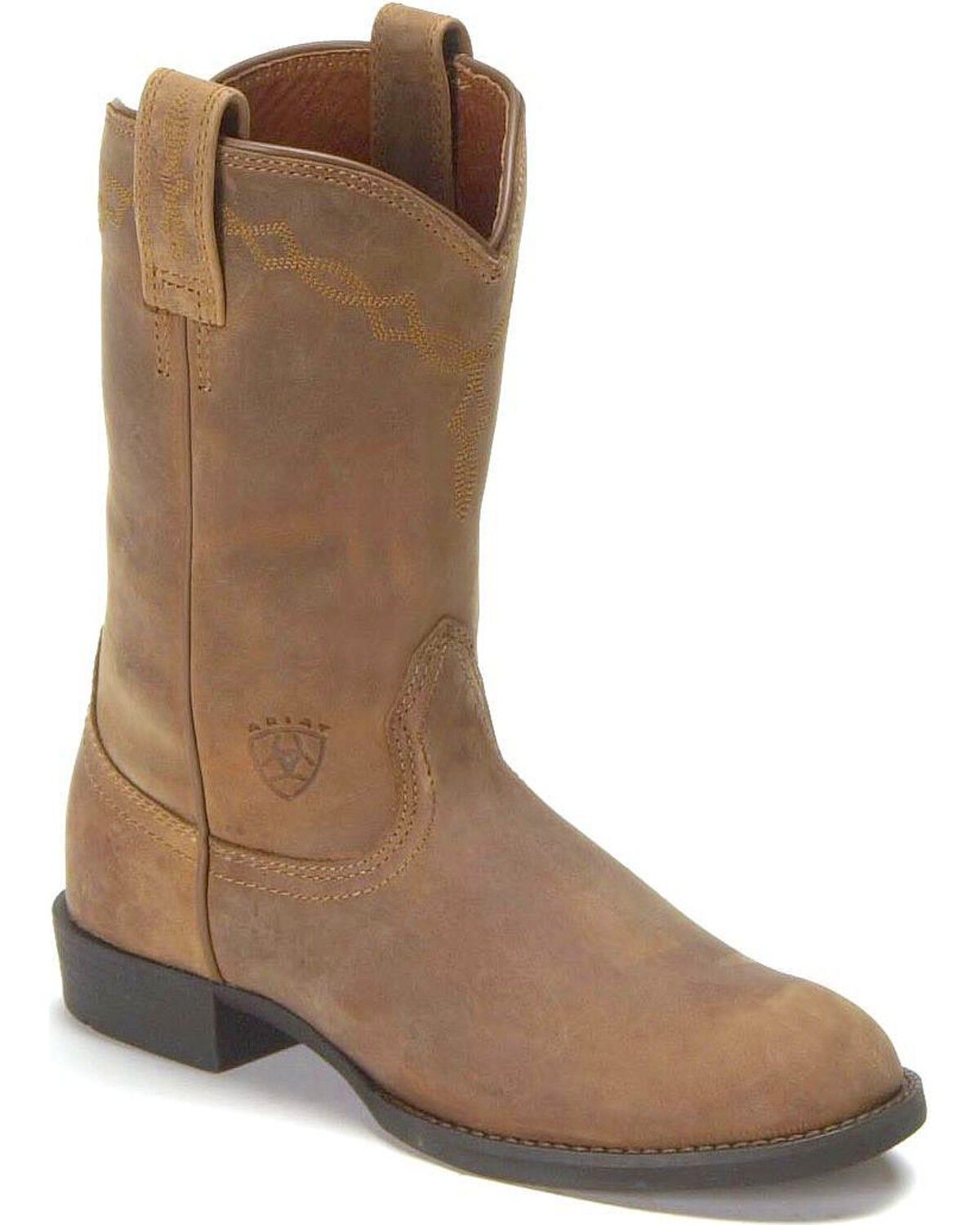
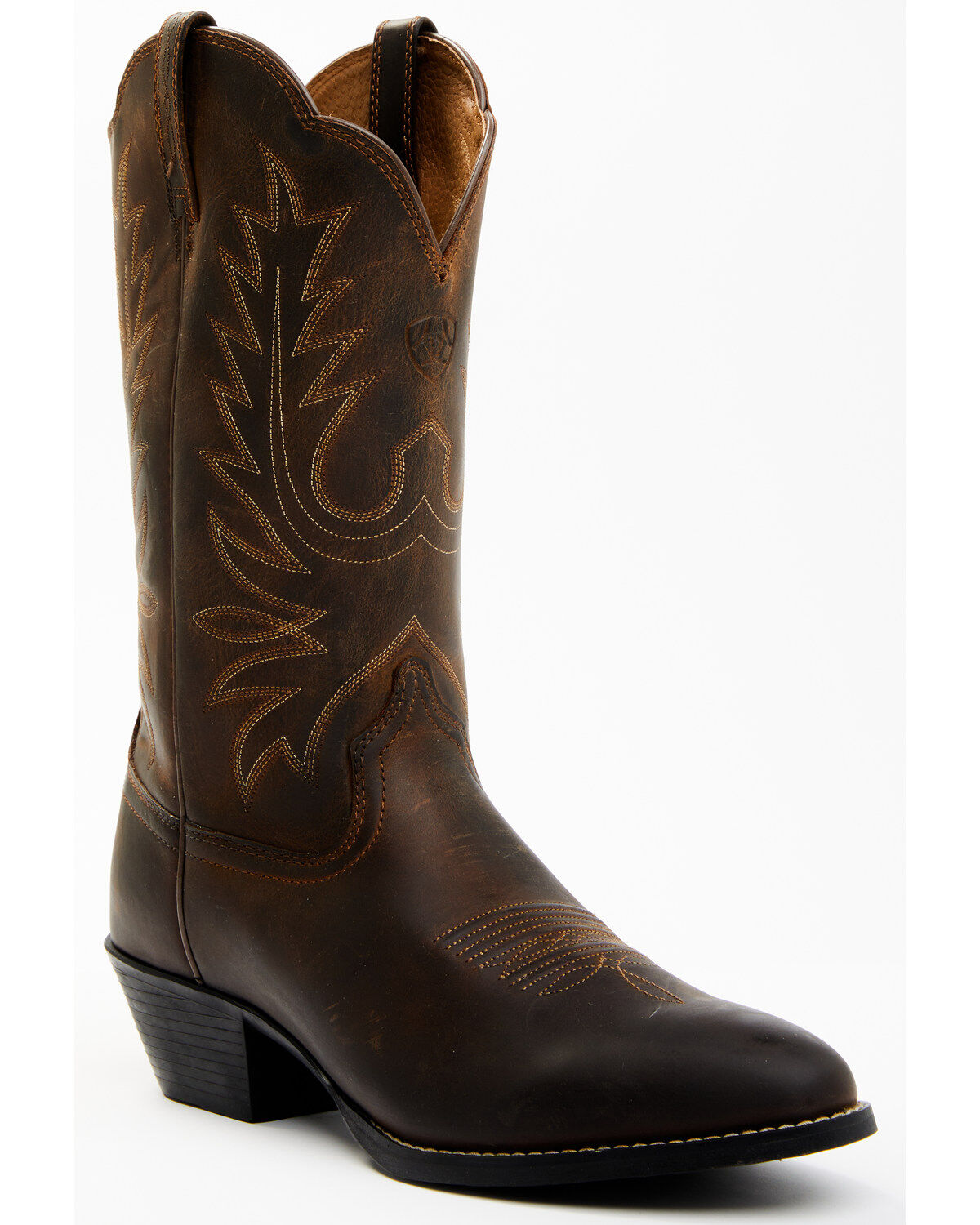
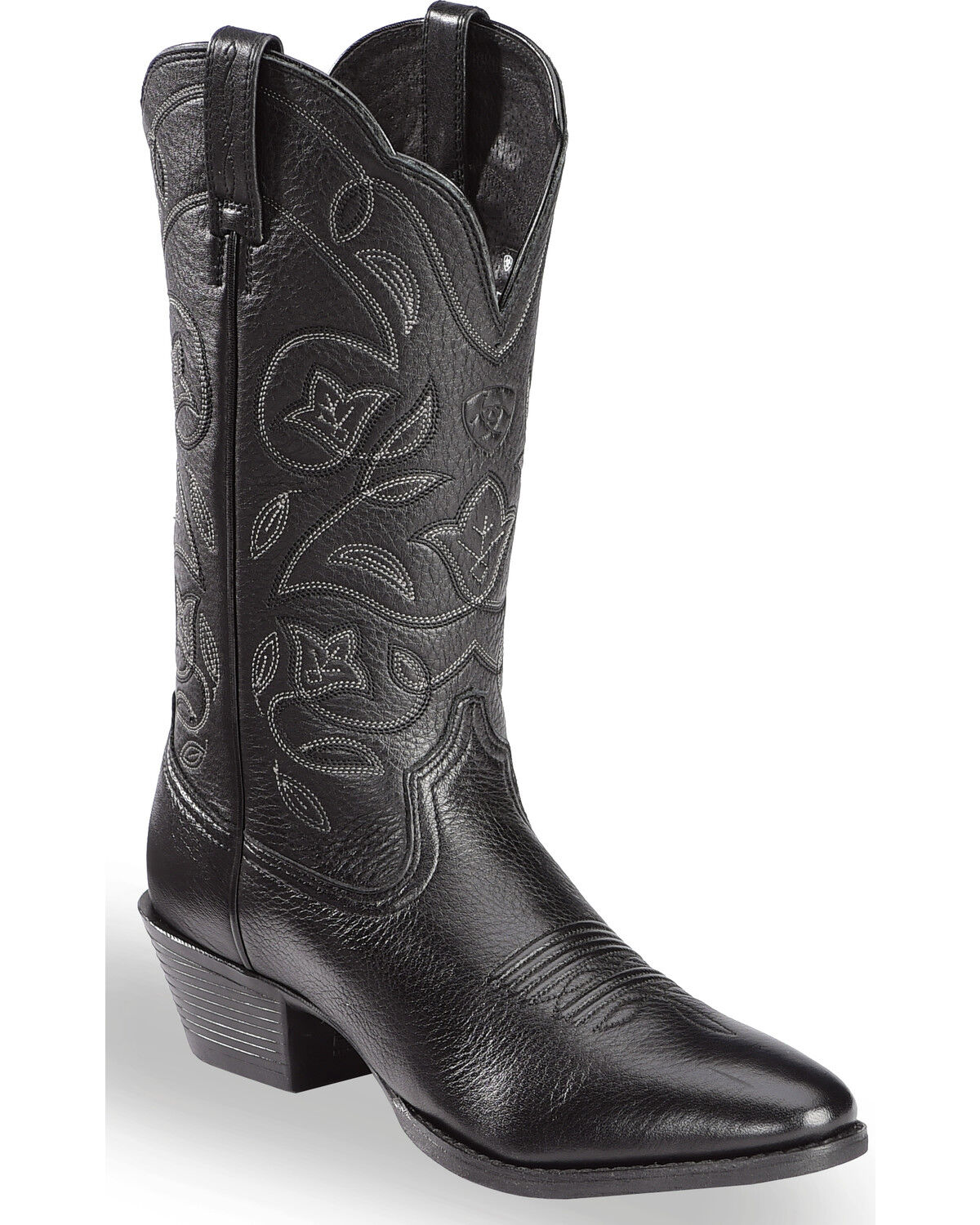
Women's western boots in size 7 bring classic western construction to everyday outfits, nights out, and time around the barn. Their character comes from the details: a shaped heel, a defined toe, a pull-on shaft, and stitching that can be understated or bold. Those details also affect how a boot feels and where it works best. A round toe gives a traditional profile, while a square toe creates a broader outline across the front of the foot. Snip and pointed toes have a narrower appearance that pairs well with dresses or straight-leg denim. Toe shape alone does not determine room inside the boot; the shape of the footbed, the width, and the overall construction matter just as much. Shaft height changes the look, too. Shorter shafts sit neatly beneath some pant legs, while taller shafts make more of a statement with skirts and dresses. Smooth leather offers a clean finish that develops character with wear. Full-grain leather retains the hide's natural surface and can be a durable choice when properly maintained. Suede brings a softer texture but needs care suited to its finish. Synthetic materials have different cleaning and break-in needs, so material details are worth checking rather than assuming every western boot behaves like leather. Stitching, piping, overlays, and contrasting colors add detail without changing the basic purpose of the boot. A dark, simple pair can work with jeans and a button-front shirt, while lighter leather or more noticeable stitching creates contrast against plain denim. For someone who wears boots regularly, the right balance often comes down to a familiar heel height, a comfortable shaft, and a shape that suits the way she dresses. For a first pair, a versatile finish and manageable heel can make western boots easier to work into an existing wardrobe.

Size 7 is a useful starting point, not a guarantee of identical fit across every women's western boot. Footwear shapes differ, and two pairs with the same size marking can feel different through the toe box, heel, and instep. Width deserves as much attention as length, especially for feet that feel crowded across the ball or slide from side to side in standard-width footwear. A well-fitting pull-on boot holds the instep securely without squeezing it. Toes need room to rest naturally rather than pressing against the front or curling under. A small amount of heel movement can be normal in a new western boot because the sole has not yet begun to flex with each step. Excessive lifting, rubbing, or a foot that slides forward is a different matter and can point to a poor fit. Leather may soften and ease slightly across areas under gentle pressure, but break-in should not be expected to create missing length or correct painful tightness. The socks worn with the boots also affect the fit. A pair tried on with thin dress socks may feel noticeably tighter with thicker boot socks, and a removable insert can change the space around the instep. Trying both boots and walking on a clean indoor surface gives a better sense of fit than standing still in one. Feet can differ slightly in size, so comfort in the larger foot matters. Shaft circumference is another separate consideration: a size 7 foot does not indicate a particular calf measurement. The shaft should allow comfortable movement without digging in, whether the boots are worn beneath jeans or with bare legs. For long periods on foot, cushioning, arch support, and heel height deserve close attention. A lower heel may feel more natural for extended standing, while a taller western heel changes balance and posture. Neither appearance nor size alone tells the whole story; comfort depends on how the complete boot works with the wearer's foot.

Construction and intended use help separate a pair chosen mainly for appearance from one expected to handle regular wear. Leather outsoles have a traditional profile and can allow a smooth pivot on an appropriate dance floor, while rubber outsoles often provide more grip for walking. Actual traction depends on the tread and the surface, not just the sole material. A substantial outsole, sound stitching, and a firmly attached heel are useful details to examine when durability matters. Some constructions can be resoled by a qualified boot repair shop, although repair options depend on how the boot is made. Boots intended for riding need a suitable heel, sole, and fit for the stirrup; a western shape by itself does not establish that suitability. Likewise, western styling does not mean a boot provides the protective features required for a jobsite. For everyday wear, keeping leather clean and allowing boots to air out between uses helps preserve their condition. Surface dust can be removed with a soft brush or cloth before a cleaner made for the material is applied. Smooth leather may benefit from an appropriate conditioner used sparingly, while suede needs its own brush and care products. Testing treatments on an inconspicuous area helps avoid an unwanted change in color or finish. Drying boots away from direct heat helps protect leather from becoming brittle, and boot shapers can support taller shafts during storage. These habits matter whether the boots are worn with denim several days a week or saved for dinners, concerts, and dancing. Women's western boots in size 7 can also make a thoughtful birthday or milestone gift when the recipient's fit and preferences are known. Her usual width, preferred toe shape, and comfortable heel height are more useful than a size number alone. For a recipient who wears a different size, Women's Western Boots Size 9 provides a separate size category. Confirming the recipient's usual western boot size helps keep the choice focused on a pair she can wear comfortably and often.

FAQs