Women's Size 6.5 Boots

Browse women’s size 6.5 boots and compare styles by toe shape, heel height, and intended use. Check each pair’s sizing information before choosing, since fit can vary by brand and style.

Shop Your Store: Shop Your Store: Find a Store

(Turn off Shop Your Store to see all items)

(Turn off Shop Your Store to see all items)

close
  • Recommended
  • Lowest Price
  • Highest Price
Skip pass products
  • Women's Idyllwind Wheels Western Booties - Round Toe
    Original Price $179.99 $107.97
    40% Total Savings
  • Women's Shyanne Jeannie Western Boots - Broad Square Toe
    Original Price $199.99 $119.97
    40% Total Savings

End of products

Women's Size 6.5 Boots

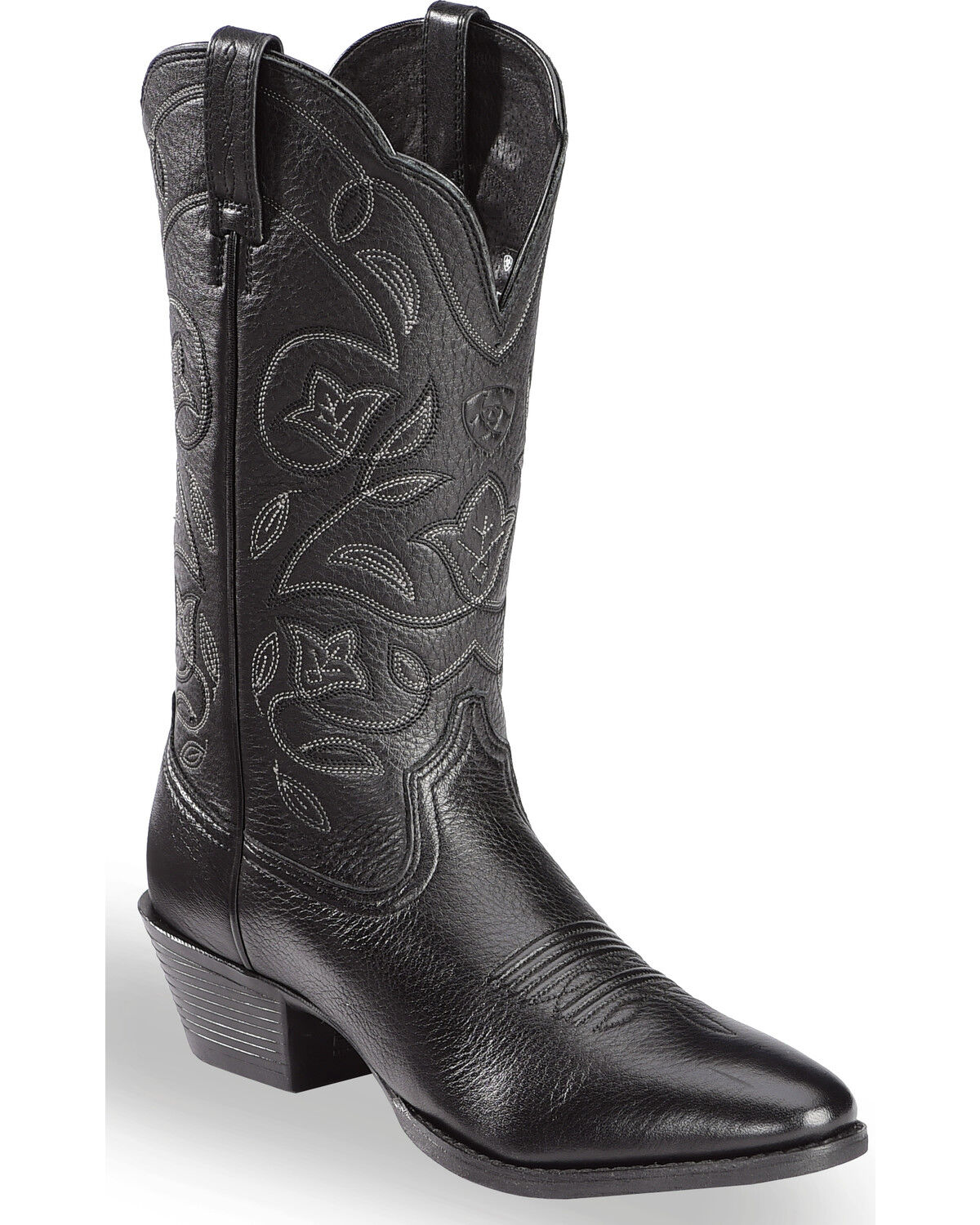
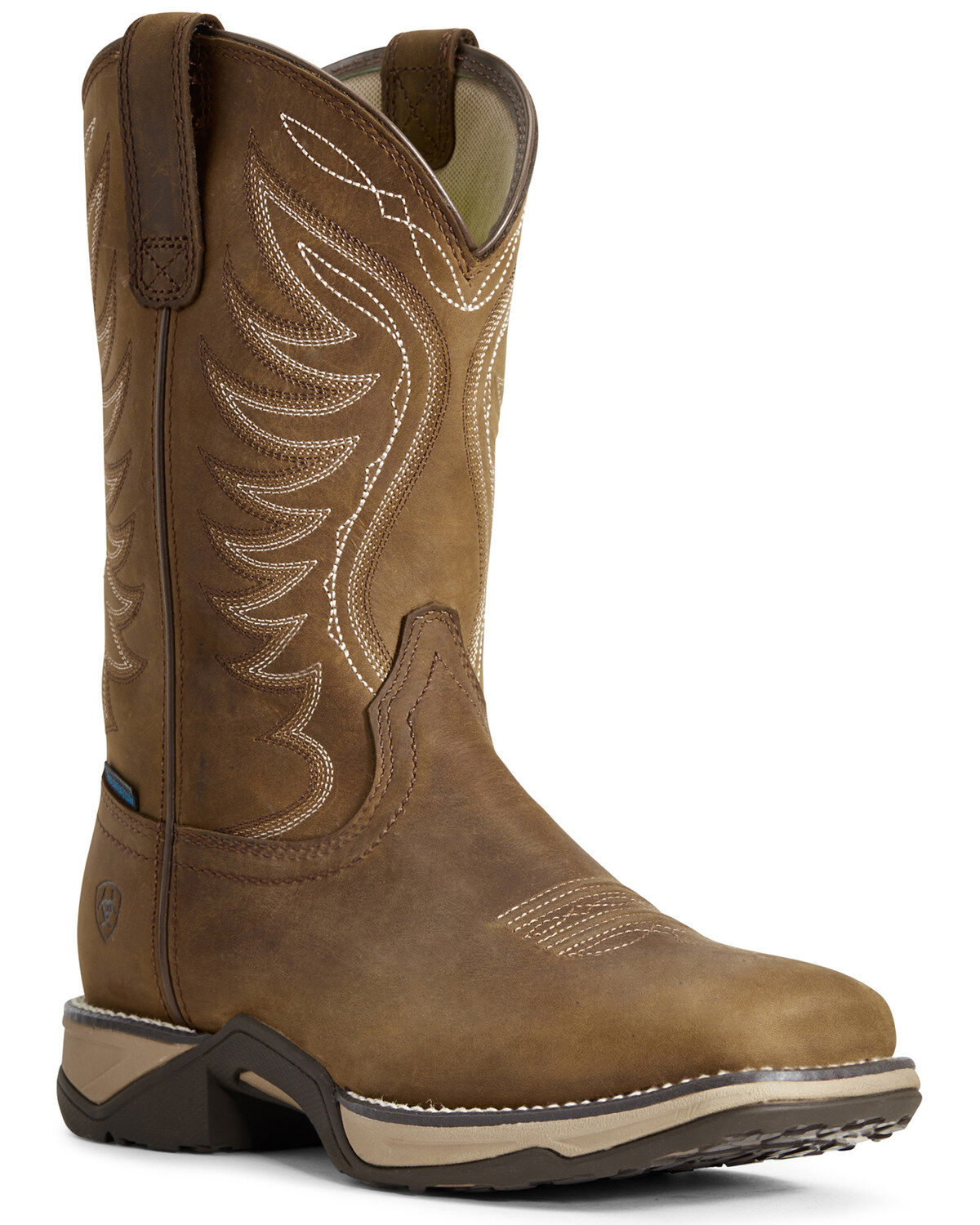
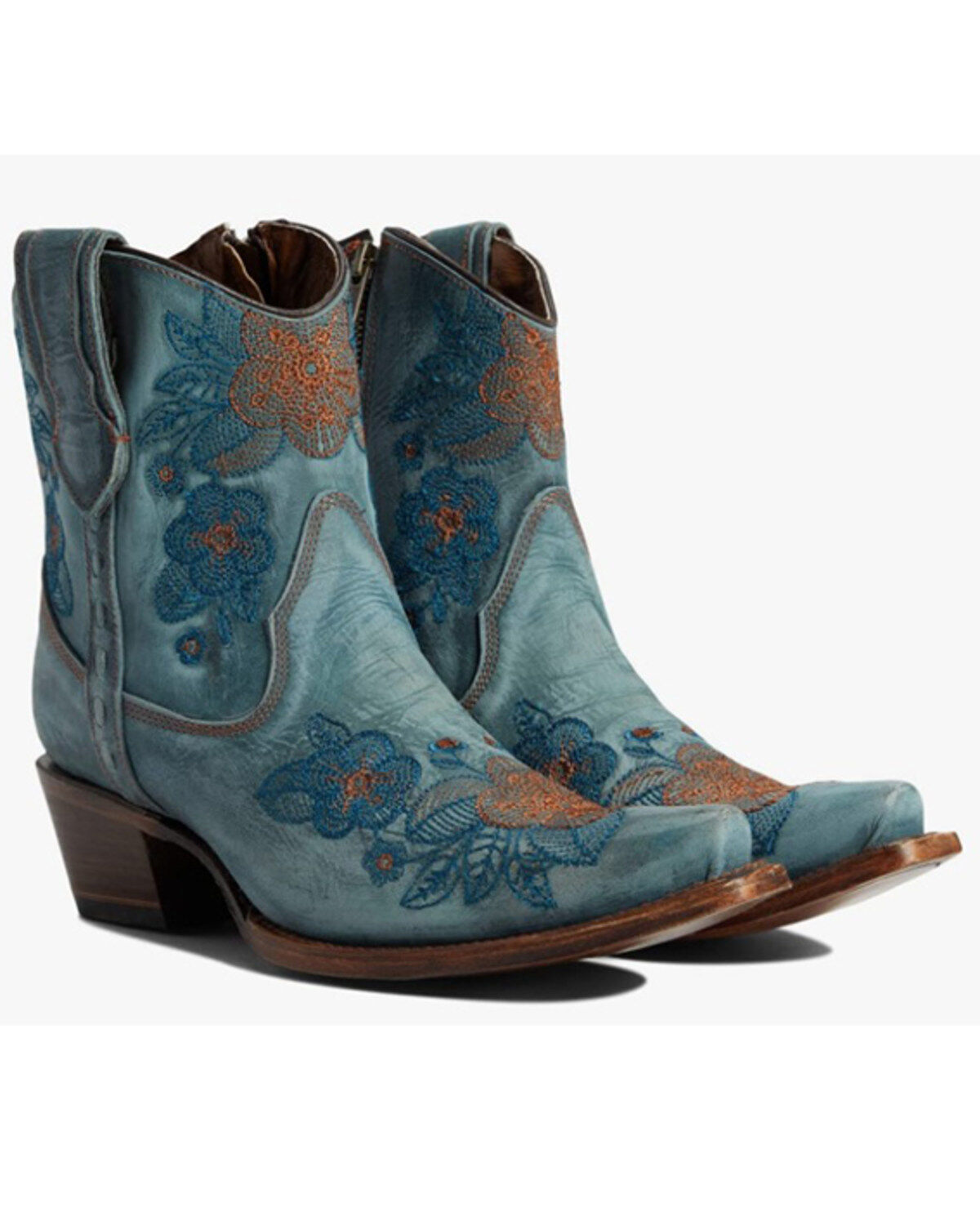
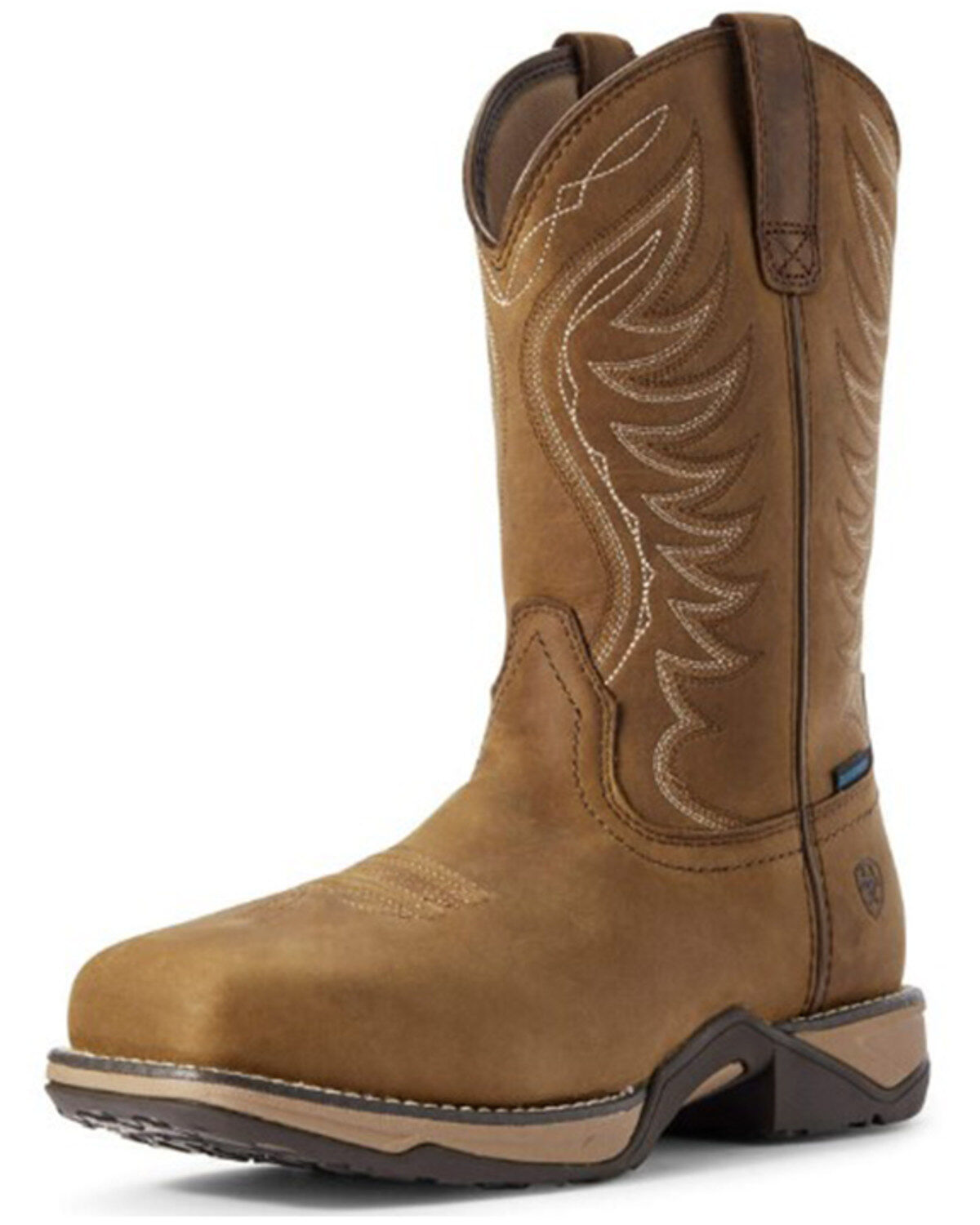
Women's size 6.5 boots are a U.S. half size between sizes 6 and 7. That number describes foot sizing, not the height of the boot shaft. Exact foot-length measurements and international size equivalents vary by manufacturer, so the size chart for the boot is more useful than a single conversion applied across every style. Within this size, western boots, ankle boots, riding styles, and work boots serve different purposes, from everyday wear to long hours on the job. A good fit depends on more than length. Width, instep height, toe shape, and heel construction all affect how a boot feels once it is on. In a well-fitting pair, the ball of the foot sits near the widest part of the boot, the toes have room without pressing against the front, and the instep feels secure rather than squeezed. Pull-on western boots can have a small amount of heel movement when new, while lace-up styles offer more adjustment through the instep and ankle. Leather may soften and give slightly with wear, but a boot that is too short will not gain the length needed for a comfortable fit. Sock thickness matters, too. A substantial work sock takes up more room than a thin everyday sock, and an added footbed can change the space available inside. For someone who stands at a counter, walks across a large property, or spends hours moving between tasks, these small differences can matter more than the appearance of the toe. Size 6.5 is a starting point; the right combination of shape, width, and support determines whether a boot feels settled on the foot. Comparing the fit with the socks normally worn helps distinguish a secure fit from one that only feels snug at first. A removable insole can also provide flexibility for wearers who use their own inserts, provided the boot has enough interior depth to accommodate them.

Materials and construction help determine how women's size 6.5 boots perform over time. Full-grain leather has a natural surface that develops character with wear, while other leather finishes offer different textures and care requirements. Smooth leather can usually be wiped clean and conditioned with a treatment suited to its finish. Suede has a soft, napped surface that needs a different approach, typically a suede brush and a cleaner intended for that material. Synthetic uppers have their own maintenance requirements and should be cared for according to the manufacturer's directions rather than treated like leather. Inside the boot, smooth linings, well-placed seams, and cushioning can make a difference during repeated movement. Underfoot, the outsole needs to match the setting. Leather soles are traditional on western boots and can feel different from rubber when walking across hard floors. Rubber outsoles vary widely, from low-profile designs to deeper tread intended for more demanding ground. A rugged appearance alone does not establish slip resistance or jobsite protection; those features depend on the boot's stated specifications and applicable ratings. Work settings may call for a safety toe or other protective construction, while everyday wear may place greater importance on flexibility, cushioning, and weight. Heel shape also changes how a boot wears. A lower, broader heel generally provides a different stance from a taller, angled western heel. For riding, heel and outsole choices should suit the activity and equipment rather than appearance alone. Durability comes from the whole build: the upper, stitching, sole attachment, heel, and care the boot receives. Some welted constructions allow resoling by a qualified repair shop, but not every boot is made to be rebuilt. Reinforced areas can help manage repeated wear, though even sturdy leather can suffer when it is left dirty or allowed to dry out. A dependable everyday pair balances the demands of its use with a fit that does not need constant adjustment.

Shape and shaft height give women's size 6.5 boots much of their character. A pointed or snip toe creates a narrower-looking profile, while round and square toes offer different outlines beneath jeans or alongside a skirt. The visible shape does not tell the whole fit story; interior room still depends on the design. Shorter shafts leave more of the leg visible and can work well with cropped denim, while taller shafts create a longer line and require closer attention to calf circumference. For a shorter profile, women's 6 1/2-inch shaft boots offer a separate way to narrow the selection by boot height rather than foot size. Shaft measurements and opening measurements describe different parts of the upper, and neither should be assumed from the shoe size alone. The relationship between the shaft and clothing matters in daily use: straight-leg jeans need enough room to fall over the boot without catching, while tucked-in pants take up space inside the shaft. A clean leather finish works with simple denim and a button-front shirt; stitched shafts and textured leather add detail without requiring much else. For someone receiving boots as a gift, a familiar size is helpful, but preferred width, usual sock thickness, and the kind of boots already worn provide a fuller picture. Someone accustomed to low ankle boots may want a different heel or opening than a regular wearer of tall western styles. Once in use, consistent care helps preserve both appearance and function. Loose dirt is easier to remove before it settles into seams, and leather benefits from suitable conditioning rather than heavy, repeated applications of an unsuitable product. Boots should dry naturally away from direct heat, with enough support to hold their shape in storage. Attention to worn heel edges, loose stitching, and thinning soles can also make repairs possible before damage spreads. With the right fit and construction, size 6.5 boots can become a reliable part of everyday dressing.

FAQs