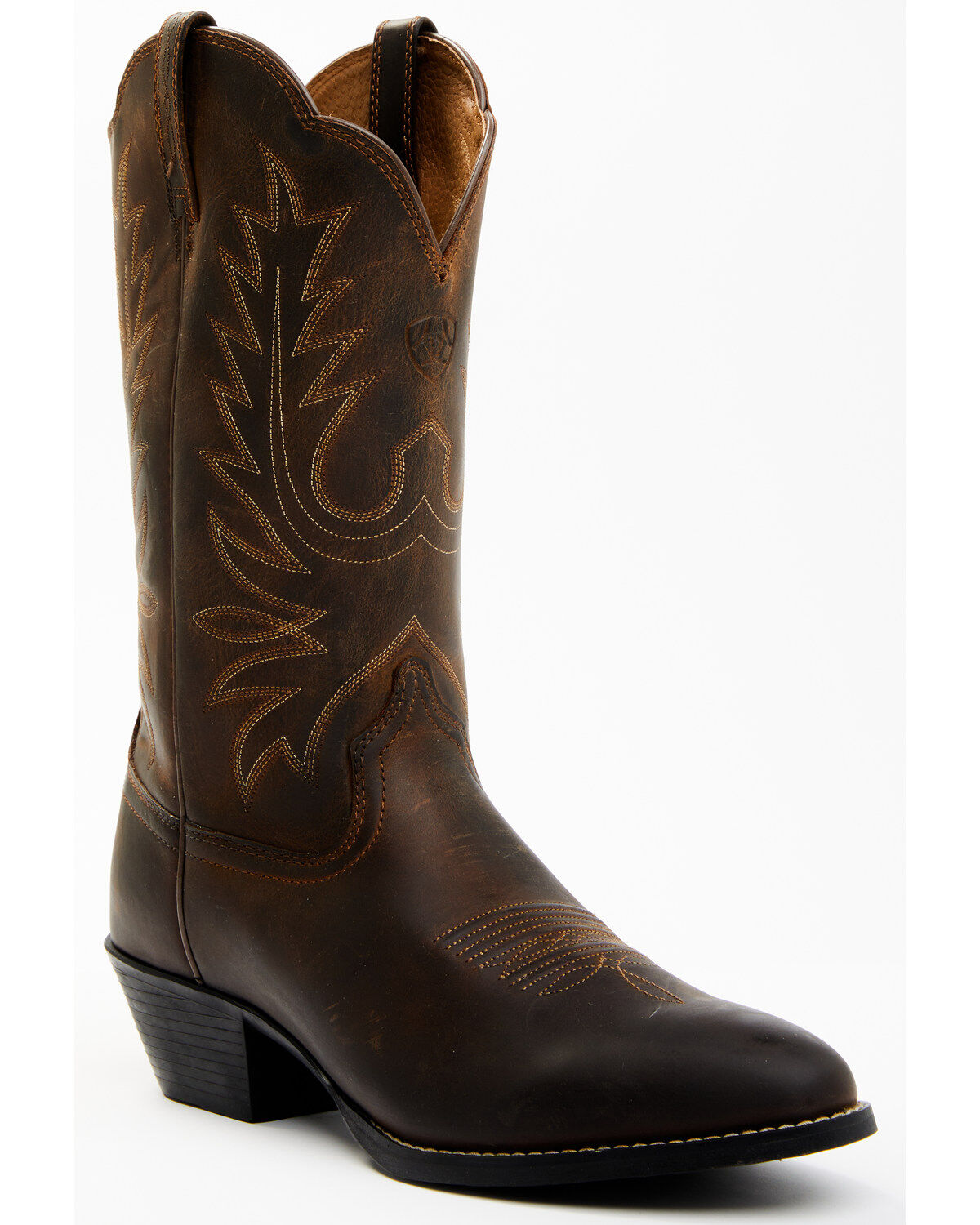
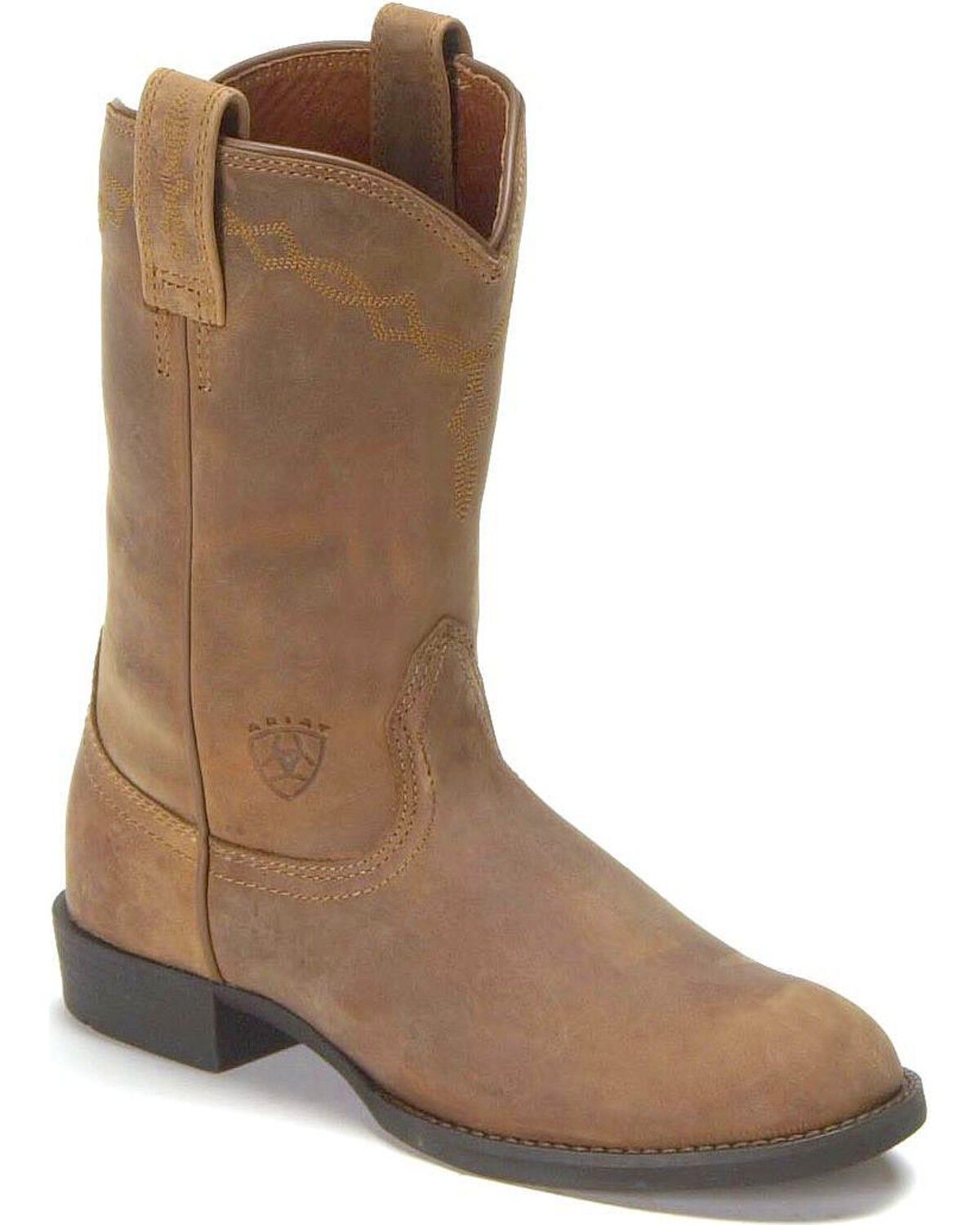
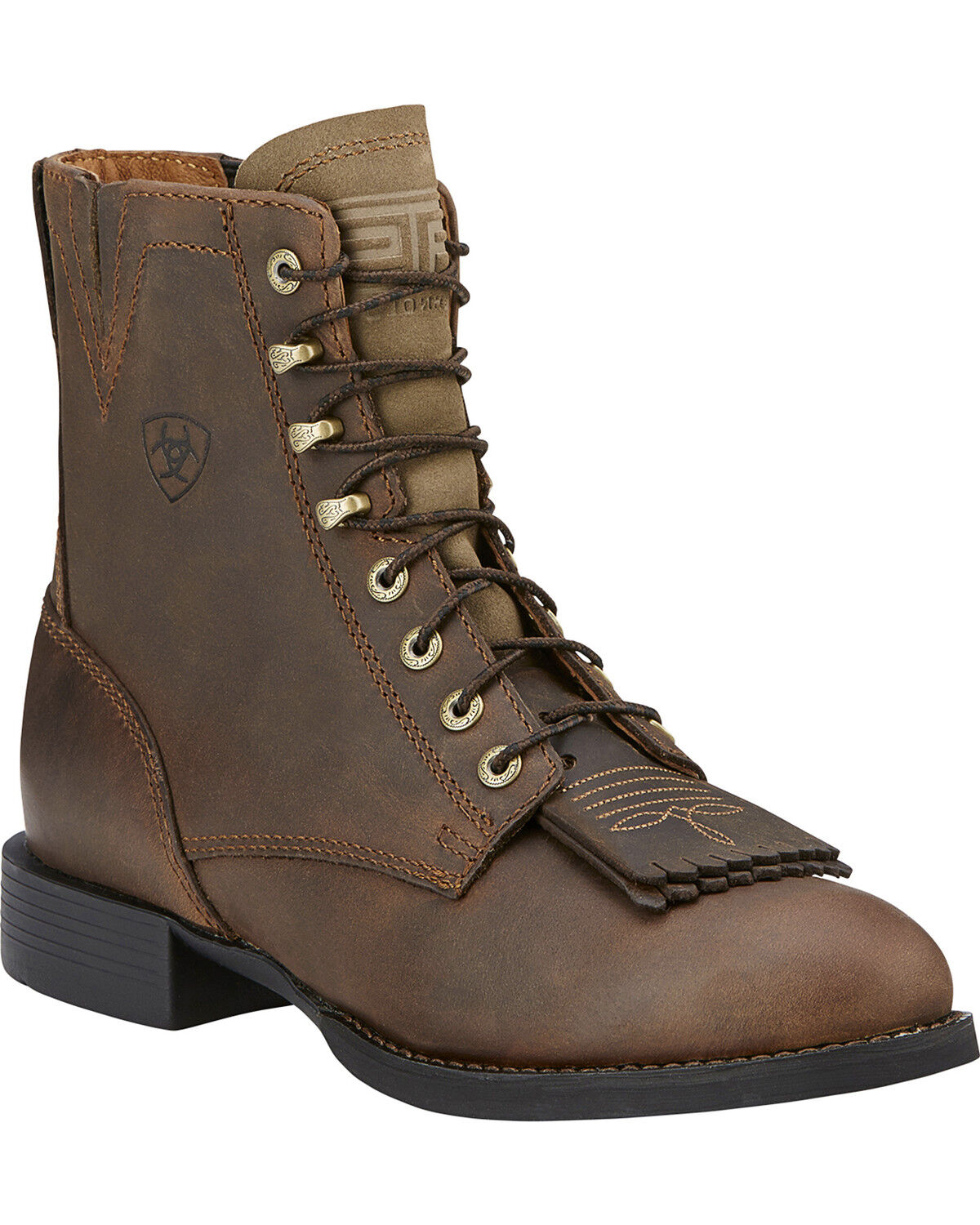
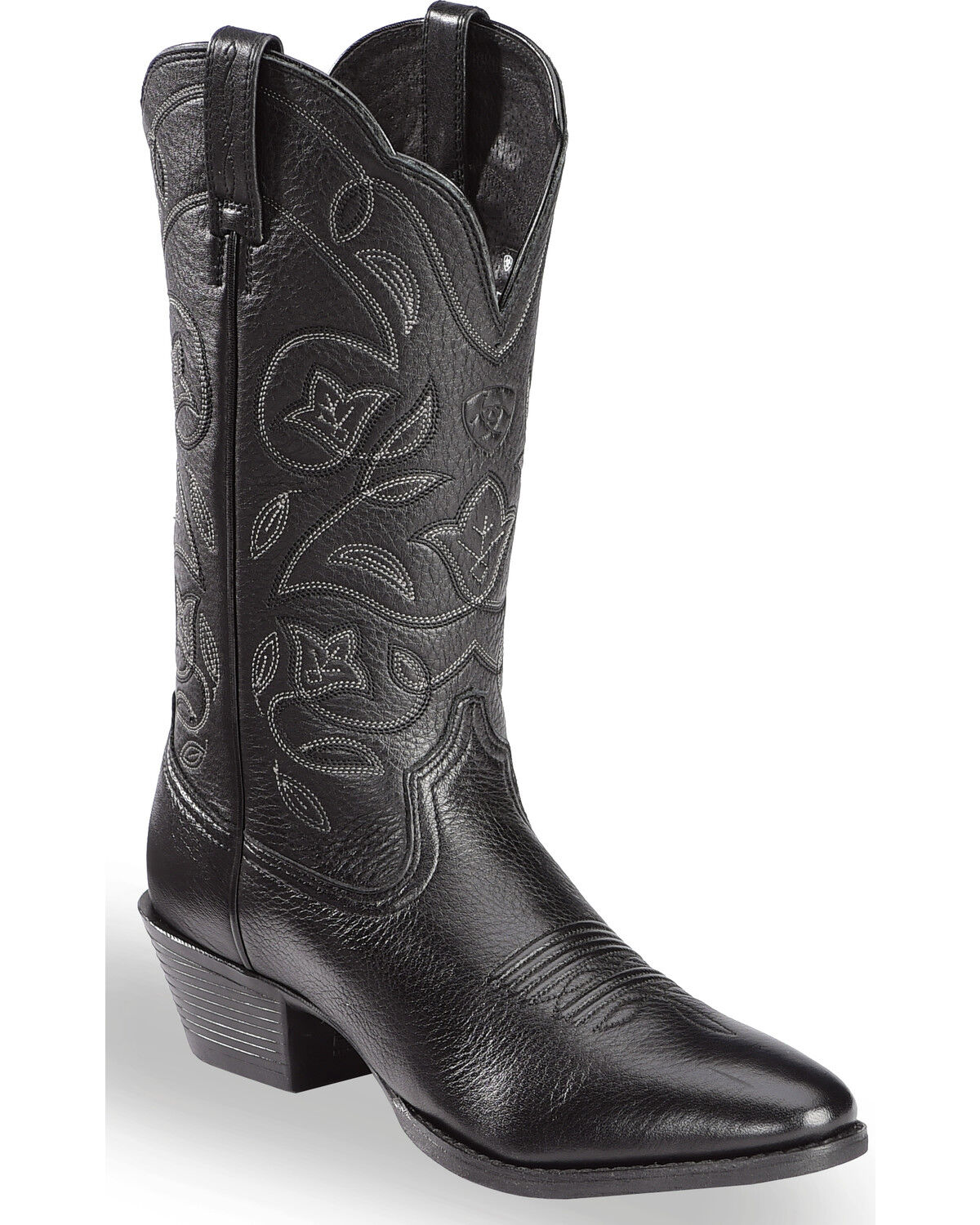
Wide Calf Cowboy Boots

Find wide calf cowboy boots with more room around the lower leg and a classic western look. As you browse, compare shaft height and calf circumference where listed to find a fit that works for you. Check each style’s sizing guidance, since fit can vary by brand.

Shop Your Store: Shop Your Store: Find a Store

(Turn off Shop Your Store to see all items)

(Turn off Shop Your Store to see all items)

close
  • Recommended
  • Lowest Price
  • Highest Price
Skip pass products
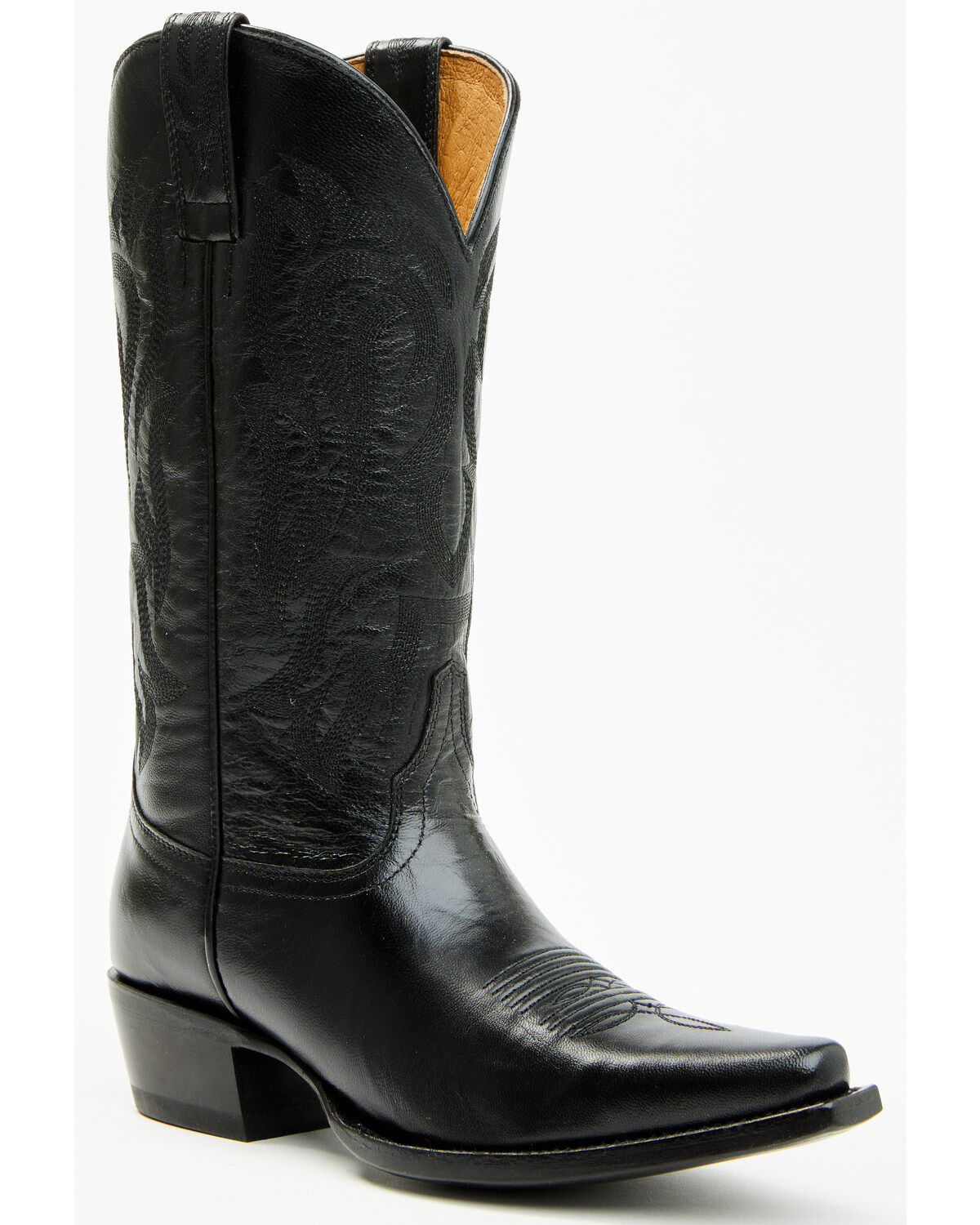
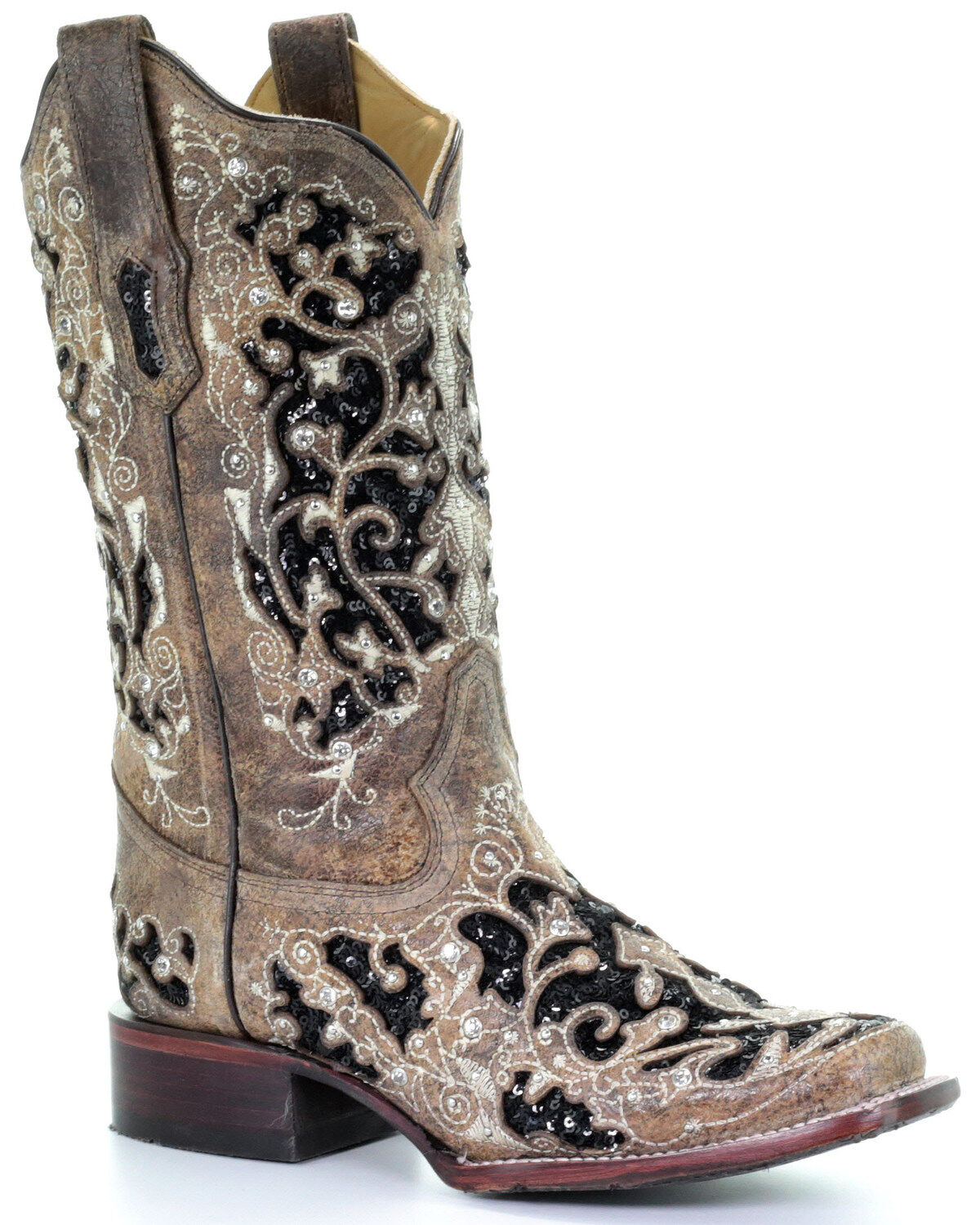
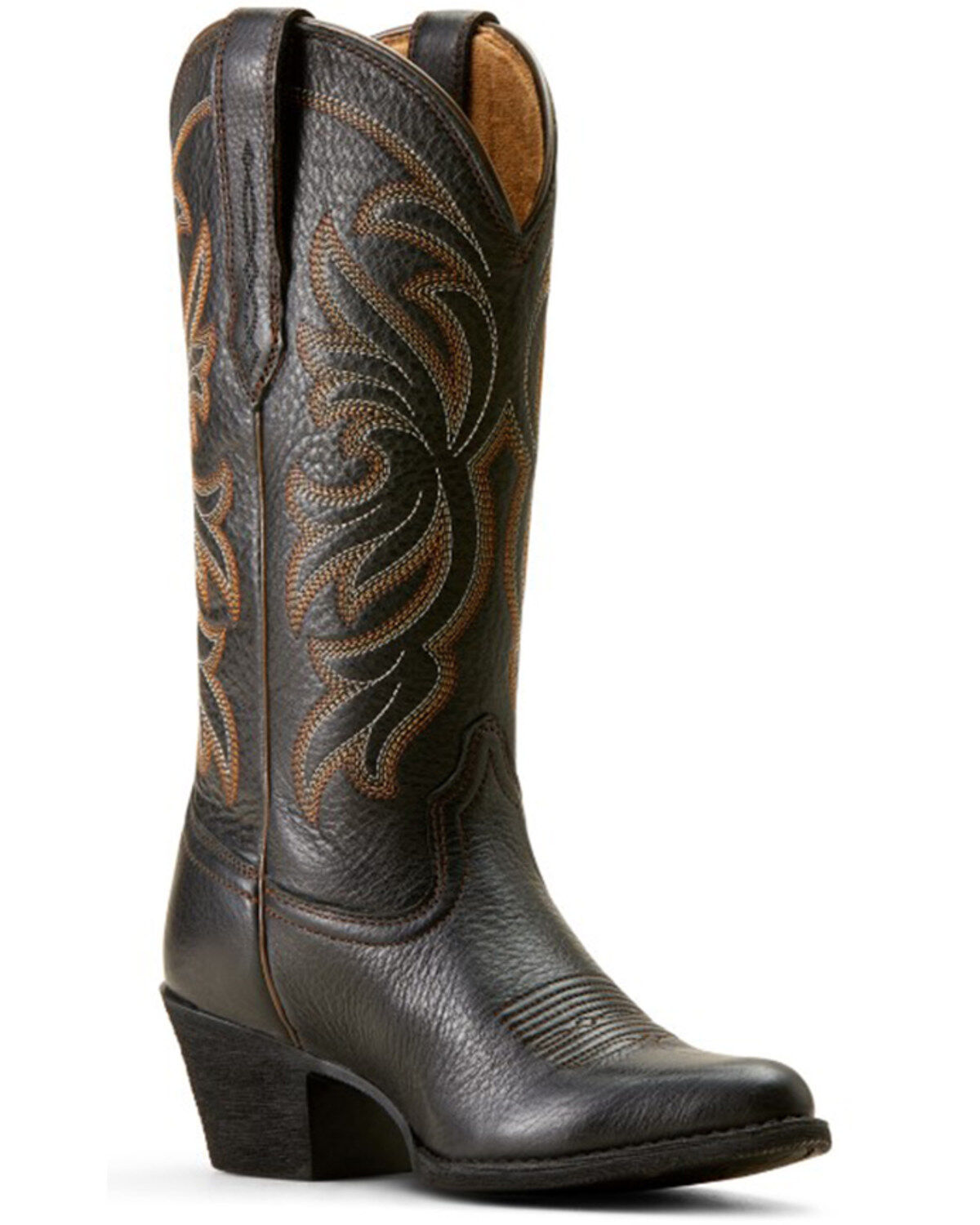
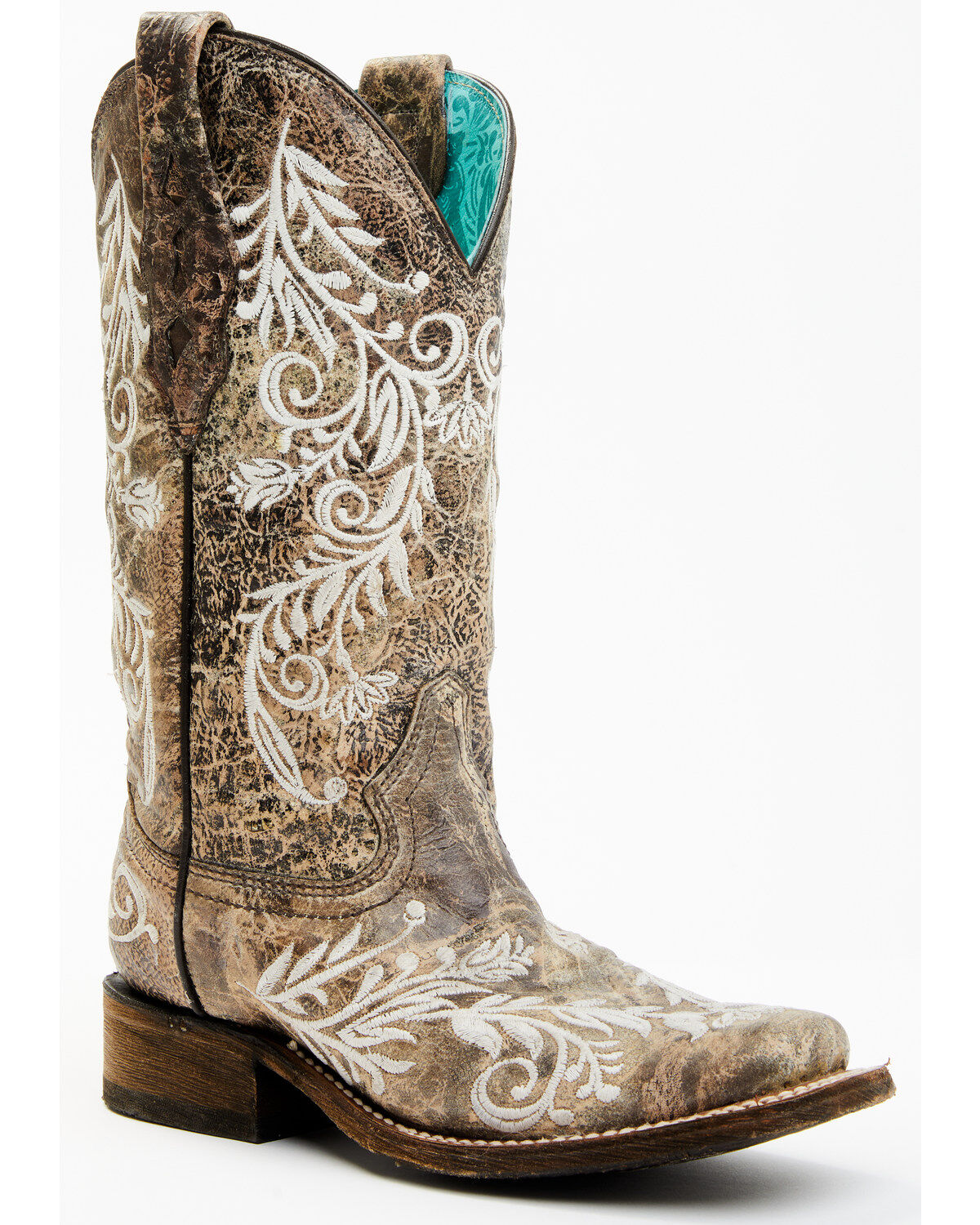
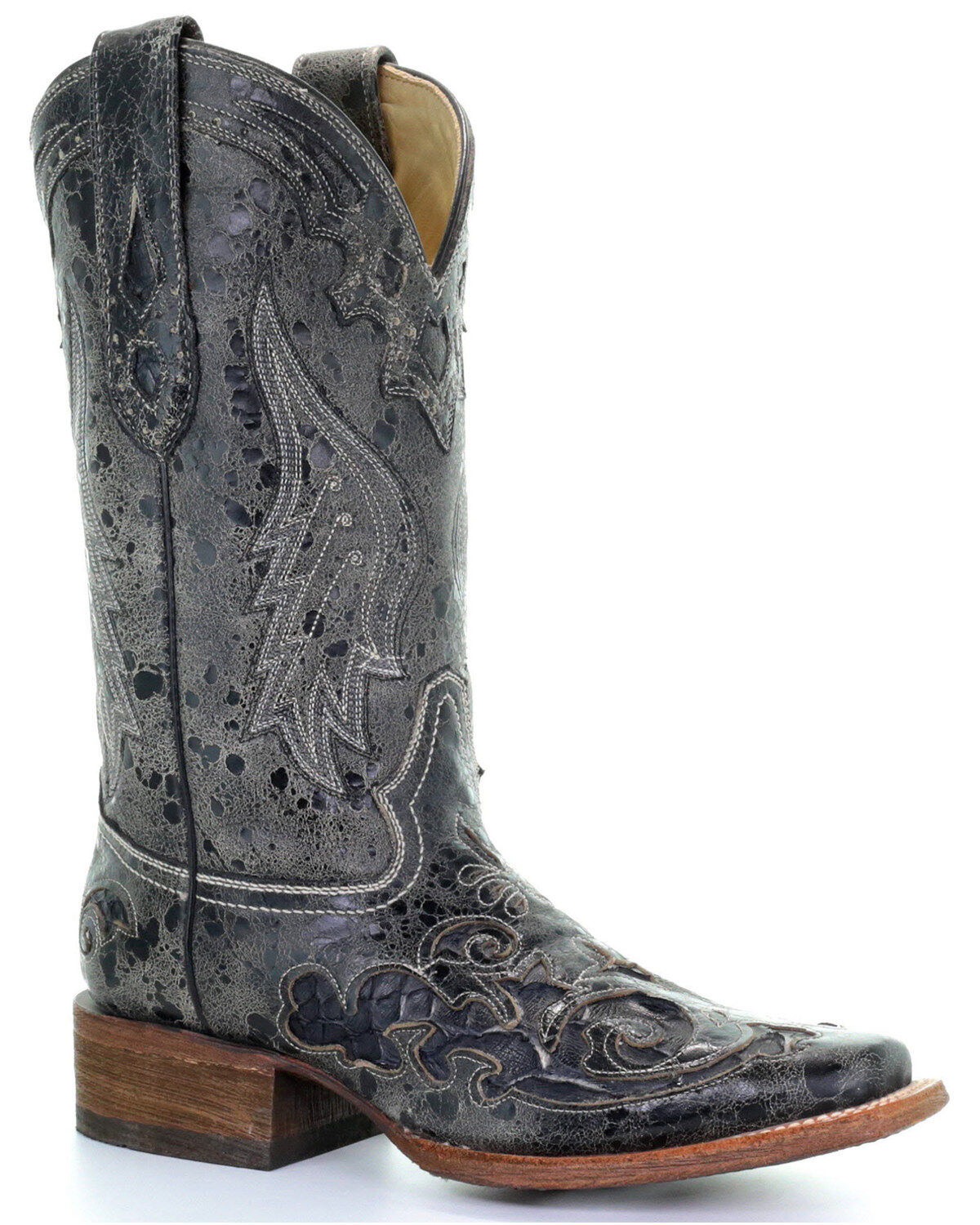
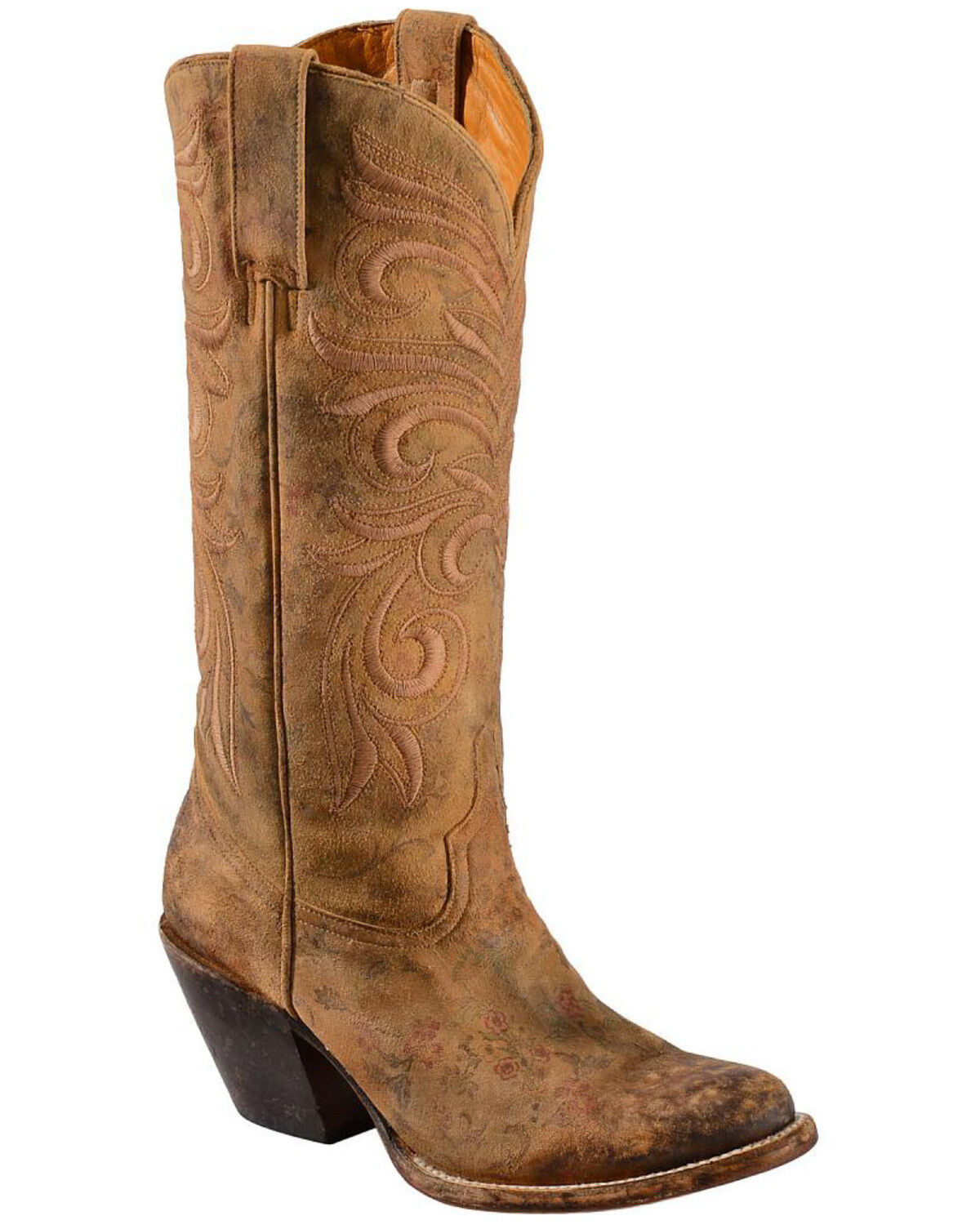
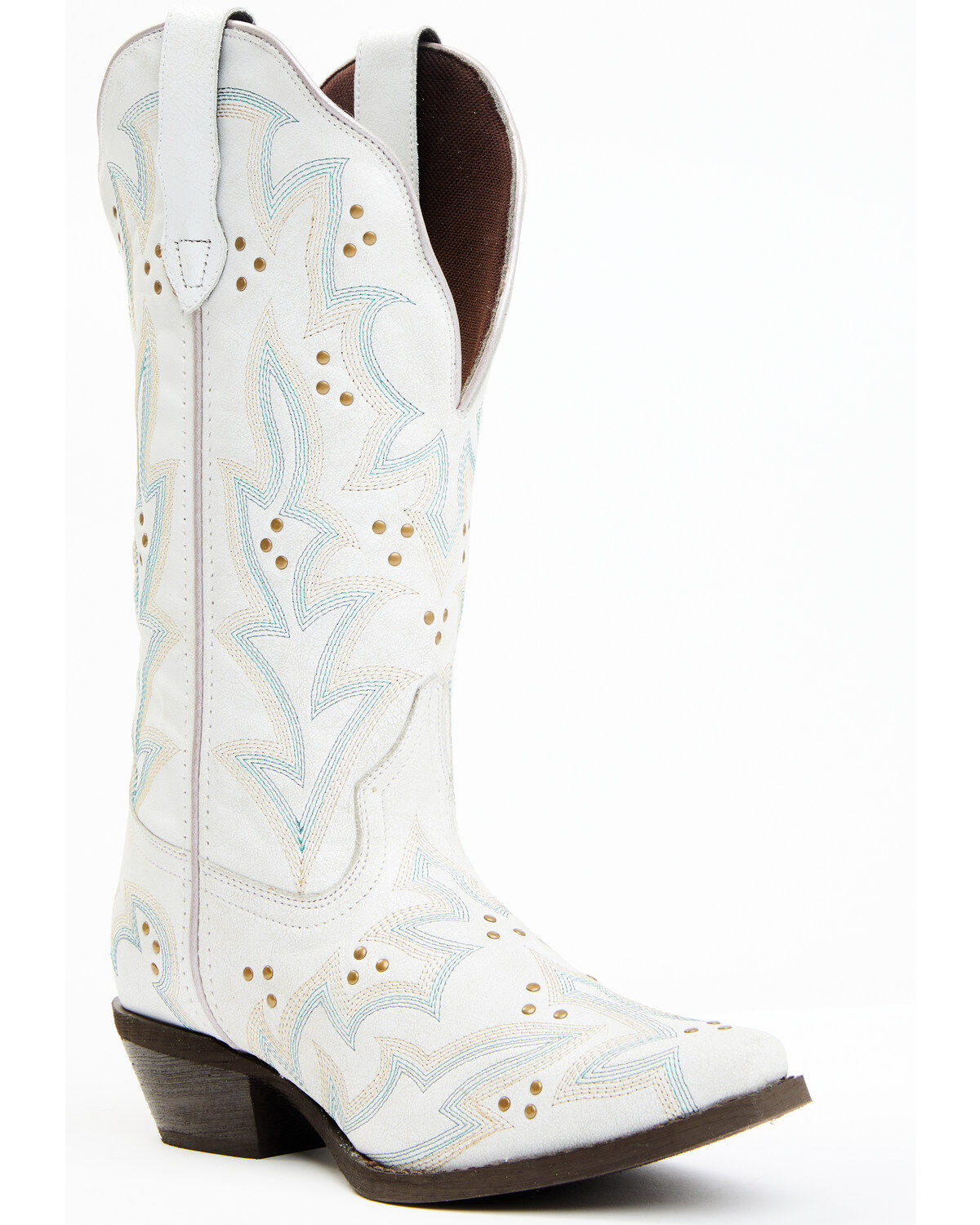
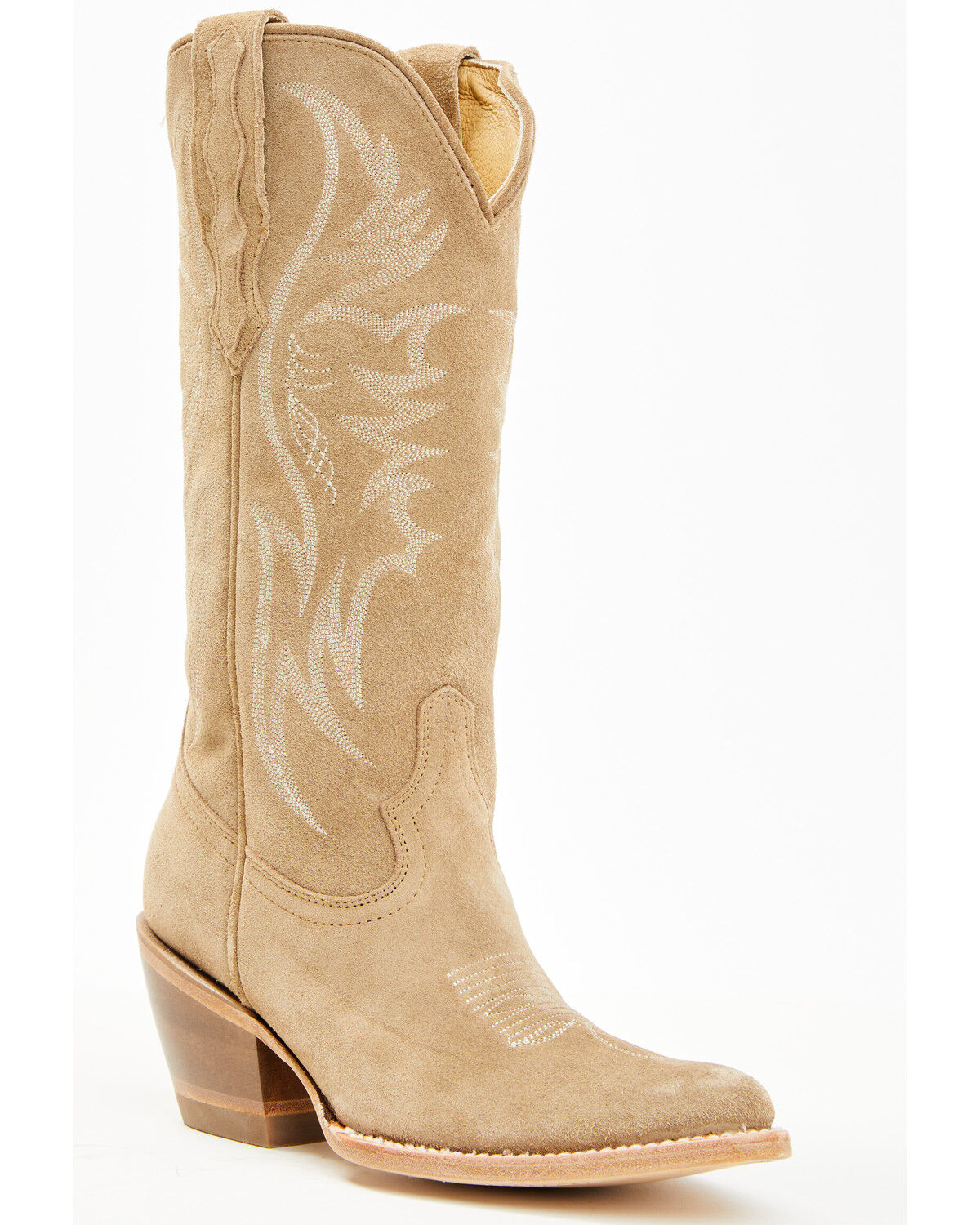
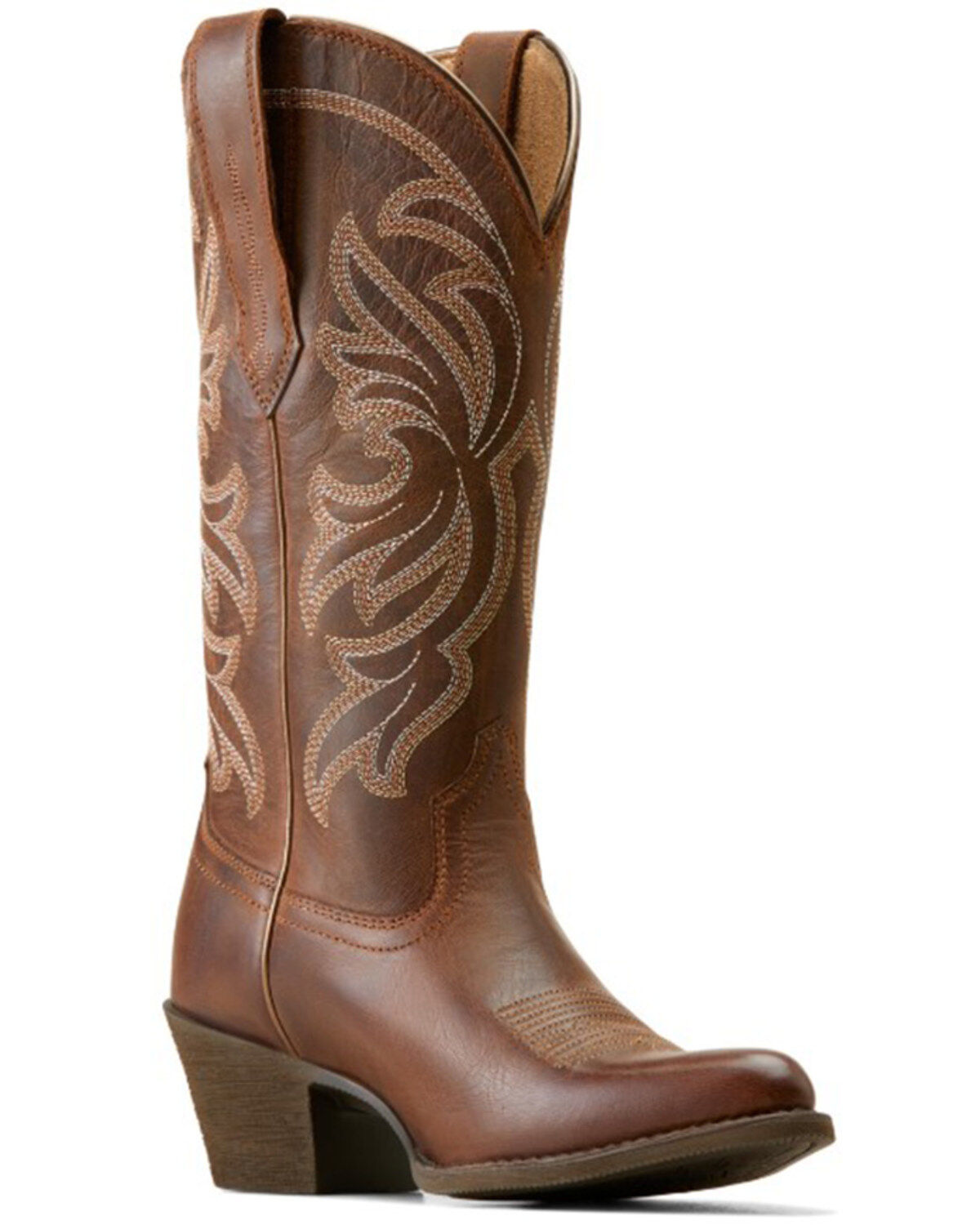
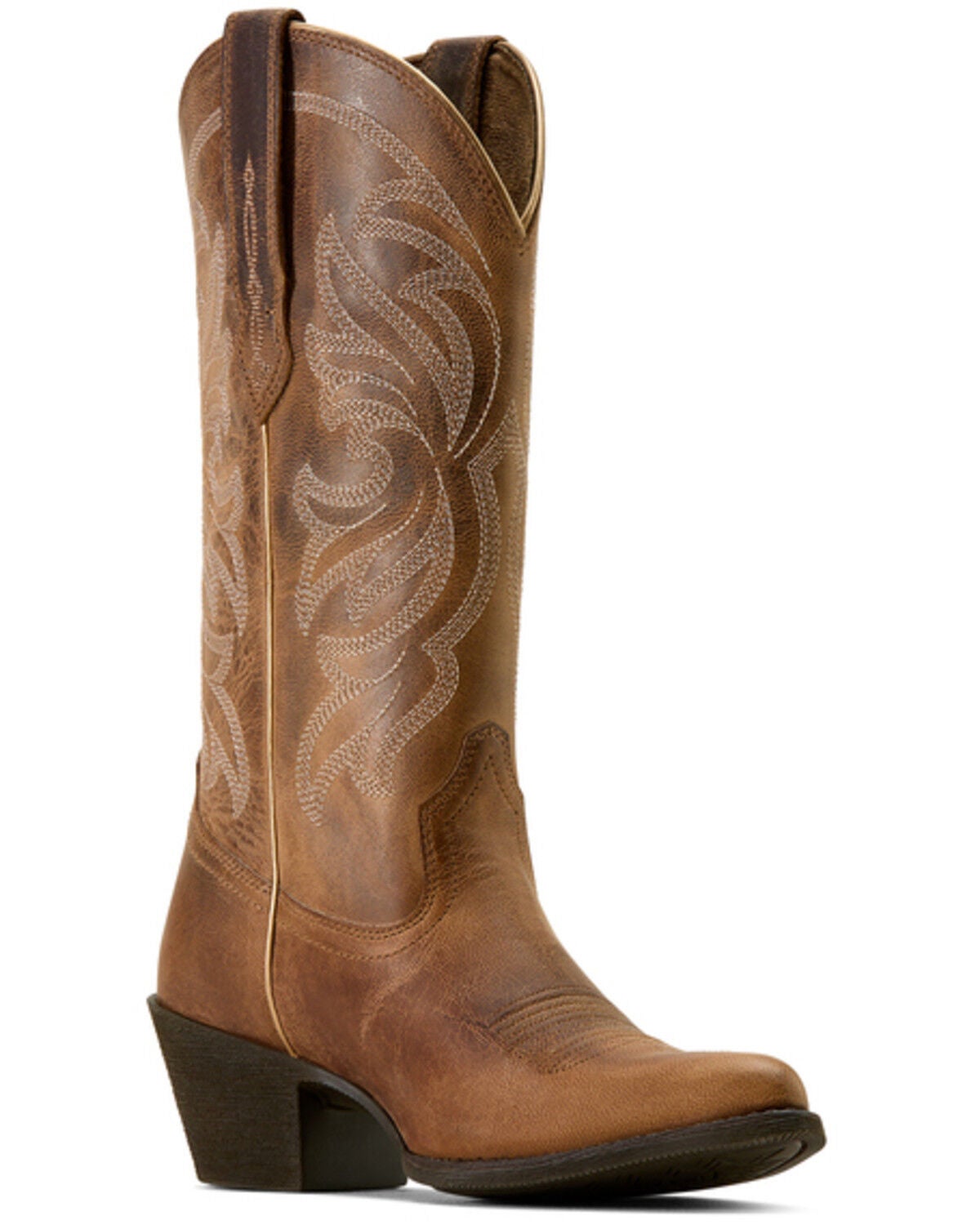
  • Women's Shyanne Gemma Western Boots - Snip Toe
    Original Price $209.99 $159.99
    24% Total Savings
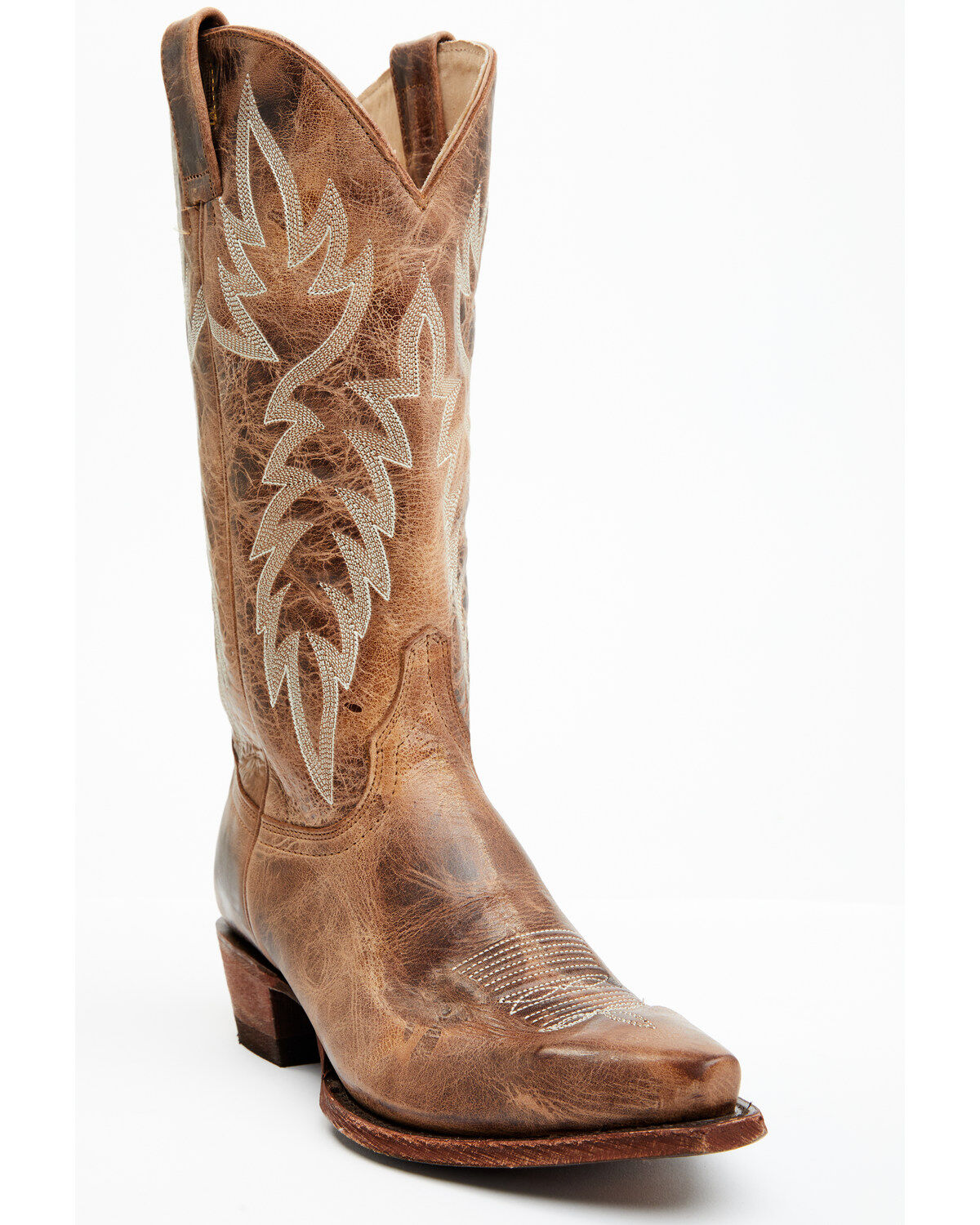
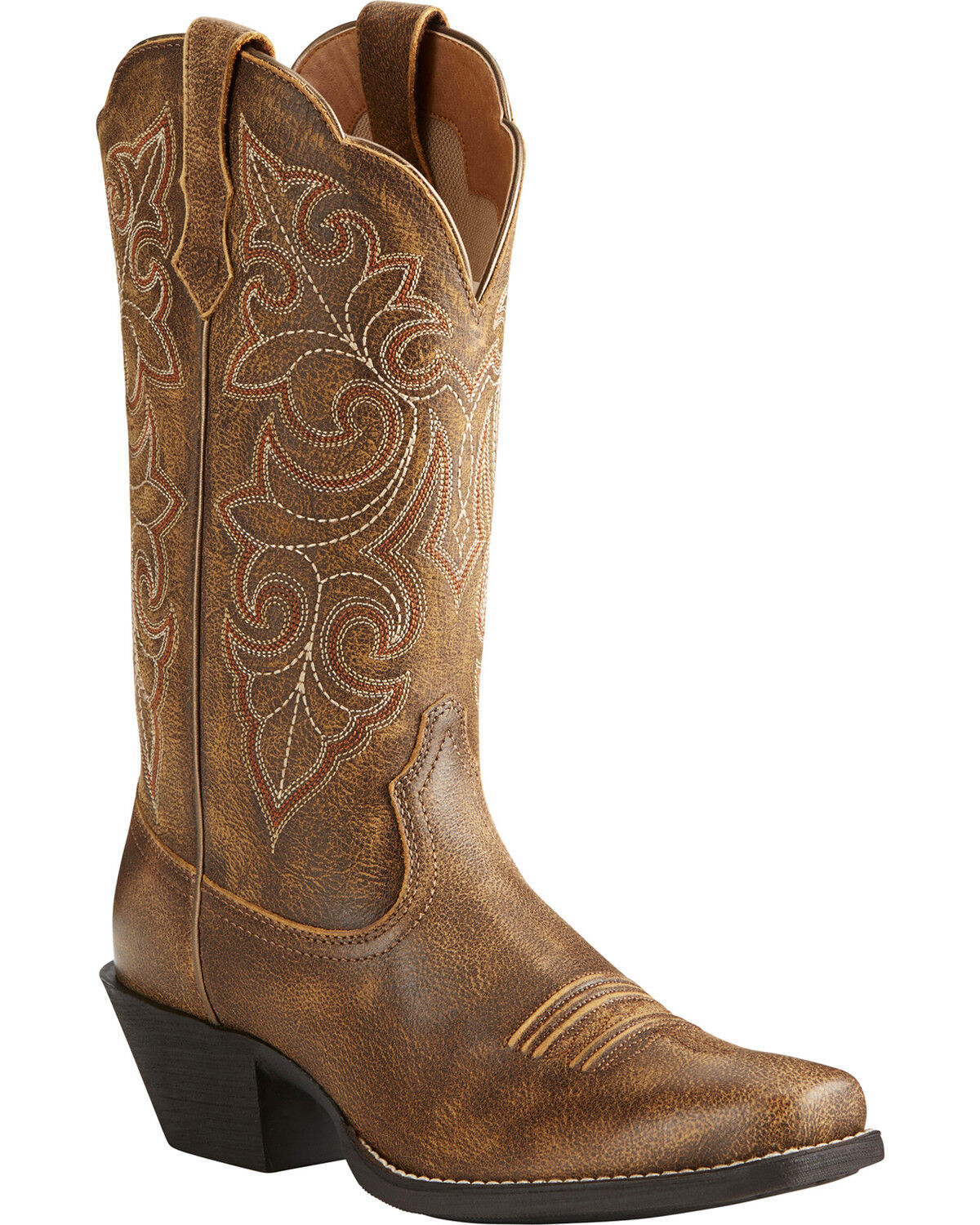
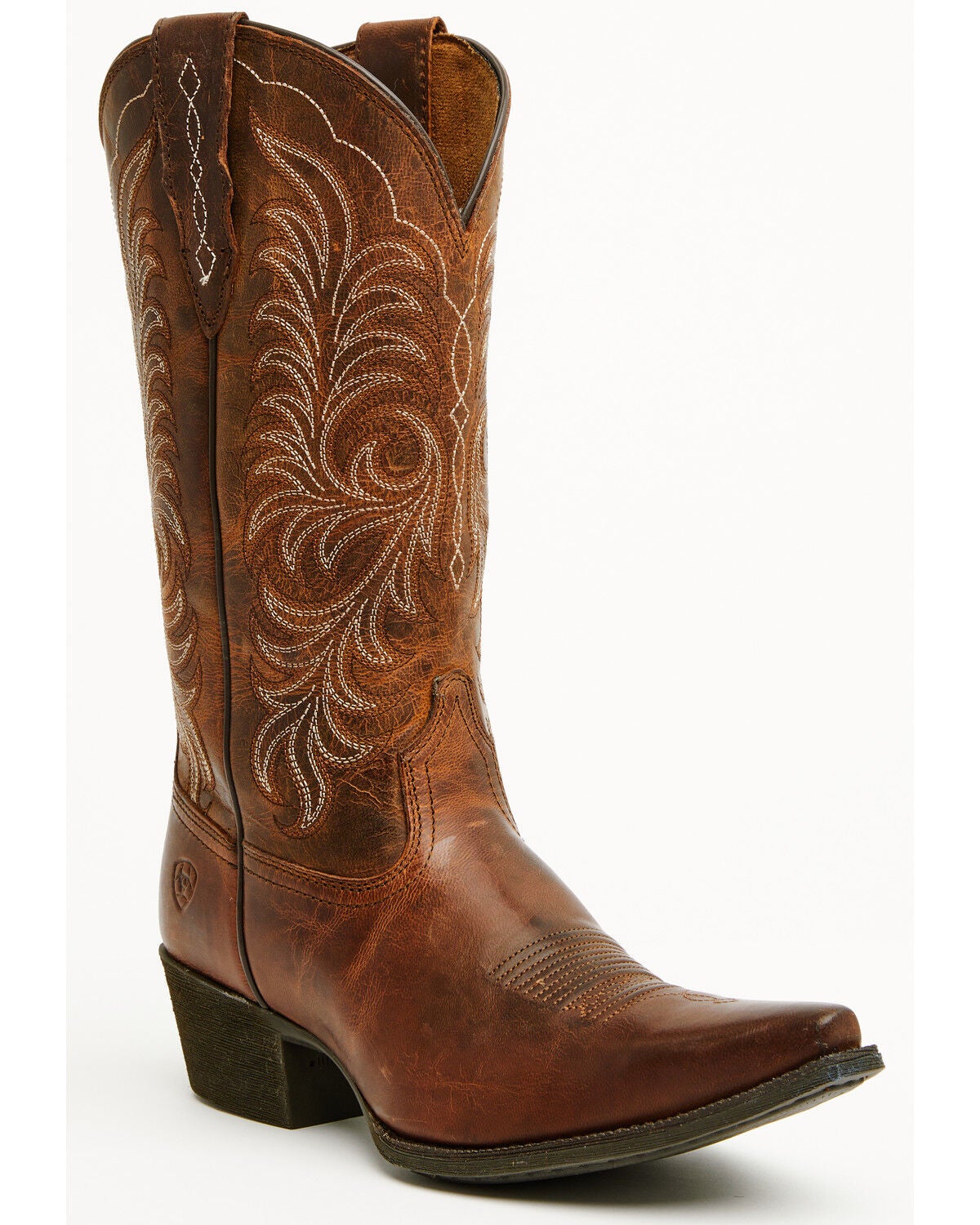
  • Women's Laredo Adrian Wide Calf Western Boots - Snip Toe
    Original Price $169.99 $119.97
    29% Total Savings
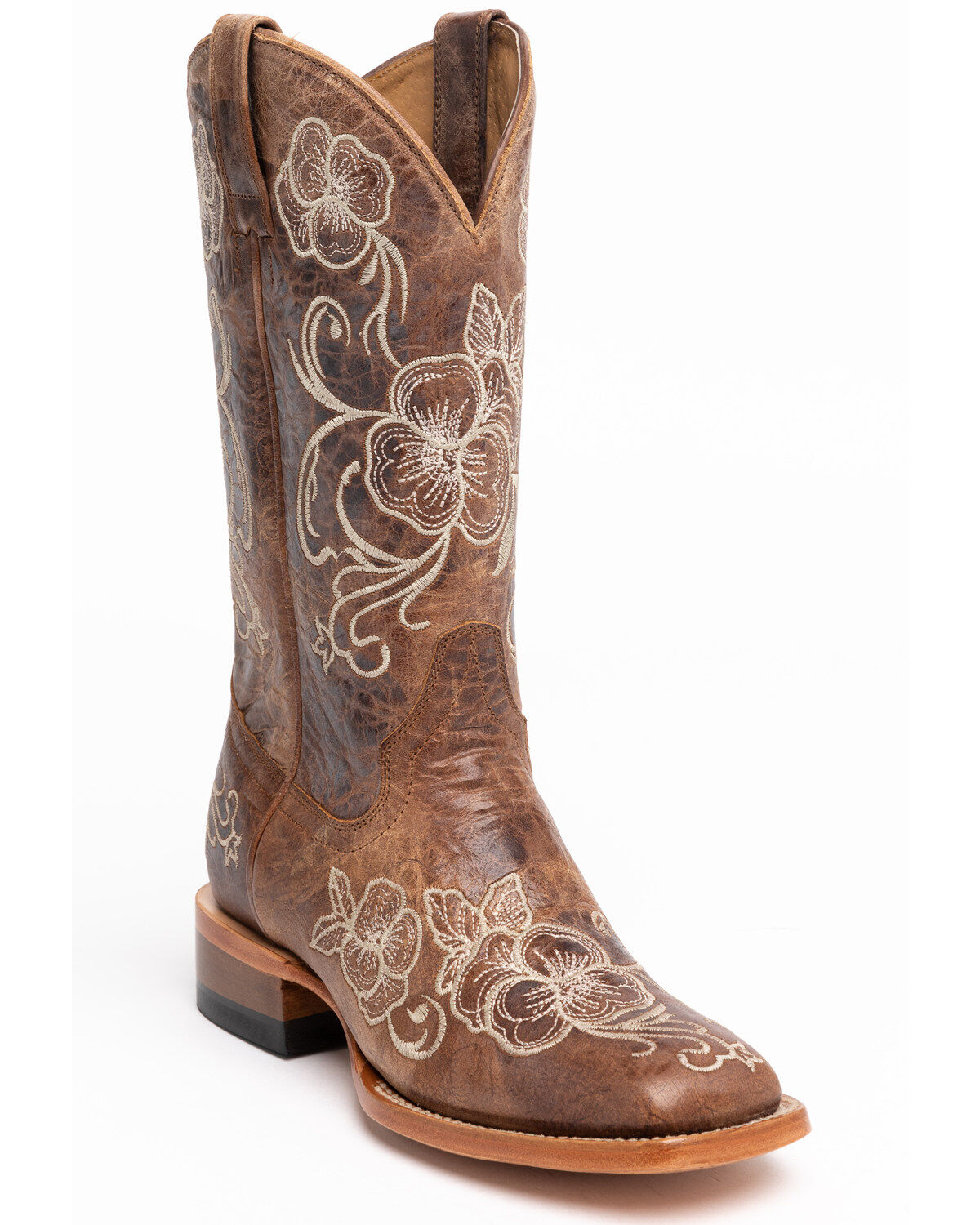
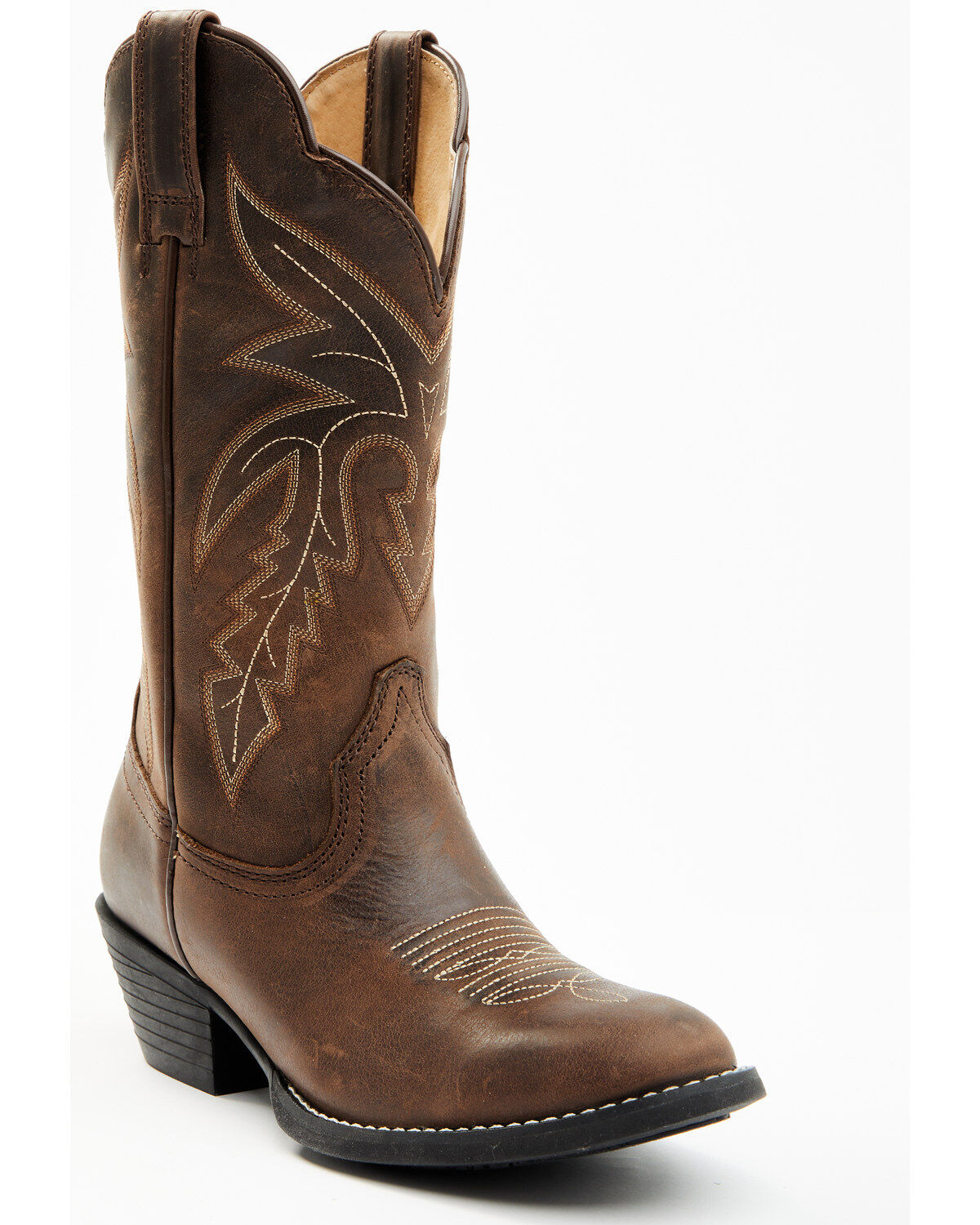
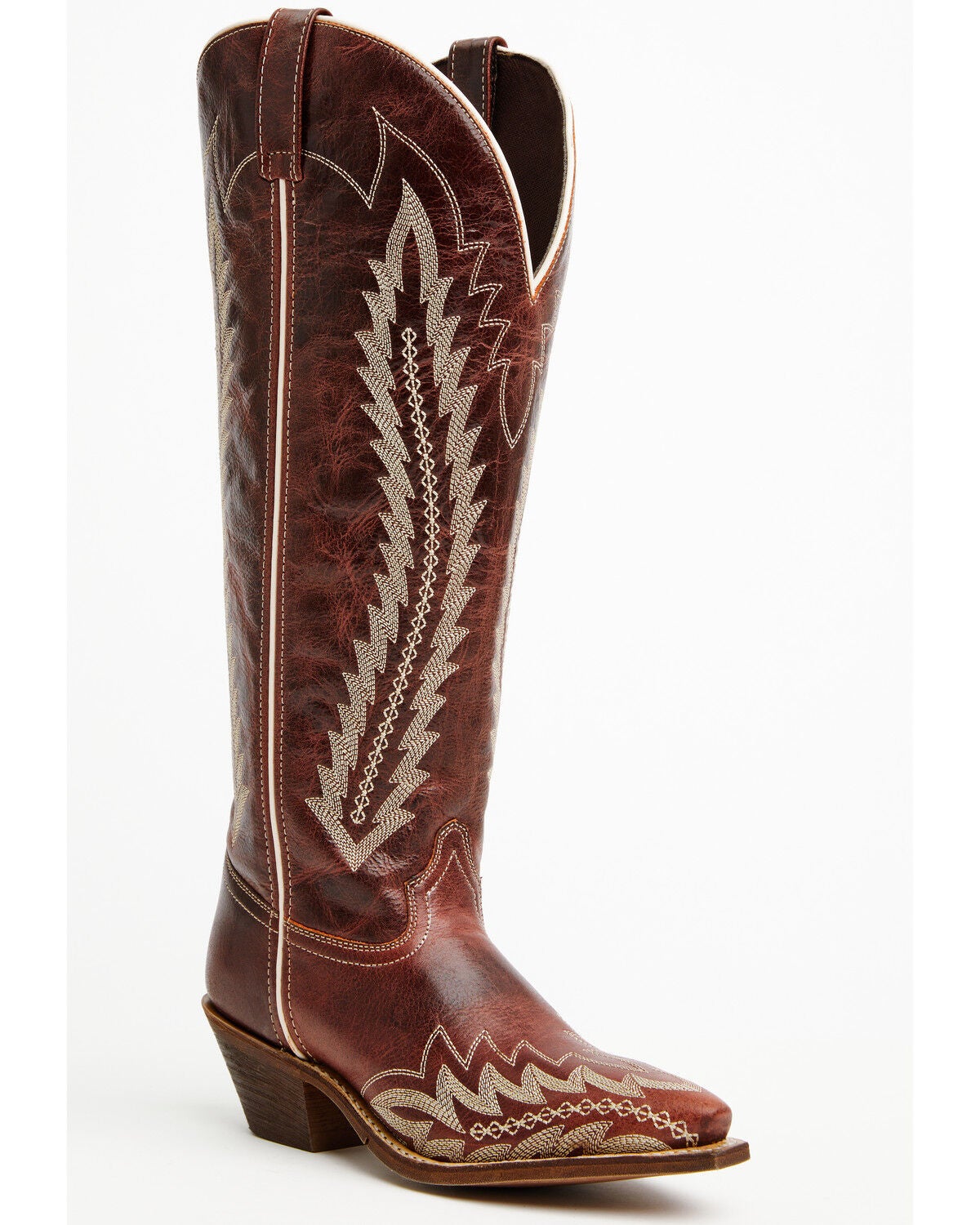
  • Women's Idyllwind Charmed Life Western Boots - Round Toe
    Original Price $199.50 $149.50
    25% Total Savings

End of products

Wide Calf Cowboy Boots

Wide calf cowboy boots are western boots with extra room around the calf, giving the lower leg more space without necessarily changing the fit through the foot. The difference is in the shaft: the part of the boot that rises above the ankle. A wider shaft opening can help prevent pinching, make it easier to tuck in jeans, and provide a comfortable fit for fuller or muscular calves. Some designs create that space through a broader cut, while others use stretch panels, elastic inserts, or adjustable details. These features vary, and a wide-calf label does not represent one standard measurement. Shaft circumference, shaft height, and foot width all matter when comparing fit. A tall boot reaches a different part of the leg than a shorter boot, so the same opening measurement can feel different between the two. Calf measurements are most useful when considered alongside the height of the shaft and the sizing information for that design. Both legs should have enough room, especially if one calf measures larger than the other. The boot should feel comfortable while standing, walking, and sitting, without a top edge that presses sharply into the leg. If jeans will be tucked inside, their fabric takes up space and should be part of the fit check. Extra calf room does not automatically mean a wider footbed. Someone with a wider foot may need both a wide foot width and a wider shaft, while someone with a narrow foot and fuller calves may need only the additional shaft space. Through the foot, a cowboy boot should feel secure at the instep without squeezing the toes. A little heel movement can be normal in a new pull-on boot, but excessive slipping or forward sliding can signal a poor fit. Leather may soften with wear, but a painful fit is not something to count on breaking in.

Materials and construction shape how wide calf western boots feel, wear, and look. Smooth leather offers a traditional finish and can develop character with regular use. Full-grain leather retains the natural grain surface and, with appropriate care, can stand up well to repeated wear. Suede has a softer, textured appearance but needs care suited to its finish. Synthetic materials have different cleaning requirements and may not soften or stretch like leather. Regardless of the upper material, the shaft should have enough room from the start; stretching is not a reliable substitute for the correct size. Stretch panels can provide useful flexibility when walking or sitting, although they do not make every shaft suitable for every calf measurement. Interior seams, lining, and the placement of pull tabs also affect comfort, particularly where the boot rests against the leg. Underfoot, cushioning, sole flexibility, and heel shape influence how a boot feels over a full day. A lower heel and a stable base may suit frequent walking, while a taller heel changes posture and the feel of each step. Round, square, and snip toes give cowboy boots distinct profiles, but toe shape alone does not determine whether the foot has enough room. The fit through the ball of the foot and instep remains important. For women who need more space through the lower leg, women's wide shaft cowboy boots combine a roomier shaft with familiar western shapes. Taller shafts can stand out with skirts and dresses, while shorter shafts offer a different proportion with jeans. Bootcut and straight-leg pants can fall over the shaft when there is sufficient room through the hem. Tucked-in jeans create a more visible boot profile but should not bunch tightly inside. Stitching, leather texture, toe shape, and heel height can make a pair feel understated or more dressed up without changing its basic purpose. The right combination depends on how the boots will be worn, from regular errands and gatherings to dancing or time around horses.

Durability depends on more than the thickness of the leather. Strong stitching, secure sole attachment, sound heel construction, and care suited to the materials all contribute to how well cowboy boots hold up. Some construction methods allow worn soles or heels to be replaced, while others do not, making repairability worth considering for boots intended for frequent use. Outsole material matters, too. Leather and rubber soles feel different underfoot and can behave differently on smooth floors, gravel, and other surfaces. A western appearance does not establish that a boot is suitable for every job. Work that requires safety toes, electrical hazard protection, or other protective features calls for footwear specifically designed and rated for those needs. Riding also calls for a heel and sole appropriate to the activity and equipment. For everyday wear, comfort and a secure fit remain central, especially when the day includes long stretches of standing. Socks and added insoles can change the space inside the foot of the boot, so they belong in the fit decision rather than being treated as an afterthought. Routine care helps preserve both the appearance and condition of the materials. Loose dirt can usually be removed with a soft brush or cloth, while leather cleaners and conditioners should match the finish and the maker’s recommendations. Suede generally needs a suede brush and suitable cleaning products rather than standard leather conditioner. Testing a care product in a discreet area helps avoid an unwanted change in color. Boots that become damp should dry naturally away from direct heat, and shaft supports can help maintain their shape during storage. Pulling boots on by their tabs and removing them without crushing the heel also reduces unnecessary strain. As a gift, wide calf cowboy boots are most successful when the recipient’s foot size, calf measurement, preferred shaft height, and intended use are known. That attention to fit gives a distinctive pair of boots a practical place in a regular wardrobe.

FAQs