Wide Calf Wide Width Boots

Find wide calf wide width boots with more room across the foot and around the calf. Compare foot width and calf circumference separately when browsing styles, and check available measurements and size guidance to help find the right fit.

Shop Your Store: Shop Your Store: Find a Store

(Turn off Shop Your Store to see all items)

(Turn off Shop Your Store to see all items)

close
  • Recommended
  • Lowest Price
  • Highest Price
Skip pass products
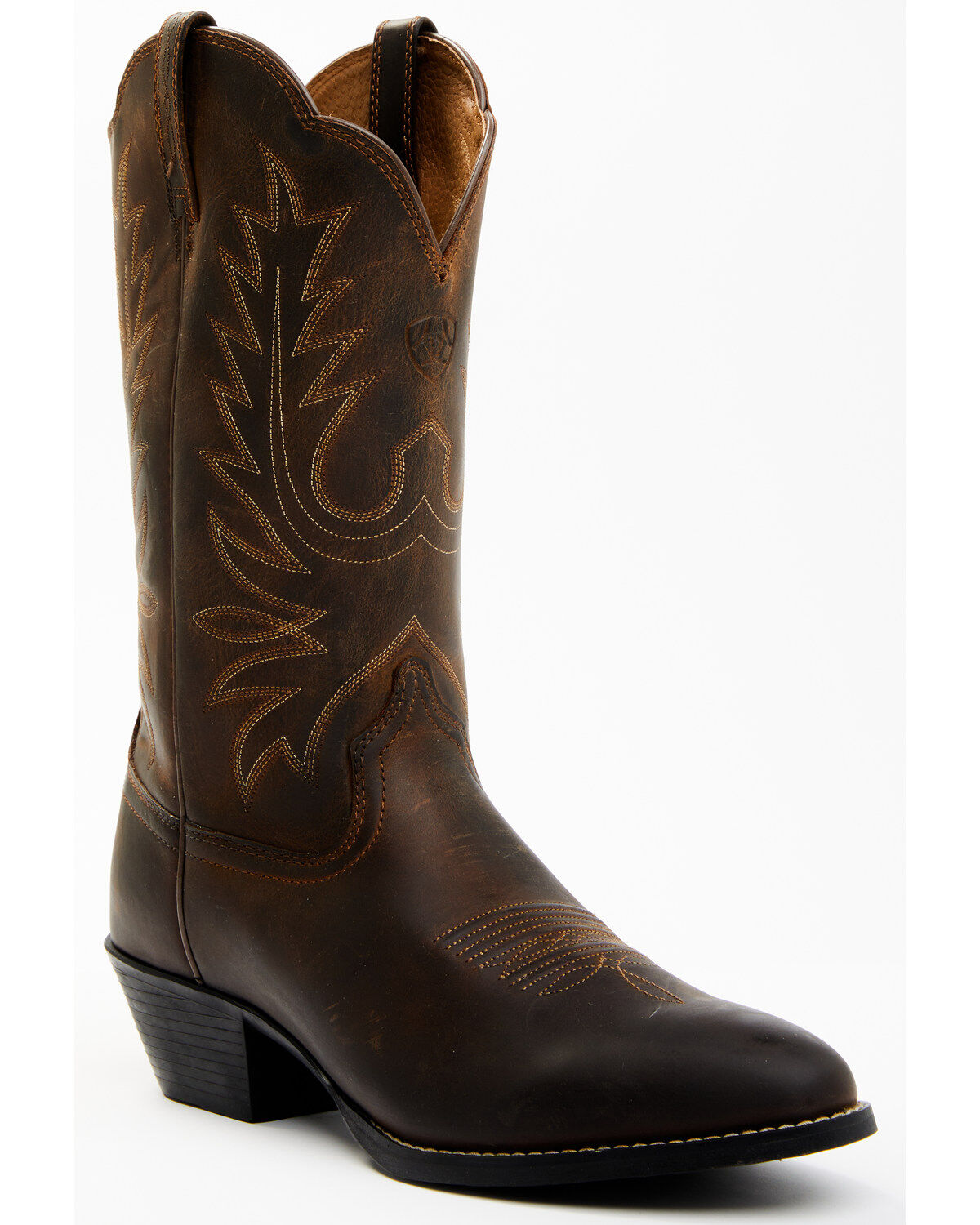
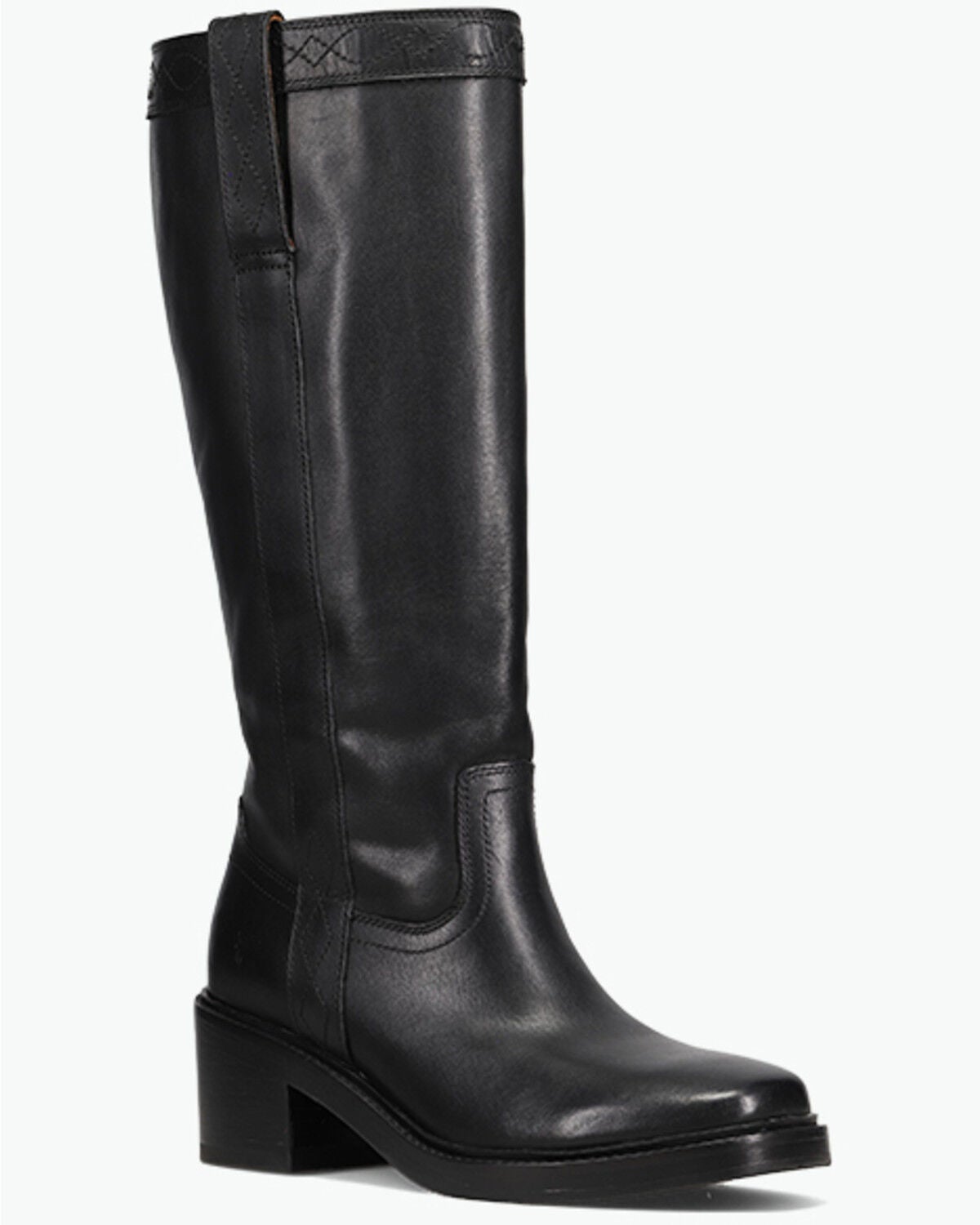
  • Women's Ariat Quickdraw Western Boots - Square Toe
    Original Price $209.99 $124.97
    40% Total Savings
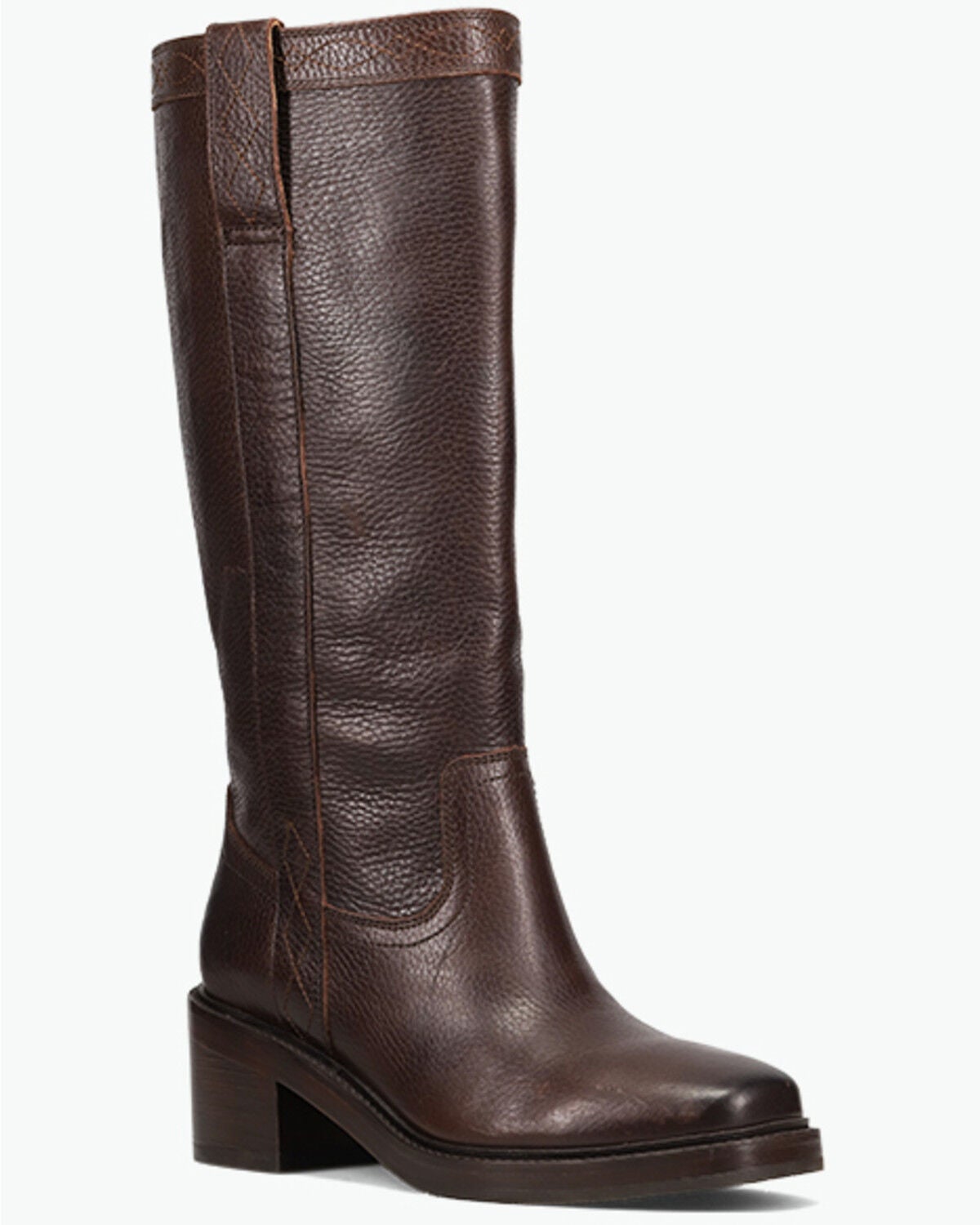
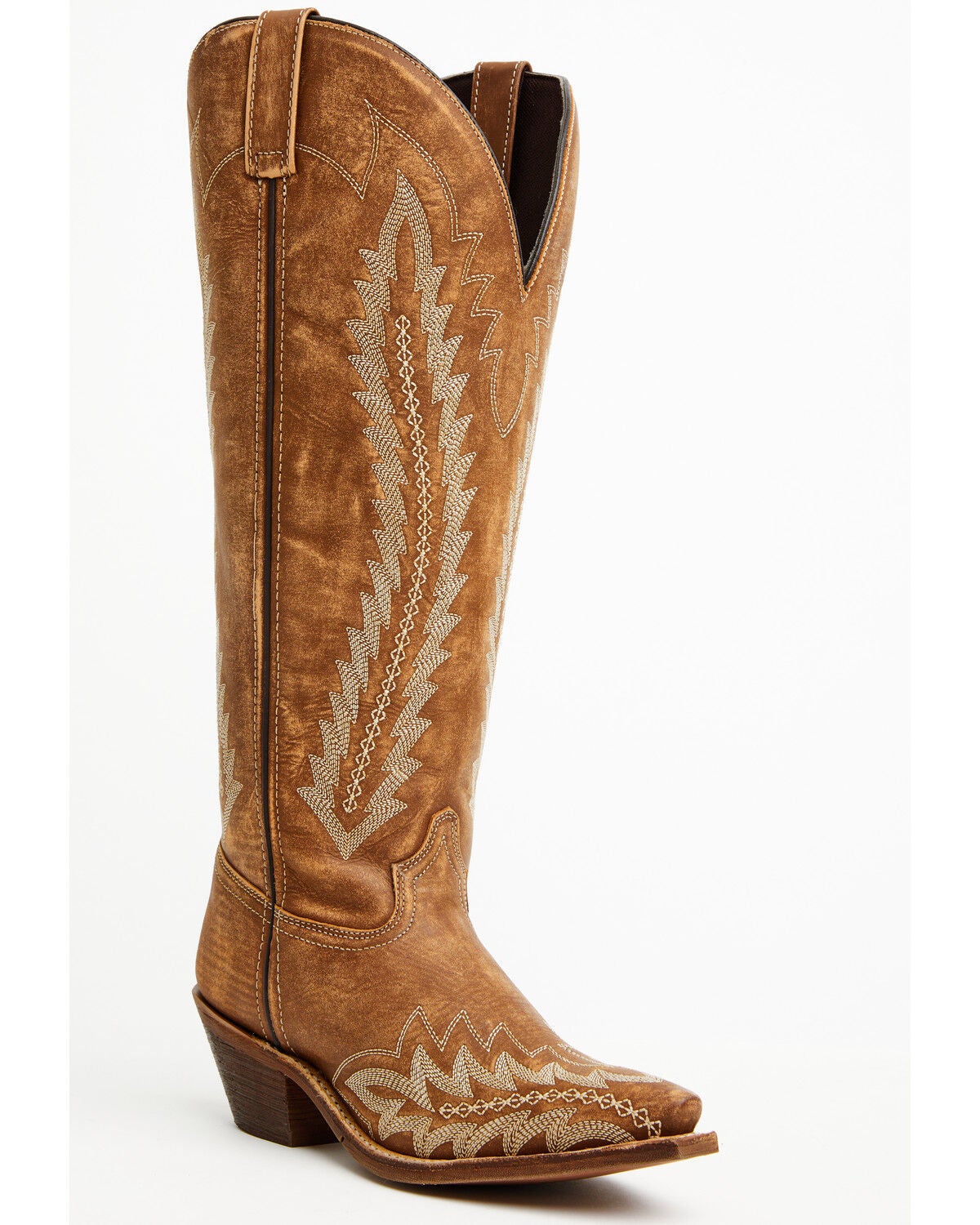
  • Women's Shyanne Gemma Western Boots - Snip Toe
    Original Price $209.99 $159.99
    24% Total Savings
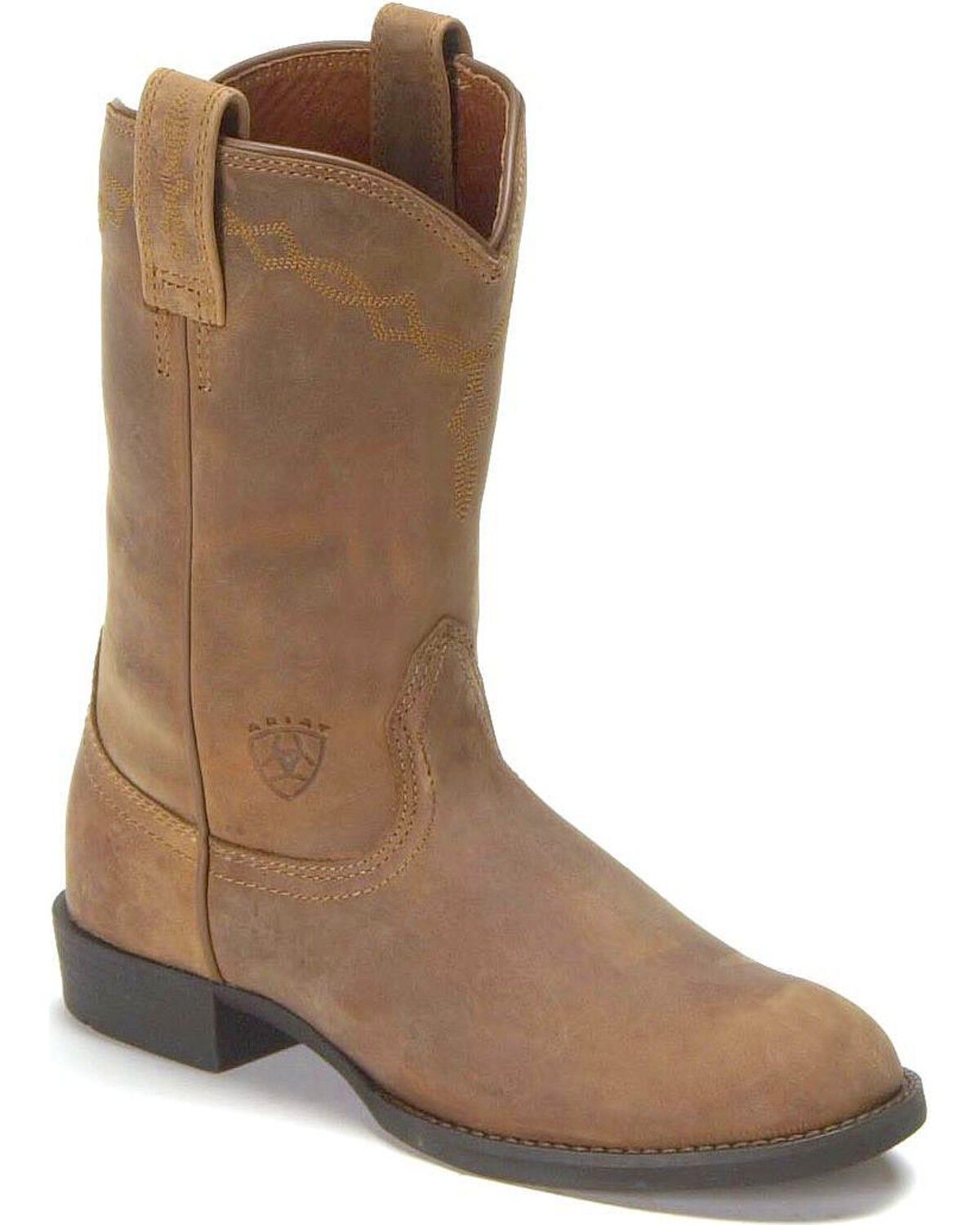
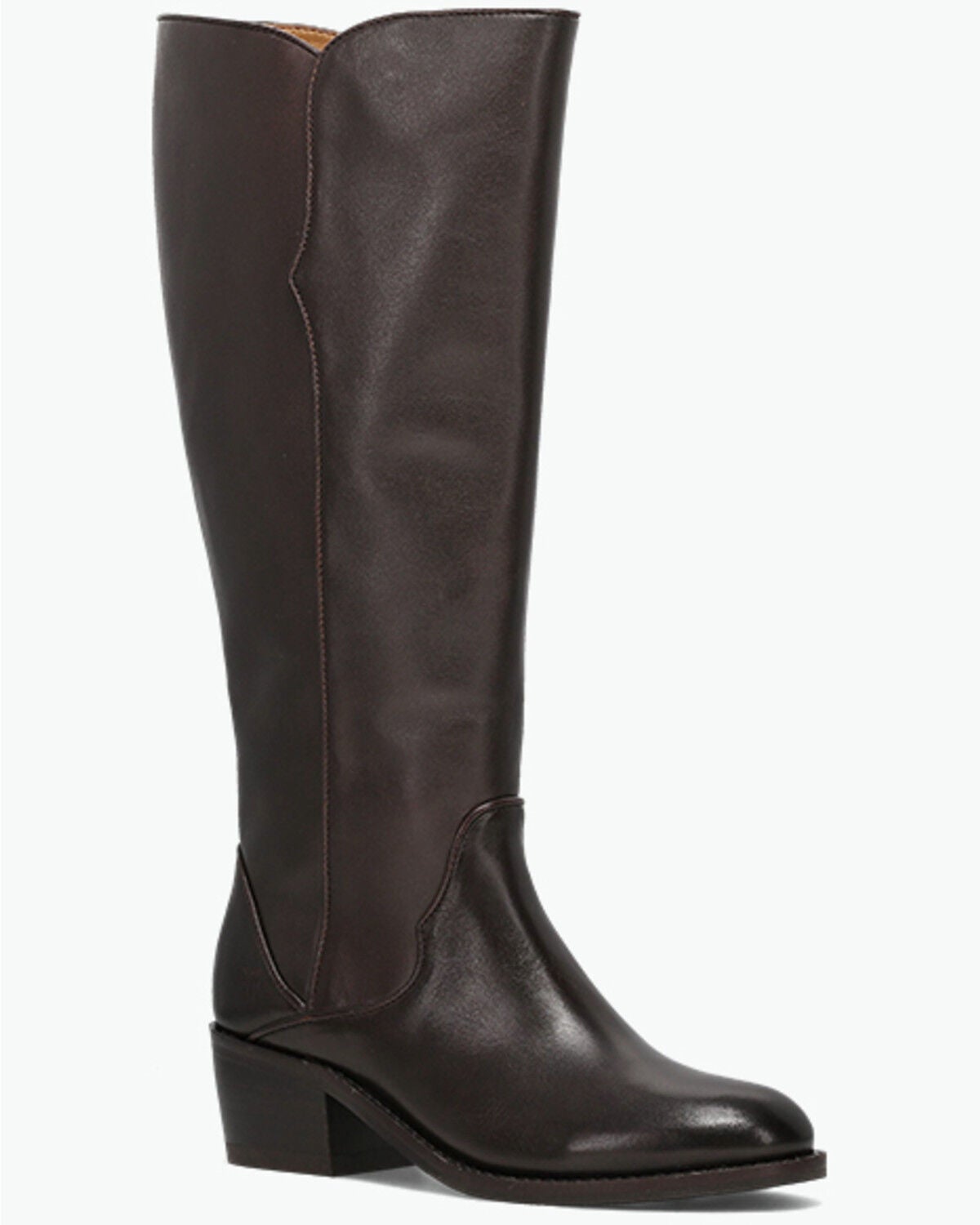
  • Women's Laredo Adrian Wide Calf Western Boots - Snip Toe
    Original Price $169.99 $119.97
    29% Total Savings
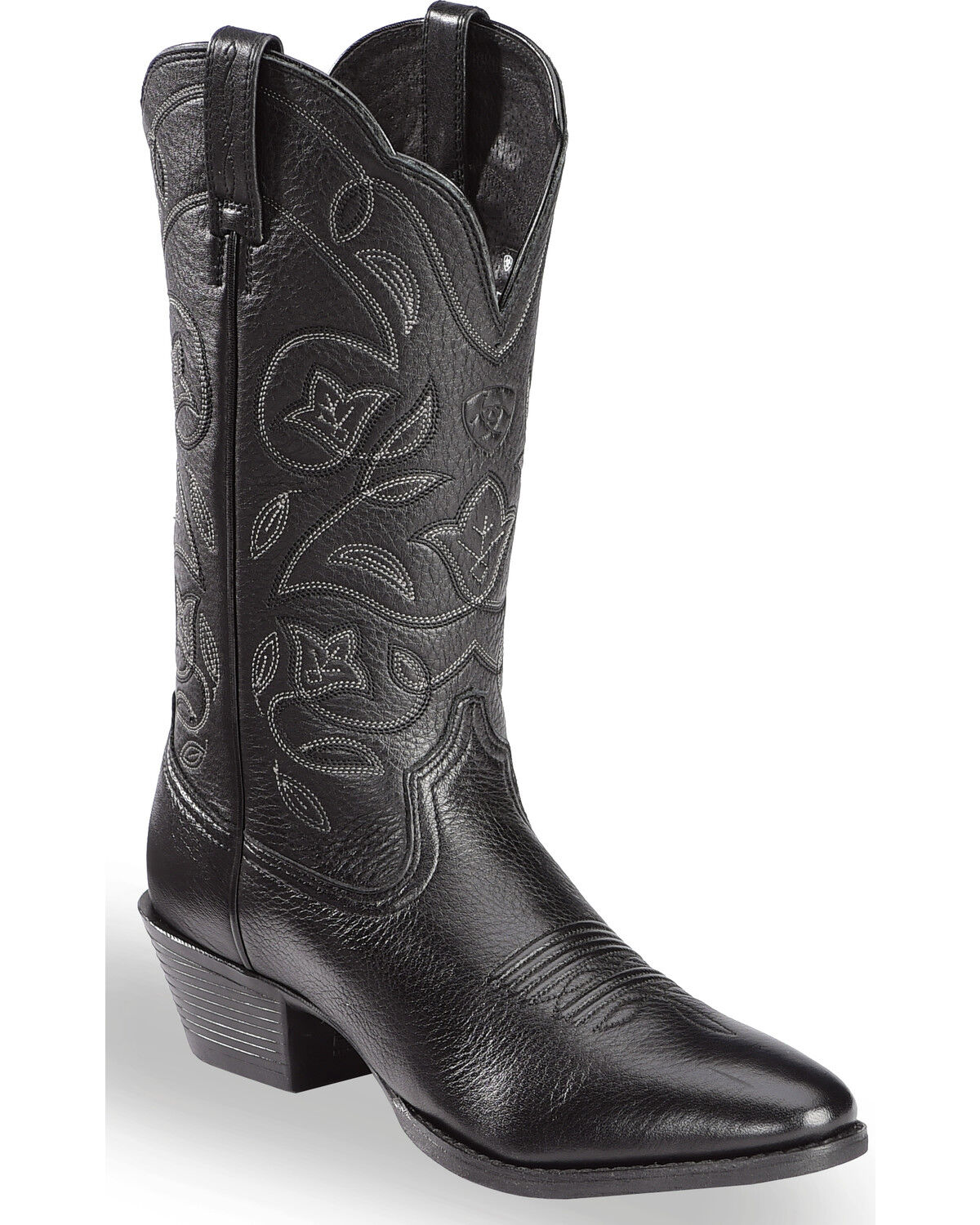
  • Women's Idyllwind Charmed Life Western Boots - Round Toe
    Original Price $199.50 $149.50
    25% Total Savings
  • Women's Laredo Adrian Wide Calf Western Boots - Snip Toe
    Original Price $159.99 $109.97
    31% Total Savings

End of products

Wide Calf Wide Width Boots

Wide calf wide width boots address two separate fit needs: extra room around the lower leg and extra width through the foot. A wide calf shaft does not automatically mean a wide footbed, and a wide-width boot does not necessarily have a larger shaft opening. Both measurements matter when a standard boot squeezes across the forefoot, pulls against the calf, or will not close comfortably. Foot width describes the space across the foot, especially around the ball, while calf circumference describes the measurement around the leg. Labels such as W and WW can indicate different foot widths, but their meaning and dimensions vary by manufacturer. Shaft measurements also depend on boot size, height, and construction, so the size chart and fit details carry more weight than the label alone. For shoppers comparing Wide Width Boots, calf room deserves a separate check rather than an assumption. A taller shaft may reach the fullest part of the calf, while a shorter one may end below it. Measuring both calves at the widest point and near the intended shaft opening helps explain how each height will sit. Foot length and width are best checked on both feet, since one can be larger than the other. The socks worn with the boots also affect the fit, as does the space needed for jeans tucked inside the shaft. A comfortable fit leaves the toes free to move without letting the foot slide forward or sideways. The ball of the foot should line up with the boot’s widest area, and the instep should feel secure rather than pinched. A little heel movement can be normal in some pull-on western boots, but pronounced lifting or rubbing can signal a poor match. Extra length is not a reliable substitute for extra width. Sizing up just to gain room can place the arch and flex point too far forward, leaving a boot that feels loose in one area and tight in another.

Materials and construction shape how wide calf wide width boots feel, hold their form, and handle regular wear. Leather uppers can soften and develop creases with use, but that natural break-in should not be expected to correct a boot that is too narrow or too tight around the leg. Firm pressure, numbness, and a zipper under strain are not signs of a fit that simply needs more time. Smooth leather, suede, and synthetic uppers have different textures and care needs, and the lining matters as much as the outer surface where it touches the foot and calf. Interior seams, heel counters, and shaft edges should sit without creating concentrated pressure. Stretch panels, adjustable buckles, and lace-up sections can provide flexibility, though their adjustment range is limited by the boot’s construction. A side zipper can make a taller boot easier to put on, but it should close without forcing the sides together. Toe shape changes the outline and feel of the boot, yet a square or round toe is not proof of a wide fit. The space through the forefoot and the position of the toes still need to work together. Underfoot, cushioning can soften contact with hard surfaces, while a stable heel and supportive structure help keep the foot settled. Heel height affects the way weight is carried, making it worth considering for long stretches of standing or walking. Outsole materials also serve different purposes. Rubber tread may suit frequent walking on varied surfaces, while a smoother leather sole has a different feel and calls for care on slick flooring. Western styling alone does not establish that a boot is suitable for a jobsite. Work that calls for safety toes, slip resistance, or other protective features requires the stated ratings for those needs. The right construction depends on the setting, from a full shift on a shop floor to an evening spent mostly seated.

The shape of the shaft also affects how these boots work with everyday clothing. A wider opening can leave room for straight-leg jeans tucked inside, but bulky seams and folded fabric may create pressure that was not there with socks alone. Under bootcut jeans, a shaft that sits close enough to the leg can help the fabric fall smoothly without catching on the top edge. With a skirt or dress, shaft height and opening shape become more visible, making proportions and comfortable movement worth equal attention. Sitting down, bending the knee, and walking across a room can reveal rubbing or bunching that is easy to miss while standing still. For anyone who has struggled to find enough space in both the foot and calf, a properly proportioned boot can make getting dressed more straightforward. Care then helps preserve that fit and the materials around it. Loose dirt is best removed before it settles into seams or rubs against the finish. Smooth leather generally benefits from a suitable cleaner and conditioner used according to the maker’s directions, while suede needs tools and treatments intended for its textured surface. Too much conditioner can alter a finish, so a small test on a hidden area is useful. Damp boots should dry naturally away from direct heat, with enough support to keep the shafts from collapsing into deep folds. Giving the lining time to dry between wears helps manage moisture inside. Zippers work best when kept clear of dirt and loose fabric rather than pulled through resistance. Wear at the heel, thinning tread, loose stitching, and damaged linings deserve attention before they affect footing or comfort. Wide calf wide width boots can also make a useful gift when the recipient’s foot measurements, calf circumference, preferred shaft height, and usual socks are known. Those details matter more than choosing by size alone, especially for someone who needs room in two distinct areas.

FAQs