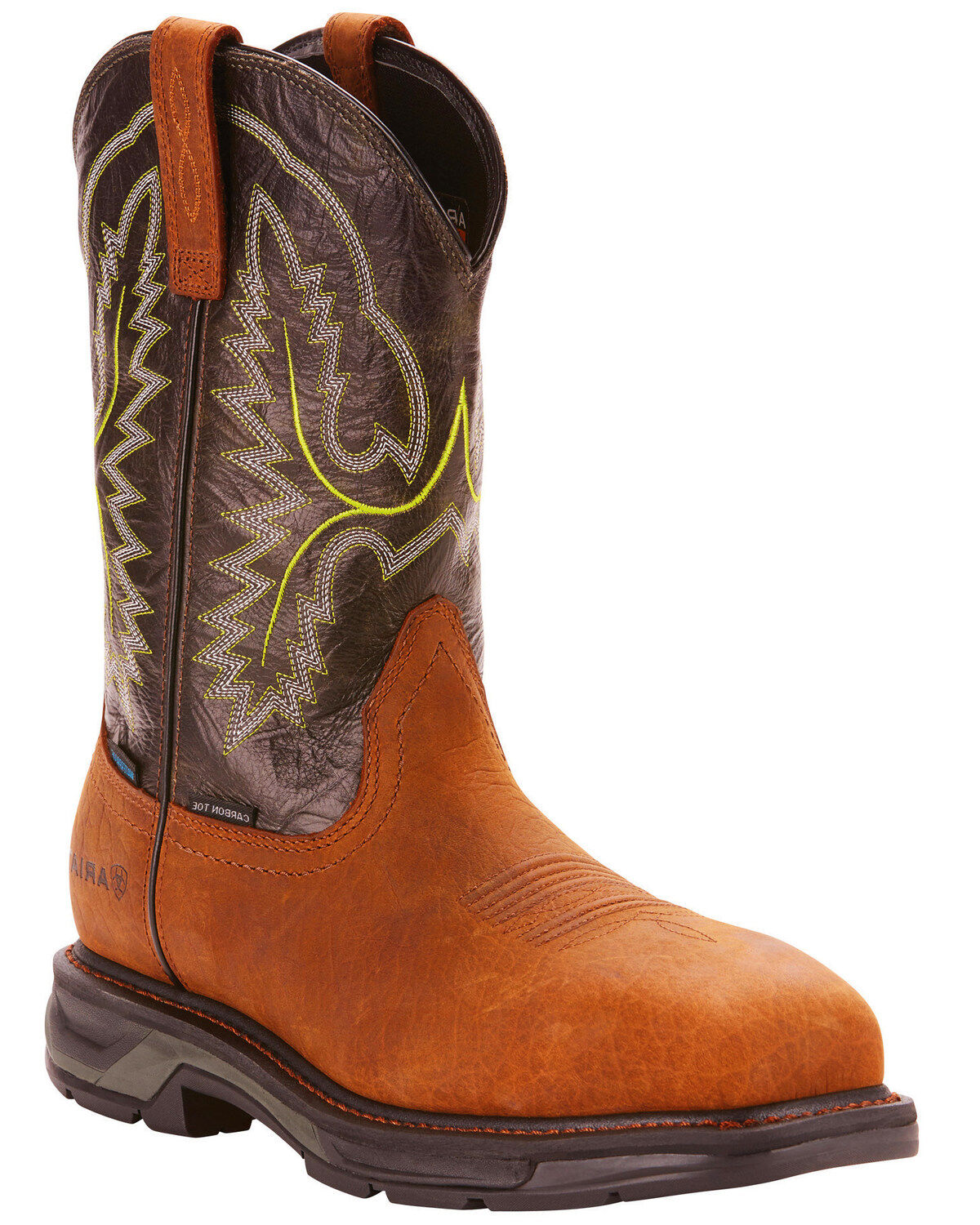
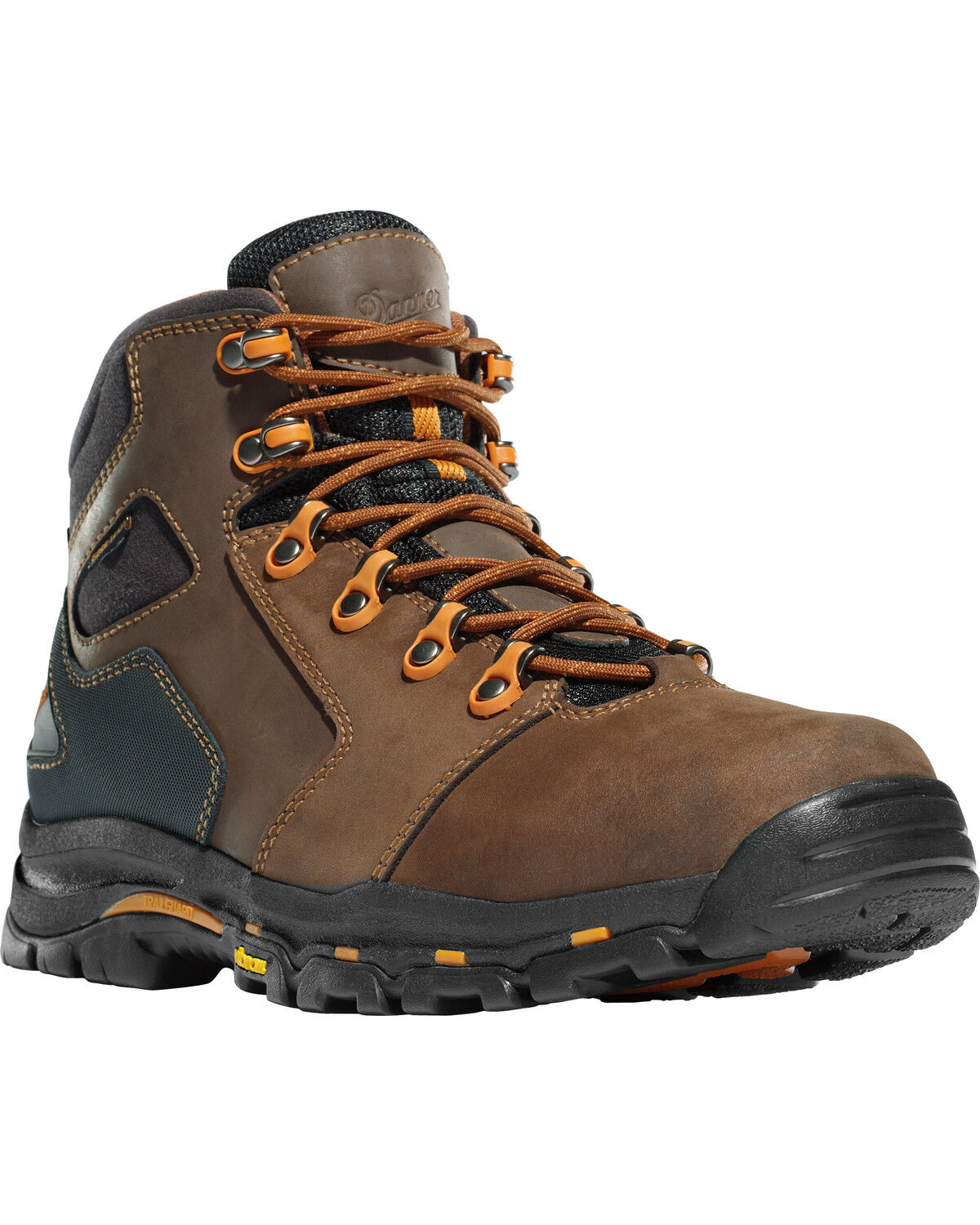
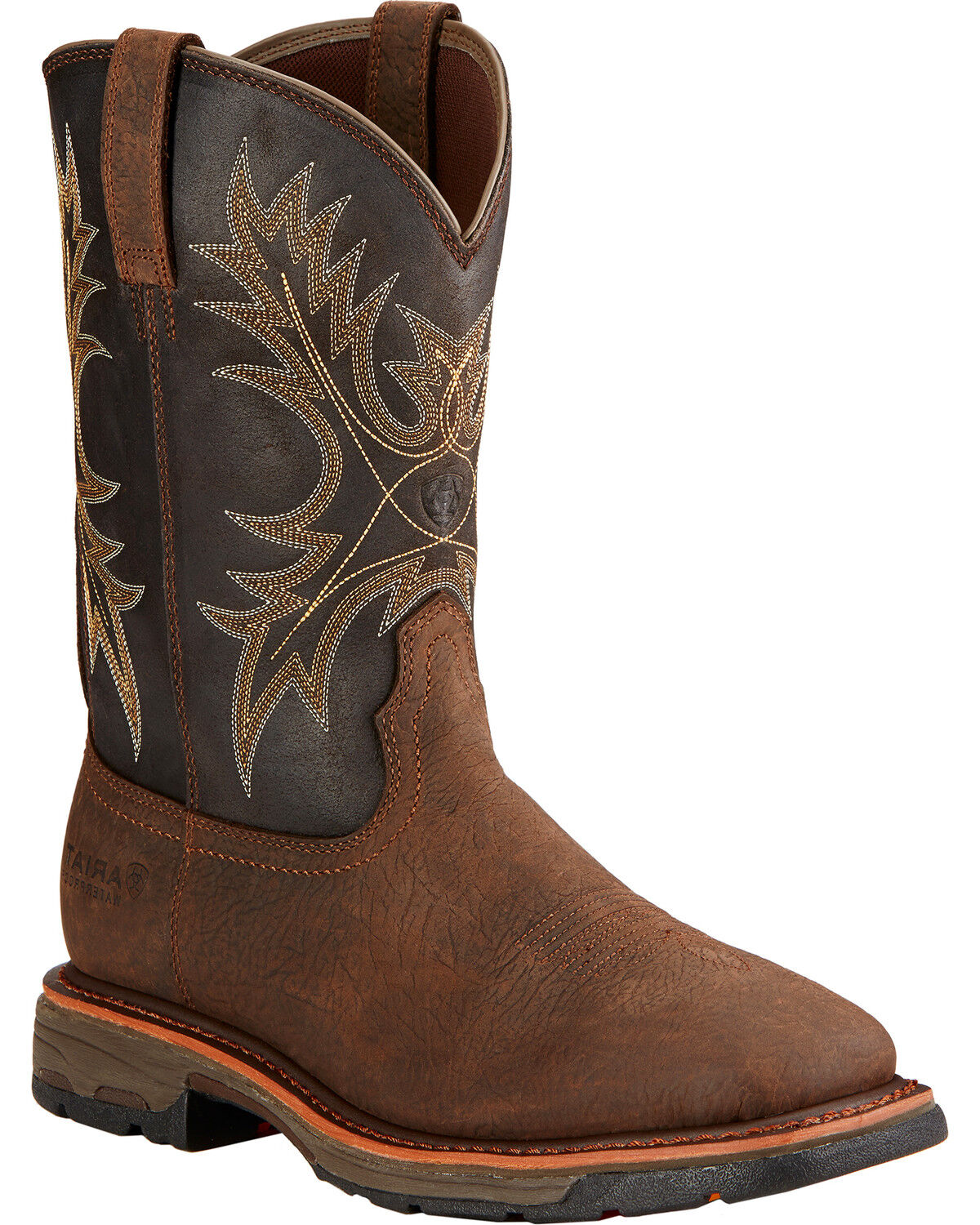
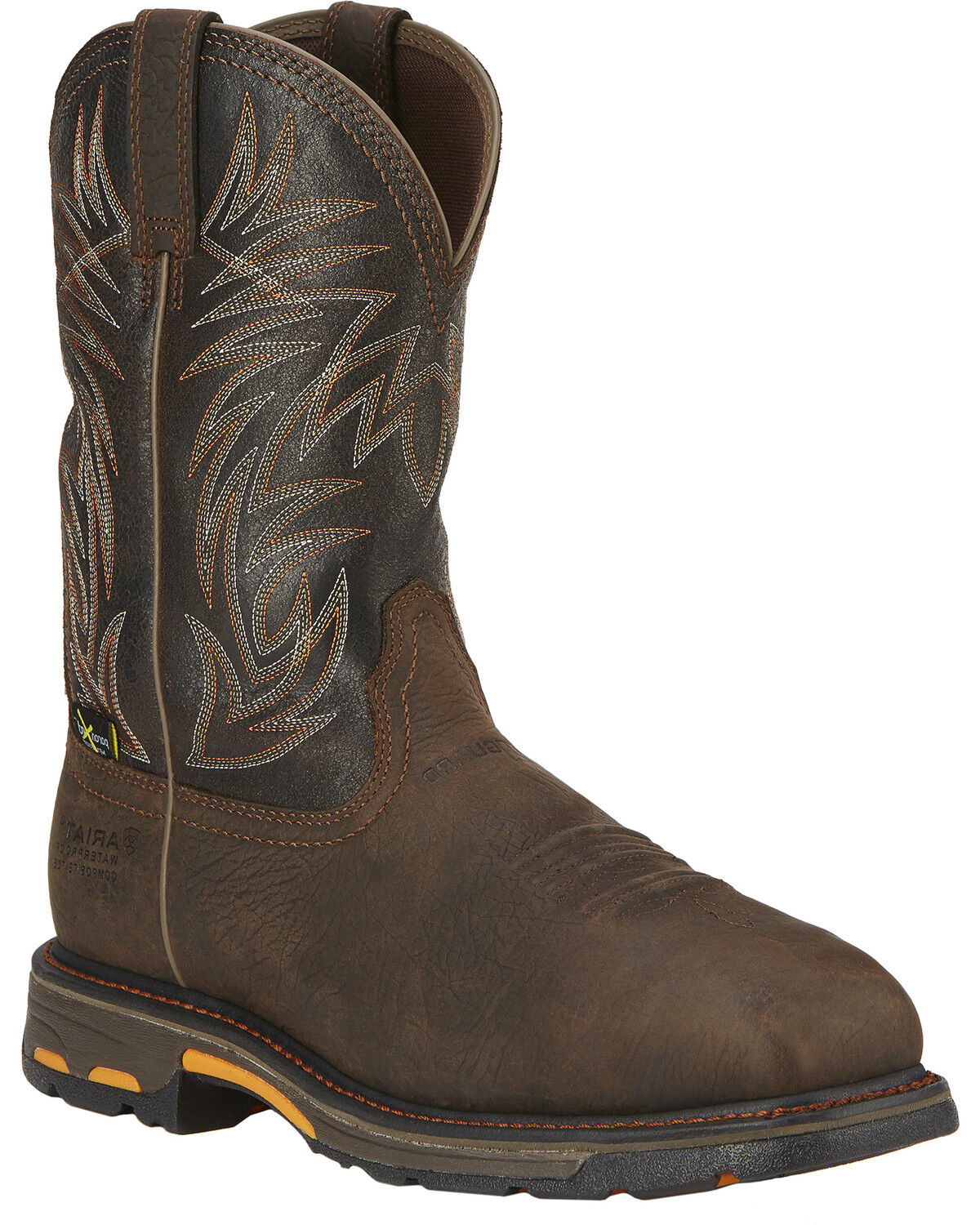
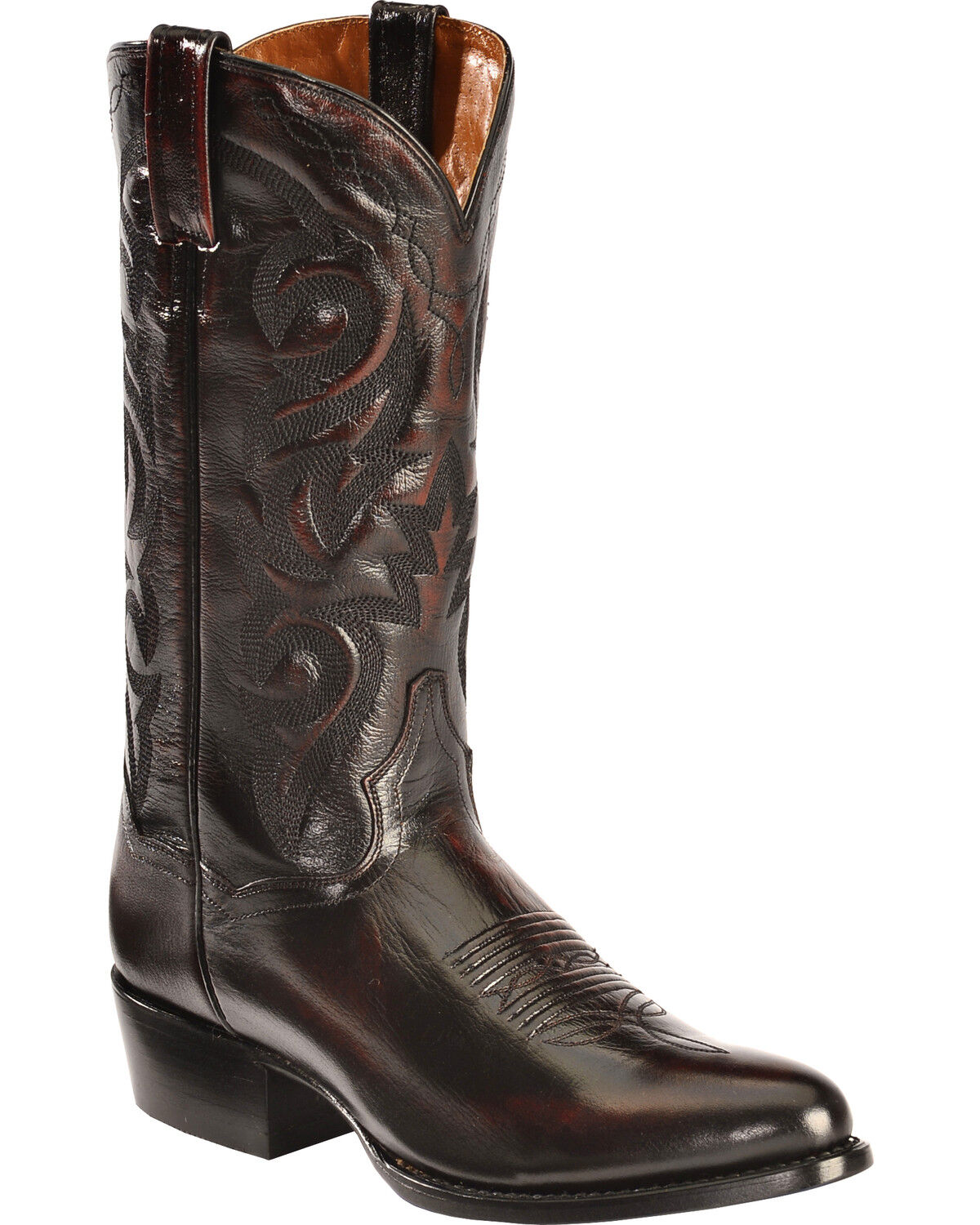
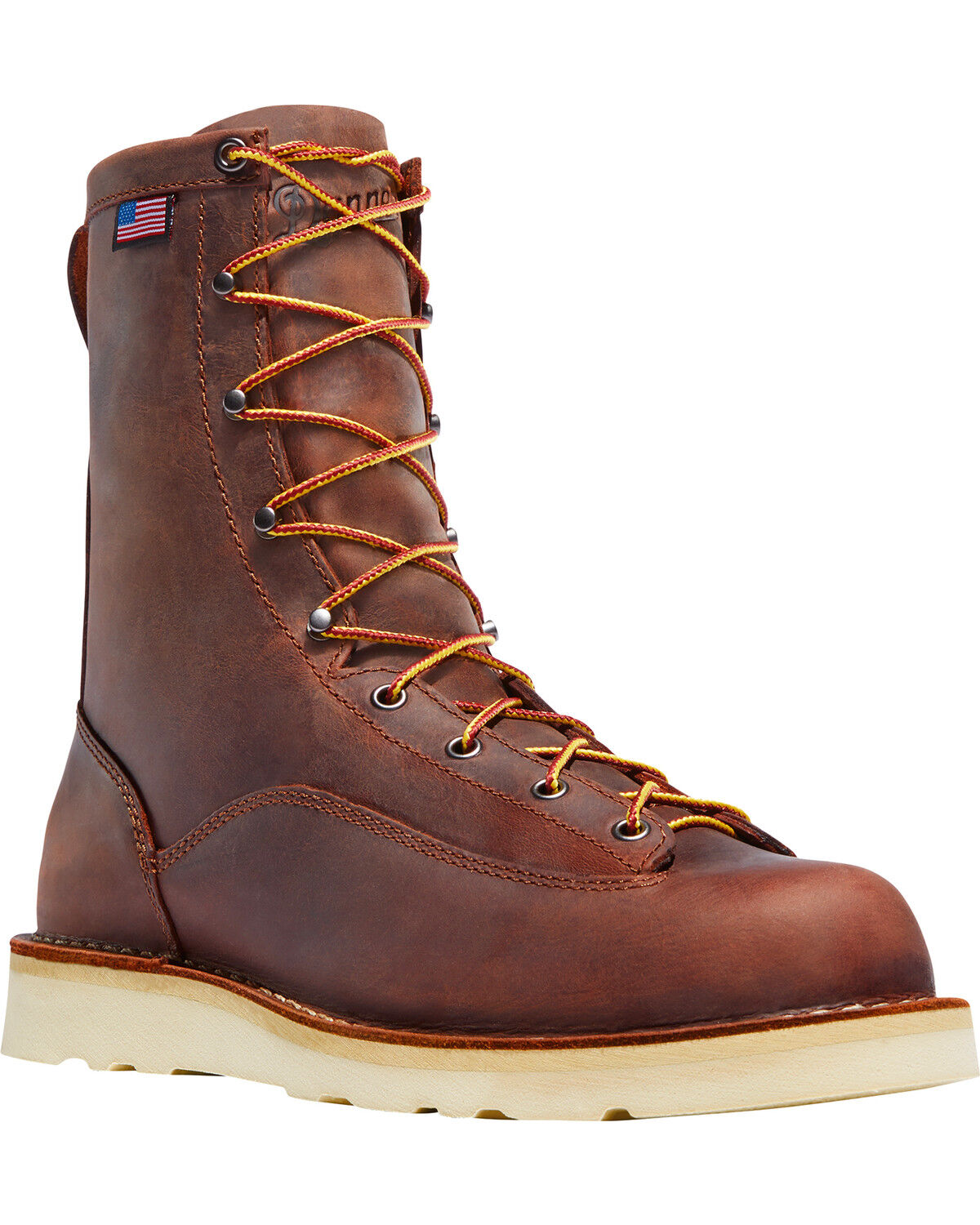
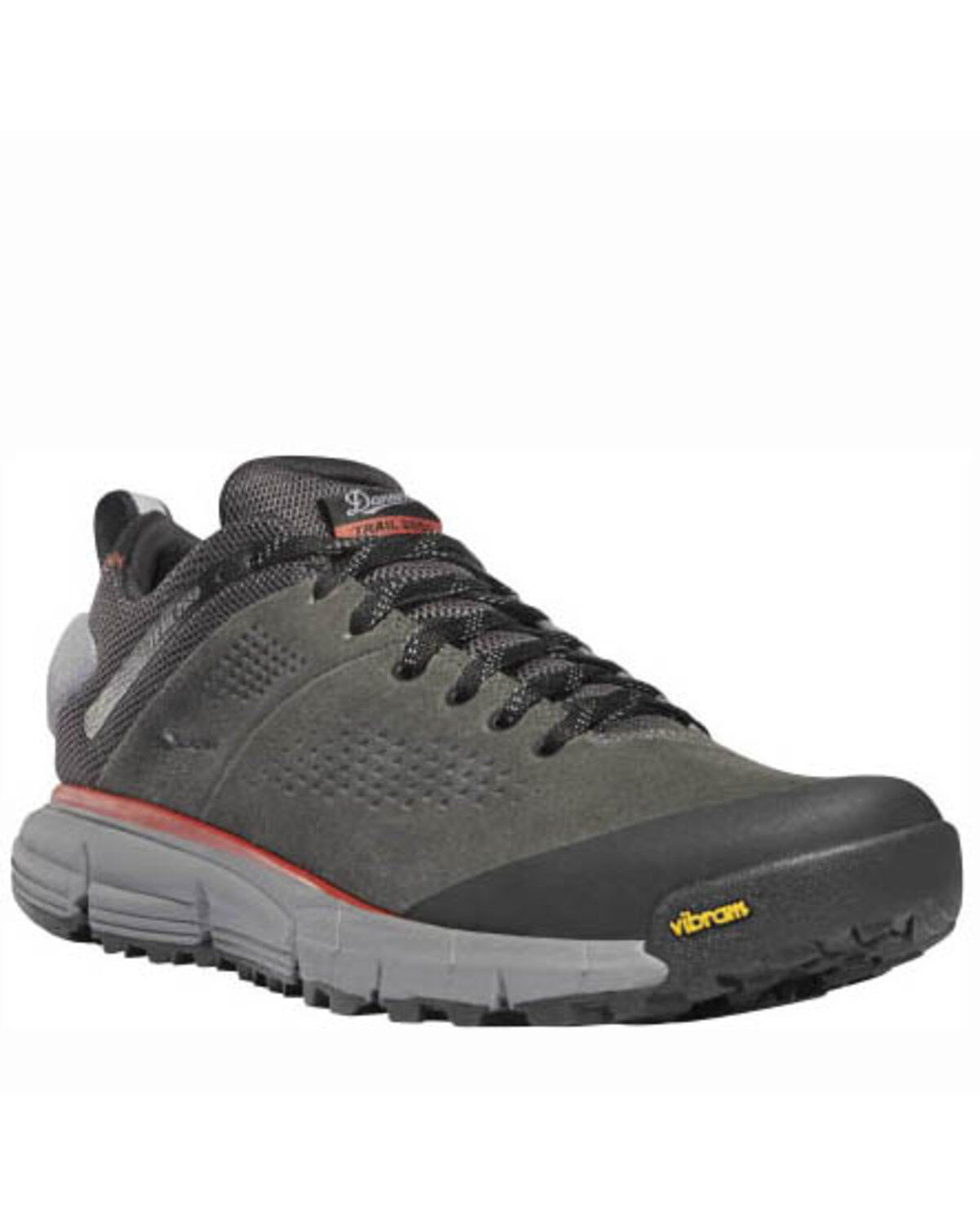
Non Safety Toe Work Boots

Find non-safety toe work boots, also called soft toe boots, for jobs that do not require protective toe caps. Compare each pair’s listed features with your work needs, and check your workplace’s footwear requirements before choosing.

Read More

Shop Your Store: Shop Your Store: Find a Store

(Turn off Shop Your Store to see all items)

(Turn off Shop Your Store to see all items)

close
  • Recommended
  • Lowest Price
  • Highest Price
Skip pass products
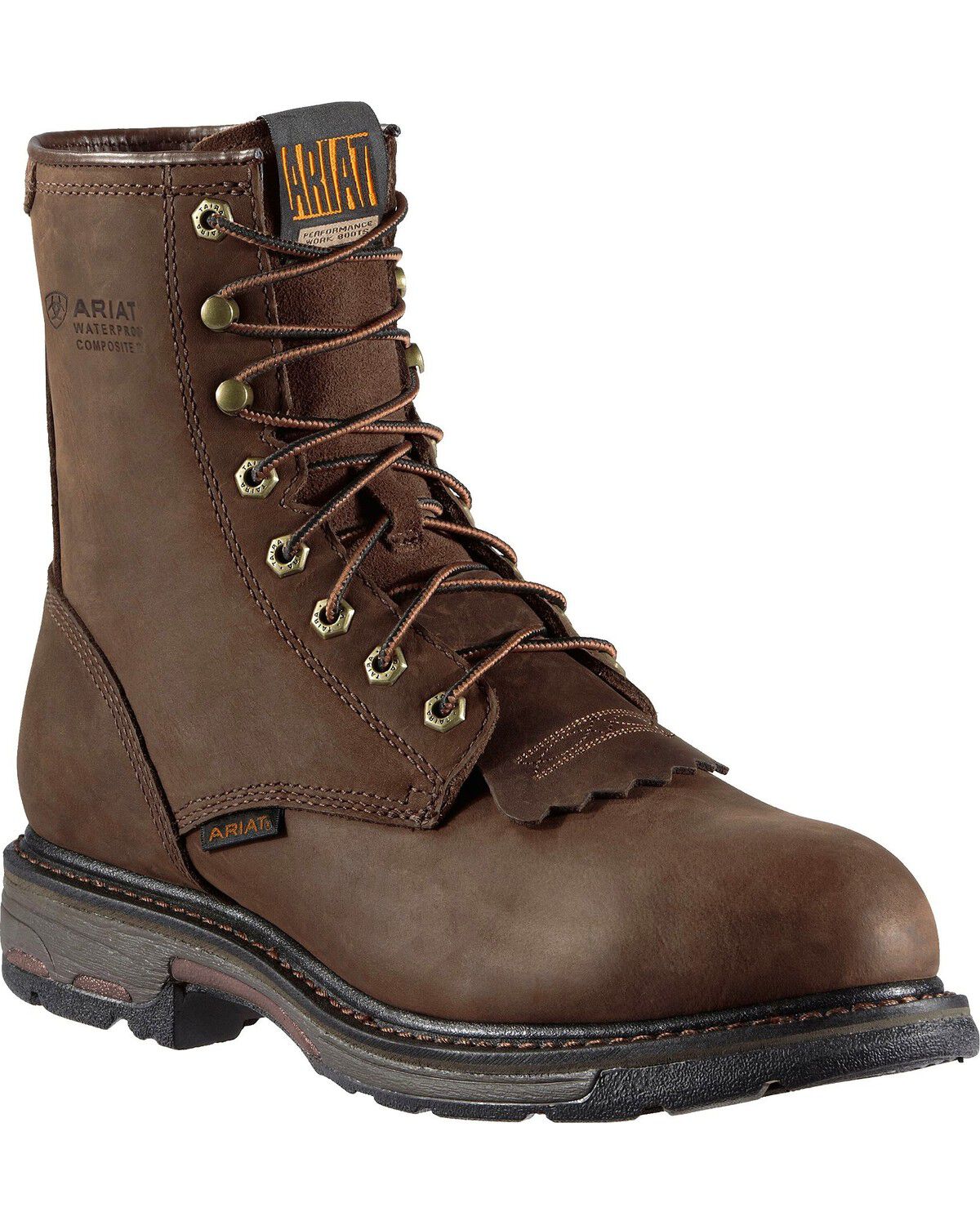
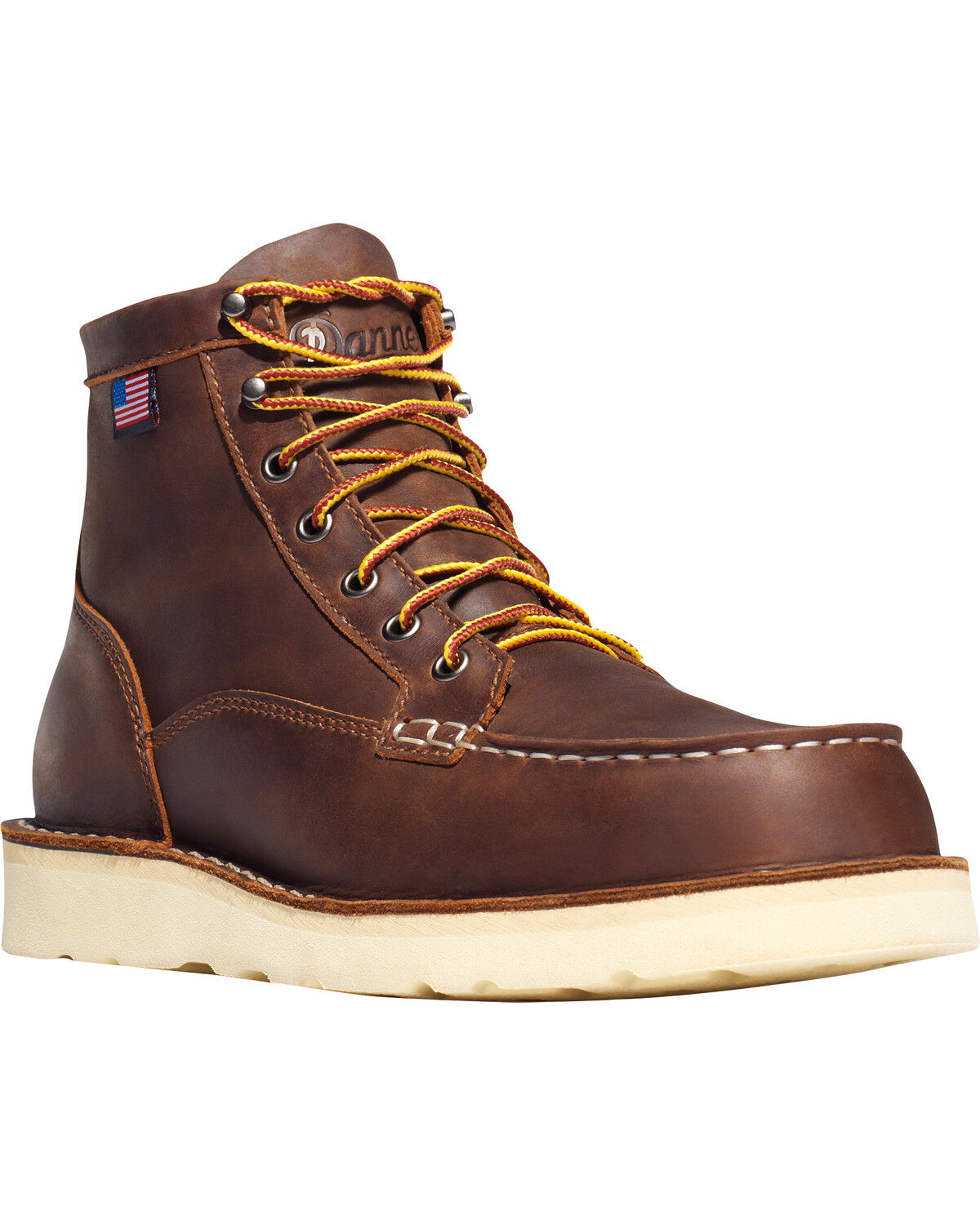
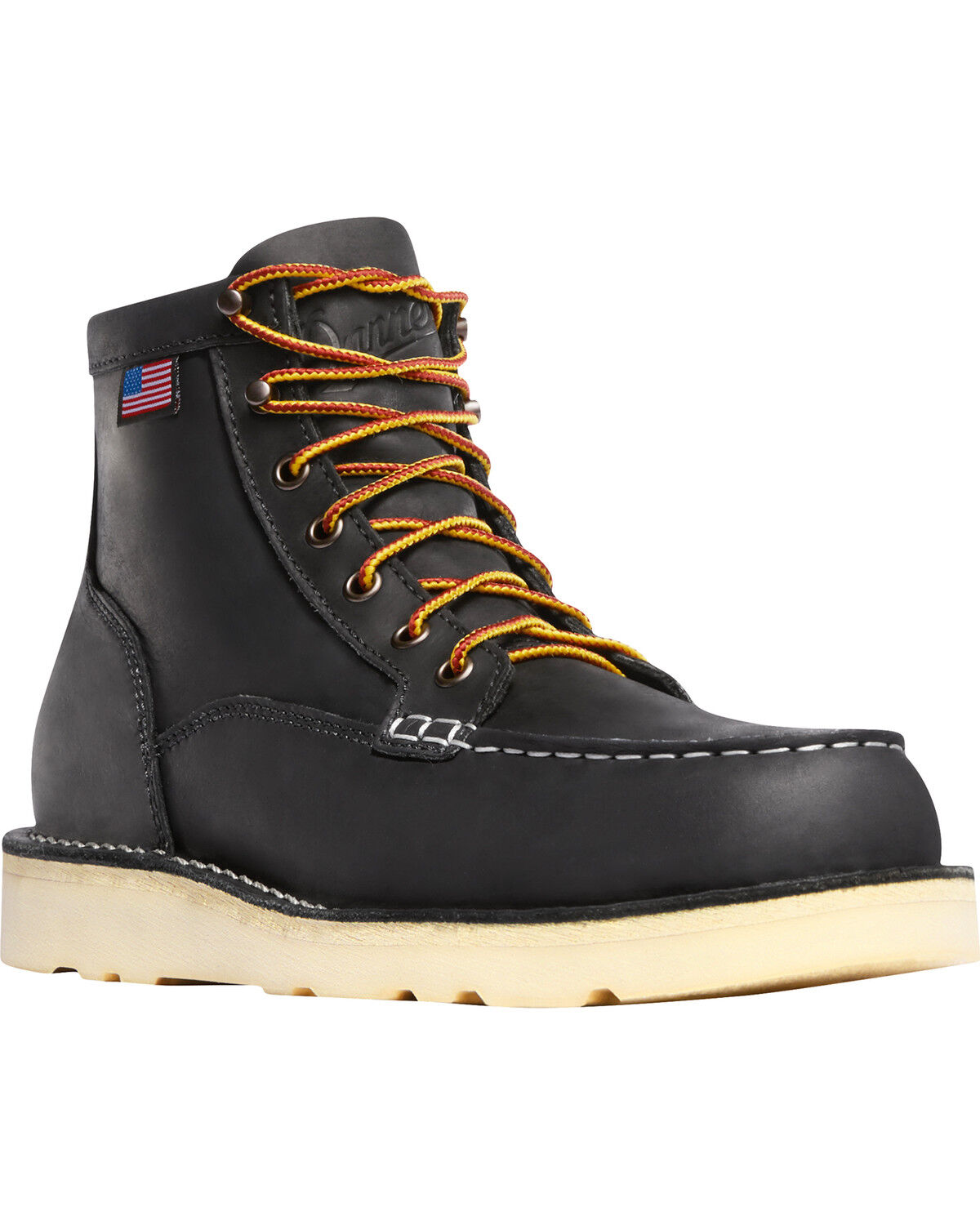
  • Men's Hawx 6" Lace-To-Toe Work Boots - Soft Toe
    Original Price $174.99 $99.00
    43% Total Savings
  • Men's Hawx 8" Logger Work Boots - Soft Toe
    Original Price $189.99 $134.97
    29% Total Savings

End of products

Non Safety Toe Work Boots

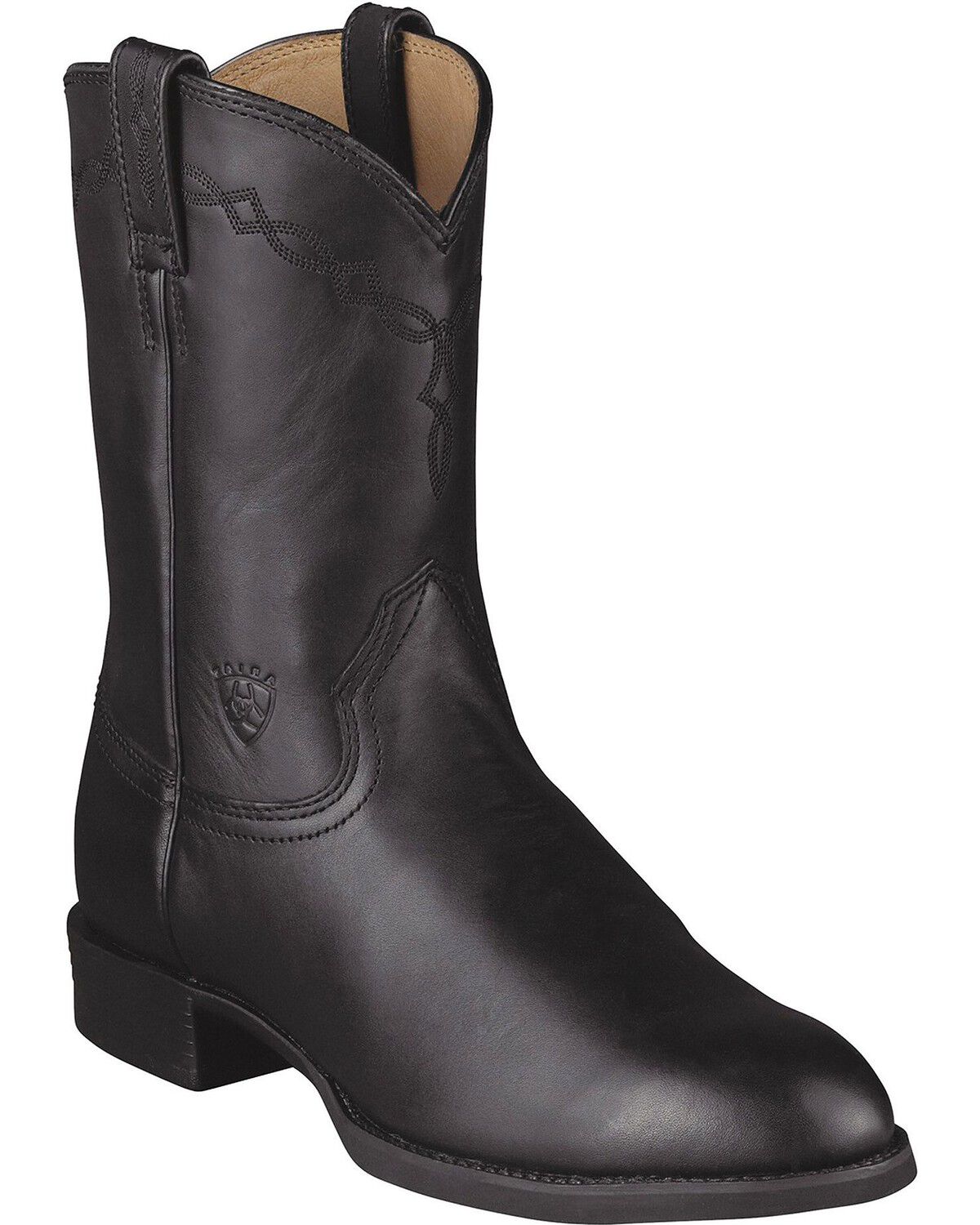
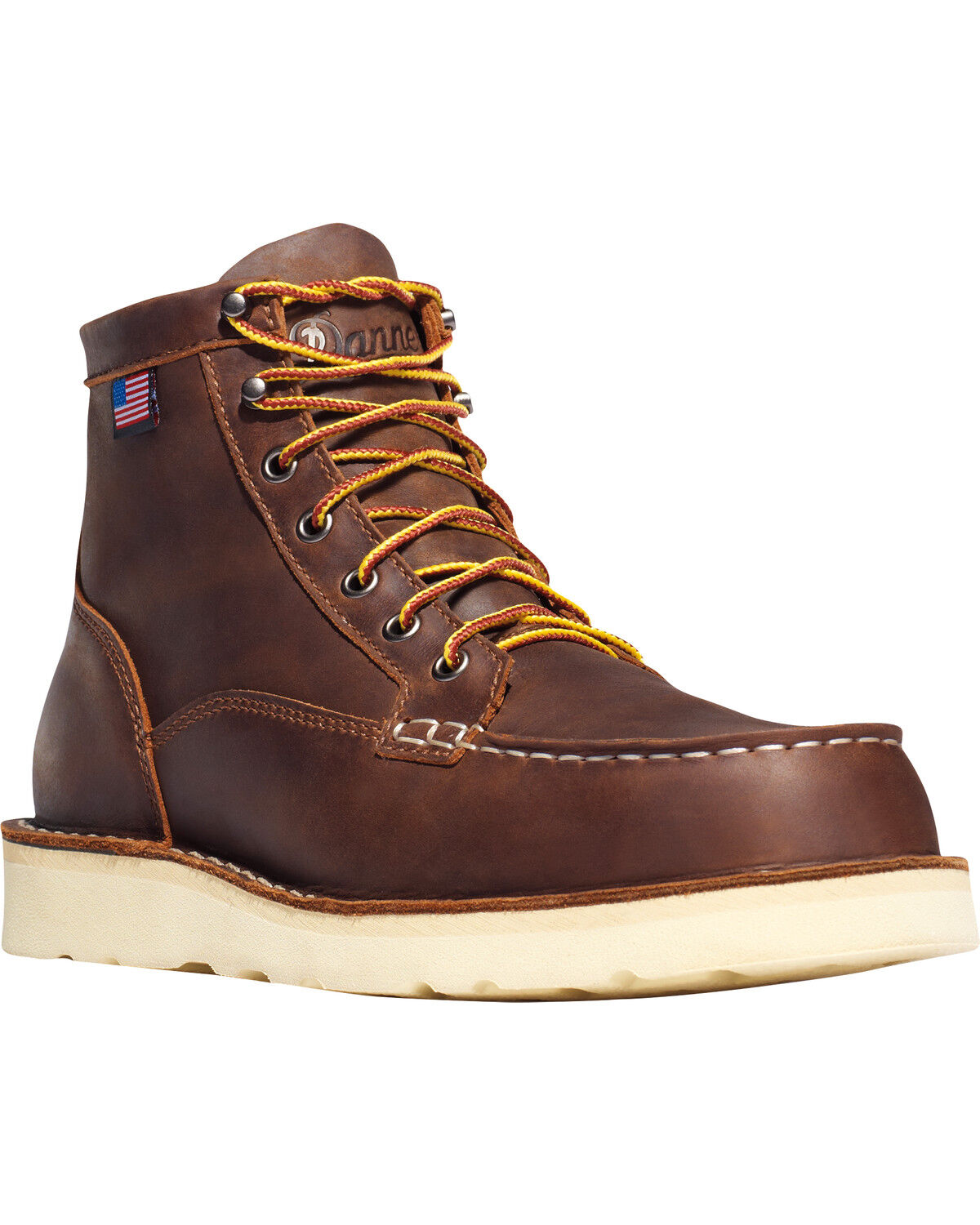
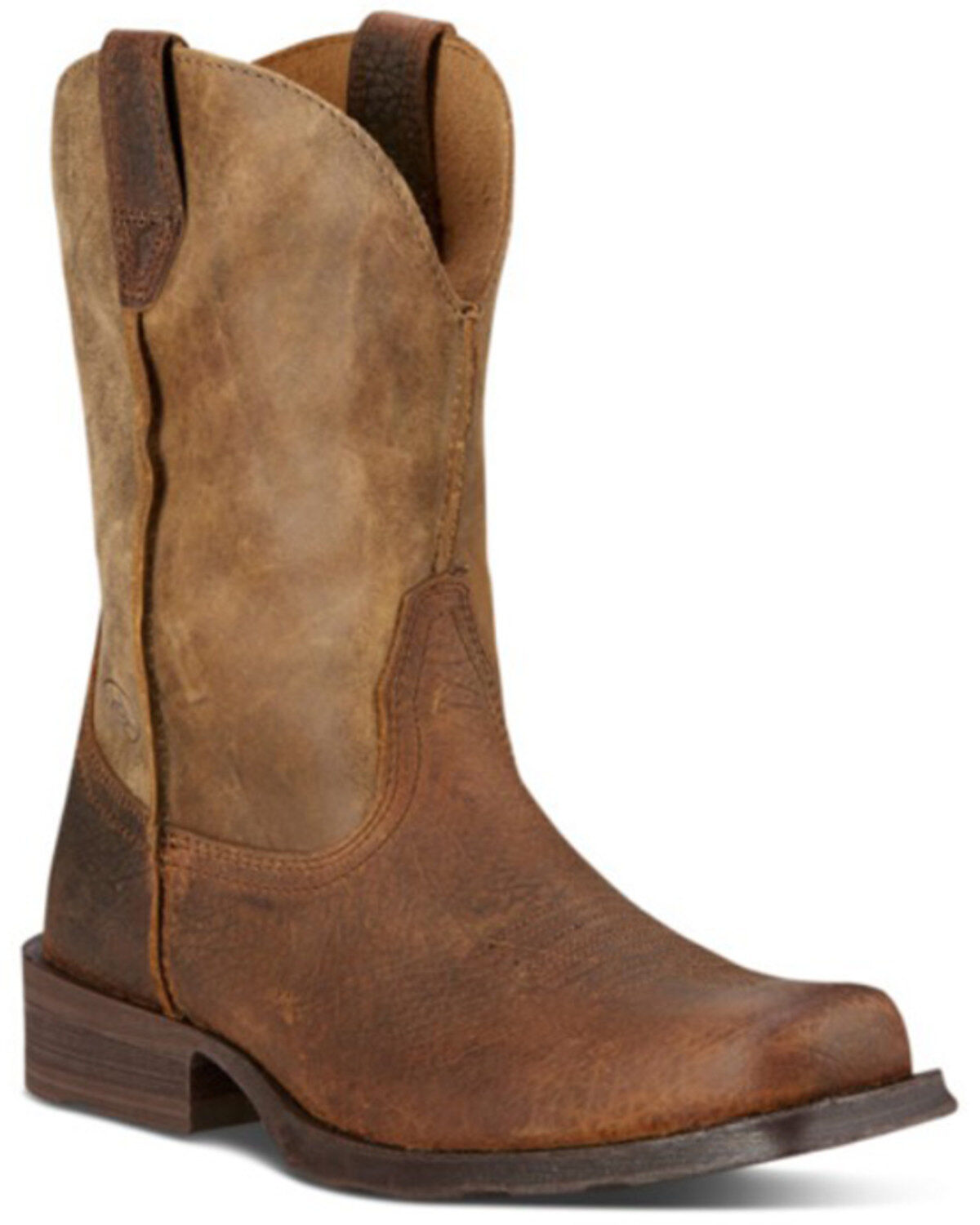
Non-safety toe work boots are built for jobs where a protective safety toe is not required. Often called soft toe work boots, they do not have a steel, composite, or alloy safety cap. That distinction matters on a long shift, but it matters even more when matching footwear to the job. A boot without a safety toe is not a substitute for rated impact and compression protection. Workplace rules and the hazards of the task determine whether this type of footwear belongs on the job. Property maintenance, certain service roles, and some shop or ranch duties may call for soft toe work boots, provided the work does not require protective toe footwear. Jobs involving falling objects, rolling equipment, or other toe hazards may require Safety Toe Boots, with the protection matched to workplace requirements. Within the non-safety toe category, differences in leather, sole construction, shaft height, and closure can matter as much as the toe itself. A lace-up upper allows adjustment across the instep and around the ankle. A pull-on design offers straightforward entry without laces to tighten or tie. Smooth leather can be easier to wipe clean after contact with ordinary dirt, while roughout and other textured finishes have different cleaning needs. Full-grain leather can hold up well to abrasion with proper care, though thickness, stitching, and construction also affect its performance. Textile panels may change the weight and feel of a boot. A soft toe does not automatically make a boot lightweight, flexible, or roomy; those qualities depend on the whole build. The right match comes from looking at the complete boot rather than treating the absence of a safety cap as its only defining feature.

Fit carries much of the workload in non-safety toe work boots. A roomy toe box allows the toes to rest naturally without pressing against the front or sides, while a secure heel and instep help limit unwanted movement. Too much space can allow the foot to slide with each step, creating friction and making a boot feel less stable. Too little space can cause pressure that becomes harder to ignore as the shift goes on. Work socks, foot width, and any prescribed orthotics all affect that fit. A boot that feels comfortable with a thin casual sock may fit differently with the socks worn on the job. Lace-up construction can help accommodate differences in foot volume, while pull-on boots depend more heavily on the shape of the instep and heel. Some initial heel movement can occur in pull-on leather footwear, but persistent rubbing or excessive slipping points to a fit problem rather than something to overlook. Underfoot construction matters just as much. Cushioning can soften the feel of repeated steps across concrete, while a supportive midsole and shank can help the boot maintain its structure. A removable footbed provides room for replacement when compatible with the boot and the wearer’s needs. Outsole design should reflect the walking surface. A broad, relatively flat sole may suit long stretches on firm floors, while a deeper tread can provide purchase on loose ground and uneven paths. Traction depends on the sole compound, tread condition, surface, and contaminants; no outsole eliminates the chance of slipping. Oil resistance, slip resistance, and electrical hazard protection are separate features, not automatic benefits of a soft toe. Product labeling and workplace requirements remain important for each. Shaft height and boot weight also influence the feel of a full day. A substantial build may suit demanding wear, but extra weight can become noticeable during repeated walks across a large facility. Comfort comes from the balance of fit, support, and construction, not from padding alone.

Durability in non-safety toe work boots comes from how the upper, sole, and stitching handle repeated use together. Leather that bends across the forefoot, an outsole that grips the floor, and seams that stay secure all contribute to a boot’s working life. Welted construction may allow resoling when the design and overall condition permit it, making repair a possibility rather than a promise. Cemented and direct-attached construction offer different combinations of flexibility, weight, and underfoot feel. Neither a heavy build nor a particular construction method guarantees a better match for every task. Someone walking miles of indoor aisles has different demands from someone kneeling beside equipment or moving between a workshop and a gravel yard. Frequent kneeling can wear the toe area even when no safety cap is present, while repeated contact with sharp edges can damage leather and stitching. Routine care helps limit avoidable wear. Removing dirt from seams and sole edges keeps abrasive grit from building up. Cleaning products should suit the upper material, and leather conditioner should be used according to the boot maker’s directions; more conditioner is not always better. Saturating leather can change its feel and appearance. Boots exposed to spills or perspiration need time to dry naturally, away from direct heat that can stiffen leather or weaken components. Removable insoles can be taken out for drying when the design allows. Rotating between pairs gives each pair more time to dry between shifts. Regular attention to worn tread, separating soles, damaged stitching, and compressed footbeds helps identify when repair or replacement is due. A familiar pair can feel comfortable even after its traction or support has declined. For a gift, the wearer’s required footwear features, usual size, preferred closure, and actual work duties matter more than appearance alone. Non-safety toe work boots earn their place through practical details: a fit that stays secure, materials suited to the task, and support that remains dependable through the daily routine.
Read More

FAQs