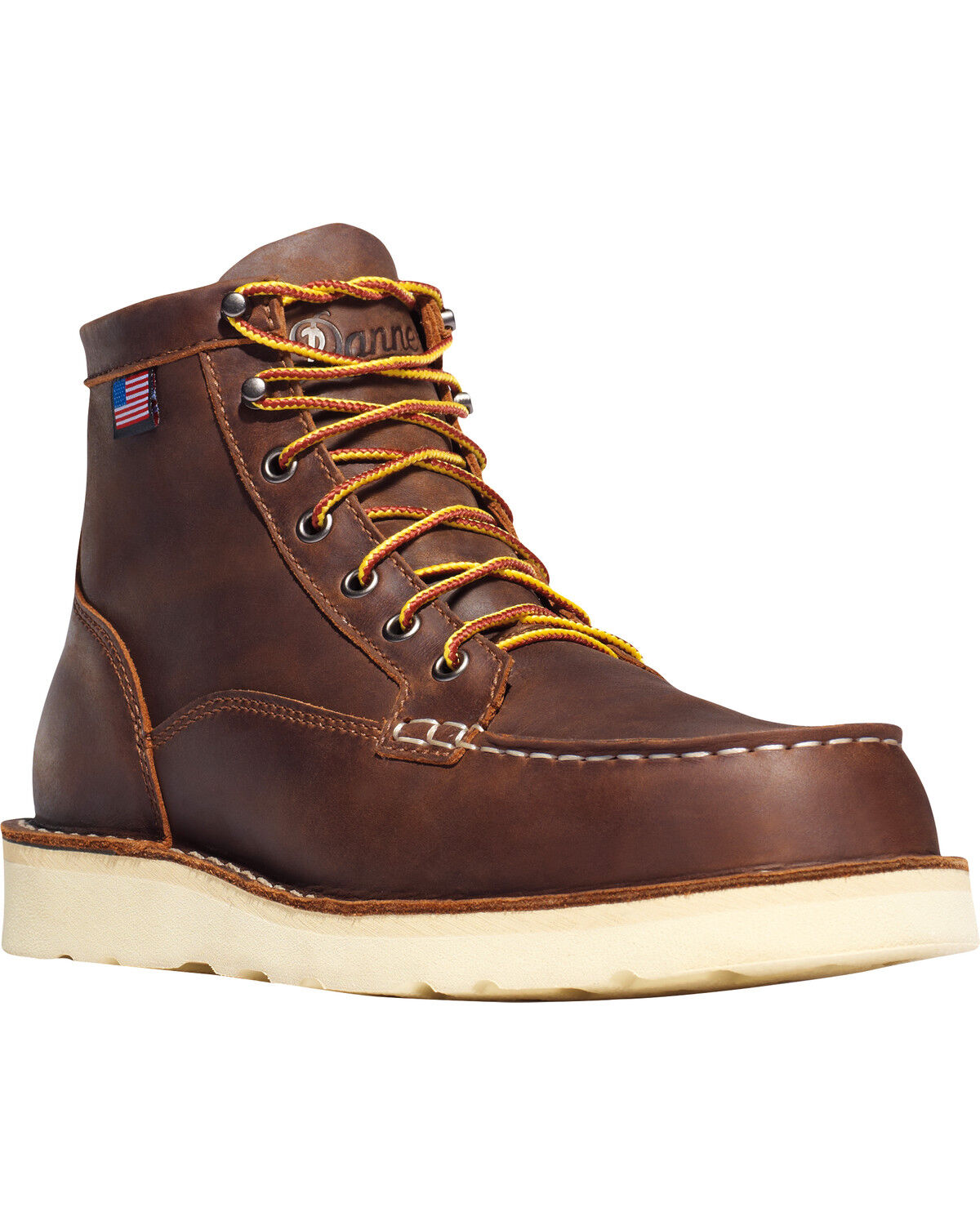
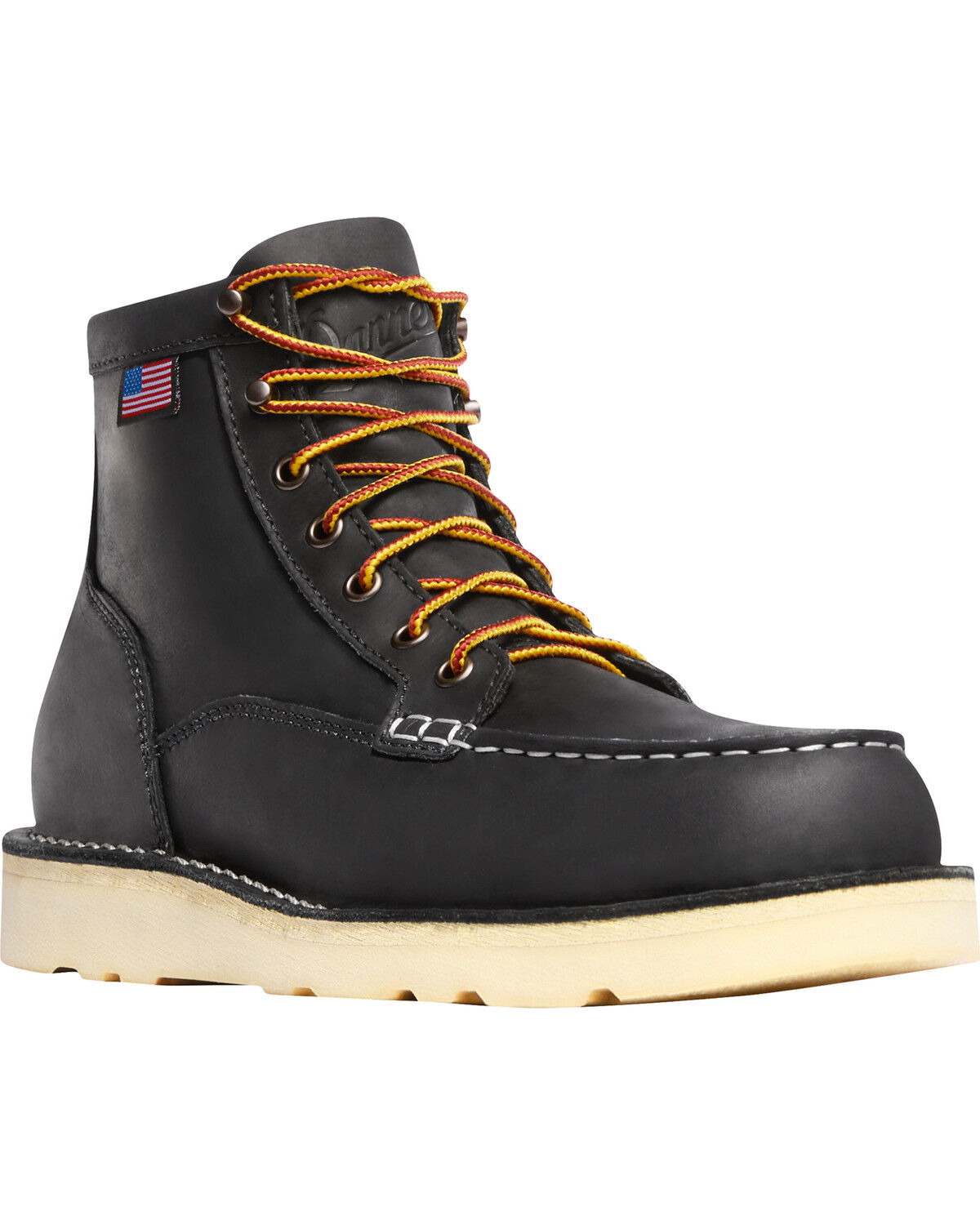
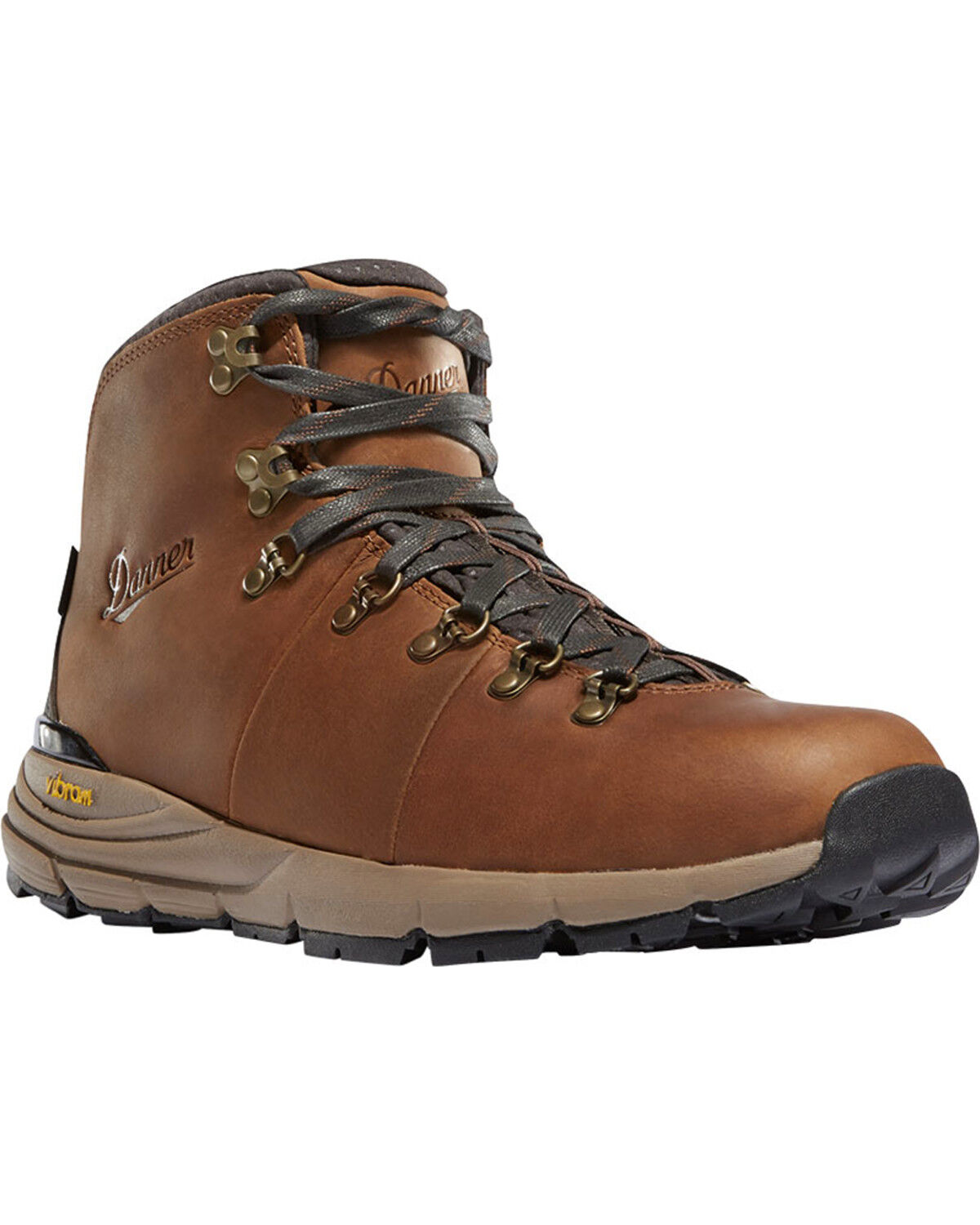
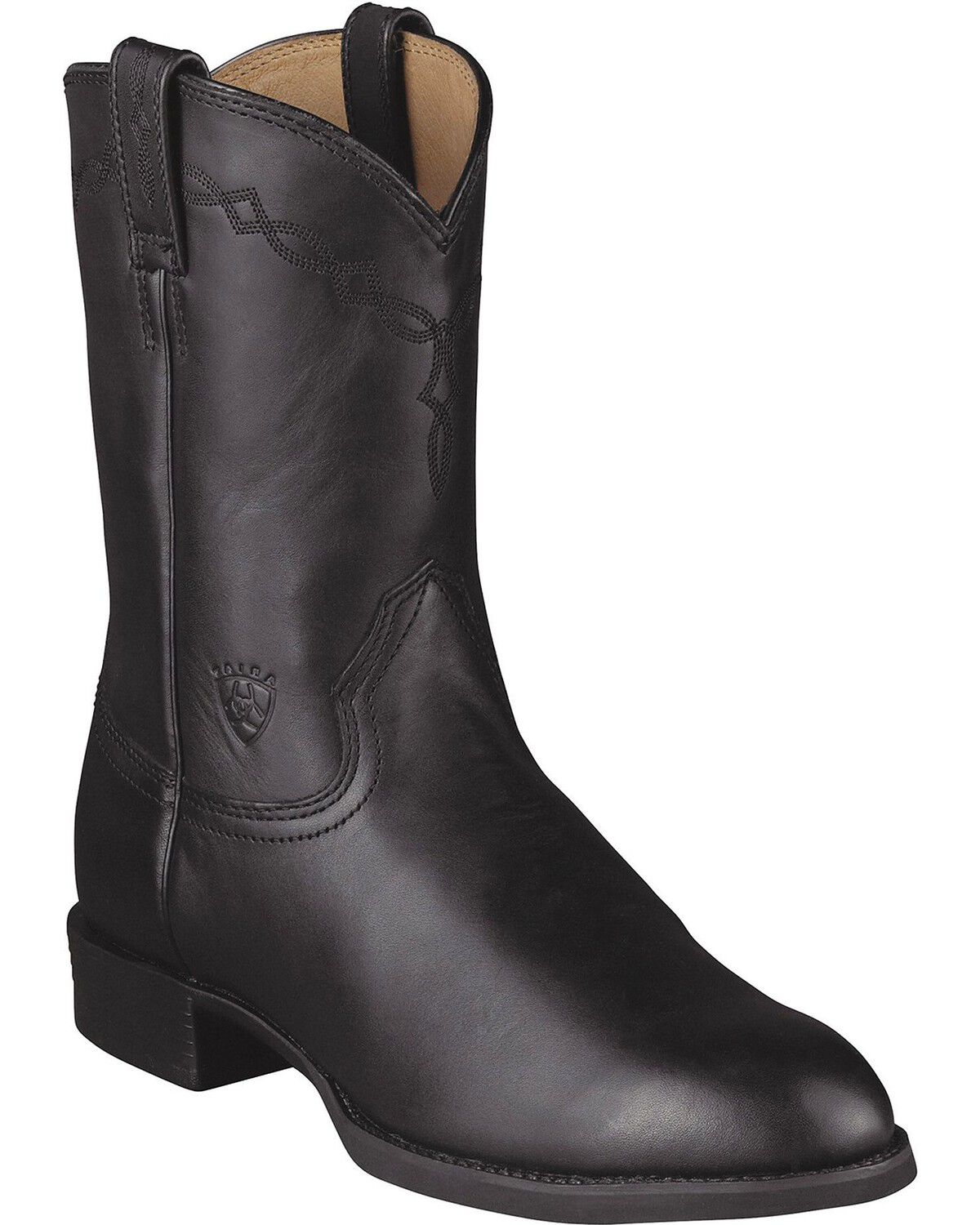
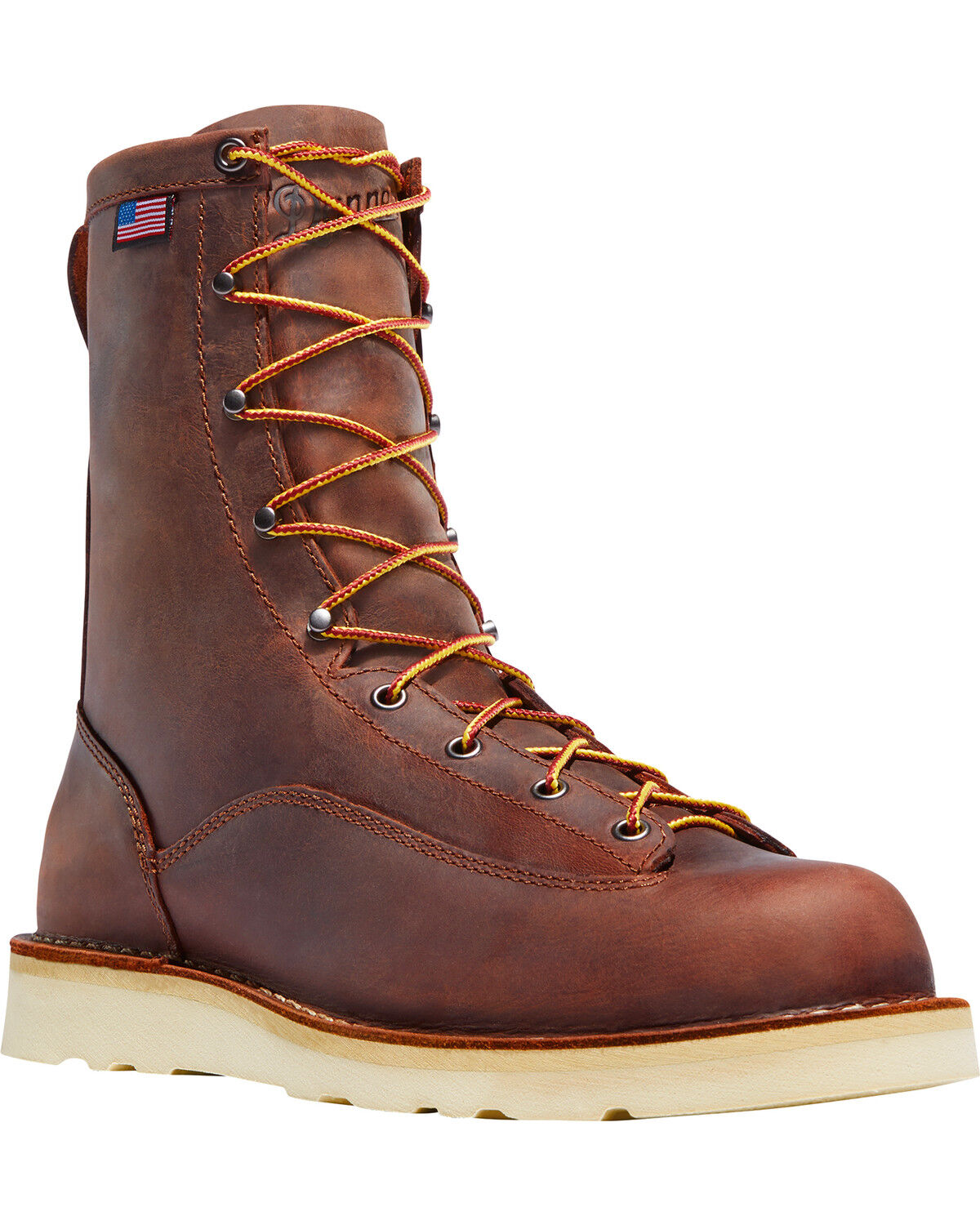
Safety Toe Slip On Boots
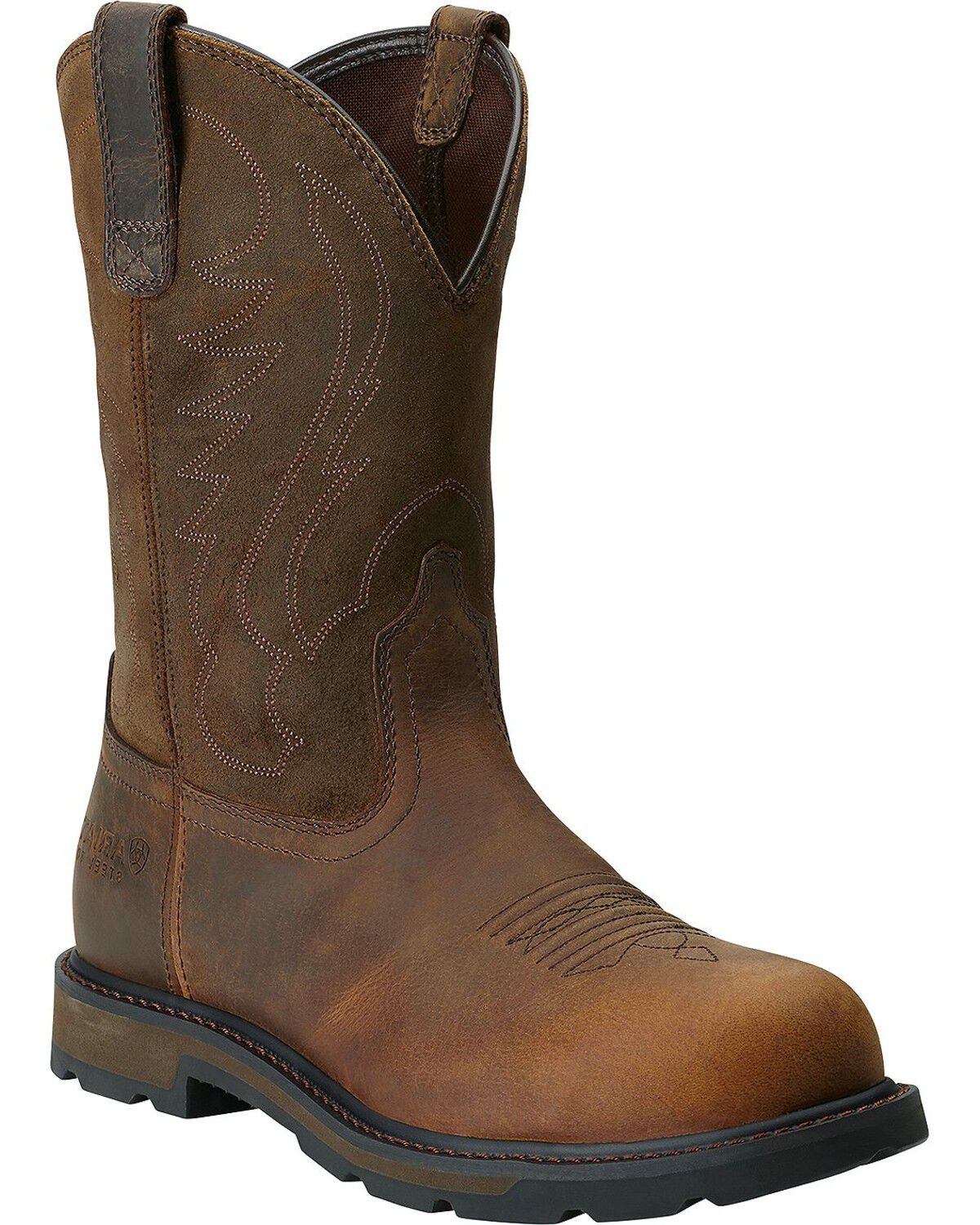
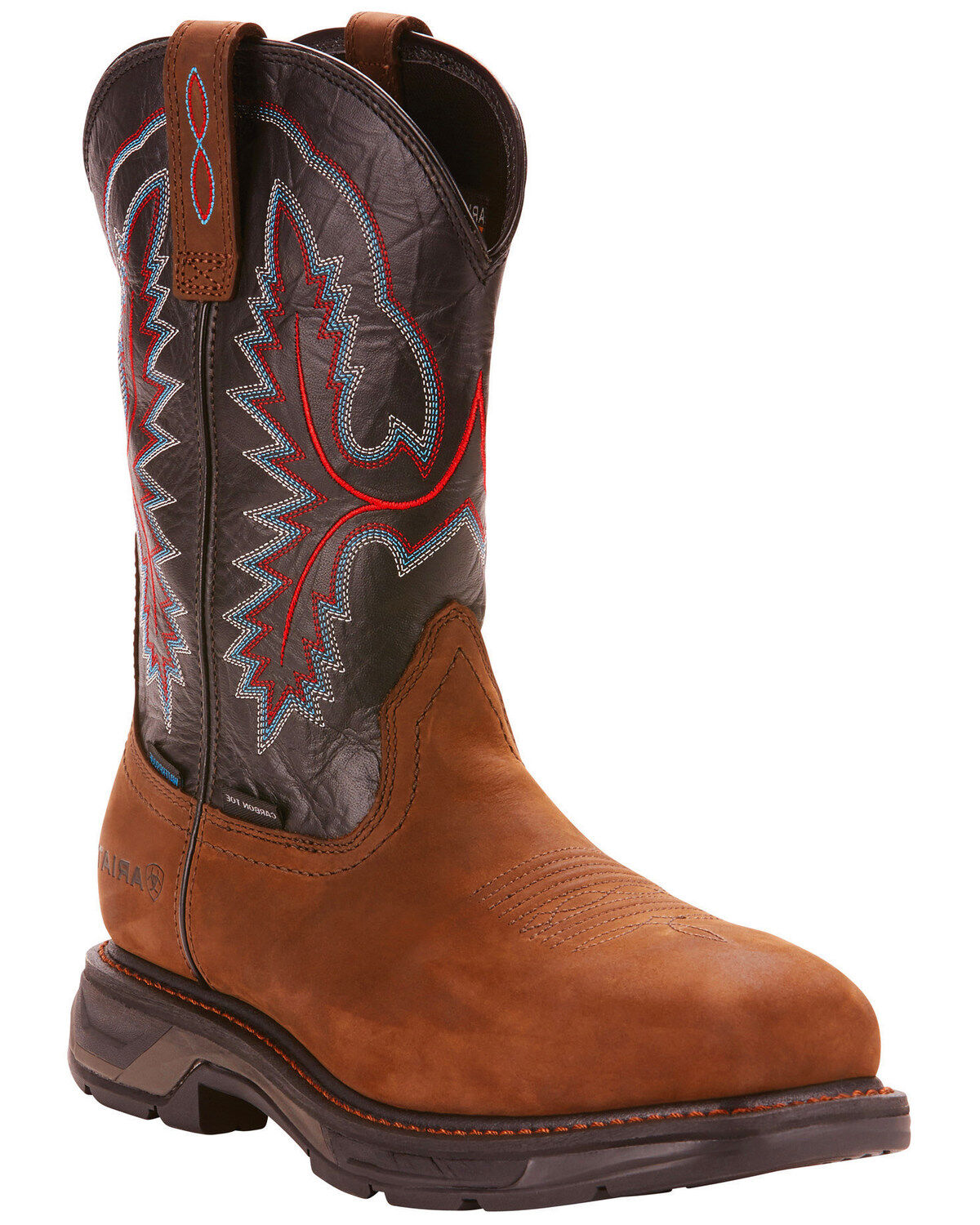
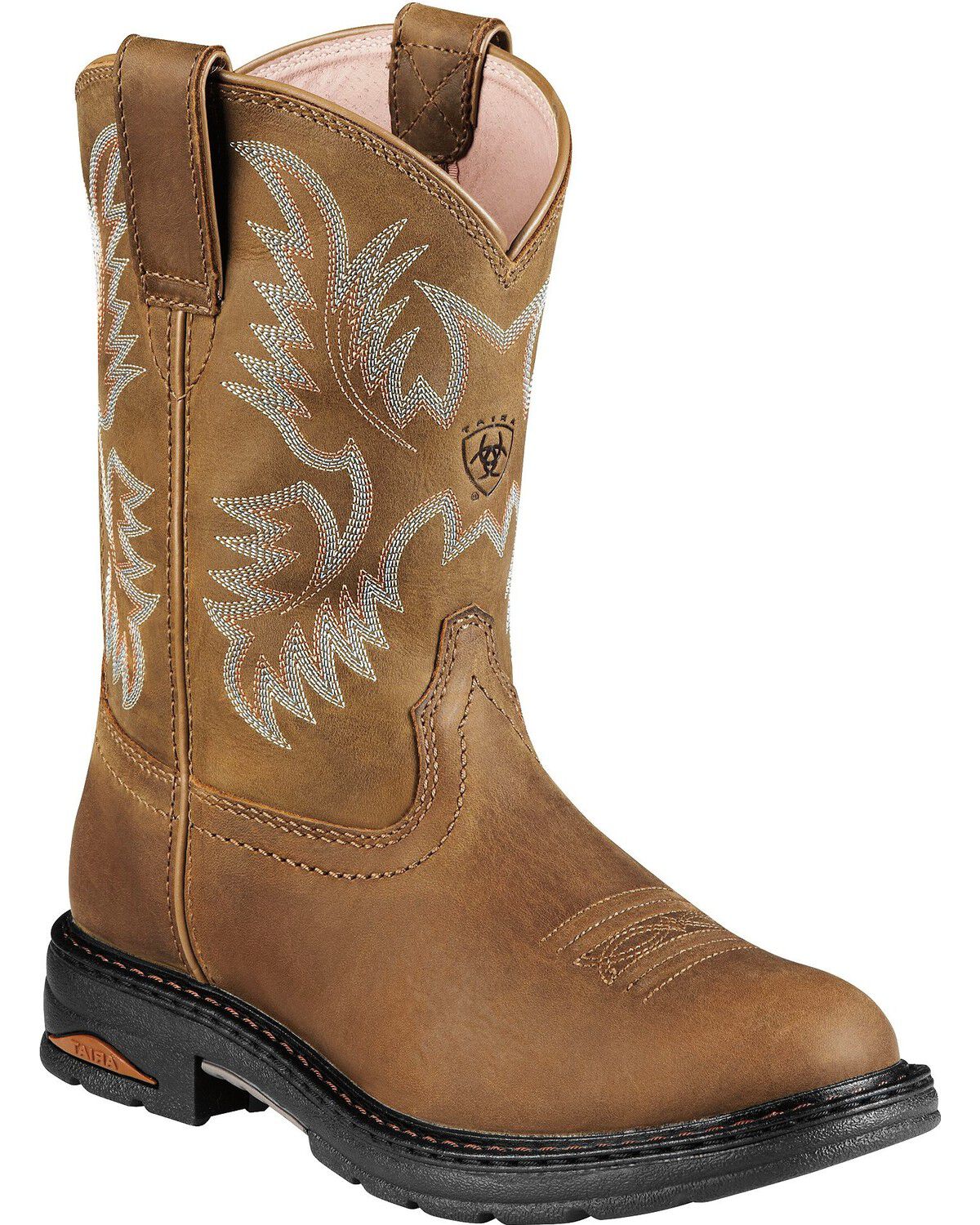
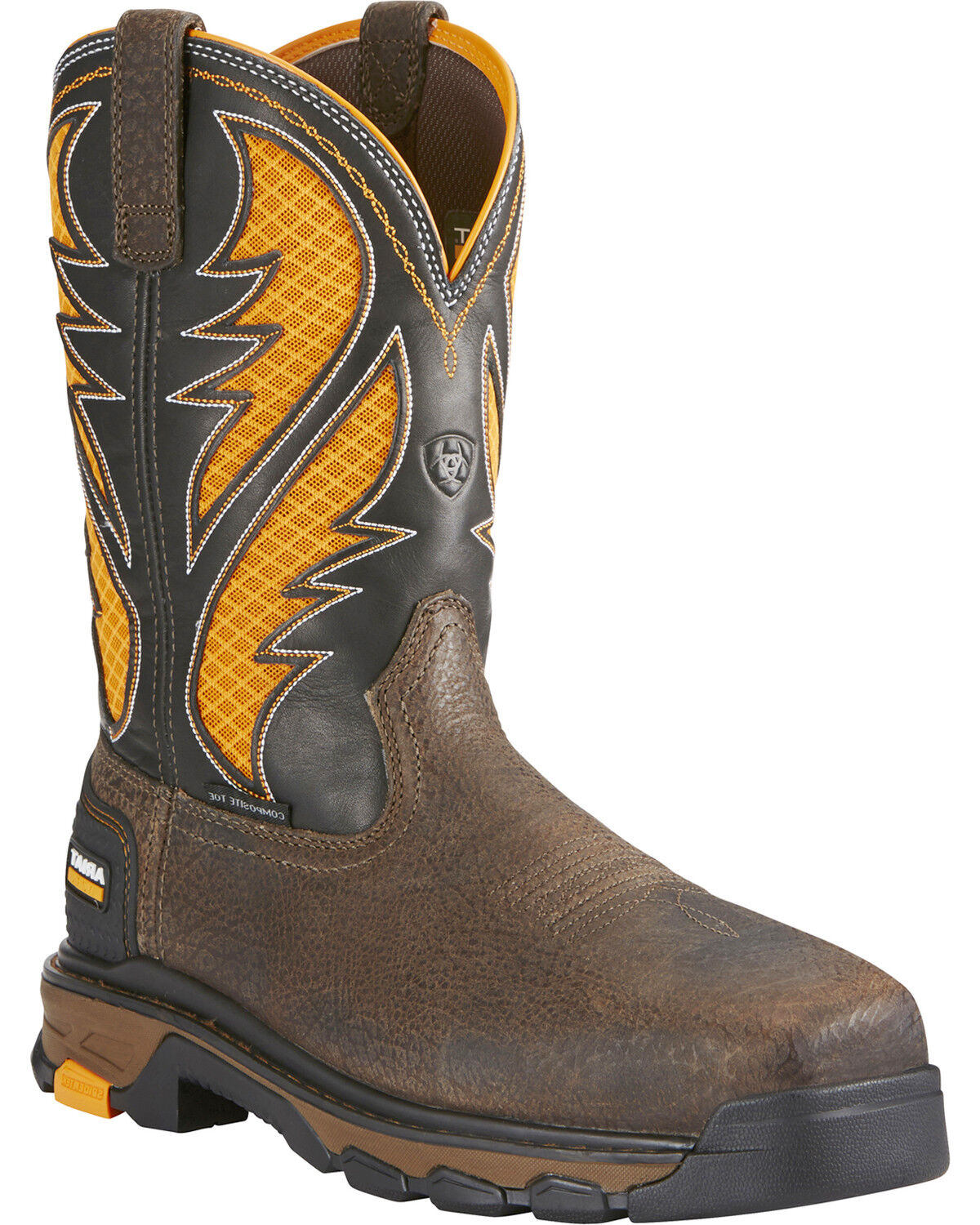
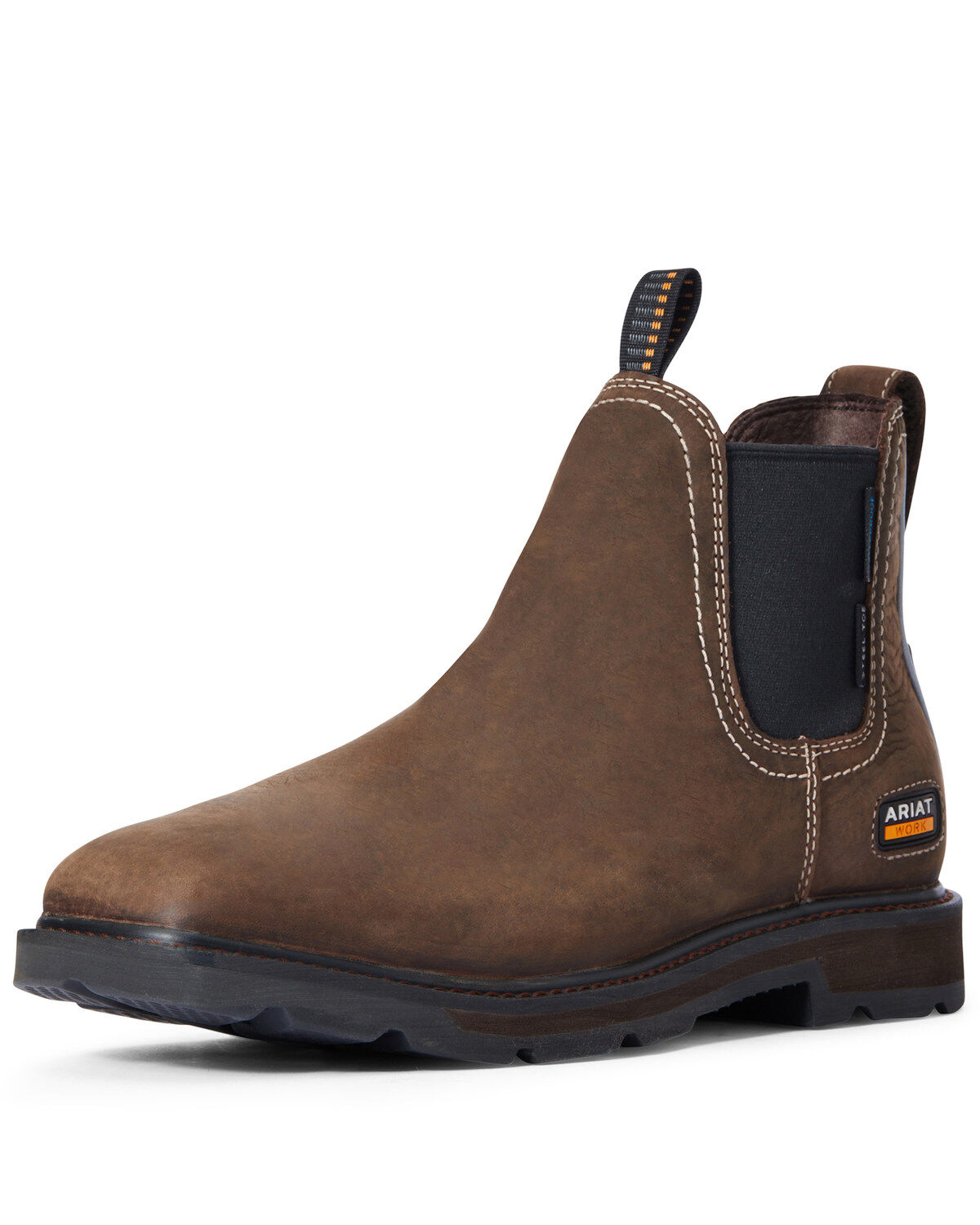
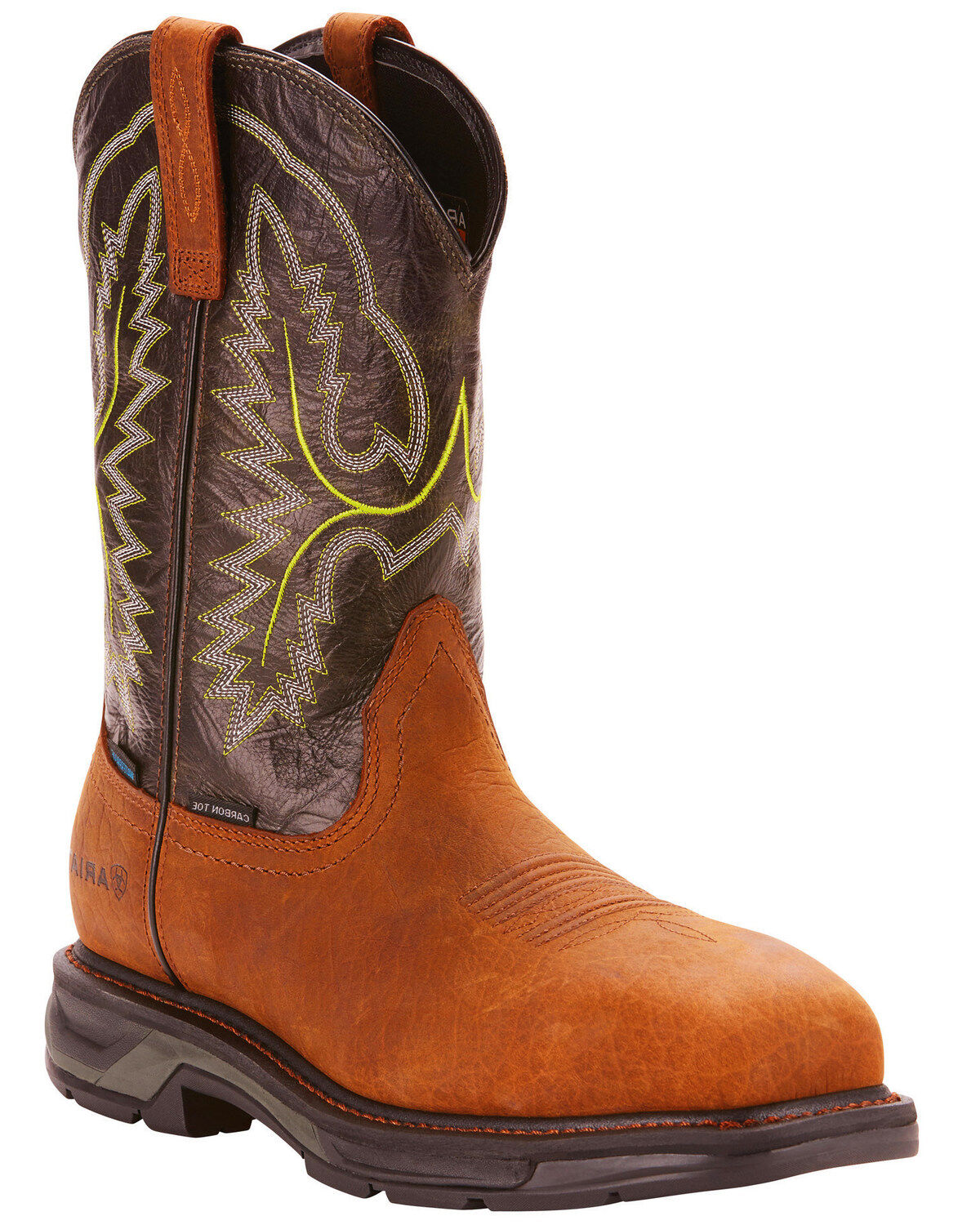
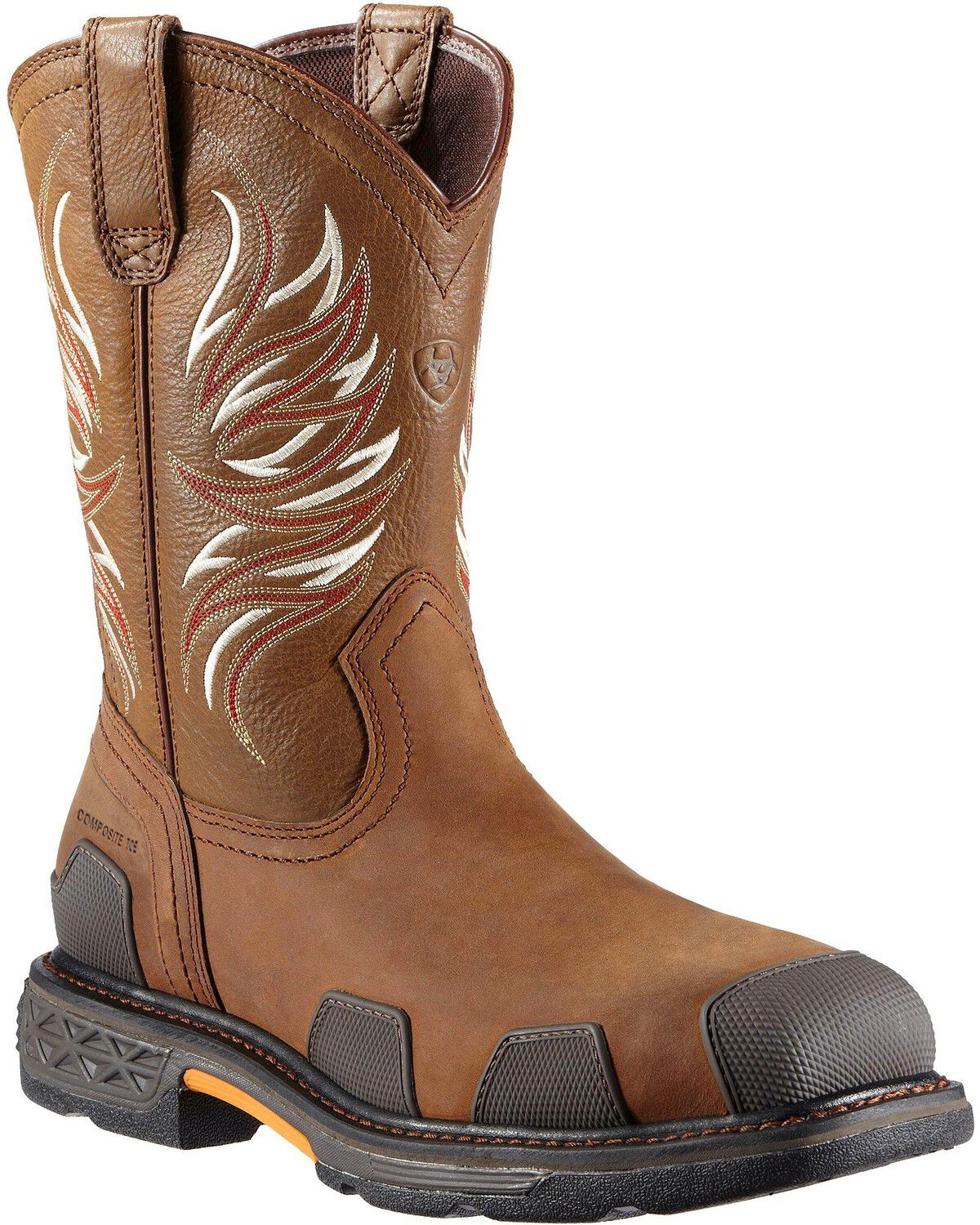
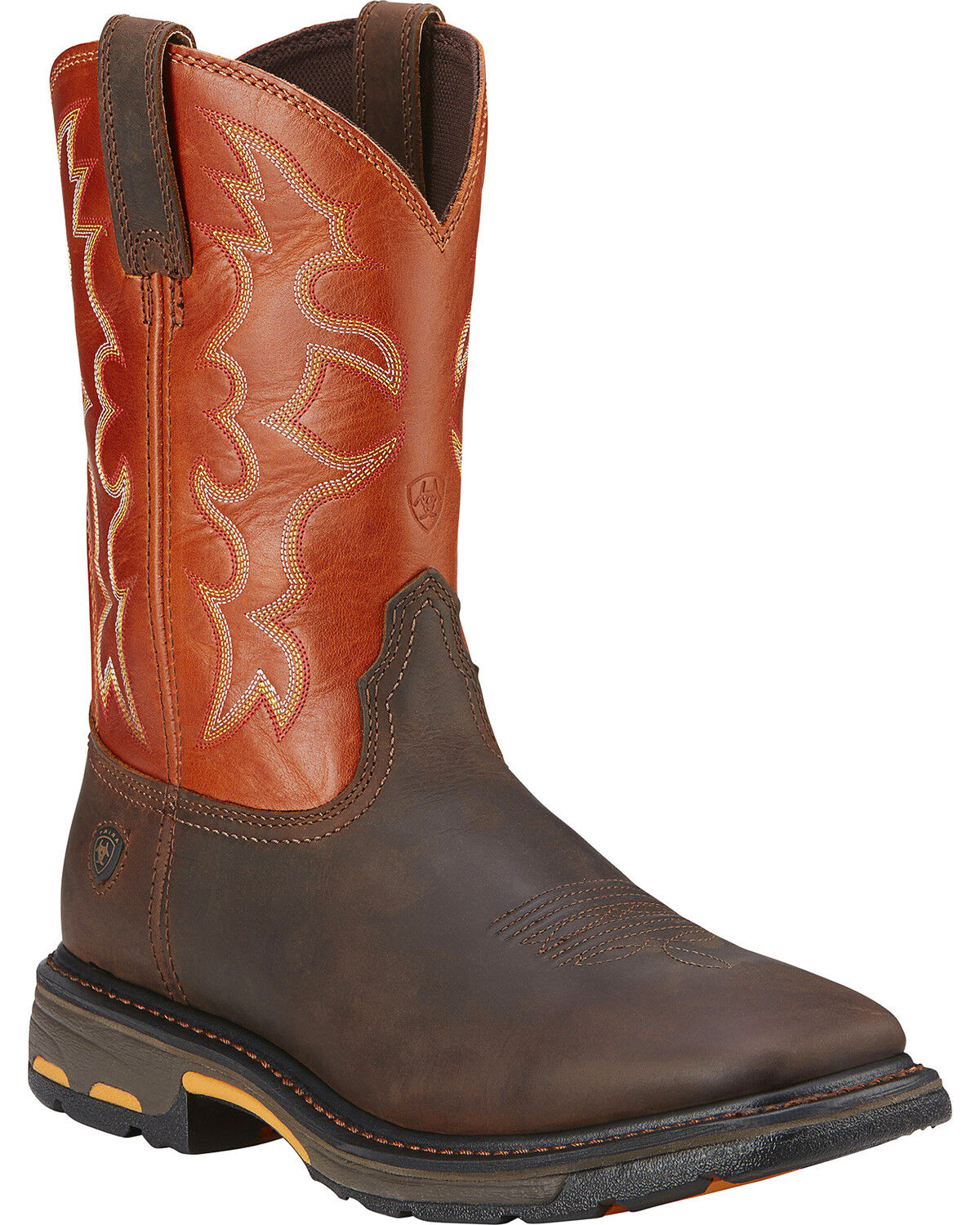
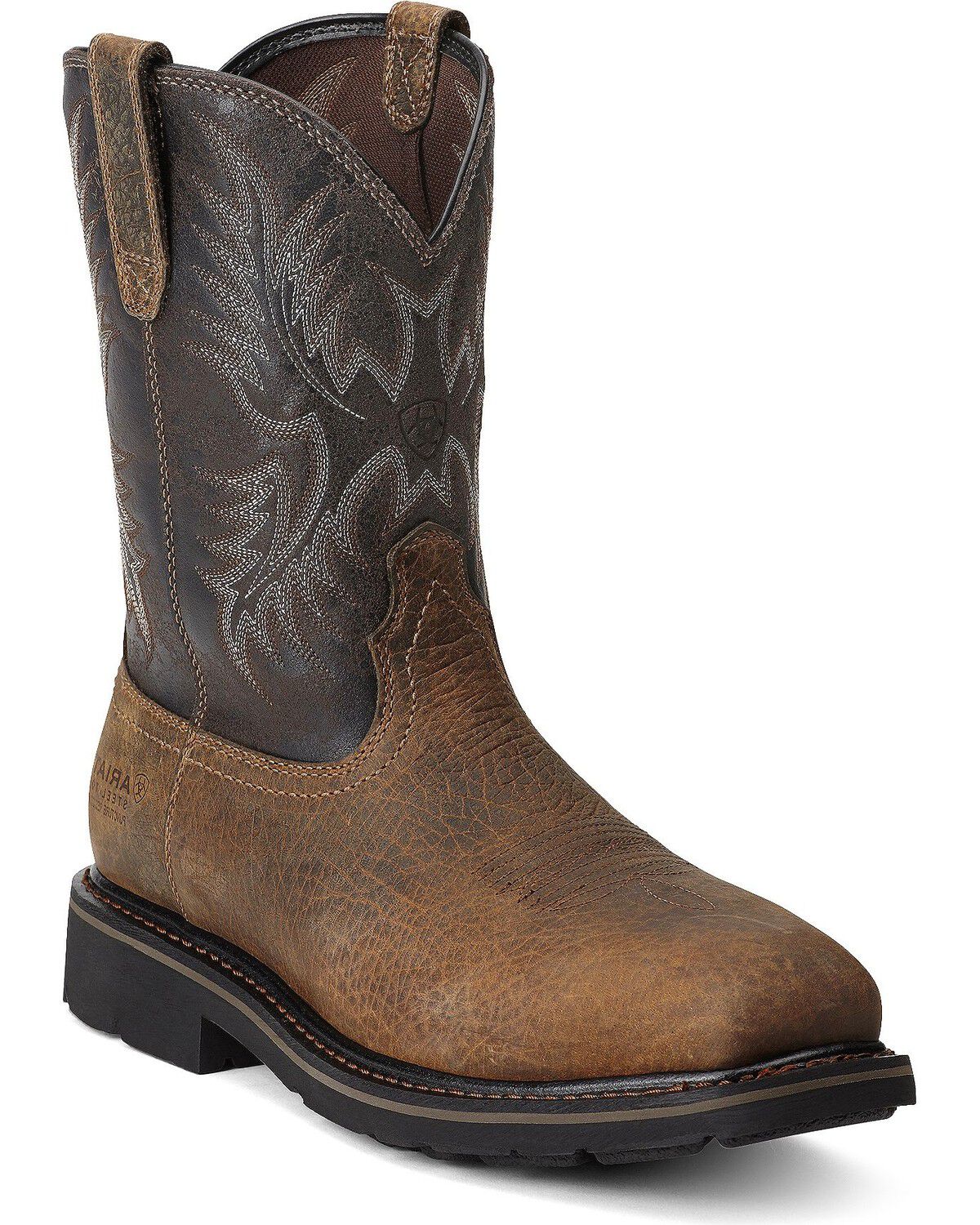
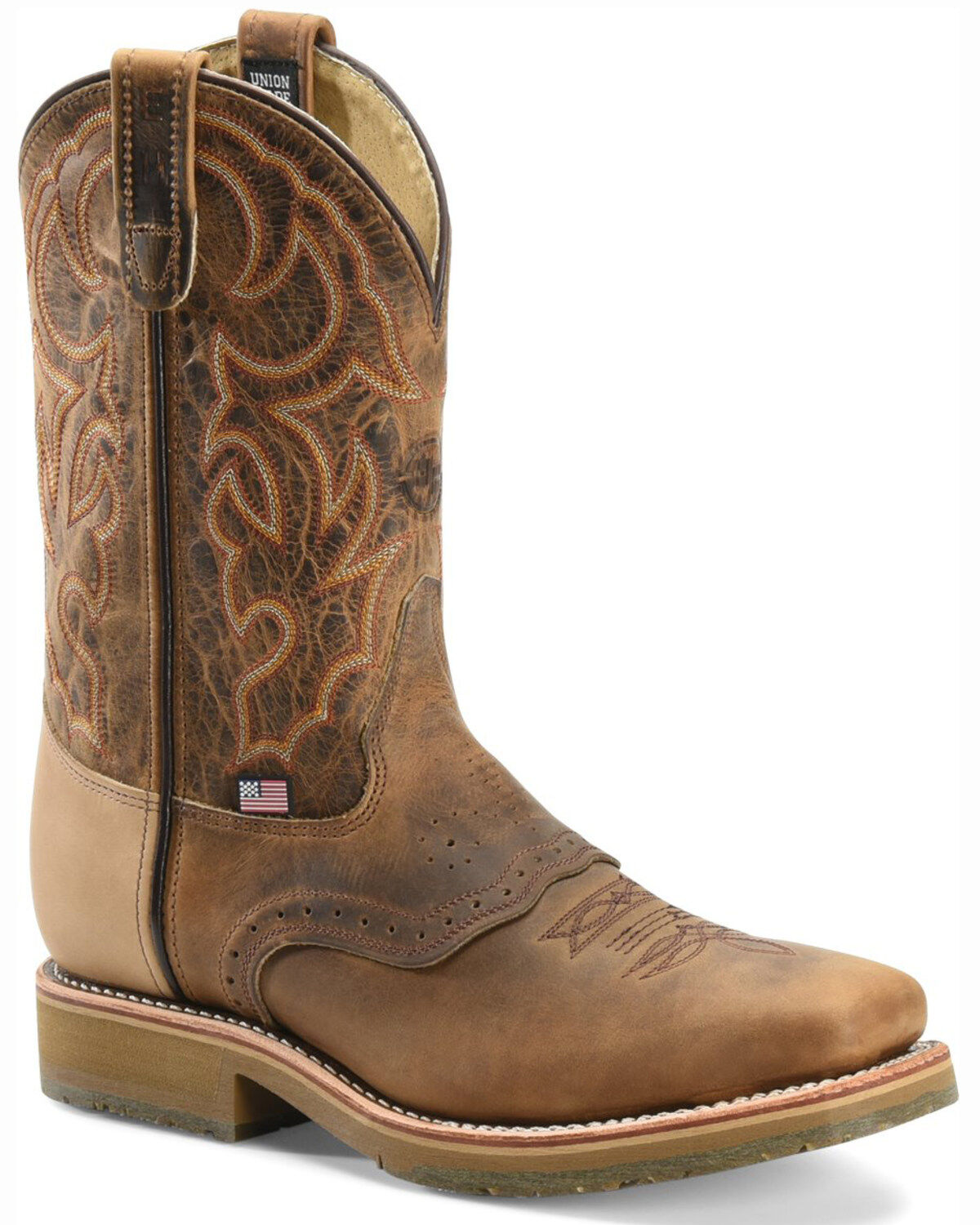
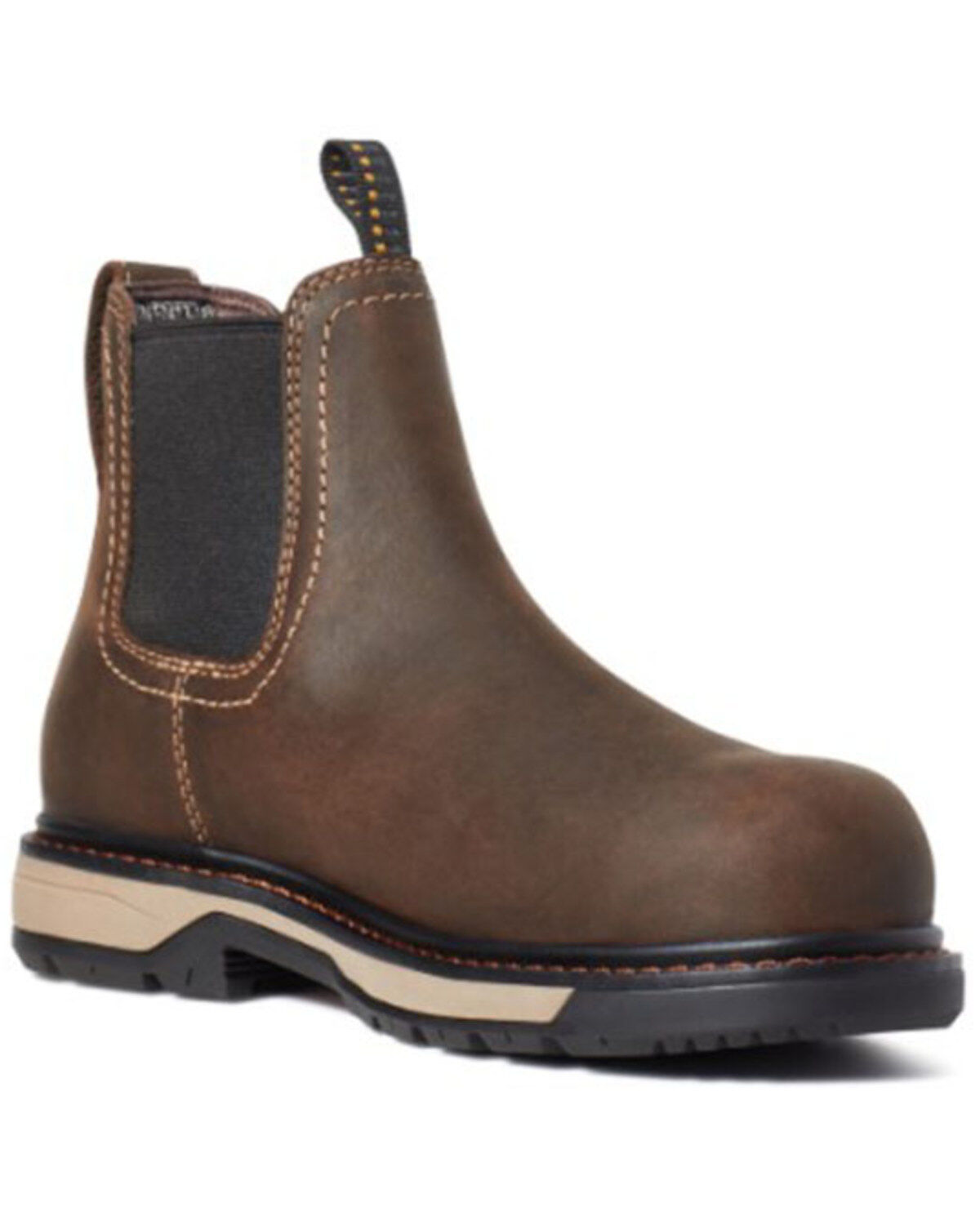
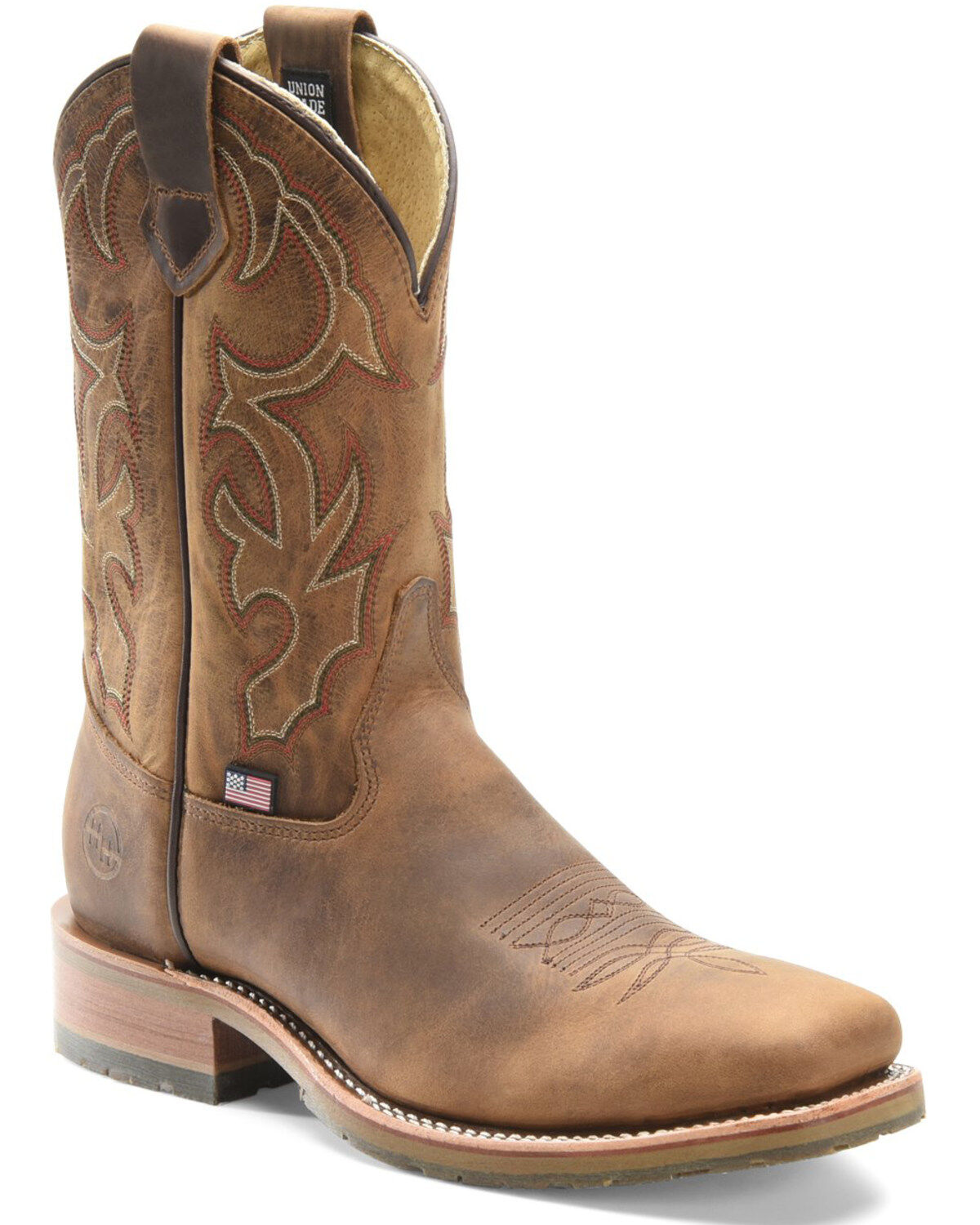
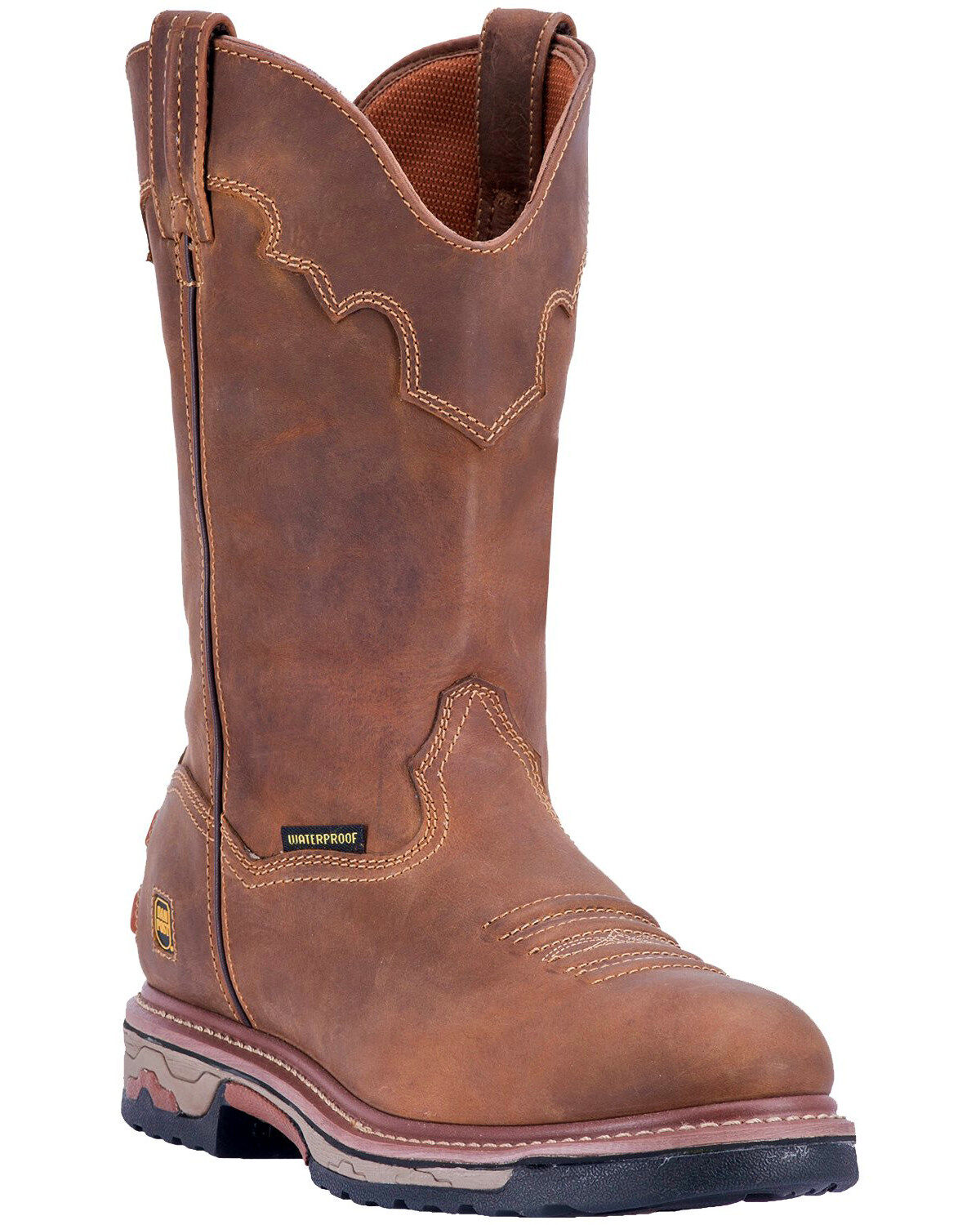
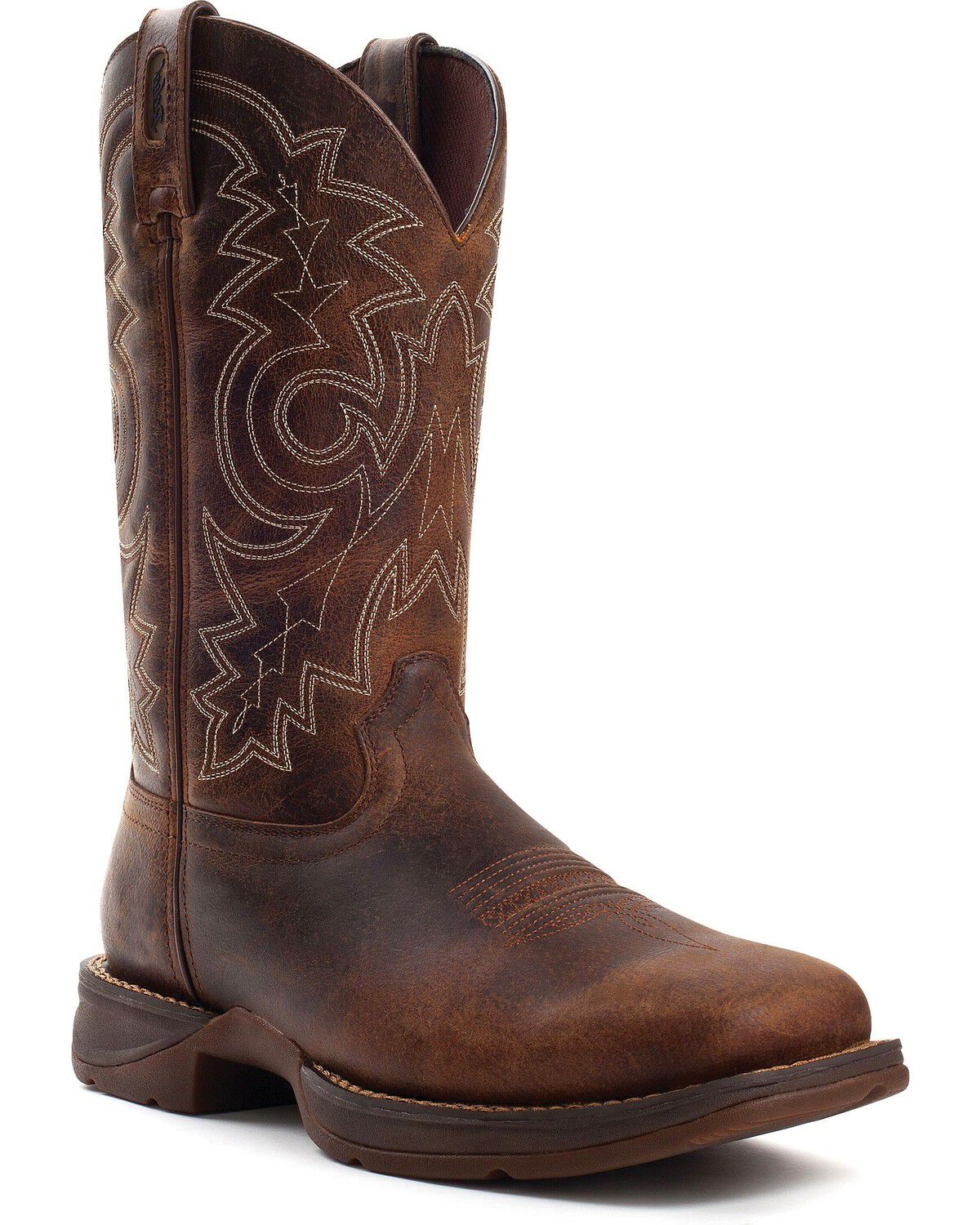
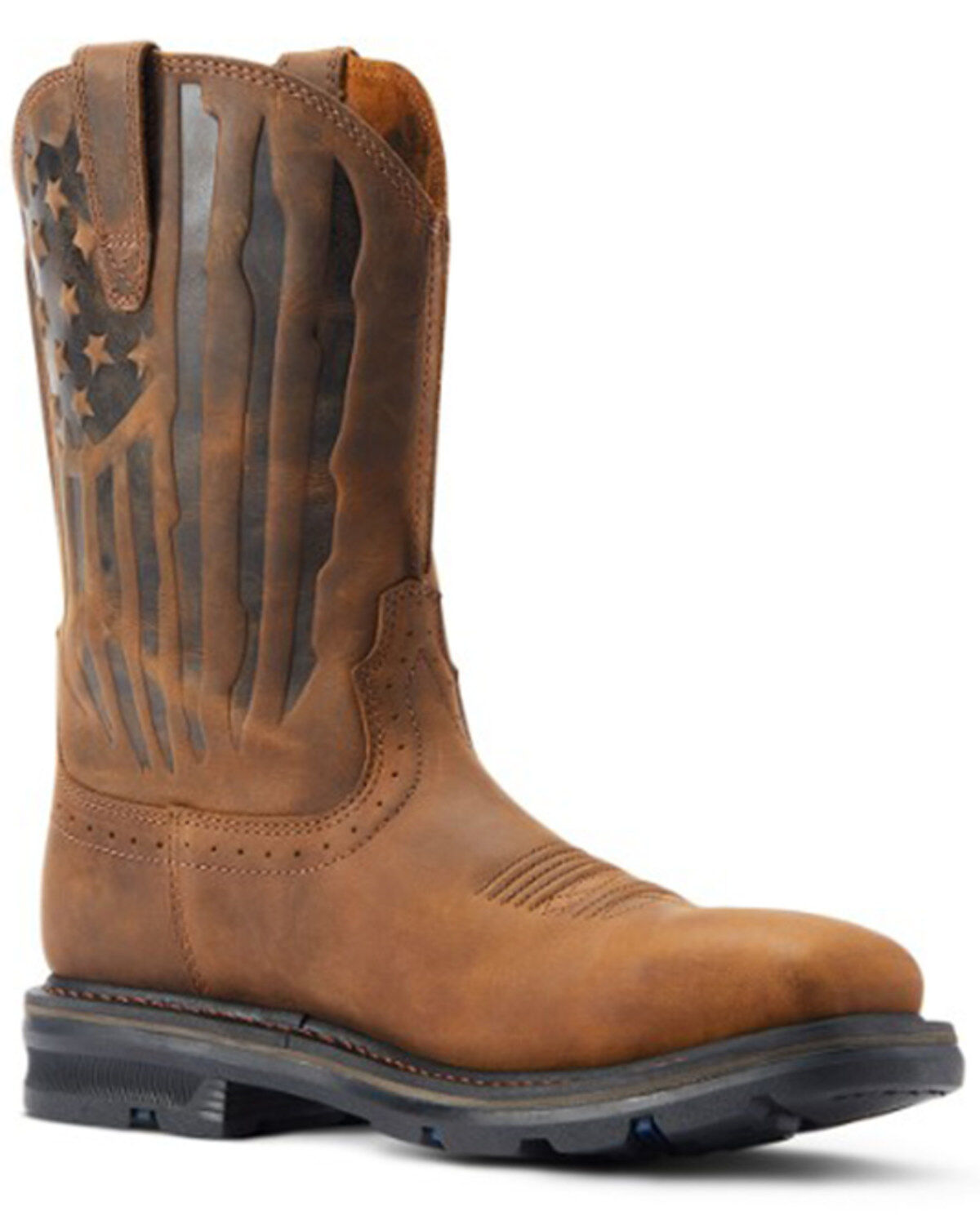
Find safety toe slip on boots that pair toe protection with easy pull-on wear. Browse work boots without laces, and check each pair’s safety ratings, fit, and features against your job’s requirements before choosing.
-
$329.99
-
$174.95
-
$169.95
-
$259.95
-
$174.95
-
$239.95
-
$249.95
-
$179.95
-
$259.95
-
$239.95
-
$244.95
-
$229.95
-
$199.95
-
$314.99
-
$174.95
-
$299.99
-
$260
-
$155
-
$215
-
$184.99
-
$189.95
-
$184.5
-
$219.95
-
$144.99
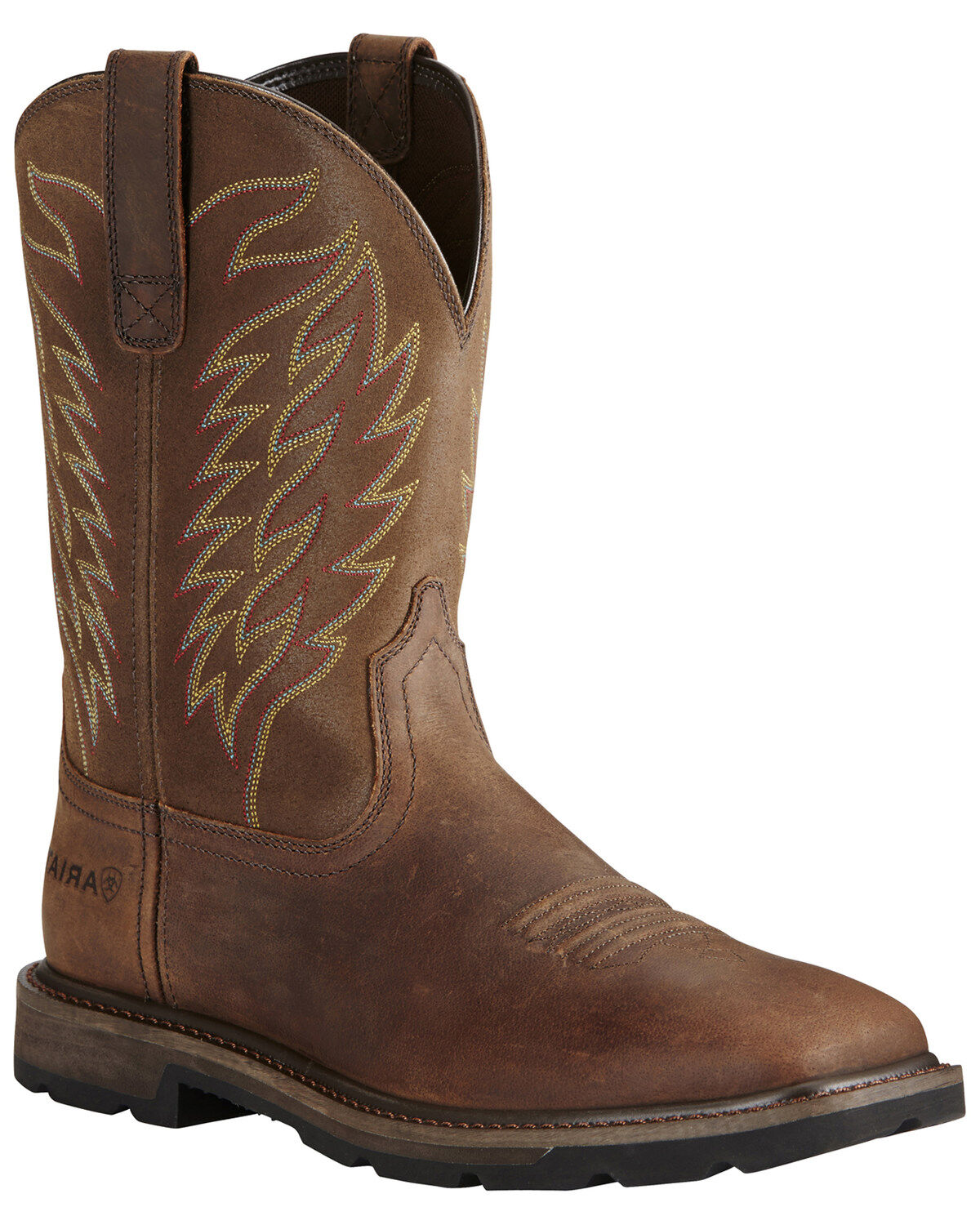


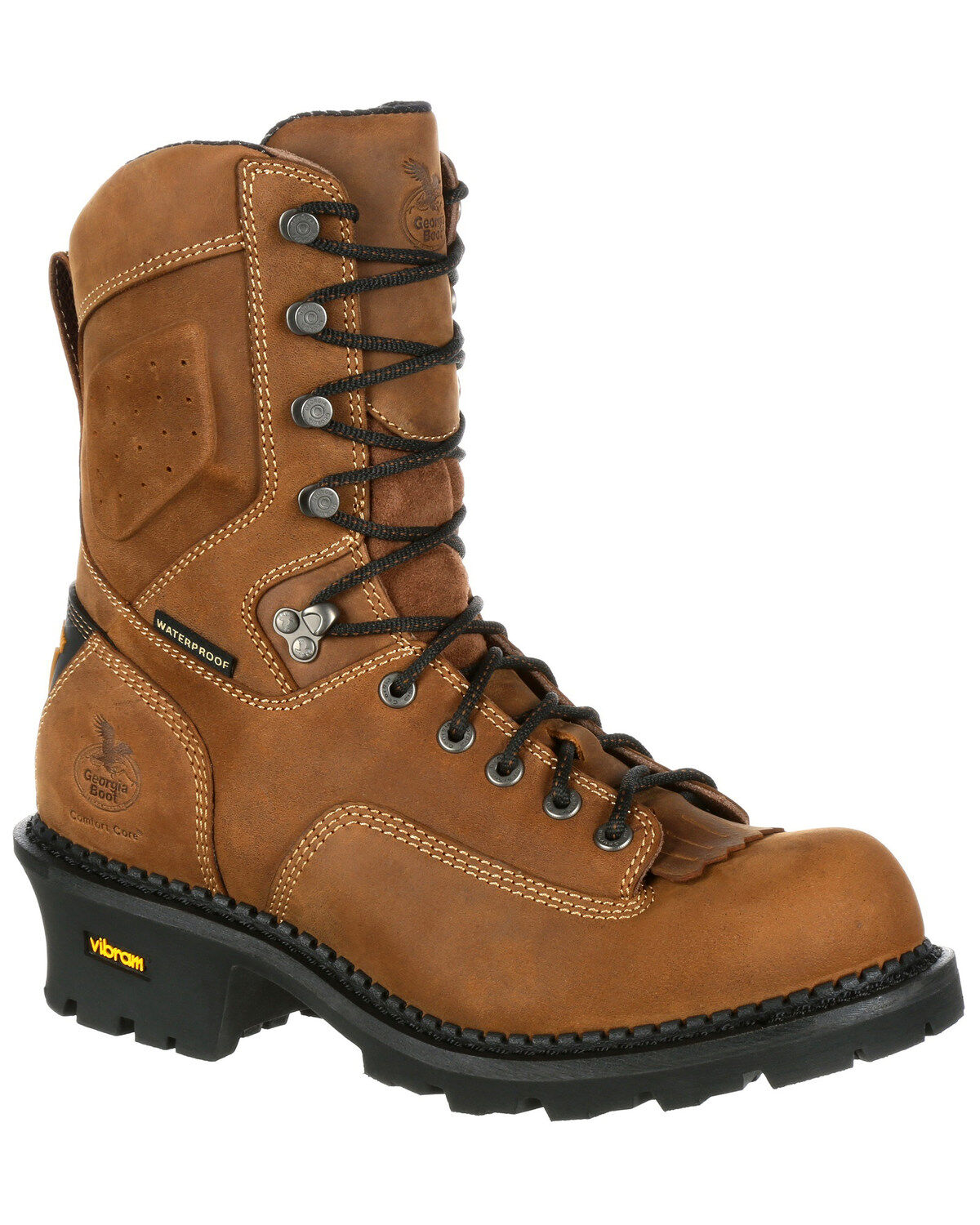
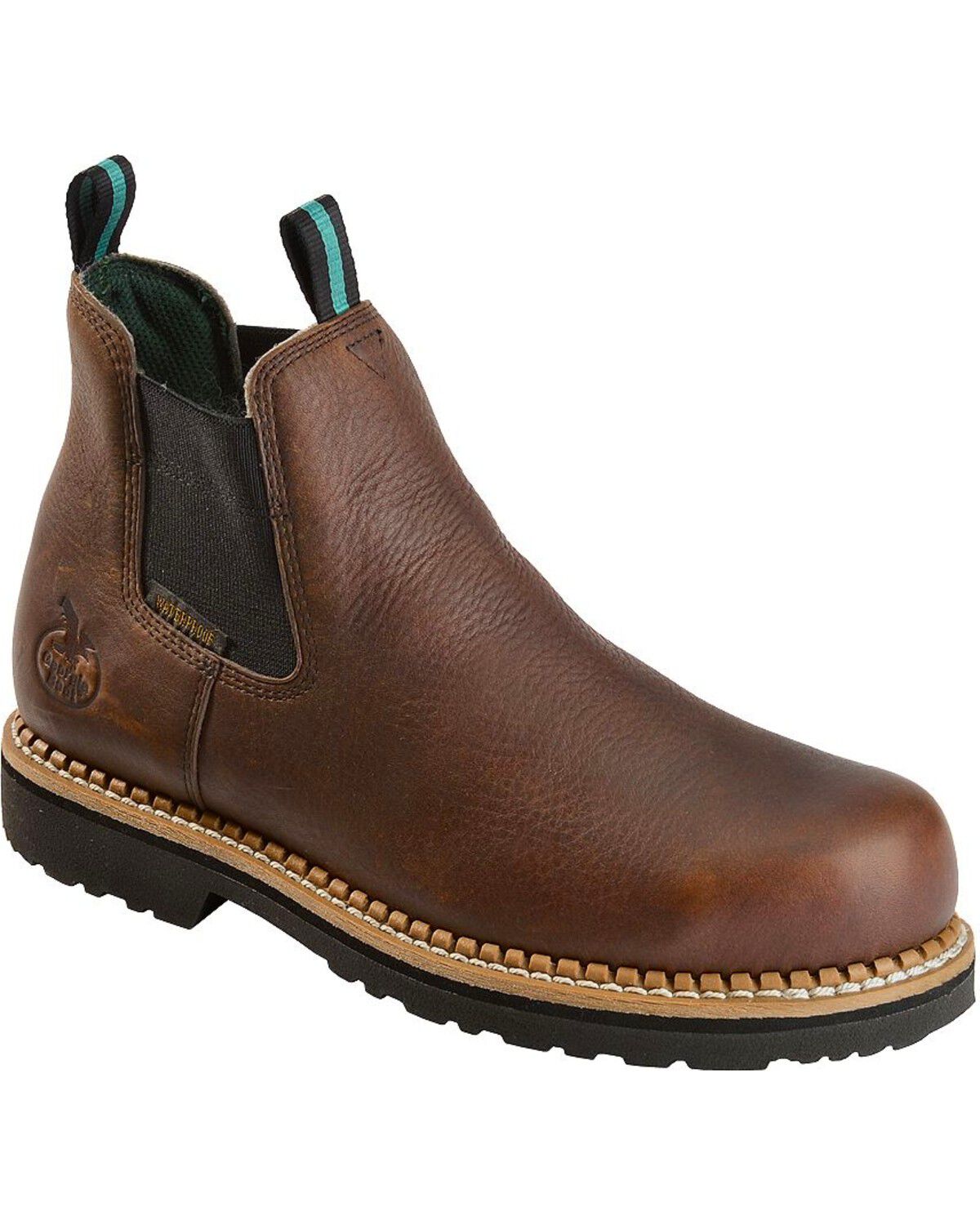
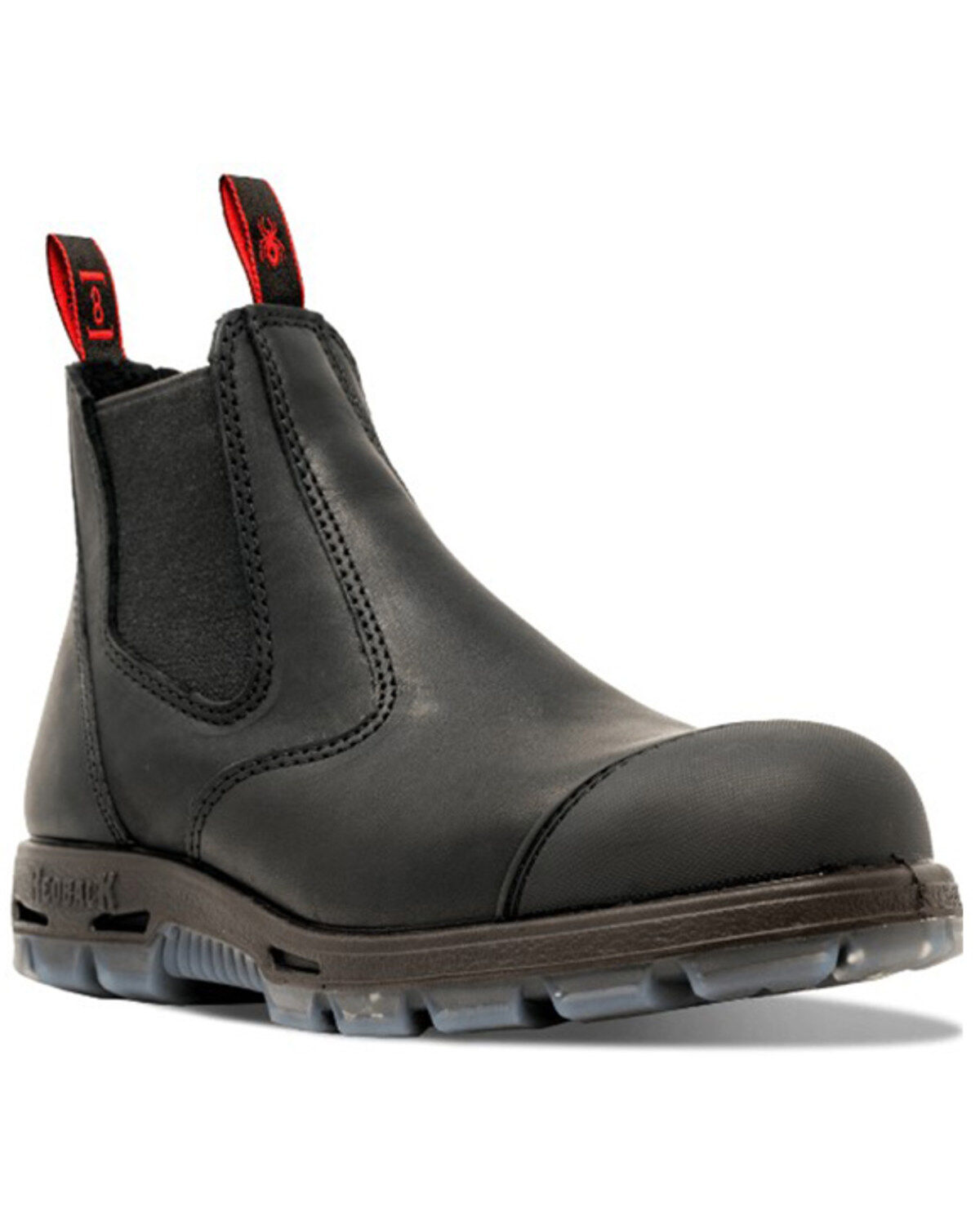
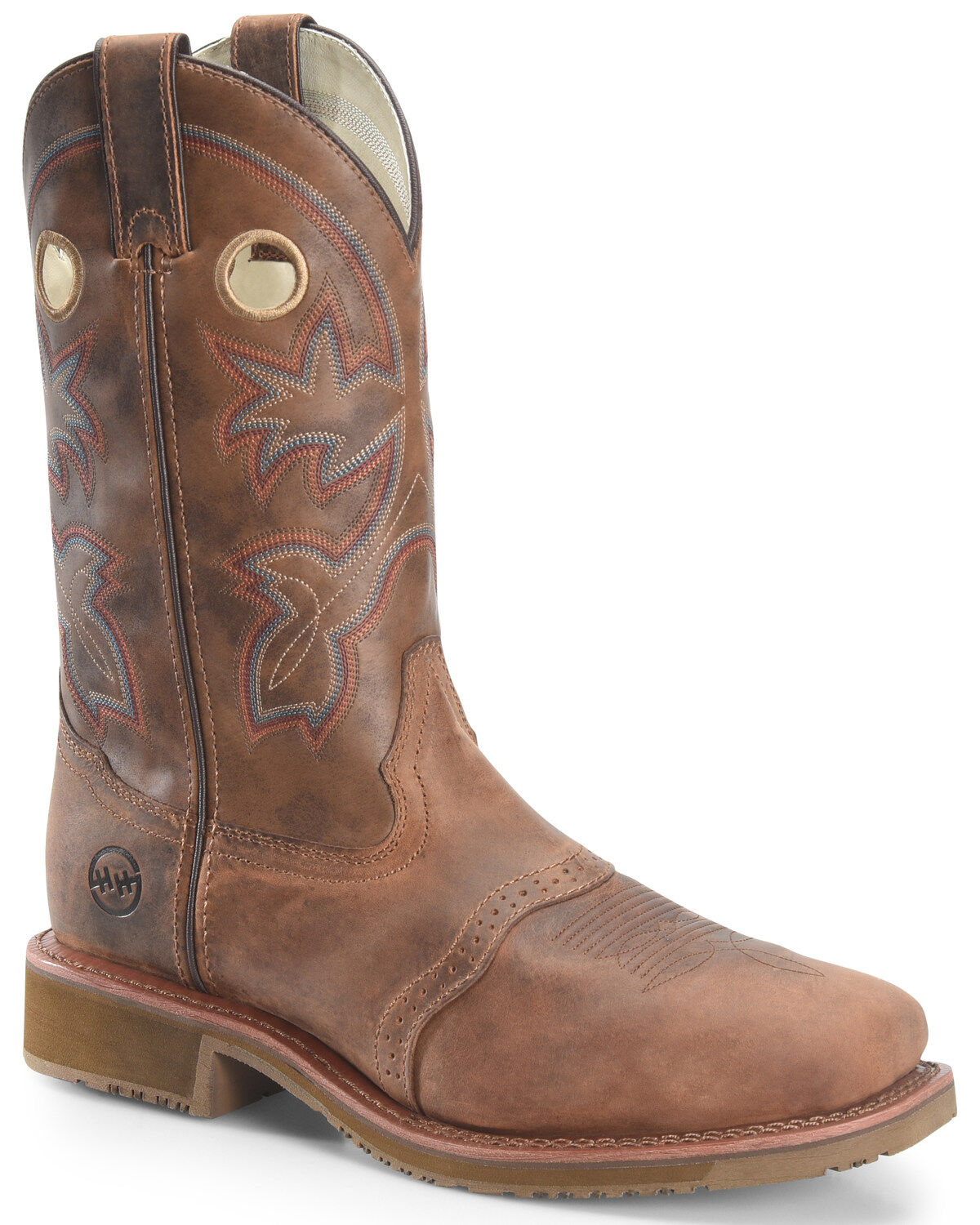

End of products
Safety Toe Slip On Boots
FAQs
Slip-on work boots have a pull-on design without laces. Lace-up boots have laces along the front. Slip-on styles can range from ankle-height designs to taller boots with a western profile.
The shaft is the upper part of the boot that extends above the foot and around the leg. Its height helps define the boot’s overall profile, from a short ankle boot to a taller pull-on style.
No. Slip-on work boots can have western details, such as decorative shaft stitching, or a plain design with minimal trim. Toe shape and shaft height also contribute to the overall look.
Straight-leg and bootcut jeans are common choices for wearing over the boot shaft. Work pants also pair naturally with slip-on boots. For a clean look, let the hem fall over the shaft without excessive bunching.
Follow the boot maker’s care instructions. Remove loose dirt regularly, let wet boots dry away from direct heat, and use only care products intended for the boot’s materials and finish.