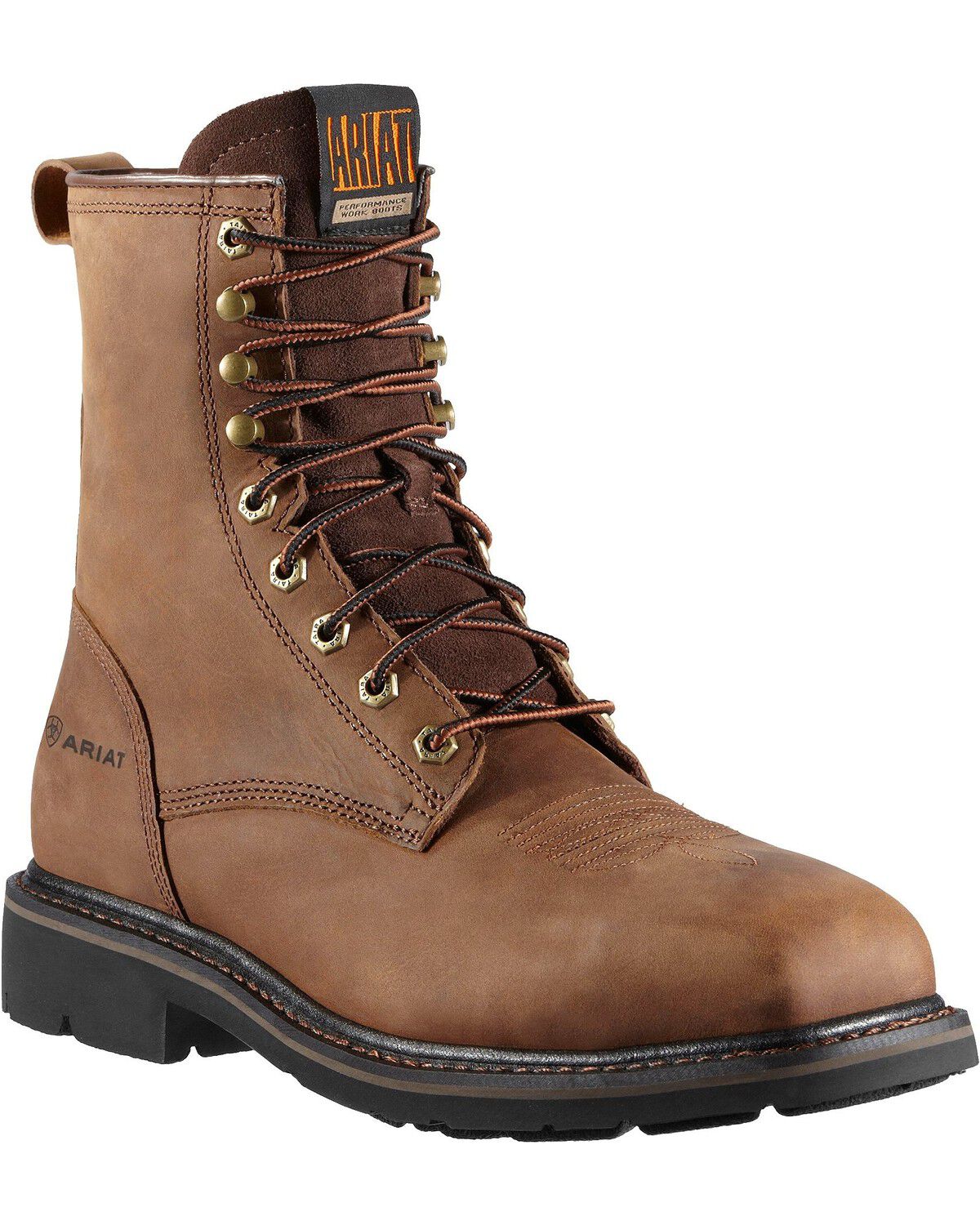
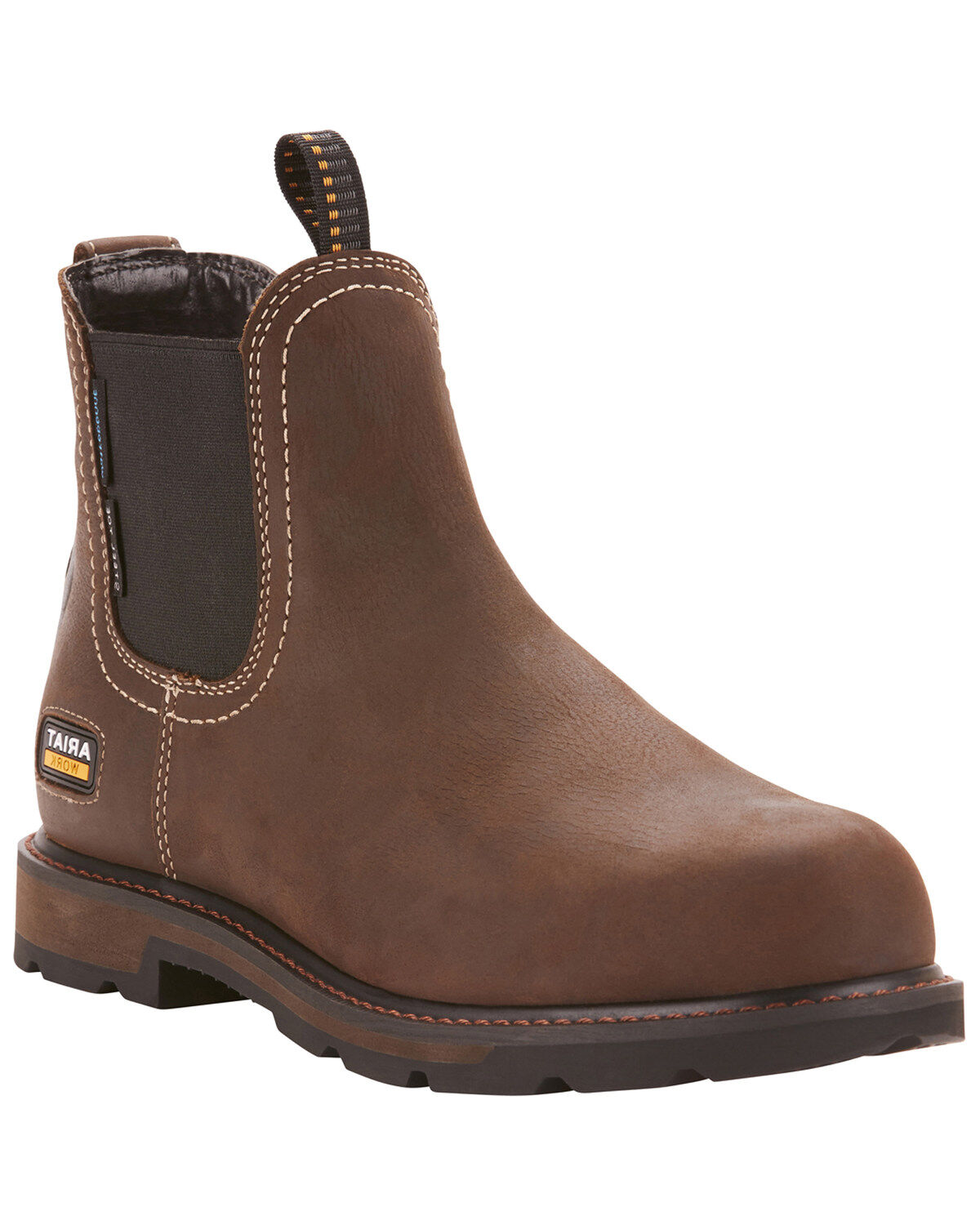
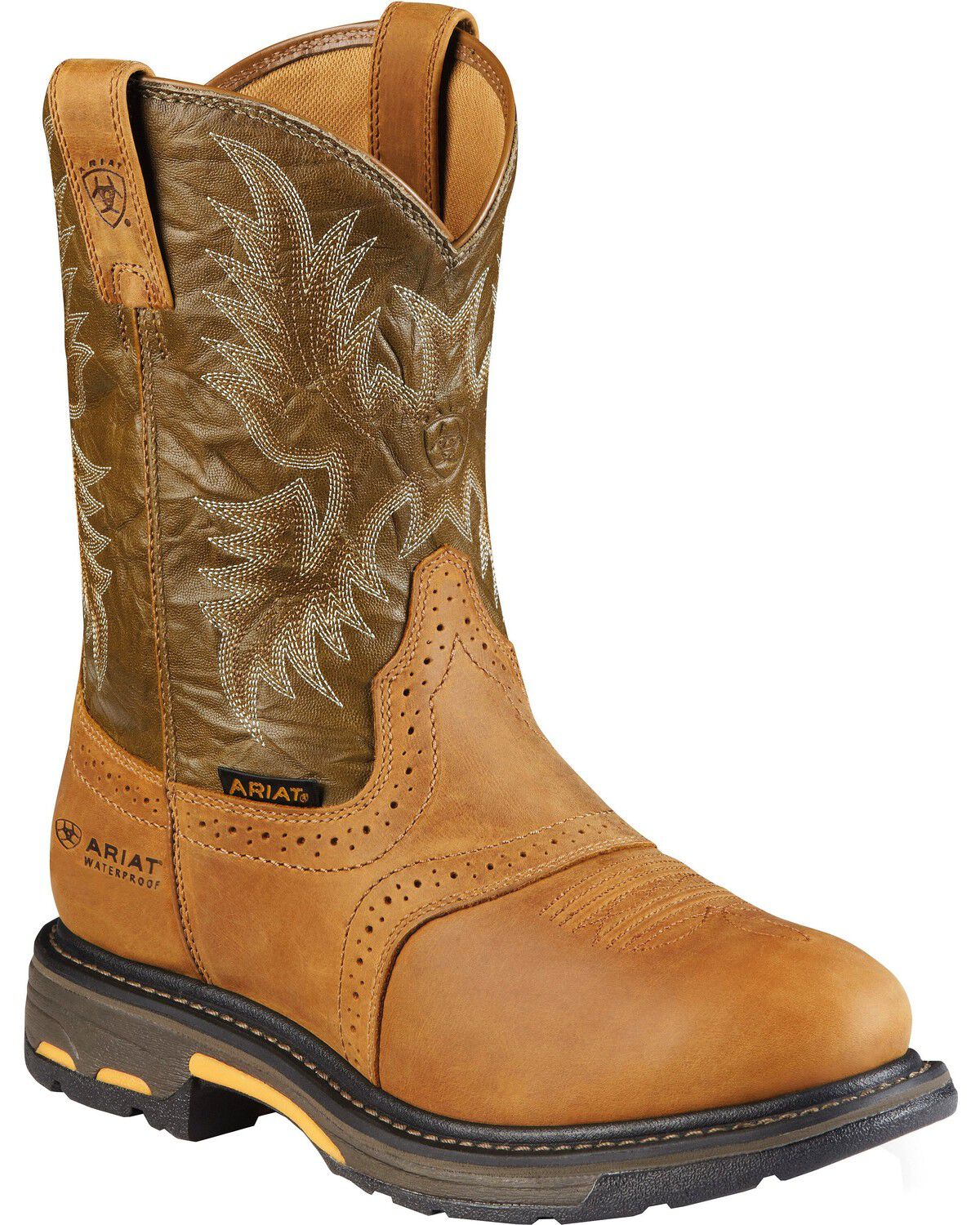
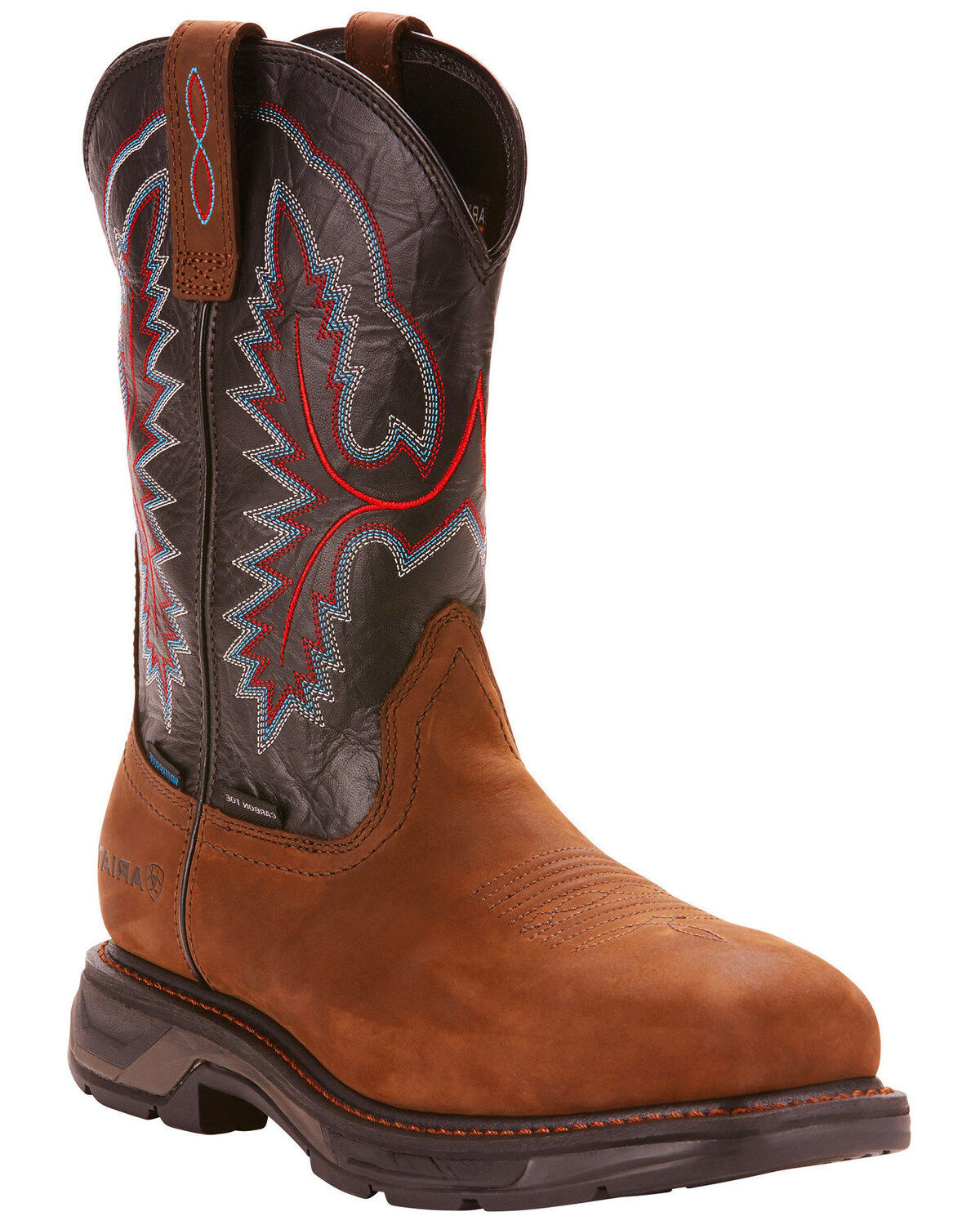
Safety Toe Work Boots For Men

Find safety toe work boots for men with jobsite requirements and long workdays in mind. Browse the selection and compare fit, toe protection, and listed safety ratings to choose a pair that meets your workplace requirements.

Shop Your Store: Shop Your Store: Find a Store

(Turn off Shop Your Store to see all items)

(Turn off Shop Your Store to see all items)

close
  • Recommended
  • Lowest Price
  • Highest Price
Skip pass products

End of products

Safety Toe Work Boots For Men

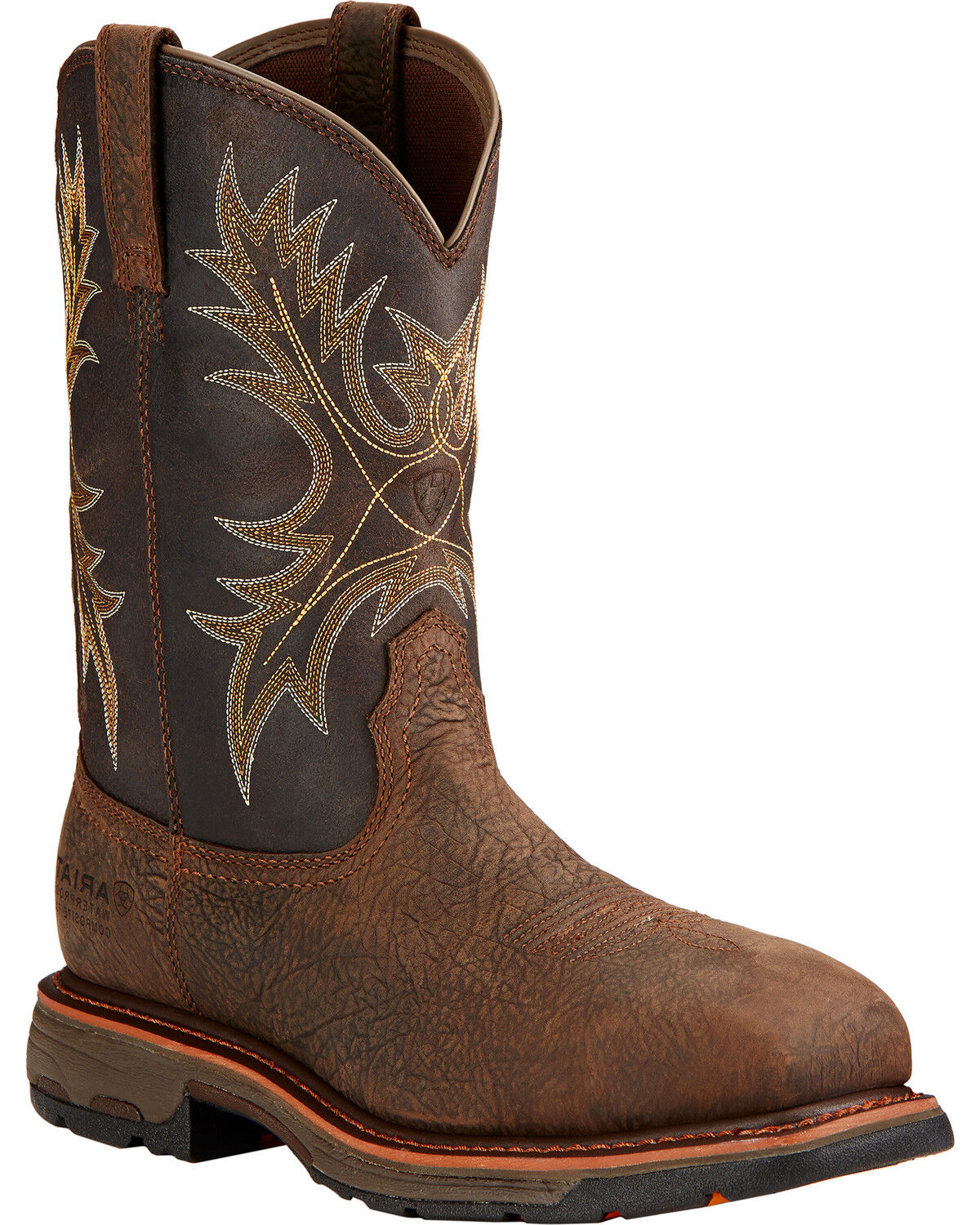
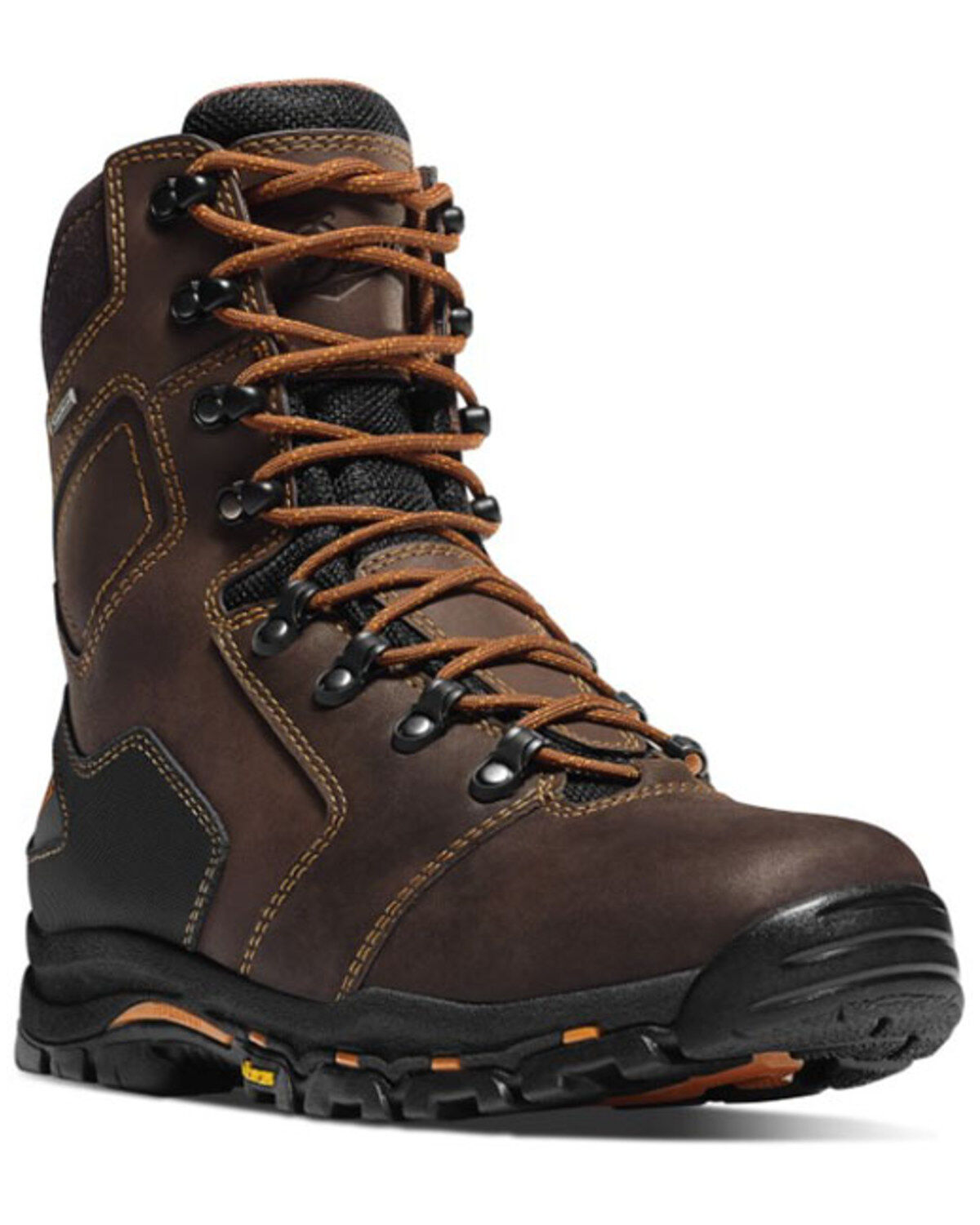
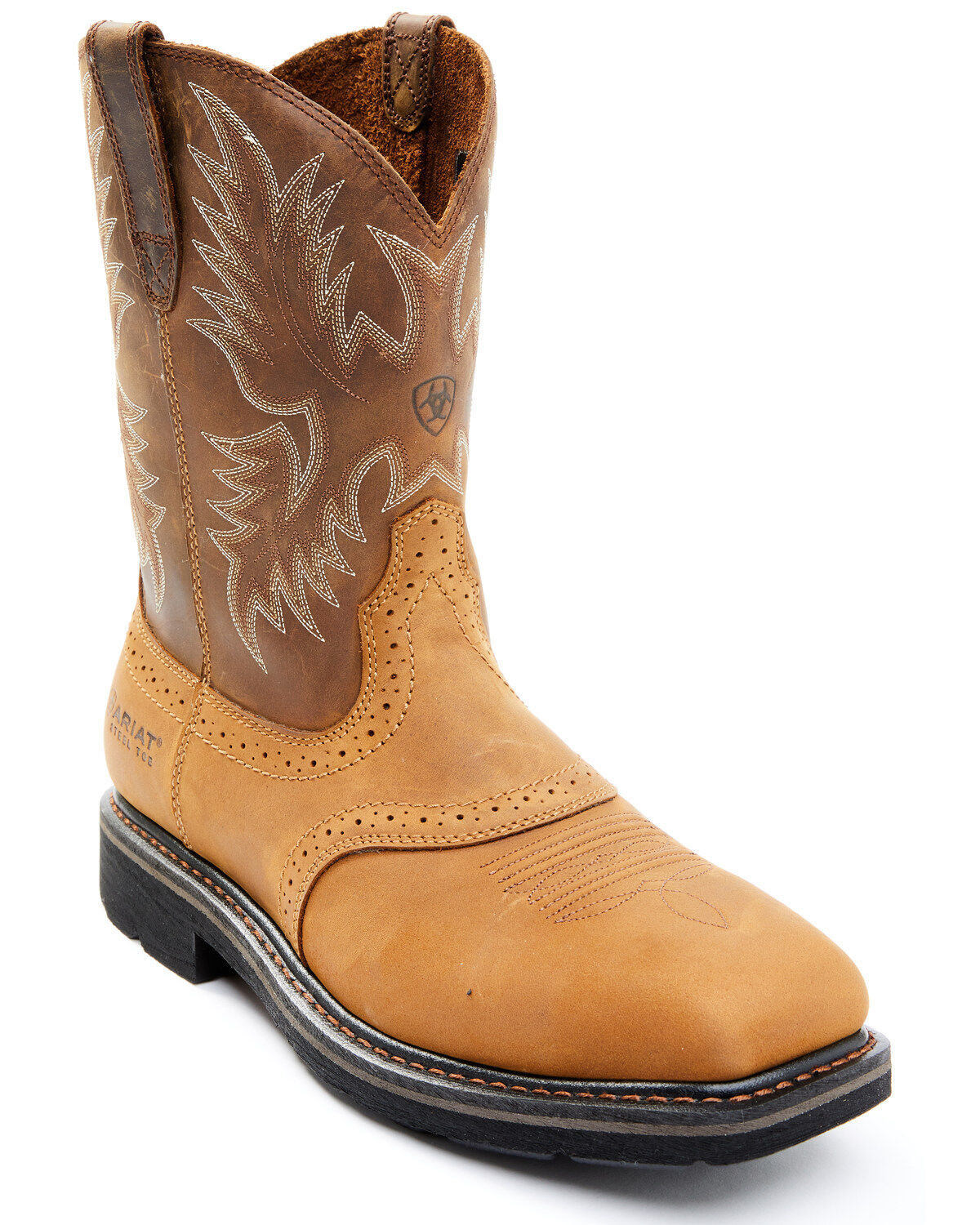
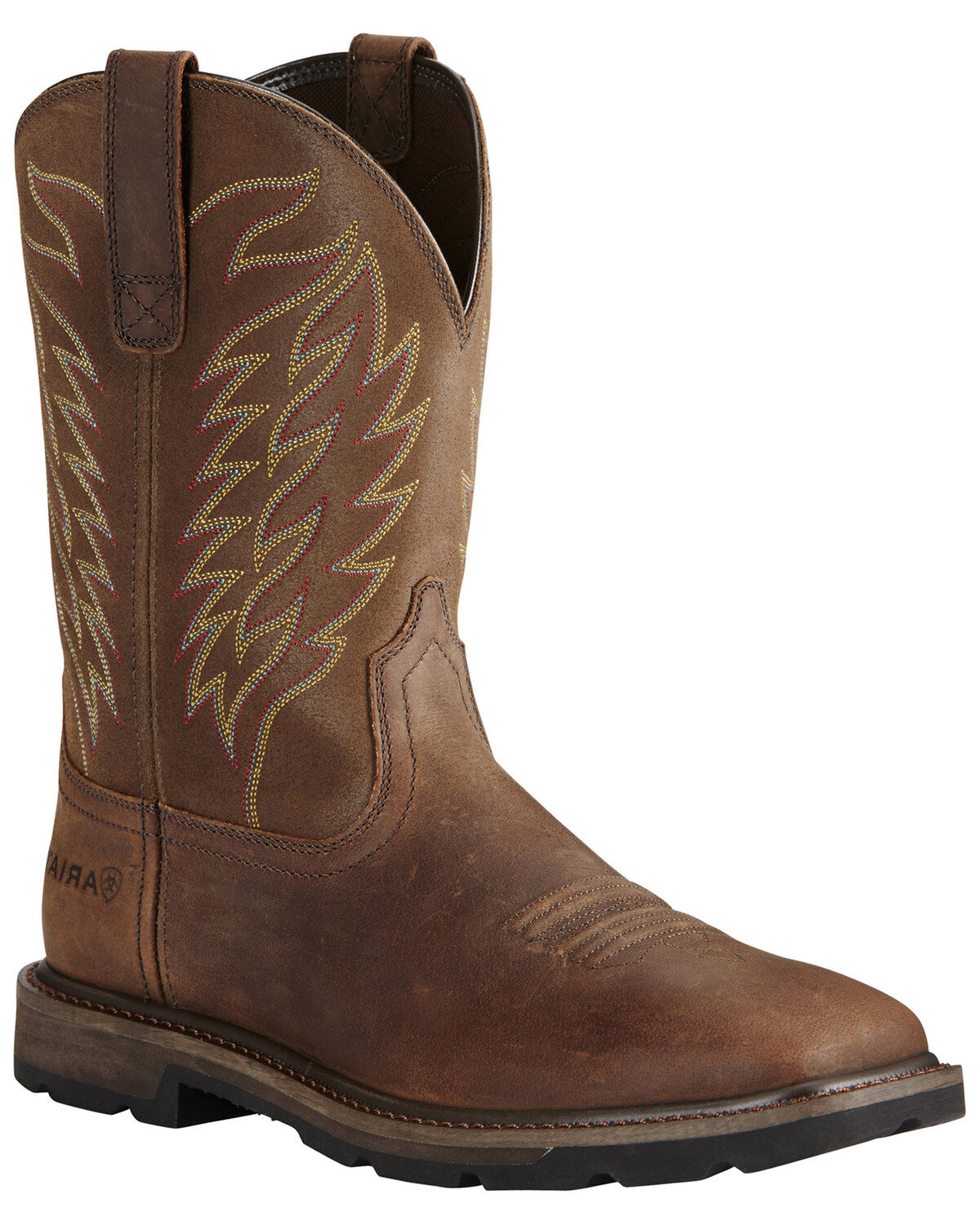
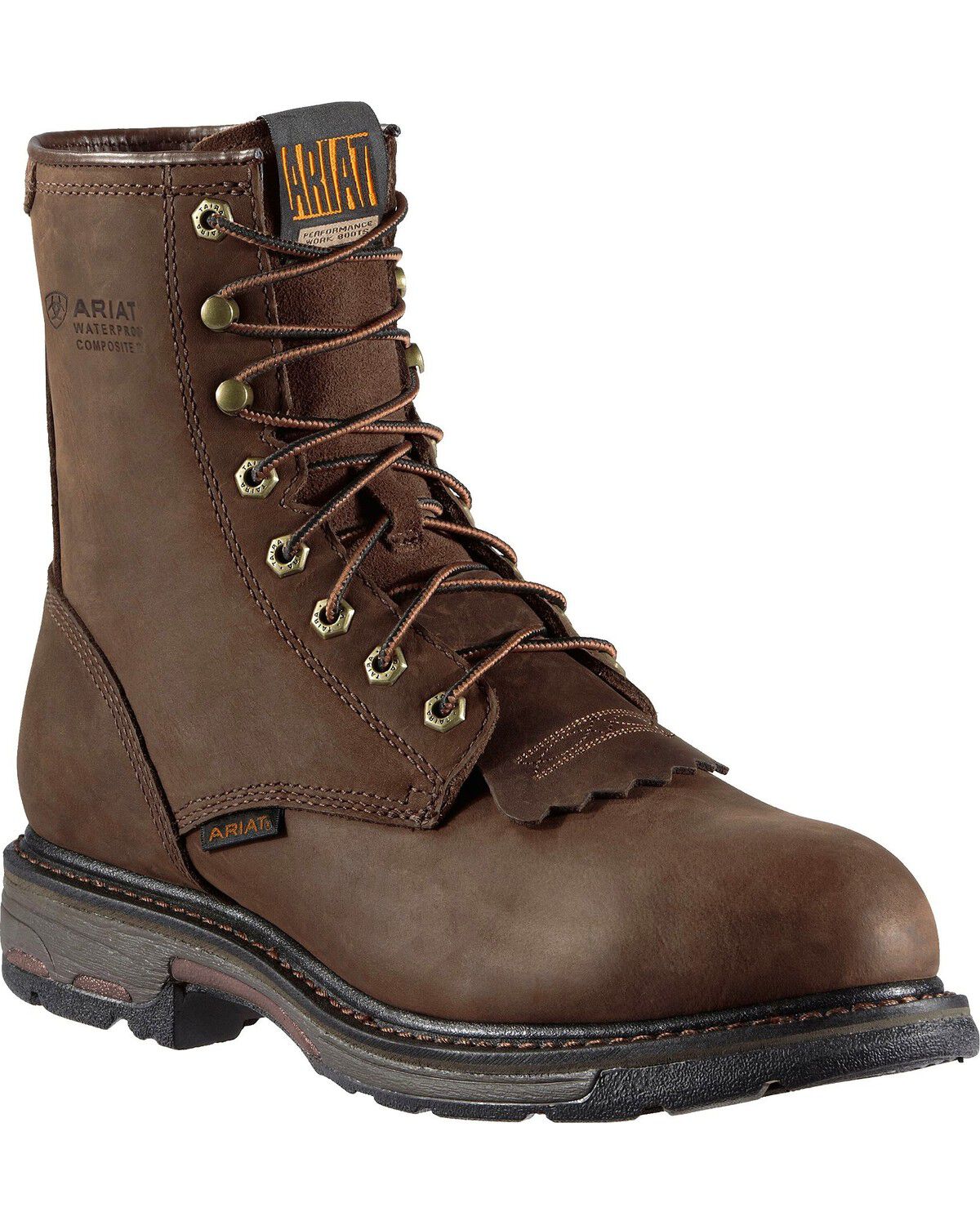
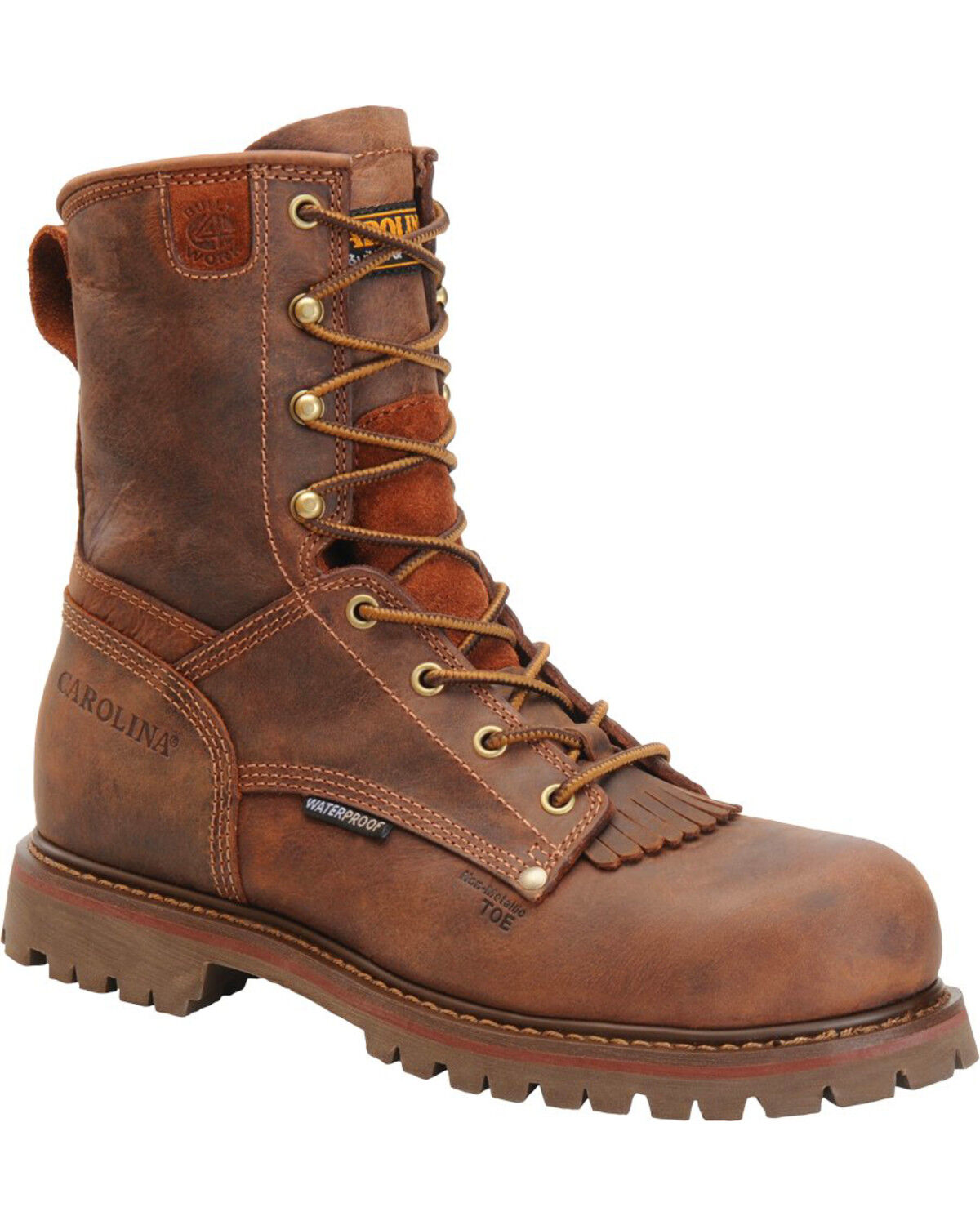
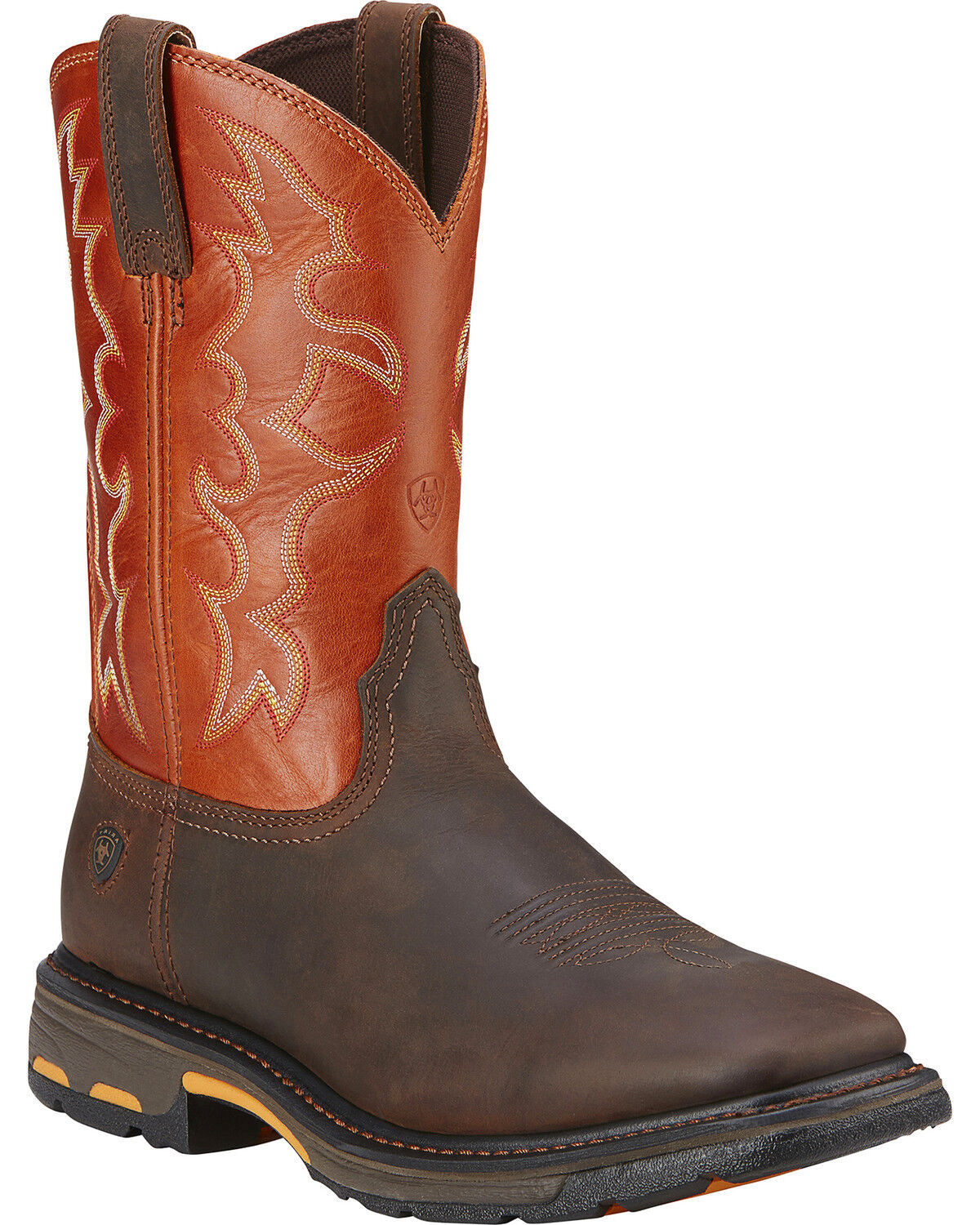
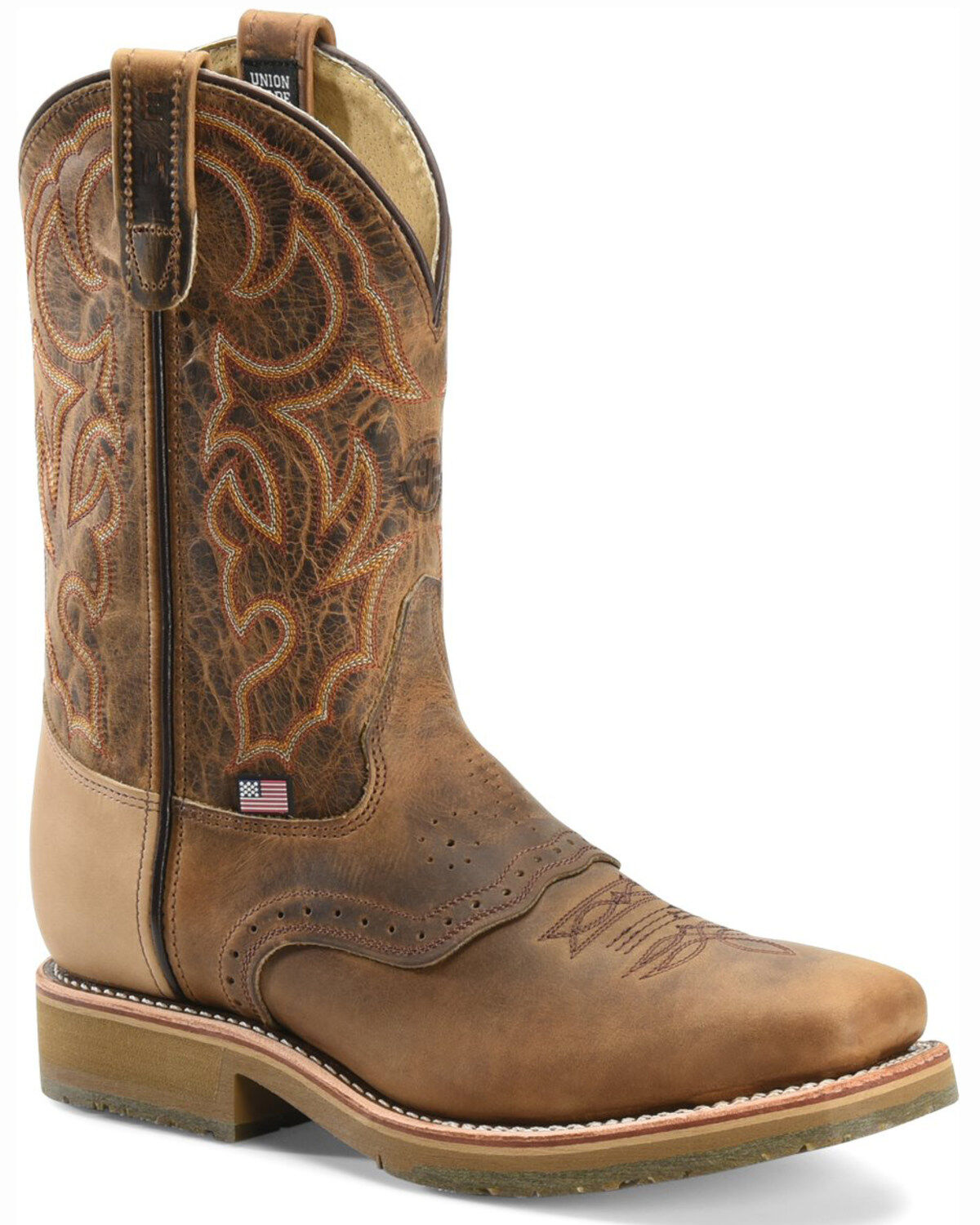
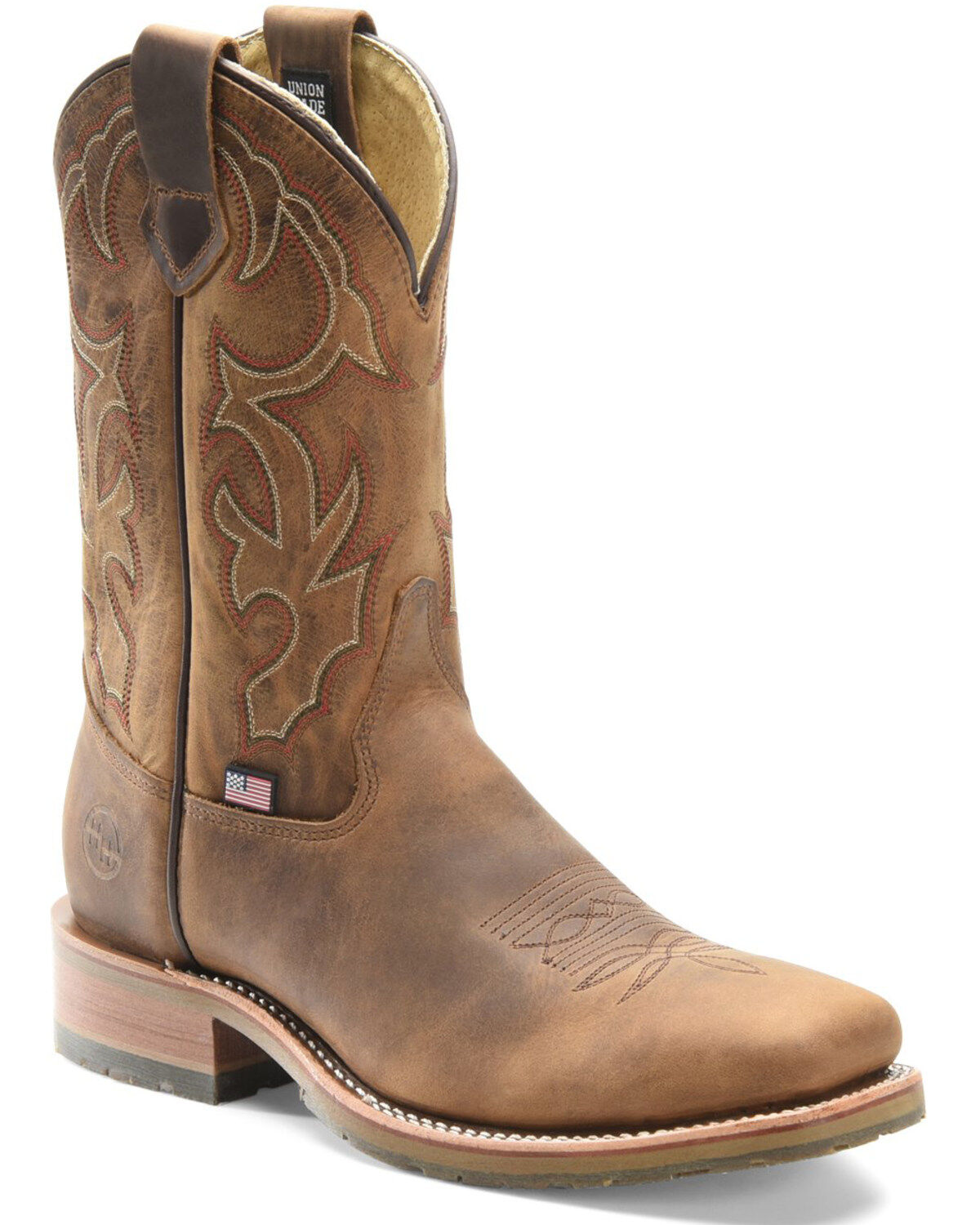
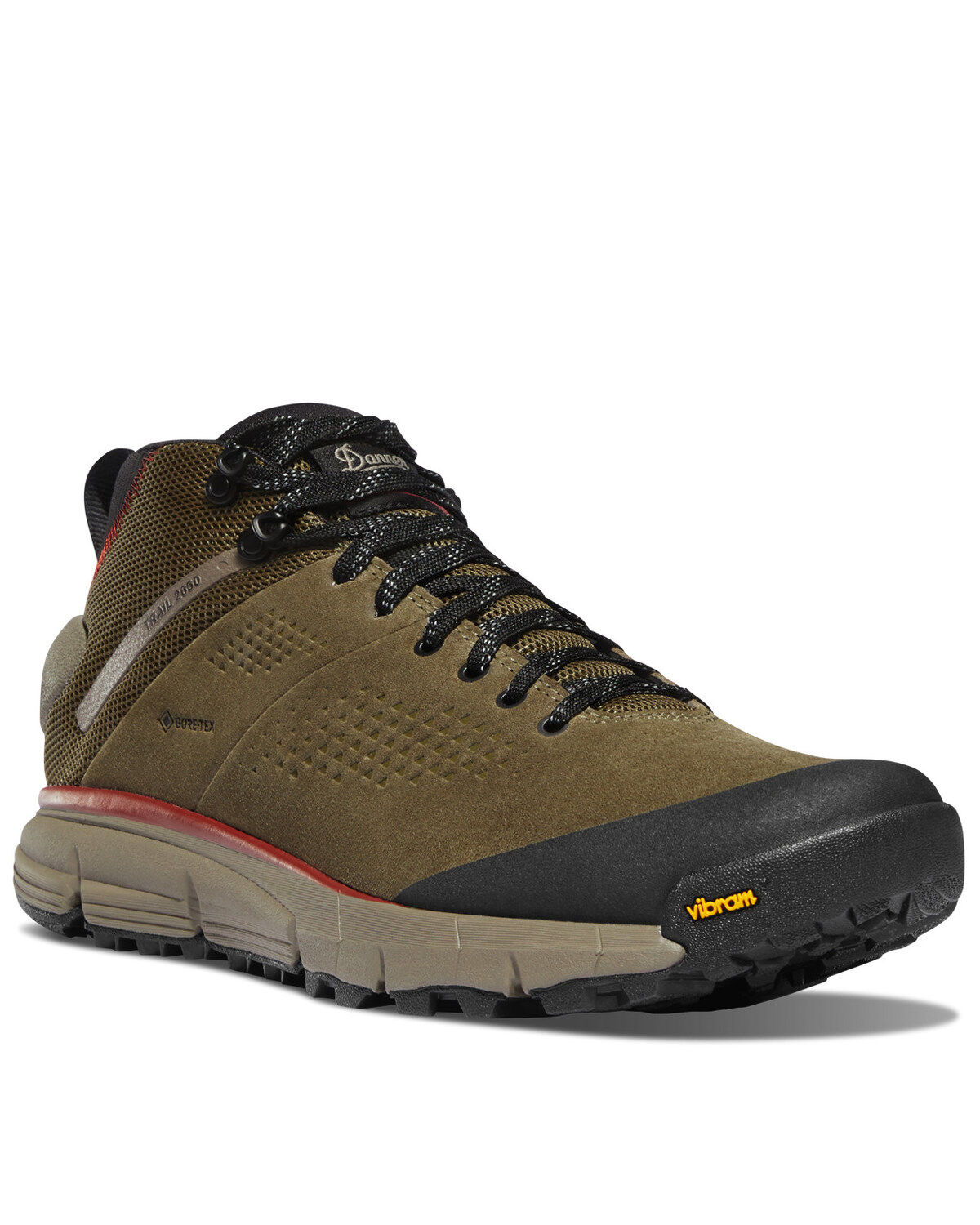
Safety toe work boots for men are built for jobs where heavy materials, moving equipment, and long hours on hard surfaces are part of the day. On a construction site, in a warehouse, or across a shop floor, the right pair brings together toe protection, dependable footing, and support that holds up through repeated use. A protective toe cap sits inside the front of the boot and is designed to meet specified impact and compression requirements. Steel, alloy, and composite toe caps serve that purpose in different ways. Steel is a common choice with a solid feel, while alloy caps can reduce weight compared with steel. Composite caps use nonmetal materials and may suit workplaces with metal screening, though other boot components can still contain metal. Actual weight and room inside the boot depend on the whole design, not just the toe material. A worker carrying tools between stations may value a lighter build, while someone handling rough materials may put more emphasis on sturdy leather and reinforced wear areas. Safety requirements come first in either case. A safety toe does not automatically mean a boot has electrical hazard protection, puncture resistance, or metatarsal protection across the top of the foot. Each feature addresses a different risk, and workplace rules determine which ratings are needed. Electrical hazard footwear provides secondary protection under specified conditions; it is not a substitute for proper electrical safety procedures. Outsole performance matters just as much as the upper. Deep lugs can help grip loose ground, while other tread patterns are designed for smoother work surfaces. Slip resistance varies with the surface, the substance underfoot, and the condition of the sole. No tread eliminates every slipping risk. For men who move between concrete floors, loading areas, and uneven ground, the best match is a boot designed around those actual conditions rather than appearance alone. A defined heel may also be useful for certain tasks, provided it meets the requirements of the job.

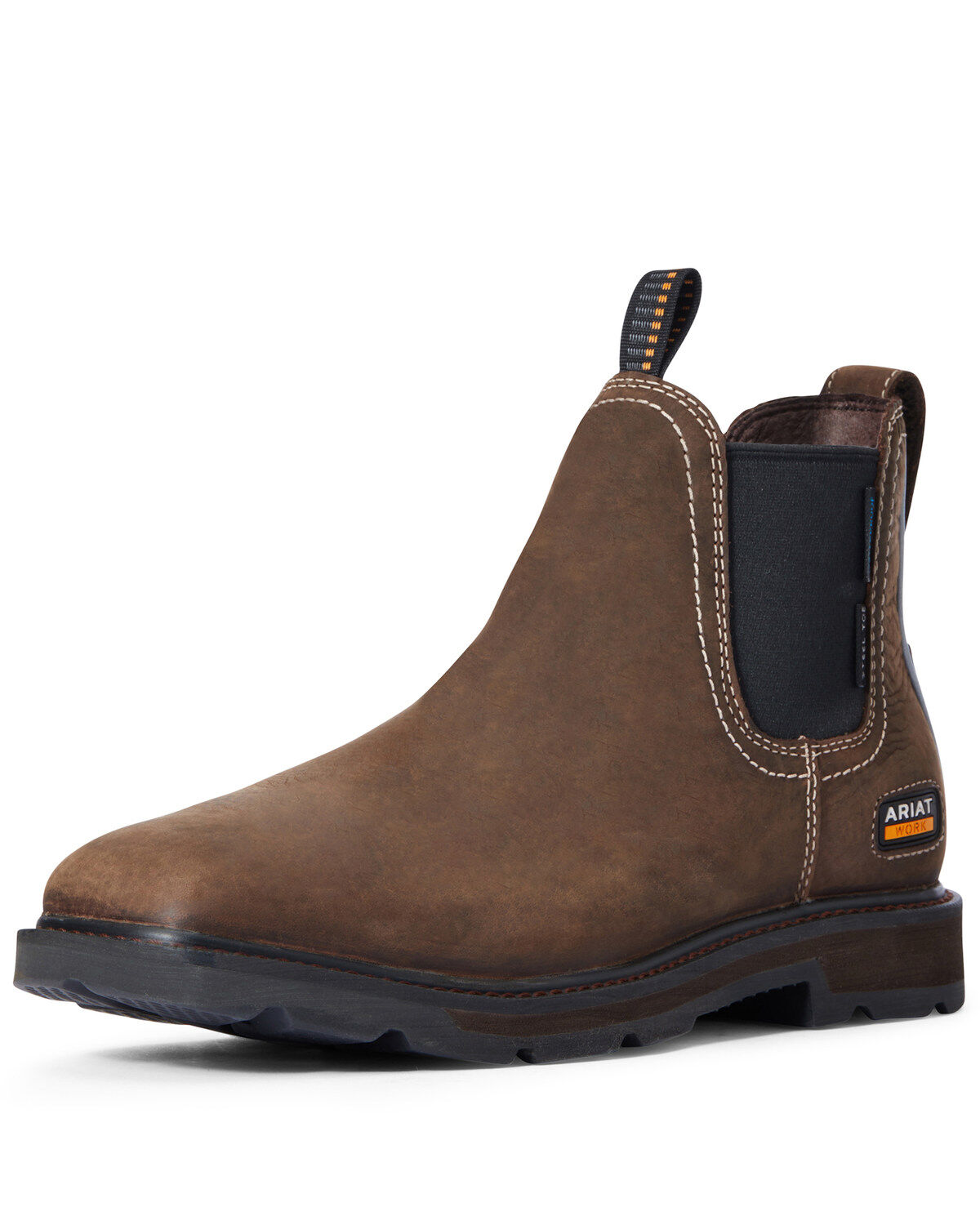
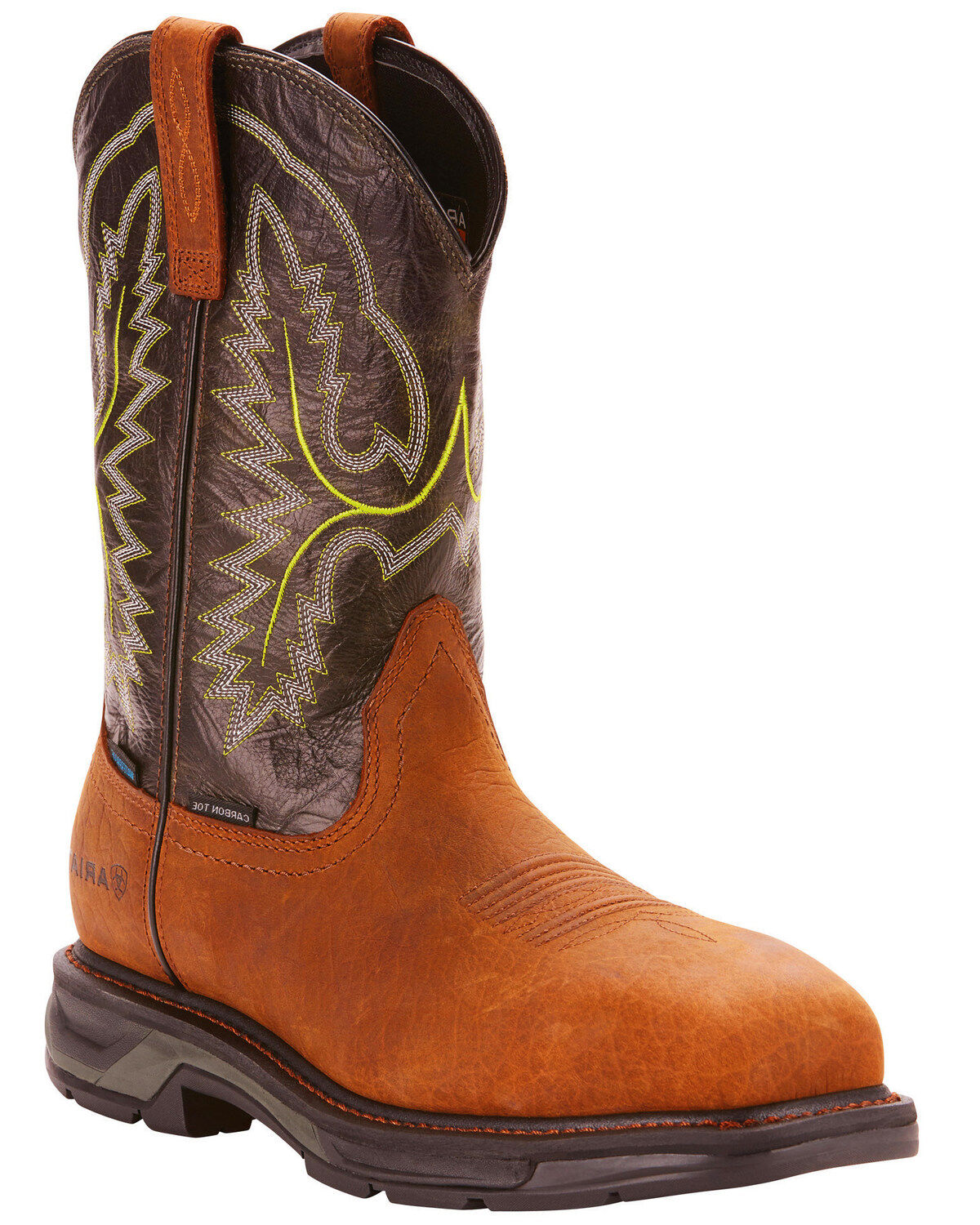
Materials and construction shape how safety toe work boots feel and how they wear. Leather uppers are common because they offer a durable outer surface and can adapt to the foot with use. Smooth leather is generally easier to wipe clean than rough-textured leather, while reinforced toes and heel areas help address spots that take repeated abrasion. Fabric panels can reduce bulk and improve airflow, but their suitability depends on the demands of the workplace. Seams, hardware, and the connection between the upper and outsole deserve attention because these areas take stress every time a boot bends, climbs, or twists. Welted construction joins the upper and sole through a separate strip of material, and some welted boots can be resoled by a qualified repair shop. Direct-attached construction bonds the sole to the upper through a different process and can offer a flexible feel. Neither approach alone determines overall quality; materials, workmanship, and intended use all matter. Underfoot, cushioning can ease the feel of repeated steps across concrete, while a supportive midsole and shank can help maintain structure. Softer is not always better if the foot shifts too much inside the boot. Fit should leave room for the toes without allowing the foot to slide forward against the protective cap. The widest part of the foot should sit comfortably in the widest part of the boot, and the heel should feel secure without excessive movement. Safety caps do not stretch during break-in, so pressure at the toes is not something to count on disappearing. Work socks affect fit, as do replacement footbeds or prescribed orthotics. A lace-up boot allows adjustment across the instep and ankle, which can be useful when feet change slightly in volume over a full shift. Pull-on styles offer a different fit and fewer fastening steps, but still need a secure instep and appropriate heel fit. Shaft height also changes coverage and movement. The right balance depends on whether the day involves frequent kneeling, climbing, walking, or standing in one place.

The demands of the job also determine whether additional features make sense. For work around leaking pipes, washdown areas, or standing water, safety toe waterproof work boots combine protective toe construction with barriers designed to keep water from entering through the upper. Waterproof protection does not mean water cannot enter over the top of the shaft, and it does not establish an electrical hazard rating. Linings and moisture-managing footbeds can help with moisture inside the boot, but they cannot replace a proper fit or regular drying. Oil-resistant outsoles are intended to withstand certain substances without breaking down as quickly; that designation is not the same as slip resistance. Workers around sharp debris may need footwear with a rated puncture-resistant layer, while those exposed to hazards above the toes may need separate metatarsal protection. Care helps preserve the materials and makes wear easier to spot. Loose dirt and grit should be brushed away before they work into seams or rub against the leather. Cleaning products and conditioners need to match the upper material and the manufacturer’s directions, especially when a waterproof lining or specialized finish is involved. Boots should dry with airflow and without direct heat that can damage leather, adhesives, or internal materials. Removable footbeds can be taken out for drying when the design allows it. Regular checks of tread depth, loose stitching, damaged hardware, and cracks in the sole help reveal problems before they become more serious. A boot that has taken a substantial impact may need replacement even when the toe cap looks intact, since damage is not always visible. Safety toe boots can also be a practical gift for a man starting a trade, changing jobs, or replacing a worn pair. His required safety ratings, preferred fit, and everyday work conditions matter more than guessing based on shoe size alone. A well-matched pair supports the work without adding avoidable discomfort or leaving a required feature unchecked.

FAQs