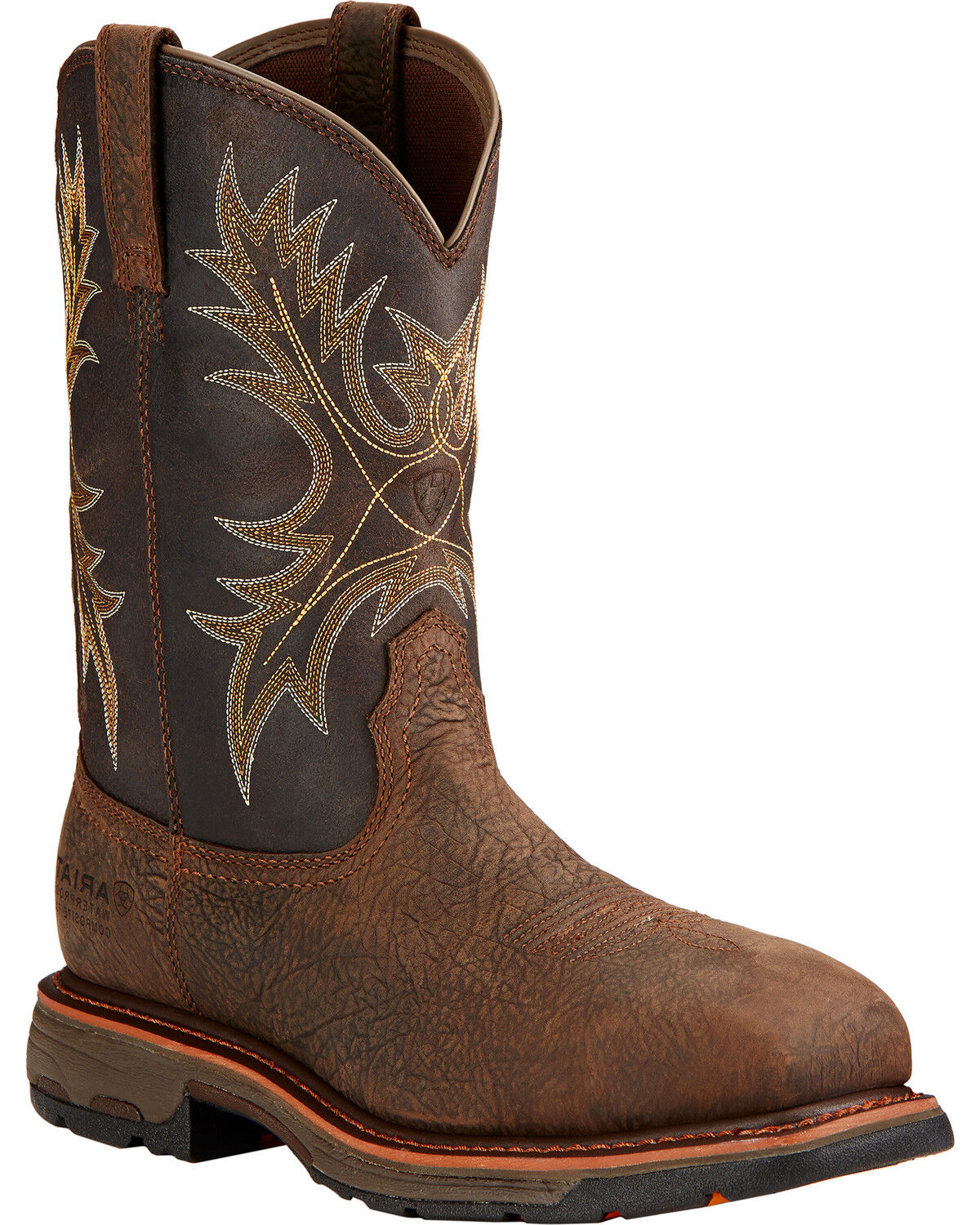
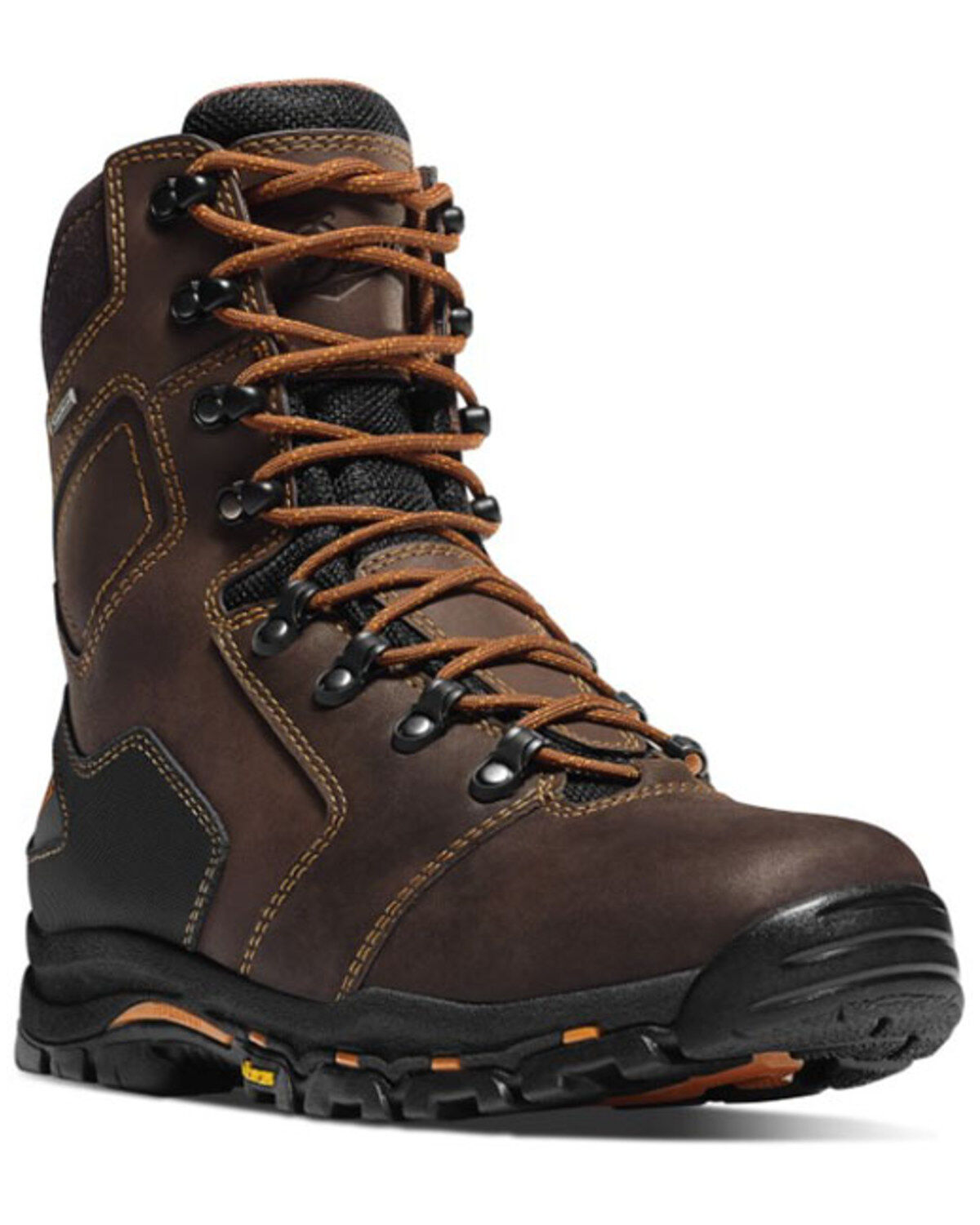
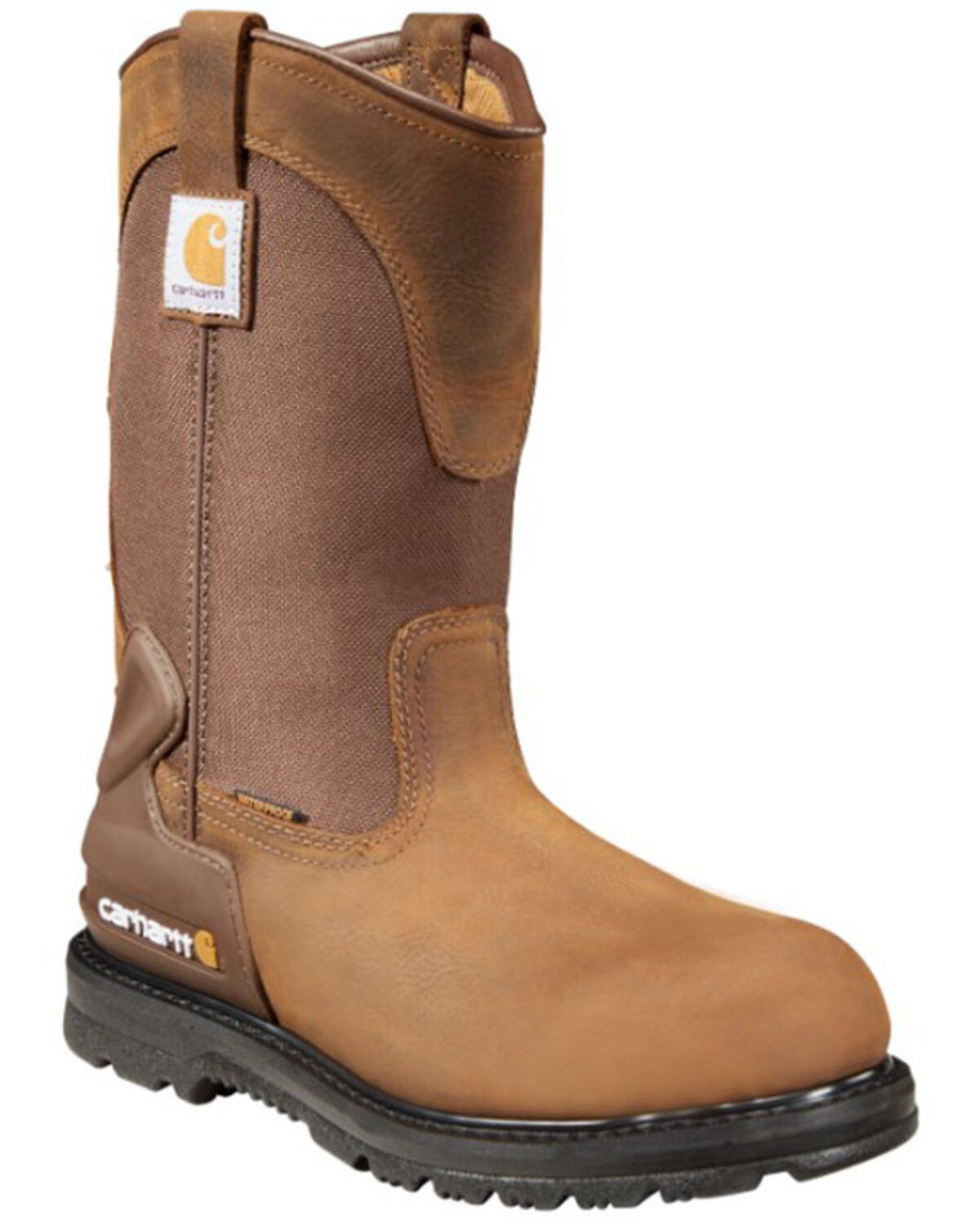
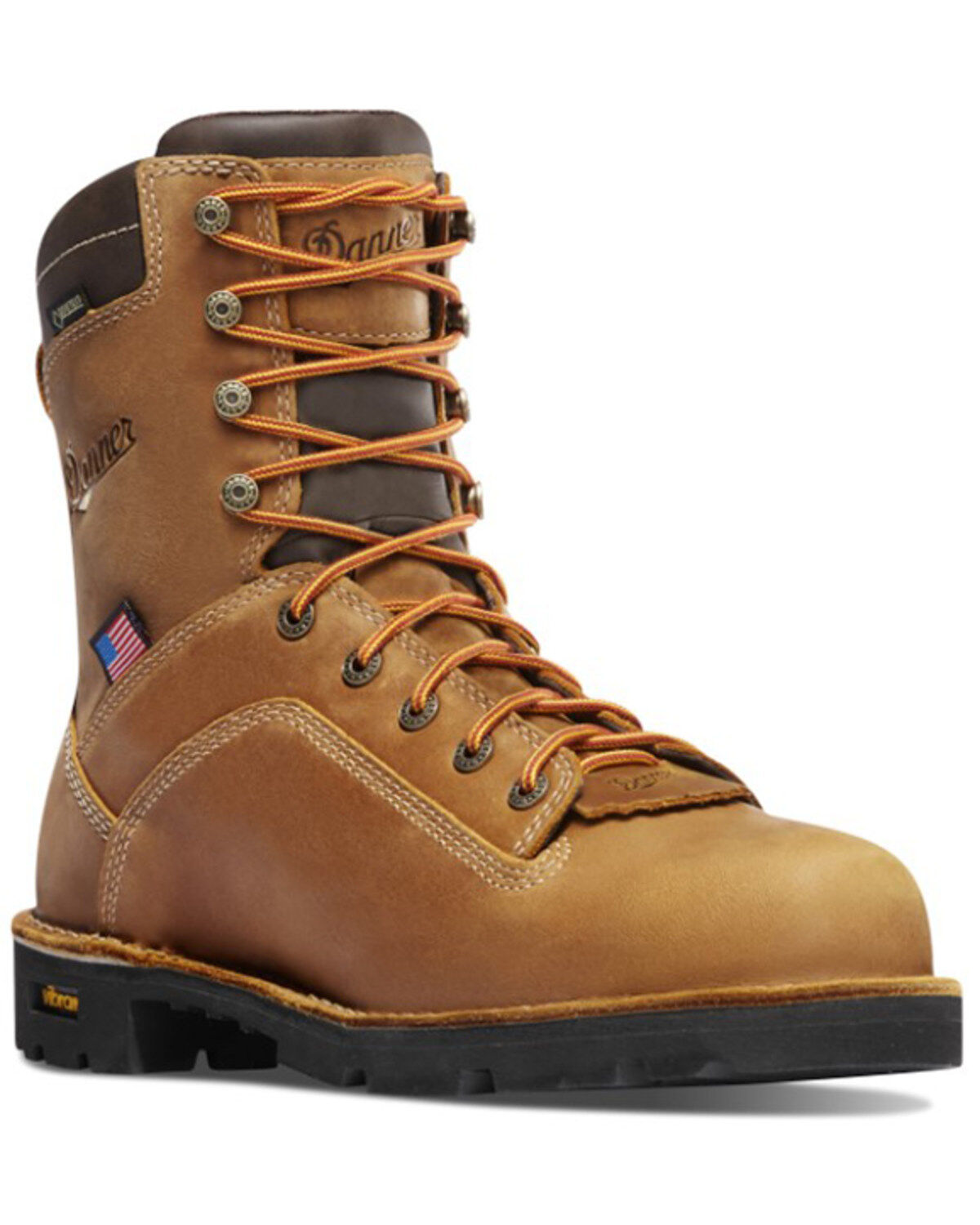
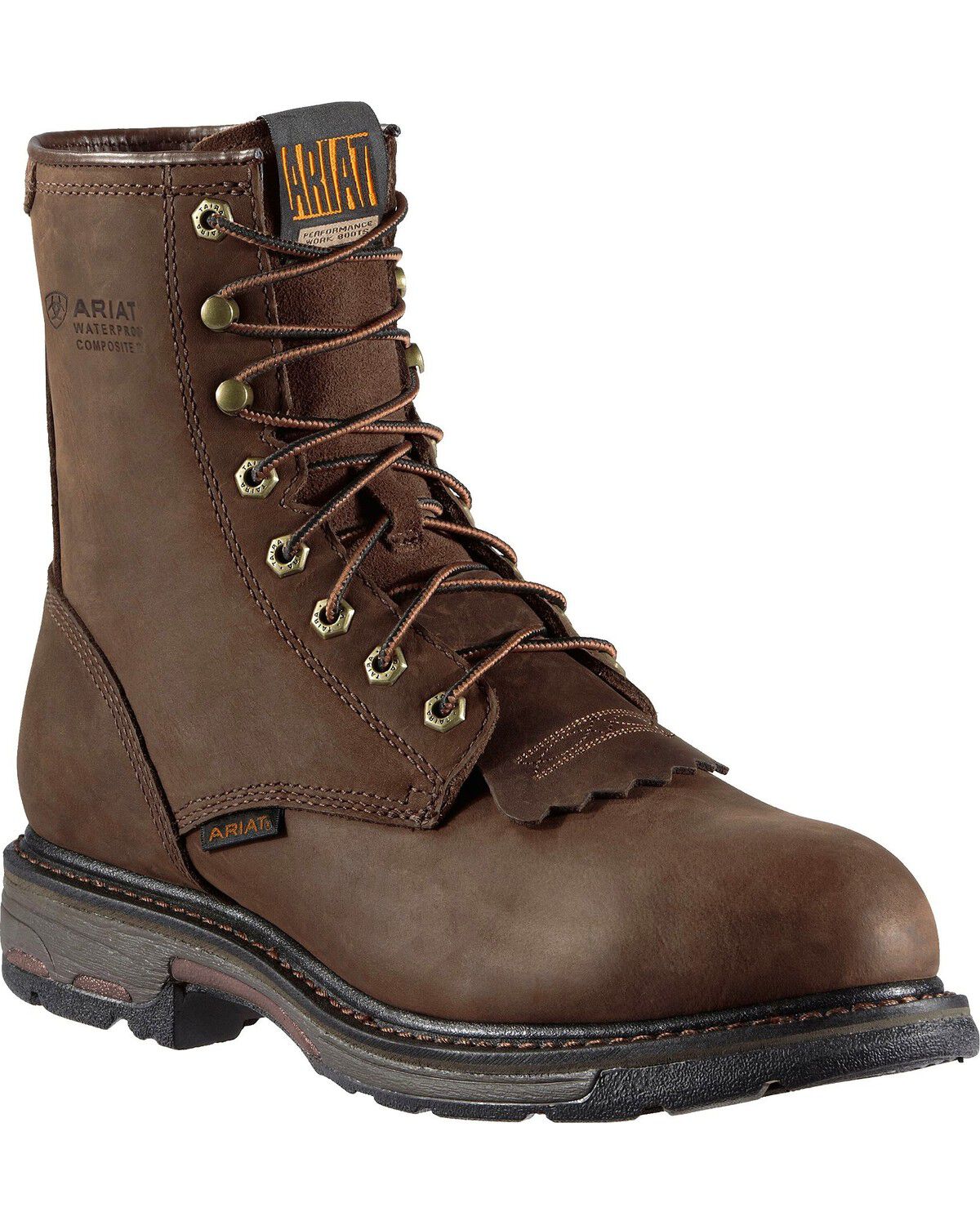
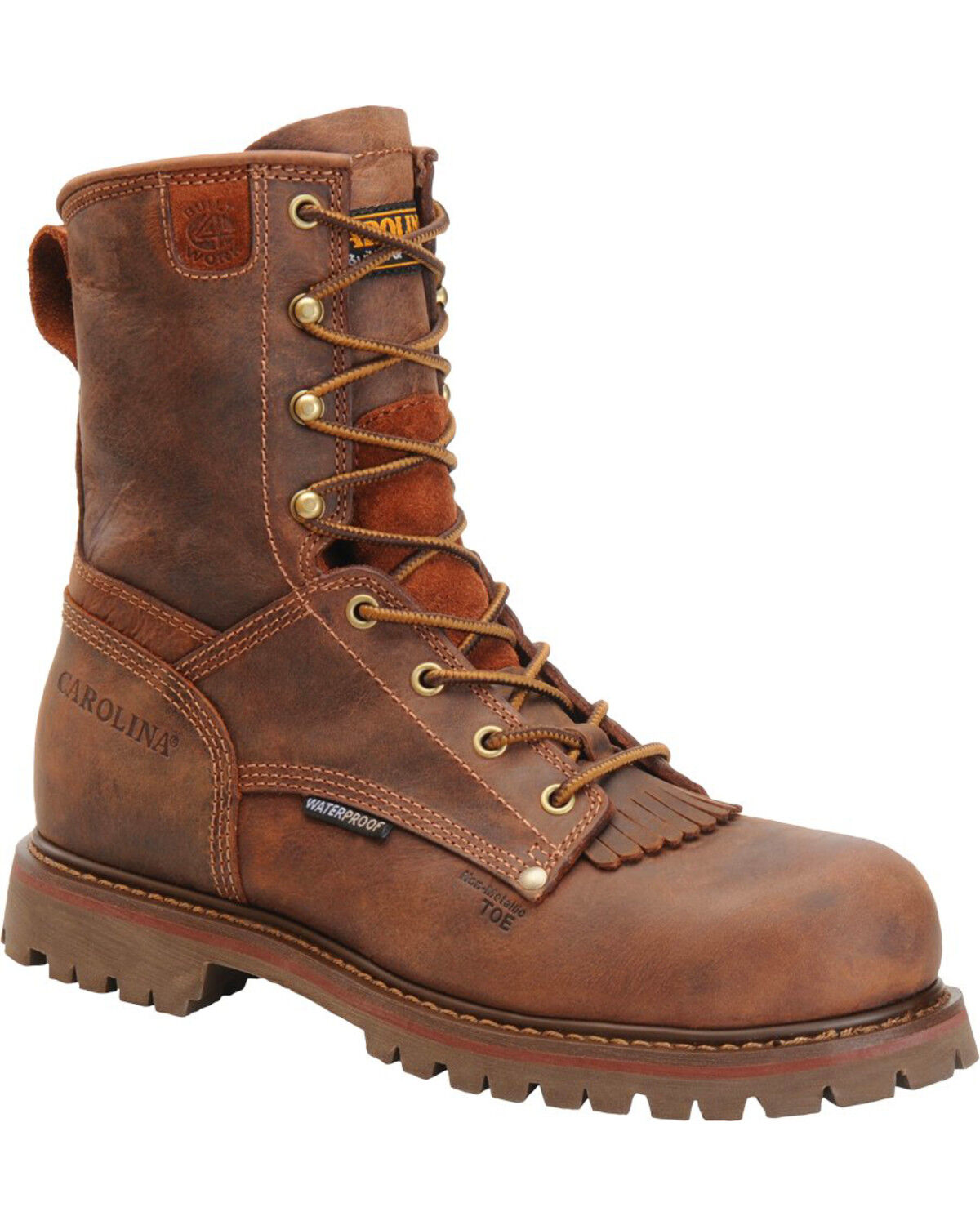
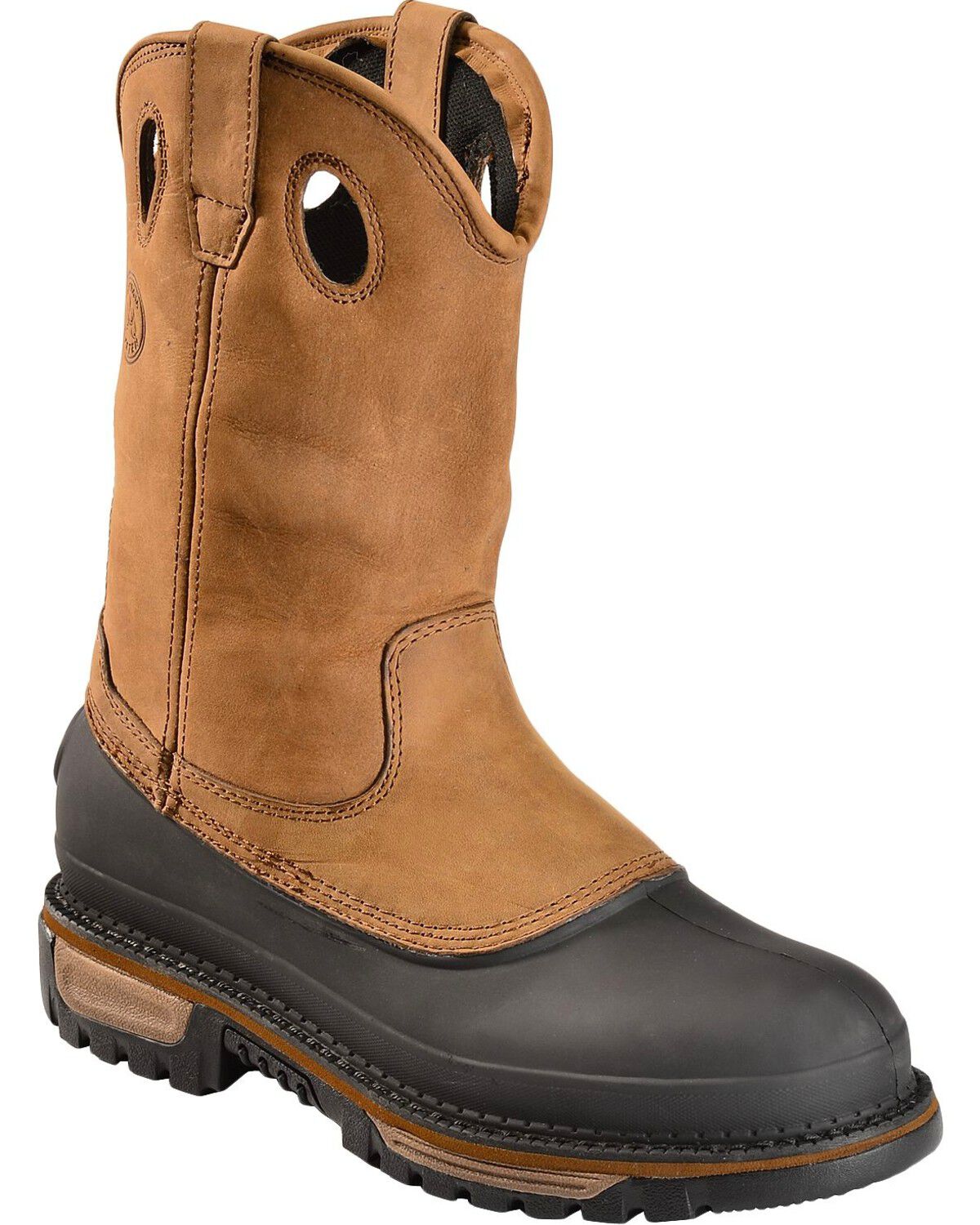
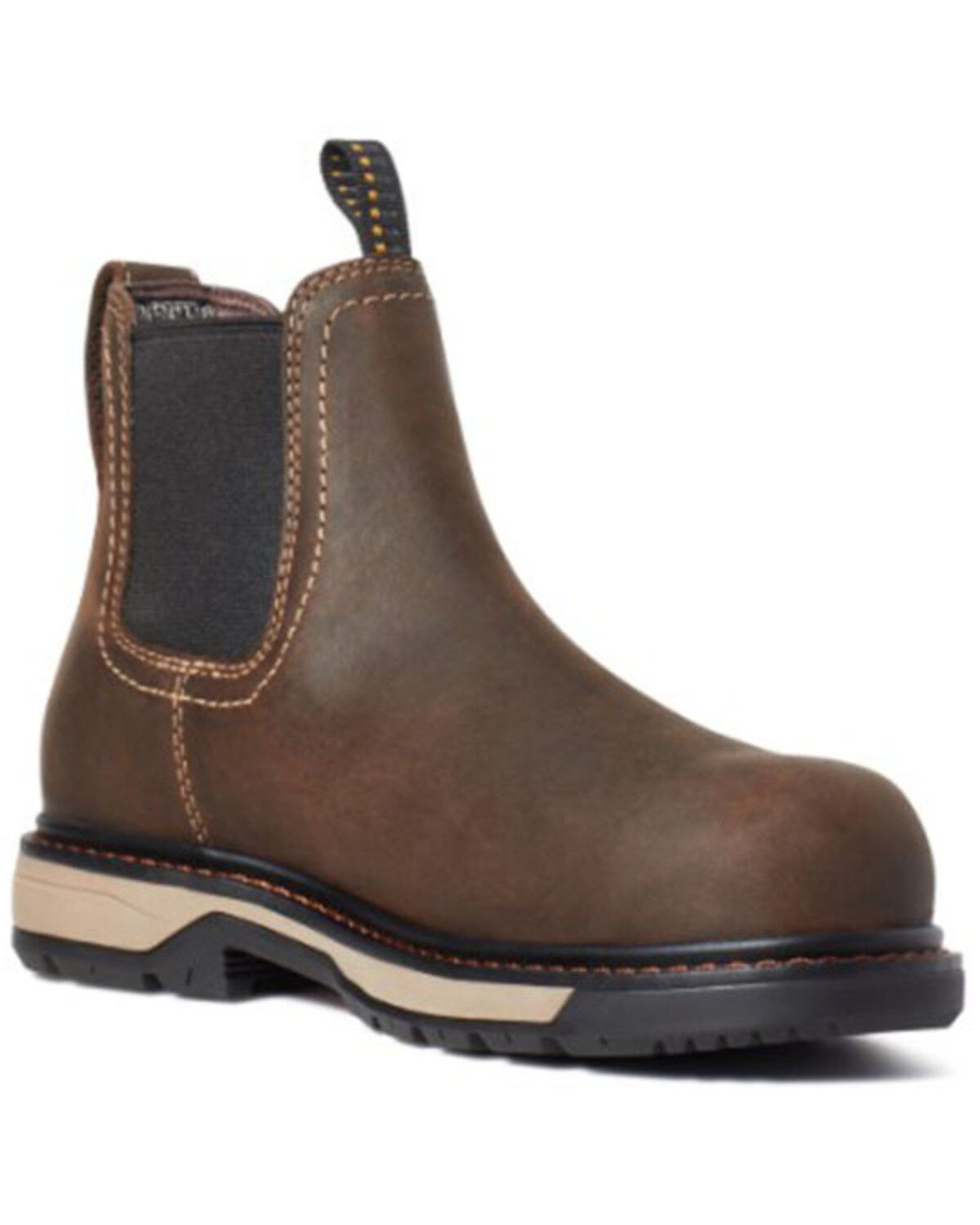
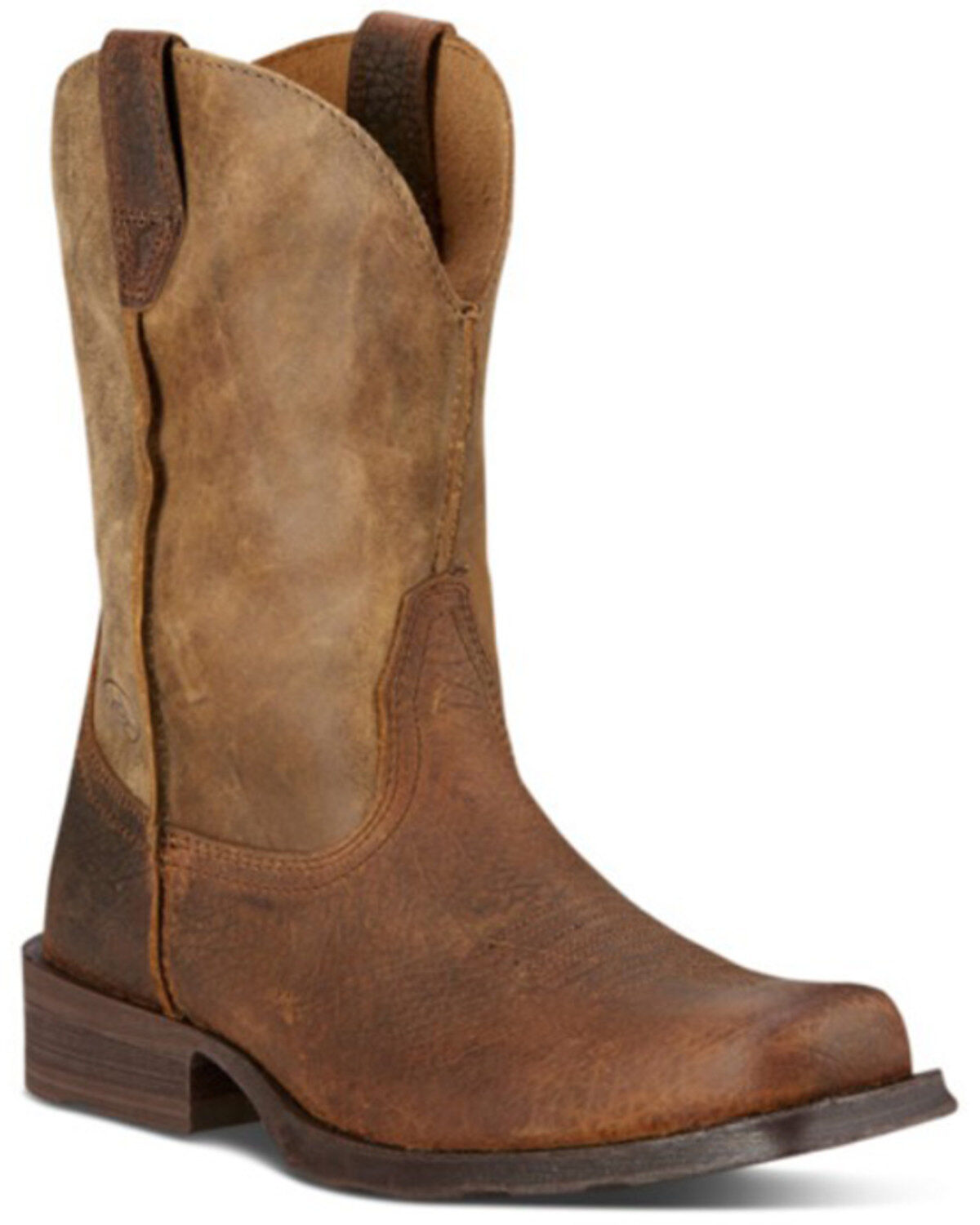
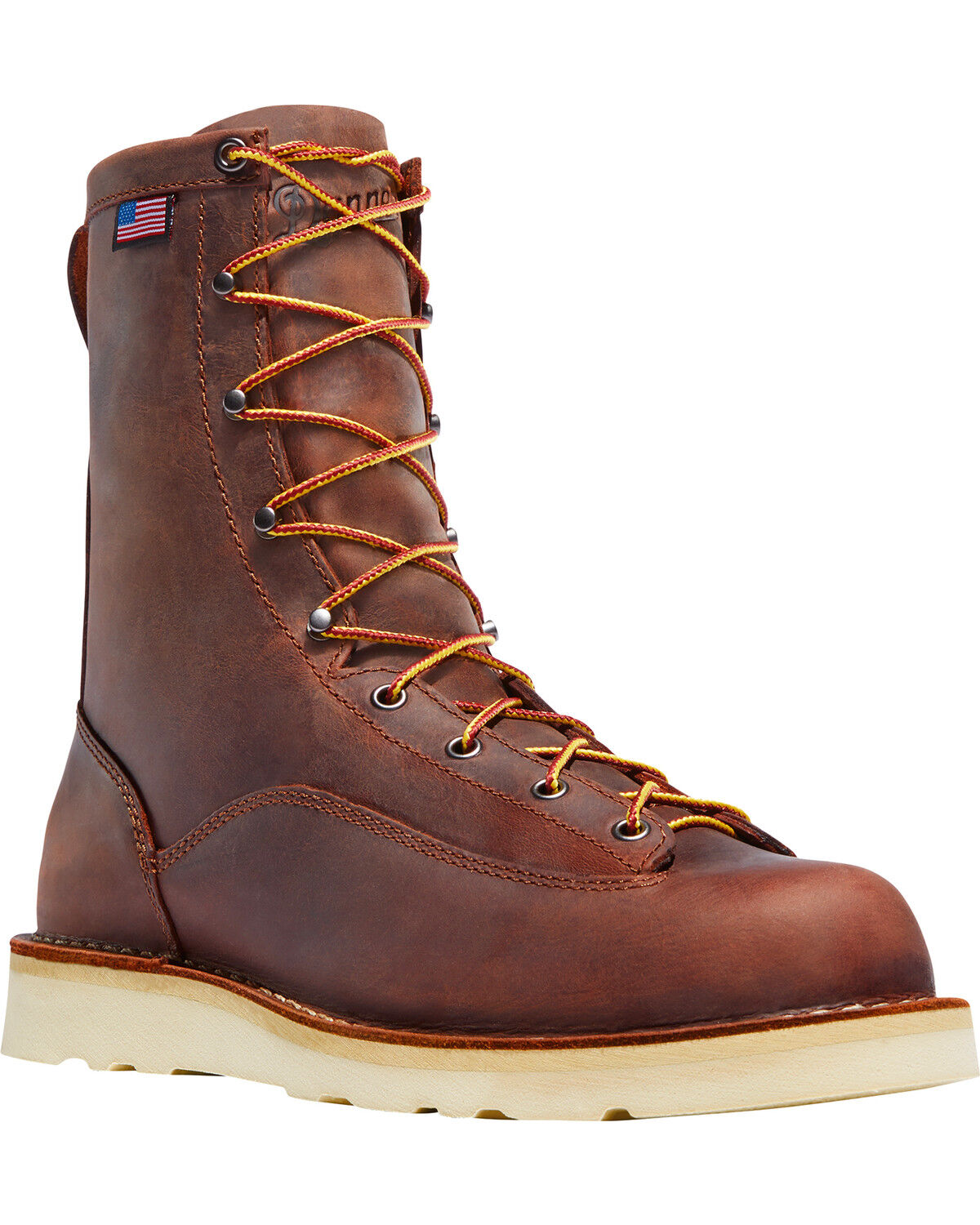
Safety Toe Waterproof Work Boots

Find safety toe waterproof work boots built for wet conditions and jobs that call for toe protection. Compare styles with your workplace requirements in mind, and check each pair’s safety ratings, fit, and features to find the right boots for your workday.

Shop Your Store: Shop Your Store: Find a Store

(Turn off Shop Your Store to see all items)

(Turn off Shop Your Store to see all items)

close
  • Recommended
  • Lowest Price
  • Highest Price
Skip pass products

End of products

Safety Toe Waterproof Work Boots

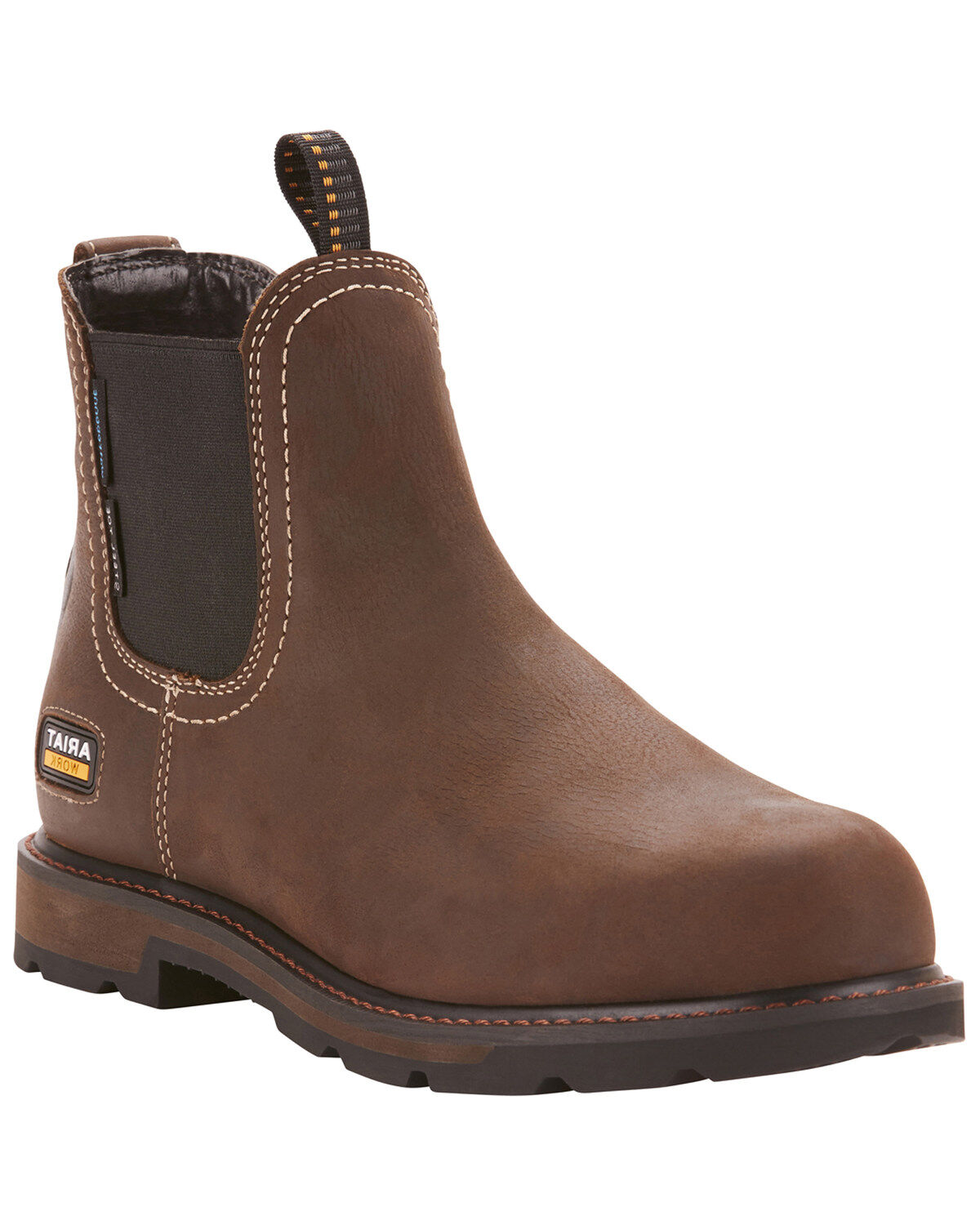
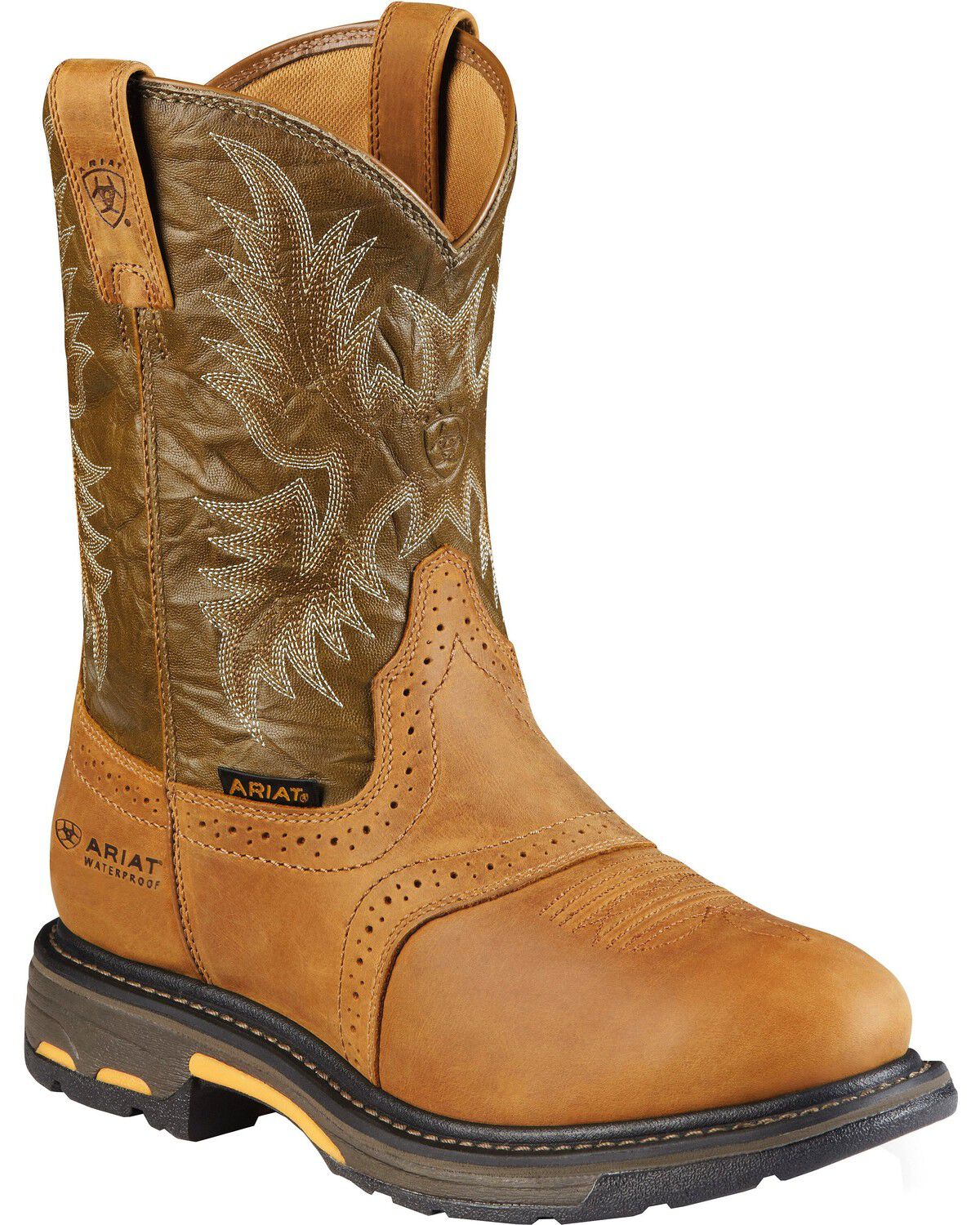
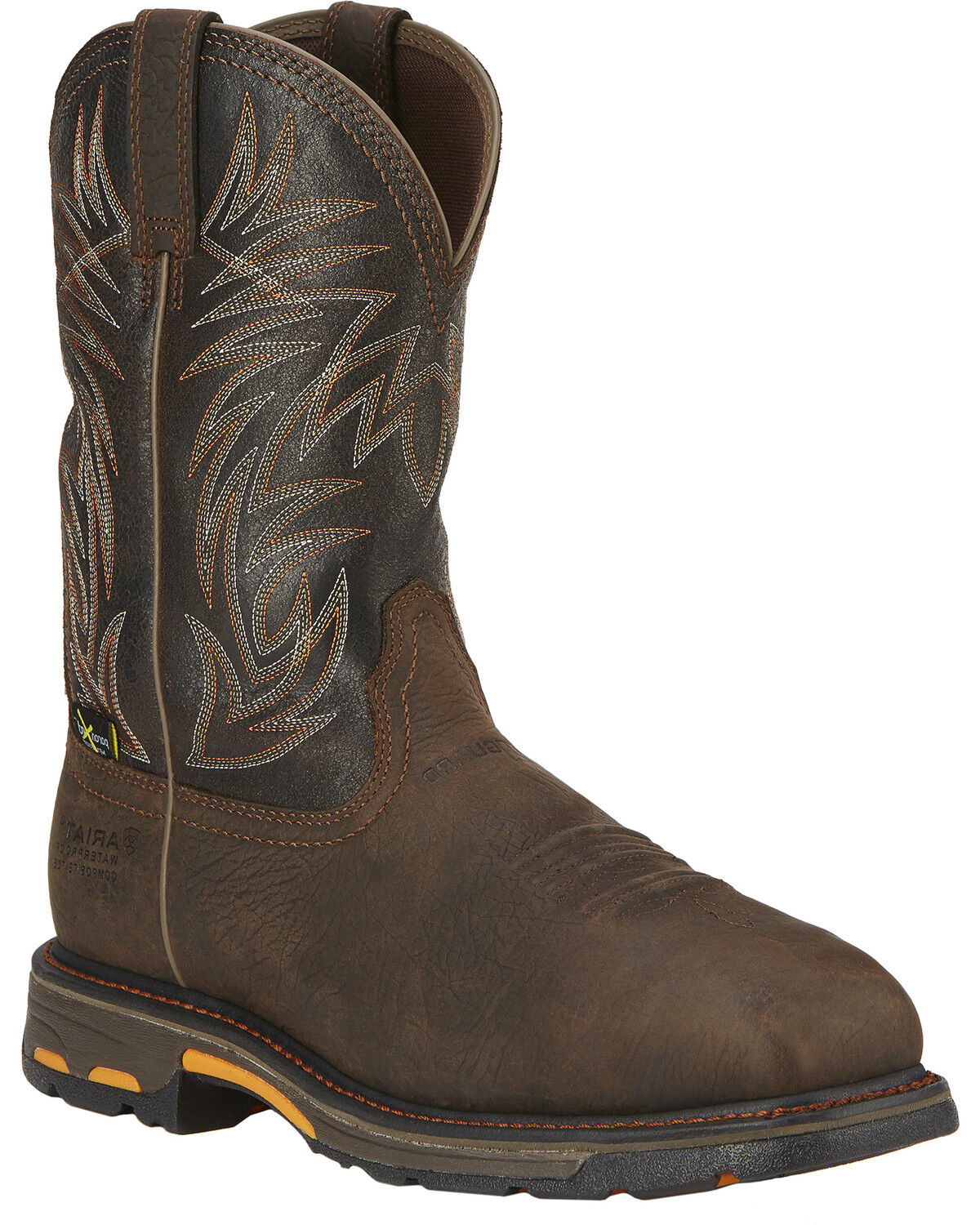
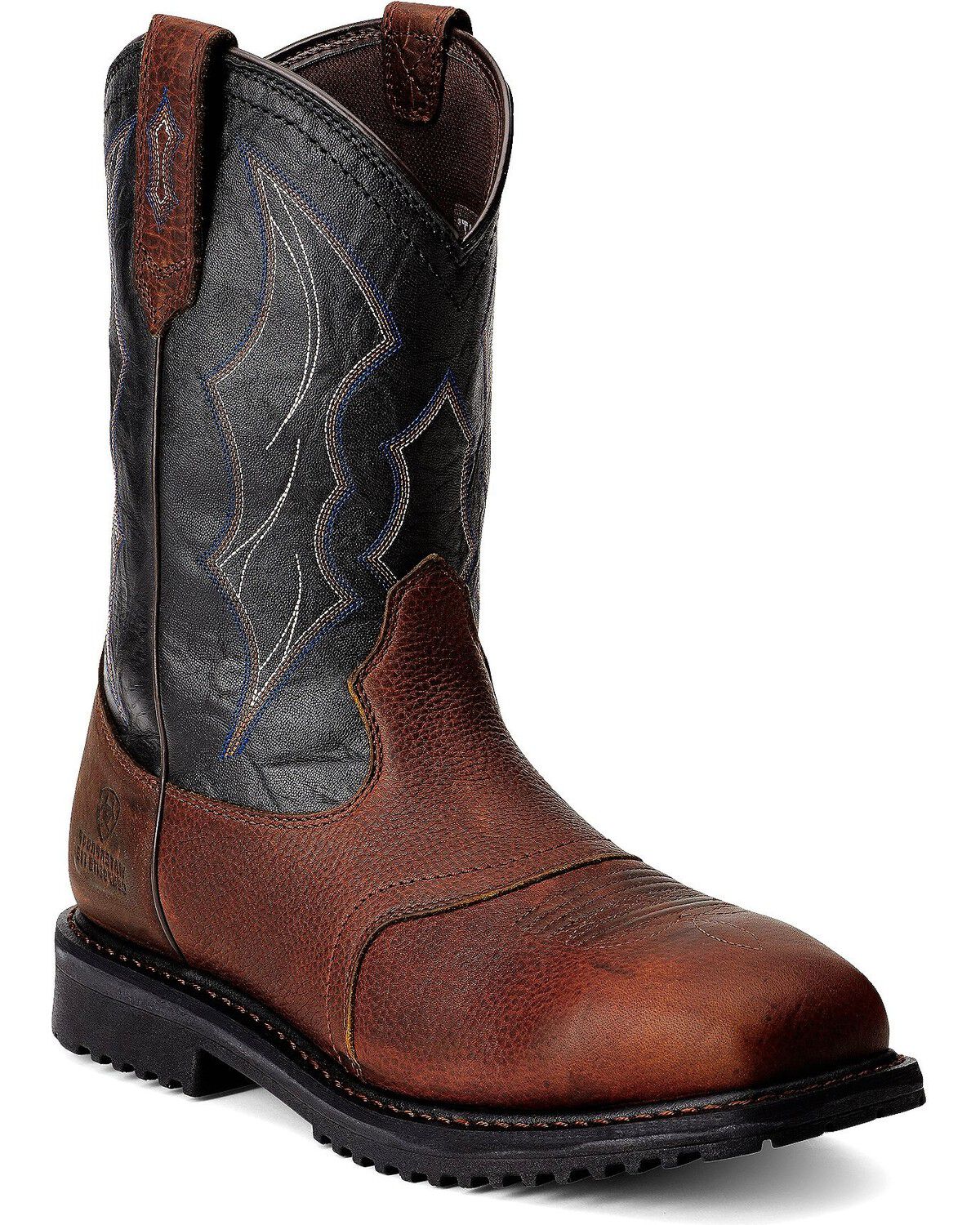
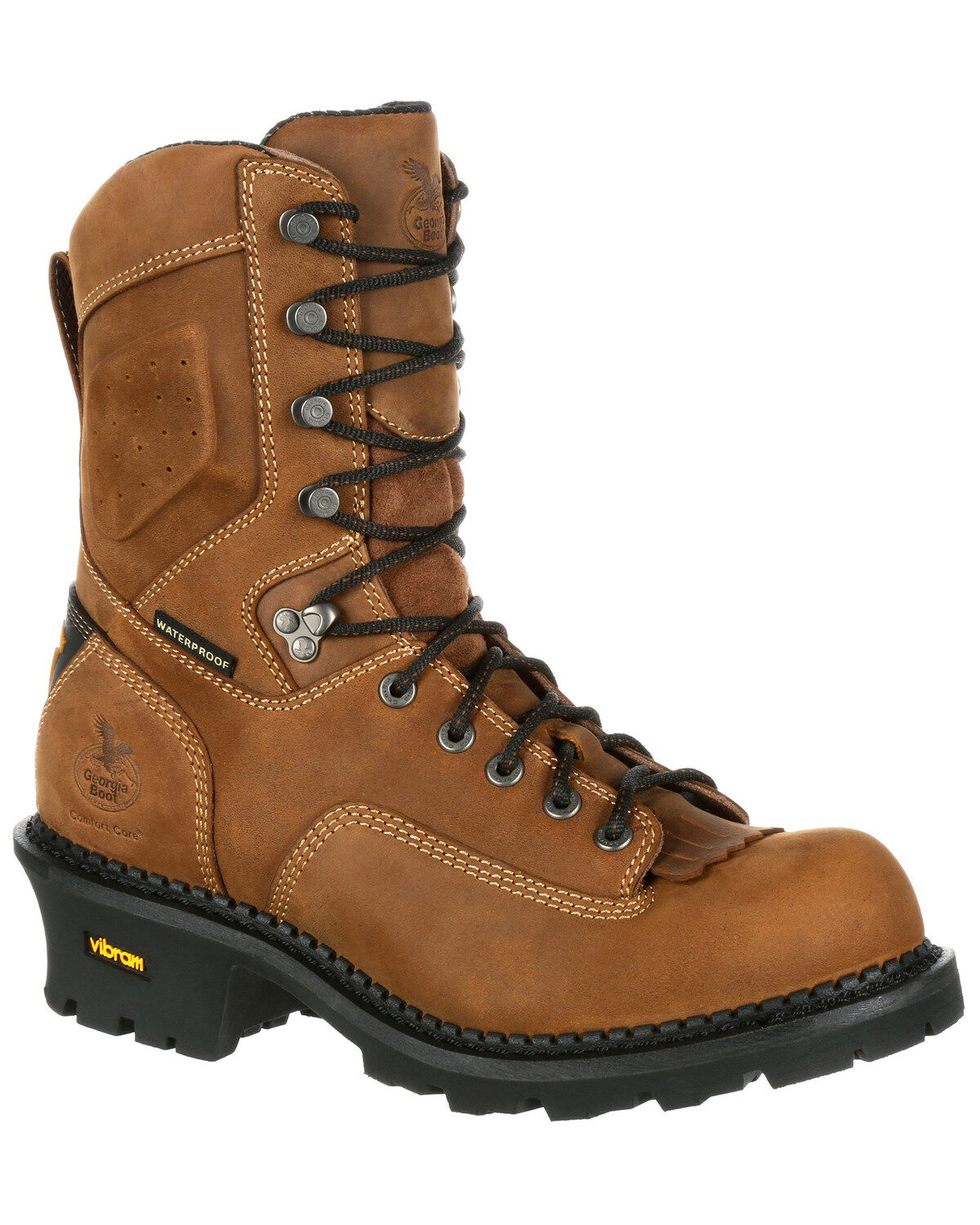
Safety toe waterproof work boots combine toe protection with a barrier against water, making them useful for jobs where wet ground and heavy equipment share the same space. A construction worker crossing a muddy site, a utility worker repairing a line beside a wet trench, or a landscaper working through damp grass needs footwear matched to those conditions. The safety toe helps protect against specified impact and compression hazards, while waterproof construction helps keep outside moisture from reaching the foot. Neither feature replaces safe work practices or the protective equipment required by an employer. Steel, alloy, and composite toe caps each offer different characteristics. Steel caps can provide a relatively slim profile; alloy designs may reduce weight; composite caps use nonmetal materials and may feel bulkier, depending on the boot. A composite toe alone does not mean the entire boot is metal-free. The boot’s marked ratings, not the toe material by itself, establish its tested protection. ASTM F2413 markings identify protective footwear requirements, including impact and compression protection, with additional designations for features such as electrical hazard resistance where applicable. Electrical hazard protection is secondary protection under specified dry conditions, not permission to work around energized equipment. Wet conditions can compromise that protection. Puncture resistance, slip resistance, and resistance to particular chemicals are separate considerations and should not be assumed from a safety toe or waterproof label. Waterproof work boots may use treated leather, sealed seams, an internal membrane, or a combination of these features. A gusseted tongue helps limit entry through the lace opening, but water can still enter over the top of the shaft. Waterproofing also does not make a boot suitable for chemical exposure or prolonged submersion. Breathable waterproof membranes can help moisture vapor escape, though socks, workload, and the boot’s overall construction still affect how dry feet feel.

Materials and construction affect how work boots handle repeated bending, abrasion, and long hours underfoot. Full-grain leather offers strength and can develop a more flexible feel with wear, while textile panels may reduce weight or improve flexibility in selected areas. Reinforced toe overlays can help limit wear when kneeling against rough concrete, though they are separate from the protective toe cap inside the boot. Welt construction joins the upper and sole through a stitched strip and may allow a qualified cobbler to replace the outsole. Resoling depends on the boot’s design and condition, and repairs must preserve the waterproof system and required protective features. Cement construction bonds the upper to the sole and often provides a flexible feel, but repair options differ. Neither method guarantees waterproof performance on its own. Underfoot, cushioning can reduce the harsh feel of concrete floors, while a supportive midsole and shank help stabilize the boot through repeated steps and bends. Outsole design deserves equal attention. Deep, open tread can help release mud on unfinished ground; other tread patterns may better suit smooth indoor surfaces. Oil resistance describes how a sole material handles exposure to oil, not a promise of traction on an oily floor. No outsole prevents every slip. Fit matters just as much as construction. A safety toe cap does not stretch, so toes need room to move without striking its front or sides. The heel should feel secure, and the widest part of the foot should sit comfortably without pinching. Trying boots with the socks worn on the job gives a more accurate sense of space. Any approved replacement insole can change the fit, particularly beneath the toe cap. Lace-up boots allow adjustment across the instep, while pull-on boots depend more heavily on the match between foot shape, instep, and shaft. A taller shaft adds coverage but does not replace task-specific ankle protection. Boots should bend where the foot bends without forcing movement into the toe cap.

Regular care helps waterproof safety toe work boots retain their function through repeated use. Mud left along seams can hide damage, and packed tread can reduce the outsole’s ability to grip as designed. After a shift, a soft brush and cleaning method approved for the boot’s materials help remove dirt without damaging the finish or membrane. Leather conditioning and waterproof treatments should follow the manufacturer’s directions, since a treatment intended for one material may not suit another. Soaked boots need time to dry thoroughly. Removing removable insoles and opening the laces improves airflow, while direct heat from a heater or radiator can damage leather, adhesives, and waterproof components. A second pair allows more drying time between shifts, but rotation cannot restore worn tread or a damaged protective structure. Service life varies with the work, surface, exposure, care, and construction; no single replacement schedule fits every worker. Scraped leather may be cosmetic, while a split sole, separating seam, damaged lining, or exposed toe cap can signal a more serious problem. A boot that has taken a substantial impact should be assessed according to the manufacturer’s guidance, even when the outside looks intact. Persistent leaks or new pressure points also deserve attention rather than being treated as normal wear. Clean, moisture-managing socks support comfort, and changing damp socks can help during demanding shifts. When comparing Safety Toe Work Boots For Men, waterproof protection is especially relevant where repeated splashes and wet surfaces are part of the job. The right choice still depends on required safety markings, foot shape, traction needs, and the amount of walking, climbing, or kneeling involved. For someone buying work boots as a practical gift, the recipient’s workplace requirements and exact fit matter more than appearance alone. Boots that meet those requirements and feel comfortable from the start are better suited to daily use than a pair chosen only for its profile. Sound construction, proper fit, and consistent care give protective footwear a solid foundation for demanding work.

FAQs