Men's Work Gear

Find men's work gear that fits your daily tasks and jobsite requirements. Browse workwear options with your working conditions and freedom of movement in mind, and check individual product details for the features and safety ratings your job requires.

Shop Your Store: Shop Your Store: Find a Store

(Turn off Shop Your Store to see all items)

(Turn off Shop Your Store to see all items)

close
  • Recommended
  • Lowest Price
  • Highest Price
Skip pass products

End of products

Men's Work Gear

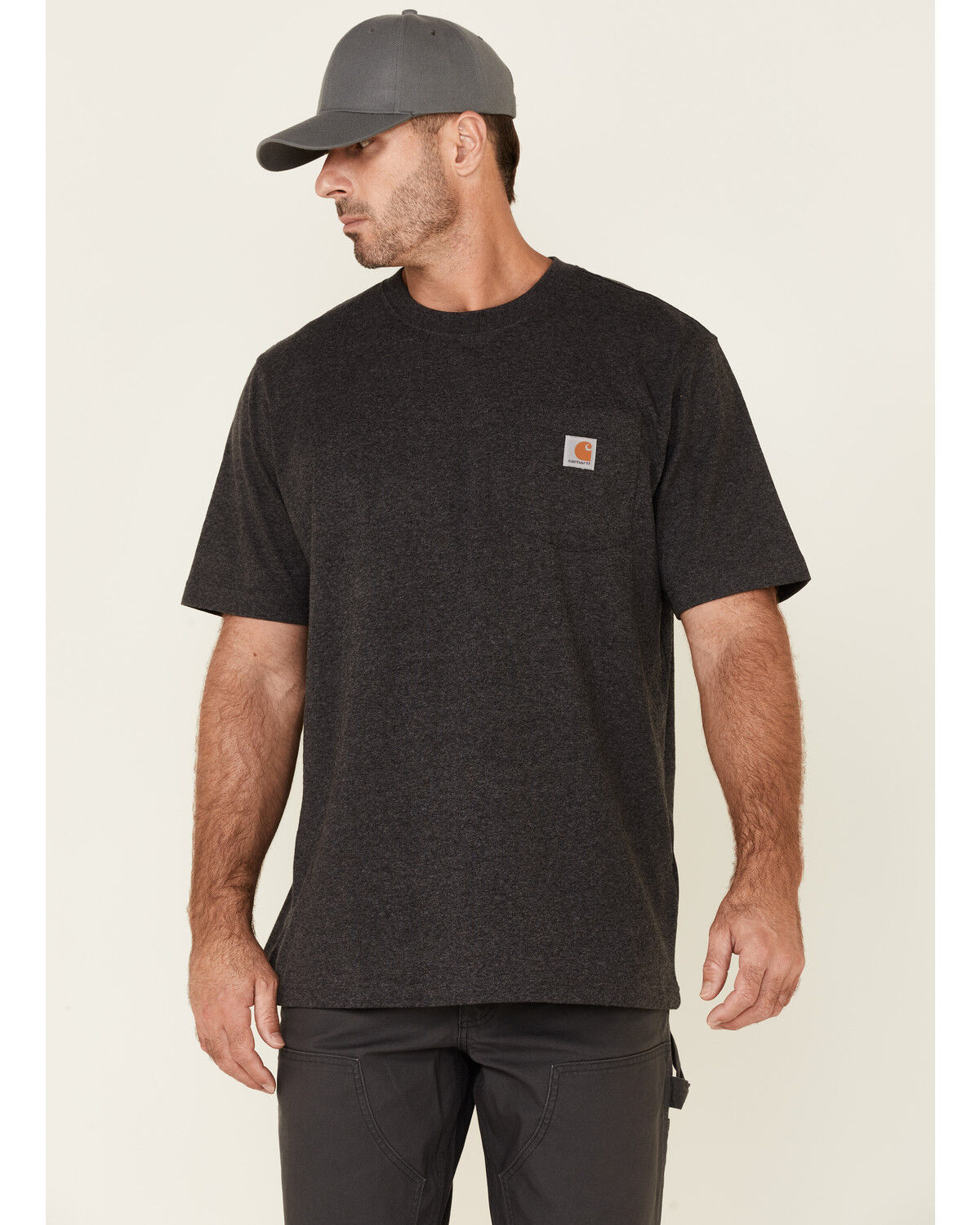
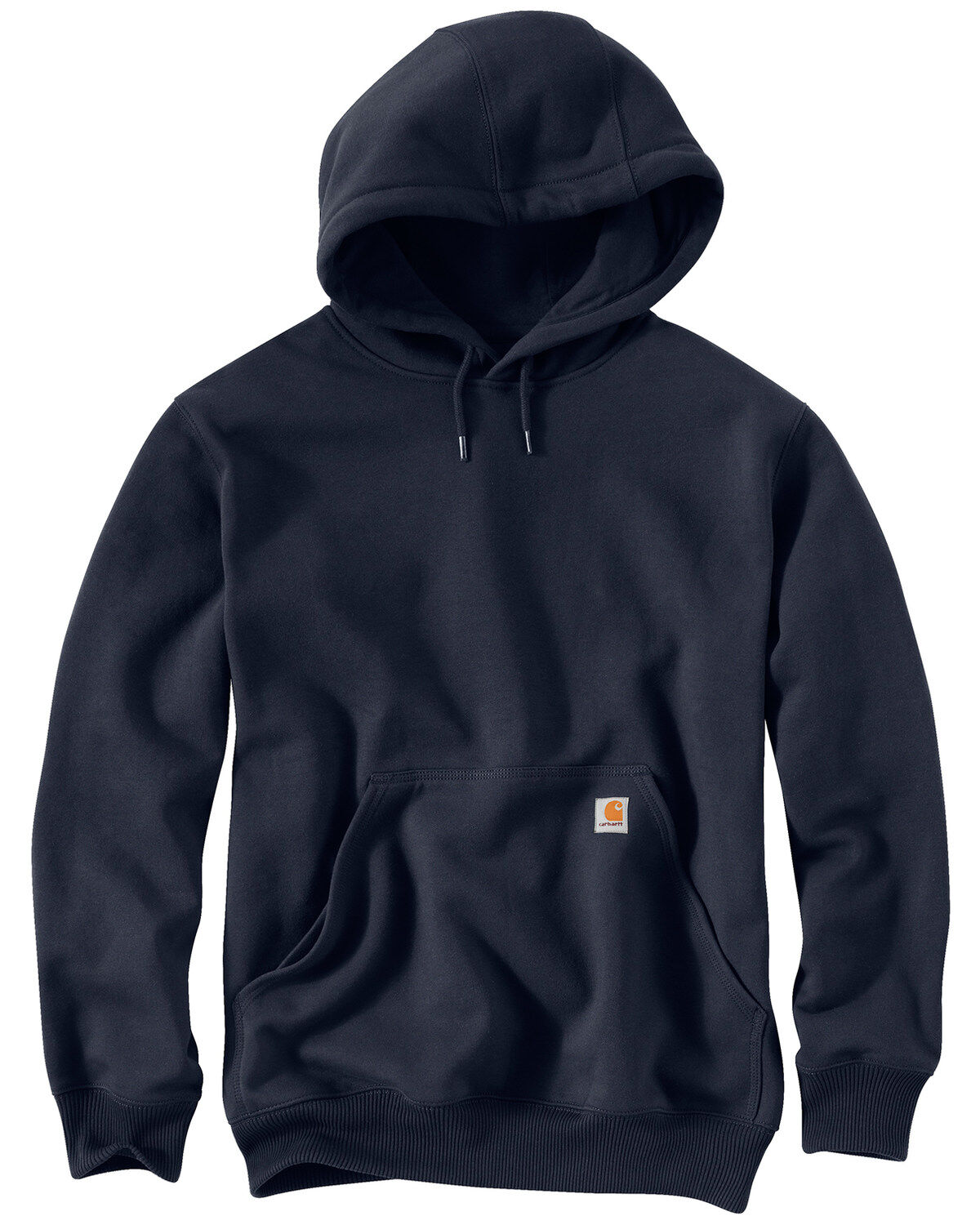
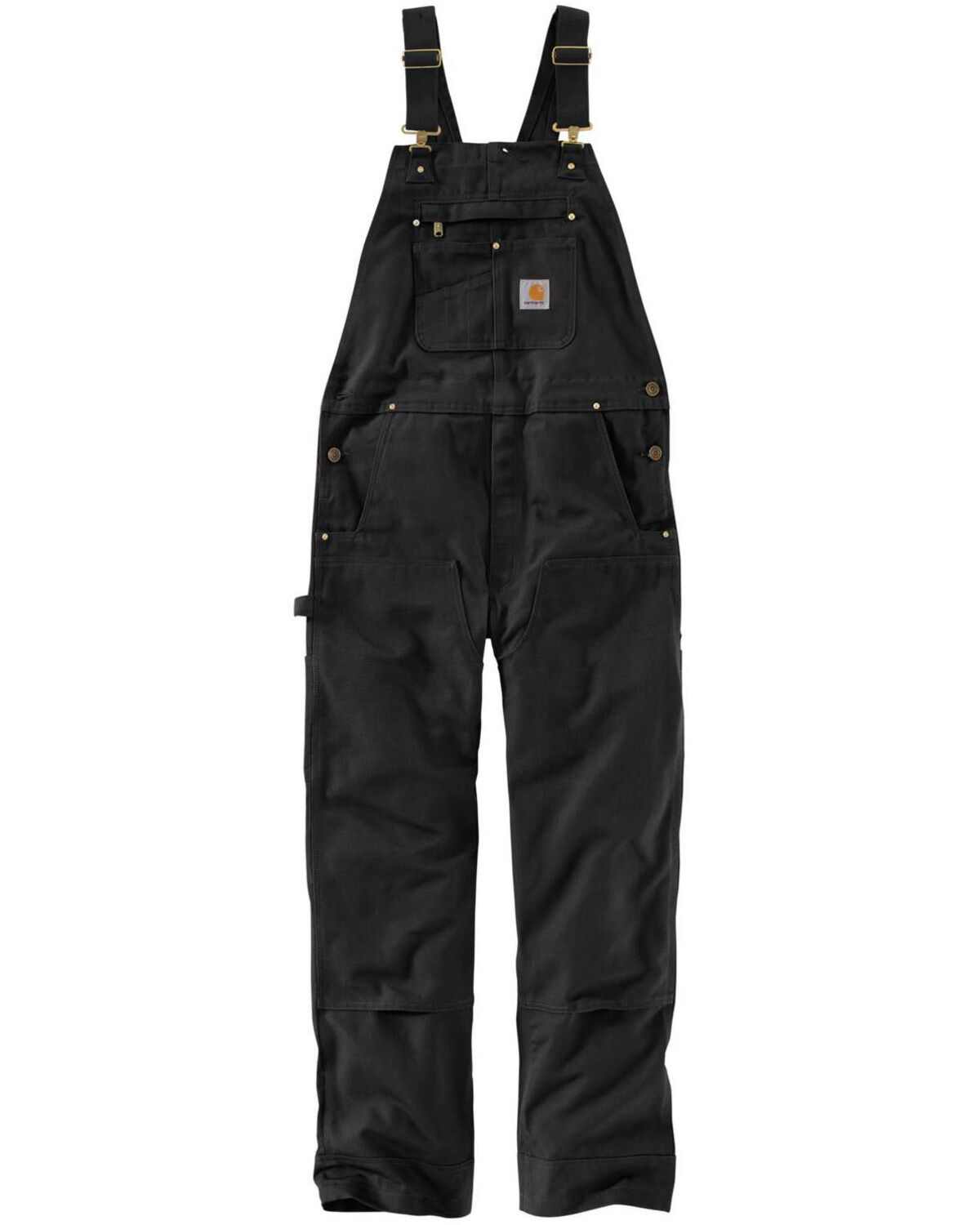
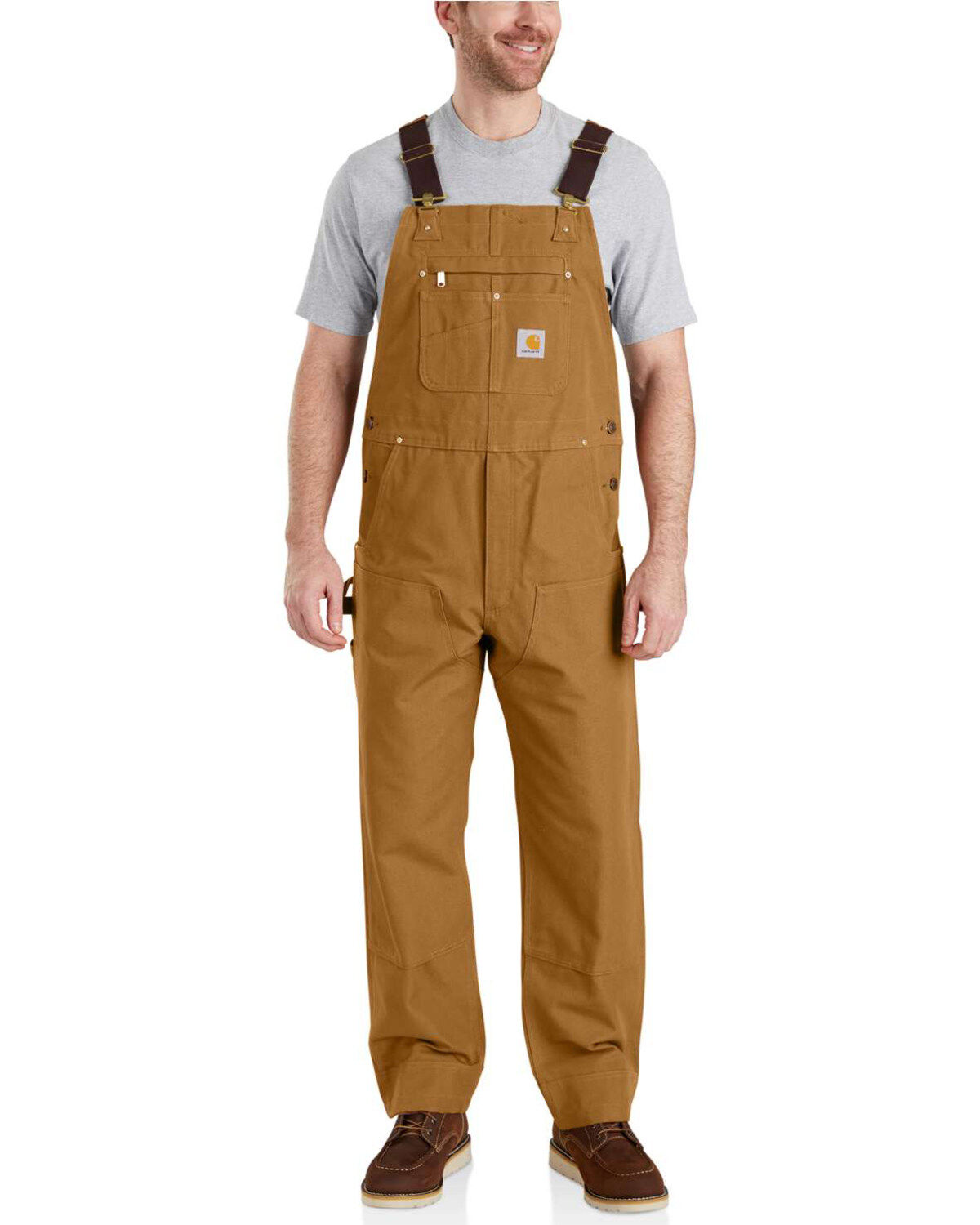
Men's work gear includes durable clothing, work boots, and accessories built around the demands of physical labor. It serves construction crews, ranch hands, mechanics, warehouse workers, and anyone whose day involves lifting, climbing, kneeling, or handling rough materials. The details matter because different jobs wear through gear in different ways. A carpenter may spend hours kneeling beside framing lumber, while a mechanic reaches across an engine bay and works around surfaces that can catch loose fabric. Both need room to move, but their pocket layouts, fabric preferences, and protection requirements may differ. Cotton duck canvas has a dense weave that suits demanding tasks and repeated contact with rough surfaces. Denim offers familiar comfort and durability, with heavier fabrics generally providing more substance than lighter options. Woven cotton blends can balance strength with easier movement and care, while stretch fabrics can reduce pulling at the knees, seat, and shoulders. Fabric weight alone does not tell the whole story. Reinforced seams, strong belt loops, sturdy closures, and extra material at high-wear areas all contribute to how clothing holds up. Double-layer knees can add durability where kneeling is common, and reinforced pocket openings help withstand repeated use. The broader selection of Men's Work Clothing covers the apparel side of a working outfit, from everyday work shirts and durable pants to layers suited to the task. Work gear should also make necessary tools and small essentials easier to manage. Deep front pockets, secure closures, and well-placed utility pockets can keep a pencil, tape measure, or phone within reach without putting everything in one crowded pocket. Placement is just as important as capacity. A loaded pocket that presses against the thigh while climbing or catches on equipment can become a distraction. Useful gear keeps the load manageable and leaves movement unrestricted. For someone moving between a shop floor, a service truck, and a jobsite, durable construction and practical storage often matter more than decorative details. A straightforward design also makes it easier to spot worn stitching or damaged fabric before a small problem becomes a larger repair.

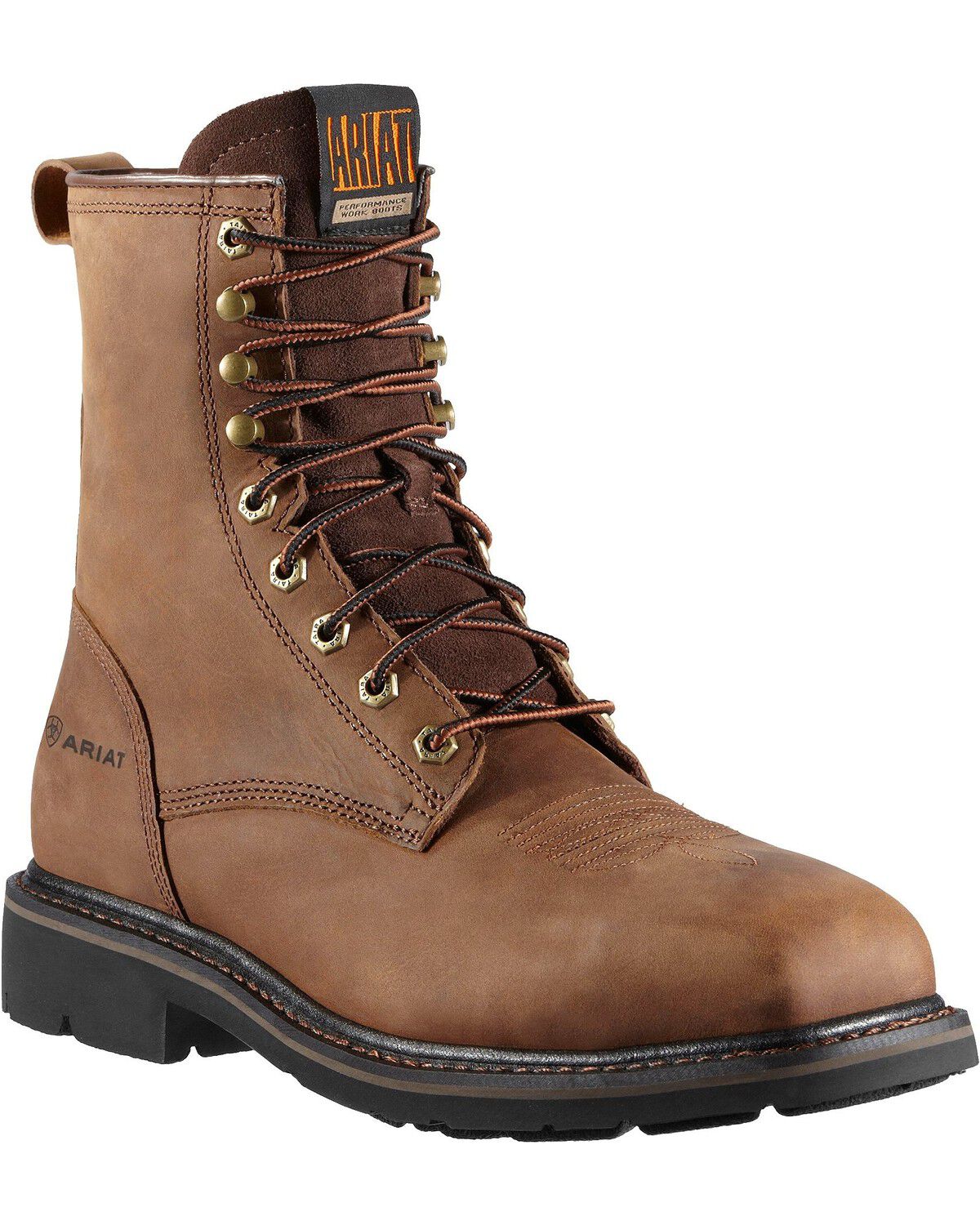
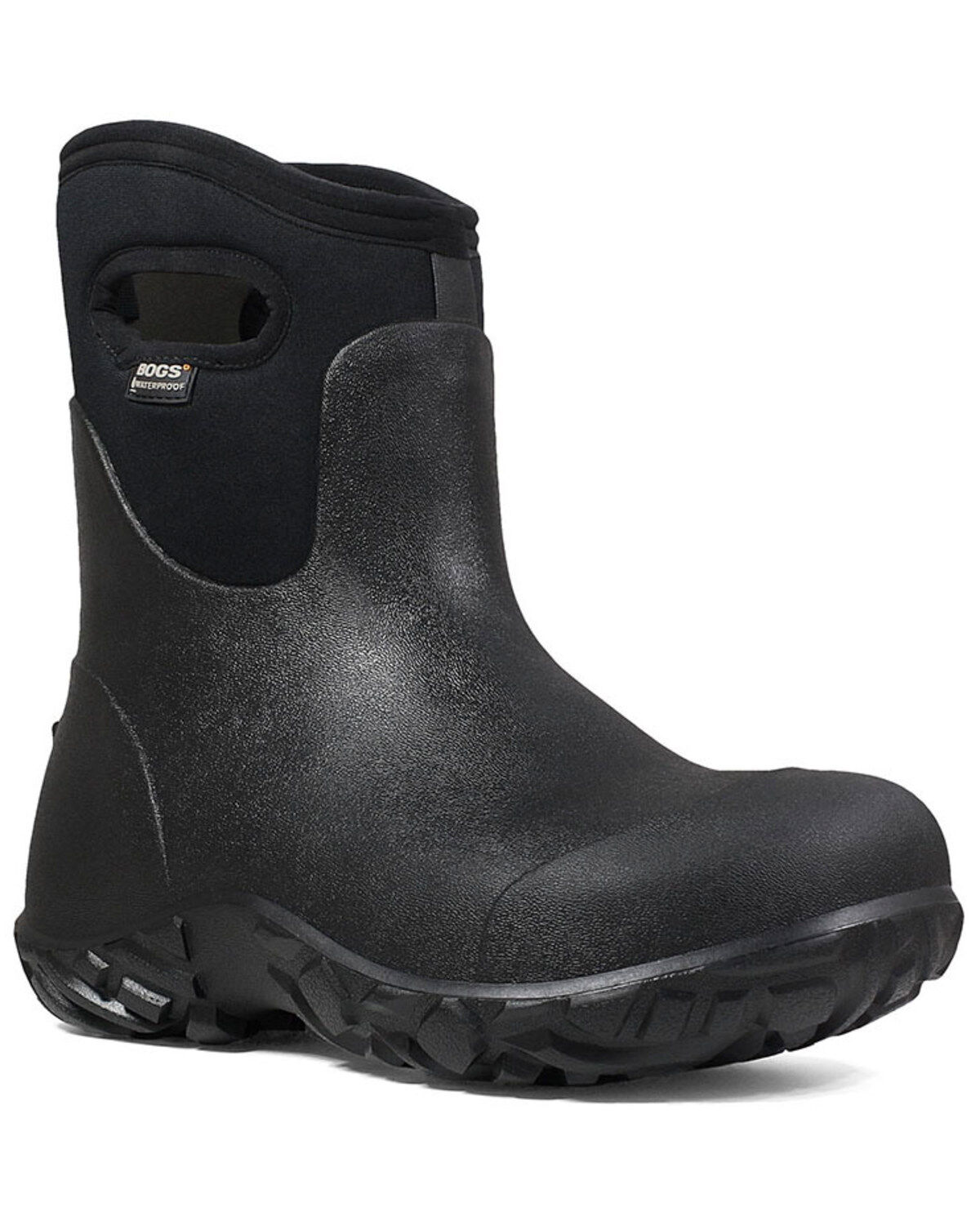
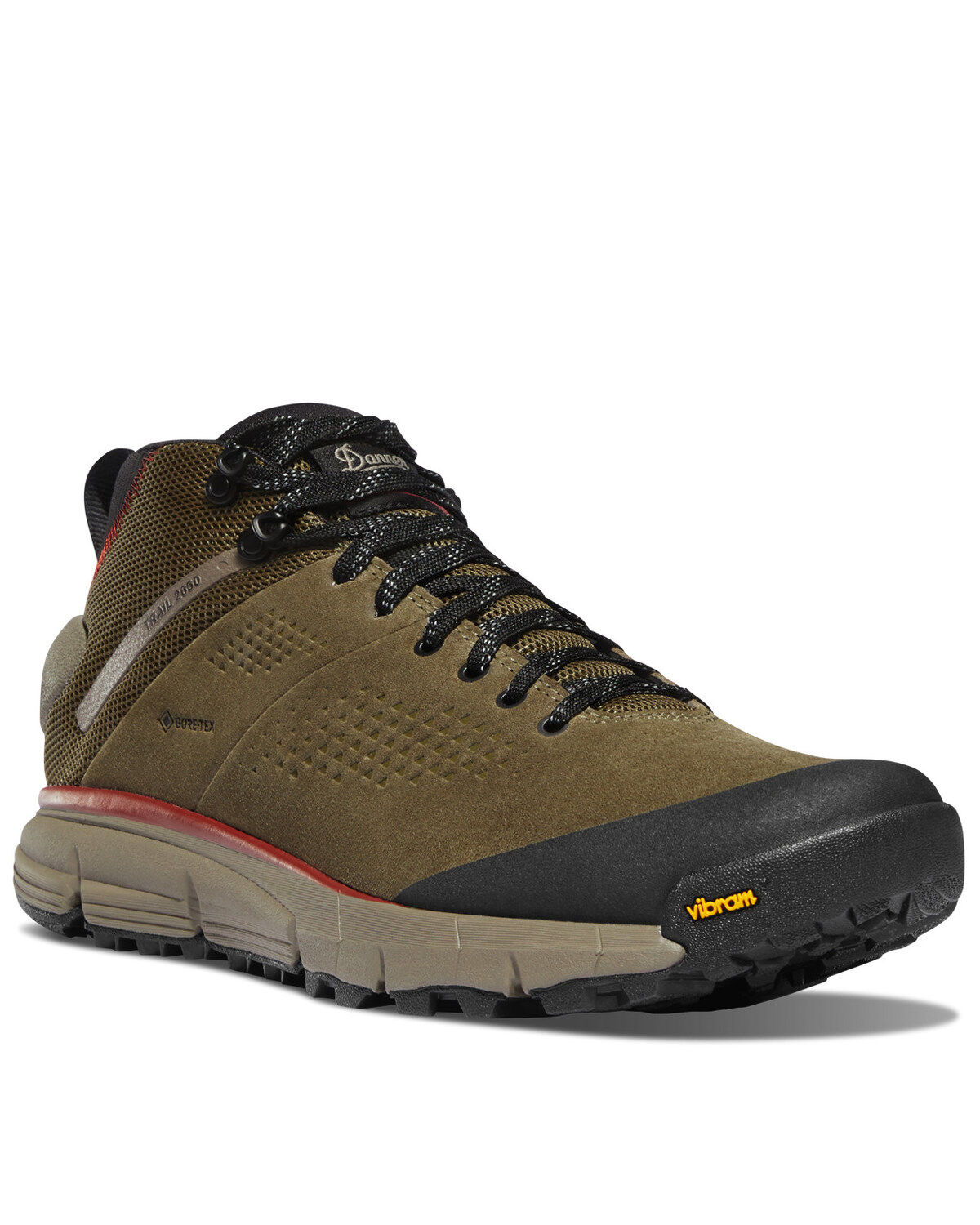
Fit affects both comfort and how work gear functions throughout a full shift. Pants need enough room through the seat and thighs for bending and climbing without excess fabric bunching behind the knees. A waistband that feels comfortable while standing can fit differently when crouching, sitting in a truck, or wearing a loaded belt. Work shirts should allow a full reach without pulling tightly across the back or lifting excessively at the waist. Sleeves and cuffs should suit the task, particularly around equipment where loose clothing can create a hazard. Stretch can support movement, but it does not replace the right size or cut. Footwear deserves the same attention. Work boots should hold the heel securely, leave room for the toes, and support the foot without relying on a tight fit. The socks worn on the job affect that fit, as do insoles and any prescribed orthotics. A boot that feels cramped at the start of a shift may become harder to wear after hours on foot. Underfoot construction matters on concrete floors, uneven ground, ladders, and other working surfaces. Cushioning can help with standing, while a supportive base and an outsole suited to the surface help make each step more stable. Slip resistance depends on the outsole, the surface, and the substance underfoot; it is not a promise against every slip. Protective toes may be required where falling or rolling objects present a risk, and workplace rules should determine the necessary safety ratings. Steel and nonmetallic protective toes differ in construction, but neither should be assumed suitable without checking the stated rating. The same principle applies to electrical-hazard footwear, flame-resistant clothing, and high-visibility gear. These features address particular hazards and are not interchangeable. Ordinary durable clothing is not a substitute for required protective equipment. Gloves also need a task-specific fit: handling rough lumber calls for different dexterity and protection than working with small fasteners. Gear earns its place when it supports the actual work rather than adding bulk or restricting control.

Care and condition have a direct effect on how long men's work gear remains useful. Dirt packed into seams, abrasive grit inside boots, and repeated strain on damaged stitching can shorten the life of otherwise solid construction. Regular cleaning according to the care label helps preserve fabric and keeps small problems visible. Cotton, fabric blends, stretch materials, and protective garments may have different washing requirements, so one routine does not suit every piece. Flame-resistant clothing needs particular attention to the manufacturer's instructions because improper care or contamination can affect its protective performance. Leather footwear benefits from cleaning and leather-appropriate conditioning, while synthetic materials require care suited to their construction. Soles, laces, eyelets, and interior linings deserve attention alongside the upper. Worn tread can change traction even when the rest of a boot still looks sound. A separating sole, exposed protective component, or damaged closure is more than a cosmetic issue. Everyday inspections do not need to be complicated: frayed cuffs, thinning knees, loose seams, and stretched pockets often show where gear is taking the most punishment. Repeated wear in the same area can also point to a better fit or a more suitable construction for the next purchase. A worker who spends much of the day kneeling may benefit from reinforced knees, while someone walking across a large facility may place greater value on footwear fit and manageable weight. For ranch chores, shop work, or home repairs, simple layers and dependable pockets can be more useful than features that never get used. Work gear can also make a practical gift for someone starting a trade, replacing well-worn clothing, or spending more time on hands-on projects. Known sizes, preferred fits, and workplace requirements make that choice more useful, especially when protective features are involved. The strongest working outfit is not necessarily the heaviest or the most complicated. It is the combination of materials, fit, construction, and care that matches the job and stays comfortable through the workday.

FAQs