Men's Work Clothing

Find men's work clothing for your daily tasks and workplace requirements. Browse the workwear selection with fit and coverage in mind, and check individual product details for any safety ratings your job requires.

Shop Your Store: Shop Your Store: Find a Store

(Turn off Shop Your Store to see all items)

(Turn off Shop Your Store to see all items)

close
  • Recommended
  • Lowest Price
  • Highest Price
Skip pass products

End of products

Men's Work Clothing

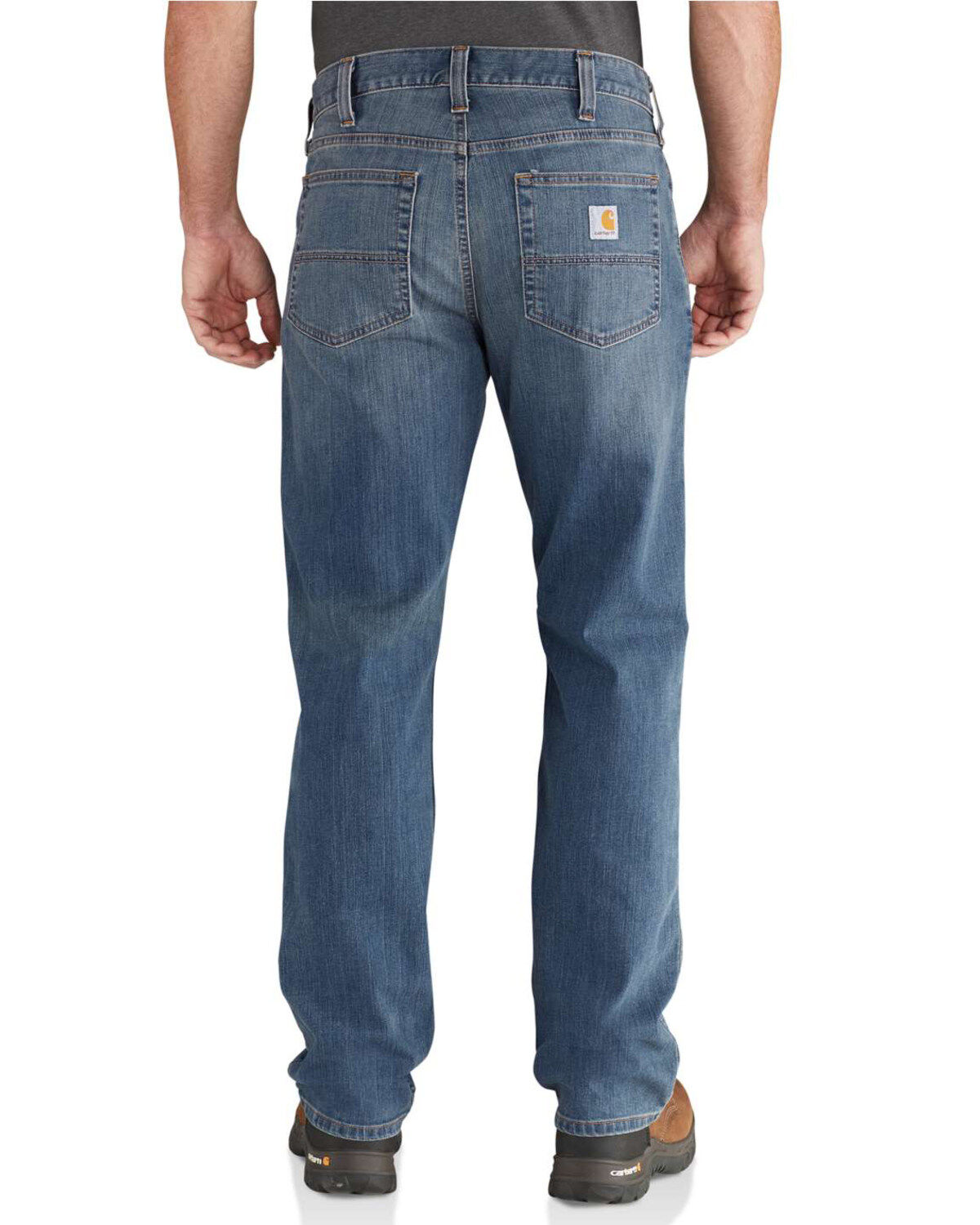
Men's work clothing includes durable shirts, pants, coveralls, and outer layers made for physical work, repeated movement, and regular washing. Its purpose is straightforward: provide dependable coverage, leave room to move, and keep useful tools and personal essentials within reach. Construction crews, mechanics, carpenters, warehouse workers, equipment operators, and ranch hands can have different demands, but each needs clothing suited to the actual work. A carpenter kneeling beside a cabinet puts pressure on the knees and seat of his pants. A mechanic reaching across an engine needs room through the shoulders without loose fabric hanging into the work area. Someone moving boxes all day needs a waistband that stays comfortable through lifting, bending, and walking. Materials help determine how a garment handles those demands. Cotton duck canvas has a tightly woven surface suited to repeated rubbing against rough materials. Denim offers substantial fabric and familiar comfort, while cotton twill provides a smoother finish that works well for jobs involving both hands-on tasks and customer contact. Cotton blends can combine comfort with improved shape retention and faster drying, depending on their construction. Stretch fabrics add flexibility, particularly through the seat, thighs, shoulders, and elbows, though stretch alone does not establish durability. Fabric weight, weave, stitching, and reinforcement all matter. Heavier cloth can stand up well to abrasion but may feel stiff at first. Lighter fabric can make frequent movement easier without necessarily providing the same resistance to rough surfaces. Reinforced knees, sturdy pocket edges, and extra stitching at strain points address areas that commonly wear first. Those details are useful when they match the task, rather than simply adding bulk. Breathable fabrics and moisture-wicking finishes can also help manage perspiration during active work. The strongest choice is not always the heaviest garment. Reliable men's workwear balances fabric strength, practical construction, and the freedom to finish a full shift without fighting the fit. Everyday work clothing serves those needs, but it should not be treated as protective equipment unless it carries the required designation for the job.

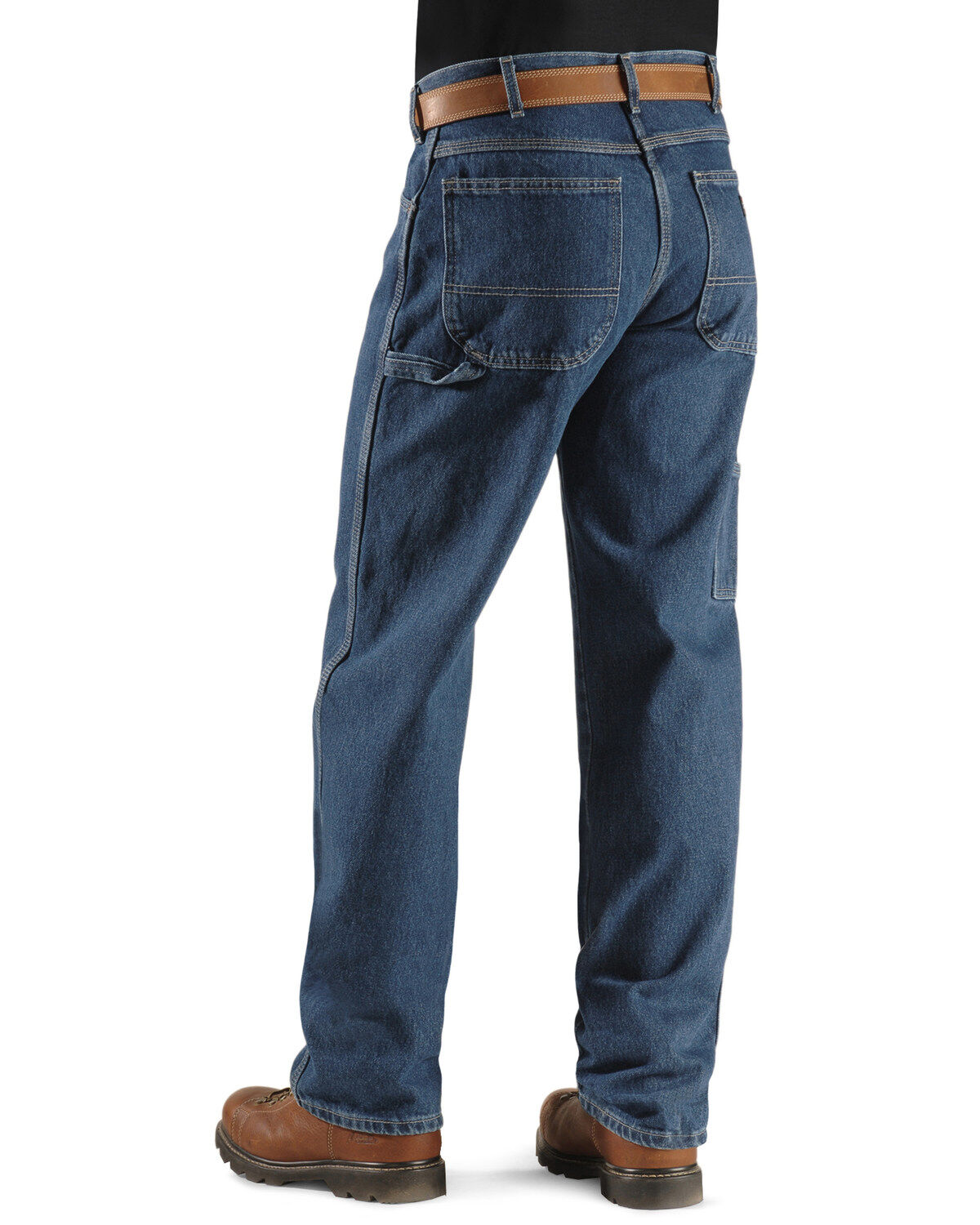
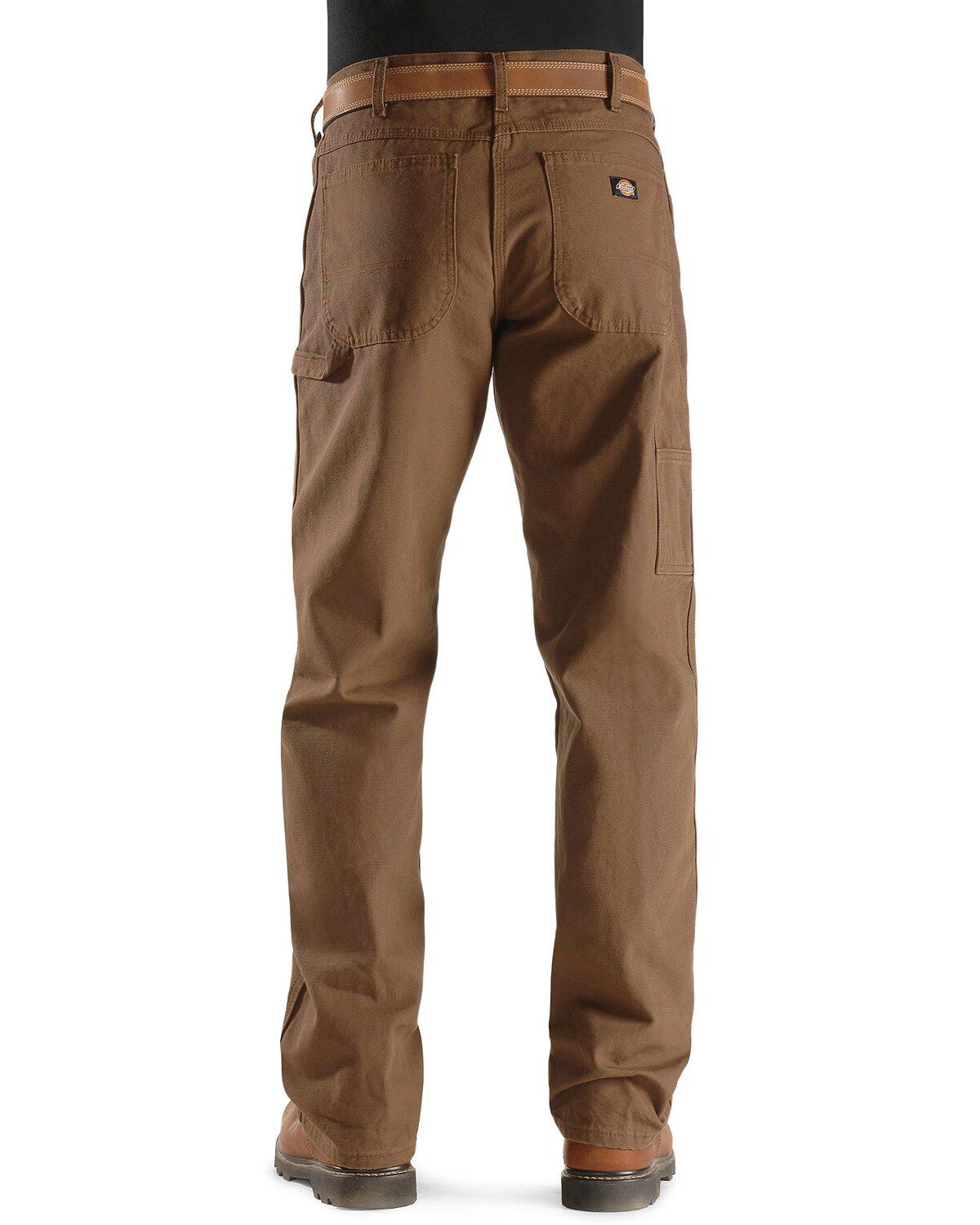
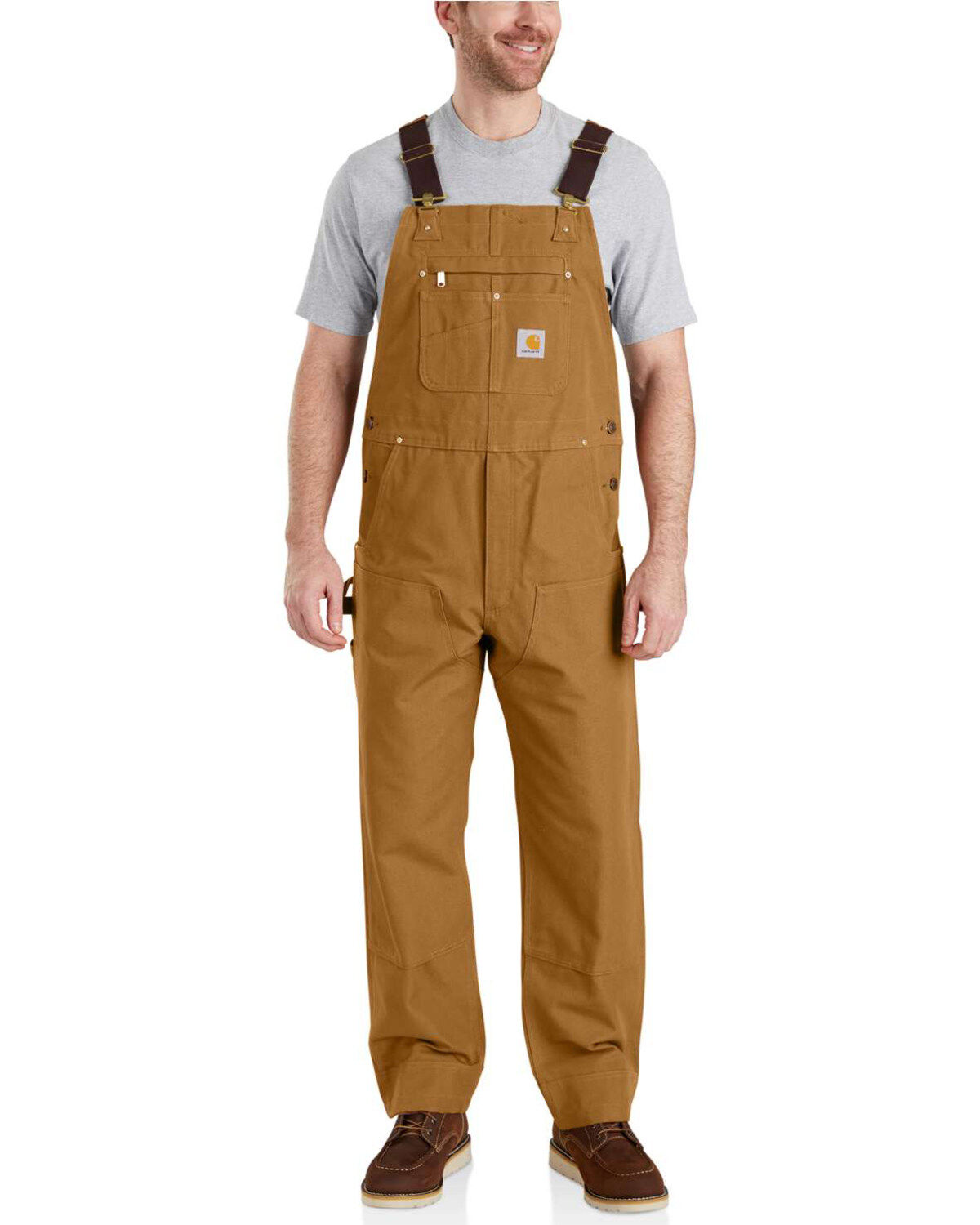
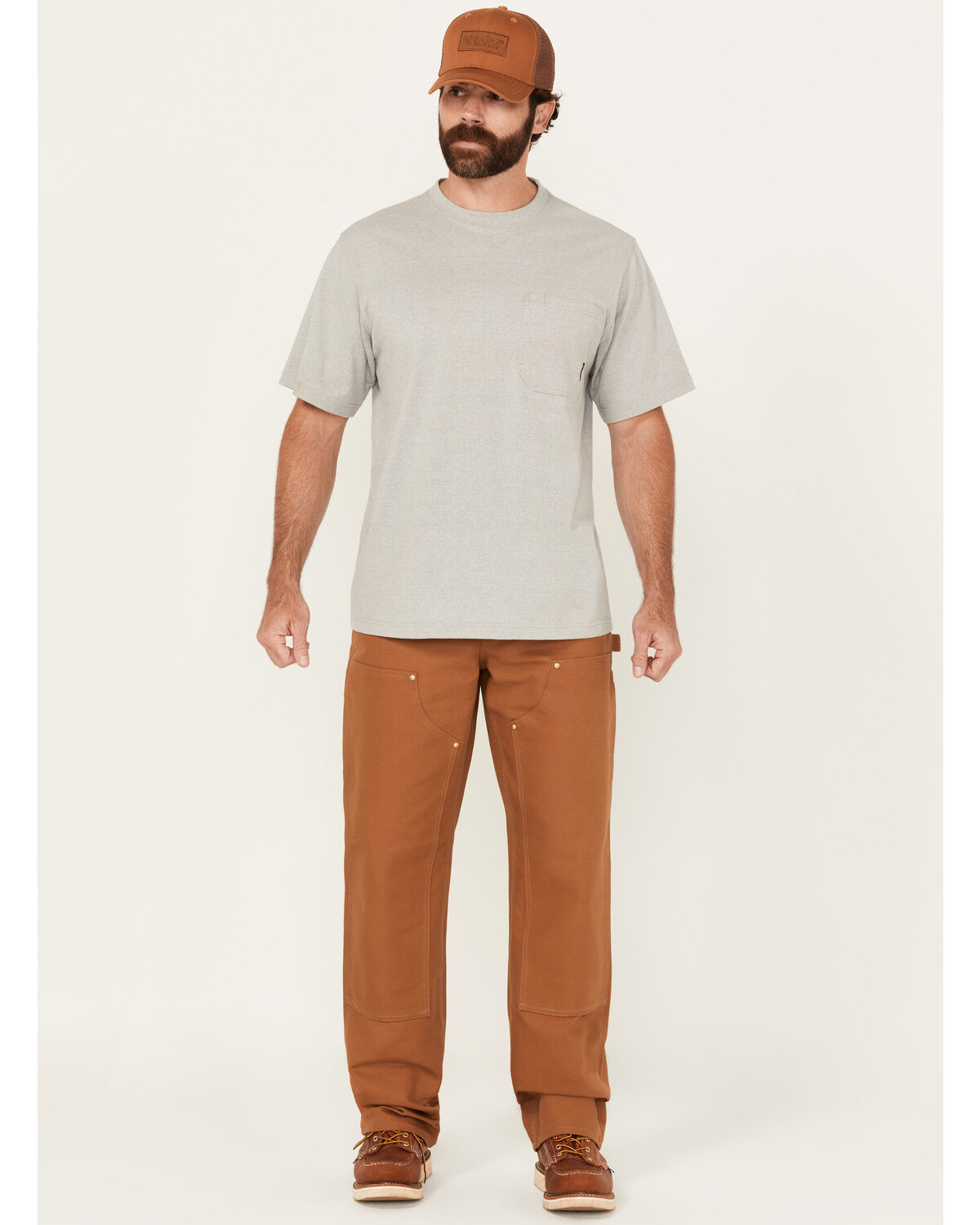
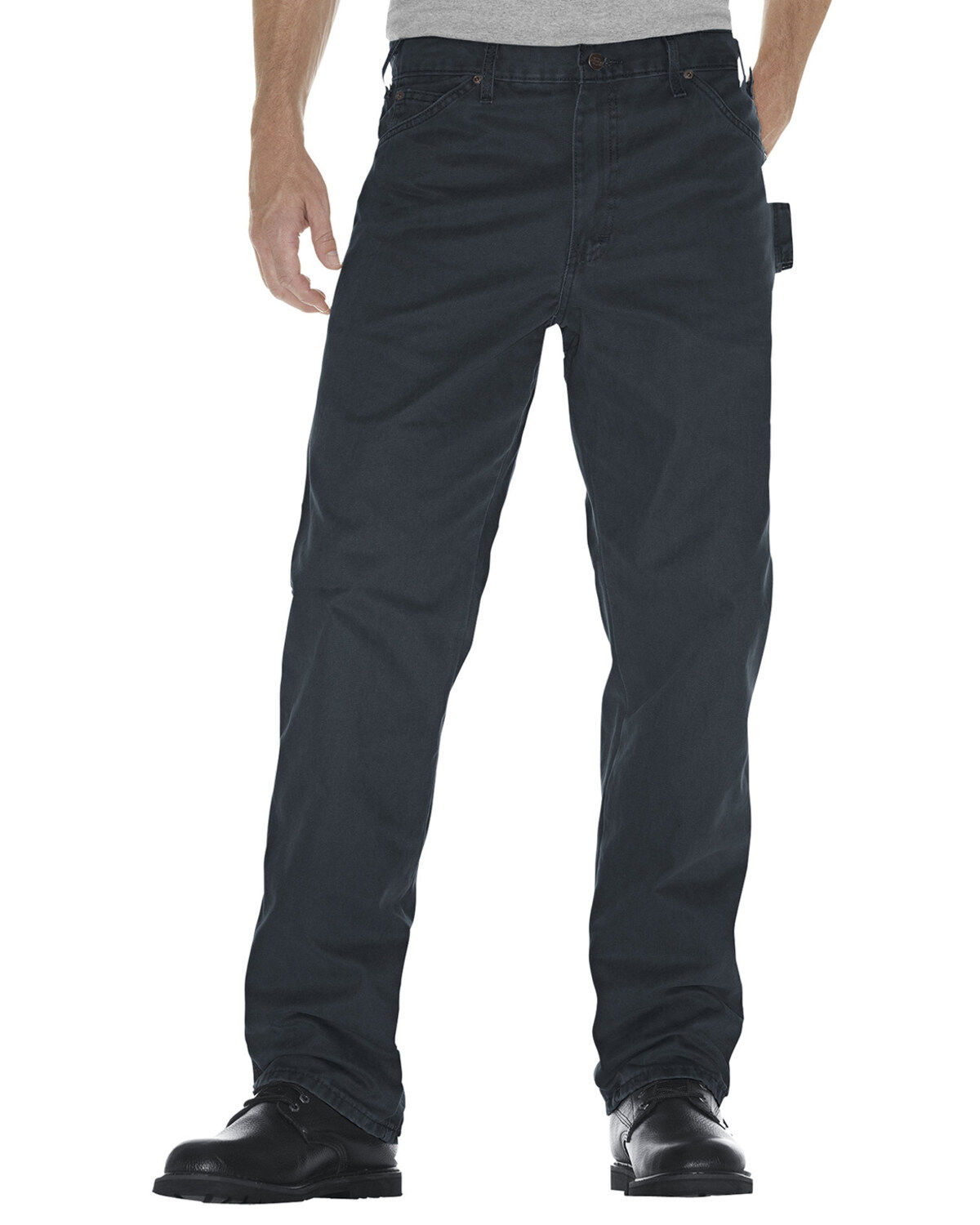
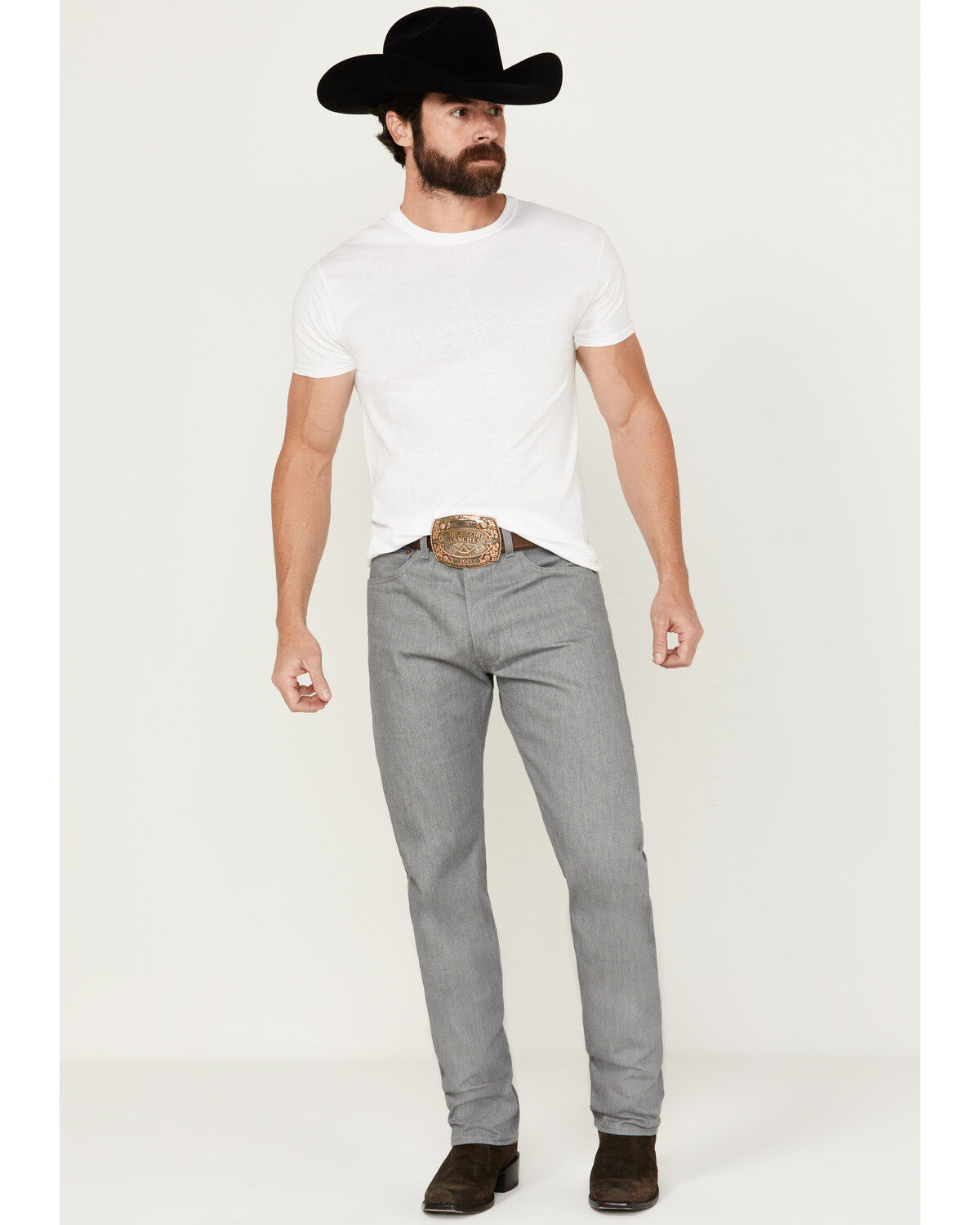
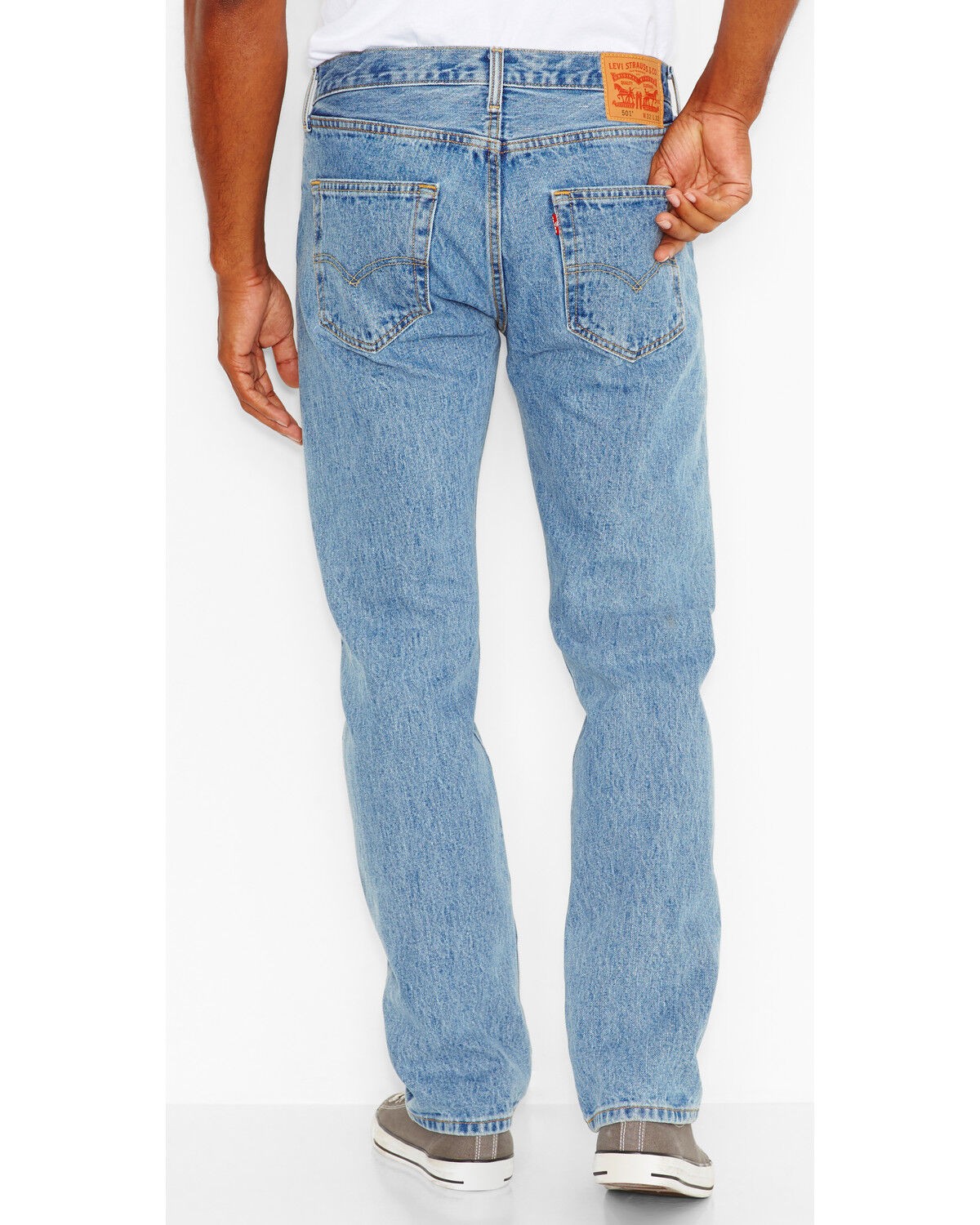
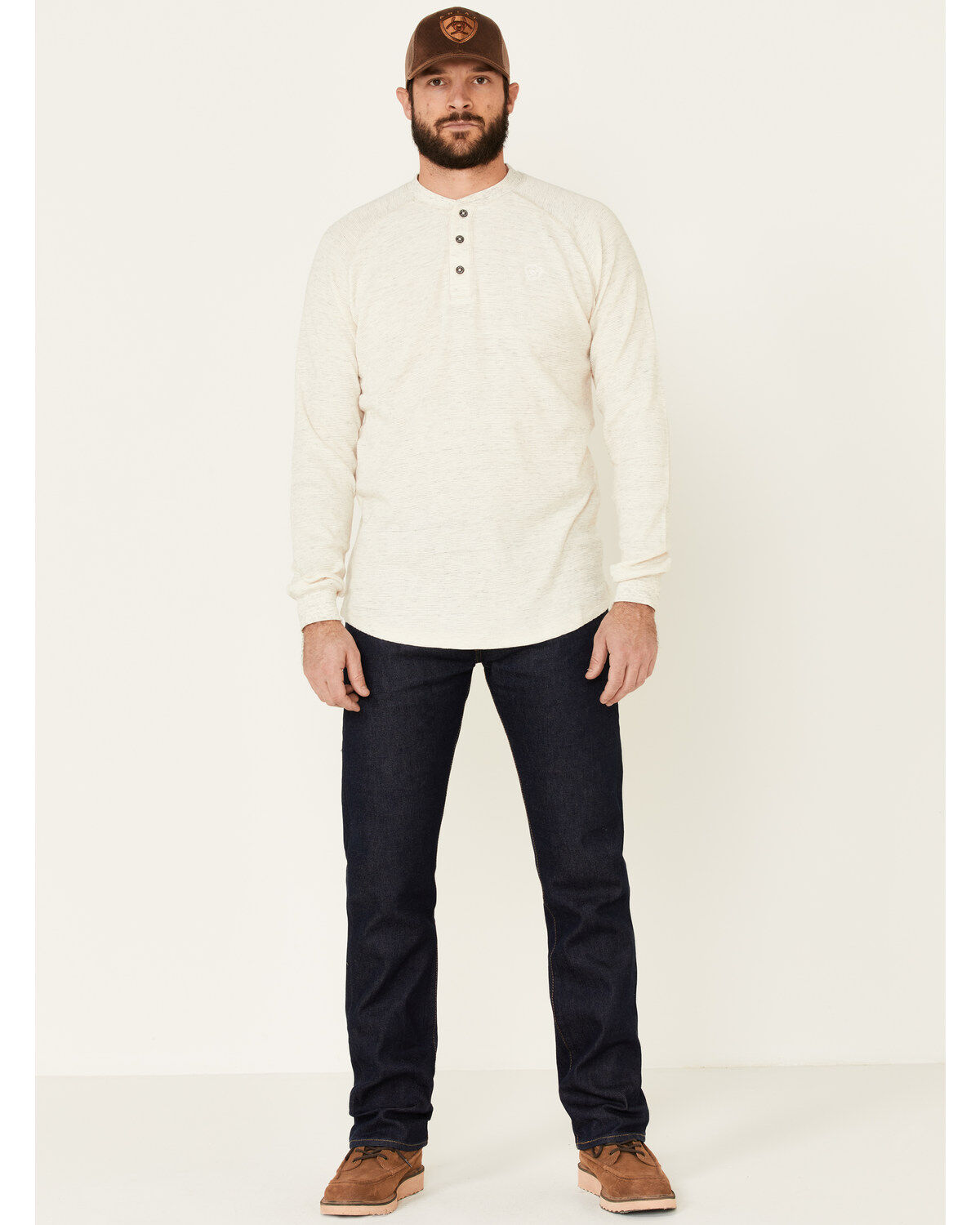
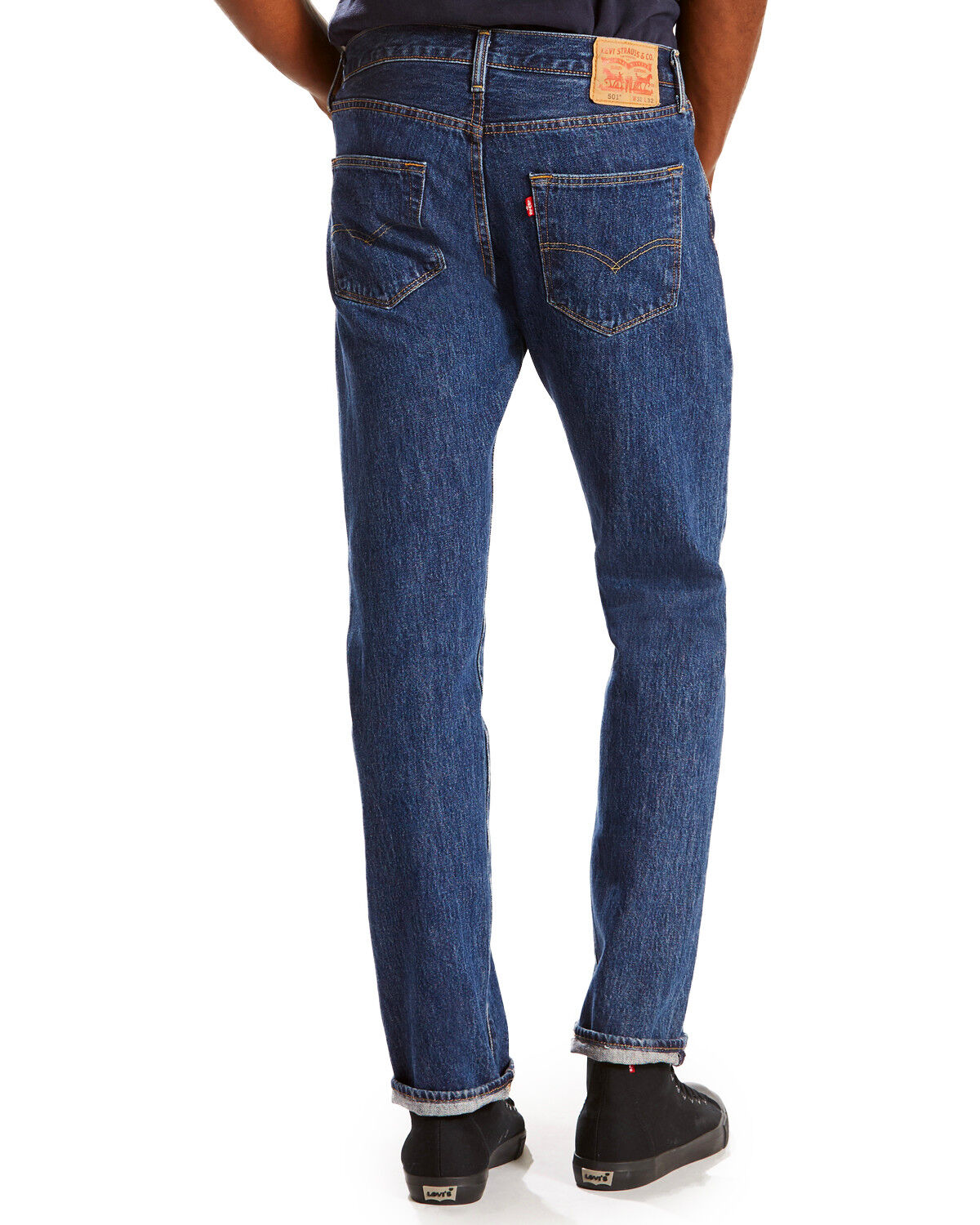
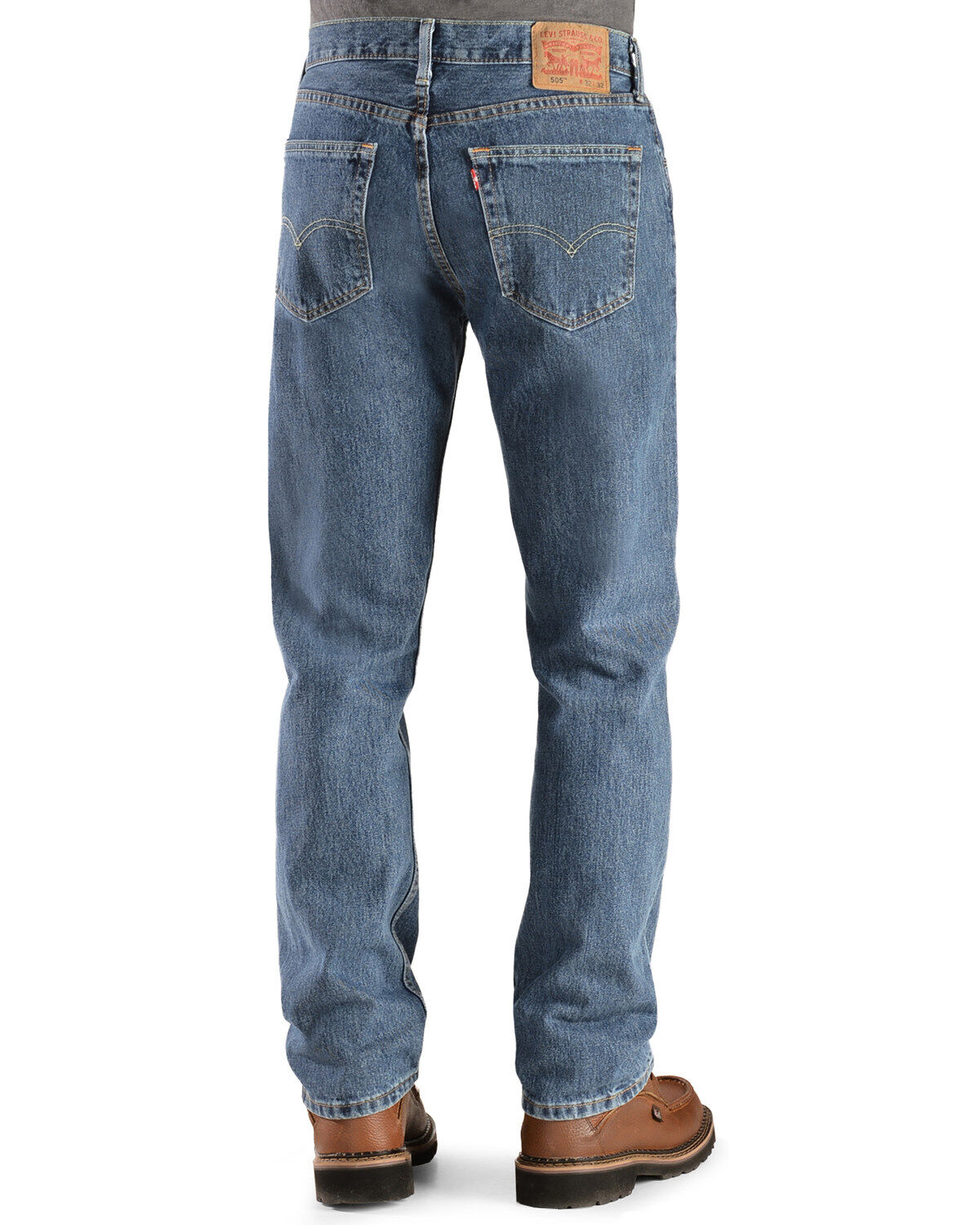
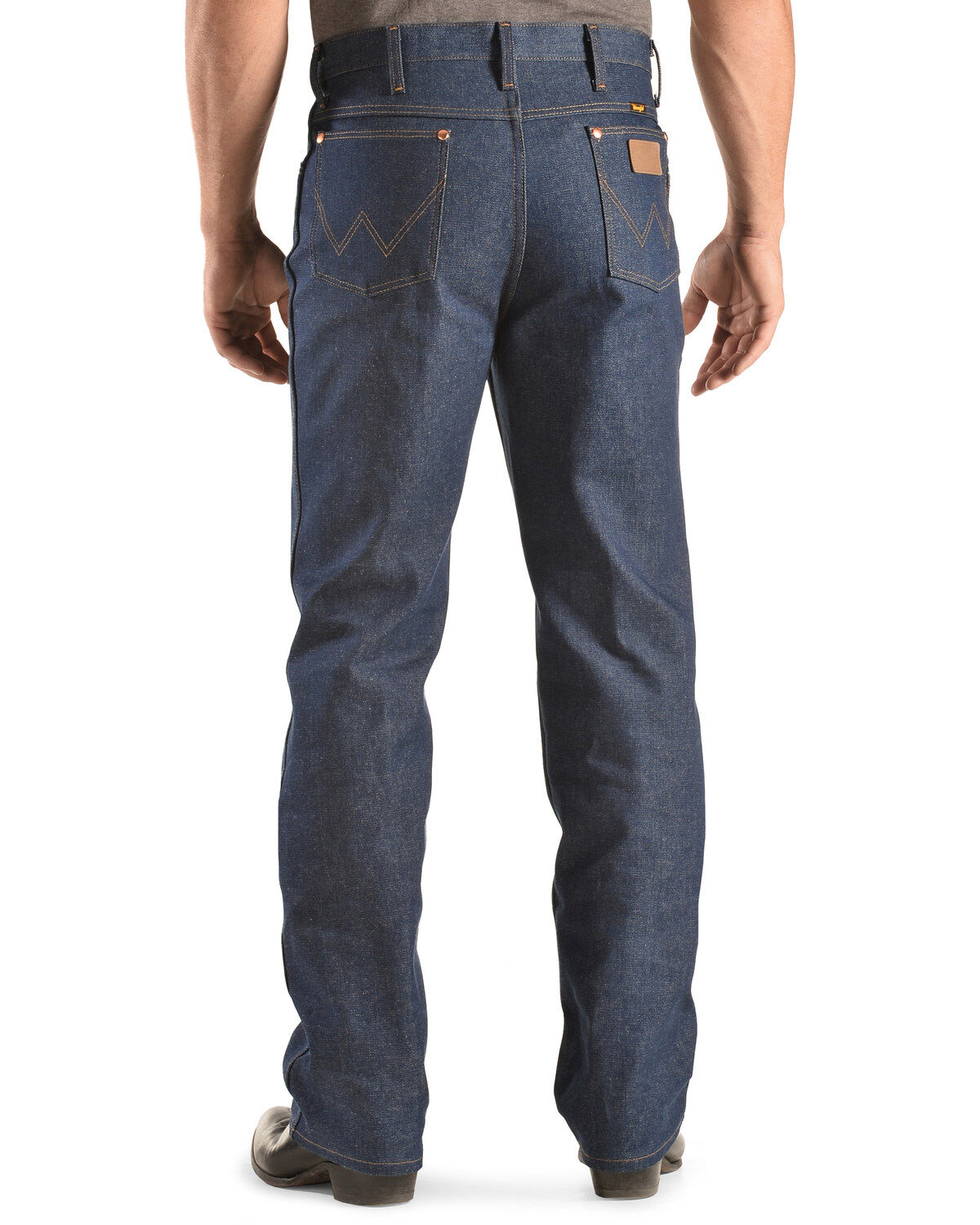
Fit affects nearly every part of how work clothes perform. Work pants need enough room through the seat and thighs for squatting, stepping up, and kneeling, while the waist should remain secure without digging in when seated. A relaxed fit offers more space, but excessive fabric can get in the way around equipment. A straighter cut can provide a closer profile while still allowing movement when the pattern and material support it. Stretch panels or a gusset at the crotch can reduce pulling during a deep bend or a long step. Articulated knees use shaped construction to help the legs bend more naturally. These features can be useful for workers who spend much of the day moving between standing, crouching, and climbing. The range of Men's Workwear Pants centers on a garment that takes constant wear at the knees, seat, hems, and pockets. Pant length matters as much as waist size: hems should not drag, bunch excessively, or interfere with secure footing. Pocket placement also deserves attention. A phone pocket can keep a device separate from keys, while deeper front pockets and reinforced utility pockets provide space for frequently used essentials. Loaded pockets should not restrict movement or create uncomfortable pressure when sitting or kneeling. Hammer loops and tool pockets have a purpose on some jobs, but unnecessary attachments can catch on nearby equipment. Work shirts need similar attention to proportion. Shoulder seams should allow comfortable reach, sleeves should not pull tightly across the elbows, and the body should provide adequate coverage when bending. A shirt worn tucked in needs enough length to stay put through repeated movement. Adjustable cuffs help control loose sleeves, and secure closures can keep chest-pocket contents in place. Coveralls need sufficient torso length for sitting and crouching without pulling through the shoulders or crotch. When clothing is worn with a belt, harness, or other required equipment, the complete fit matters. Employer rules about loose clothing, cuffs, and attachments take priority around moving machinery.

Intended use separates general workwear from clothing designed for particular workplace hazards. Standard canvas pants, denim, and work shirts provide everyday coverage and resistance to wear, but they are not substitutes for required protective garments. Flame-resistant work clothing is made to meet defined performance requirements and must be matched to the hazards identified for the job. Flame-resistant does not mean fireproof, and a fabric description alone does not establish whether a garment meets an employer's requirements. Where electrical arc exposure is a concern, the required arc rating and applicable standards need to be confirmed before use. High-visibility clothing serves a different purpose by helping workers remain noticeable through specified background materials and reflective components. Its required type and class depend on the work environment and employer rules; a bright shirt is not automatically compliant high-visibility apparel. Care is part of maintaining both ordinary work clothes and specialized garments. The care label establishes the washing, drying, and treatment instructions for each piece. Sorting heavily soiled clothing from less soiled laundry helps limit the transfer of grit and residue. Prompt attention to ordinary stains can reduce buildup, but oils, fuels, chemicals, and other hazardous contamination may require workplace procedures rather than routine home washing. Bleach, fabric softener, and other treatments should be used only when the garment's instructions allow them, particularly with protective clothing. Excessive dryer heat can cause shrinkage or affect certain fabrics and finishes, so the labeled settings matter. Routine inspection helps catch thinning fabric, split seams, damaged closures, and loose pocket edges before they interfere with the job. Repairs must remain appropriate to the garment's purpose; specialized protective clothing may require approved materials and methods rather than an ordinary patch. Visible wear is part of working in clothing, but torn fabric or compromised protective features can make a garment unsuitable for continued use. For someone starting a trade, replacing worn workwear, or receiving work clothing as a gift, accurate measurements and workplace requirements provide a better starting point than appearance alone. Clothing that fits the work, holds its shape, and receives proper care earns its place through regular use.

FAQs