Men's Winter Steel Toe Work Boots

Find men’s winter steel toe work boots for cold-weather jobs that call for toe protection. Compare styles with your work conditions in mind, and check each pair’s insulation, traction, and safety ratings to find the right fit for your job.

Shop Your Store: Shop Your Store: Find a Store

(Turn off Shop Your Store to see all items)

(Turn off Shop Your Store to see all items)

close
  • Recommended
  • Lowest Price
  • Highest Price
Skip pass products

End of products

Men's Winter Steel Toe Work Boots

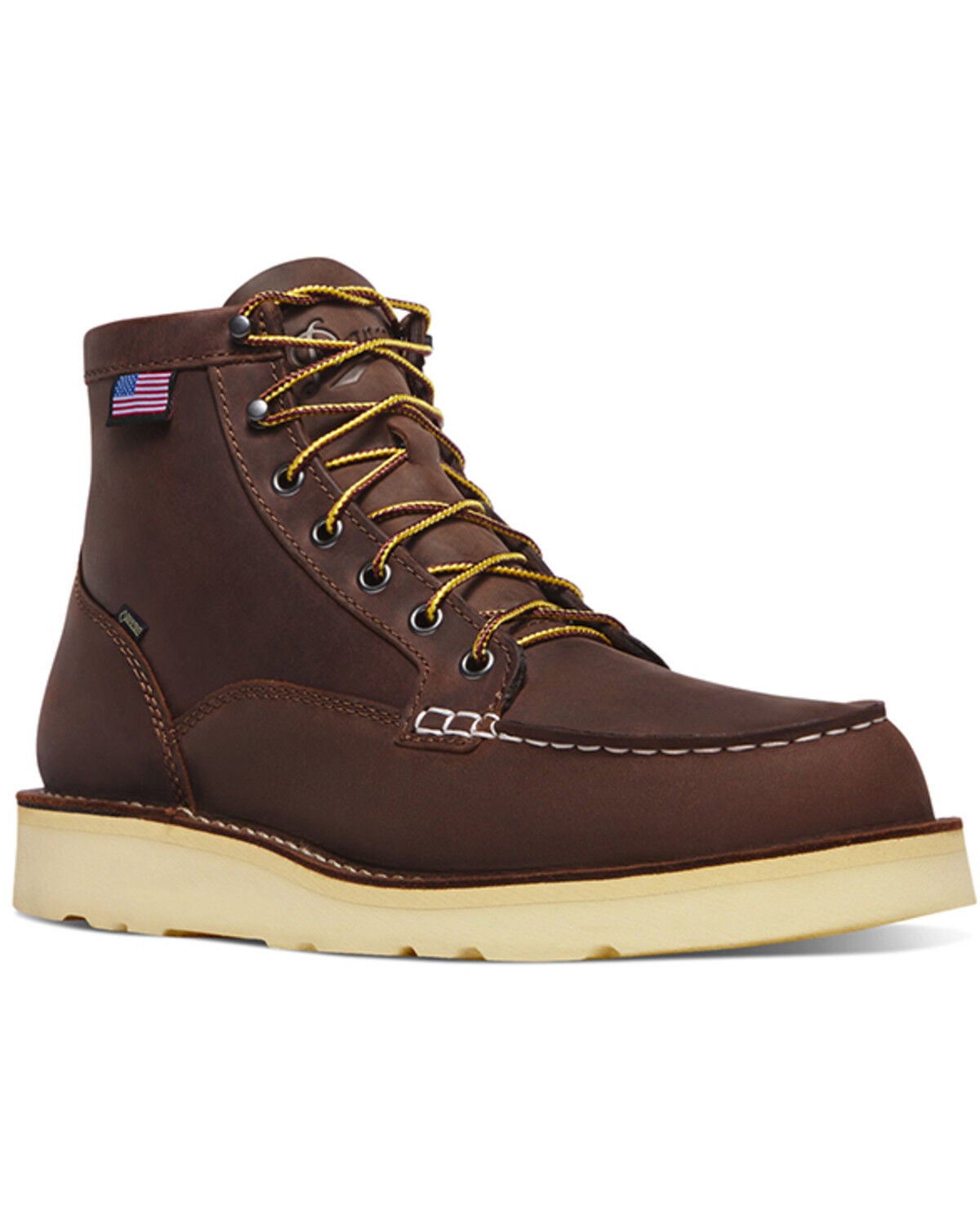
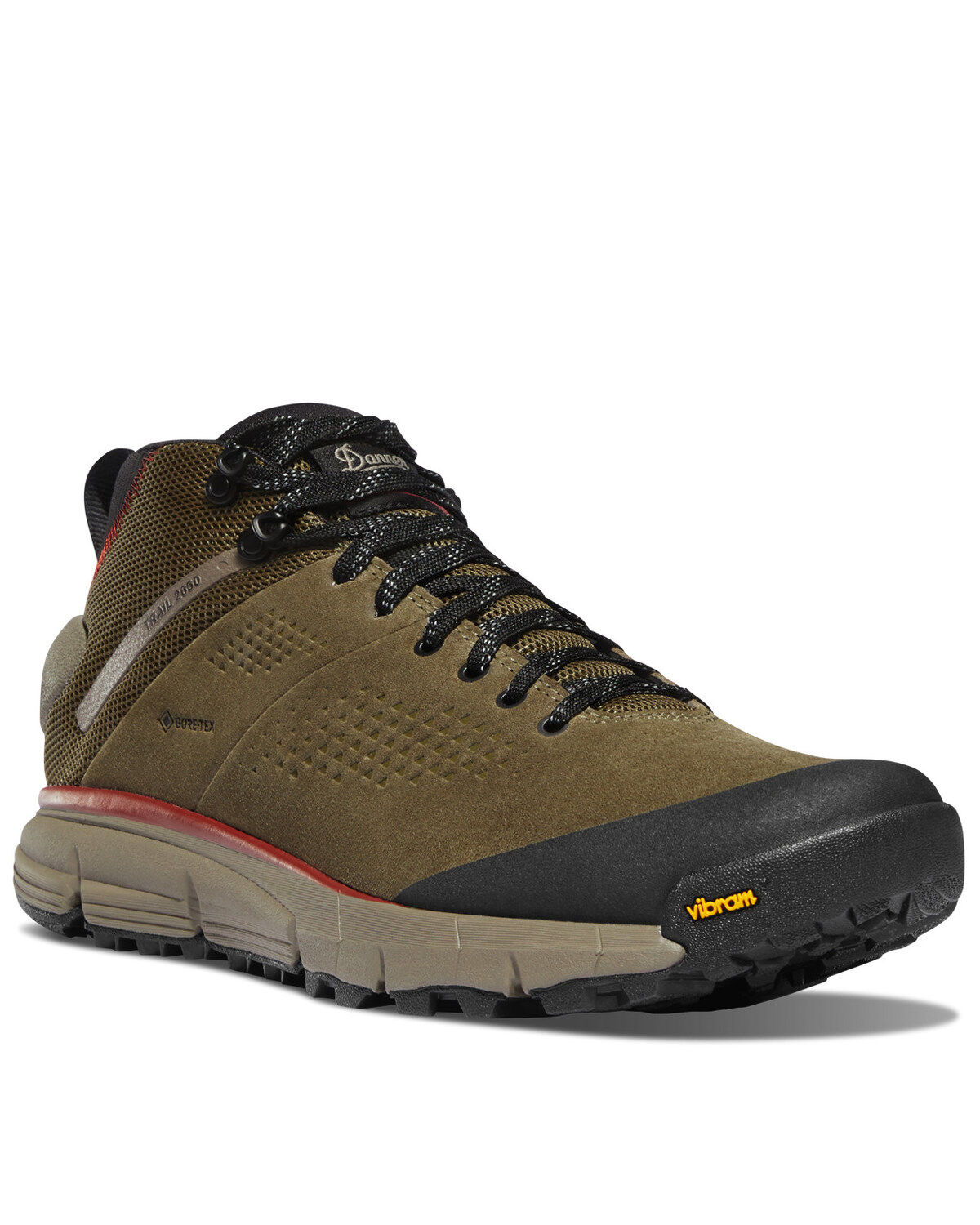
Men’s winter steel toe work boots are built for jobs where cold conditions and heavy equipment share the same space. Construction crews, warehouse workers, equipment operators, and utility workers may spend a shift moving between sheltered work areas and exposed ground. The right combination of toe protection, insulation, and weather-resistant construction helps meet those demands without overlooking comfort. A steel safety toe provides protection against impact and compression when the boot meets the applicable safety standard. That protection is separate from warmth, waterproofing, and traction, so each feature matters on its own. Insulated linings help retain body heat, while waterproof membranes and sealed construction can help keep melted snow and moisture from reaching the foot. Water-resistant leather can handle some exposure, but it is not the same as a waterproof boot. Full-grain leather is a common choice for demanding work because it stands up to abrasion and can be maintained over time. Other constructions combine leather with fabric panels to balance durability, flexibility, and weight. Reinforced toe areas can reduce wear from kneeling on rough concrete, while sturdy heel counters help hold the foot in place. A winter work boot also needs to suit the pace of the job. Standing beside equipment for long stretches creates different demands than walking a large jobsite or climbing in and out of a truck. More insulation is not automatically better for every setting. A heavily insulated boot may suit extended cold exposure, while a lighter insulated construction can be more comfortable for active work or frequent trips indoors. Moisture from perspiration matters, too. Linings that move moisture away from the foot help manage dampness inside the boot, although they still need time to dry between shifts. These details make men’s winter steel toe work boots more than ordinary work boots with a warm lining. They combine several features that have to work together through the day, whether the task involves unloading materials, servicing machinery, or working along a muddy access road.

Fit has a direct effect on how winter steel toe work boots feel after several hours on the job. The safety toe does not stretch with wear, so the toes need room from the start. A good fit holds the heel and midfoot securely without crowding the front of the foot or pressing across the instep. Thick socks can change that fit substantially. Trying boots with the type of socks worn at work gives a more useful sense of space than trying them with thin everyday socks. Simply sizing up for winter can leave too much movement in the heel, which may cause rubbing and make footing less secure. Wool-blend work socks can provide warmth and help manage moisture without requiring excessive bulk. Cushioned footbeds soften the feel of hard floors, while supportive midsoles help distribute pressure during long periods of standing. Those features serve different purposes, and a soft footbed alone does not determine how supportive a boot will feel. Lace-up styles allow adjustment around the foot and ankle, which can be useful when sock thickness changes. Pull-on styles offer straightforward entry and fewer exposed laces, with fit relying more heavily on the shape of the boot. Shaft height also affects coverage. Taller shafts provide more coverage against snow and splashes, while lower profiles may allow easier movement for work that involves repeated bending or crouching. Underfoot, tread depth, rubber compound, and outsole design all influence traction. Deep lugs can help on loose ground, but packed snow and mud can fill the spaces between them. Slip-resistant soles may improve footing on certain surfaces, yet no outsole provides dependable grip on every patch of ice. Clearing buildup from the tread helps preserve its function. Worksite requirements remain important regardless of weather. Puncture resistance, electrical hazard protection, and other safety features are separate ratings, not automatic benefits of a steel toe. The boot’s labeling and the employer’s requirements should match the actual hazards of the job.

Durability in winter work boots comes from both construction and regular care. Strong stitching, securely attached outsoles, and abrasion-resistant uppers matter when boots scrape against steps, pallets, and rough ground. Welted construction can make some boots suitable for resoling, depending on the design and condition, while other sole attachments offer a flexible feel with fewer seams around the base. Neither construction removes the need for attention after a wet shift. Mud, road salt, and grit left on leather can shorten its useful life. Brushing away loose debris and cleaning the upper with materials suited to its finish helps keep buildup from settling into seams and creases. Leather conditioner can help prevent drying and cracking, but treatments need to be compatible with the boot’s leather and waterproof construction. Waterproof membranes do not eliminate the need to care for the outer material. Wet boots should dry away from direct heat, since heaters and open flames can damage leather, adhesives, and linings. Removing removable footbeds allows trapped moisture to escape more easily. A boot dryer suitable for the materials can also help prepare footwear for another shift without overheating it. Regular checks around the toe, heel, seams, and tread can reveal wear before it becomes a larger problem. A worn outsole loses useful tread, and a damaged safety toe or compromised upper calls for careful attention rather than a cosmetic fix. Winter steel toe work boots can also make a practical gift for someone whose work involves cold exposure, provided the fit and required safety ratings are known. The most useful pair suits the wearer’s daily tasks, not just the conditions outside. For jobs where heat and ventilation become the greater concern, Summer Steel Toe Work Boots address a different set of working conditions. Winter footwear serves its purpose when warmth, protection, and dependable construction support the work without adding unnecessary bulk or restricting movement.

FAQs