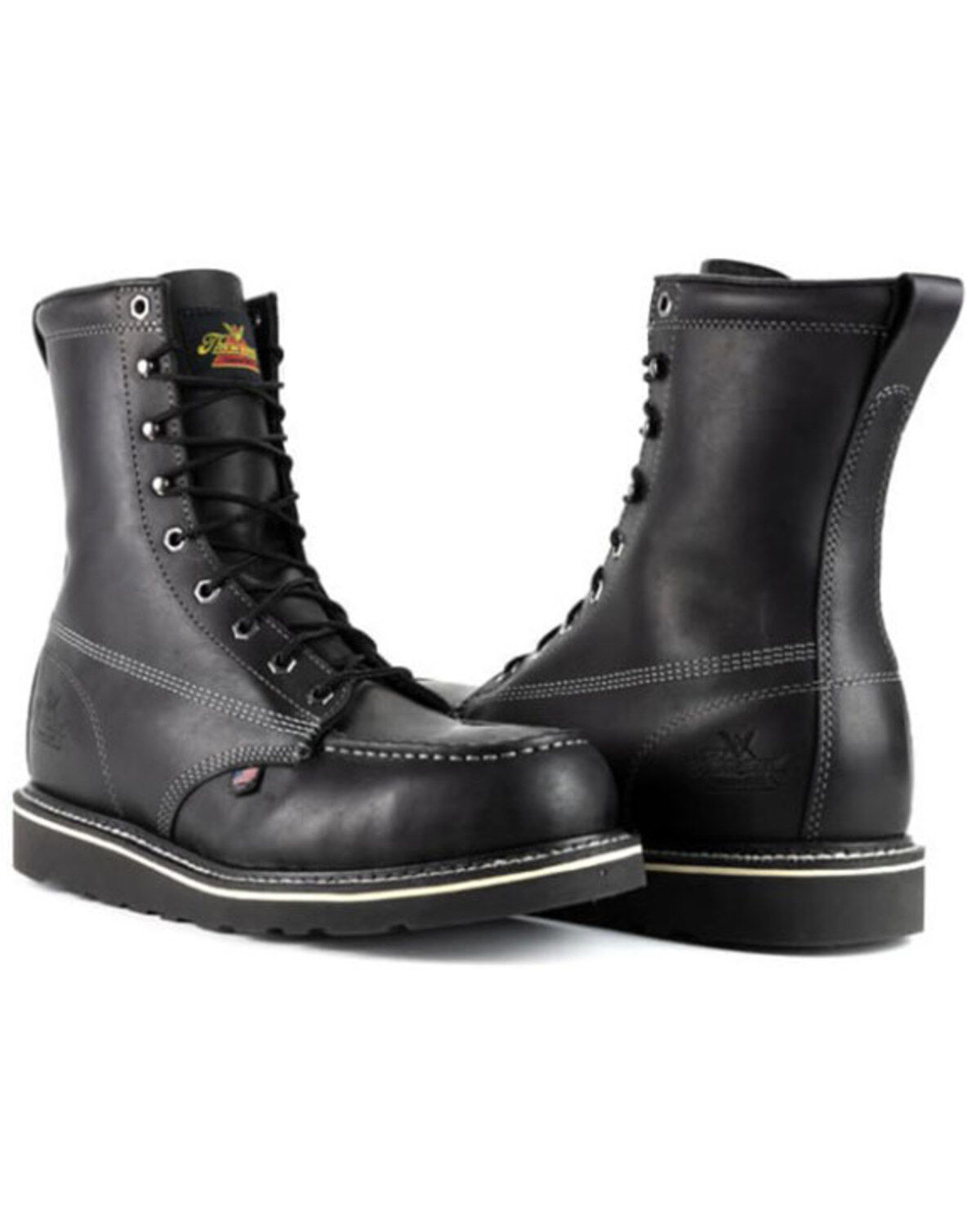
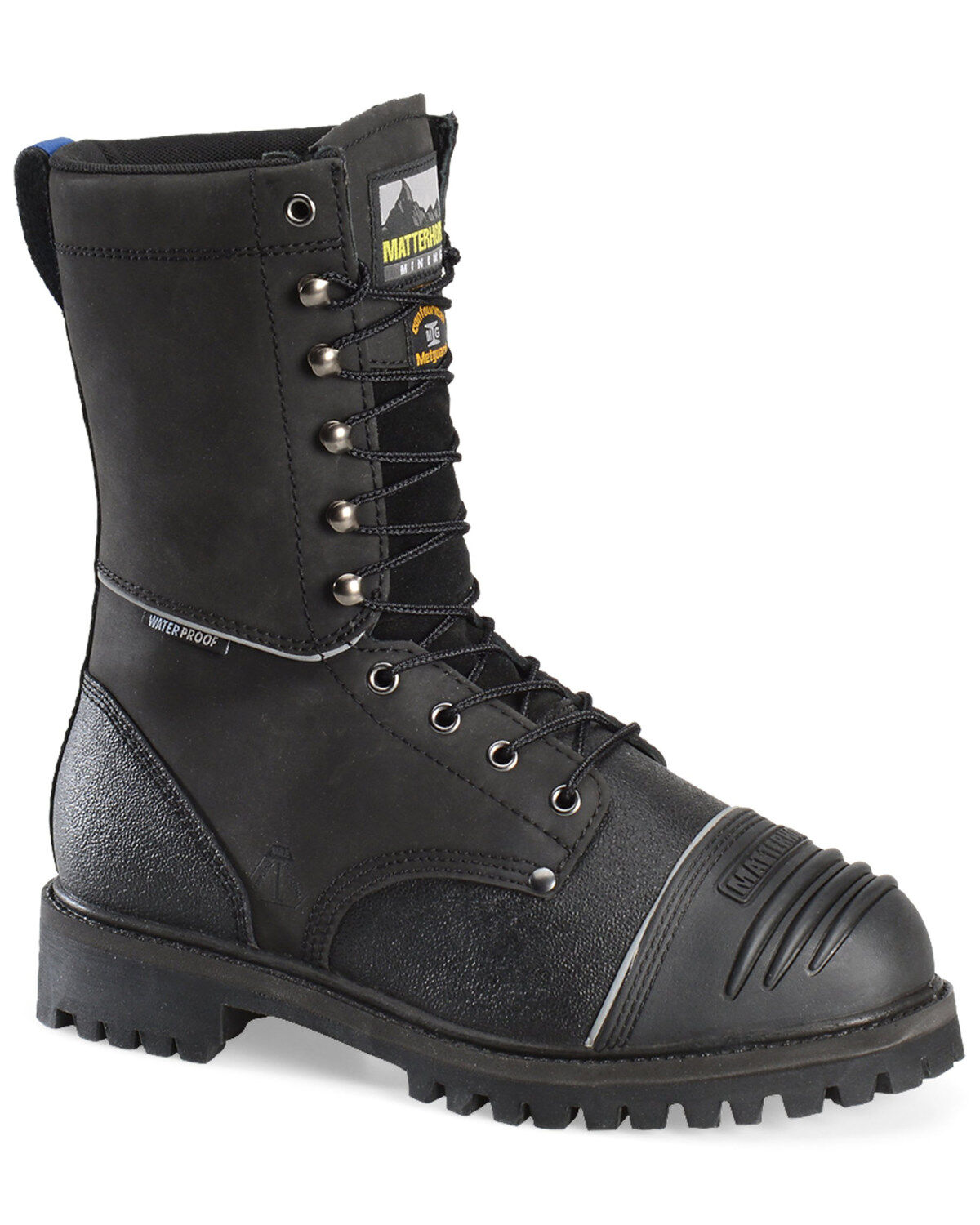
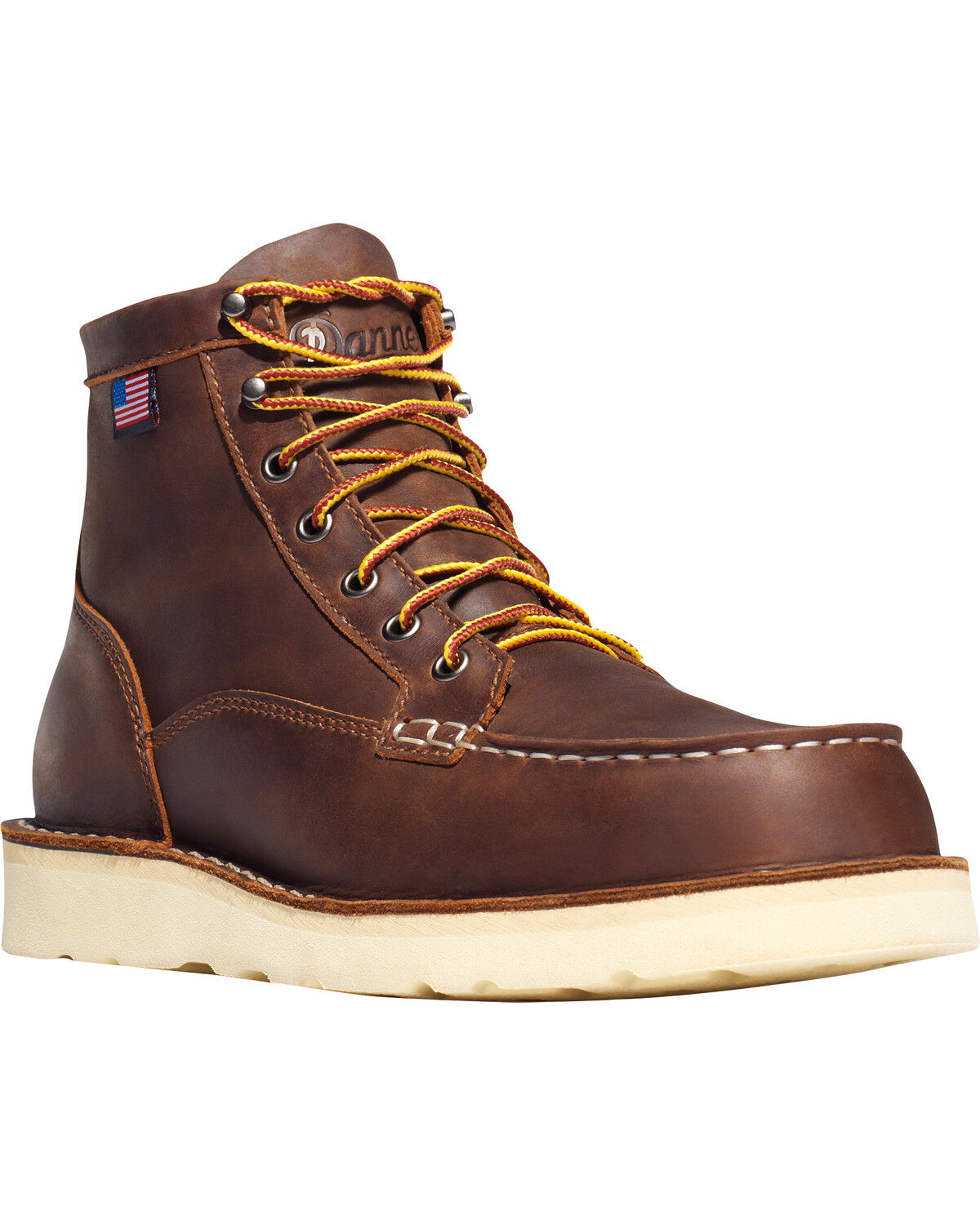
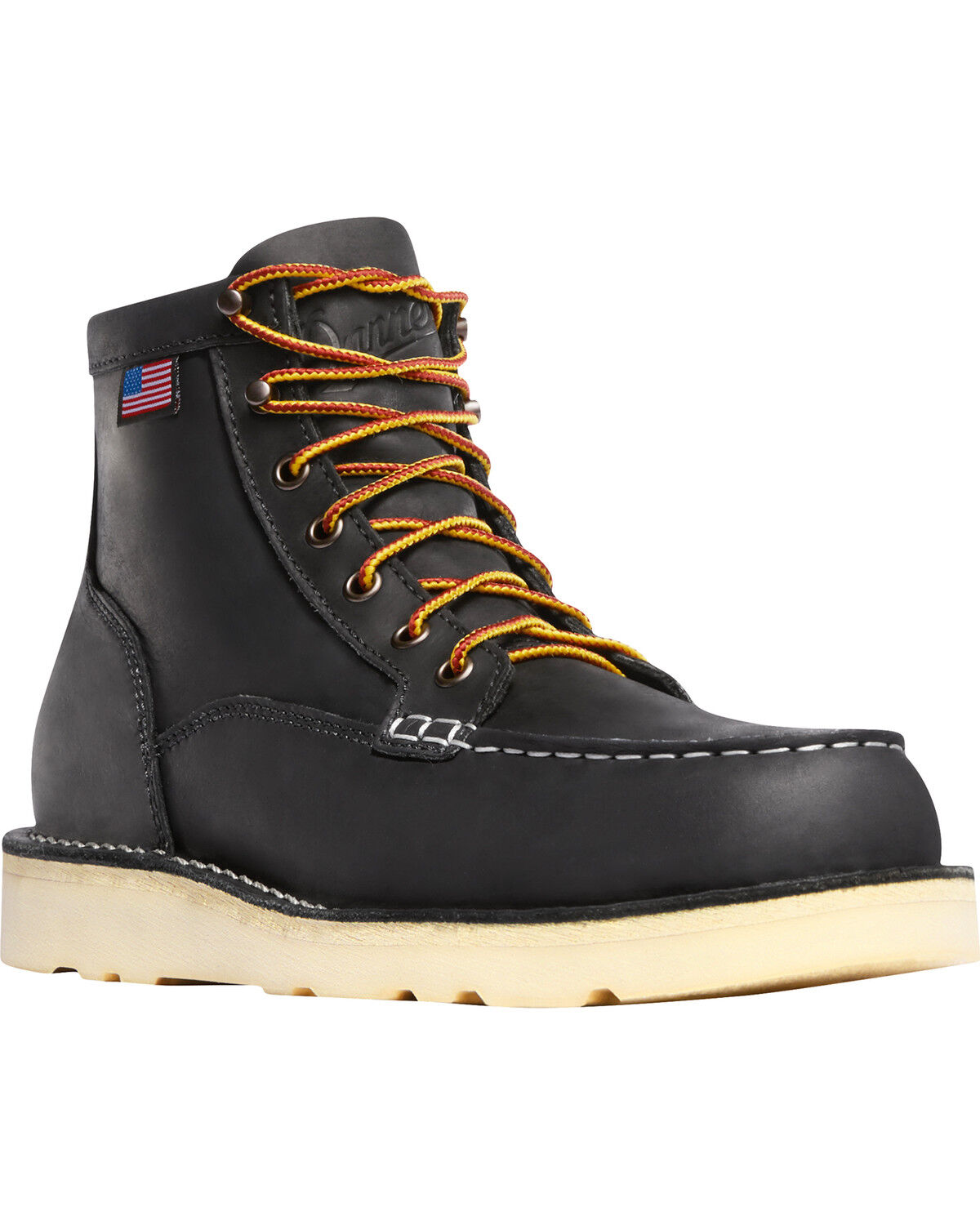
Men's Black Steel Toe Boots

Find men's black steel toe boots for workdays that call for protective footwear. Compare fit and listed features, and check each pair’s safety ratings against your workplace requirements to choose the right work boots for the job.

Read More

Shop Your Store: Shop Your Store: Find a Store

(Turn off Shop Your Store to see all items)

(Turn off Shop Your Store to see all items)

close
  • Recommended
  • Lowest Price
  • Highest Price
Skip pass products

End of products

Men's Black Steel Toe Boots

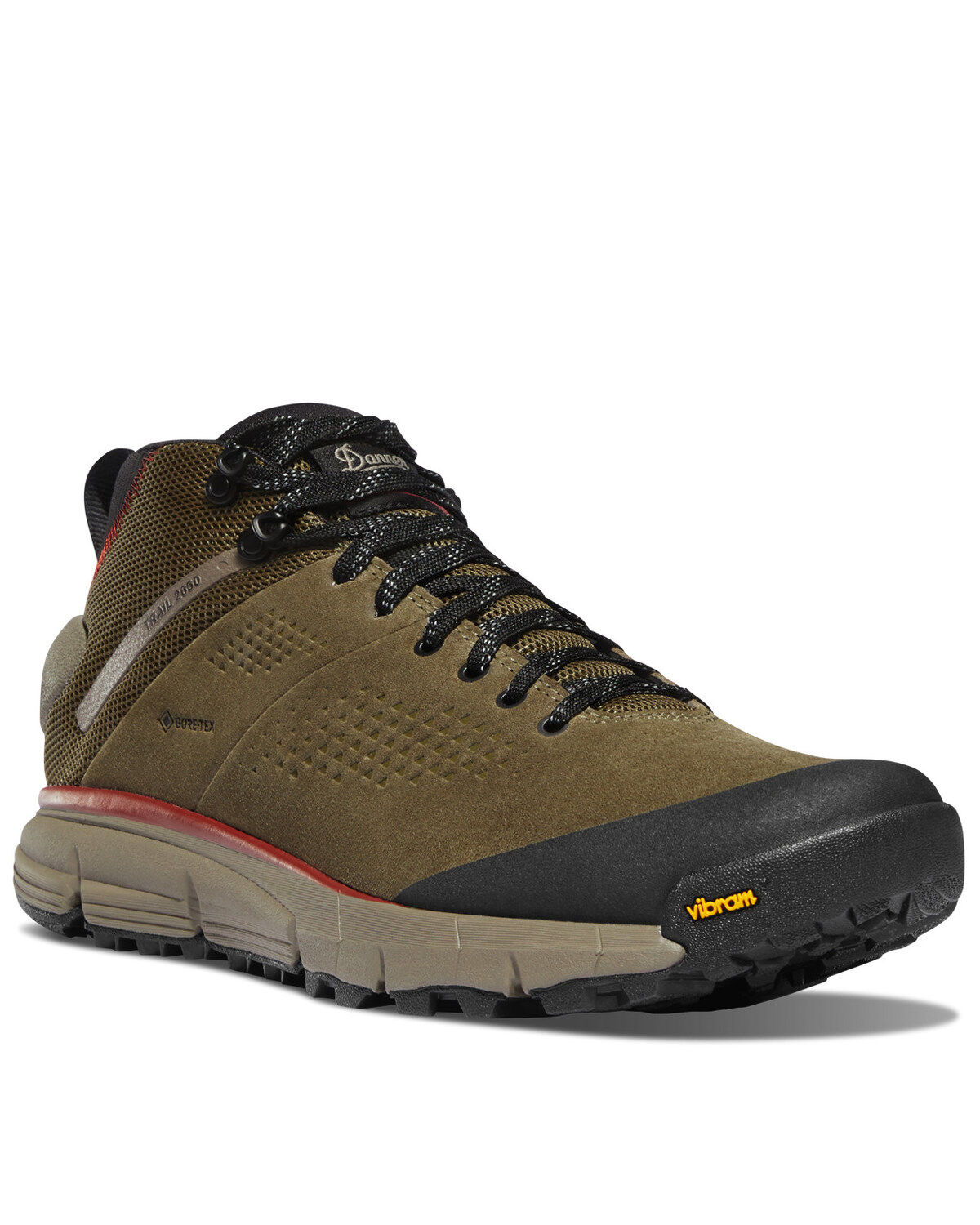
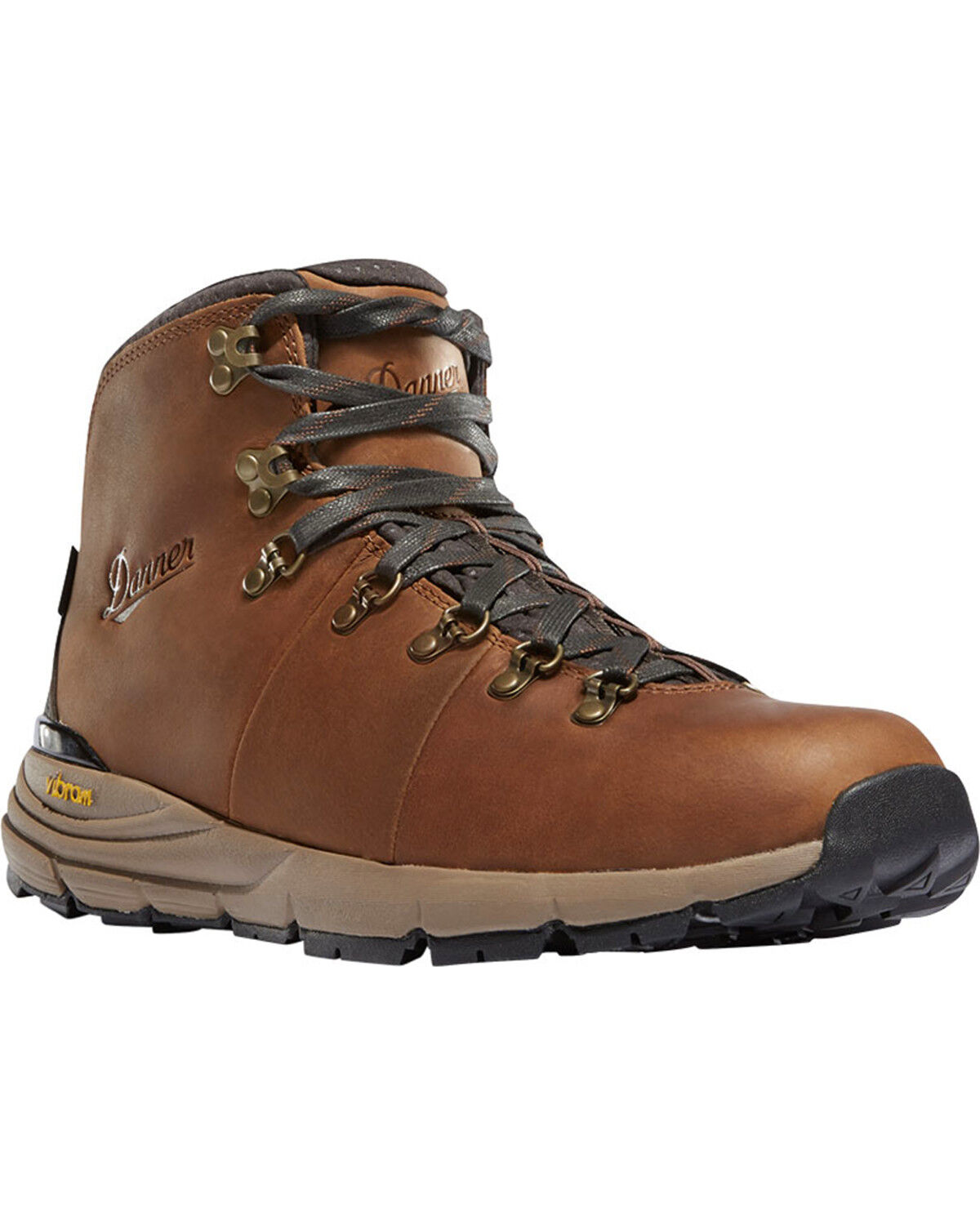
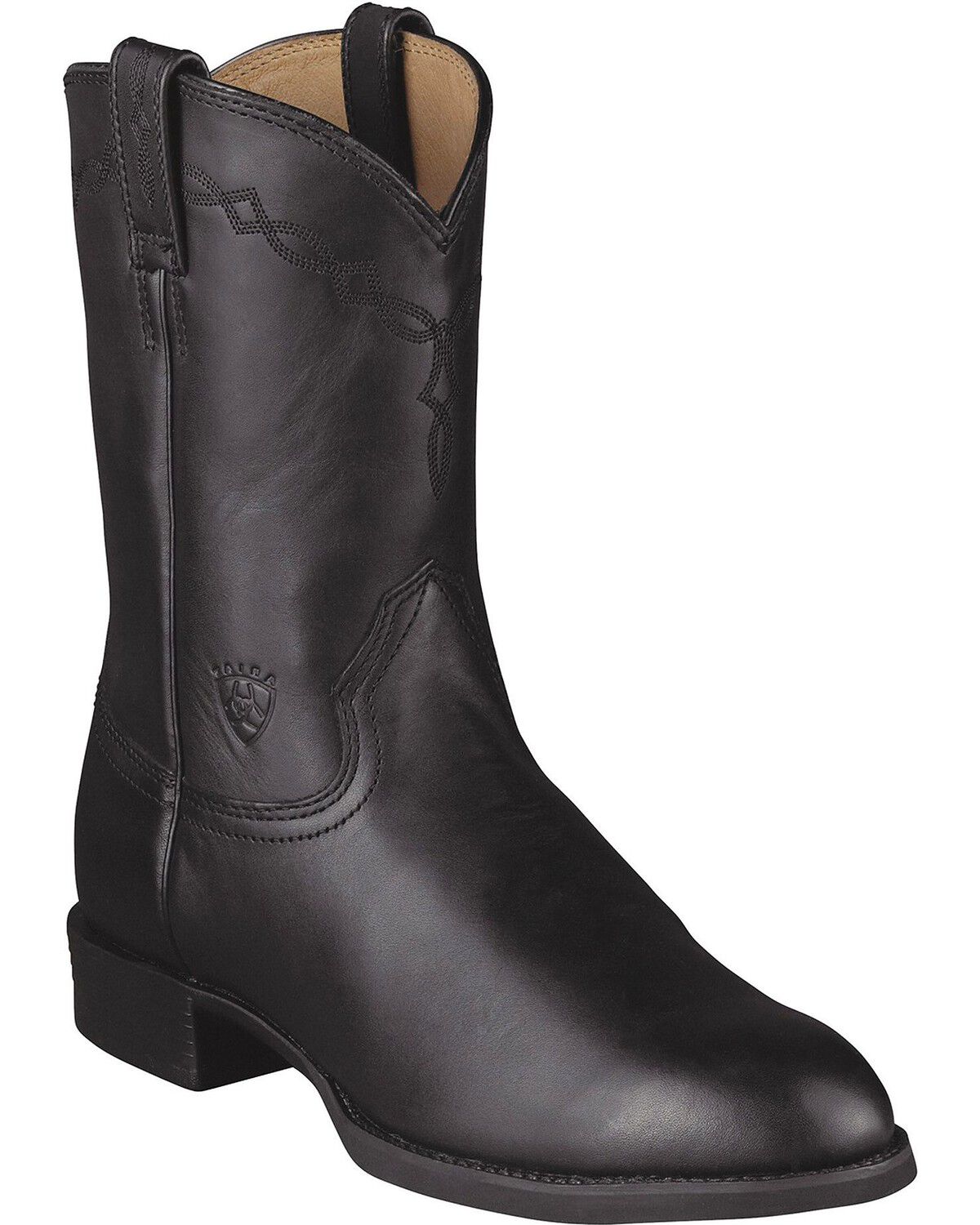
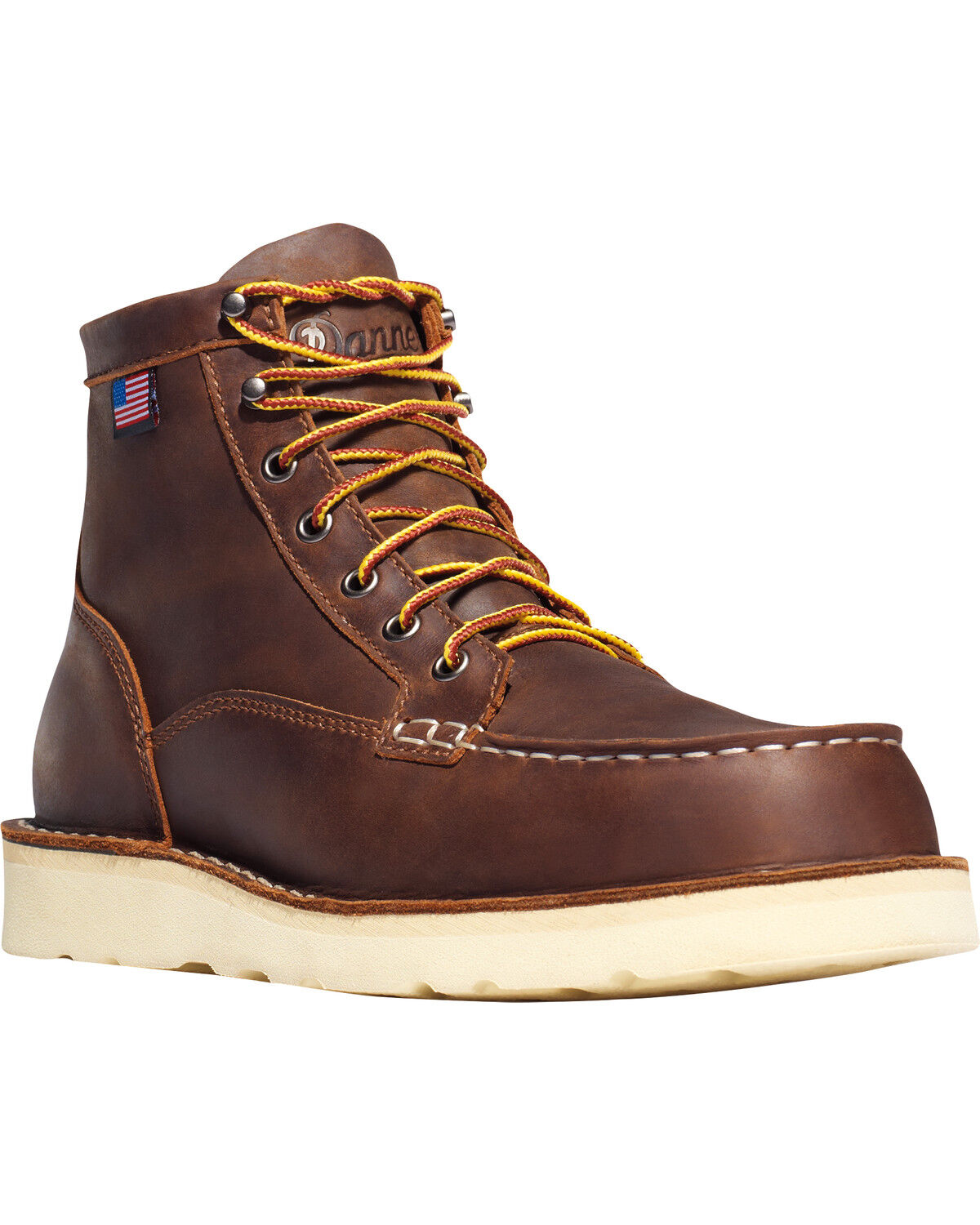
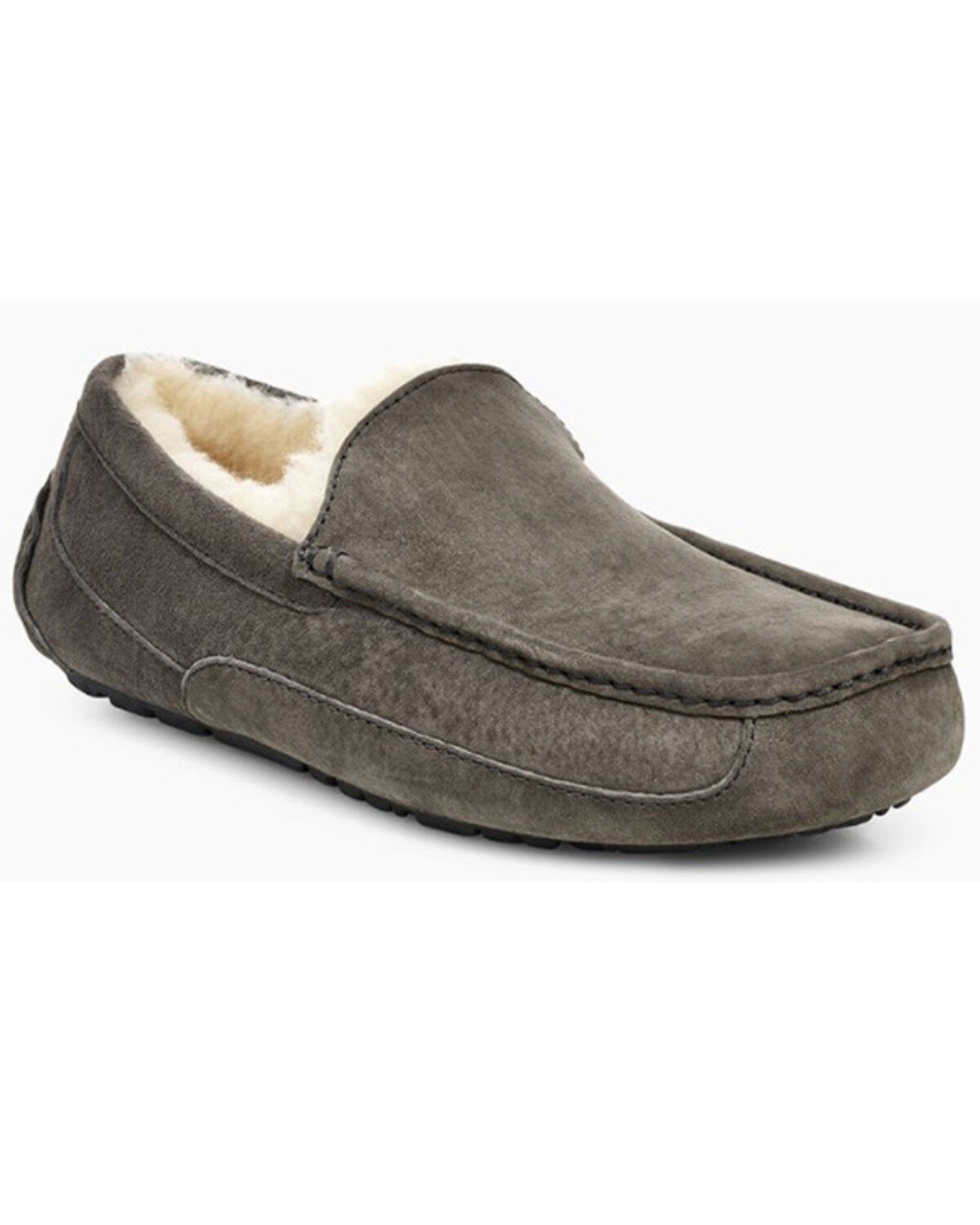
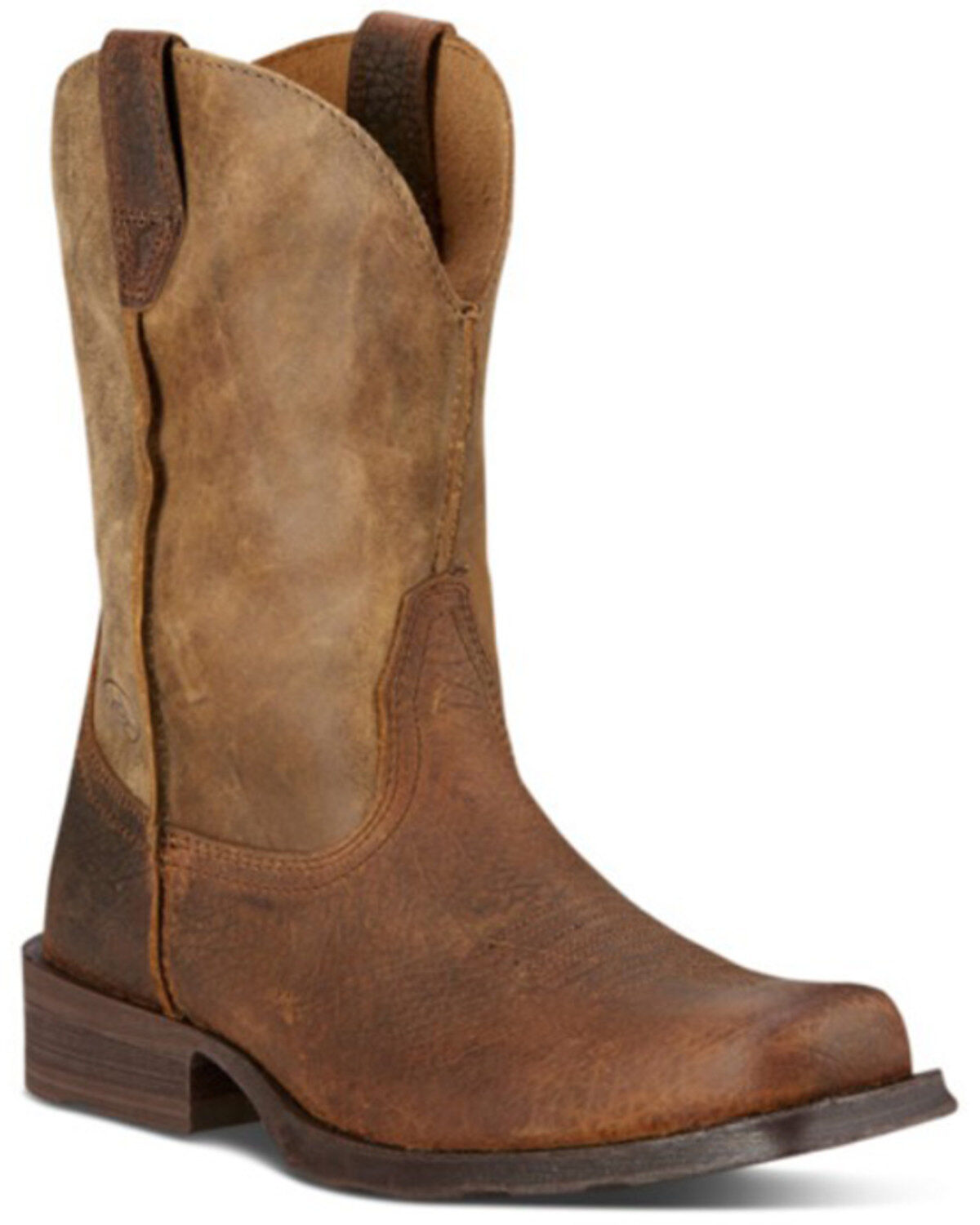
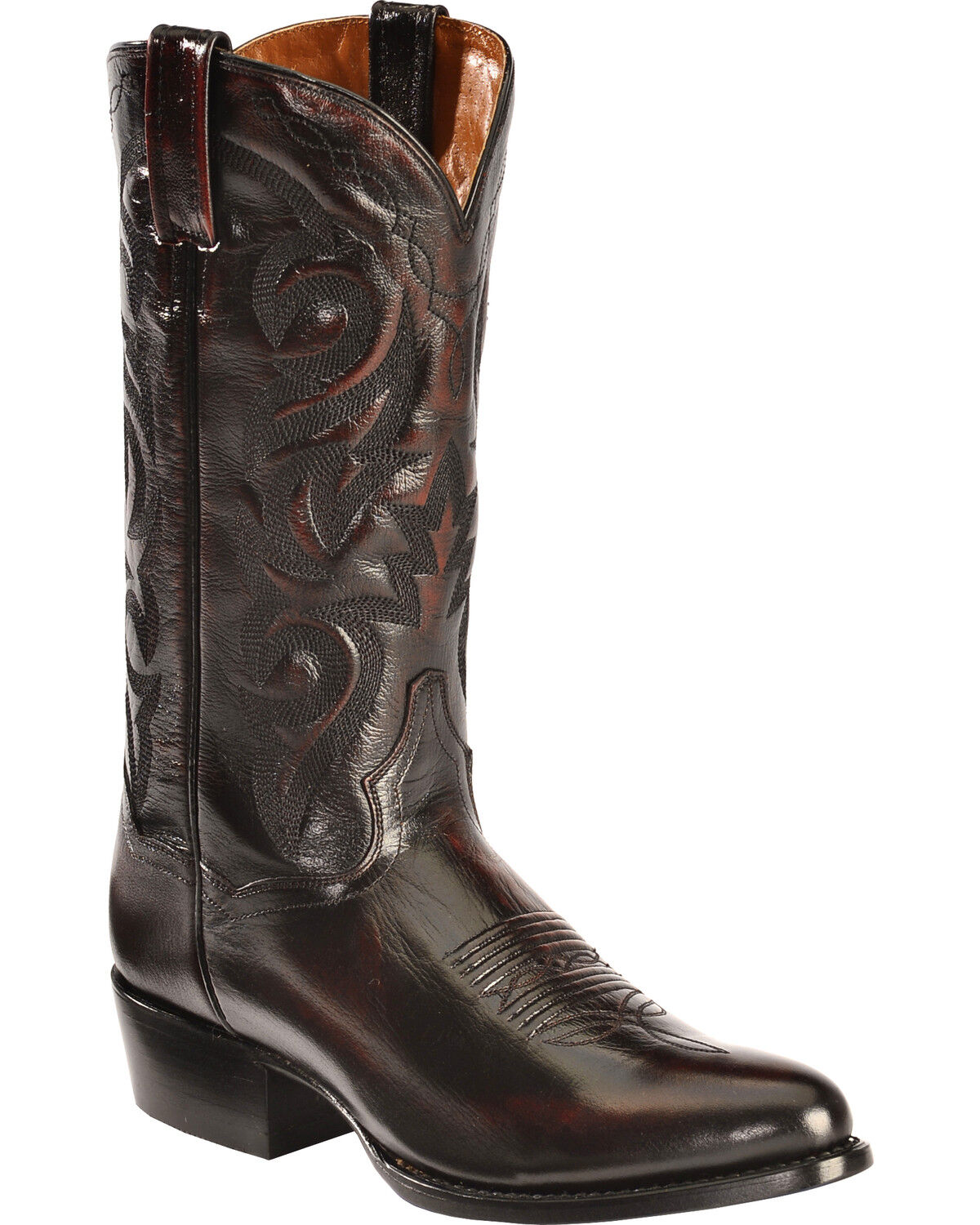
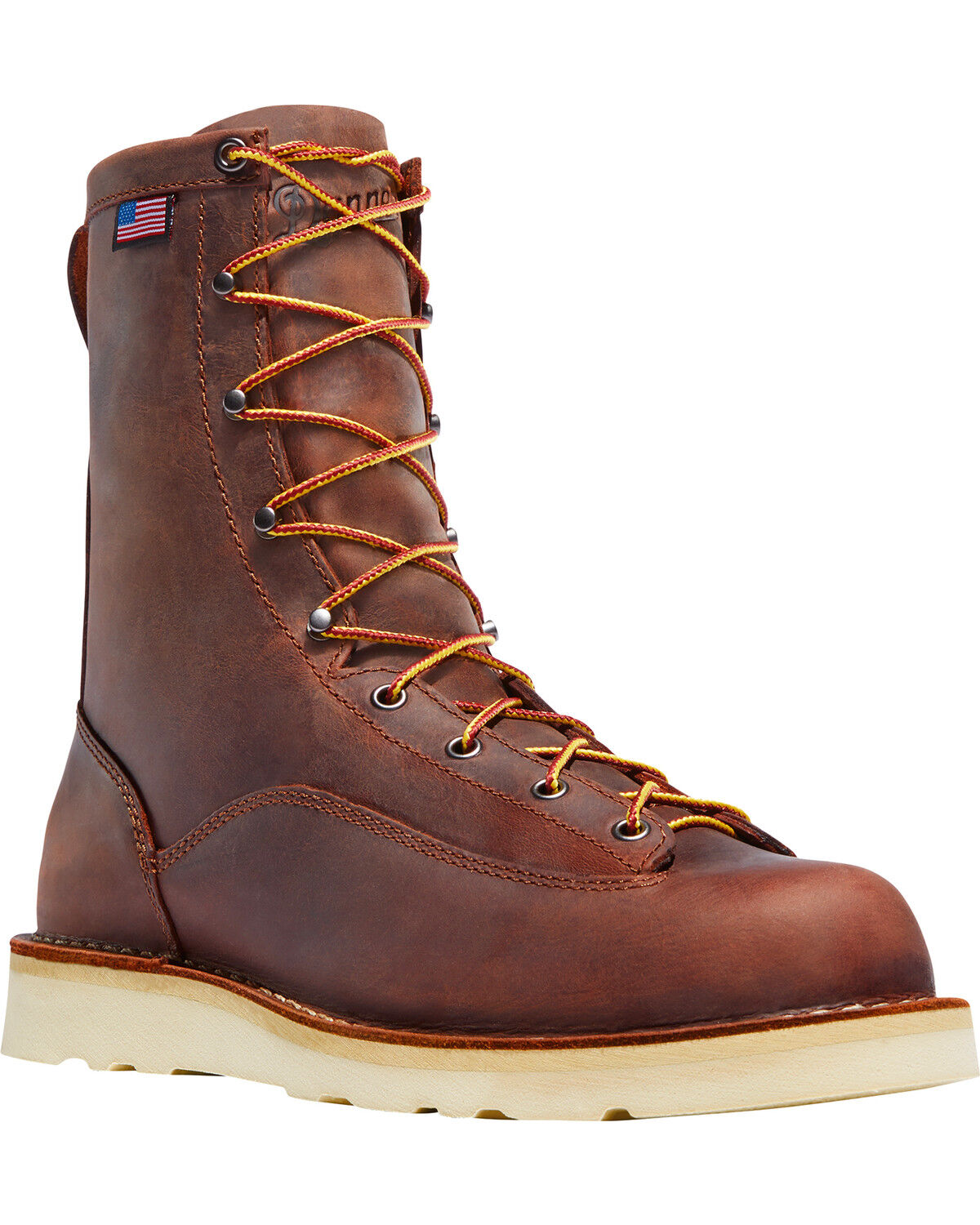
Men's black steel toe boots combine a reinforced toe cap with the coverage and support of a work boot. The steel cap helps protect the toes against impact and compression when the footwear meets the applicable safety requirements. Common designs include traditional lace-up boots, western pull-on boots, and athletic-inspired work boots, each with a different feel underfoot and around the ankle. The right choice depends on the job, the required safety features, and how the boots fit through a full shift. Construction crews, warehouse workers, mechanics, equipment operators, and tradespeople may need protective footwear, though the requirements vary by workplace and task. An ASTM F2413 marking identifies footwear tested to that standard, with additional markings describing the protection provided. A steel toe alone does not establish electrical hazard protection, puncture resistance, slip resistance, or protection across the top of the foot. Those features require separate attention to the boot specifications and workplace rules. Full-grain leather is a common choice for its toughness and ability to conform around the foot with wear, while combinations of leather and textile panels can provide a more flexible upper. Smooth leather also allows surface dirt to be wiped away without the brushing required by some textured finishes. Traditional lace-up construction allows adjustment across the instep and ankle, which can help hold the foot securely during repeated walking and climbing. Western pull-on styles eliminate laces and provide a taller shaft, while athletic-inspired designs often emphasize flexible movement and cushioned steps. No single shape suits every job. A worker moving between a concrete shop floor and a service truck has different demands from someone handling materials across an active construction site. The black finish ties these styles together visually; the construction, fit, and safety markings determine their suitability for the work.

Fit matters as much as the protective cap. Men's black steel toe work boots should hold the heel and midfoot securely while leaving enough room for the toes to move without pressing against the steel. Leather may soften with use, but the toe cap will not stretch to create extra space. A cramped toe box can remain uncomfortable even after the rest of the boot has broken in. Length, width, instep volume, and toe shape all affect the fit, so a wider size may be more appropriate than simply moving up in length. Trying boots with the socks and any approved insoles intended for work gives a more accurate sense of the space inside. Walking, bending, and kneeling can reveal pressure that is not obvious while standing still. Some heel movement can be normal in a new western pull-on boot, but excessive sliding can cause friction and reduce stability. Lace-up styles provide more adjustment, although tightening the laces should not be necessary to compensate for a boot that is too large. Underfoot construction also changes how a boot feels over several hours. Cushioning helps soften repeated steps, while a supportive footbed and stable platform help keep the foot positioned inside the boot. A shank can add structure through the arch, with its material and design affecting flexibility. Outsole selection belongs alongside those fit considerations. Deep, open tread can help release loose debris, while other tread patterns are designed for contact with smoother work surfaces. Slip-resistant footwear can improve traction under specified test conditions, but no outsole prevents slipping on every surface or spill. Oil resistance describes a sole material's resistance to degradation from oil; it does not by itself establish slip resistance. A defined heel may be required for certain climbing tasks, while wedge soles provide broad contact with the floor. Employer requirements remain the deciding factor where a particular heel, sole, or safety rating is necessary. The goal is secure footing without unnecessary stiffness, bulk, or pressure.

Durability comes from the whole boot, not just the steel inside the toe. Upper leather, seams, outsole attachment, lining, and hardware all take wear during a normal workday. Kneeling beside equipment can scrape the toe leather, repeated entry into a truck can wear the heel lining, and abrasive floors gradually reduce outsole tread. Reinforced toe coverings can help limit surface scuffing where that feature is included, but they do not replace the protective cap or extend its safety rating. Stitched construction may allow sole replacement on some boots, while directly attached or cemented soles have different repair limitations. Repairability depends on the individual construction and the condition of the upper. Routine care helps preserve the materials: loose grit should be removed before it works into seams, and leather should be cleaned and conditioned with products suited to its finish. Too much conditioner can oversoften leather, and treatments intended for smooth leather may alter suede or nubuck. Wet boots need time to dry naturally away from direct heat, with removable footbeds taken out when the care instructions allow. Waterproof construction, where specified, adds a barrier against water intrusion, but damaged seams, worn linings, or neglected leather can affect performance. Regular inspection is especially important for protective footwear. Deep cuts, separating soles, badly worn tread, exposed toe caps, or damage after a significant impact can mean the boots need replacement, even when they still look wearable. Workers considering a different toe-cap material can also compare Men's Black Carbon Toe Boots. Carbon-based protective caps are nonmetallic, but overall boot weight, fit, and safety ratings still depend on the complete design; a nonmetallic cap does not mean the entire boot is metal-free. For a workwear gift, the recipient's size, preferred fit, and required protection are more useful than appearance alone. A dependable pair of black steel toe boots earns its place through proper fit, suitable protection, and construction matched to the work.
Read More

FAQs