Women's Snakeskin Western Boots

Shop women’s snakeskin western boots for a distinctive pattern and classic western style. Compare each pair’s listed materials, toe shape, shaft height, and heel details to find cowboy boots that suit your wardrobe. Check sizing and care information before choosing your pair.

Read More

Shop Your Store: Shop Your Store: Find a Store

(Turn off Shop Your Store to see all items)

(Turn off Shop Your Store to see all items)

close
  • Recommended
  • Lowest Price
  • Highest Price
Skip pass products
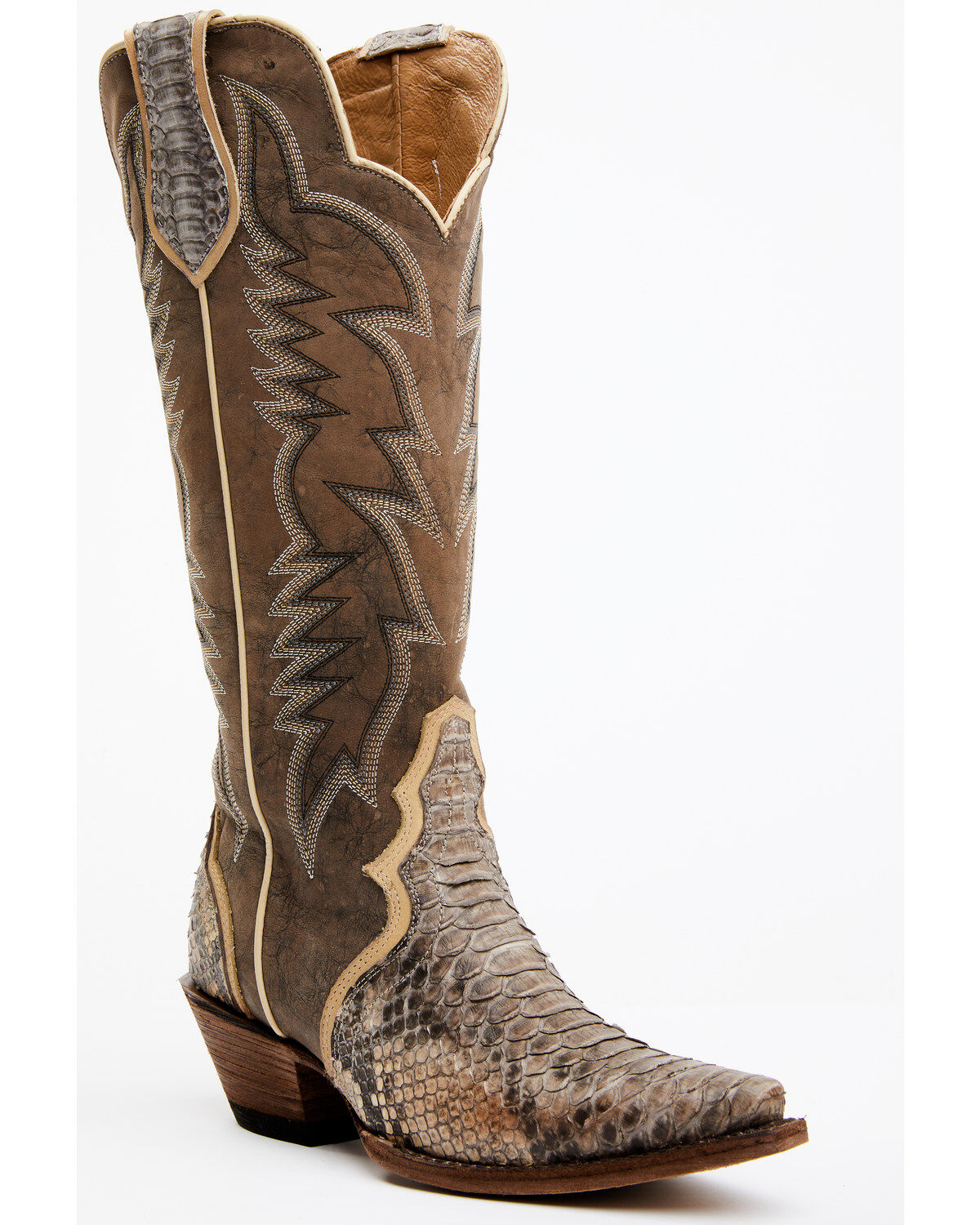
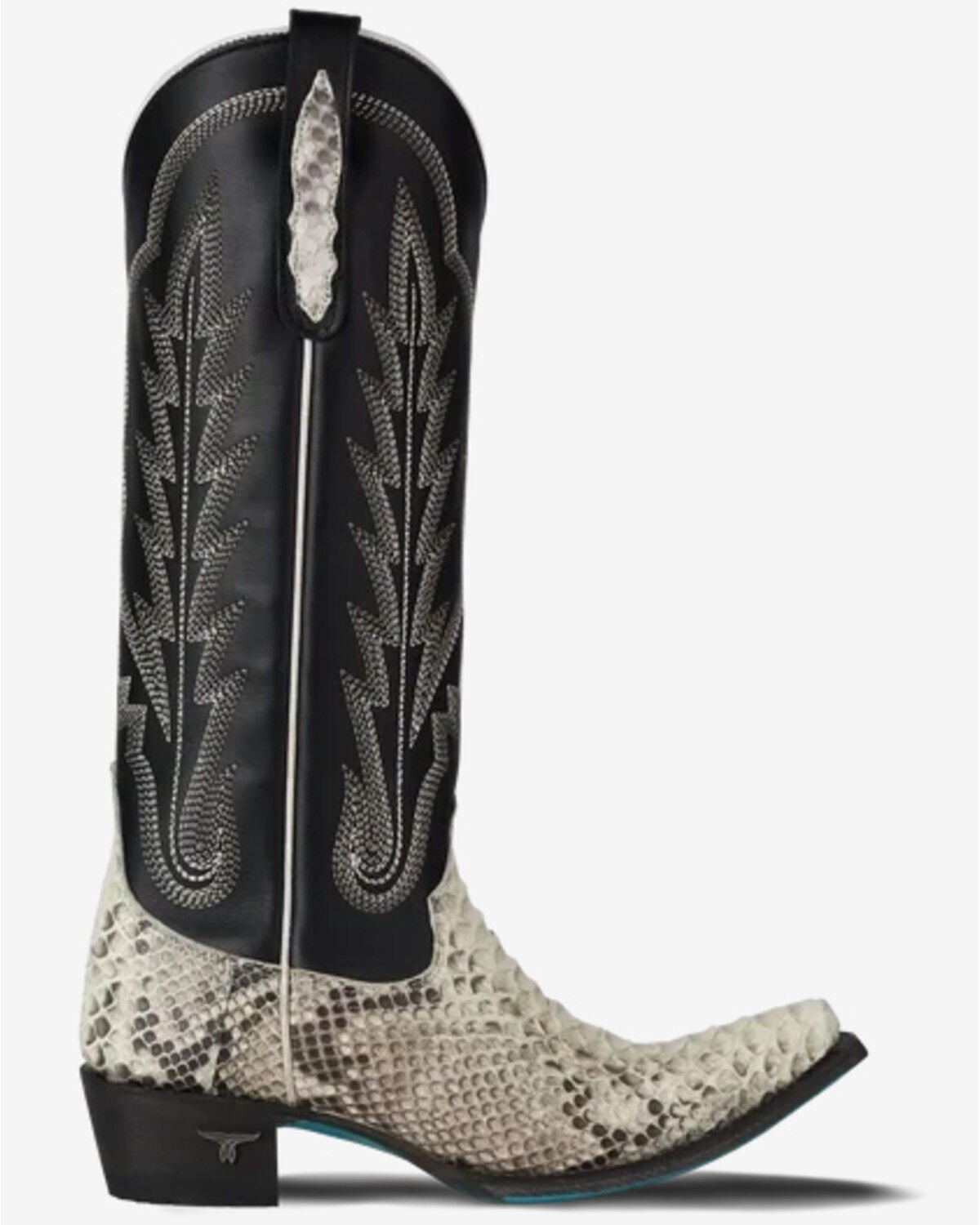
  • Women's Idyllwind Triad Exotic Python Western Boots - Snip Toe
    Original Price $319.99 $191.97
    40% Total Savings
  • Women's Idyllwind Slay Exotic Python Tall Western Boots - Snip Toe
    Original Price $399.50 $324.50
    19% Total Savings
  • Women's Idyllwind Slay Exotic Python Western Boots - Snip Toe
    Original Price $399.50 $324.50
    19% Total Savings
  • Women's Idyllwind Slay Exotic Python Western Boots - Snip Toe
    Original Price $399.50 $324.50
    19% Total Savings
  • Women's Idyllwind Slay Exotic Python Western Boots - Snip Toe
    Original Price $399.50 $324.50
    19% Total Savings
  • Women's Idyllwind Stunner Exotic Python Western Boots - Snip Toe
    Original Price $409.50 $334.50
    18% Total Savings
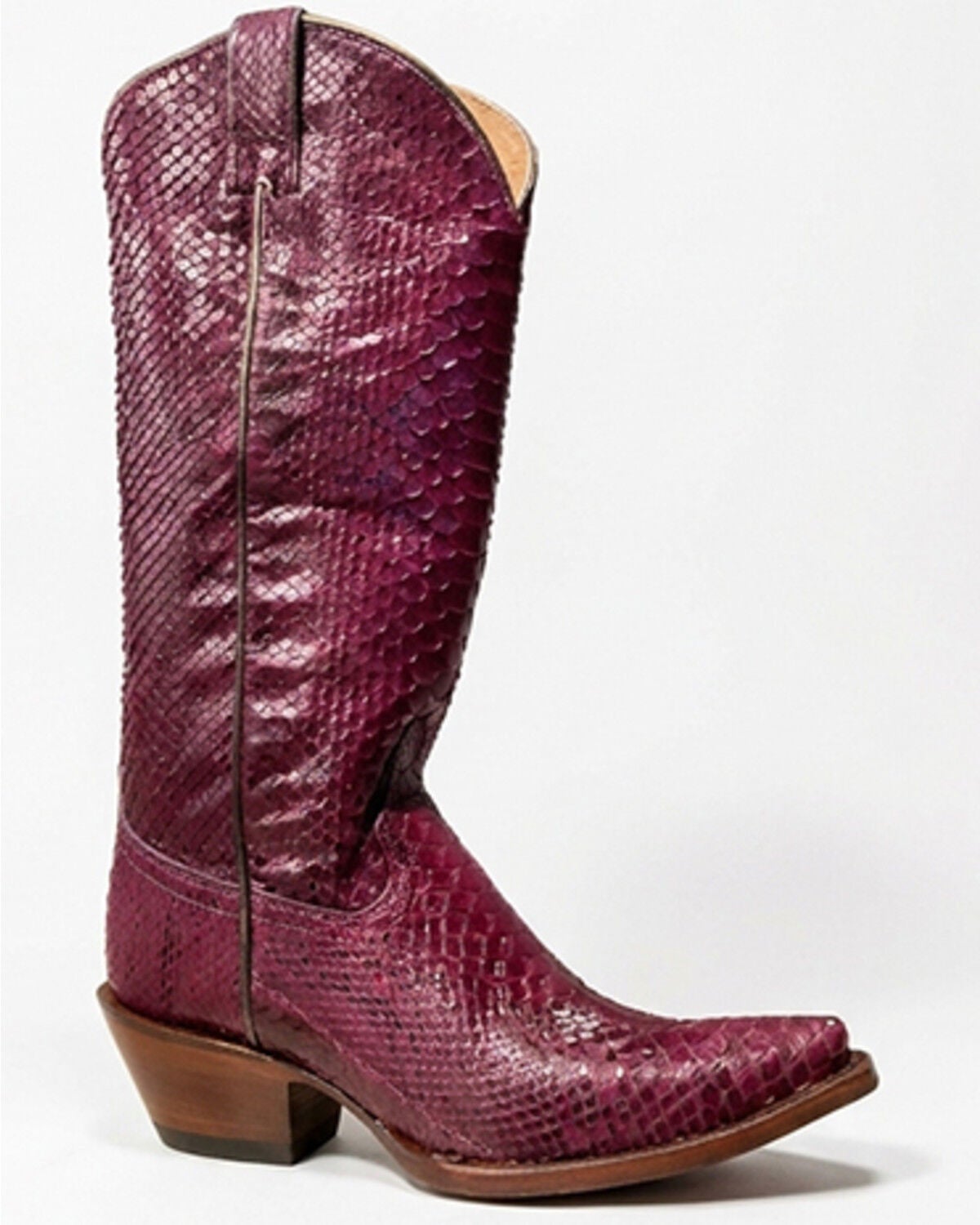
  • Women's Shyanne Exotic Python Tall Western Boots - Snip Toe
    Original Price $309.99 $234.99
    24% Total Savings

End of products

Women's Snakeskin Western Boots

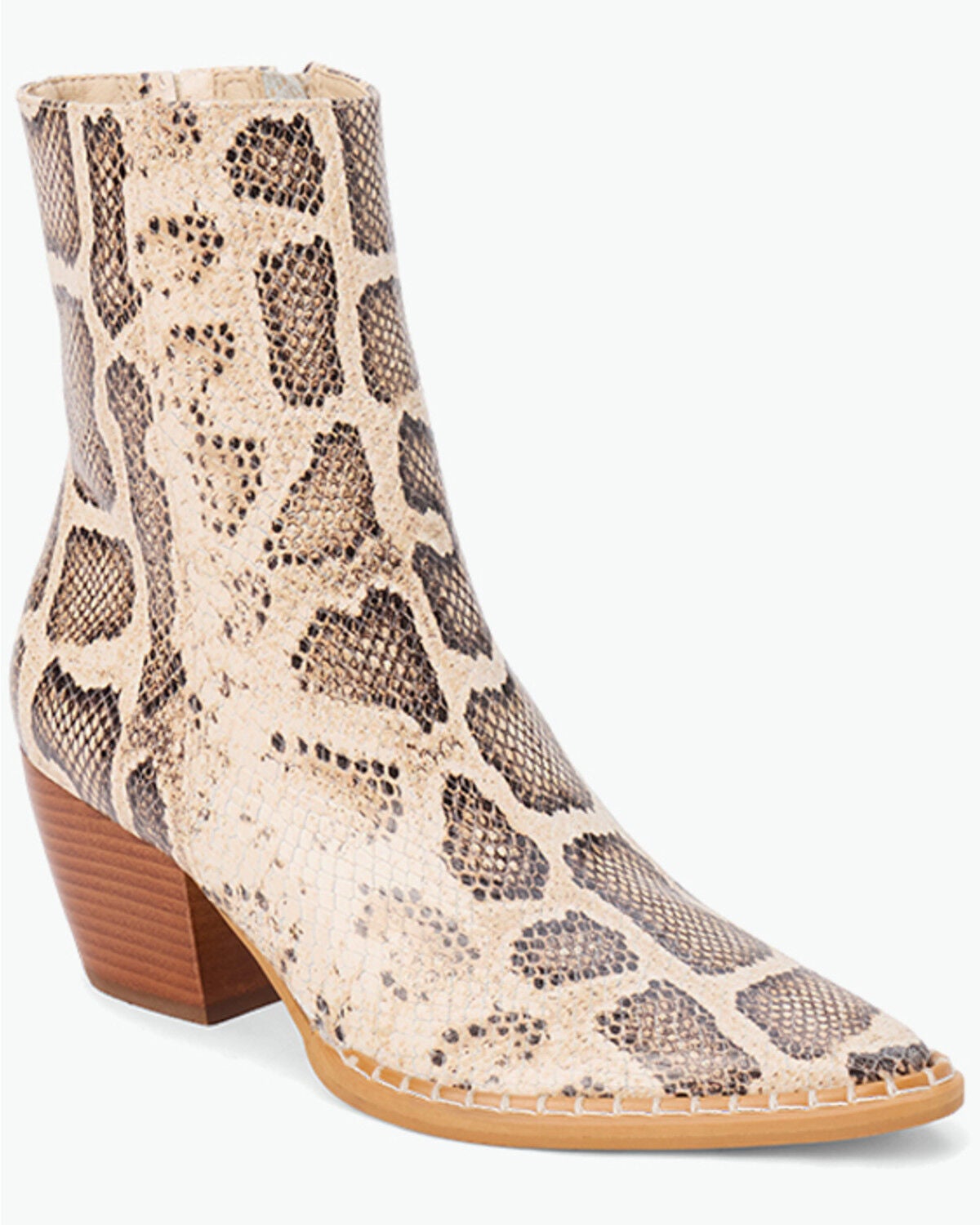
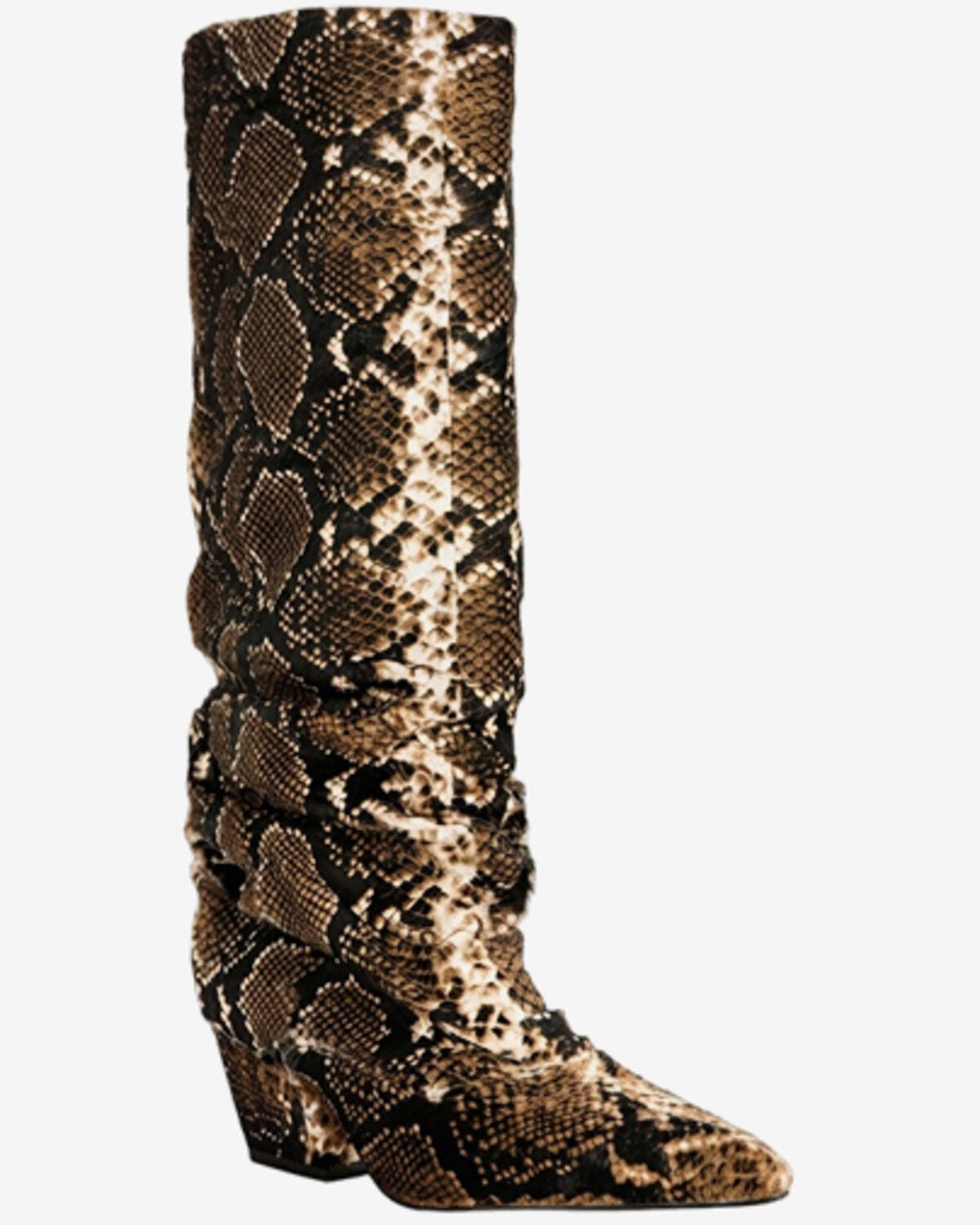
Women's snakeskin western boots pair the familiar shape of cowboy boots with a distinctive scale pattern. The term can describe genuine snake leather, including python, or a snake-inspired finish applied to another material. Genuine snakeskin has natural scales and variation in their size, shape, and arrangement. Snake-embossed leather uses a pressed texture to suggest scales, while printed leather and synthetic materials reproduce the markings through a surface design. A similar look appears in women's snake print boots, but the pattern alone does not identify the material underneath. The upper material description is the clearest starting point when comparing construction and care needs. Some boots combine a patterned foot with a smooth leather shaft; others carry the pattern farther up the leg. Natural-looking shades can include cream, tan, brown, gray, and black, while dyed finishes give the same texture a different character. On genuine hides, variations between the left and right boot can be part of the material rather than a flaw. Pattern placement also changes how the boots look when worn. A detailed vamp remains visible beneath jeans, while a patterned shaft becomes more noticeable with a skirt or dress. For an everyday outfit, straight-leg denim and a plain shirt let the scale pattern stand on its own. With dark jeans or a solid-color dress, the boots provide texture without requiring additional patterns. They can suit dinners, concerts, weddings with a western dress code, and everyday wear when the construction supports the activity. A restrained color combination is easier to pair with several outfits, while strong contrast makes the boots a more prominent part of the look. Neither approach changes the need for sound construction and a comfortable fit. The best choice balances the appearance of the hide or finish with the toe shape, heel height, and shaft proportions that work for the person wearing it.

Fit matters as much as the pattern, especially in a pull-on western boot. The foot should feel secure through the instep without sharp pressure across the top, and the toes need room to rest naturally rather than curl or press together. A pointed toe extends beyond the foot, so the visible tip is not where the longest toe should sit. Square and round toes create different shapes, but neither automatically guarantees more usable space; the boot's internal shape and width determine that. Slight heel movement can occur in a new pull-on boot, though excessive lifting or a foot that slides forward suggests a fit problem. Leather may soften with wear, but break-in should not be expected to correct a boot that is too short or painfully narrow. Try boots with the socks intended for regular wear, and assess both feet while standing and walking. Notice pressure at the little toe, rubbing at the heel, and whether the arch feels supported. Shaft height and opening also matter. A taller shaft can contact the calf differently when seated, and a narrow opening may make a pull-on boot difficult to put on even when the foot size is correct. For longer periods on your feet, consider cushioning, heel stability, outsole flexibility, and the overall weight of the boot. Leather outsoles provide a traditional finish, while rubber outsoles may provide added grip and flexibility, depending on their design. No outsole should be assumed slip-resistant without a stated rating. A lower heel may feel more practical for extended walking, while a higher western heel changes the stance and feel underfoot. These boots are often chosen for casual wear and dress occasions, not demanding work. A western profile alone does not establish suitability for riding, jobsite use, or exposure to abrasion. Intended use should match the boot's stated construction and features, particularly when safety or long hours of wear are involved.

Care should follow the actual upper material, not just the snakeskin appearance. Genuine snake leather generally needs products specifically approved for that hide. Ordinary leather creams, household oils, and heavy waxes can alter the color or leave residue around the scales. Remove loose dust with a soft, dry cloth, working gently with the direction of the scales rather than lifting their edges. Avoid picking at raised edges or scrubbing the surface. For stains or deeper cleaning, follow the maker's directions or consult a leather-care professional familiar with exotic hides. Embossed leather and synthetic snake print require different treatment, and a conditioner meant for genuine leather may not suit a coated or synthetic surface. Test any approved care product on a small, inconspicuous area before applying it more broadly. Keep boots away from direct heat, and allow any moisture to dry naturally before storing them. Boot trees or shaft supports can help maintain shape, provided they do not stretch the leather or put pressure on delicate areas. Store pairs where the patterned surfaces will not rub against rough objects. Durability depends on more than the upper: stitching, sole attachment, heel condition, and how often the boots are worn all contribute. Genuine scales deserve particular care around rough surfaces, and printed finishes can show wear where the material repeatedly bends or rubs. Rotating footwear gives the lining time to dry between wears, while prompt attention to loose stitching or a worn heel can prevent further damage. Snakeskin western boots can also make a thoughtful gift for someone who already wears western footwear or prefers distinctive leather textures. Knowing the recipient's usual boot size, width, preferred toe shape, and comfortable heel height makes the choice more personal and practical. Material preference matters, too, since genuine snake leather and a printed alternative are not interchangeable for every wearer. A pair that fits the person's routine and wardrobe is more useful than one chosen for its pattern alone.
Read More

FAQs