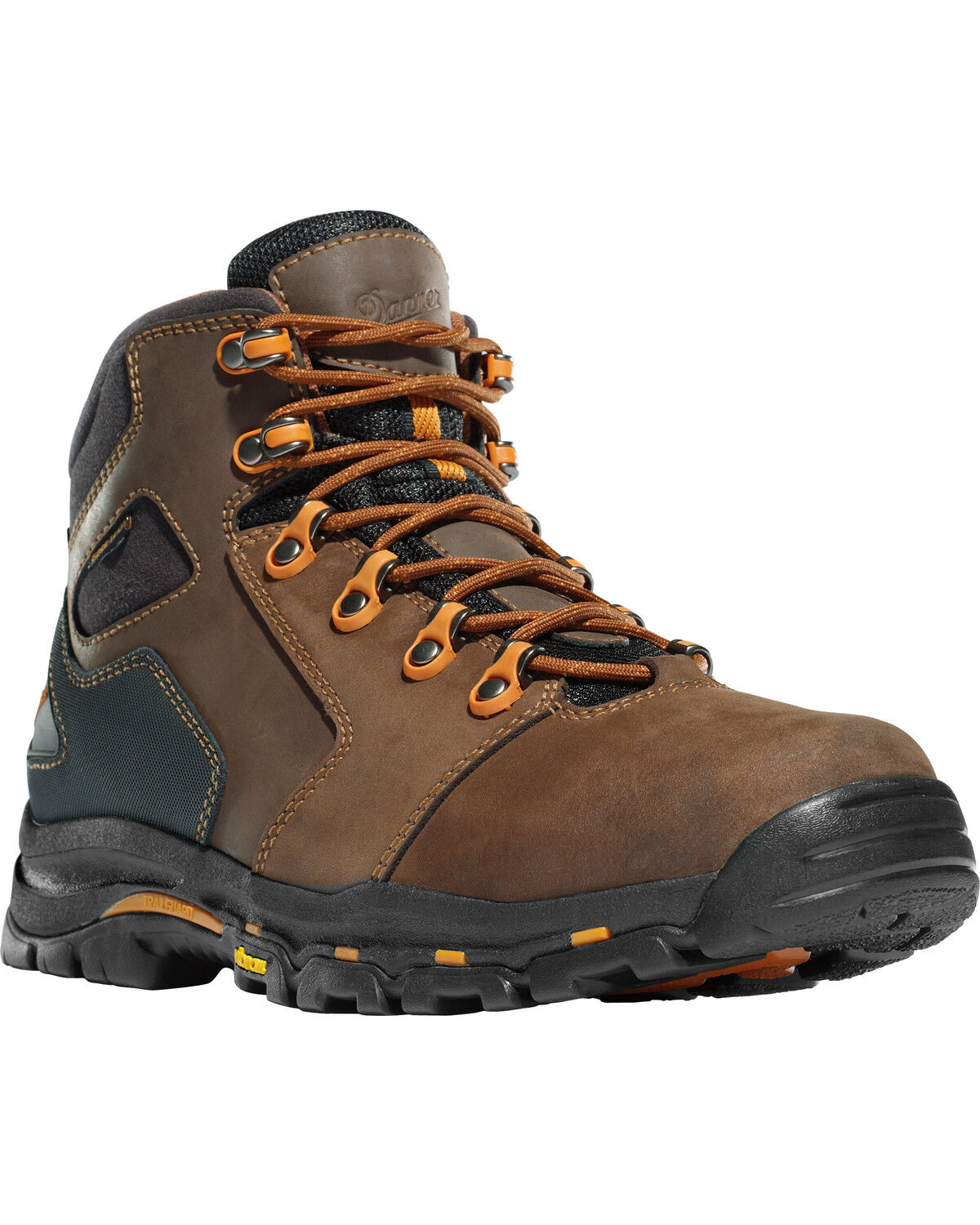
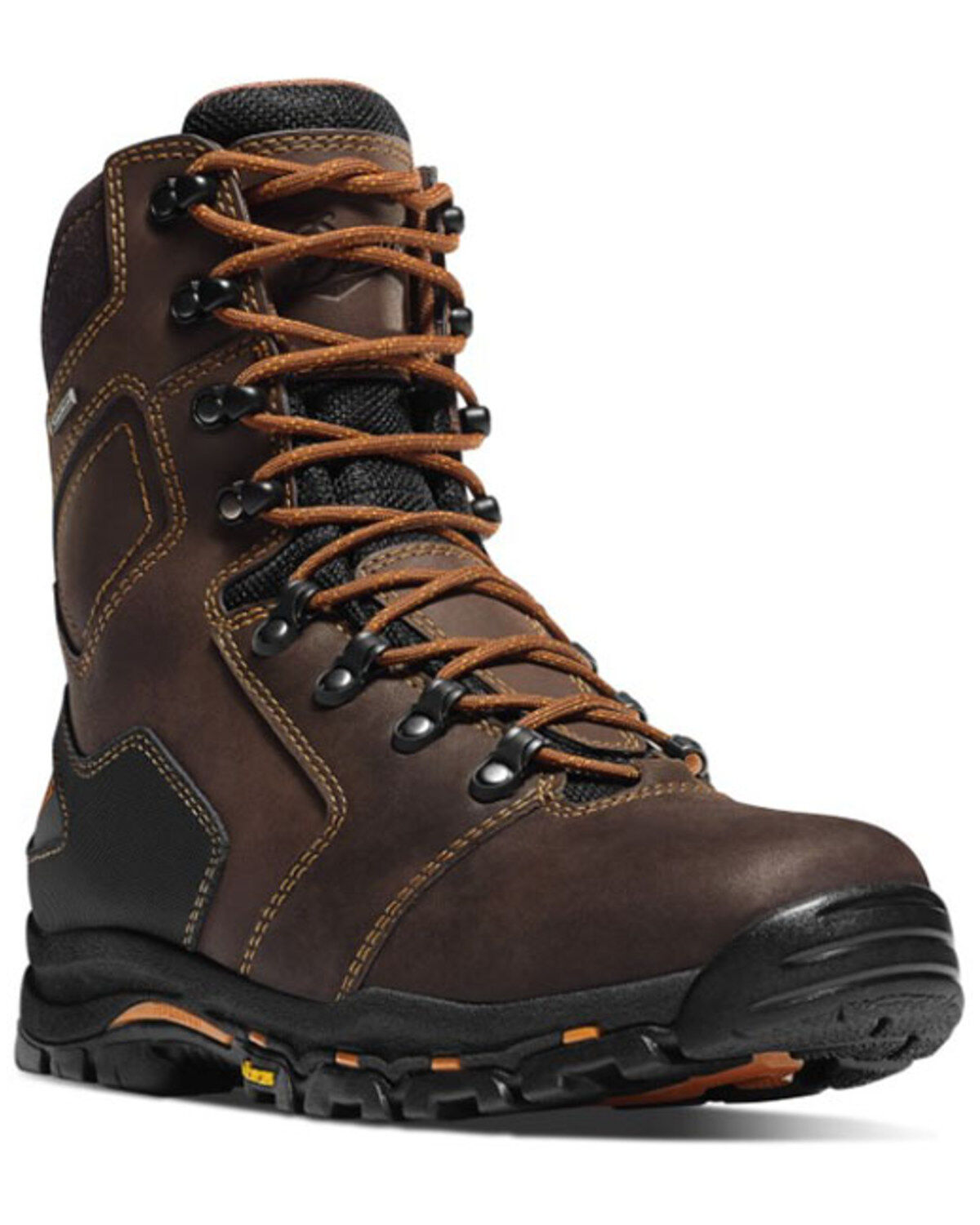
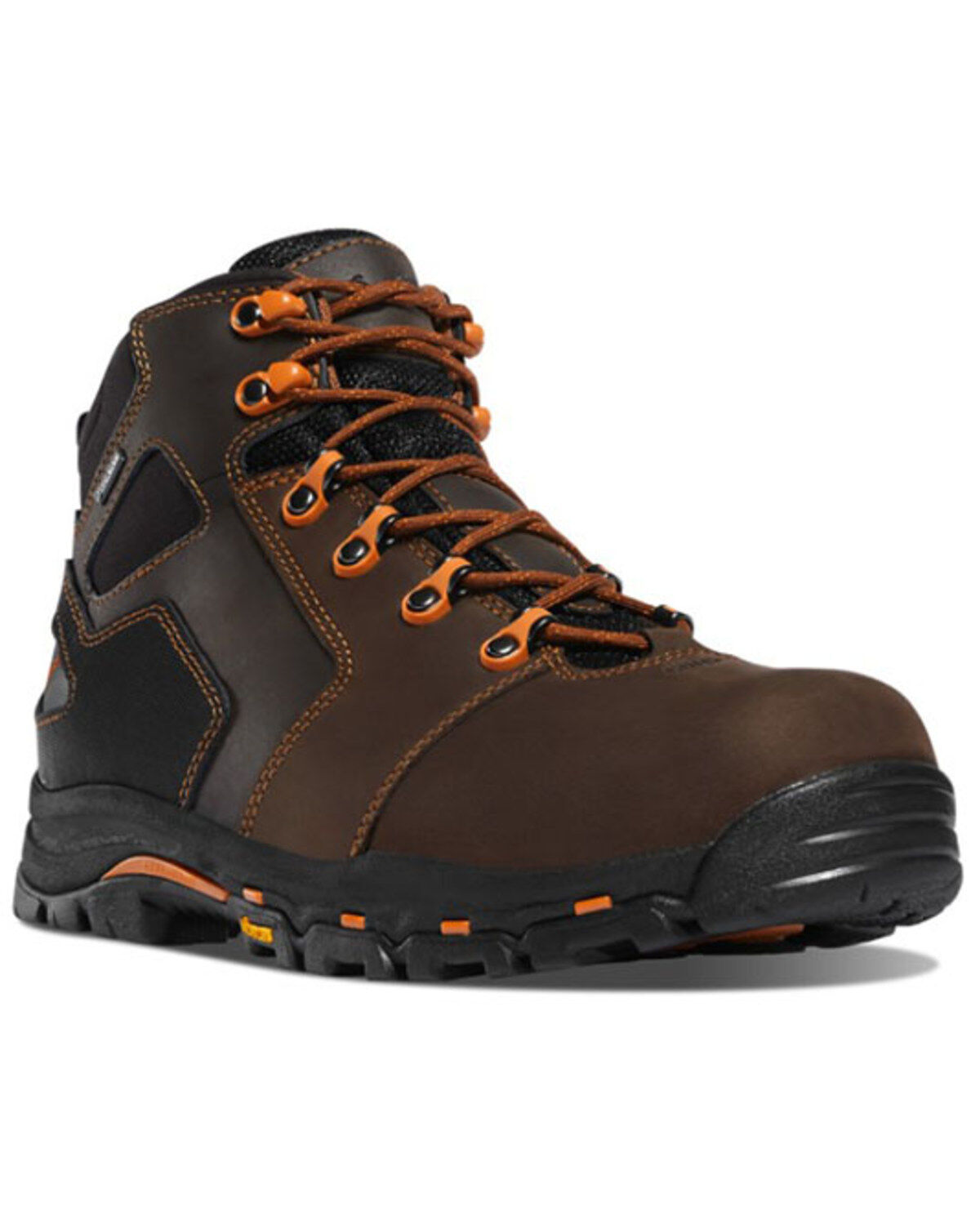
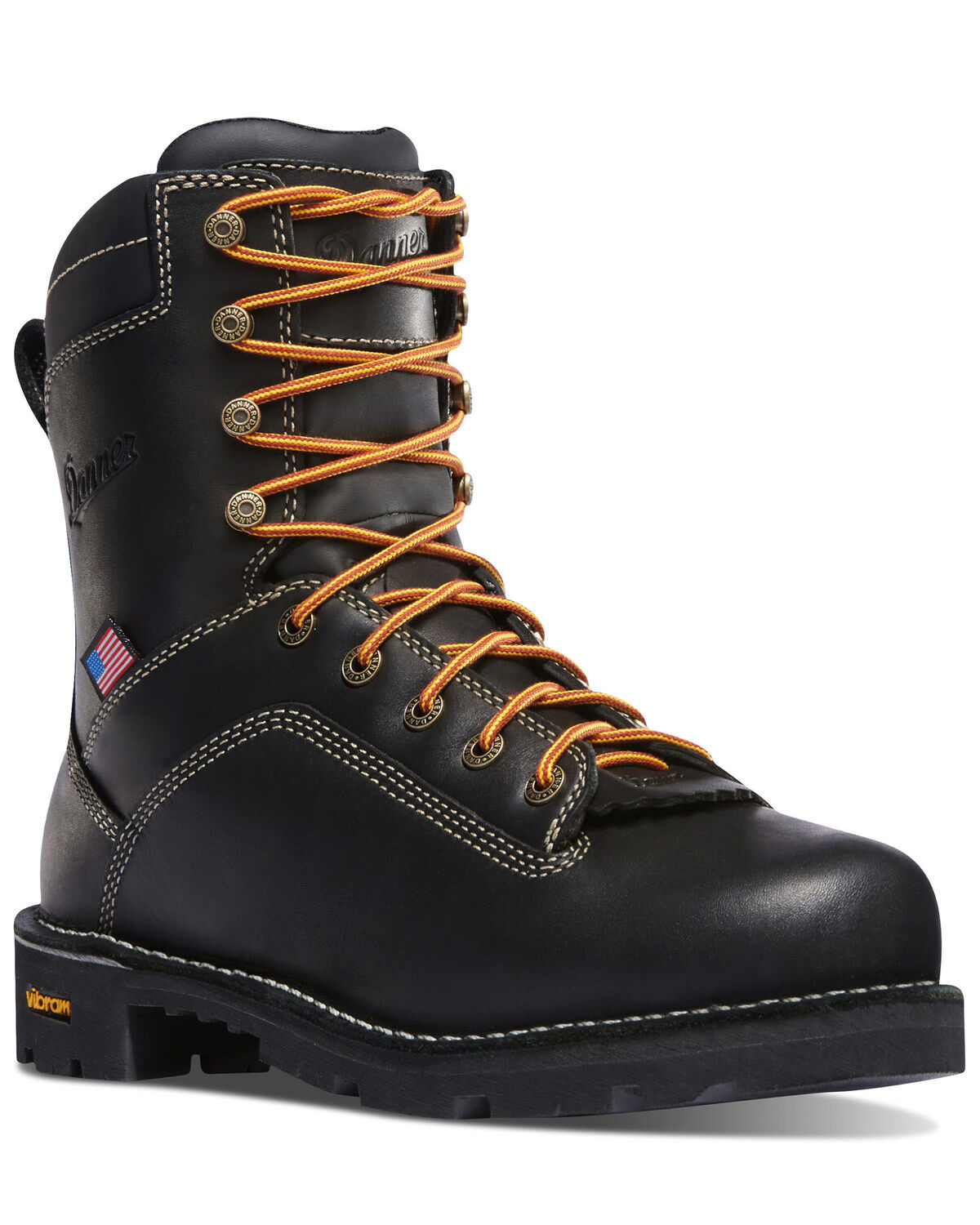
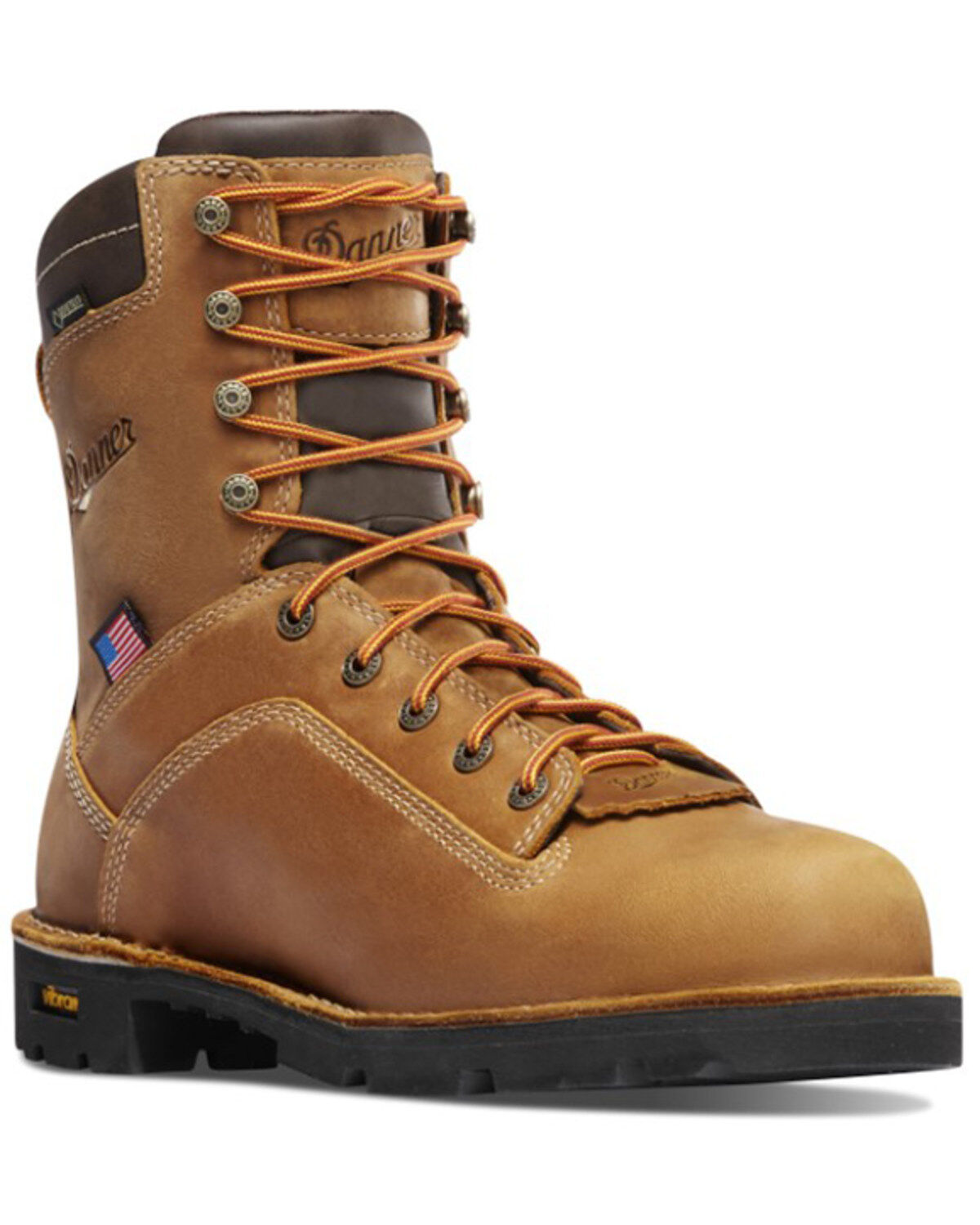
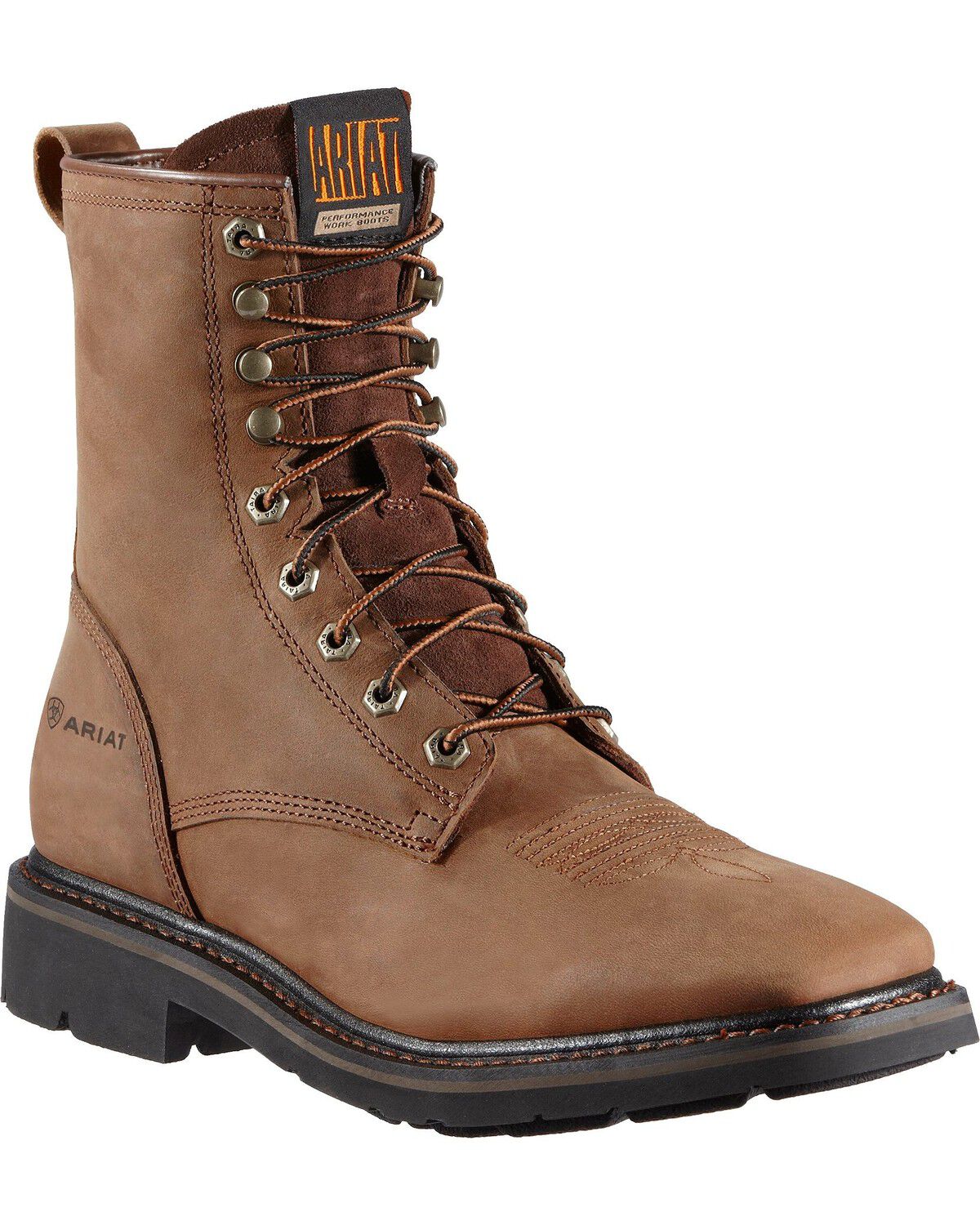
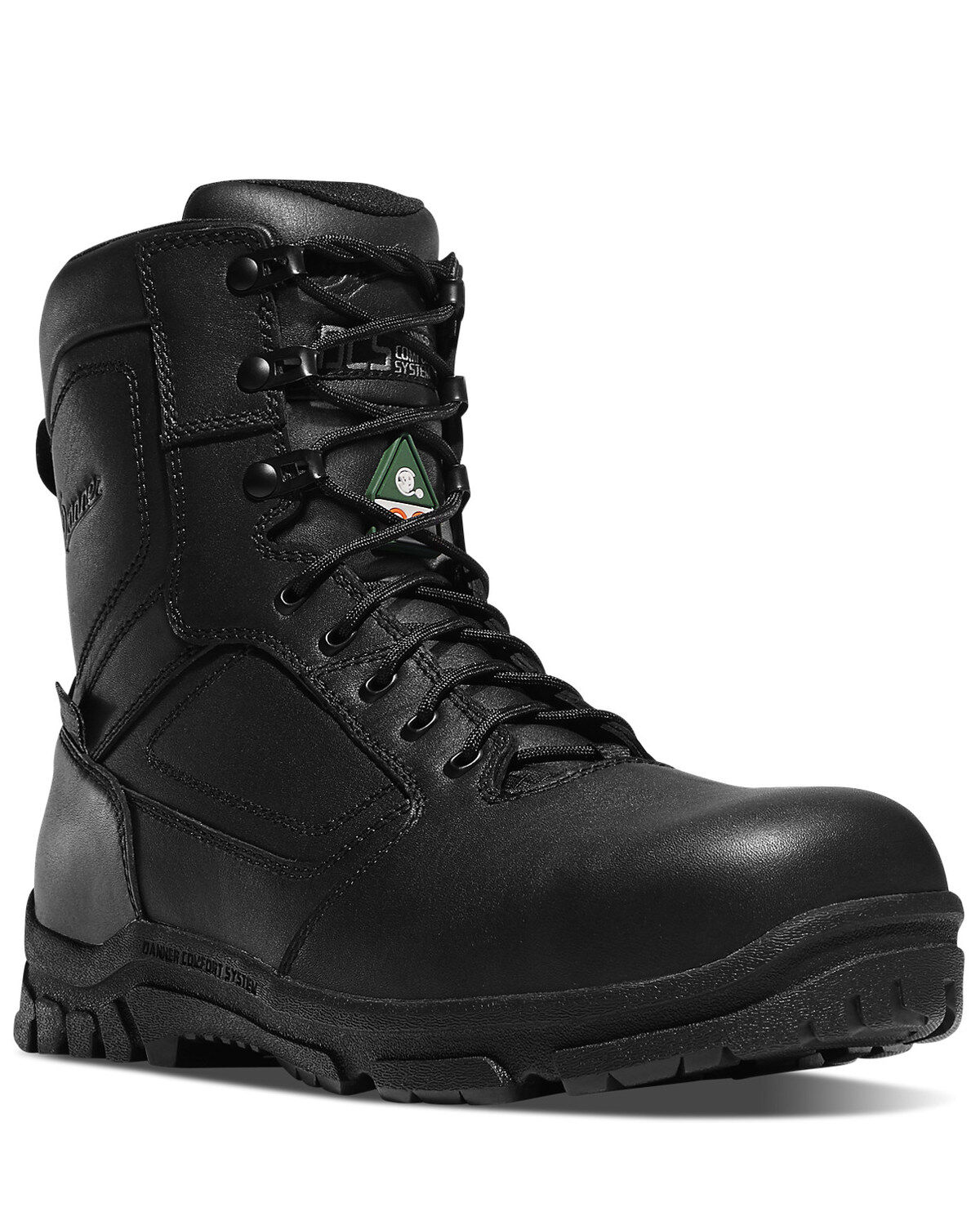
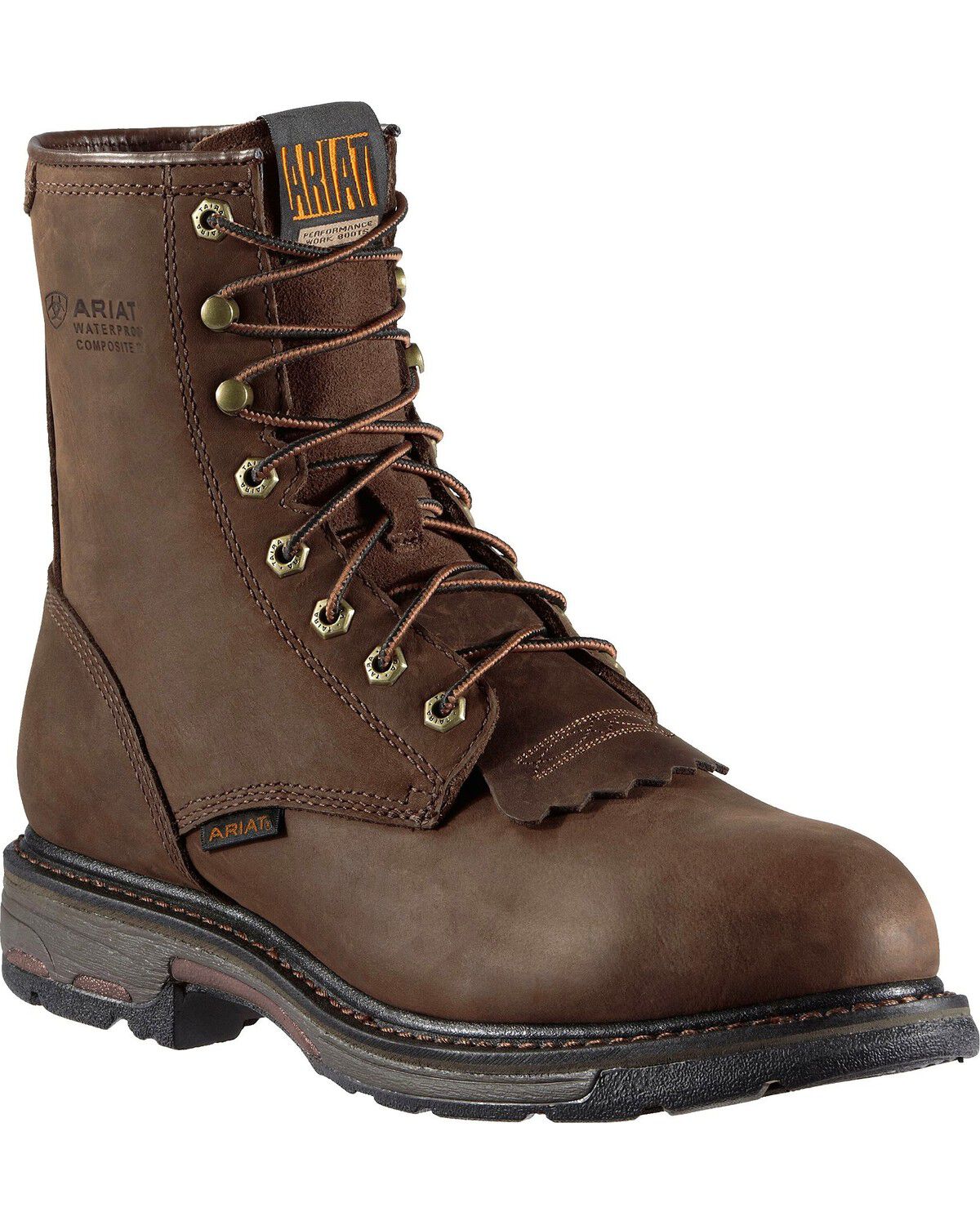
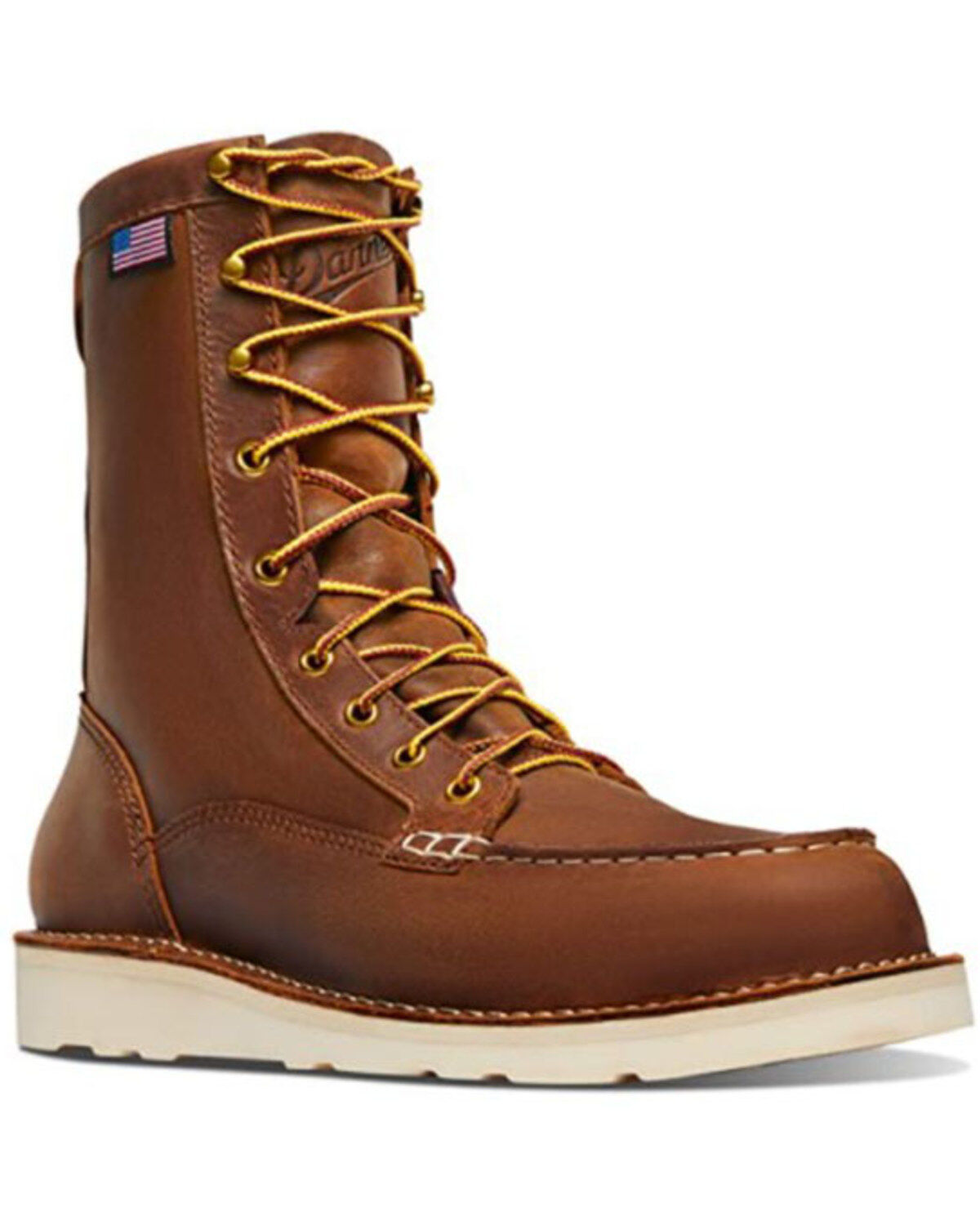
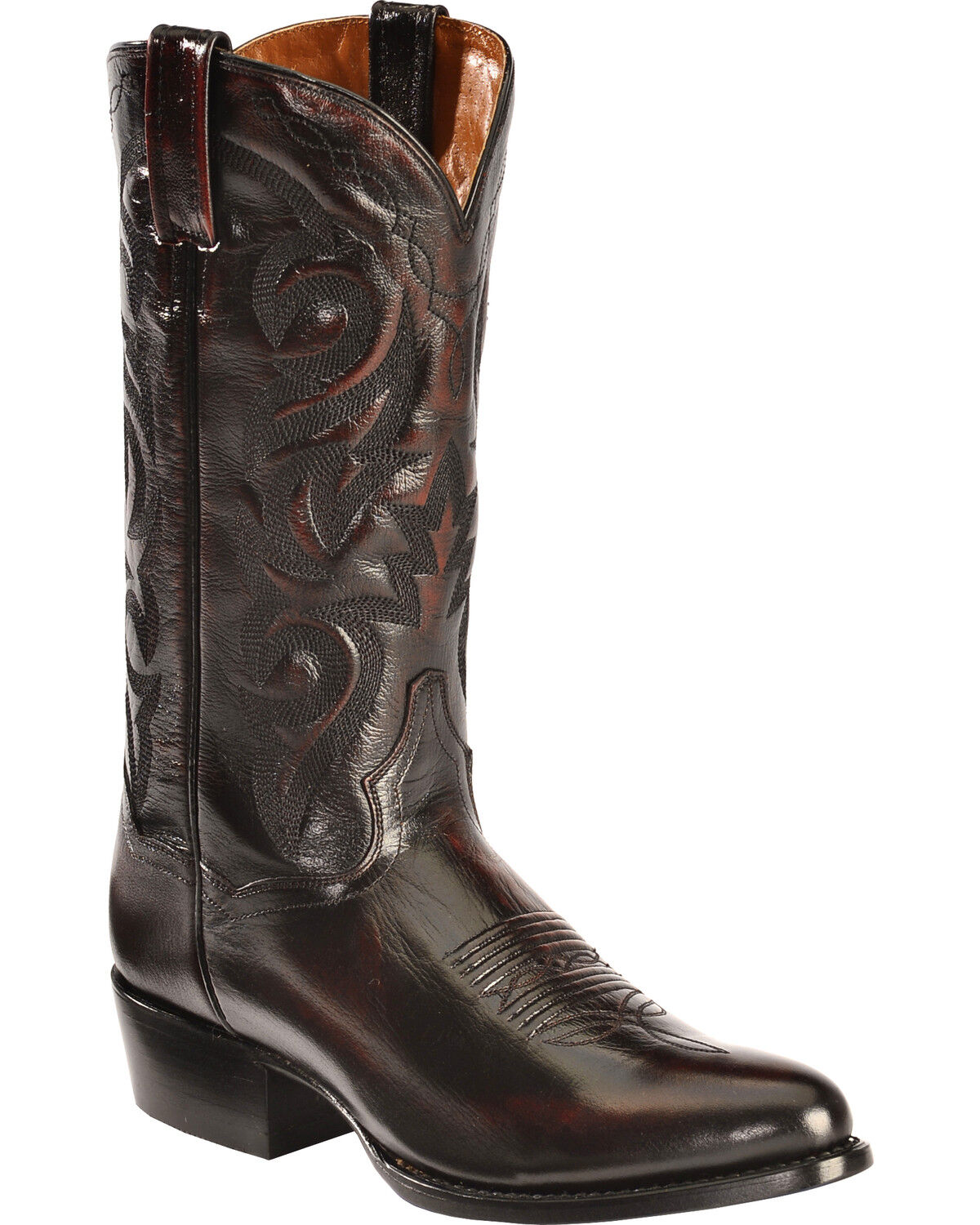
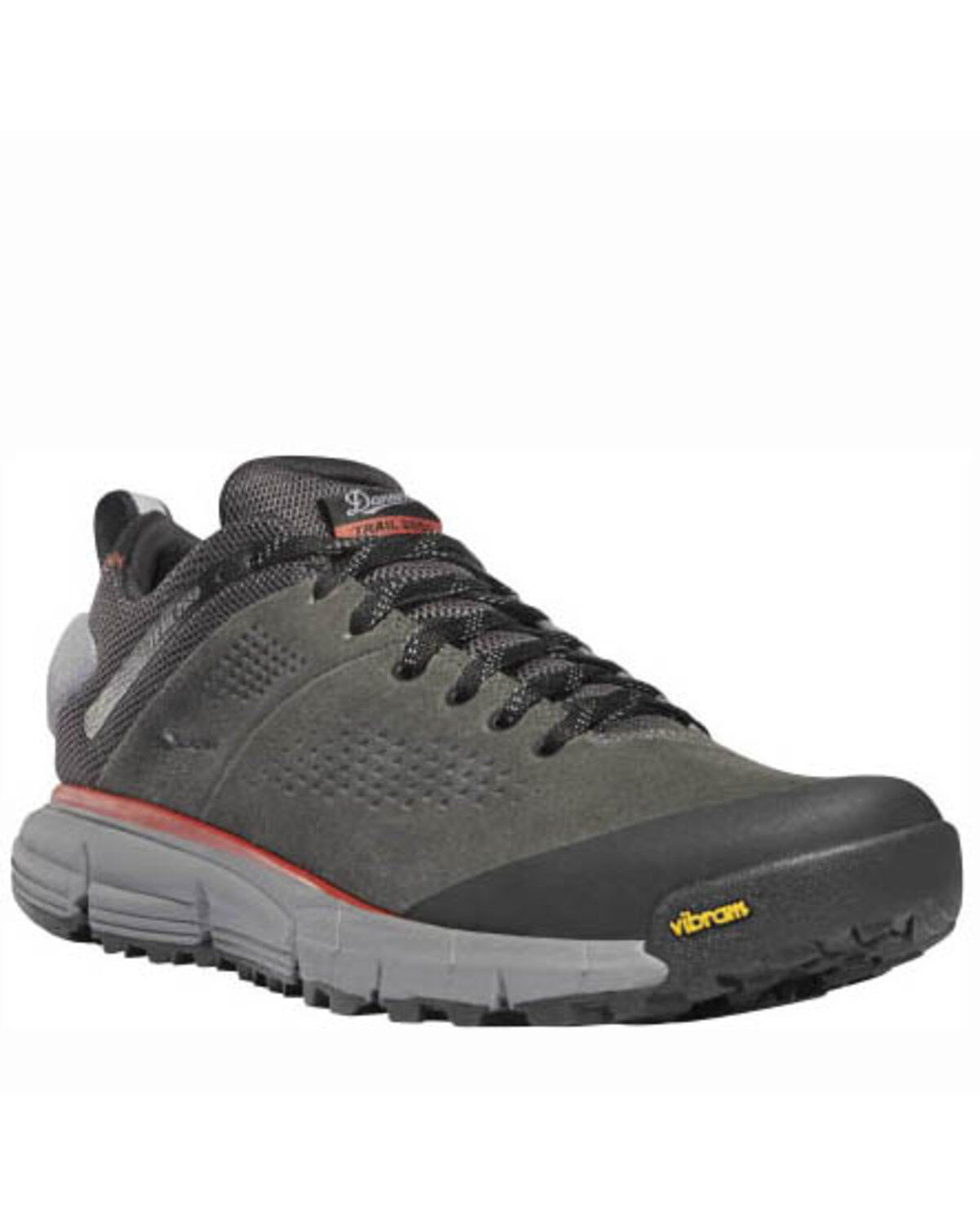
Lace Work Boots

Find lace-up work boots with an adjustable fit for your workday. Browse available styles and sizes, and review each pair’s listed features to find the right fit for your job’s footwear requirements.

Read More

Shop Your Store: Shop Your Store: Find a Store

(Turn off Shop Your Store to see all items)

(Turn off Shop Your Store to see all items)

close
  • Recommended
  • Lowest Price
  • Highest Price
Skip pass products

End of products

Lace Work Boots

Lace-up work boots provide an adjustable fit for jobs that keep people on their feet, moving between hard floors, climbing equipment, or working across uneven ground. Their defining feature is straightforward: laces let the wearer change tension across the foot and around the ankle instead of relying on a fixed opening. That control matters when a boot needs to feel secure through a long shift without pressing too hard across the instep. Different shaft heights, upper materials, and sole designs give lace-up work boots distinct strengths. A lower shaft can allow more freedom around the ankle, while a taller shaft offers more coverage above it. Full-grain leather is valued for its durability and its ability to develop a broken-in feel with regular wear. Leather combined with fabric panels can offer a different balance of flexibility, weight, and breathability. Reinforced areas around the toe and heel help handle repeated contact with equipment, kneeling surfaces, and rough edges. Underfoot, the tread deserves as much attention as the upper. Deeper lugs can provide traction on loose ground, while shallower tread patterns may be easier to clear of debris between work areas. Broad, relatively flat soles offer a different feel on warehouse floors than defined heels designed for certain climbing tasks. No tread works equally well on every surface, and slip resistance depends on both the sole and the conditions underfoot. Construction also affects how a boot wears. Welted designs may allow resoling, depending on the construction and condition of the upper, while other sole attachments can create a lighter, more flexible feel. For construction crews, mechanics, maintenance workers, and people handling daily chores around a property, the right combination comes down to the actual work. A boot built for repeated kneeling faces different demands from one worn mainly for walking concrete aisles. Leather thickness, sole flexibility, boot weight, and the shape of the heel all contribute to that difference, even when two pairs look similar at a glance.

Fit is where those construction details become noticeable. Lace-up work boots should hold the heel securely while leaving enough room for the toes to rest naturally and move without crowding. A safety toe should not press against the toes, and its protective cap will not stretch to solve a poor fit. Width matters just as much as length, especially across the ball of the foot, where pressure can build during hours of standing or walking. Work socks and any required inserts take up space inside the boot, so they belong in the fit equation from the beginning. A boot that feels comfortable with a thin casual sock may feel tight with the socks worn on the job. Lacing allows useful adjustments, but it cannot correct a boot that is fundamentally too narrow, too short, or too large. Even tension through the lower eyelets can help hold the foot in place without overtightening the ankle. Around the upper hooks, a secure closure should still allow the movement needed to squat, kneel, or climb. Cushioning, footbeds, and the structure beneath them also serve different purposes. A soft initial feel is not the same as lasting support, and excessive movement inside the boot can create friction even when the footbed feels comfortable. For people carrying tools or spending most of a shift on hard surfaces, a stable base can matter as much as padding. Protective features require equally close attention. Safety toes, puncture-resistant construction, and electrical-hazard protection address different risks; one feature does not stand in for another. The markings on the boot and the requirements of the workplace determine whether it is appropriate for the task. Soft-toe boots can suit work that does not require impact protection, but appearance alone says nothing about a boot’s protective rating. A substantial leather upper or thick outsole is not proof of any particular safety feature. The best match is a boot whose fit, movement, and documented protection align with the work being done.

Durability depends on how the whole boot holds up, from the stitching along the upper to the tread contacting the floor. Repeated bending puts stress across the forefoot, while abrasion often shows first at the toe, heel, and edges of the sole. Laces and eyelets are working parts, not just finishing details. Secure eyelets, smooth hooks, and laces suited to the boot help maintain an even closure through repeated tightening and loosening. Lace material changes the feel and appearance of that closure, and Leather Laces Boots offer a related option for shoppers who prefer leather ties. Regardless of material, frayed laces deserve attention before they fail during a shift. Excess length should stay secured rather than hang near moving equipment or catch underfoot. Routine care helps preserve the rest of the boot as well. Dirt left in seams and around the sole edge can contribute to wear, while residue on the tread can affect traction. A soft brush or cloth removes surface buildup without unnecessary abrasion. Leather care products should match the type of leather and the maker’s directions, since smooth leather, suede, and treated finishes do not all respond the same way. Too much conditioner can be as unhelpful as neglect, and heavy coatings may interfere with certain materials or finishes. Boots that become damp from perspiration or cleaning need time to dry naturally, away from direct heat. Removable footbeds can be taken out when permitted by the care instructions, helping the interior dry more thoroughly. Regular checks for separating soles, damaged stitching, worn tread, and exposed protective components help distinguish ordinary scuffs from damage that affects performance. When work boots are intended as a gift, the recipient’s size, width, work duties, and required safety features matter more than looks alone. A well-matched pair earns its place through dependable fit and function, whether the day involves a shop floor, a construction site, or hands-on work closer to home.
Read More

FAQs