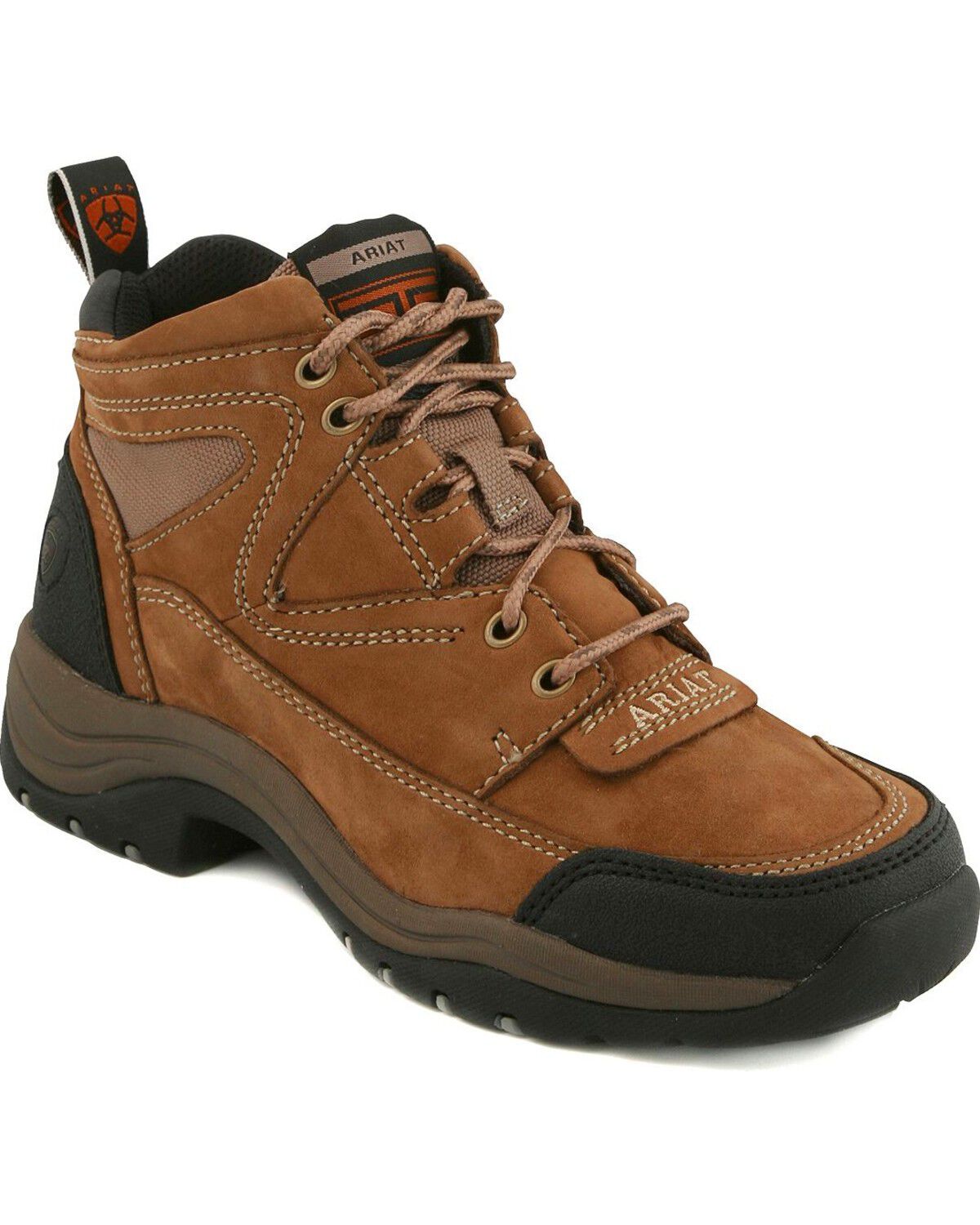
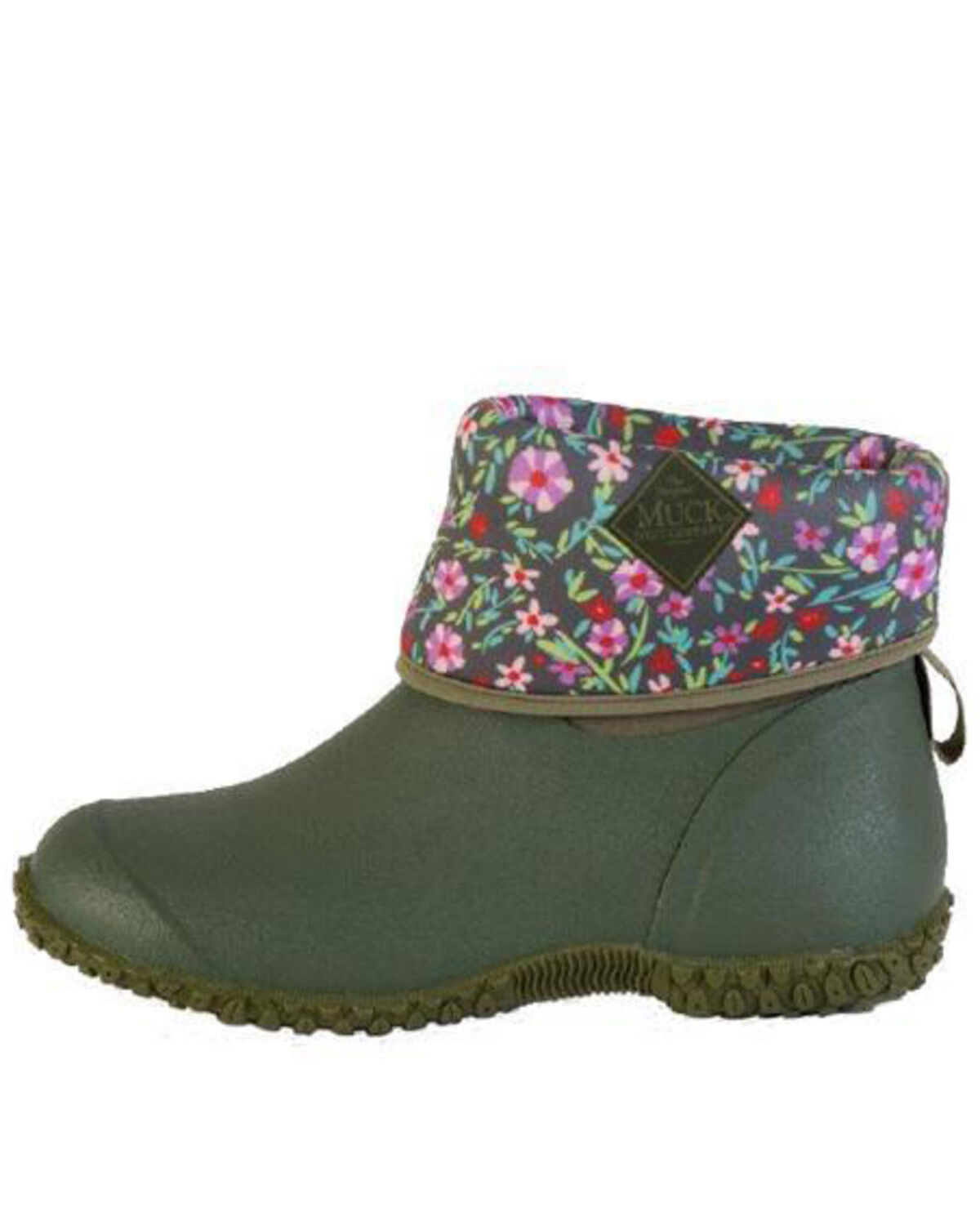
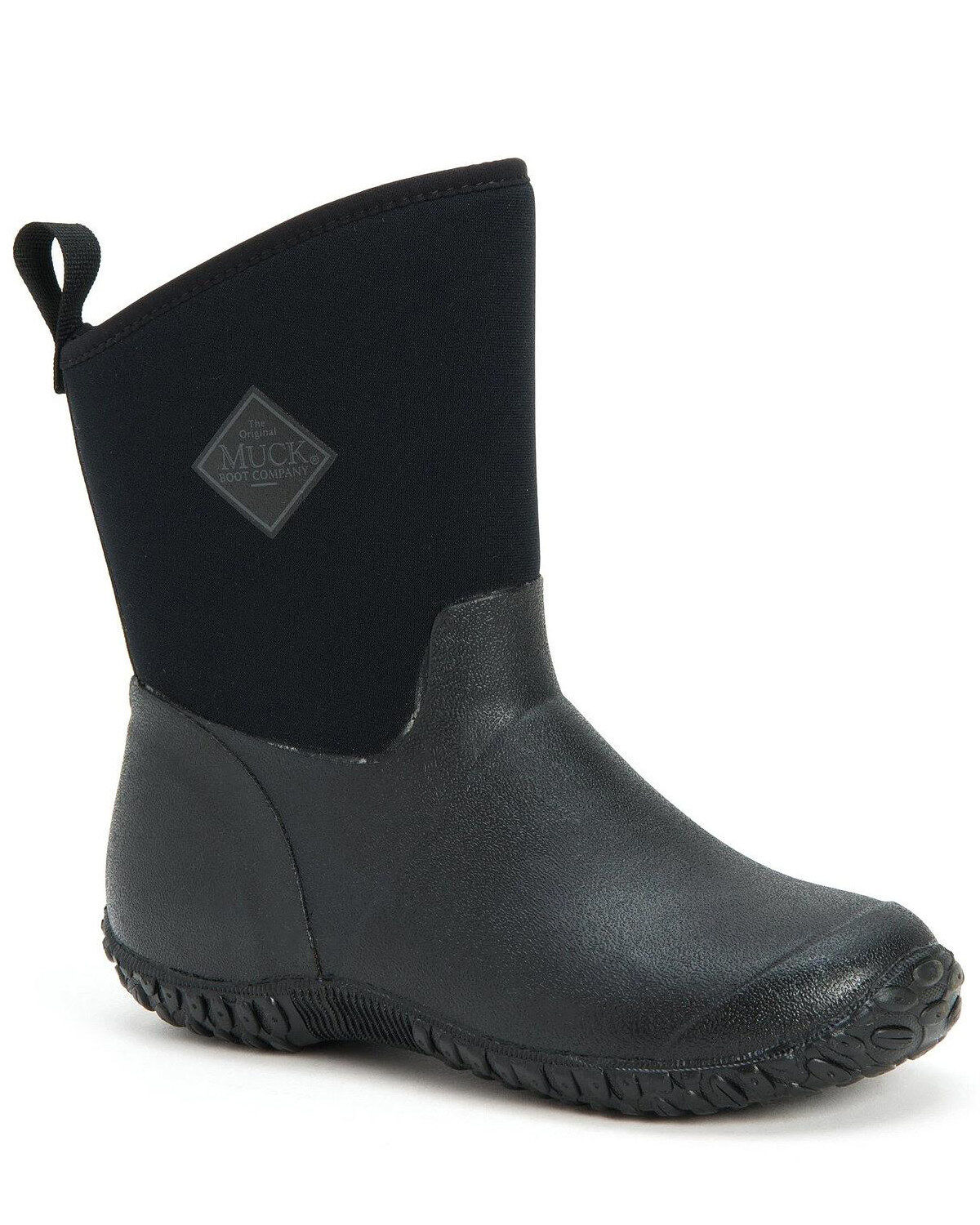
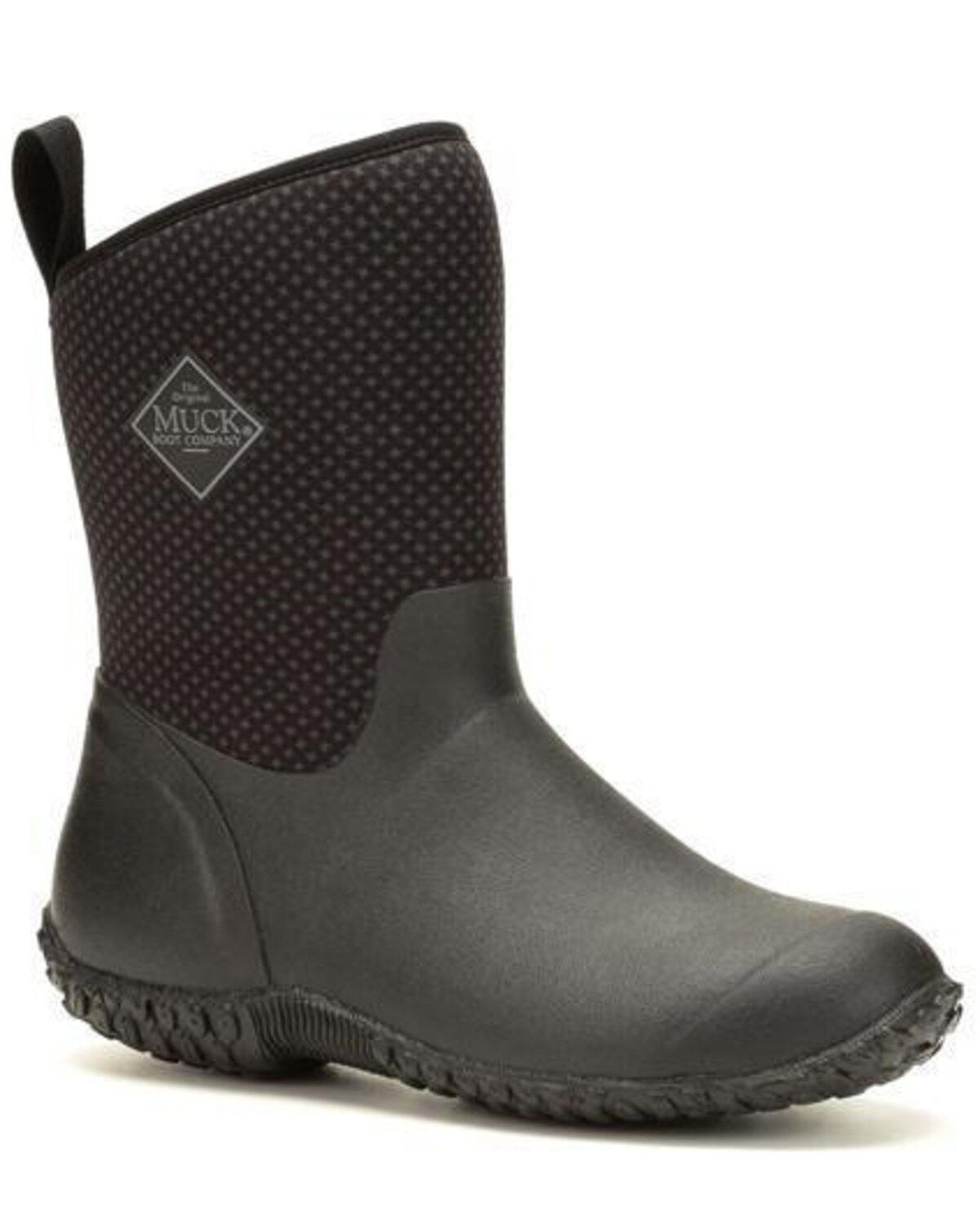
Women's Lace Boots

Find women's lace boots that suit your style and wardrobe. Browse the selection and compare design details, boot heights, and closures, then check each pair’s sizing information to help narrow your choice.

Shop Your Store: Shop Your Store: Find a Store

(Turn off Shop Your Store to see all items)

(Turn off Shop Your Store to see all items)

close
  • Recommended
  • Lowest Price
  • Highest Price
Skip pass products
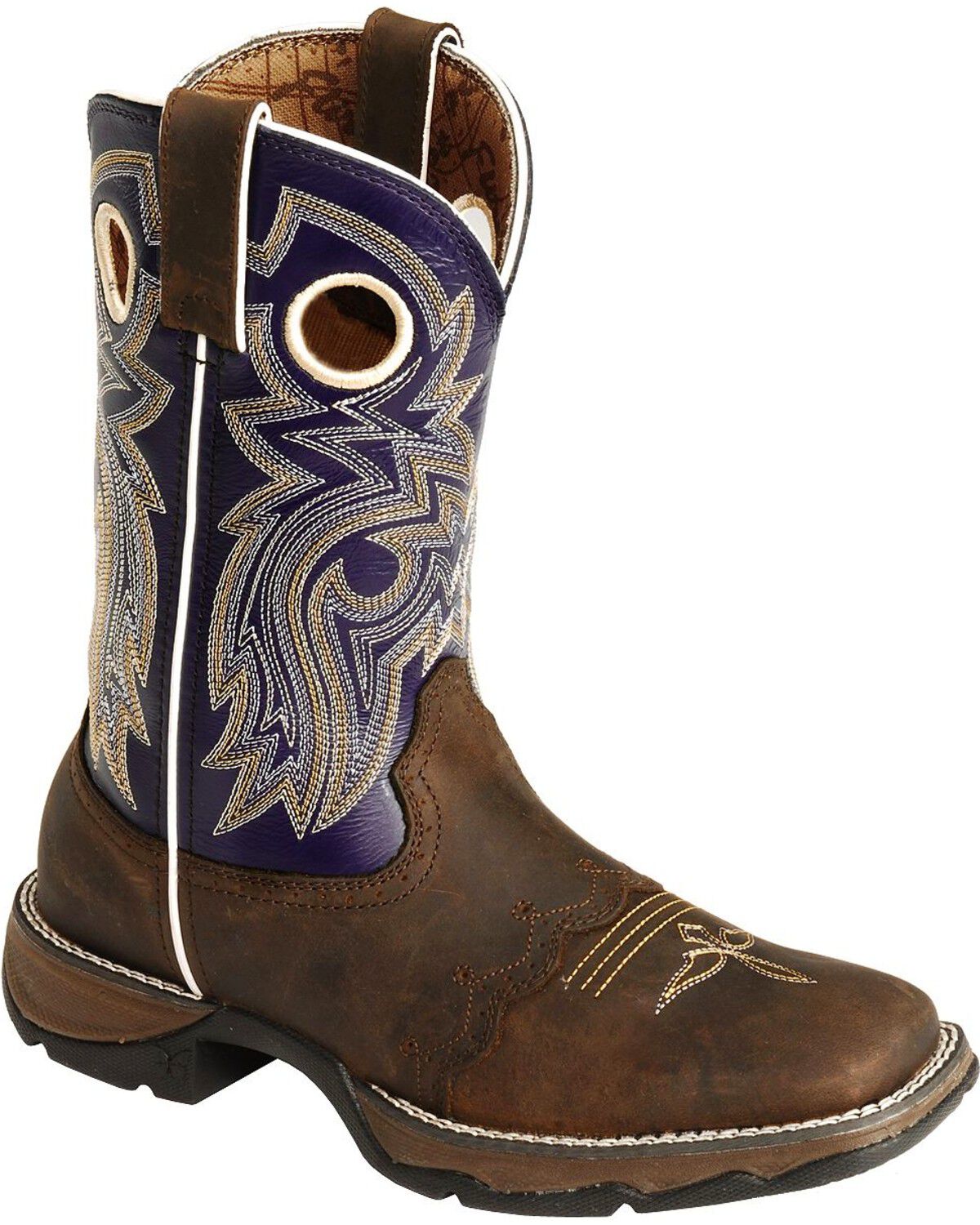
  • Women's Laredo Fancy Leather Western Boot - Snip Toe
    Original Price $164.99 $99.97
    39% Total Savings
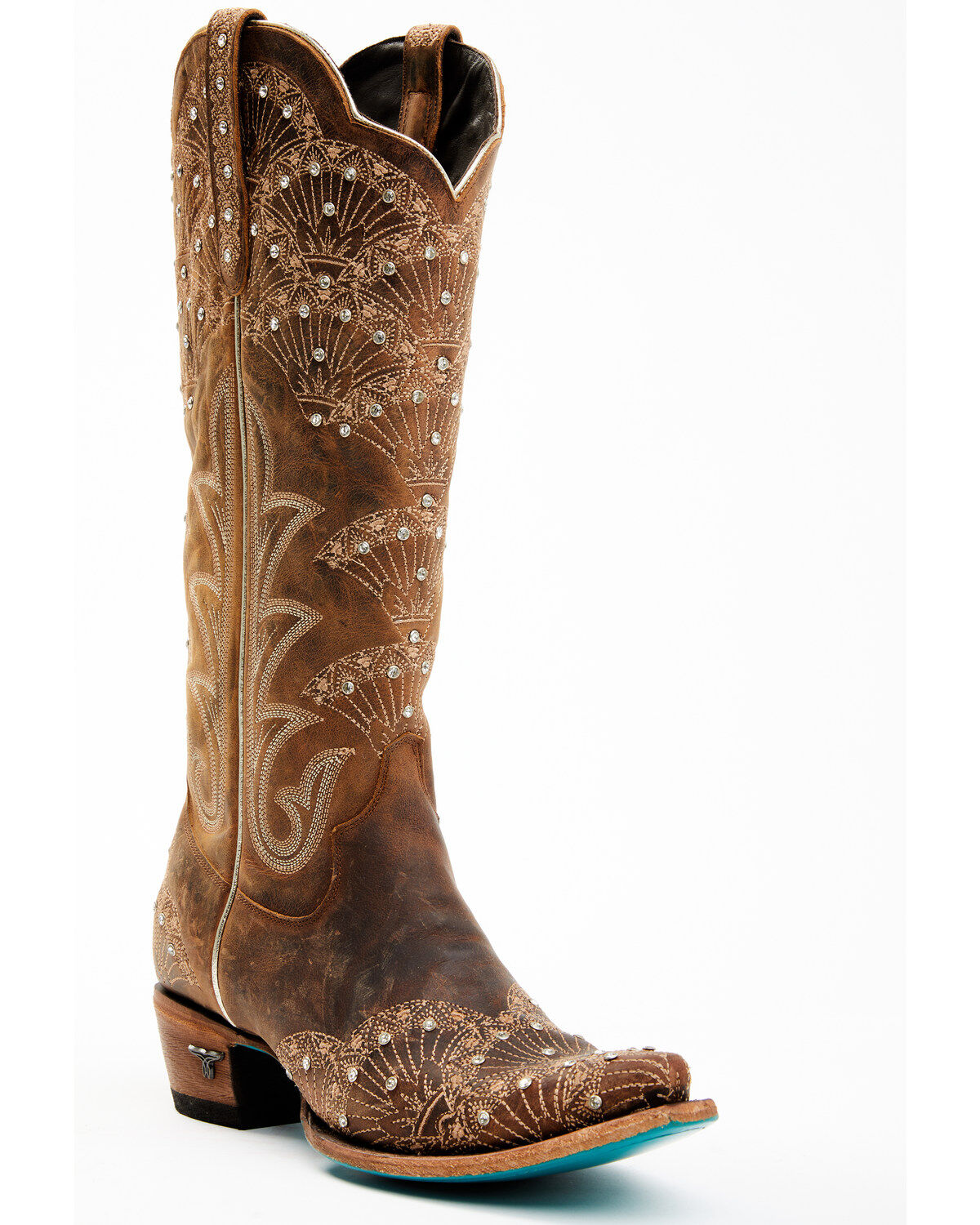
  • Women's Shyanne Leah Tall Western Boots - Snip Toe
    Original Price $229.99 $179.99
    22% Total Savings
  • Women's Laredo Bone Embellished Booties - Snip Toe
    Original Price $155.99 $108.97
    30% Total Savings
  • Women's Pendleton Lace-Up Boots - Round Toe
    Original Price $170.99 $118.97
    30% Total Savings
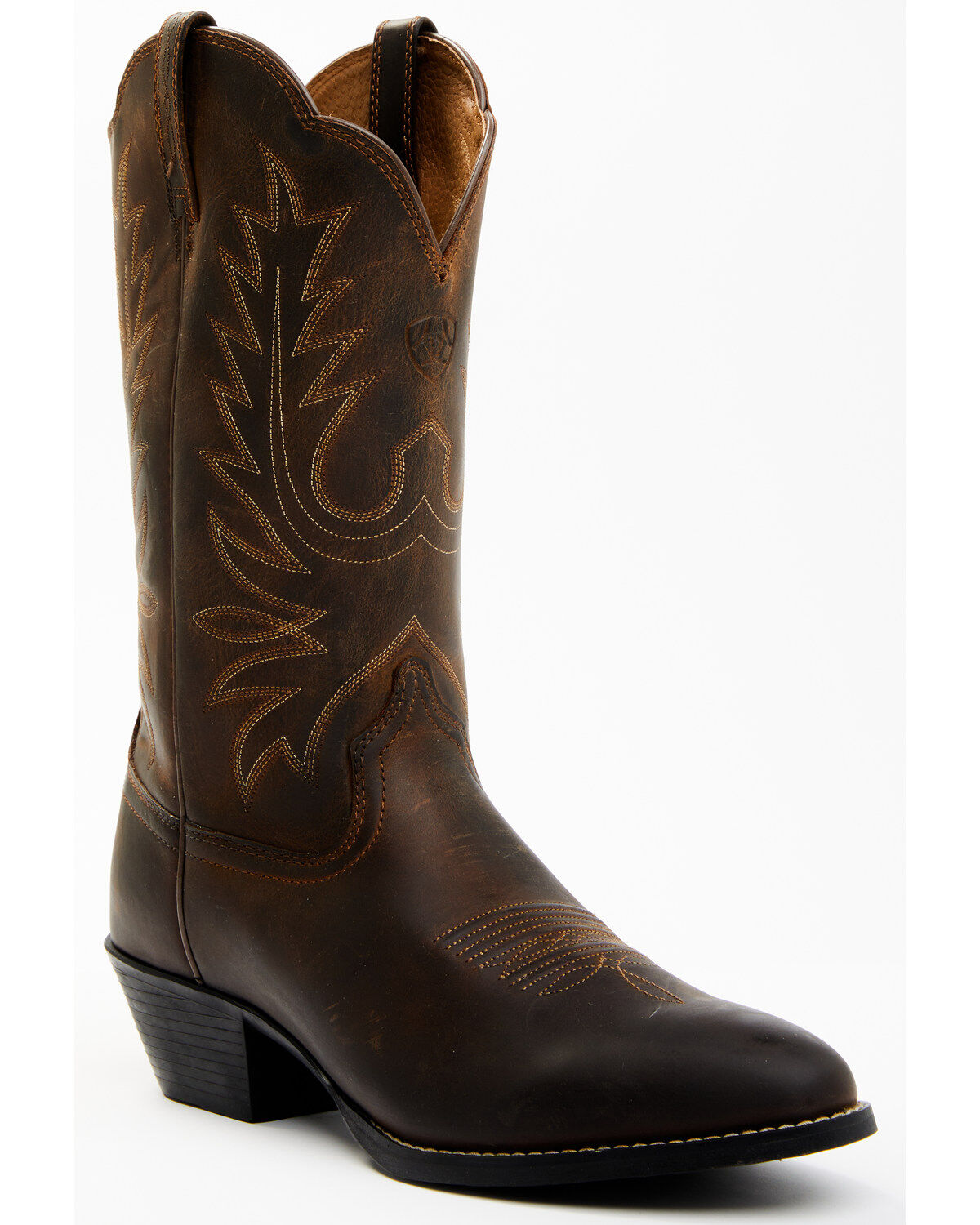
  • Women's Laredo Megan Western Boots - Broad Square Toe
    Original Price $159.99 $94.97
    41% Total Savings

End of products

Women's Lace Boots

Women’s lace boots, often called lace-up boots, use adjustable laces to secure the foot and shape the fit through the ankle or calf. The category ranges from sturdy utility and combat-inspired silhouettes to streamlined ankle boots, heeled designs, and taller lace-up styles. That range makes them useful for everyday wear, casual outings, and work settings when the construction meets the demands of the job. Within the broader Women's Boots category, lace-up designs stand apart for their adjustable fit and defined shape. A low-profile ankle boot sits easily under straight-leg jeans, while a taller shaft works with leggings or a skirt when the boot is meant to show. Rounded toes generally have a more casual appearance; narrower toe shapes and raised heels create a dressier profile. A broad, low heel provides a different feel underfoot than a taller heel, especially during hours spent standing or walking. Materials also make a difference. Leather brings structure and can develop a worn-in appearance with regular use and proper care. Suede has a softer, textured finish and needs cleaning methods suited to its surface. Textile panels can add flexibility, while synthetic uppers vary in texture, weight, and maintenance needs. Material alone does not determine durability. Stitching, lace hardware, sole attachment, and reinforcement around the heel and toe all affect how a boot handles repeated wear. Smooth linings help reduce friction, and a padded collar can soften contact around the ankle. Some designs pair front laces with a side zipper, allowing the laces to stay adjusted while the zipper handles entry and removal. Others rely entirely on the lace opening. Neither arrangement is automatically better; the right choice depends on the preferred fit, shaft height, and daily routine. For women who want footwear with more coverage than a shoe and more fit adjustment than a pull-on boot, lace-up construction offers a practical middle ground. A substantial sole and visible eyelets give the silhouette definition without requiring elaborate styling.

Fit matters as much as appearance in women’s lace-up boots. Laces allow different sections of the upper to be tightened or loosened, but they cannot correct a boot that is too short, too narrow, or poorly matched to the foot. The toes need enough room to move without pressing against the front, and the widest part of the foot should sit comfortably within the boot’s widest area. The heel should feel secure without rubbing, while the instep should stay supported rather than squeezed. Sizing varies by design, so there is no dependable rule that every leather boot needs a larger size. Measurements, size information, and the socks intended for regular wear are better starting points. A thicker sock takes up more space than a lightweight one, and an added insole can change both depth and heel position. Walking across a room, turning, and bending at the forefoot reveal more than standing still. Persistent pressure, numbness, or toes pushed together are signs of a fit problem, not something to dismiss as normal break-in. Leather may soften with wear, but it should not be expected to gain substantial length. The lace pattern also affects comfort. Even tension through the foot helps keep it stable, while the upper eyelets allow adjustment around the ankle. On taller boots, the shaft should accommodate the calf without gaping excessively or pulling tightly when seated. Zippers should close without force after the laces are set. Underfoot, cushioning, flexibility, and sole shape deserve attention. A flexible forefoot can make walking feel more natural, while a firmer platform provides a more structured feel. Deep tread has a different purpose than a smooth fashion sole, and tread appearance alone does not establish slip resistance. Boots intended for occupational use need the protective features and ratings required by that workplace. A rugged look is not a substitute for rated toe protection or other job-specific safeguards. For everyday errands, commuting, or a full day on the feet, a manageable heel height and balanced boot weight can matter more than decorative details.

Regular care helps women’s lace boots retain their shape, finish, and function. Dust and grit can collect along seams, around eyelets, and where the upper meets the sole, making those areas worth attention after repeated wear. Smooth leather generally benefits from gentle cleaning and a conditioner appropriate for its finish. Too much conditioner can leave residue or change the appearance, so the material’s care directions matter. Suede needs a suitable brush and suede-specific treatment rather than the same routine used for smooth leather. Textile and synthetic surfaces also require their own cleaning methods; a treatment suitable for one upper may discolor or damage another. Testing a care product on a small, less visible area helps avoid an unwanted change across the entire boot. Damp boots should dry away from direct heat, which can affect leather, adhesives, and shape. Giving the lining time to dry between wears also helps maintain comfort. Laces deserve the same attention as the uppers. Fraying near an eyelet, stretched sections, or worn tips can make them harder to tighten evenly, and replacements should match the needed length and fit the hardware. Loose eyelets, separating soles, and worn heel edges are worth addressing before they interfere with footing or cause further damage. Storage with the shafts supported and the boots free of heavy objects helps preserve their shape. For gifting, the recipient’s usual footwear offers useful clues: preferred heel height, toe shape, shaft height, and whether most days involve walking, standing, or dressing for an occasion. Accurate sizing matters more than guessing from appearance alone. A woman who usually wears low heels may get more use from a stable ankle-height lace-up than a tall, heavily heeled design. Someone drawn to tailored clothing may prefer a cleaner upper over prominent hardware. The most useful choice is a pair that suits her routine, feels comfortable through the foot and ankle, and has materials she is willing to maintain.

FAQs