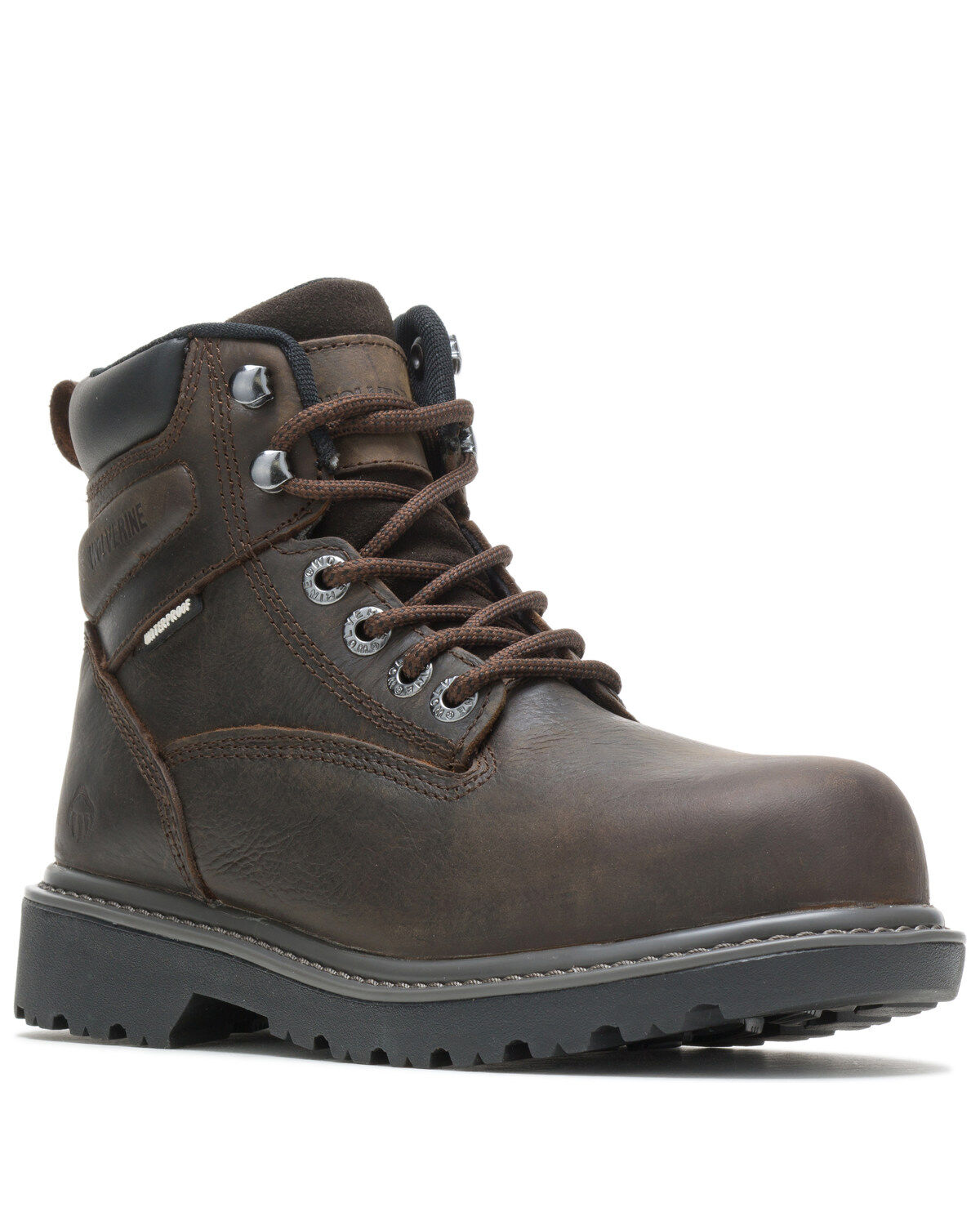
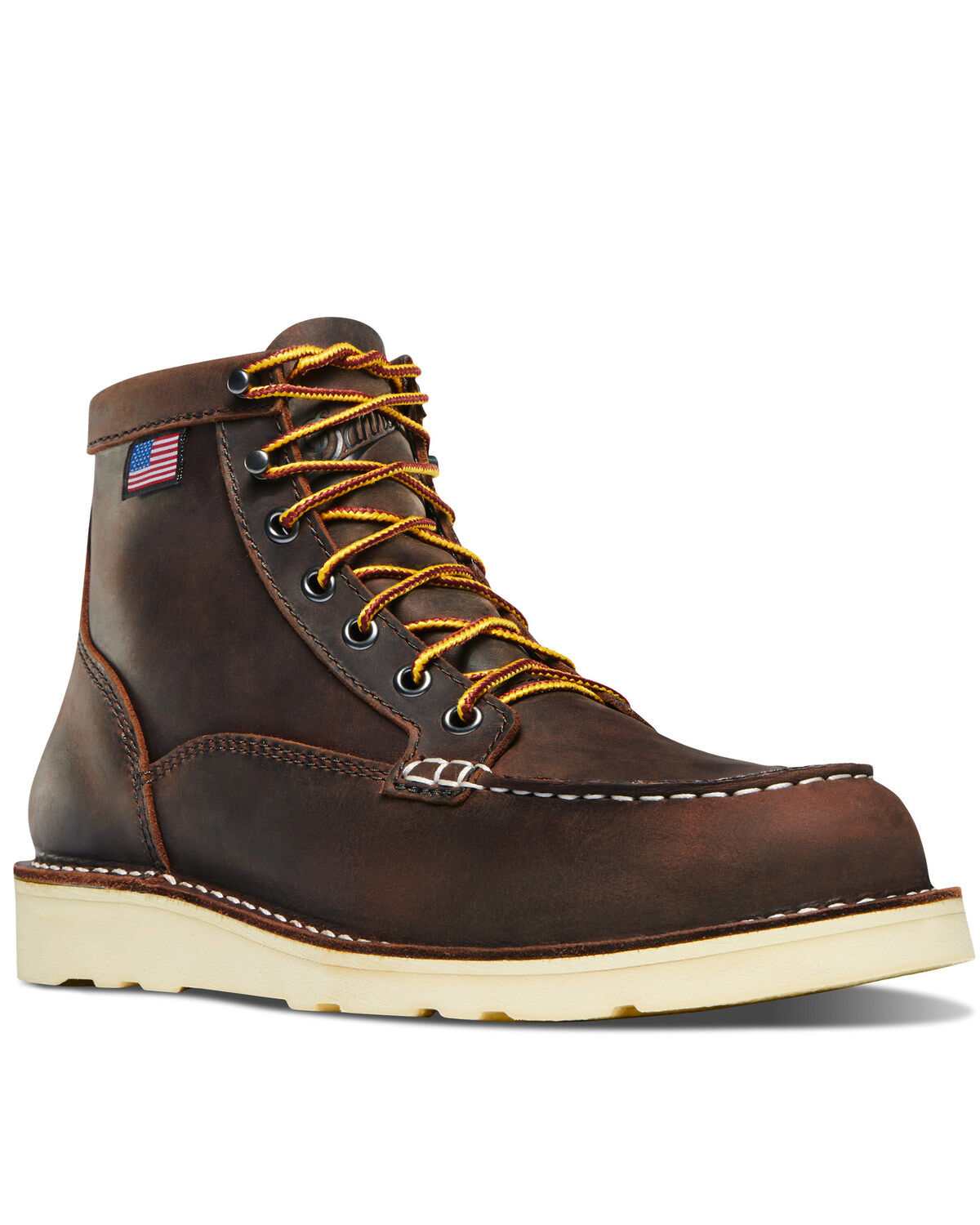
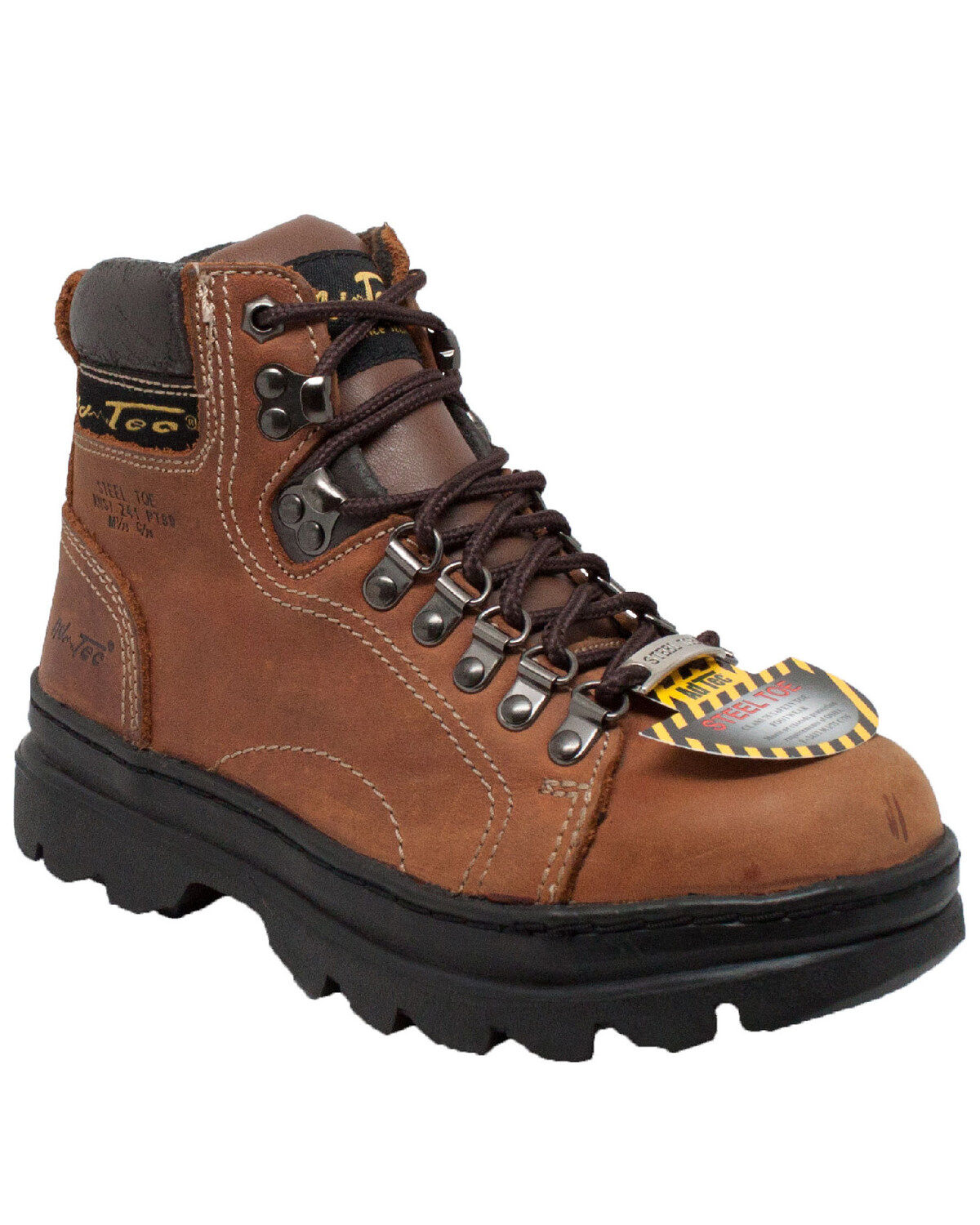
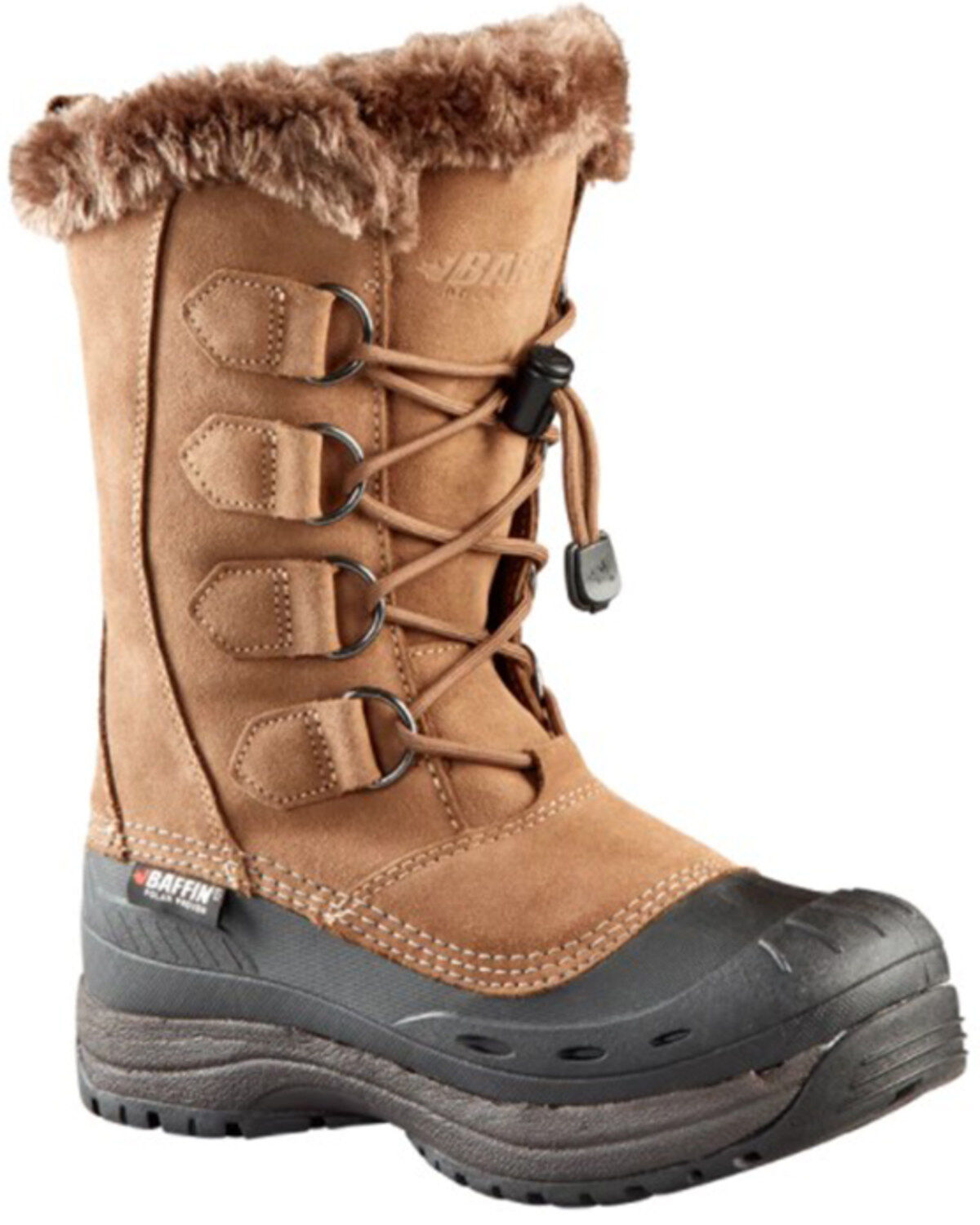
Lace Up Women's Boots

Shop lace-up women’s boots with an adjustable fit through the laces. Compare styles to find a pair that suits your wardrobe, and check each boot’s fit guidance and features before choosing.

Shop Your Store: Shop Your Store: Find a Store

(Turn off Shop Your Store to see all items)

(Turn off Shop Your Store to see all items)

close
  • Recommended
  • Lowest Price
  • Highest Price
Skip pass products
  • Women's Keen Targhee II Waterproof Hiking Boots - Soft Toe
    Original Price $155.99 $119.97
    23% Total Savings

End of products

Lace Up Women's Boots

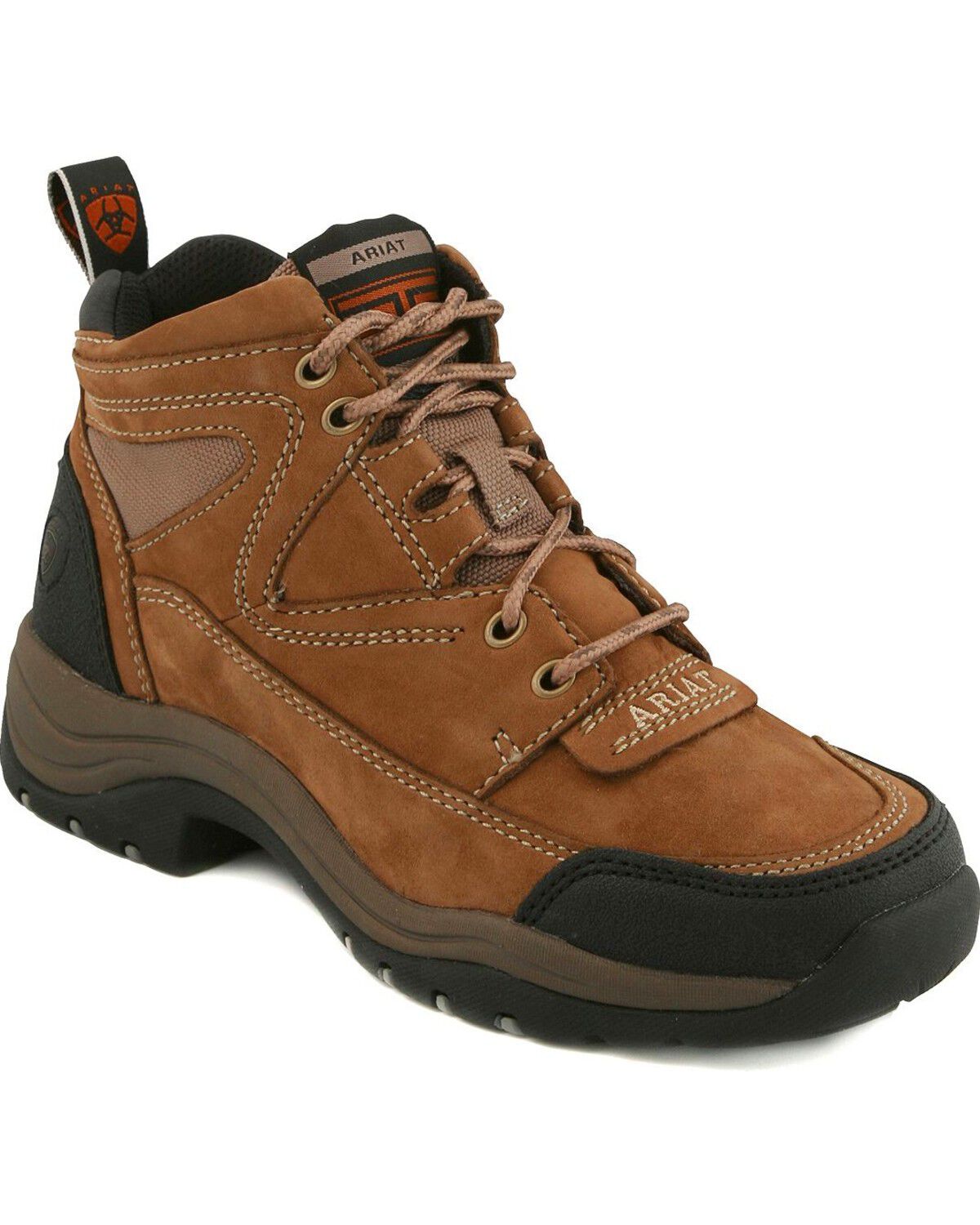
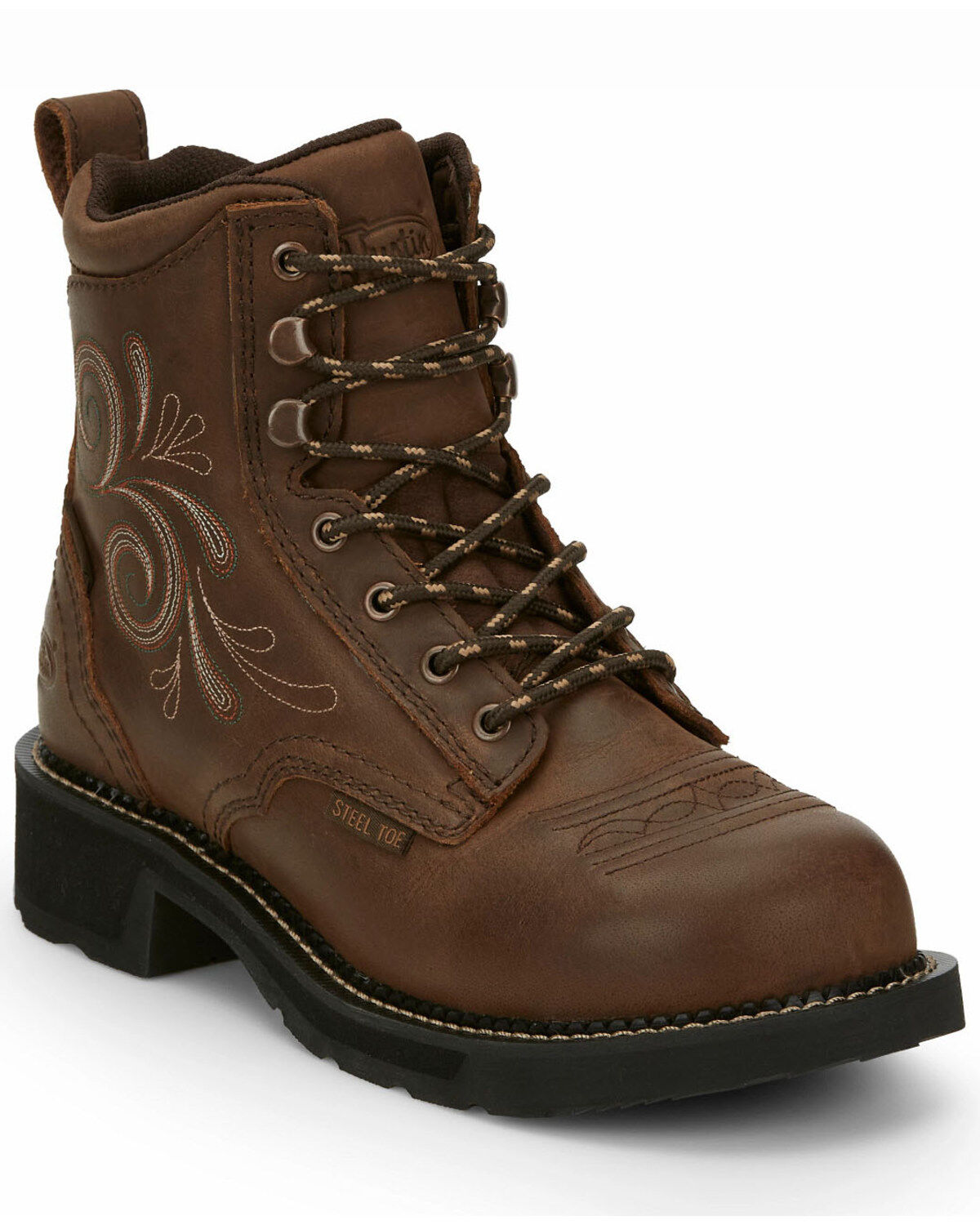
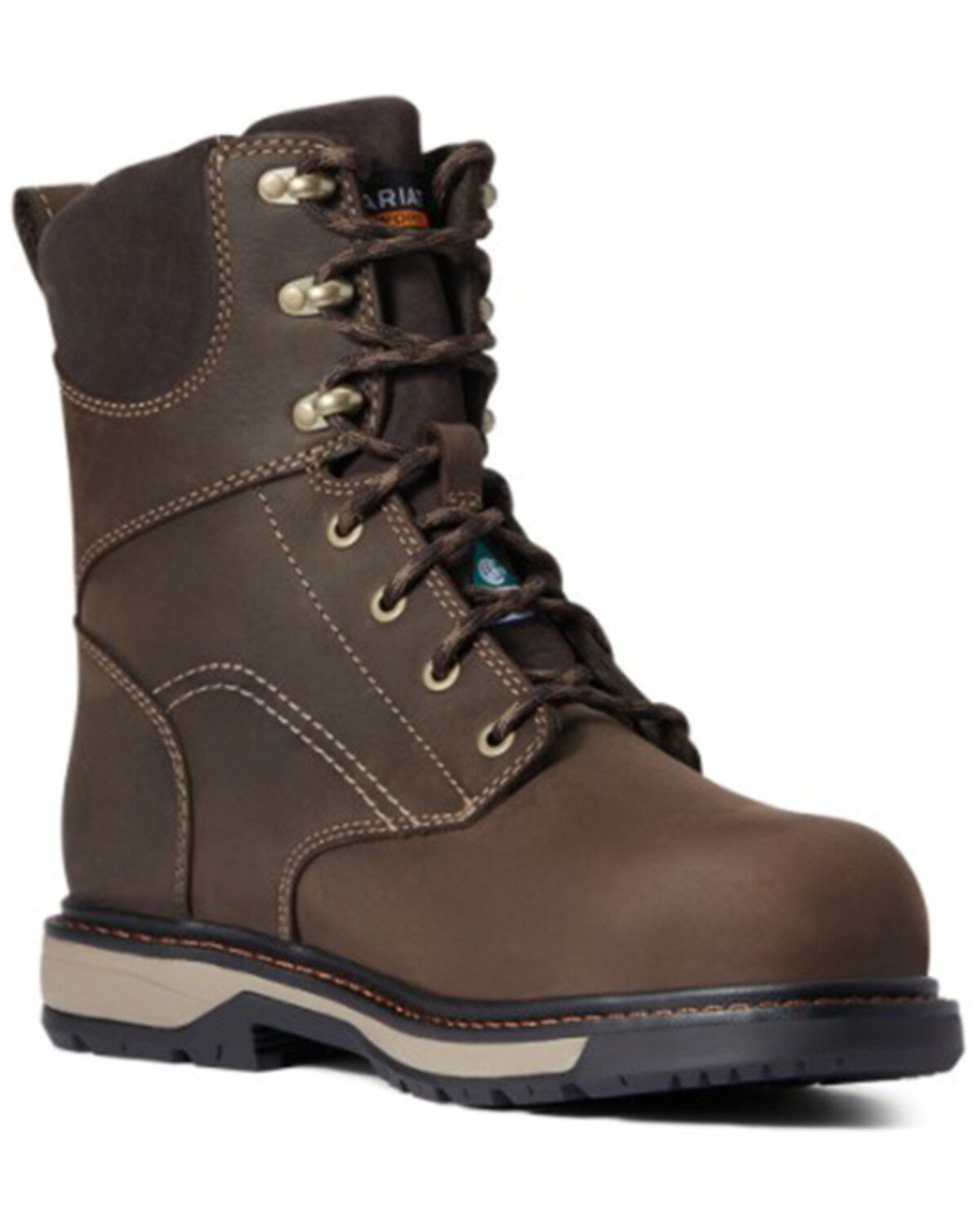
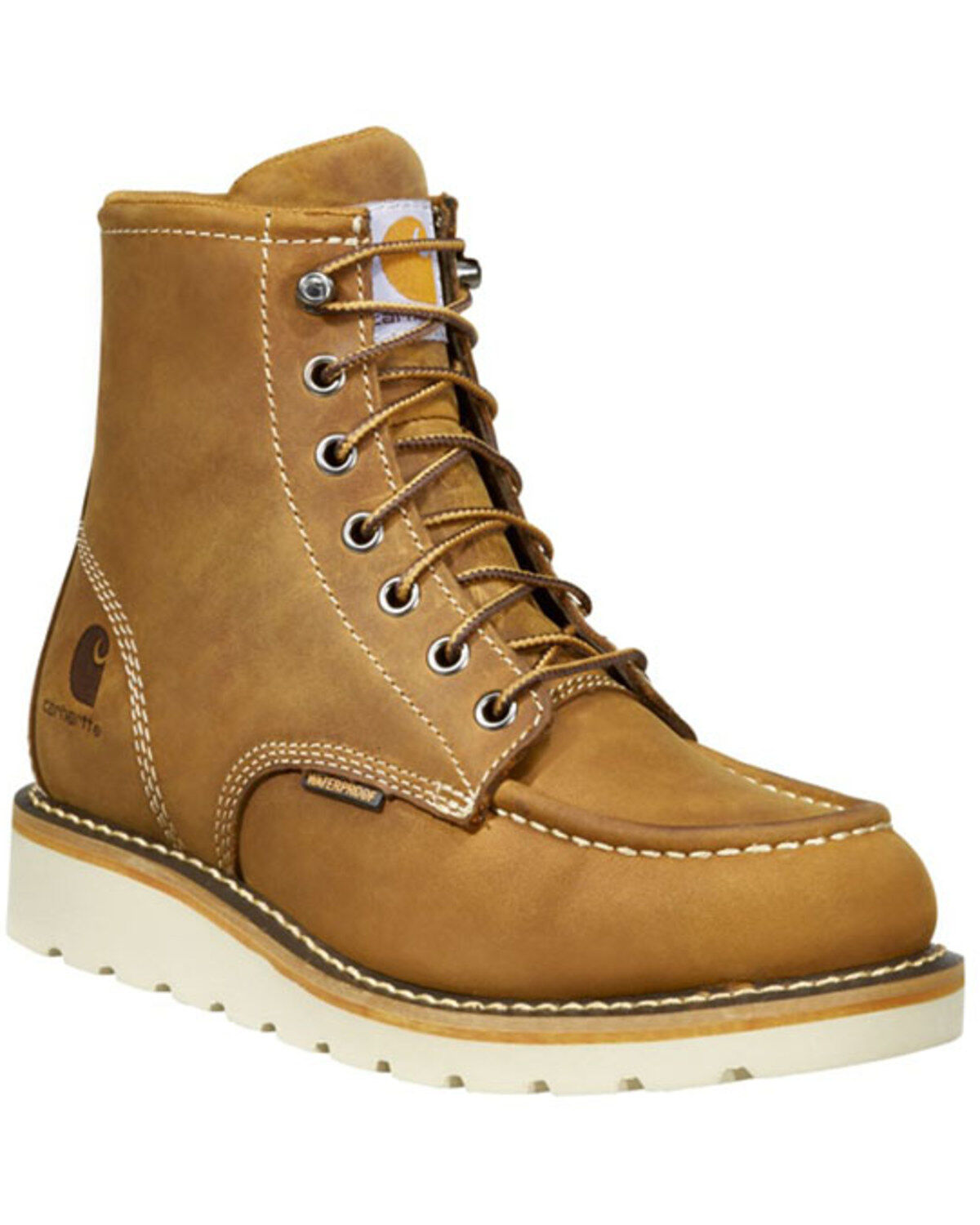
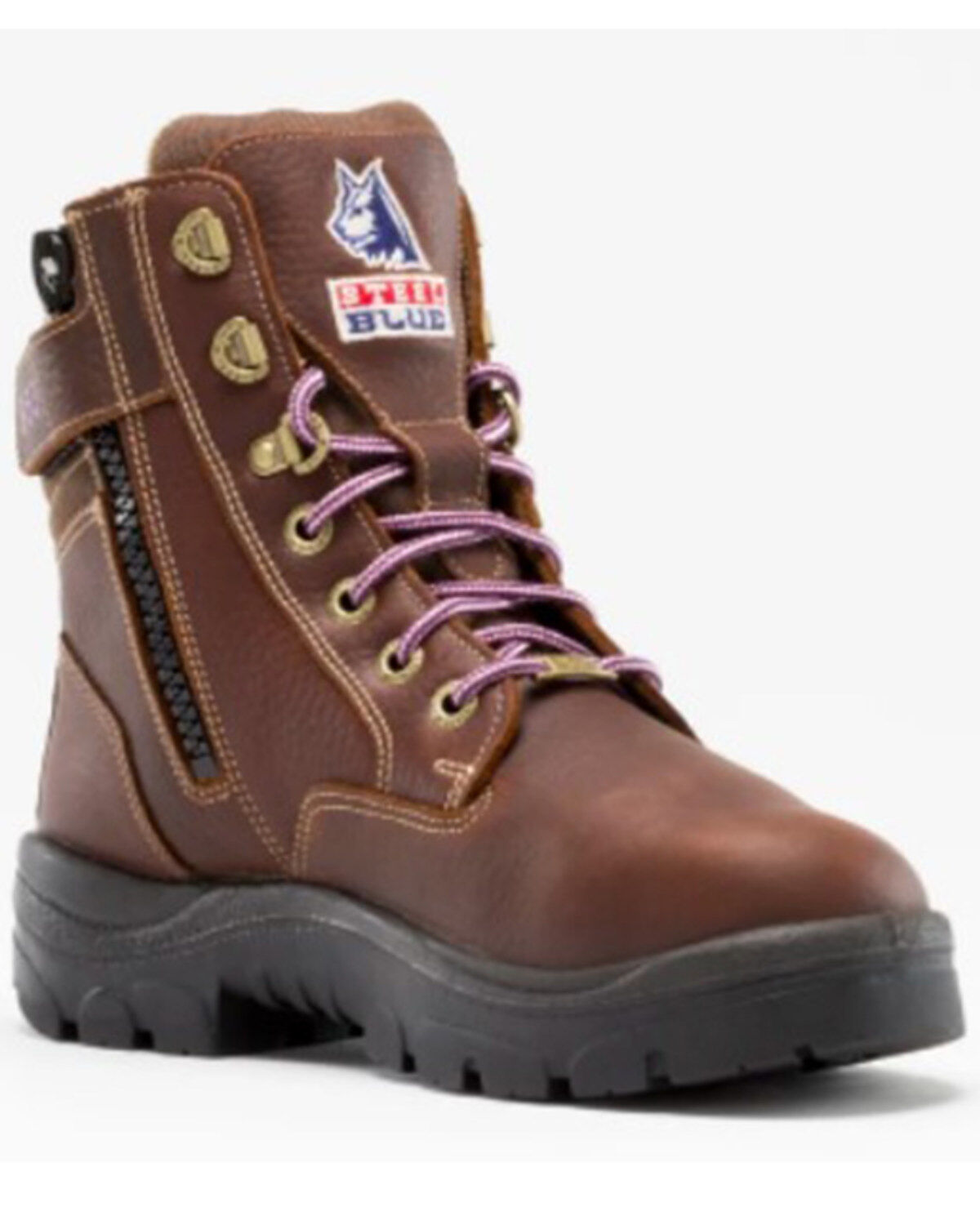
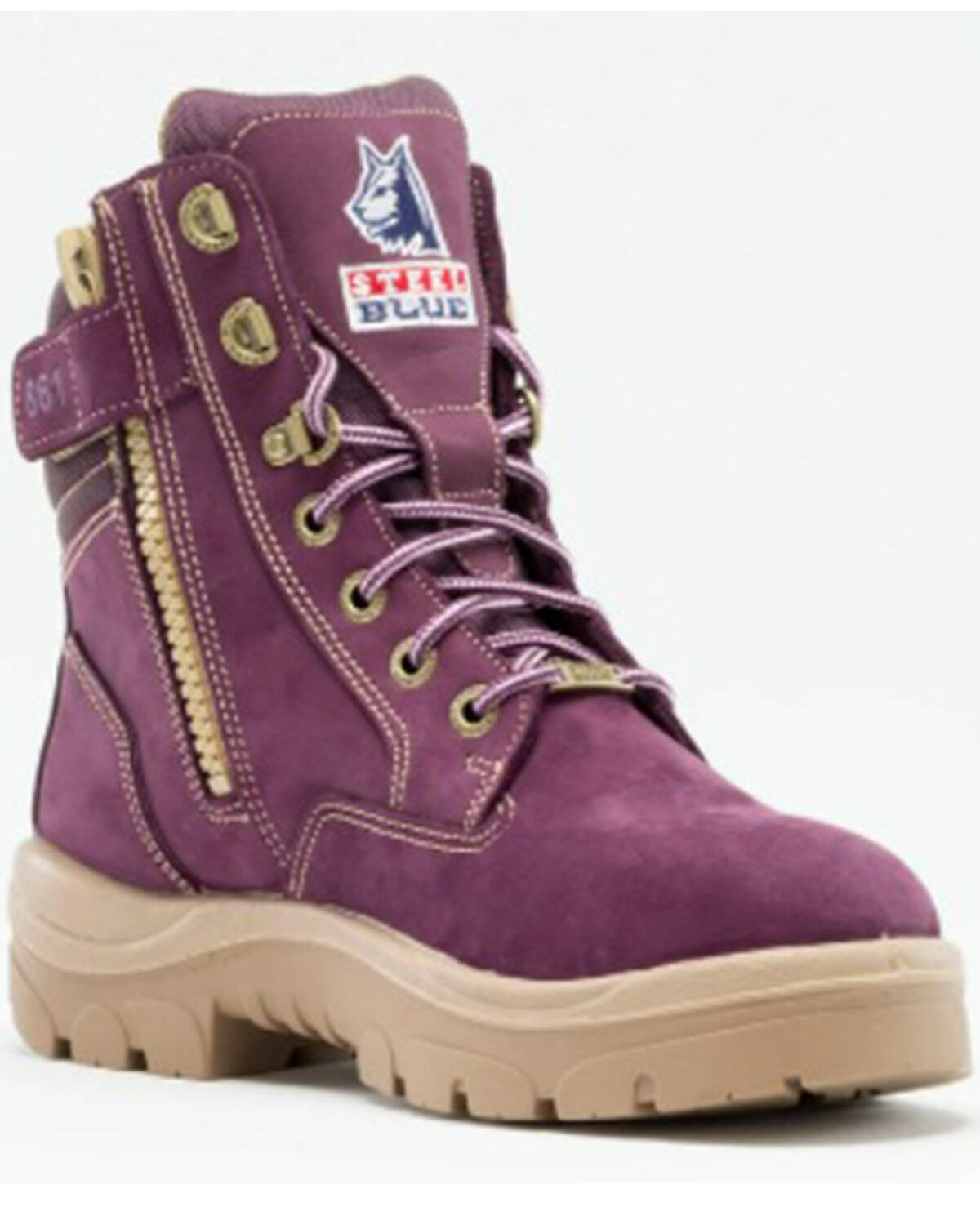
Women’s lace-up boots bring an adjustable fit to a wide range of everyday, work, and western-inspired styles. The laces do more than finish the look. They allow the upper to tighten or loosen across the foot and around the ankle, giving the wearer more control over how the boot feels. A lower shaft pairs easily with straight-leg jeans, while a taller shaft adds coverage and creates a more defined shape with tucked-in denim or a skirt. Smooth leather has a clean, substantial appearance that works with tailored pants as well as worn-in jeans. Suede brings a softer texture, and textile panels can reduce weight and allow airflow, depending on the construction. Full-grain leather often develops character with wear, while other leather finishes offer a more uniform appearance. No single material suits every use, so the balance between weight, flexibility, and abrasion resistance matters as much as the look. Rounded toes leave the styling straightforward, almond-shaped toes create a narrower profile, and roomier toe shapes may better suit feet that need extra space across the front. Heel height also changes the feel of a boot. A low heel keeps the stance closer to the ground, while a more pronounced heel adds height and changes how weight is distributed. The clean look of black lace-up boots works with dark denim, patterned dresses, and simple workwear without requiring every piece of an outfit to match. Brown leather offers a different contrast against blue jeans and lighter fabrics. Hardware, stitching, and sole thickness can make a boot feel understated or more substantial, but proportion is what brings the outfit together. A slim shaft sits neatly beneath a pant leg; a heavier sole makes a stronger visual statement. For women moving between errands, a casual workplace, and an evening out, those small differences help determine which construction fits the routine.

Fit is especially important with lace-up women’s boots because the ability to adjust the upper does not correct the wrong length or width. Toes need room to move without striking the front, and the widest part of the foot should sit comfortably within the widest part of the boot. Pressure across the ball of the foot, pinching at the little toe, or persistent rubbing at the heel can point to a shape that does not suit the wearer. Laces can ease pressure over a higher instep or hold a lower-volume foot more securely, but they should not need to be pulled excessively tight to prevent slipping. Trying boots with the socks intended for regular wear gives a more useful sense of fit than trying them with a thinner pair. An added footbed also takes up space, which matters for anyone using an orthotic or seeking a different level of underfoot cushioning. Walking, turning, and using stairs can reveal pressure points that are not obvious while standing still. Leather may soften with use, but a break-in period should not be expected to fix cramped toes or sharp discomfort. Intended use deserves the same attention. A woman who spends much of the day on her feet may place more value on cushioning, weight, and a stable heel than on a narrow silhouette. Someone wearing boots mainly for short outings may favor a more structured shape or a taller heel. For chores, shop work, or other demanding settings, sturdy uppers and an outsole suited to the surface can matter more than decorative details. Tread depth alone does not establish slip resistance, and a substantial-looking toe does not mean a boot has a safety toe. Where workplace rules apply, protective features and ratings need to match those requirements. Laces should remain securely tied, with loose ends kept clear of equipment. Boots chosen for appearance and everyday wear should not be assumed to provide the protection required for a job site.

Construction and regular care influence how well lace-up boots hold their shape over time. Reinforced stitching, firmly attached eyelets, and a well-supported heel area are useful details to examine because those parts handle repeated pulling, bending, and movement. The connection between the upper and outsole also matters. Some constructions allow professional resoling, while others are not designed for that repair; the possibility depends on how the boot is made, not simply on its price or appearance. Care should match the material and finish. Smooth leather generally benefits from having surface dirt removed with a soft brush or cloth, followed by suitable cleaning and conditioning as directed by the manufacturer. Too much conditioner can leave leather overly soft or change its appearance, so more is not always better. Suede needs a different approach, usually involving a suede brush and a cleaner intended for that surface rather than products made for smooth leather. Textile sections may have their own cleaning requirements, particularly where they meet leather trim. Removing packed dirt from the outsole helps keep the tread clear and makes wear easier to inspect. Boots should dry away from direct heat, which can damage leather and affect some adhesives. Giving a frequently worn pair time to air out between uses can help manage moisture inside the boot. Worn laces are worth replacing before they break, especially when fraying appears near the eyelets or hooks. Using the correct lace length keeps tying manageable without leaving excessive loops. Proper storage helps, too: boots hold their shape better when they are not crushed beneath other footwear. As a gift, women’s lace-up boots are most practical when the recipient’s size, width, preferred heel height, and intended use are already known. Familiar details, such as whether she wears thick socks for work or prefers a close-fitting ankle, make the choice more personal. The strongest match is a pair that suits her actual routine, feels right on her feet, and can be maintained without unnecessary effort.

FAQs