Lace Up Equestrian Riding Boots

Find lace-up equestrian riding boots with an adjustable fit for time in the saddle. Compare boot height, heel shape, and sole design, and check each pair’s sizing and intended use to choose a style that suits your riding needs.

Read More

Shop Your Store: Shop Your Store: Find a Store

(Turn off Shop Your Store to see all items)

(Turn off Shop Your Store to see all items)

close
  • Recommended
  • Lowest Price
  • Highest Price
Skip pass products

End of products

Lace Up Equestrian Riding Boots

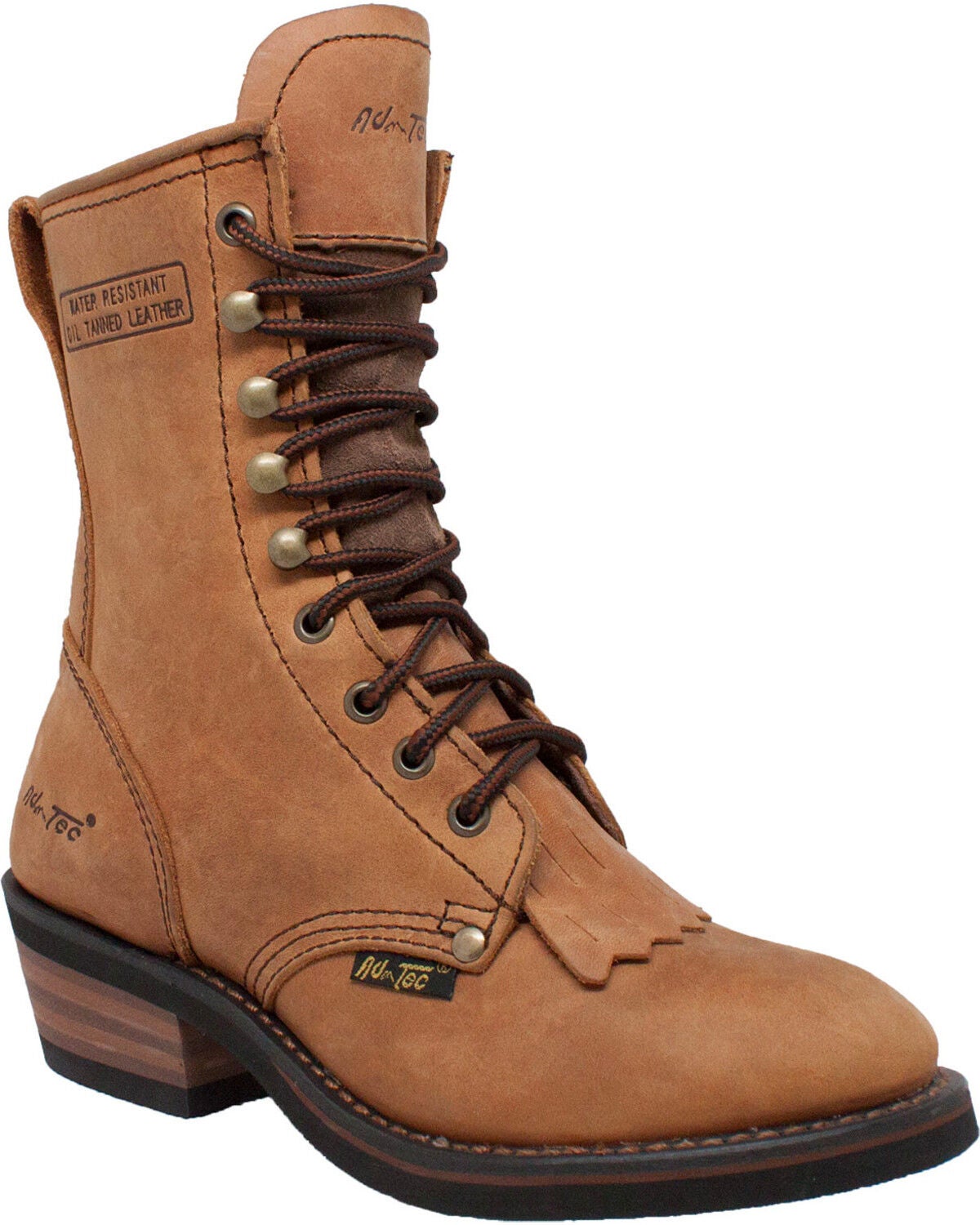
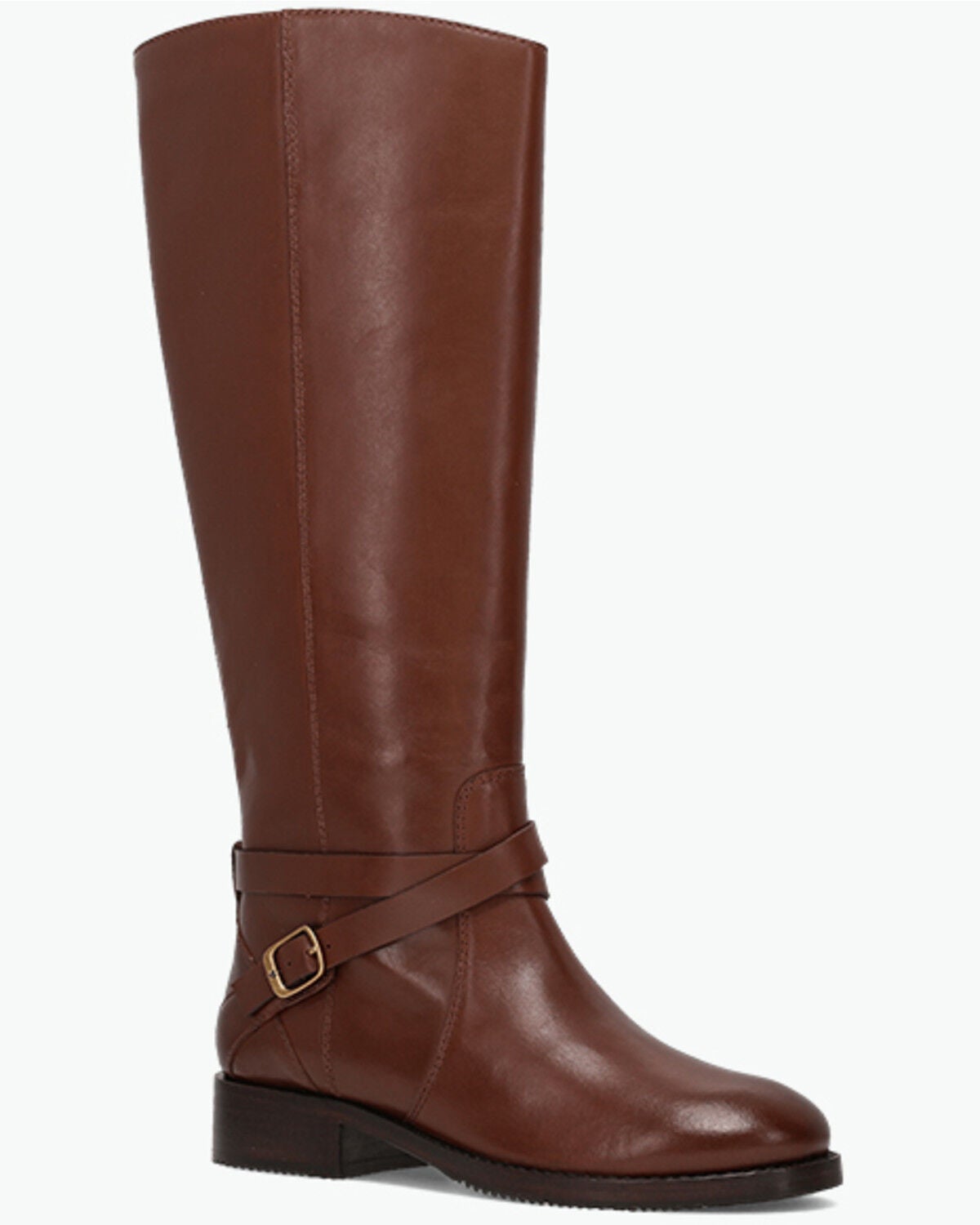
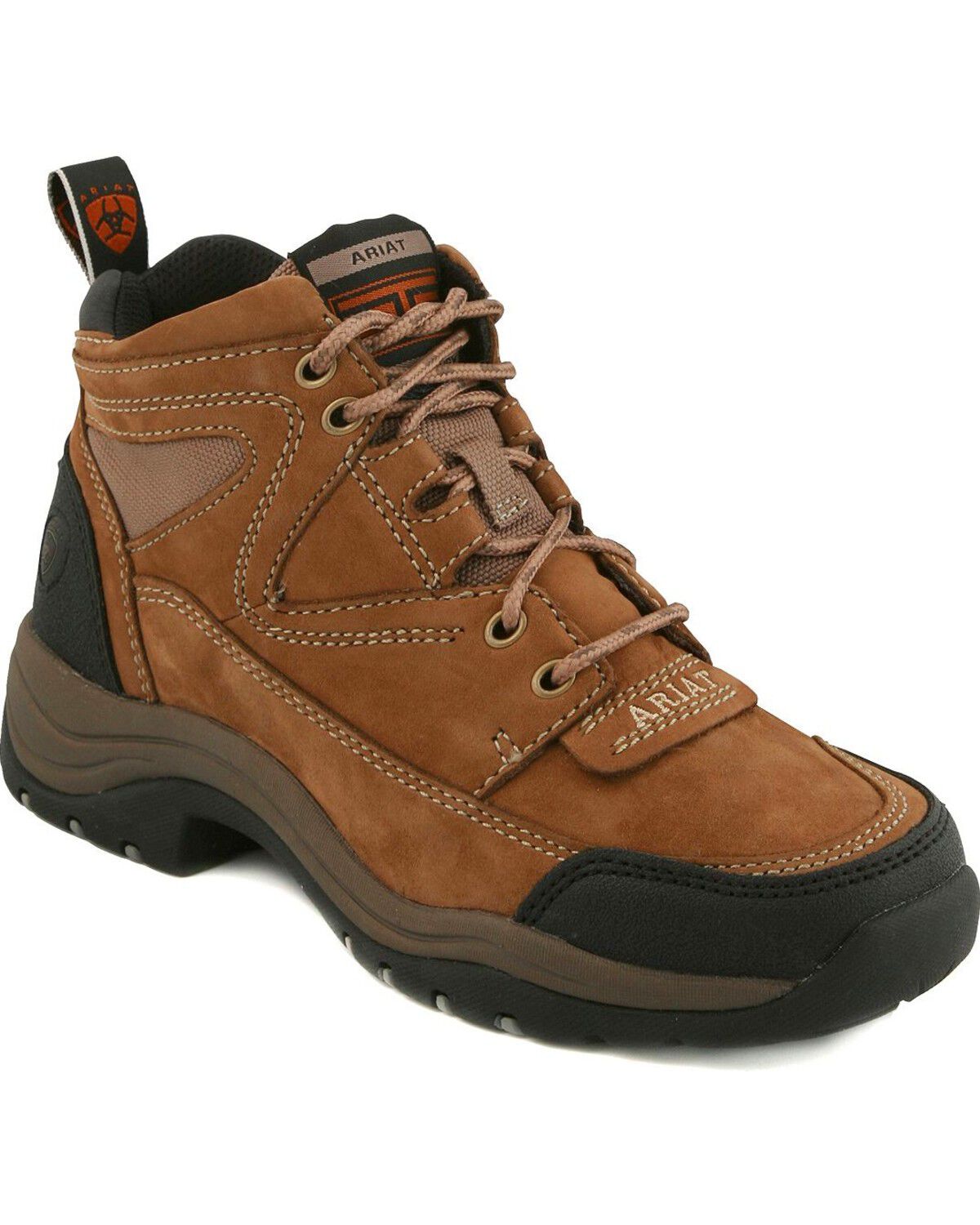
Lace-up equestrian riding boots give riders a close, secure fit around the foot and ankle, with the amount of adjustment depending on the boot’s construction. Functional laces let the wearer fine-tune pressure across the instep, while the elastic laces found on many tall field boots allow ankle movement rather than substantial fit adjustment. Both designs have a place in riding, but they serve different needs. Short lace-up paddock boots are a familiar choice for lessons, schooling, grooming, and everyday time around horses. Worn with properly fitted half chaps, they provide lower-leg coverage without the full shaft of a tall boot. Tall field boots extend toward the knee and are associated with English riding, including hunter and jumper disciplines, where their shape supports close contact with the horse. Competition requirements vary, so the right style also depends on the discipline and applicable dress rules. Beyond appearance, a riding boot needs a sole and heel suited to the stirrup. A defined heel helps limit the foot’s forward travel, while an appropriately shaped sole allows the boot to move in and out of a correctly sized stirrup. Deep, bulky tread intended for other kinds of footwear can interfere with that movement. A lace-up front alone does not make a boot suitable for riding. The boot’s overall shape, heel, sole, and fit matter just as much. For someone moving between a grooming area, mounting block, and arena, that balance makes a difference throughout the day. The boot should feel steady on foot without becoming bulky against the saddle. Laces should remain securely tied, with loose ends contained so they cannot catch on equipment. Whether the wearer is taking weekly lessons or spending regular hours schooling a horse, the purpose stays straightforward: dependable footwear that supports a stable position without getting in the way of clear leg contact.

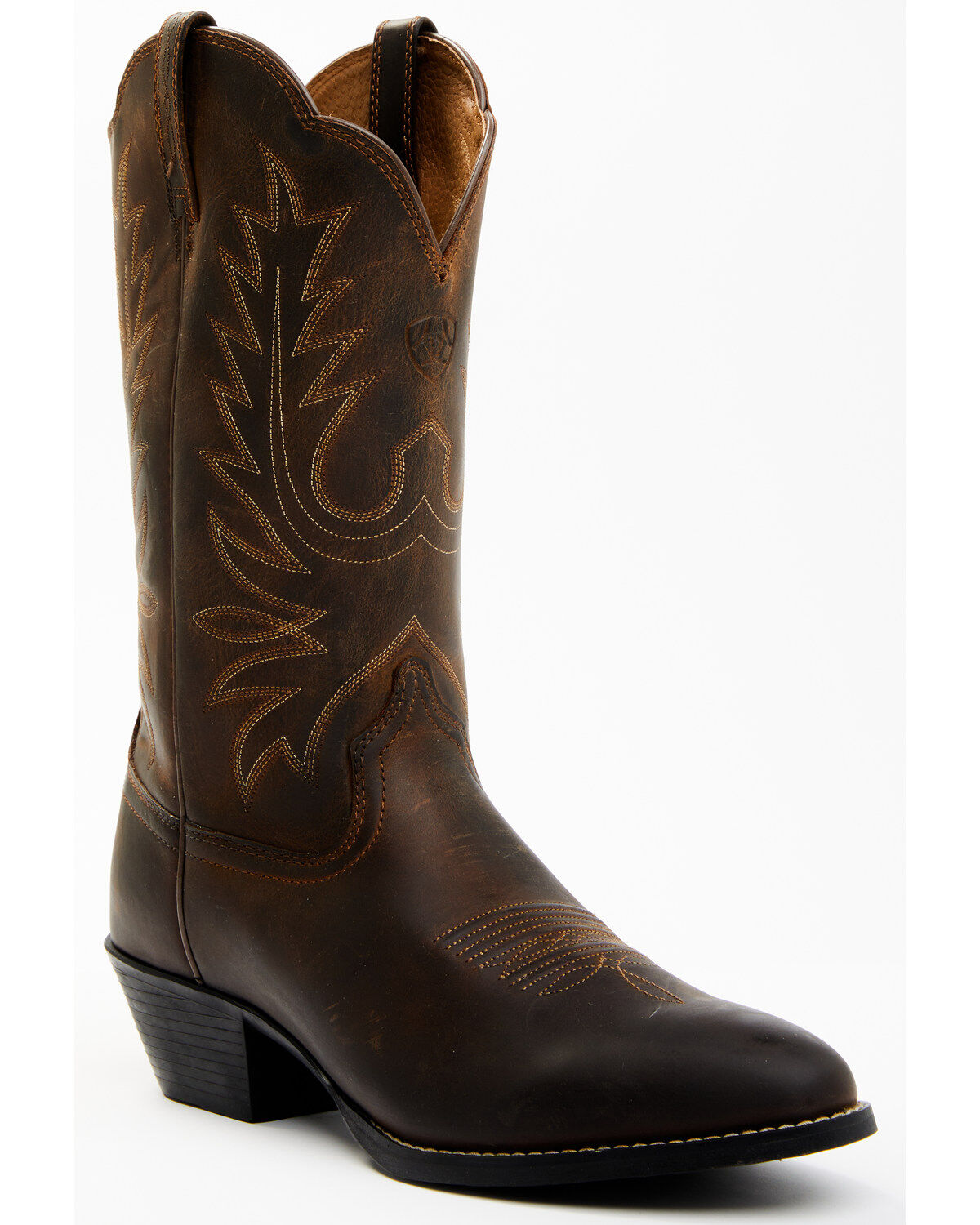
Material and construction influence how lace-up equestrian riding boots feel, flex, and hold their shape over time. Leather remains a traditional choice because it can soften and conform with wear while retaining structure when properly maintained. Riders considering leather equestrian boots will find that leather thickness, finish, lining, and panel construction all affect the feel; the material name alone does not tell the whole story. A firm shaft may provide a more structured profile, while a softer ankle area can make bending easier. Synthetic materials offer a different wearing and cleaning experience, with care requirements determined by their finish and construction. Neither material removes the need for a sound fit. The heel should sit securely, the toes should have room to rest naturally, and the instep should feel supported rather than compressed. Laces can refine that fit, but they cannot correct a boot that is too short, too narrow, or poorly matched to the wearer’s foot. Riding socks also affect the fit, especially when their thickness differs from everyday socks. For tall boots, foot size is only part of the measurement. Calf circumference and shaft height matter, too. A shaft that presses hard behind the knee can interfere with comfort in the saddle, while excess width may bunch around the leg. Some leather tall boots settle at the ankle as they break in, but the expected amount depends on the construction. Break-in should ease normal stiffness, not require a rider to tolerate numbness, pinching, or persistent pain. Paddock boots paired with half chaps need similar attention where the two pieces overlap. The combination should lie smoothly without creating a thick ridge or restricting ankle movement. For riders with a higher instep or a narrower heel, functional lacing can be useful because pressure can be adjusted across different parts of the foot rather than tightened evenly from top to bottom.

Durability comes from more than thick leather or a substantial outsole. Stitching, lace attachments, sole construction, and the finish at high-flex areas all contribute to how well riding boots handle repeated use. The ankle bends with each stride, and the inside of the boot regularly meets the saddle and the horse’s side. Those contact points deserve attention when comparing construction and assessing wear. A boot used mainly for lessons has different demands than one worn through grooming, stable chores, and riding on the same day. Footwear suited to the saddle is not automatically the best choice for every task around the barn, particularly work that calls for specialized protection. Keeping a separate pair for demanding chores can reduce unnecessary wear on riding boots. Routine care also helps preserve fit and function. Dust, arena footing, and stable debris should be removed before they build up around seams, lace holes, and the sole edge. Leather generally benefits from cleaning and conditioning with products approved for its finish, while synthetic uppers should be treated according to their care instructions. Saturated leather should dry naturally away from direct heat, which can harden the material or affect adhesives. Boots should be clean and dry before storage, and tall shafts benefit from support that helps prevent deep folds. Frayed laces, loose stitching, worn heels, and separating soles are worth addressing before the next ride. Replacement laces need the right length and thickness for the eyelets, without leaving excessive loose ends. For a gift, riding boots are best chosen with the recipient’s measurements, discipline, and preferred style already established. An experienced rider may have firm preferences about ankle flexibility, shaft height, and closures, while a new rider may need footwear that meets a lesson program’s requirements. The right pair fits the rider, works with the riding equipment, and stands up to the routine it is meant to serve.
Read More

FAQs